English
 bahasa Indonesia
 русский



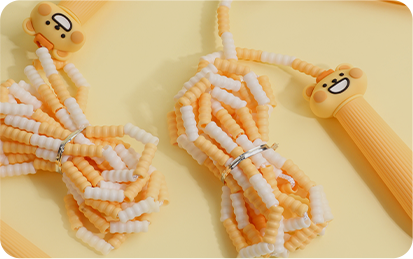
Dongyang Kuki Stationery Co., Ltd. is an innovative stationery company that integrates design, R&D, production, and sales. Under its brand KUKI HOME, the company focuses on cute and novelty-designed products — especially erasers, sharpeners, and correction tapes — with a mission to make learning happier and more creative.
As a pioneer in creative styling stationery, KUKI HOME owns 20+ original and collaborative IPs, including HAMER FRIENDS, LUCKYCATCLAW, HAPPTLFE AYBARA, VEGETABLE CHICKEN, and more. The company has developed over 30 product categories and launched 300+ bestsellers, with several single products exceeding 20 million units in sales. As a custom Bamboo Joint Skip Rope manufacturer and wholesale Bamboo Joint Skip Rope factory in China, KUKI has also obtained 30+ design patents.
KUKI HOME has partnered with global brands like Miniso, The Green Party, and Lenle, and its products are exported to Europe, North America, Brazil, Indonesia, and other countries — well received by consumers around the world. In 2023, it was honored as a “Pioneer of Going Abroad” by Yiwu Brand Overseas Billion Club and has long participated in stationery exhibitions and international exchanges in Japan, Indonesia, Russia, and beyond.
Looking ahead, KUKI HOME is transforming from traditional manufacturing to “cultural and creative intelligent manufacturing.” With continuous innovation in IP creation, product updates, and design, the brand is boldly moving toward becoming one of the world’s leading names in creative stationery.

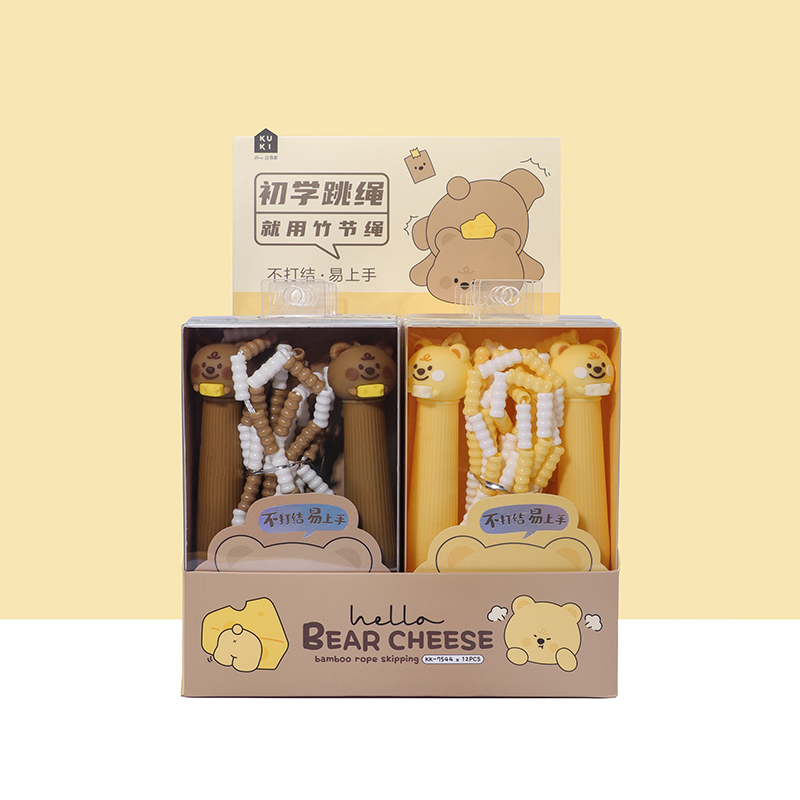
KK-7544
Bear Cheese Bamboo Joint Skipping Rope
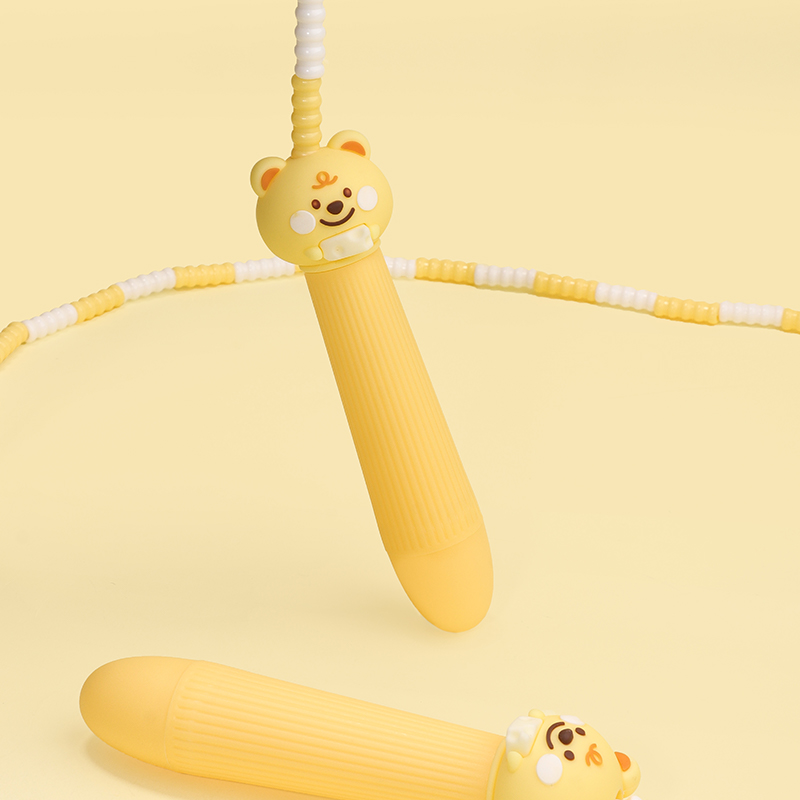
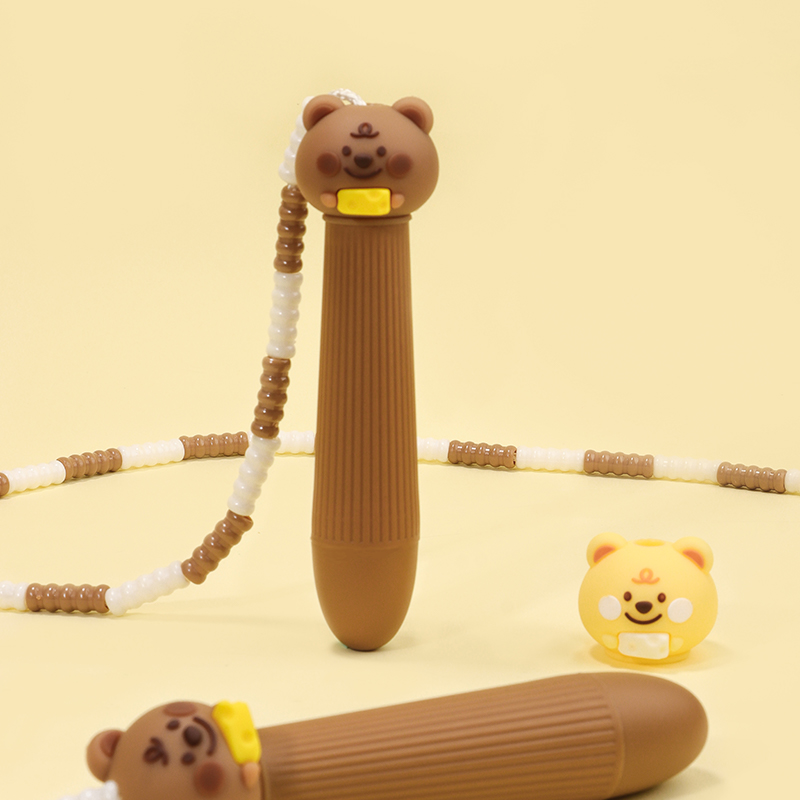
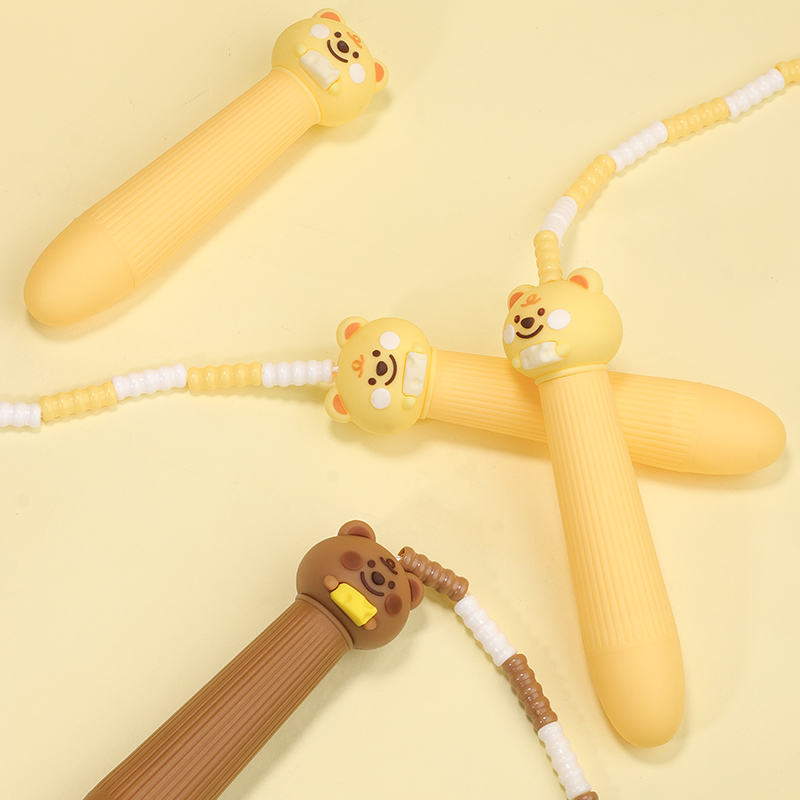
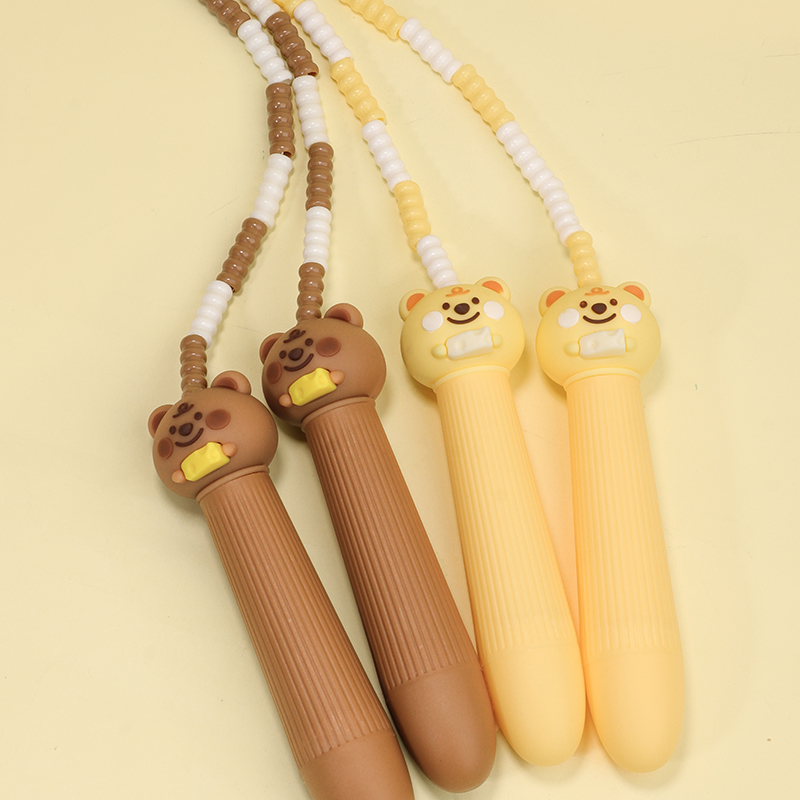
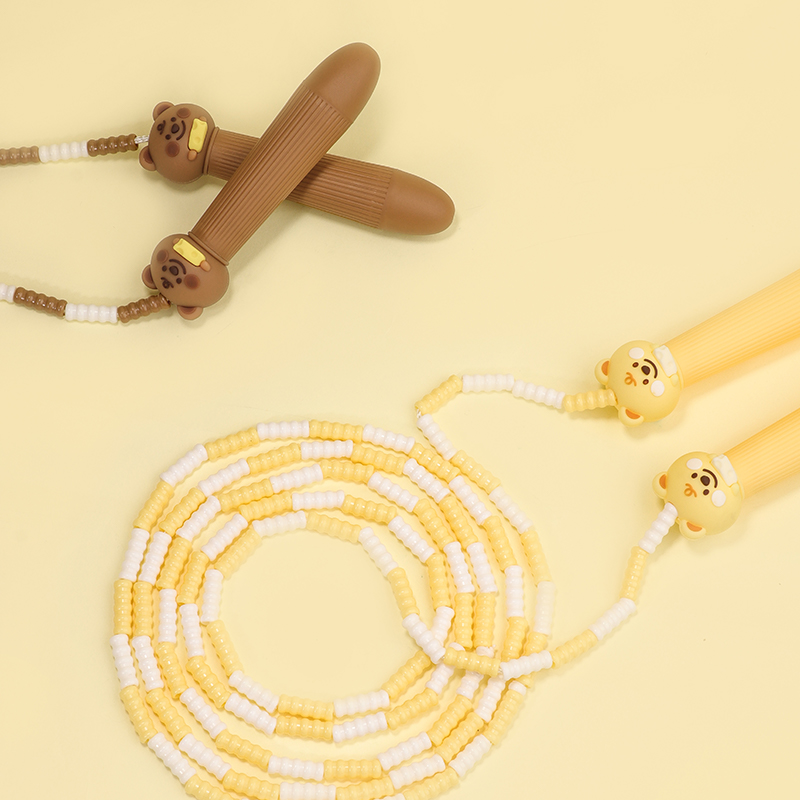
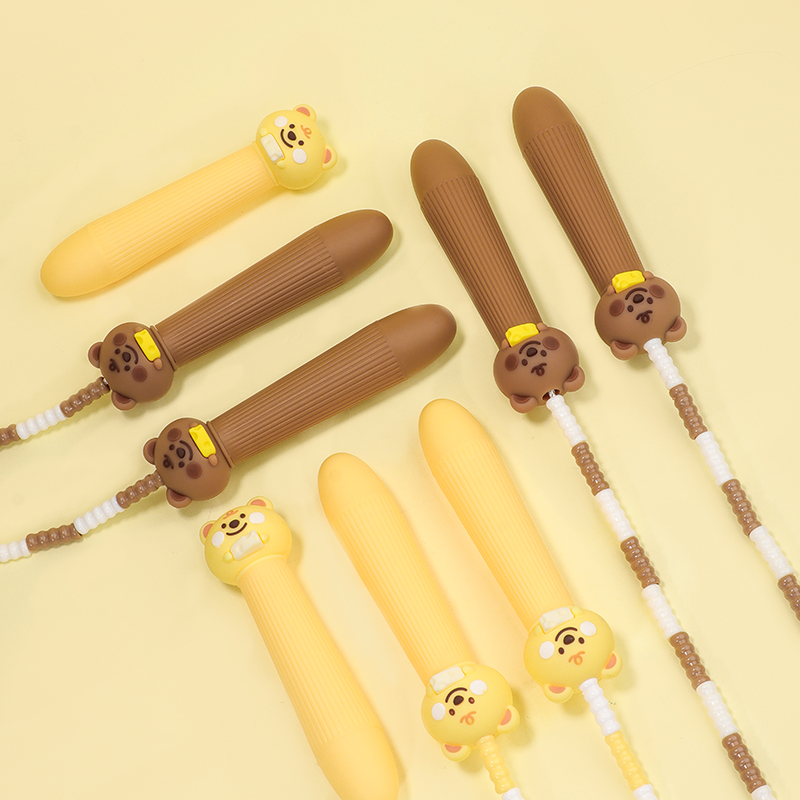
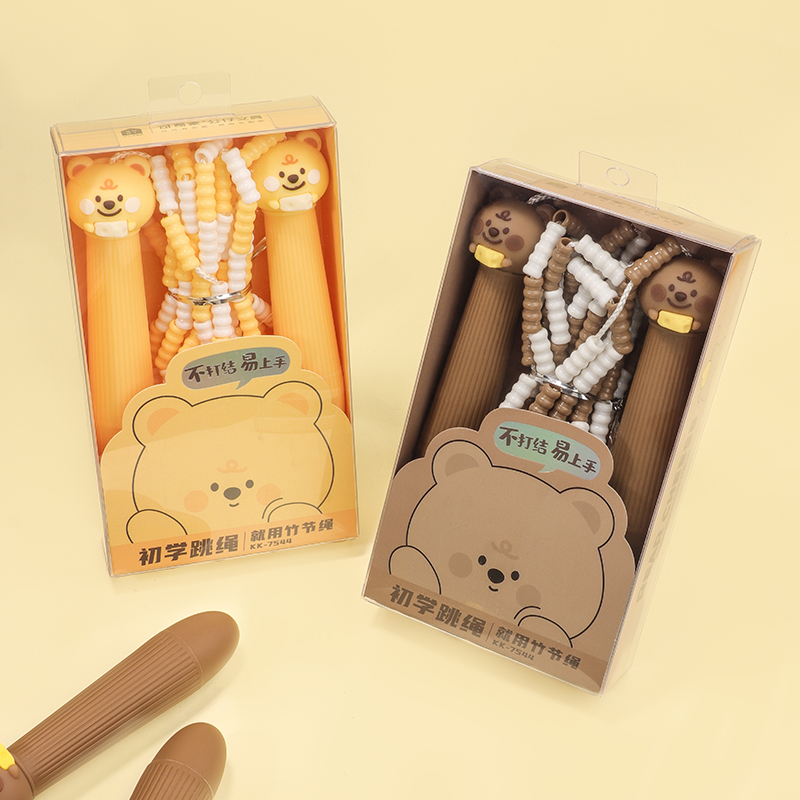
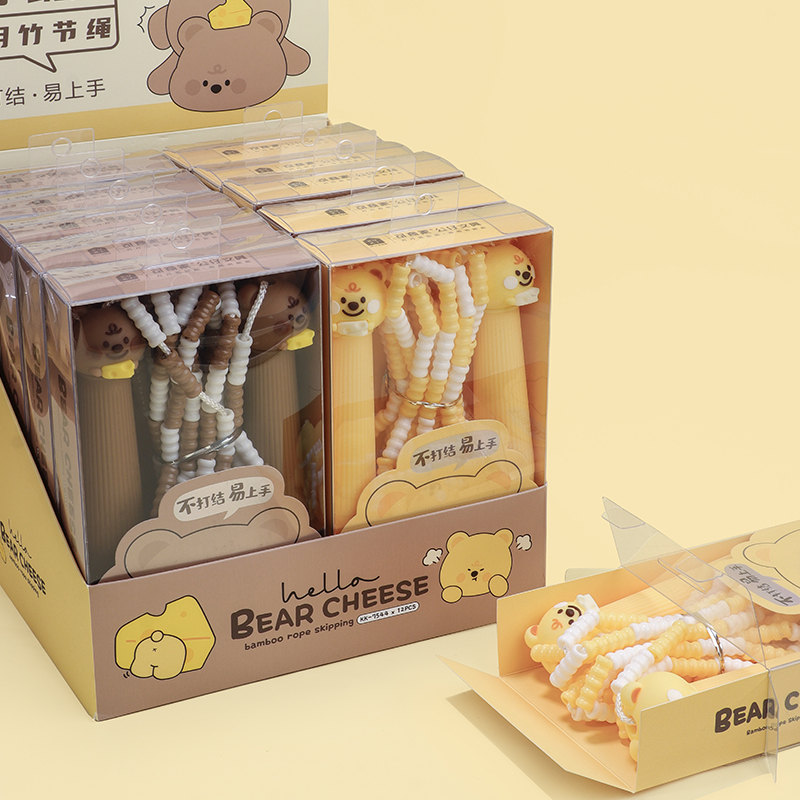
Product number: KK-7544
Product Description:
Contact us
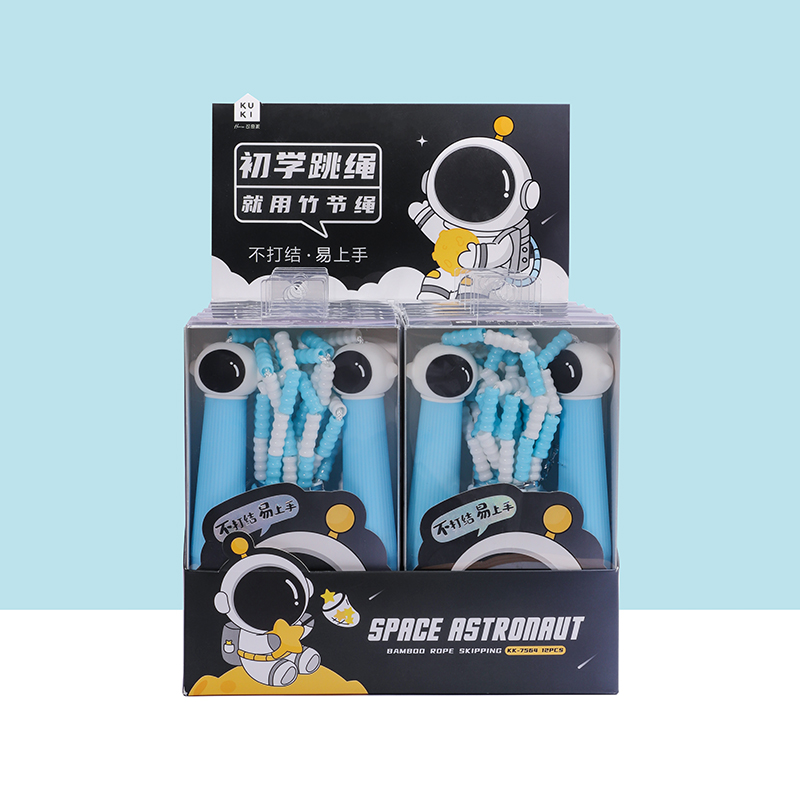
KK-7564
Space Astronaut Bamboo Joint Skipping Rope
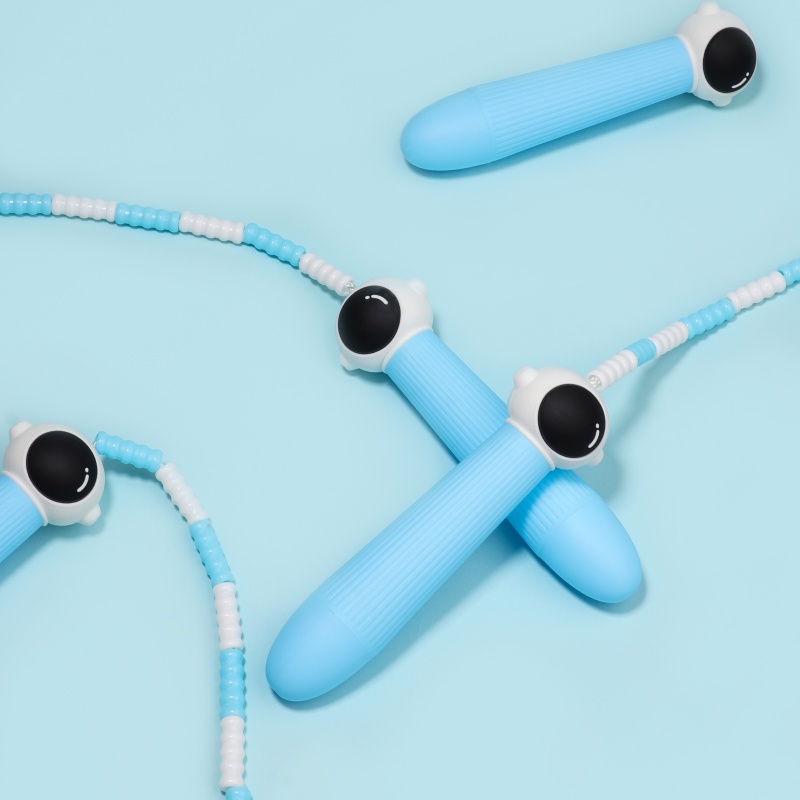
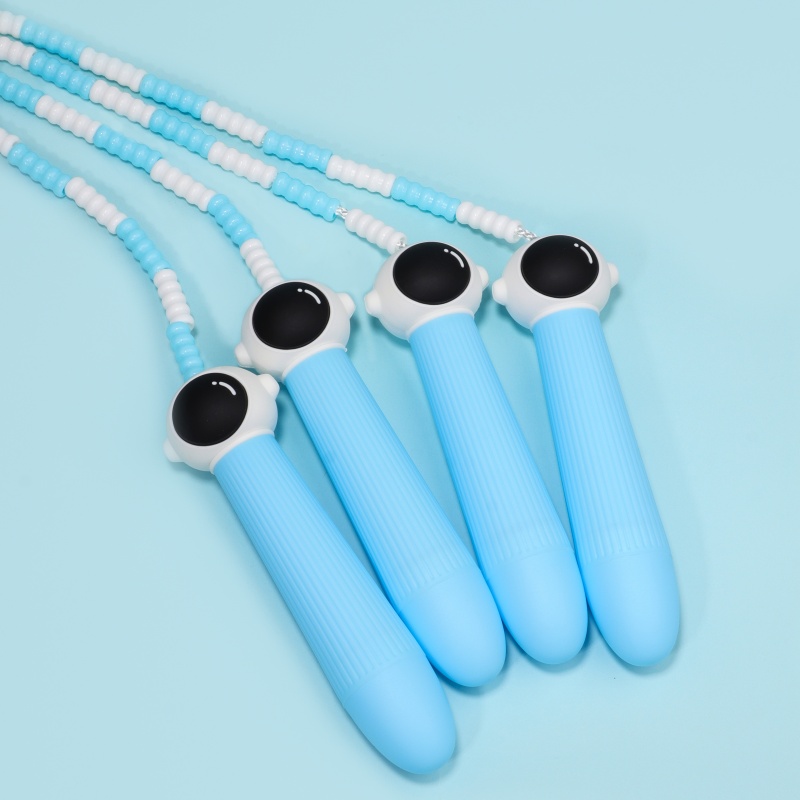
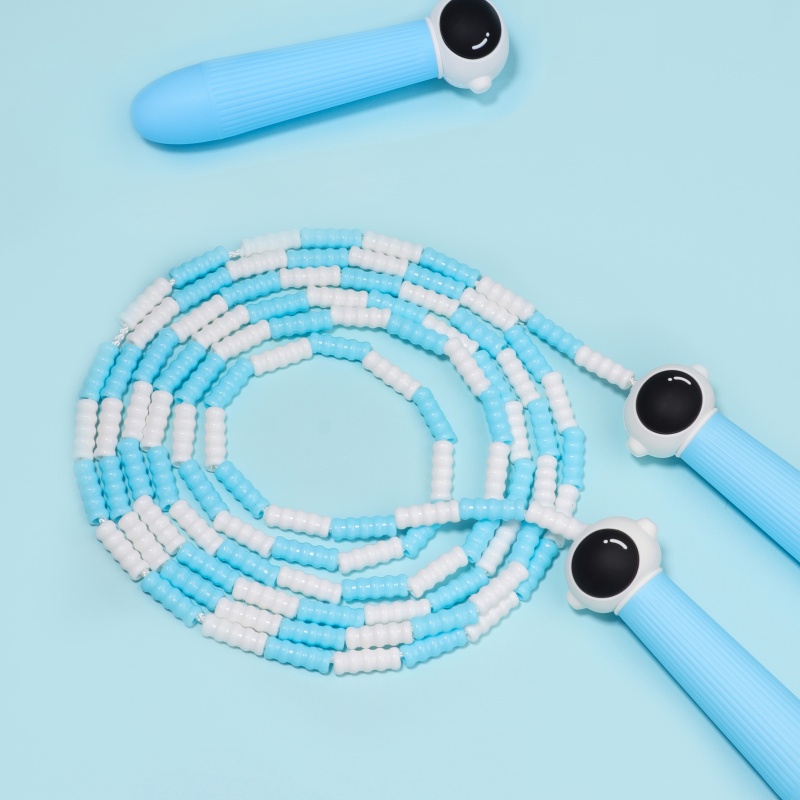
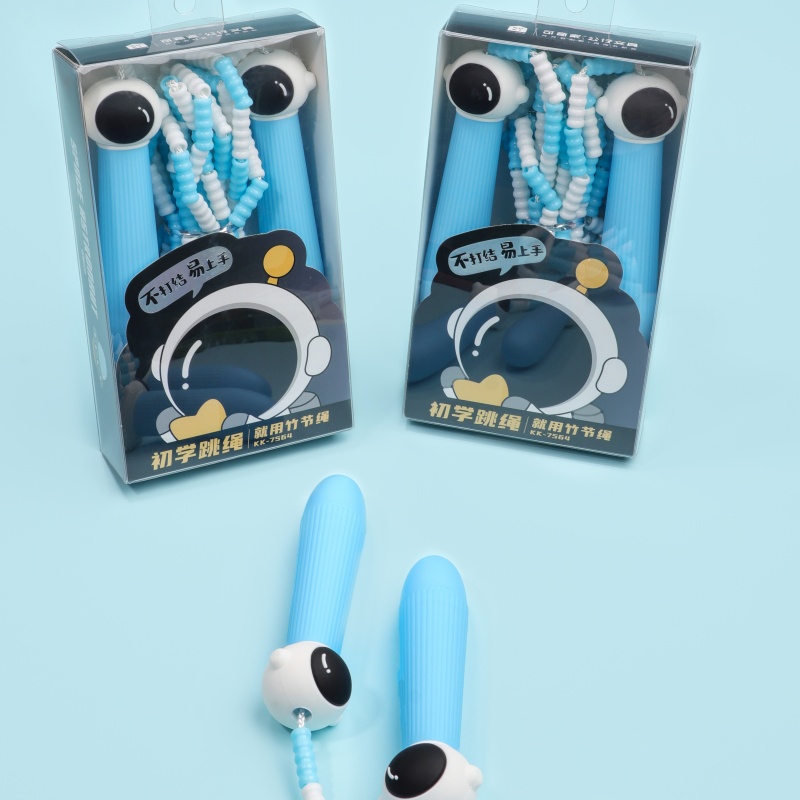
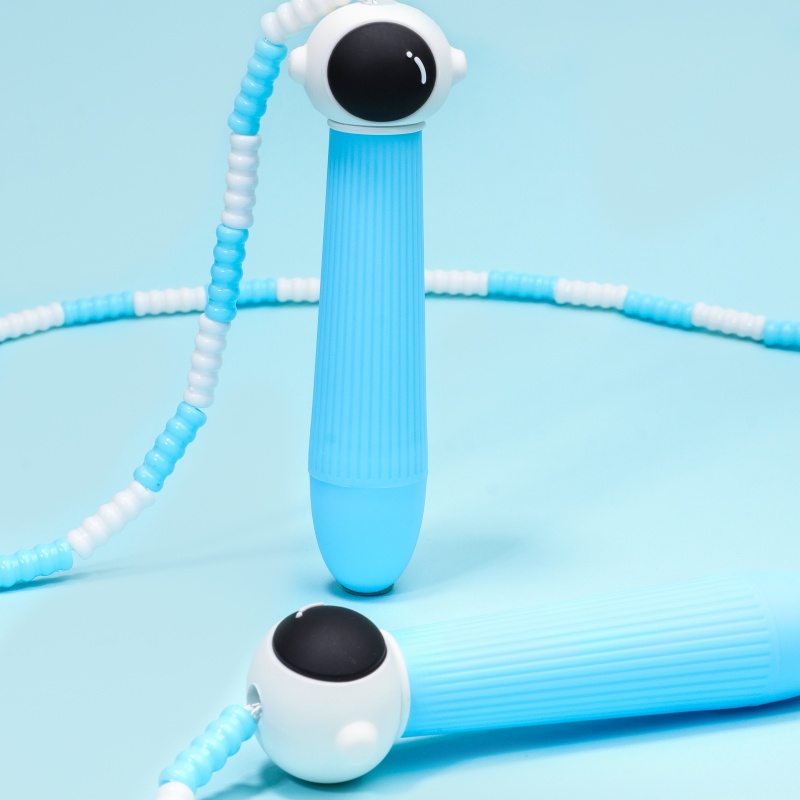
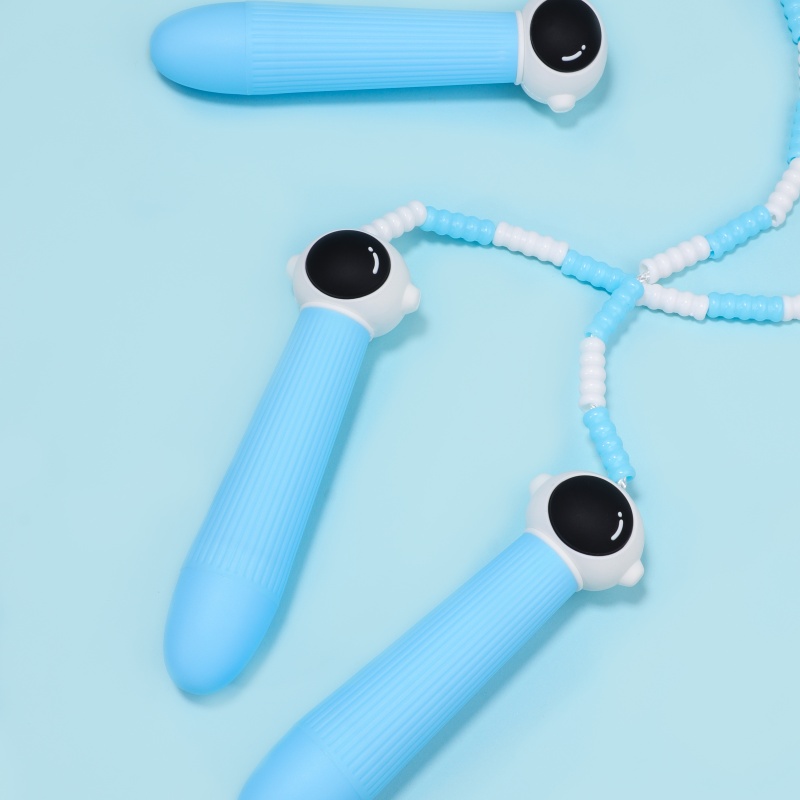
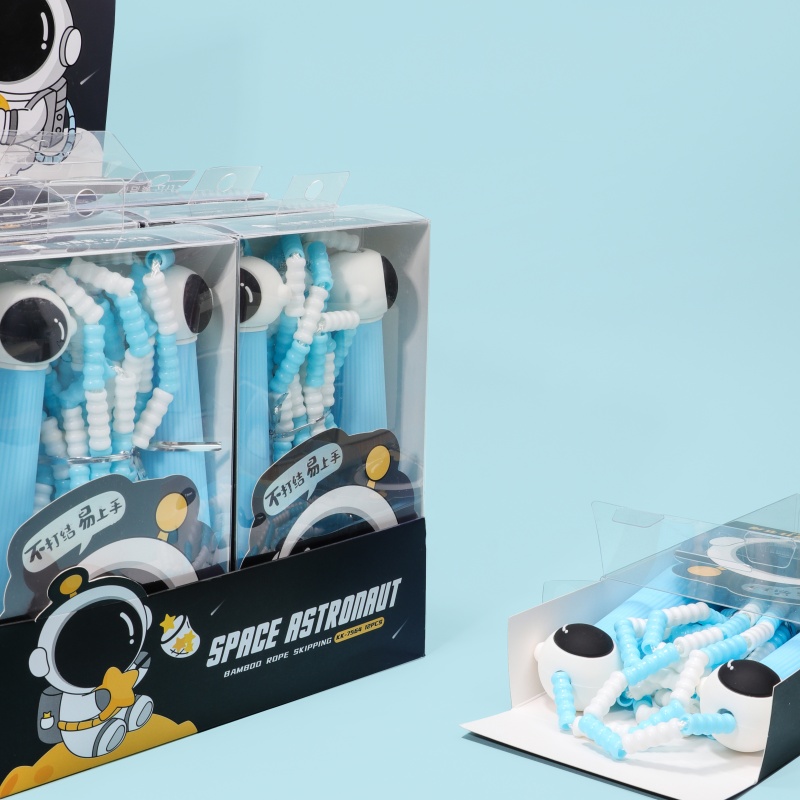
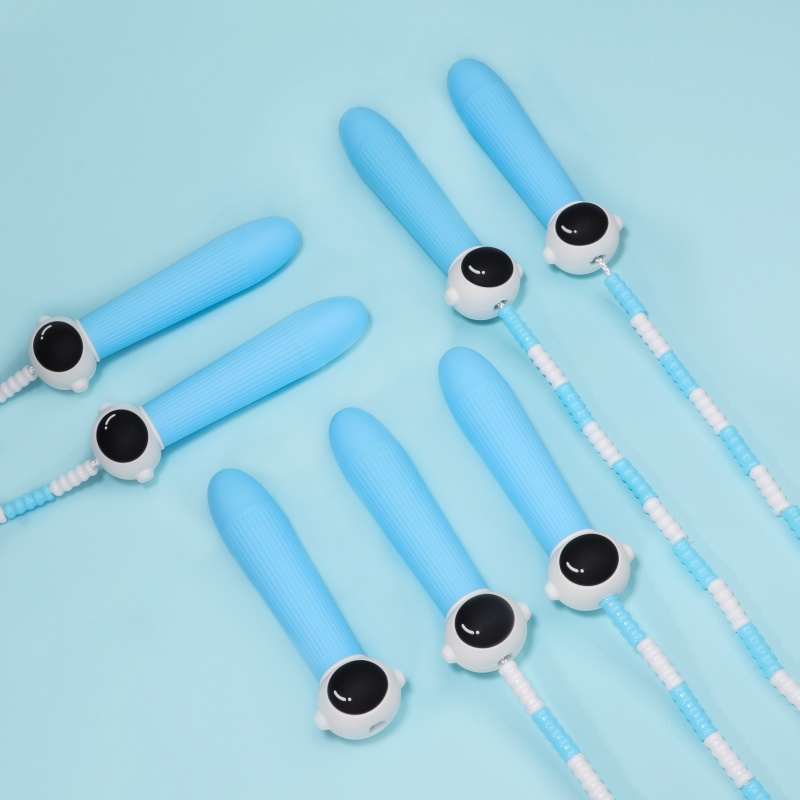
Product number: KK-7564
Product Description:
Contact us
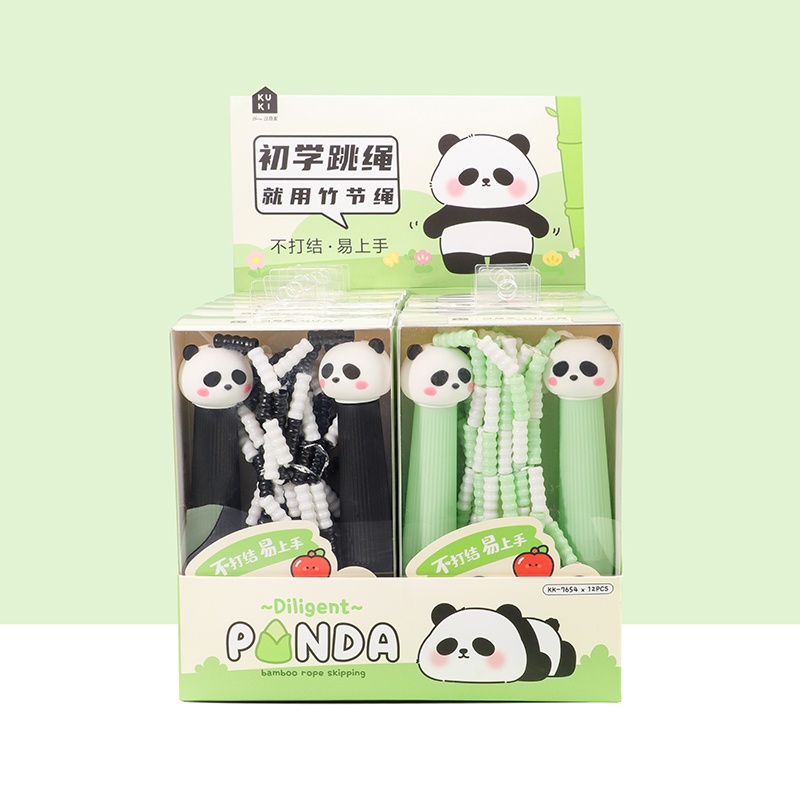
KK-7654
Diligent Panda Bamboo Joint Skipping Rope
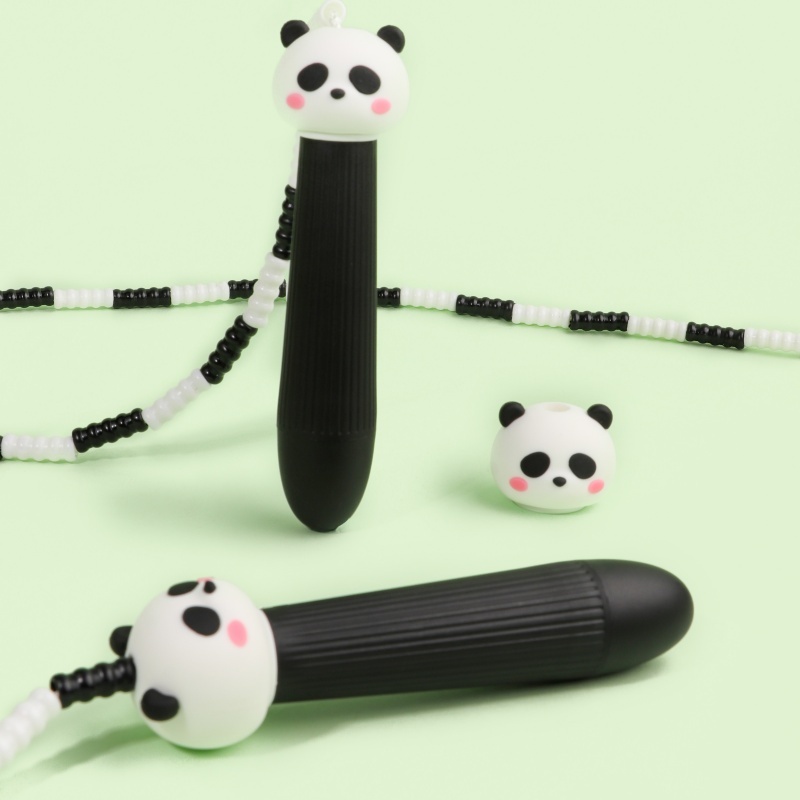
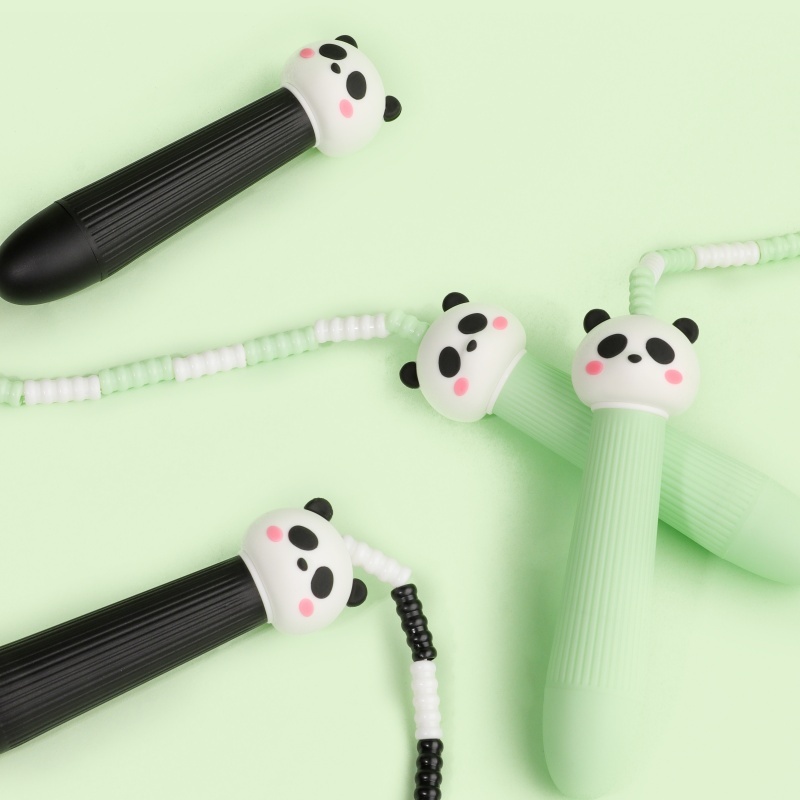
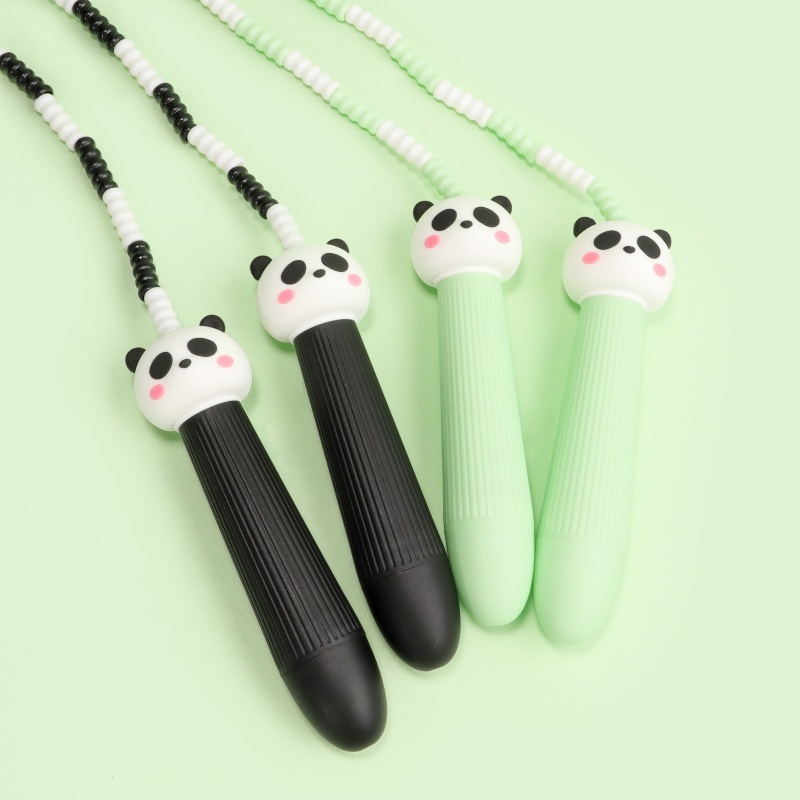
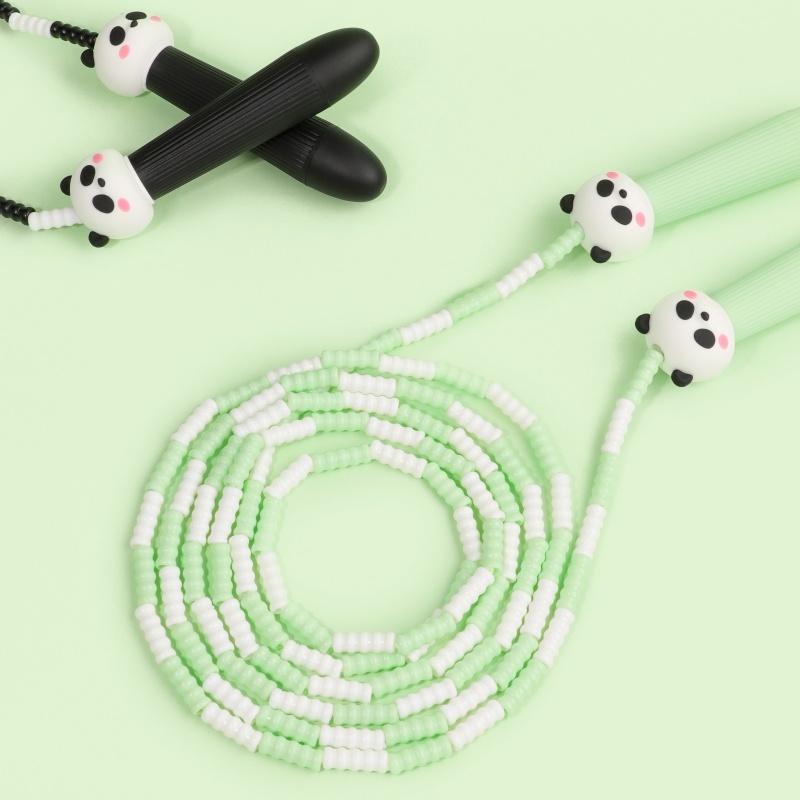
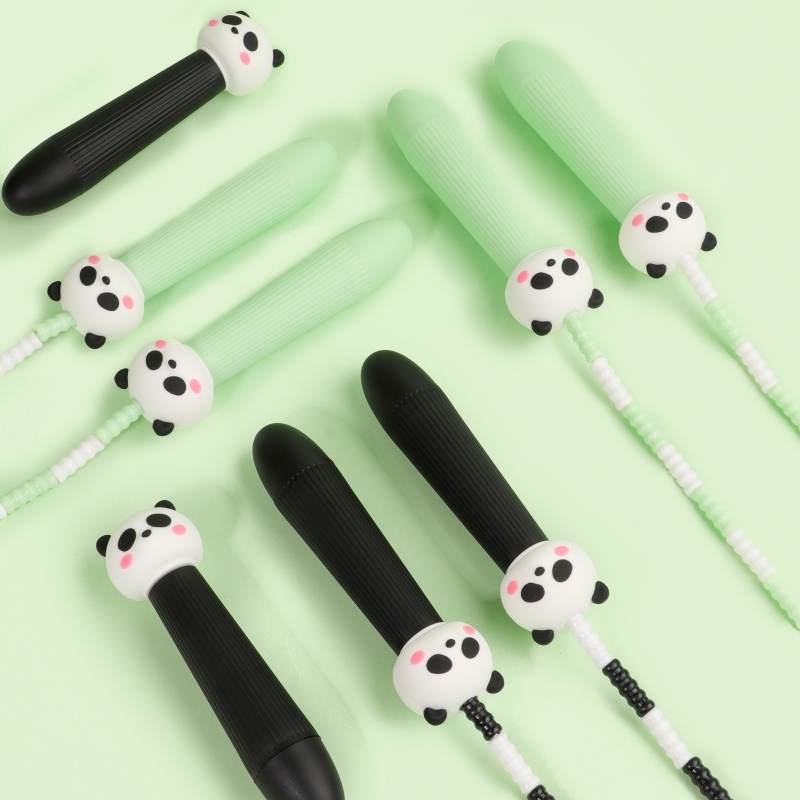
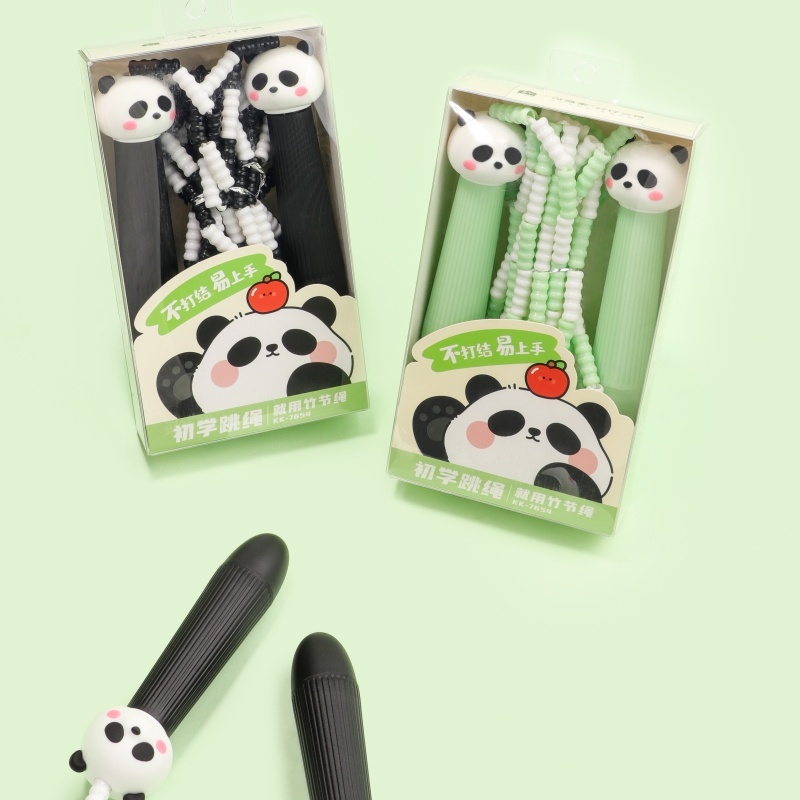
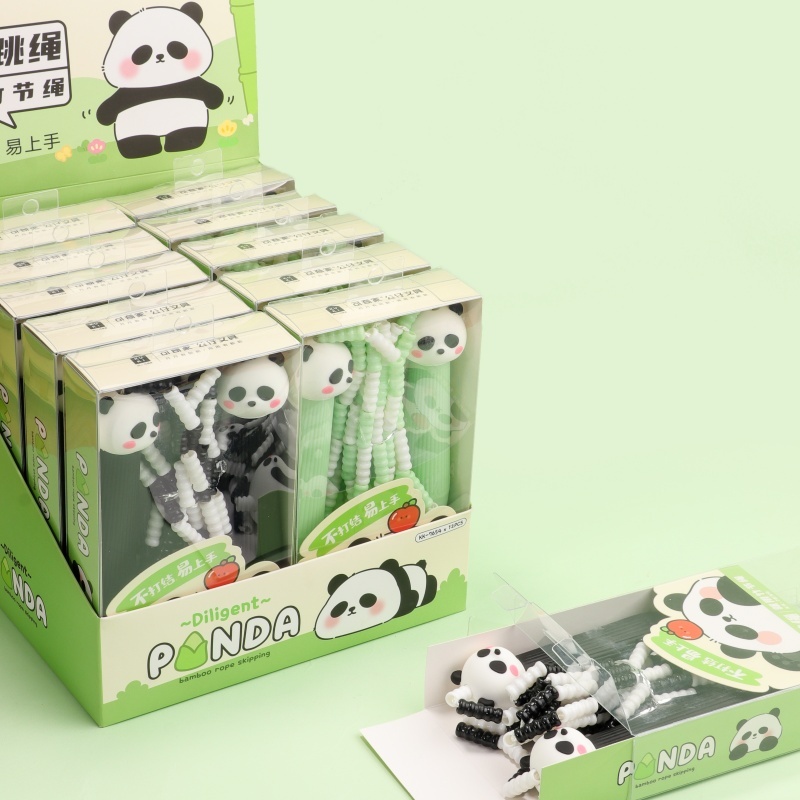
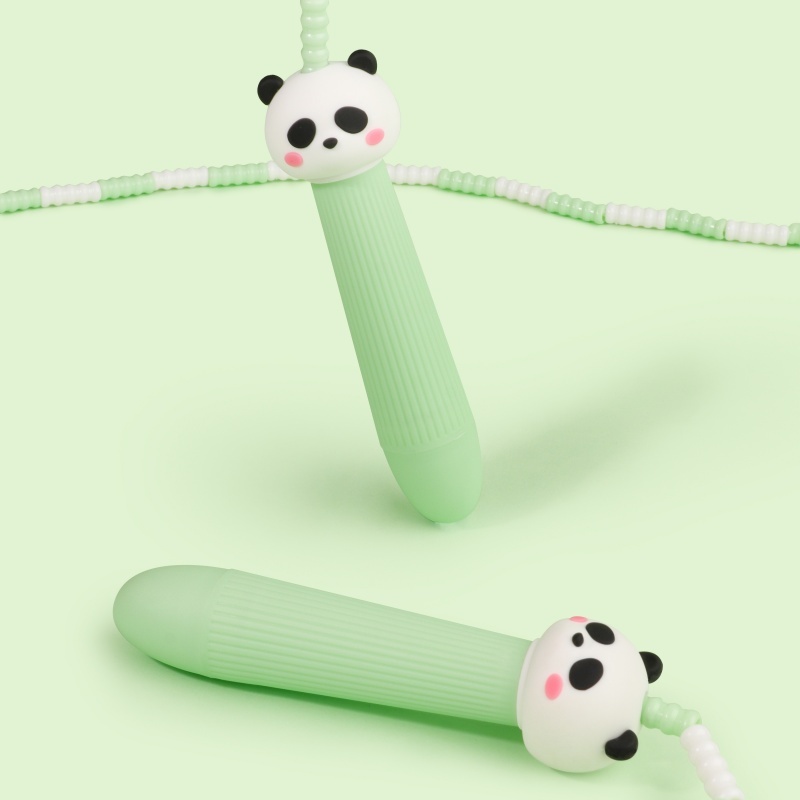
Product number: KK-7654
Product Description:
Contact us
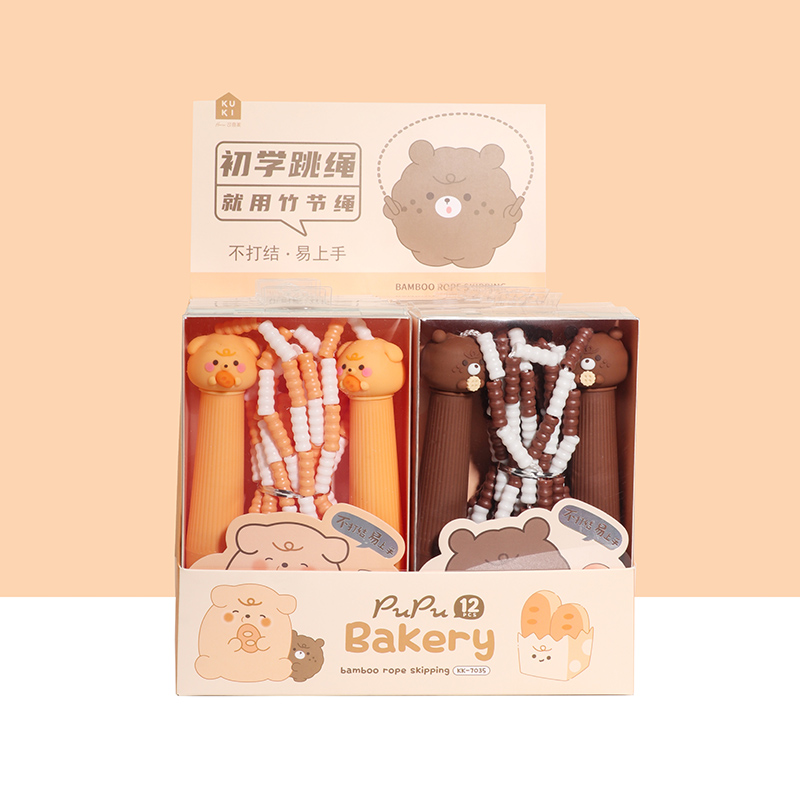
KK-7035
PUPU Bakery Bamboo Joint Skipping Rope

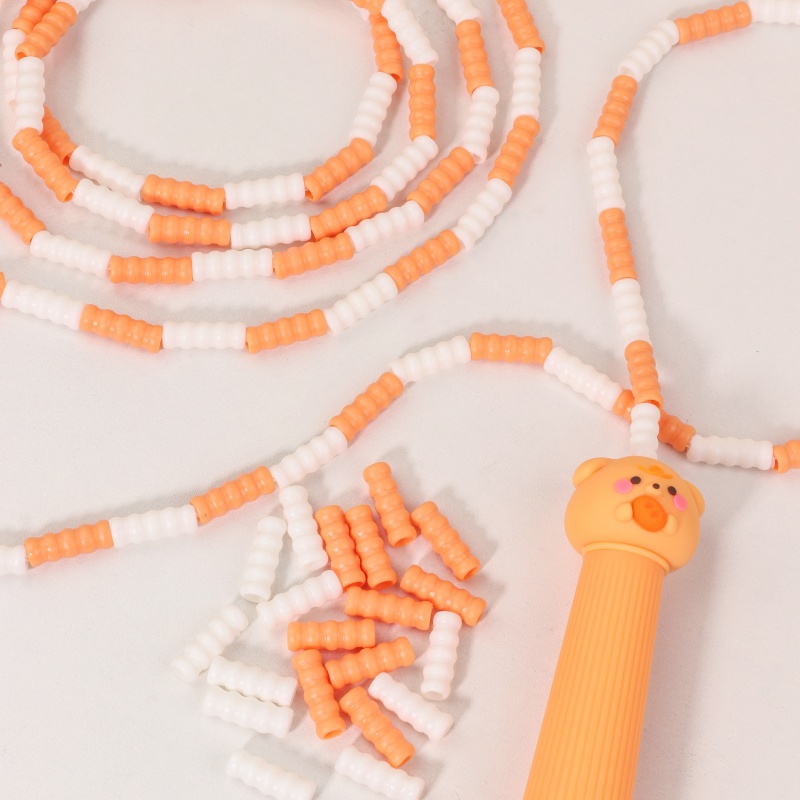

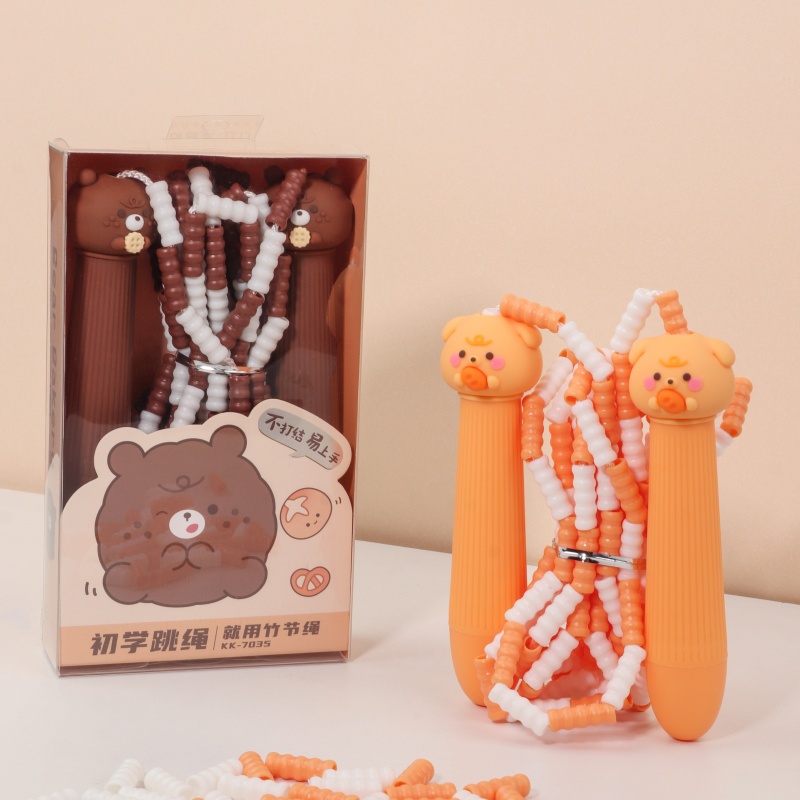
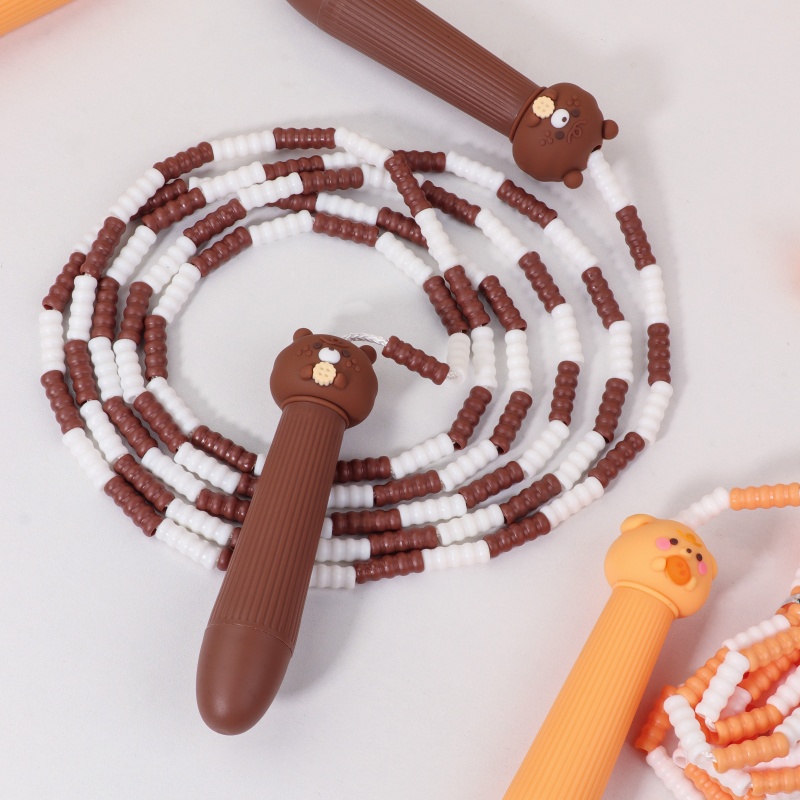

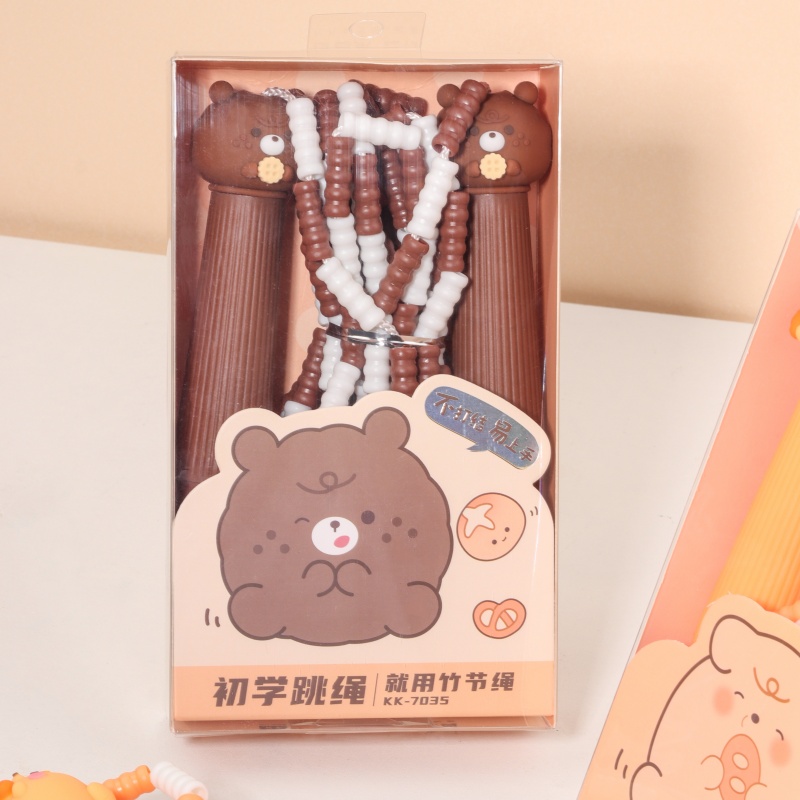

Product number: KK-7035
Product Description:
Contact us
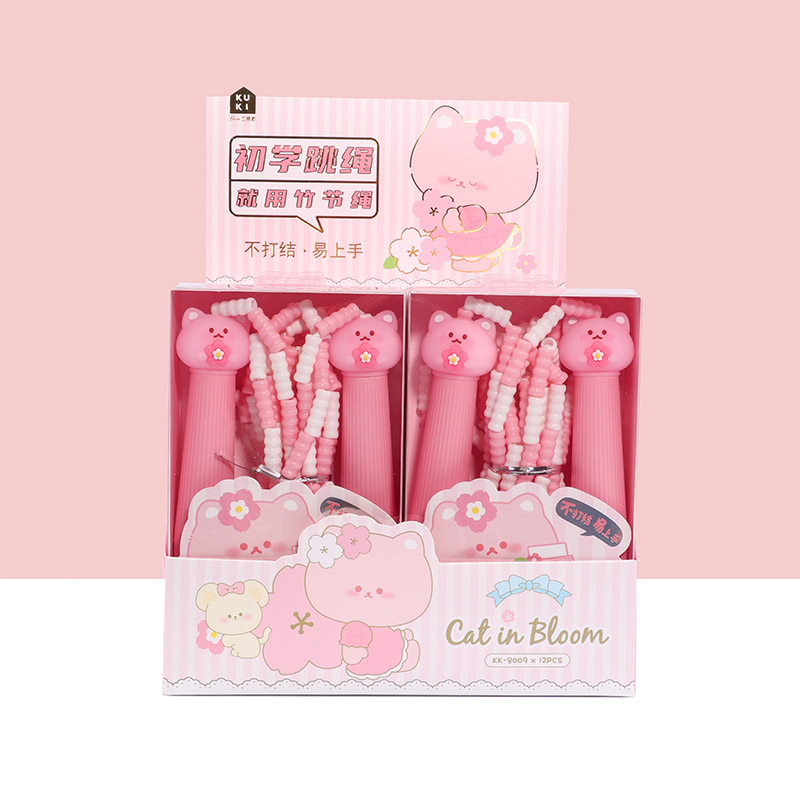
KK-8009
Sakura Cat Bamboo Joint Skipping Rope
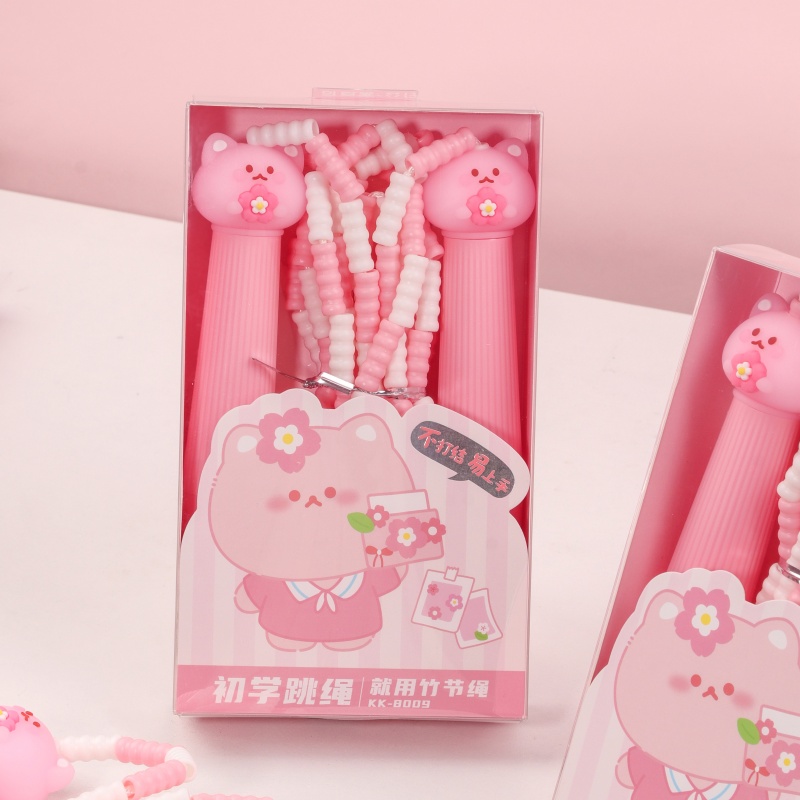
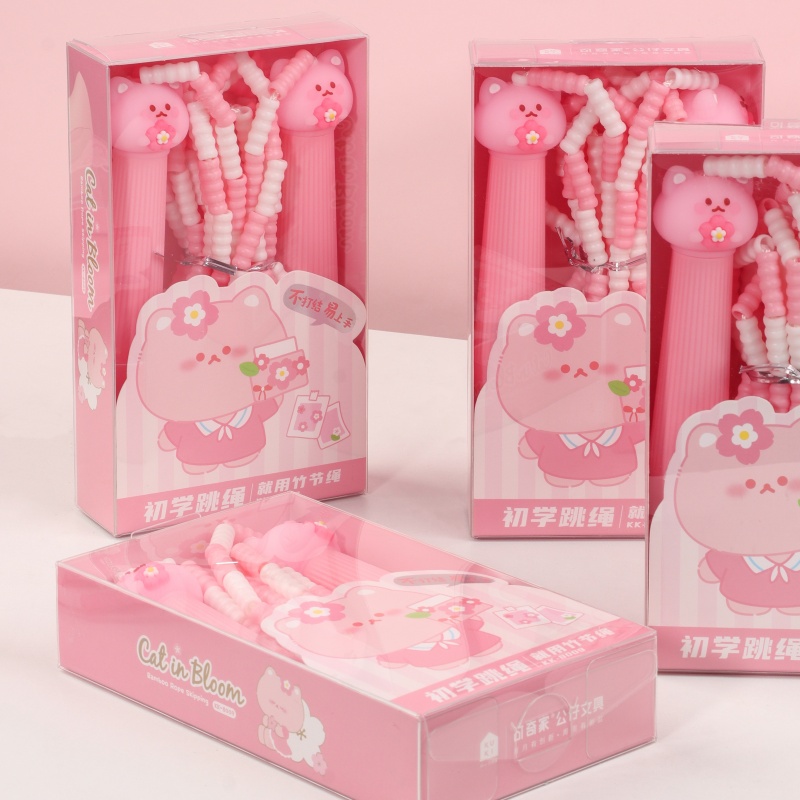

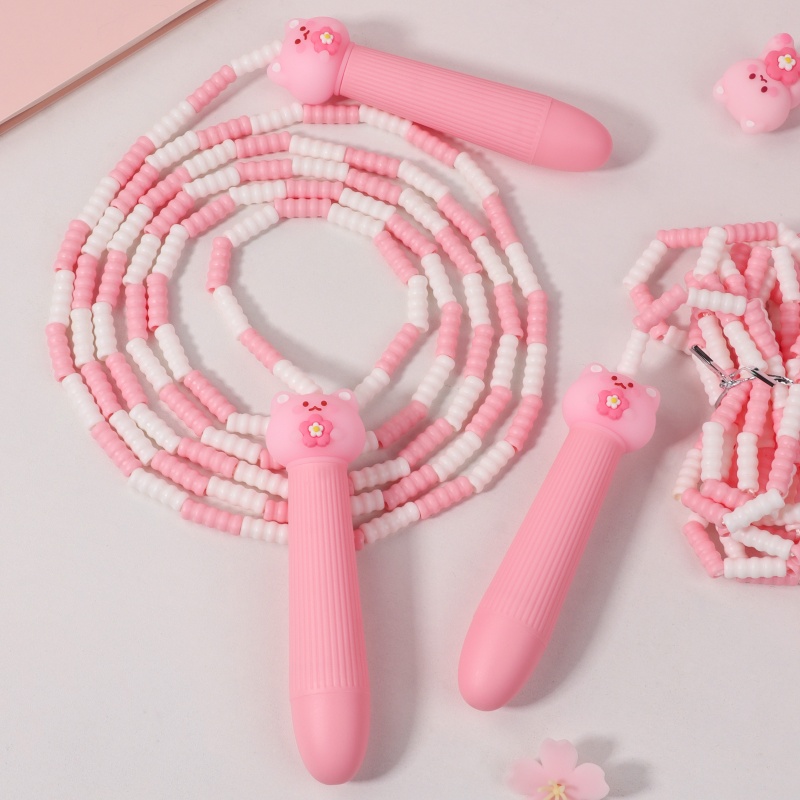
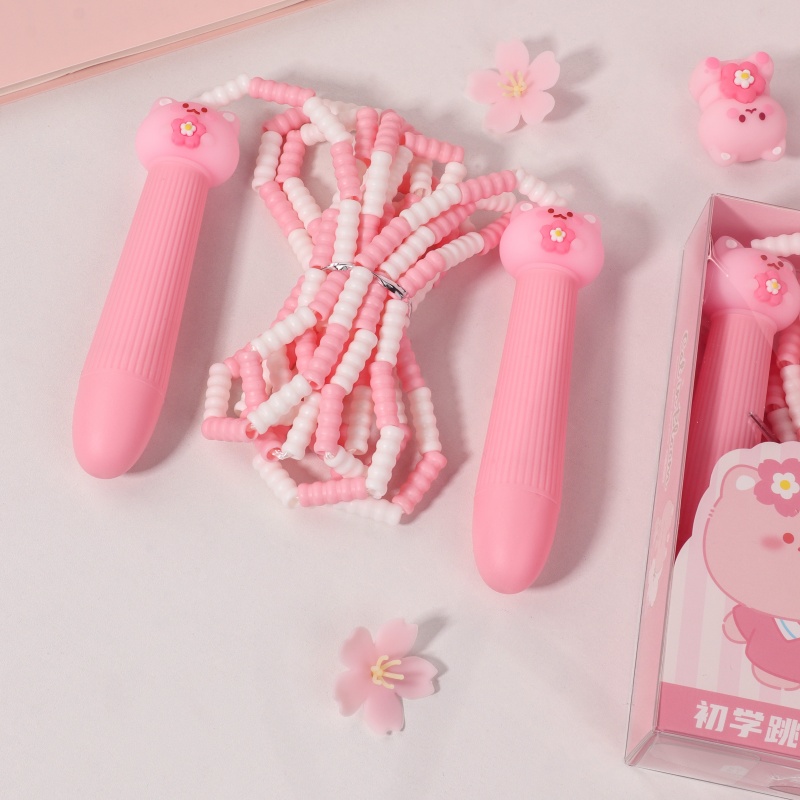
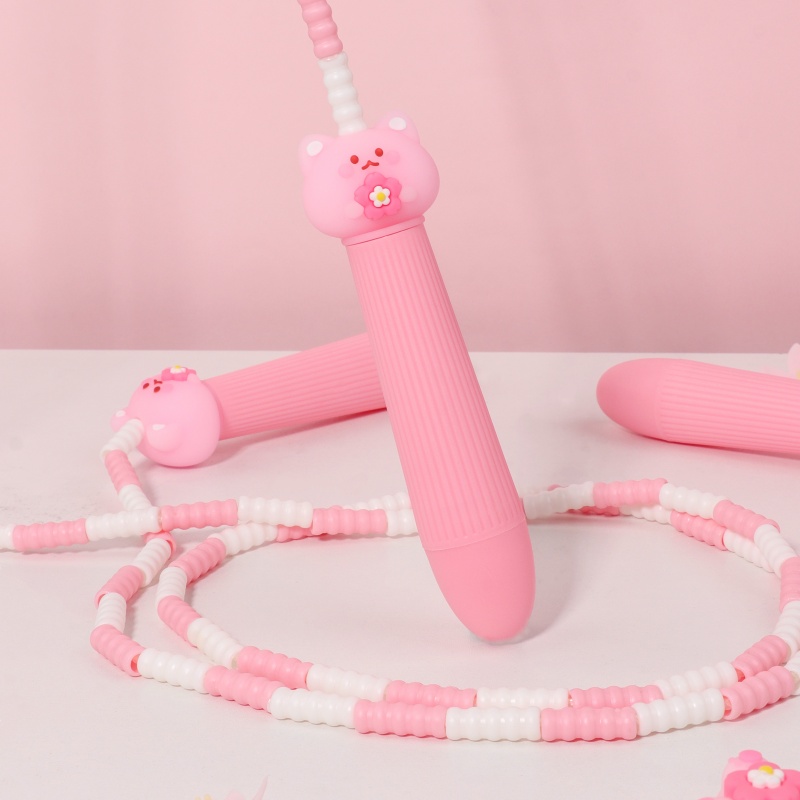
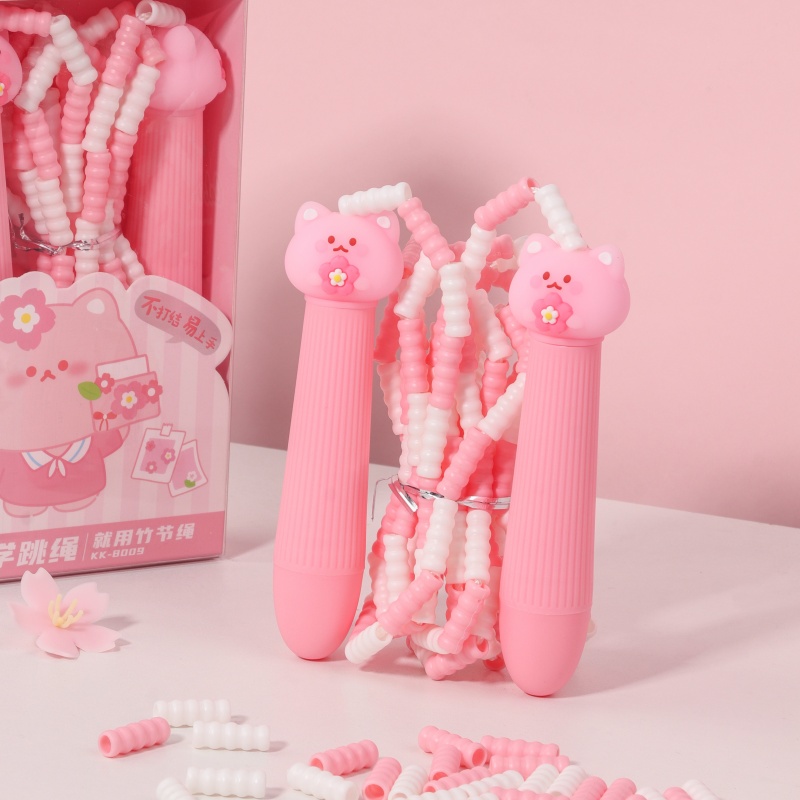
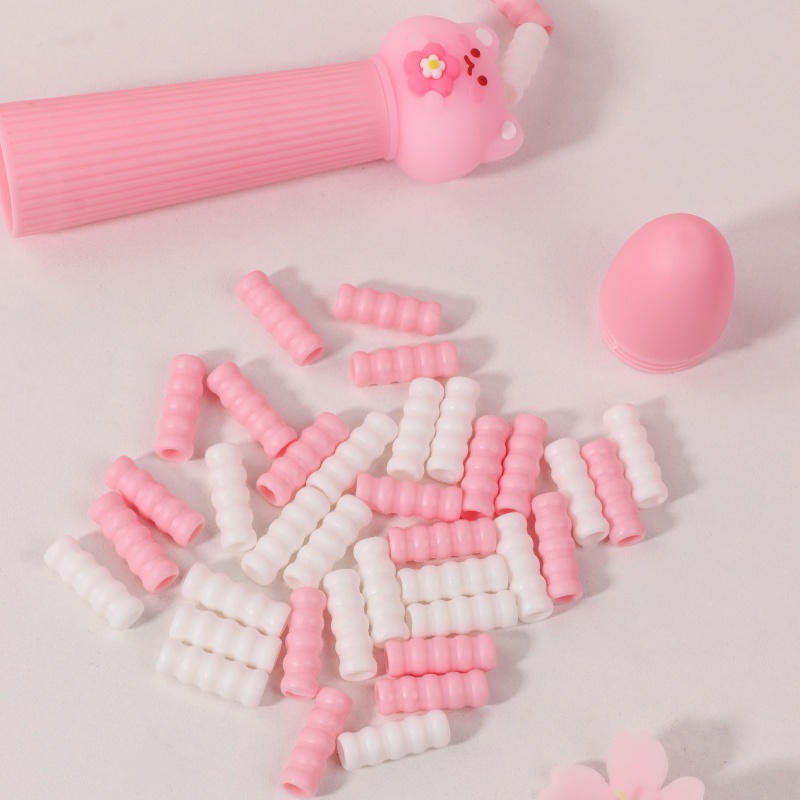
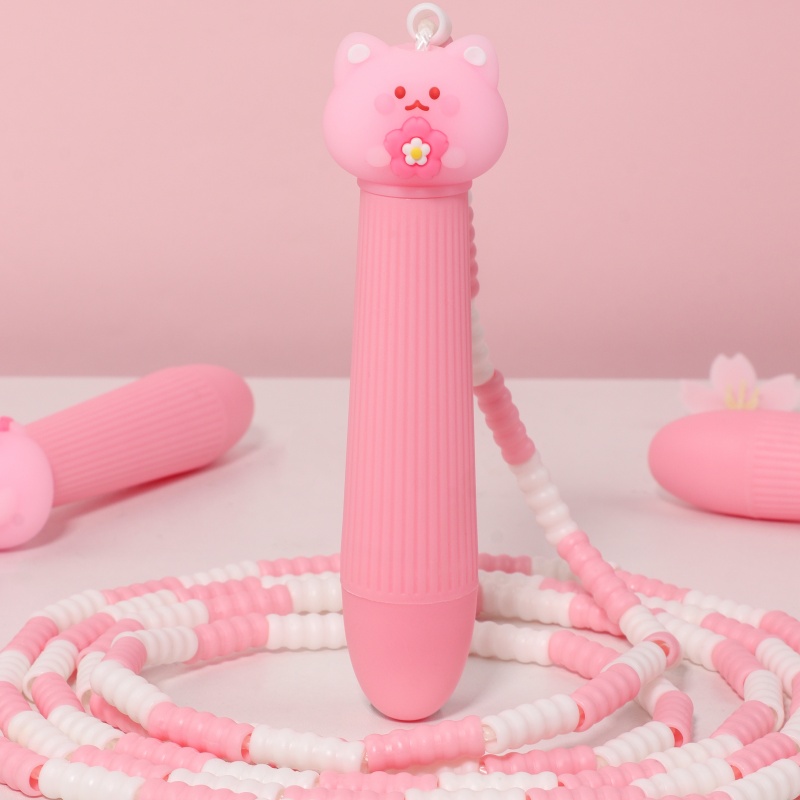
Product number: KK-8009
Product Description:
Contact us