

 English
 bahasa Indonesia
 русский






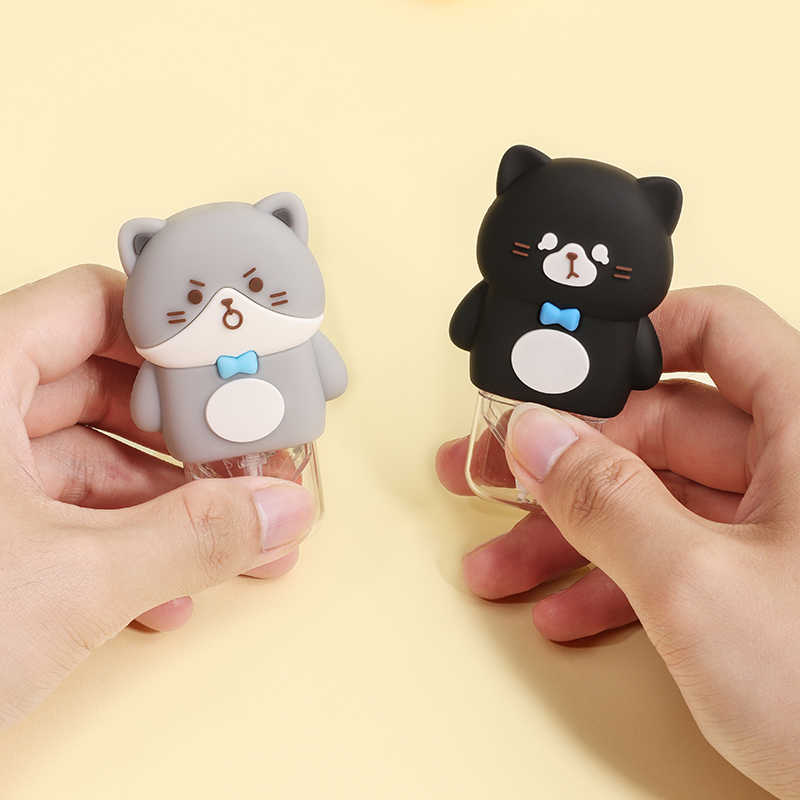
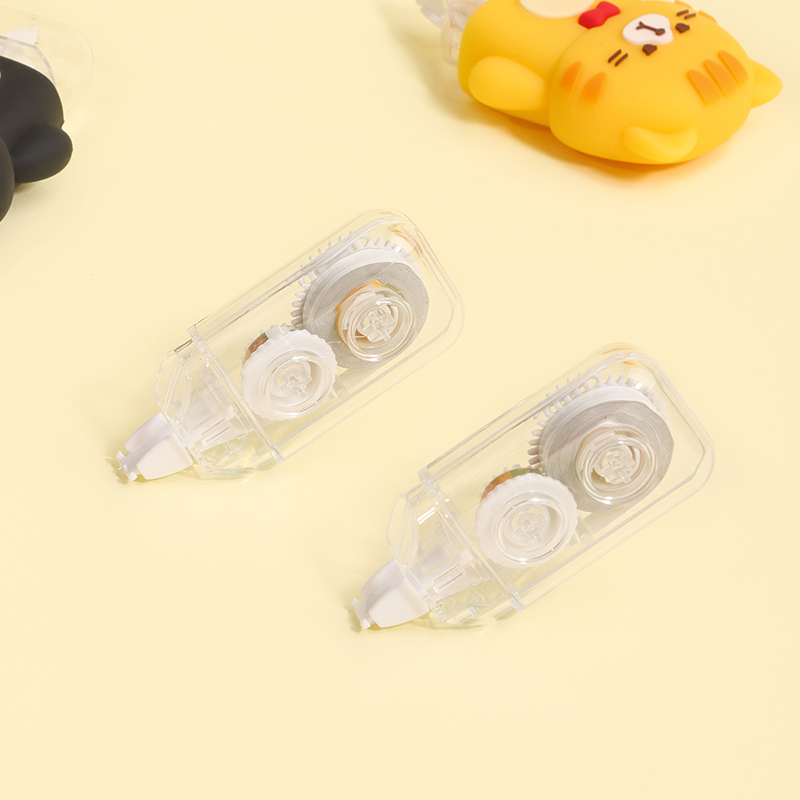
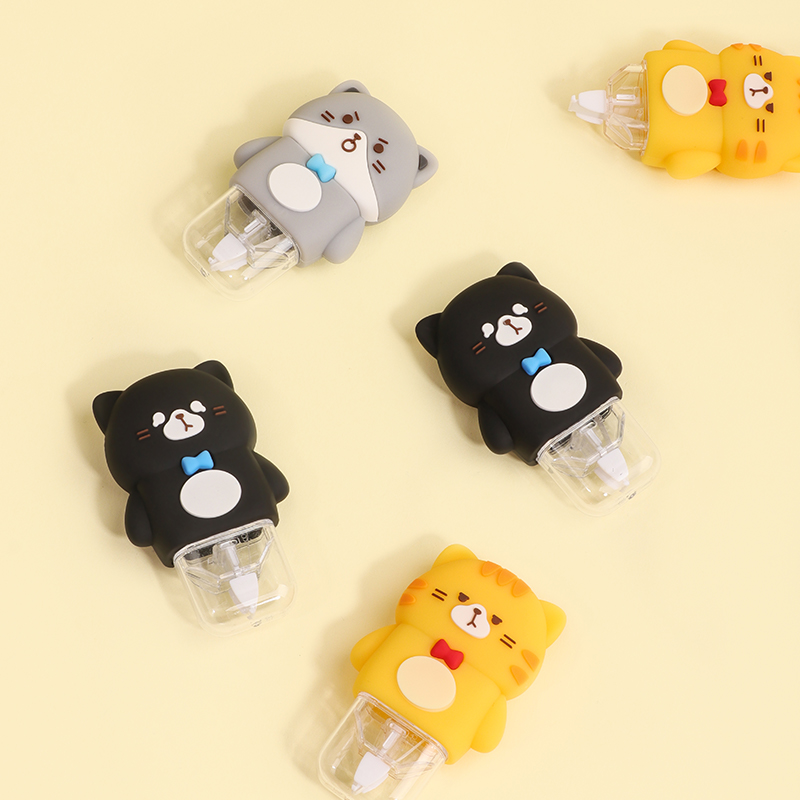
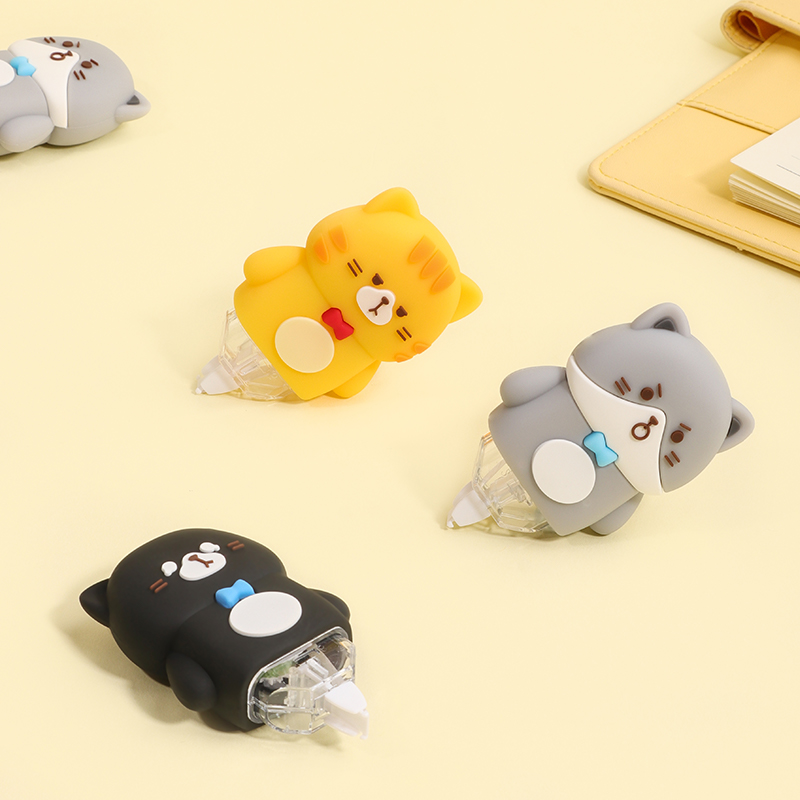
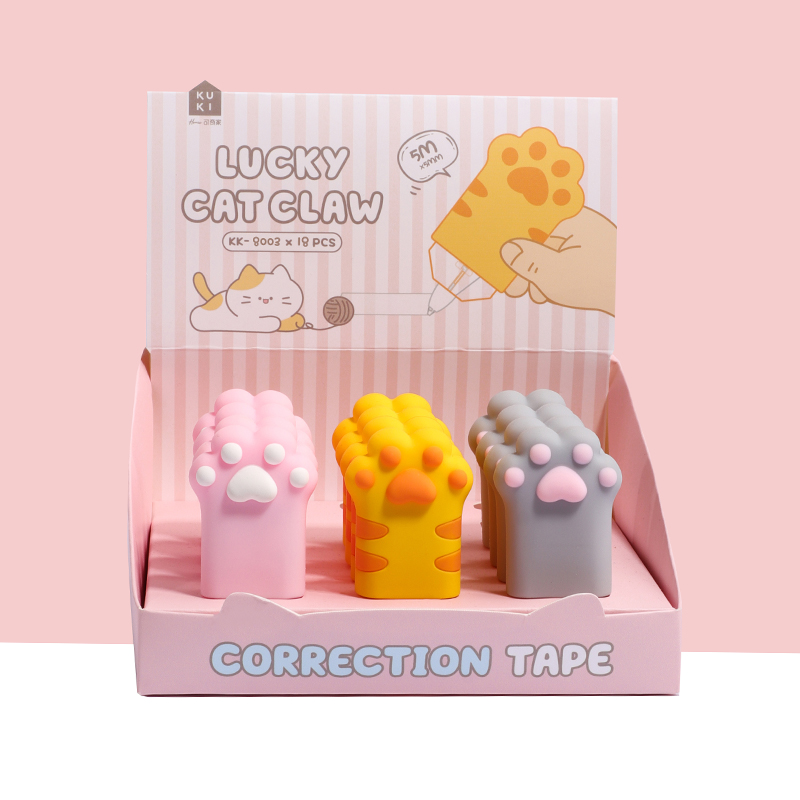
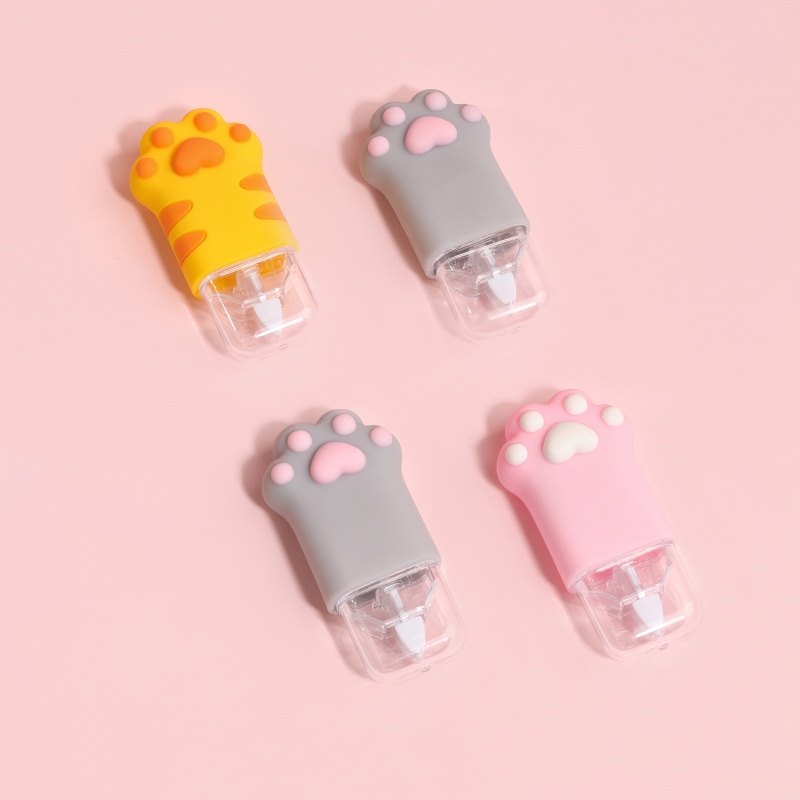
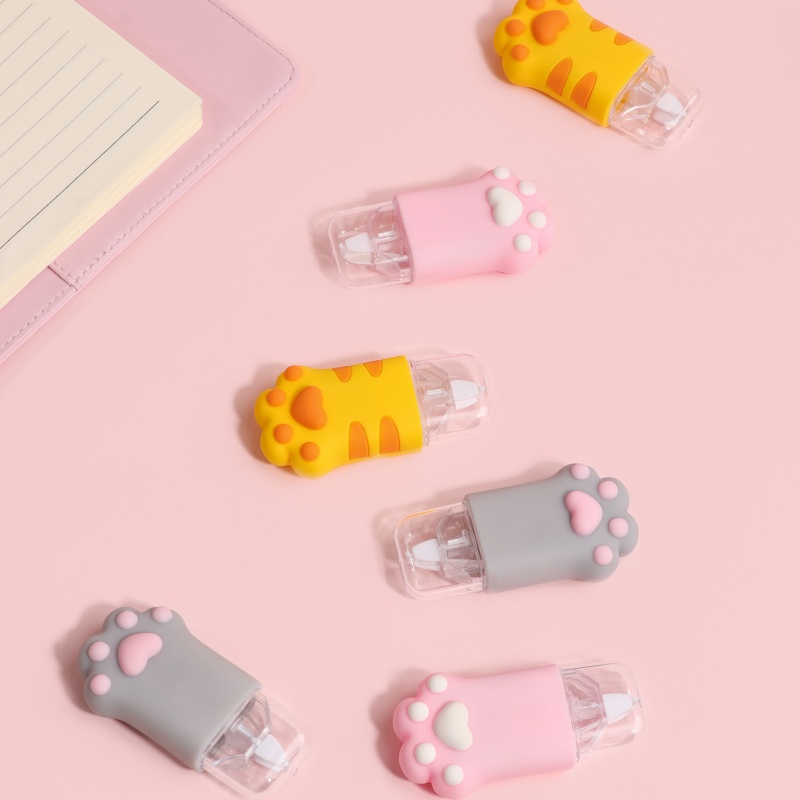


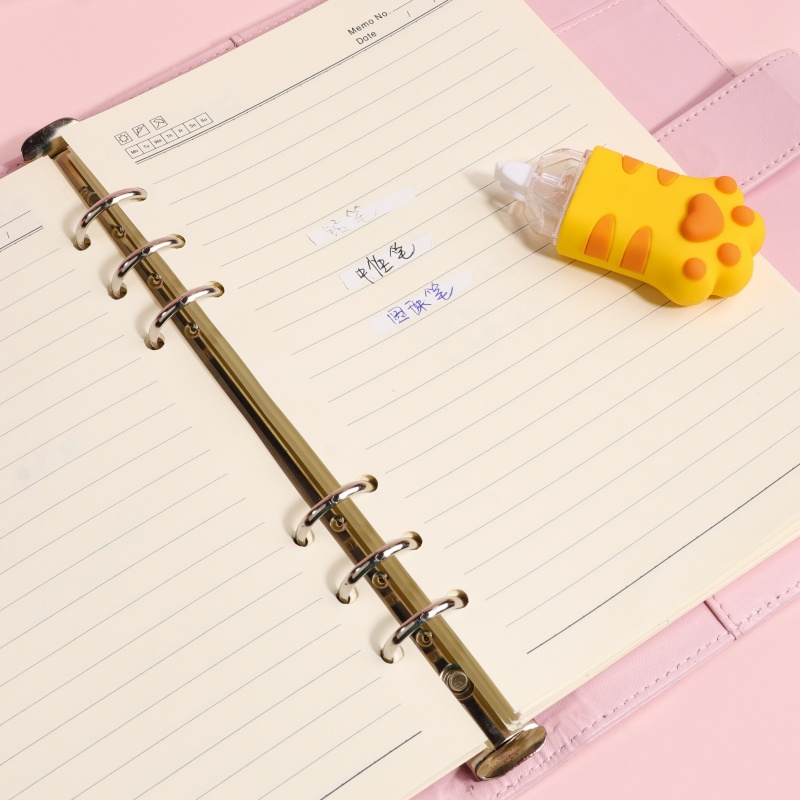
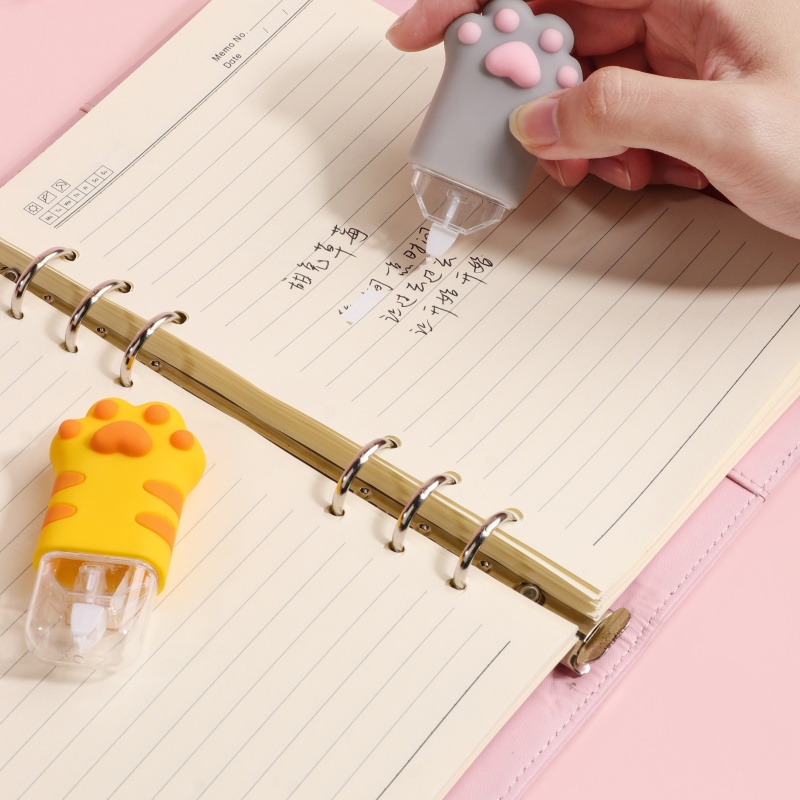
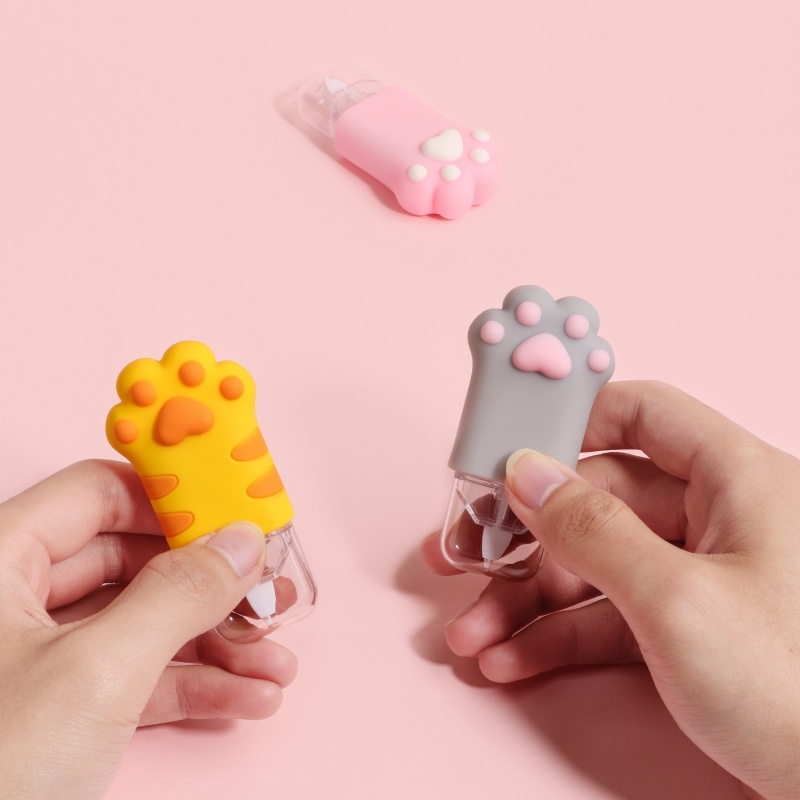
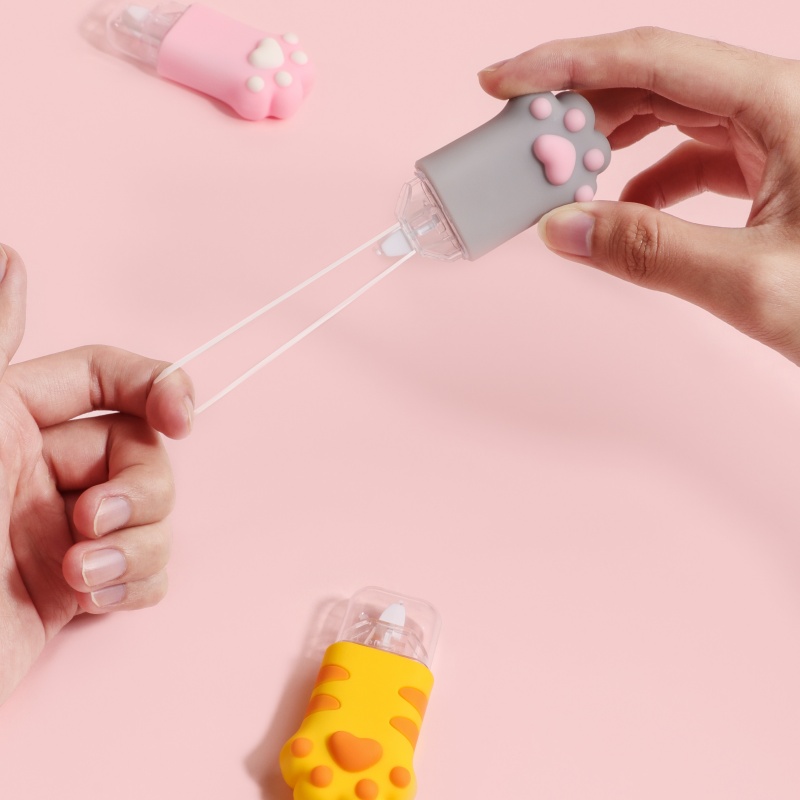
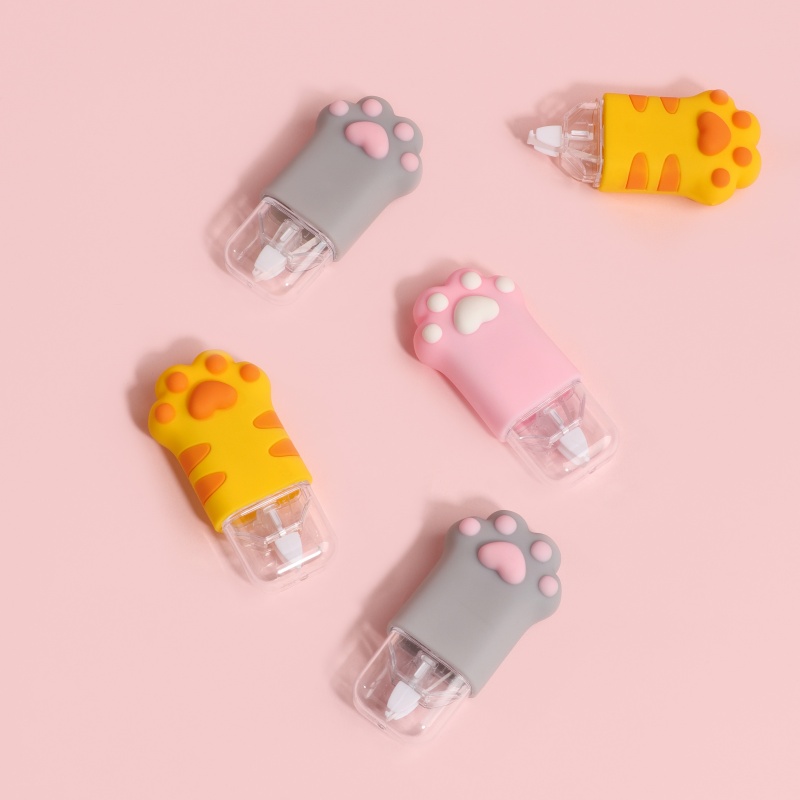


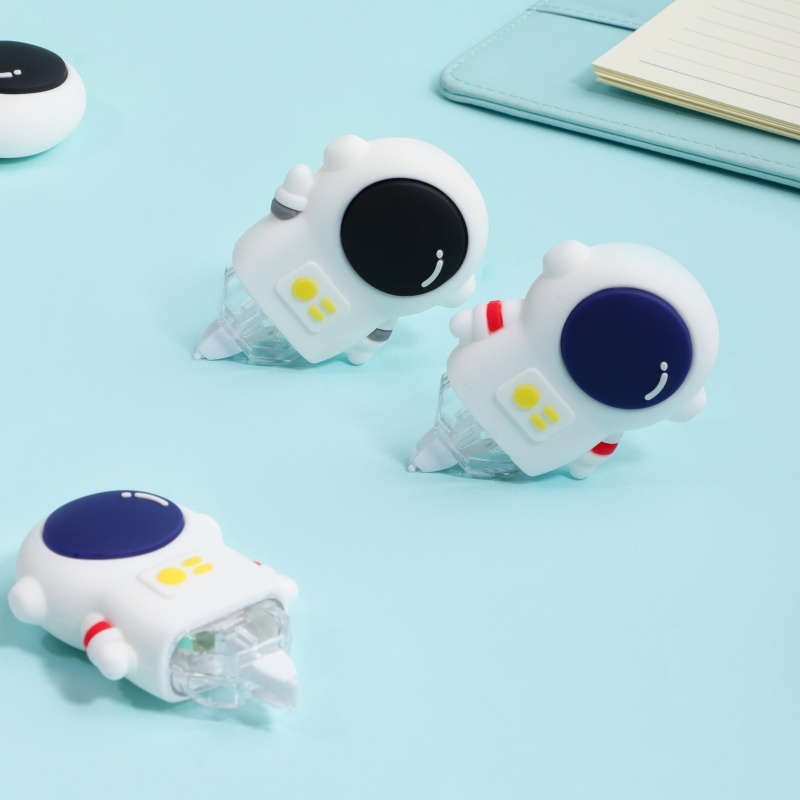
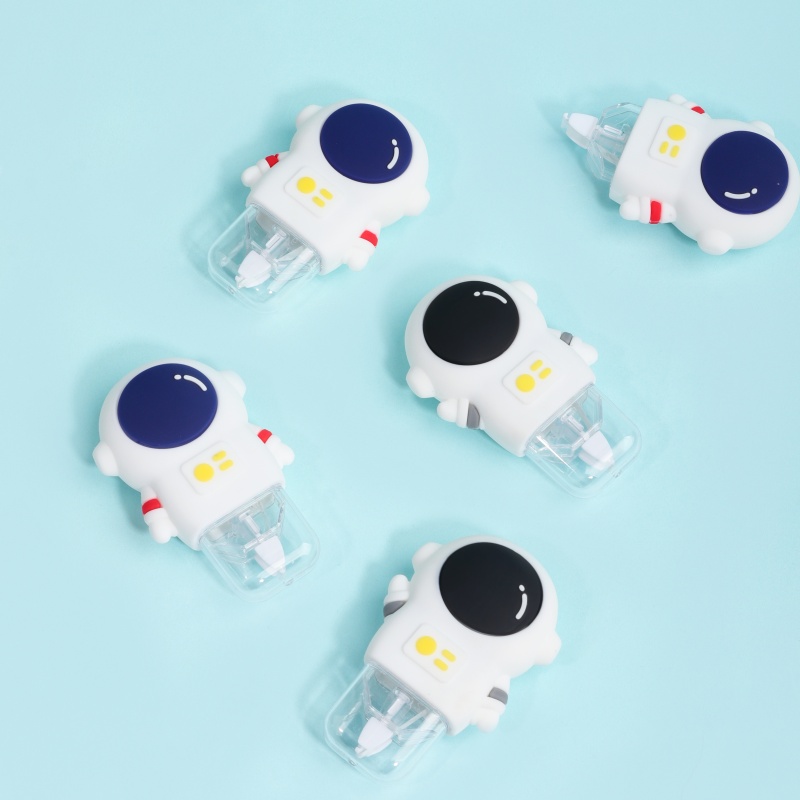

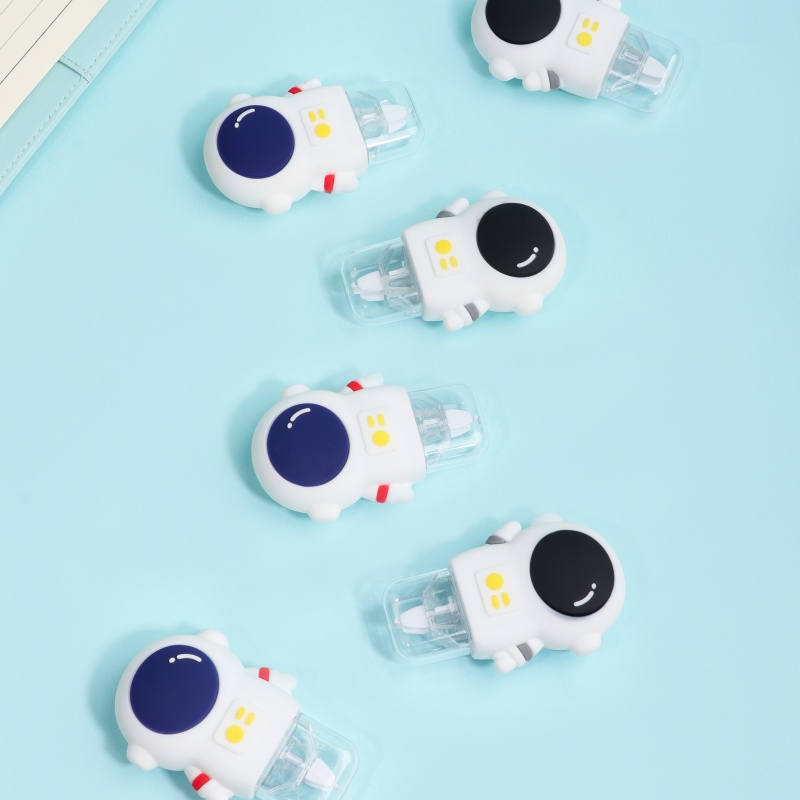
Dongyang Kuki Stationery Co., Ltd. is an innovative stationery company that integrates design, R&D, production, and sales. Under its brand KUKI HOME, the company focuses on cute and novelty-designed products — especially erasers, sharpeners, and correction tapes — with a mission to make learning happier and more creative.
As a pioneer in creative styling stationery, KUKI HOME owns 20+ original and collaborative IPs, including HAMER FRIENDS, LUCKYCATCLAW, HAPPTLFE AYBARA, VEGETABLE CHICKEN, and more. The company has developed over 30 product categories and launched 300+ bestsellers, with several single products exceeding 20 million units in sales. As a custom Correction Tapes manufacturer and wholesale Correction Tapes factory in China, KUKI has also obtained 30+ design patents.
KUKI HOME has partnered with global brands like Miniso, The Green Party, and Lenle, and its products are exported to Europe, North America, Brazil, Indonesia, and other countries — well received by consumers around the world. In 2023, it was honored as a “Pioneer of Going Abroad” by Yiwu Brand Overseas Billion Club and has long participated in stationery exhibitions and international exchanges in Japan, Indonesia, Russia, and beyond.
Looking ahead, KUKI HOME is transforming from traditional manufacturing to “cultural and creative intelligent manufacturing.” With continuous innovation in IP creation, product updates, and design, the brand is boldly moving toward becoming one of the world’s leading names in creative stationery.

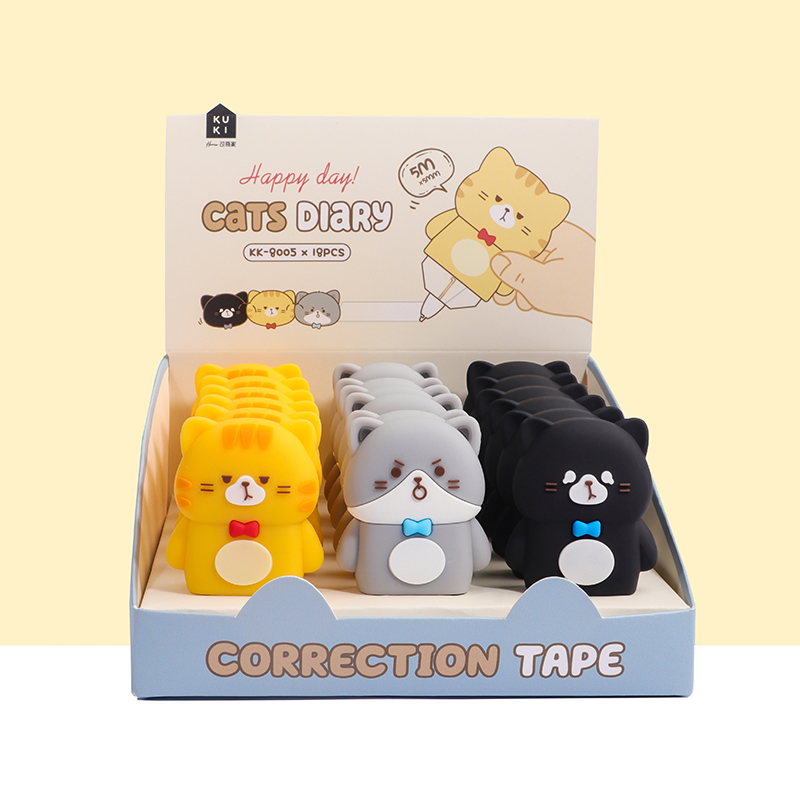
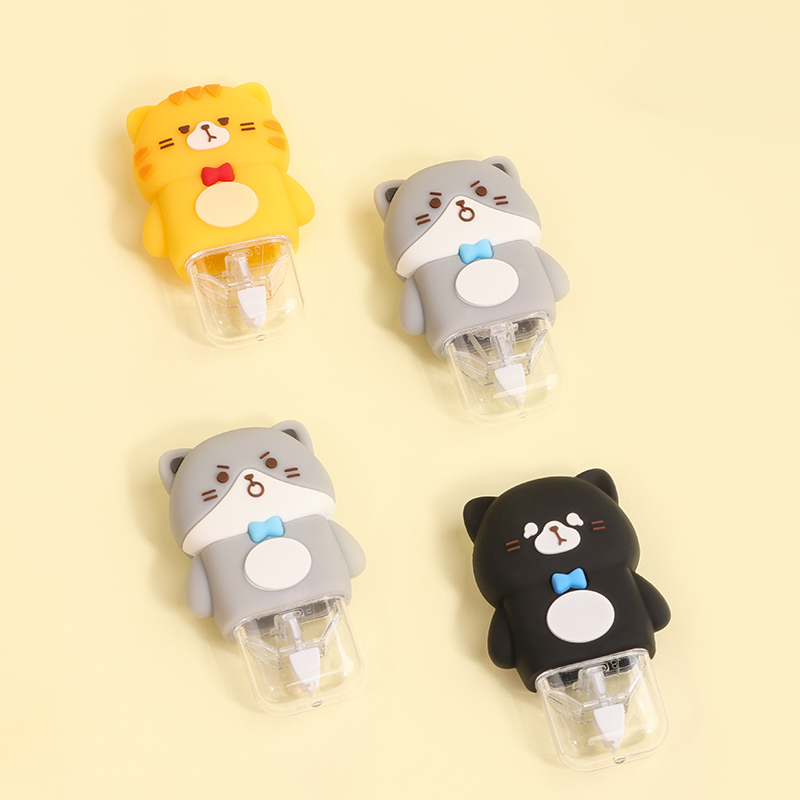
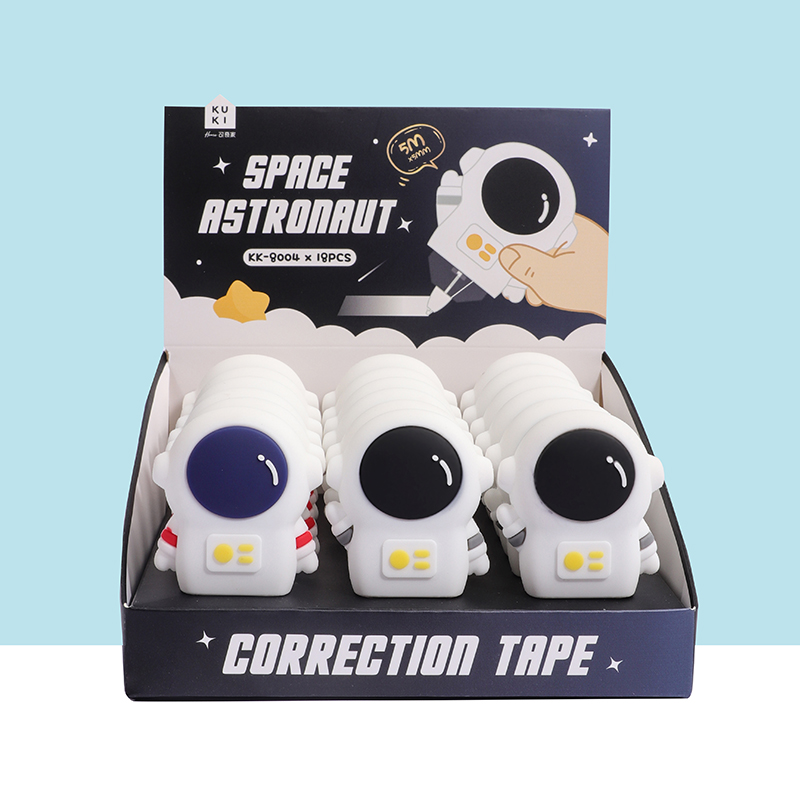
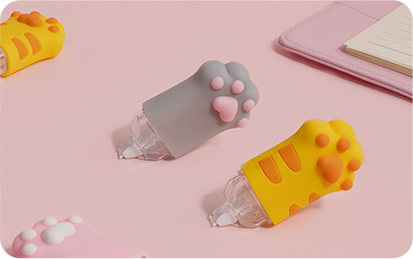
Custom Creative Correction Tape
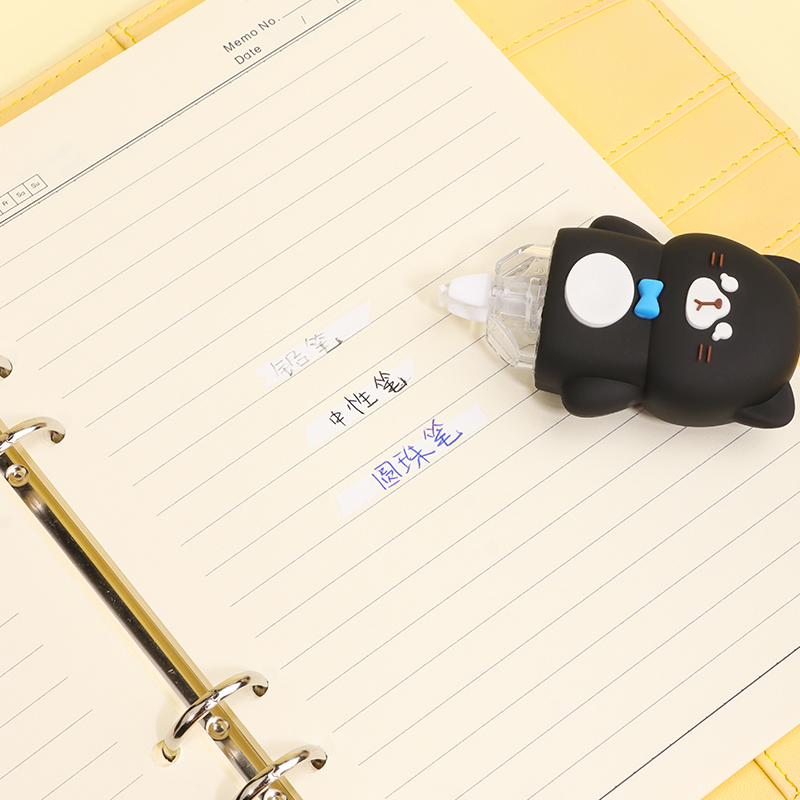
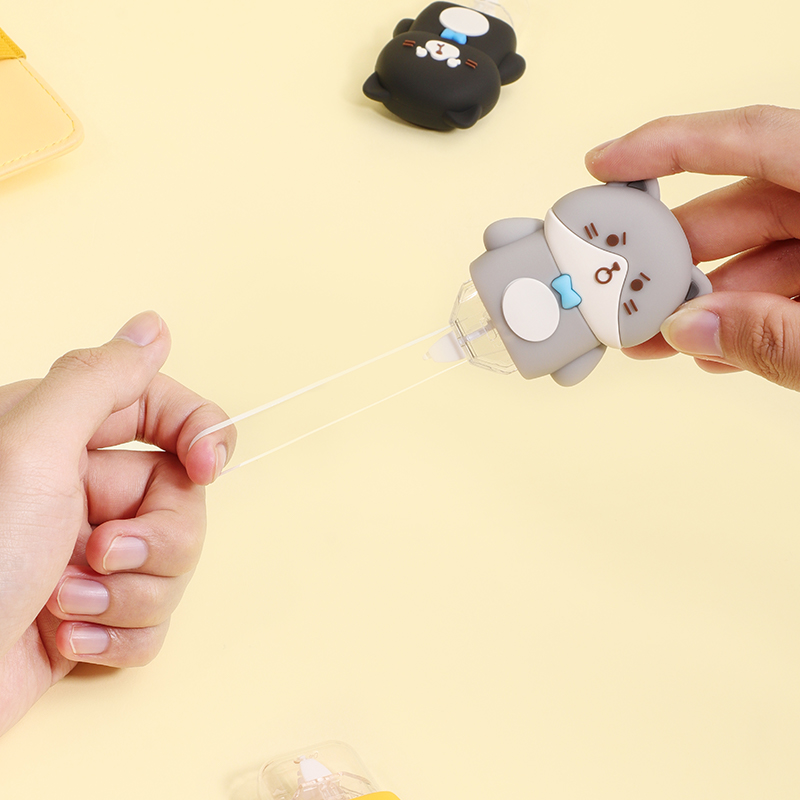
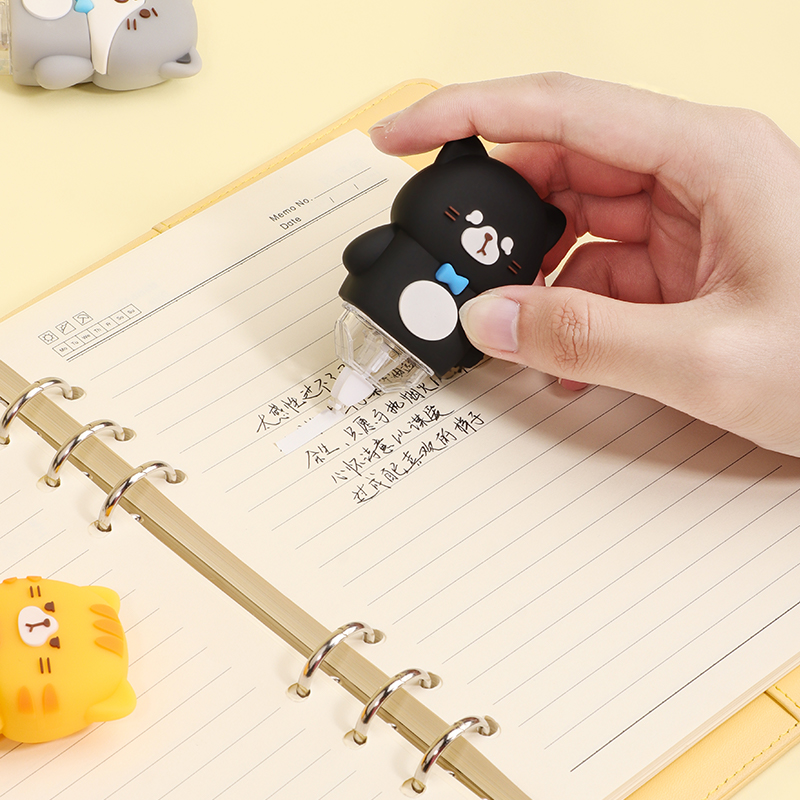
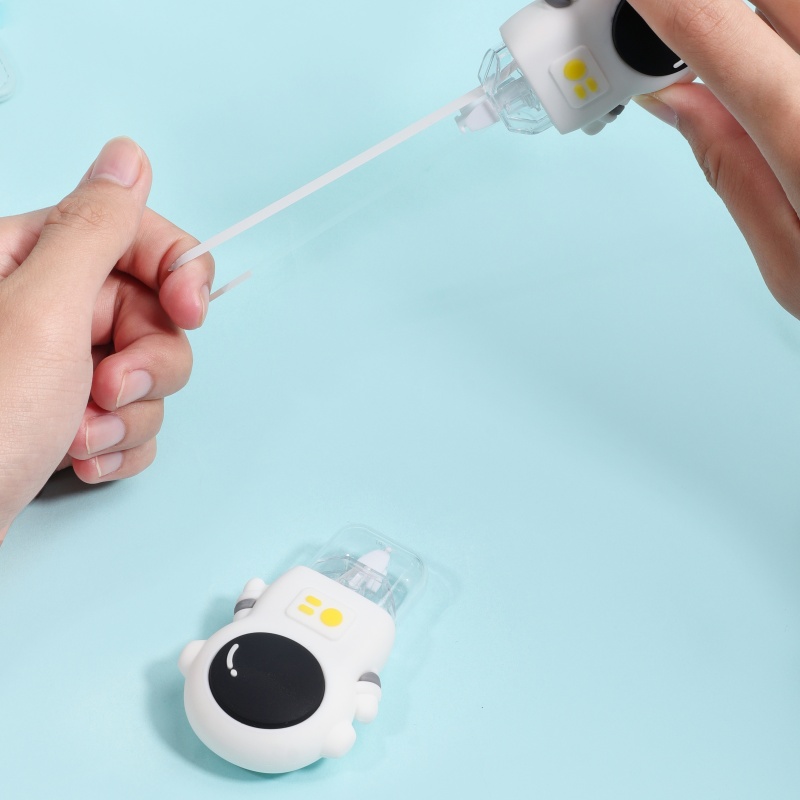
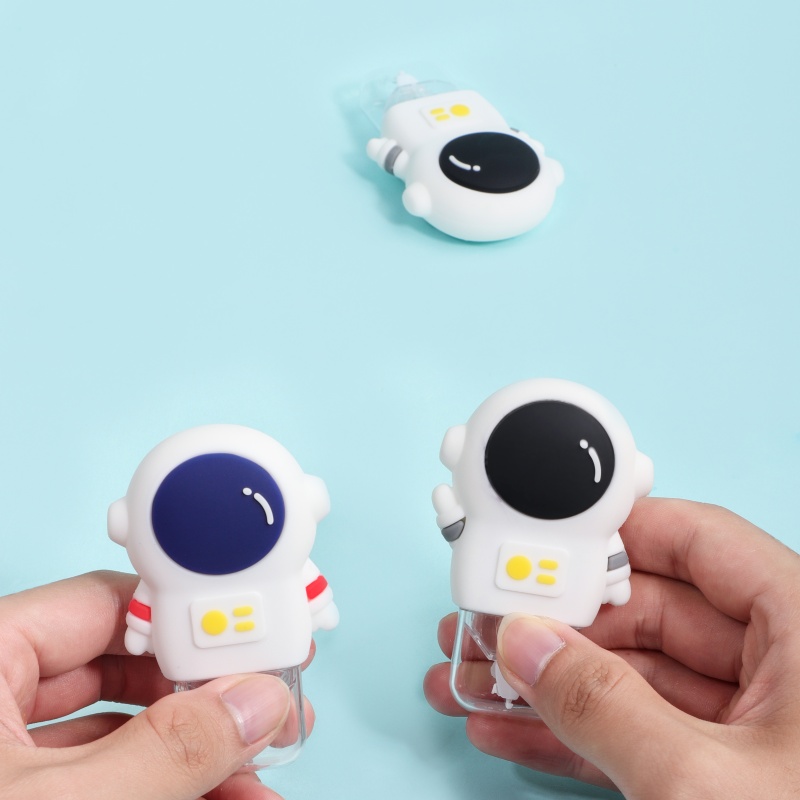
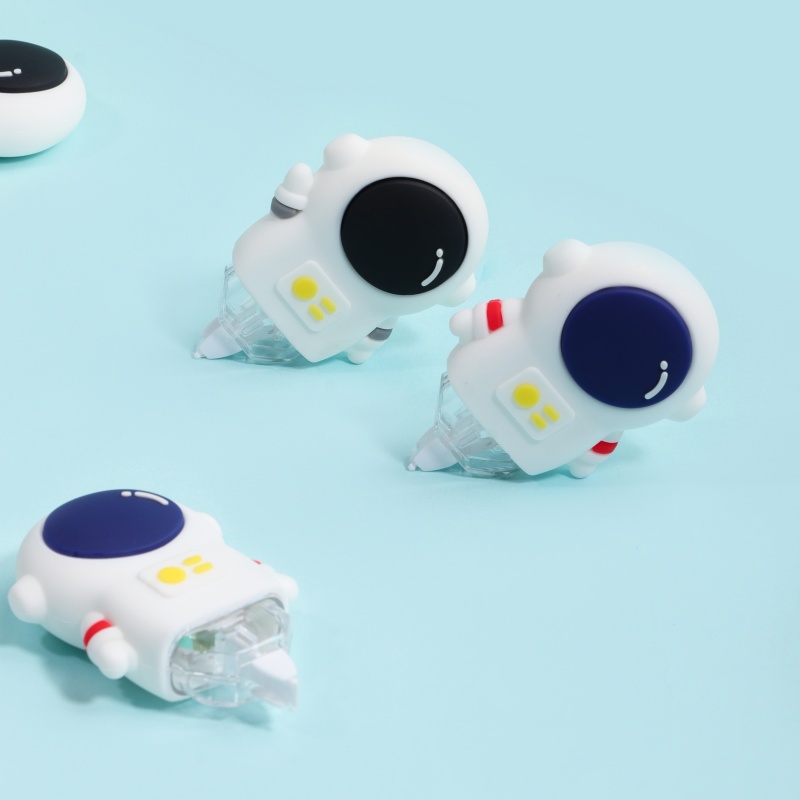
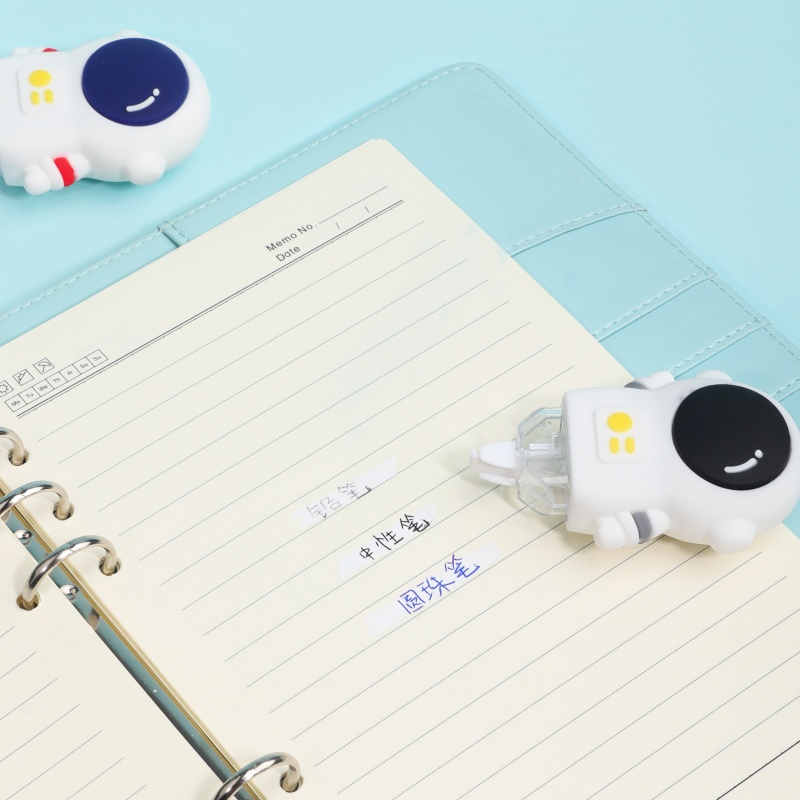
KUKI’s Correction Tape series adds playful and sculptural design elements to traditional correction tools, offering both function and visual appeal. The high-quality plastic body protects the tape from dust, while the precision tip ensures smooth, clean lines without tearing paper. These products provide reliable correction performance while standing out with distinctive shapes that enhance user engagement. Ideal for classrooms, offices, and other professional settings, they appeal particularly to younger users seeking both practicality and style.
SEND US A MESSAGE
call us
+86 18157942912
About Us
Dongyang Kuki Stationery Co., Ltd.
News
-
Exhibition Name: INDONESIA ASEAN STATIONERY&GIFT EXPO 2025 Exhibition Time: November 20th - 22nd, 2025 Exhibition Ad...
READ MORE -
Mr. Huang Ping, Executive Vice President of Yiwu Cultural Supplies Industry Association, Chairman of Yiwu Kuki home Cult...
READ MORE -
With the brand vision of "making global learners happier", KuKi, a brand under Yiwu Kuki Cultural and Creative Co., LTD....
READ MORE -
Writing tools are no longer cold standard equipment. When creative expression extends to the pen, a fun revolution about...
READ MORE -
Stationery brand KUKI officially launched its new 3D pencil sharpener series today. This series of products innovatively...
READ MORE -
Following its extensive attention at the 138th Canton Fair, KuKi, a brand under Yiwu Kuki Cultural and Creative Co., LTD...
READ MORE
Related products
Correction Tapes Industry knowledge
Q1: What is a Correction Tape and why is it important?
A Correction Tape is a stationery tool designed to cover mistakes on paper cleanly and efficiently. Unlike liquid correction fluids, correction tapes allow users to immediately write over the corrected area. In the stationery industry, they are widely used in schools, offices, and home settings due to their convenience and mess-free operation.
Manufacturers focus on producing Correction Tapes with smooth application and durable adhesive to ensure reliability. Consumers value their ability to maintain neat documents while minimizing interruptions in writing or note-taking.
Q2: How does a Creative Correction Tape differ from standard models?
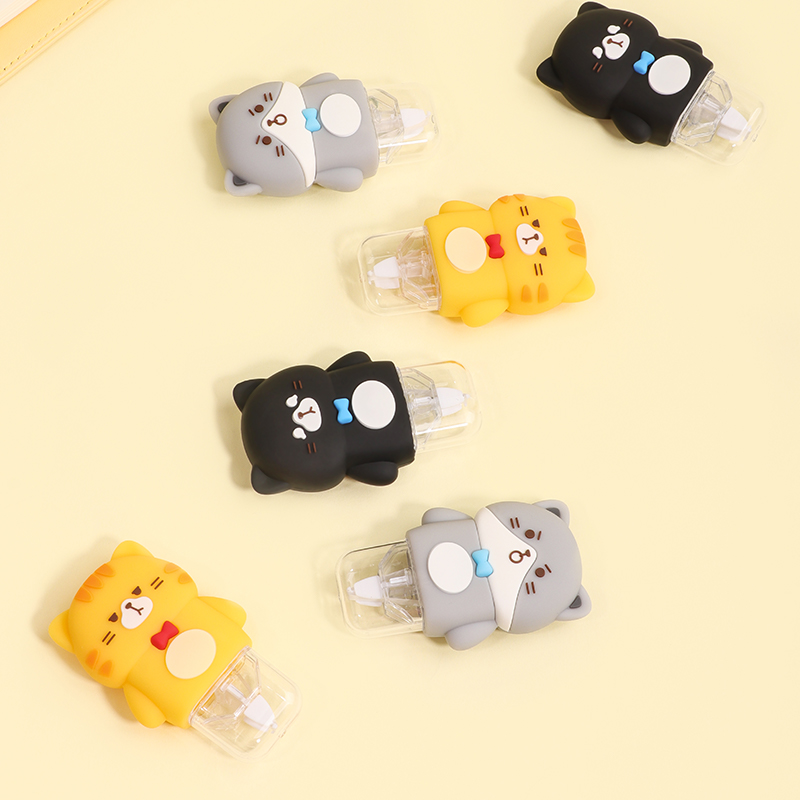
A Creative Correction Tape incorporates decorative or customizable elements, such as colored patterns, shapes, or themed designs. In the stationery market, these tapes appeal to students, hobbyists, and creative professionals who want correction tools to be visually engaging.
Creative Correction Tapes offer both functionality and aesthetic appeal. They encourage users to personalize notes, planners, or journals while still providing the standard correction capabilities.
Q3: Why is a Student Correction Tape popular in educational settings?
A Student Correction Tape is specifically designed for classroom use. These tapes are typically lightweight, easy to handle, and durable enough to withstand frequent use by children or teenagers. In the stationery sector, Student Correction Tapes are considered essential tools for improving handwriting and helping learners manage errors without stress.
Brands often design Student Correction Tapes with ergonomic grips and protective casings to prevent breakage or waste. The convenience of quickly correcting mistakes helps students maintain neat and organized notes.
Q4: How do Correction Tapes improve writing efficiency?
Using a Correction Tape allows users to immediately fix mistakes without waiting for liquid products to dry. This enhances workflow and reduces frustration, especially in fast-paced environments. In the stationery industry, highlighting smooth application and consistent tape coverage helps attract consumers seeking reliable correction solutions.
Correction Tapes also reduce paper waste, as errors can be corrected cleanly without discarding entire pages. This feature aligns with environmentally conscious trends in stationery.
Q5: How does a Creative Correction Tape influence engagement?
Creative Correction Tapes make the act of correcting mistakes more enjoyable. Their decorative designs or patterned tapes provide visual interest and encourage users to interact more actively with their work. In the stationery market, this adds an experiential layer that differentiates Creative Correction Tapes from standard correction products.
For manufacturers, offering a range of colors and designs allows for seasonal or themed collections, which can increase repeat purchases and customer interest.
Q6: What benefits do Student Correction Tapes provide for learners?
Student Correction Tapes support learning by making error correction easy and stress-free. Young users can confidently rewrite or adjust notes without hesitation, fostering better organization and attention to detail. In classrooms, these tapes help teachers encourage neat work and reduce classroom distractions caused by smudges or spilled fluids.
Durable Student Correction Tapes also minimize the need for replacements, making them a practical and cost-effective choice for educational institutions.
Q7: How do these correction tapes reflect trends in the stationery industry?
Correction Tapes, Creative Correction Tapes, and Student Correction Tapes illustrate the shift toward functional products that combine utility with engagement. Standard Correction Tapes emphasize reliability and clean application. Creative Correction Tapes introduce personalization and playful design. Student Correction Tapes focus on ergonomics, durability, and ease of use for younger consumers.
These trends highlight how the stationery industry balances practicality, aesthetics, and user experience. Manufacturers continue to innovate by exploring new tape materials, decorative options, and ergonomic designs, ensuring correction tools remain relevant for diverse user needs.


Pagetop
CONTACT
- +86 18157942912

- [email protected]

- Production Center: 3rd Floor, Building 2, Minghong Science and Innovation Park, No. 36 Suhua Street, Yiwu City, Jinhua City, Zhejiang Province (Elevator 2-5)

- Operation Center: 4th Floor, Building 2, Minghong Science and Innovation Park, No. 36 Suhua Street, Yiwu City, Jinhua City, Zhejiang Province (Elevator 2-6)
QUICK LINKS
MOBILE
Copyright © Dongyang Kuki Stationery Co., Ltd. All Rights Reserved.
Student Correction Tape Manufacturer
