Q1: What are the characteristics of a PVC Eraser?
A PVC Eraser is made from polyvinyl chloride, which allows it to remove pencil marks efficiently. In the stationery industry, PVC Erasers are valued for their durability and consistent performance. They are commonly used in schools and offices where repeated erasing is required.
PVC Erasers often have a smooth surface and moderate softness, making them versatile across different types of pencils. Their consistent quality helps brands maintain reliability in educational and professional settings.
Q2: How does the PVC Eraser influence product positioning?
PVC Erasers are typically positioned as standard yet dependable stationery items. Their balance of durability and affordability makes them a staple for bulk orders and classroom supplies. For manufacturers, this category provides a reliable product line that supports steady demand throughout the year.
The versatility of PVC also allows for color variety and simple customization. This can help brands differentiate products subtly while keeping production straightforward.
Q3: What is unique about a TPR Eraser?
A TPR Eraser is produced from thermoplastic rubber, offering flexibility and resilience. In the stationery sector, TPR Erasers are appreciated for their soft touch and reduced risk of damaging paper surfaces. This makes them suitable for detailed erasing in art projects or precise note-taking.
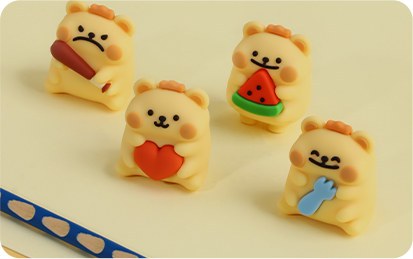
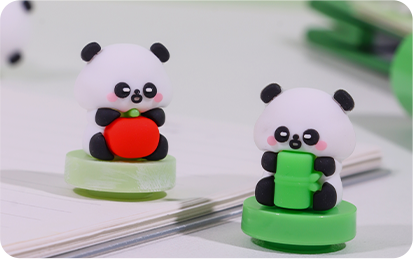
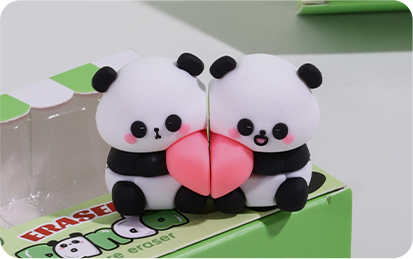
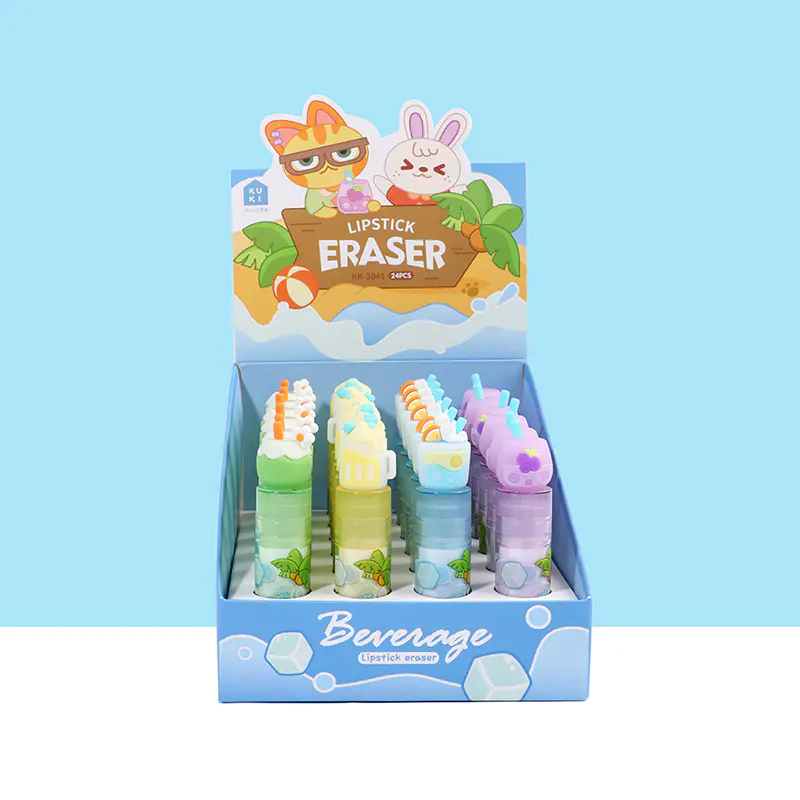
TPR material allows for creative shaping, such as novelty designs or molded figures. Manufacturers use this advantage to create attractive erasers for children or themed stationery collections.
Q4: Why is flexibility important in TPR Erasers?
The elasticity of TPR Erasers enables repeated use without crumbling, unlike some harder alternatives. This property increases user satisfaction, especially in classrooms or studios where frequent correction is necessary. From an industry perspective, TPR provides an opportunity to combine functionality with playful or decorative designs.
TPR Erasers are also effective when paired with softer pencil leads, offering smooth removal without tearing the paper. This makes them appealing for educational and hobby-focused markets.
Q5: What defines a Non-Toxic Eraser?
A Non-Toxic Eraser is formulated with materials that are safe for prolonged handling, particularly for children. In the stationery industry, safety standards are critical, and Non-Toxic Erasers help brands meet regulatory requirements and consumer expectations.
These erasers often appear in school supply sets or family-oriented product lines. Their formulation ensures that accidental ingestion or skin contact poses minimal risk, which is a key selling point for parents and educators.
Q6: How does non-toxicity influence purchasing decisions?
Consumers are increasingly attentive to product safety. Choosing a Non-Toxic Eraser reflects a preference for responsible materials and ethical manufacturing. For stationery brands, promoting non-toxic credentials strengthens trust and aligns with broader trends toward safe, environmentally conscious products.
Non-Toxic Erasers often complement other child-friendly items, such as colored pencils or markers, creating cohesive, safety-focused stationery sets.
Q7: How do these eraser types reflect broader industry trends?
Modern erasers demonstrate how material science and safety standards influence stationery design. PVC Erasers provide consistent, reliable performance suitable for everyday use. TPR Erasers offer flexibility and playful customization for precise or decorative work. Meanwhile, Non-Toxic Erasers emphasize health and safety considerations, appealing to families and educational buyers.
Together, these categories illustrate that erasers are no longer judged solely on functionality. They are evaluated on material quality, user experience, and safety. The industry continues to innovate by balancing performance with environmental and consumer concerns, showing that even simple tools like erasers are evolving to meet diverse needs.


 English
 bahasa Indonesia
 русский