

 English
 bahasa Indonesia
 русский


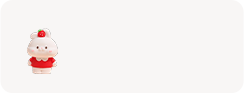
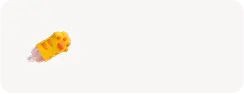
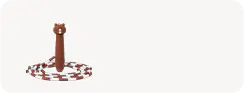



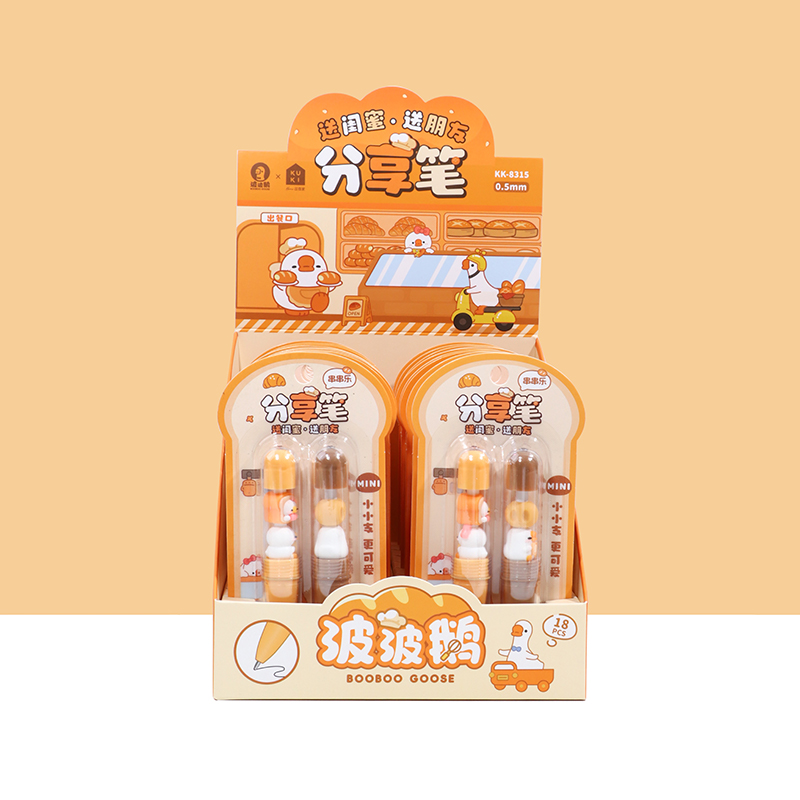
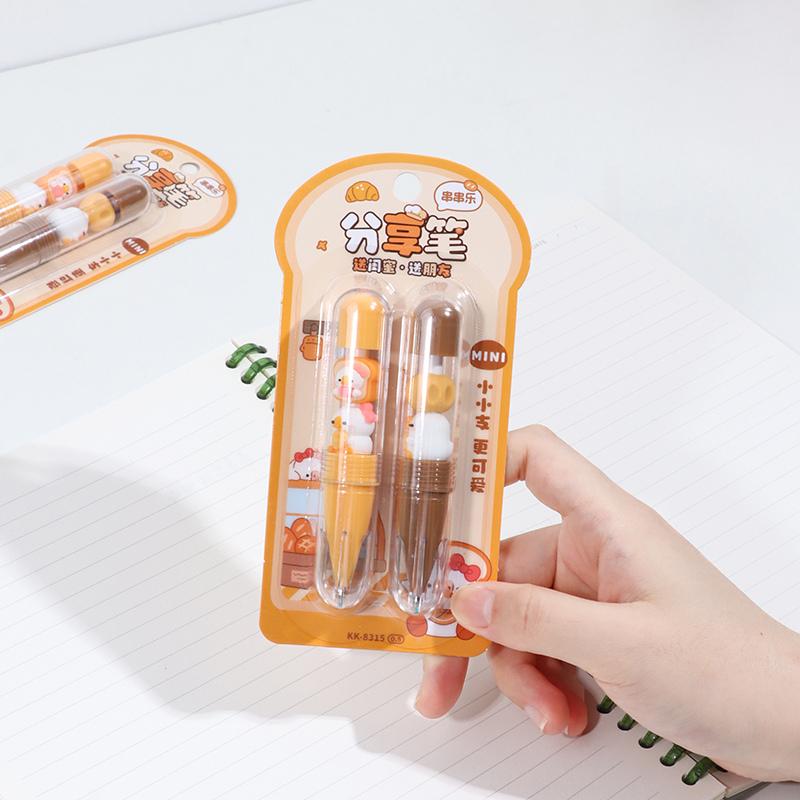
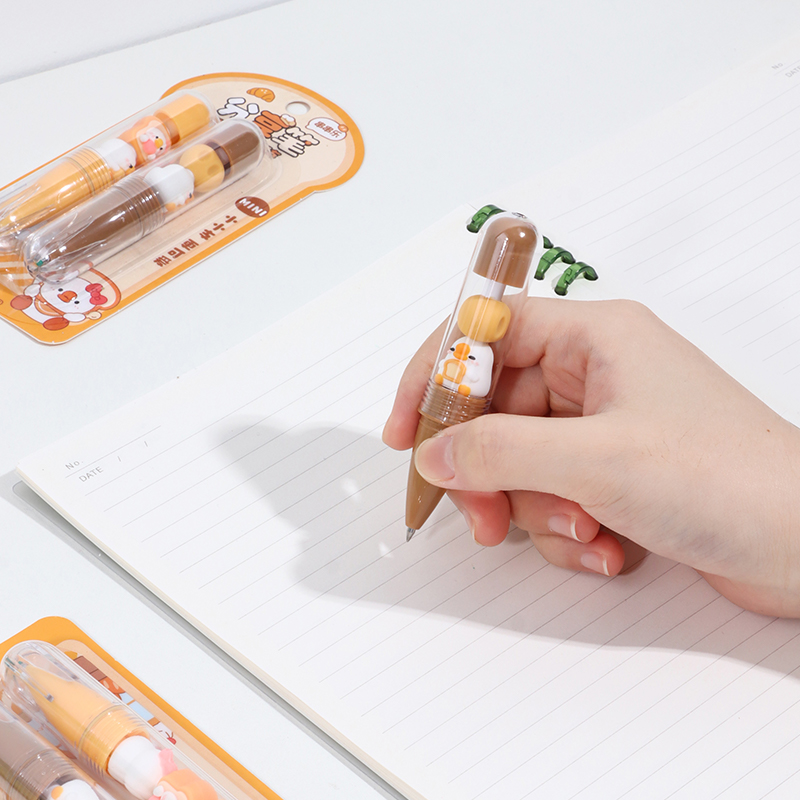
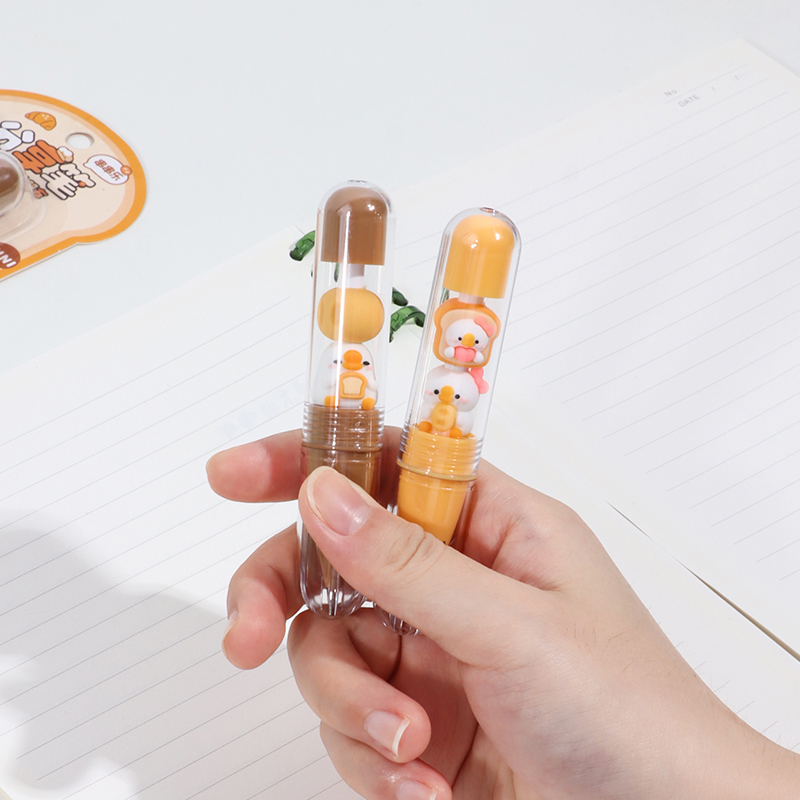
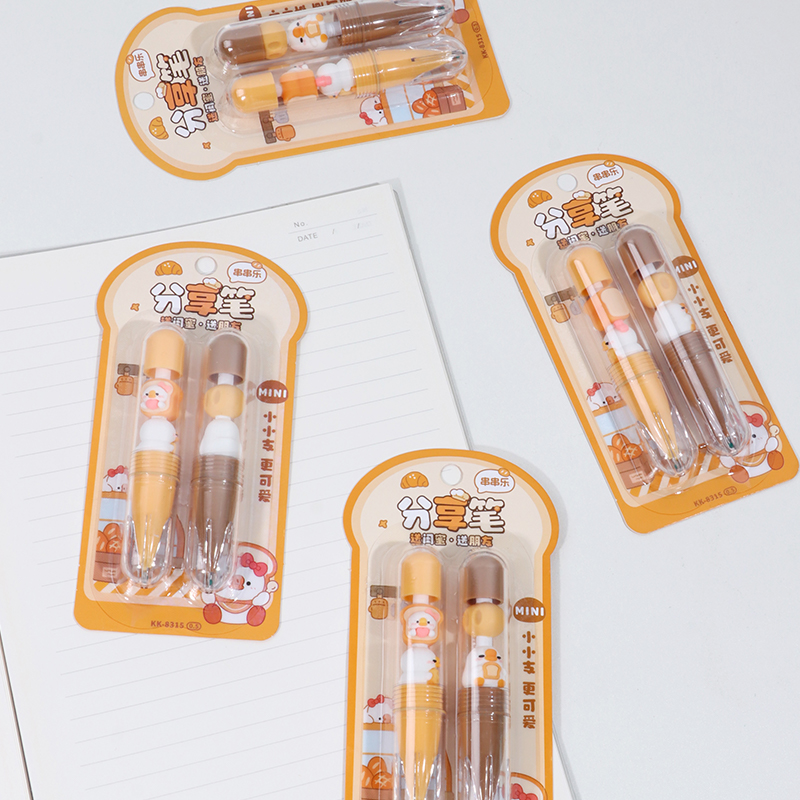
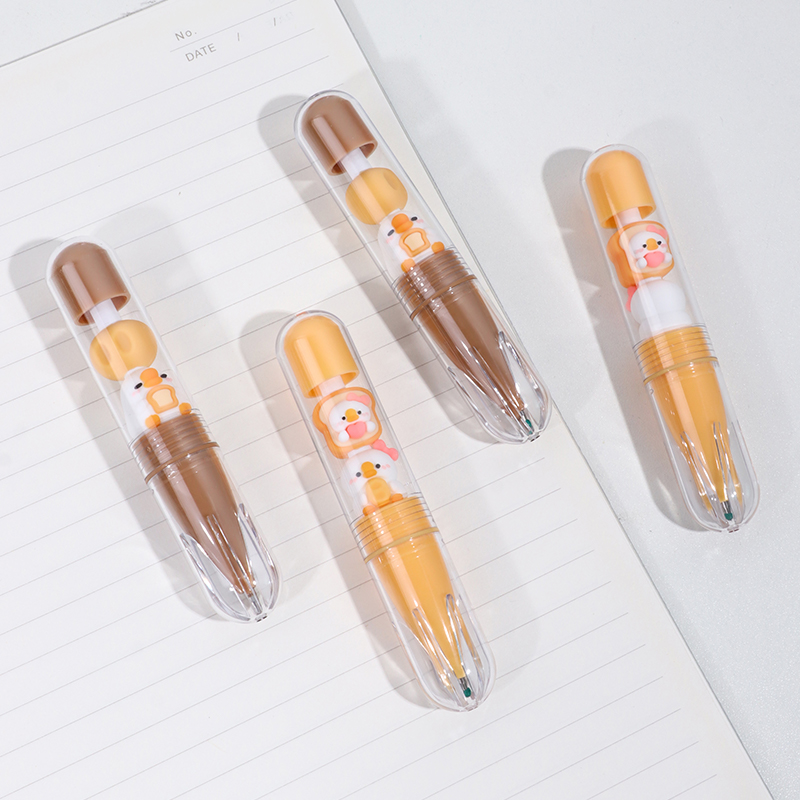
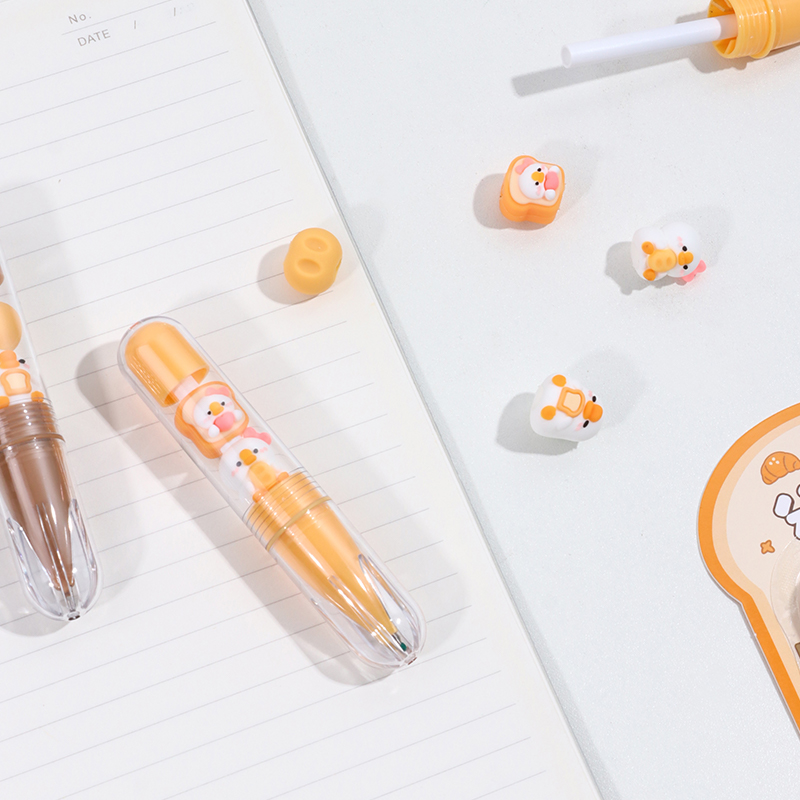
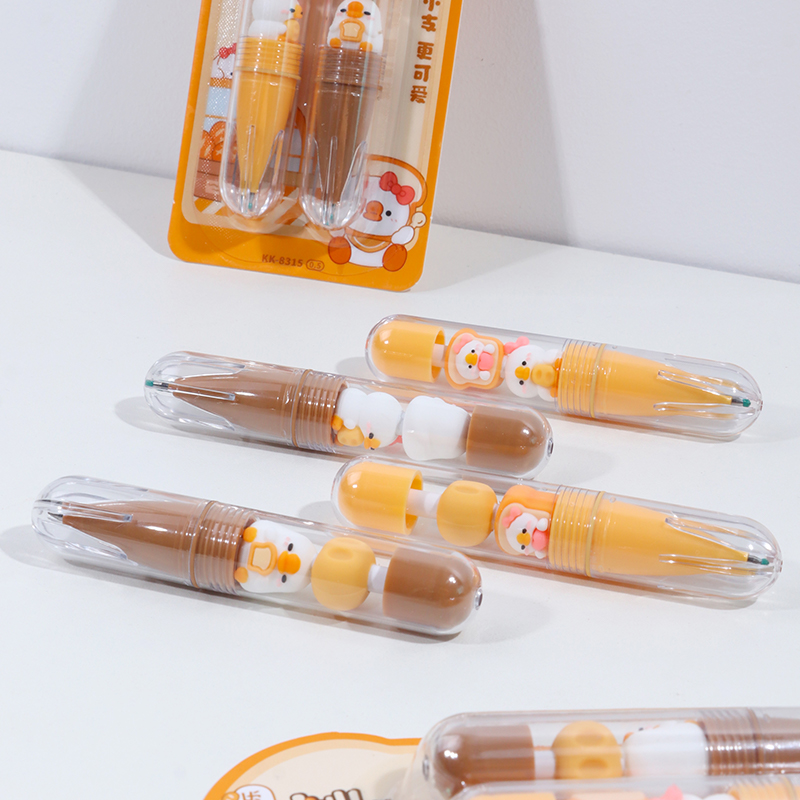
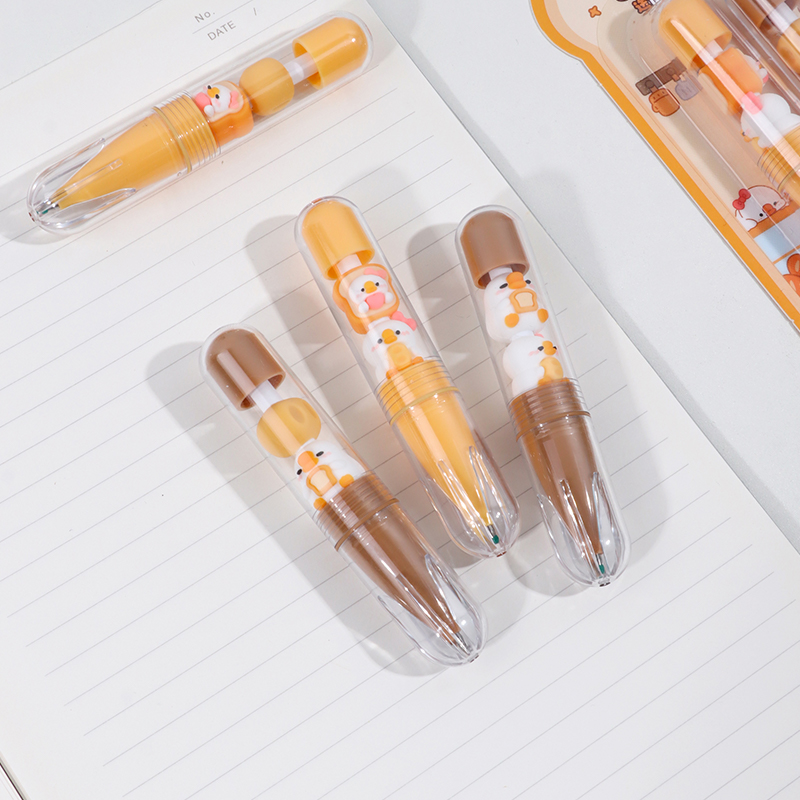
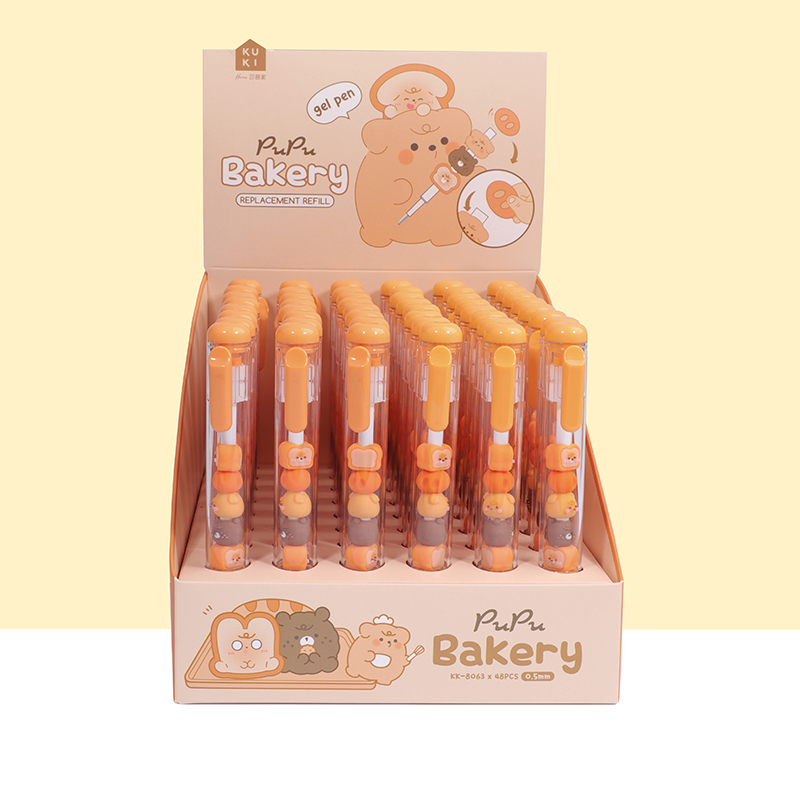
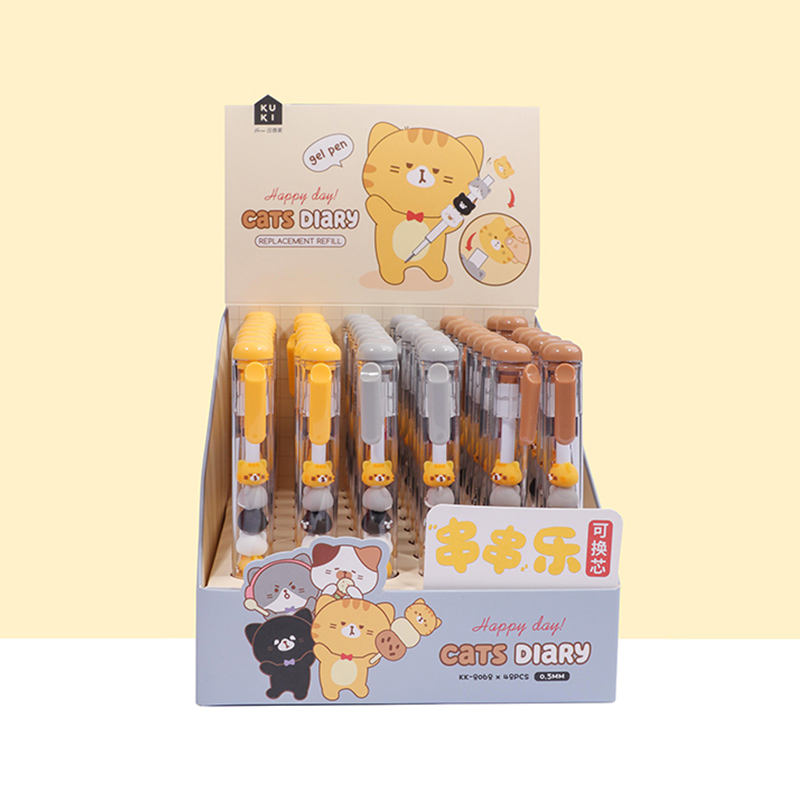
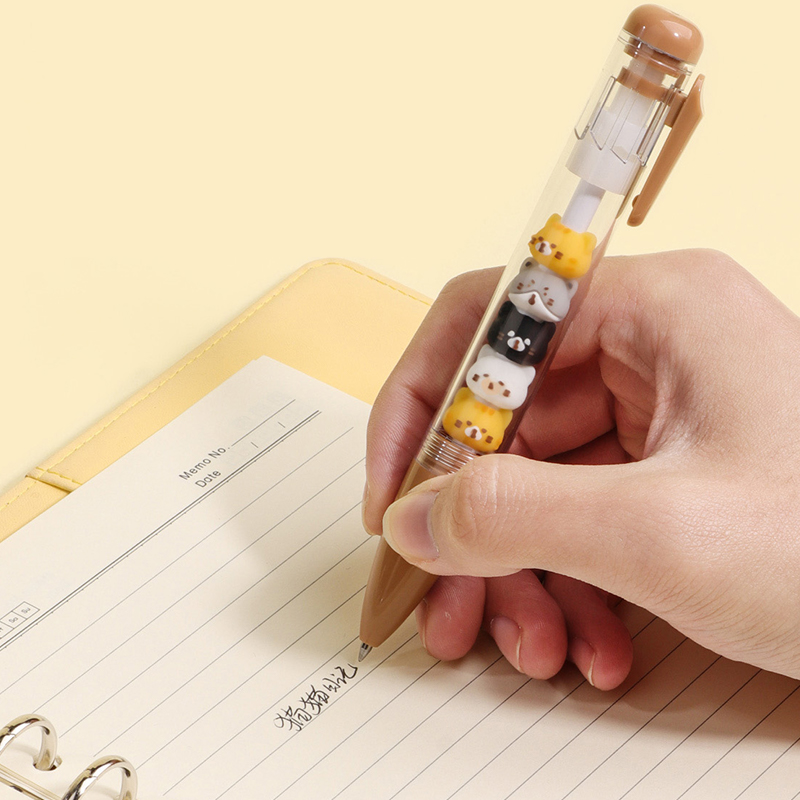
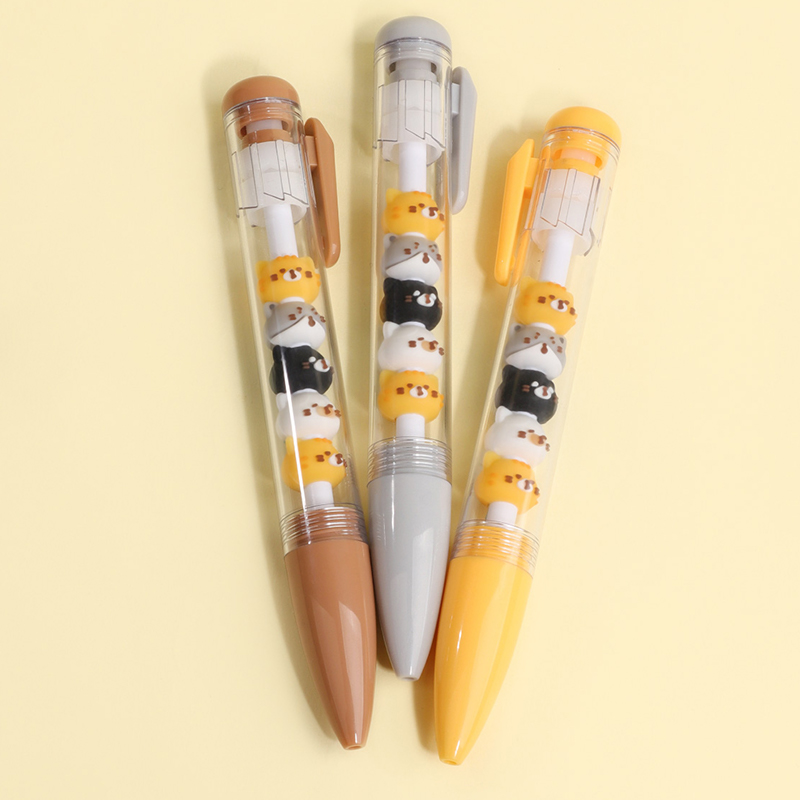
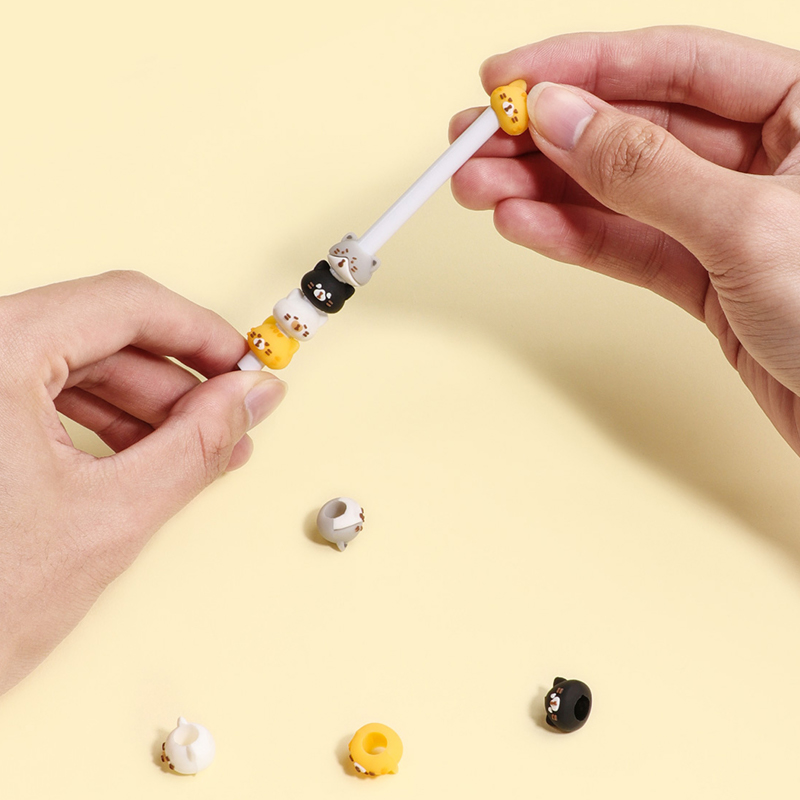
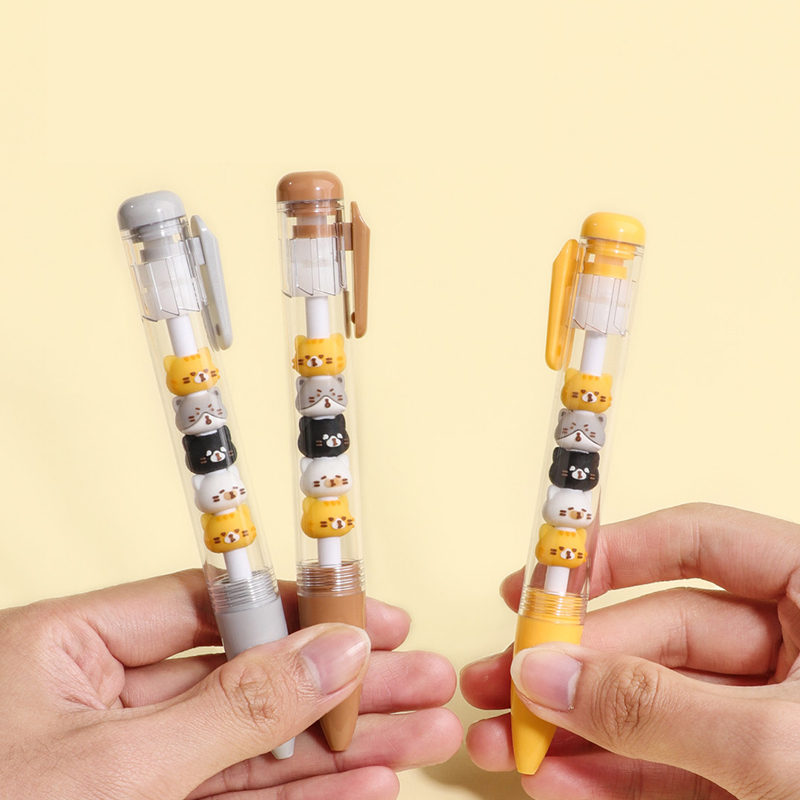
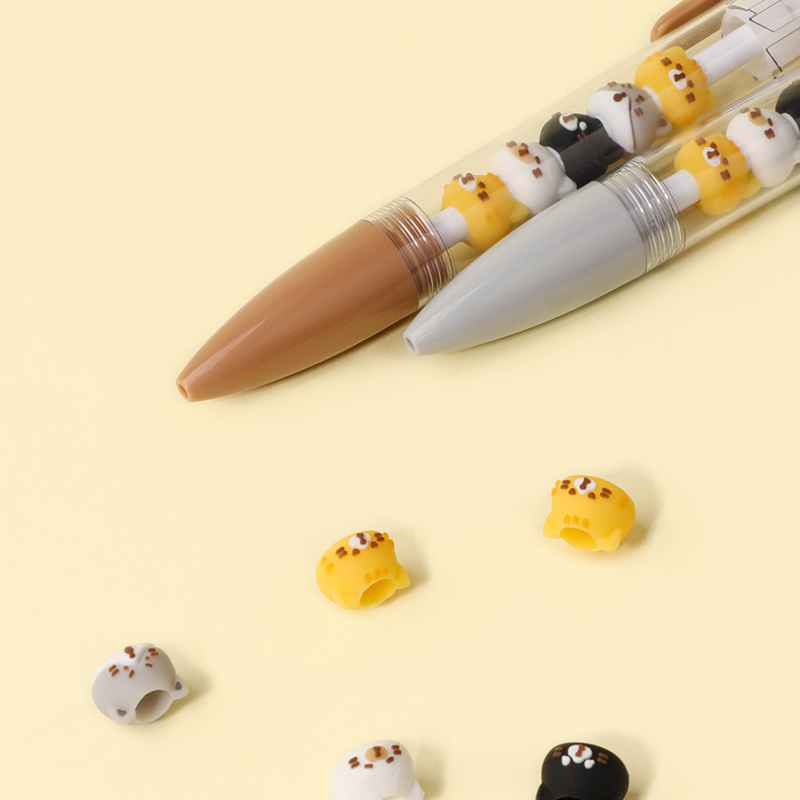
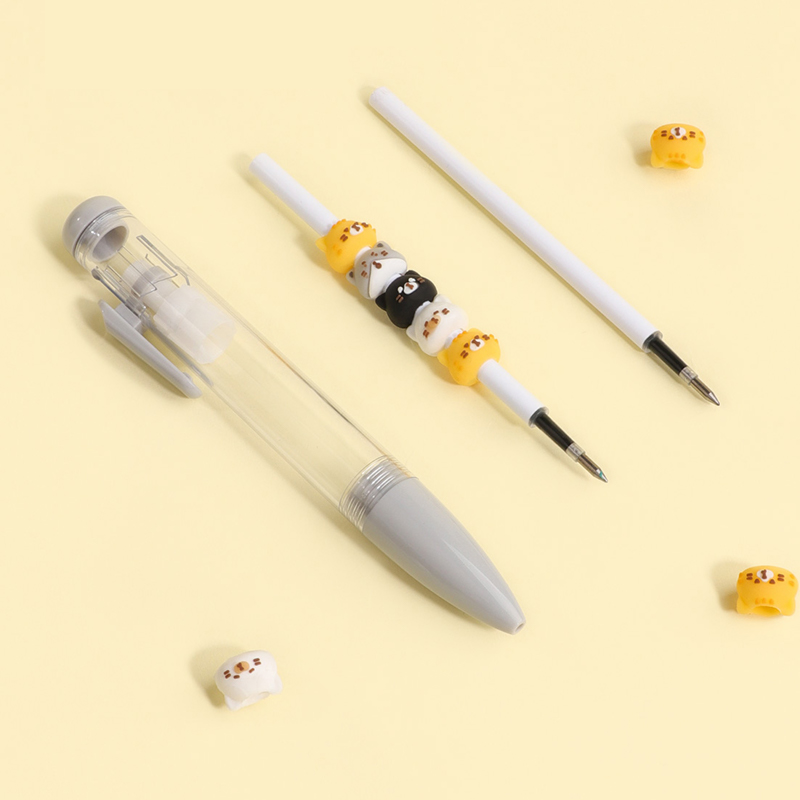
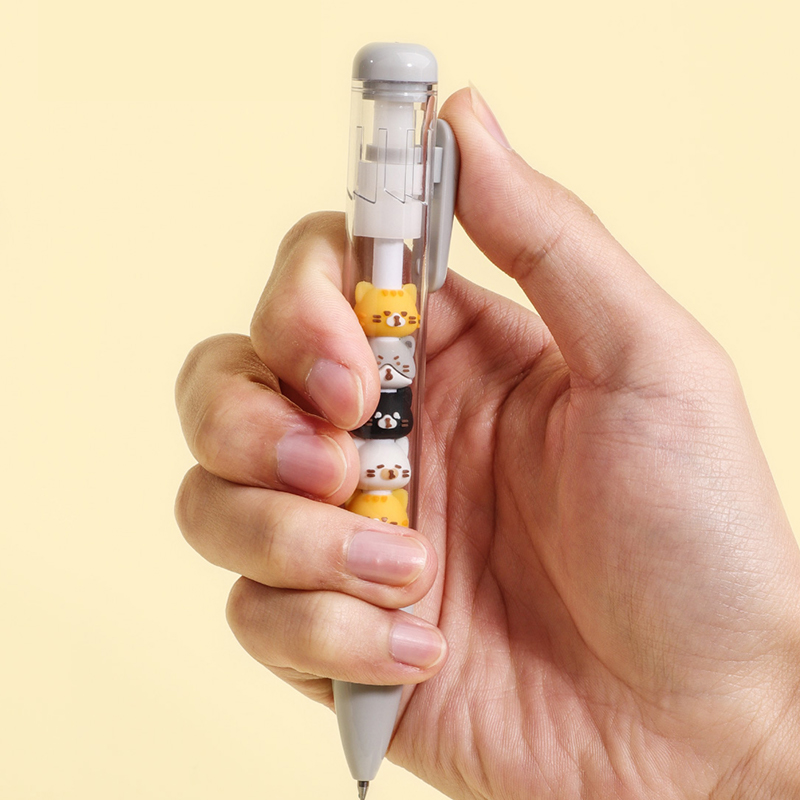
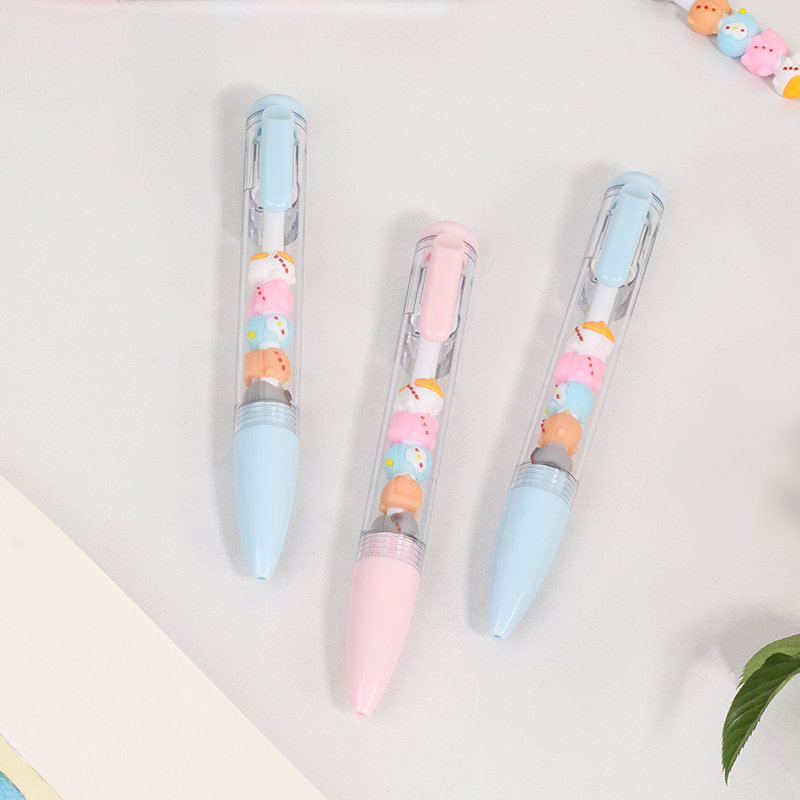
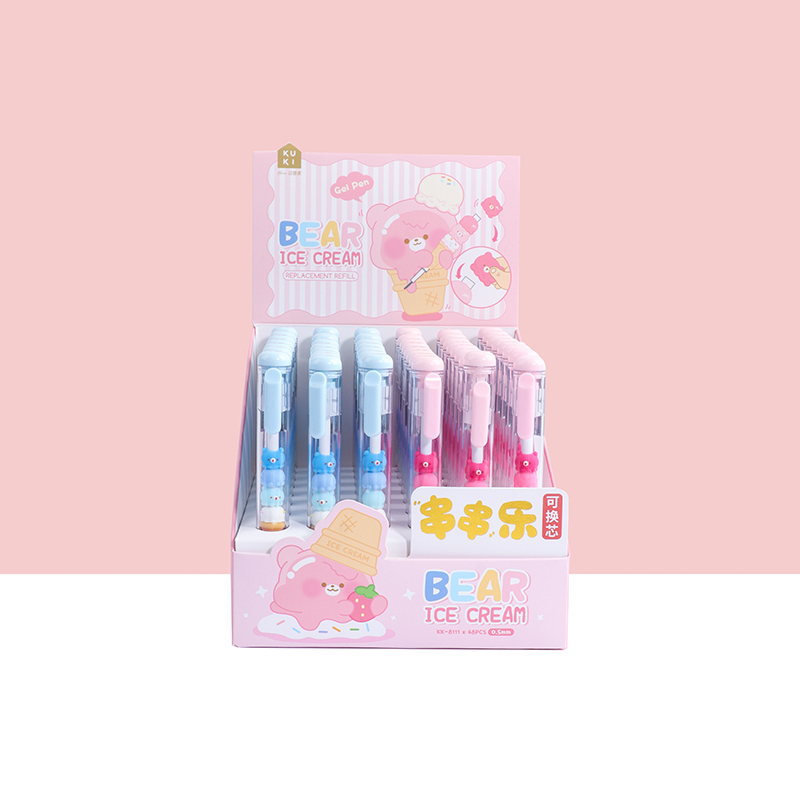
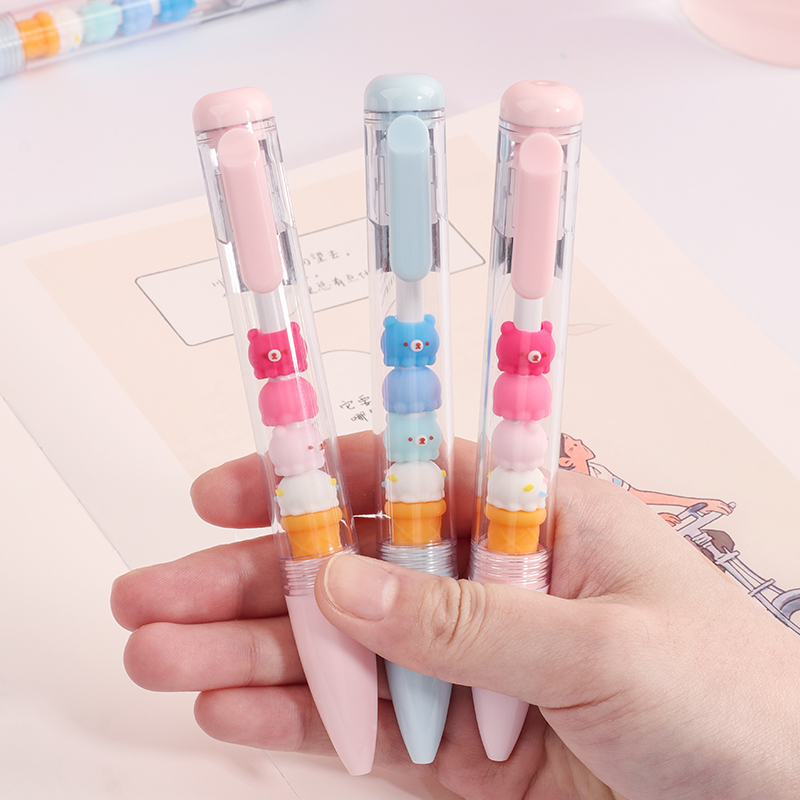
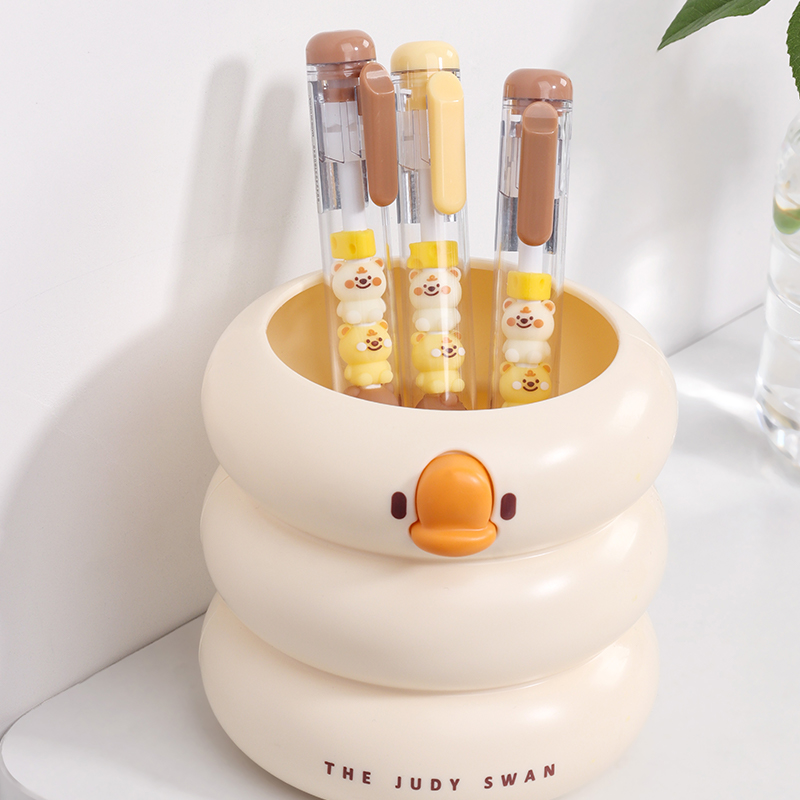
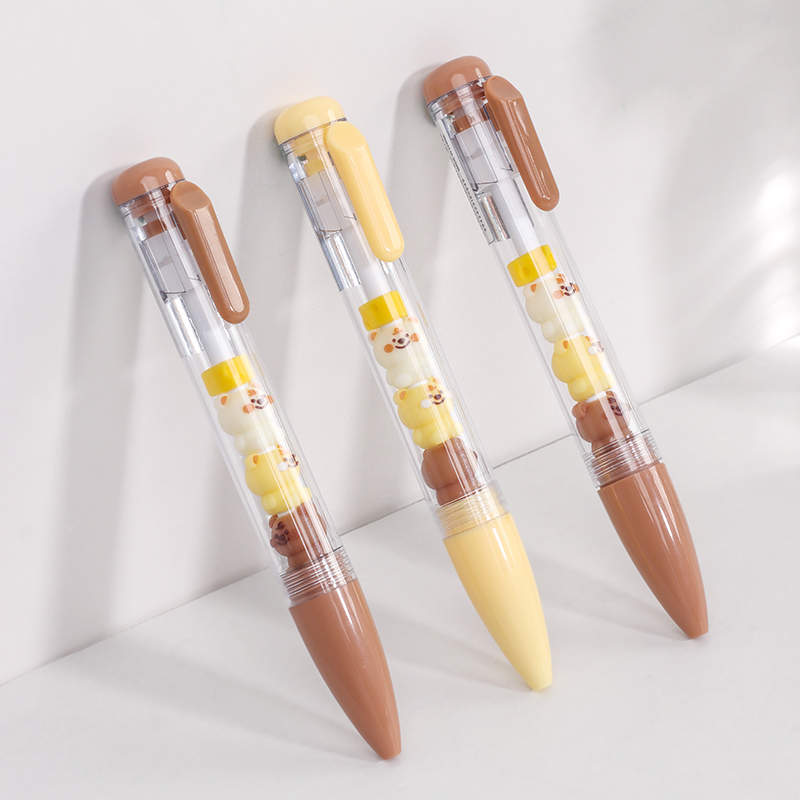
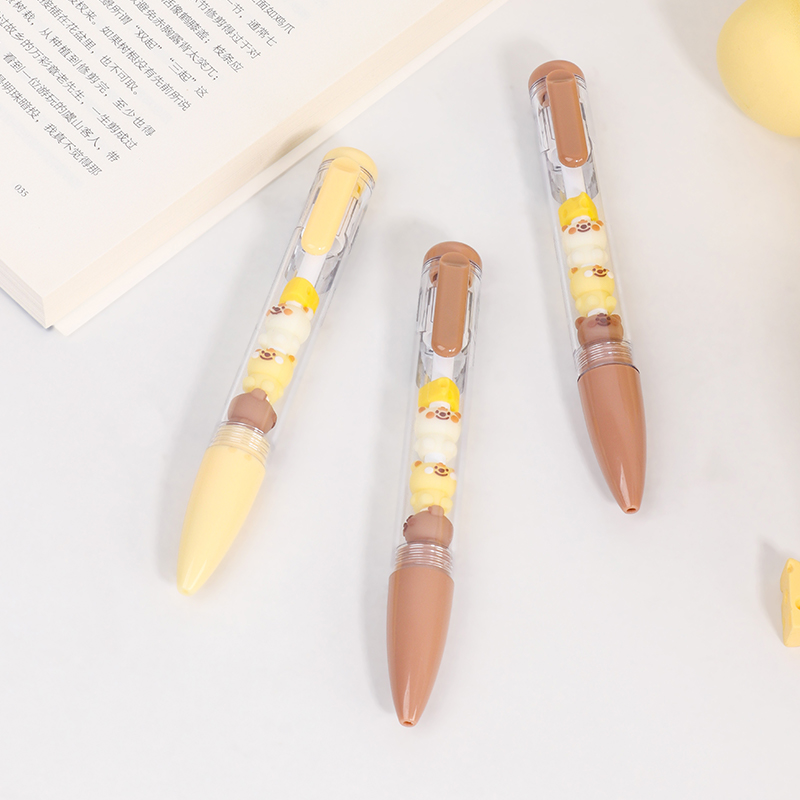
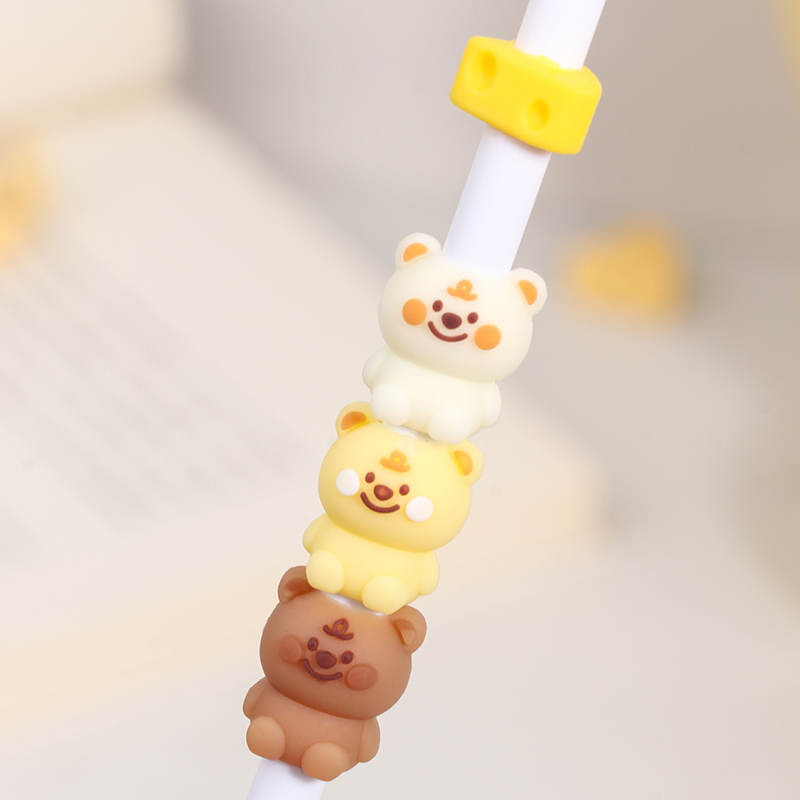
Dongyang Kuki Stationery Co., Ltd. is an innovative stationery company that integrates design, R&D, production, and sales. Under its brand KUKI HOME, the company focuses on cute and novelty-designed products — especially erasers, sharpeners, and correction tapes — with a mission to make learning happier and more creative.
As a pioneer in creative styling stationery, KUKI HOME owns 20+ original and collaborative IPs, including HAMER FRIENDS, LUCKYCATCLAW, HAPPTLFE AYBARA, VEGETABLE CHICKEN, and more. The company has developed over 30 product categories and launched 300+ bestsellers, with several single products exceeding 20 million units in sales. As a custom Bead String Pen manufacturer and wholesale Bead String Pen factory in China, KUKI has also obtained 30+ design patents.
KUKI HOME has partnered with global brands like Miniso, The Green Party, and Lenle, and its products are exported to Europe, North America, Brazil, Indonesia, and other countries — well received by consumers around the world. In 2023, it was honored as a “Pioneer of Going Abroad” by Yiwu Brand Overseas Billion Club and has long participated in stationery exhibitions and international exchanges in Japan, Indonesia, Russia, and beyond.
Looking ahead, KUKI HOME is transforming from traditional manufacturing to “cultural and creative intelligent manufacturing.” With continuous innovation in IP creation, product updates, and design, the brand is boldly moving toward becoming one of the world’s leading names in creative stationery.

Beadable Pen Manufacturing
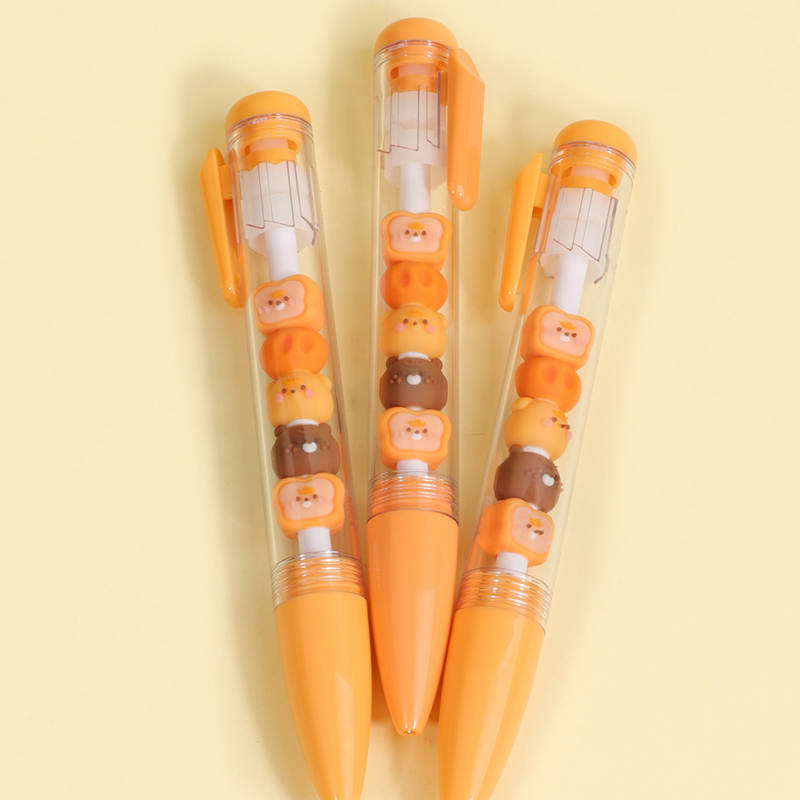
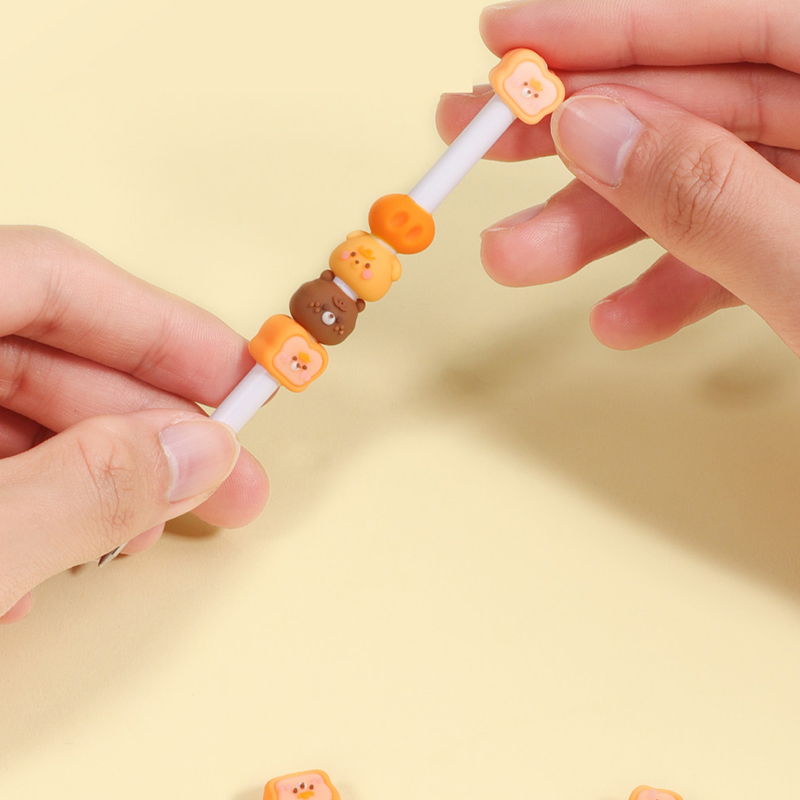
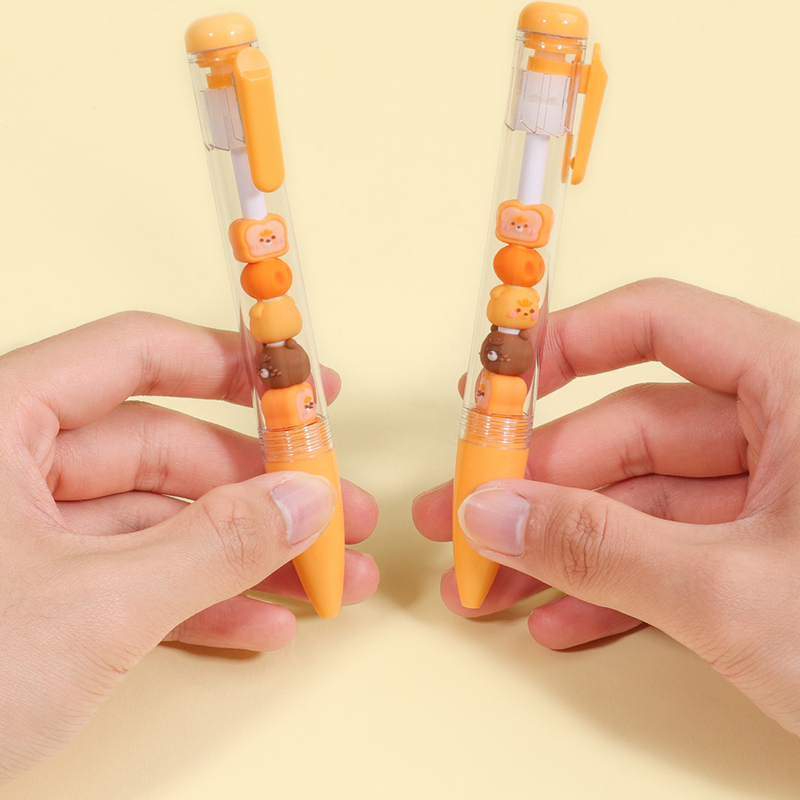
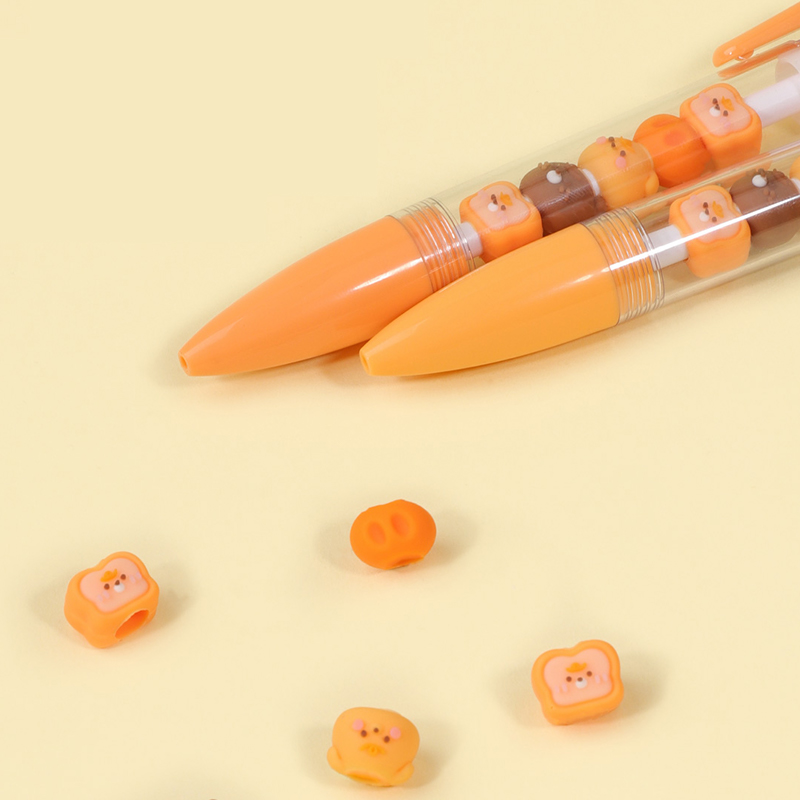
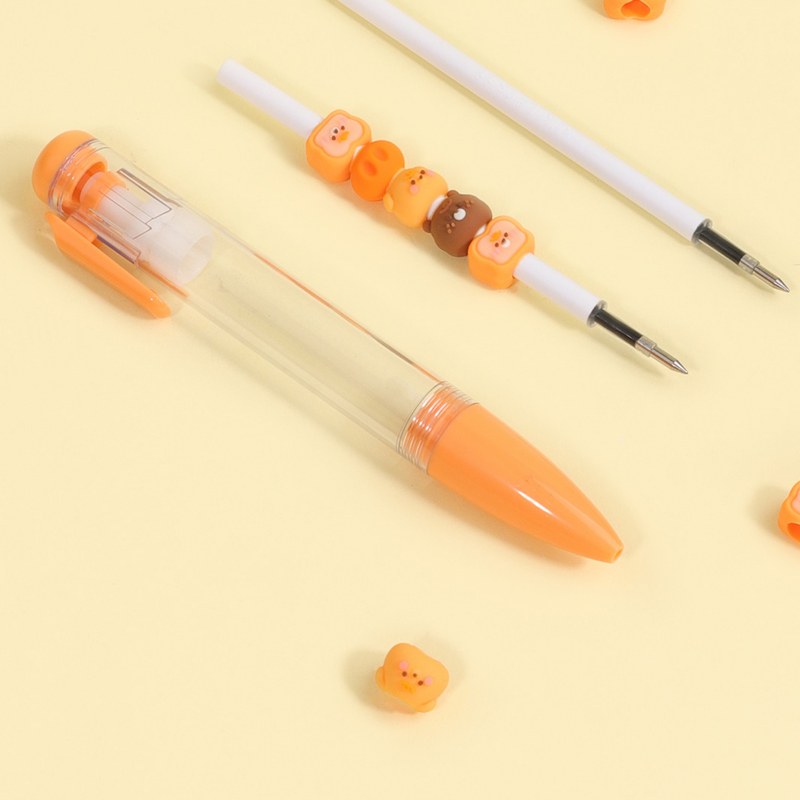
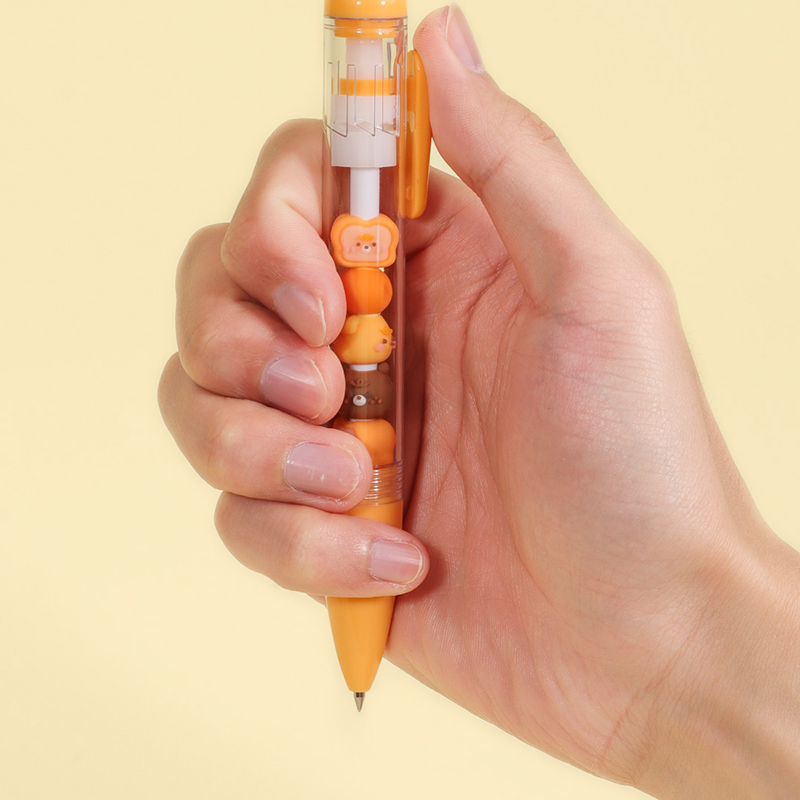
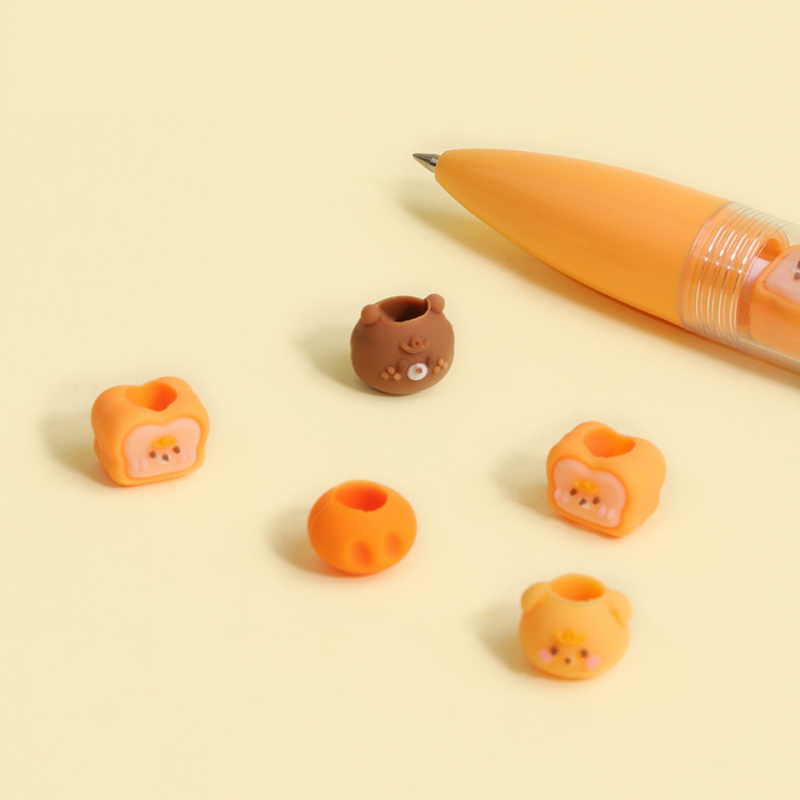
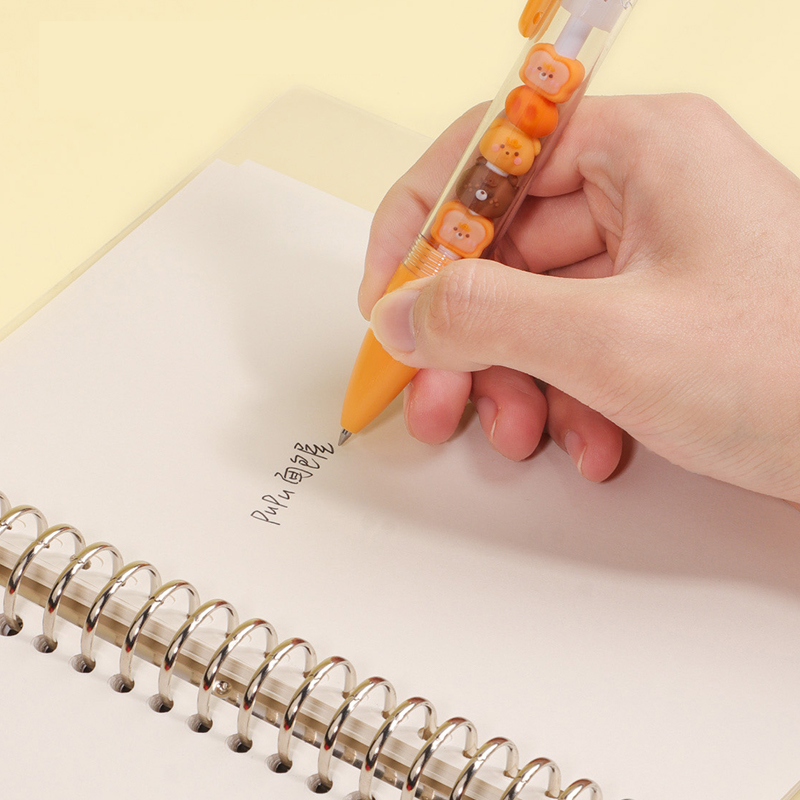
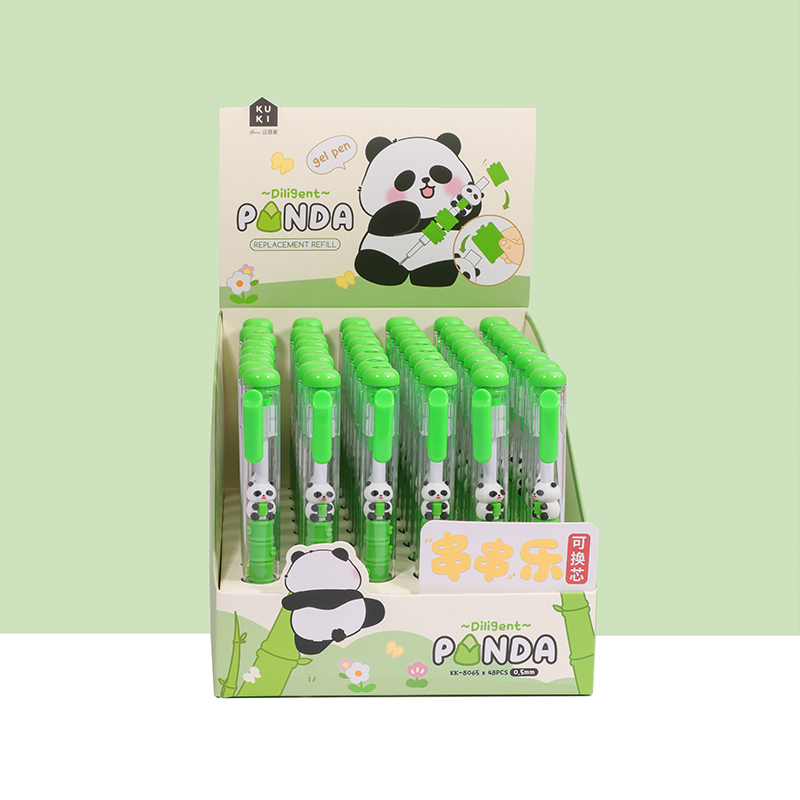
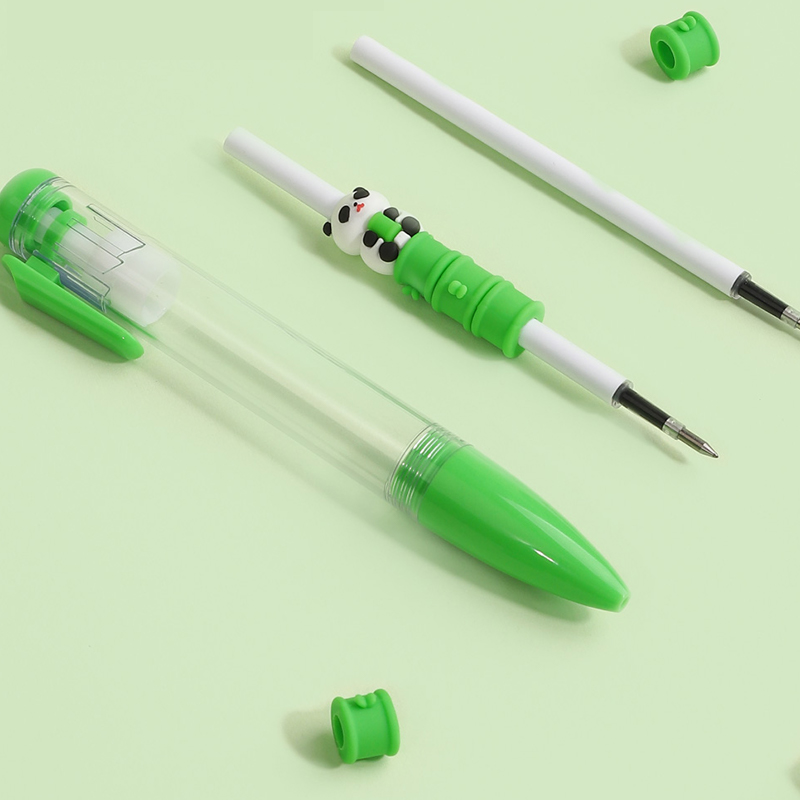
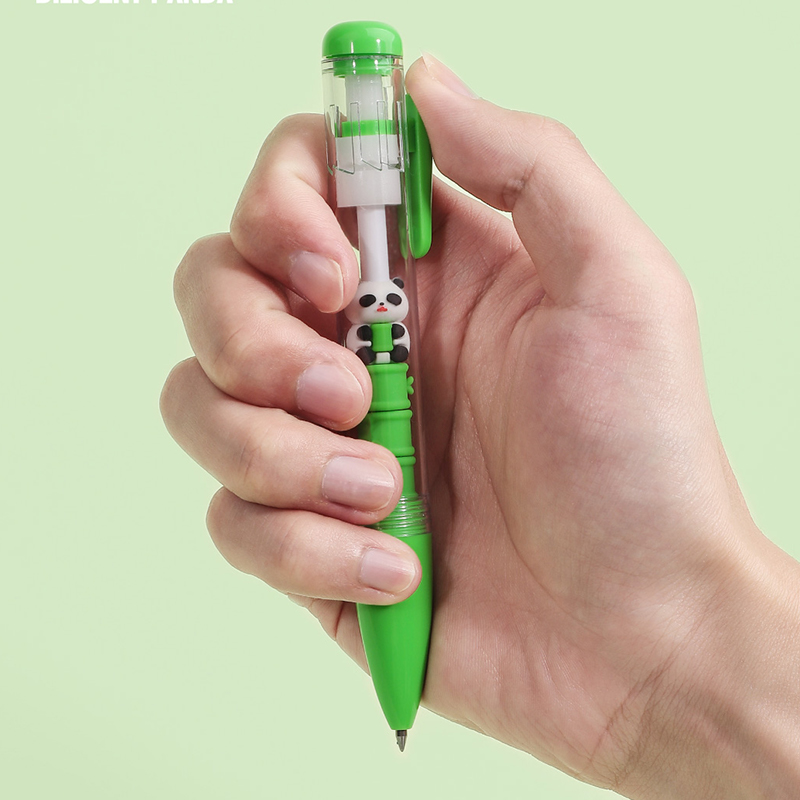
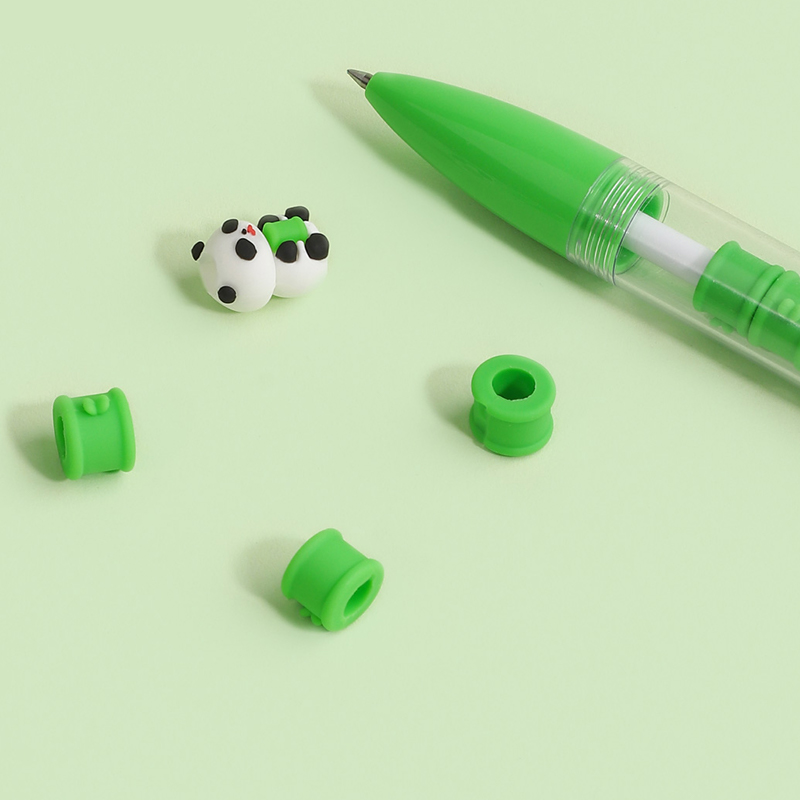
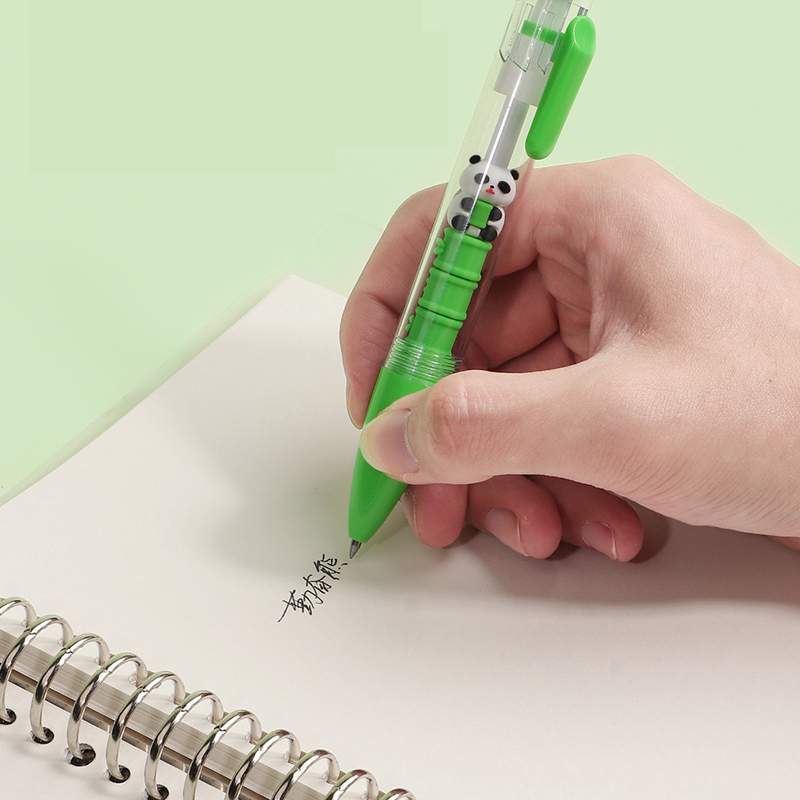
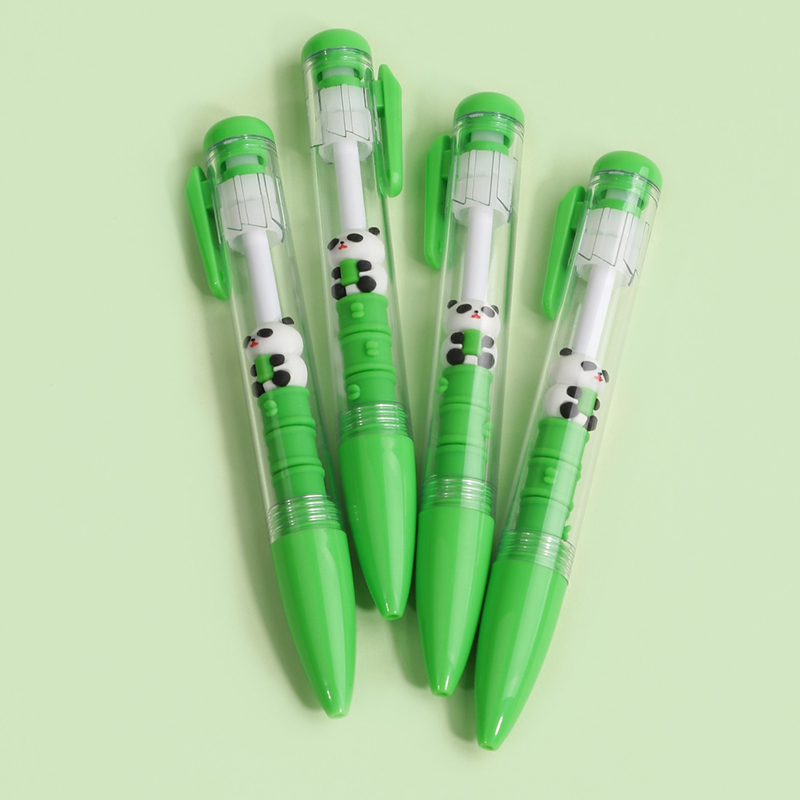
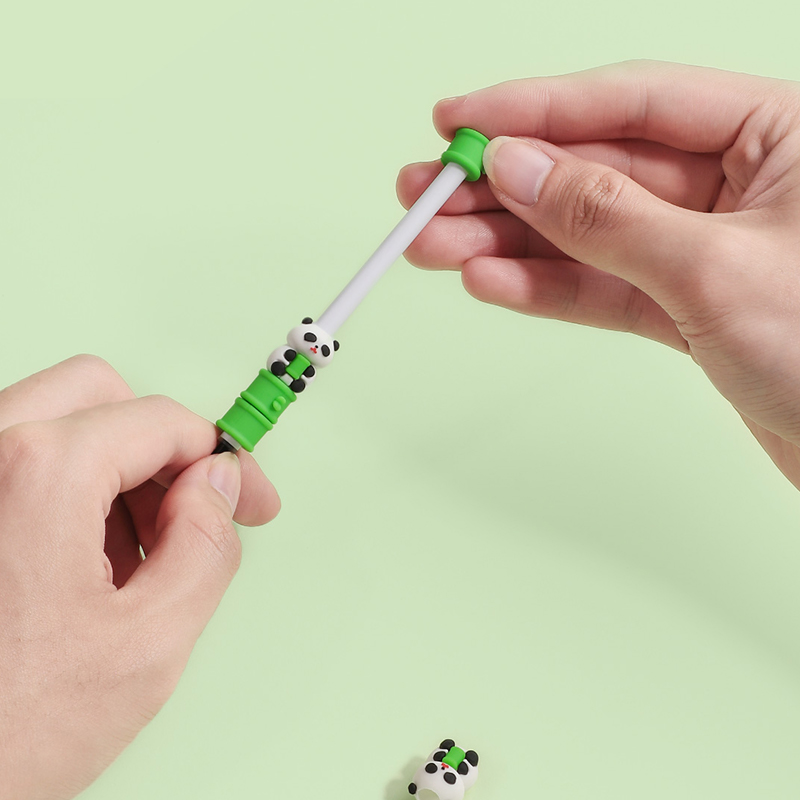
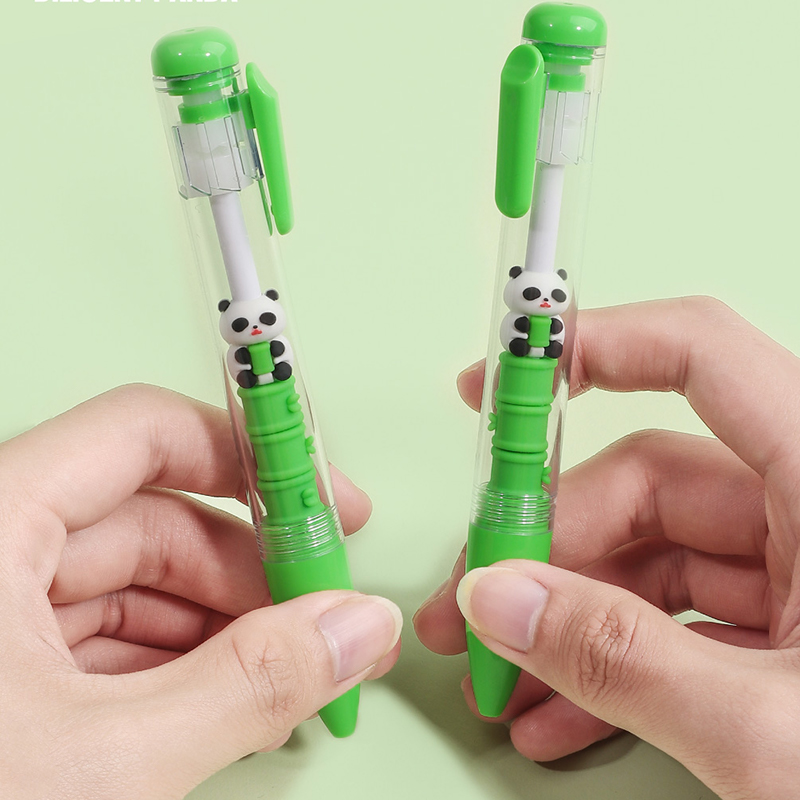
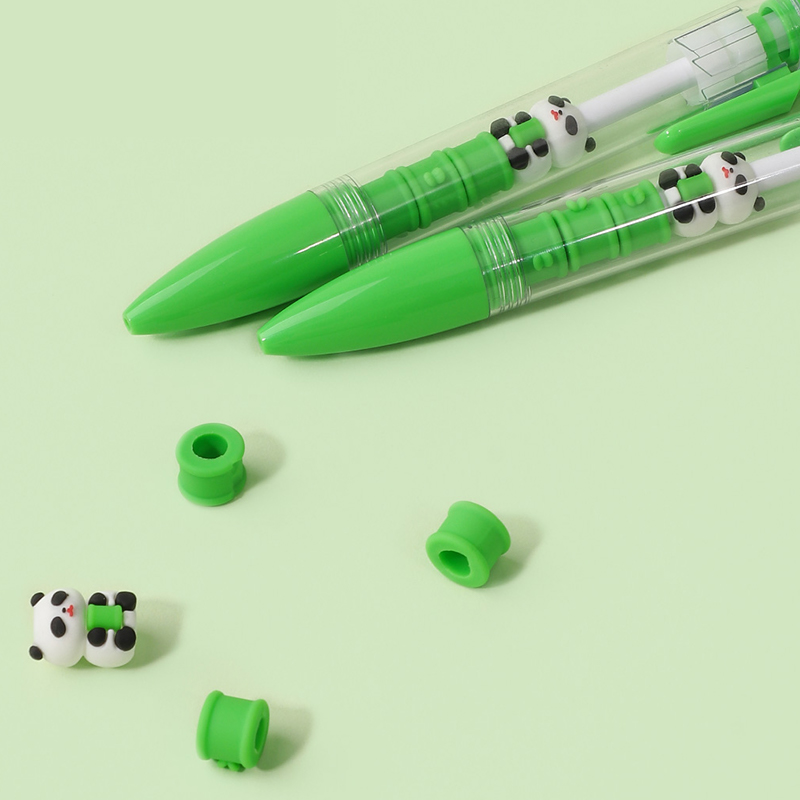
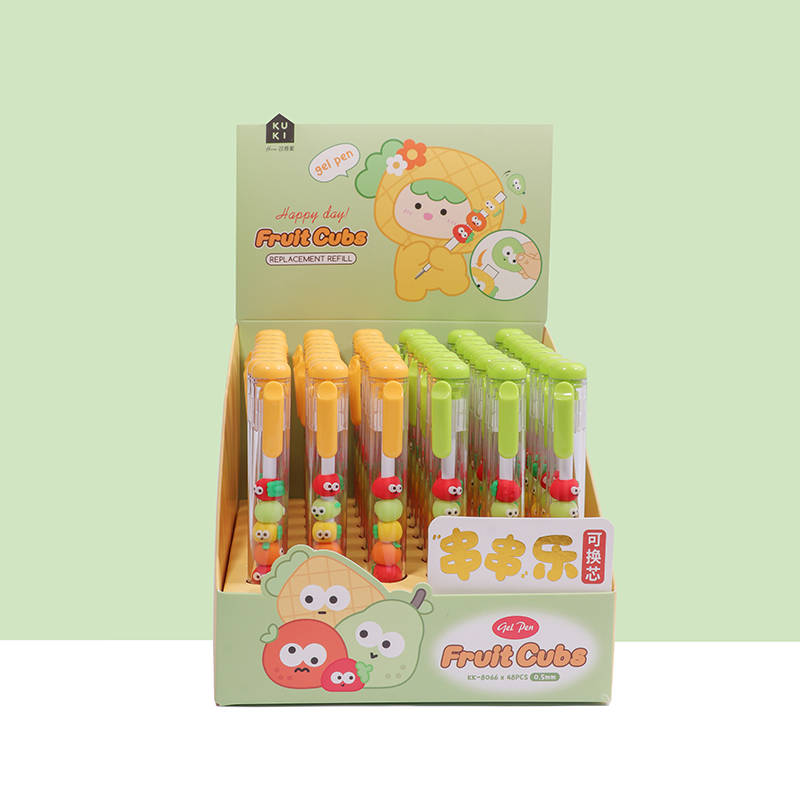
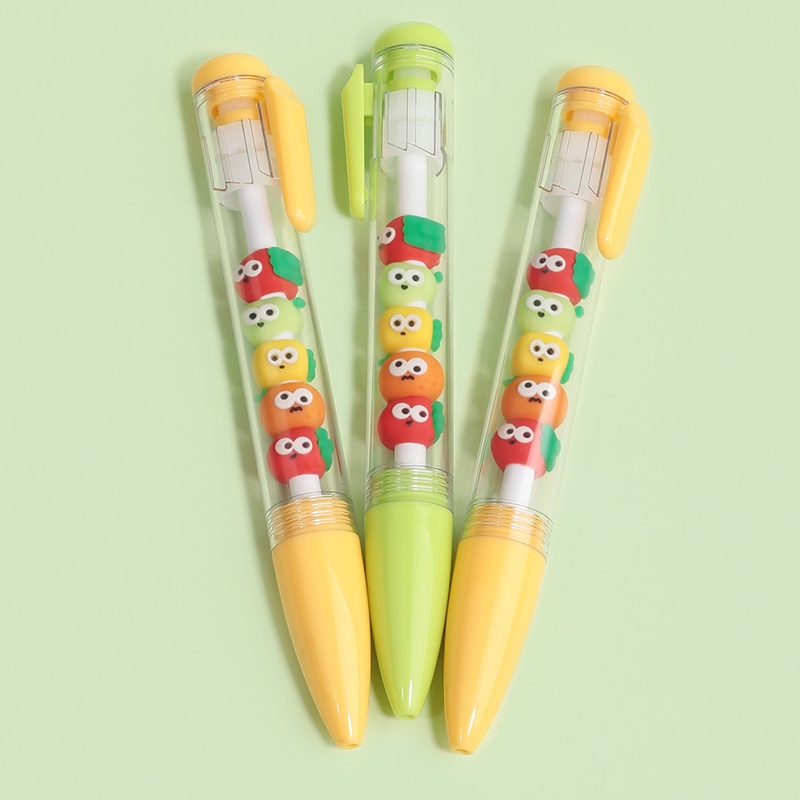
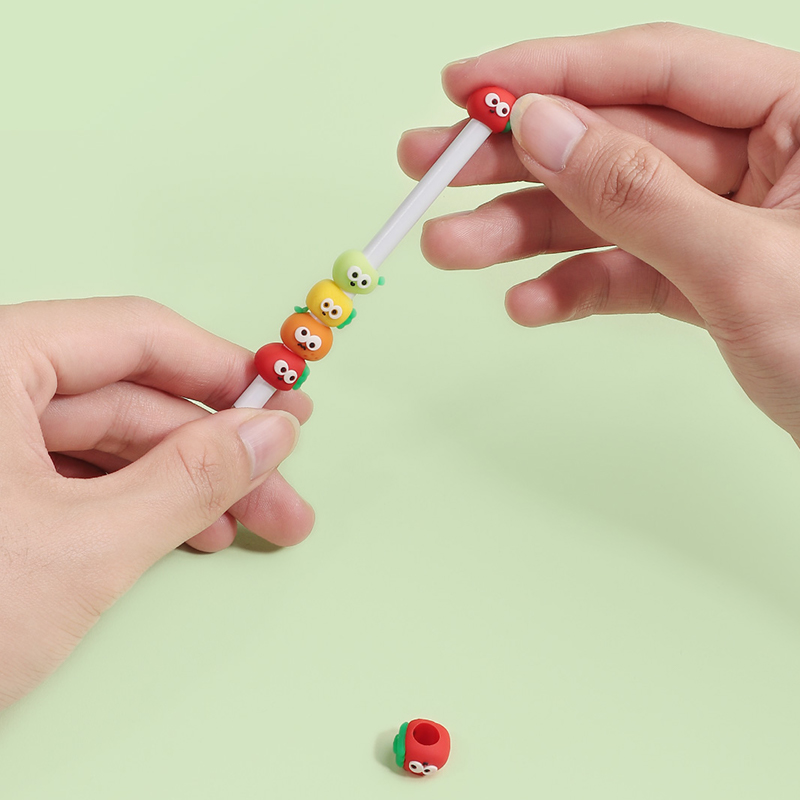
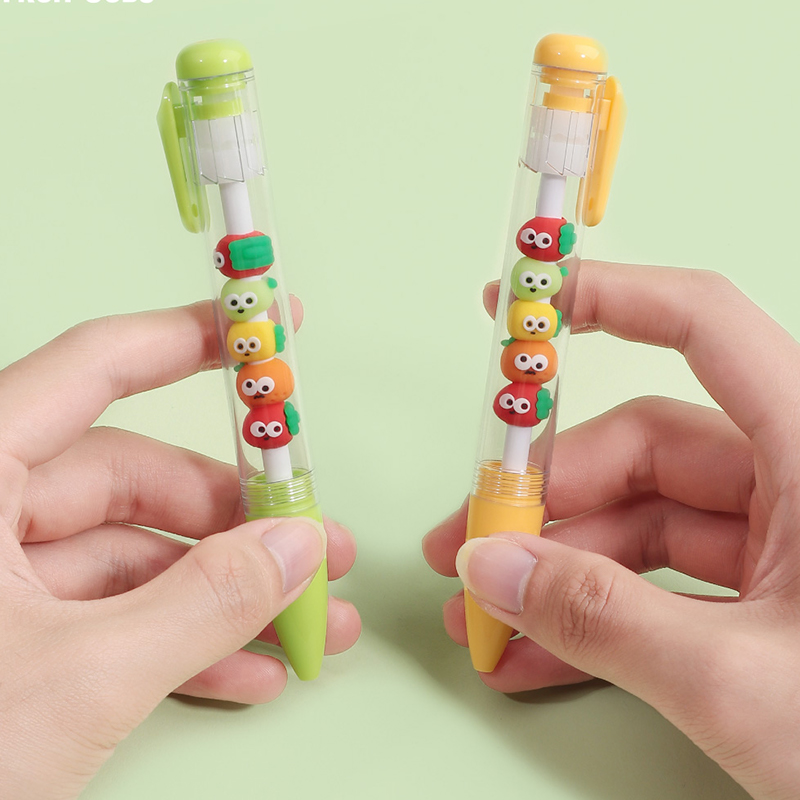
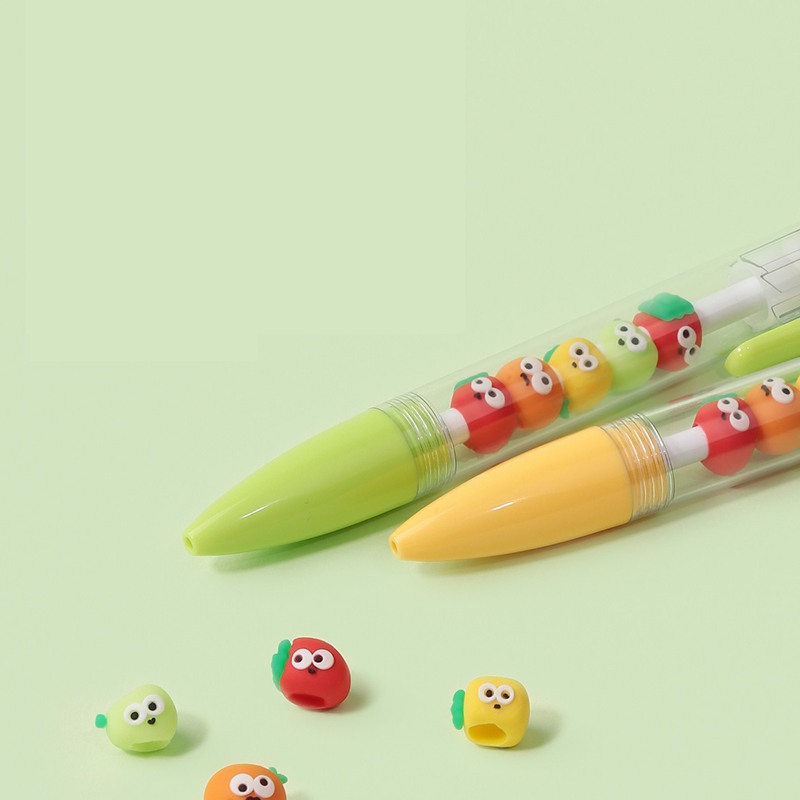
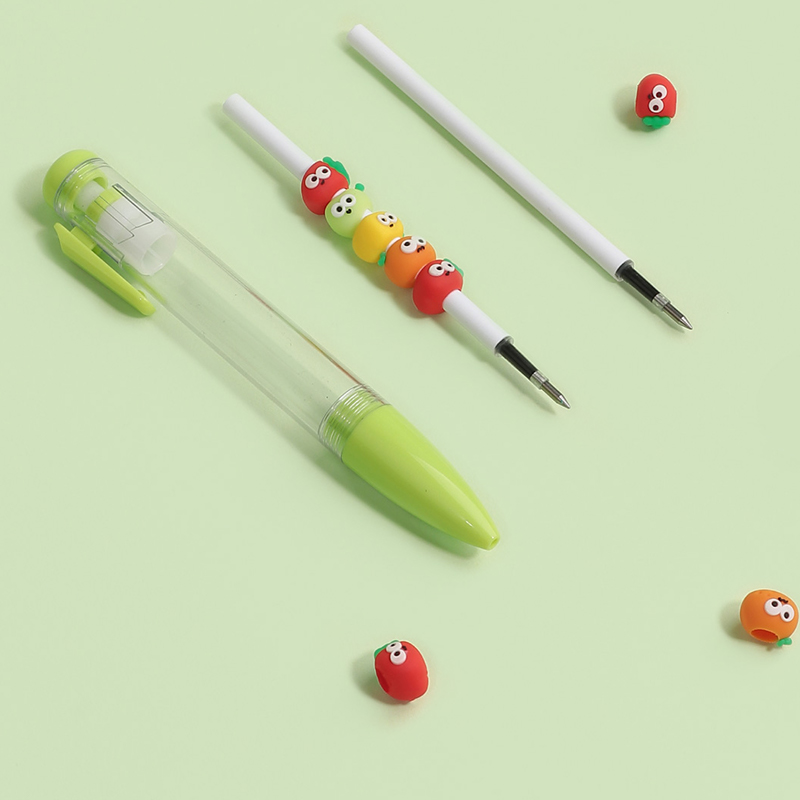
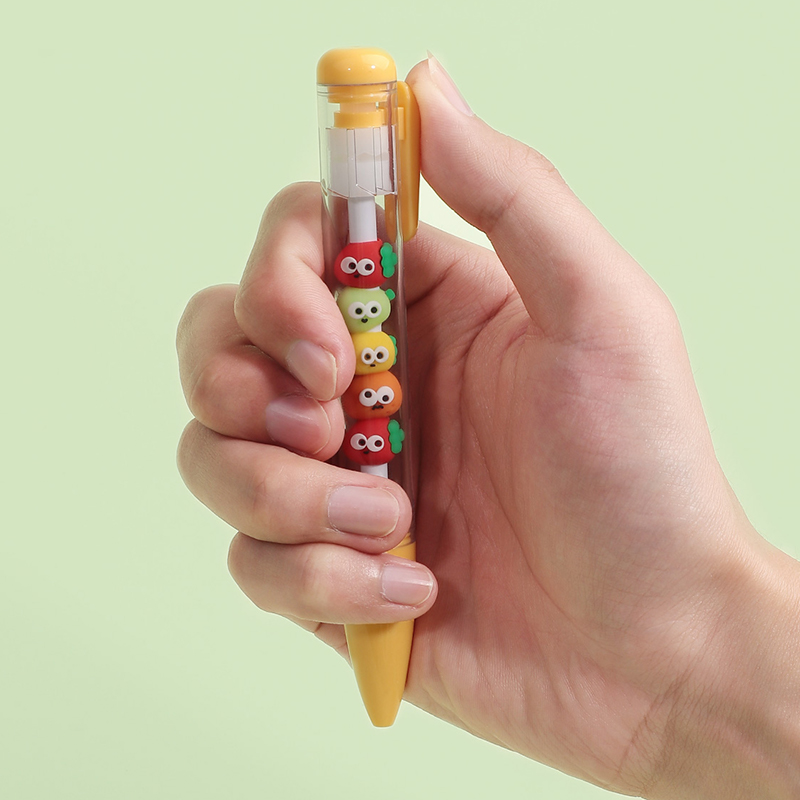
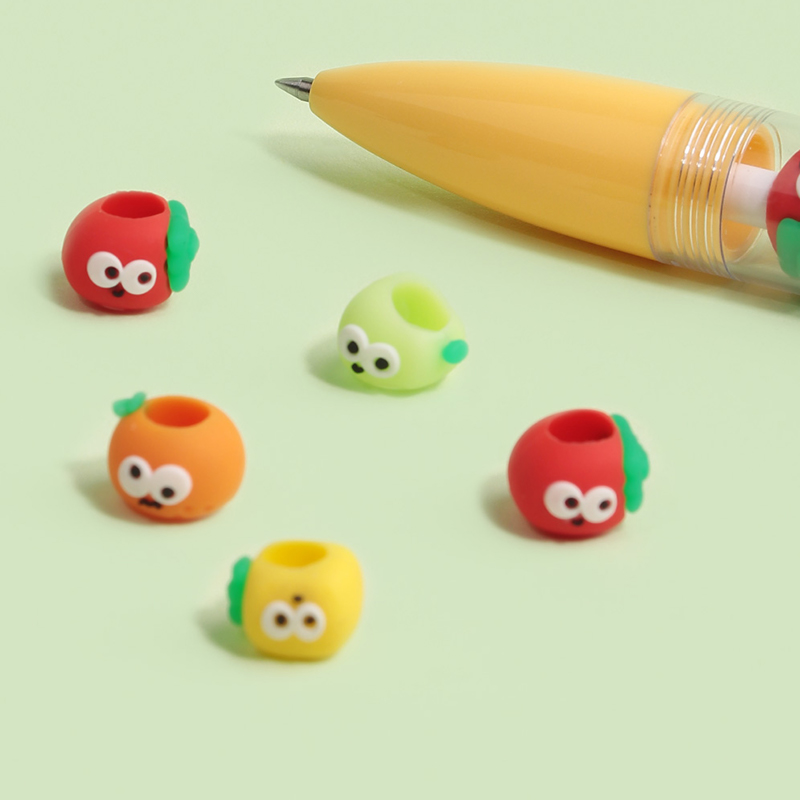
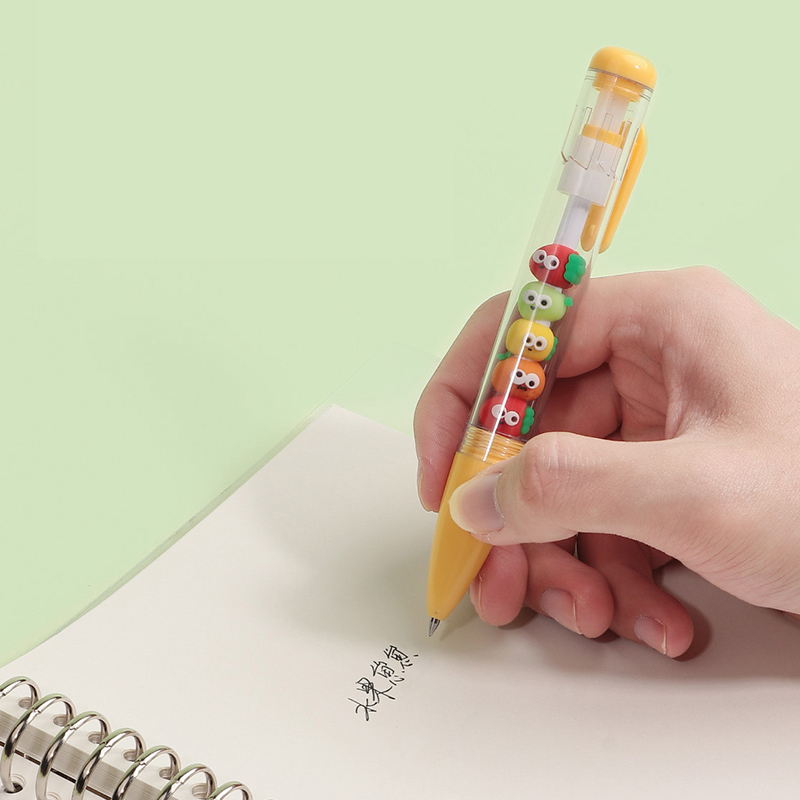
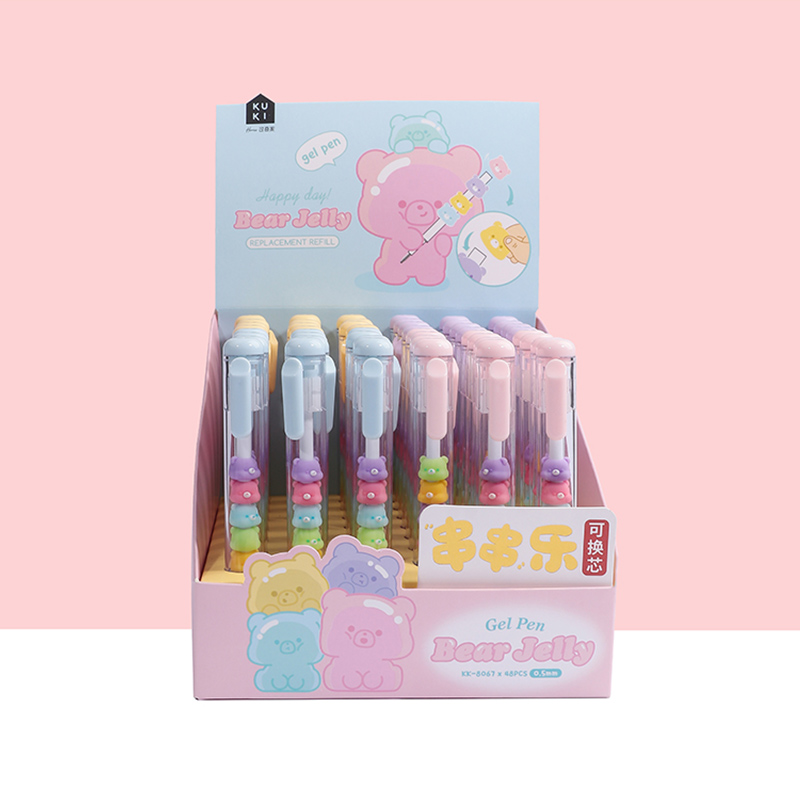
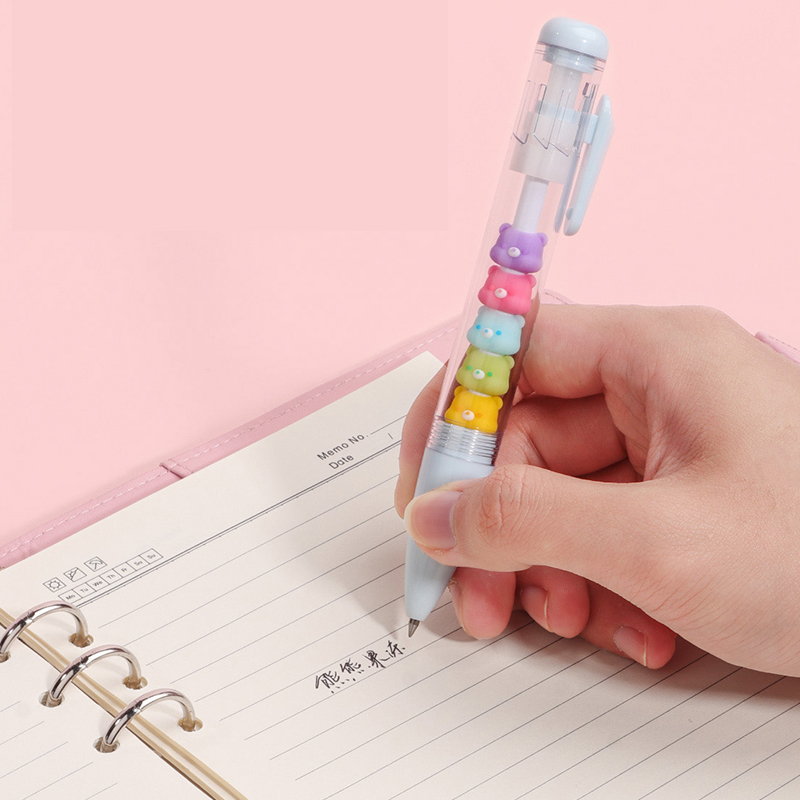
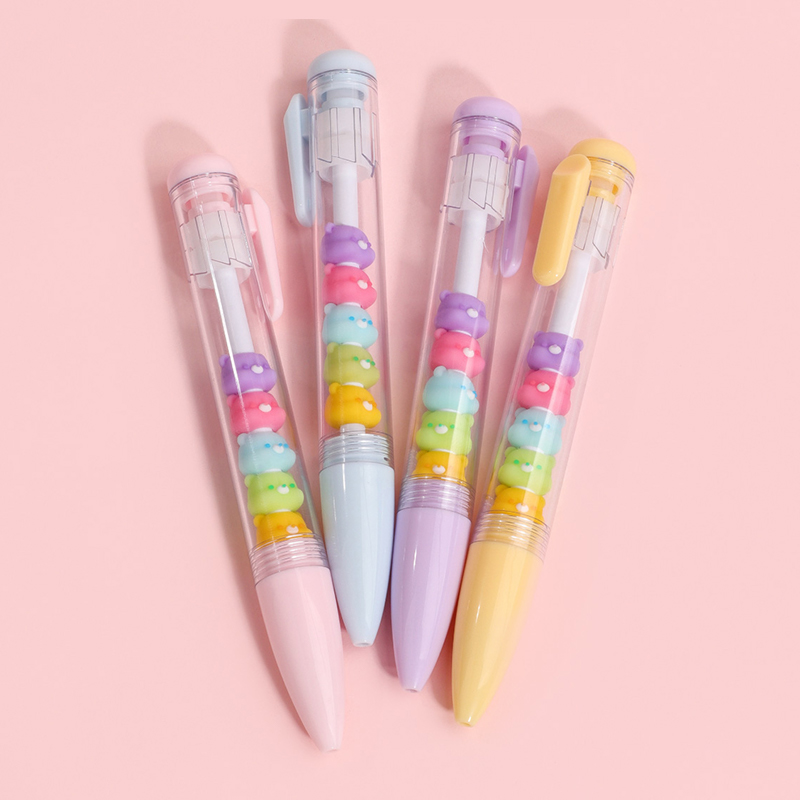
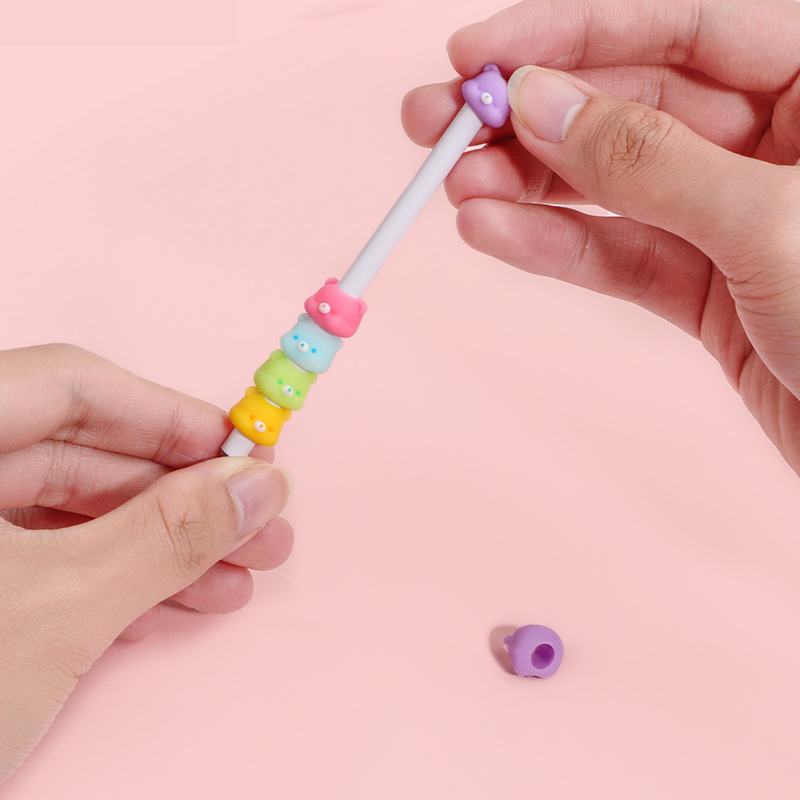
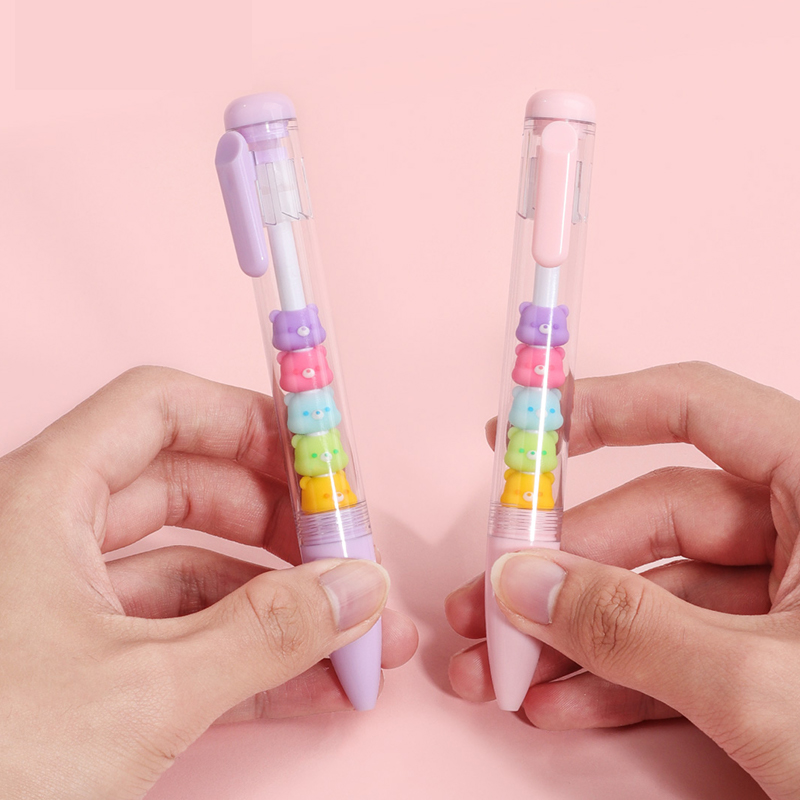
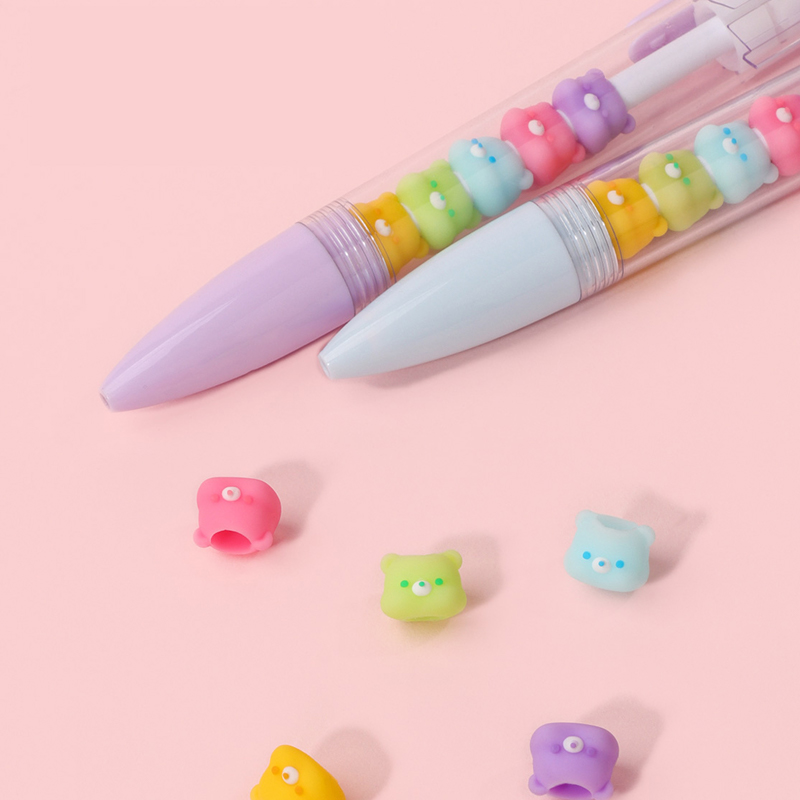
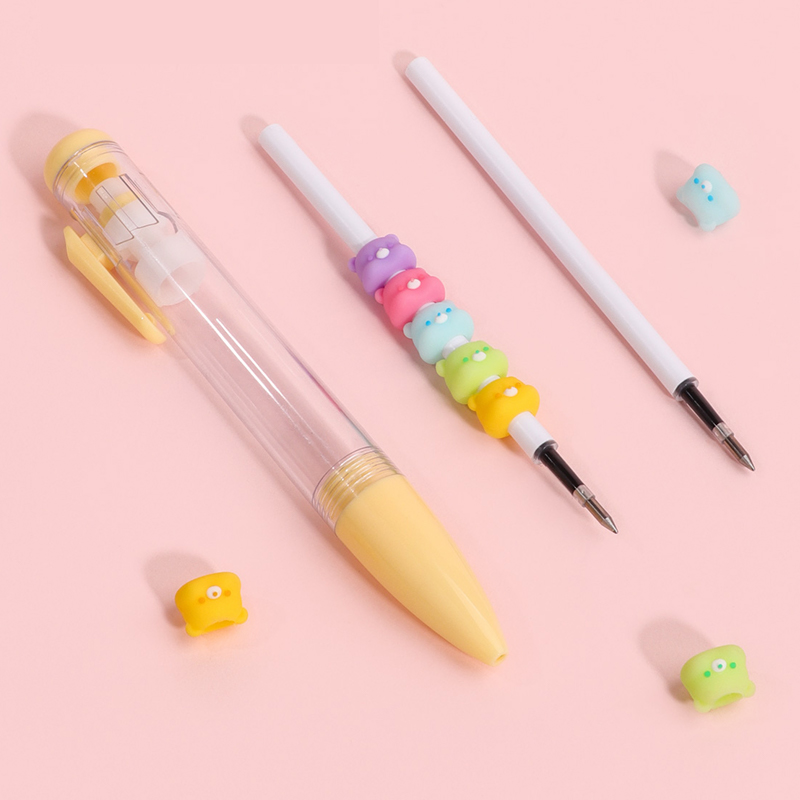
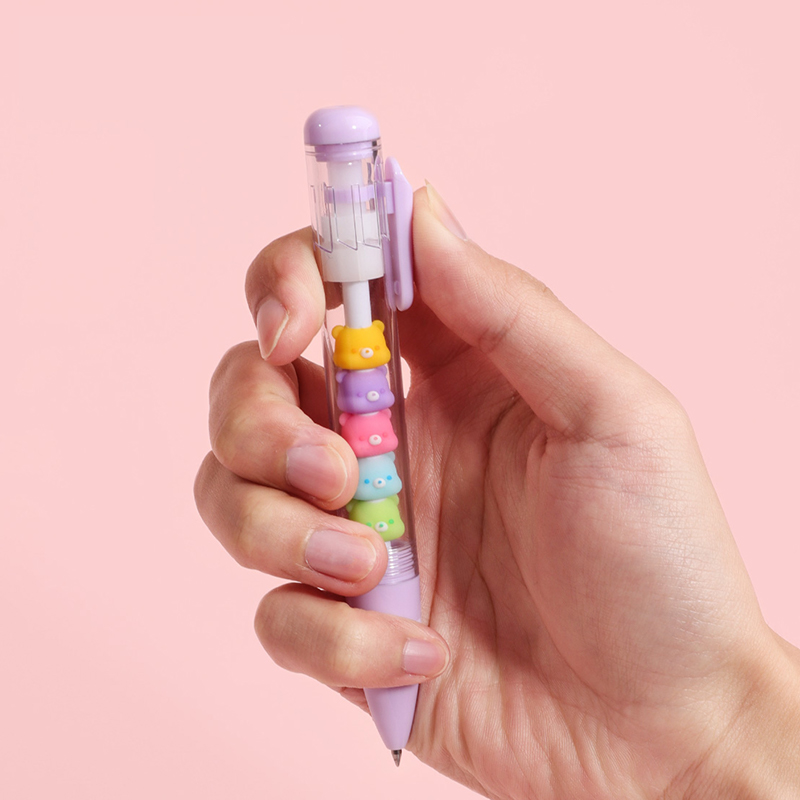
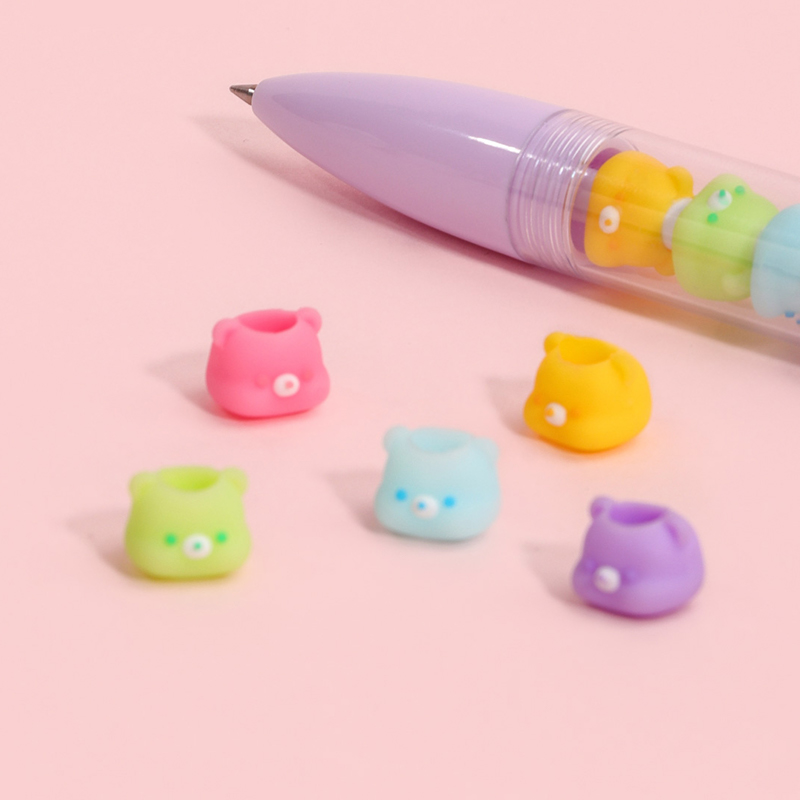
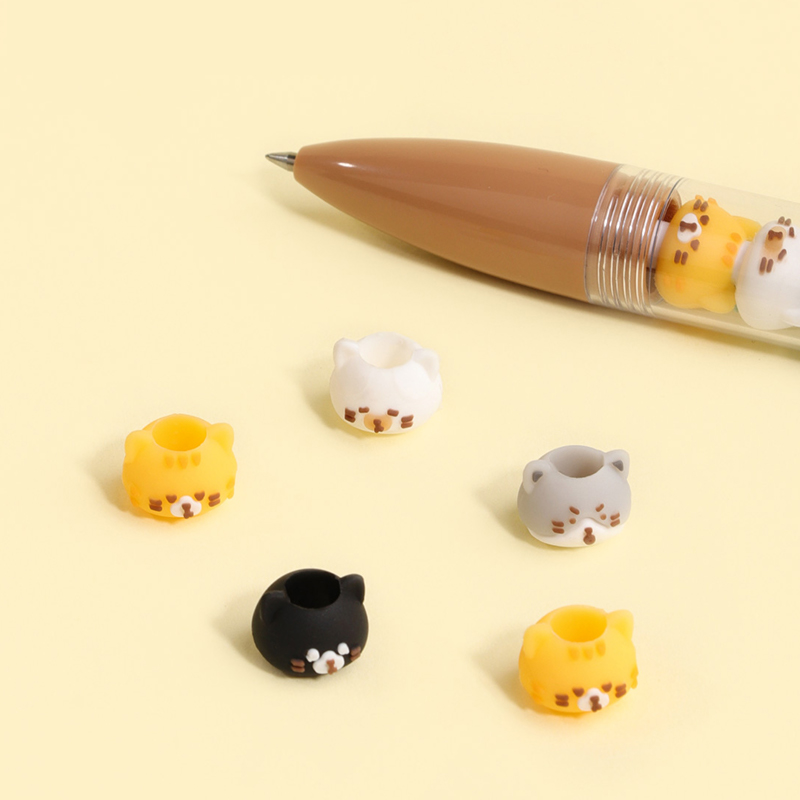
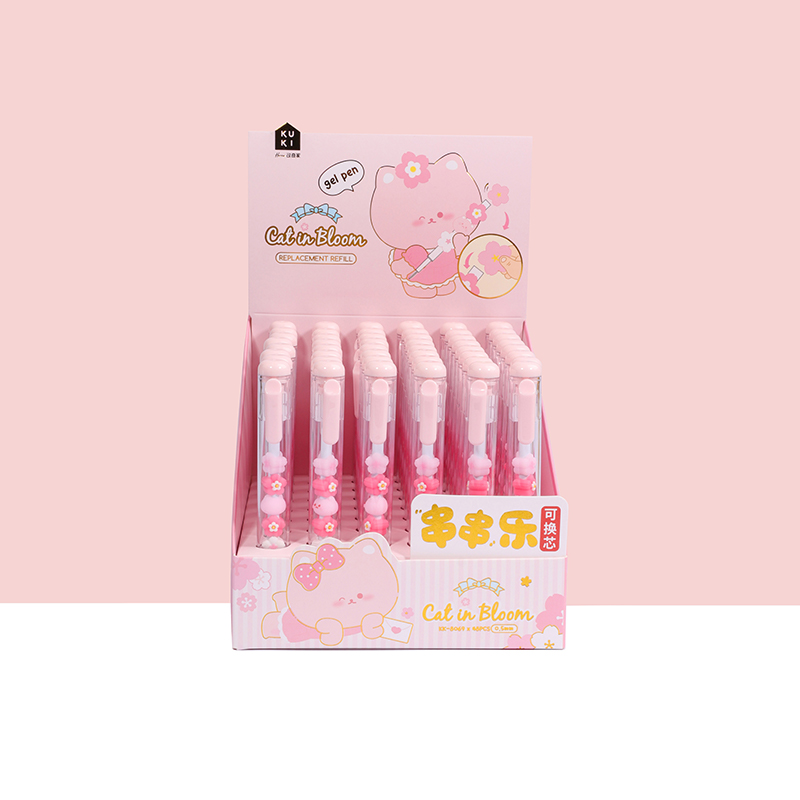
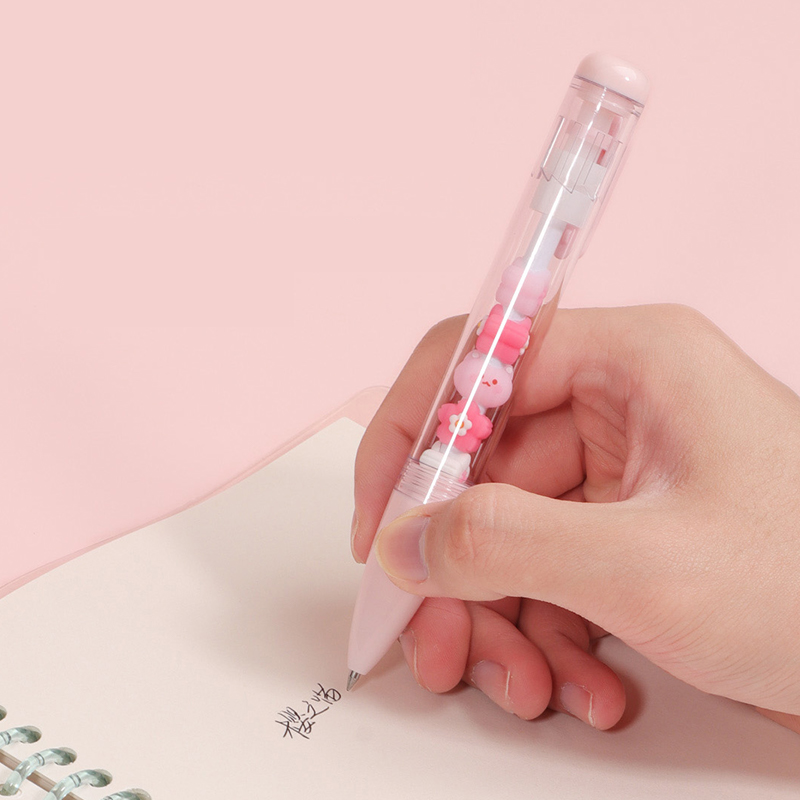
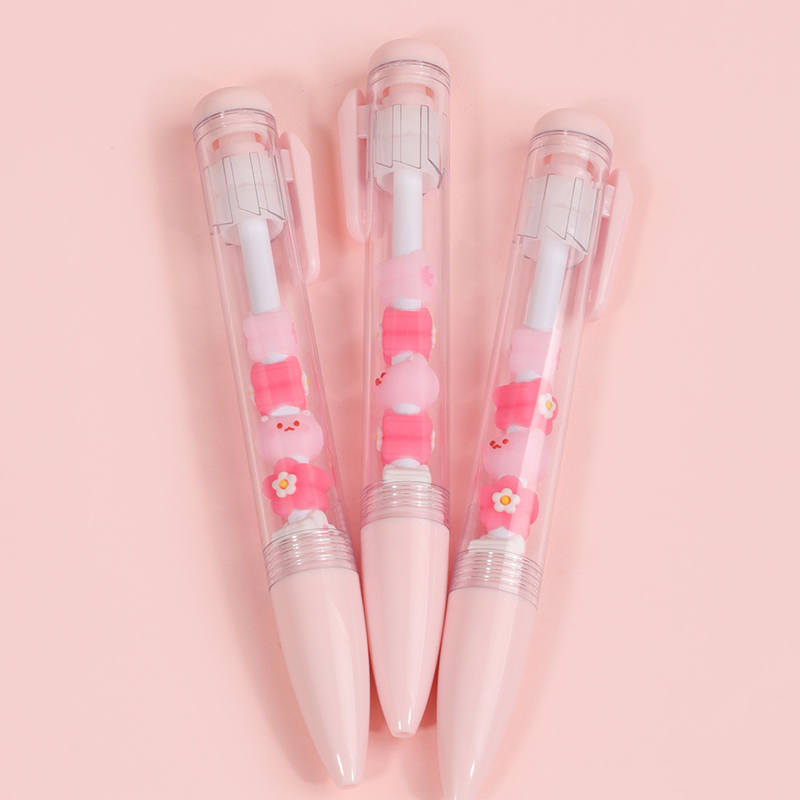
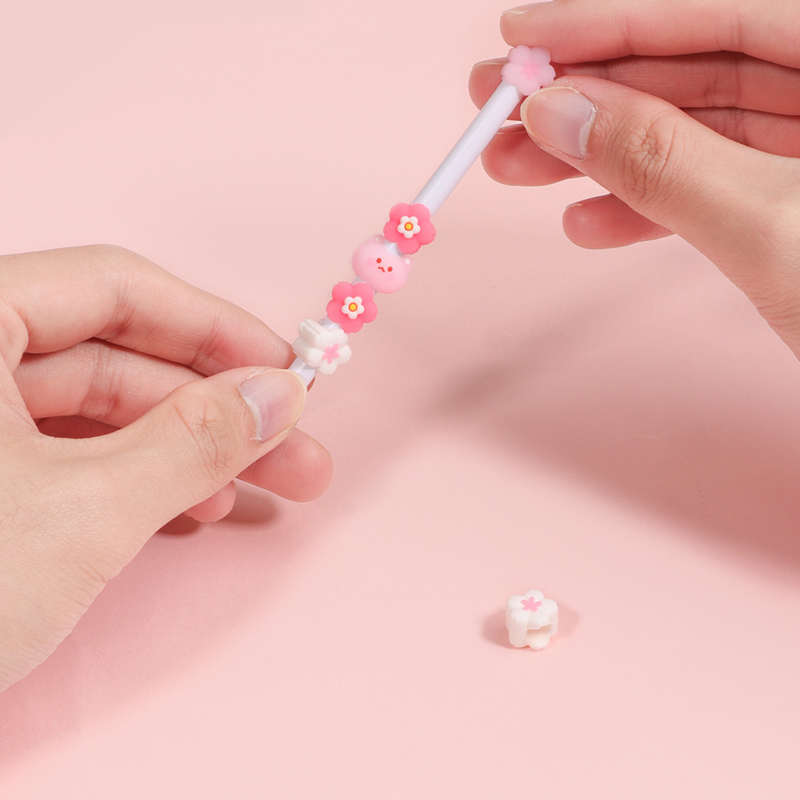
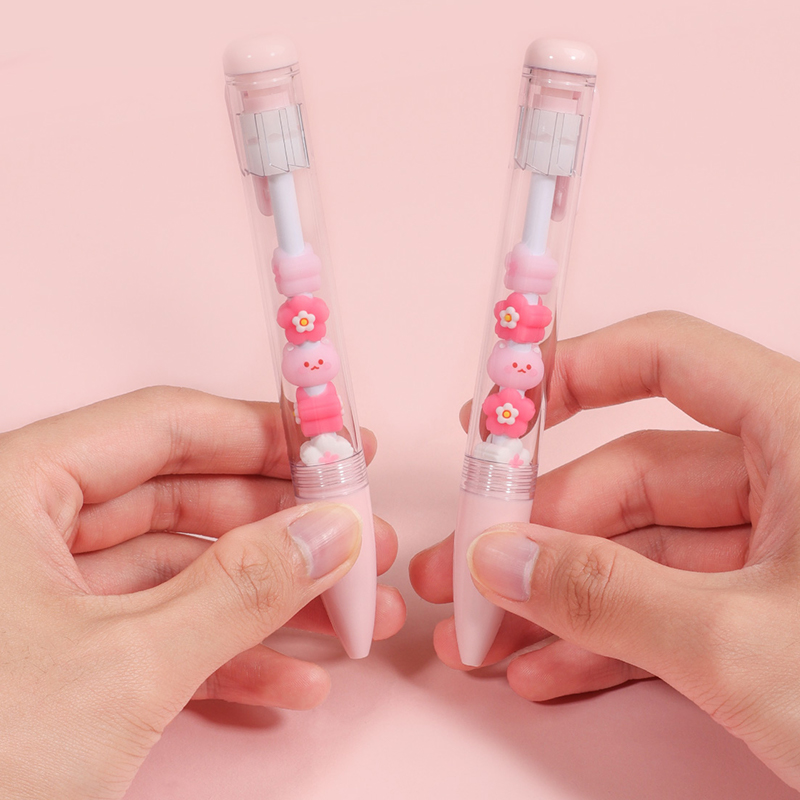
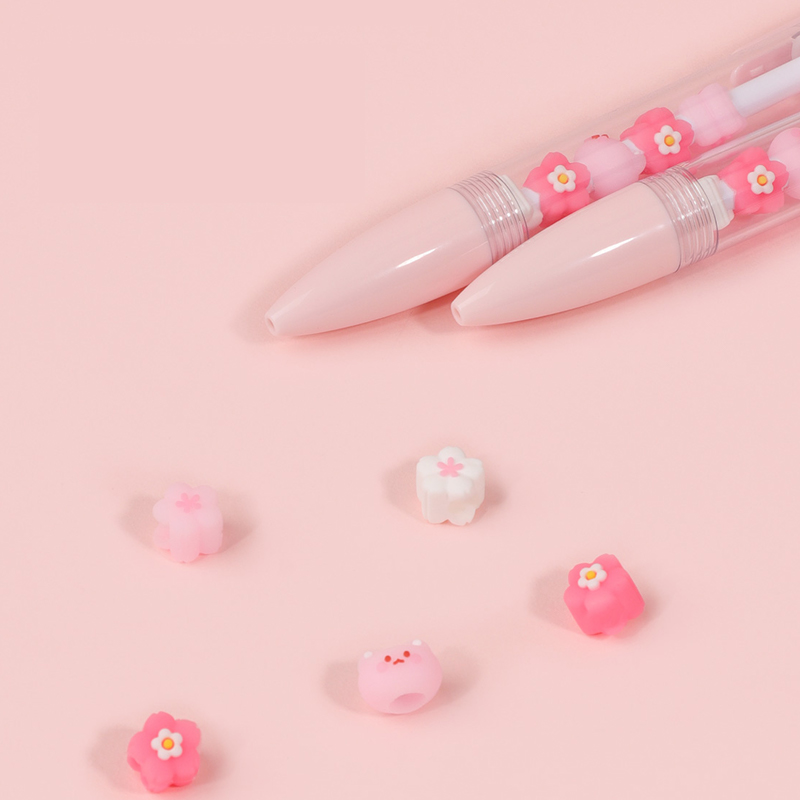
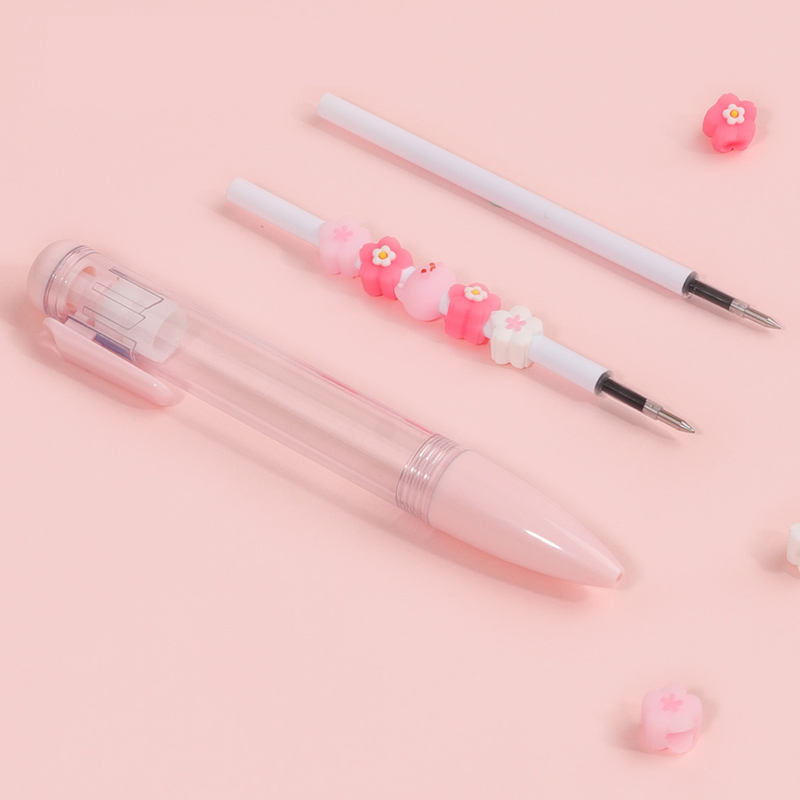
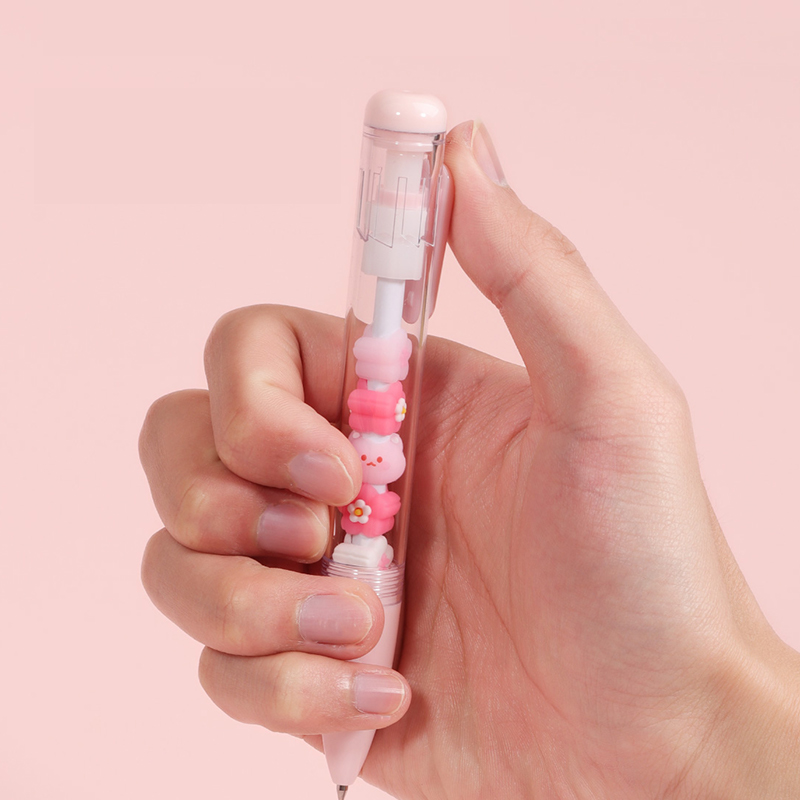
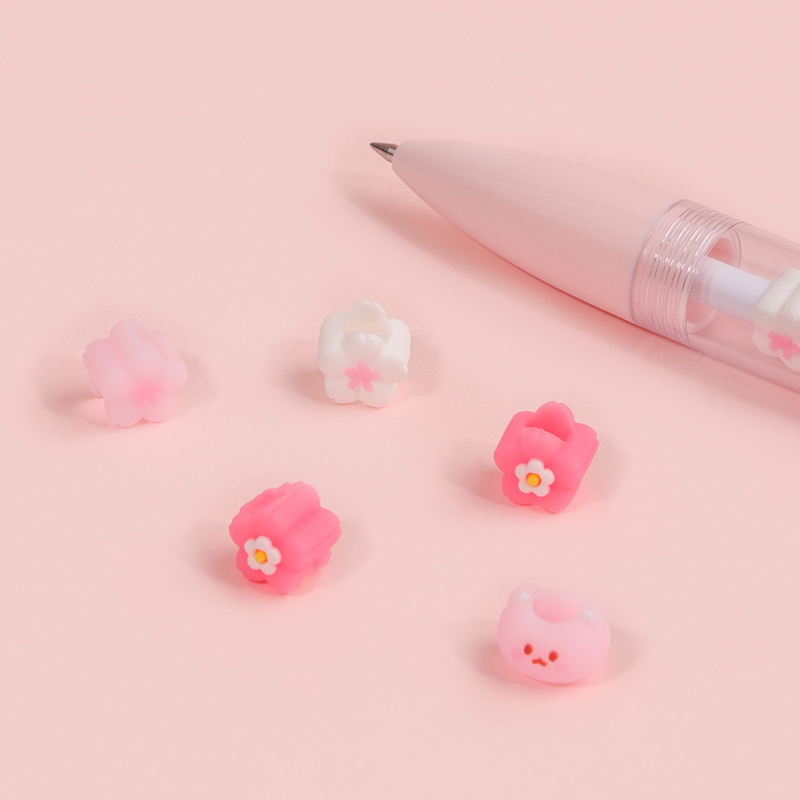
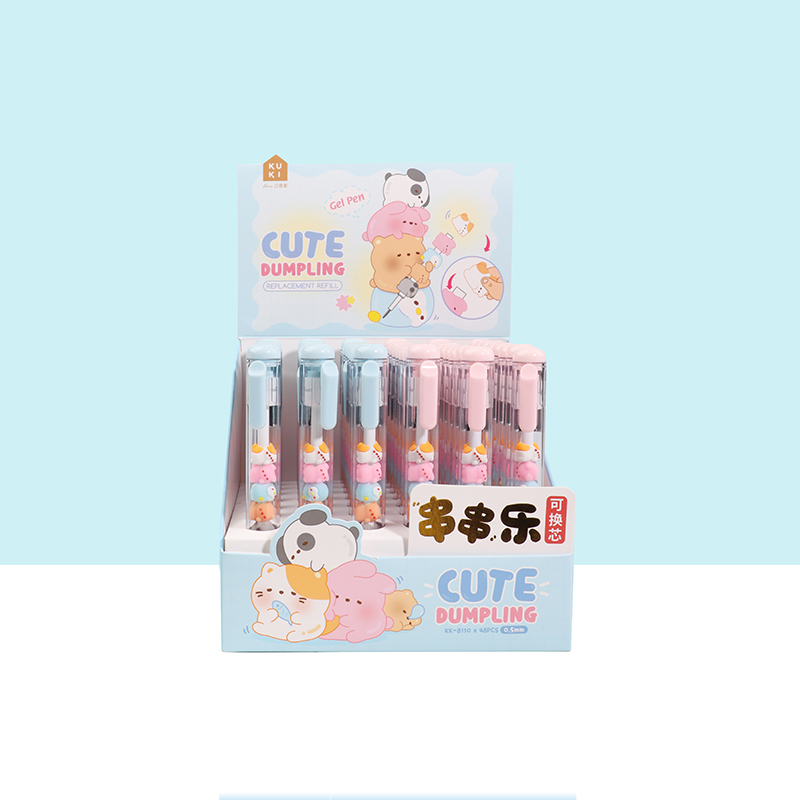
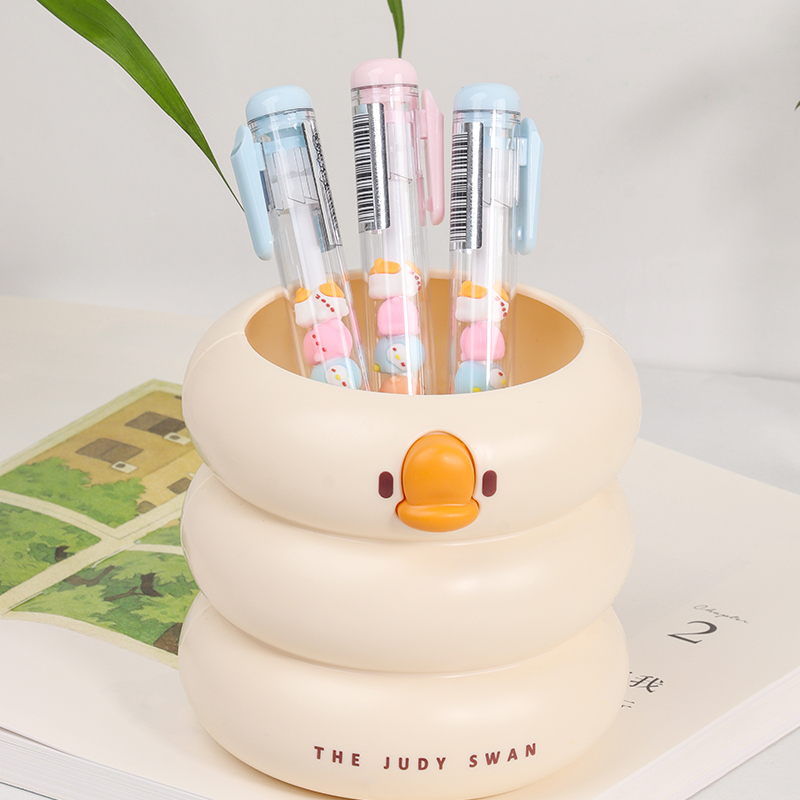
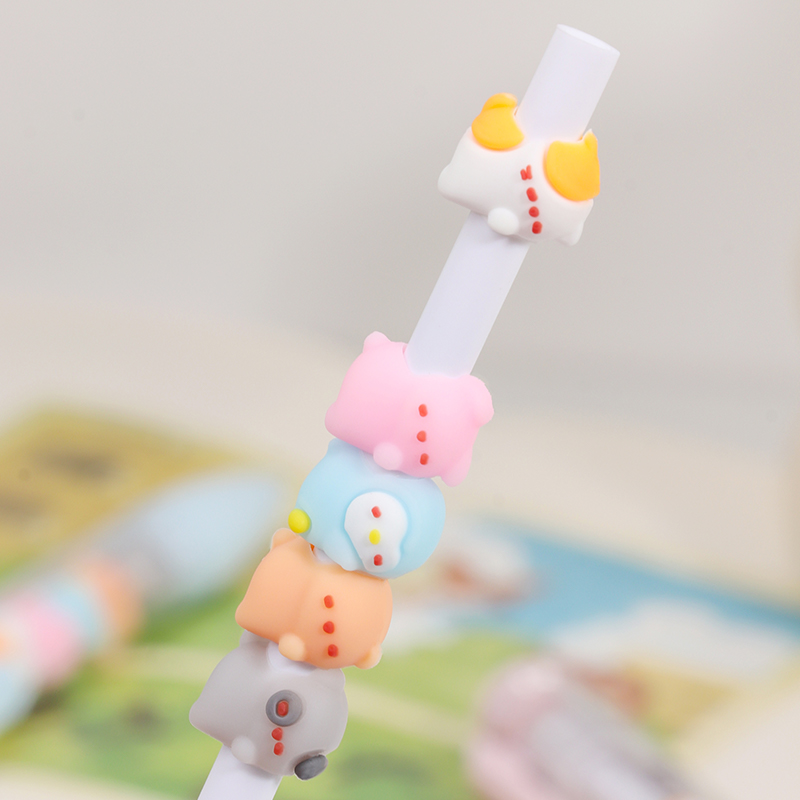
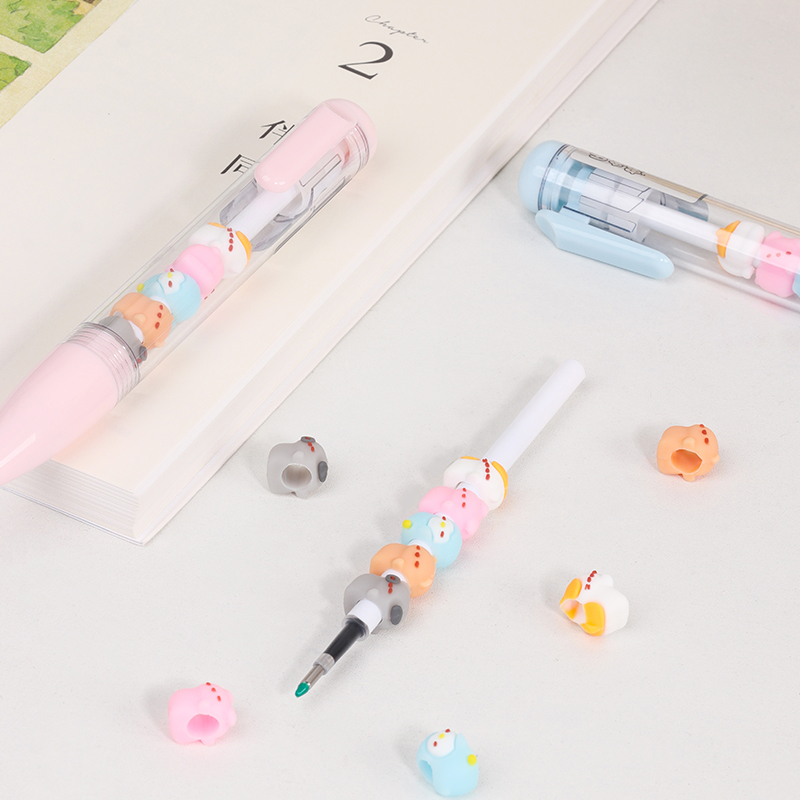
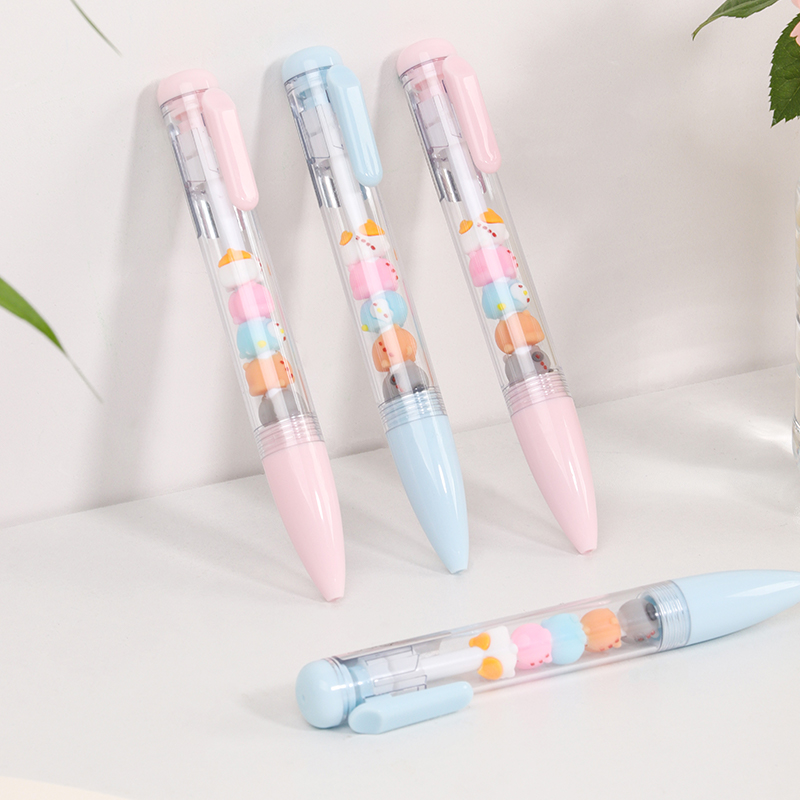
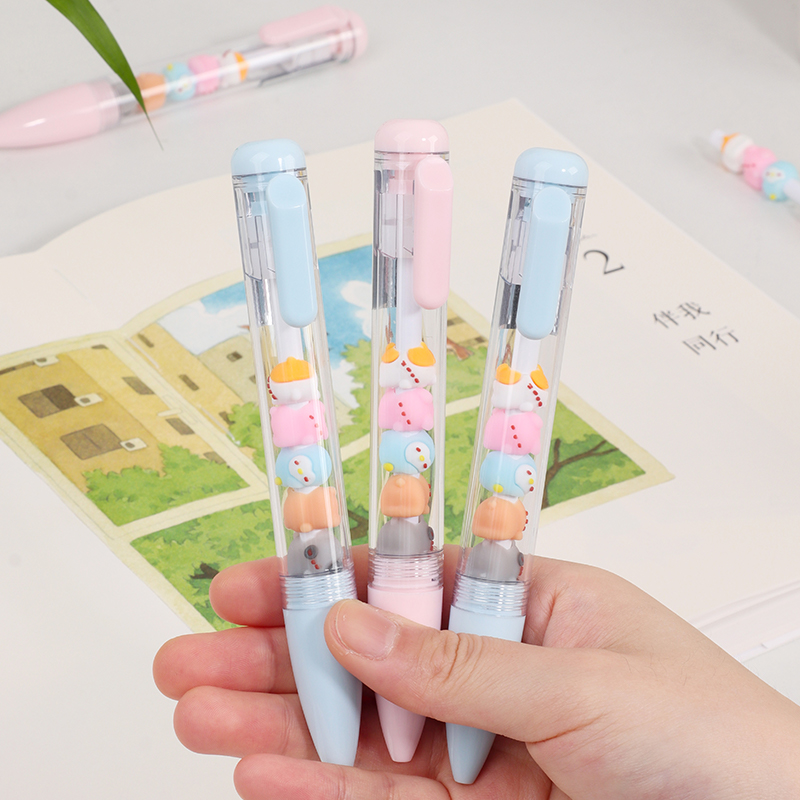
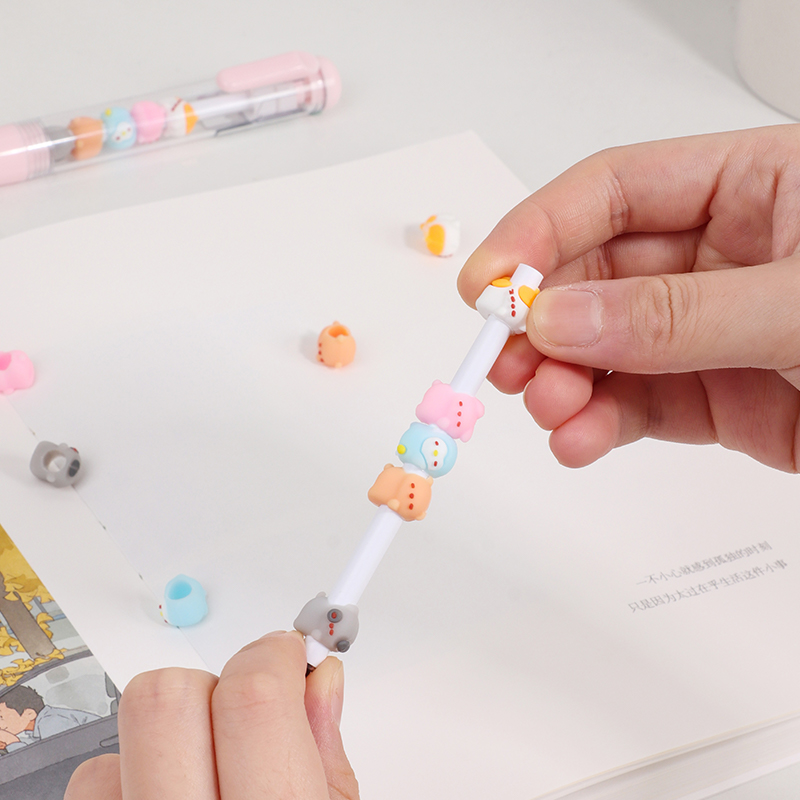
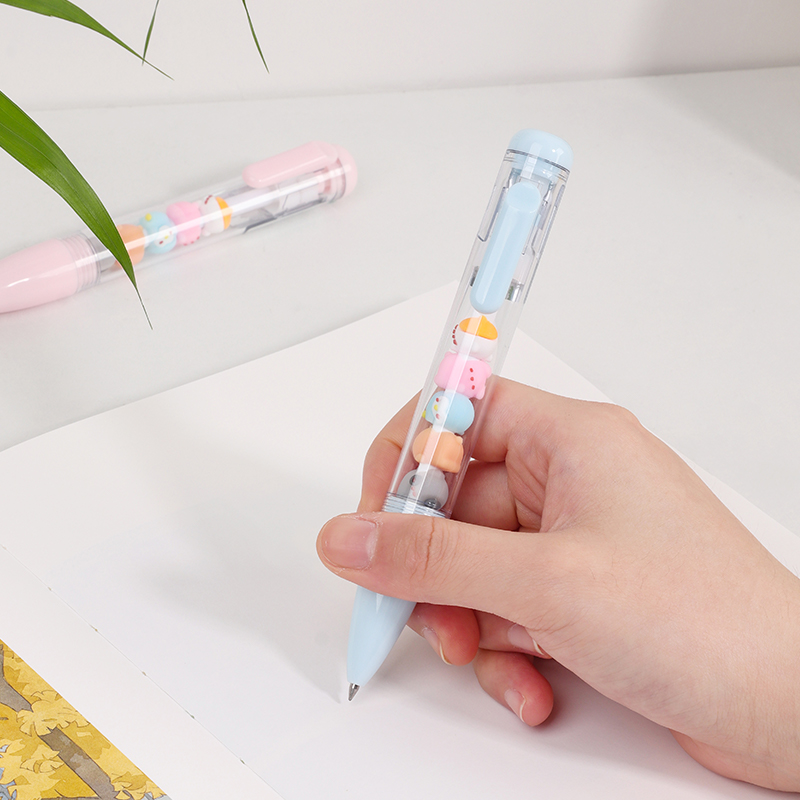
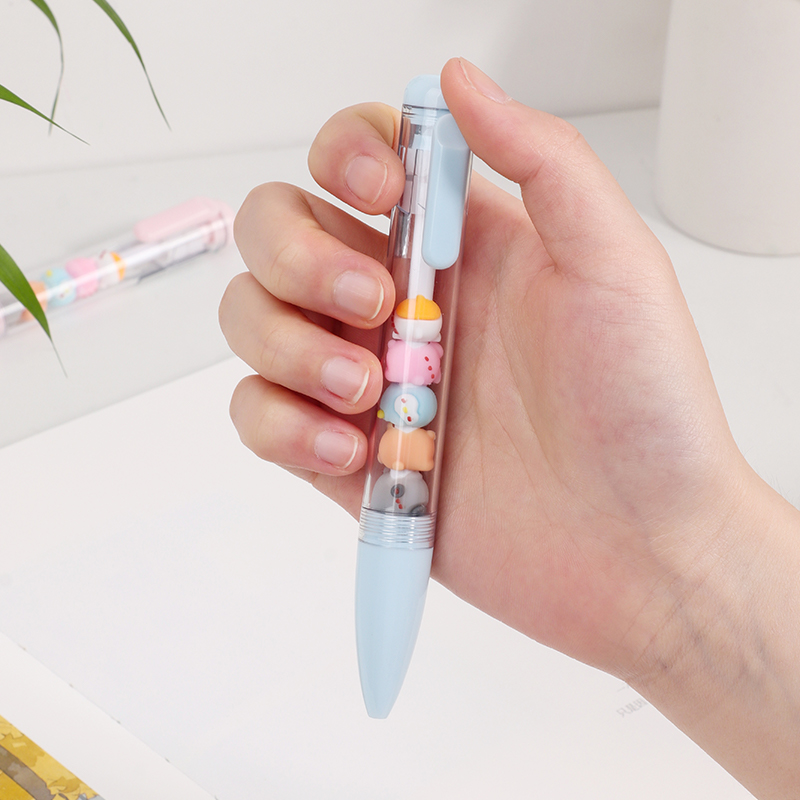
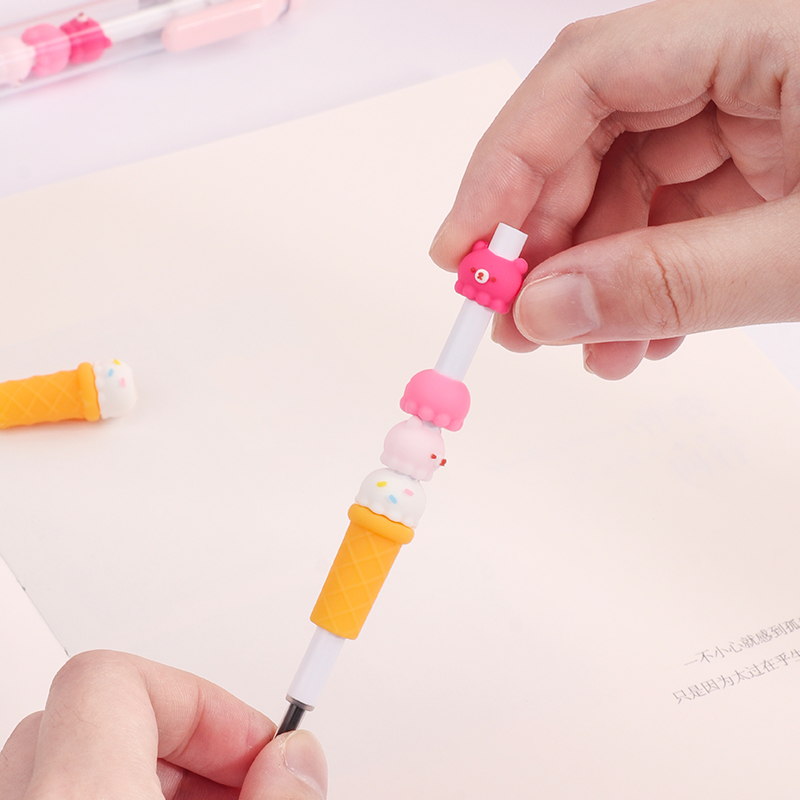
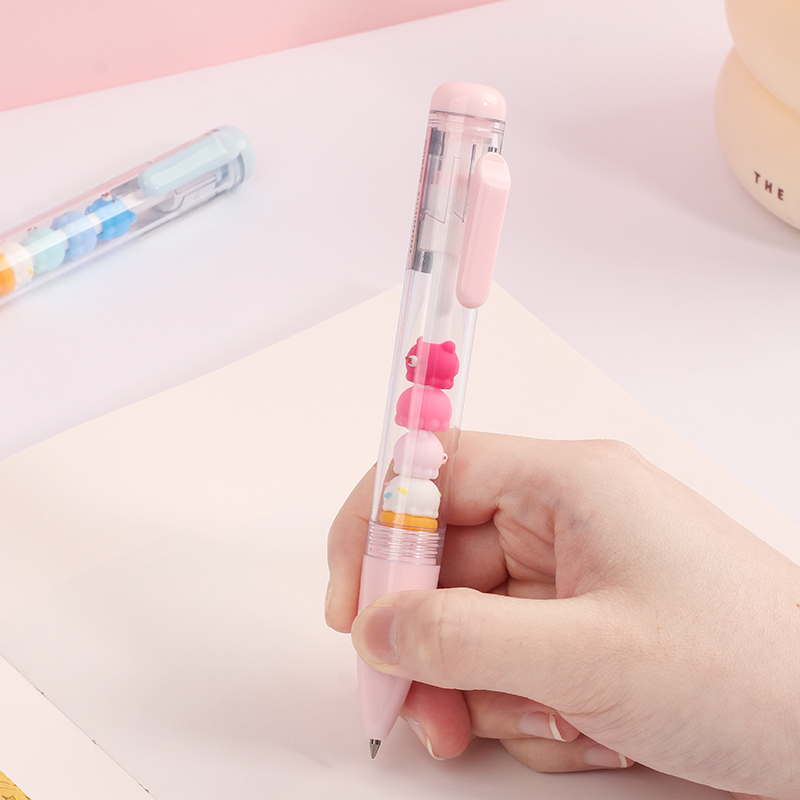
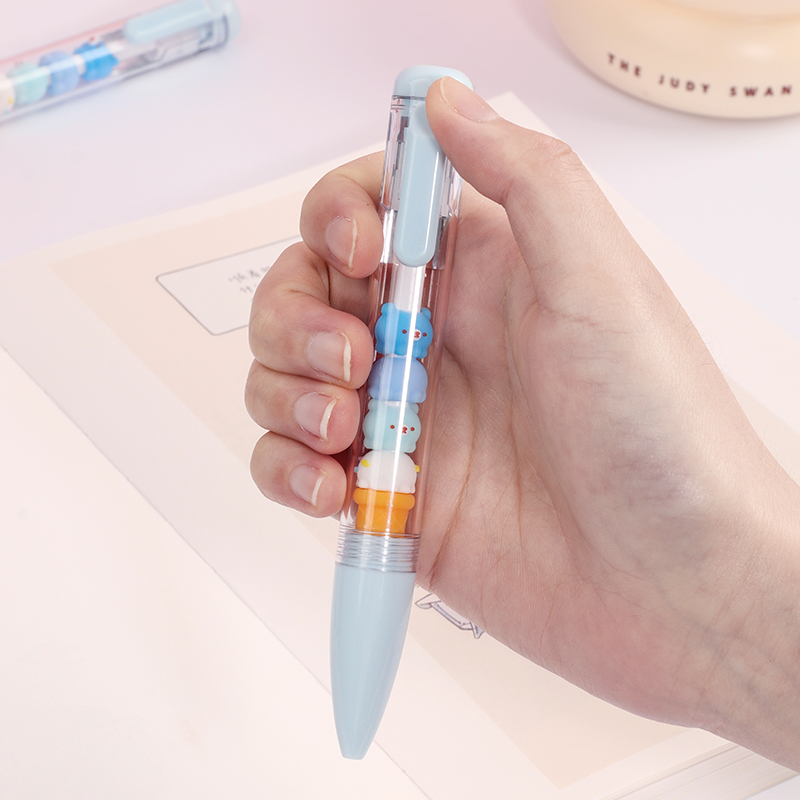
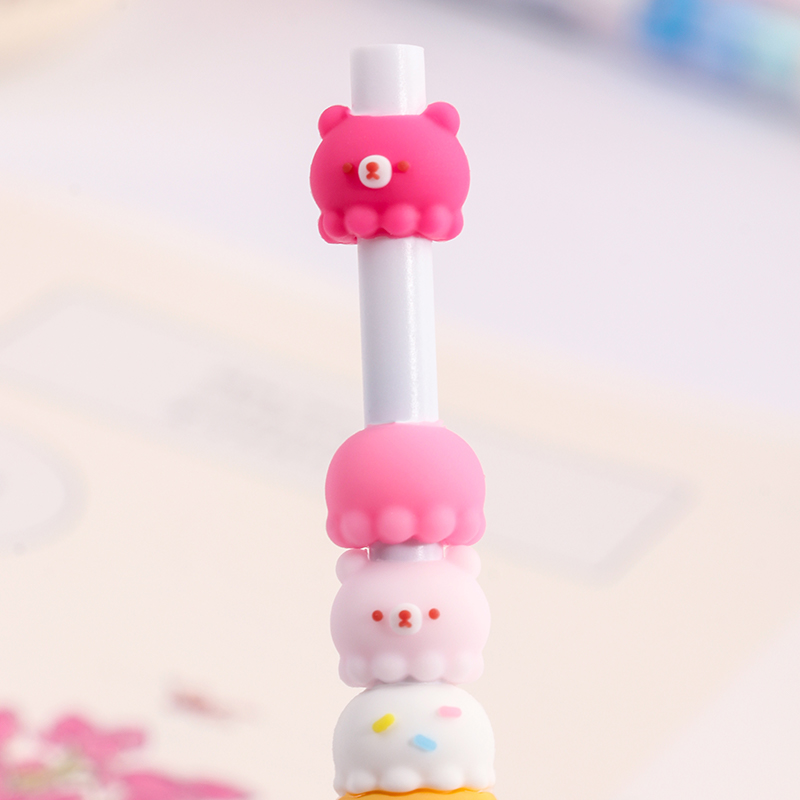
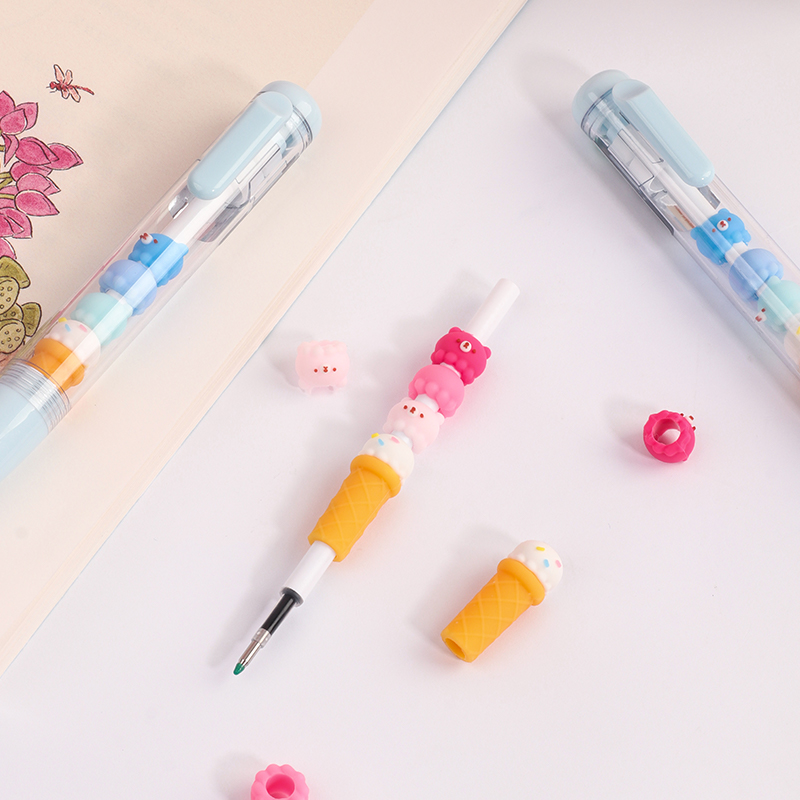
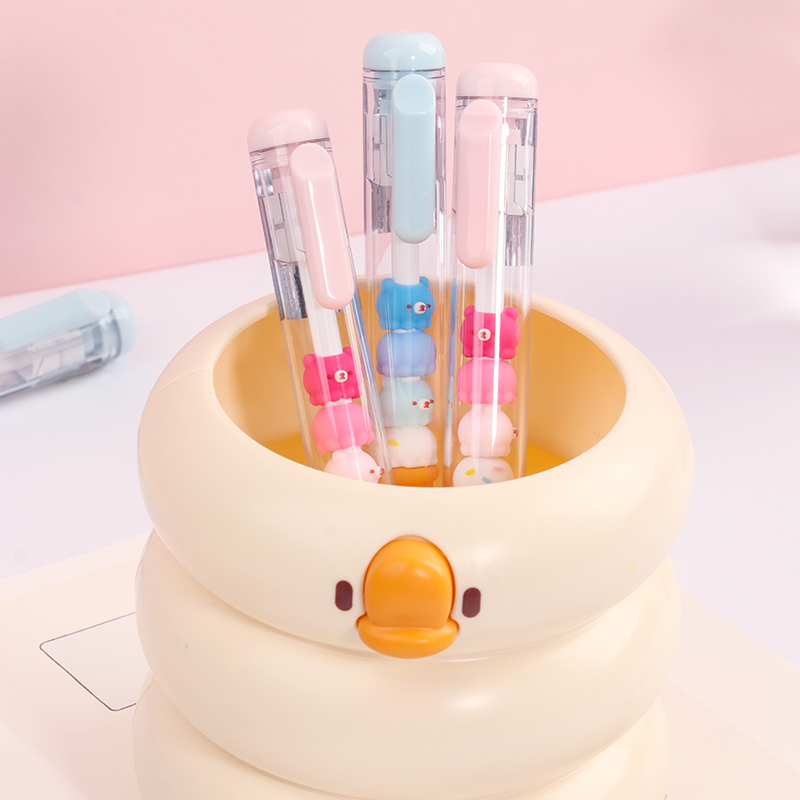
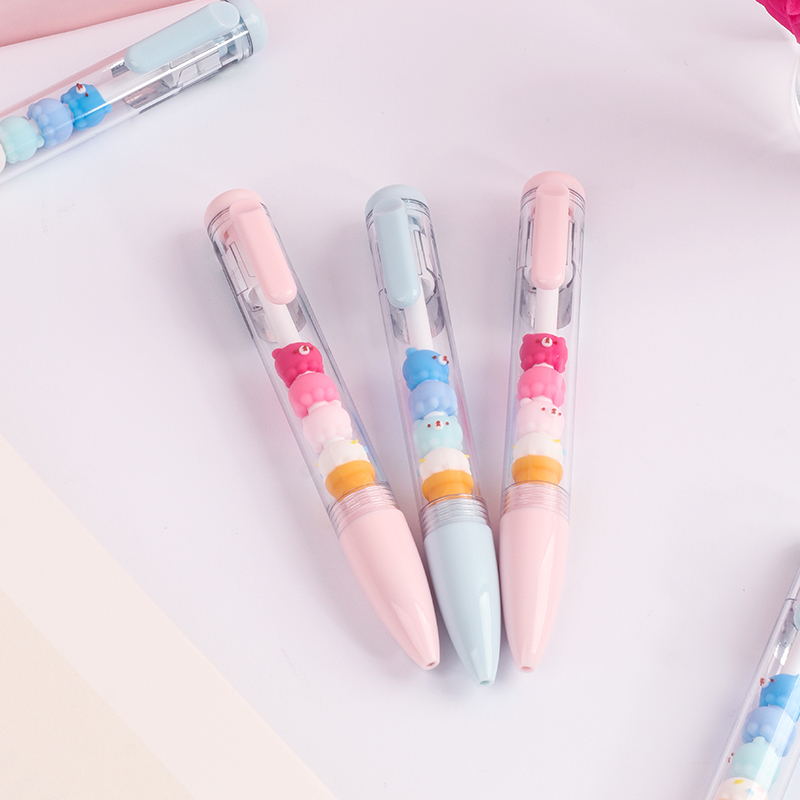
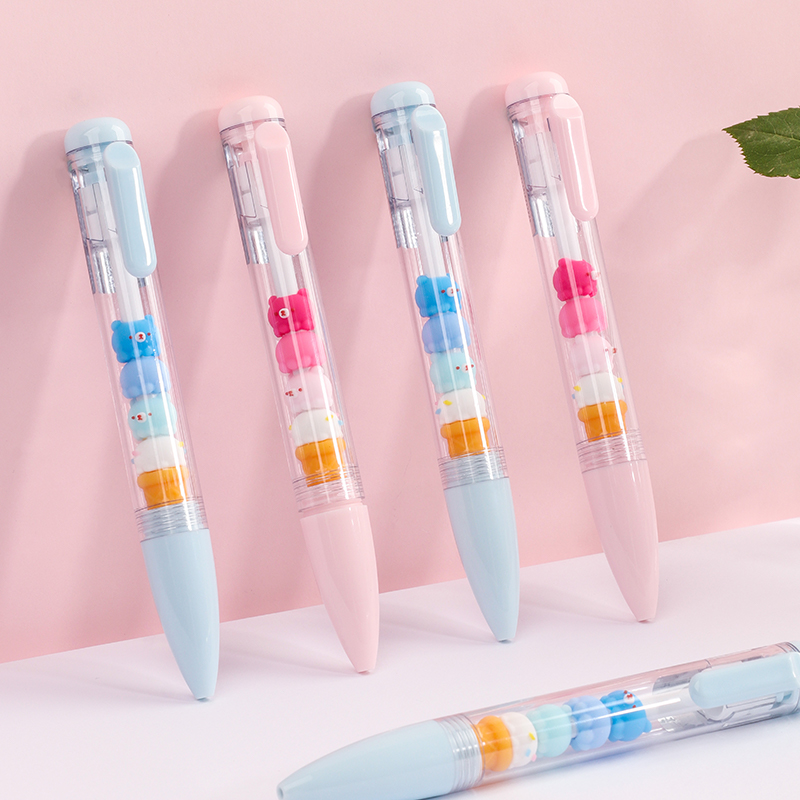
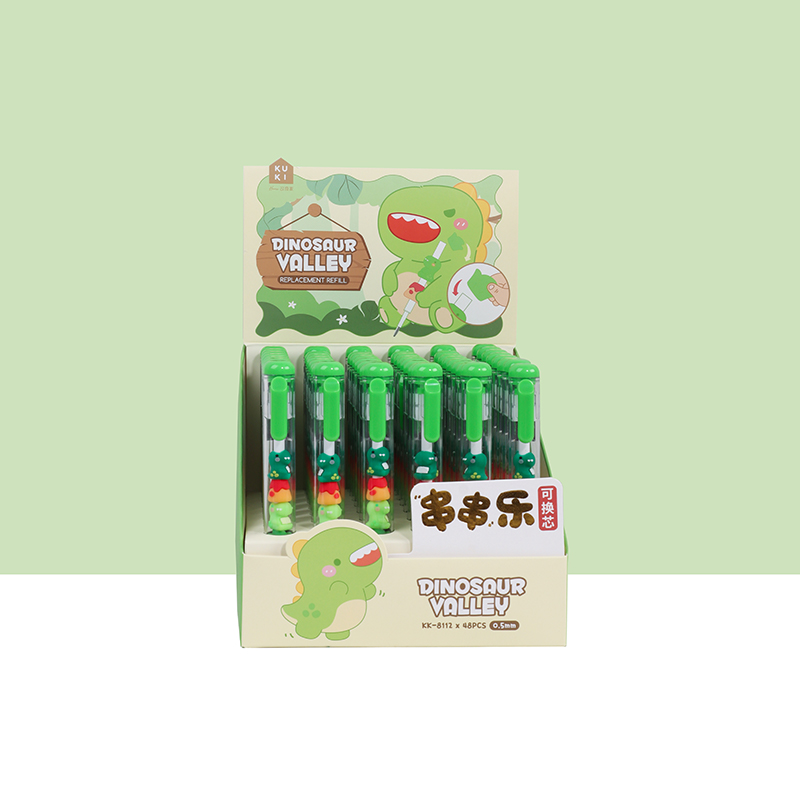
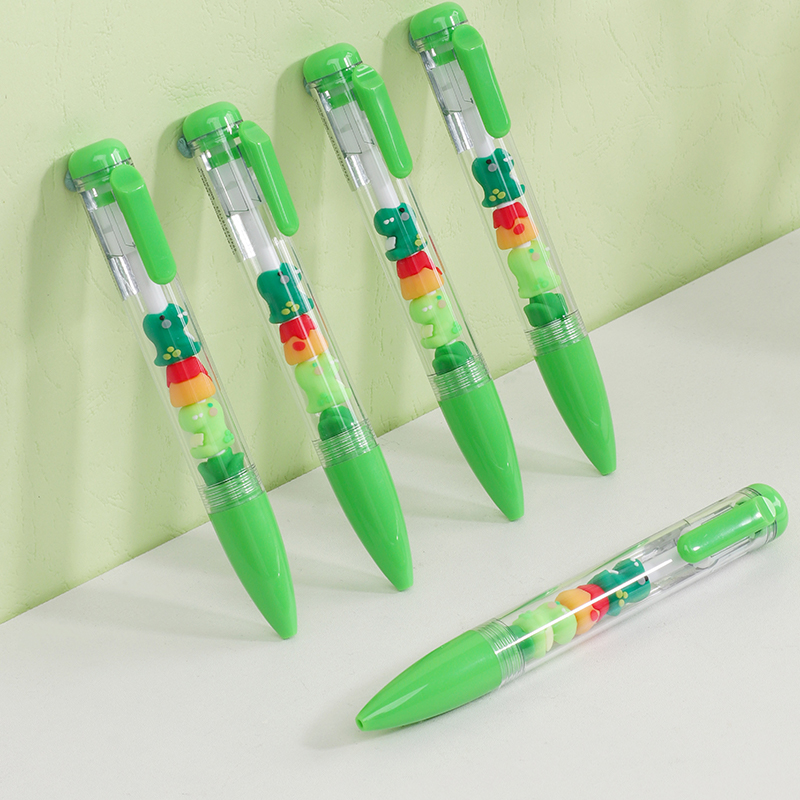
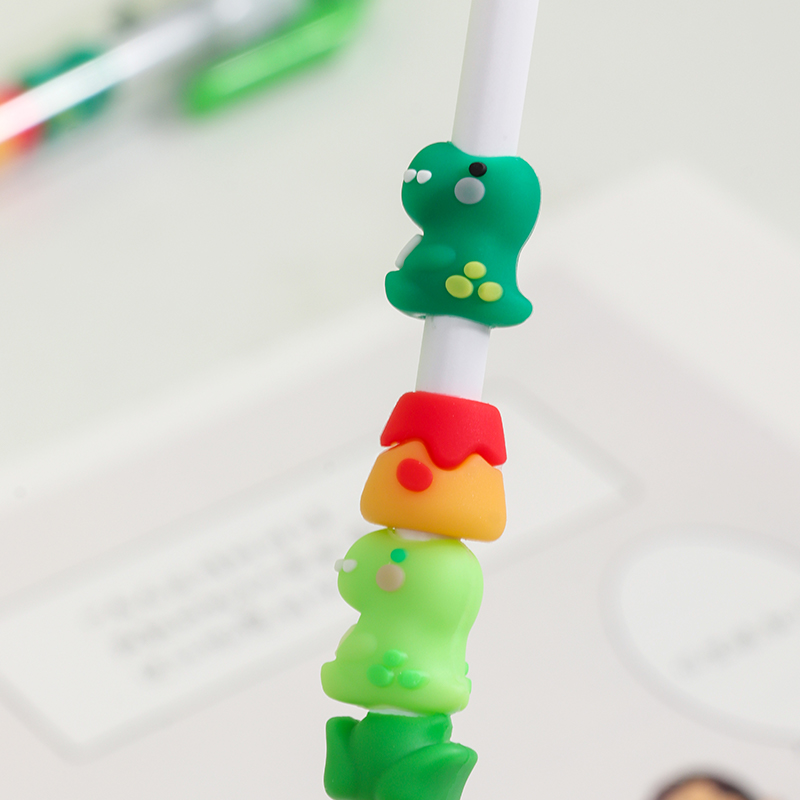
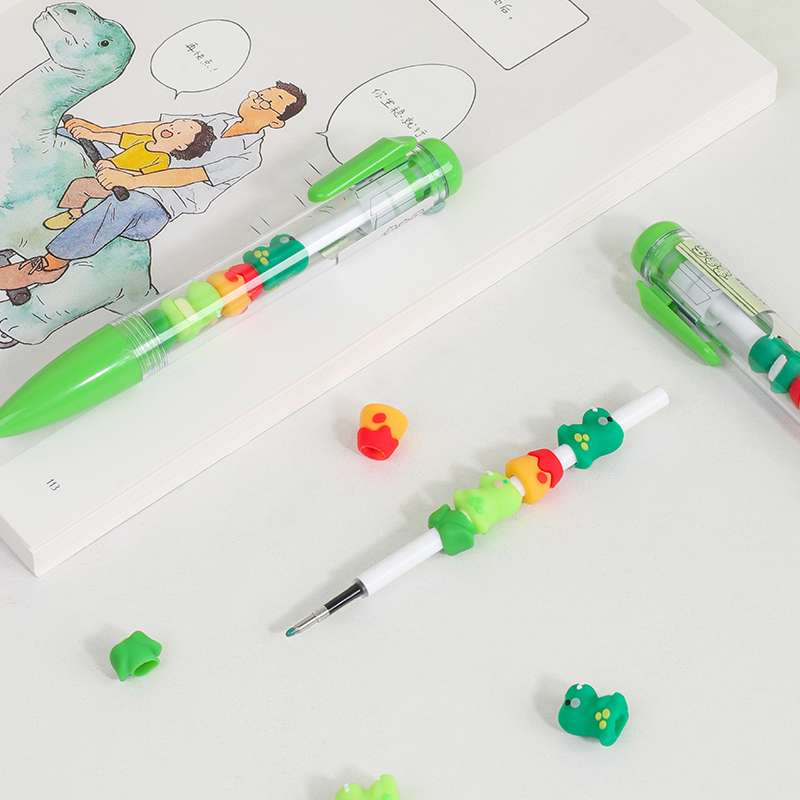
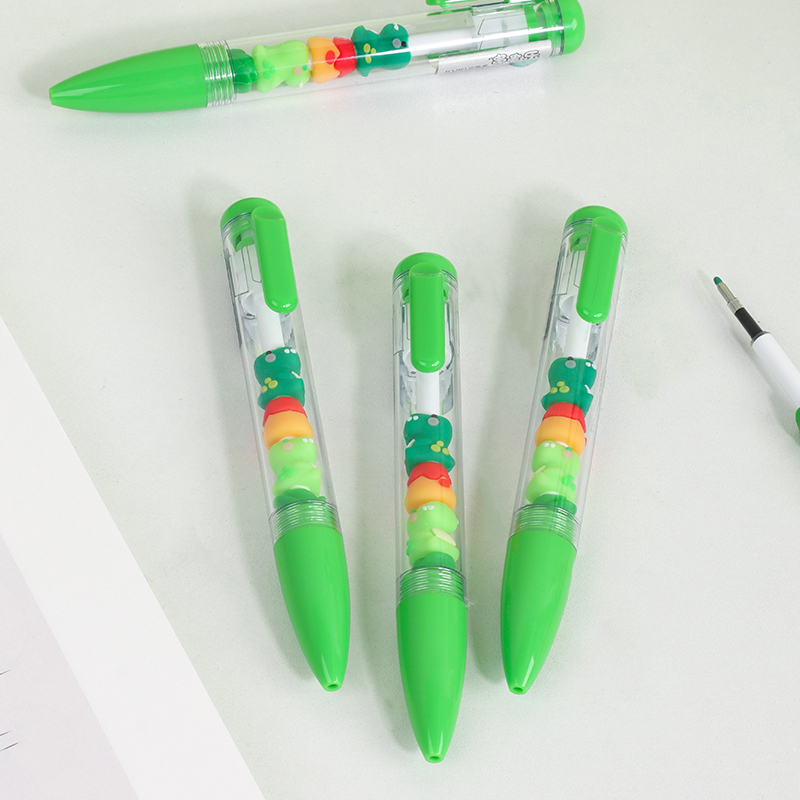
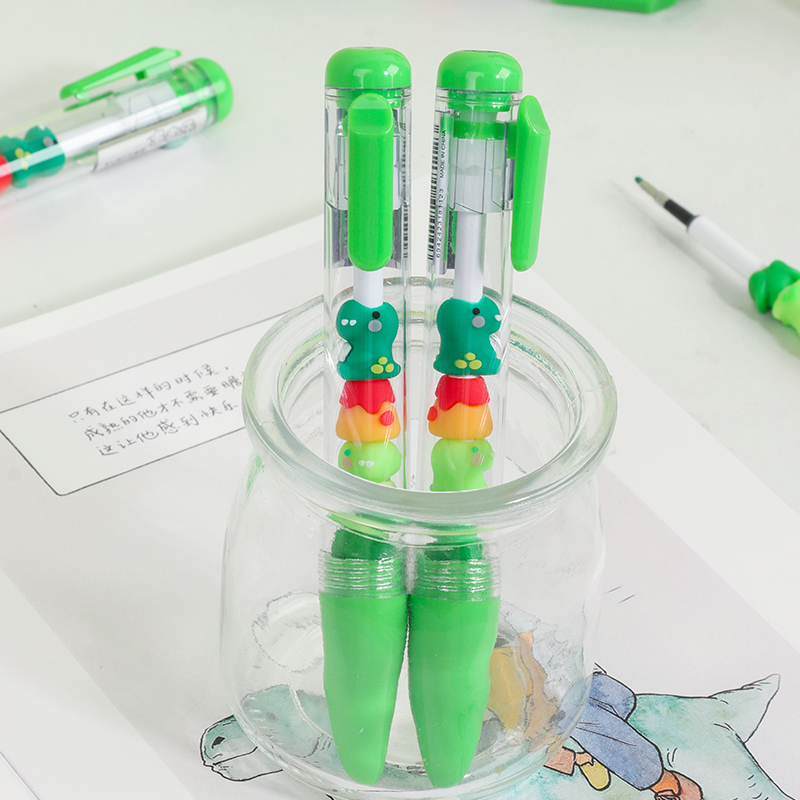
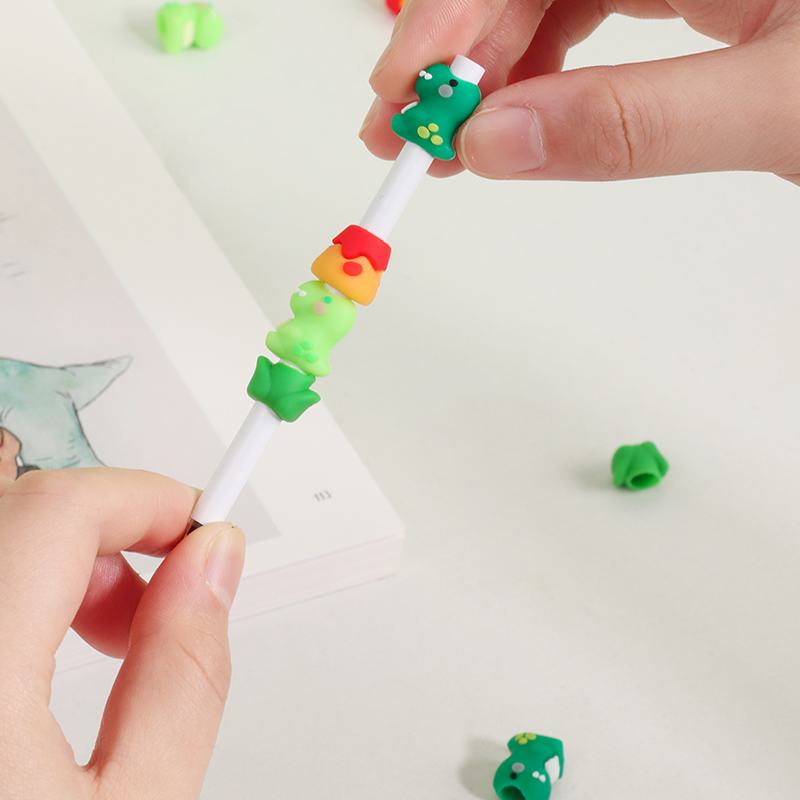
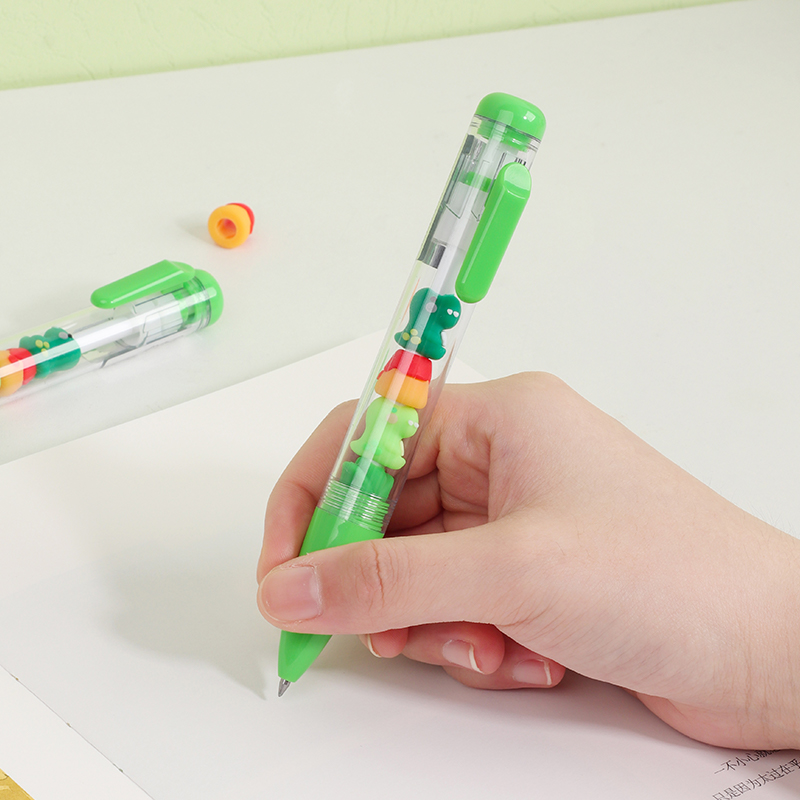
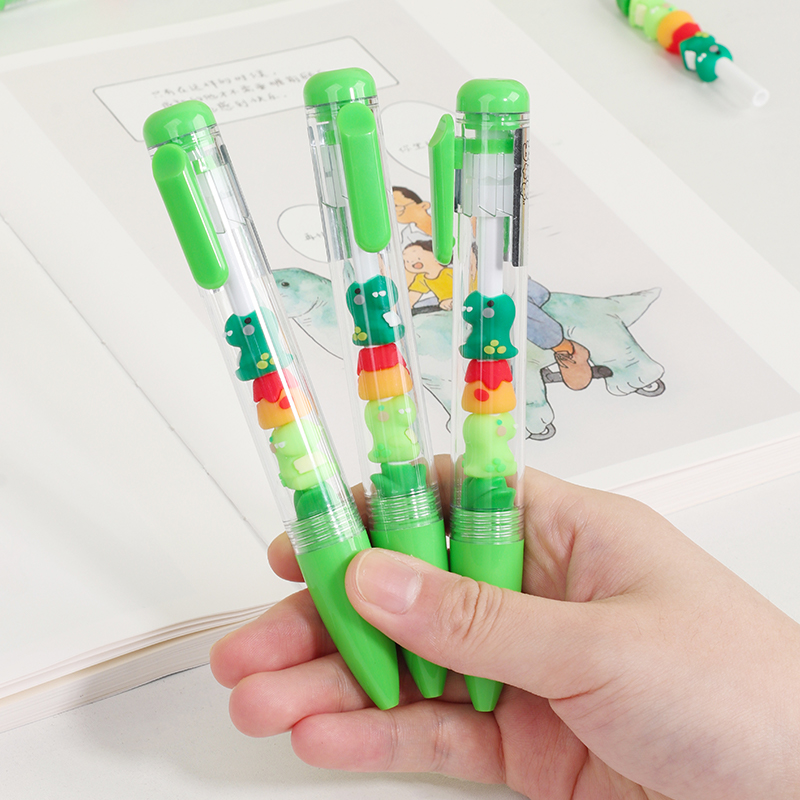
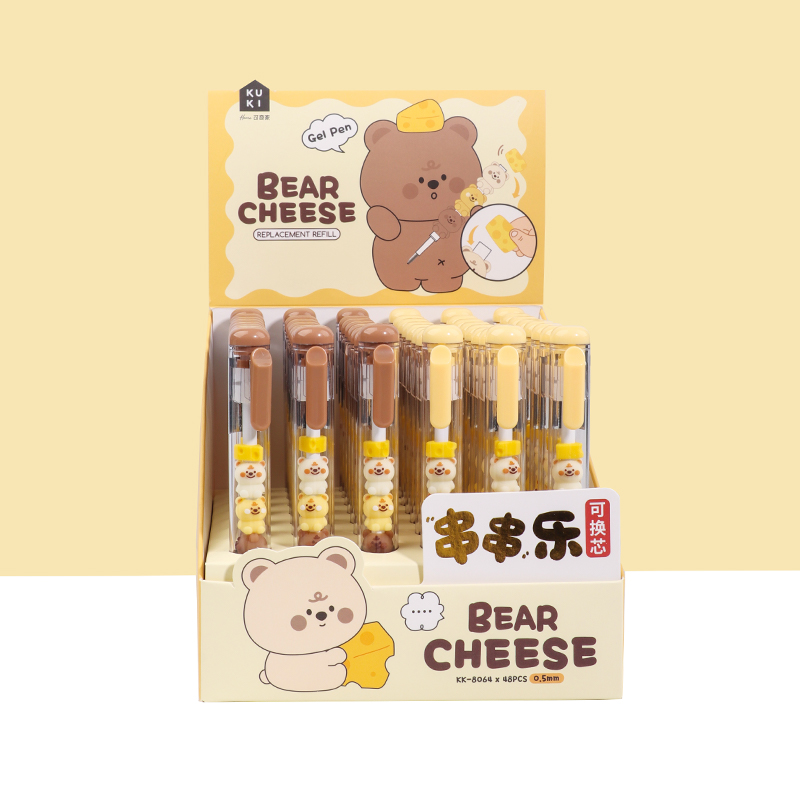
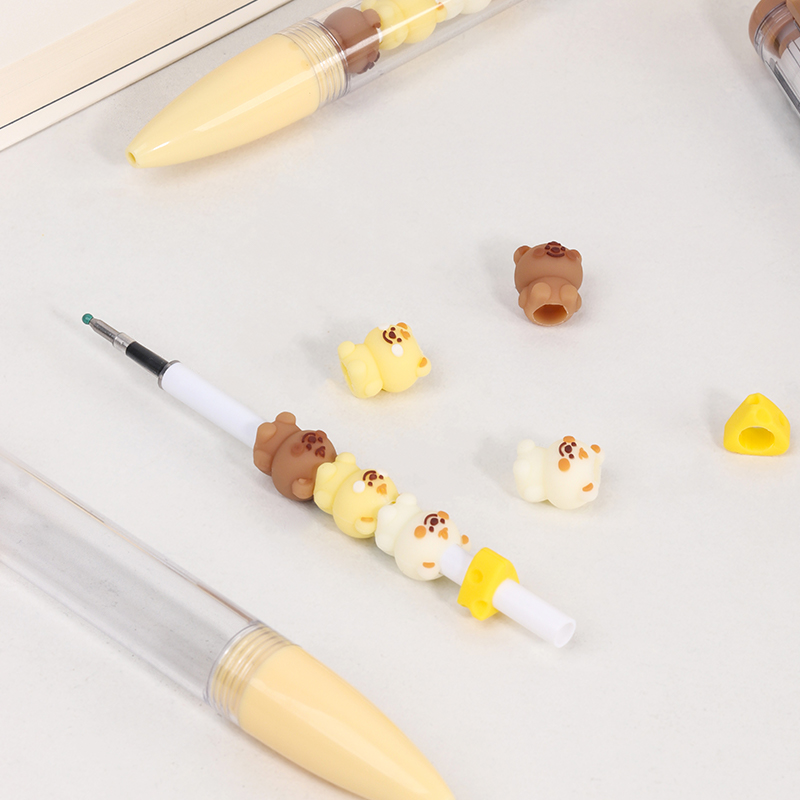
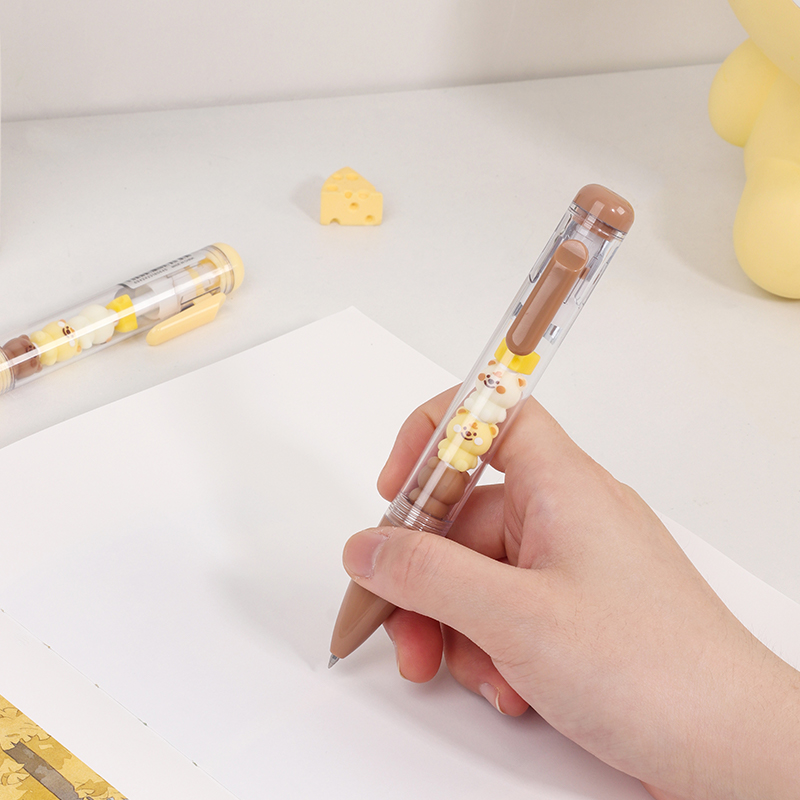
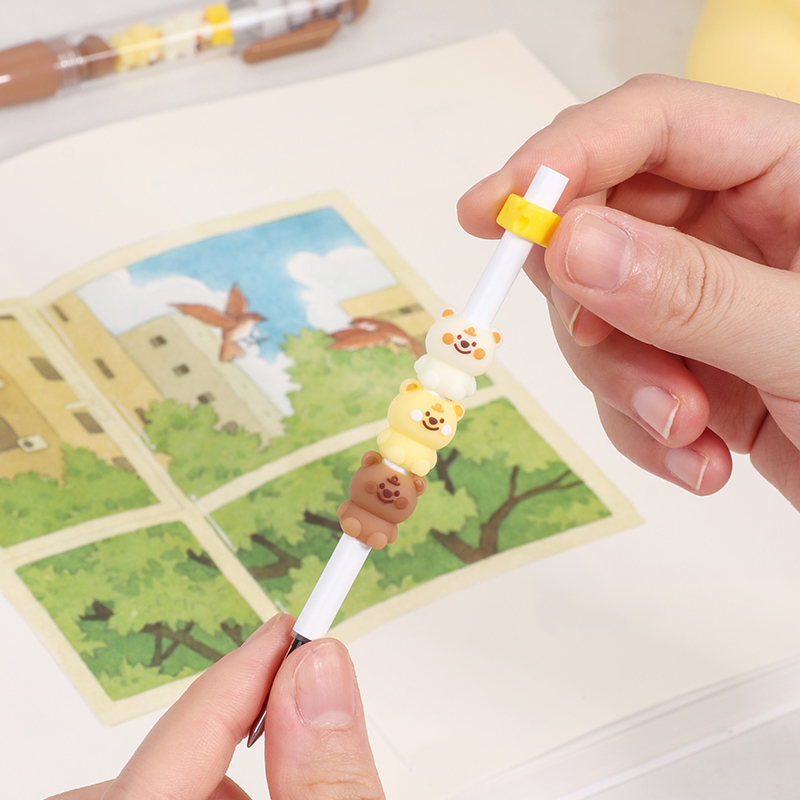
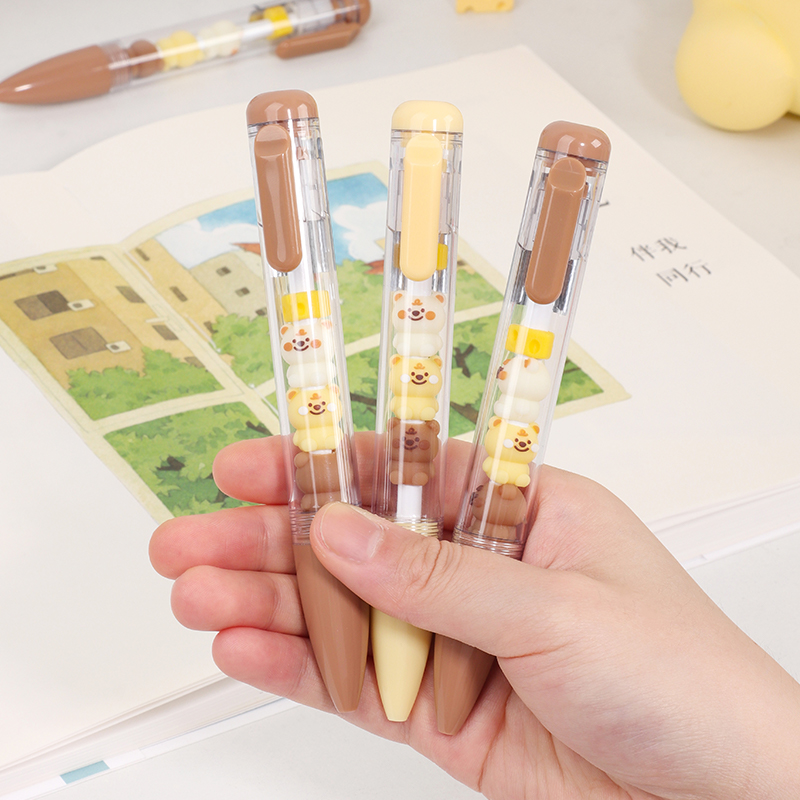
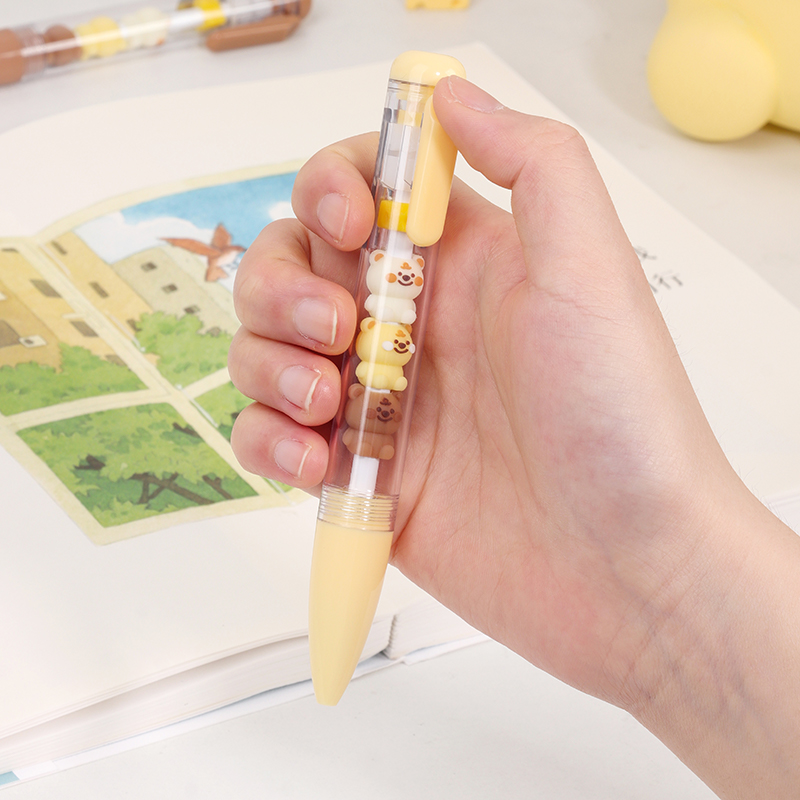
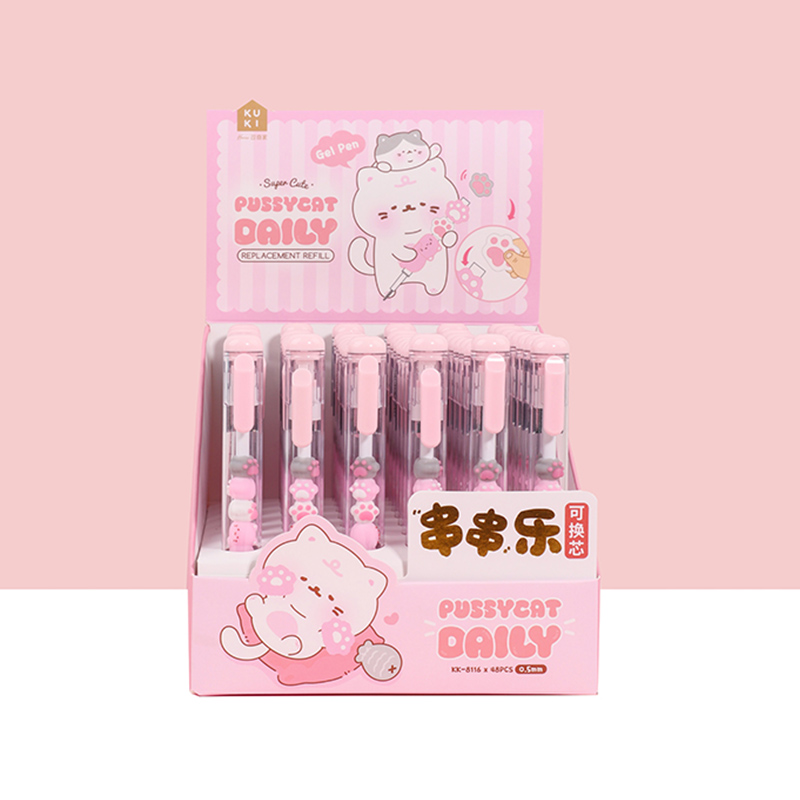
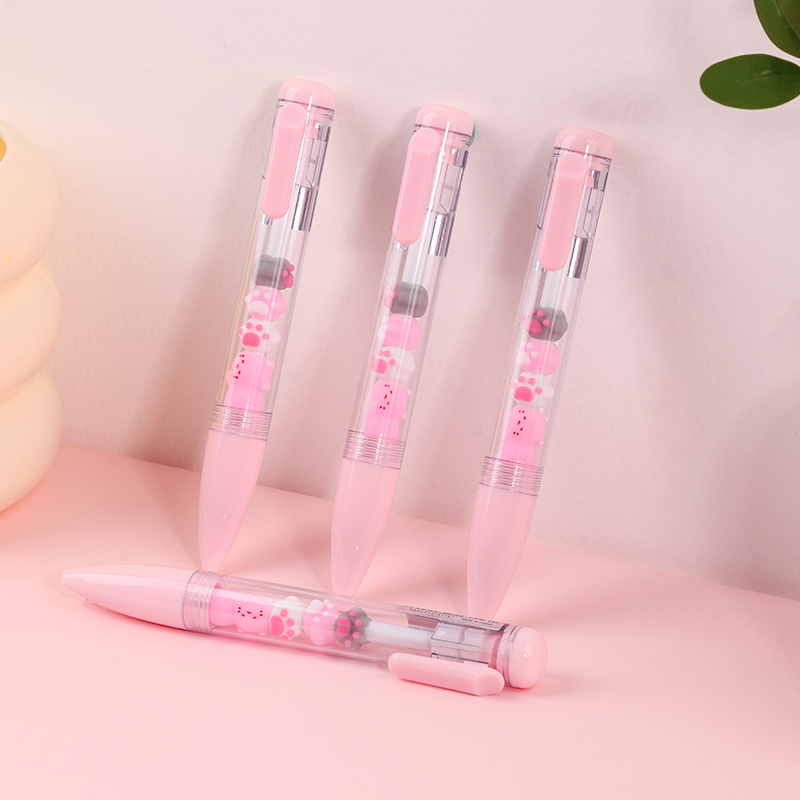
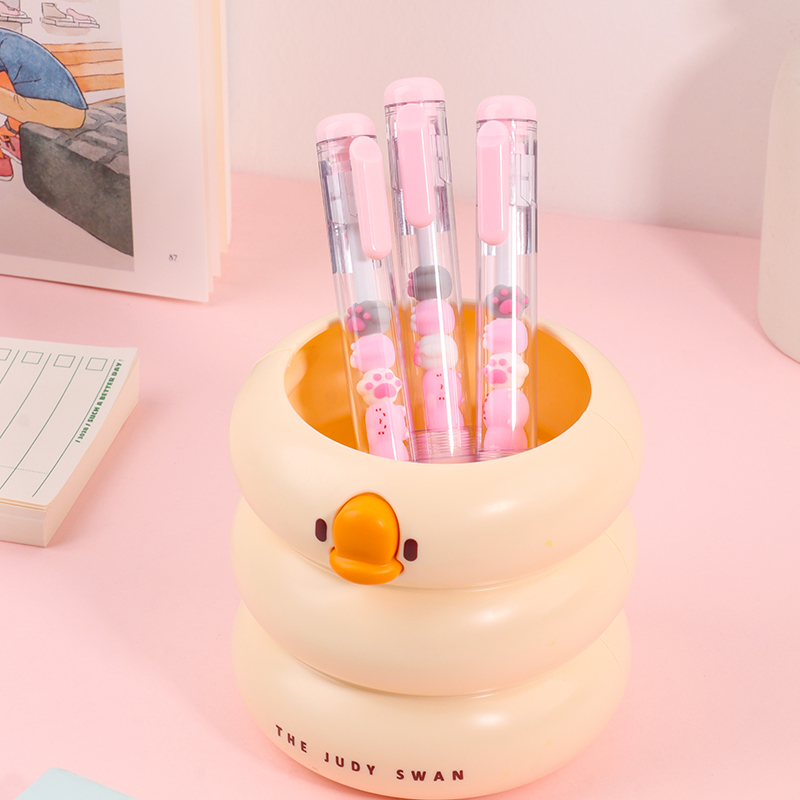
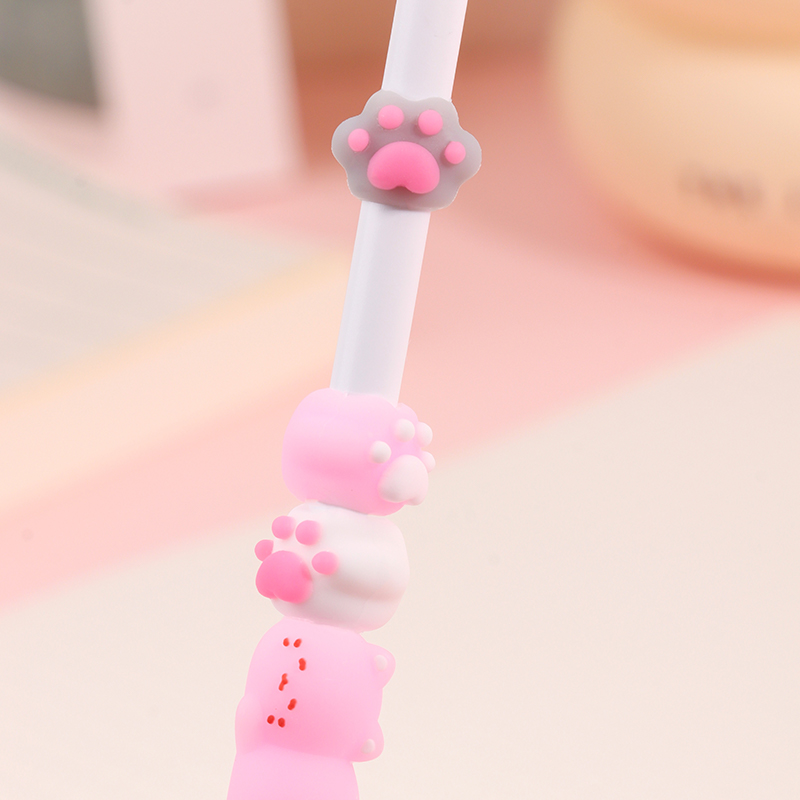
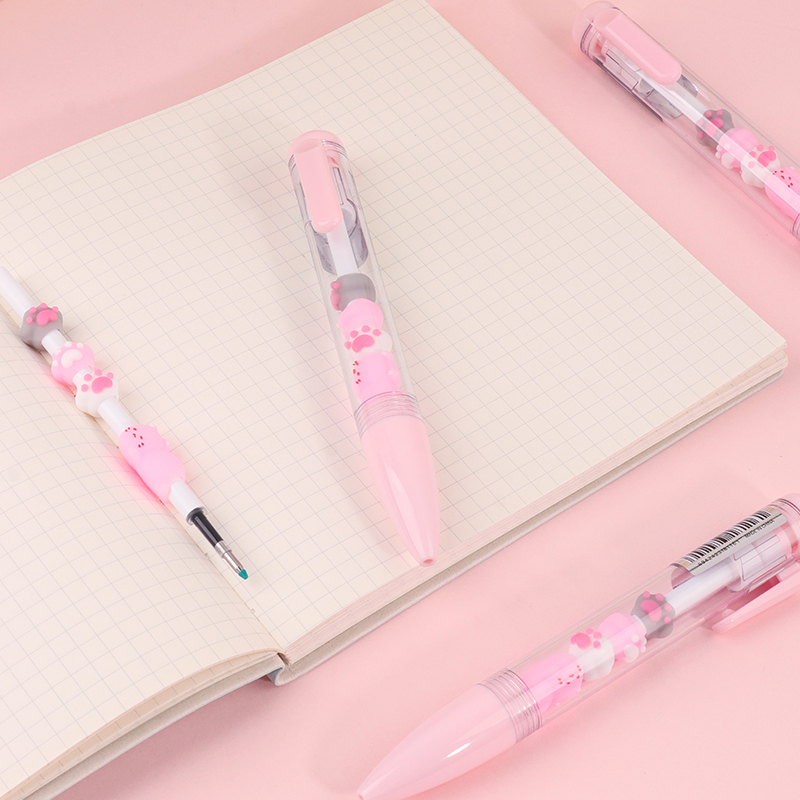
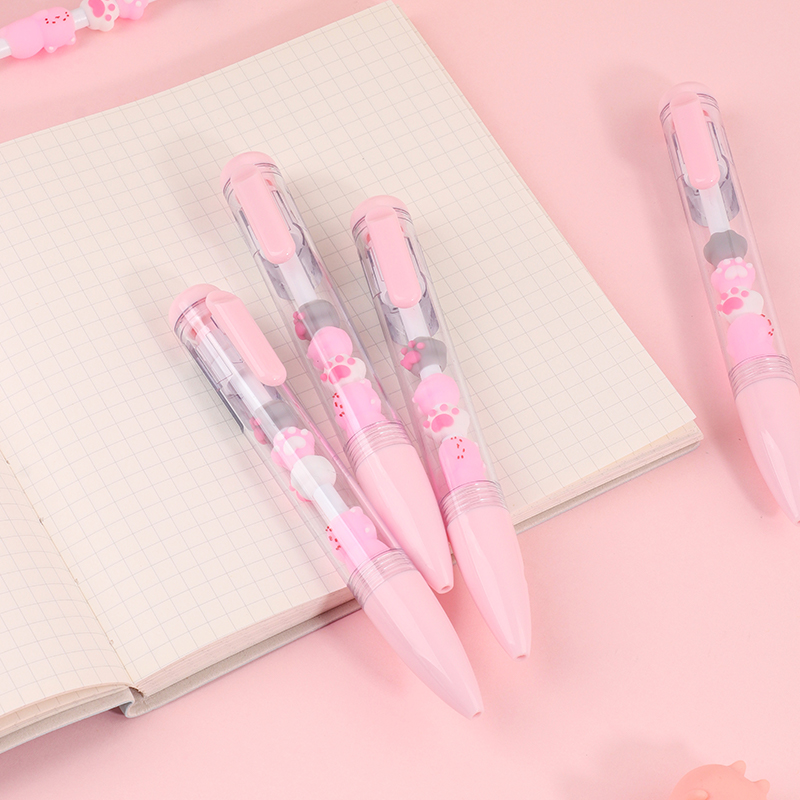
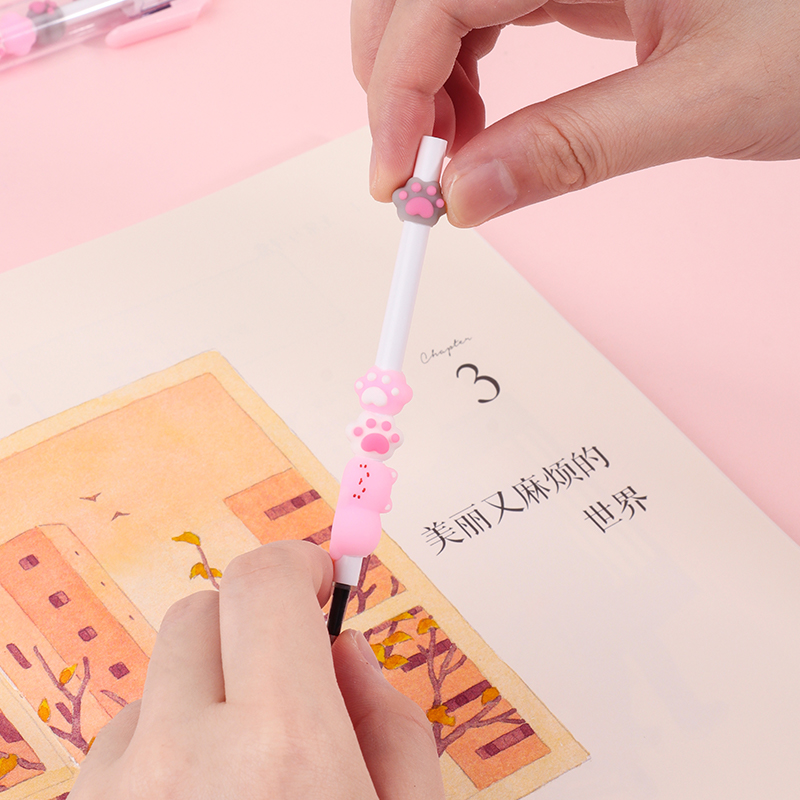
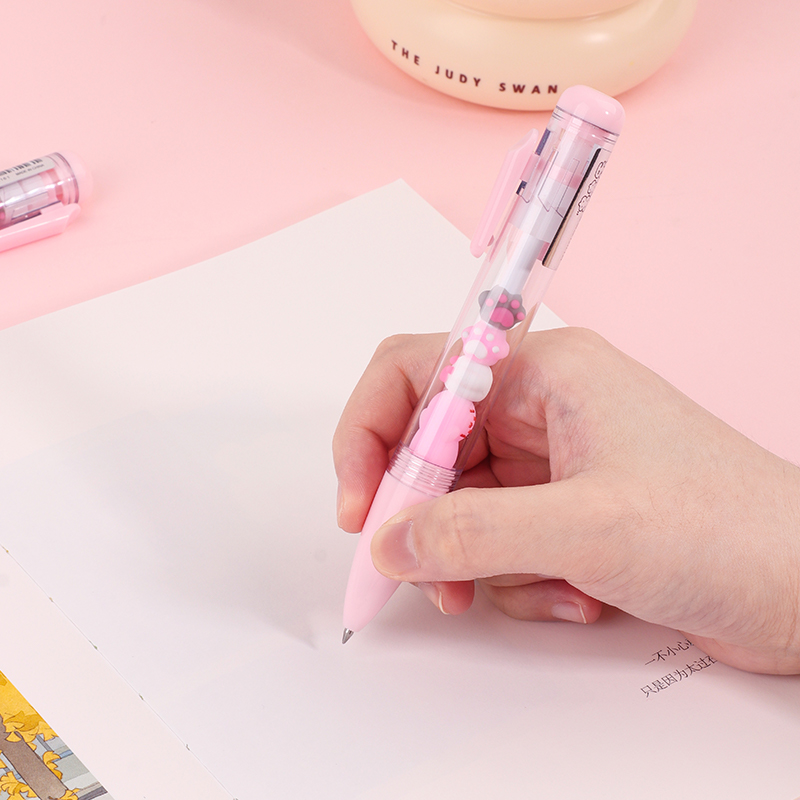
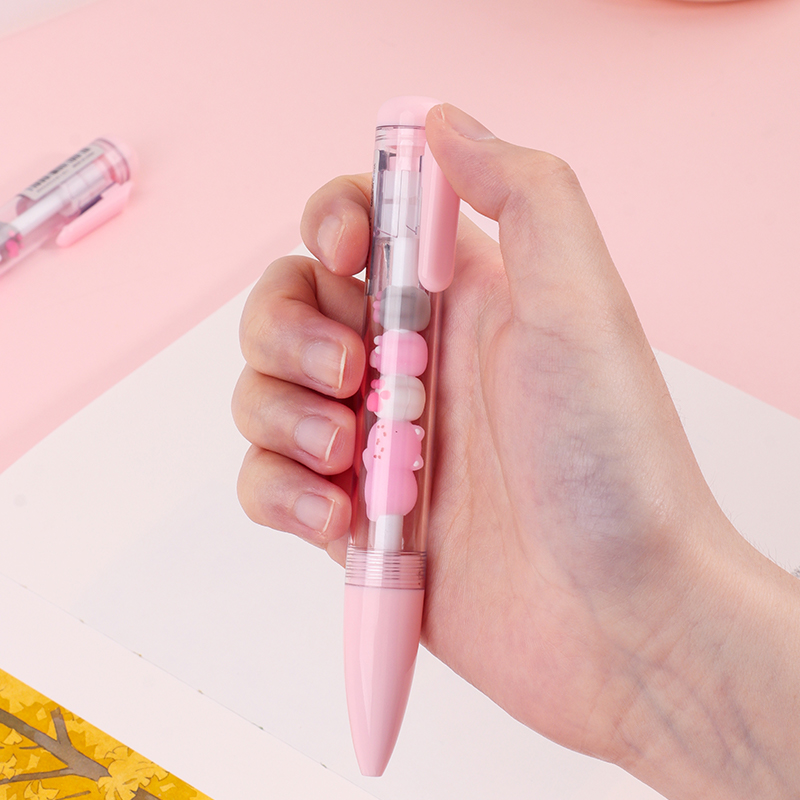
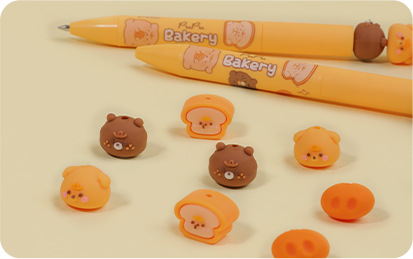
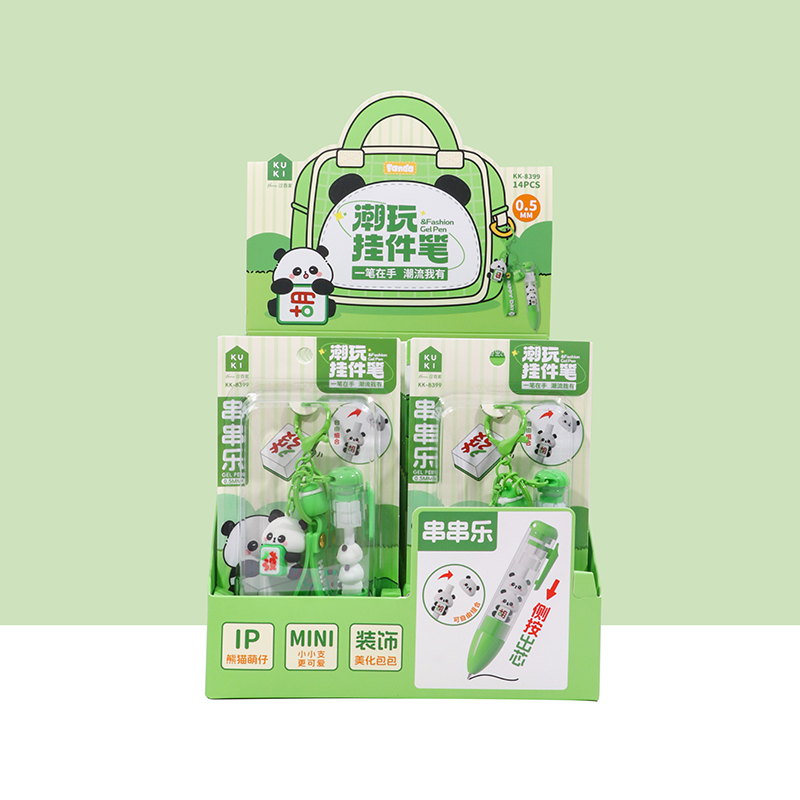
The Bead String Pen integrates a standard 0.5 mm gel-ink core with a transparent barrel surrounded by customizable drip-mold bead elements. These decorative beads, constructed from PVC or silicone, allow end users to personalize their pen by swapping or rearranging motifs. KUKI ensures uniform clarity and finish across pieces, with a monthly capacity of tens of thousands of units. This makes the line attractive for co-branding, interactive merchandising, or niche product expansions that prioritize both write-quality and playful customization.
SEND US A MESSAGE
call us
+86 18157942912
About Us
Dongyang Kuki Stationery Co., Ltd.
News
-
Exhibition Name: INDONESIA ASEAN STATIONERY&GIFT EXPO 2025 Exhibition Time: November 20th - 22nd, 2025 Exhibition Ad...
READ MORE -
Mr. Huang Ping, Executive Vice President of Yiwu Cultural Supplies Industry Association, Chairman of Yiwu Kuki home Cult...
READ MORE -
With the brand vision of "making global learners happier", KuKi, a brand under Yiwu Kuki Cultural and Creative Co., LTD....
READ MORE -
Writing tools are no longer cold standard equipment. When creative expression extends to the pen, a fun revolution about...
READ MORE -
Stationery brand KUKI officially launched its new 3D pencil sharpener series today. This series of products innovatively...
READ MORE -
Following its extensive attention at the 138th Canton Fair, KuKi, a brand under Yiwu Kuki Cultural and Creative Co., LTD...
READ MORE
Related products
Bead String Pen Industry knowledge
Q1: Why are interactive pen designs gaining attention in the stationery industry?
In recent years, consumers have shown growing interest in stationery that offers more than basic writing functionality. A Bead String Pen represents this shift by introducing movable and customizable elements into pen design. From an industry perspective, this type of product responds to demand for hands-on interaction, especially among younger users and creative communities.
Unlike traditional pens, a Bead String Pen encourages users to engage with the object even when not writing. This added layer of interaction increases perceived value and extends usage beyond note-taking.
Q2: How does a Bead String Pen influence user experience?
The defining feature of a Bead String Pen lies in its flexible structure, which allows beads to slide or be rearranged. In the stationery sector, this transforms the pen into a tactile object that supports relaxation and focus. Many manufacturers recognize that such designs can reduce idle fidgeting by offering a controlled sensory outlet.
From a product development angle, incorporating a Bead String Pen into a collection allows brands to address both functional and behavioral needs without altering the core writing mechanism.
Q3: What distinguishes a Beadable Pen from traditional pen designs?
A Beadable Pen is designed with customization in mind. Instead of a fixed decorative layout, it allows users to add, remove, or rearrange beads according to personal preference. In the stationery industry, this modular approach reflects a growing emphasis on user participation in product design.
This flexibility supports long-term engagement. When users can modify a Beadable Pen over time, the product remains relevant even as personal tastes change. For manufacturers, this also creates opportunities to sell compatible accessories, expanding the product ecosystem.
Q4: Why is customization important for the Beadable Pen market?
Customization enhances emotional attachment. When a user actively assembles a Beadable Pen, the pen becomes a reflection of identity rather than a generic tool. This aligns with broader trends in stationery where individuality plays a central role in purchasing decisions.
In retail and educational markets, a Beadable Pen is often positioned as both a writing instrument and a creative activity. This dual positioning increases its appeal across different age groups and usage scenarios.
Q5: How does a Beaded Pen differ in aesthetic positioning?
A Beaded Pen places stronger emphasis on visual presentation. The arrangement, color, and material of beads contribute directly to the pen’s decorative value. Within the stationery industry, this category often intersects with gift-oriented and novelty products.
A Beaded Pen is commonly displayed openly on desks or shelves, functioning as a visual accent. This visibility supports brand recognition and encourages repeat interest, particularly in themed or seasonal designs.
Q6: What role does material choice play in a Beaded Pen?
Material selection significantly affects both appearance and durability. For a Beaded Pen, plastic, acrylic, or lightweight resin beads are frequently used to balance visual appeal with practical handling. Industry designers must consider weight distribution to ensure writing comfort remains consistent.
This balance highlights a key challenge in stationery innovation: enhancing decoration without compromising usability. A well-executed Beaded Pen achieves this by integrating structure and ornamentation seamlessly.
Q7: How do these pen types reflect broader industry trends?
The stationery industry is increasingly shaped by products that encourage interaction and personalization. A Bead String Pen introduces movement and tactile engagement. A Beadable Pen emphasizes user-driven customization. Meanwhile, a Beaded Pen focuses on visual storytelling through decorative elements.
Together, these designs demonstrate how pens are evolving into creative objects that support expression and engagement. Rather than competing only on technical specifications, modern stationery products aim to connect with users on sensory and emotional levels.


Pagetop
CONTACT
- +86 18157942912

- [email protected]

- Production Center: 3rd Floor, Building 2, Minghong Science and Innovation Park, No. 36 Suhua Street, Yiwu City, Jinhua City, Zhejiang Province (Elevator 2-5)

- Operation Center: 4th Floor, Building 2, Minghong Science and Innovation Park, No. 36 Suhua Street, Yiwu City, Jinhua City, Zhejiang Province (Elevator 2-6)
QUICK LINKS
MOBILE
