

 English
 bahasa Indonesia
 русский











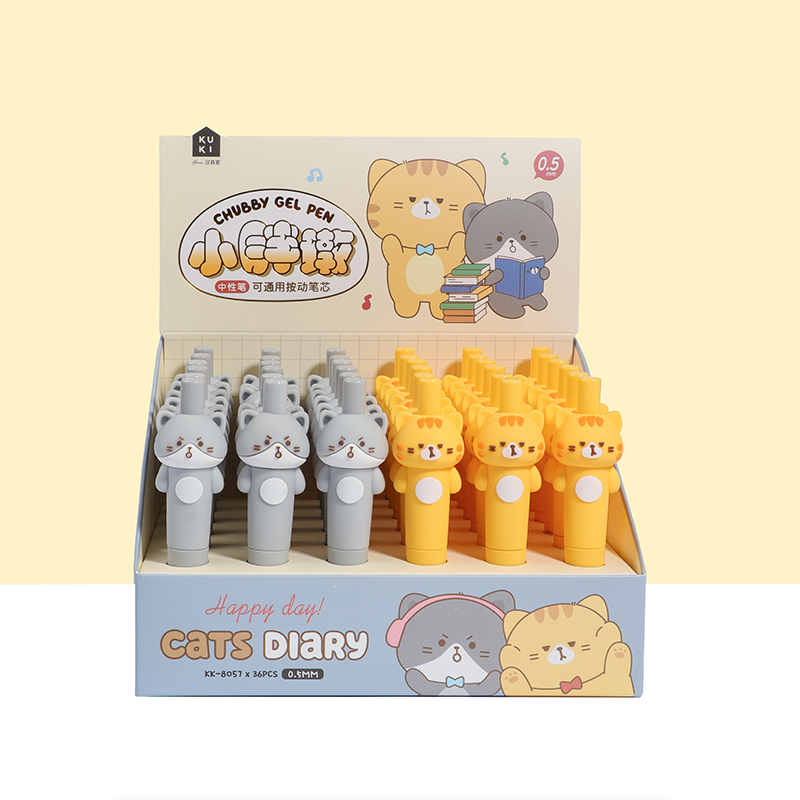
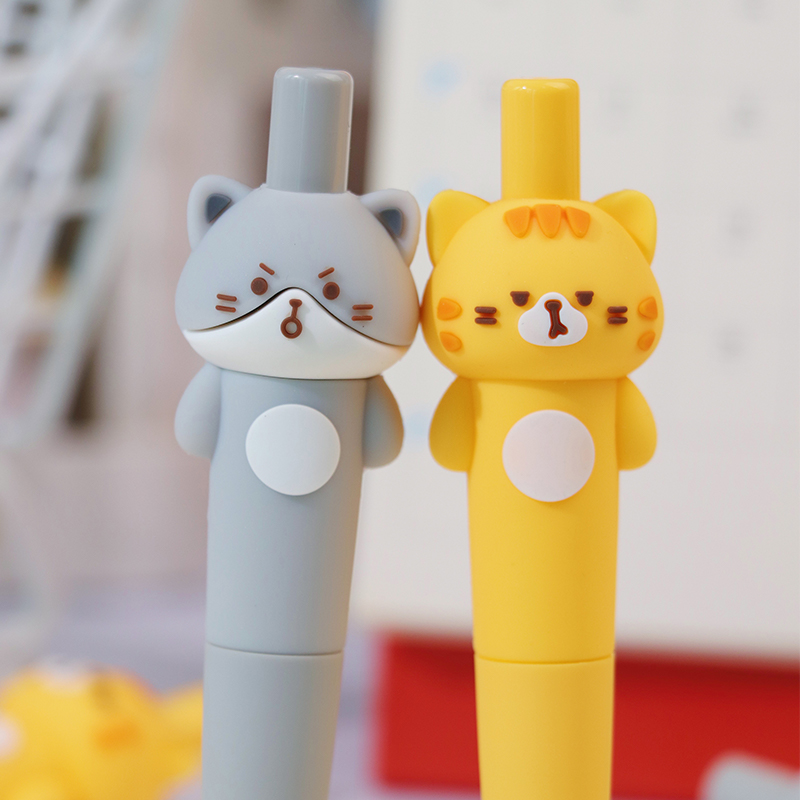
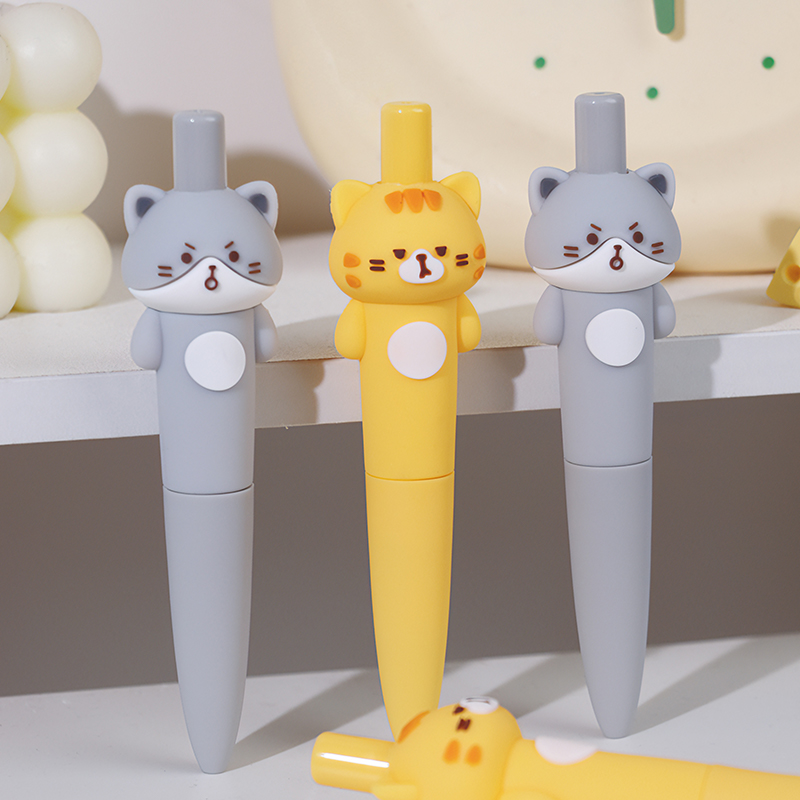
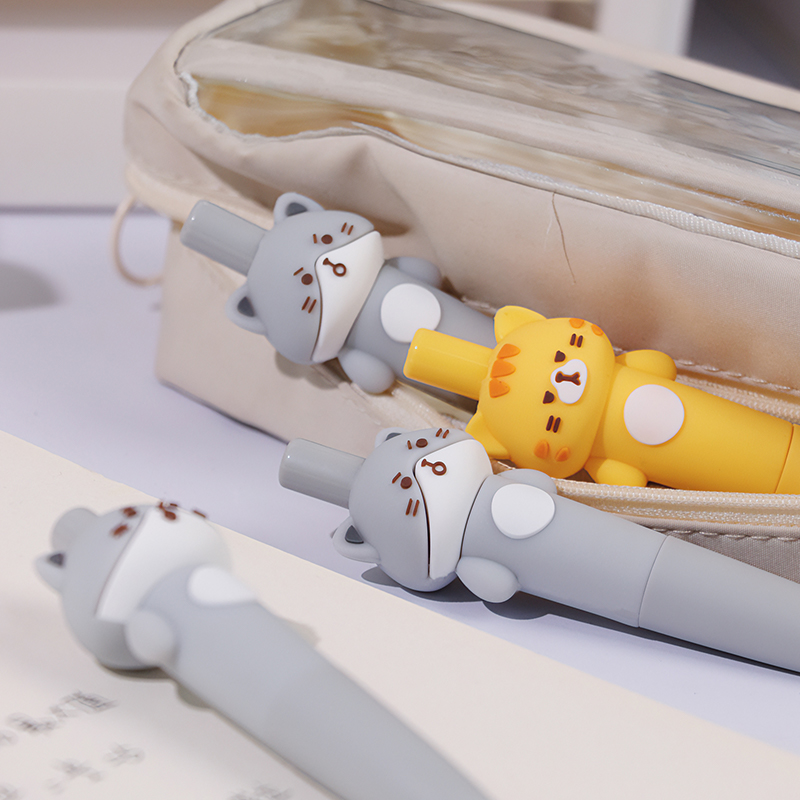
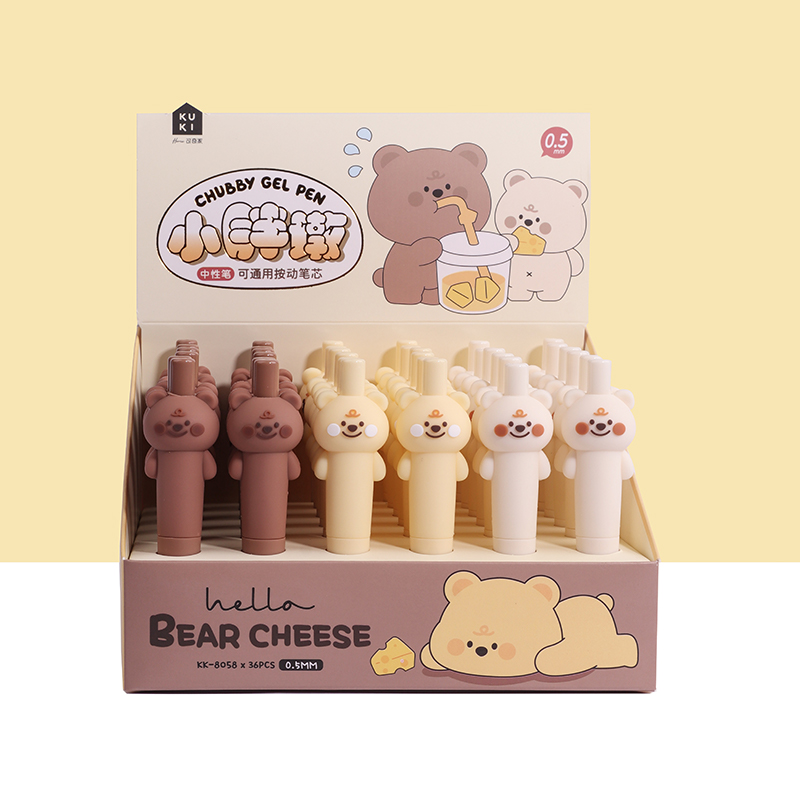
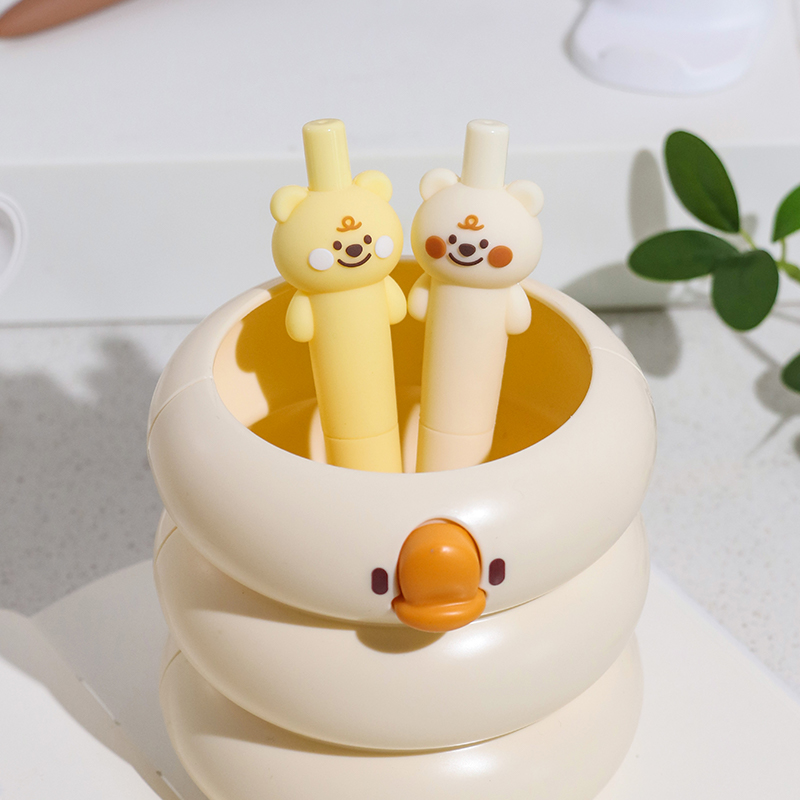
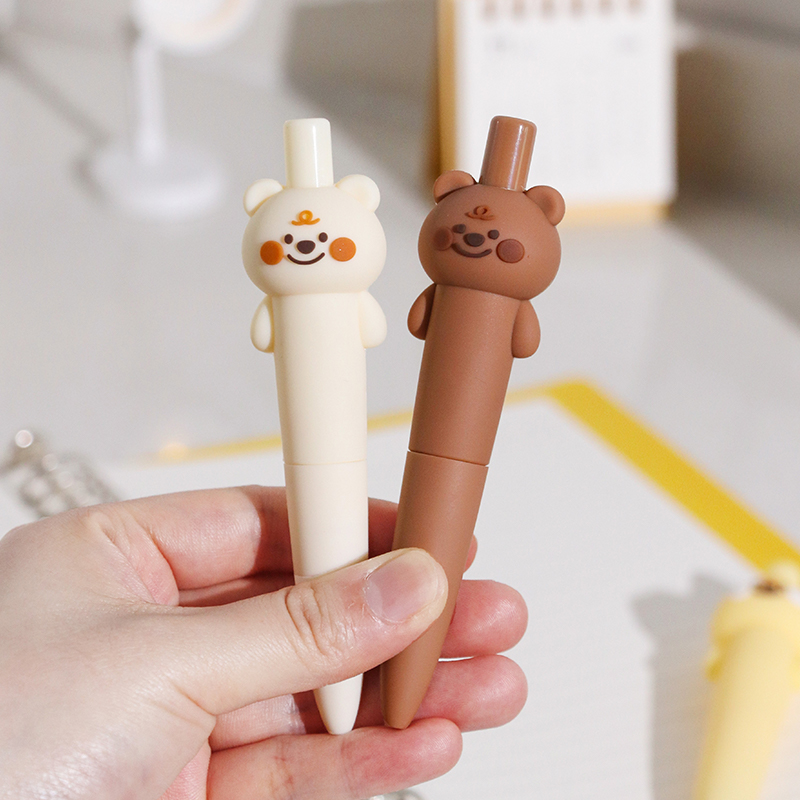
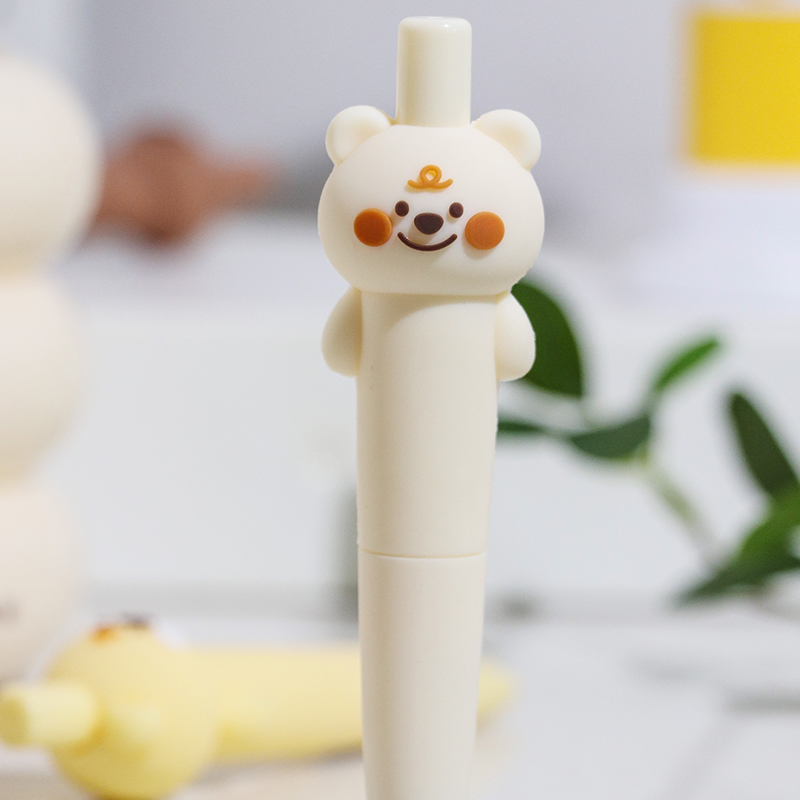
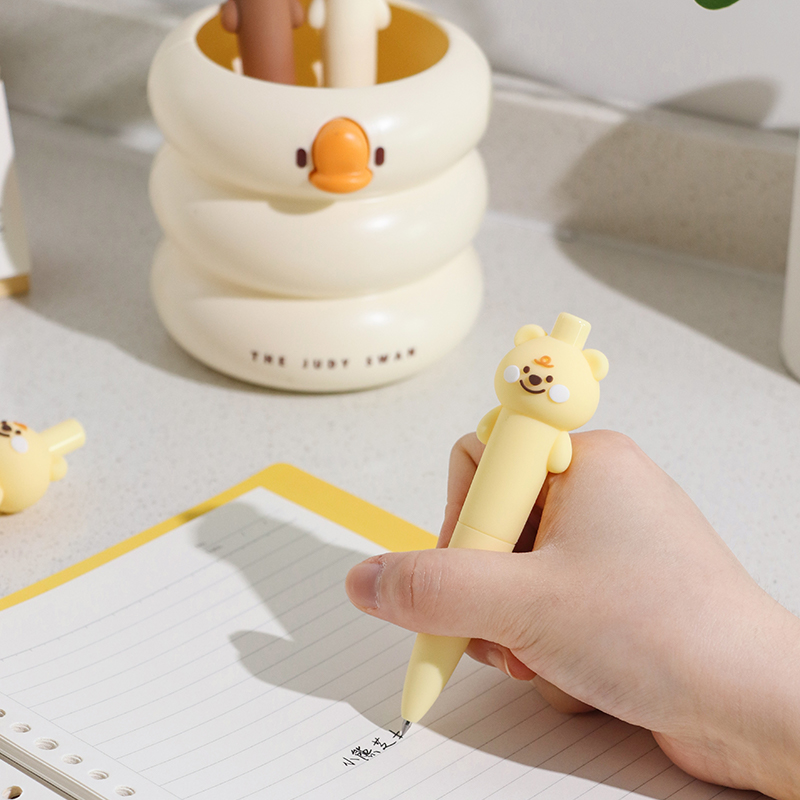
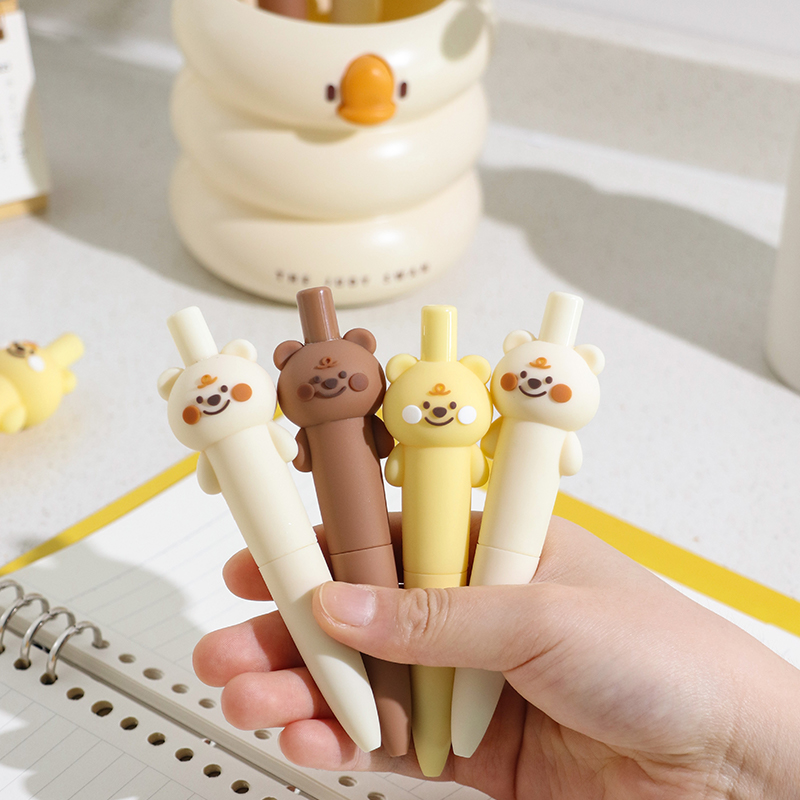
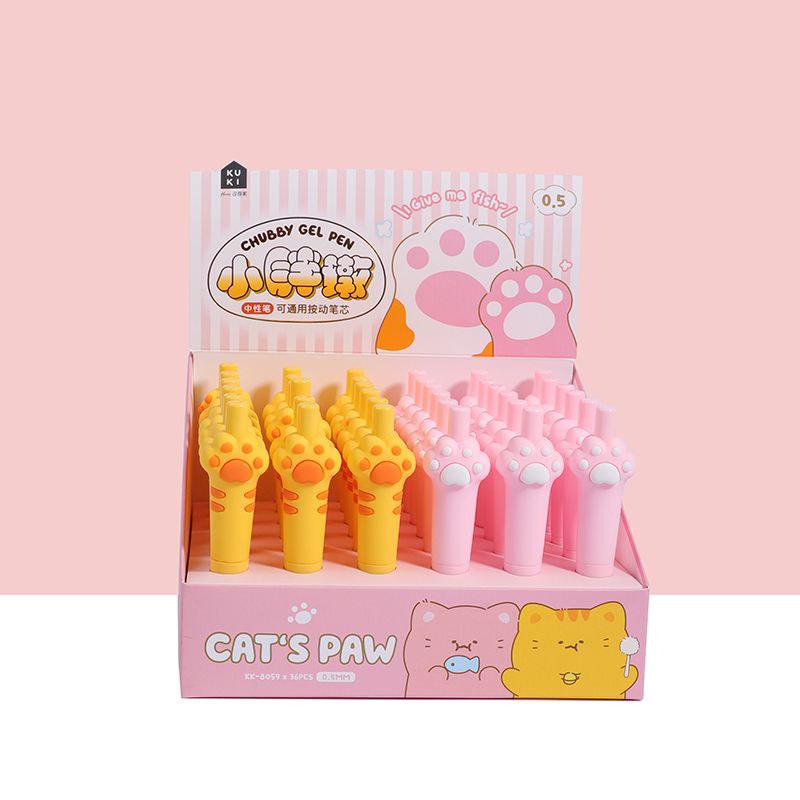

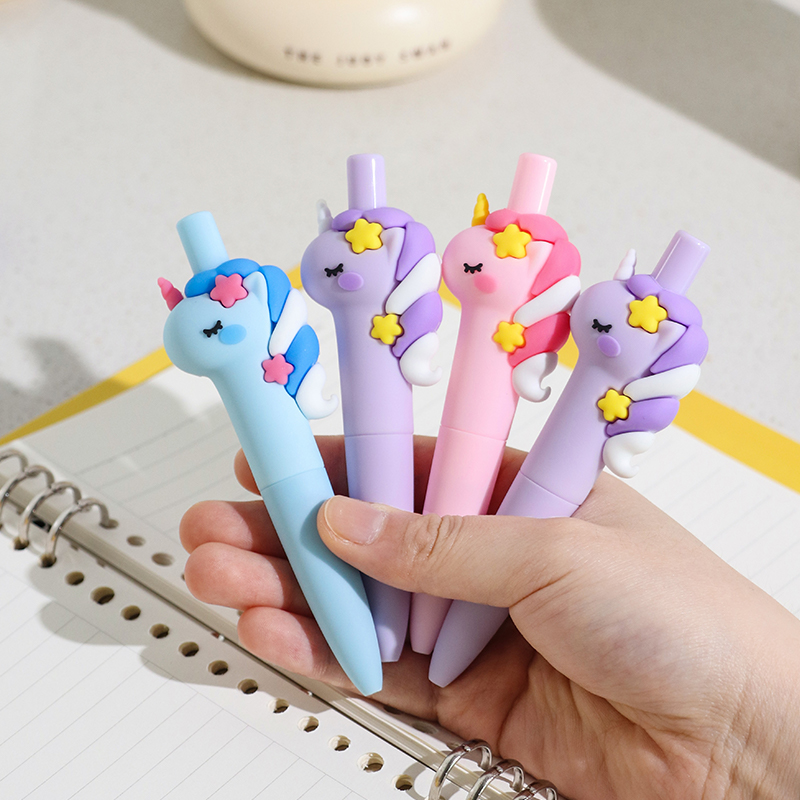
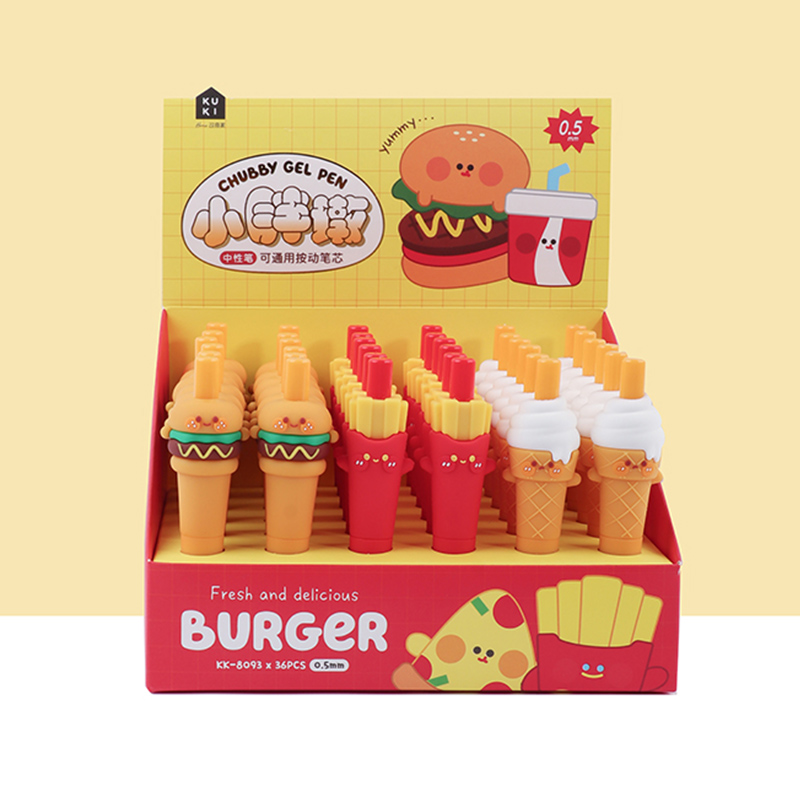
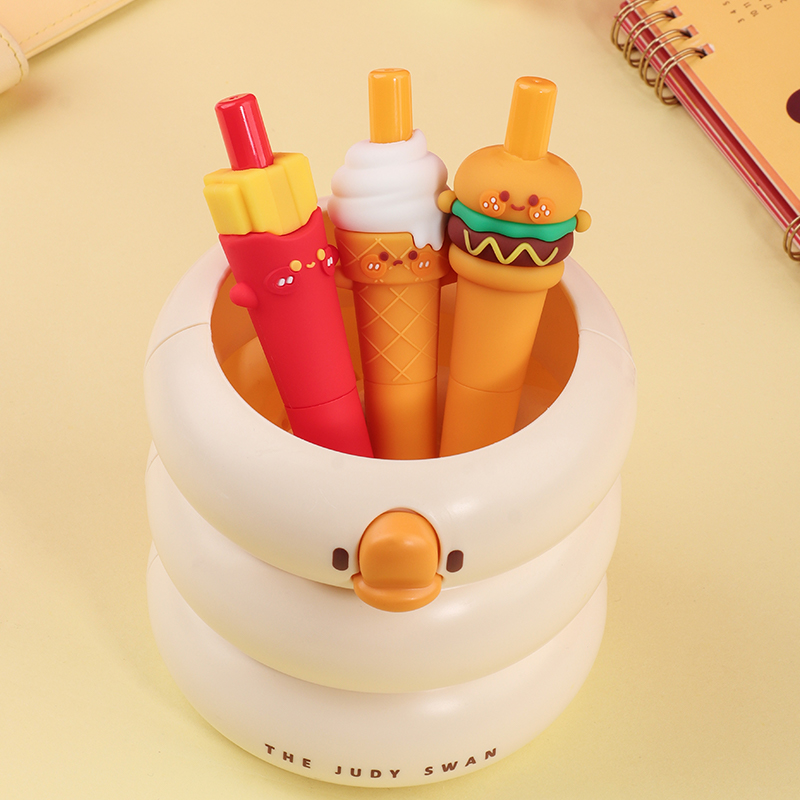
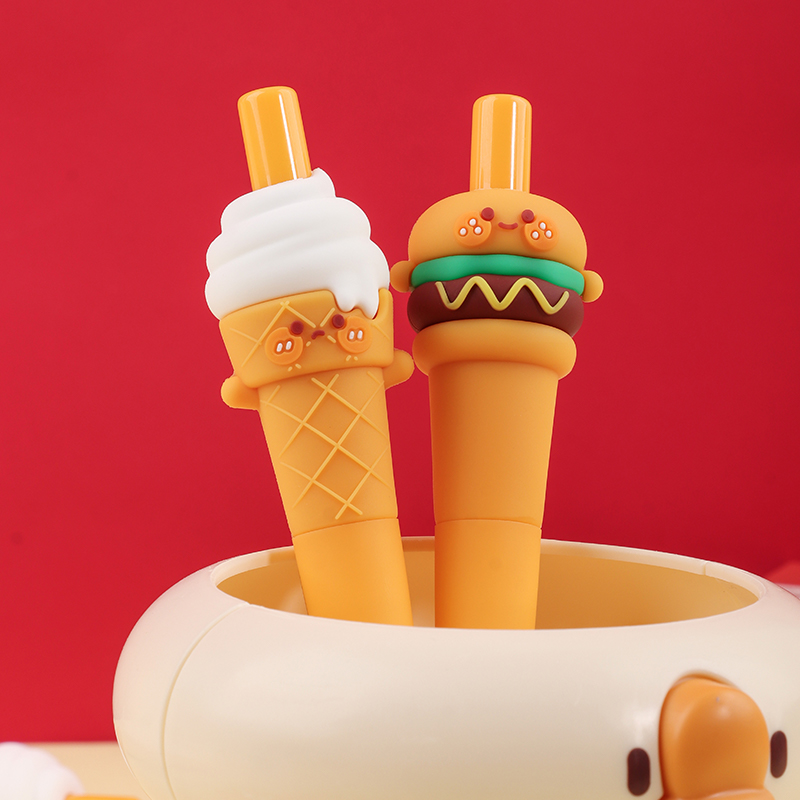
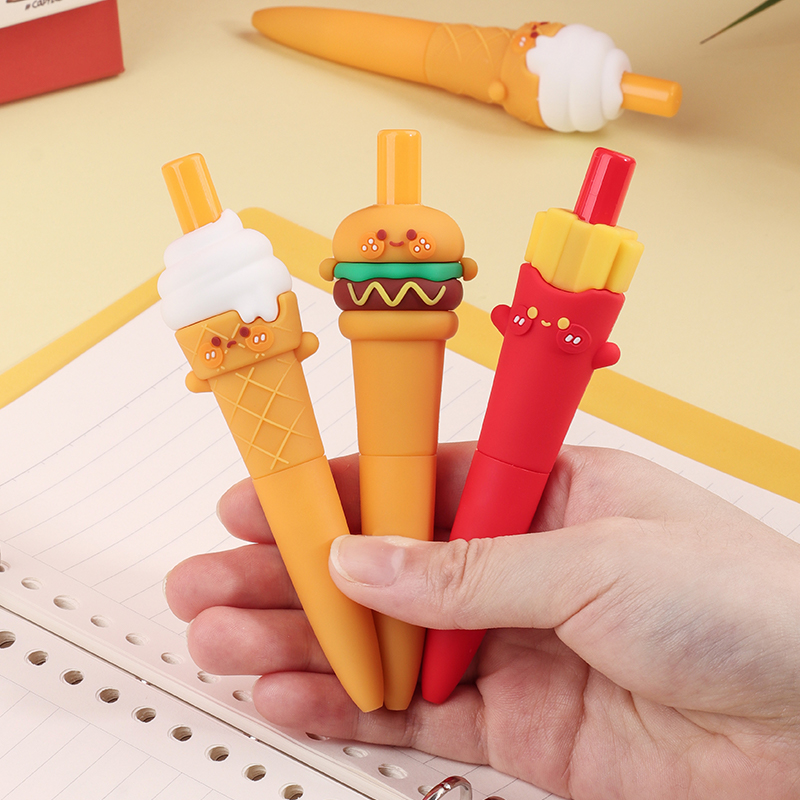
Dongyang Kuki Stationery Co., Ltd. is an innovative stationery company that integrates design, R&D, production, and sales. Under its brand KUKI HOME, the company focuses on cute and novelty-designed products — especially erasers, sharpeners, and correction tapes — with a mission to make learning happier and more creative.
As a pioneer in creative styling stationery, KUKI HOME owns 20+ original and collaborative IPs, including HAMER FRIENDS, LUCKYCATCLAW, HAPPTLFE AYBARA, VEGETABLE CHICKEN, and more. The company has developed over 30 product categories and launched 300+ bestsellers, with several single products exceeding 20 million units in sales. As a custom Chubby Pen manufacturer and wholesale Chubby Pen factory in China, KUKI has also obtained 30+ design patents.
KUKI HOME has partnered with global brands like Miniso, The Green Party, and Lenle, and its products are exported to Europe, North America, Brazil, Indonesia, and other countries — well received by consumers around the world. In 2023, it was honored as a “Pioneer of Going Abroad” by Yiwu Brand Overseas Billion Club and has long participated in stationery exhibitions and international exchanges in Japan, Indonesia, Russia, and beyond.
Looking ahead, KUKI HOME is transforming from traditional manufacturing to “cultural and creative intelligent manufacturing.” With continuous innovation in IP creation, product updates, and design, the brand is boldly moving toward becoming one of the world’s leading names in creative stationery.

Cute Pen Exporter
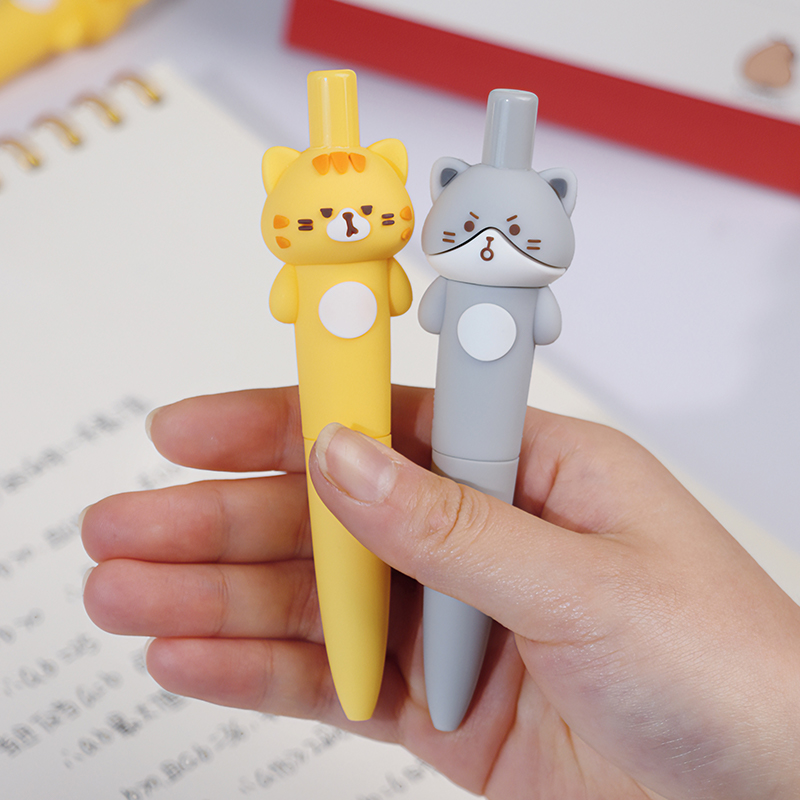
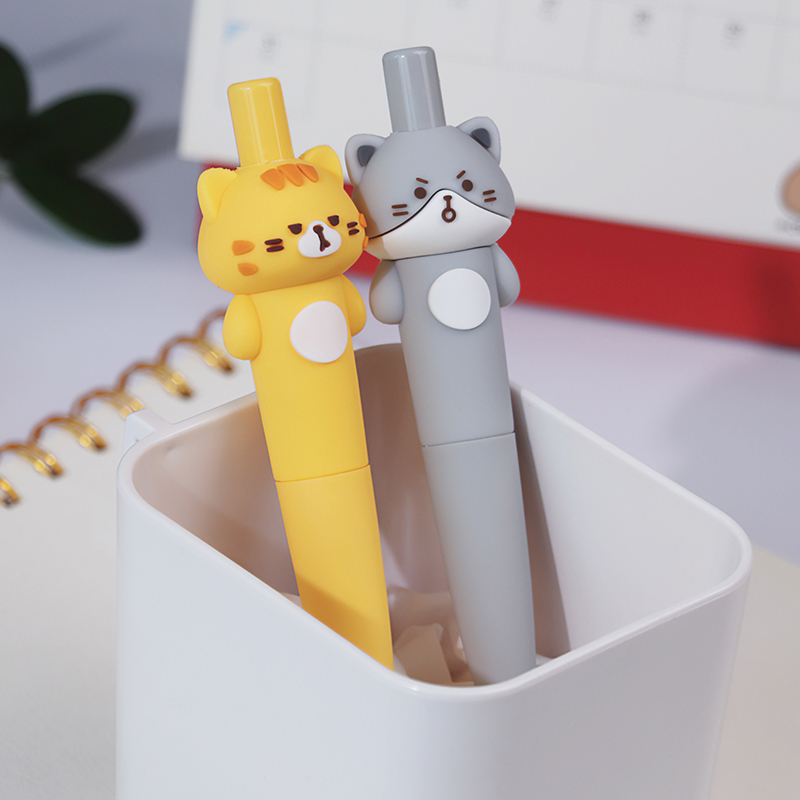
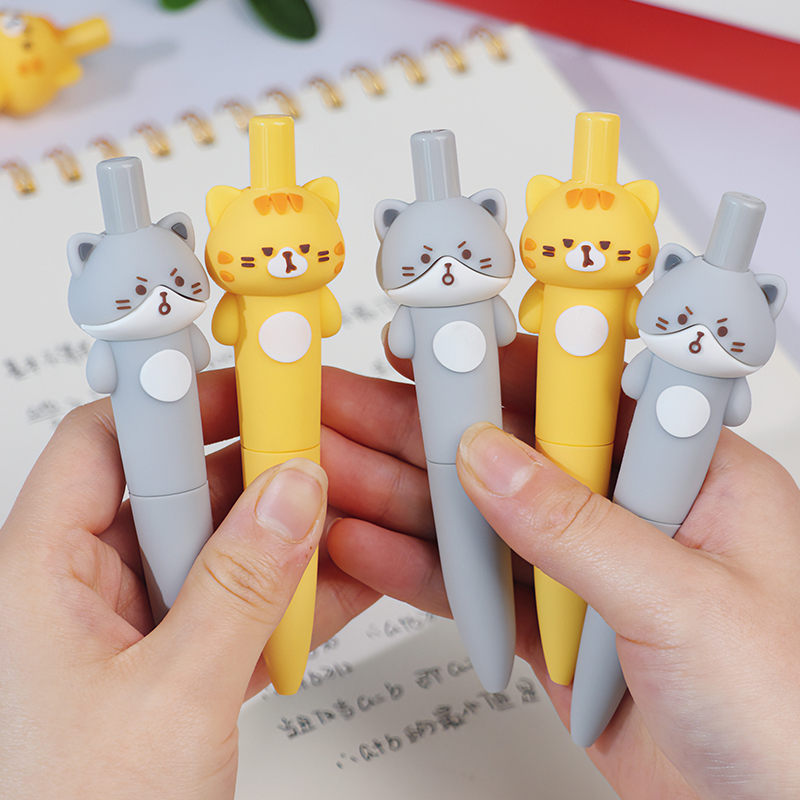
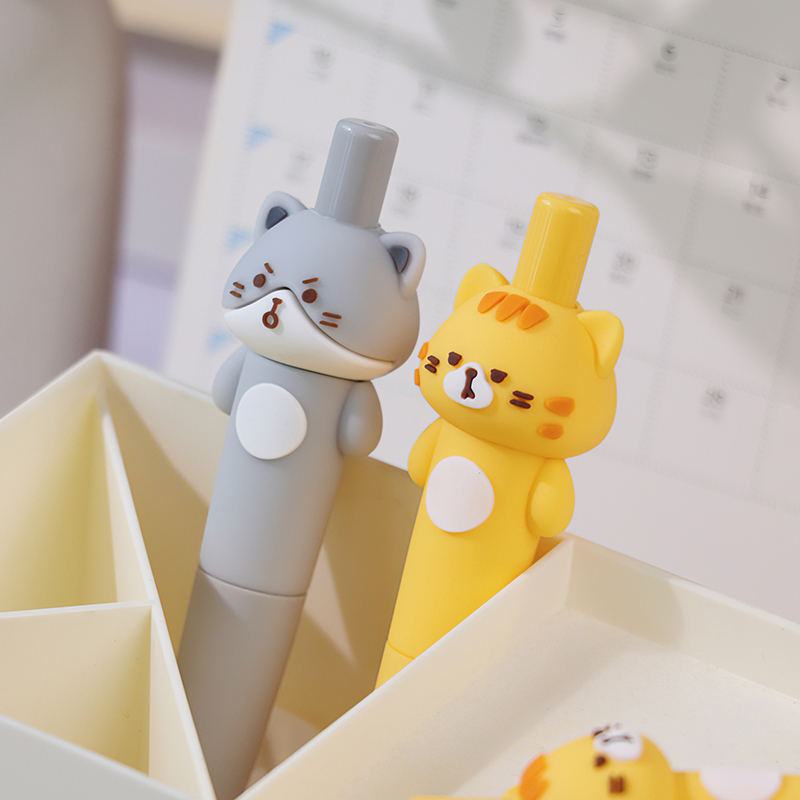
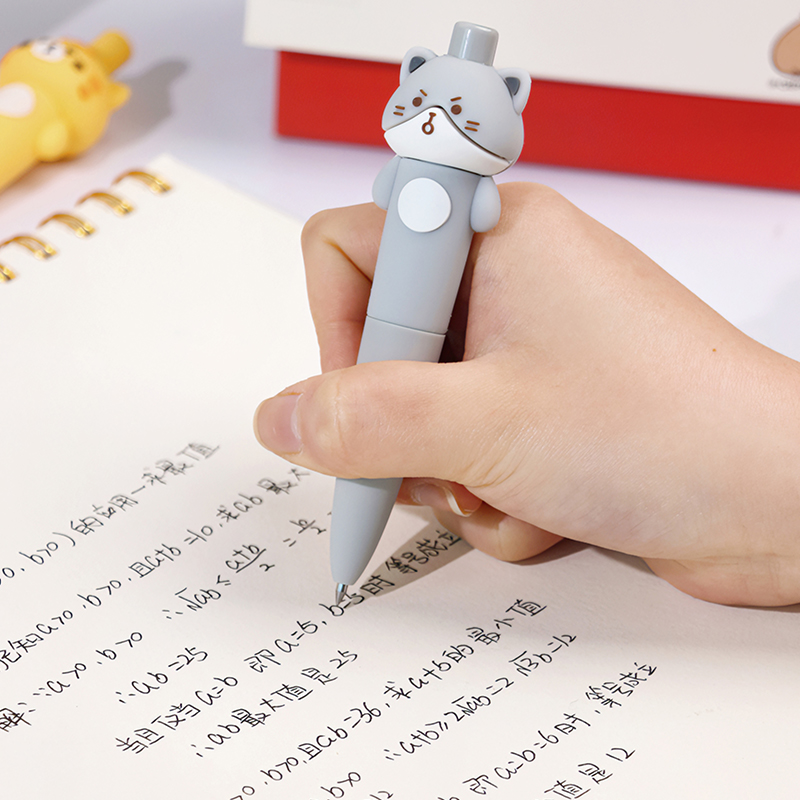
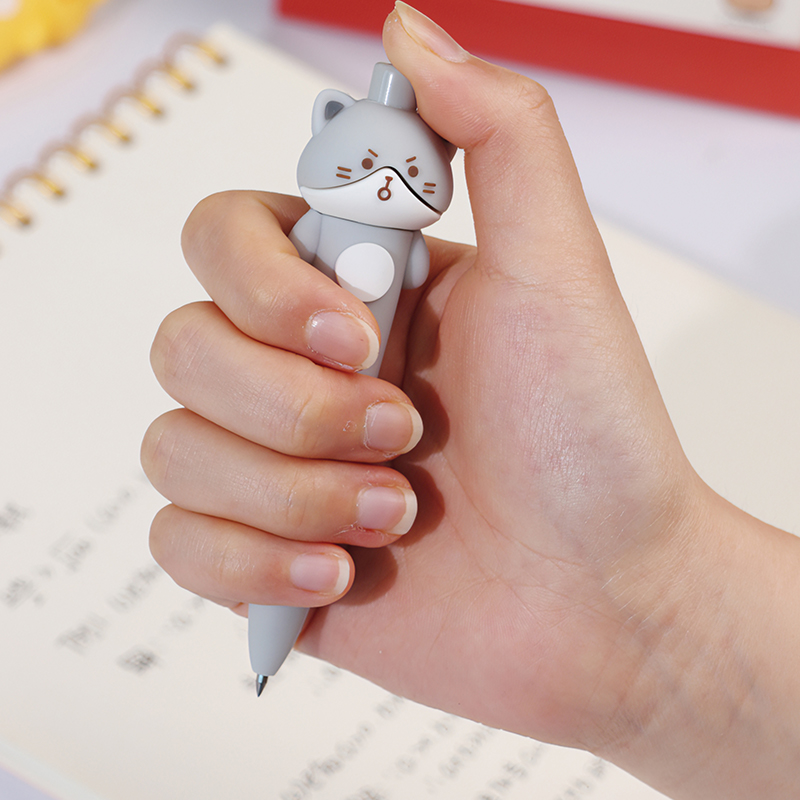
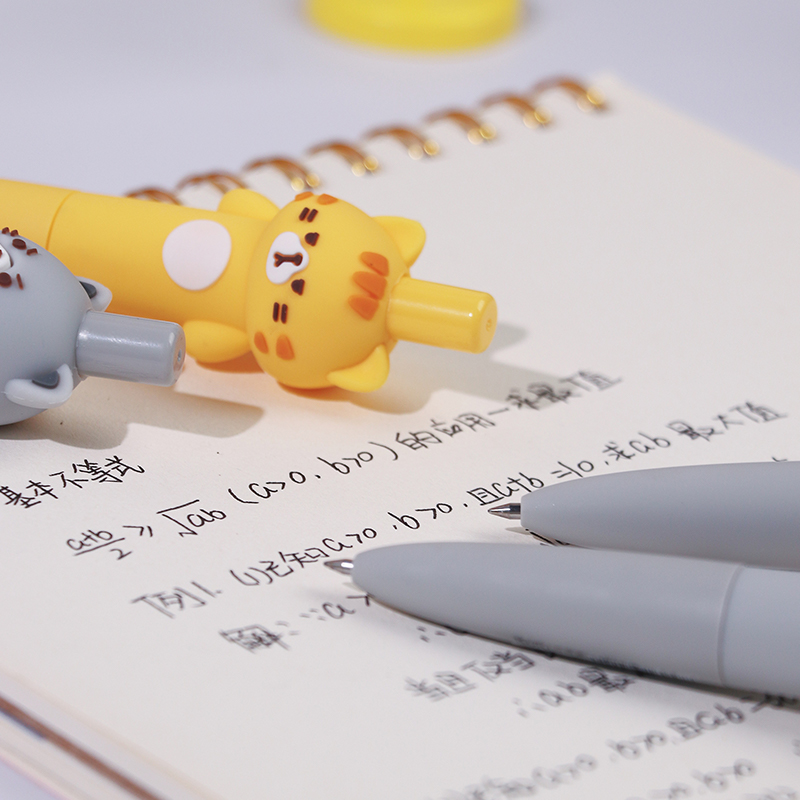
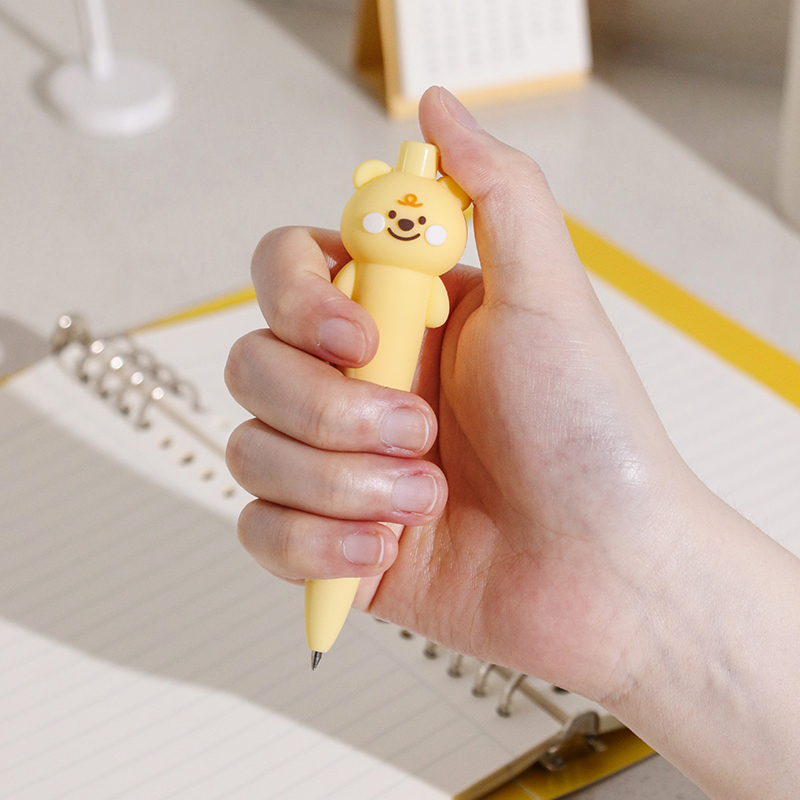
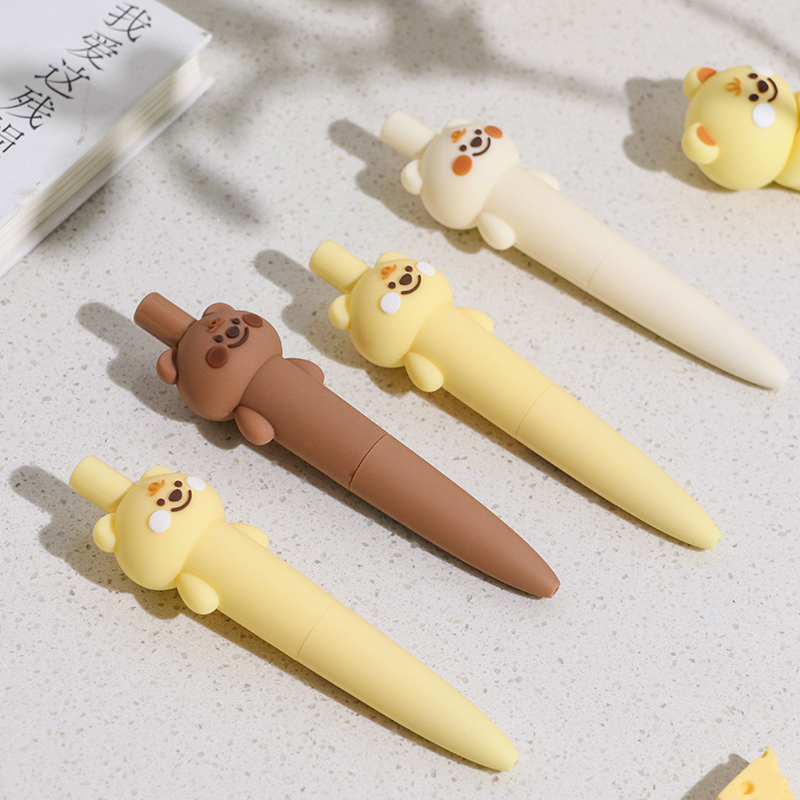
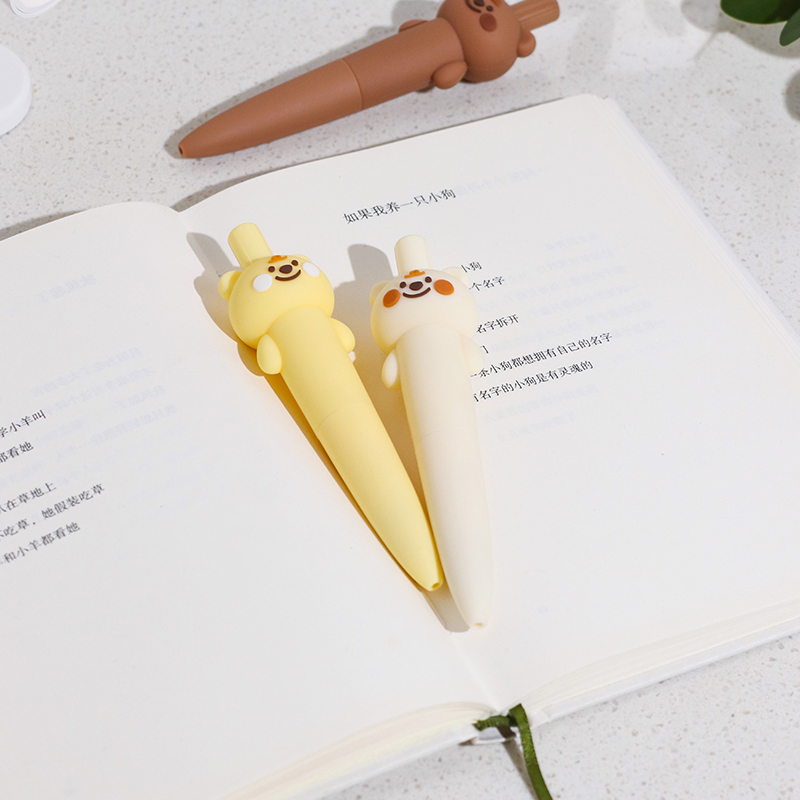
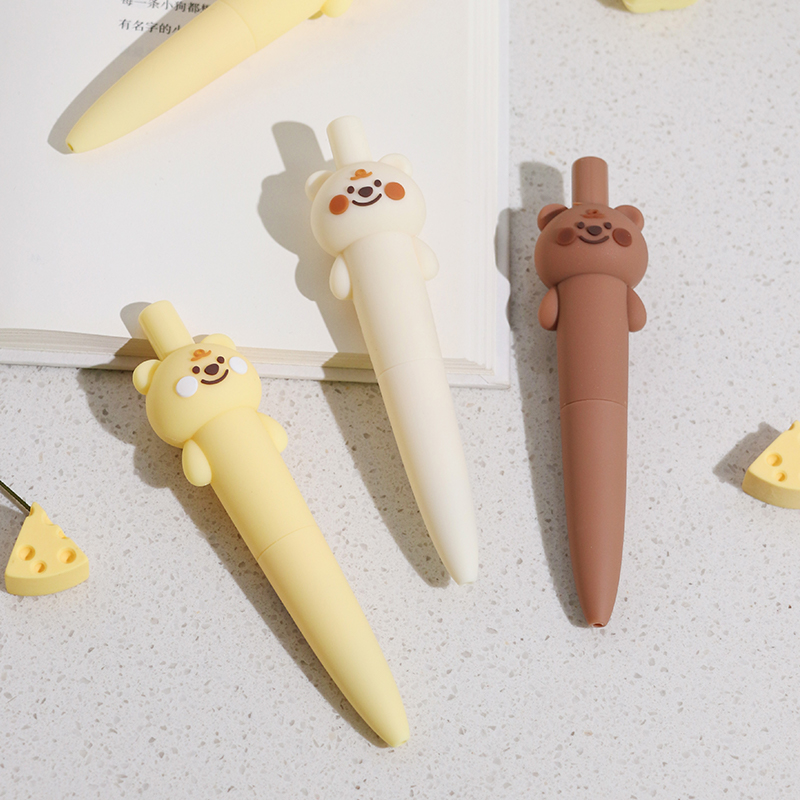
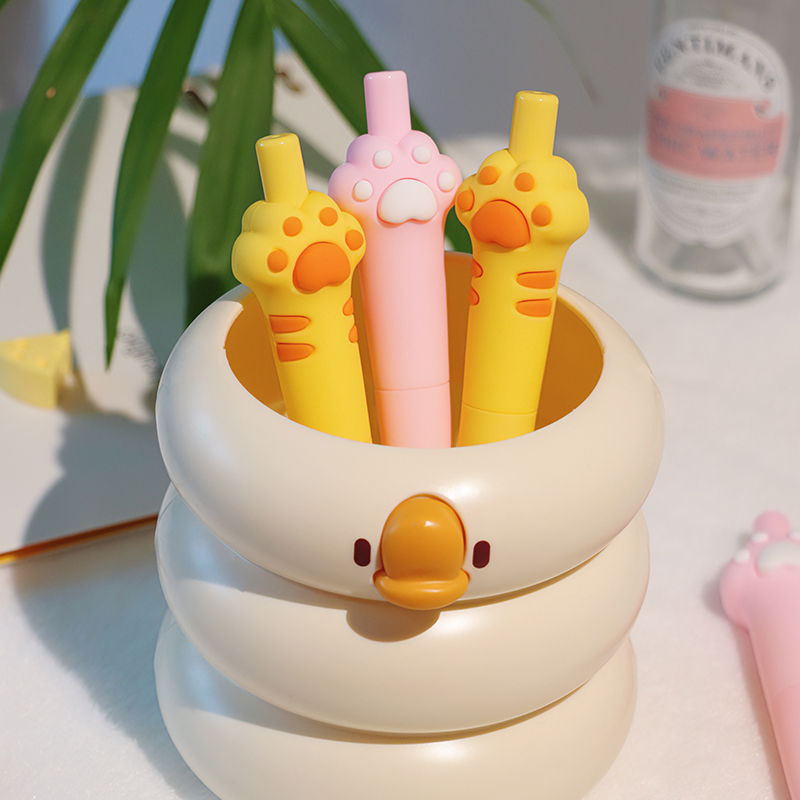
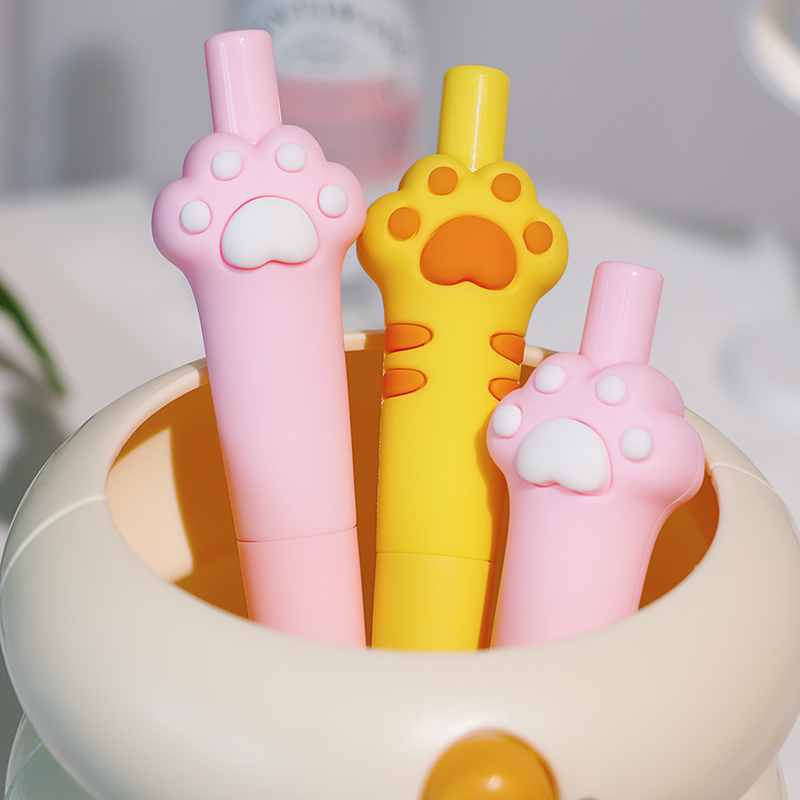
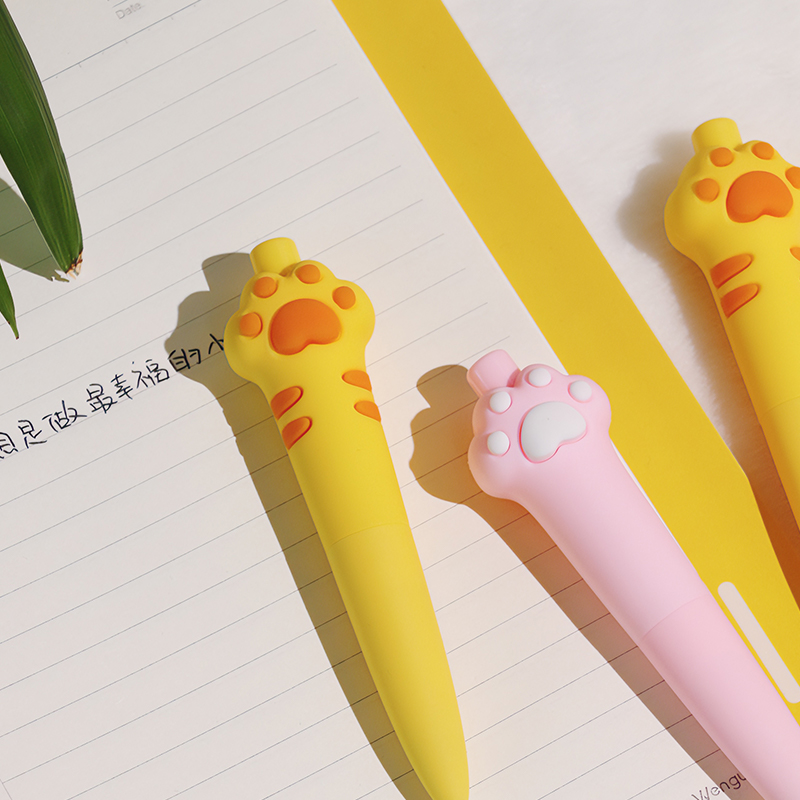
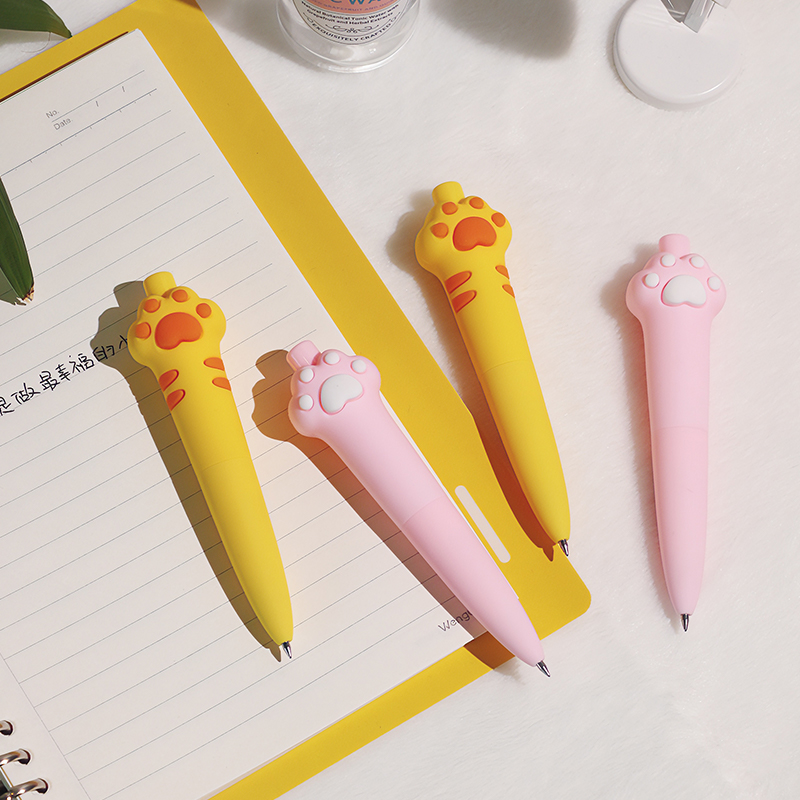
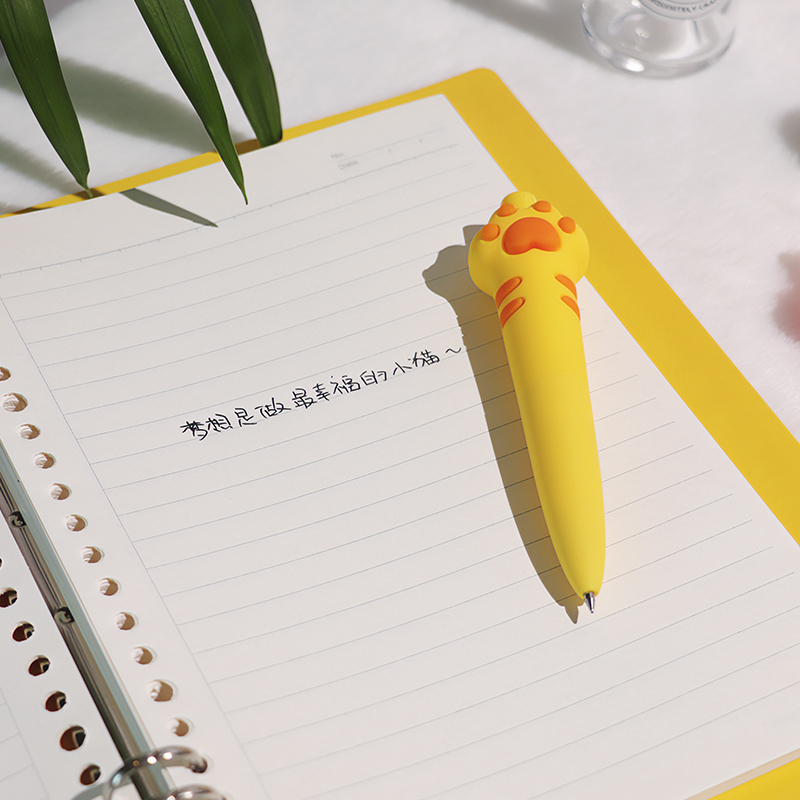
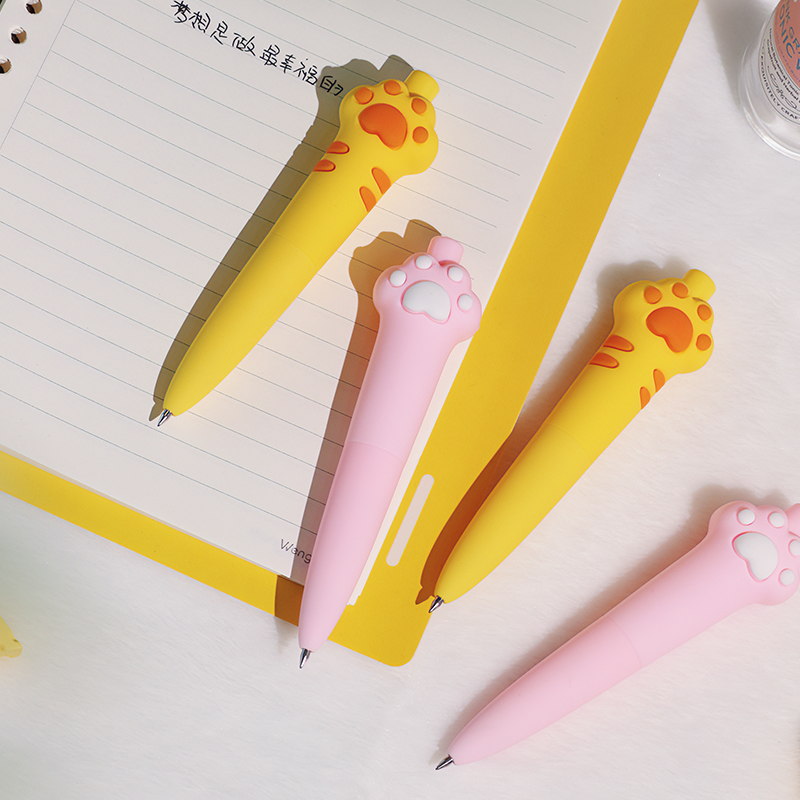
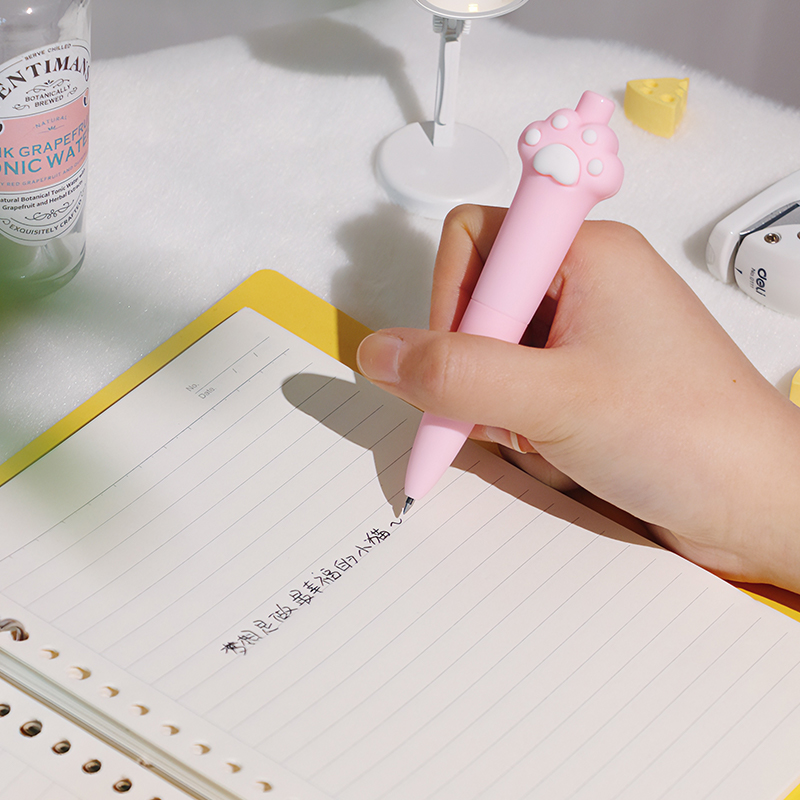
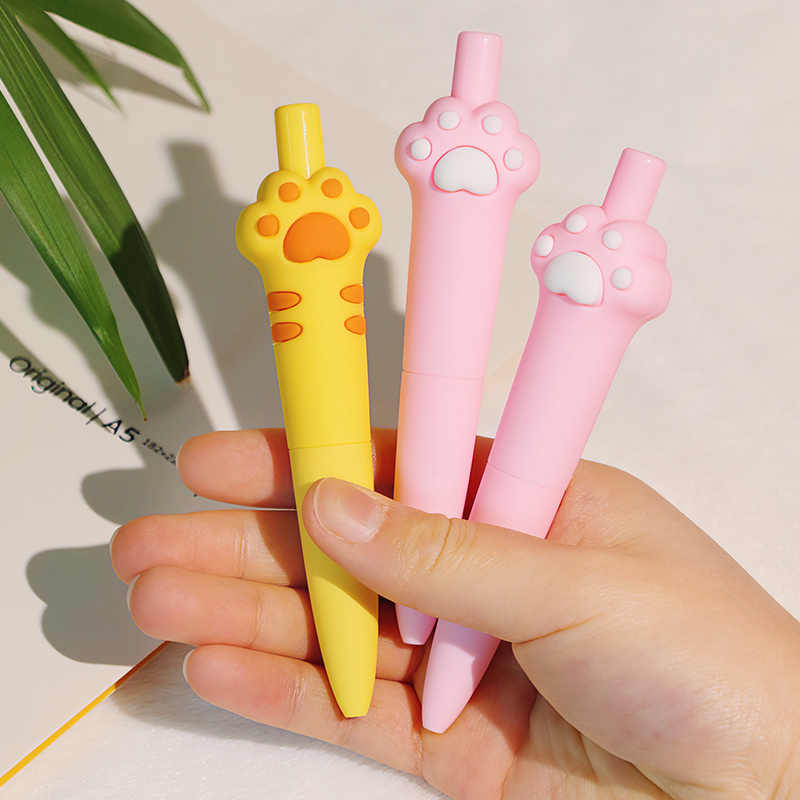
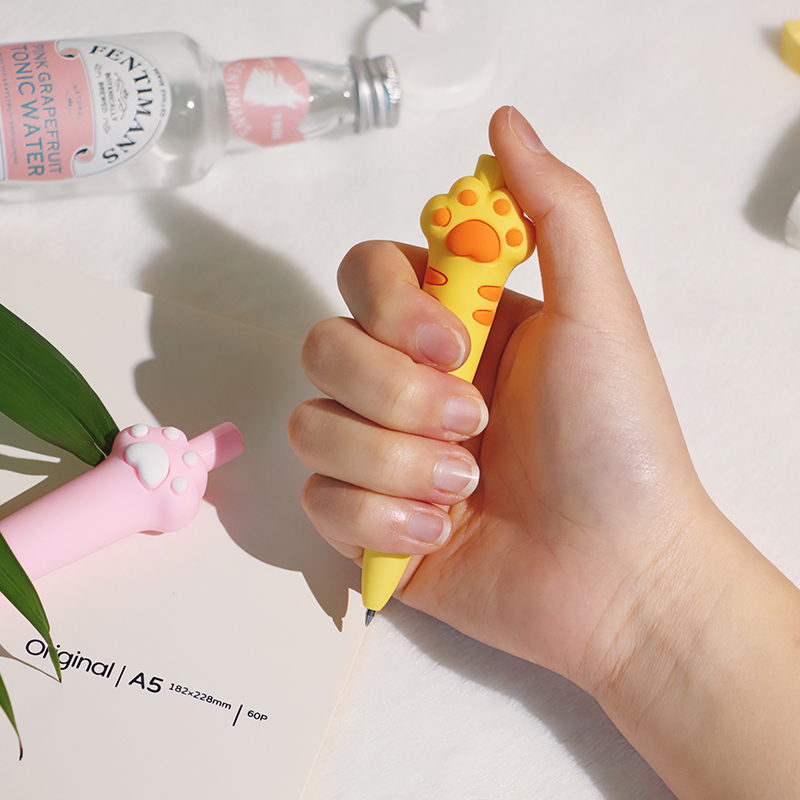
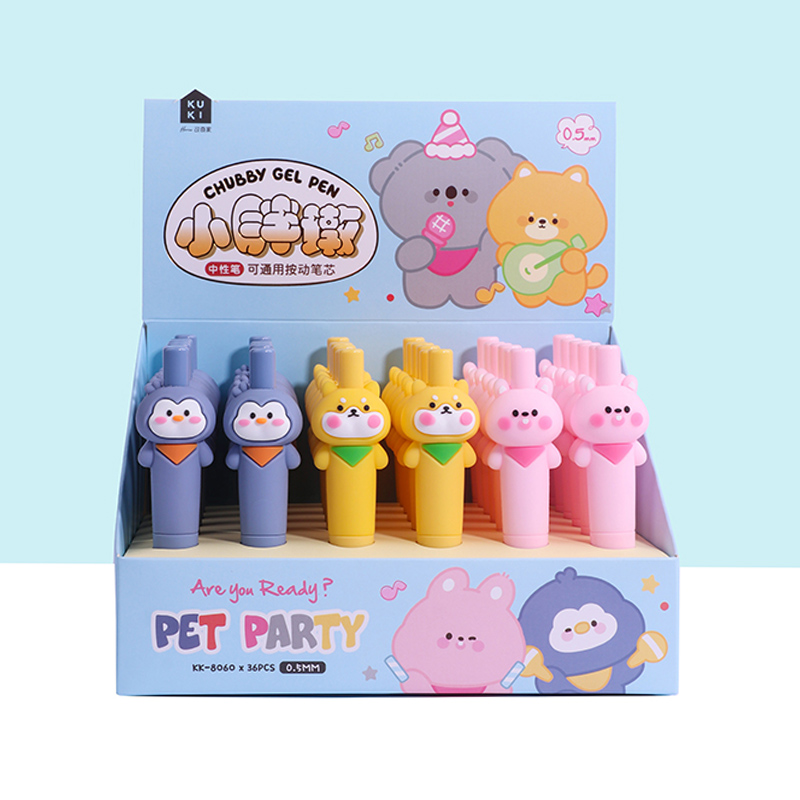
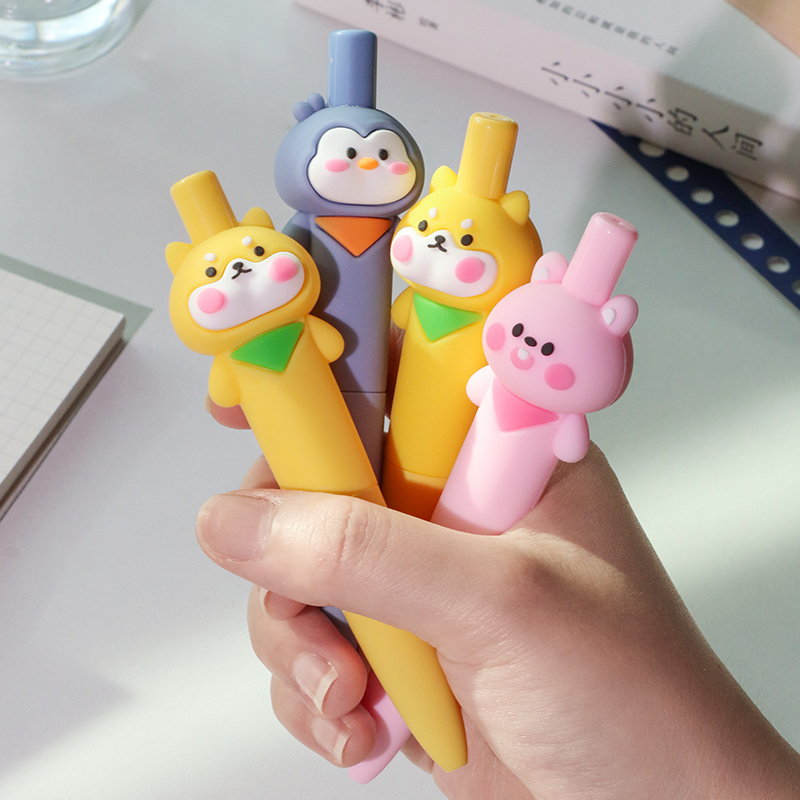
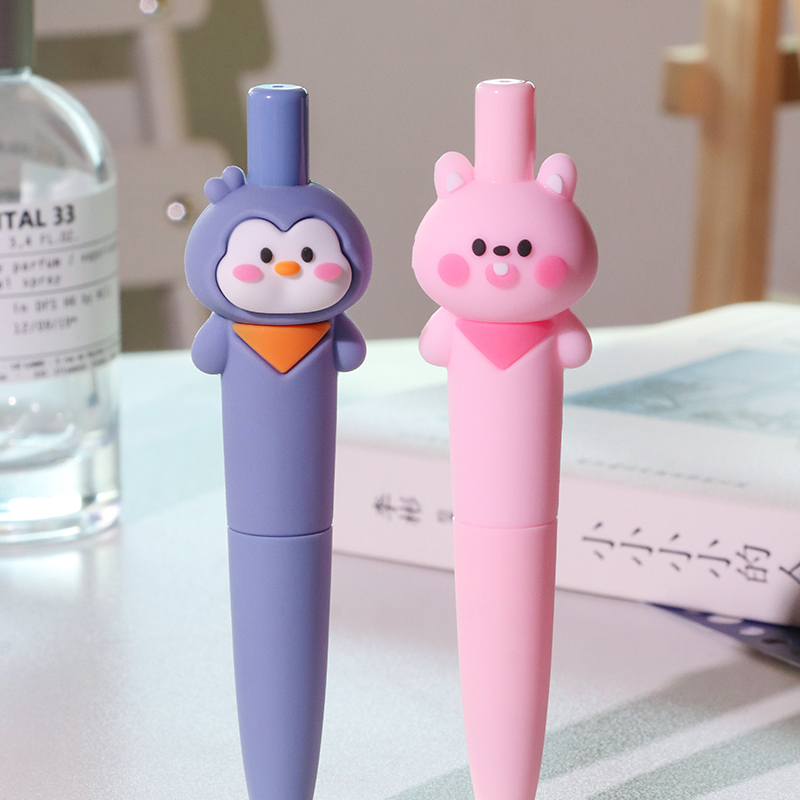
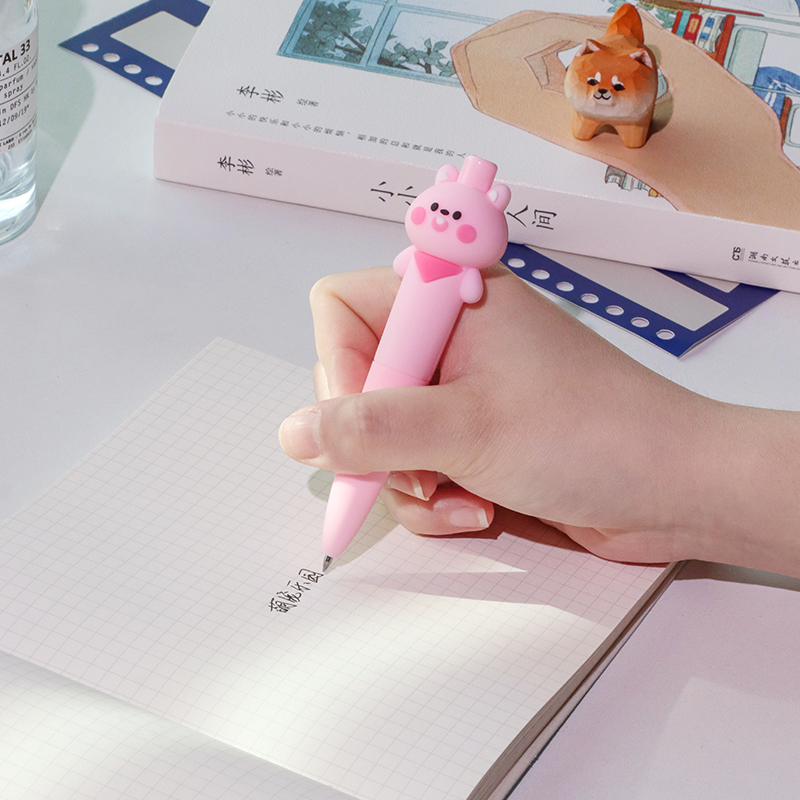
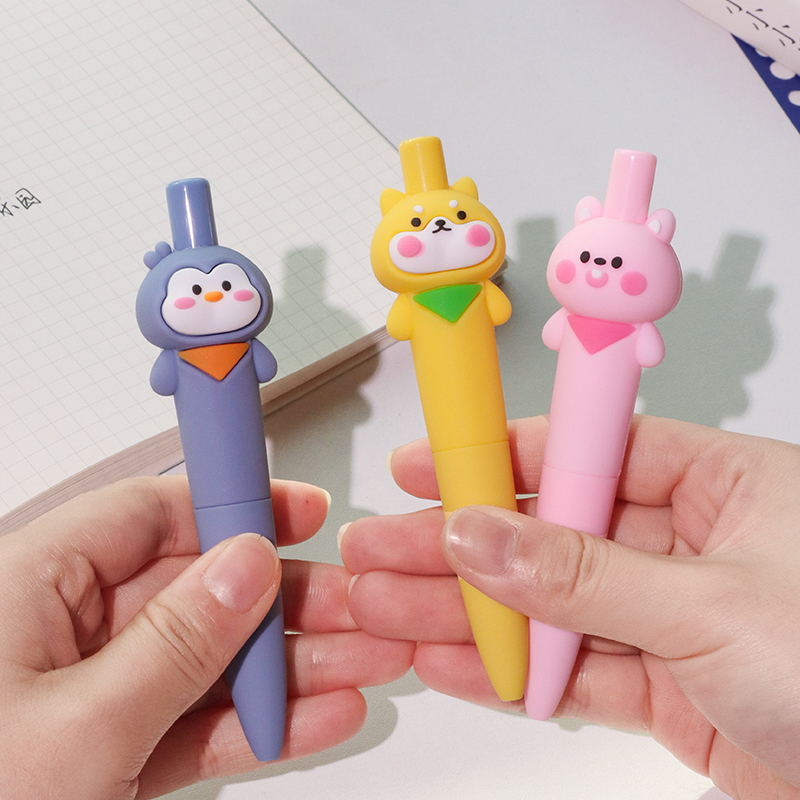
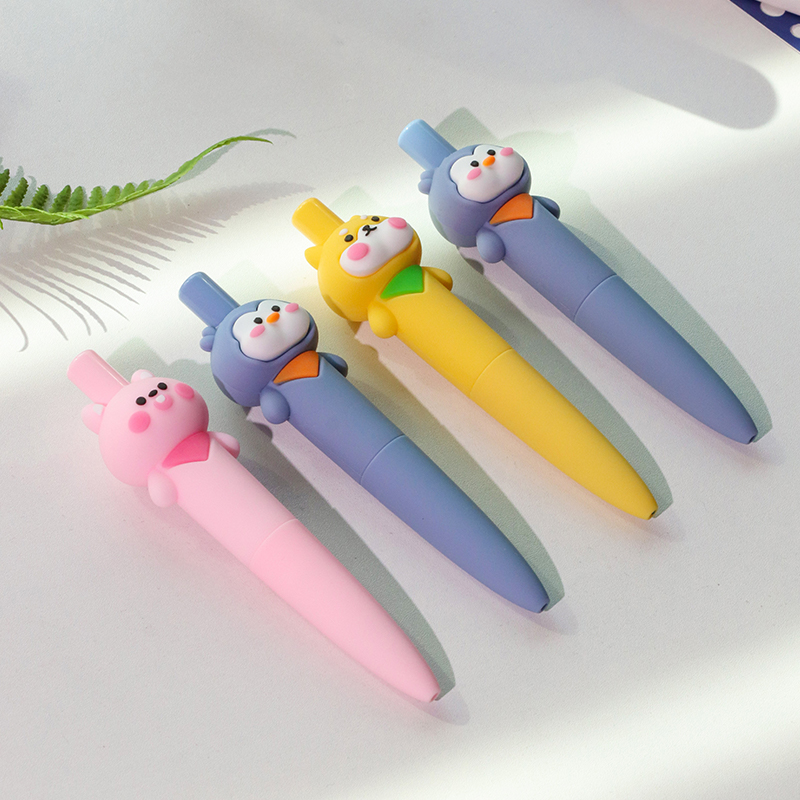
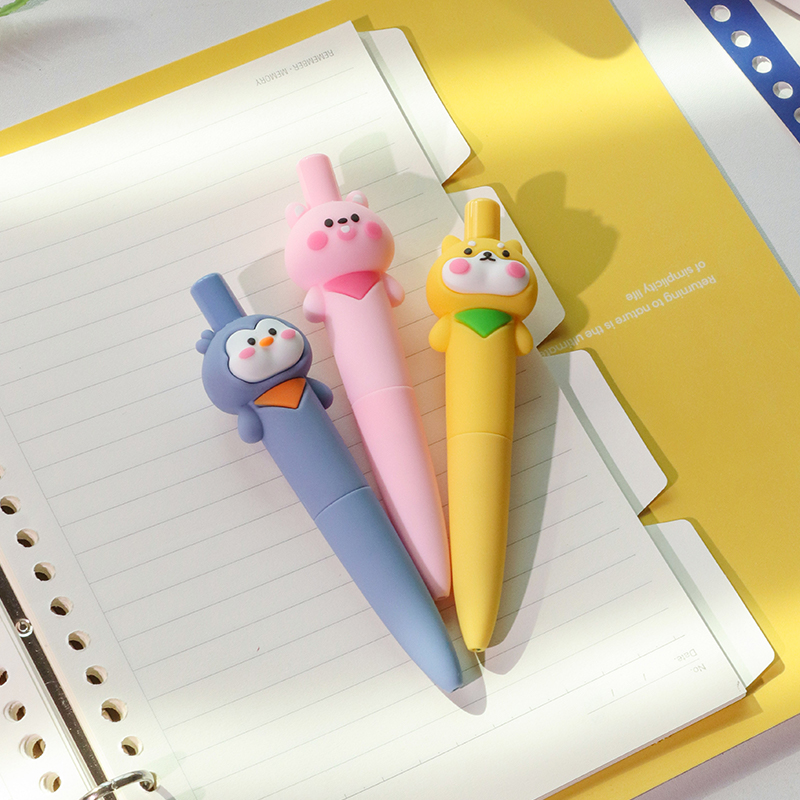
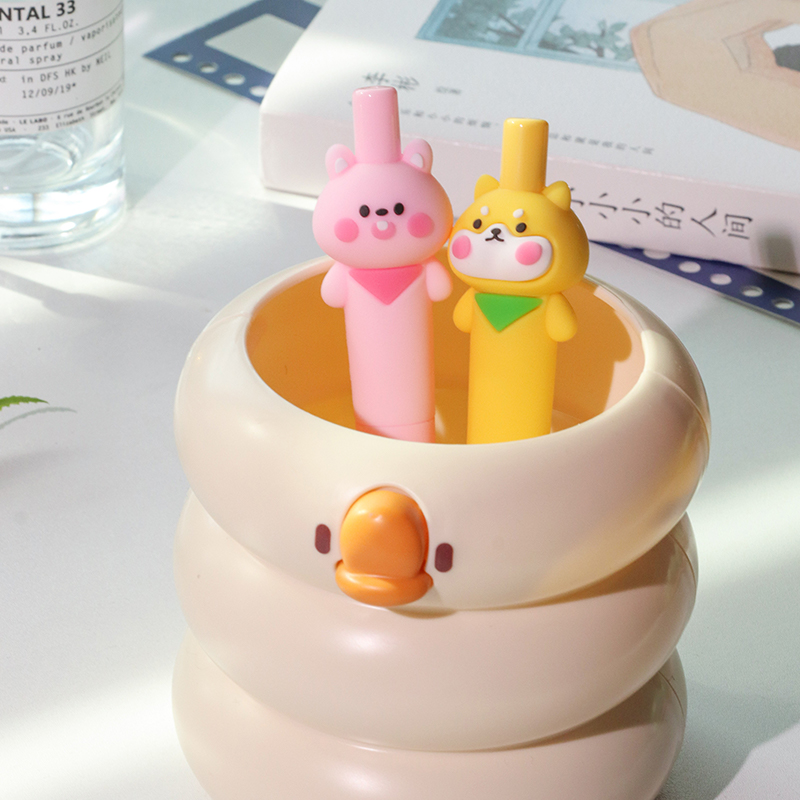
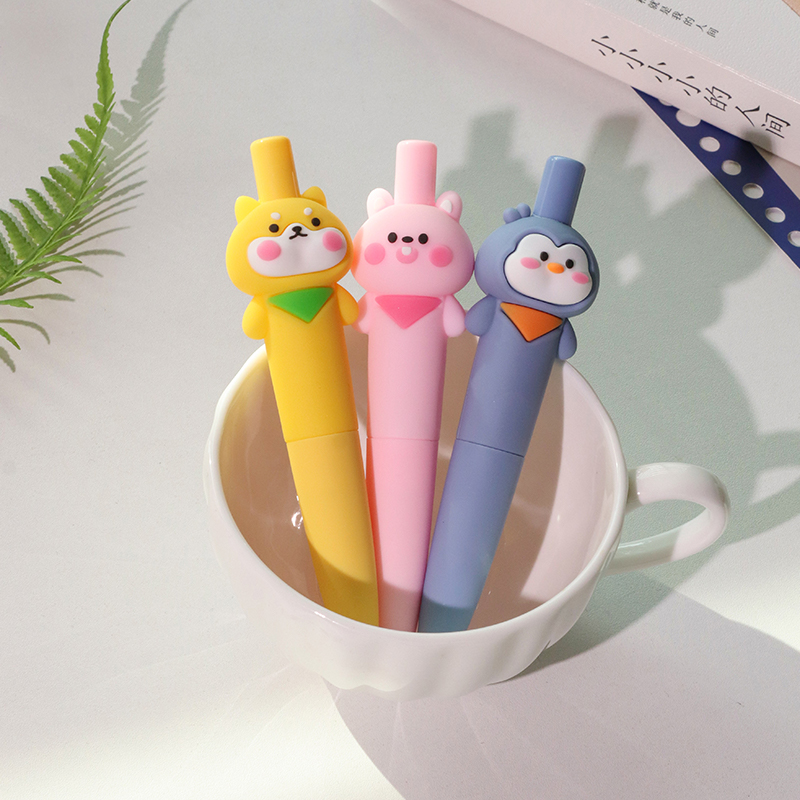
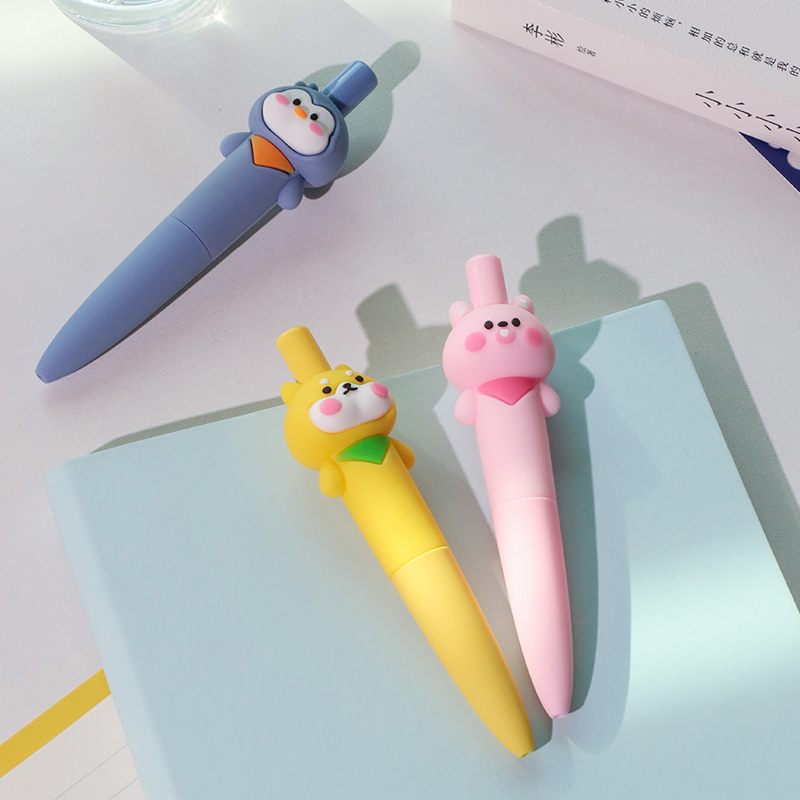
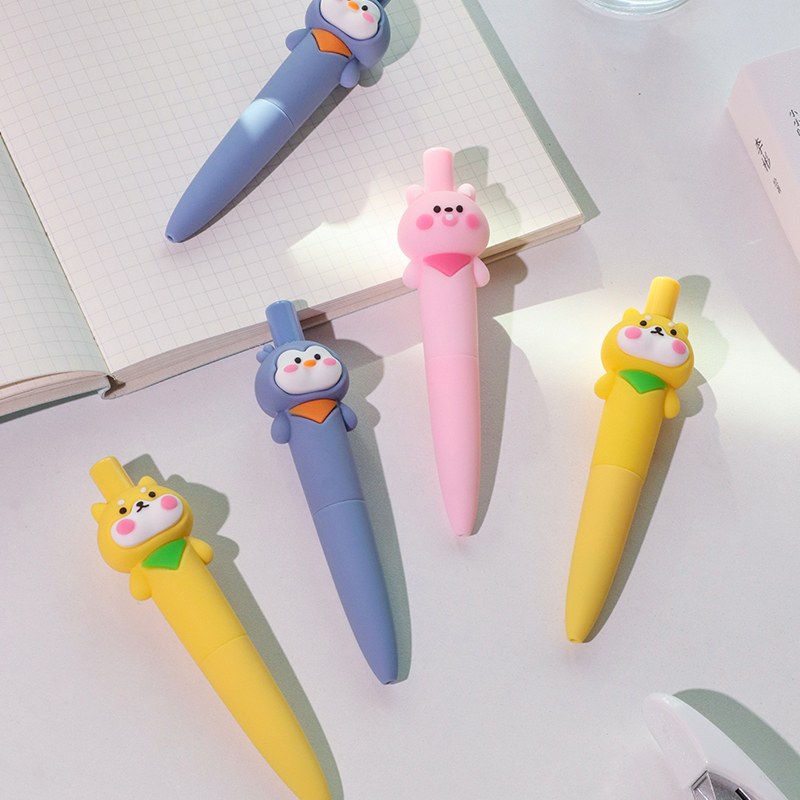
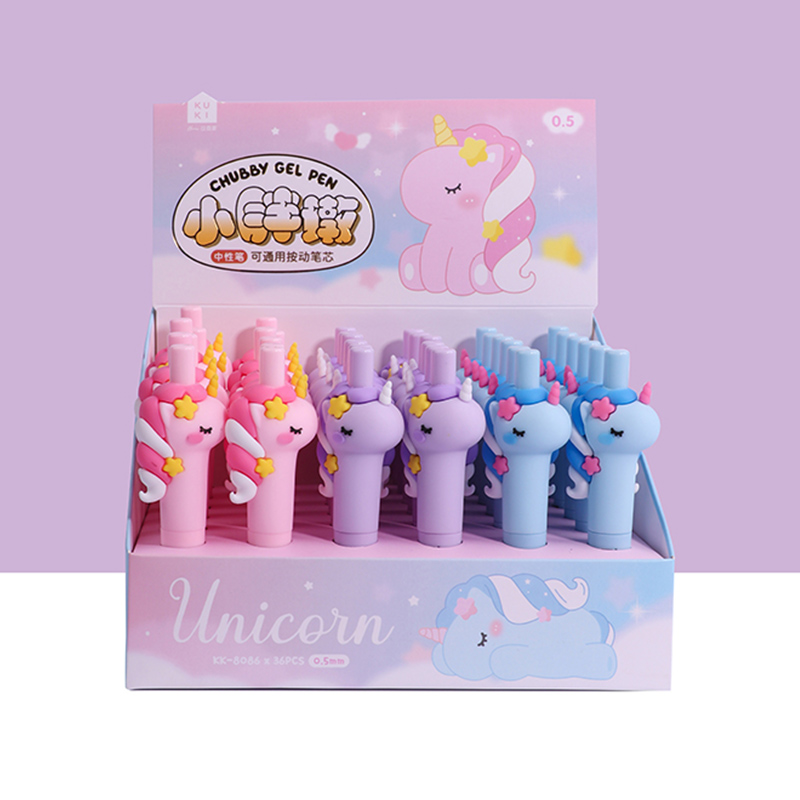
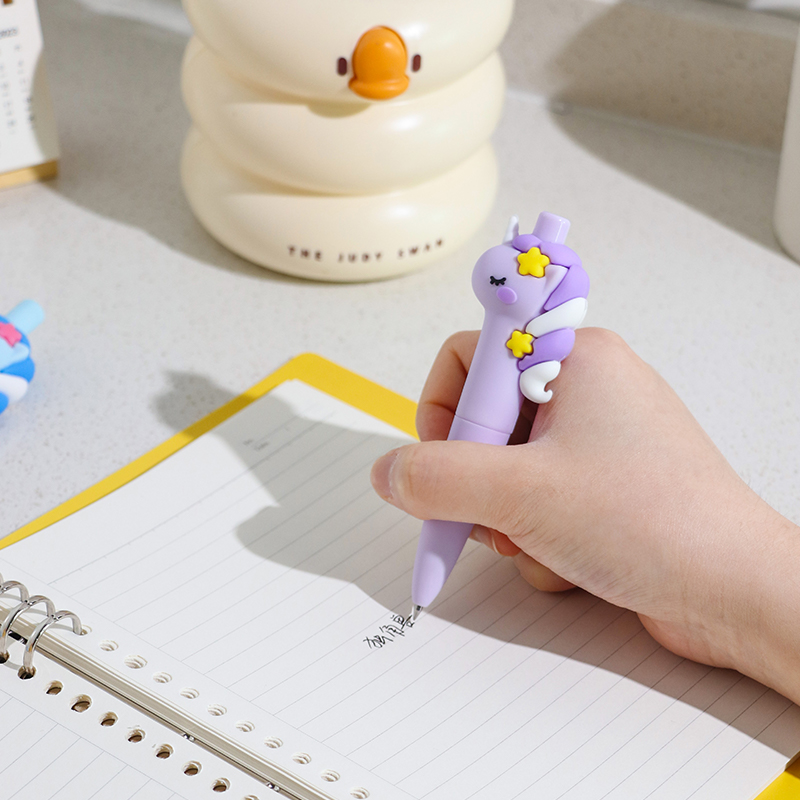
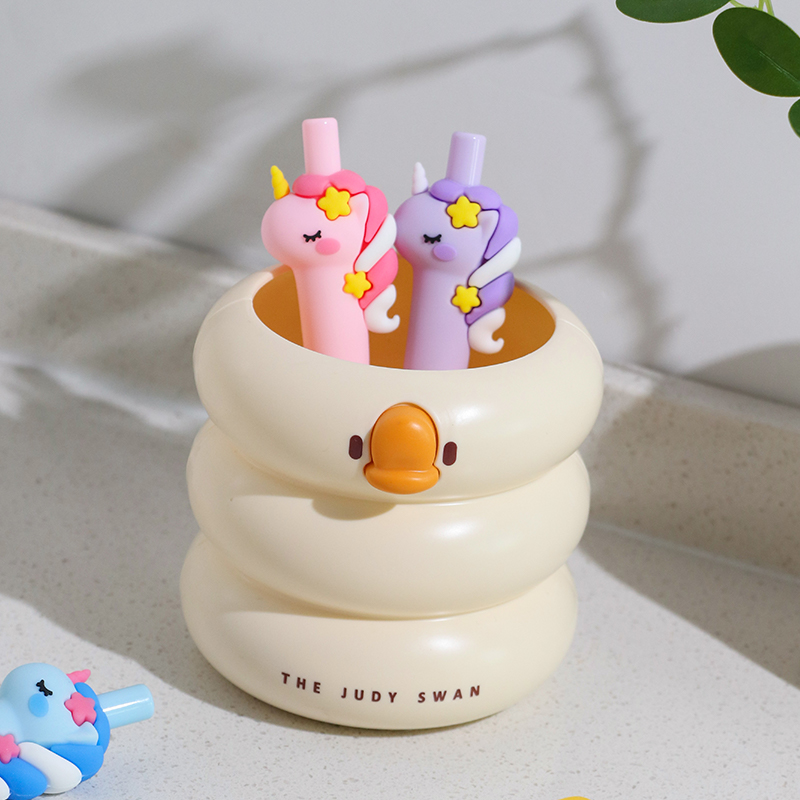
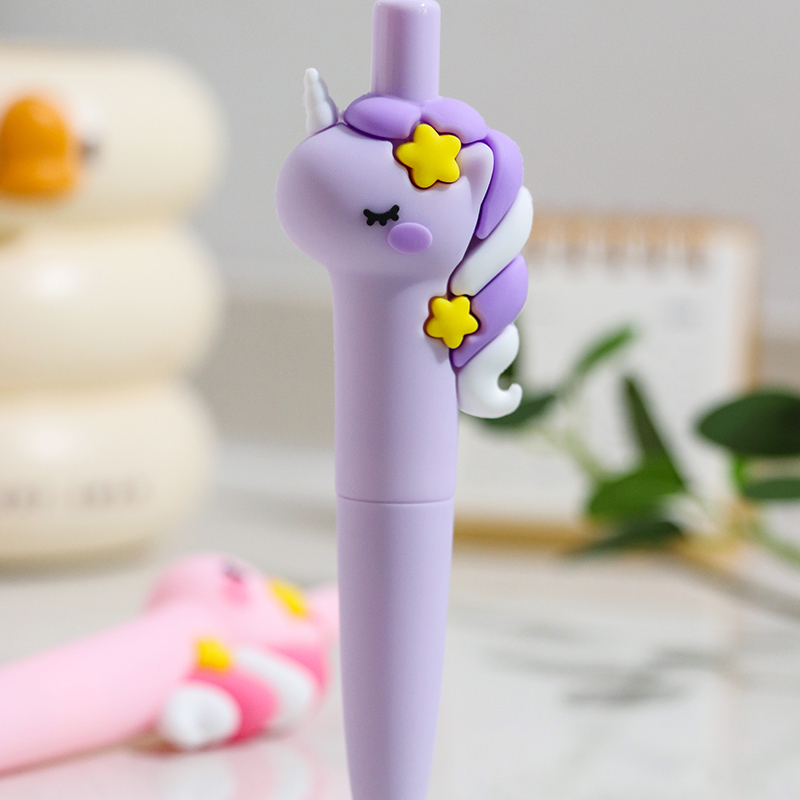
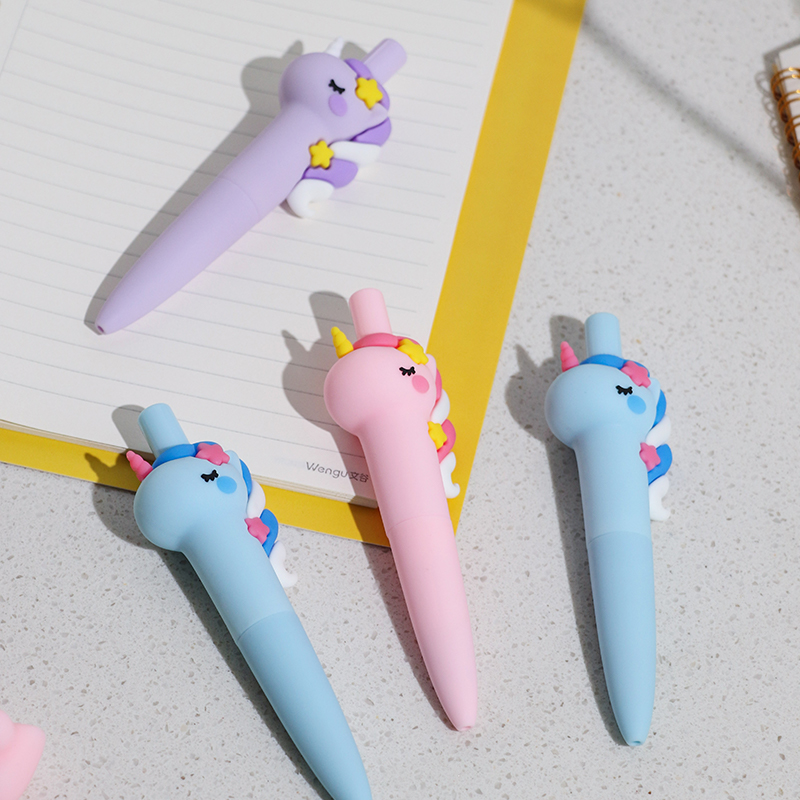
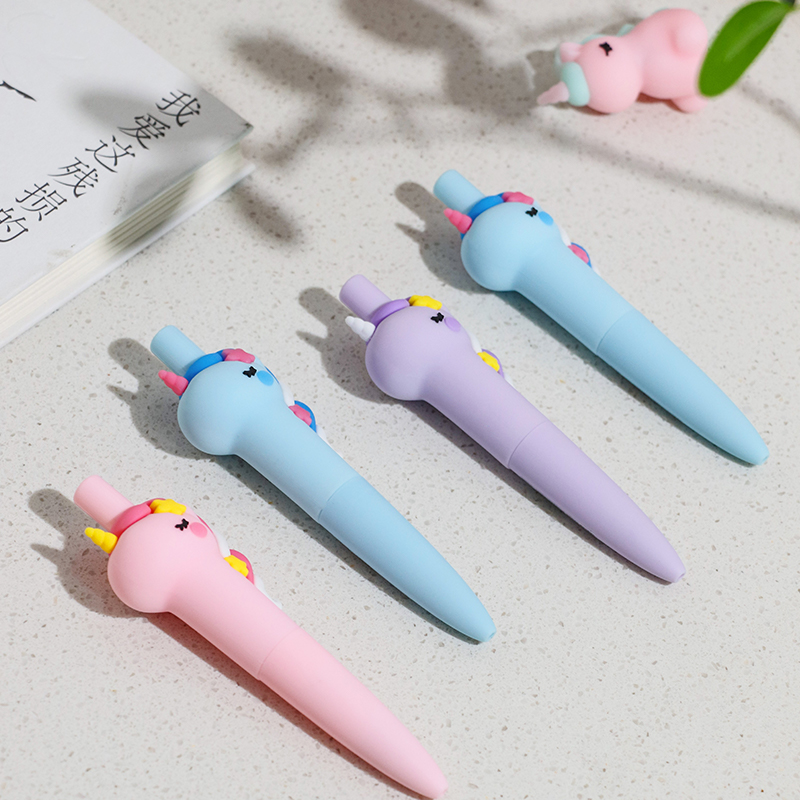
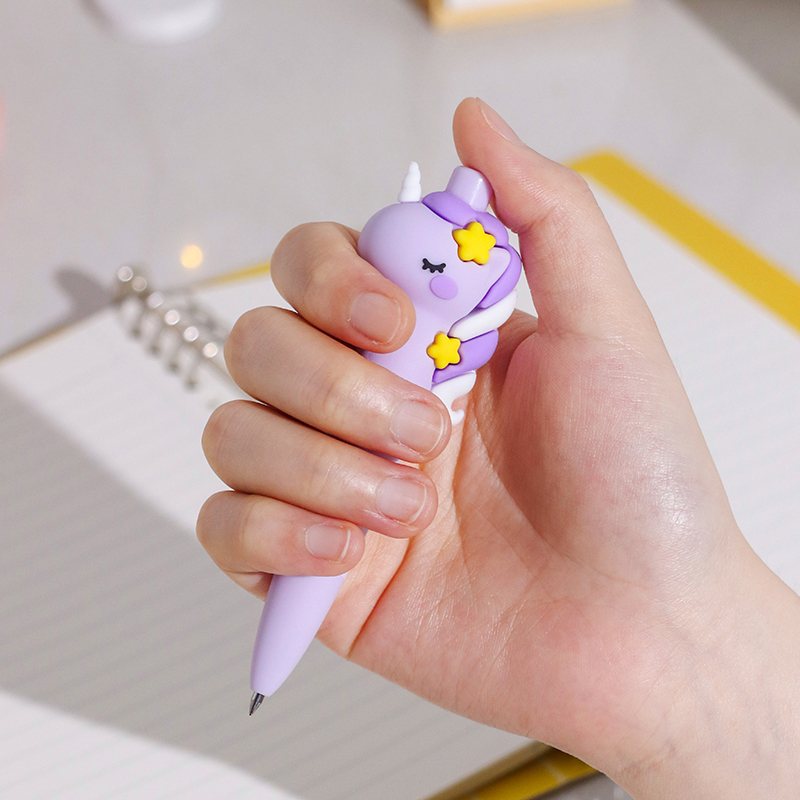
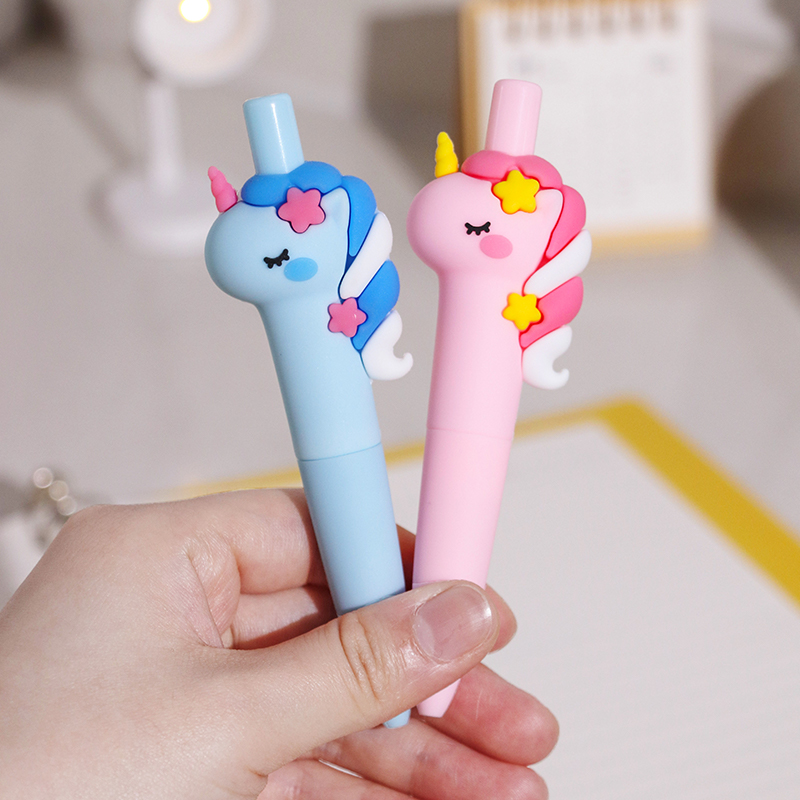
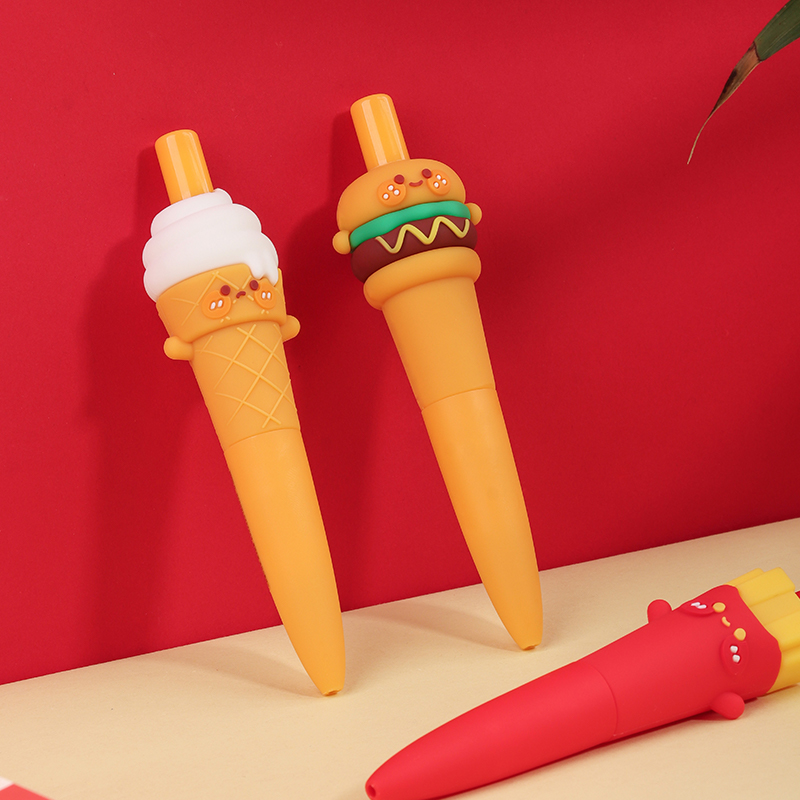
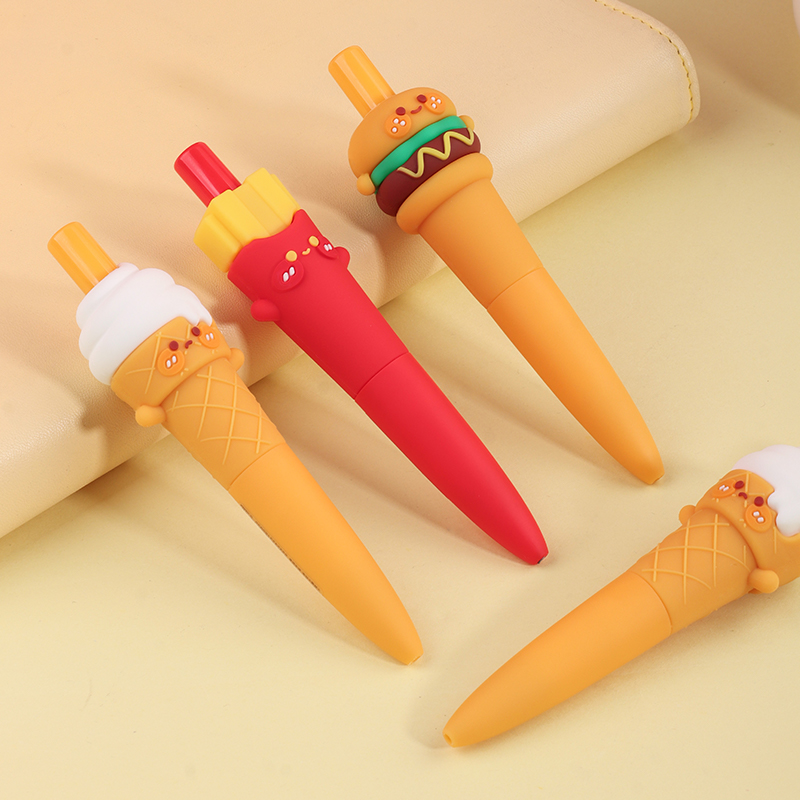
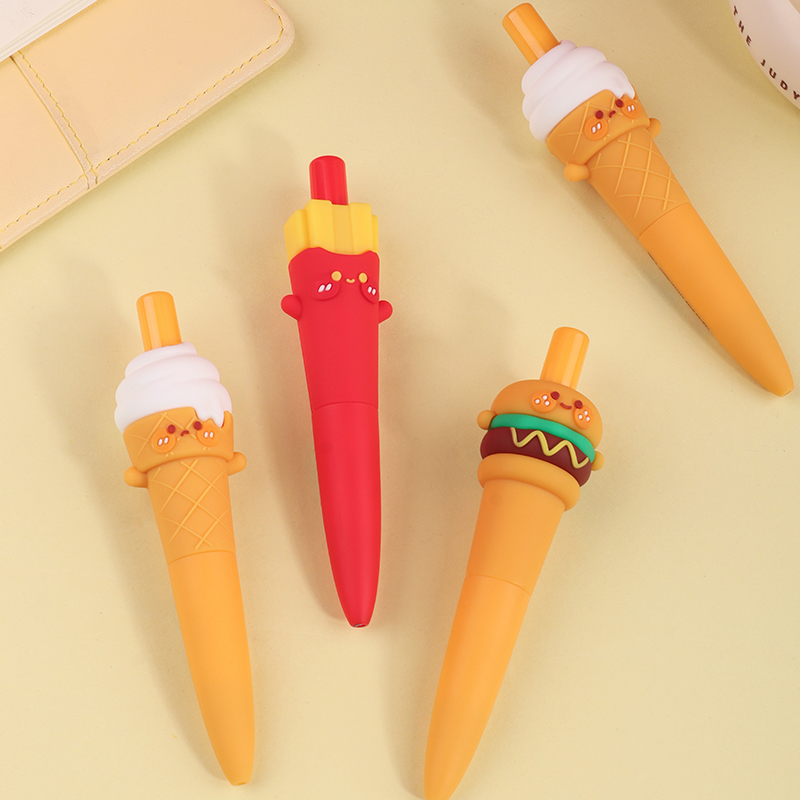
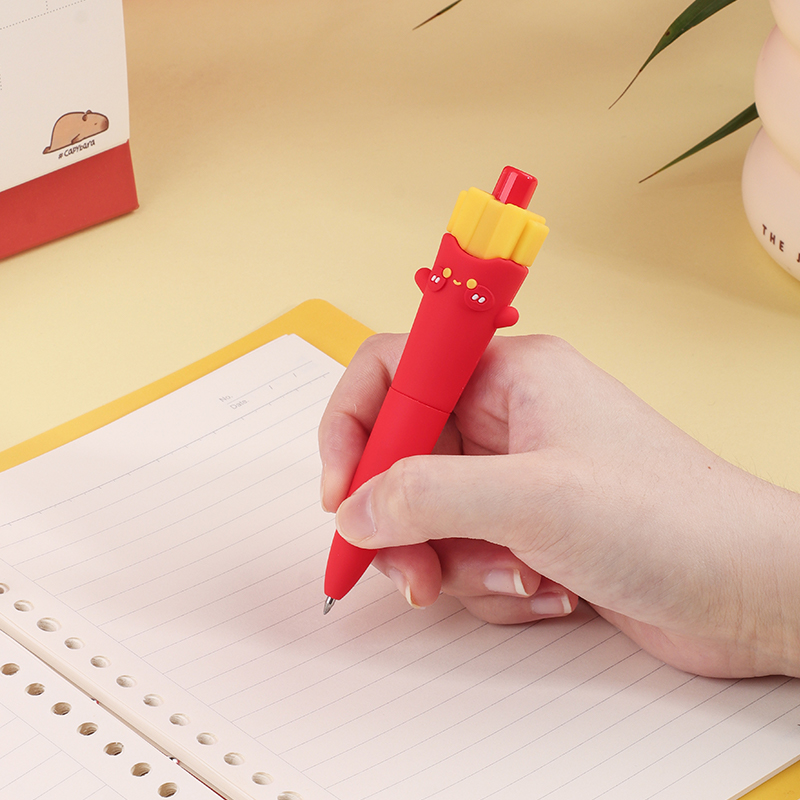
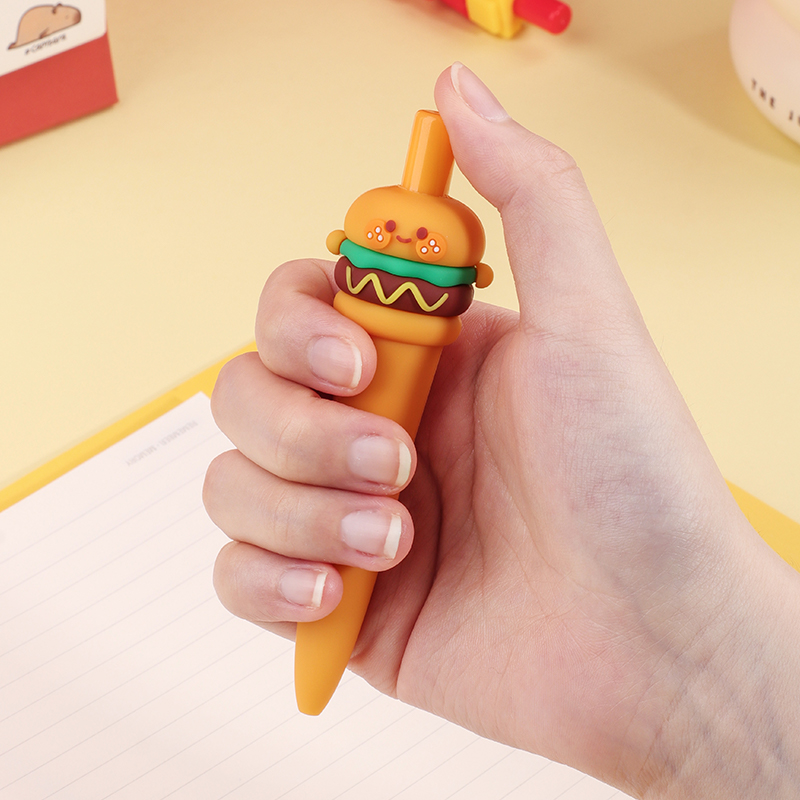
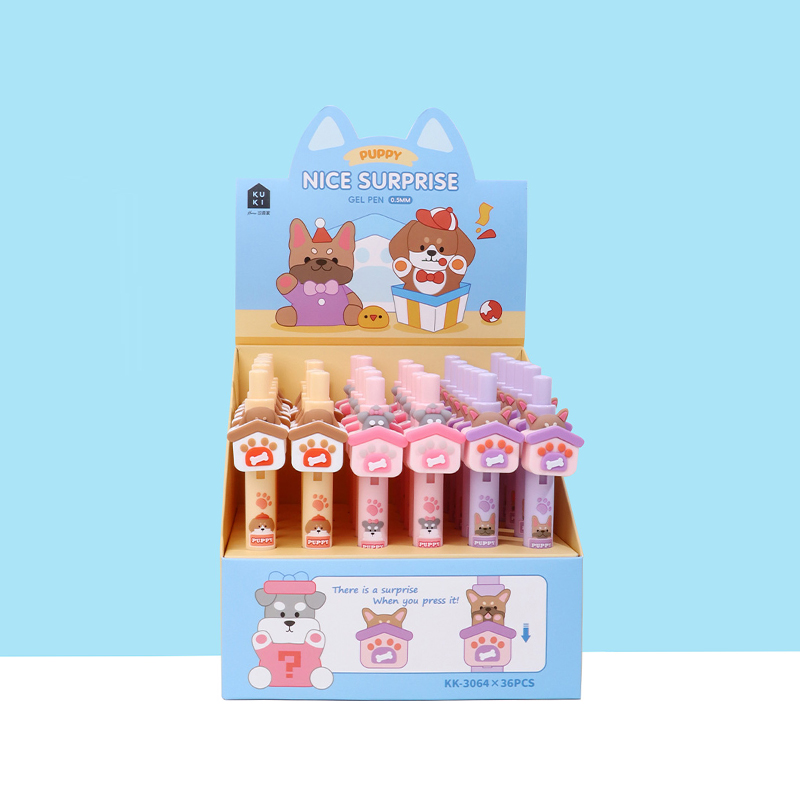
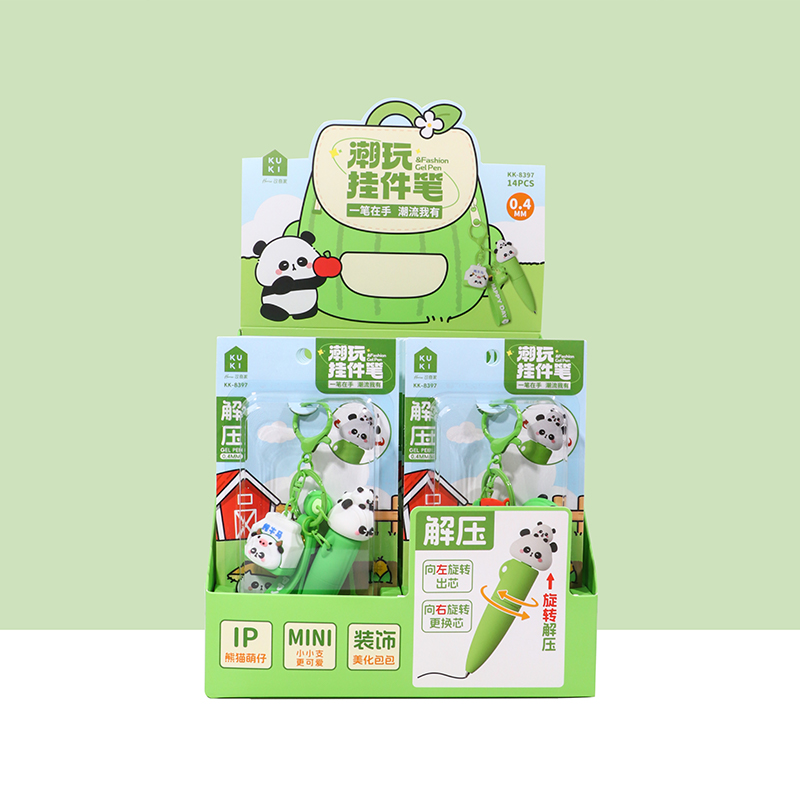
Chubby Pens feature a reduced height and expanded girth compared to conventional pens, enhancing grip ergonomics for children or users who favor tactile comfort. They use the same 0.5 mm gel-ink mechanism celebrated for smooth, consistent flow. Designed for education and lifestyle markets, these pens combine user-friendly proportions with durable molded bodies. Suitable for school supply bundles or family-focused promotions, they strengthen emotional appeal and brand affinity via tangible usability.
SEND US A MESSAGE
call us
+86 18157942912
About Us
Dongyang Kuki Stationery Co., Ltd.
News
-
Exhibition Name: INDONESIA ASEAN STATIONERY&GIFT EXPO 2025 Exhibition Time: November 20th - 22nd, 2025 Exhibition Ad...
READ MORE -
Mr. Huang Ping, Executive Vice President of Yiwu Cultural Supplies Industry Association, Chairman of Yiwu Kuki home Cult...
READ MORE -
With the brand vision of "making global learners happier", KuKi, a brand under Yiwu Kuki Cultural and Creative Co., LTD....
READ MORE -
Writing tools are no longer cold standard equipment. When creative expression extends to the pen, a fun revolution about...
READ MORE -
Stationery brand KUKI officially launched its new 3D pencil sharpener series today. This series of products innovatively...
READ MORE -
Following its extensive attention at the 138th Canton Fair, KuKi, a brand under Yiwu Kuki Cultural and Creative Co., LTD...
READ MORE
Related products
Chubby Pen Industry knowledge
Q1: Why are unconventional pen shapes attracting industry attention?
In recent years, pen design has moved beyond slim and understated forms. A Chubby Pen reflects this change by offering a thicker barrel that feels visually bold and physically substantial. From a stationery industry perspective, this shape responds to consumers who want writing tools that feel distinctive in the hand.
The rise of the Chubby Pen also shows how ergonomics and visual identity can work together. A wider body allows for design flexibility, making it easier for brands to experiment with colors, patterns, and surface finishes without affecting usability.
Q2: How does the Chubby Pen affect writing comfort and perception?
A Chubby Pen often creates a relaxed grip experience due to its broader diameter. This can help reduce tension during casual writing activities such as journaling or note-taking. In the industry, this design is commonly positioned as approachable rather than technical.
Beyond comfort, the Chubby Pen influences perception at the point of sale. Its appearance stands out on retail displays, which can draw attention even before consumers test the writing performance.
Q3: What makes a Cute Pen appealing to a wide audience?
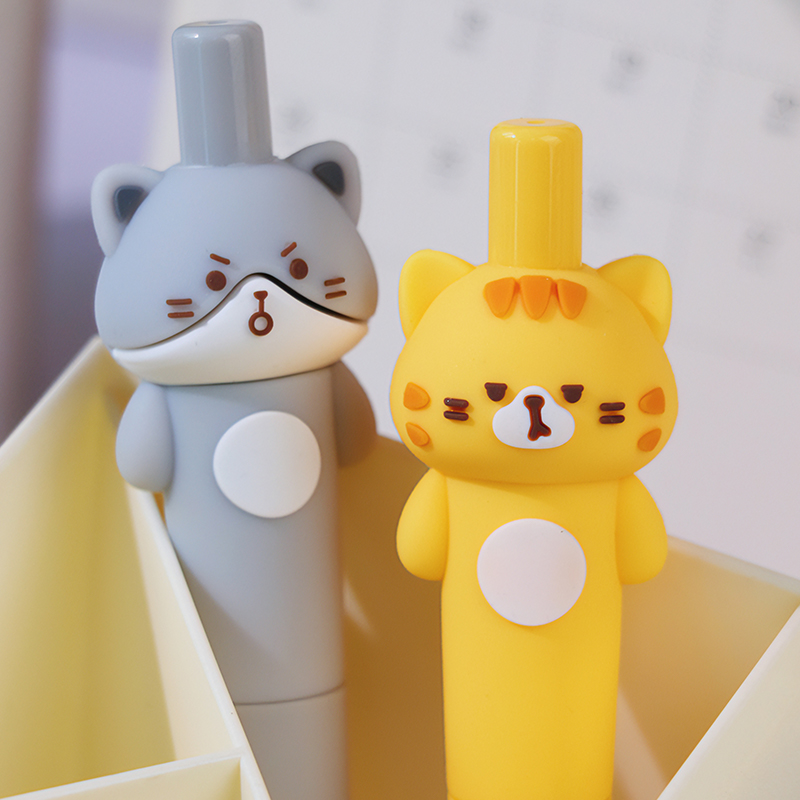
A Cute Pen is defined less by structure and more by emotional response. Rounded shapes, expressive faces, or playful themes often characterize this category. In the stationery sector, such products tap into the desire for lightheartedness in everyday routines.
Although a Cute Pen is often associated with younger users, its appeal extends to adults seeking small moments of joy at work or home. This broad demographic reach makes it an important segment for stationery brands aiming to balance function with personality.
Q4: How does cuteness influence brand storytelling?
When consumers choose a Cute Pen, they are often engaging with the story behind the design. Characters, animals, or imaginative concepts help brands communicate identity without relying on technical descriptions. For the stationery industry, this encourages collaboration with illustrators and IP creators.
A Cute Pen is also frequently shared on social media, which increases organic visibility. This sharing behavior influences how companies think about packaging and visual consistency across product lines.
Q5: What role do Novelty Gel Pens play in innovation?
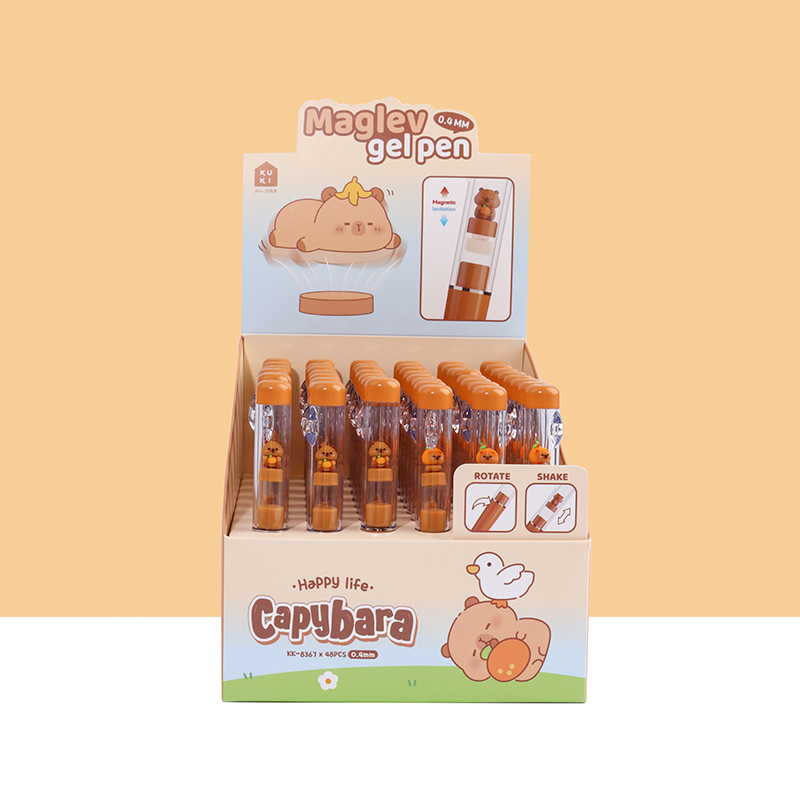
Novelty Gel Pens focus on interaction and surprise. Features such as unusual ink effects, themed casings, or playful mechanisms set them apart from standard writing instruments. Within the stationery industry, these pens are often used to test creative ideas before wider adoption.
Novelty Gel Pens are especially popular in seasonal releases and limited collections. Their ability to generate curiosity helps brands stay relevant in a market where functional differences between pens can be subtle.
Q6: Why are gel-based novelty pens favored for experimentation?
Gel ink offers smooth flow and vibrant color, which makes it suitable for creative designs. When combined with inventive formats, Novelty Gel Pens support both writing and decorative use. This dual purpose increases their value in craft, study, and casual planning scenarios.
From a production standpoint, Novelty Gel Pens allow manufacturers to vary appearance while keeping internal components relatively consistent. This balance supports efficient development cycles.
Q7: How do these pen categories shape consumer expectations?
The stationery industry increasingly responds to emotional and sensory needs. A Chubby Pen introduces physical presence and approachability. A Cute Pen brings character into daily tasks. Meanwhile, Novelty Gel Pens encourage playful exploration through writing.
Together, these categories show that pens are no longer judged only by performance. They are evaluated by how they fit into personal routines, creative expression, and visual culture. This shift continues to influence how stationery products are designed, marketed, and experienced.


Pagetop
CONTACT
- +86 18157942912

- [email protected]

- Production Center: 3rd Floor, Building 2, Minghong Science and Innovation Park, No. 36 Suhua Street, Yiwu City, Jinhua City, Zhejiang Province (Elevator 2-5)

- Operation Center: 4th Floor, Building 2, Minghong Science and Innovation Park, No. 36 Suhua Street, Yiwu City, Jinhua City, Zhejiang Province (Elevator 2-6)
QUICK LINKS
MOBILE
