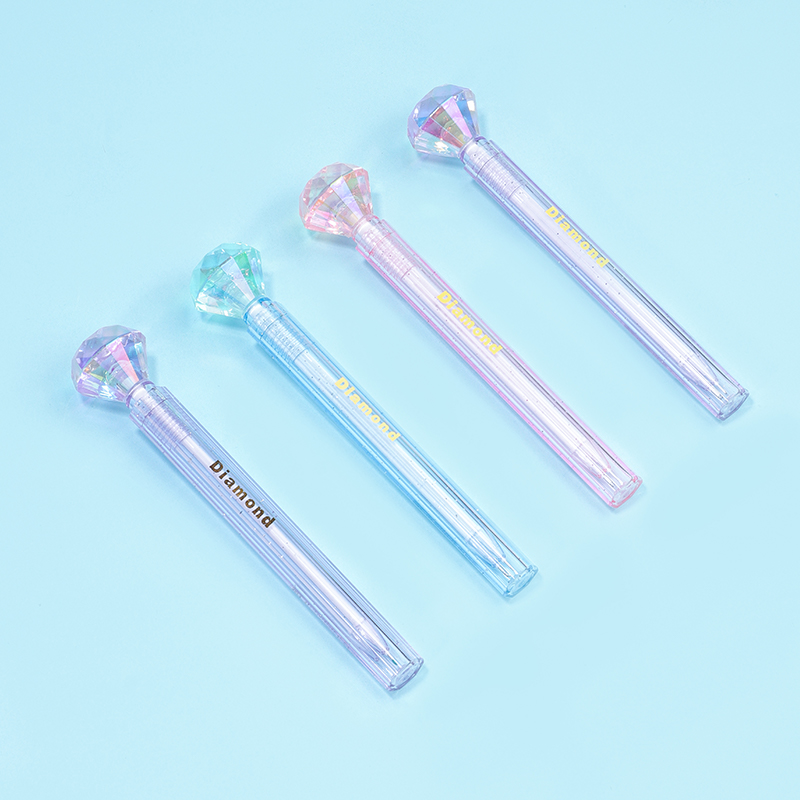
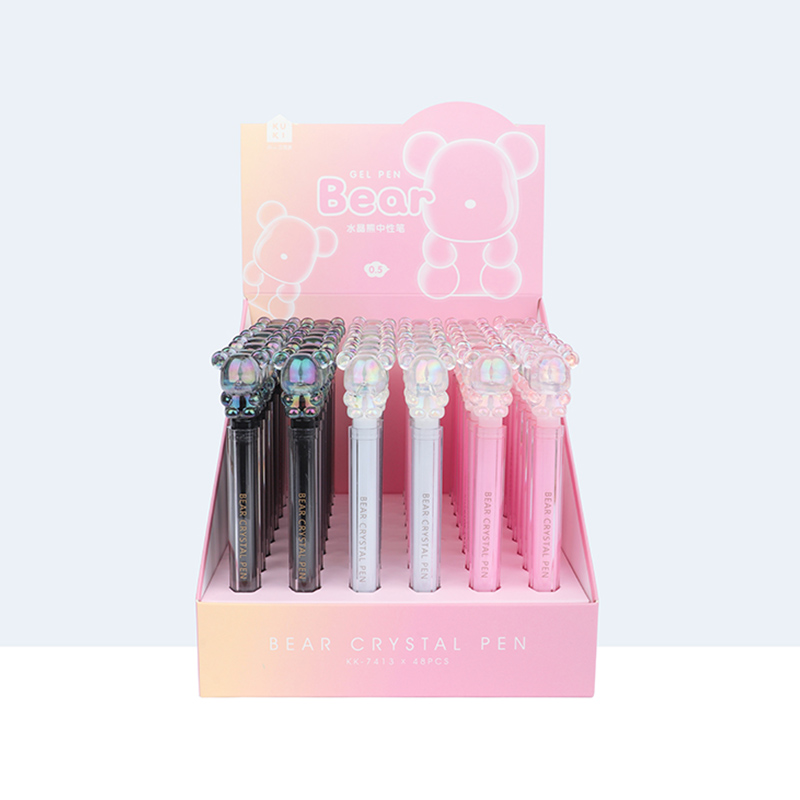
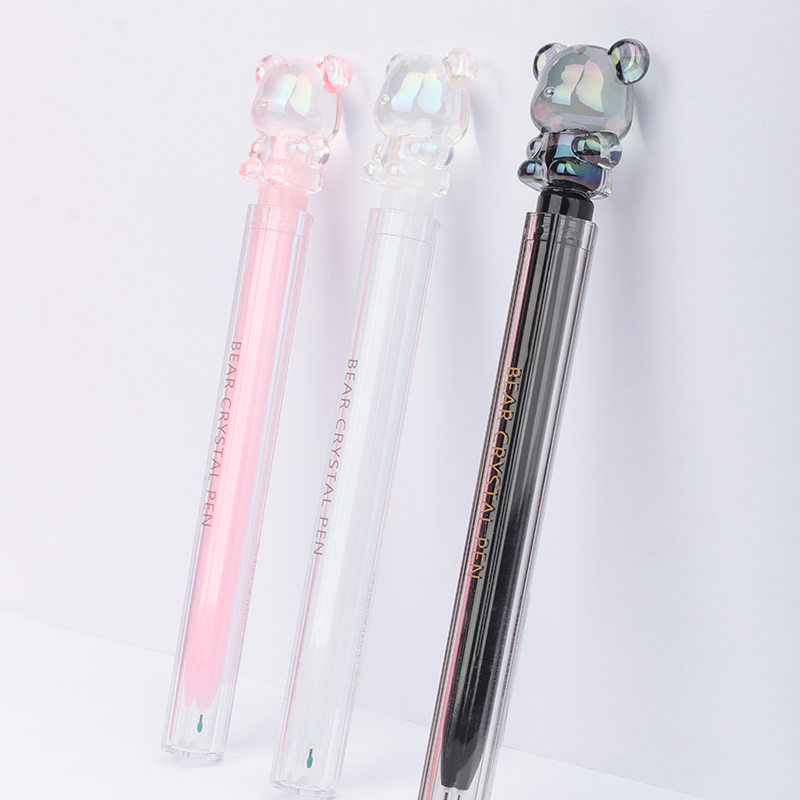
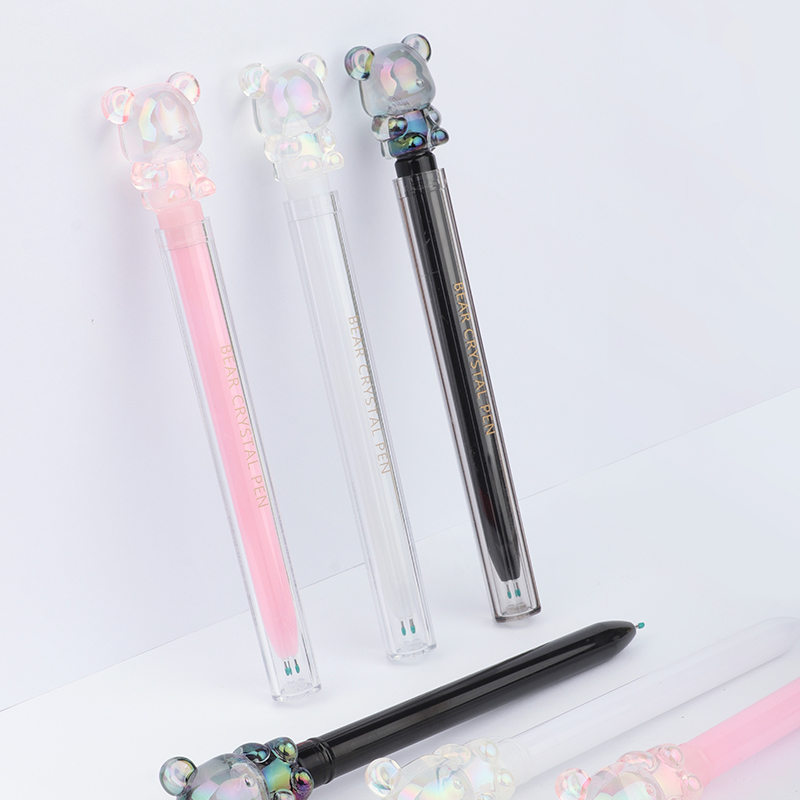
Q1: What makes a Crystal Pen appealing to consumers?
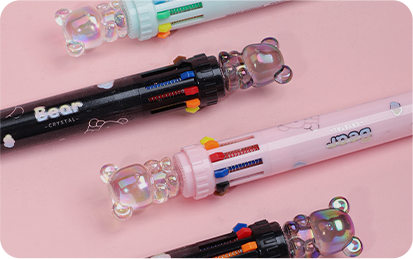
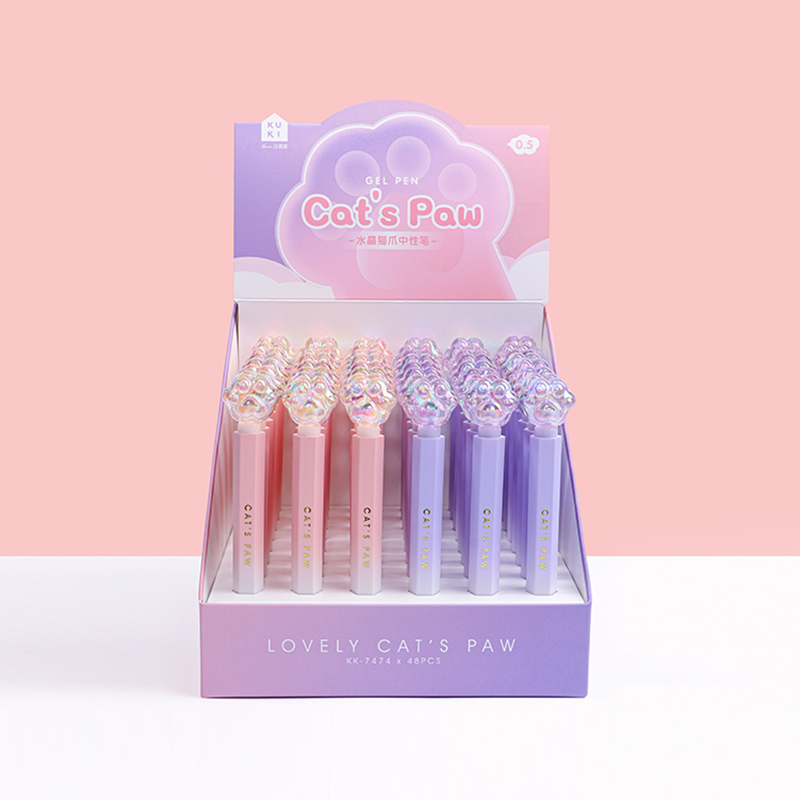
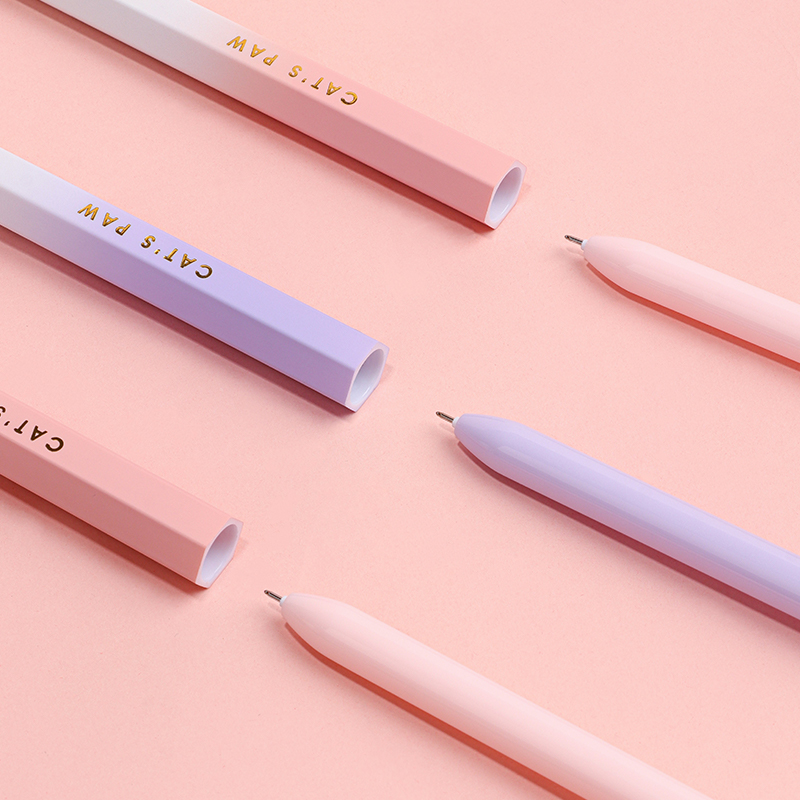
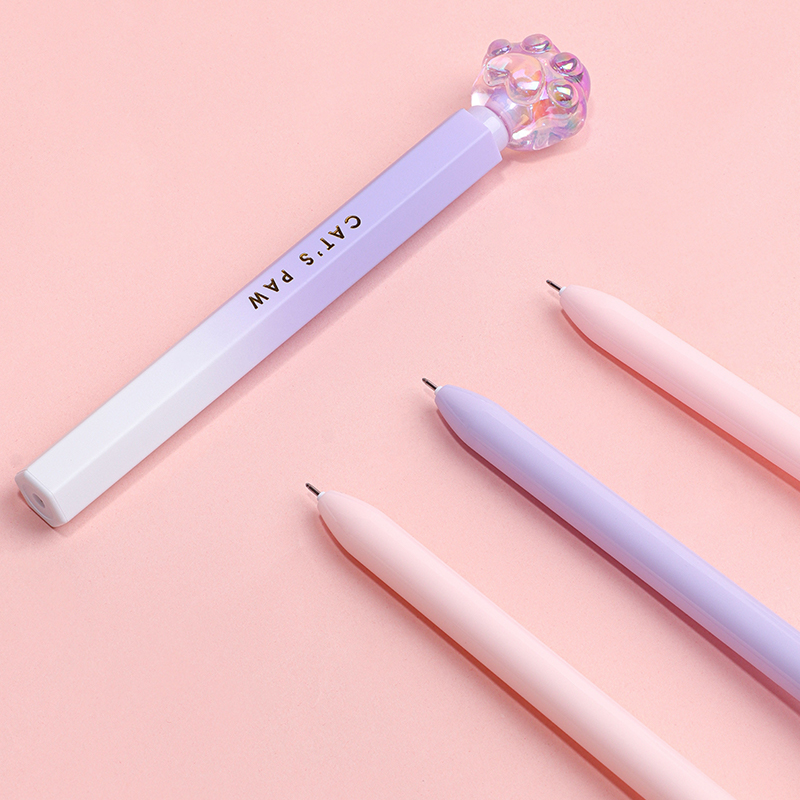
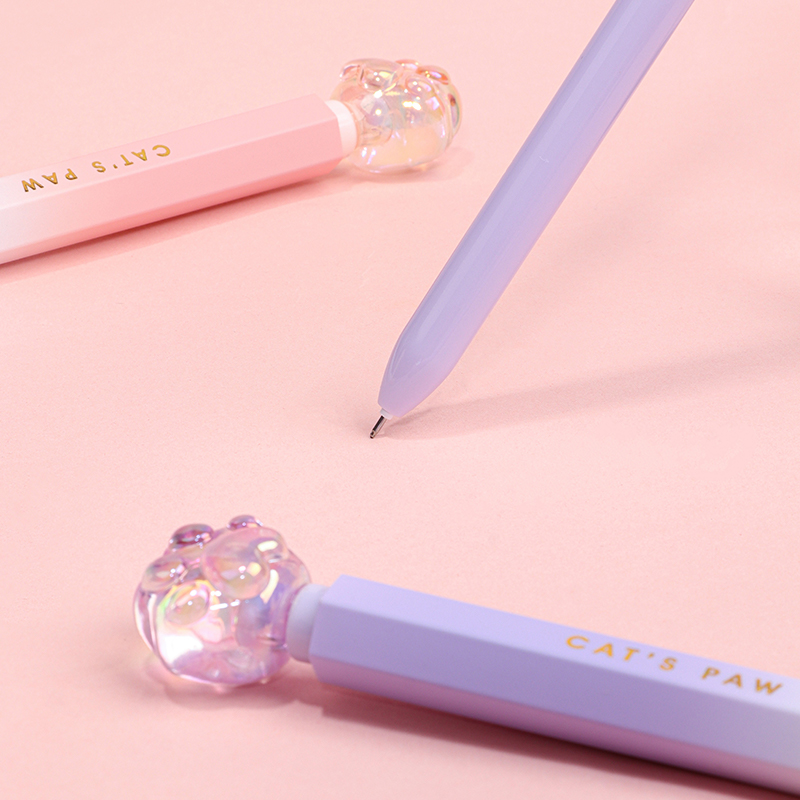
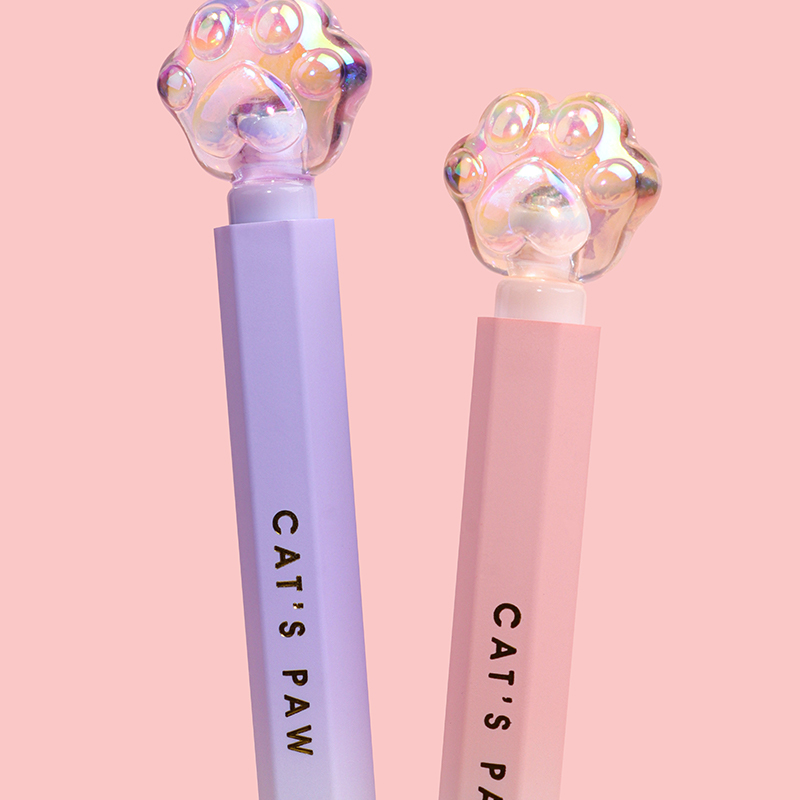
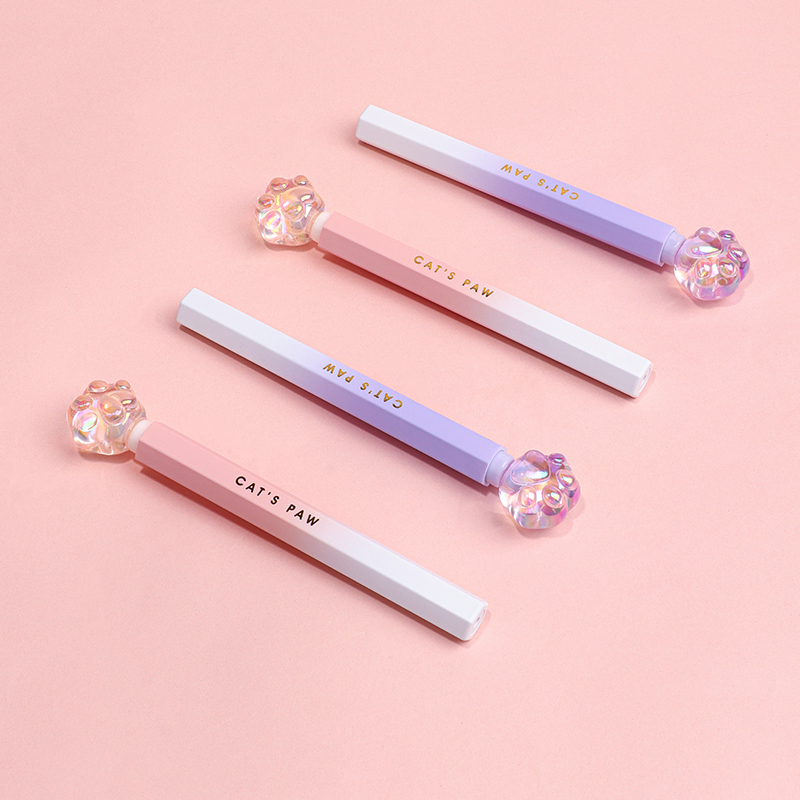
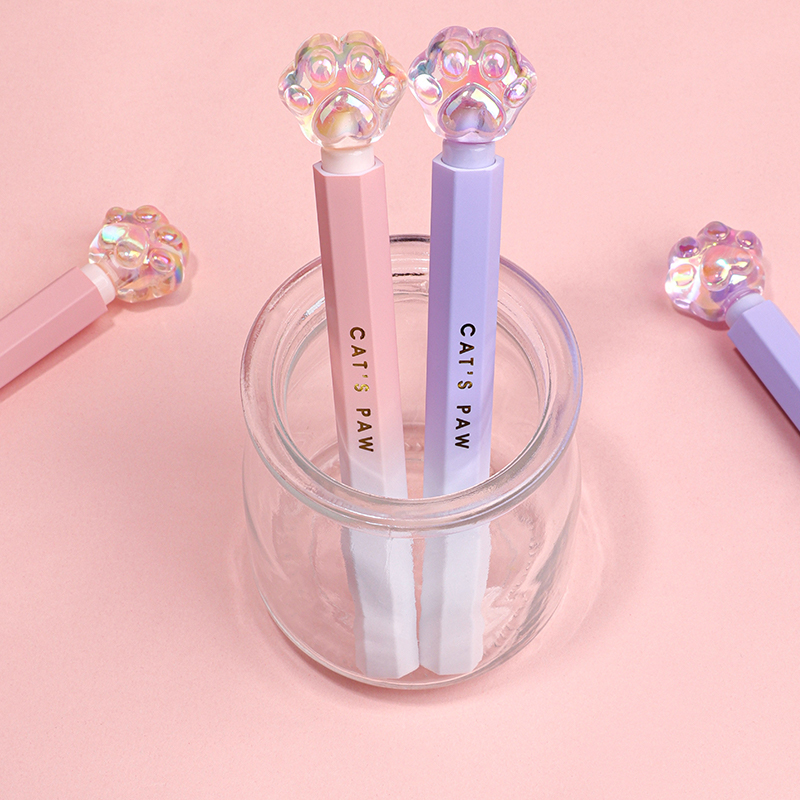
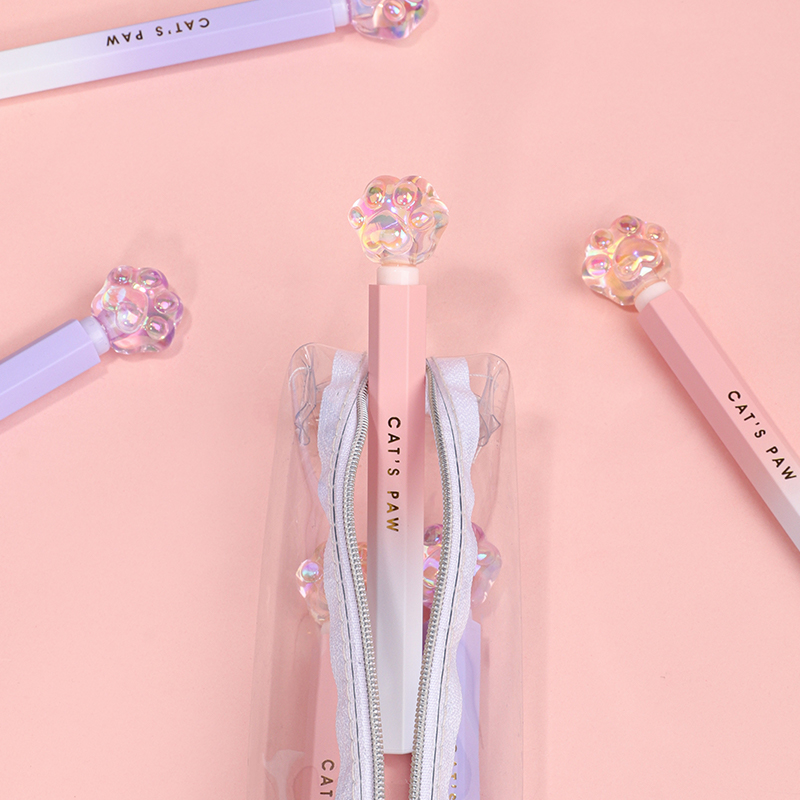
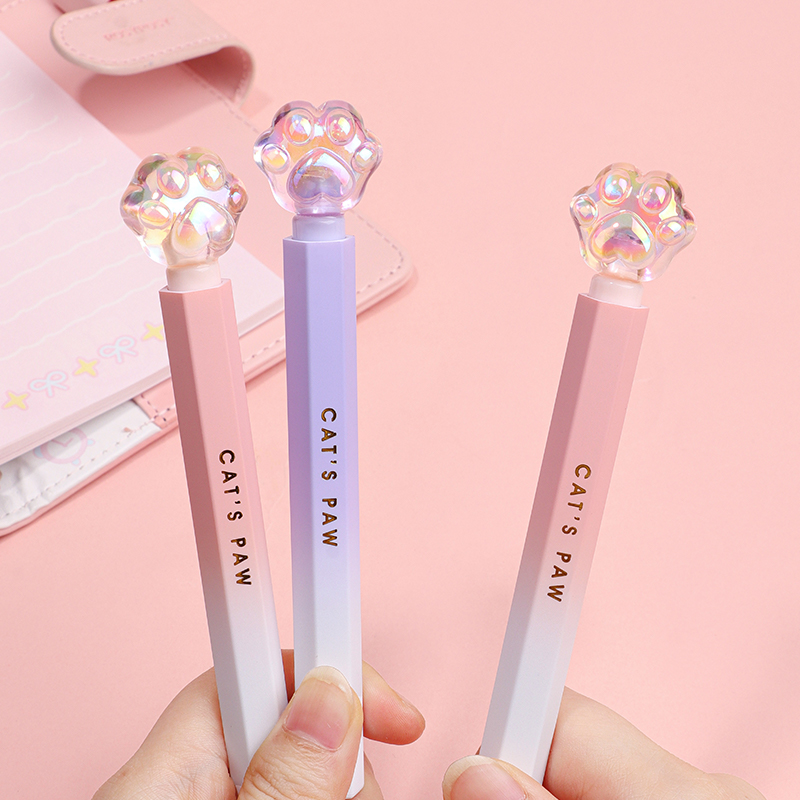
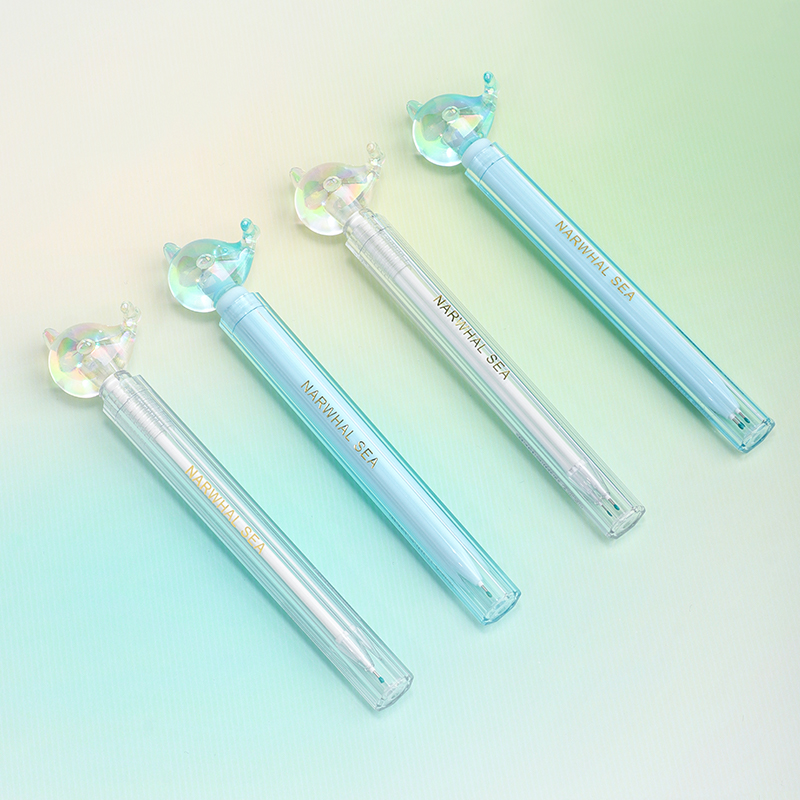
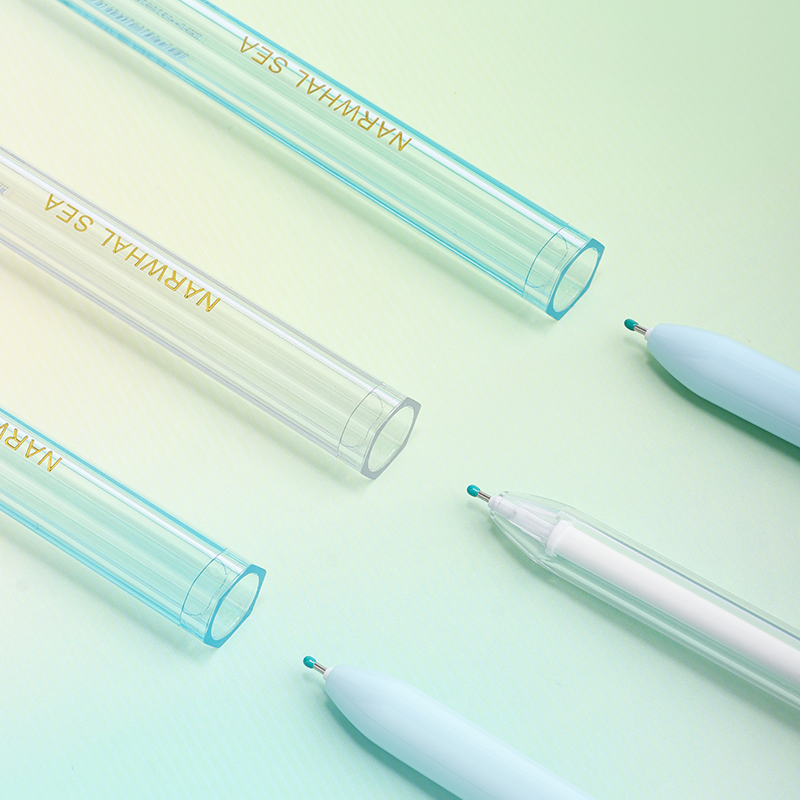
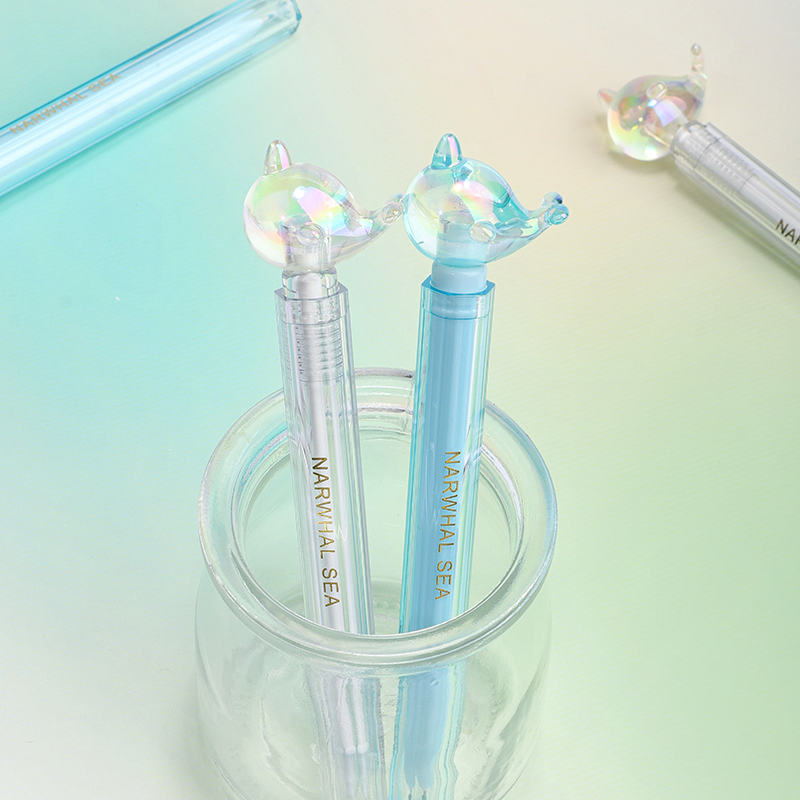
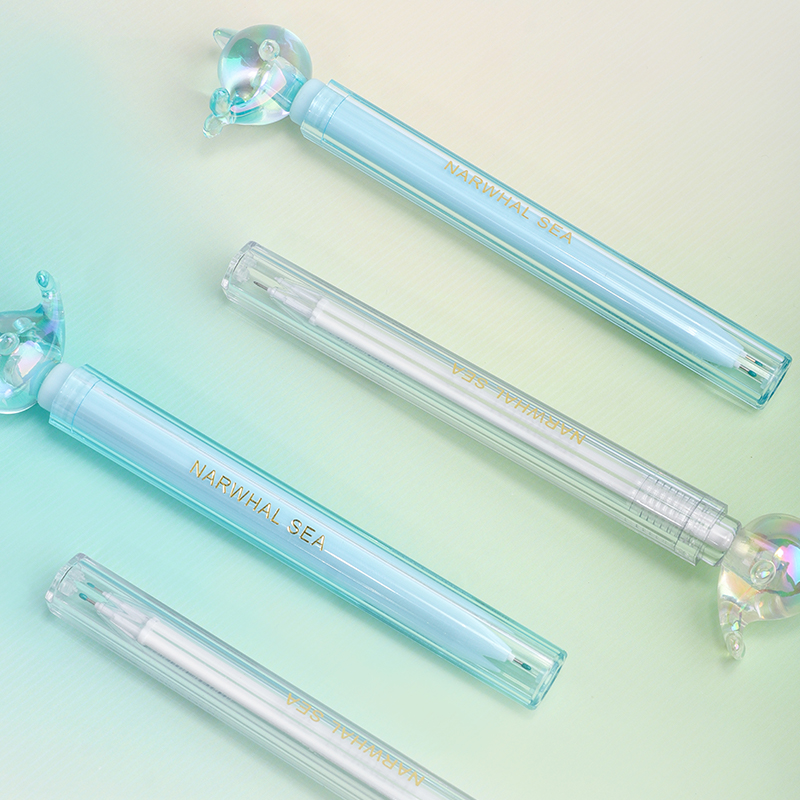
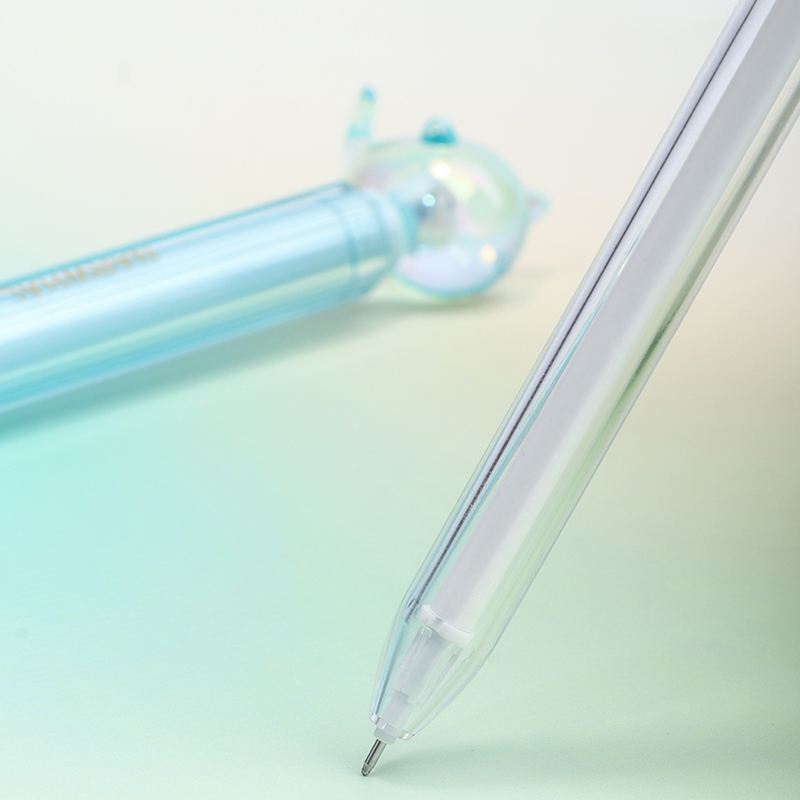
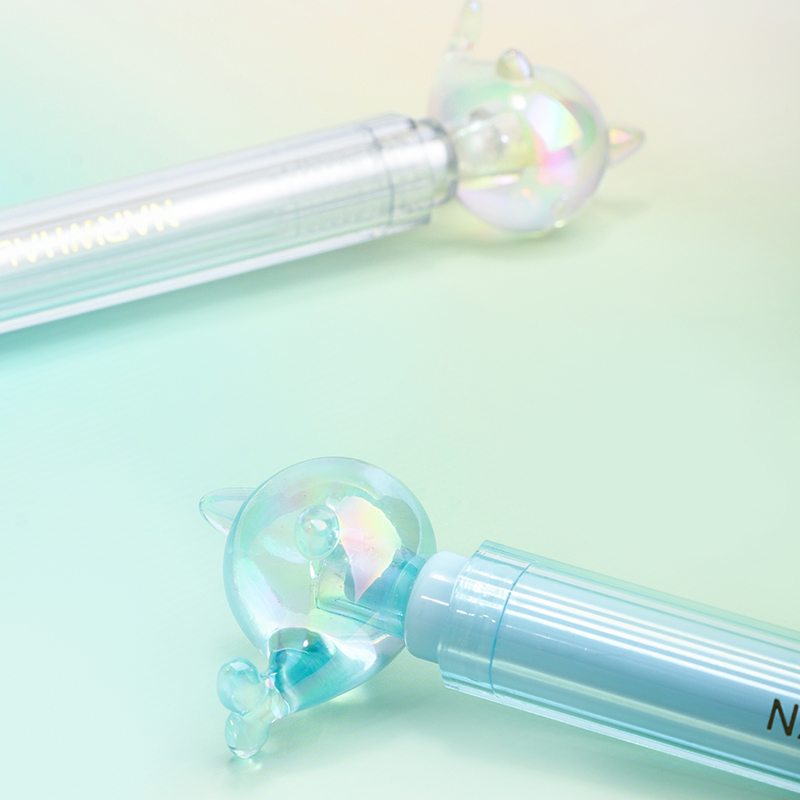
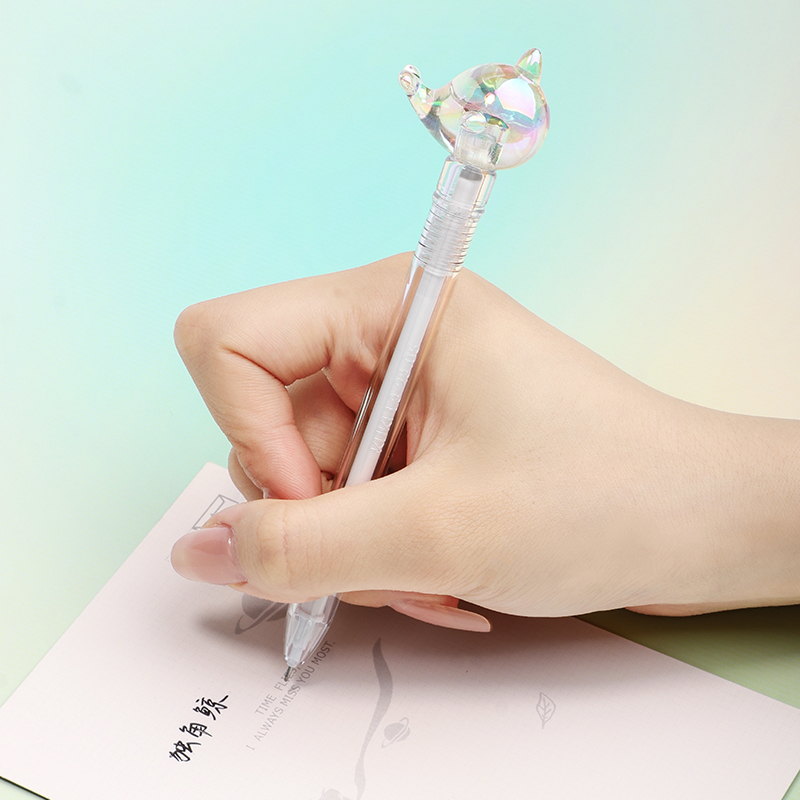
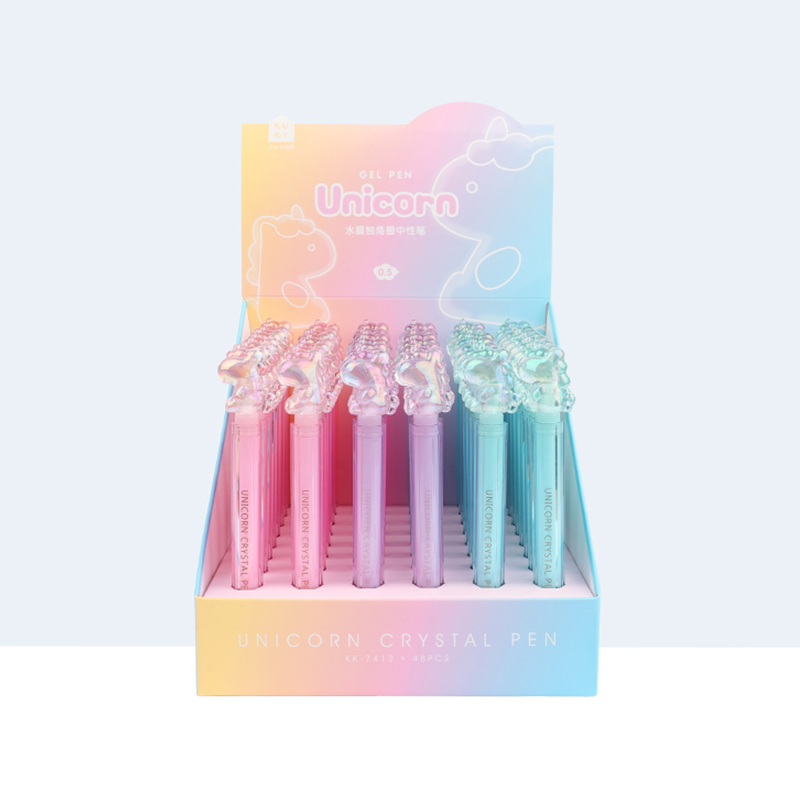
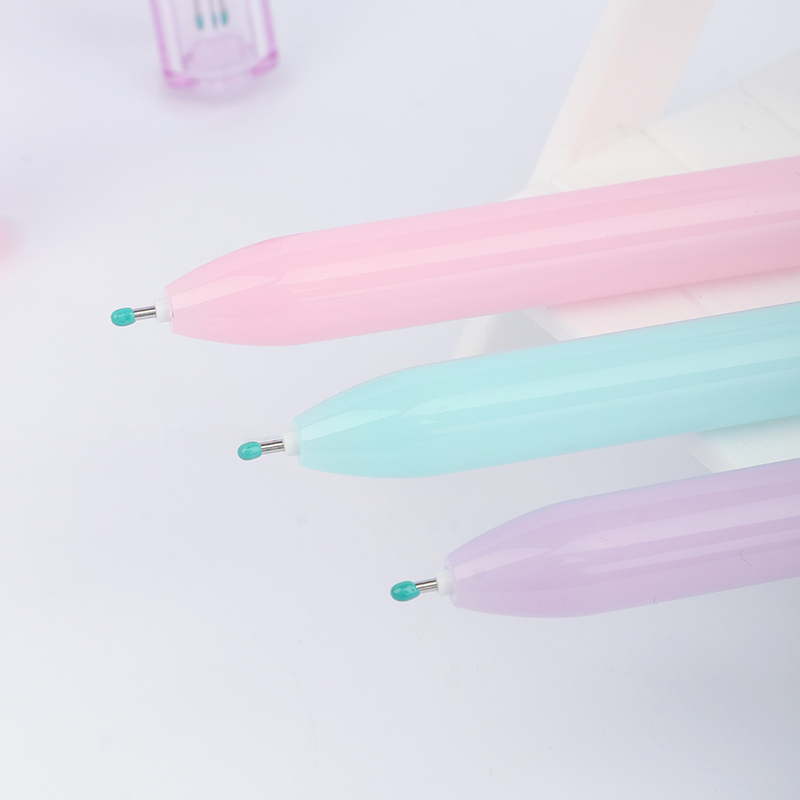
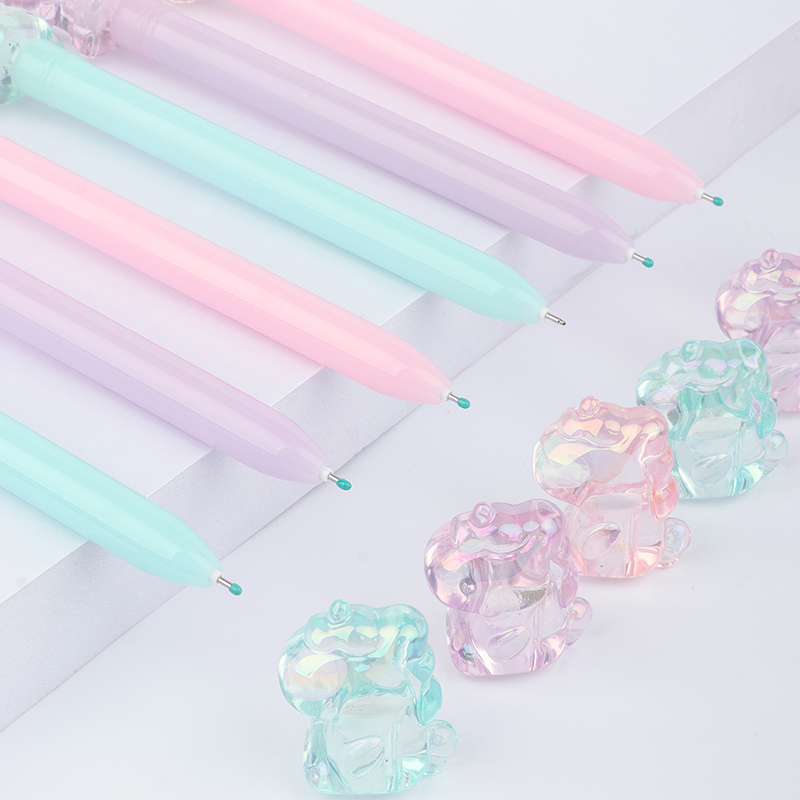
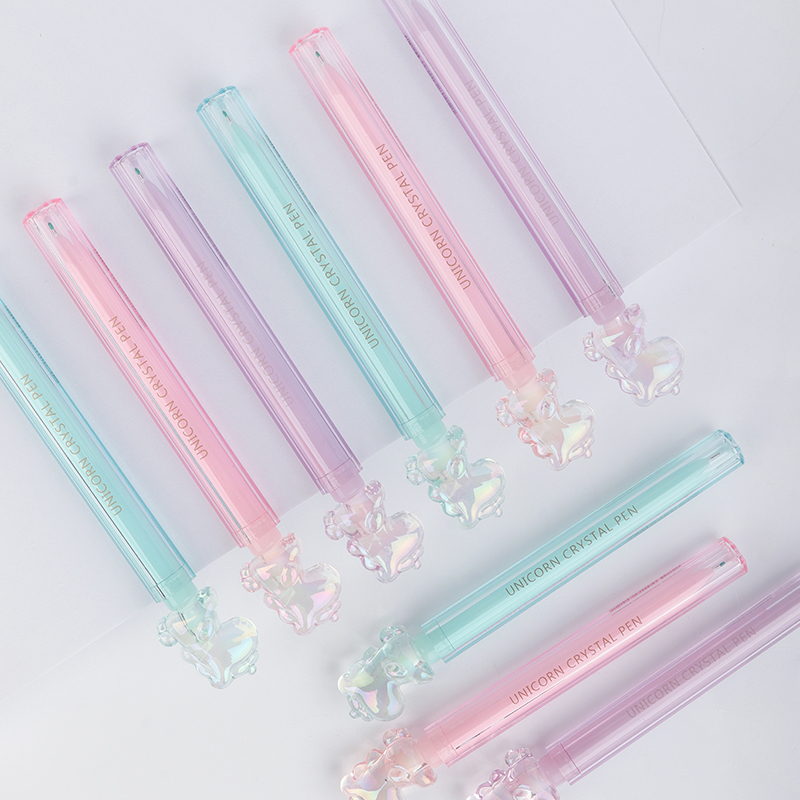
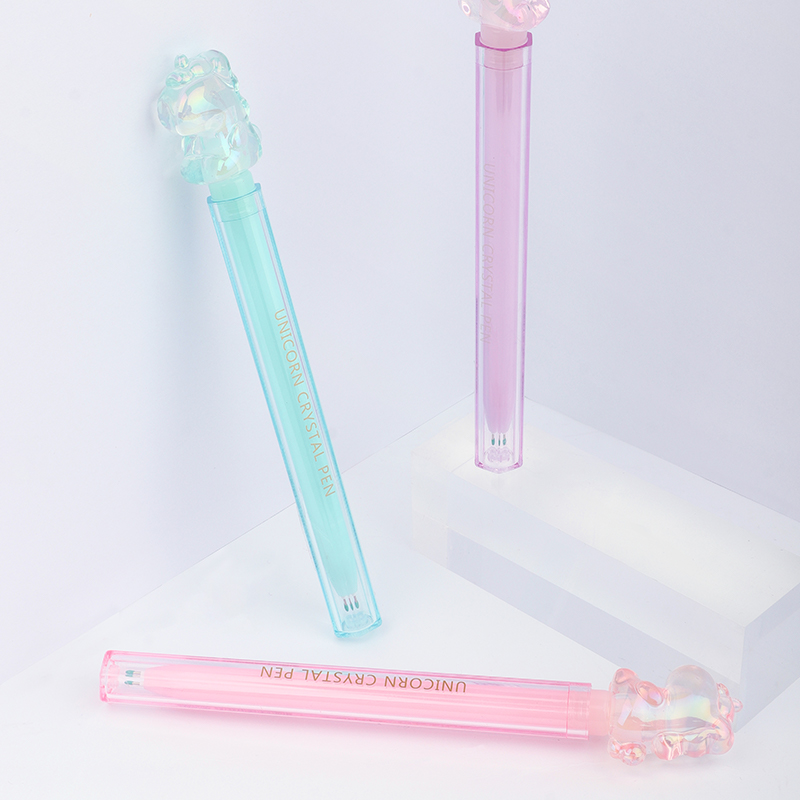
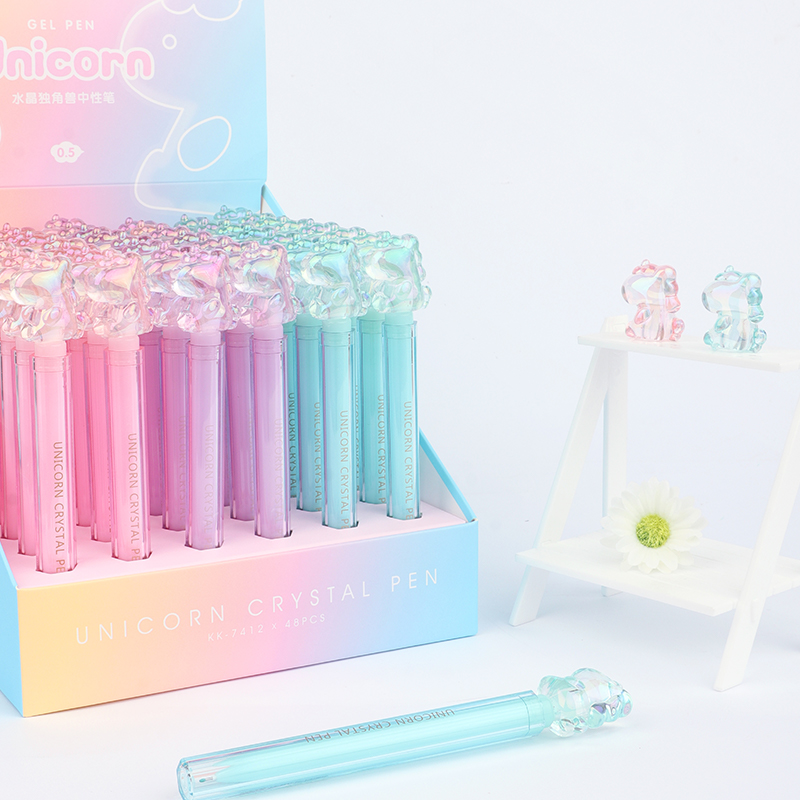
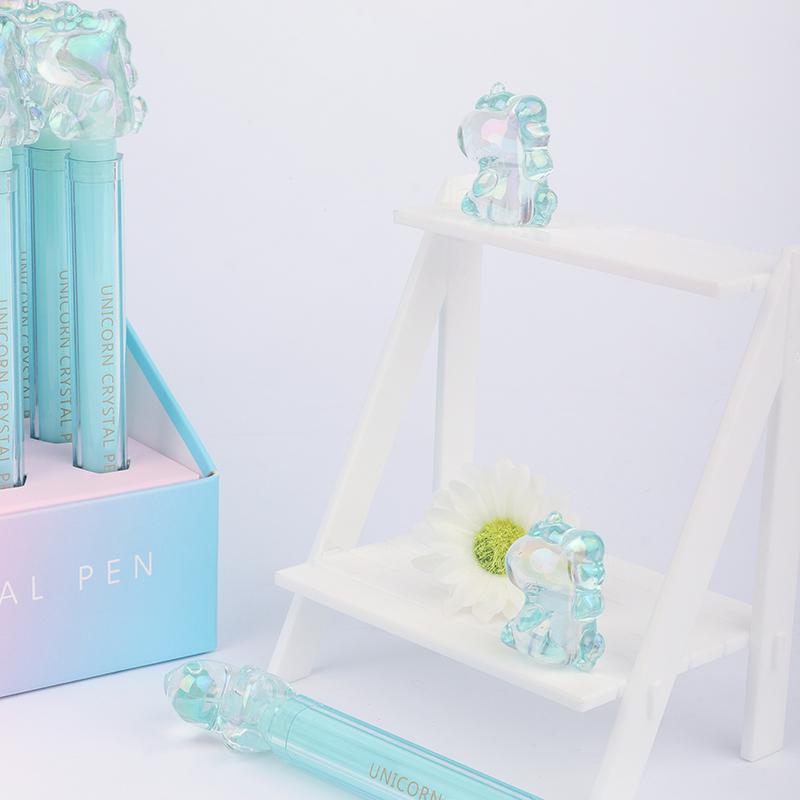
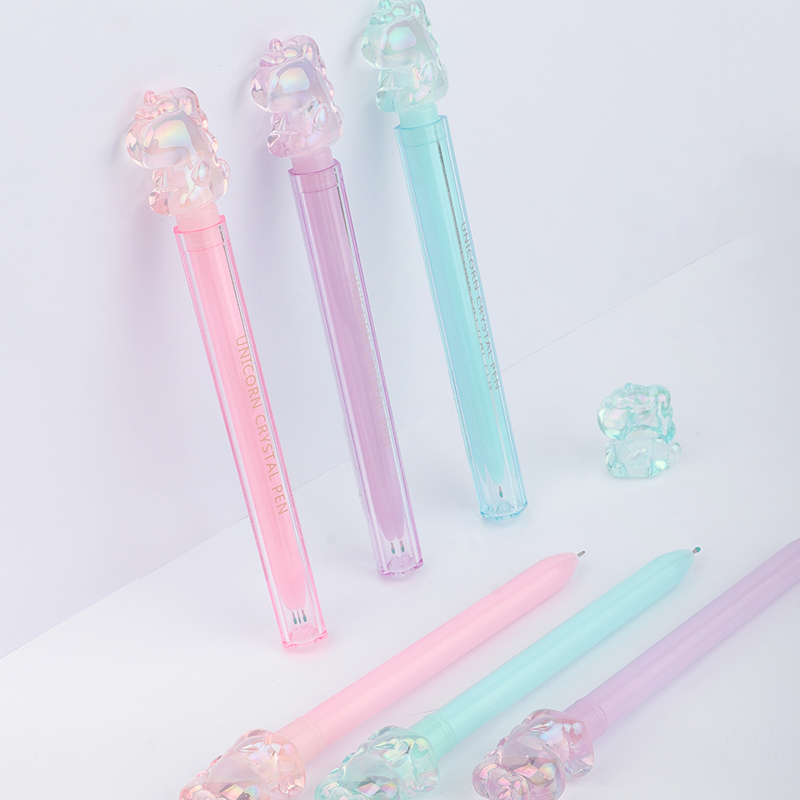
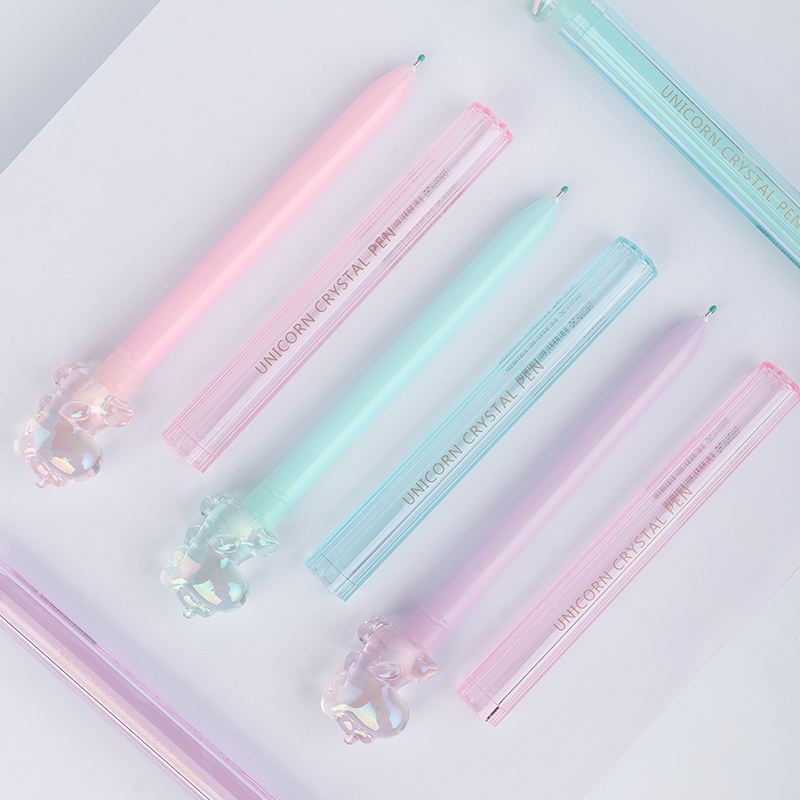
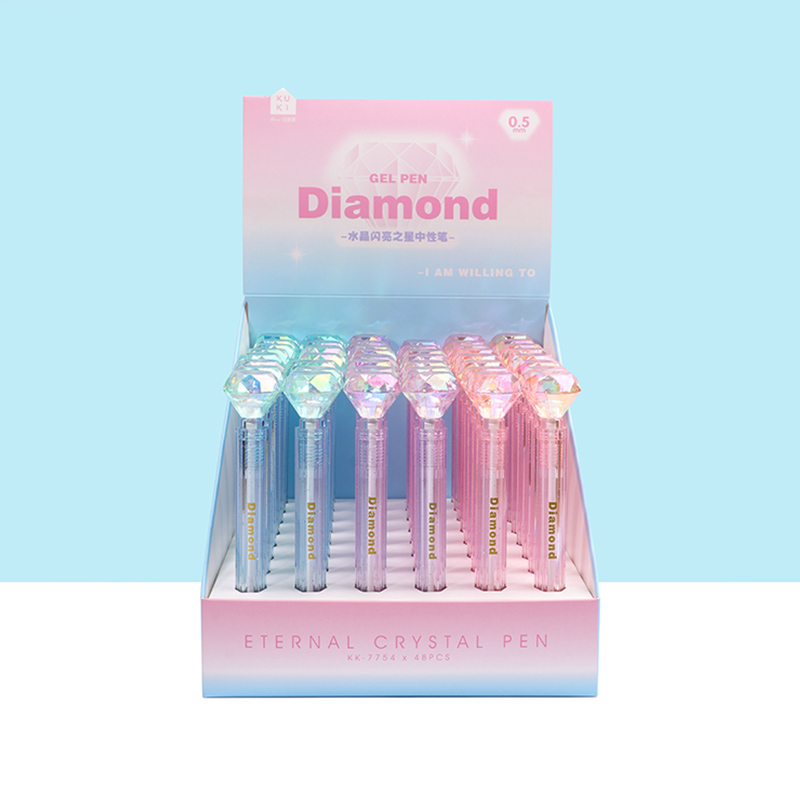
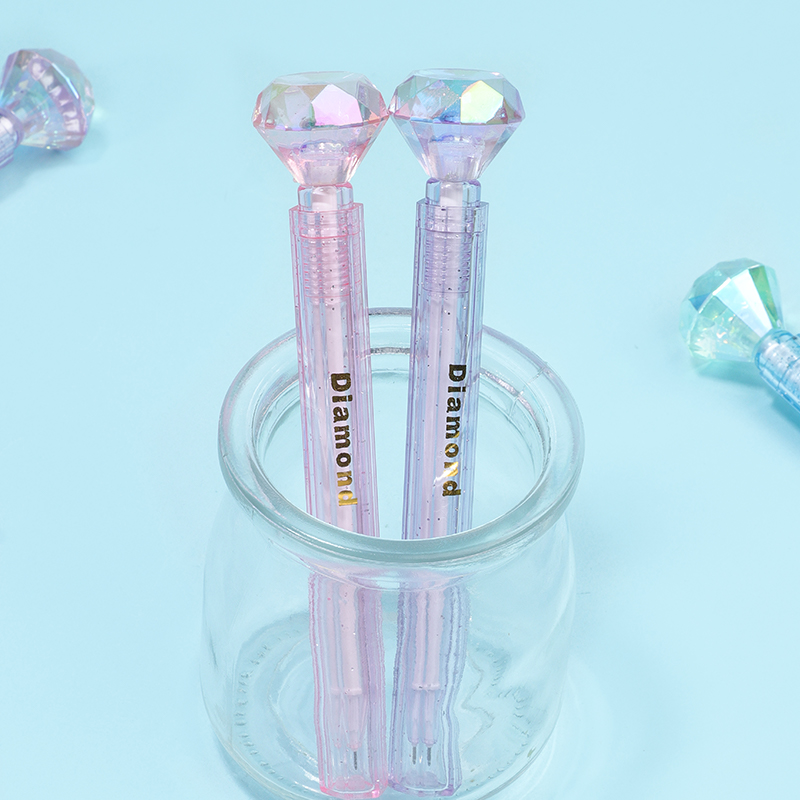
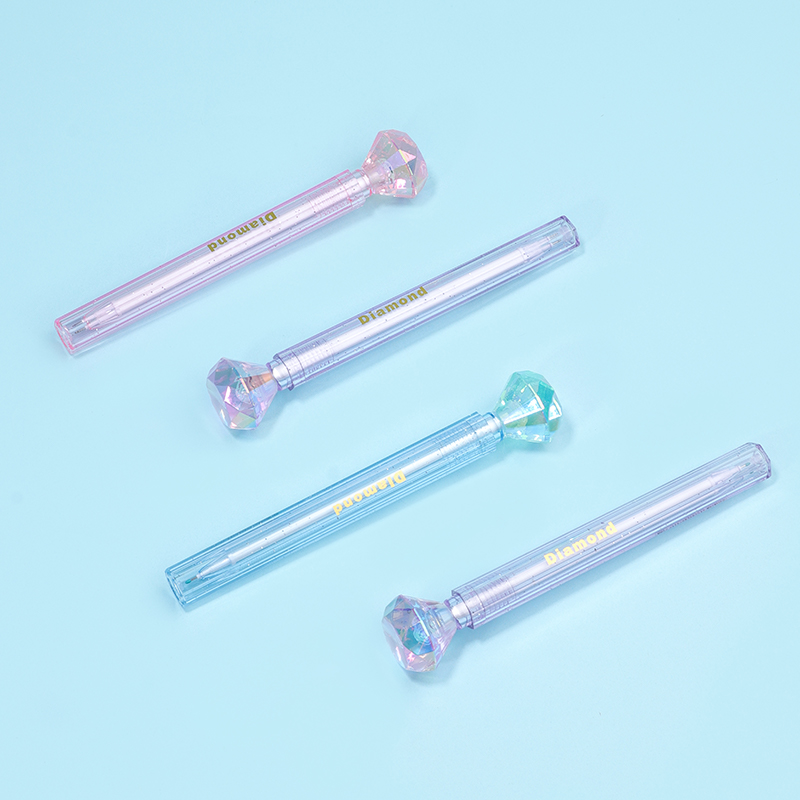
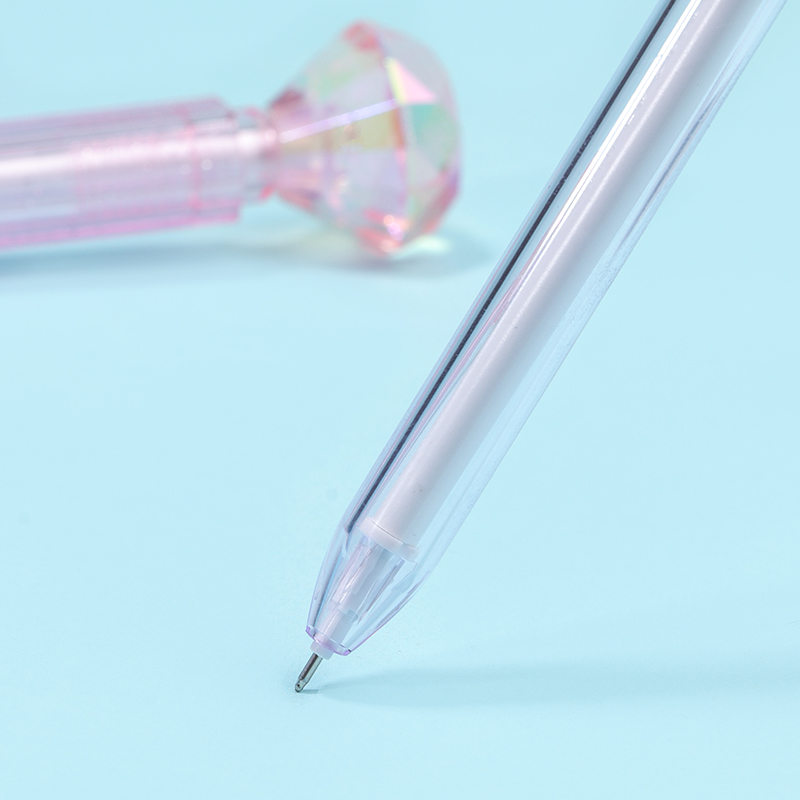
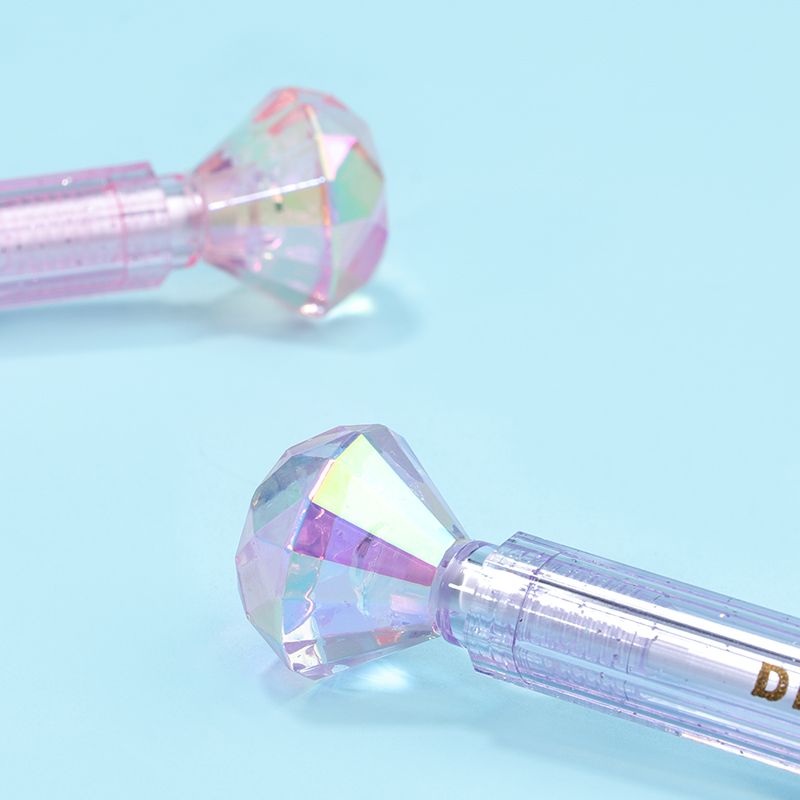
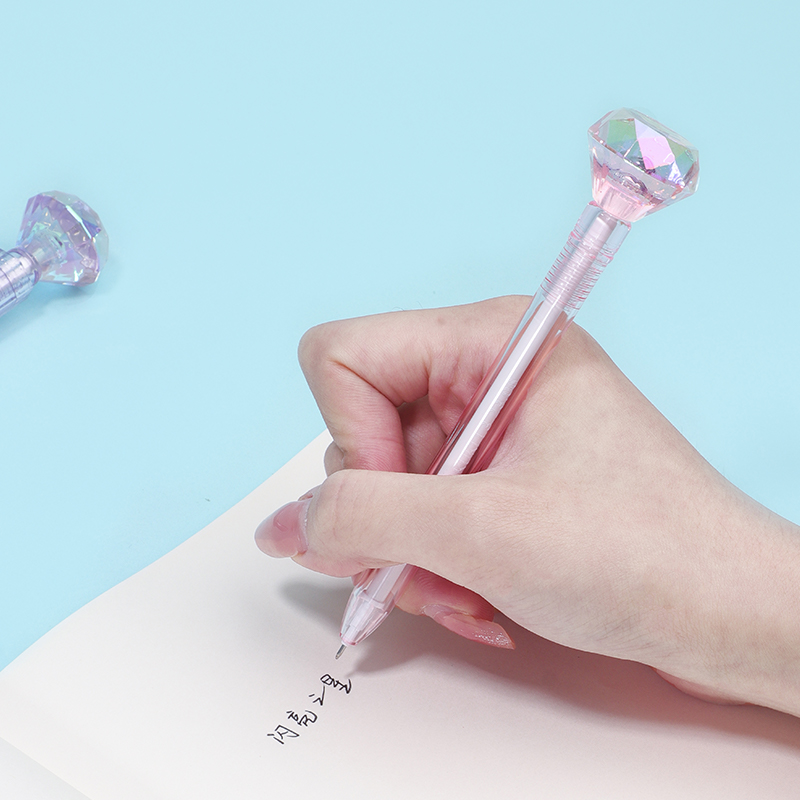
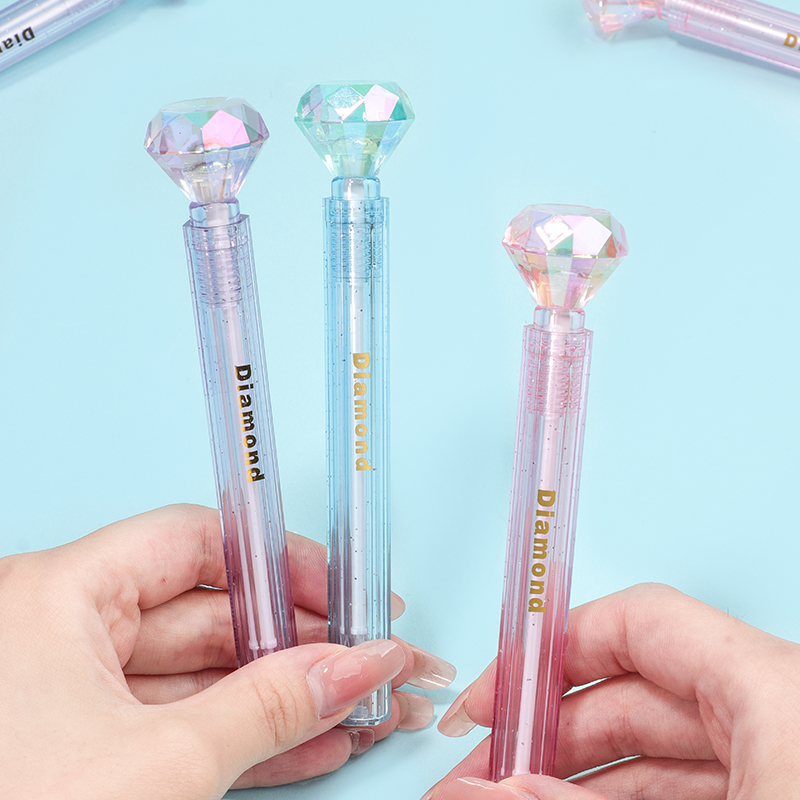
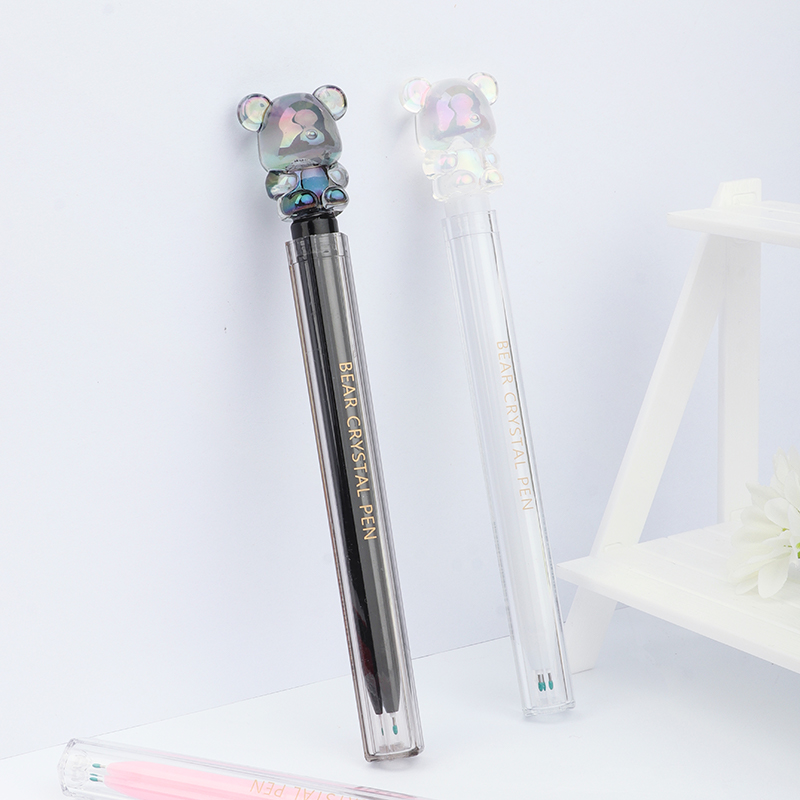
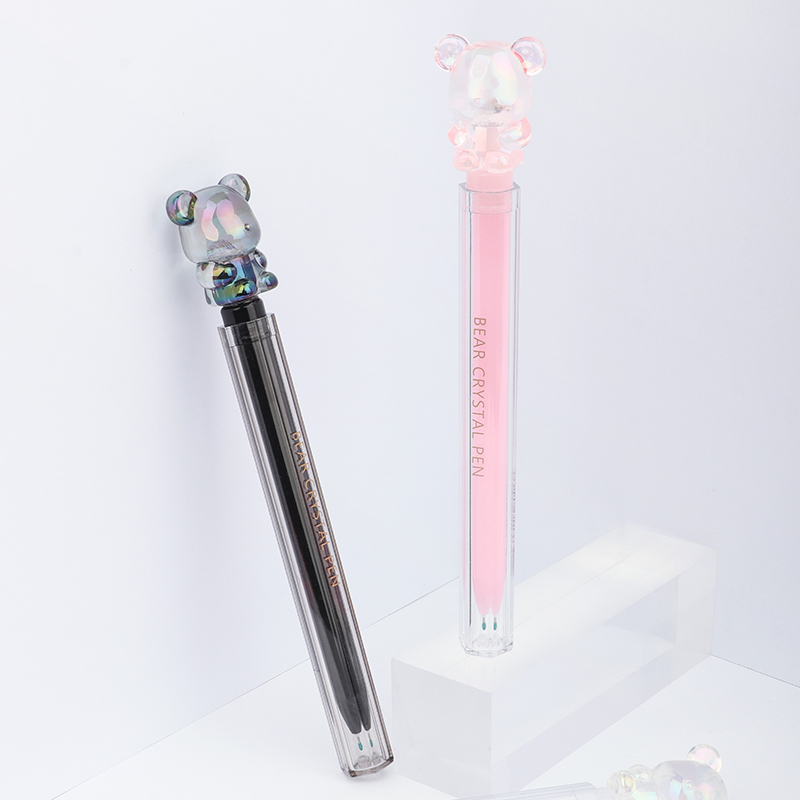
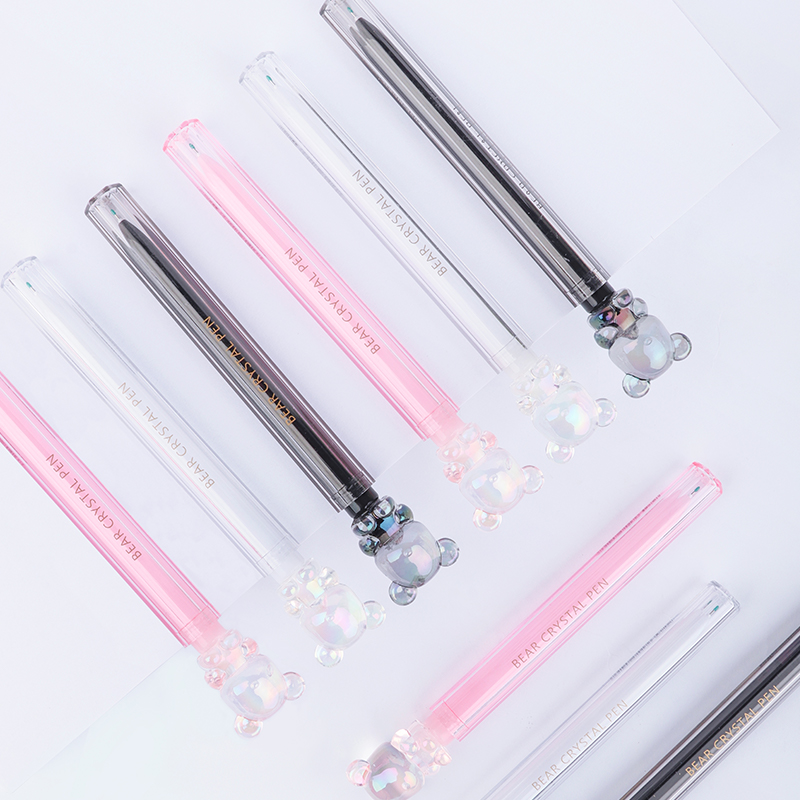
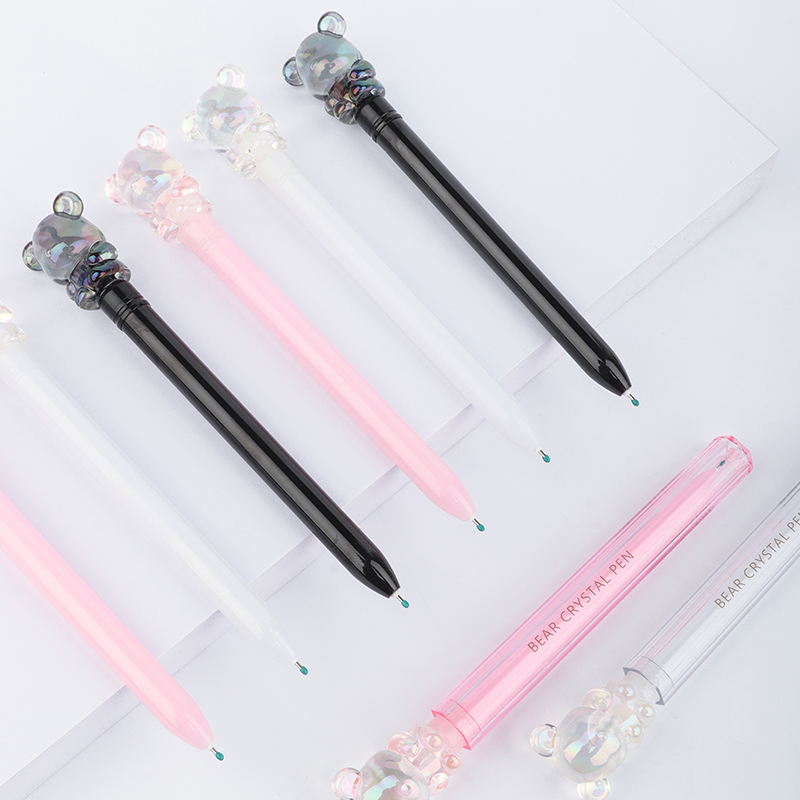
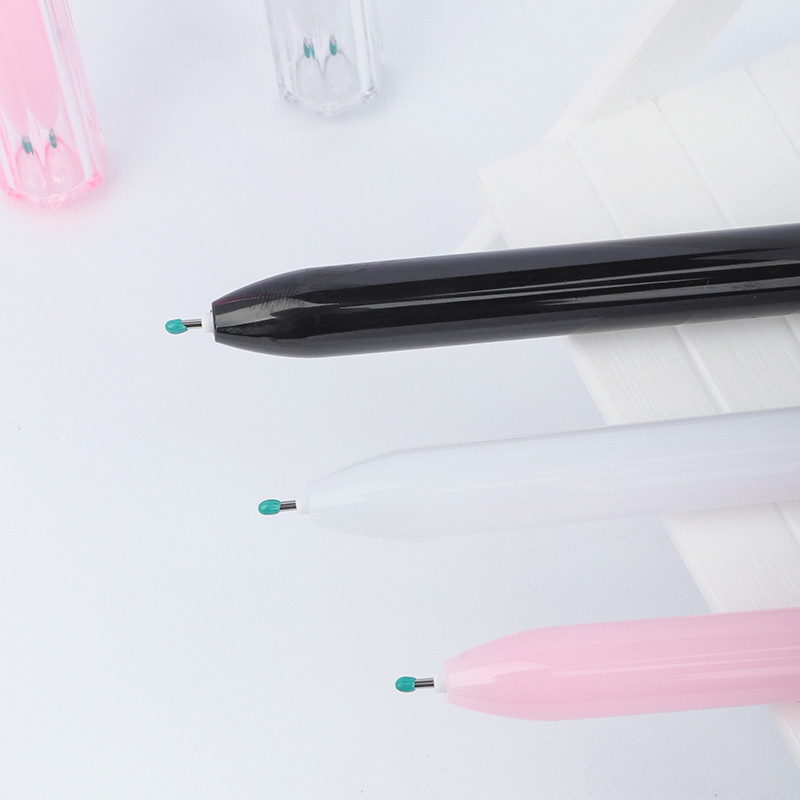
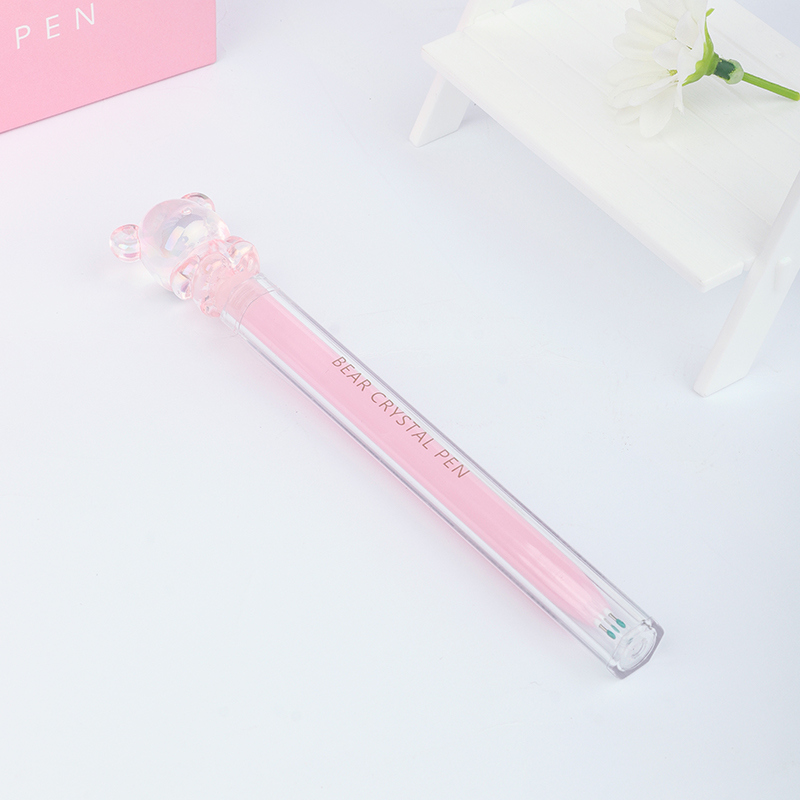
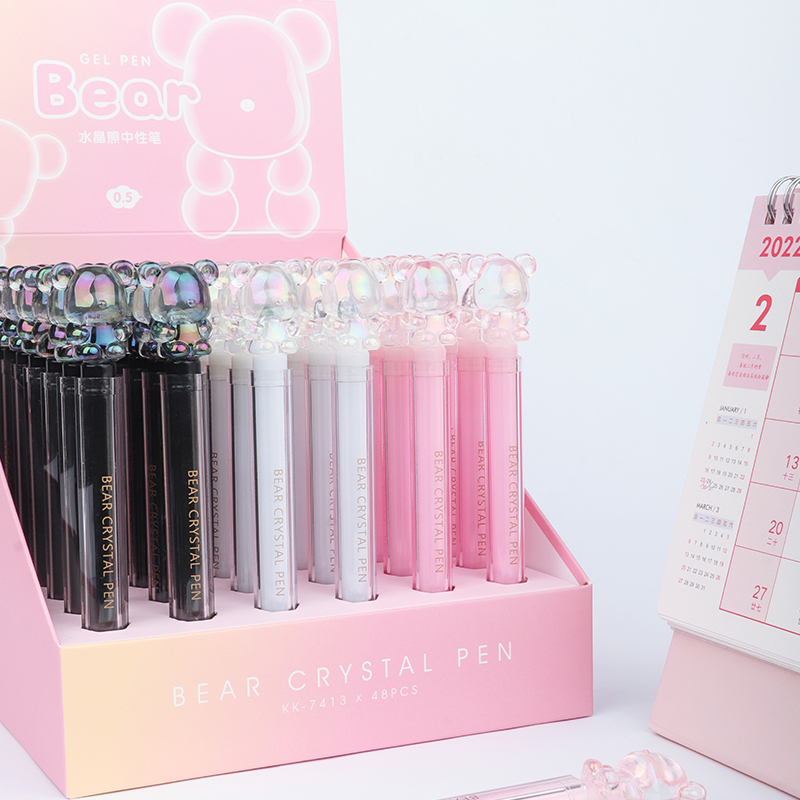
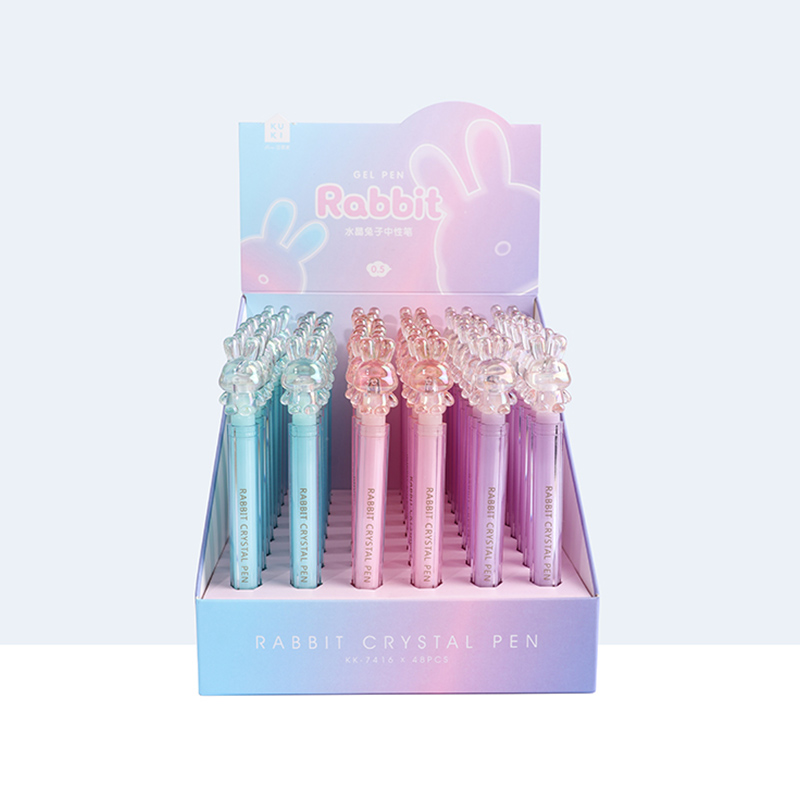
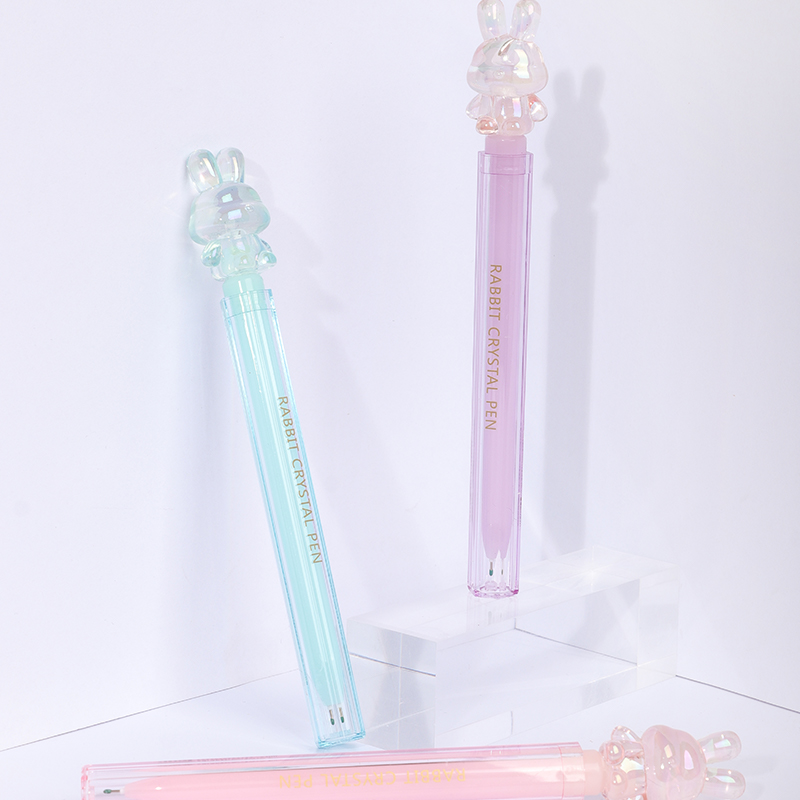
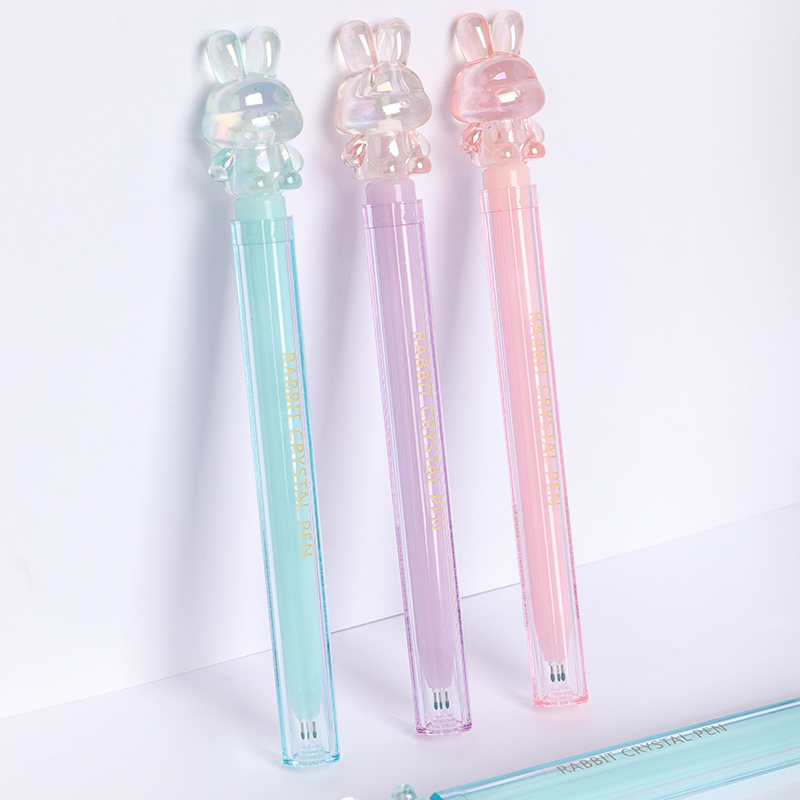
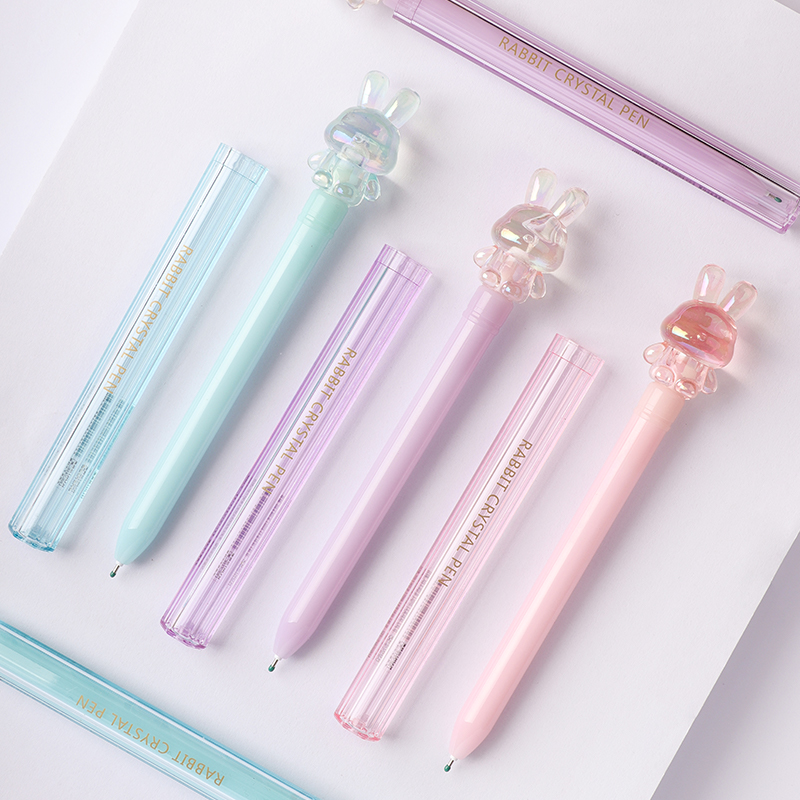
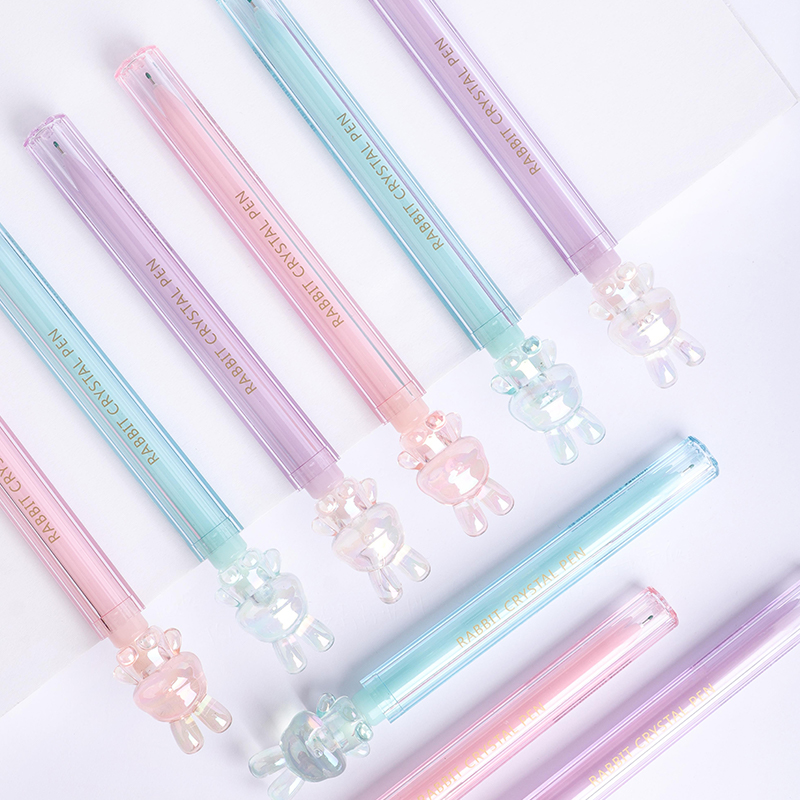
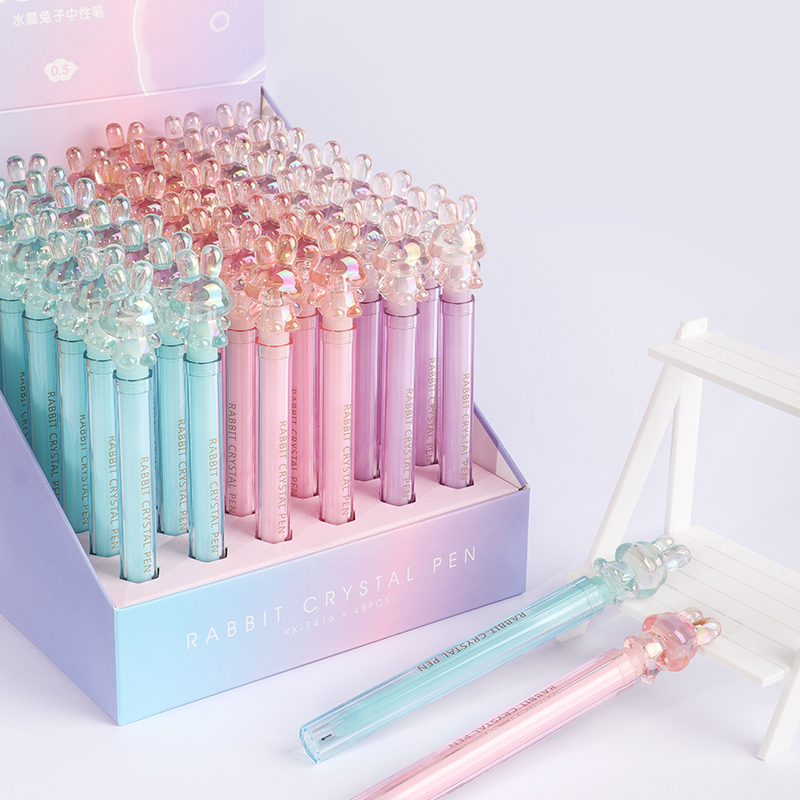
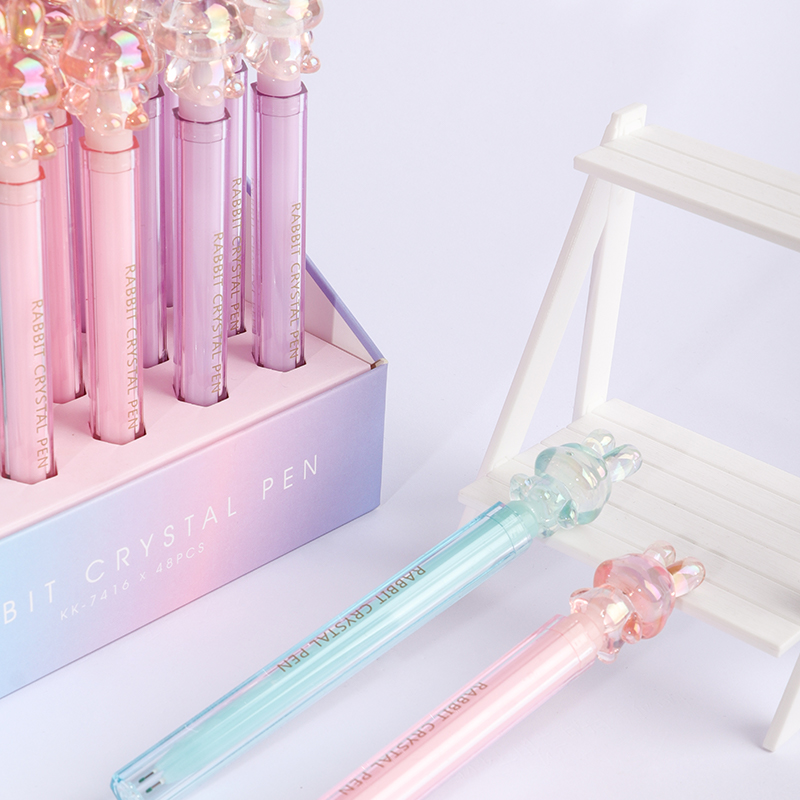
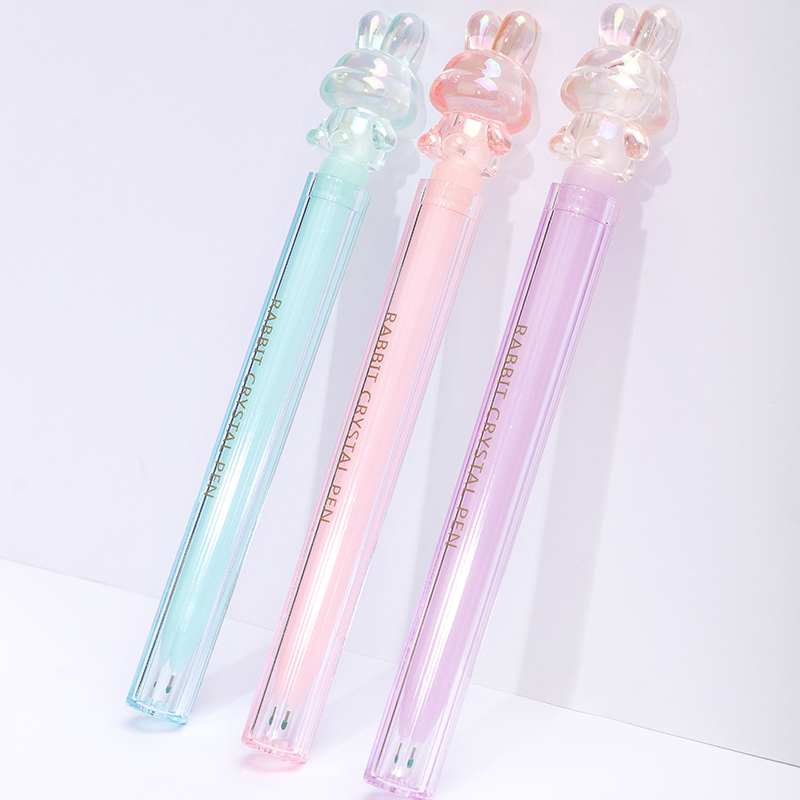
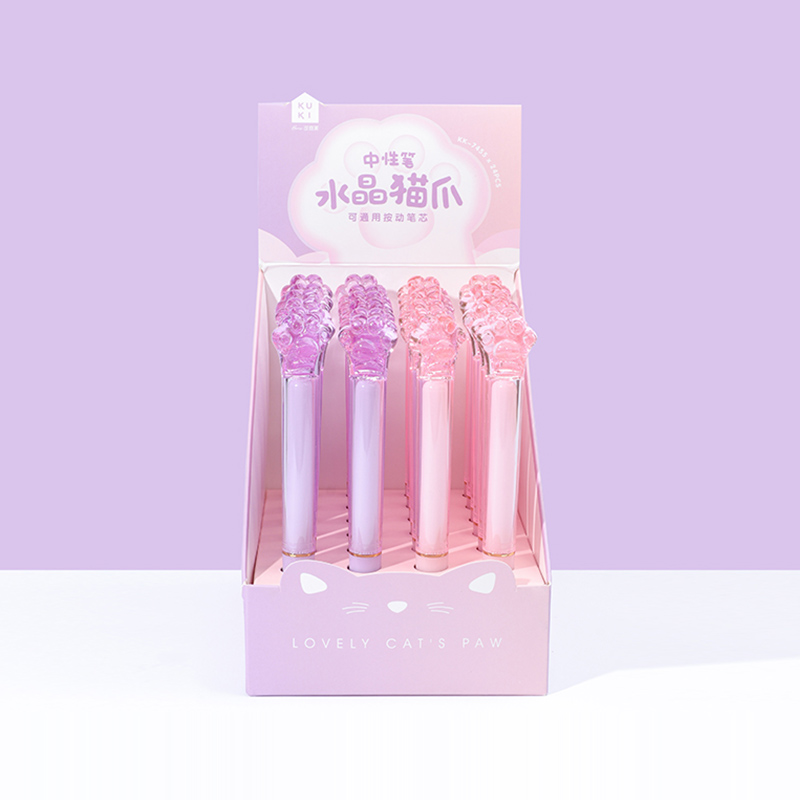
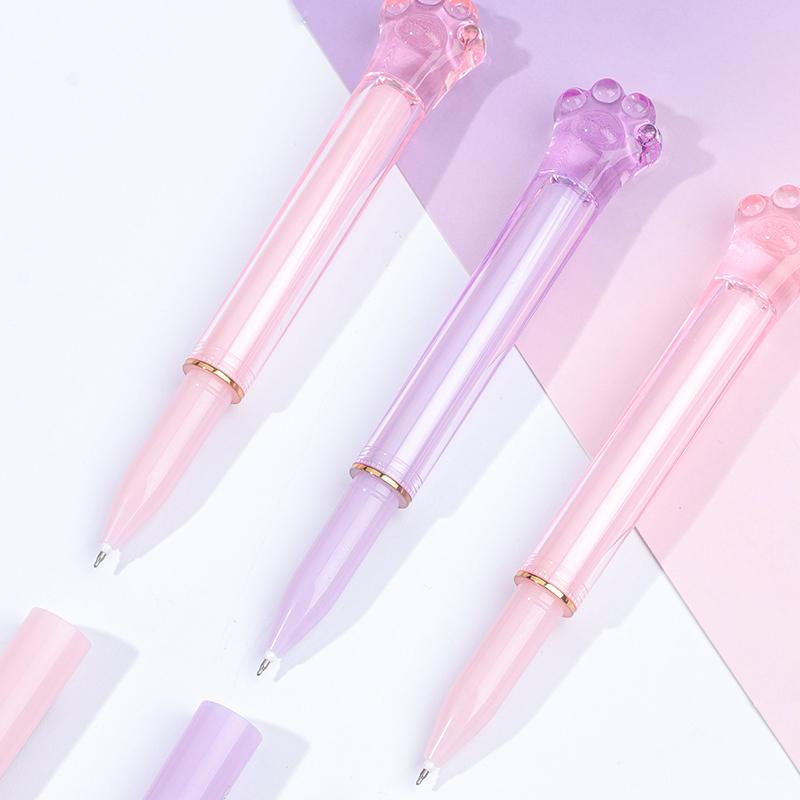
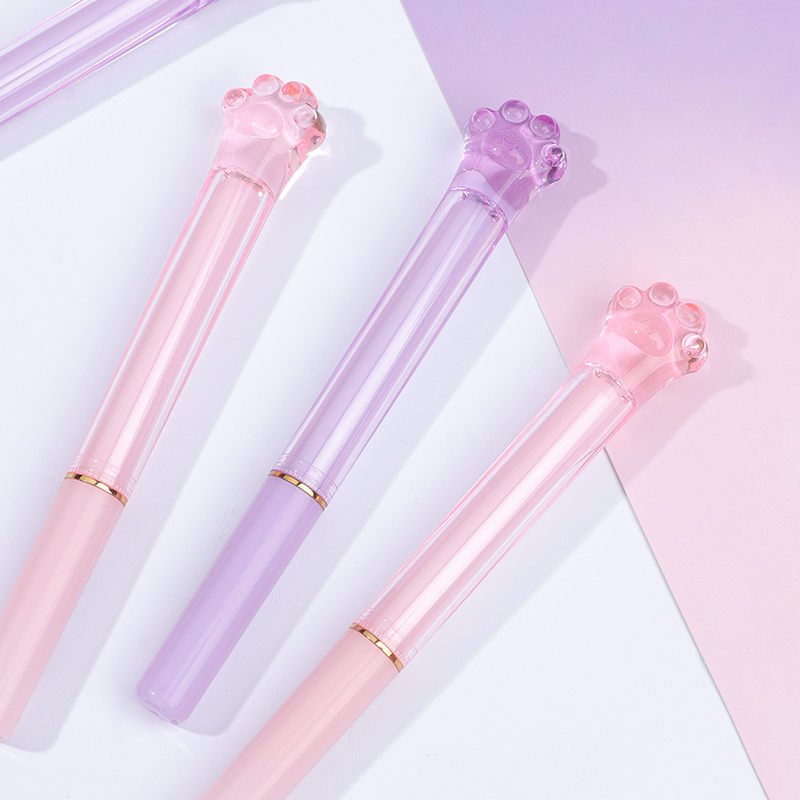
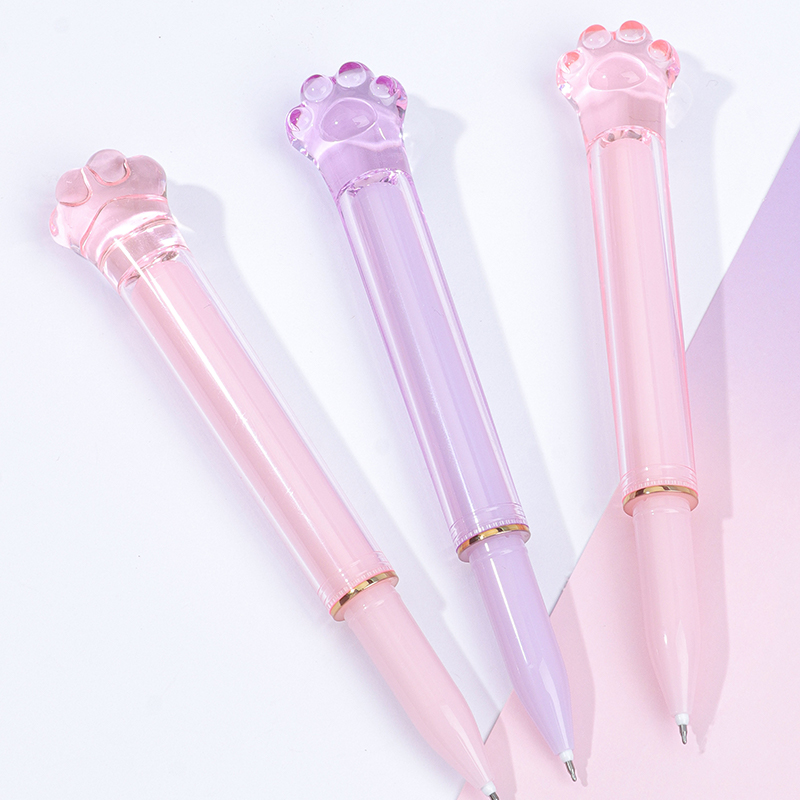
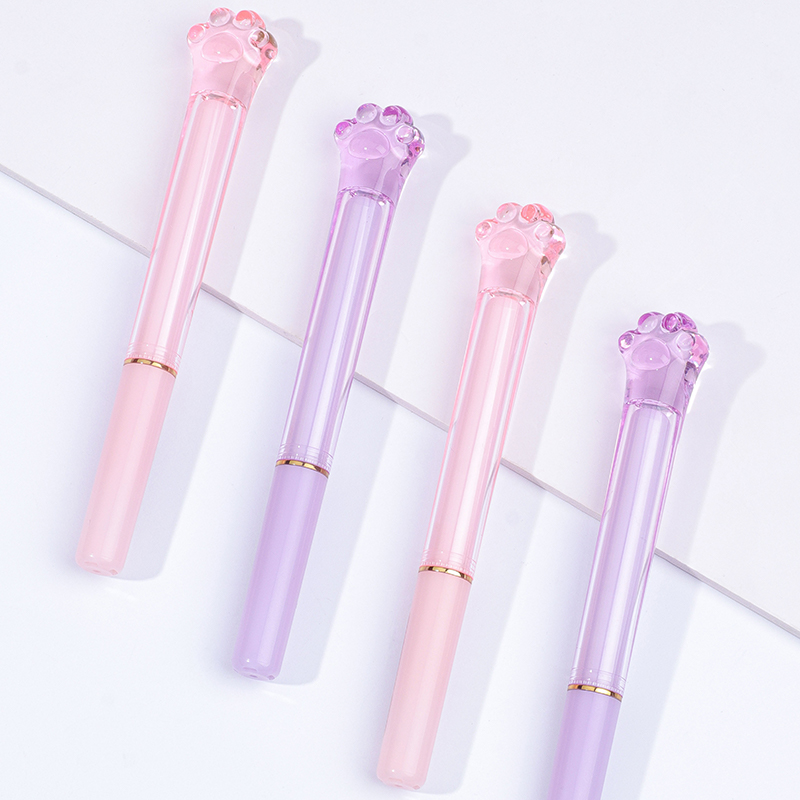
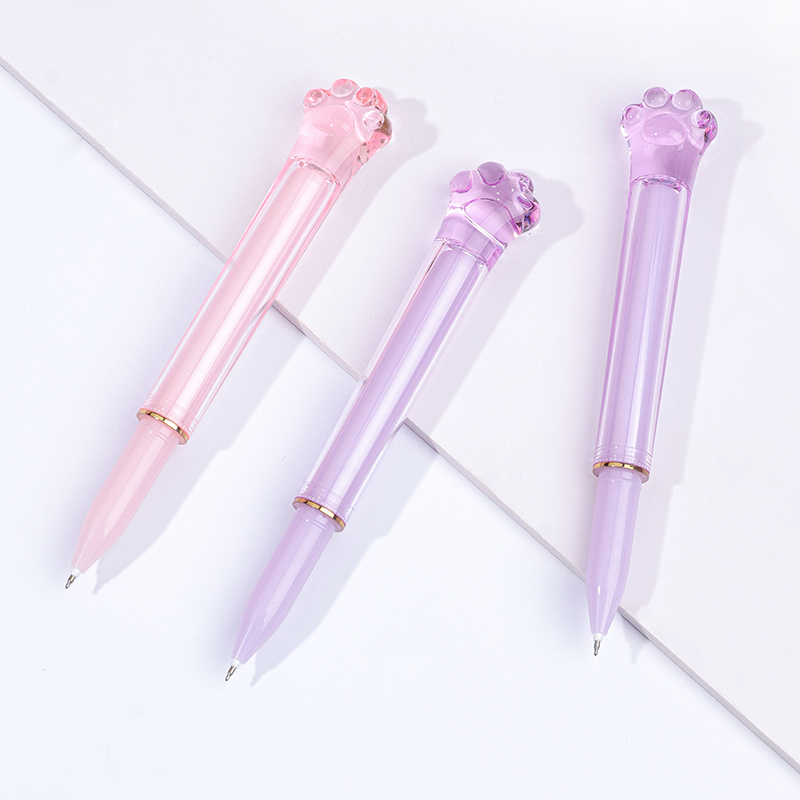
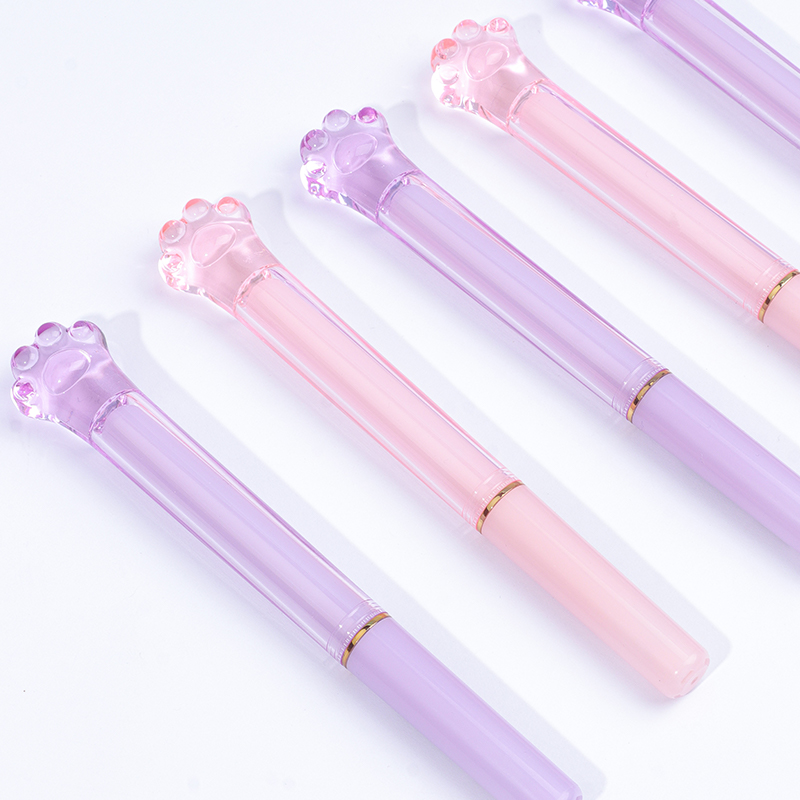
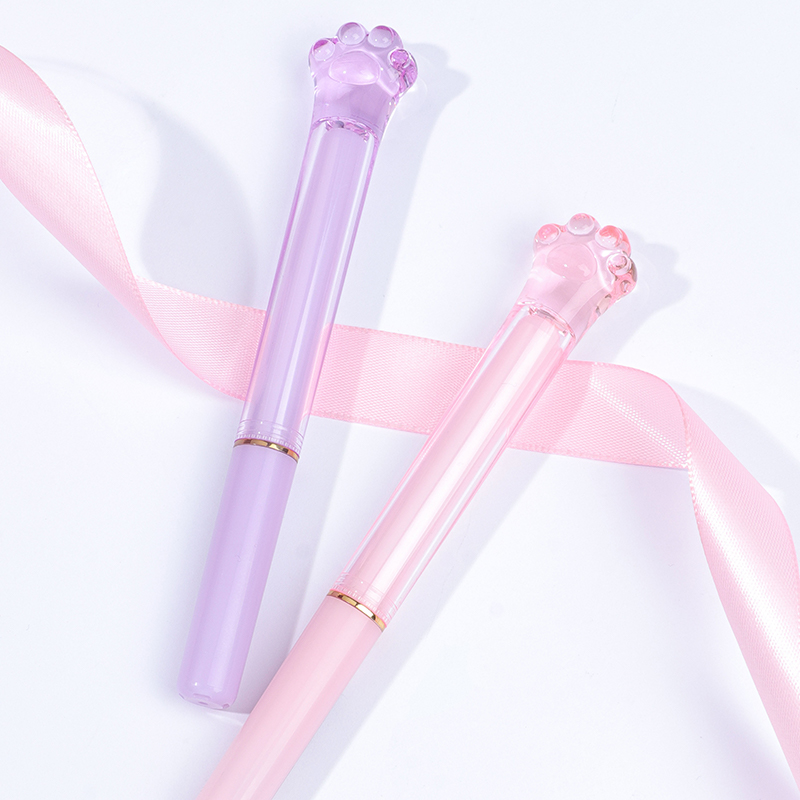
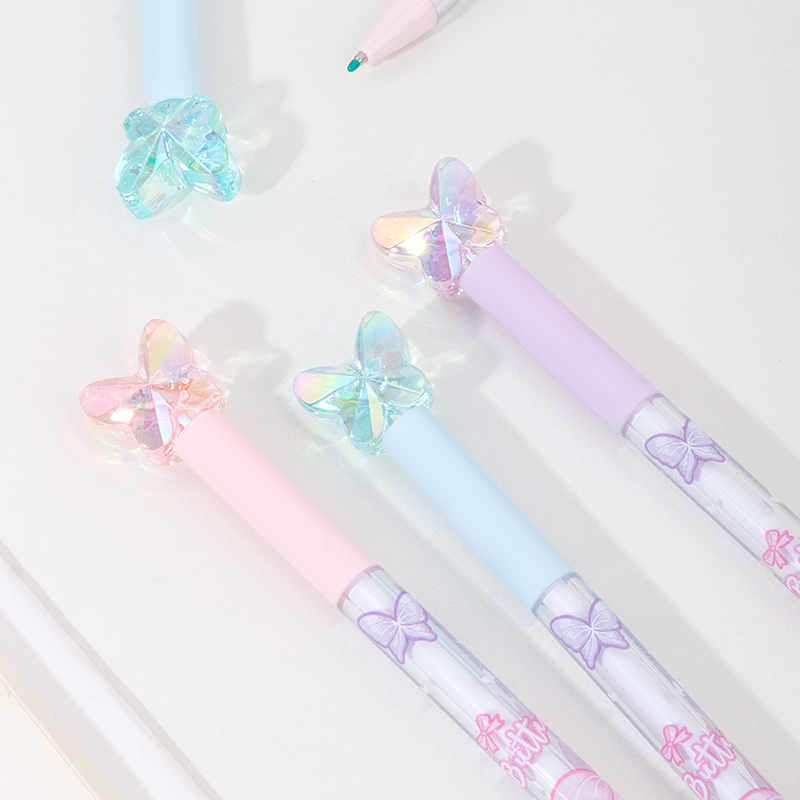
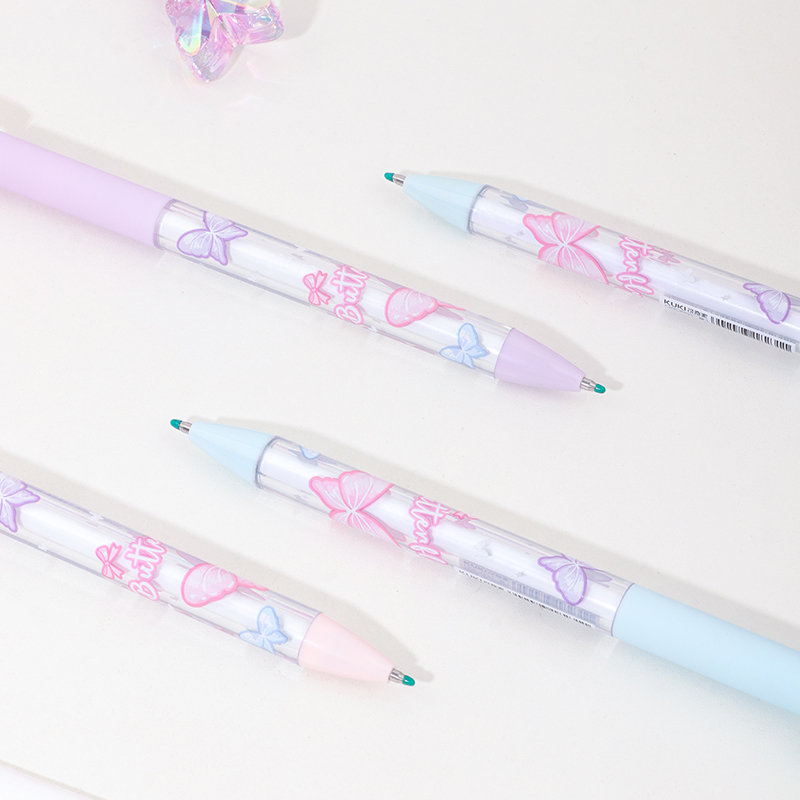
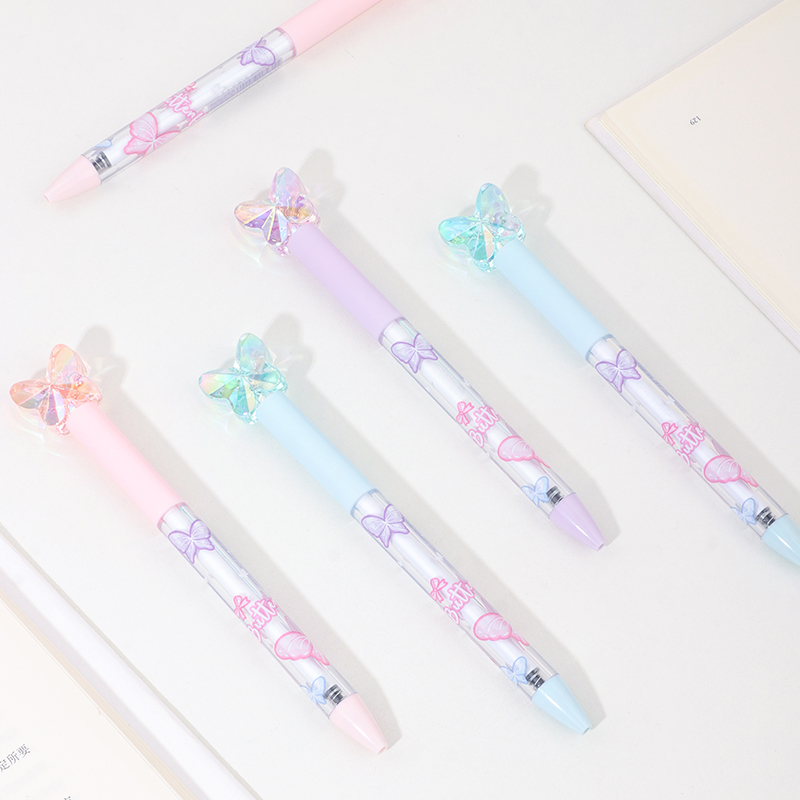
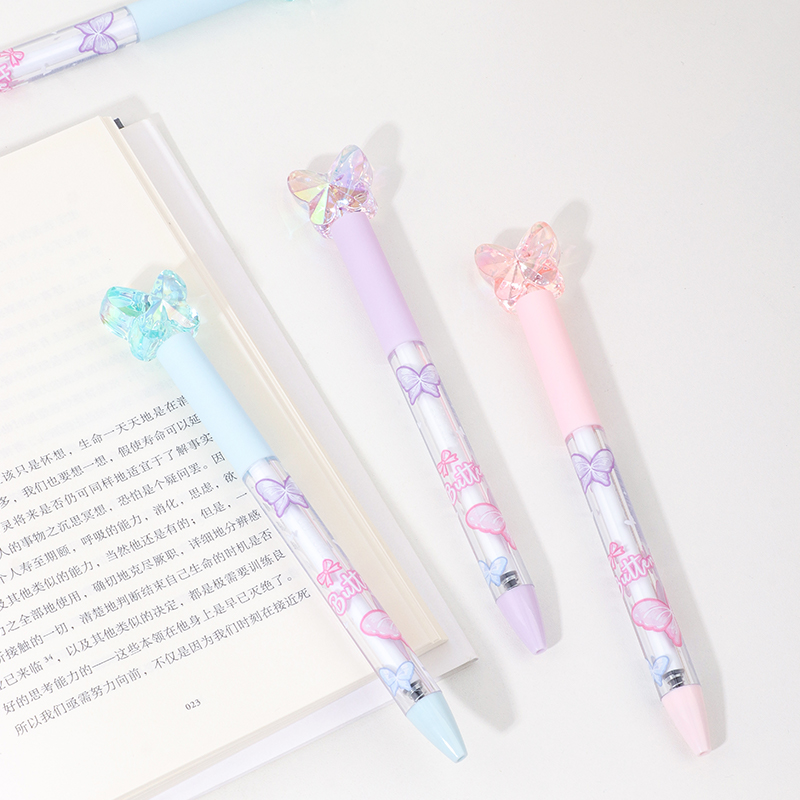
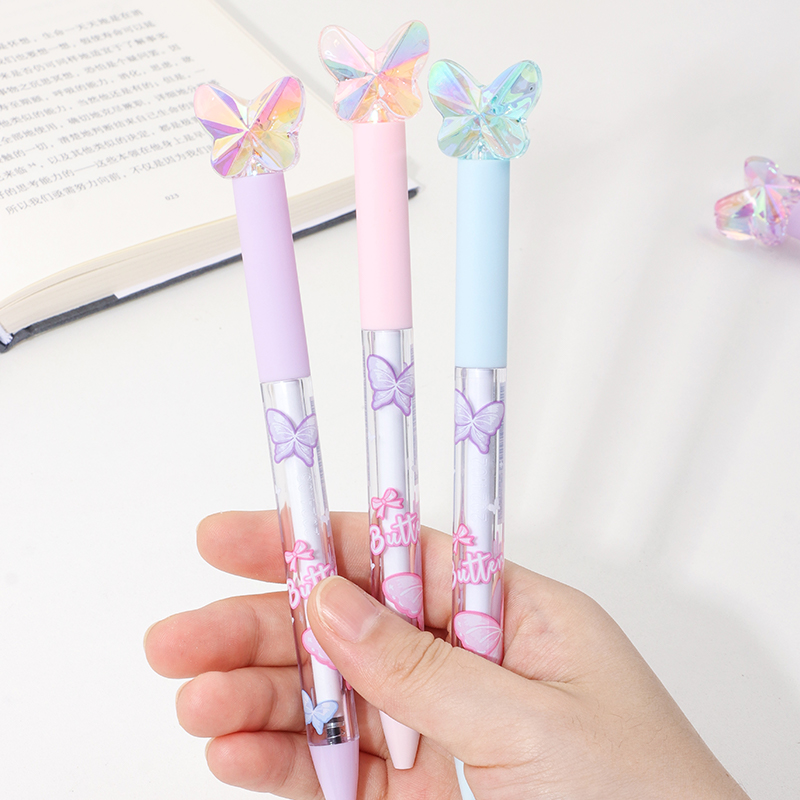
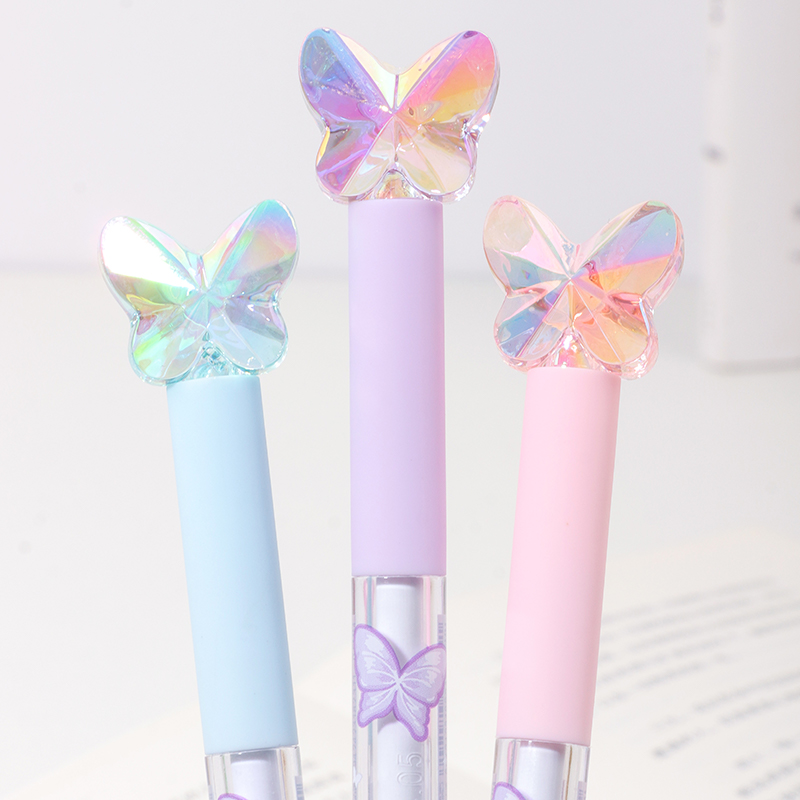
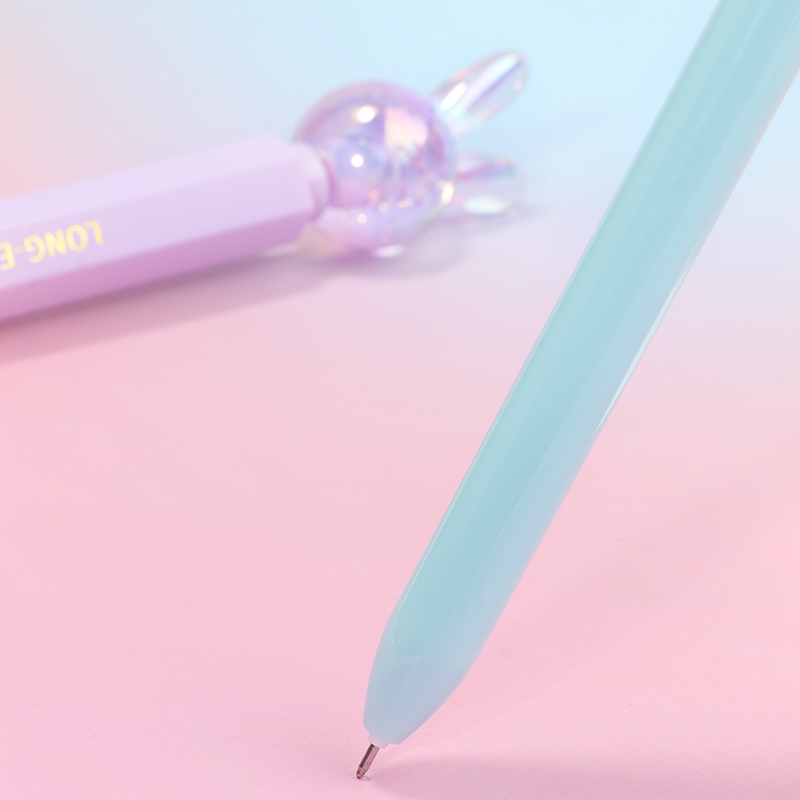
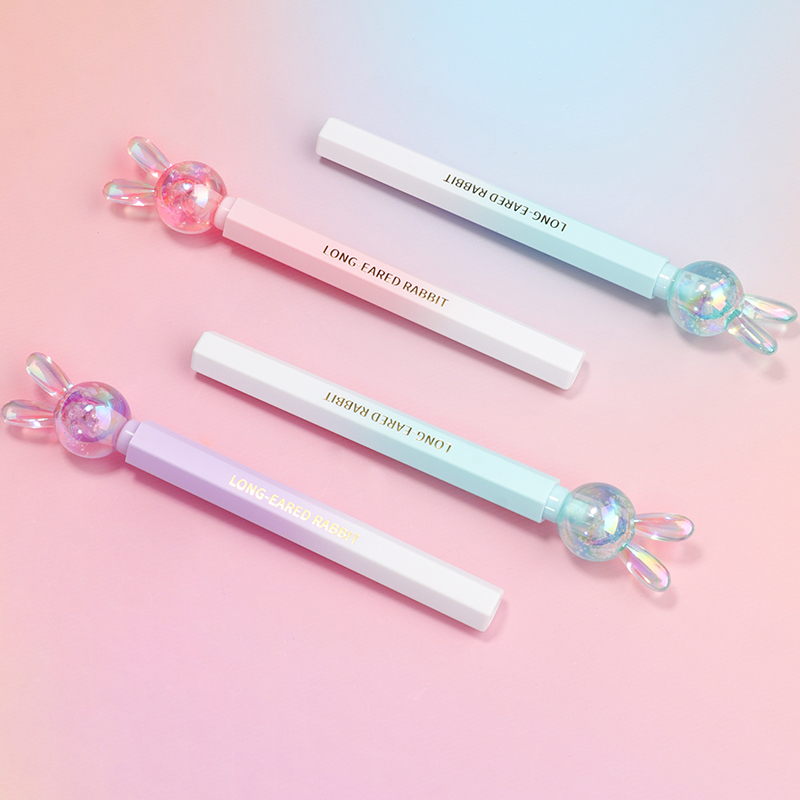
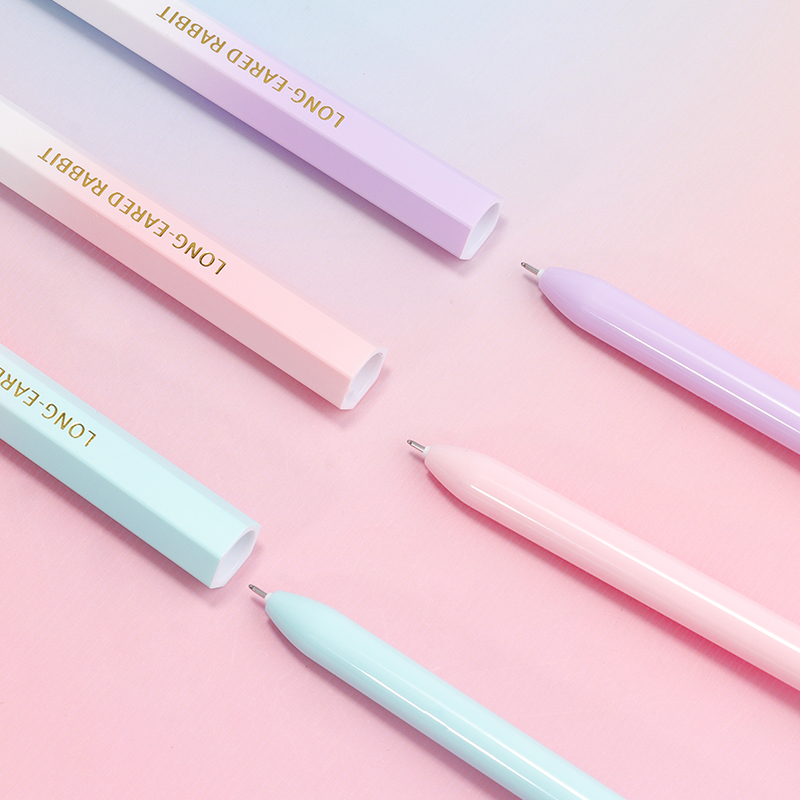
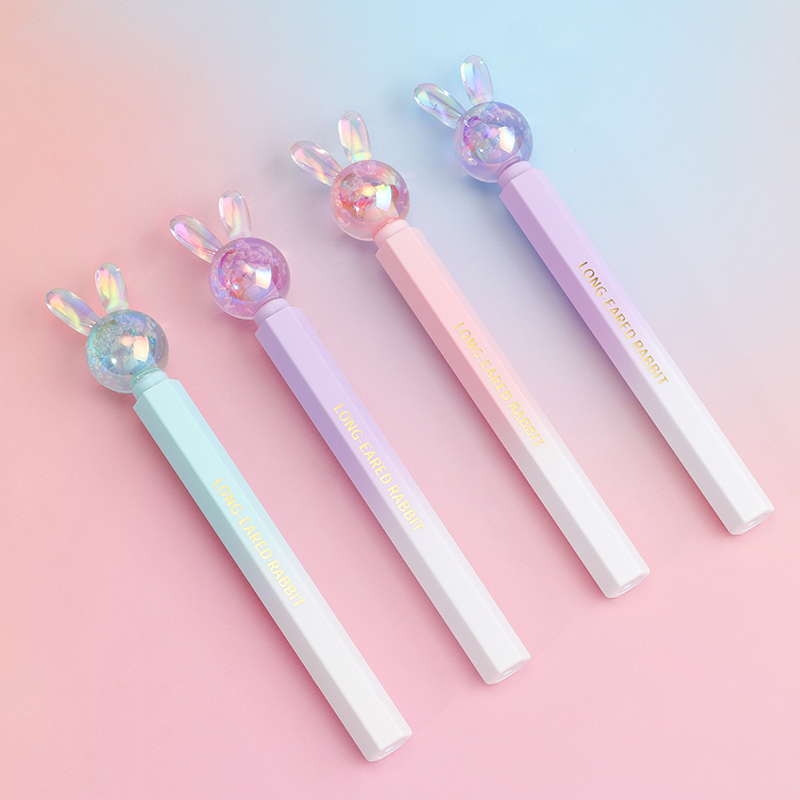
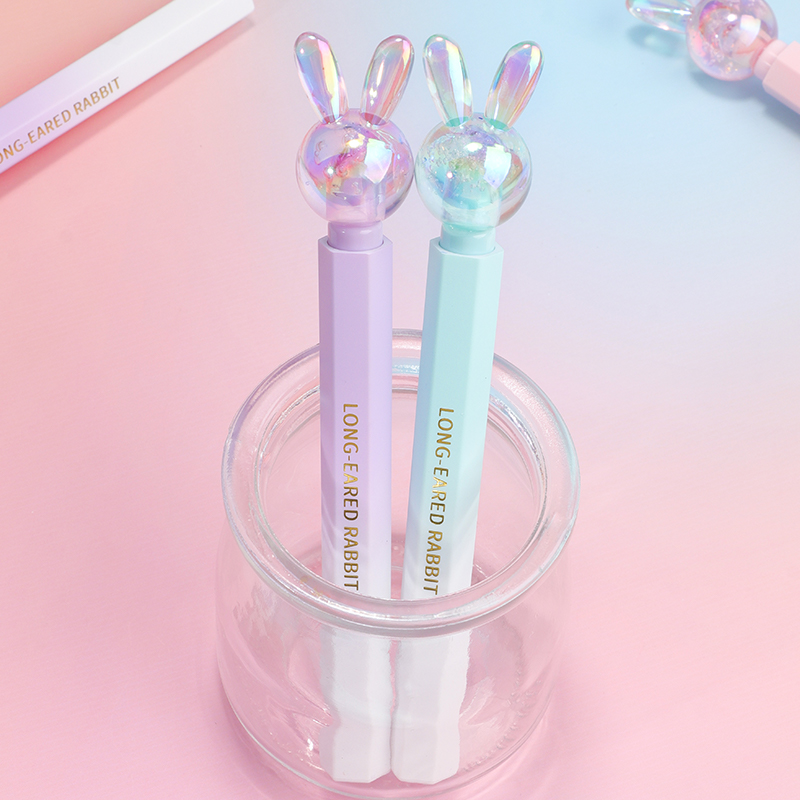
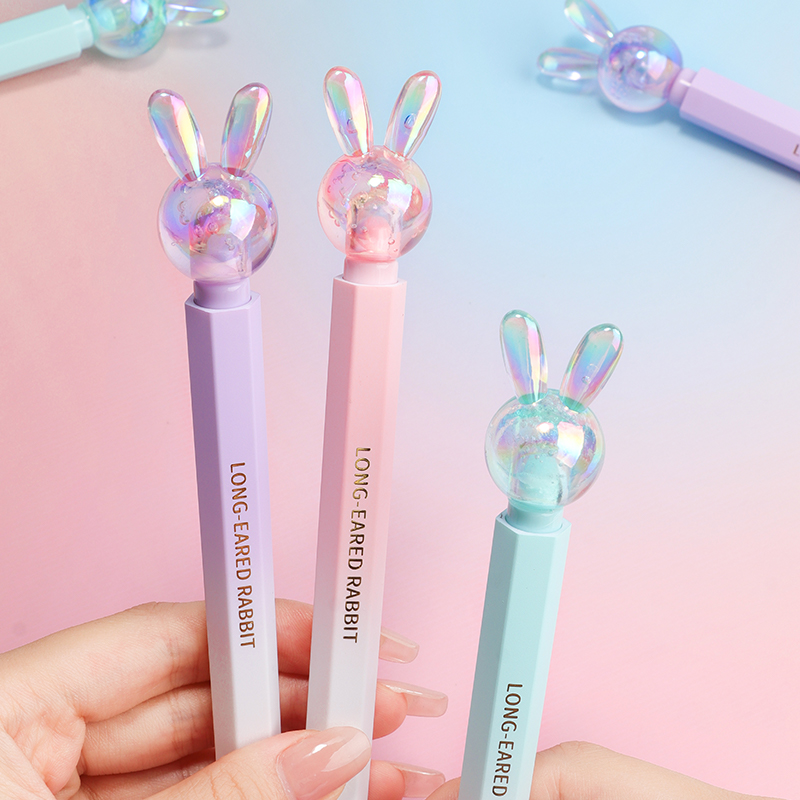
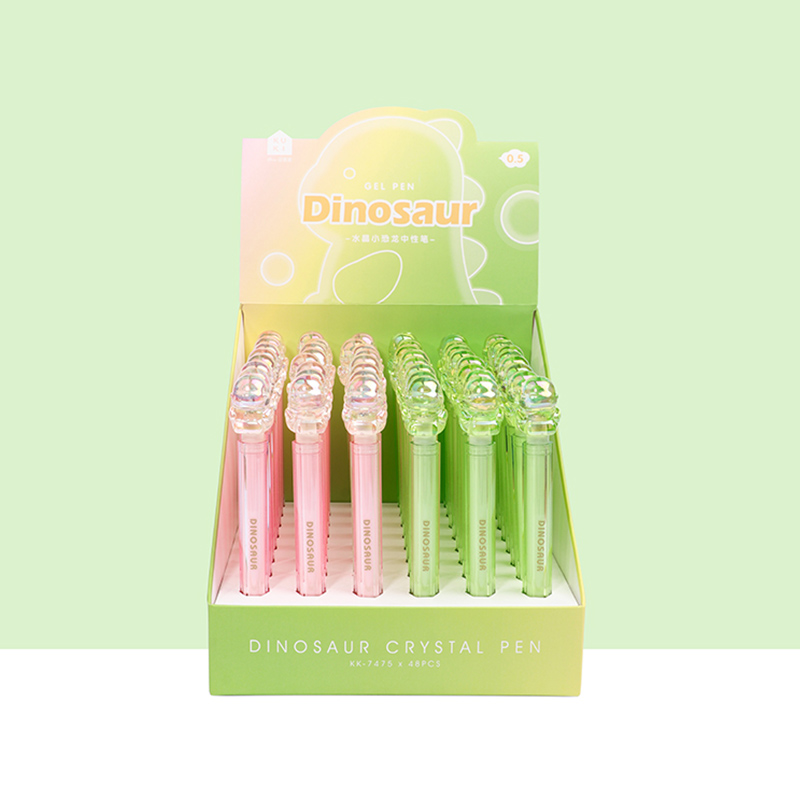
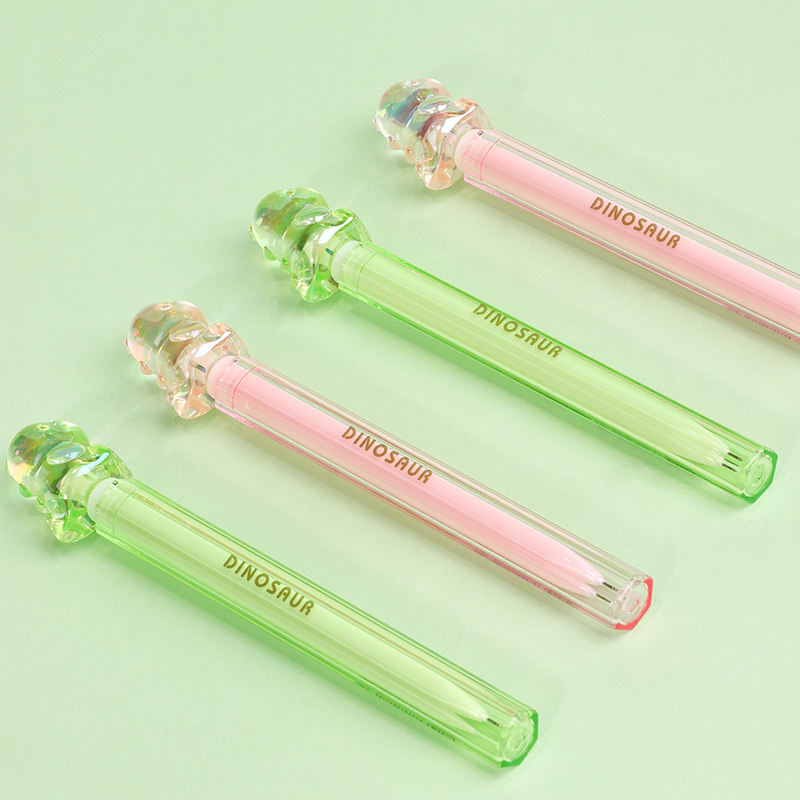
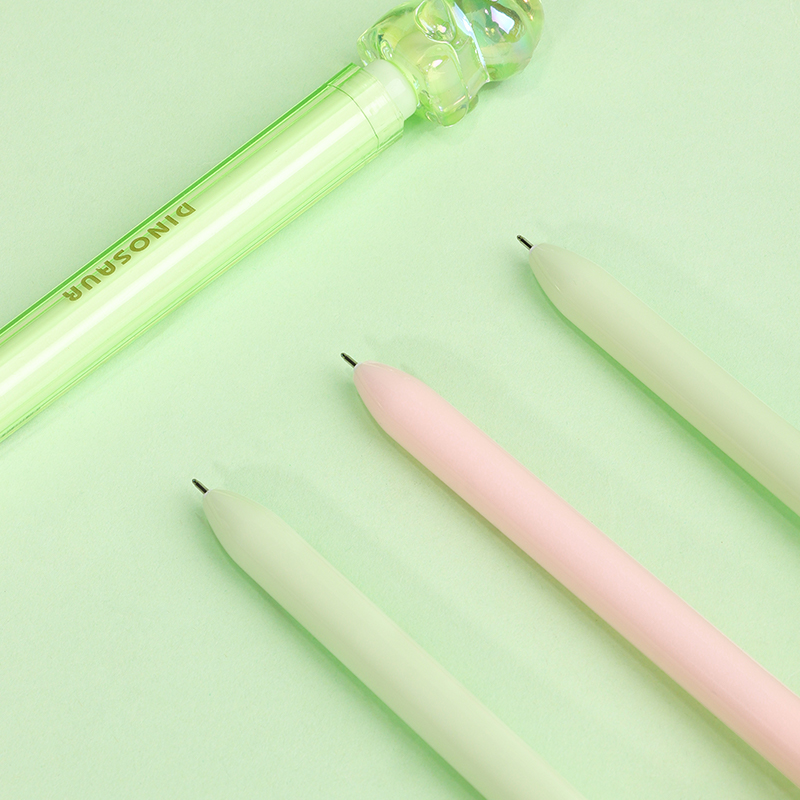
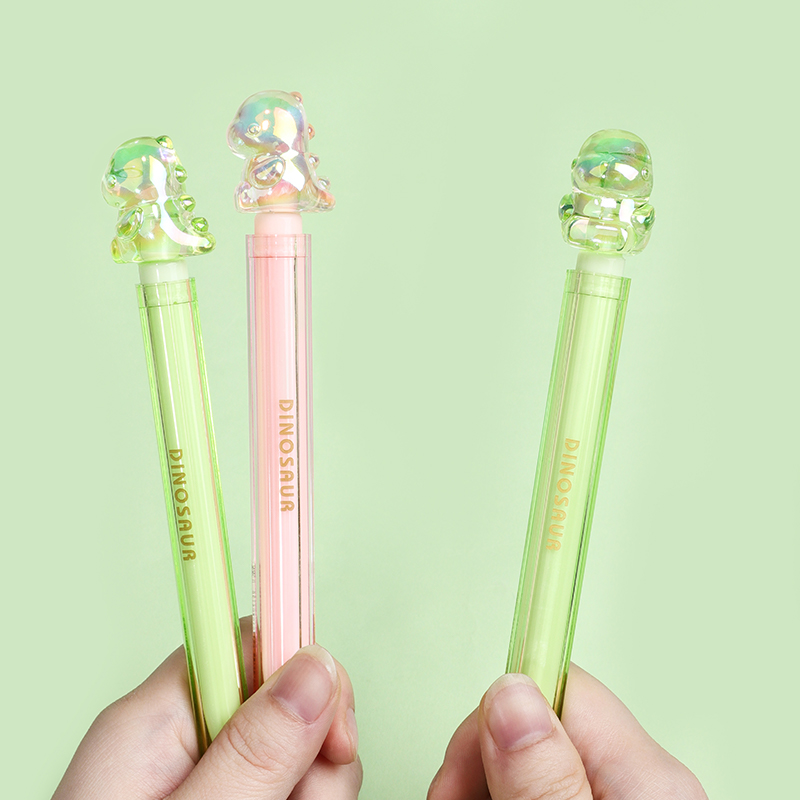
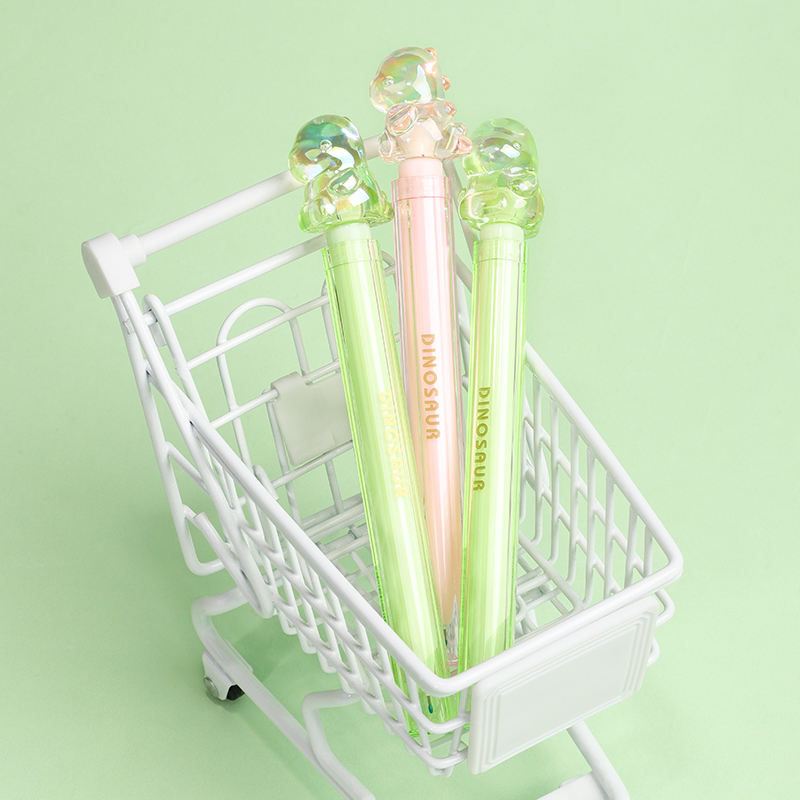
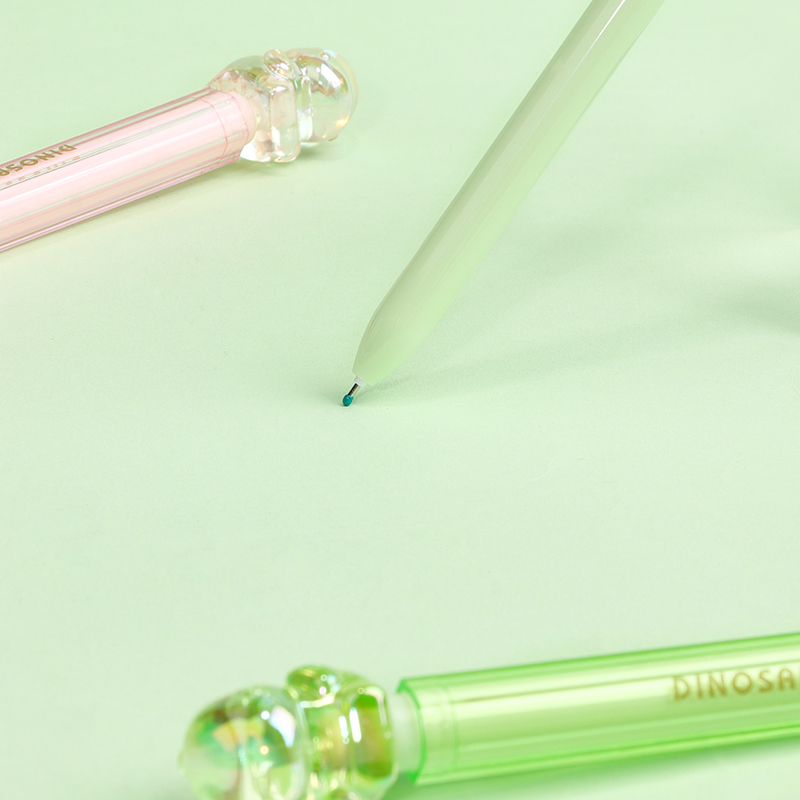
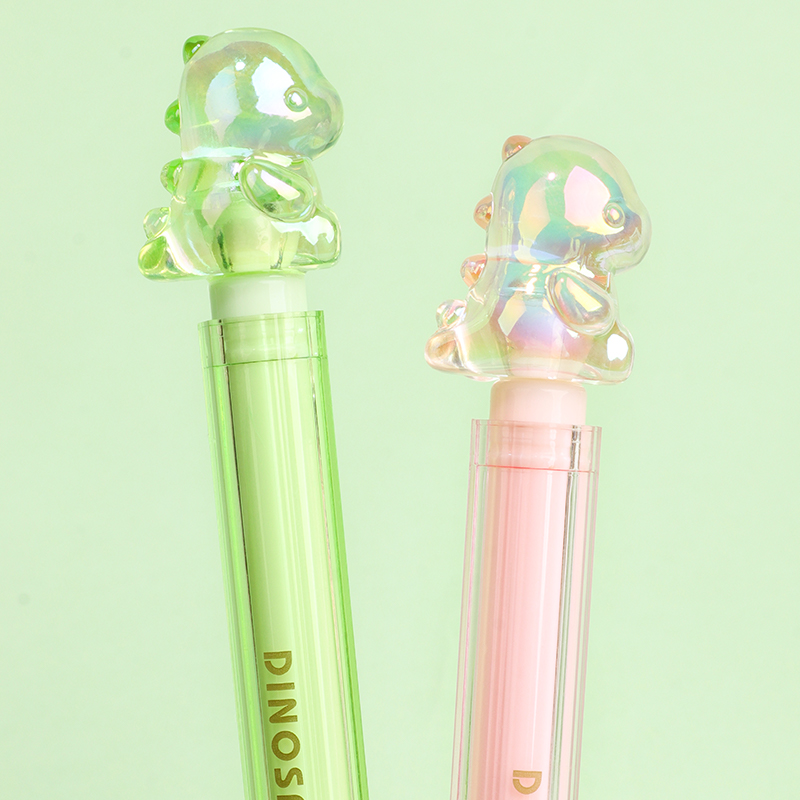
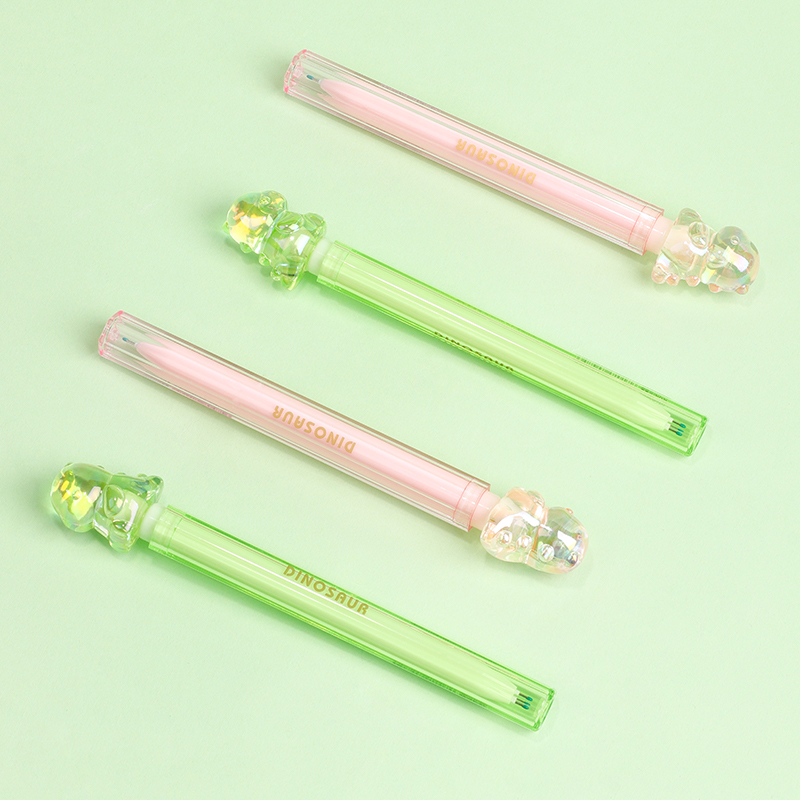
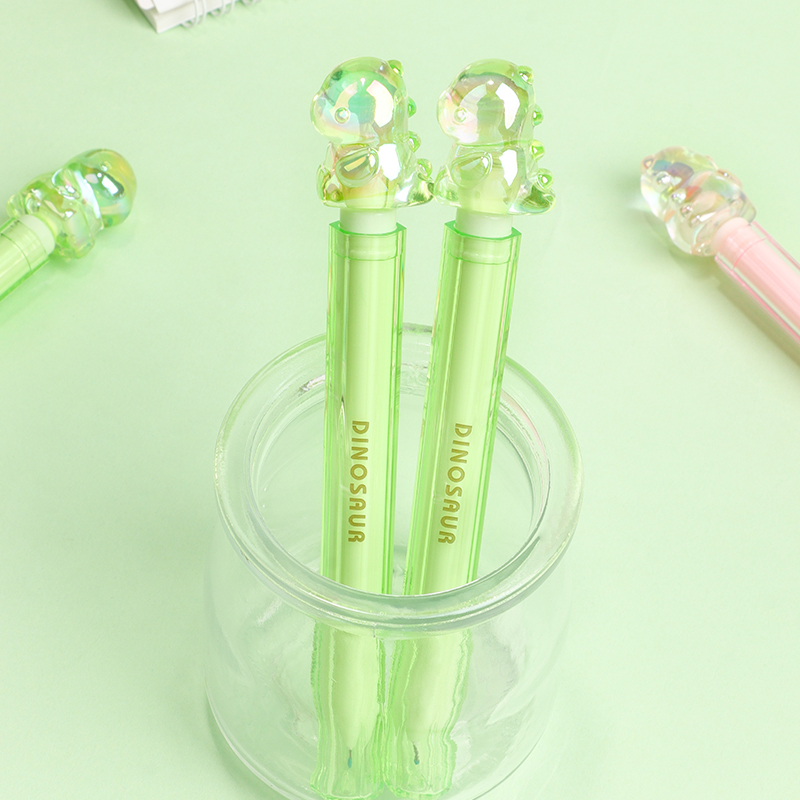
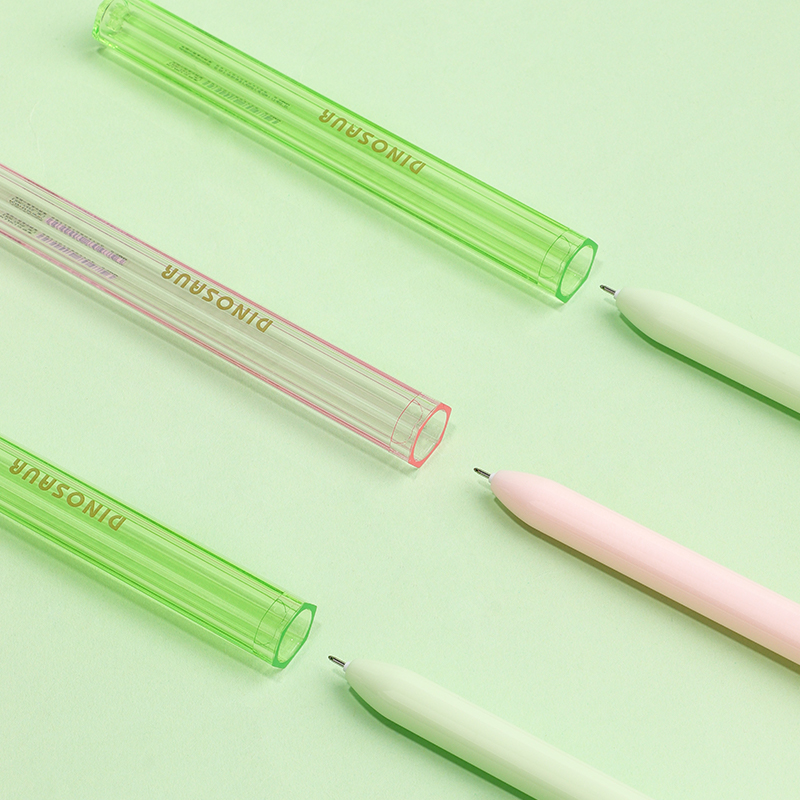
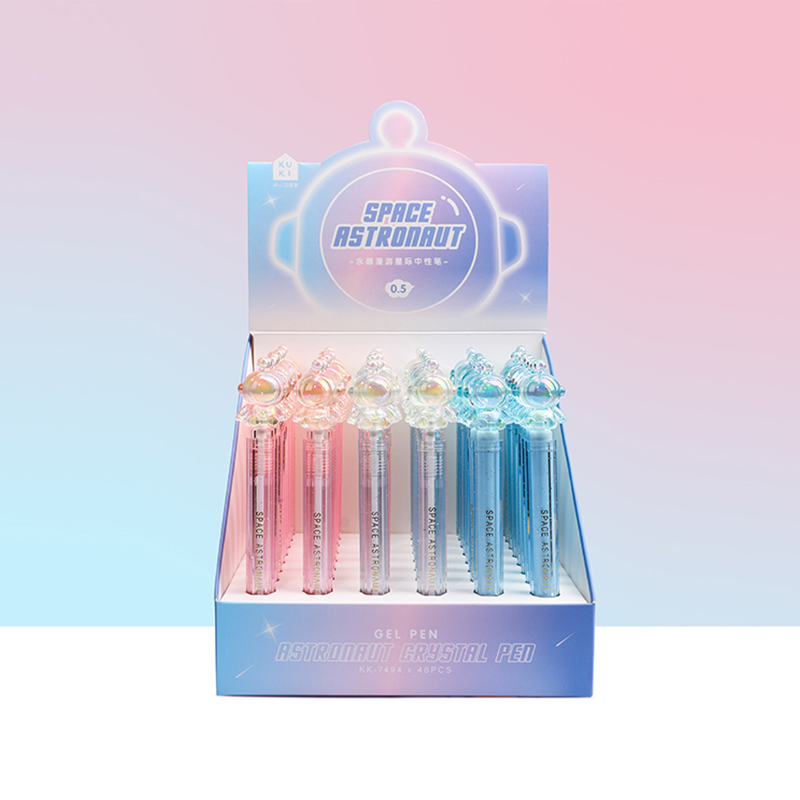
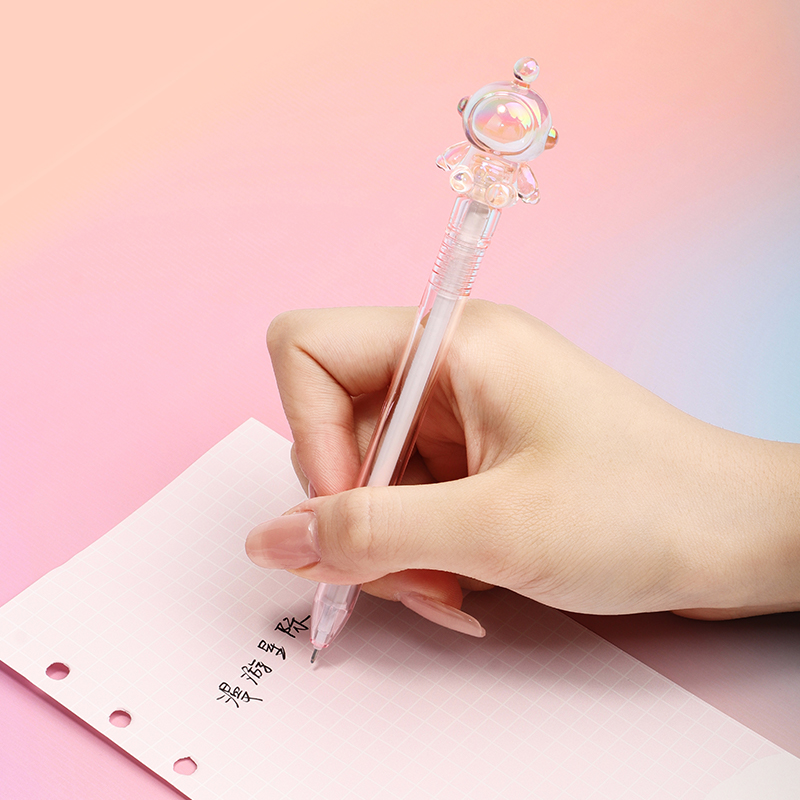
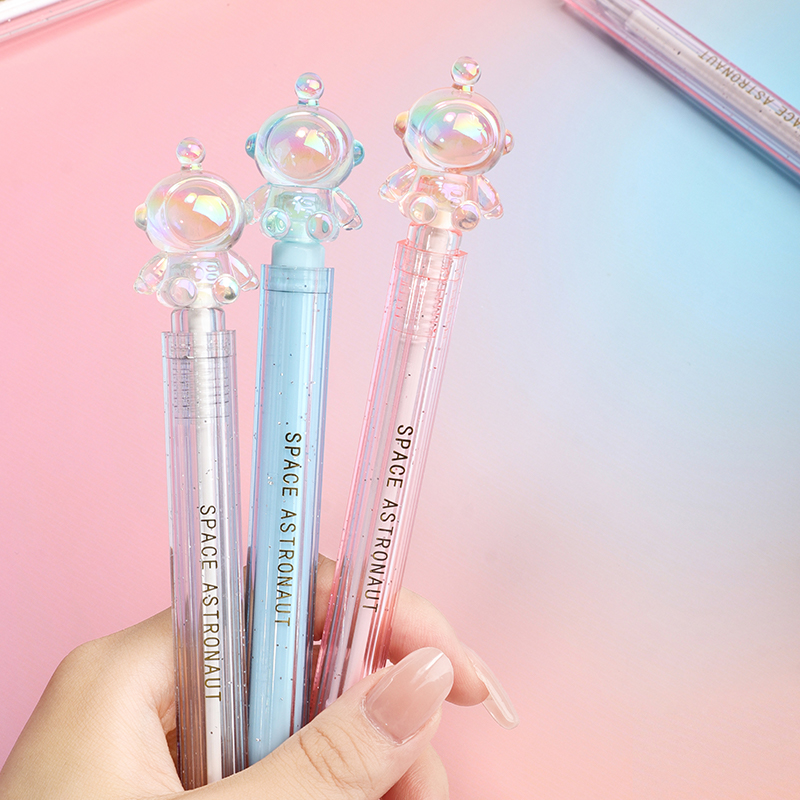
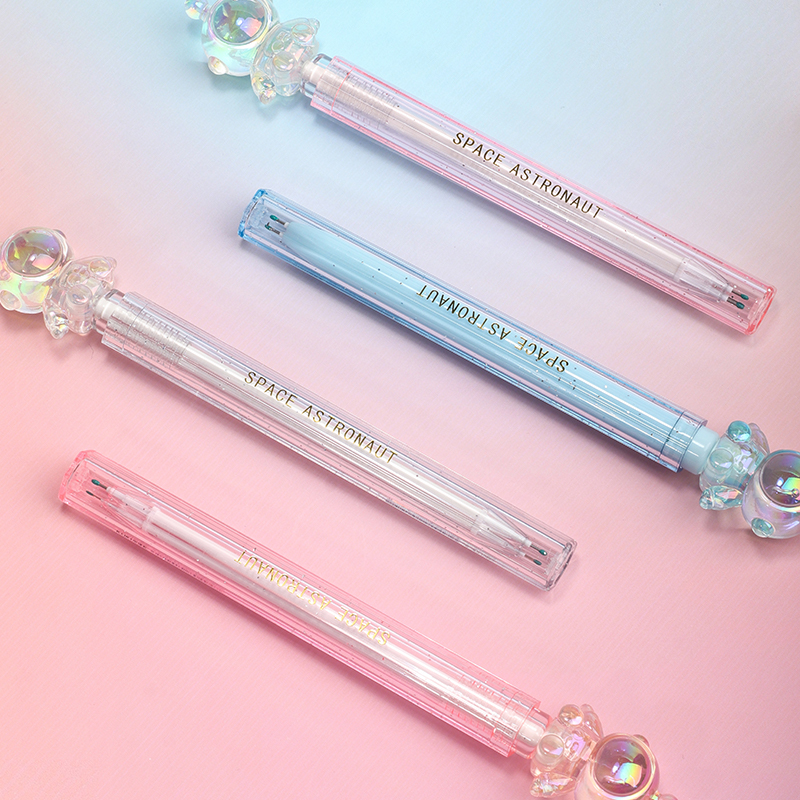
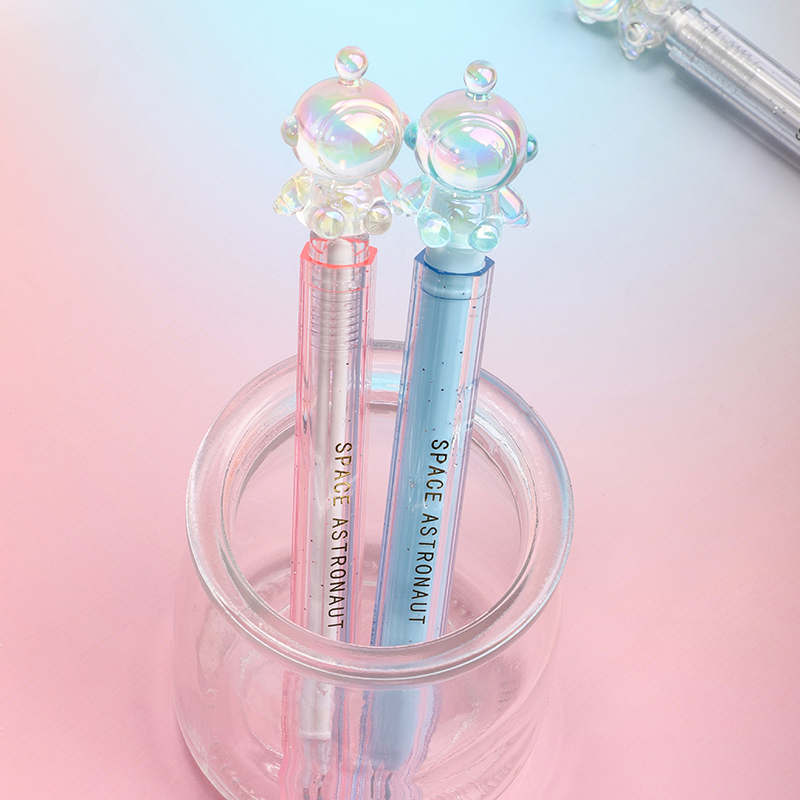
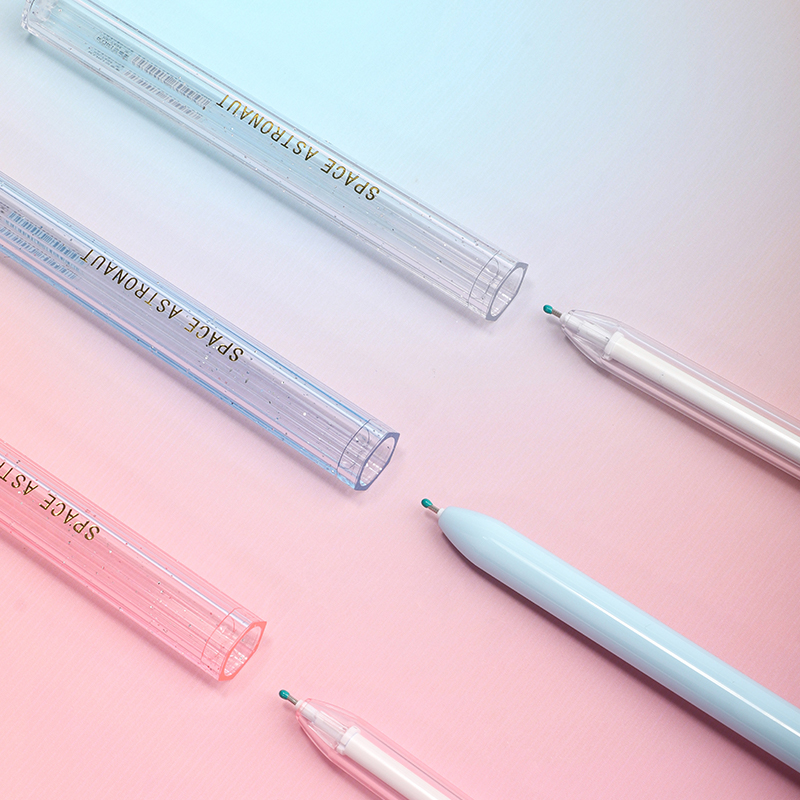
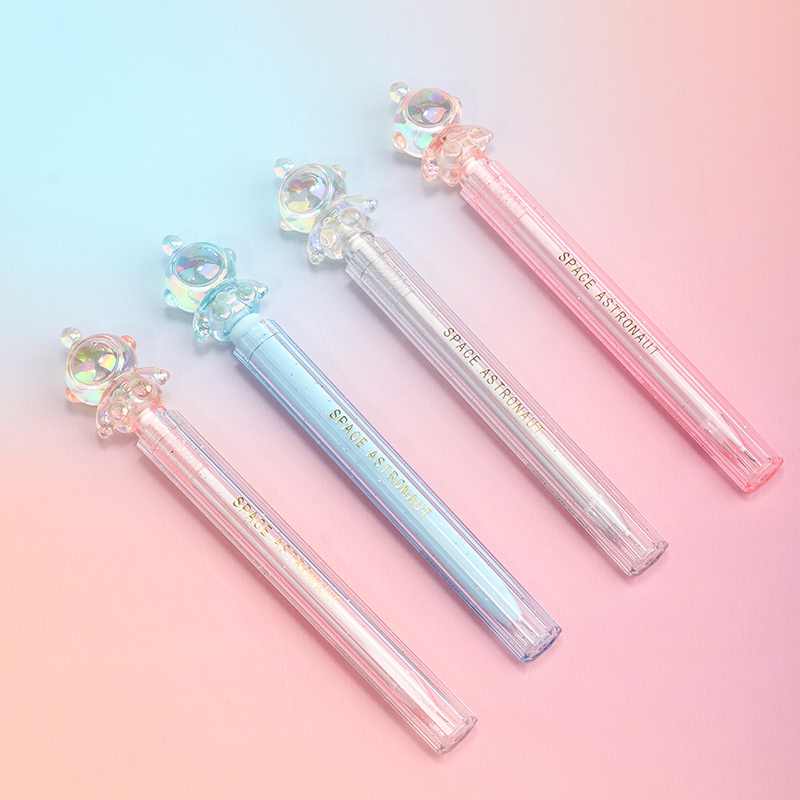
A Crystal Pen is designed with a visually striking barrel that often incorporates transparent or faceted materials. In the stationery industry, this category emphasizes aesthetics alongside function, giving users a sense of elegance or refinement. Crystal Pens are commonly found in gift collections or promotional displays where appearance is an important factor.
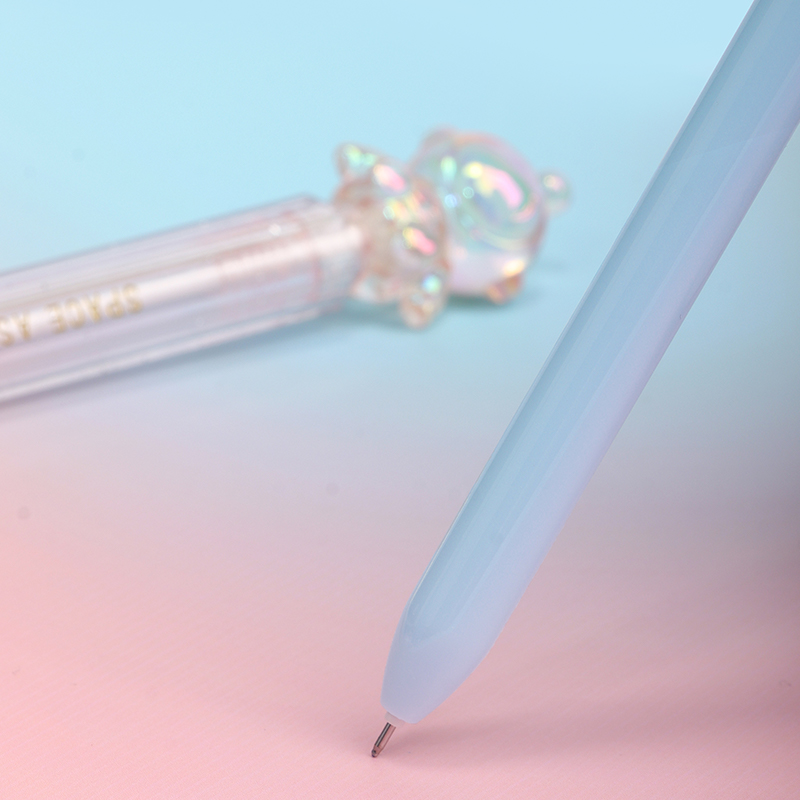
The appeal of a Crystal Pen lies in its ability to reflect light and create a premium feel without altering the writing experience. Brands often leverage this type of pen to attract consumers seeking decorative stationery that doubles as a collectible item.
Q2: How does the Crystal Pen impact product positioning?
Using crystal-like materials allows manufacturers to differentiate pens in a crowded market. While standard pens compete on ink performance or ergonomics, a Crystal Pen offers visual distinction. This positioning supports higher perceived value and encourages brand storytelling around style, presentation, and design.
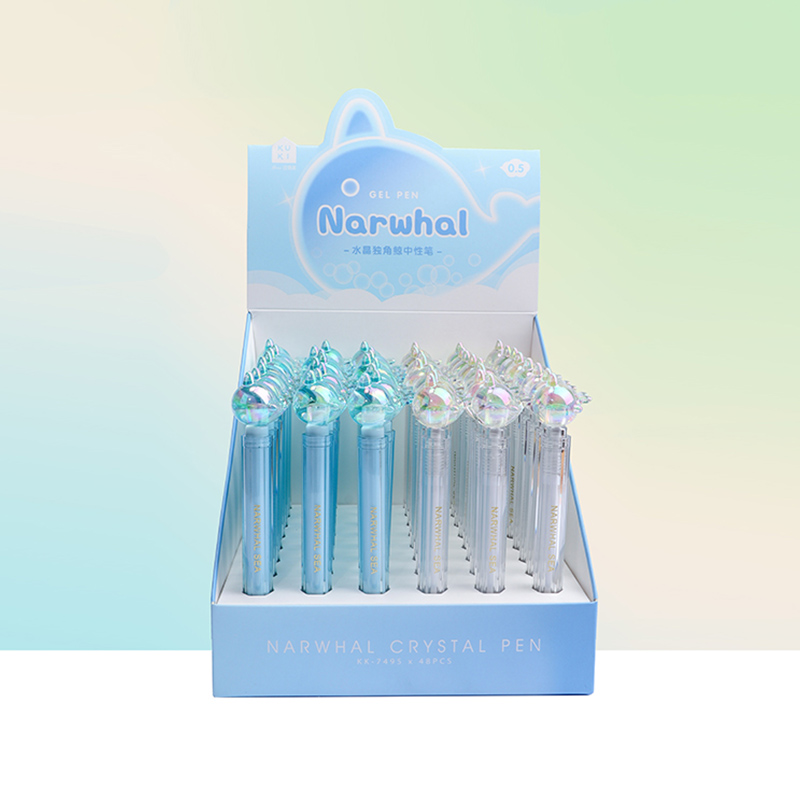
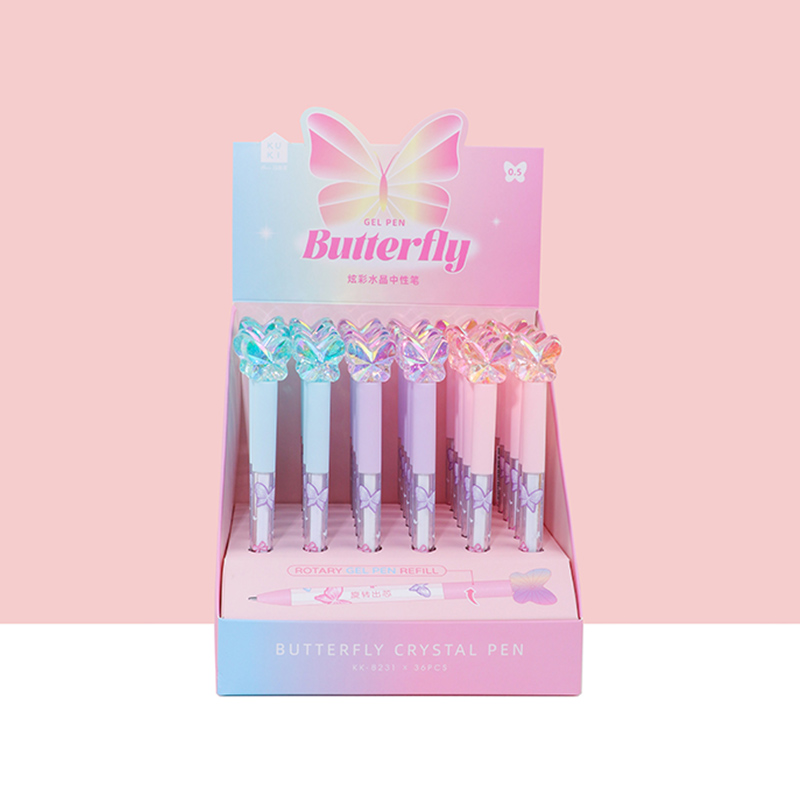
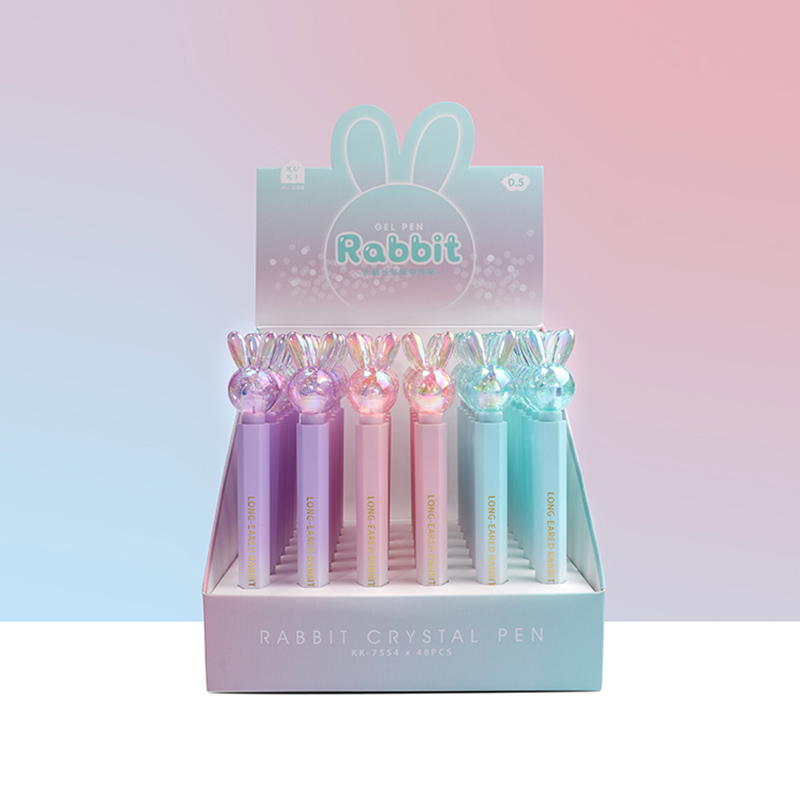
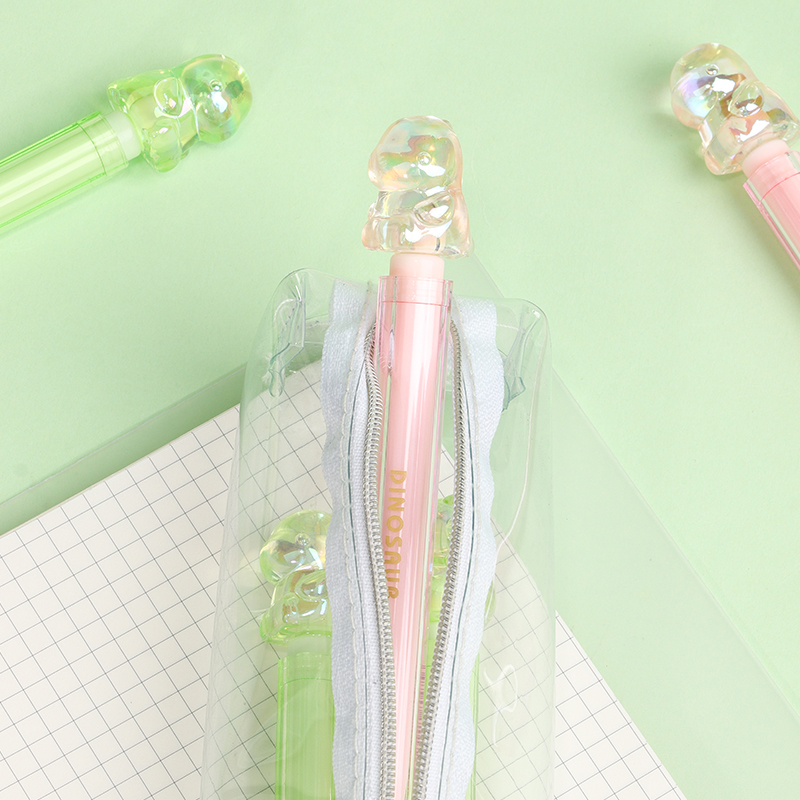
Retailers also find Crystal Pens effective for display purposes. Their visual impact can draw attention in stores and online platforms, making them a popular choice for seasonal promotions or gift sets.
Q3: What role does a Colored Gel Pen play in modern stationery?
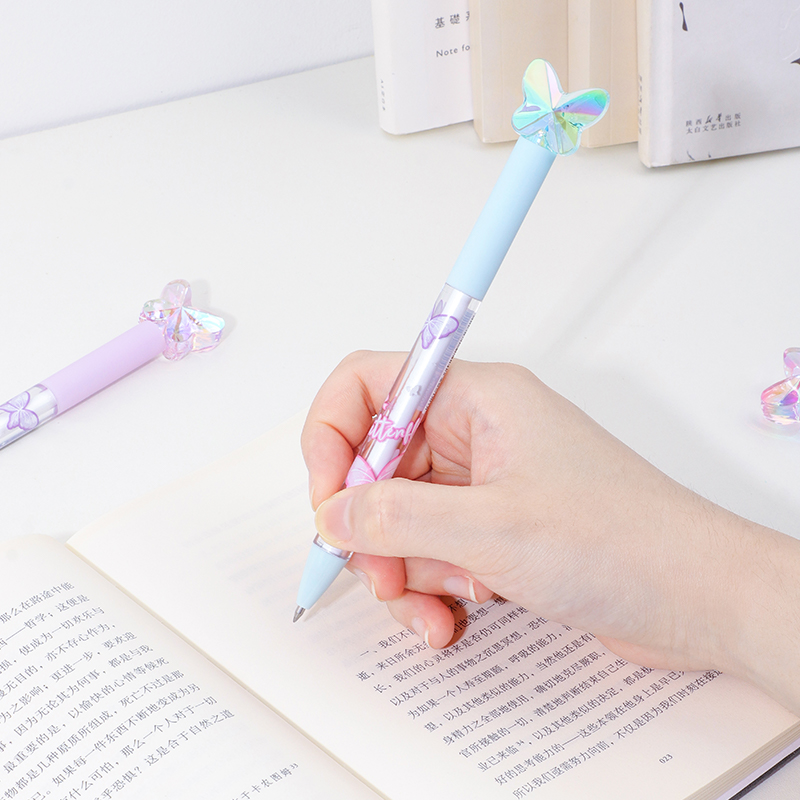
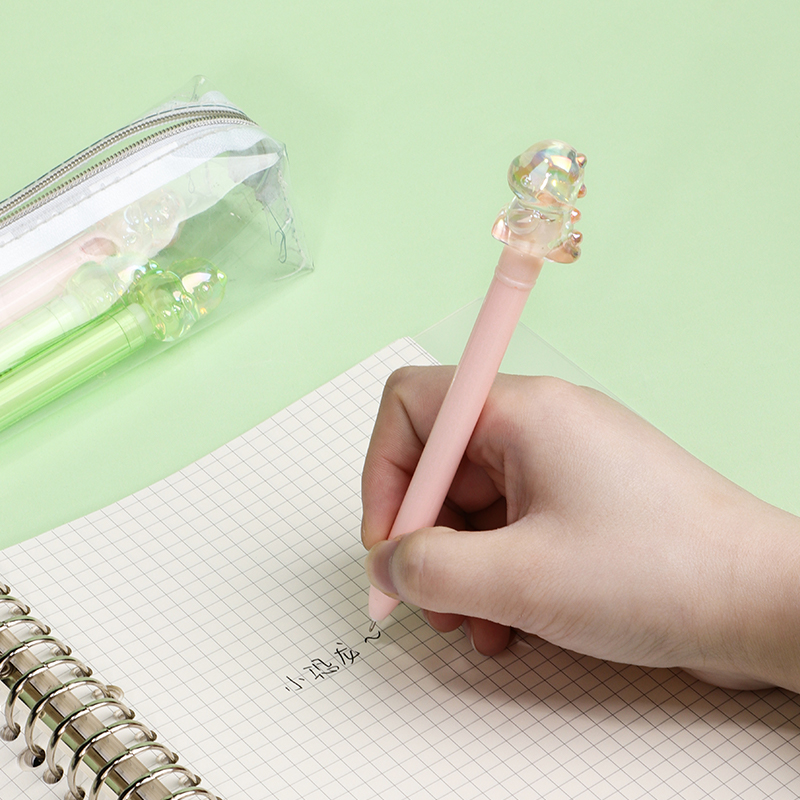
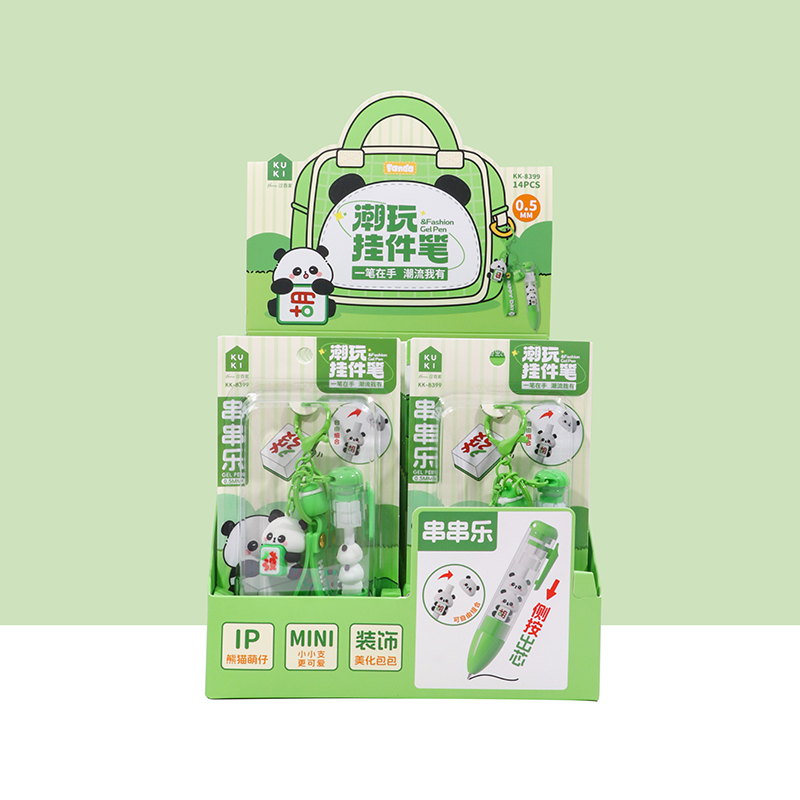
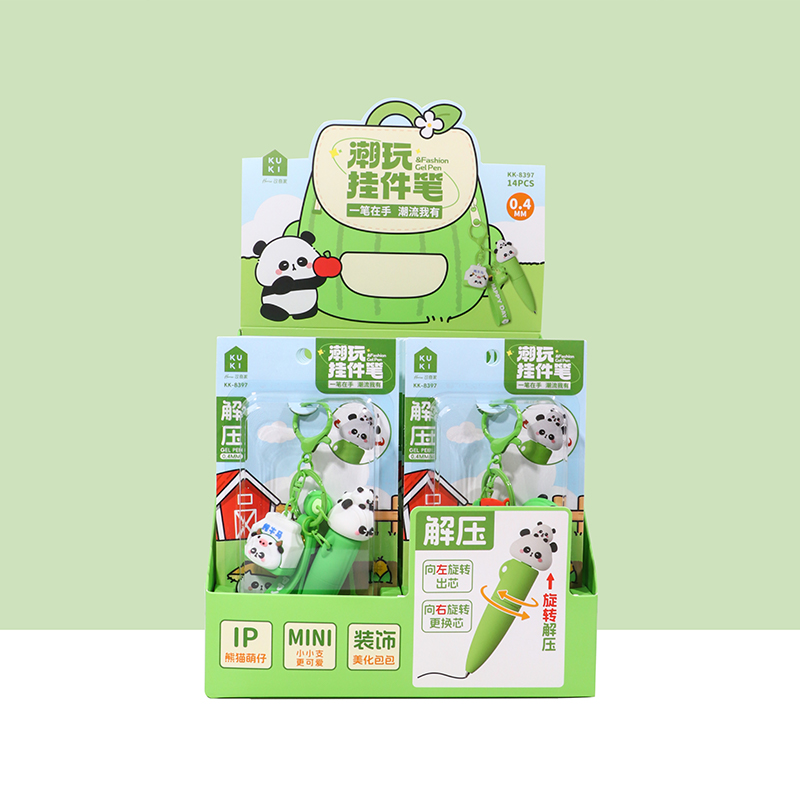
A Colored Gel Pen emphasizes expressive writing and creative output. Vibrant inks, smooth flow, and diverse color options make these pens popular for journaling, note-taking, and artistic applications. In the stationery sector, Colored Gel Pens cater to users who prioritize visual appeal and versatility in their writing instruments.
Colored Gel Pens often accompany educational or hobby-focused product lines. Their broad color range supports creative exploration while maintaining consistent performance across everyday writing tasks.
Q4: Why are Colored Gel Pens popular among students and creatives?
The combination of fluid ink and bright colors encourages engagement in both study and art projects. In classrooms, Colored Gel Pens help users organize notes through color-coding. Among hobbyists, they enable illustration, calligraphy, or decorative writing. This versatility explains their sustained relevance in the stationery industry.
From a production standpoint, Colored Gel Pens are adaptable for themed collections or seasonal releases, which allows brands to refresh their offerings without major design overhauls.
Q5: How does an Acrylic Pen differ from other materials?
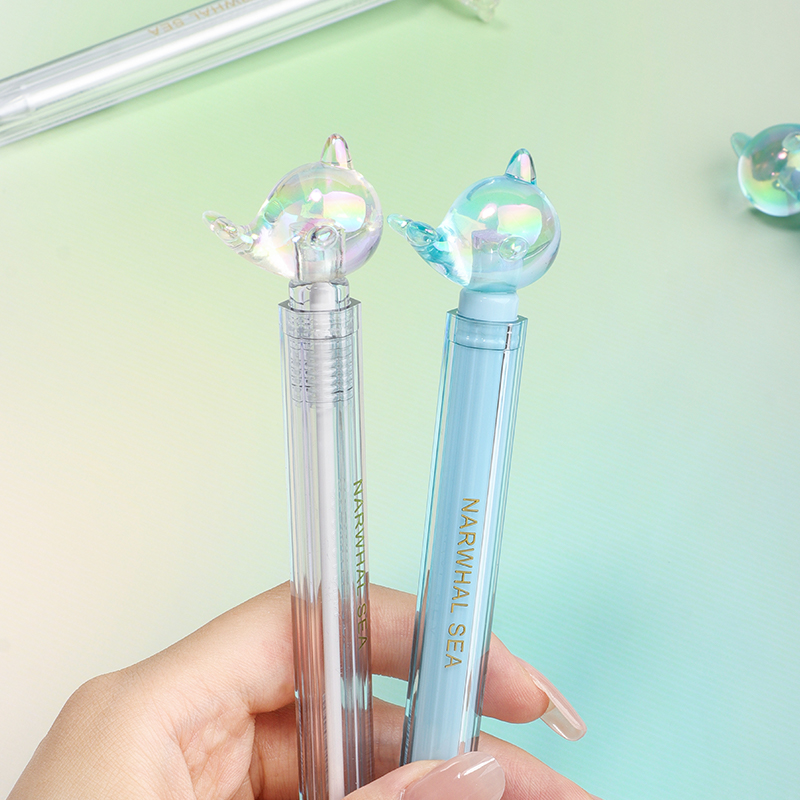
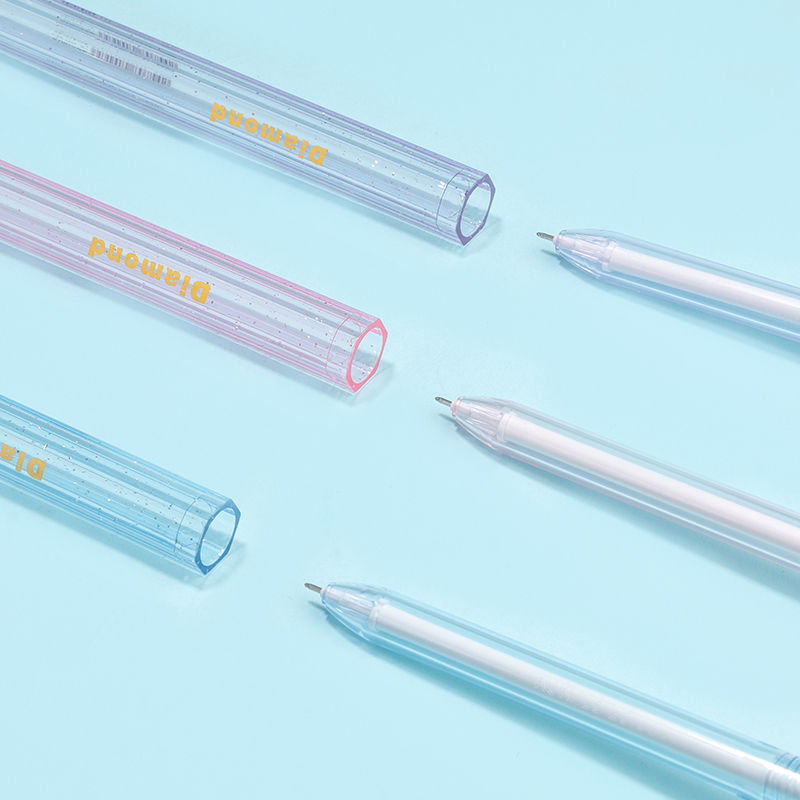
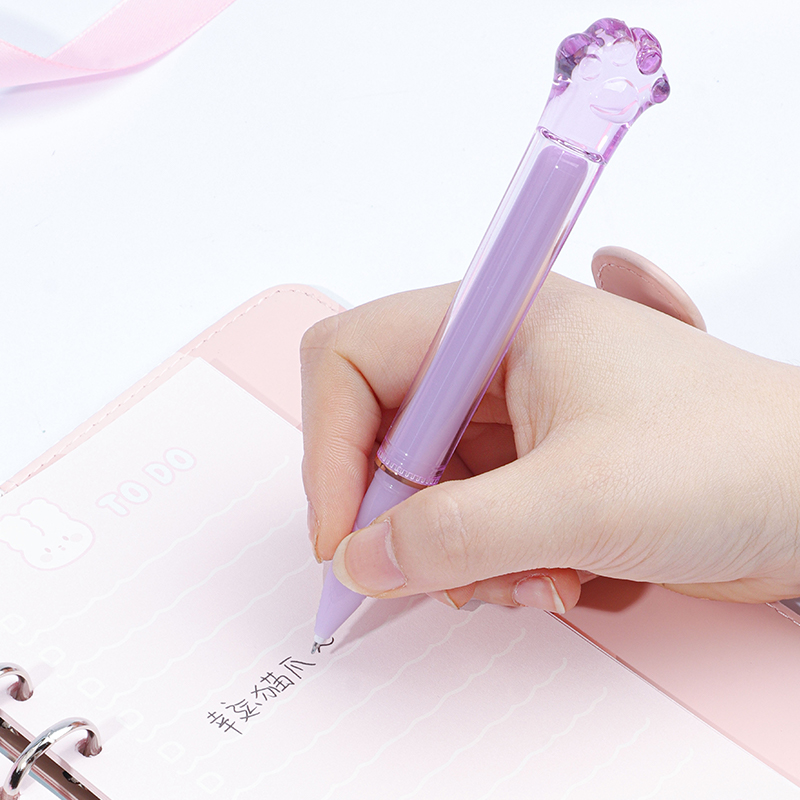
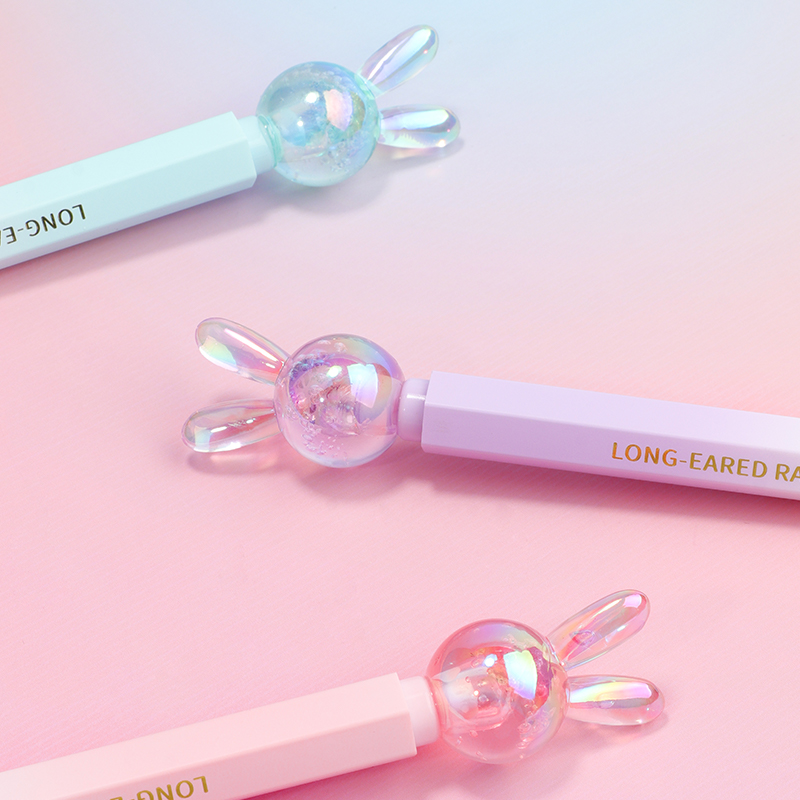
An Acrylic Pen uses a solid or transparent plastic barrel that provides durability and design flexibility. In the stationery industry, acrylic offers opportunities for intricate shaping, layering, or embedding decorative elements within the pen body. This makes Acrylic Pens particularly suitable for collectible or display-focused products.
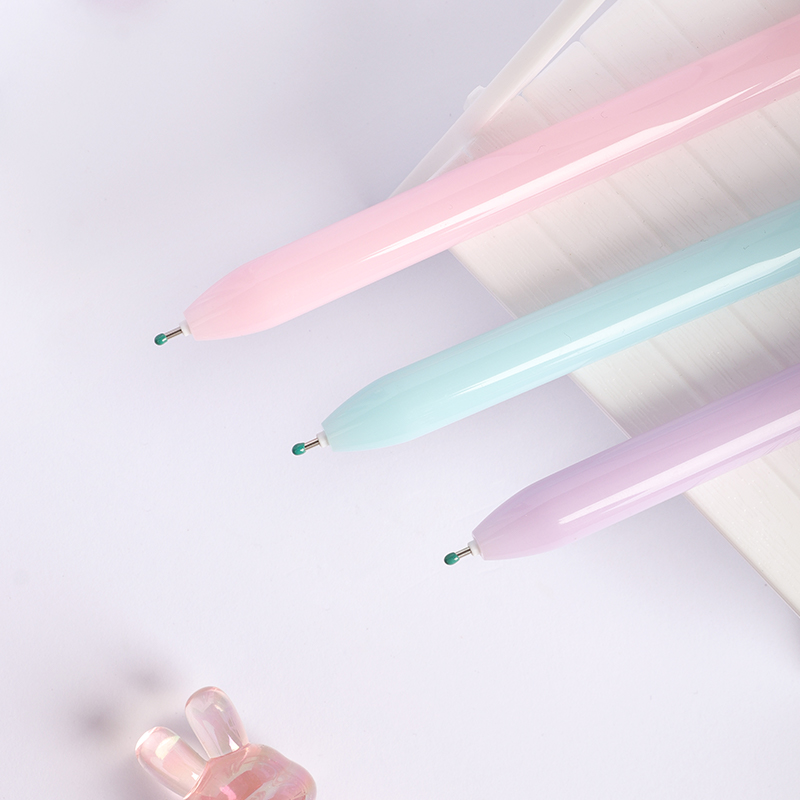
Acrylic materials also allow consistent coloring and glossy finishes, which help brands maintain a premium look without significantly increasing production costs. Users often appreciate the weight and tactile quality of an Acrylic Pen, which feels substantial in the hand.
Q6: Why is acrylic chosen for decorative pen components?
Acrylic is valued for both its optical clarity and malleability. When used in pens, it can support embedded designs, multi-layered visuals, or transparent effects that showcase internal mechanisms. For manufacturers, this means creative freedom while maintaining structural integrity, making Acrylic Pens a versatile option across stationery lines.
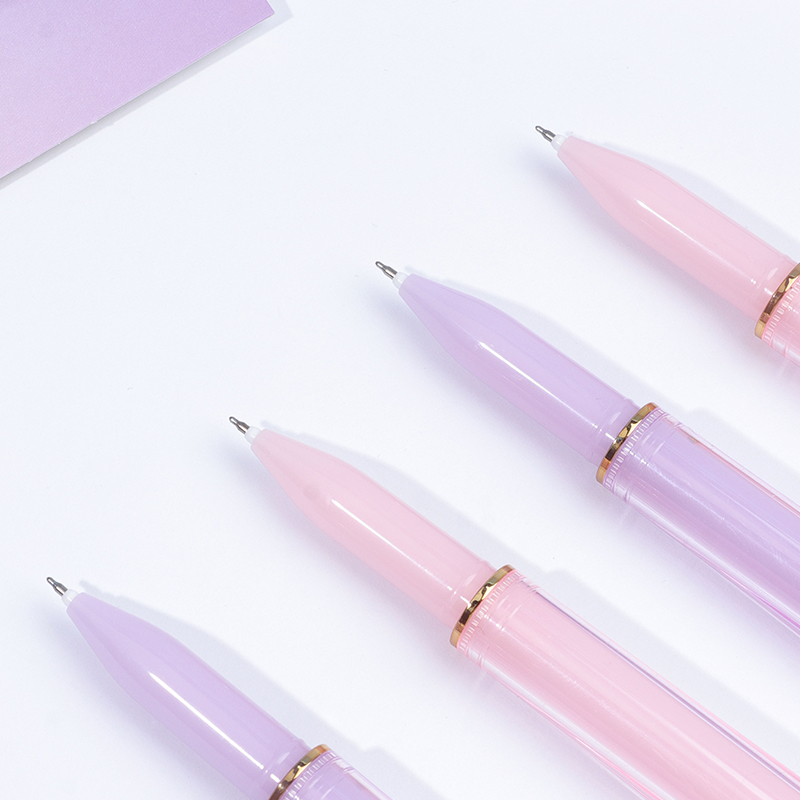
These pens are often paired with other materials, such as metal accents or gel ink refills, to balance functionality with visual appeal.
Q7: How do these pen types reflect broader trends in stationery?
The stationery industry increasingly integrates material innovation with visual design. A Crystal Pen highlights elegance and collectible appeal. A Colored Gel Pen focuses on vibrant expression and creative use. Meanwhile, an Acrylic Pen emphasizes durability while allowing intricate design details.
Together, these categories illustrate a shift toward pens as experience-driven products. Users now consider aesthetics, material quality, and personal expression alongside writing performance, showing that modern stationery merges function with creative enjoyment.