

 English
 bahasa Indonesia
 русский










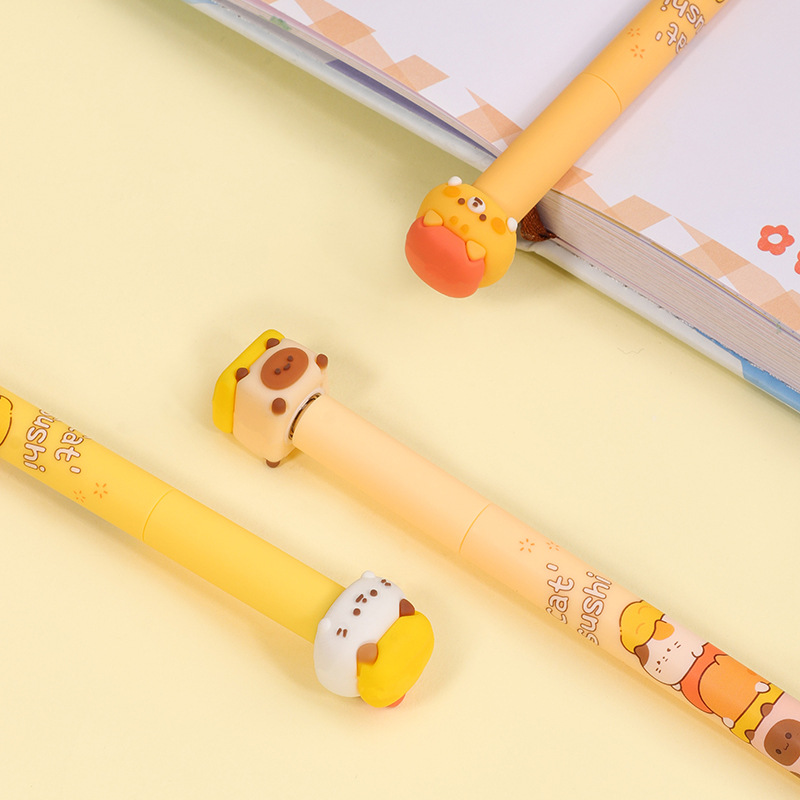
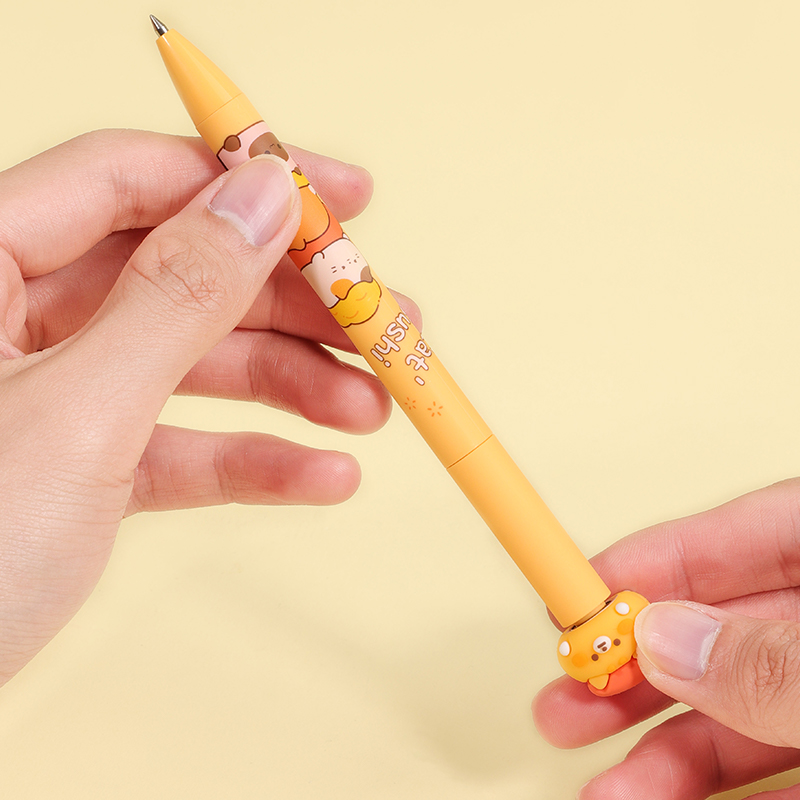
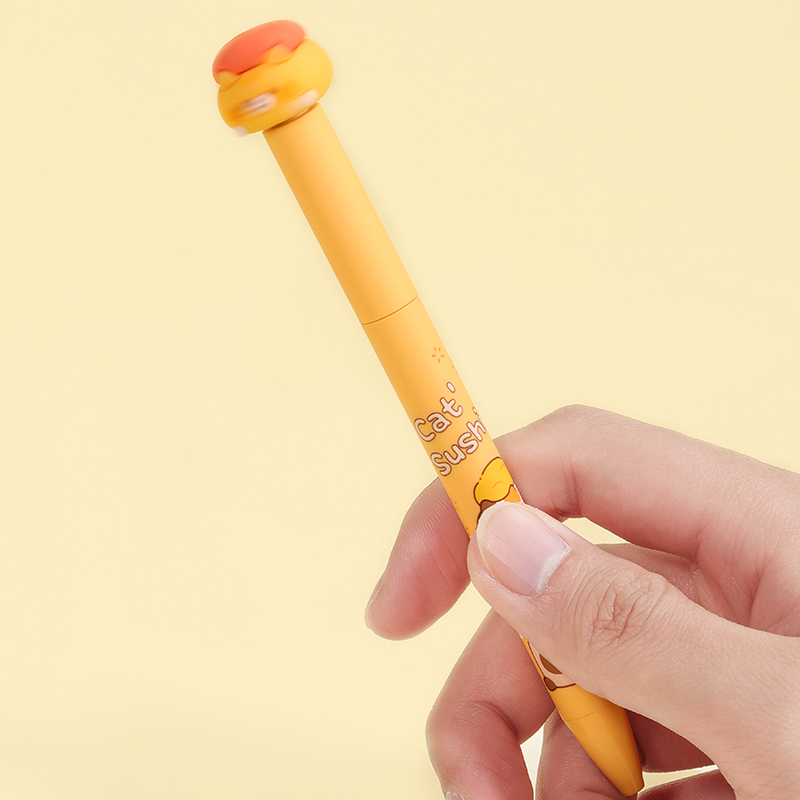
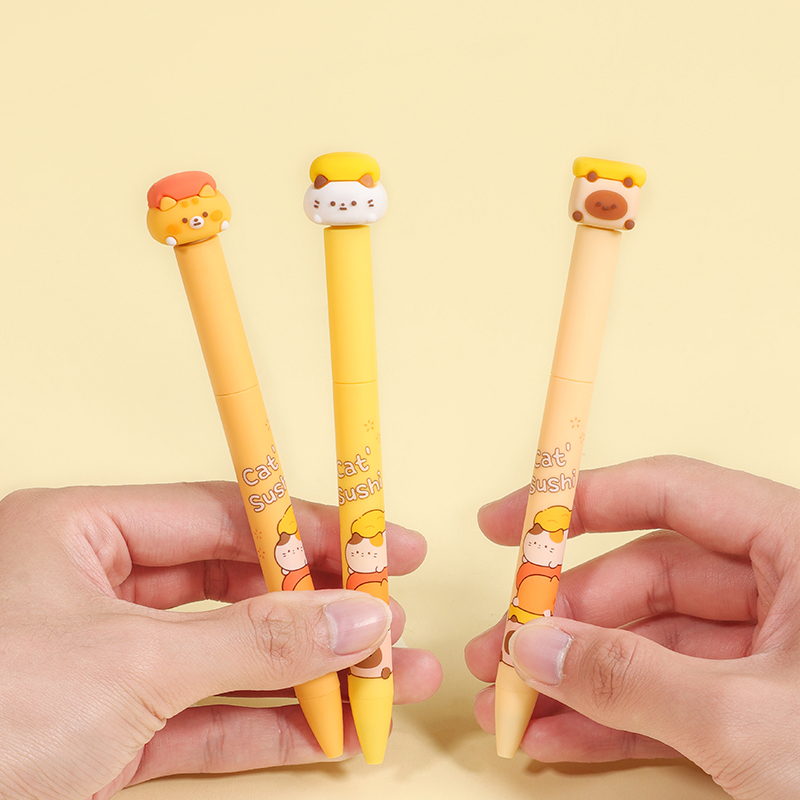
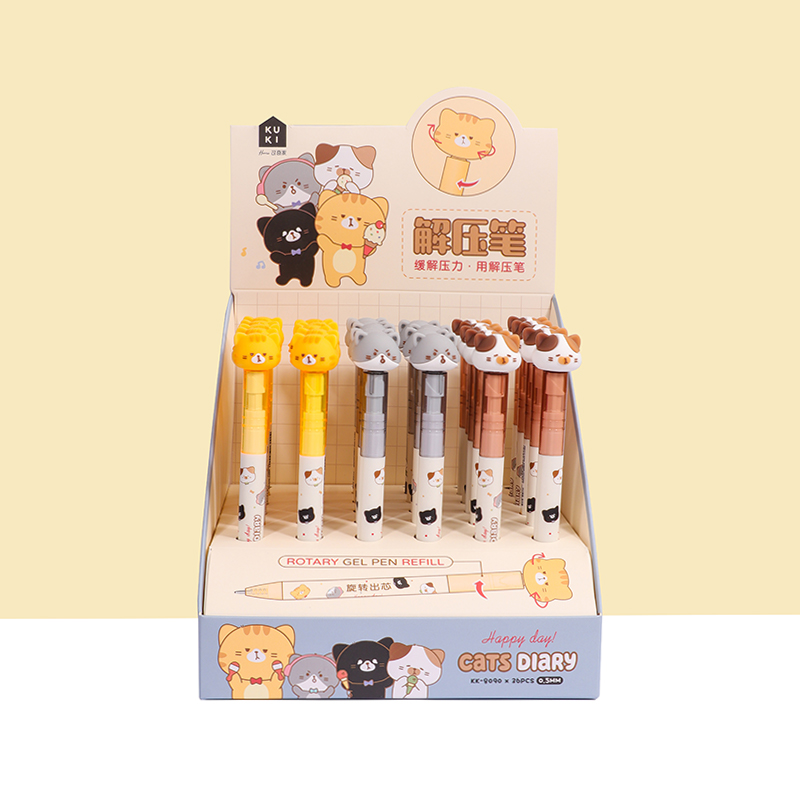
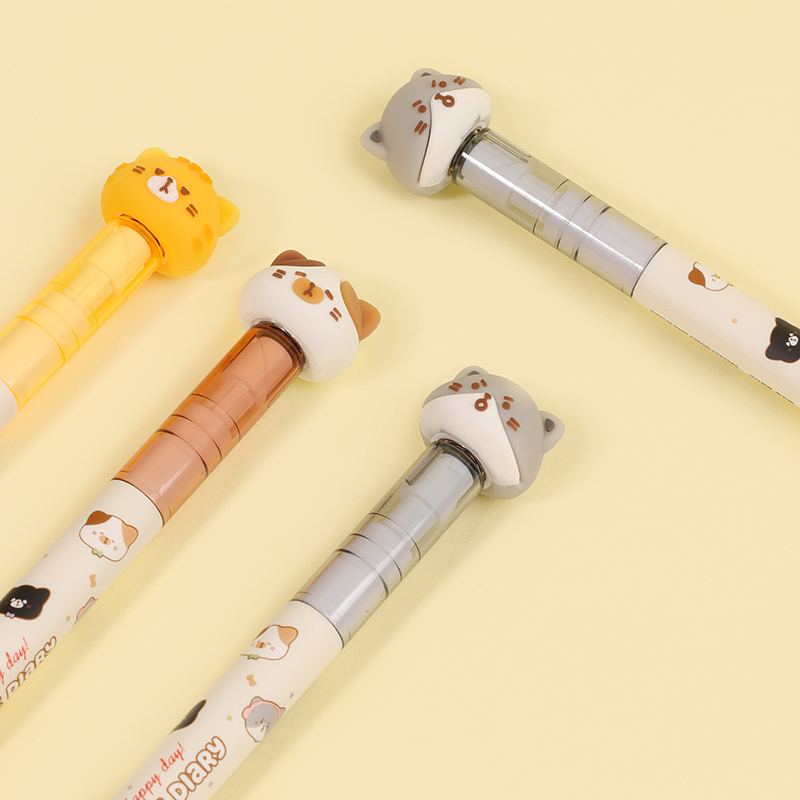
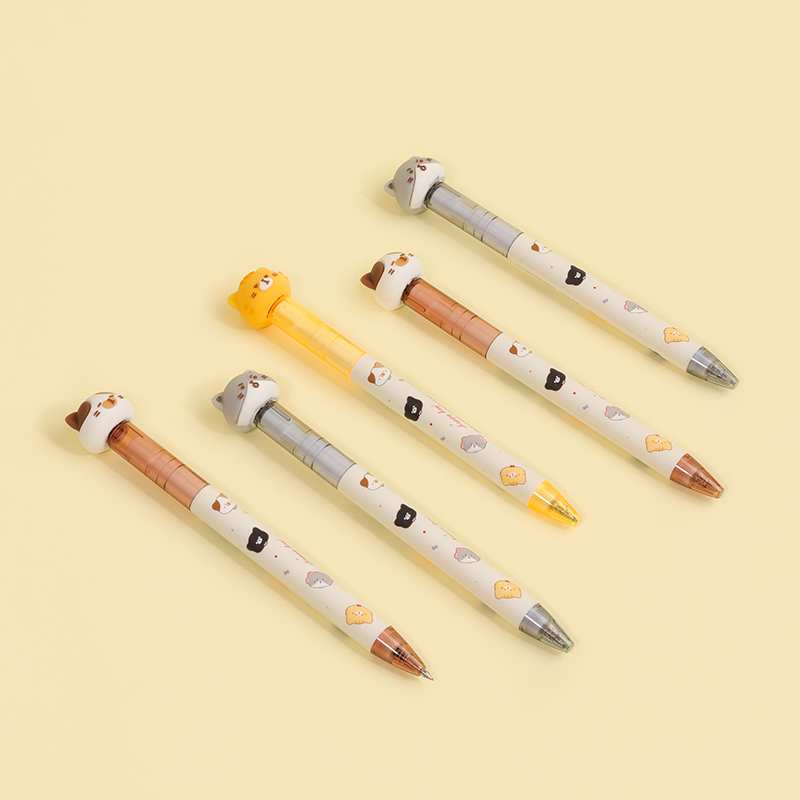
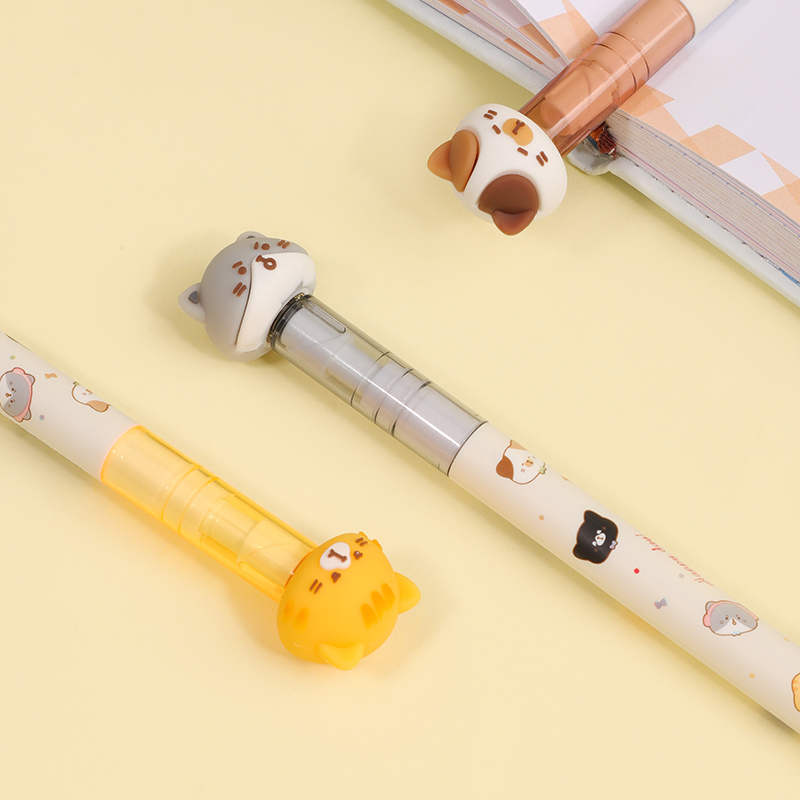

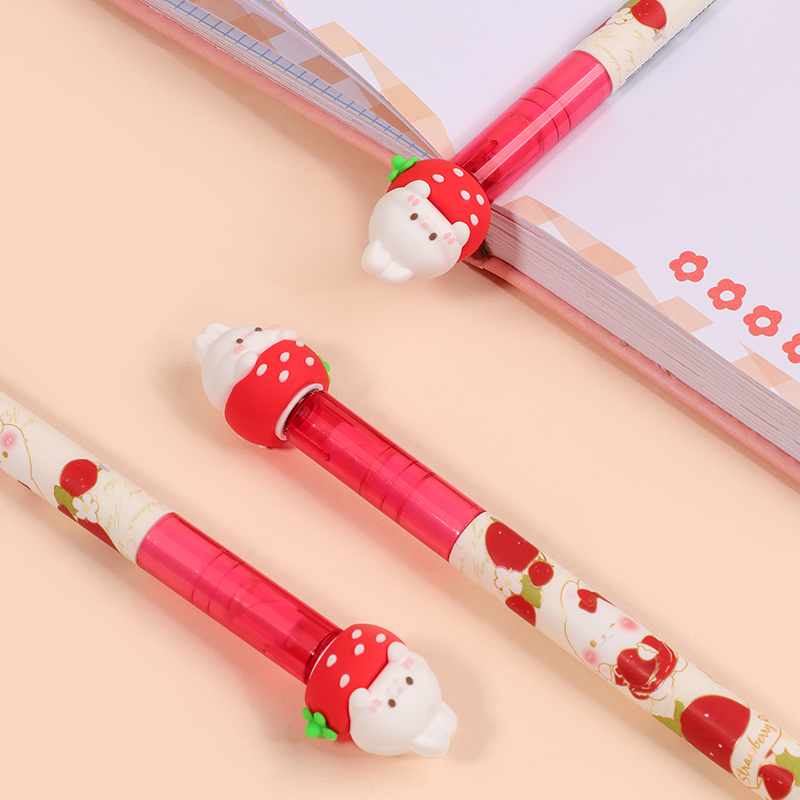
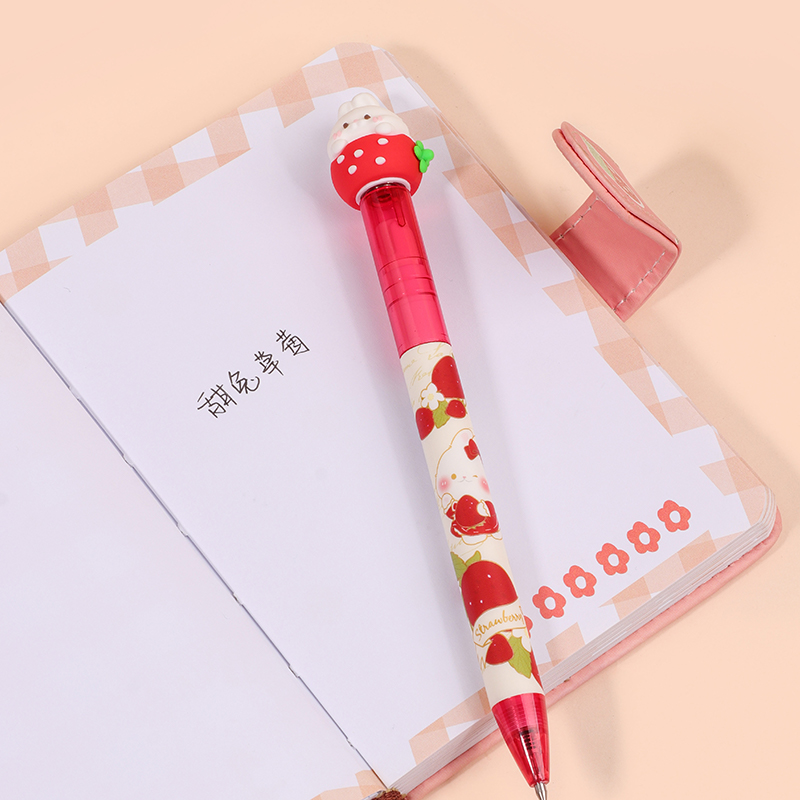
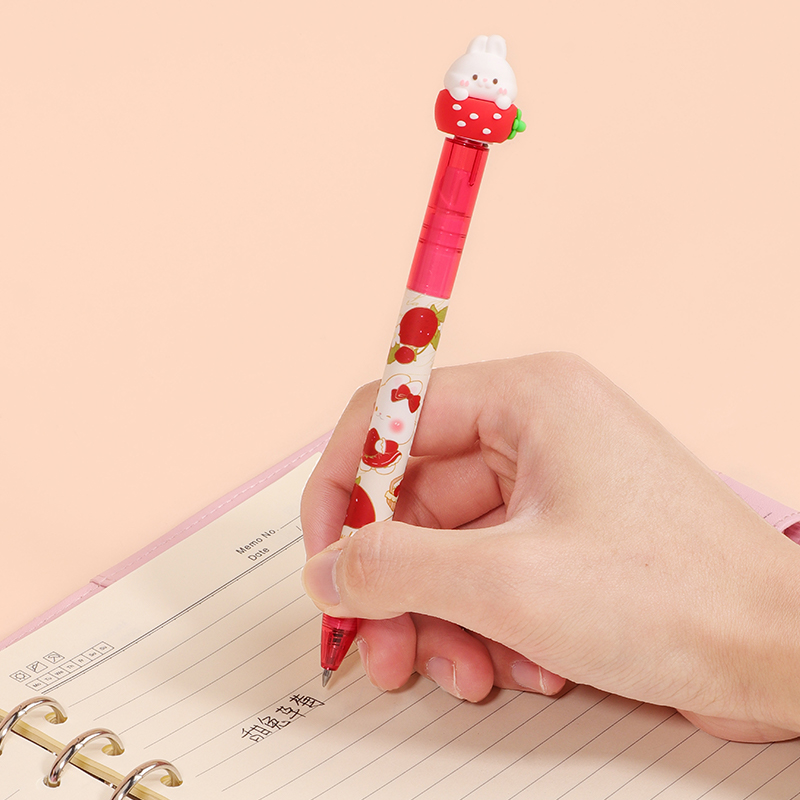
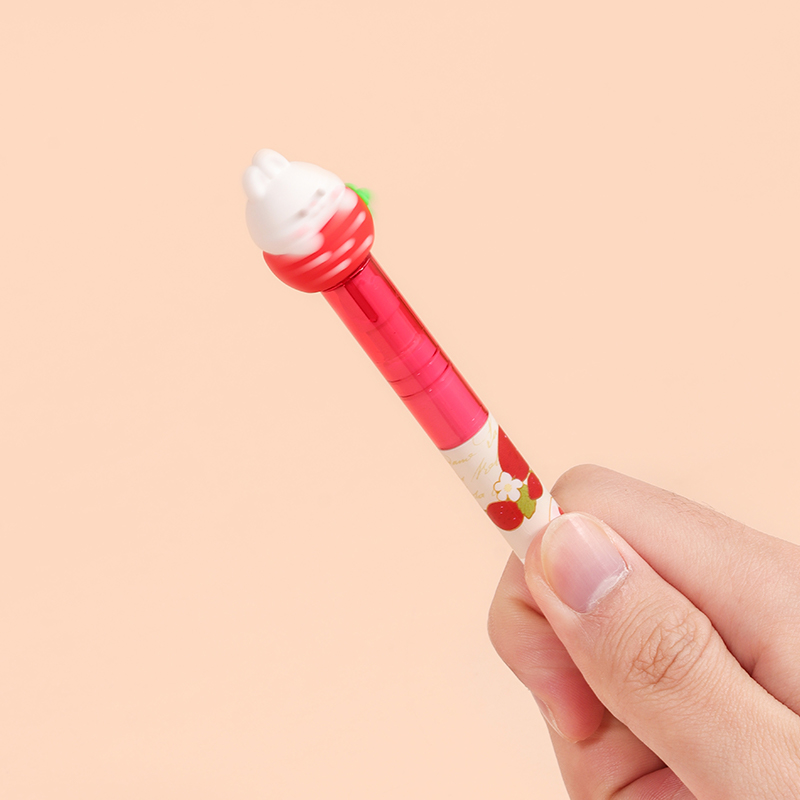

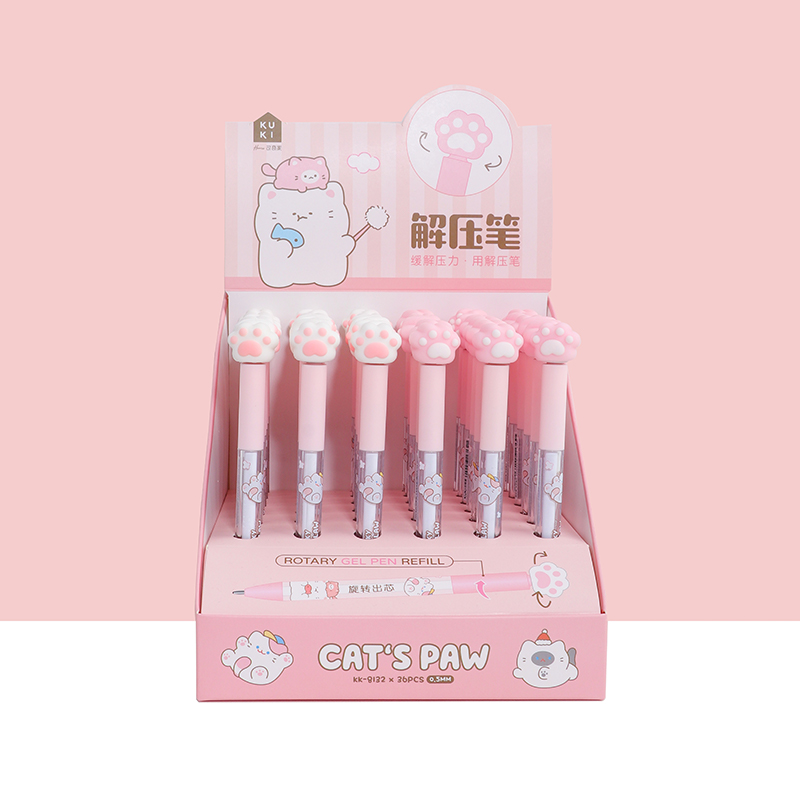
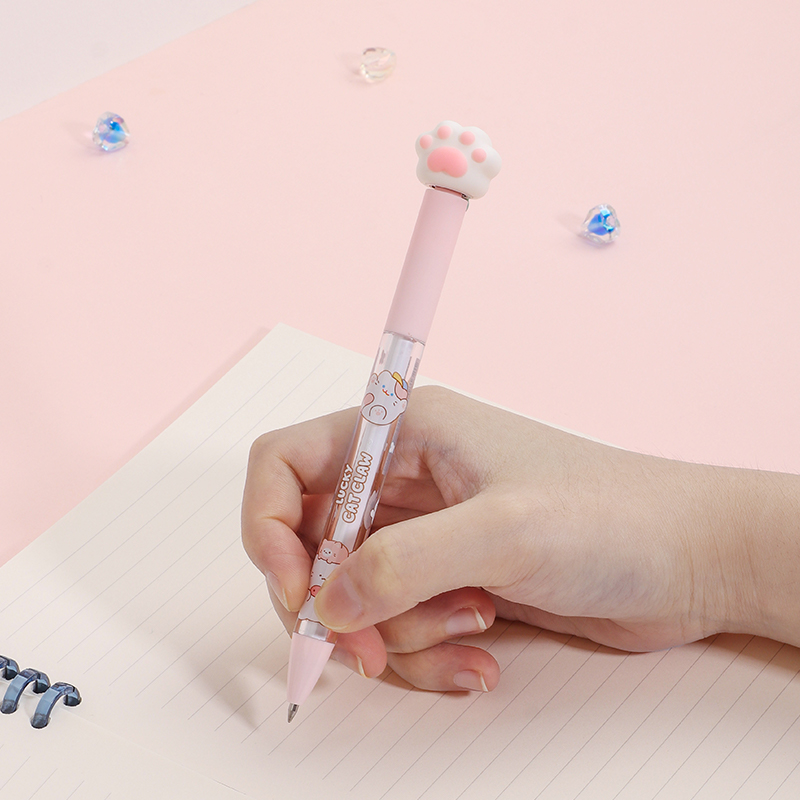
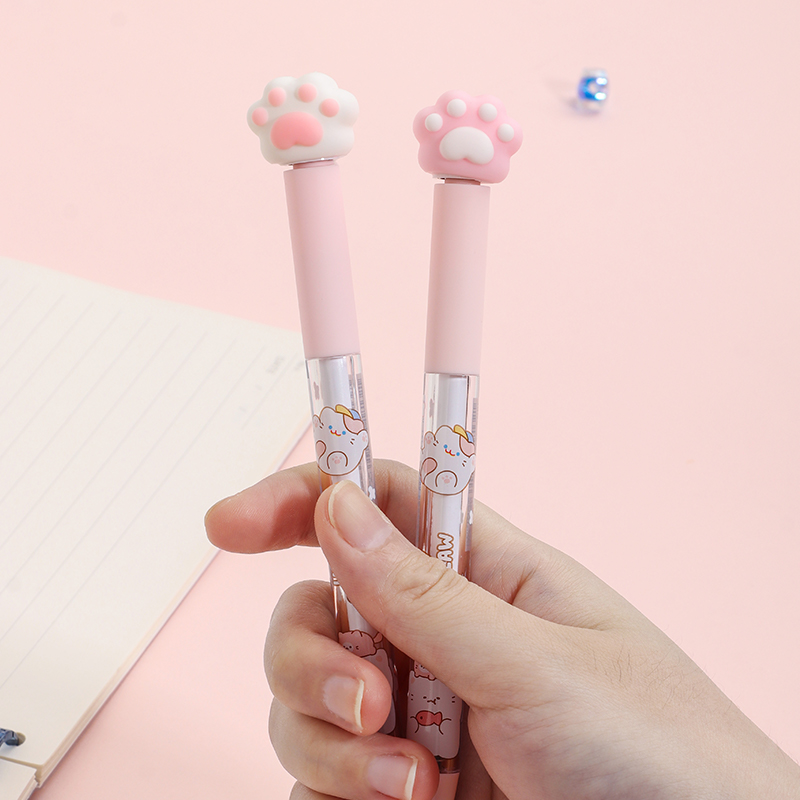
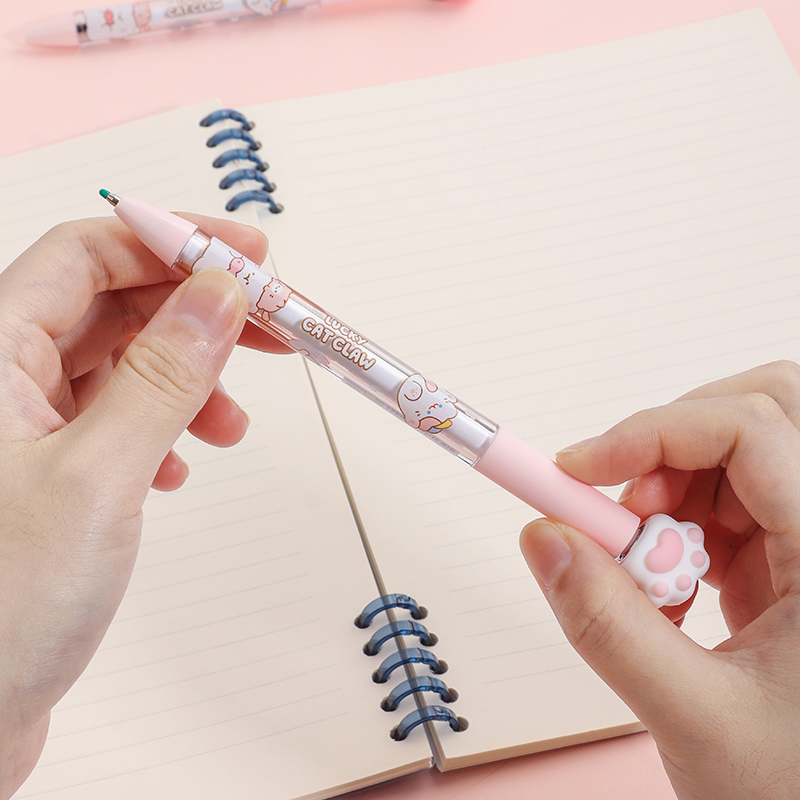
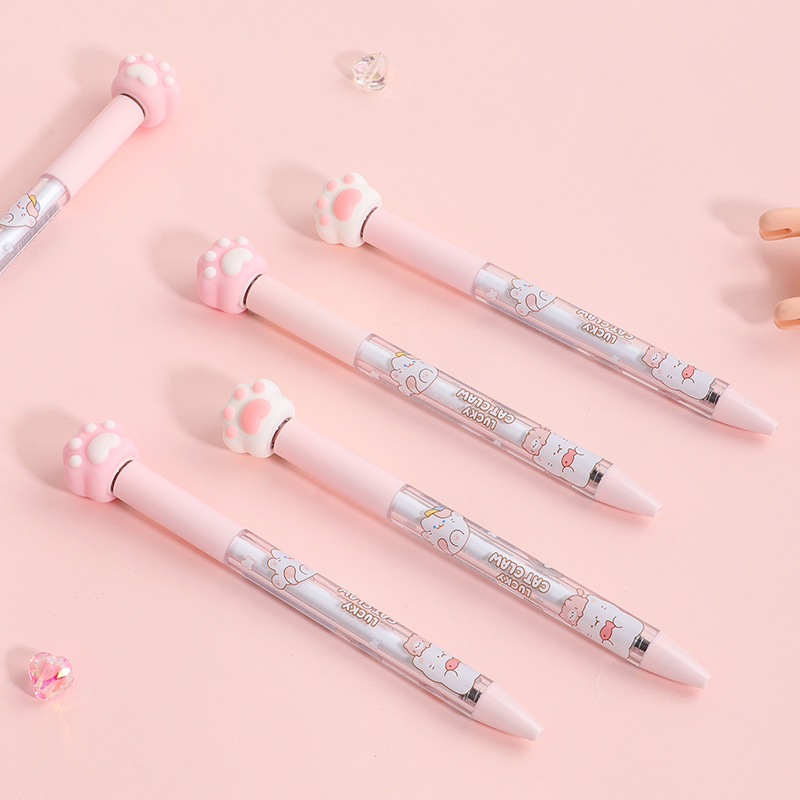
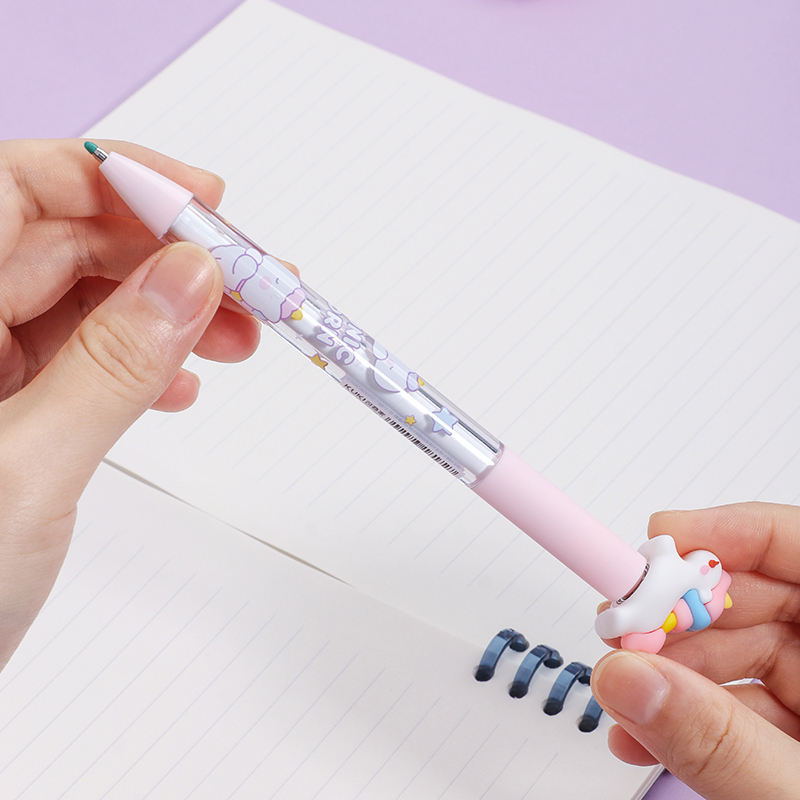
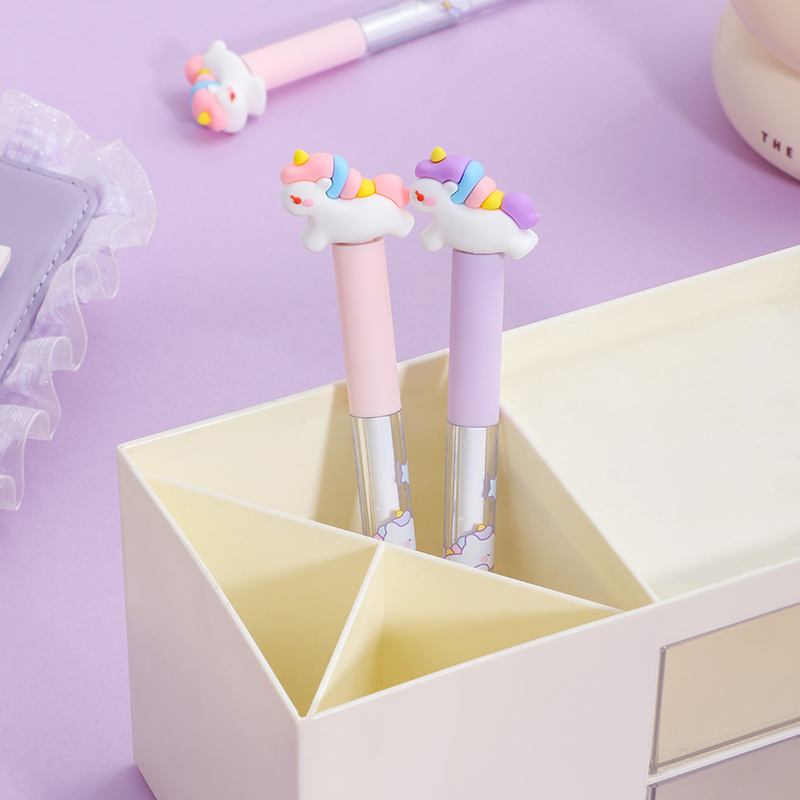
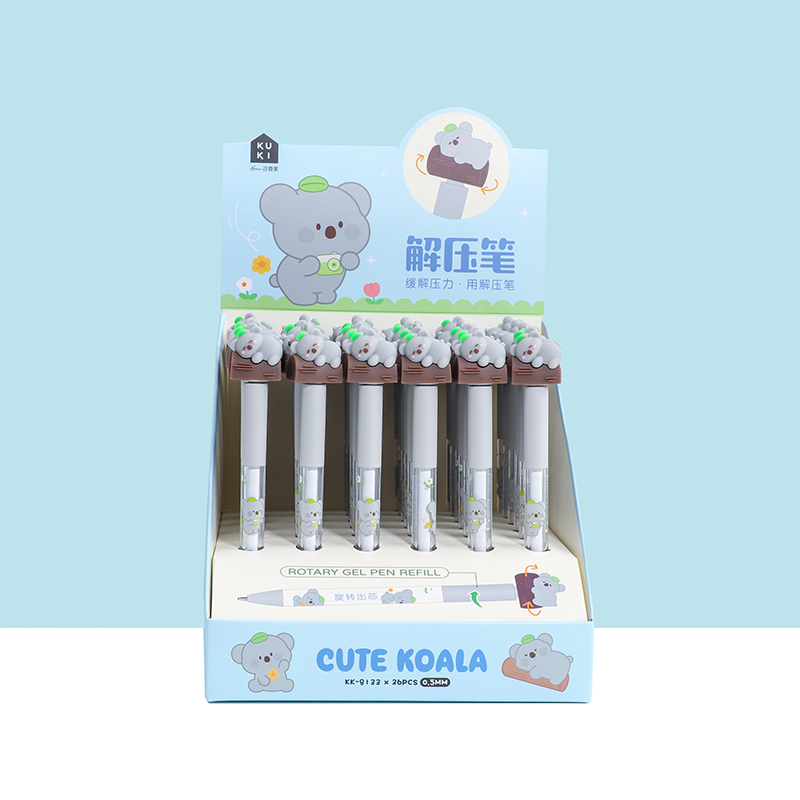
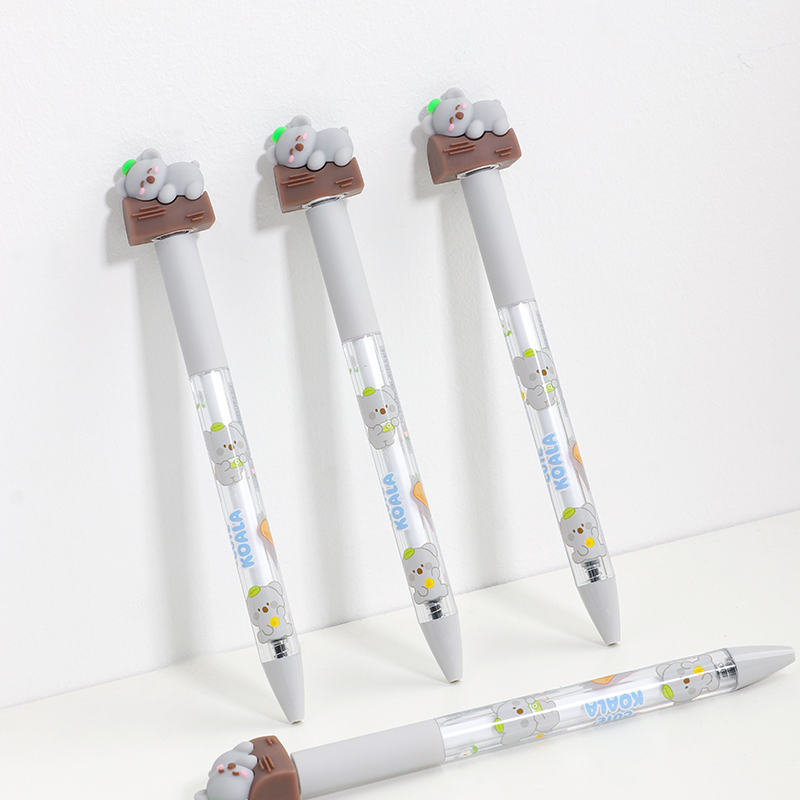
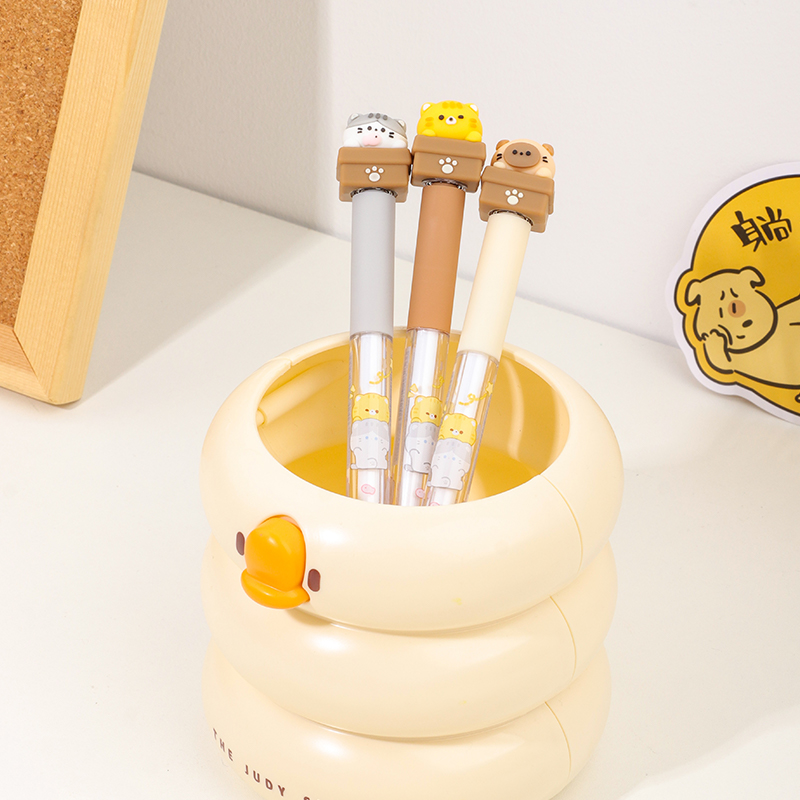
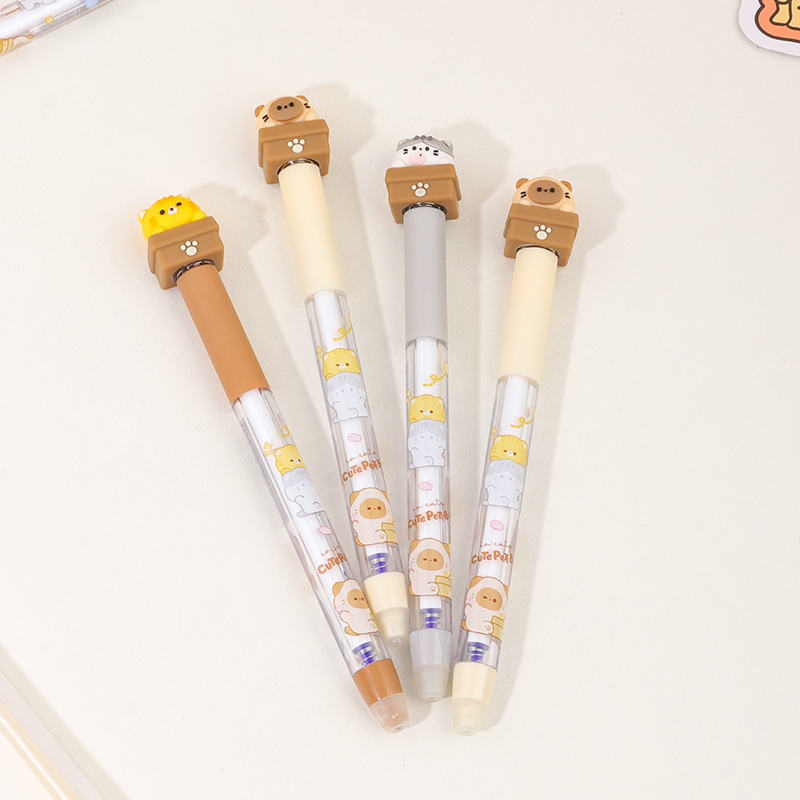
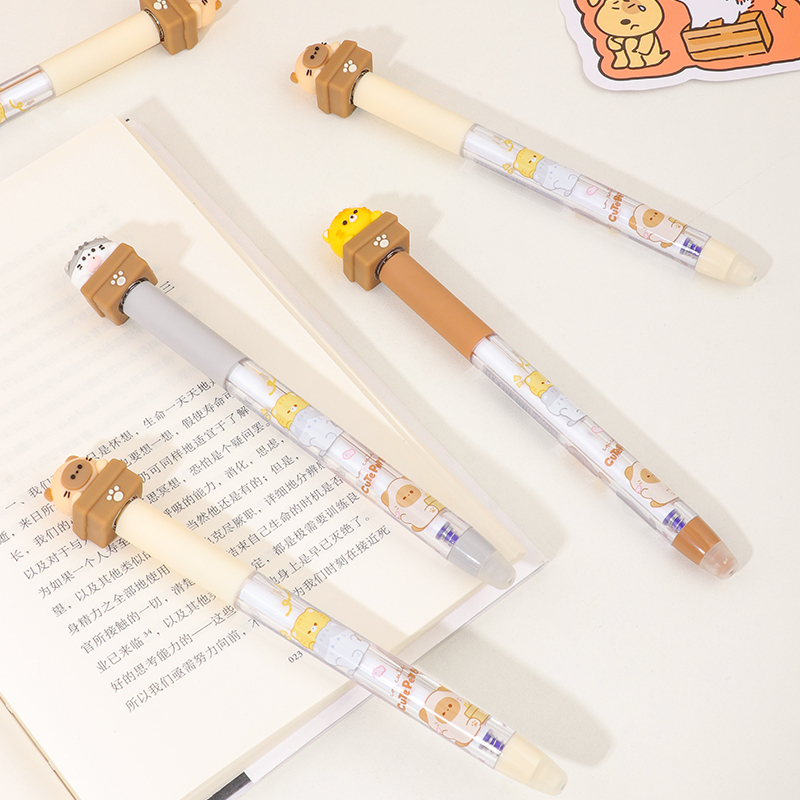
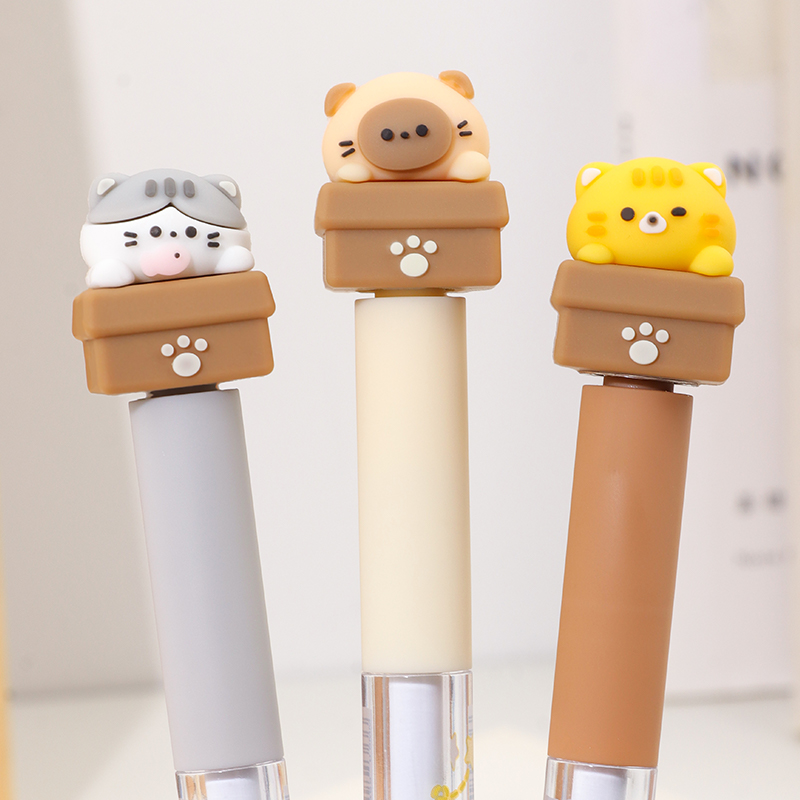
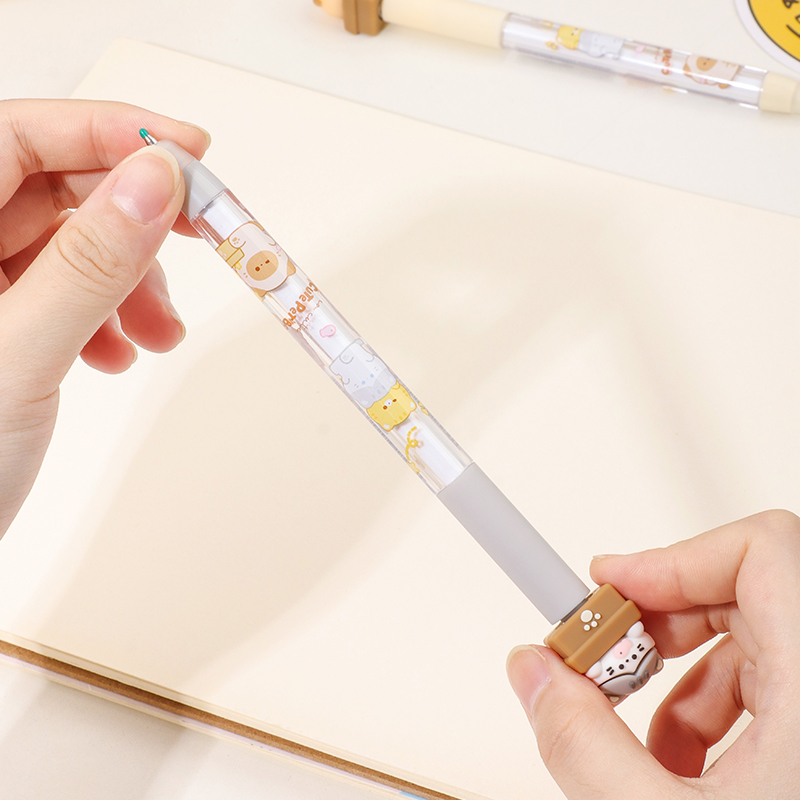
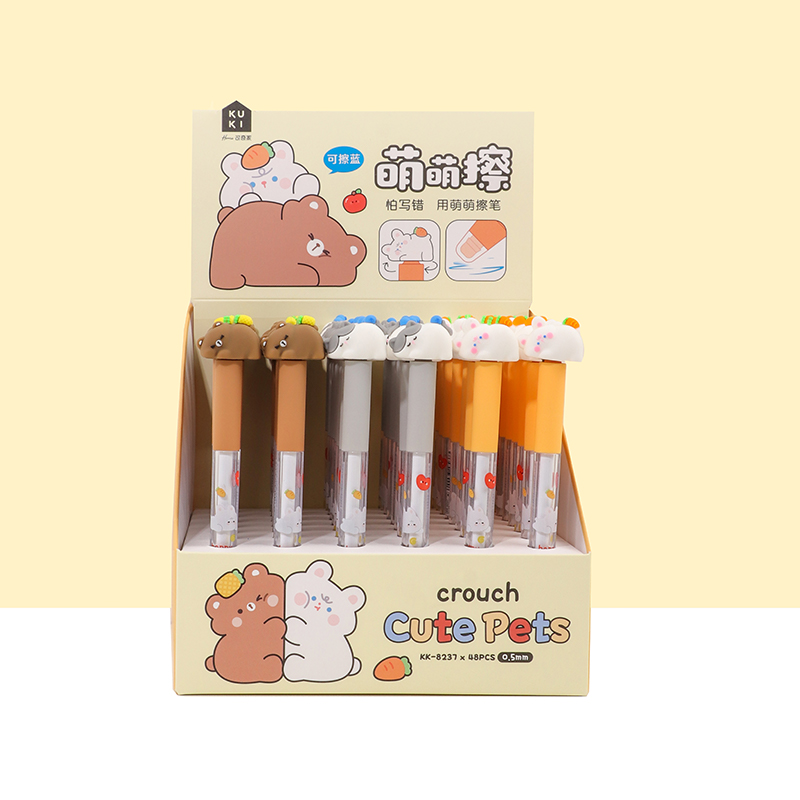
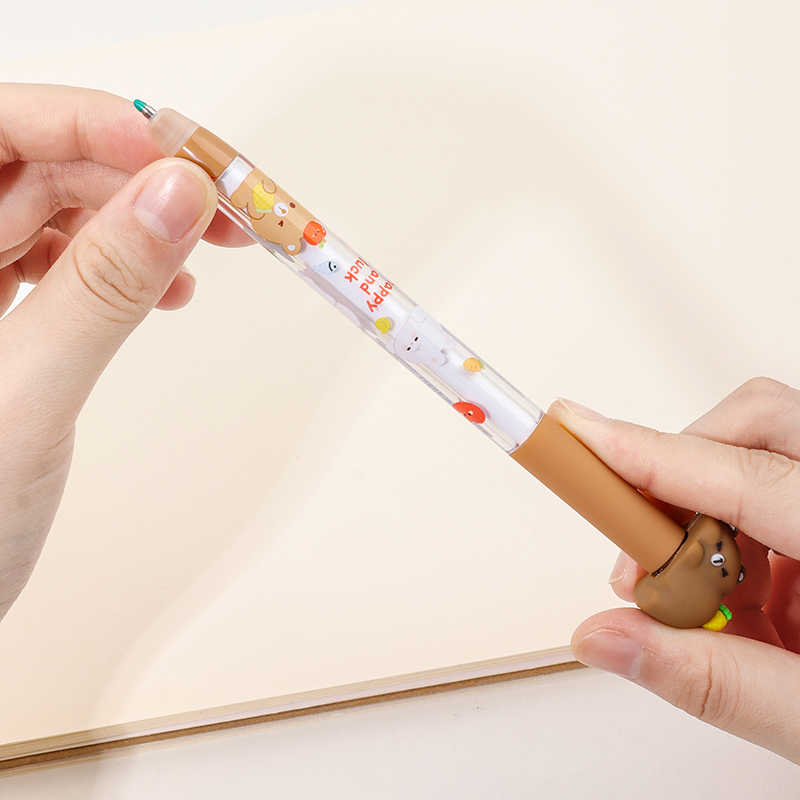
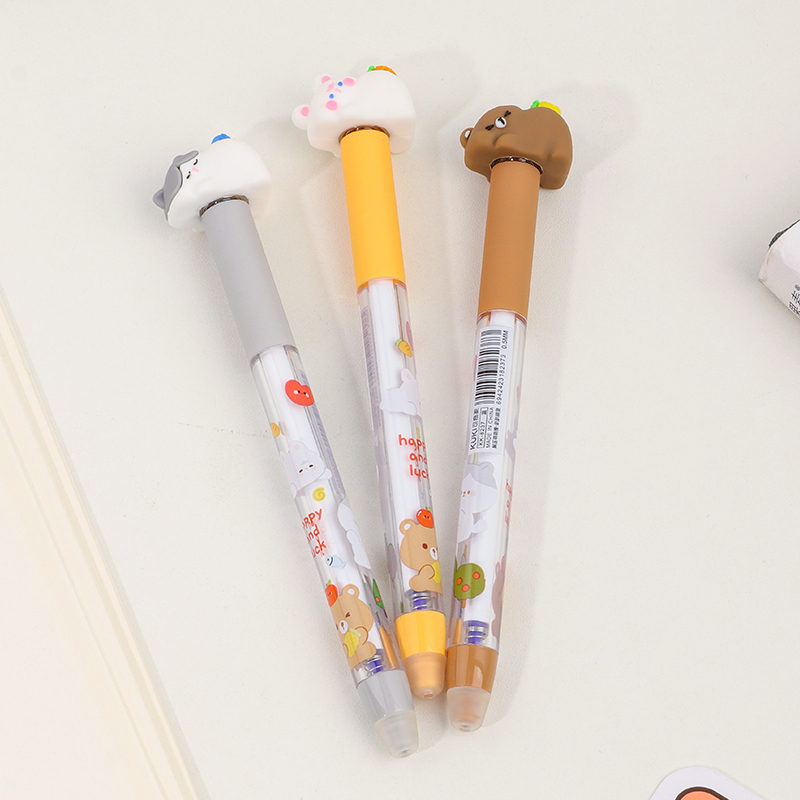
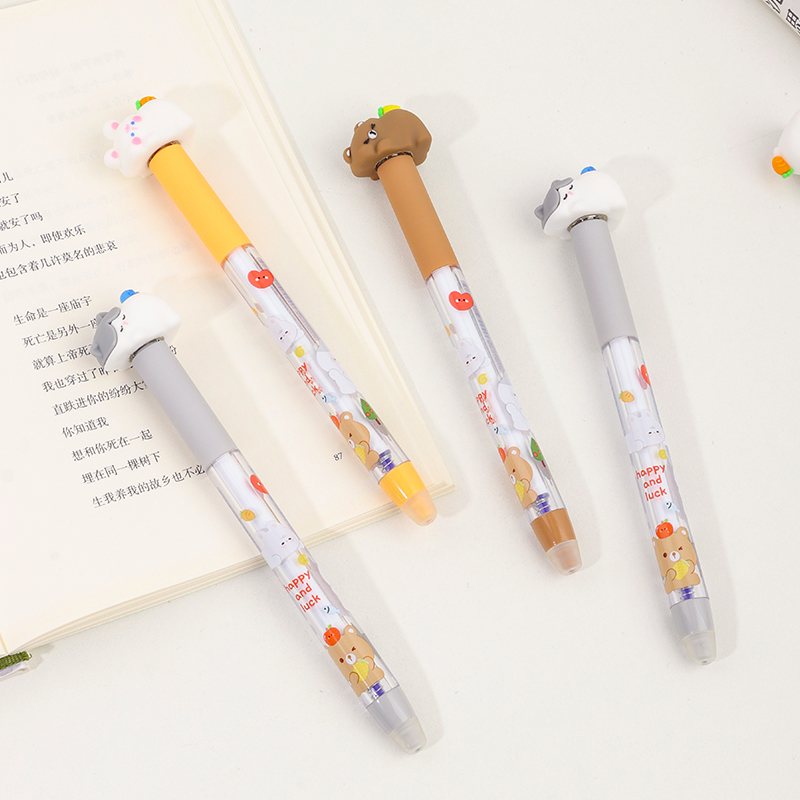
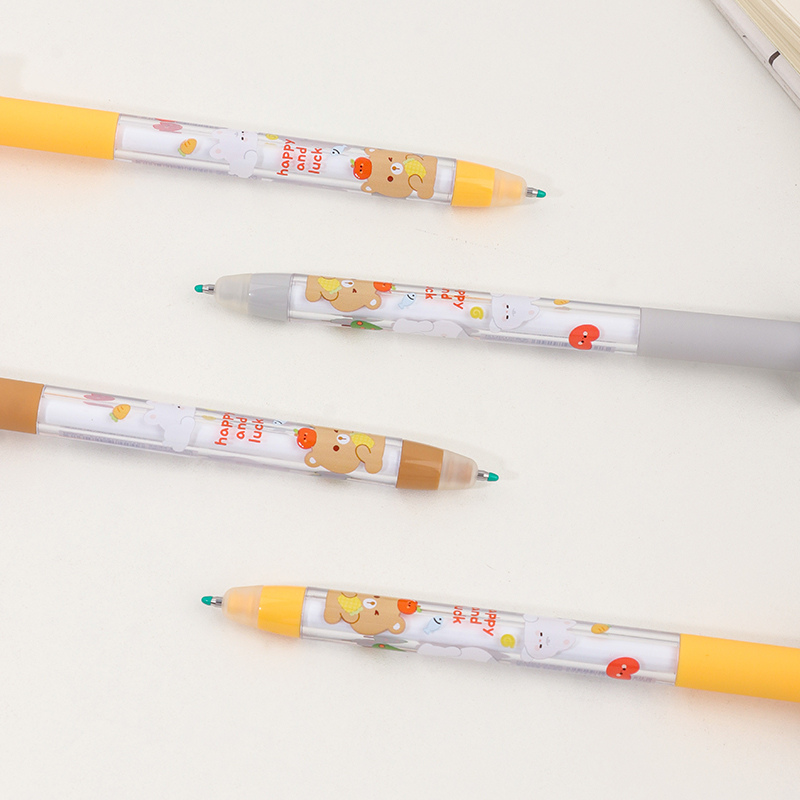
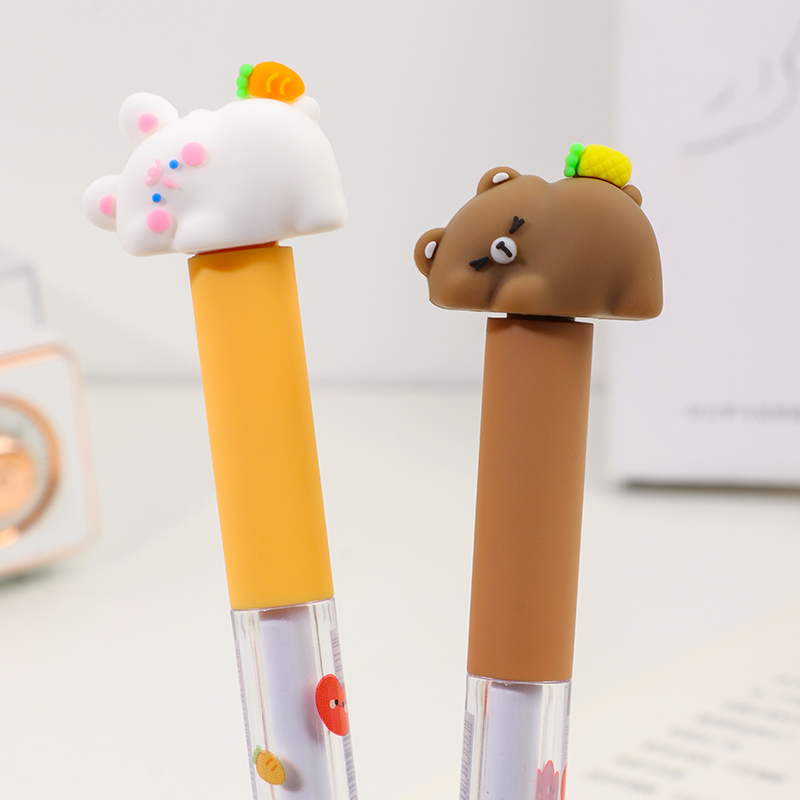
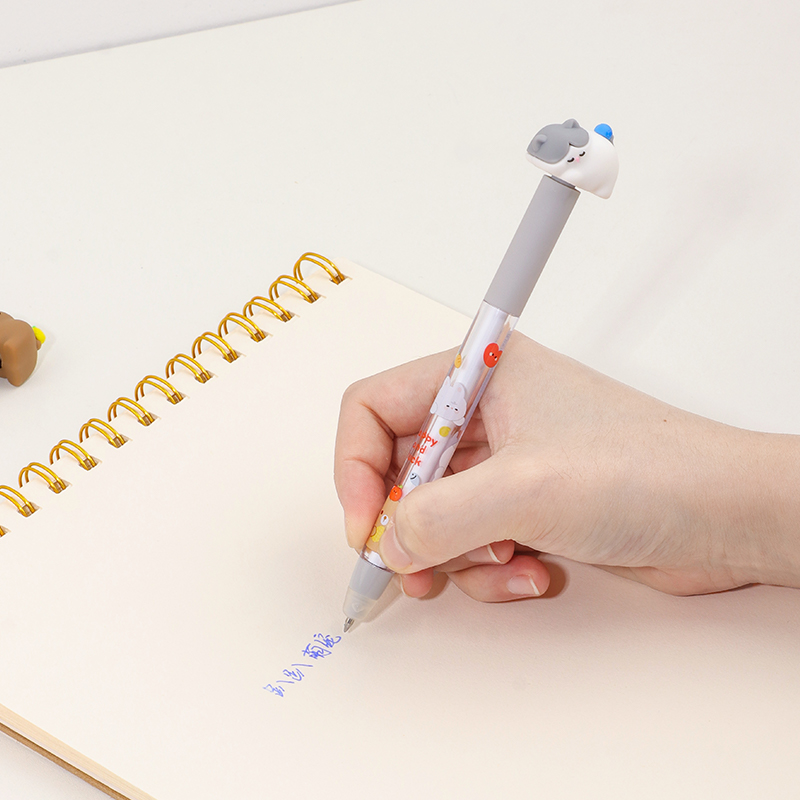
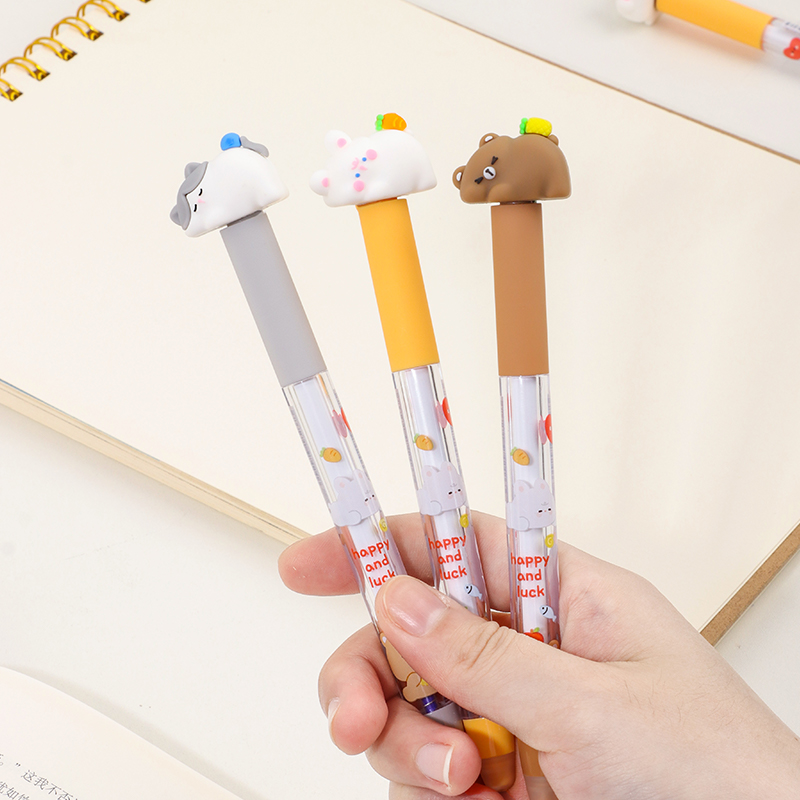
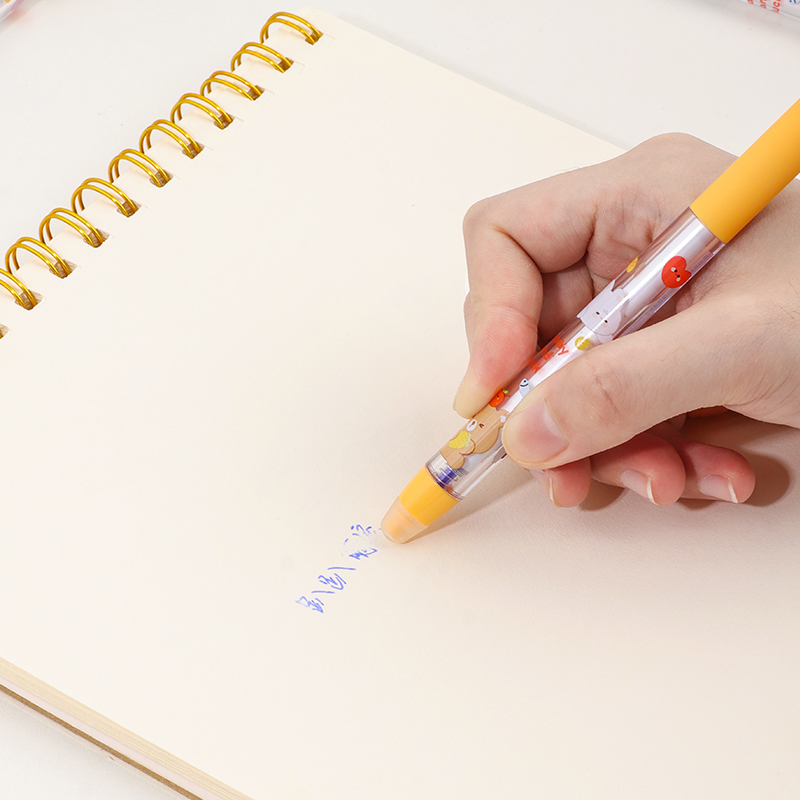
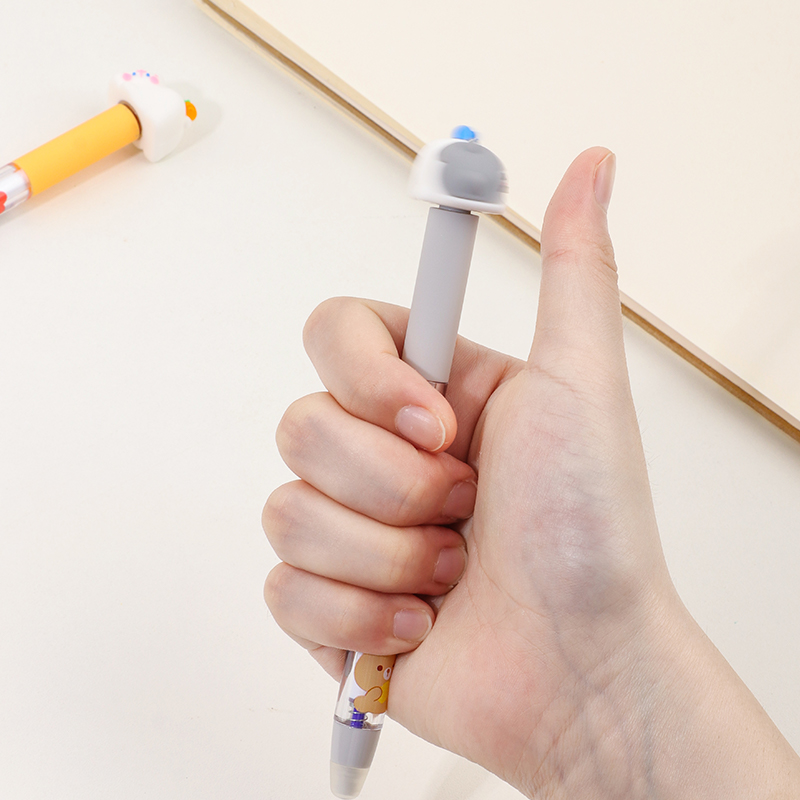
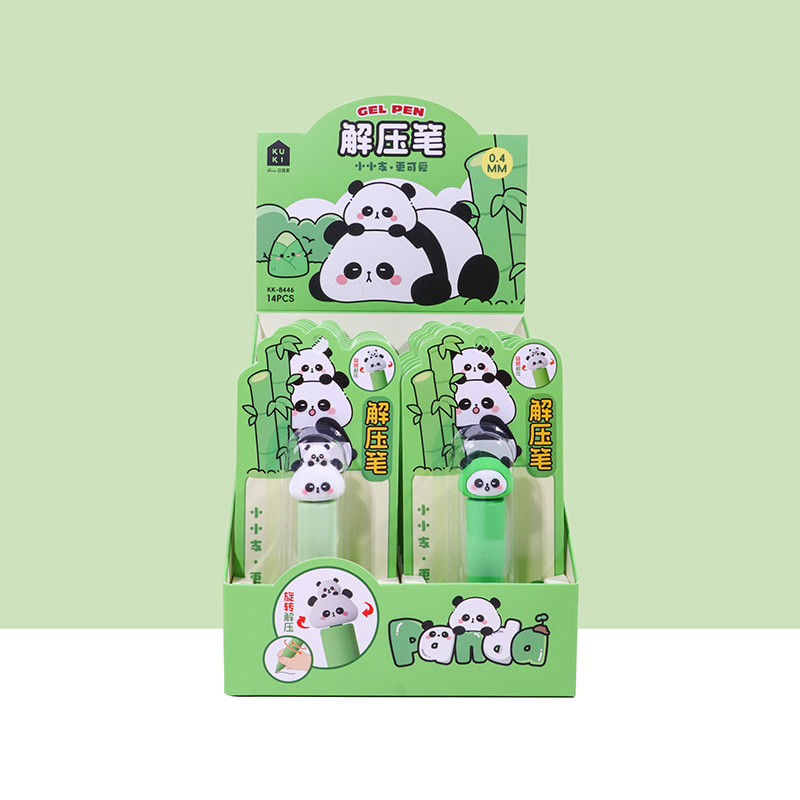
Dongyang Kuki Stationery Co., Ltd. is an innovative stationery company that integrates design, R&D, production, and sales. Under its brand KUKI HOME, the company focuses on cute and novelty-designed products — especially erasers, sharpeners, and correction tapes — with a mission to make learning happier and more creative.
As a pioneer in creative styling stationery, KUKI HOME owns 20+ original and collaborative IPs, including HAMER FRIENDS, LUCKYCATCLAW, HAPPTLFE AYBARA, VEGETABLE CHICKEN, and more. The company has developed over 30 product categories and launched 300+ bestsellers, with several single products exceeding 20 million units in sales. As a custom Decompression Pen manufacturer and wholesale Decompression Pen factory in China, KUKI has also obtained 30+ design patents.
KUKI HOME has partnered with global brands like Miniso, The Green Party, and Lenle, and its products are exported to Europe, North America, Brazil, Indonesia, and other countries — well received by consumers around the world. In 2023, it was honored as a “Pioneer of Going Abroad” by Yiwu Brand Overseas Billion Club and has long participated in stationery exhibitions and international exchanges in Japan, Indonesia, Russia, and beyond.
Looking ahead, KUKI HOME is transforming from traditional manufacturing to “cultural and creative intelligent manufacturing.” With continuous innovation in IP creation, product updates, and design, the brand is boldly moving toward becoming one of the world’s leading names in creative stationery.

OEM/ODM Fidget Pen
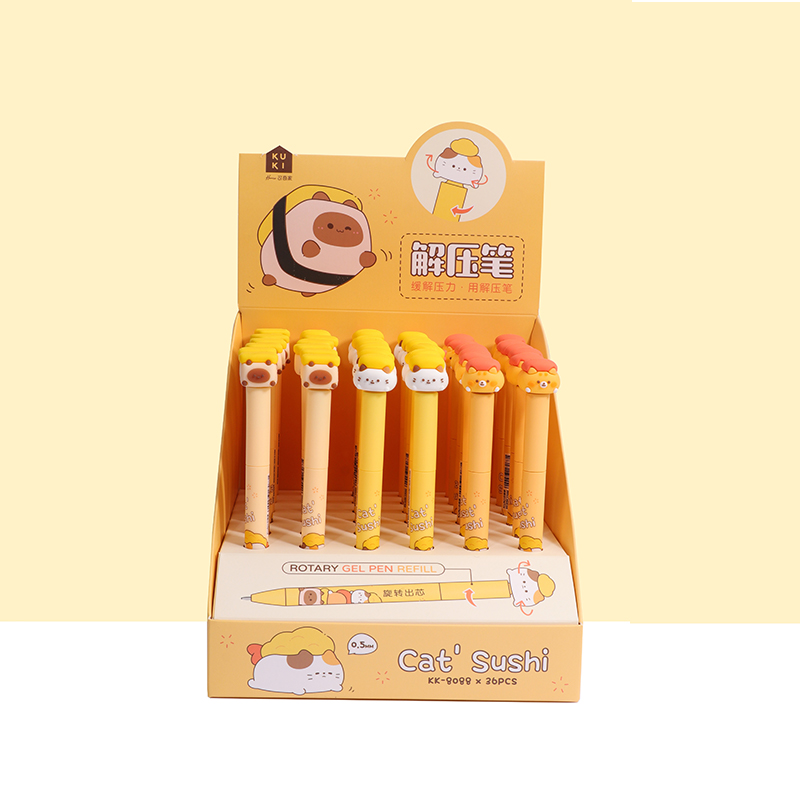
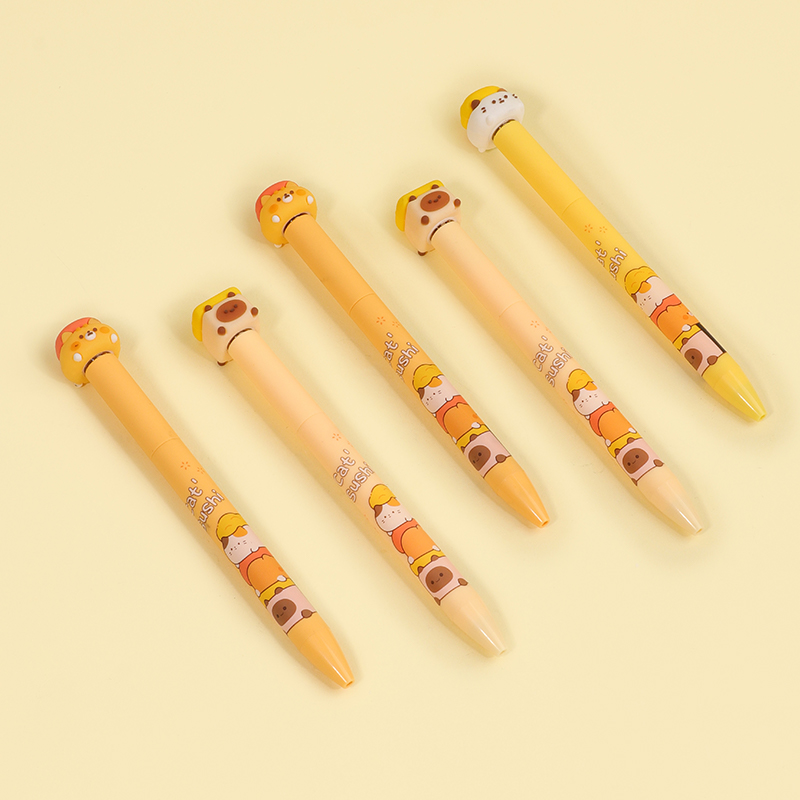
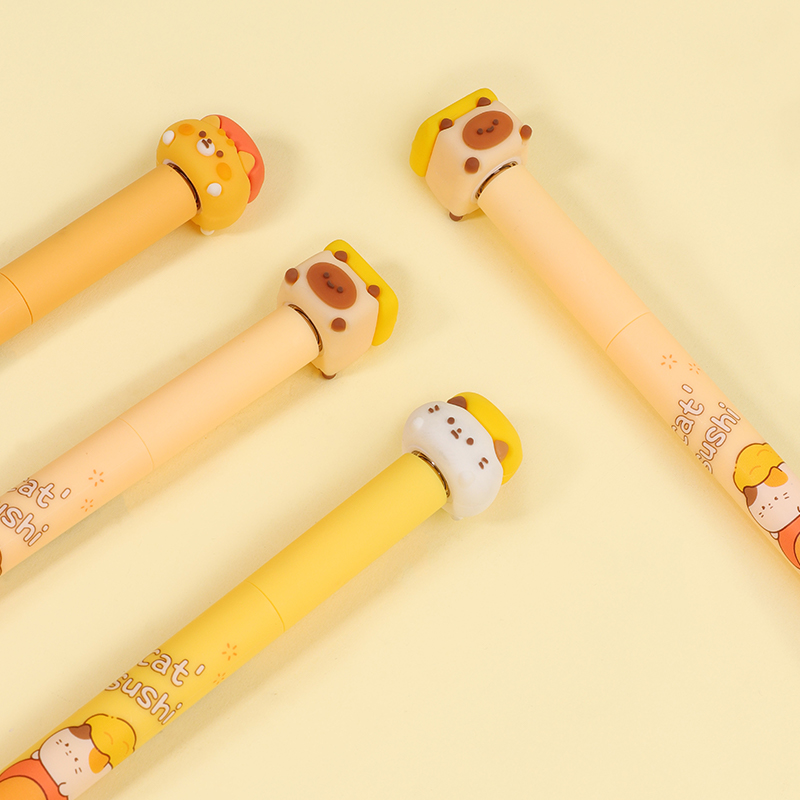
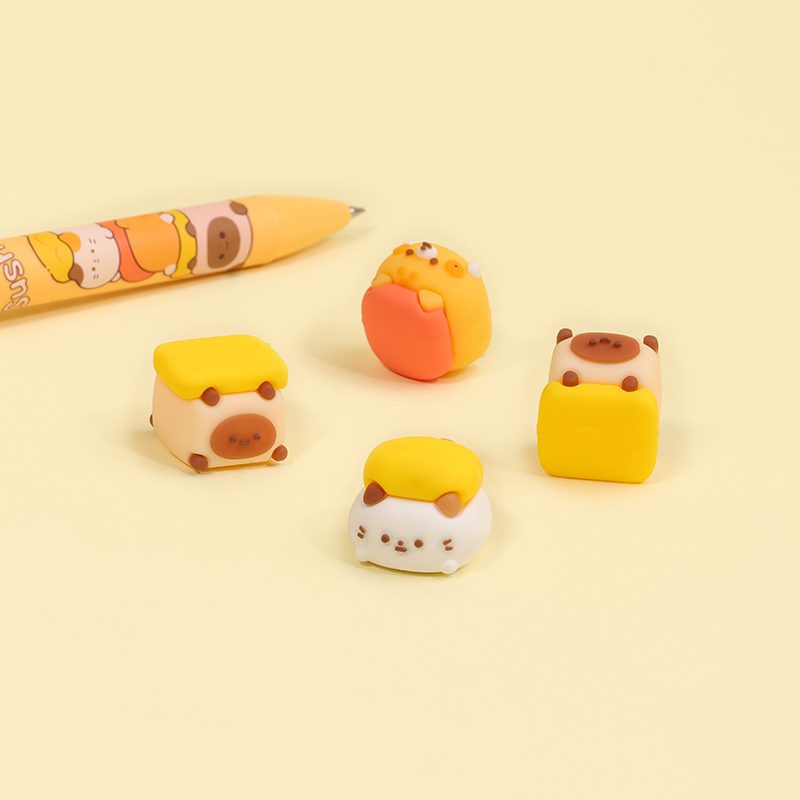
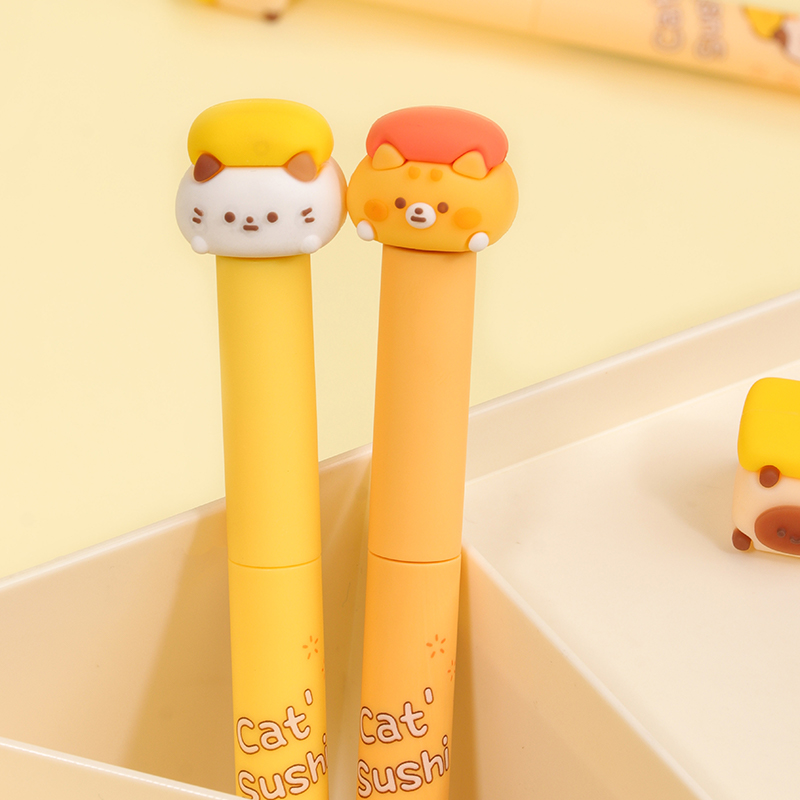
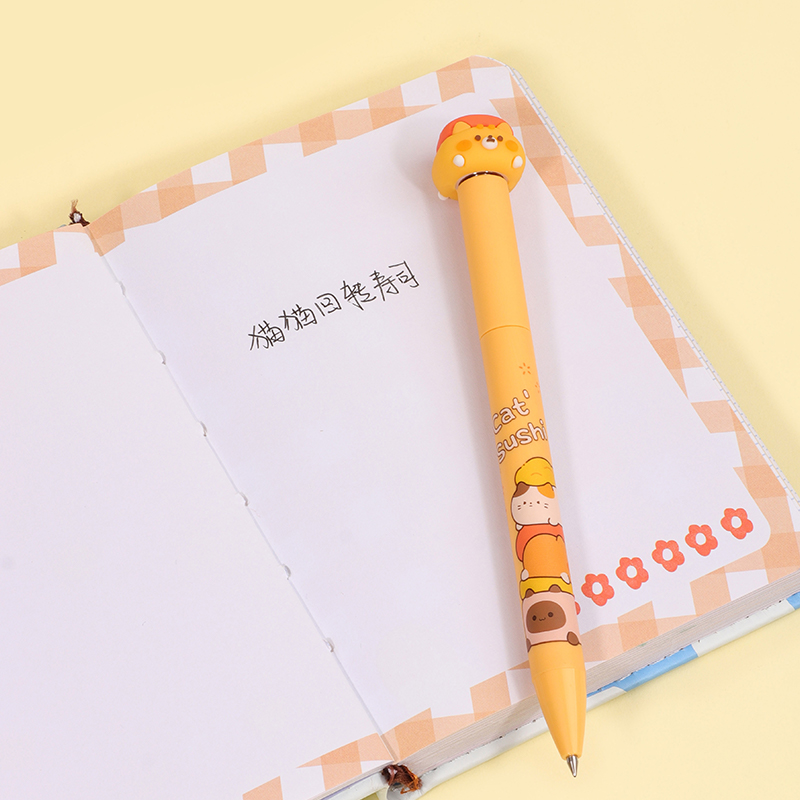
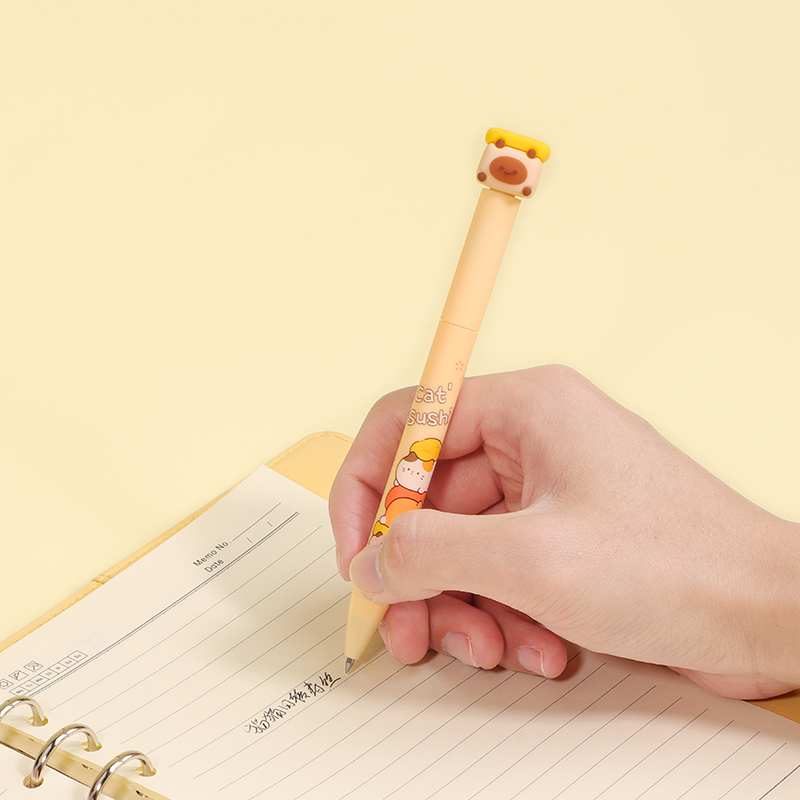
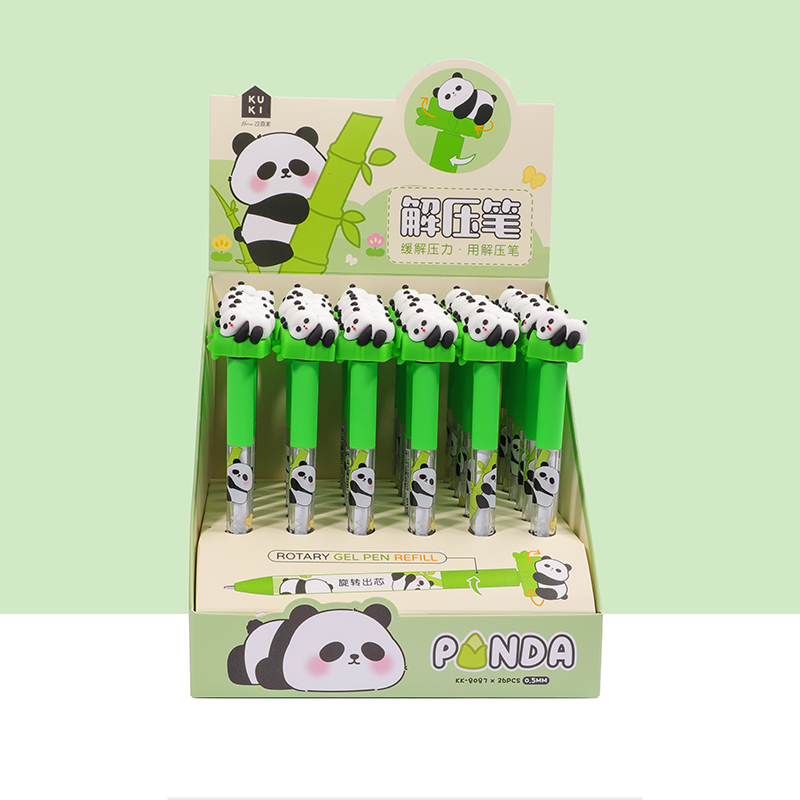
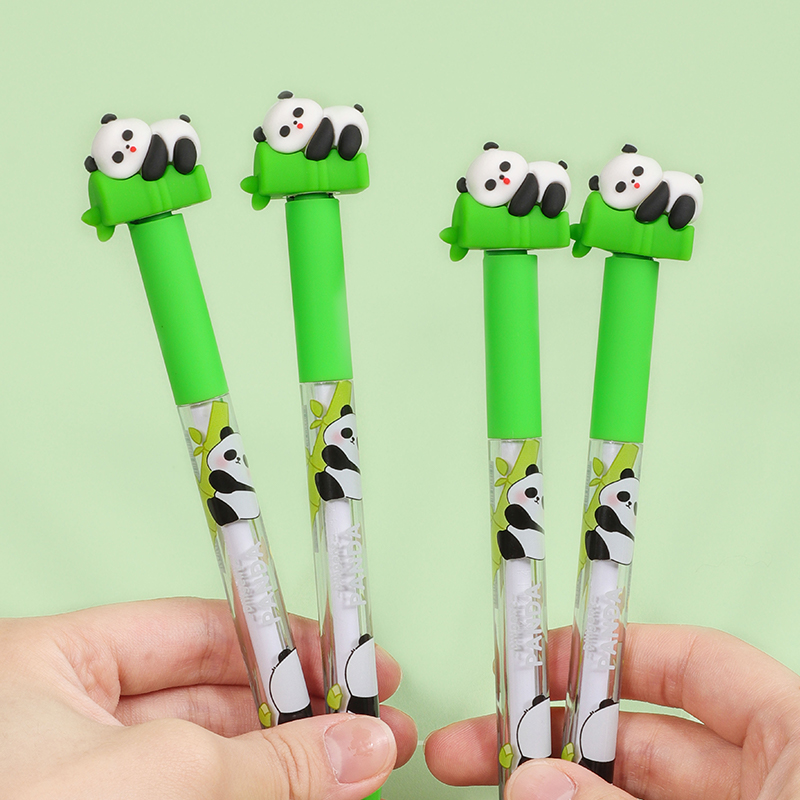
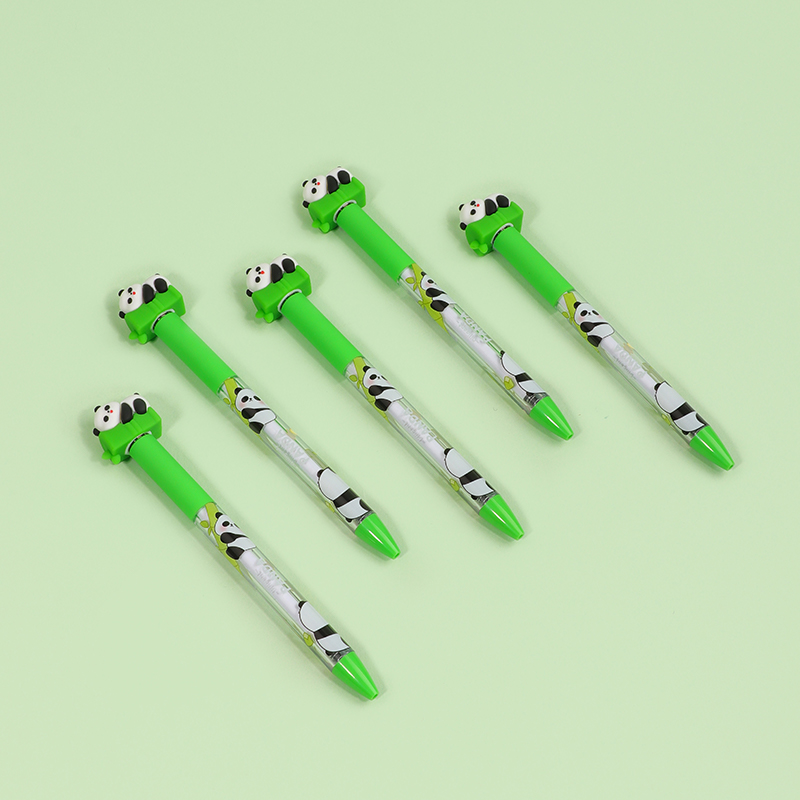
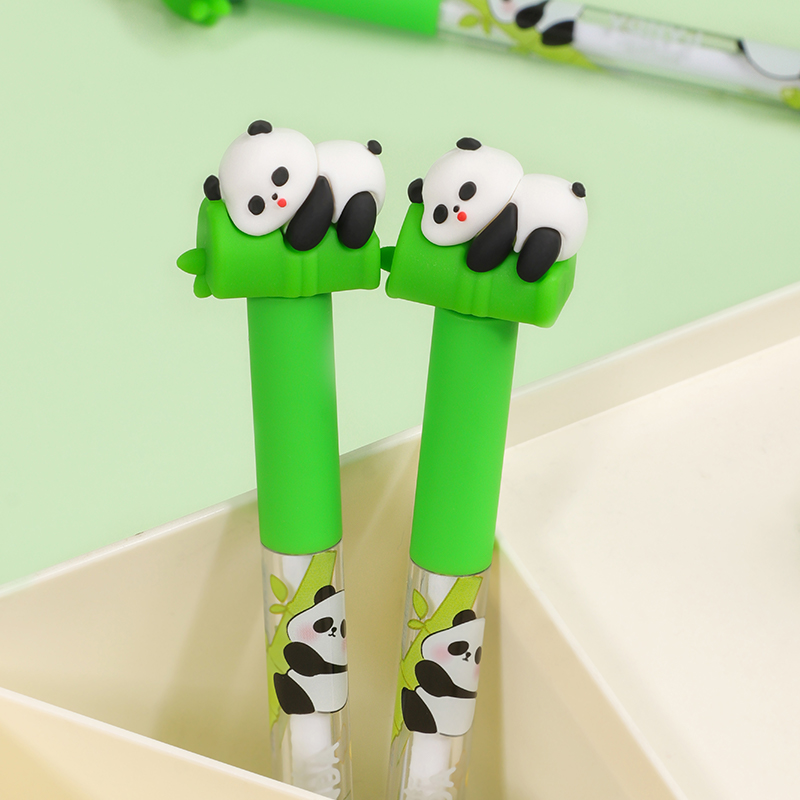
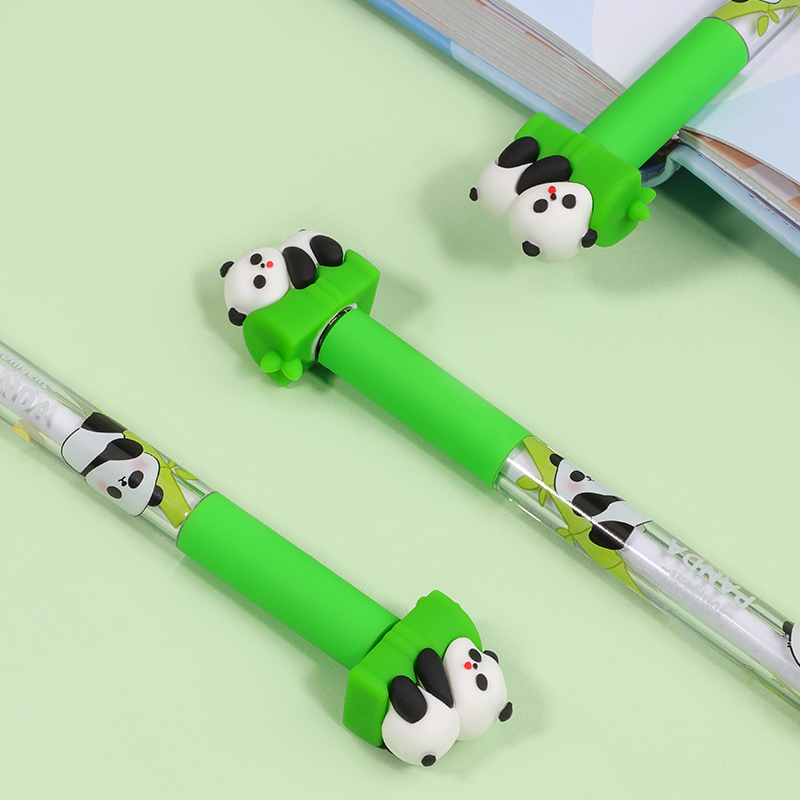
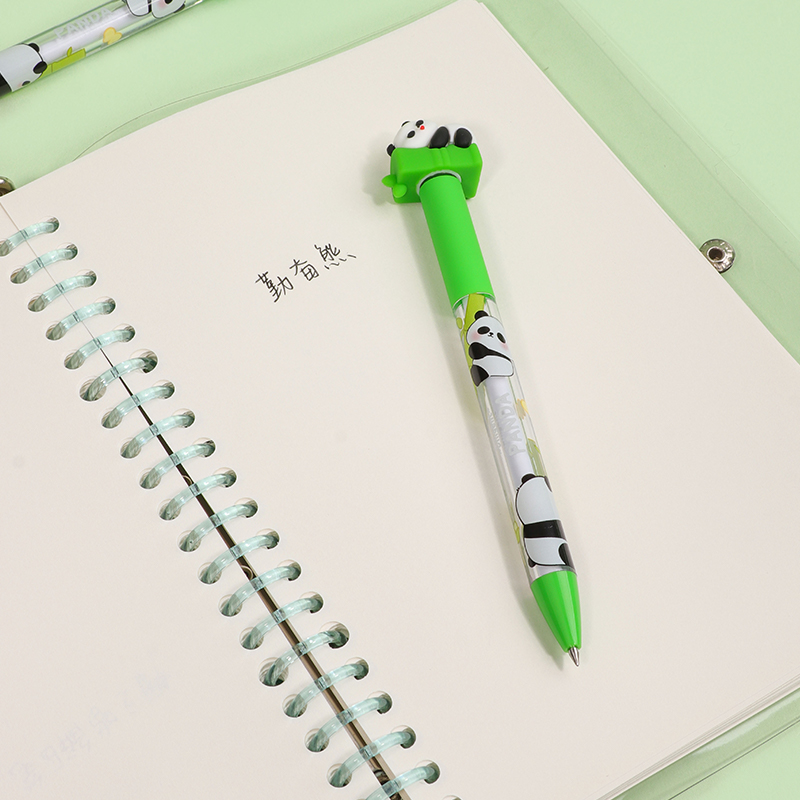
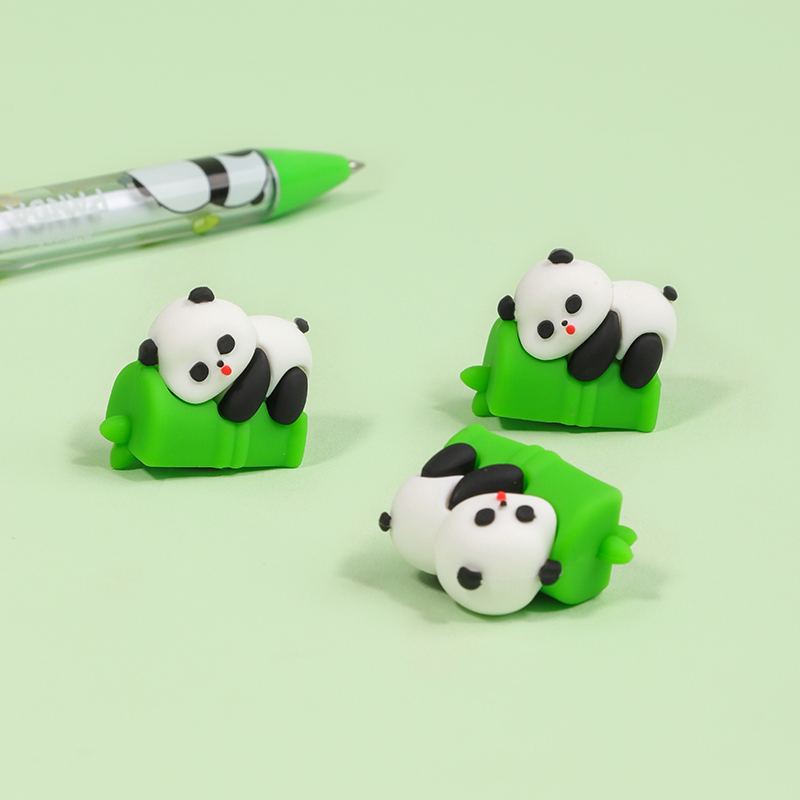
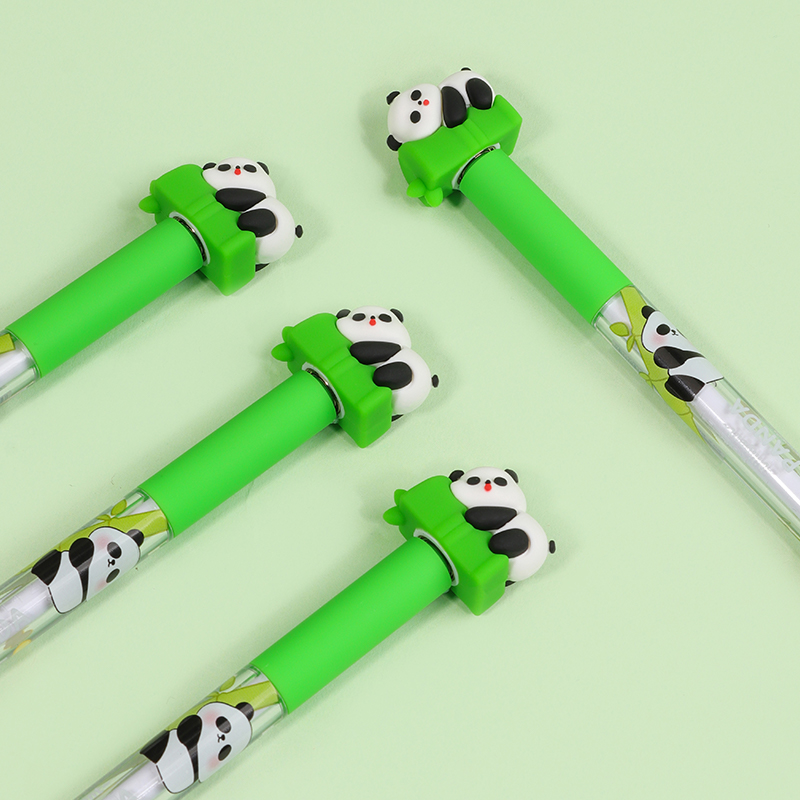
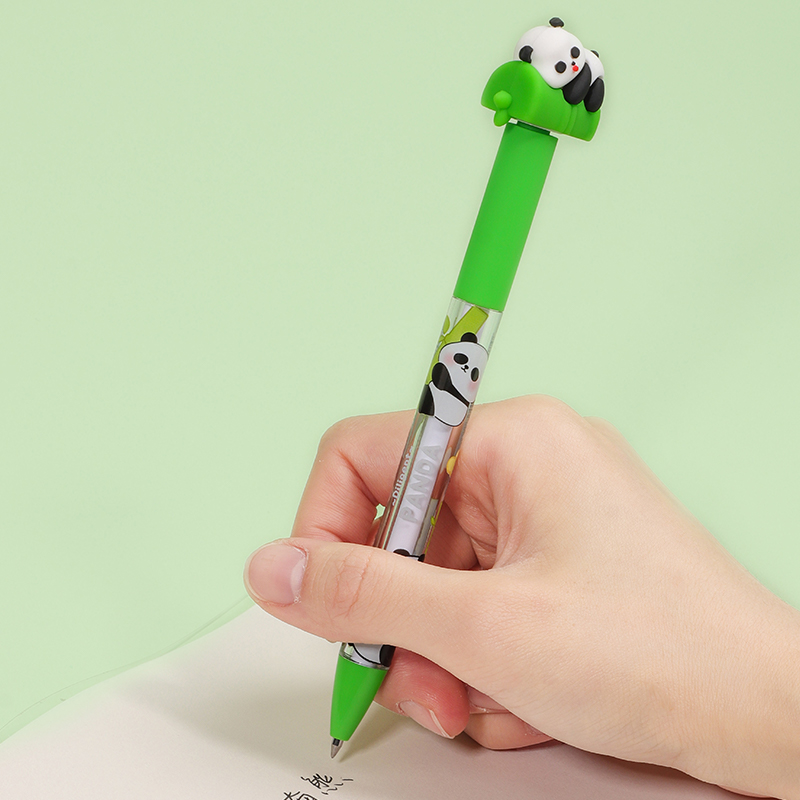
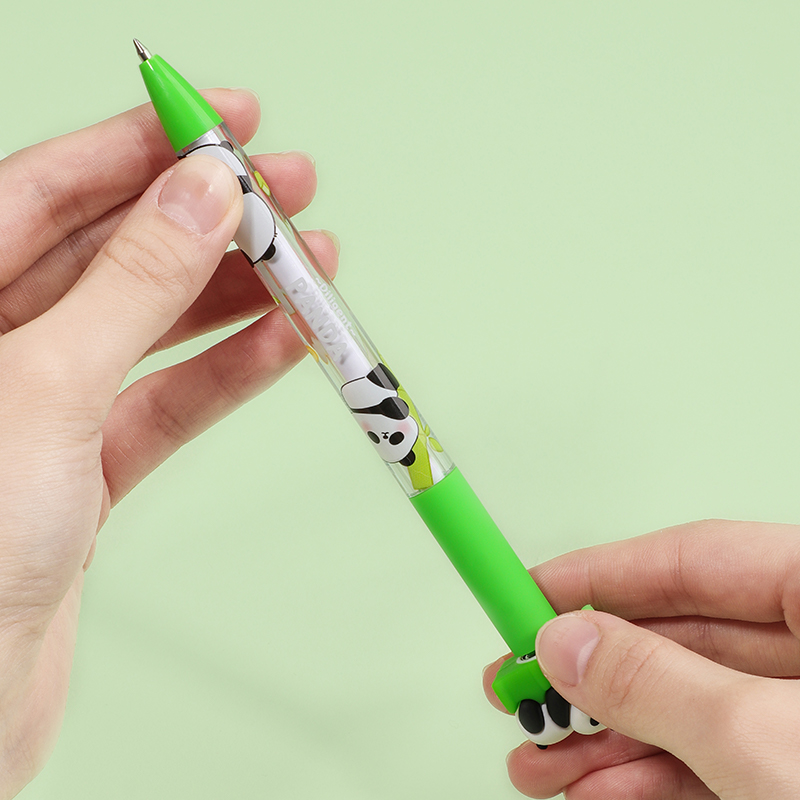
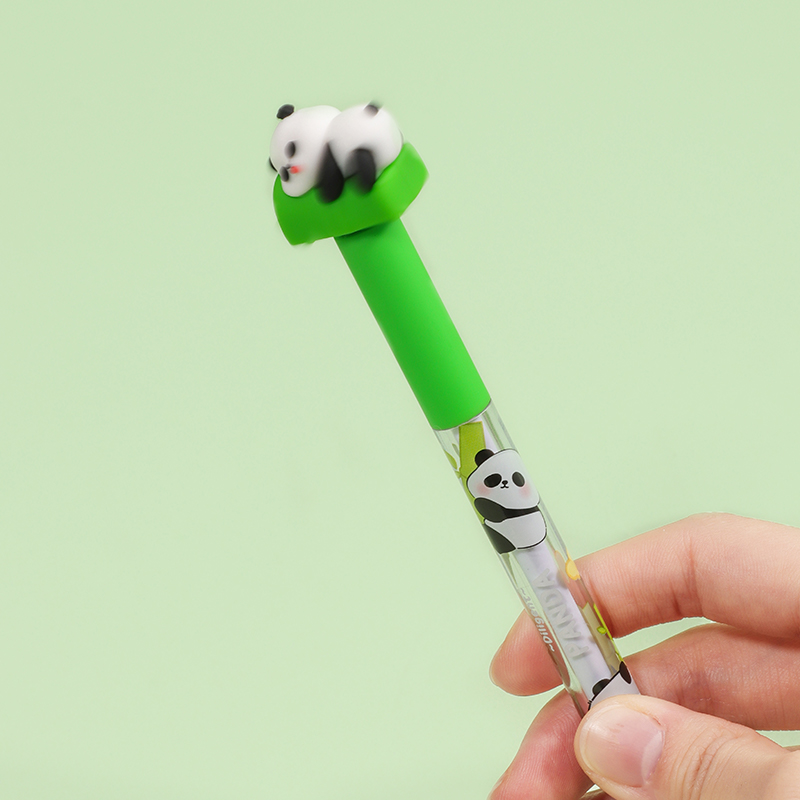
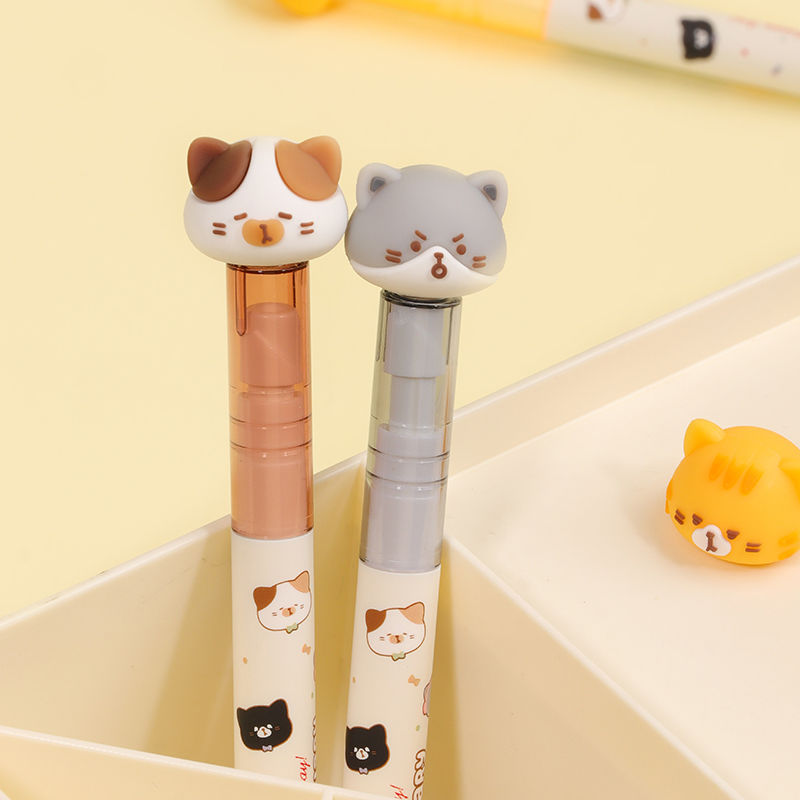
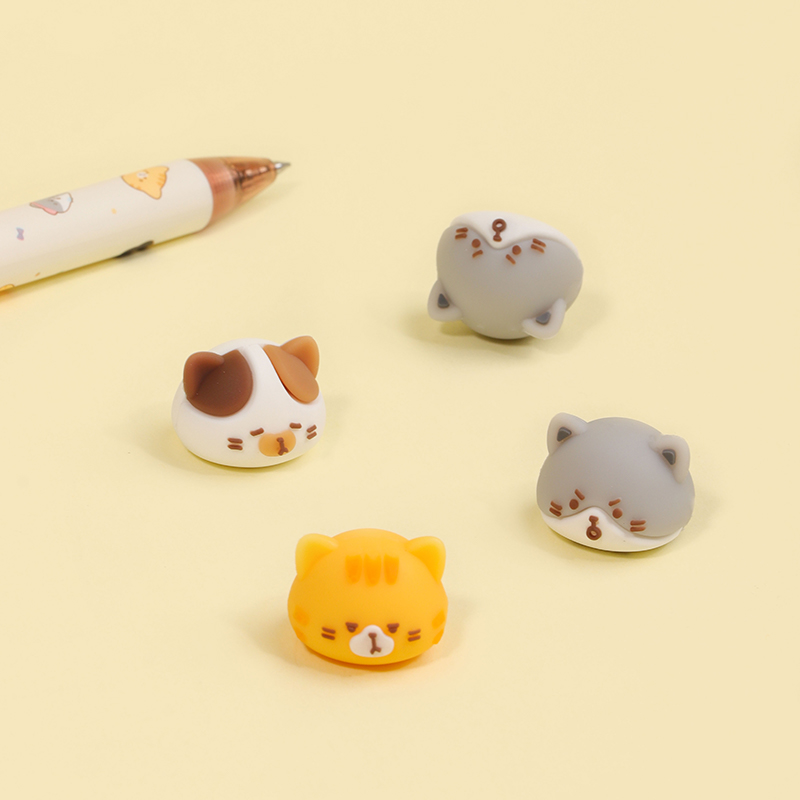
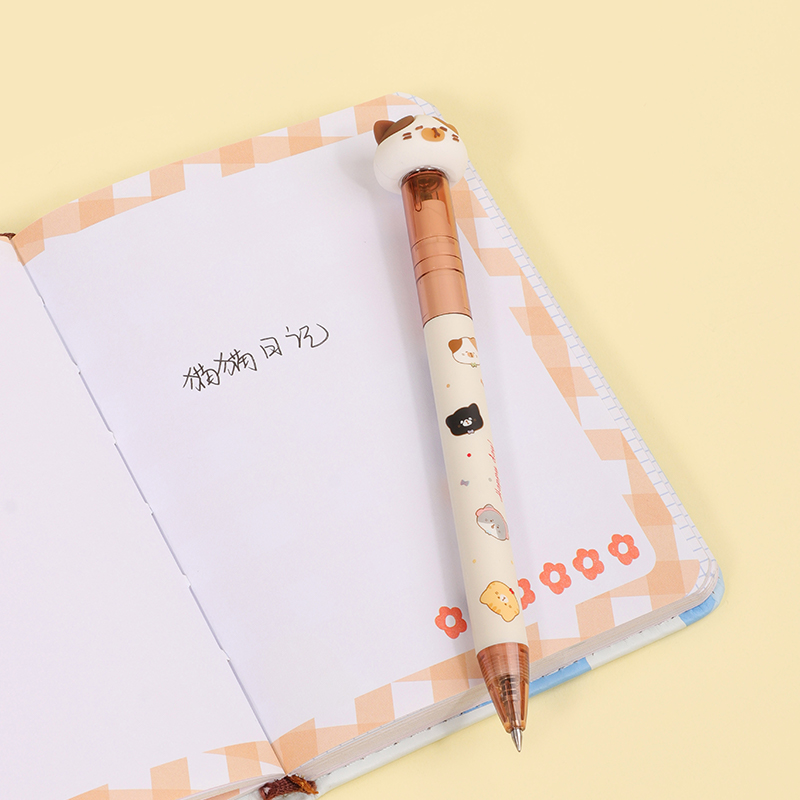
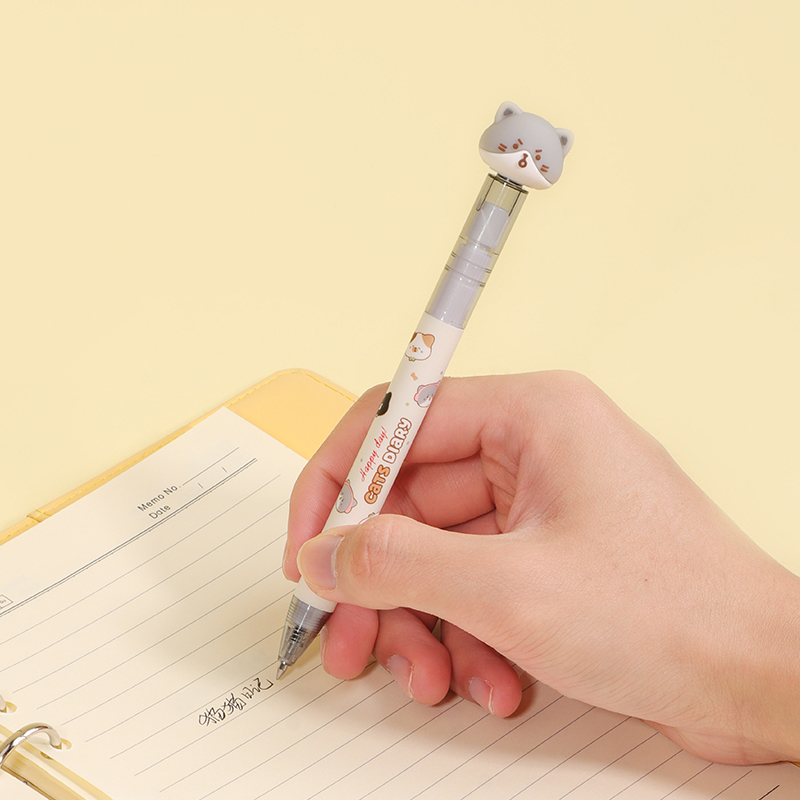
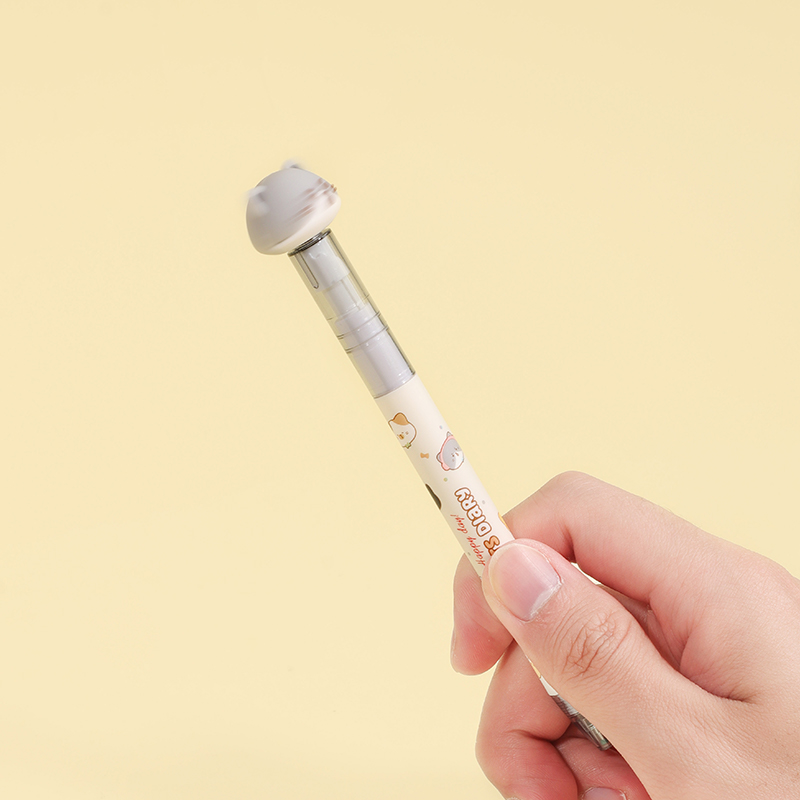
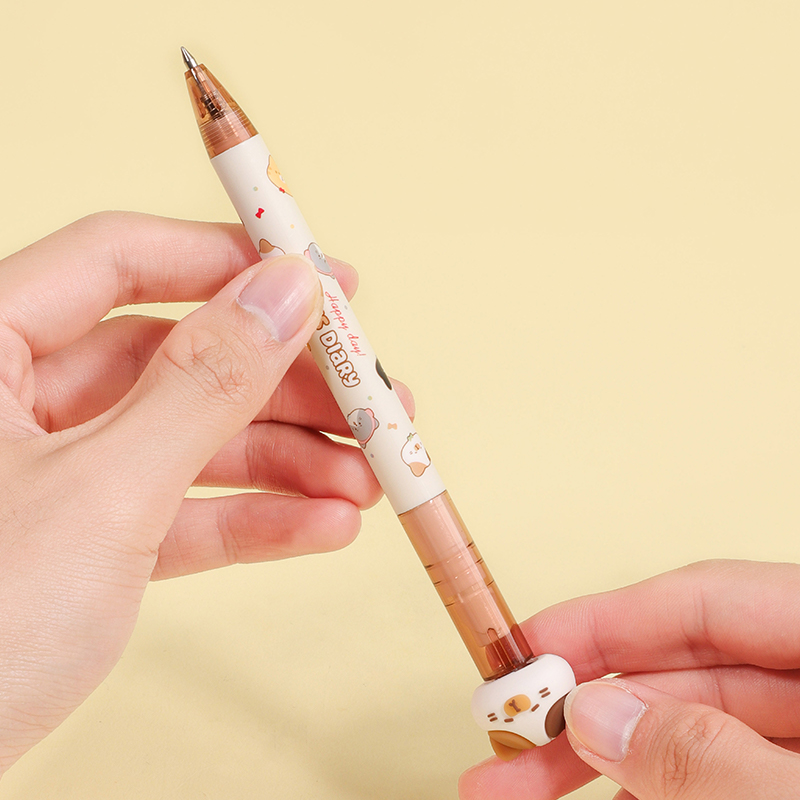
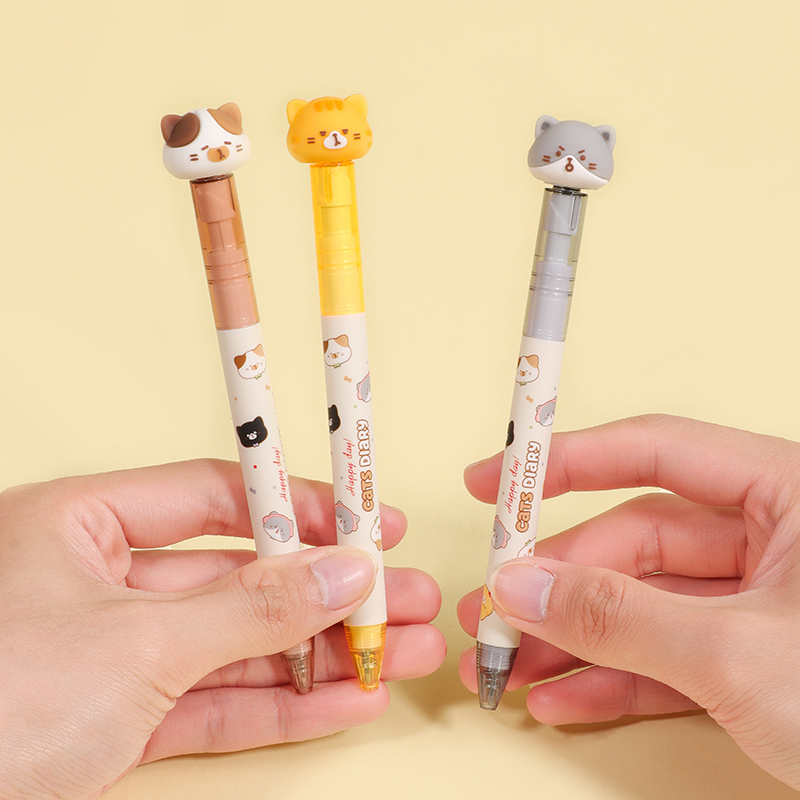
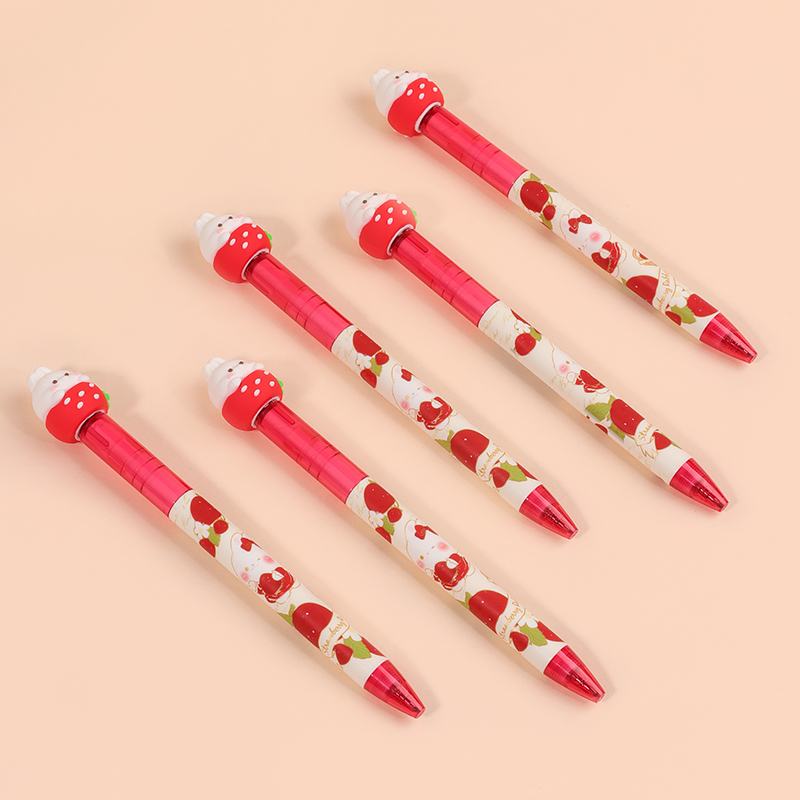
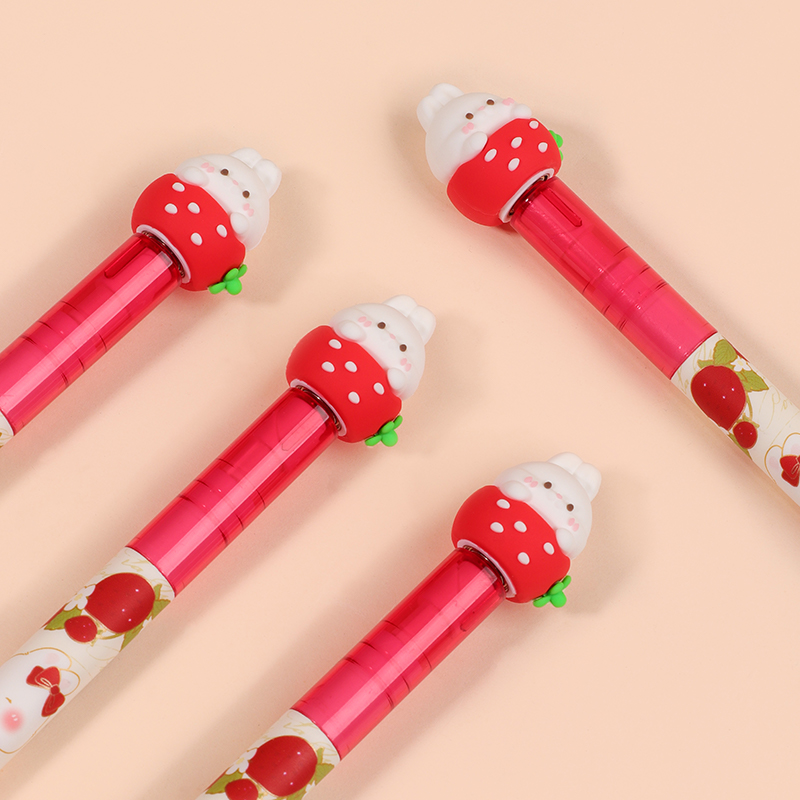
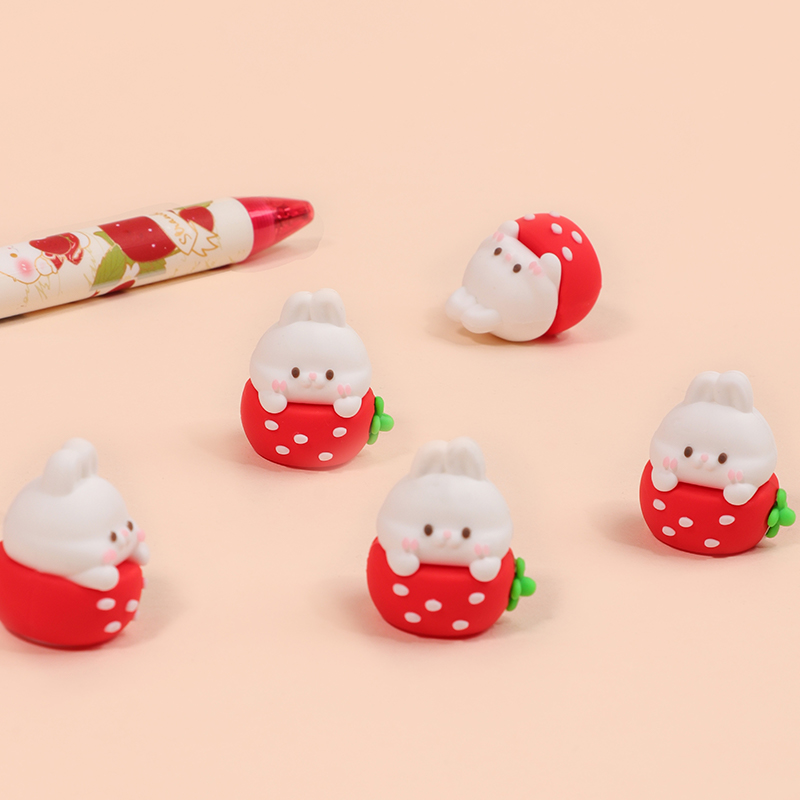
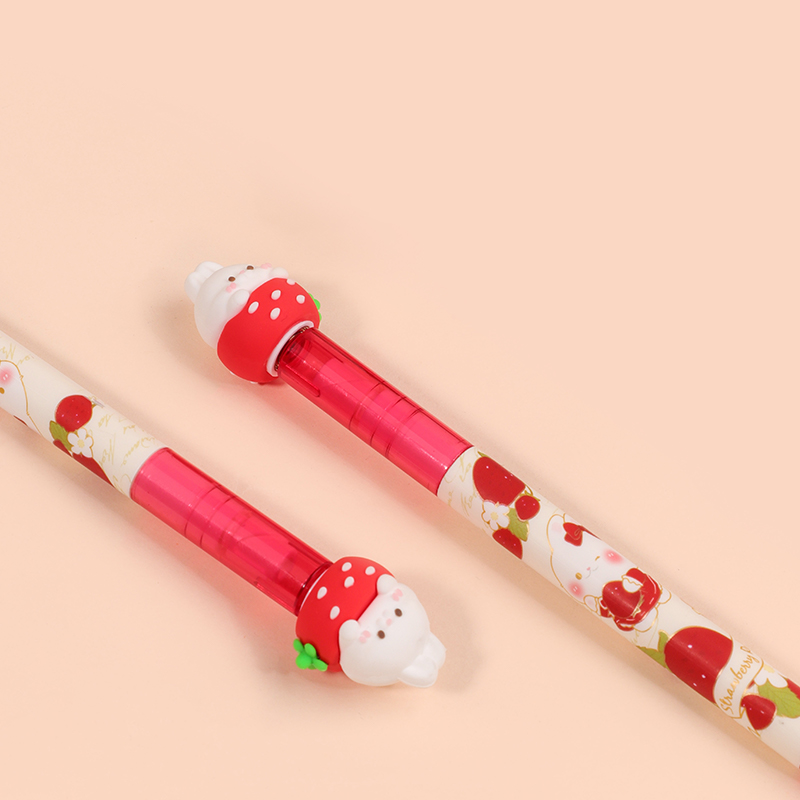
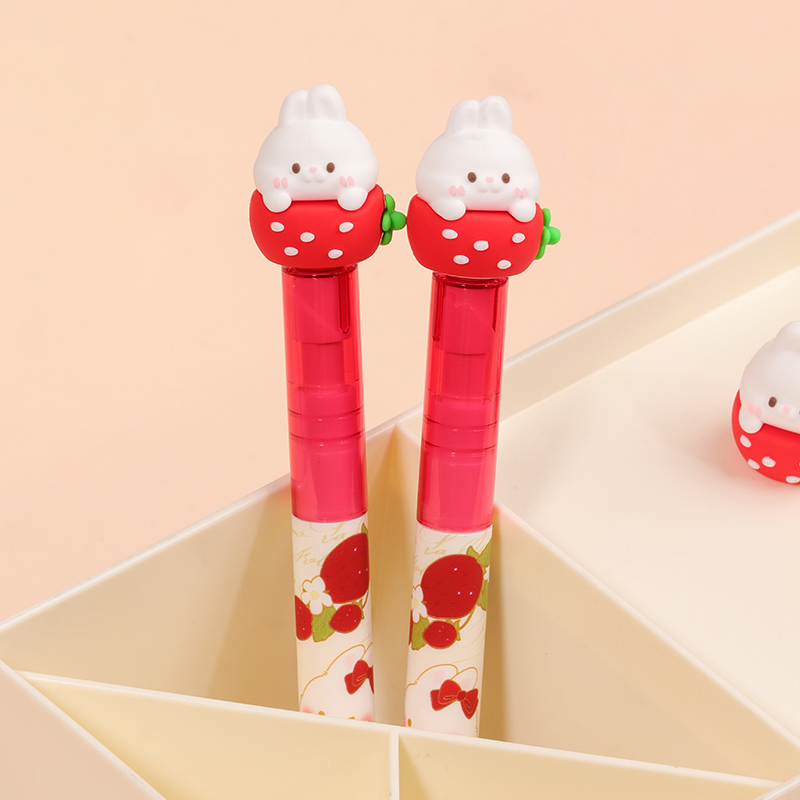
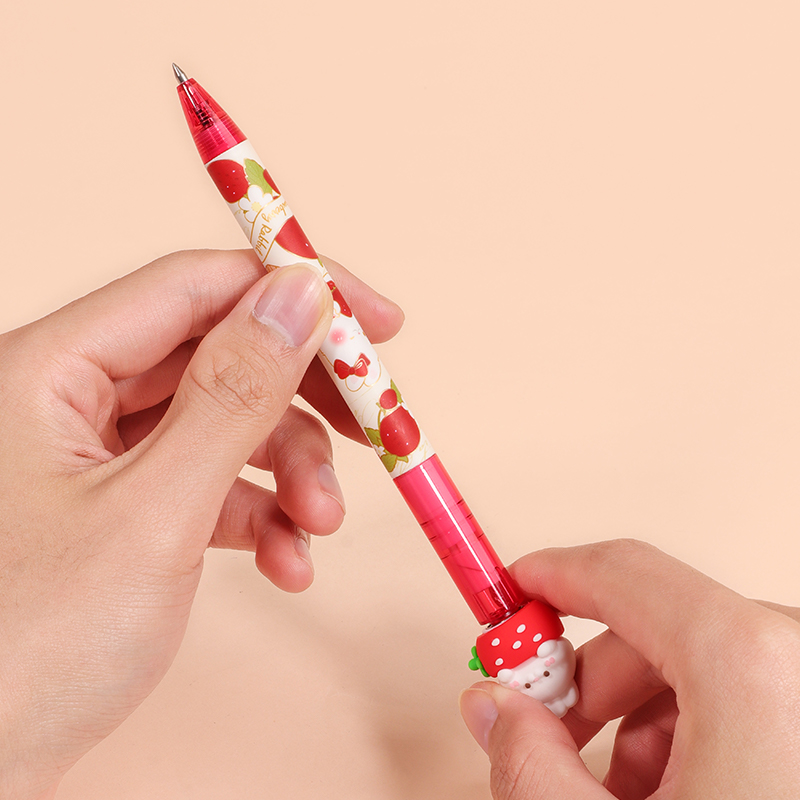
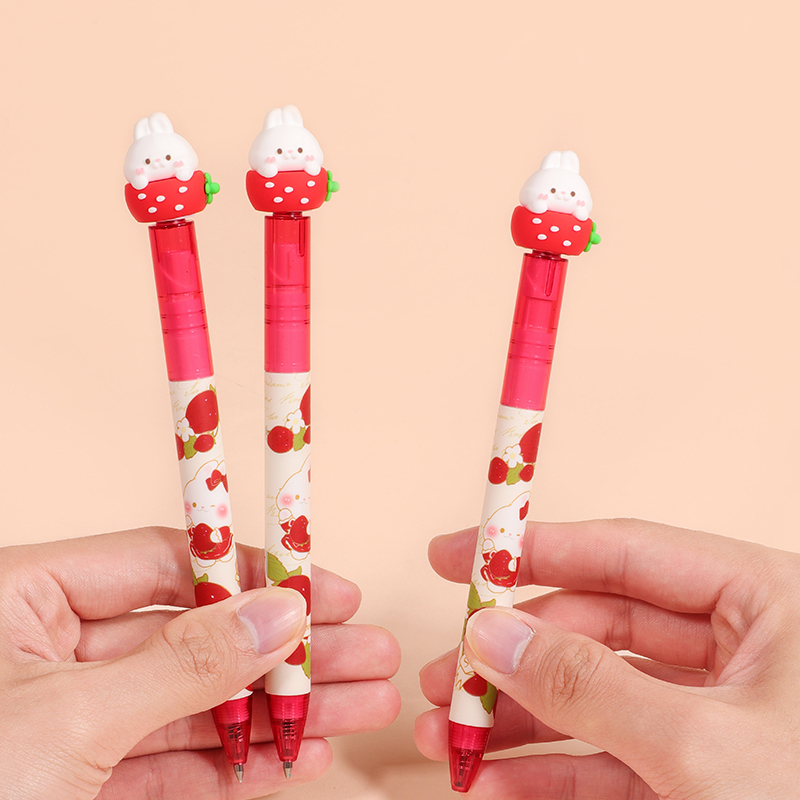
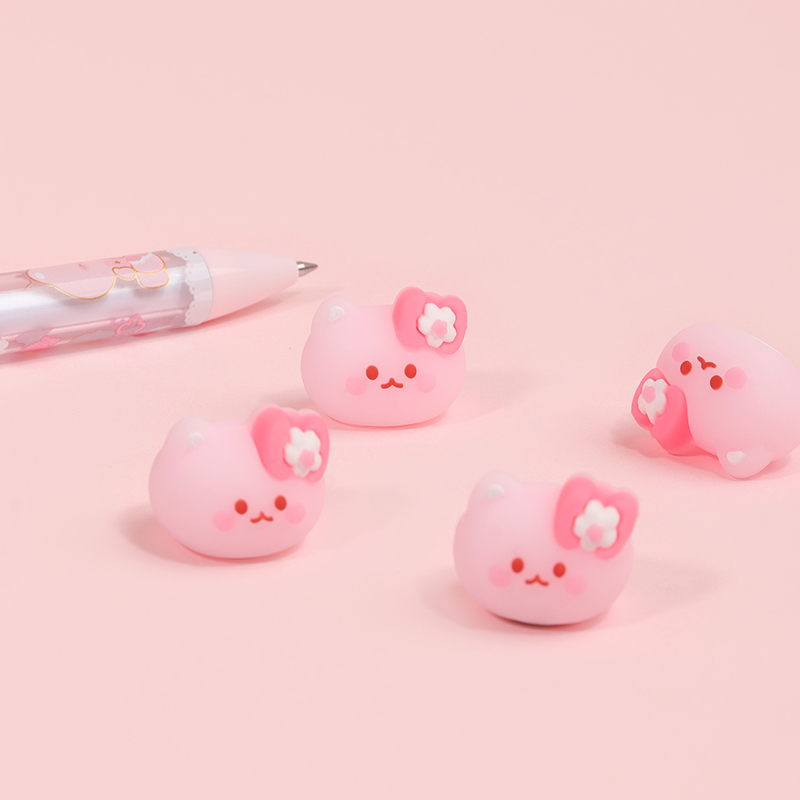
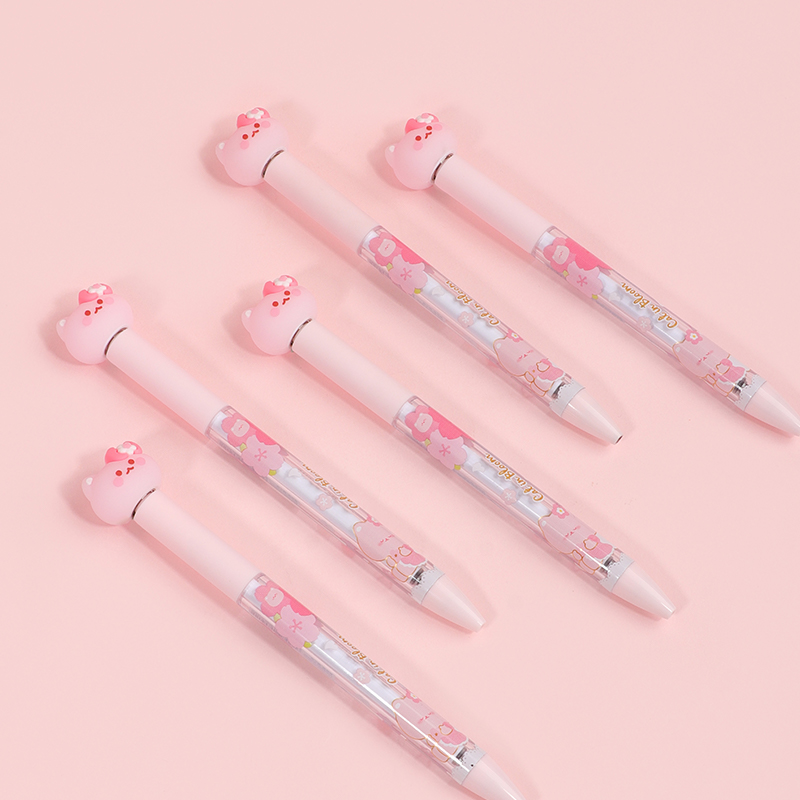
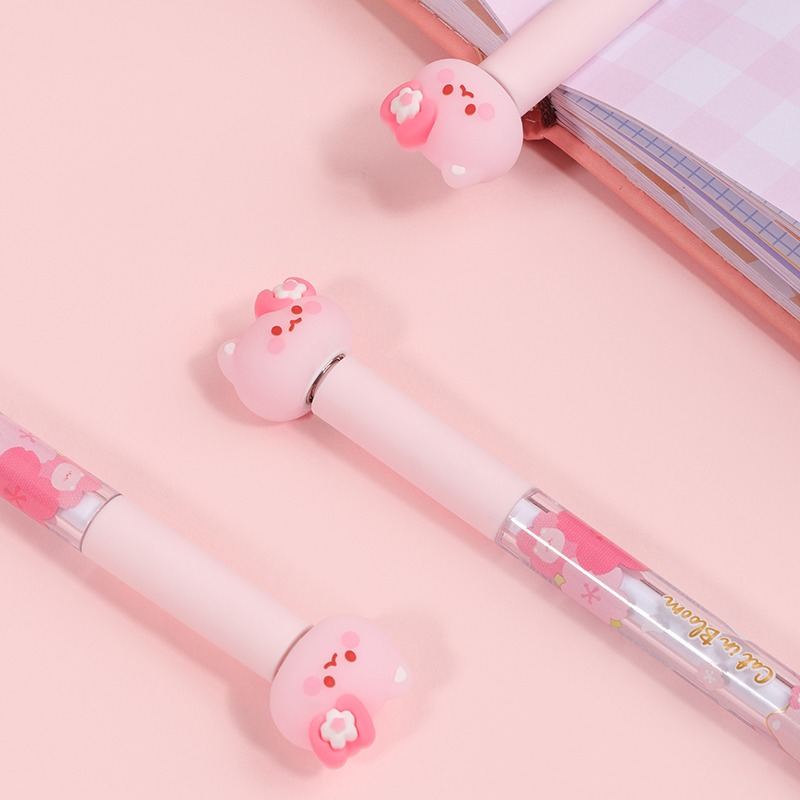
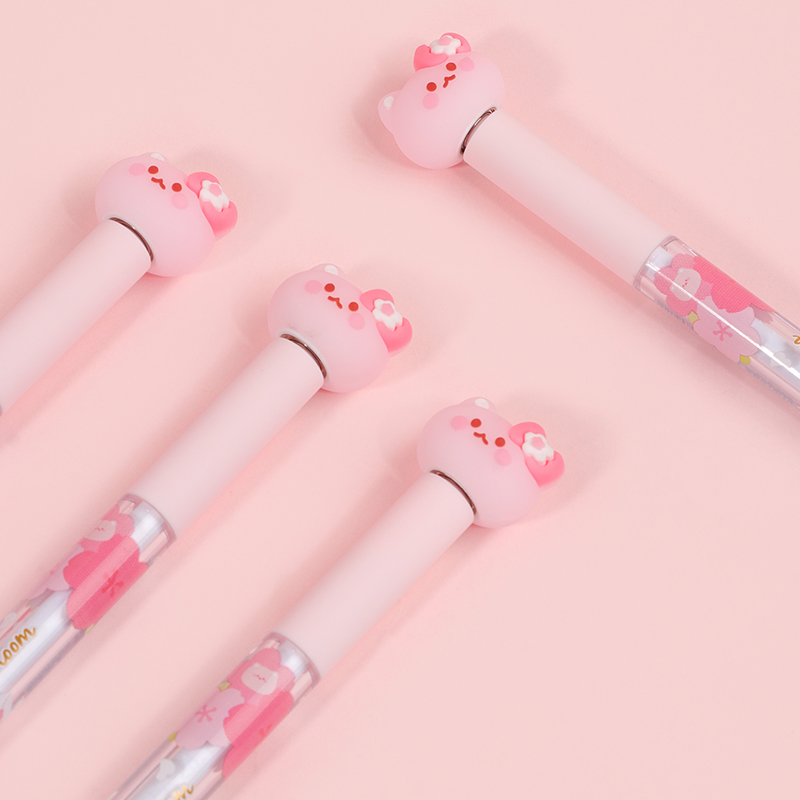
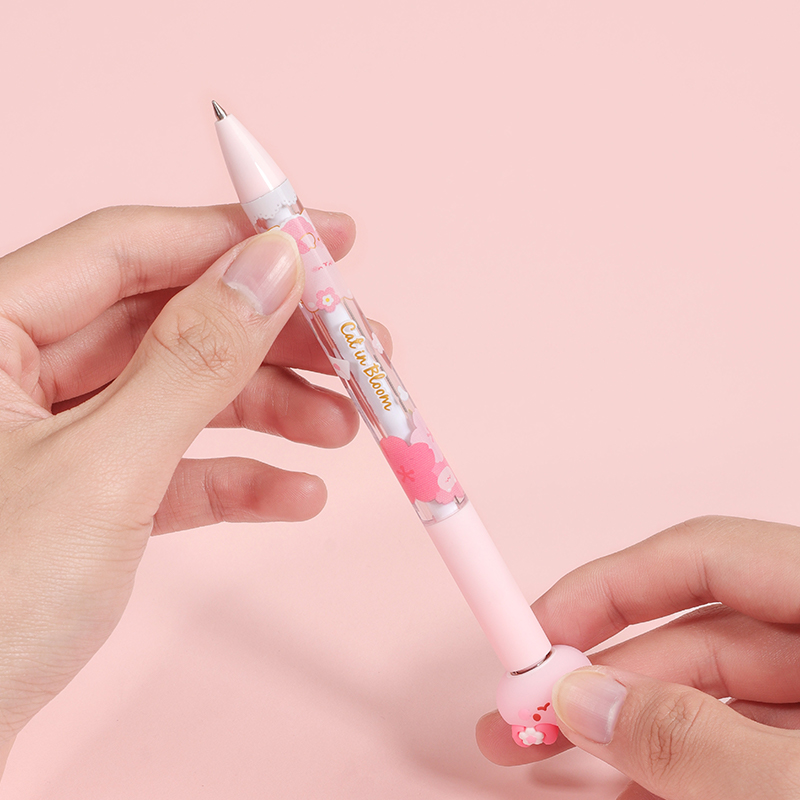
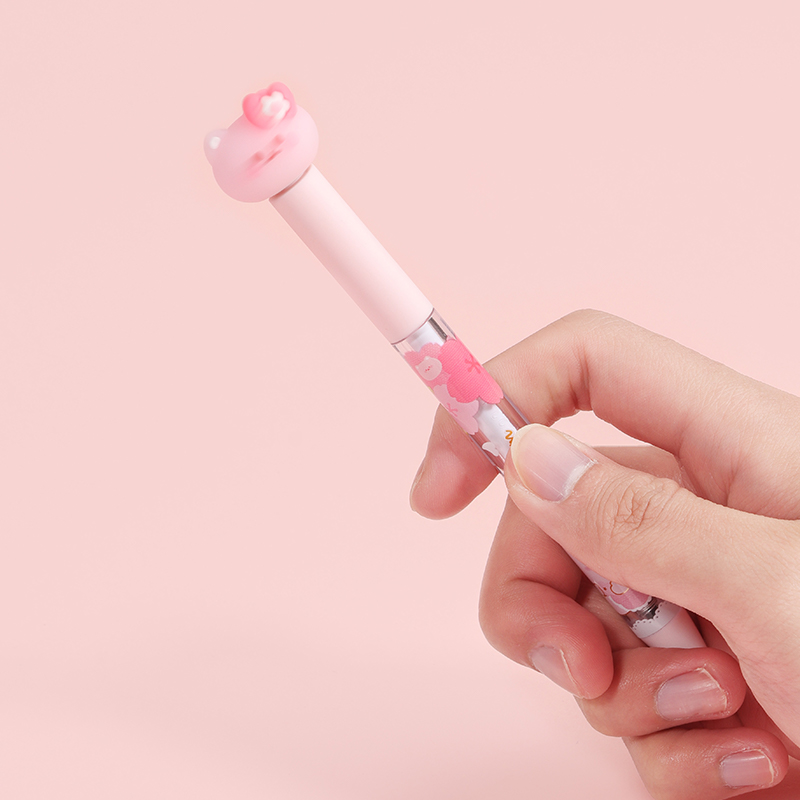
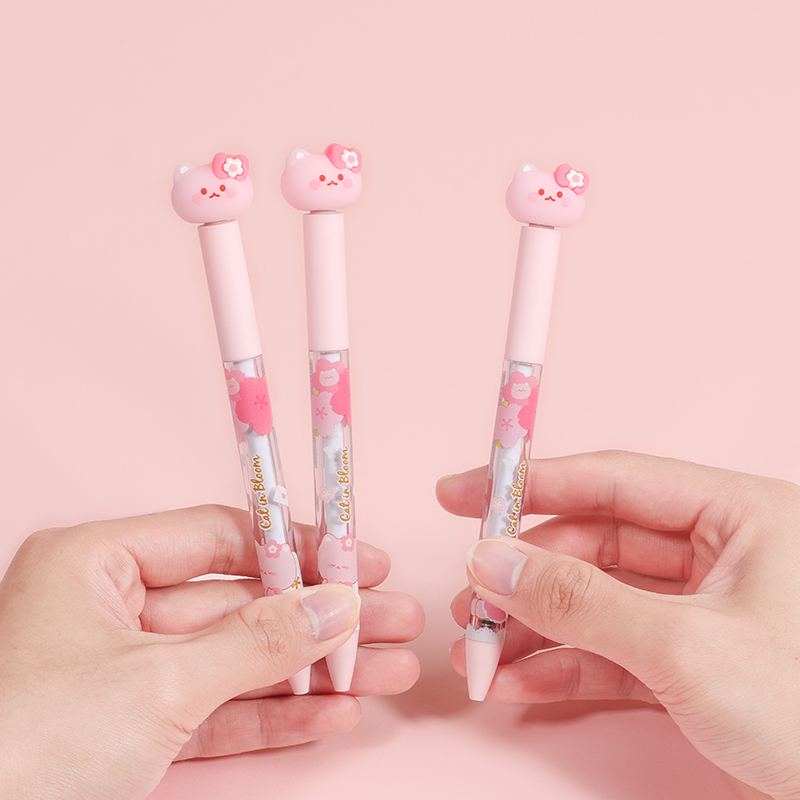
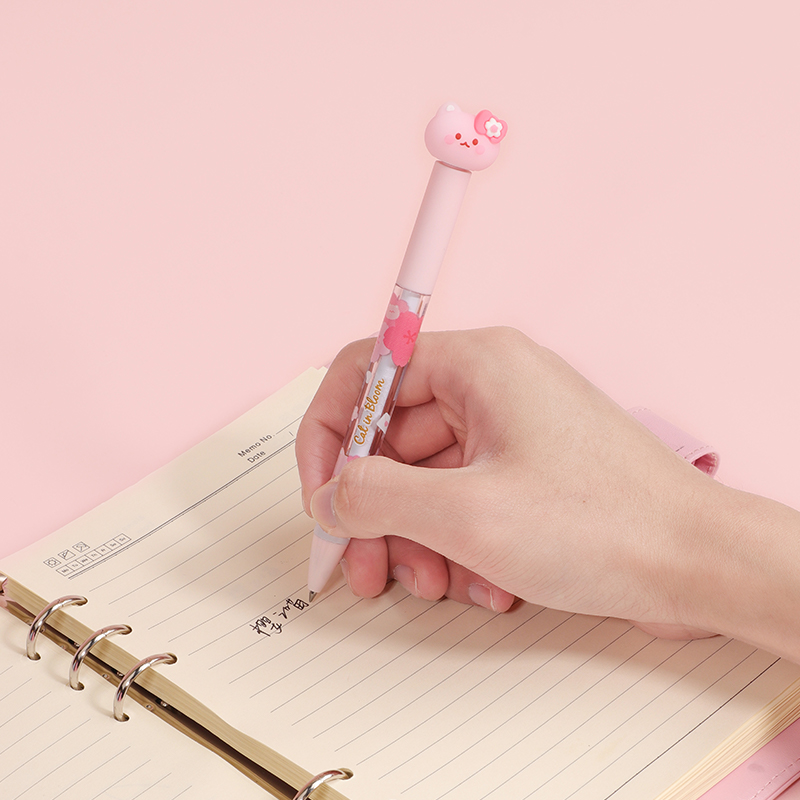
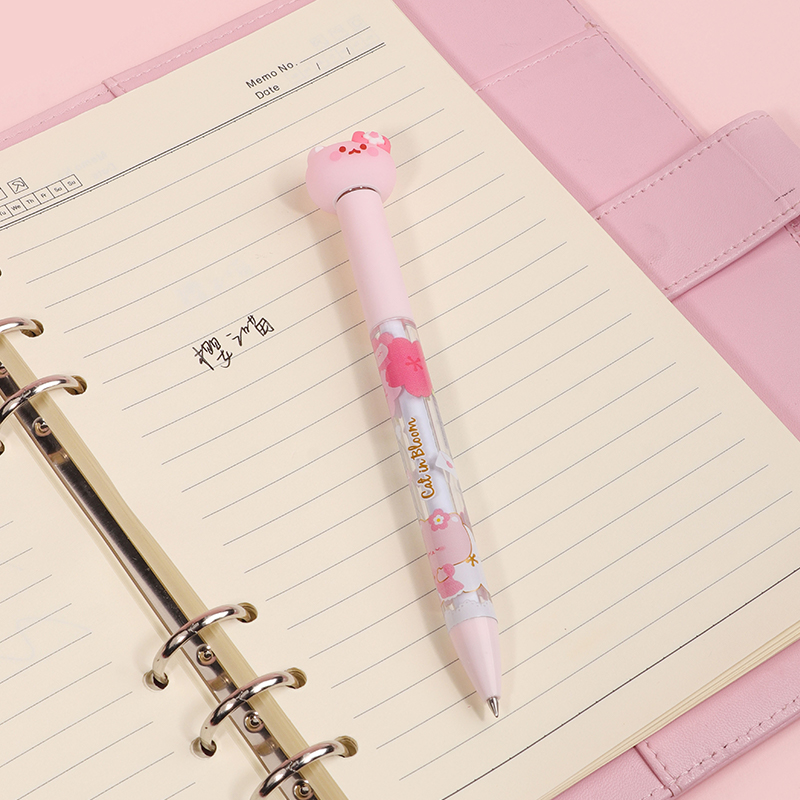
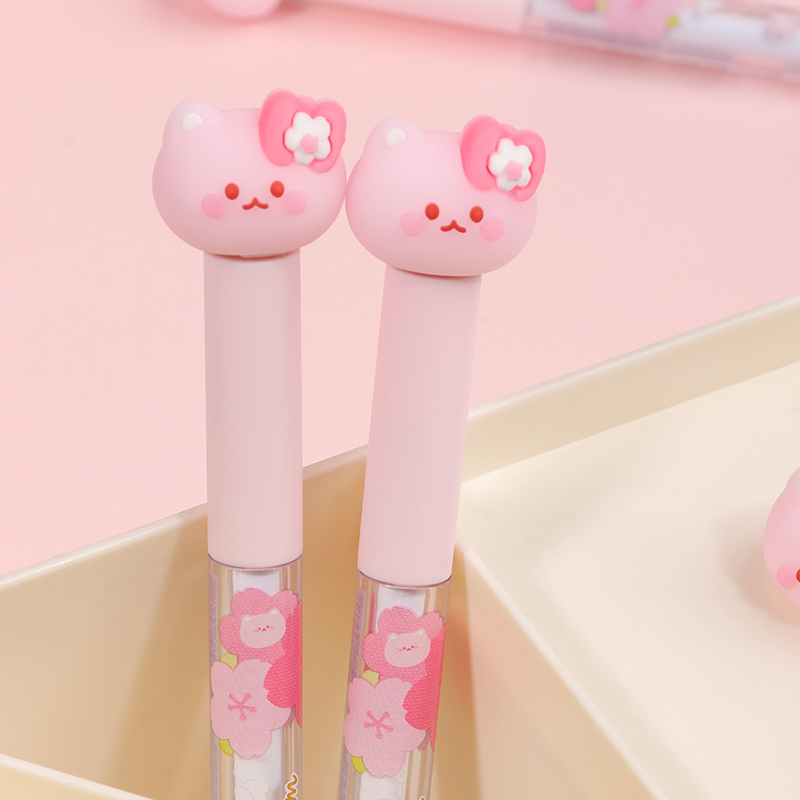
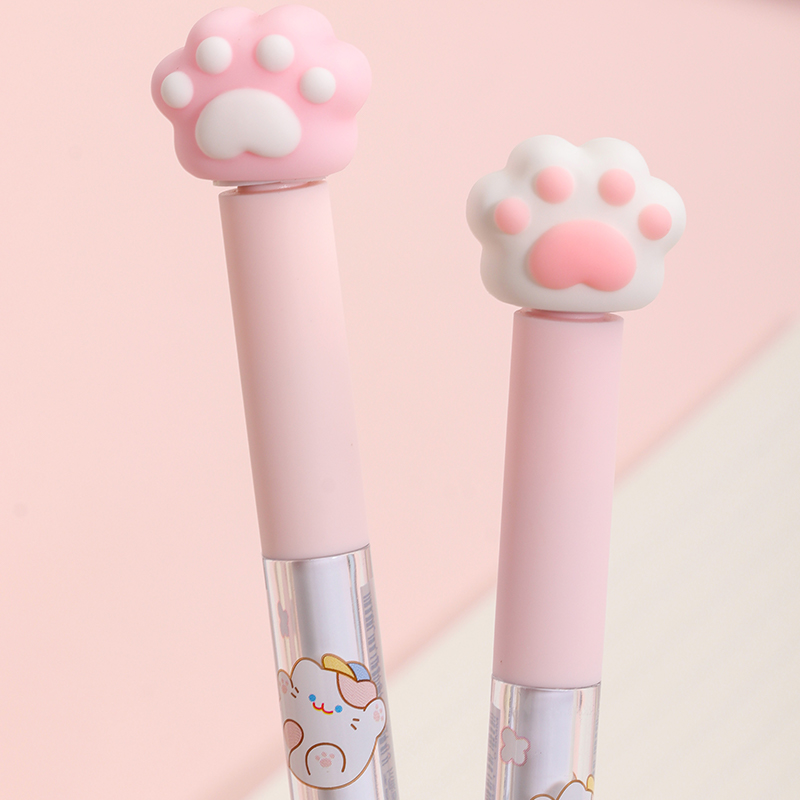
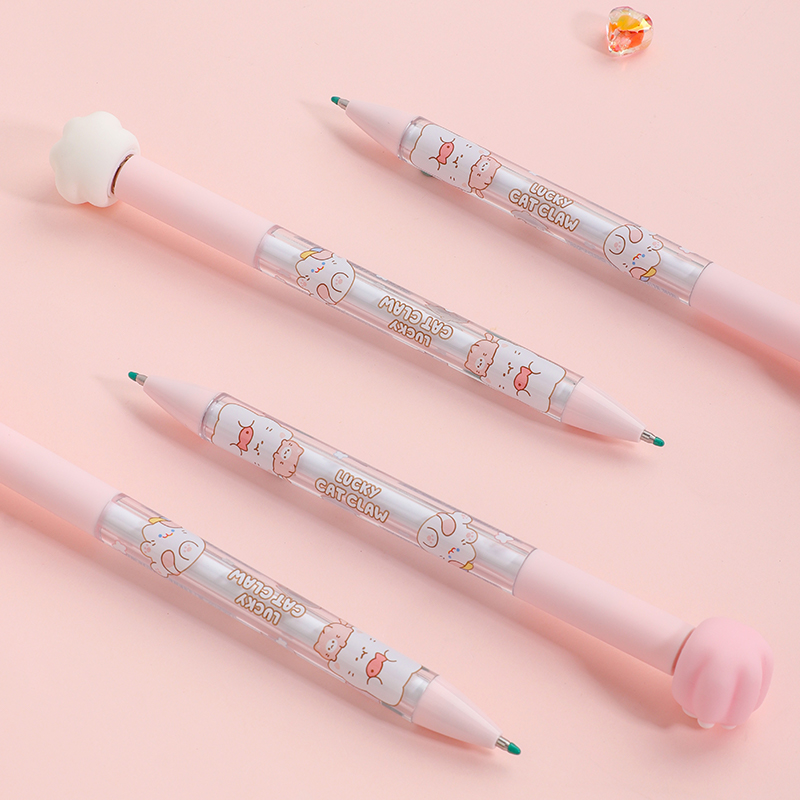
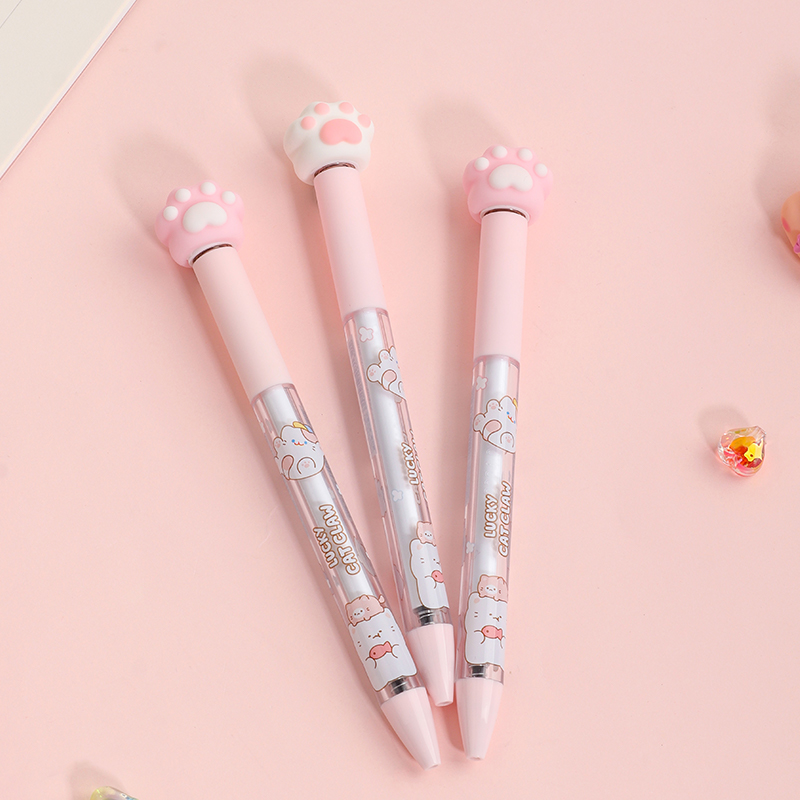
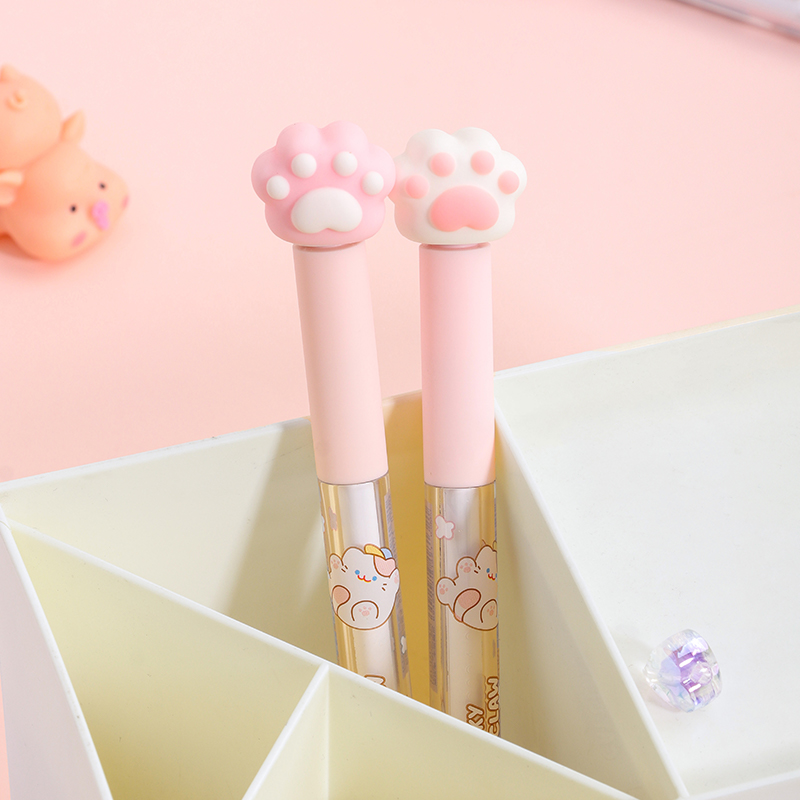
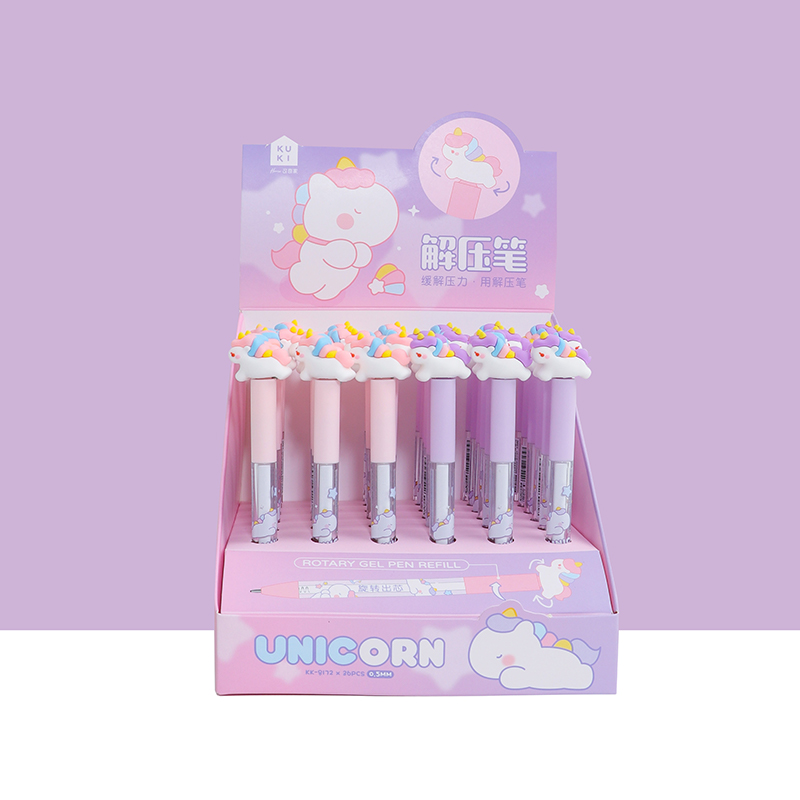
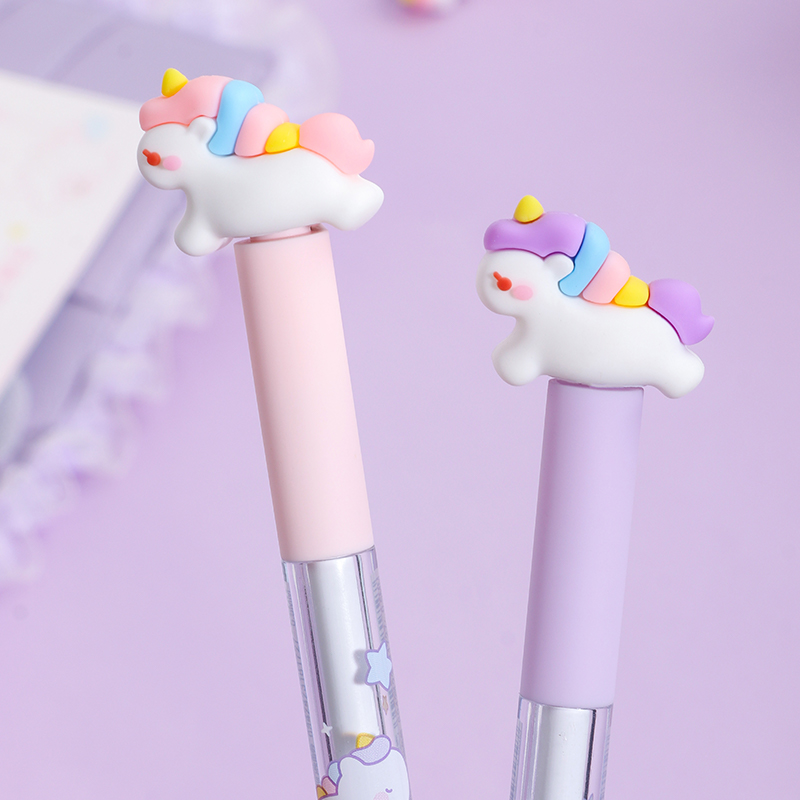
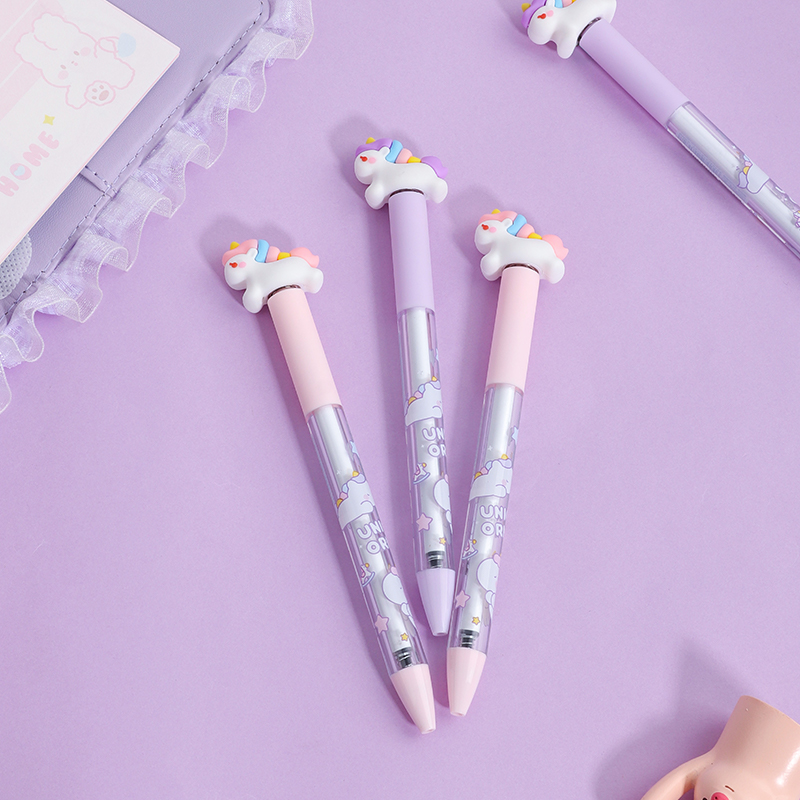
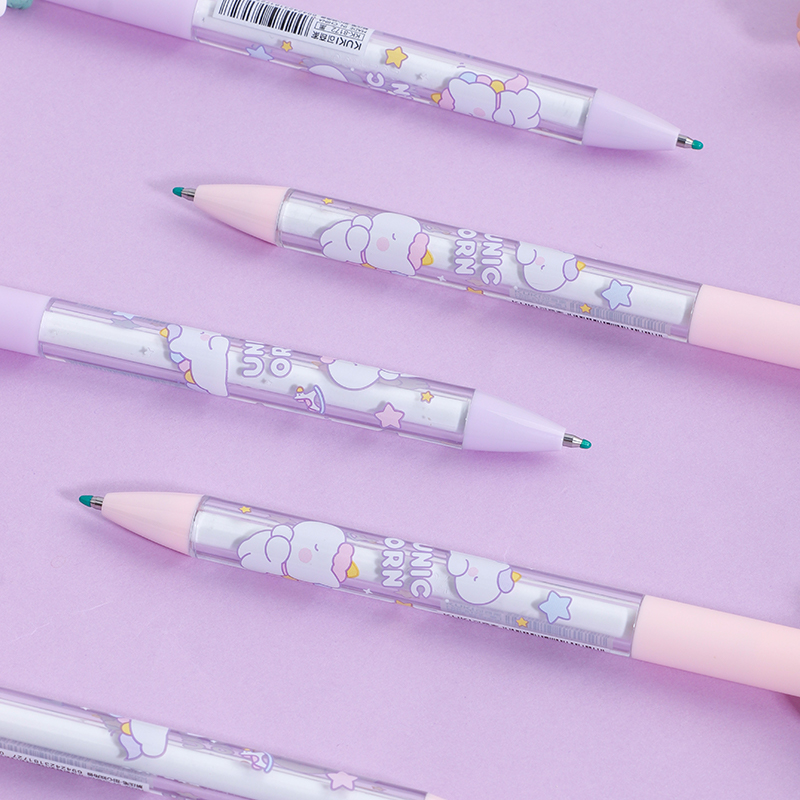
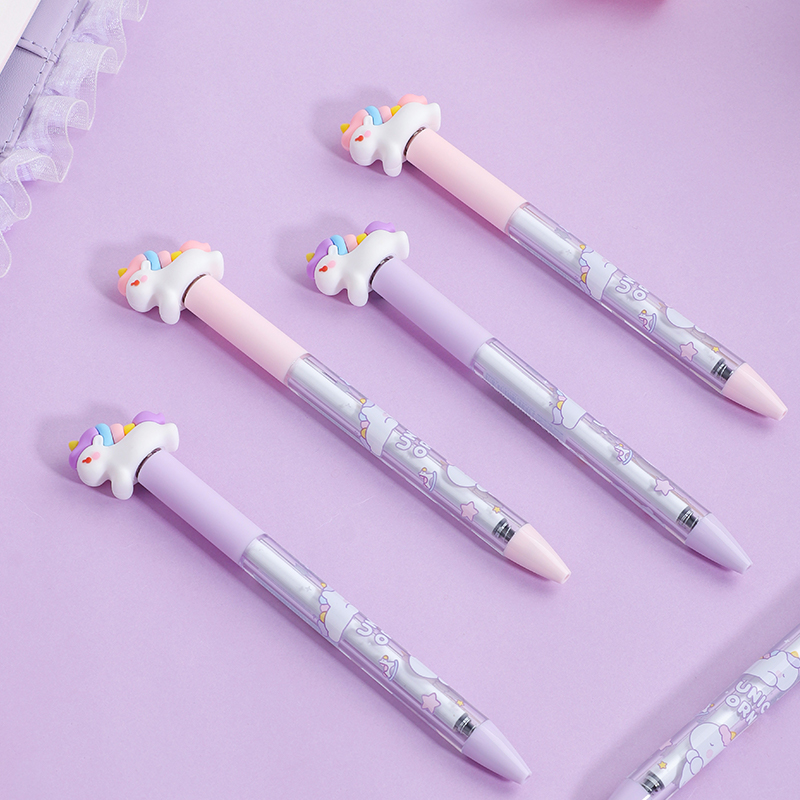
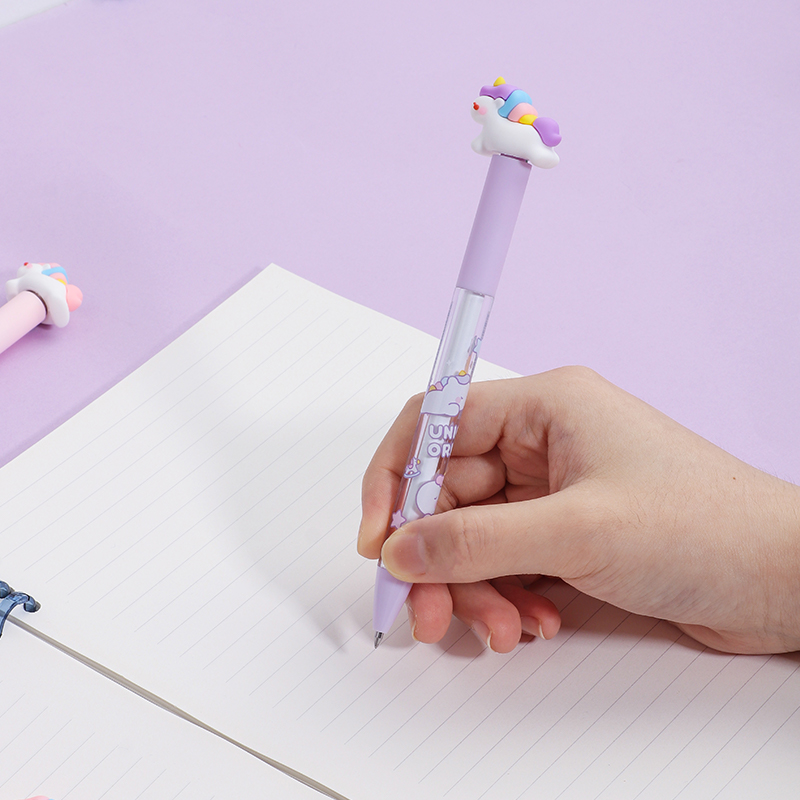
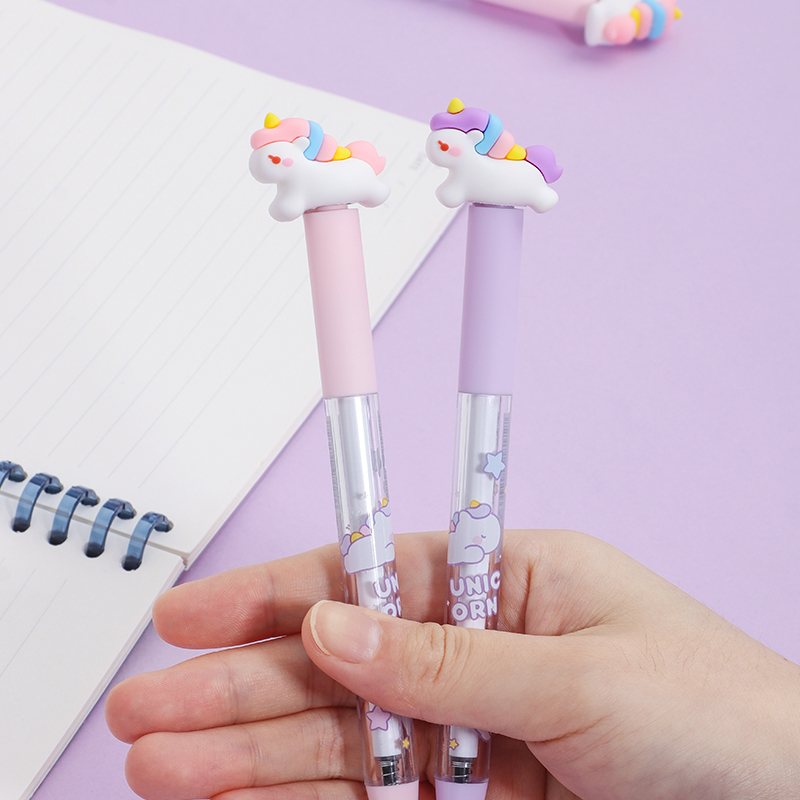
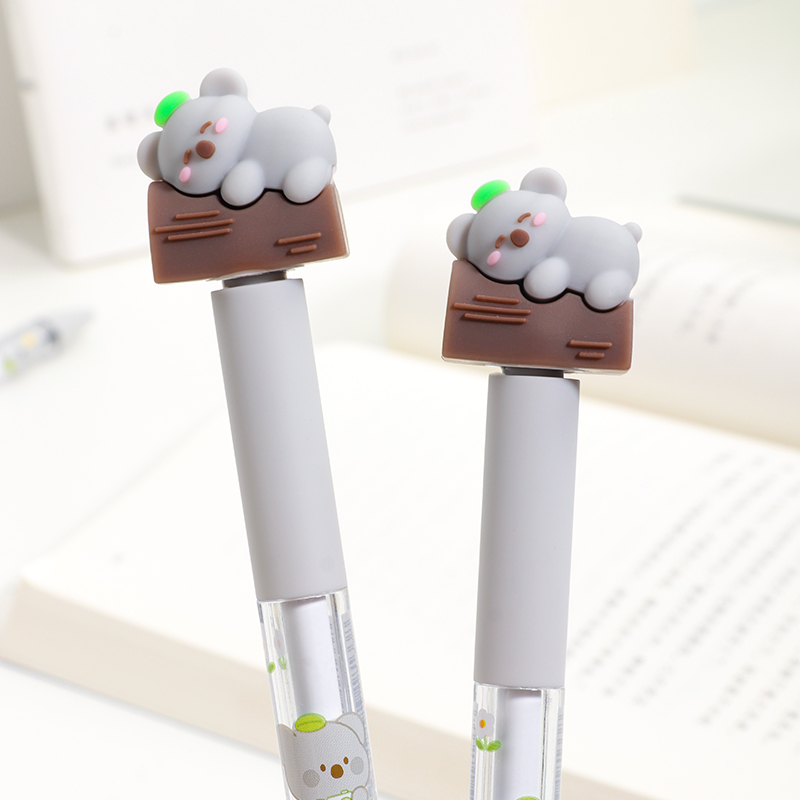
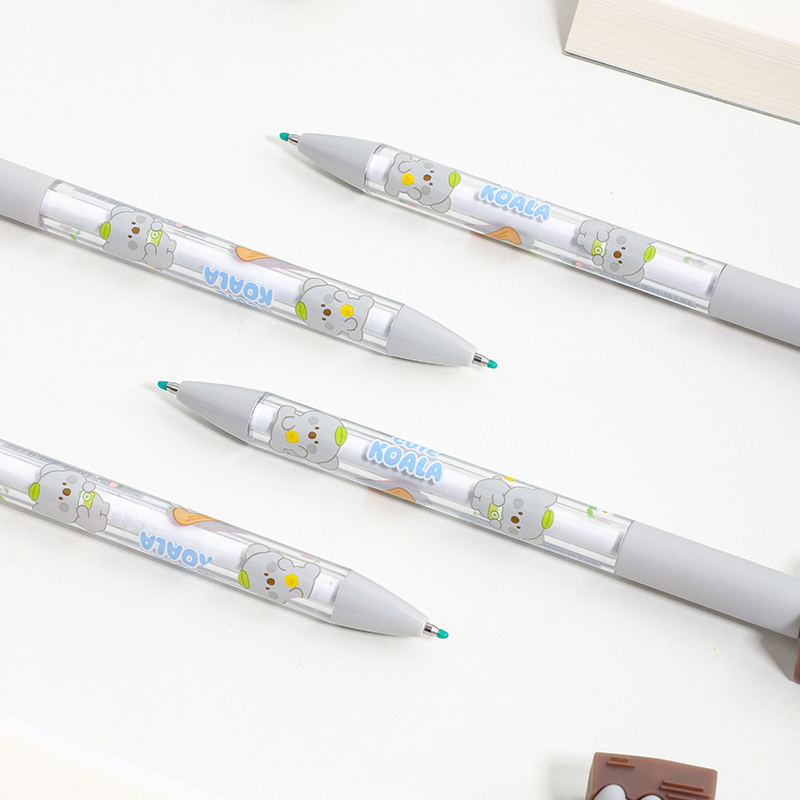
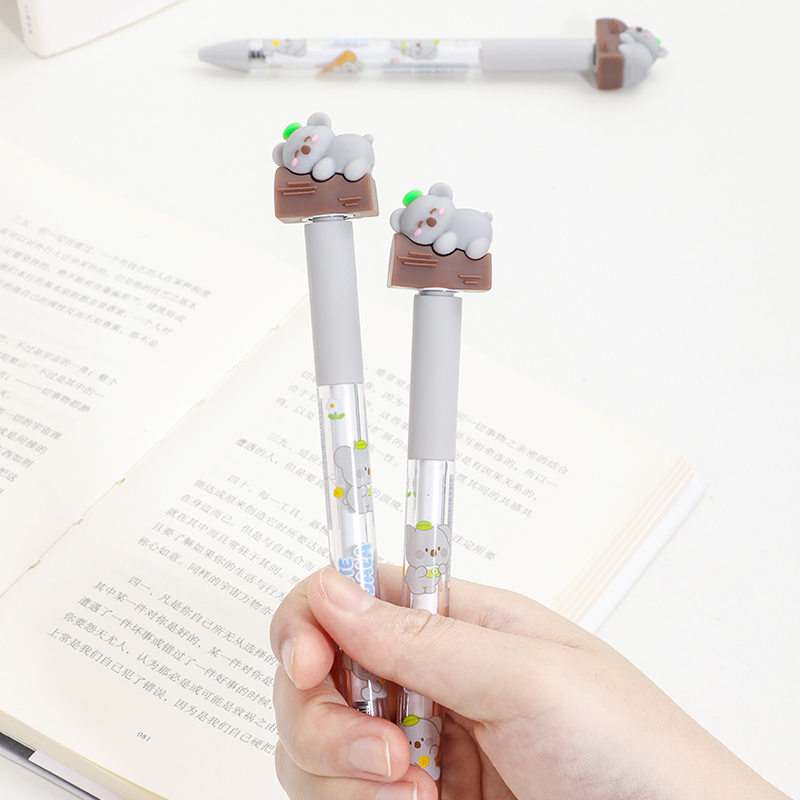
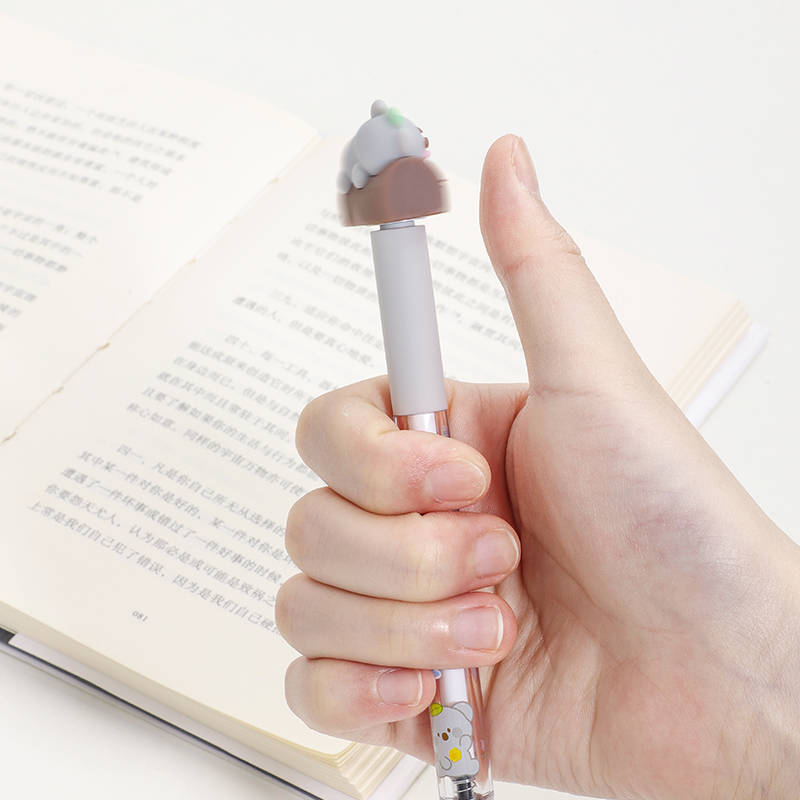
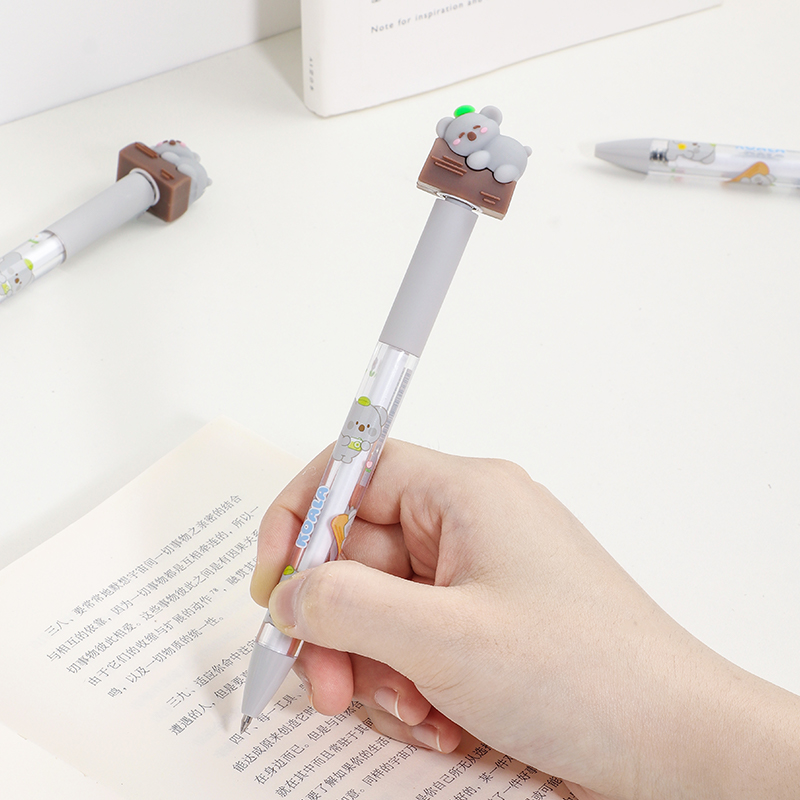
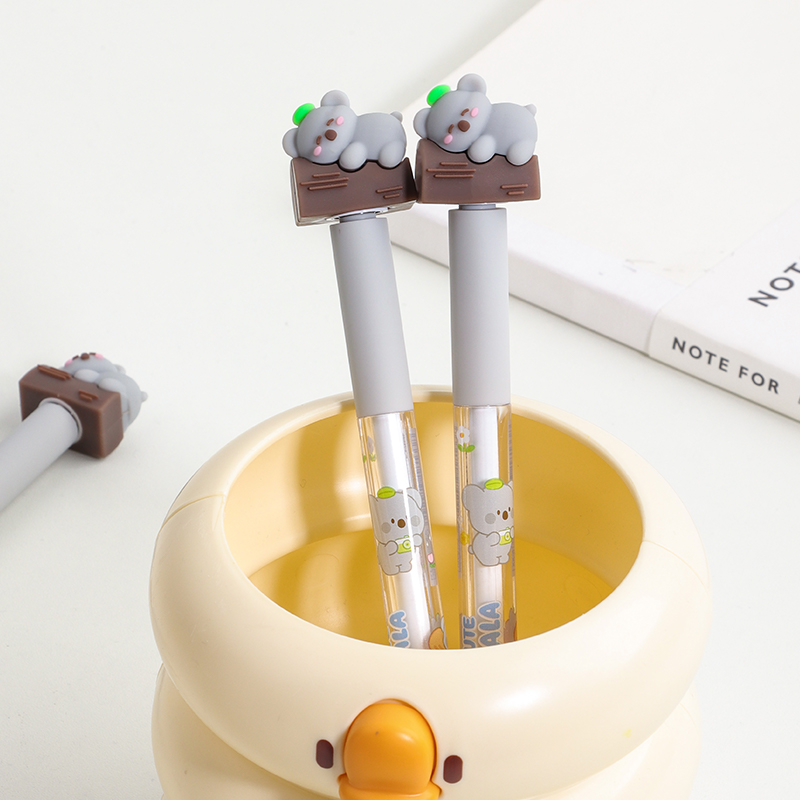
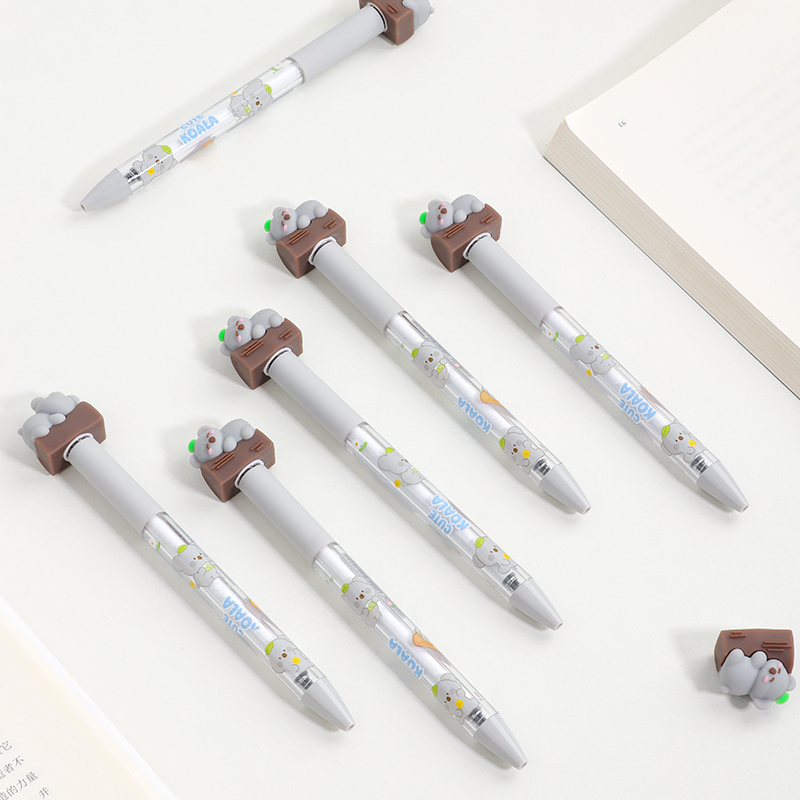
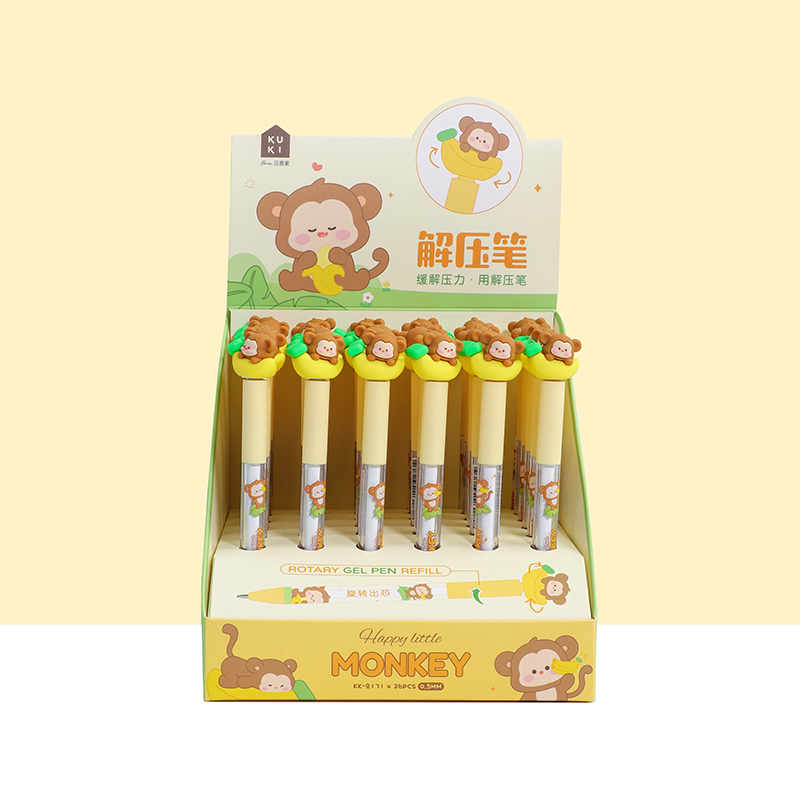
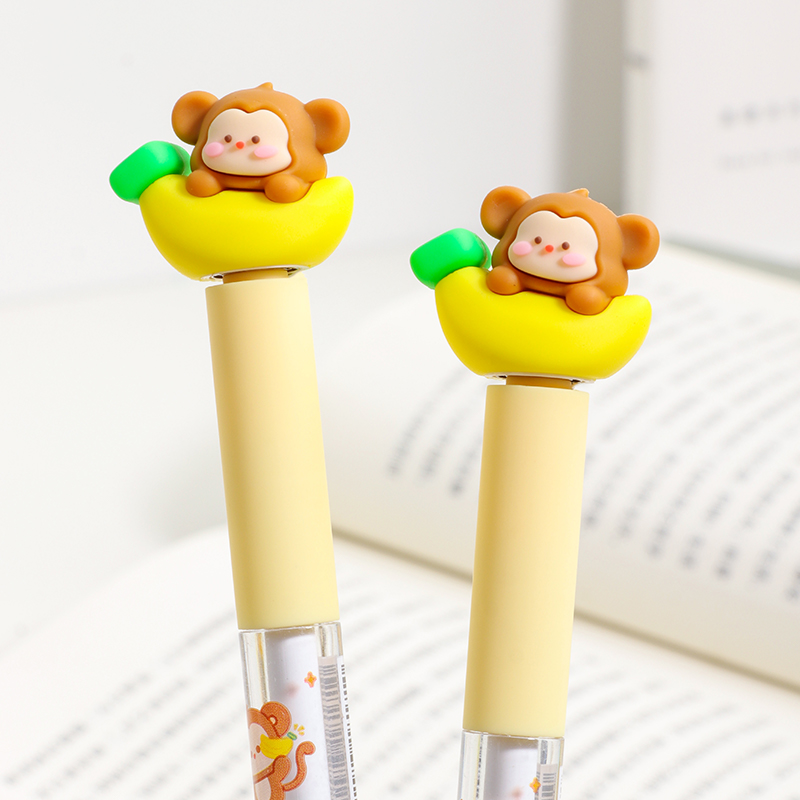
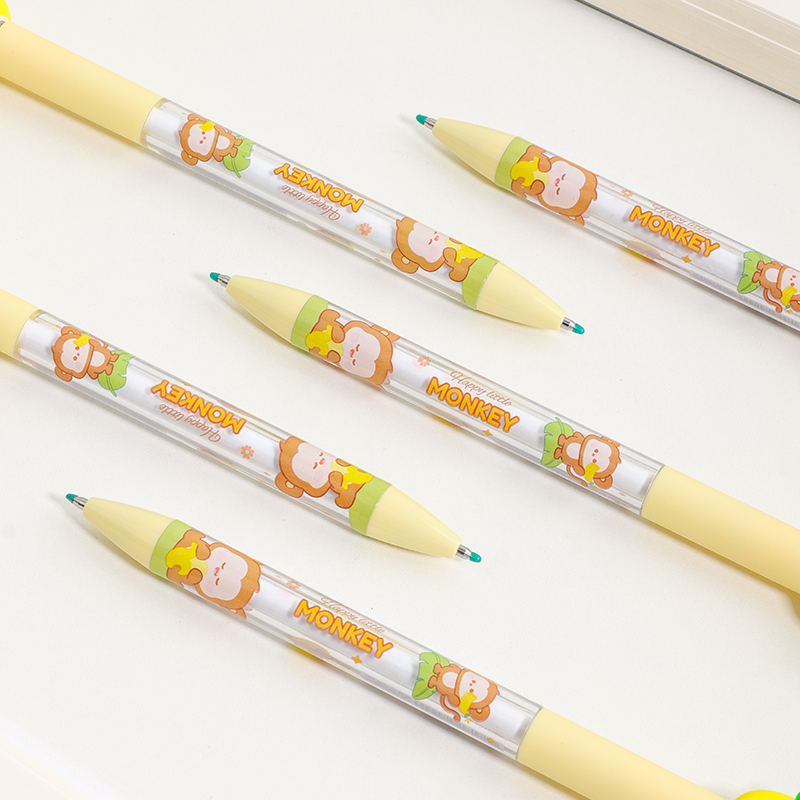
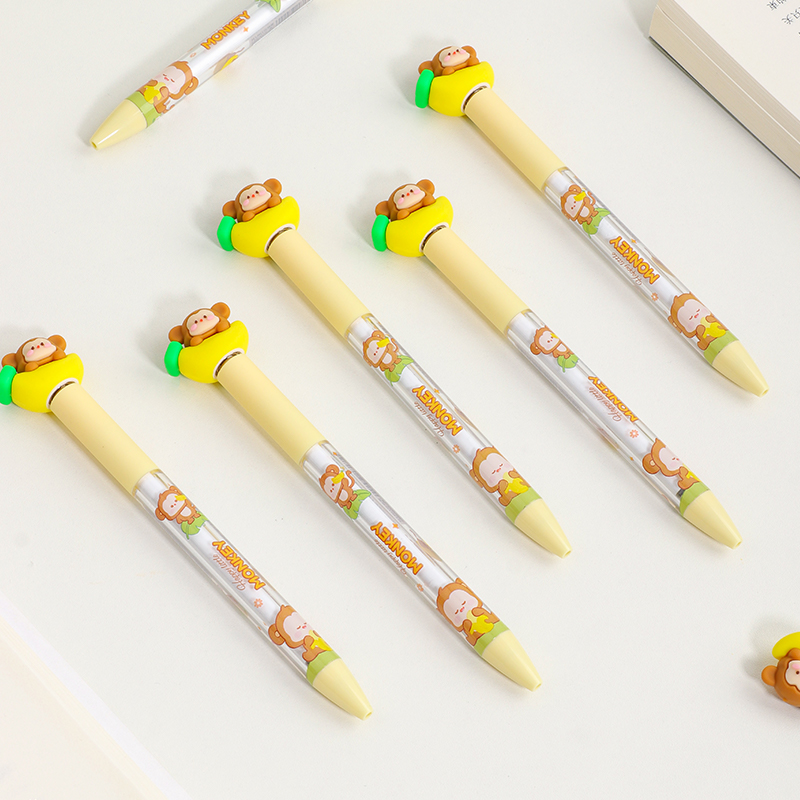
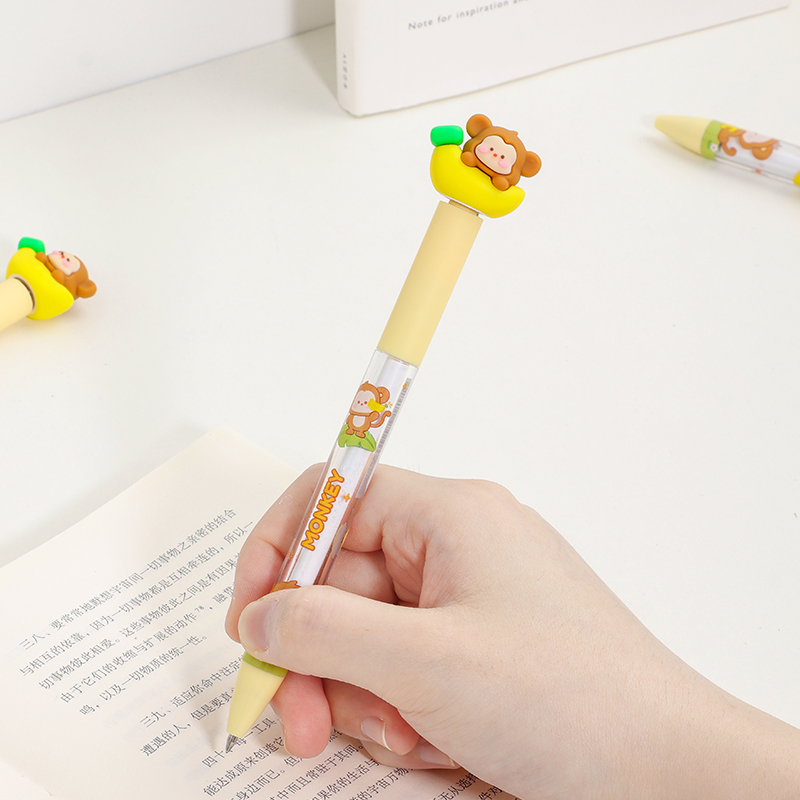
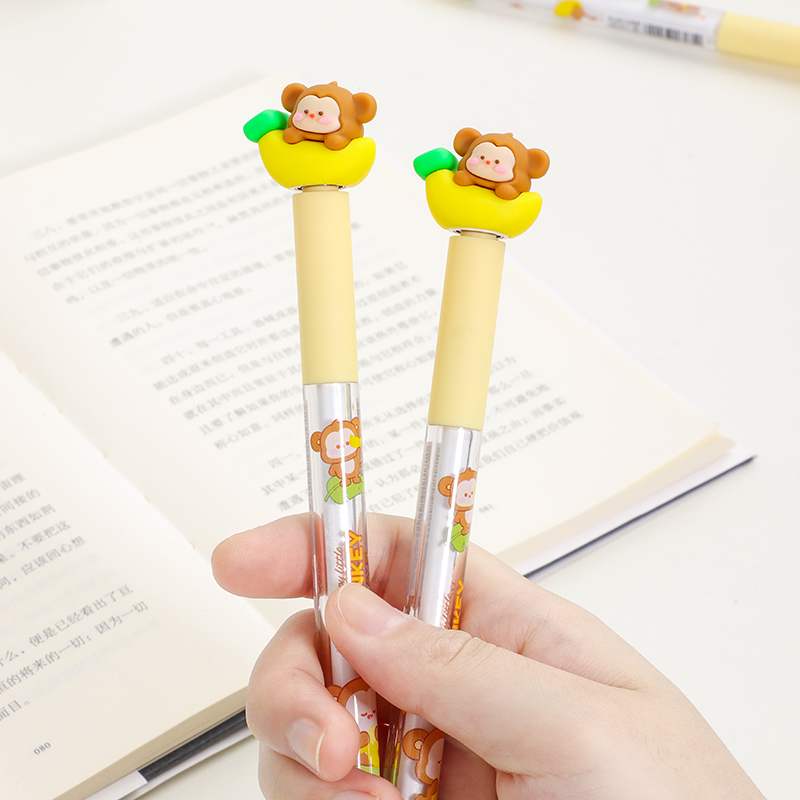
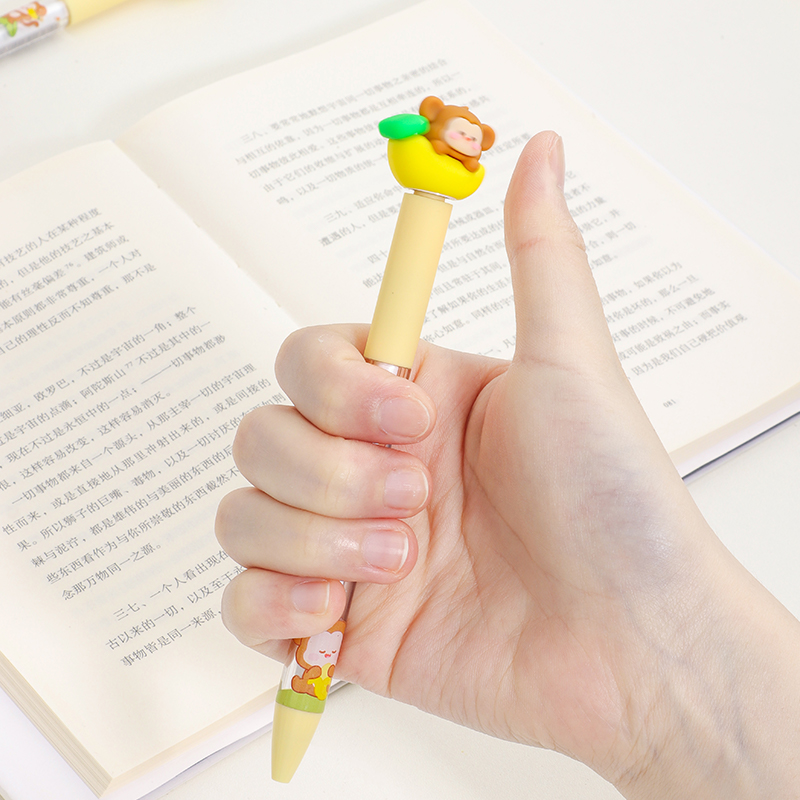
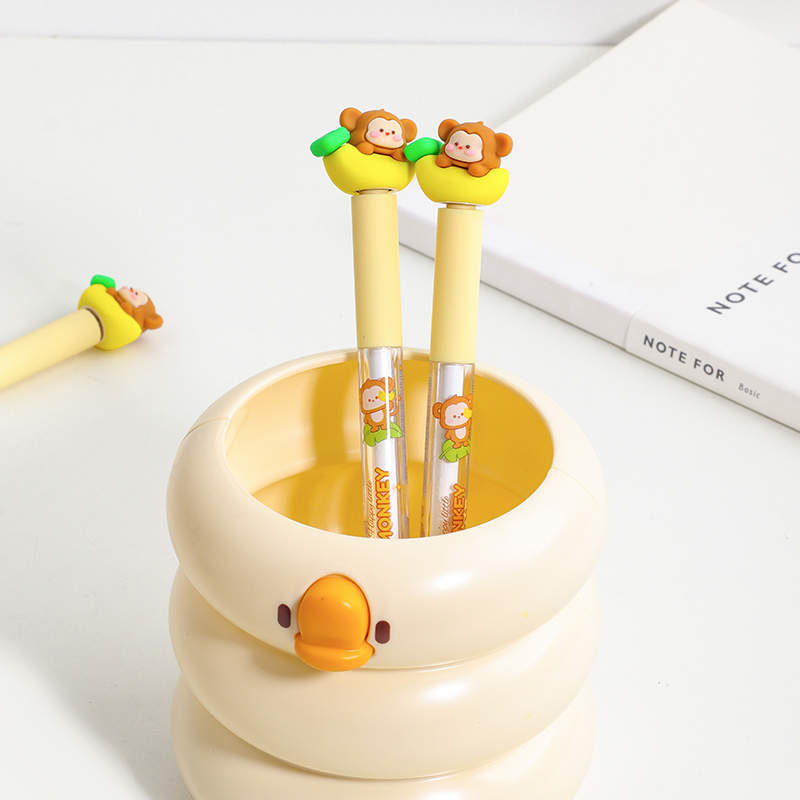
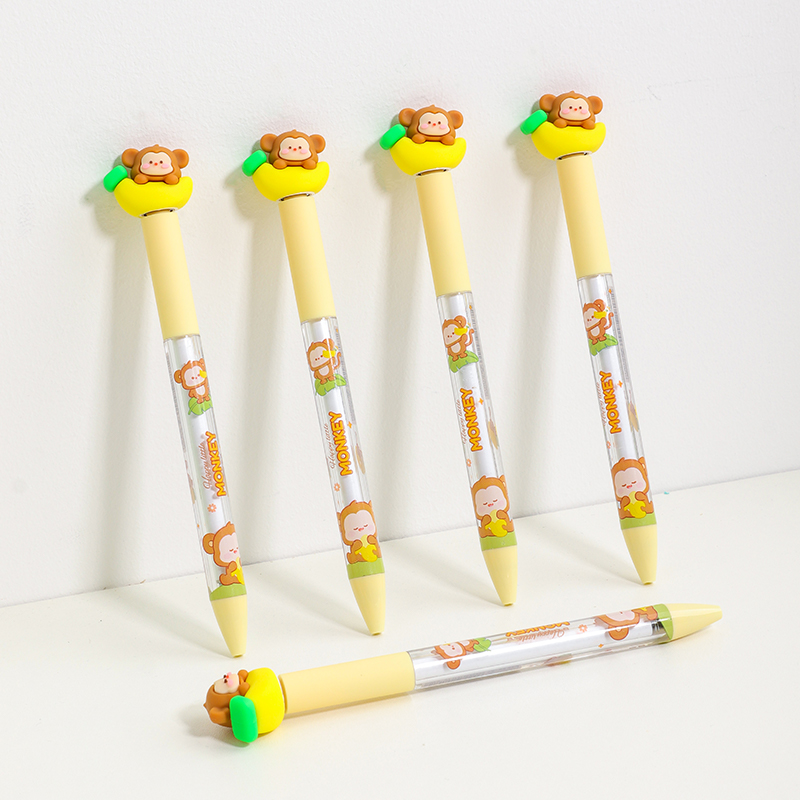
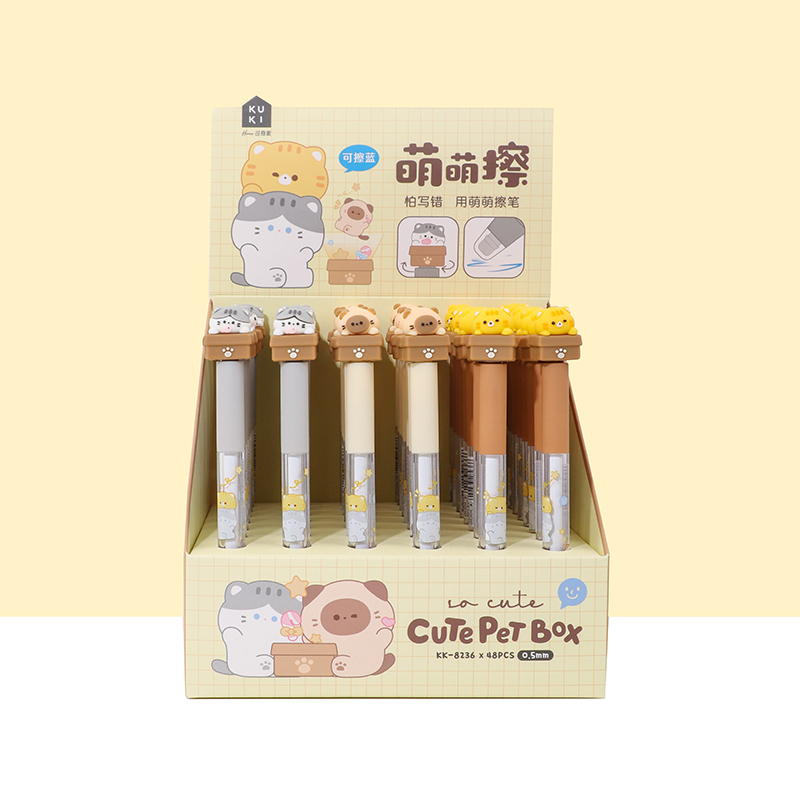
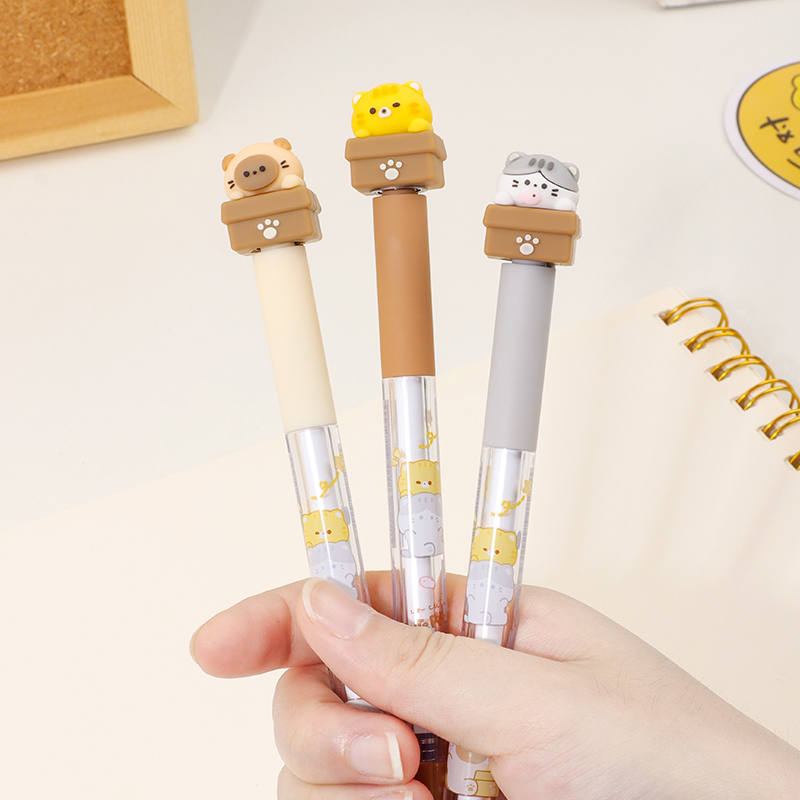
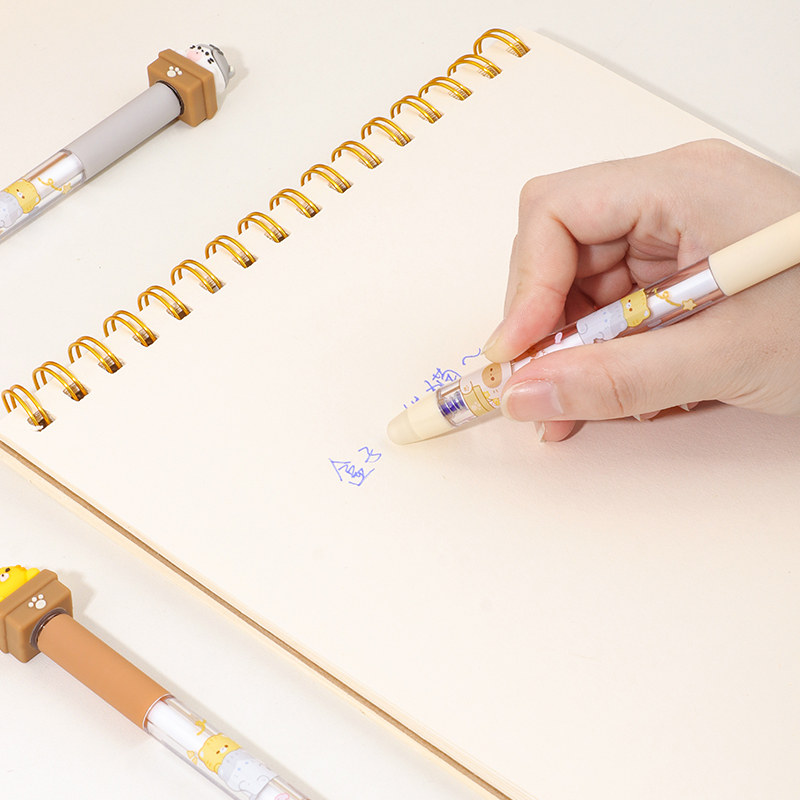
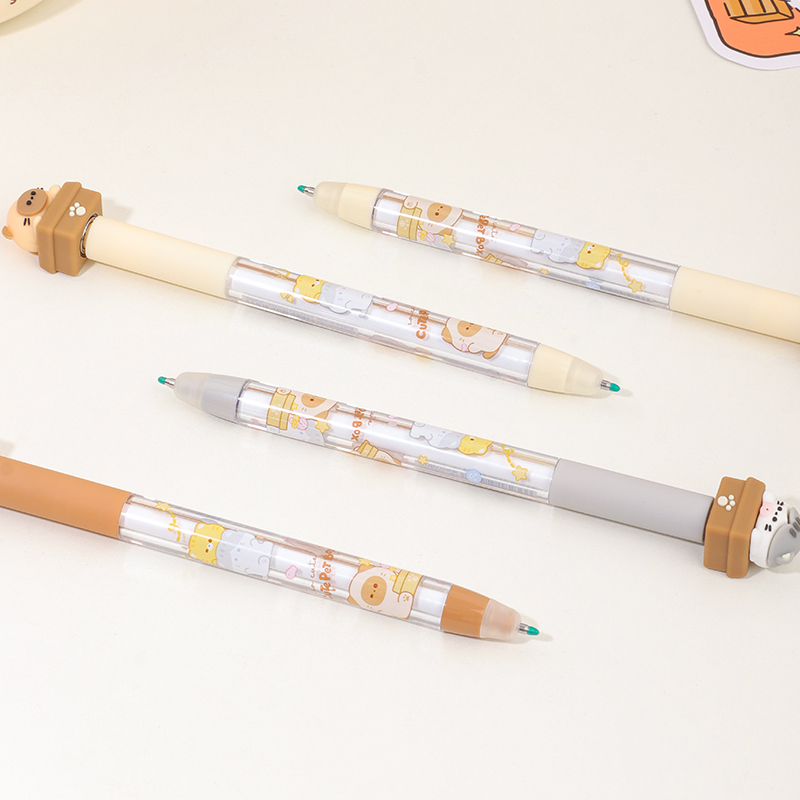
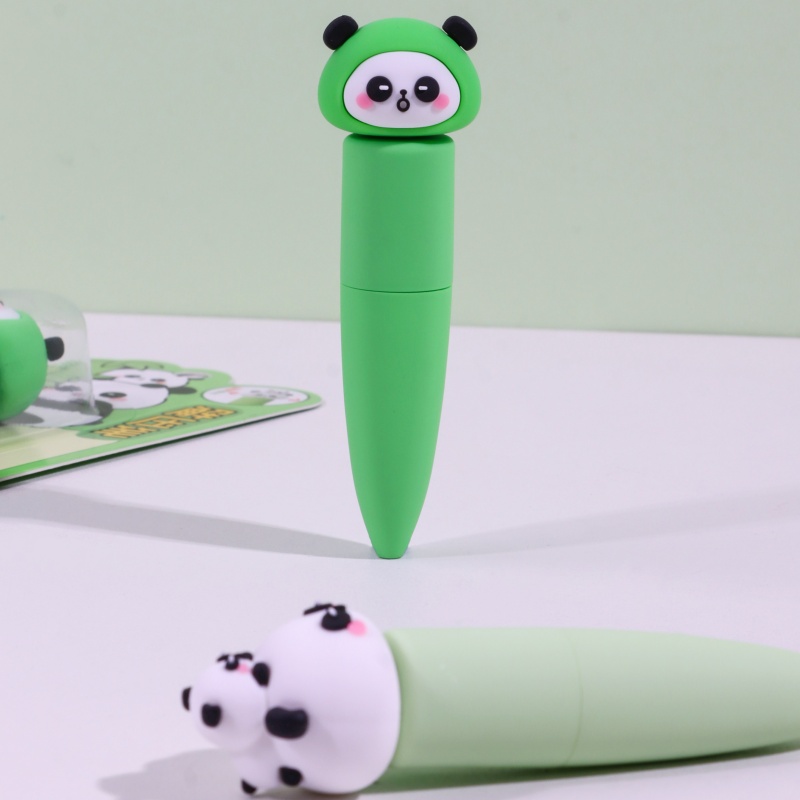
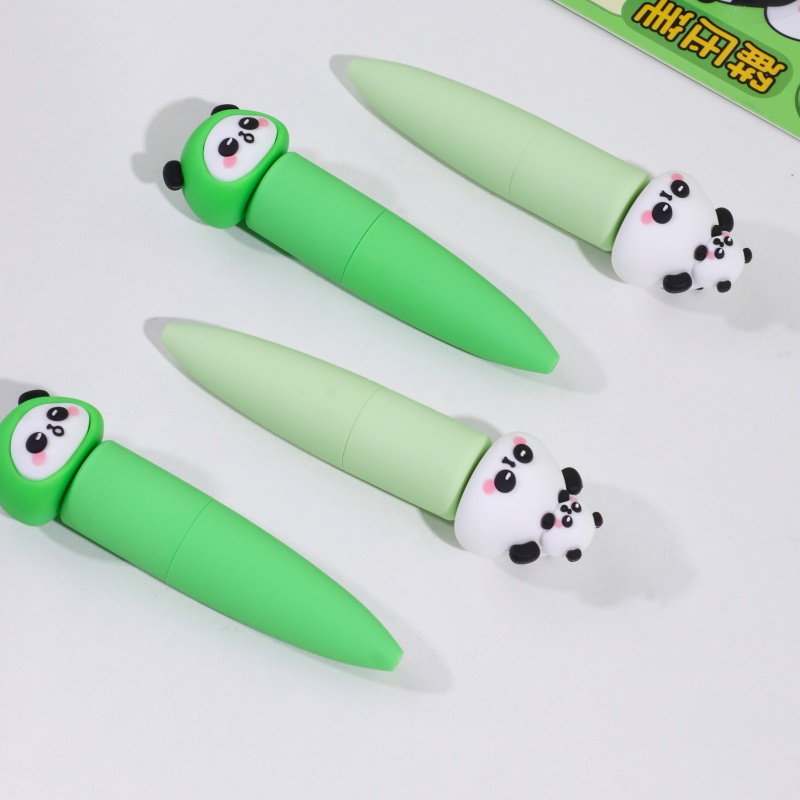
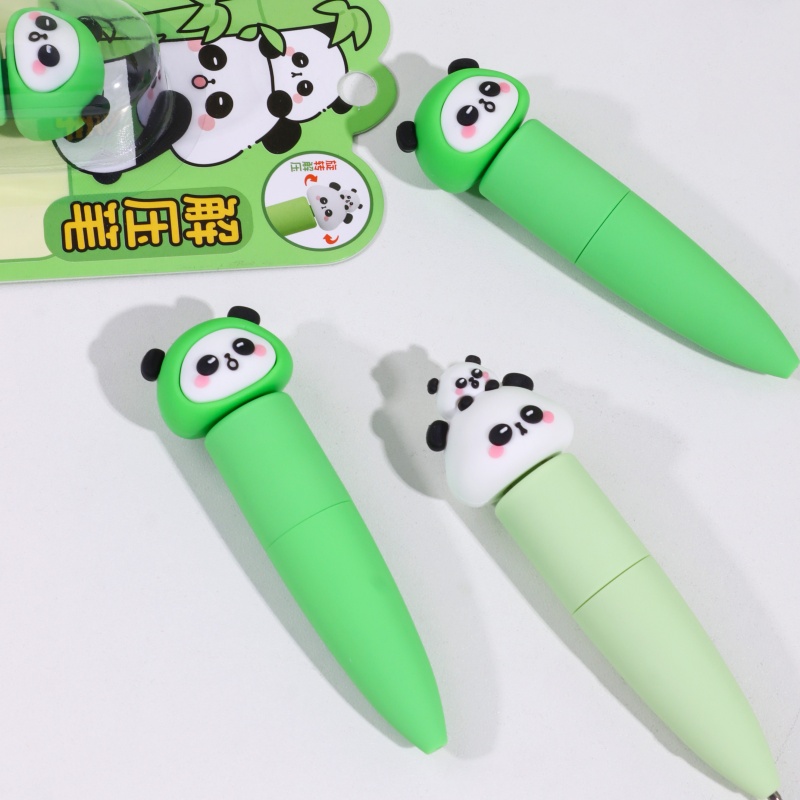
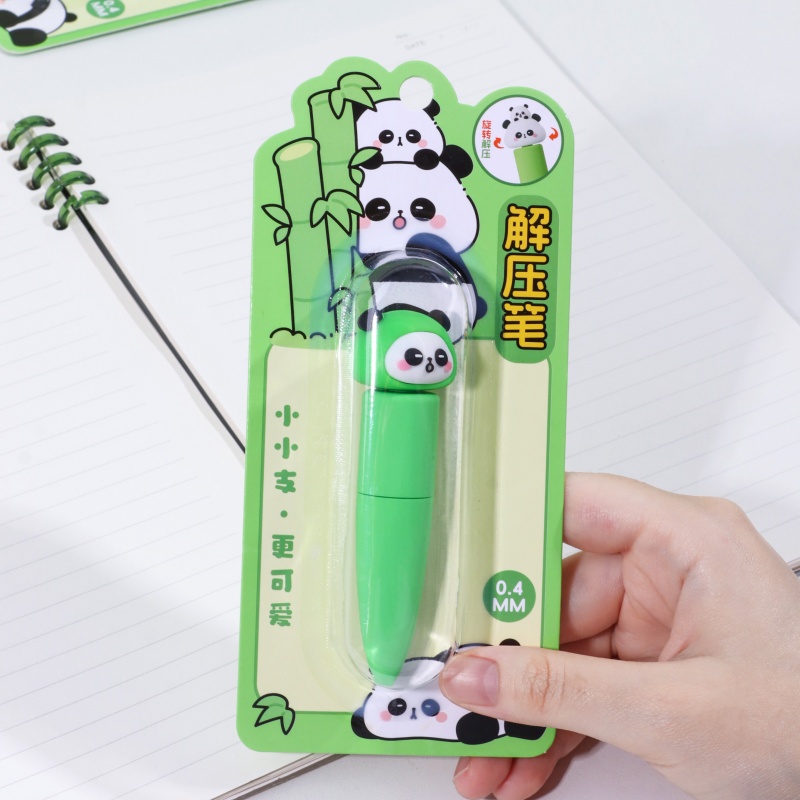
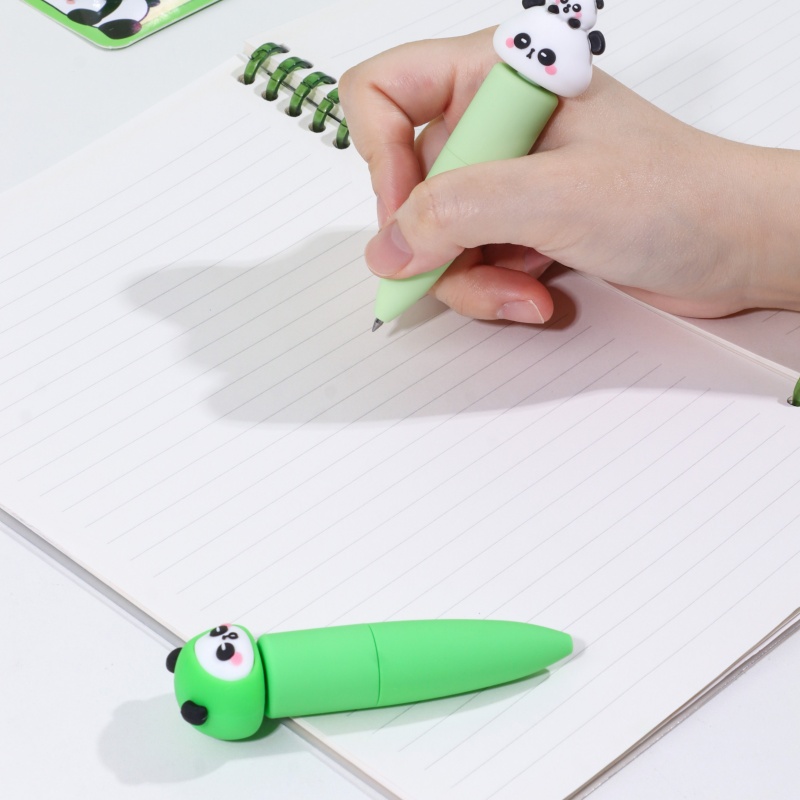
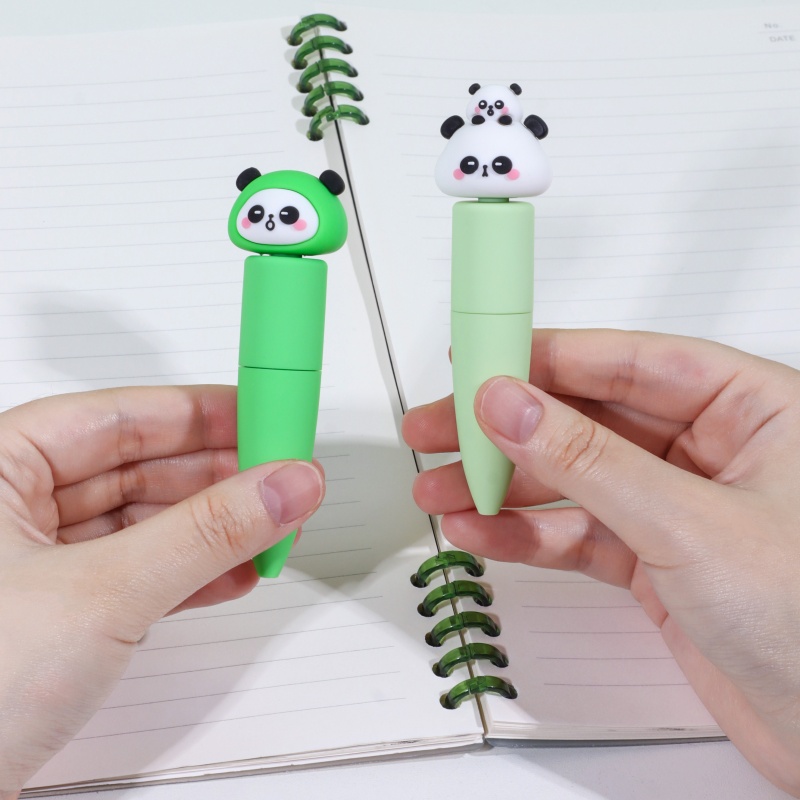
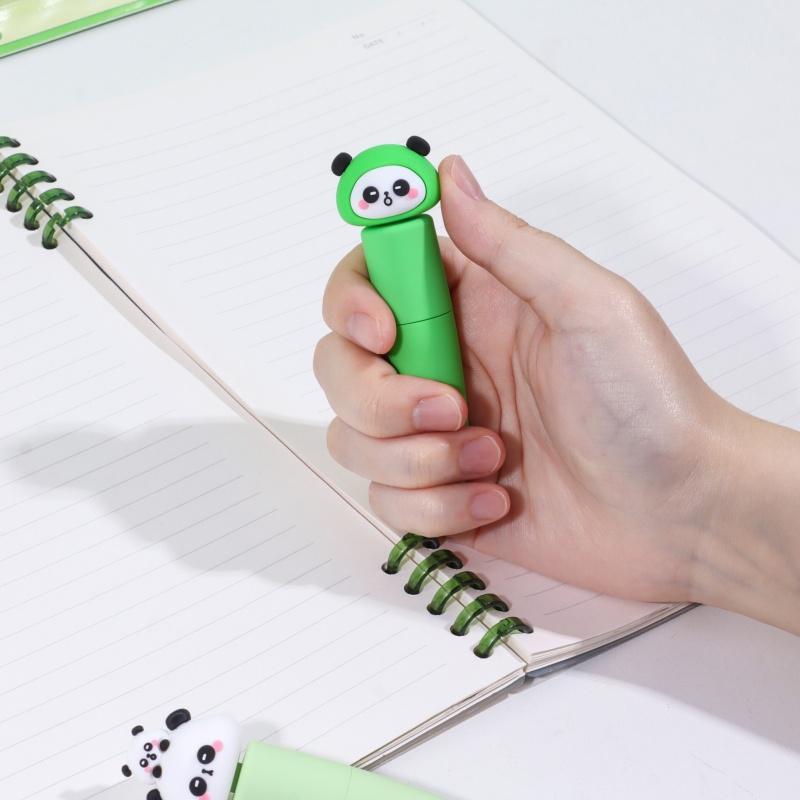
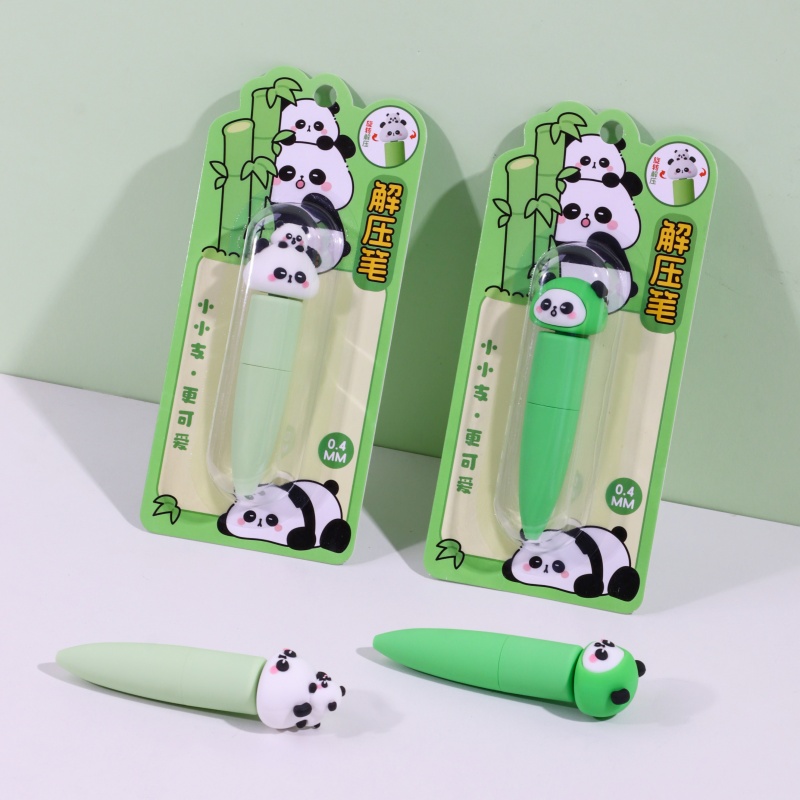
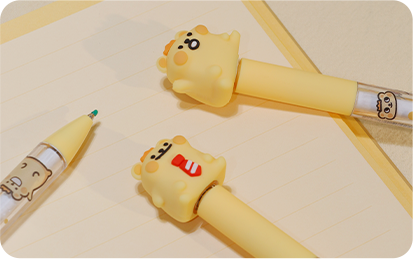
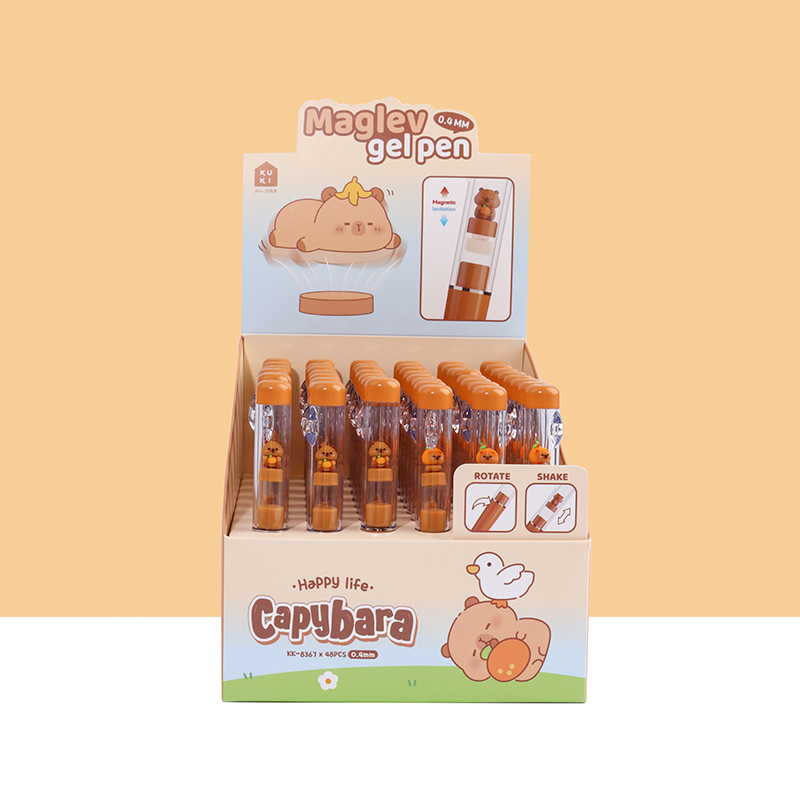
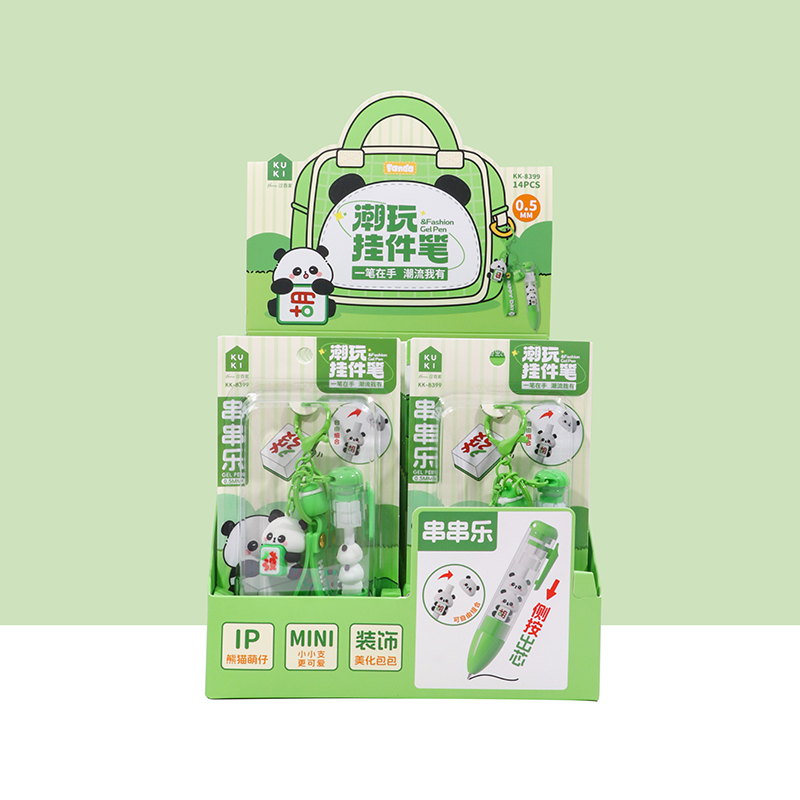
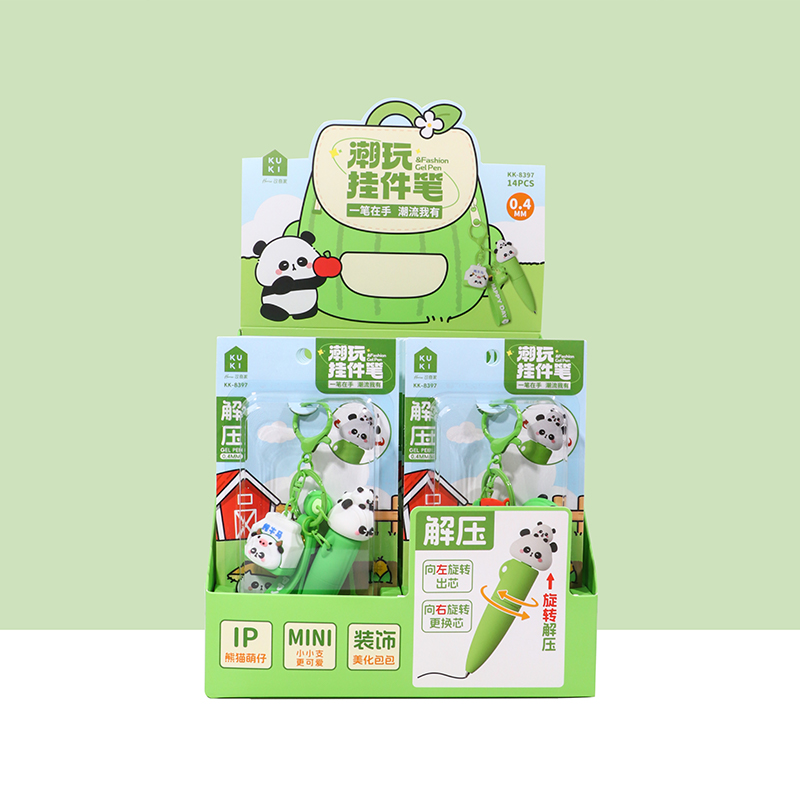
This decompression pen integrates a precision bearing system beneath a 3D drip-mold ornament atop the barrel, allowing it to spin freely, emulating a fidget-spinner effect. It retains the trusted 0.5 mm gel-ink cartridge for smooth writing. Manufactured using advanced molding lines and rigorous quality controls, it offers both tactile stress relief and writing functionality. The pen is ideal for wellness-oriented corporate giveaways, productivity-driven stationery, or promotional suites aimed at reinforcing focus and calm.
SEND US A MESSAGE
call us
+86 18157942912
About Us
Dongyang Kuki Stationery Co., Ltd.
News
-
Exhibition Name: INDONESIA ASEAN STATIONERY&GIFT EXPO 2025 Exhibition Time: November 20th - 22nd, 2025 Exhibition Ad...
READ MORE -
Mr. Huang Ping, Executive Vice President of Yiwu Cultural Supplies Industry Association, Chairman of Yiwu Kuki home Cult...
READ MORE -
With the brand vision of "making global learners happier", KuKi, a brand under Yiwu Kuki Cultural and Creative Co., LTD....
READ MORE -
Writing tools are no longer cold standard equipment. When creative expression extends to the pen, a fun revolution about...
READ MORE -
Stationery brand KUKI officially launched its new 3D pencil sharpener series today. This series of products innovatively...
READ MORE -
Following its extensive attention at the 138th Canton Fair, KuKi, a brand under Yiwu Kuki Cultural and Creative Co., LTD...
READ MORE
Related products
Decompression Pen Industry knowledge
Q1: What factors are driving demand for calming stationery products?
Modern lifestyles place increasing mental pressure on students and office workers alike. Within this context, a Decompression Pen has emerged as a response to emotional and cognitive fatigue. In the stationery industry, such products are designed not only for writing, but also for providing small moments of relaxation during daily tasks.
Industry analysts note that a Decompression Pen aligns with a broader focus on well-being. By incorporating tactile or interactive elements, it allows users to pause briefly without leaving their workspace, which adds value beyond traditional writing functions.
Q2: How does a Decompression Pen differ from a standard pen?
Unlike conventional designs, a Decompression Pen often includes movable parts or textured surfaces. These features are intentionally subtle, ensuring that the pen still functions smoothly as a writing instrument. From a manufacturing perspective, this balance helps integrate emotional benefits without complicating production.
In the stationery market, a Decompression Pen is frequently positioned as an everyday tool rather than a novelty item, which supports repeated use in both educational and professional environments.
Q3: What defines a Fidget Pen in terms of design purpose?
A Fidget Pen is developed with motion in mind. Rotating components, sliding elements, or click-based features encourage repetitive interaction. In the stationery industry, this type of pen reflects insights from behavioral observation, where small movements can help maintain focus.
Rather than distracting users, a Fidget Pen is designed to channel restless energy into controlled motion. This makes it particularly relevant for long meetings or study sessions where concentration is required.
Q4: Why has the Fidget Pen gained acceptance in workspaces?
Initially, fidget-based products were associated mainly with children. Over time, the Fidget Pen has found acceptance among adults as awareness of attention management has grown. In professional settings, discreet movement is often preferred over visible stress-relief tools.
For stationery brands, the Fidget Pen represents an opportunity to address cognitive comfort while maintaining a professional appearance. This balance helps expand its audience beyond niche segments.
Q5: How does a Stress Relief Pen support emotional balance?
A Stress Relief Pen focuses on easing tension through sensory feedback. Soft-touch materials, gentle resistance, or rhythmic interaction contribute to calming effects. Within the stationery industry, this approach reflects growing interest in mental wellness through everyday objects.
The Stress Relief Pen is often used during moments of pause, such as thinking breaks or transitions between tasks. This supports a healthier relationship with work routines.
Q6: In which scenarios is a Stress Relief Pen commonly used?
A Stress Relief Pen is frequently found in office environments, classrooms, and home workspaces. Because it does not require additional accessories, it integrates naturally into existing habits. This convenience increases its relevance across different user groups.
From an industry viewpoint, such versatility strengthens the product’s long-term demand without relying on trend-driven appeal.
Q7: How do these pen types influence purchasing behavior?
Consumers increasingly evaluate stationery based on emotional value. A Decompression Pen attracts buyers seeking subtle relaxation. A Fidget Pen appeals to those who benefit from movement. Meanwhile, a Stress Relief Pen addresses tension through tactile comfort.
Retailers often highlight these features through in-store demonstrations or descriptive packaging. This reflects how emotional benefits are becoming a key part of product communication in stationery sales.
Q8: What challenges do manufacturers face in this category?
Designing stress-reducing pens requires careful testing to avoid mechanical fatigue. For example, a Fidget Pen must remain durable under repeated motion. Similarly, a Decompression Pen should maintain balance despite added components.
Manufacturers also need to ensure that a Stress Relief Pen remains visually appropriate for different environments, which influences material and color choices.
Q9: What does this trend indicate about the future of stationery?
The rise of emotionally supportive products suggests that stationery is evolving beyond pure utility. A Decompression Pen reflects awareness of mental load. A Fidget Pen addresses attention needs. A Stress Relief Pen integrates calm into routine actions.
Together, these categories show how writing tools are adapting to modern emotional realities, reinforcing the role of stationery as a quiet companion in daily life rather than just a functional object.


Pagetop
CONTACT
- +86 18157942912

- [email protected]

- Production Center: 3rd Floor, Building 2, Minghong Science and Innovation Park, No. 36 Suhua Street, Yiwu City, Jinhua City, Zhejiang Province (Elevator 2-5)

- Operation Center: 4th Floor, Building 2, Minghong Science and Innovation Park, No. 36 Suhua Street, Yiwu City, Jinhua City, Zhejiang Province (Elevator 2-6)
QUICK LINKS
MOBILE
