

 English
 bahasa Indonesia
 русский











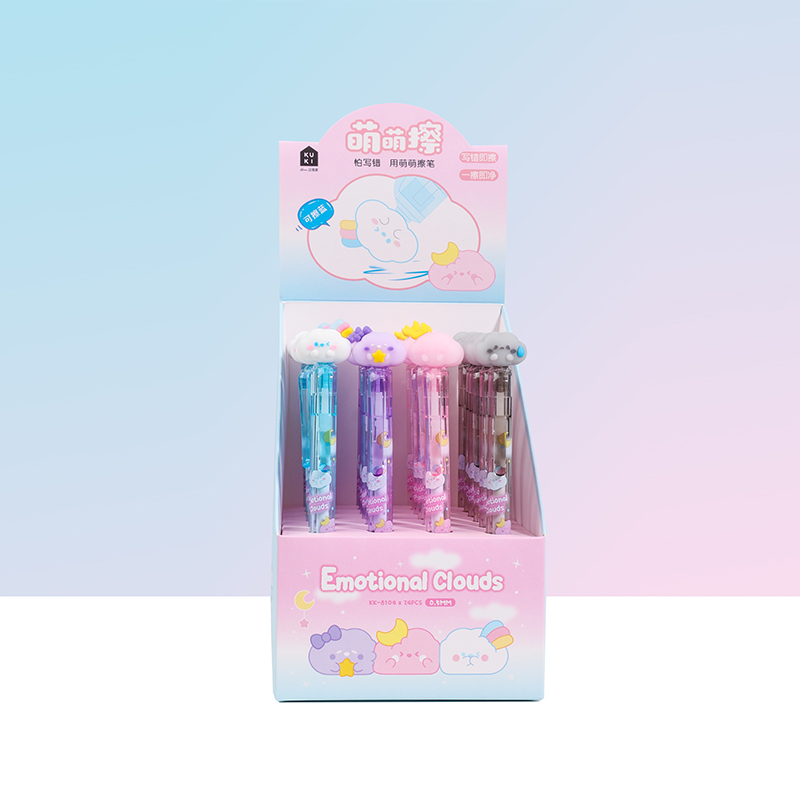
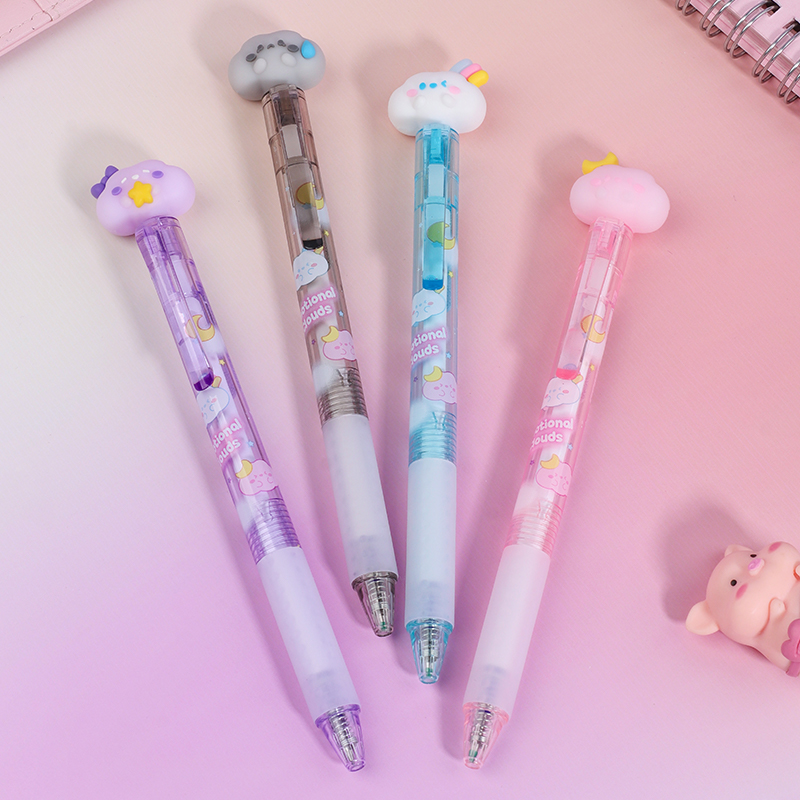
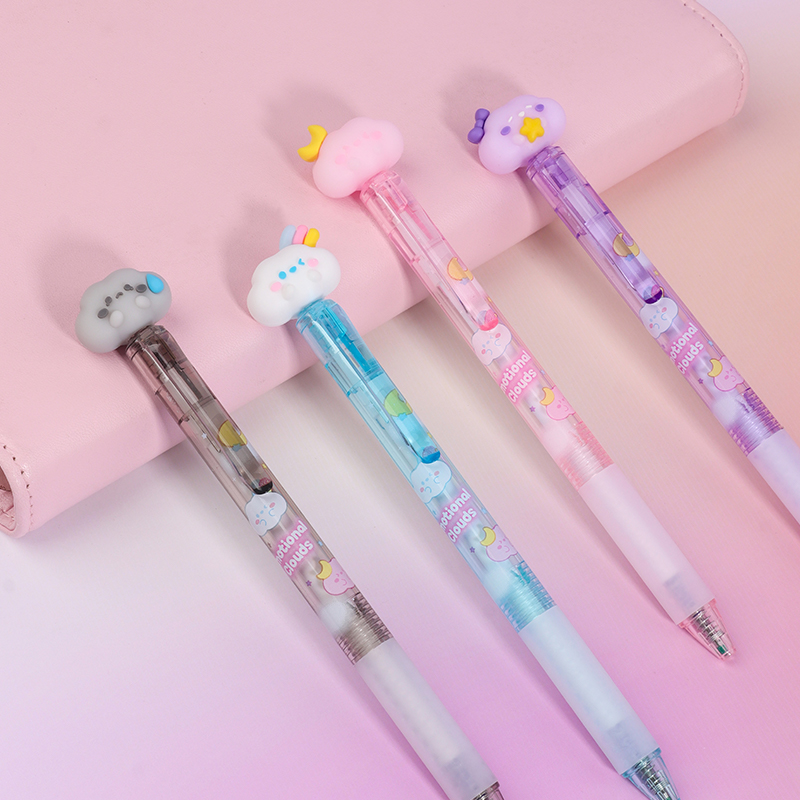
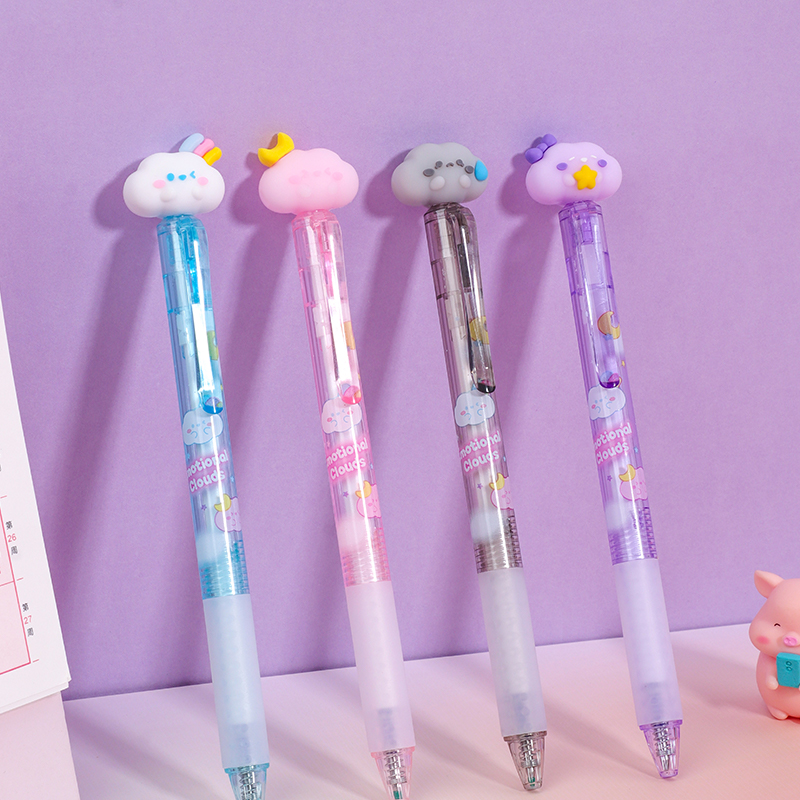
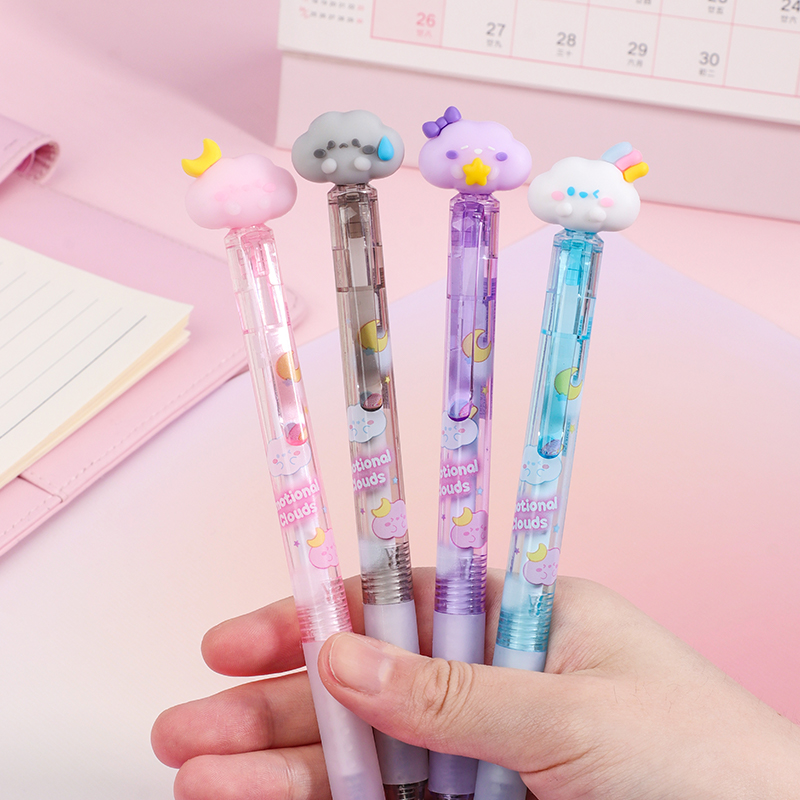
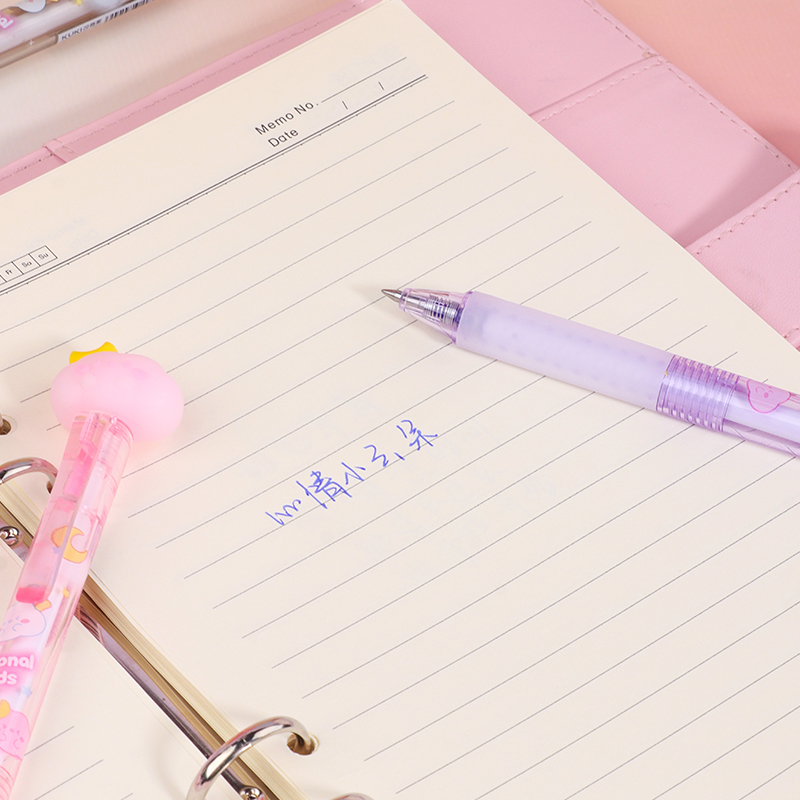
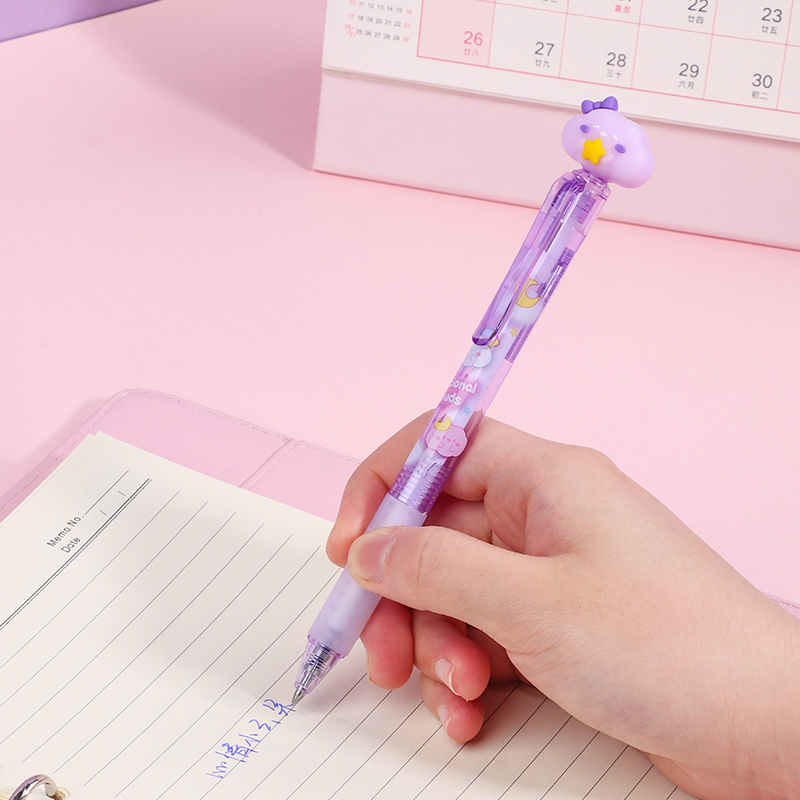
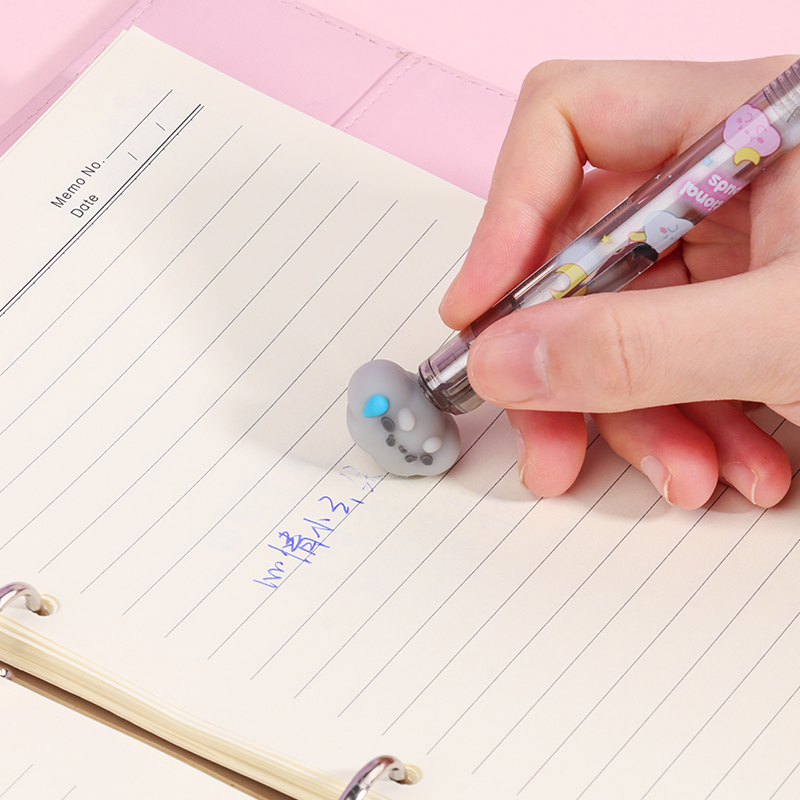
Dongyang Kuki Stationery Co., Ltd. is an innovative stationery company that integrates design, R&D, production, and sales. Under its brand KUKI HOME, the company focuses on cute and novelty-designed products — especially erasers, sharpeners, and correction tapes — with a mission to make learning happier and more creative.
As a pioneer in creative styling stationery, KUKI HOME owns 20+ original and collaborative IPs, including HAMER FRIENDS, LUCKYCATCLAW, HAPPTLFE AYBARA, VEGETABLE CHICKEN, and more. The company has developed over 30 product categories and launched 300+ bestsellers, with several single products exceeding 20 million units in sales. As a custom Erasable Pen manufacturer and wholesale Erasable Pen factory in China, KUKI has also obtained 30+ design patents.
KUKI HOME has partnered with global brands like Miniso, The Green Party, and Lenle, and its products are exported to Europe, North America, Brazil, Indonesia, and other countries — well received by consumers around the world. In 2023, it was honored as a “Pioneer of Going Abroad” by Yiwu Brand Overseas Billion Club and has long participated in stationery exhibitions and international exchanges in Japan, Indonesia, Russia, and beyond.
Looking ahead, KUKI HOME is transforming from traditional manufacturing to “cultural and creative intelligent manufacturing.” With continuous innovation in IP creation, product updates, and design, the brand is boldly moving toward becoming one of the world’s leading names in creative stationery.

Thermosensitive Pen
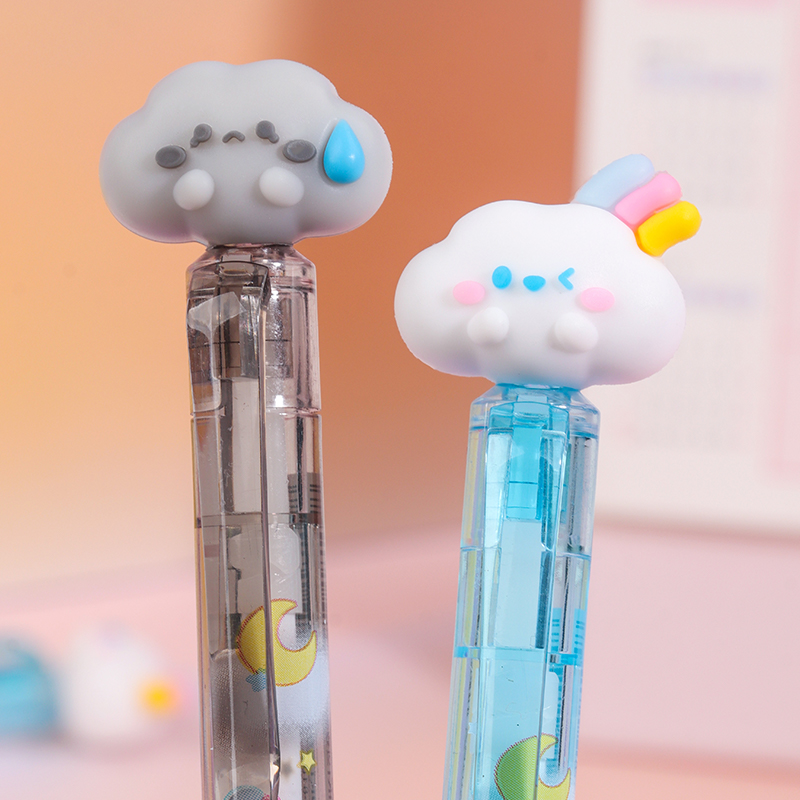
KUKI's Erasable Pen features a 0.5mm gel ink refill with thermosensitive ink, allowing users to erase writing by rubbing the top of the pen. The pen body is constructed from durable PVC and ABS materials, ensuring longevity and a comfortable grip. This pen is ideal for students and professionals seeking a reliable writing instrument with the added benefit of erasability. Its unique design and functionality make it a standout choice for promotional giveaways and customized corporate gifts.
SEND US A MESSAGE
call us
+86 18157942912
About Us
Dongyang Kuki Stationery Co., Ltd.
News
-
Exhibition Name: INDONESIA ASEAN STATIONERY&GIFT EXPO 2025 Exhibition Time: November 20th - 22nd, 2025 Exhibition Ad...
READ MORE -
Mr. Huang Ping, Executive Vice President of Yiwu Cultural Supplies Industry Association, Chairman of Yiwu Kuki home Cult...
READ MORE -
With the brand vision of "making global learners happier", KuKi, a brand under Yiwu Kuki Cultural and Creative Co., LTD....
READ MORE -
Writing tools are no longer cold standard equipment. When creative expression extends to the pen, a fun revolution about...
READ MORE -
Stationery brand KUKI officially launched its new 3D pencil sharpener series today. This series of products innovatively...
READ MORE -
Following its extensive attention at the 138th Canton Fair, KuKi, a brand under Yiwu Kuki Cultural and Creative Co., LTD...
READ MORE
Related products
Erasable Pen Industry knowledge
Q1: Why are erasable writing instruments gaining popularity?
Consumers increasingly seek pens that allow flexibility in correcting mistakes without leaving residue. An Erasable Pen addresses this demand by providing smooth ink flow while enabling removal with minimal effort. In the stationery industry, these pens reflect a shift toward convenience and user-friendly solutions.
Erasable pens appeal to students, professionals, and hobbyists alike. They offer the ability to revise work instantly, which encourages experimentation and reduces frustration during note-taking or drafting.
Q2: What makes a Thermosensitive Pen unique?
A Thermosensitive Pen reacts to changes in temperature, typically altering ink color or visibility when exposed to heat. This feature introduces an interactive element to writing, giving users a playful or functional experience. Within the stationery sector, Thermosensitive Pens demonstrate how innovation extends beyond ink quality to sensory engagement.
From an industry perspective, these pens are often marketed as novelty items or educational tools. They can make learning more engaging, allowing for experiments in color change or secret messages that appear only under certain conditions.
Q3: How does a Rubber Erase Pen differ from traditional correction methods?
A Rubber Erase Pen combines a writing instrument with an integrated eraser, allowing users to correct errors directly on the page. Unlike separate erasers, this design keeps the tool compact and convenient. In the stationery market, Rubber Erase Pens appeal to consumers who value efficiency without sacrificing writing comfort.
This type of pen is particularly relevant in environments where frequent corrections are expected, such as classrooms or offices. Its ergonomic design often improves grip and precision, enhancing the overall writing experience.
Q4: How do these pens impact learning and productivity?
Erasable technologies support experimentation. An Erasable Pen allows users to test ideas without committing permanently, fostering confidence in writing and note-taking. Thermosensitive Pens add an element of curiosity, encouraging engagement in educational settings. Rubber Erase Pens streamline corrections, reducing interruptions caused by mistakes.
For stationery brands, these benefits are important selling points. They highlight the functional and emotional value of pens beyond basic writing, helping companies differentiate products in a crowded market.
Q5: Are there design challenges associated with these pens?
Yes, each category presents unique considerations. An Erasable Pen requires ink formulas that erase cleanly without smudging. Thermosensitive Pens demand precise chemical responses to temperature changes while maintaining consistent writing performance. Rubber Erase Pens must balance eraser durability with pen comfort, ensuring that neither function compromises the other.
Industry designers address these challenges through material selection, ergonomic testing, and iterative prototyping. Attention to these details ensures that innovative pens remain practical for daily use.
Q6: Why are these pens relevant to modern stationery trends?
The stationery industry increasingly prioritizes multifunctionality and interactive experiences. Erasable, Thermosensitive, and Rubber Erase Pens reflect this direction by combining writing capability with additional user benefits. Consumers now expect tools that adapt to their habits and offer creative or corrective features.
These pens also support lifestyle-oriented marketing. For example, Erasable Pens can be promoted to creative professionals who value flexibility, while Thermosensitive Pens attract students exploring experimental writing techniques. Rubber Erase Pens are positioned as reliable everyday companions.
Q7: How do these pens influence the future of writing instruments?
Together, Erasable Pens, Thermosensitive Pens, and Rubber Erase Pens demonstrate how innovation in stationery extends beyond ink quality. They show that pens can provide adaptability, interactivity, and convenience in one package. By integrating multiple functions, manufacturers are creating tools that respond to modern user expectations while maintaining the essential purpose of writing.
This trend indicates that future pen designs will likely continue blending usability with creative or corrective features, making everyday writing more flexible, engaging, and enjoyable.


Pagetop
CONTACT
- +86 18157942912

- [email protected]

- Production Center: 3rd Floor, Building 2, Minghong Science and Innovation Park, No. 36 Suhua Street, Yiwu City, Jinhua City, Zhejiang Province (Elevator 2-5)

- Operation Center: 4th Floor, Building 2, Minghong Science and Innovation Park, No. 36 Suhua Street, Yiwu City, Jinhua City, Zhejiang Province (Elevator 2-6)
QUICK LINKS
MOBILE
