

 English
 bahasa Indonesia
 русский






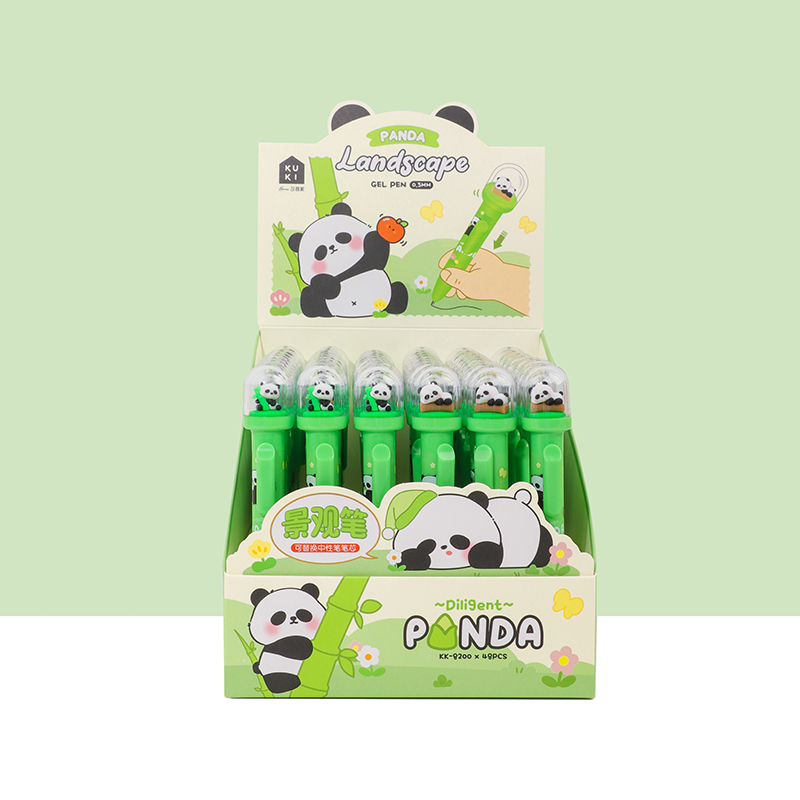
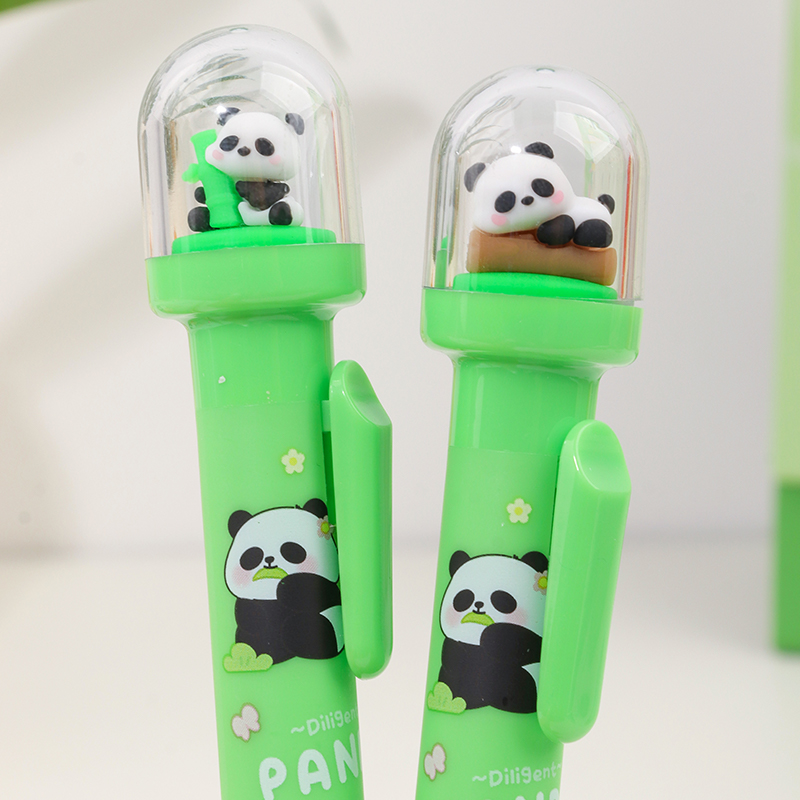
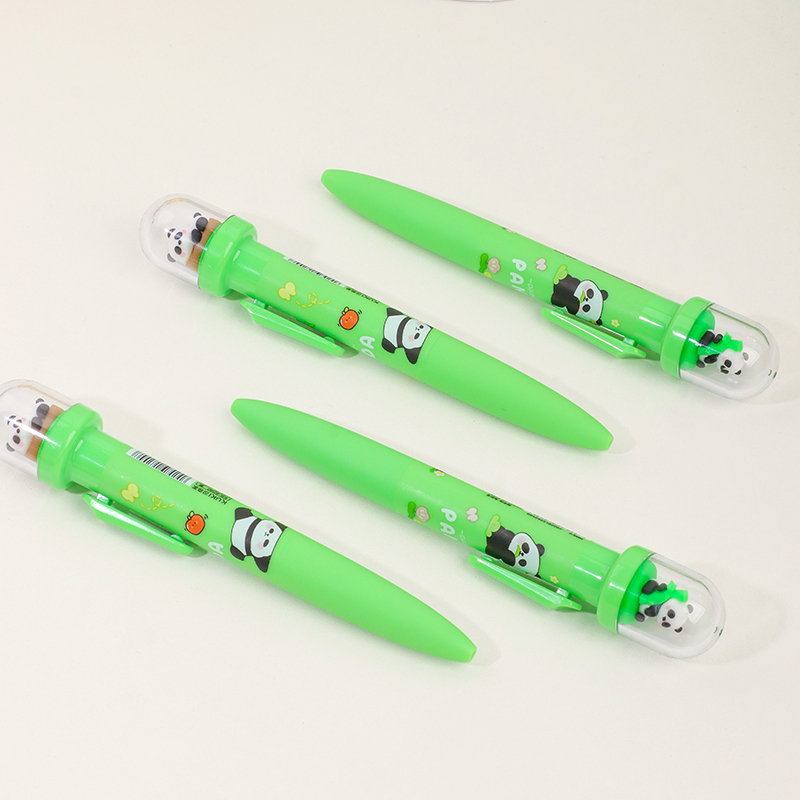
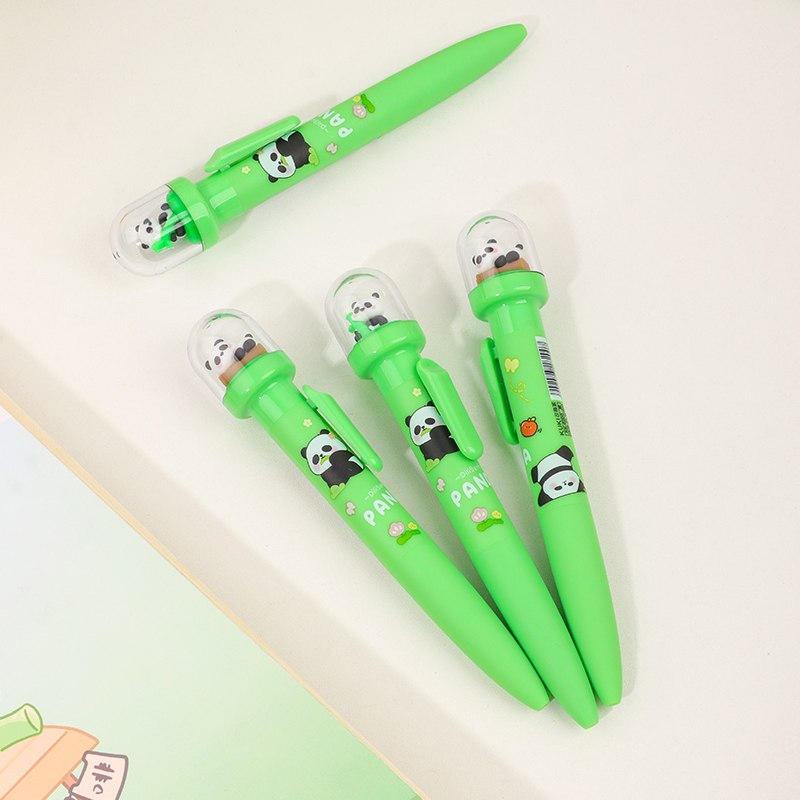
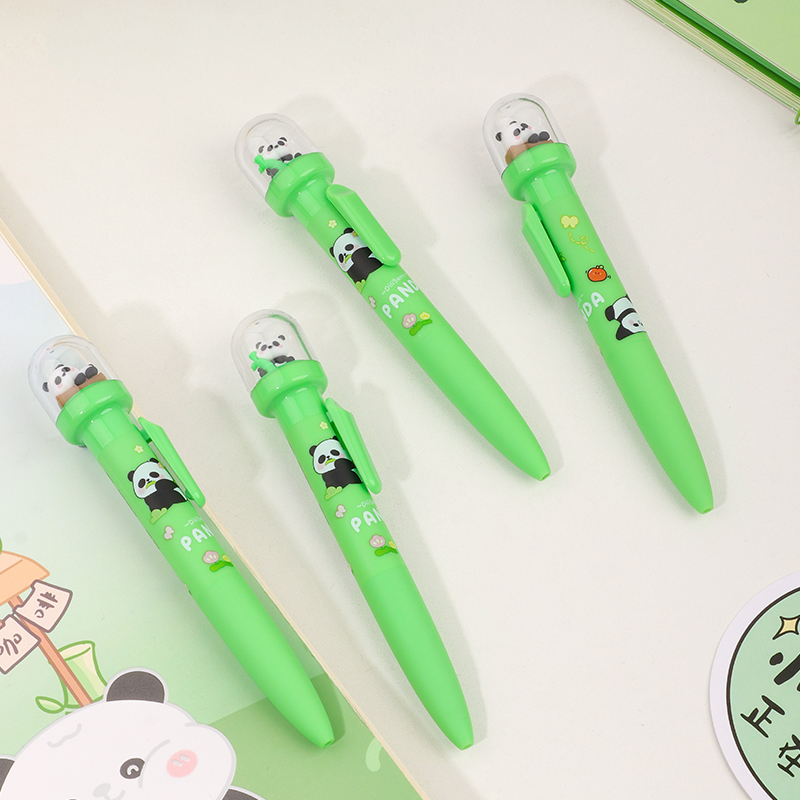
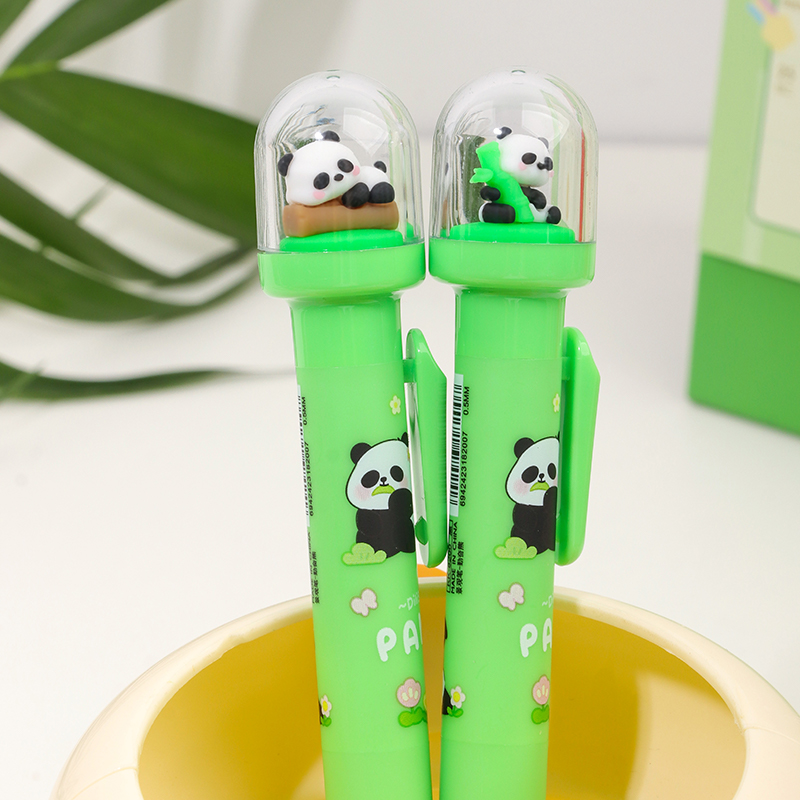
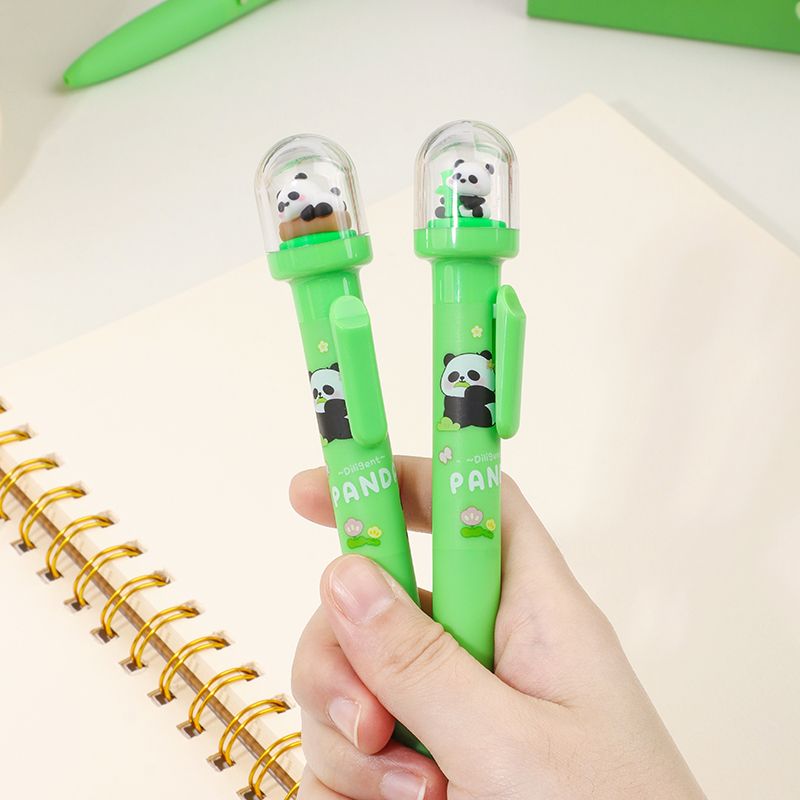
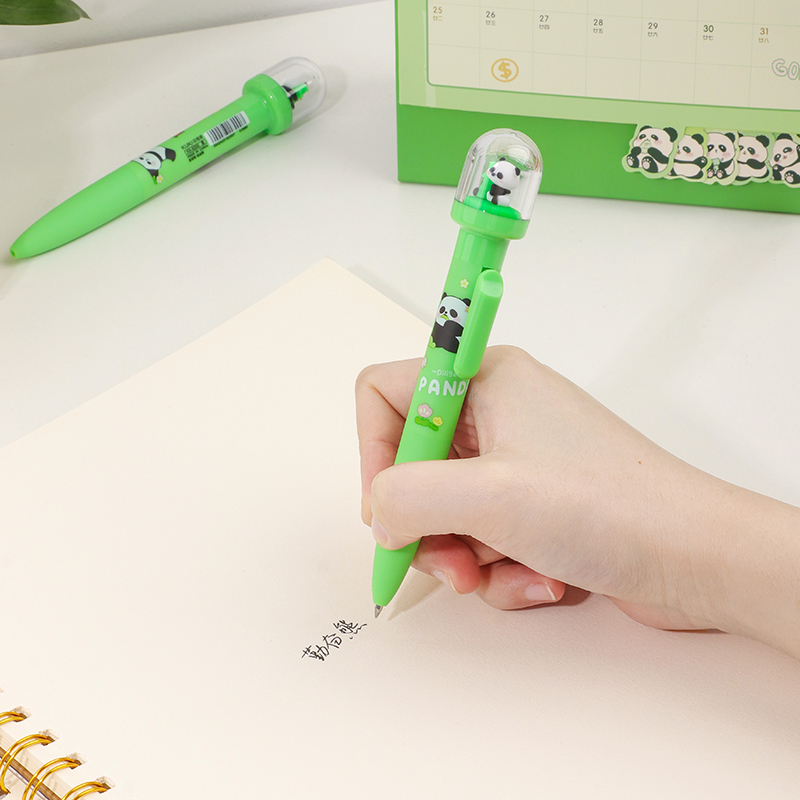
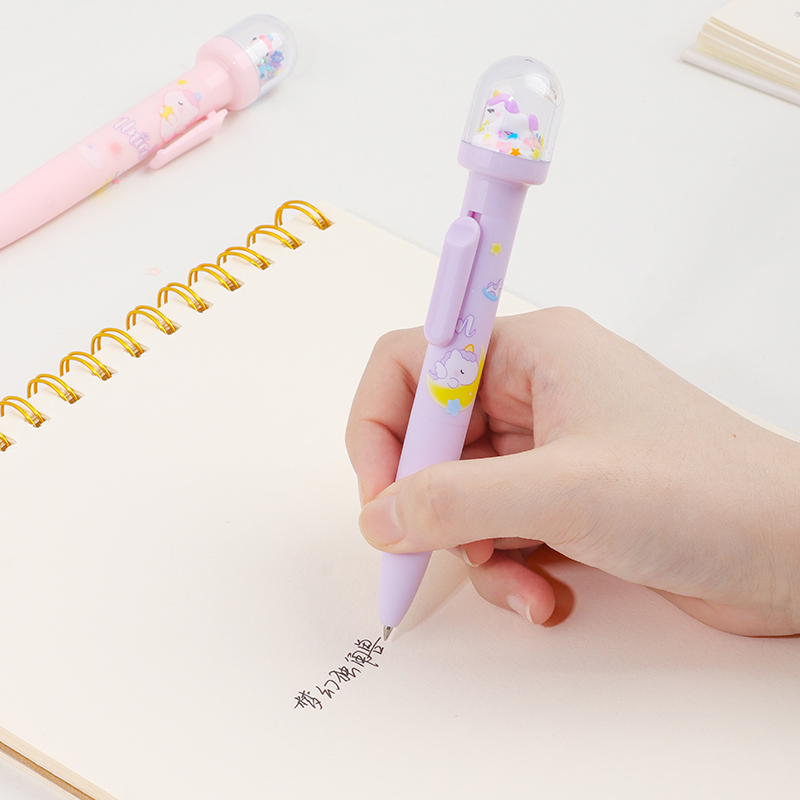
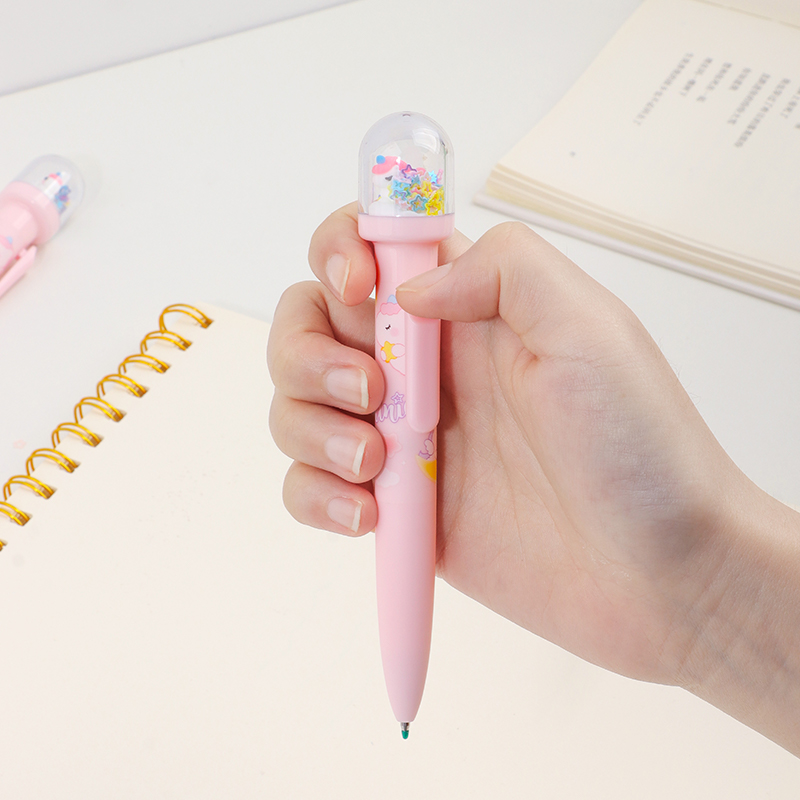
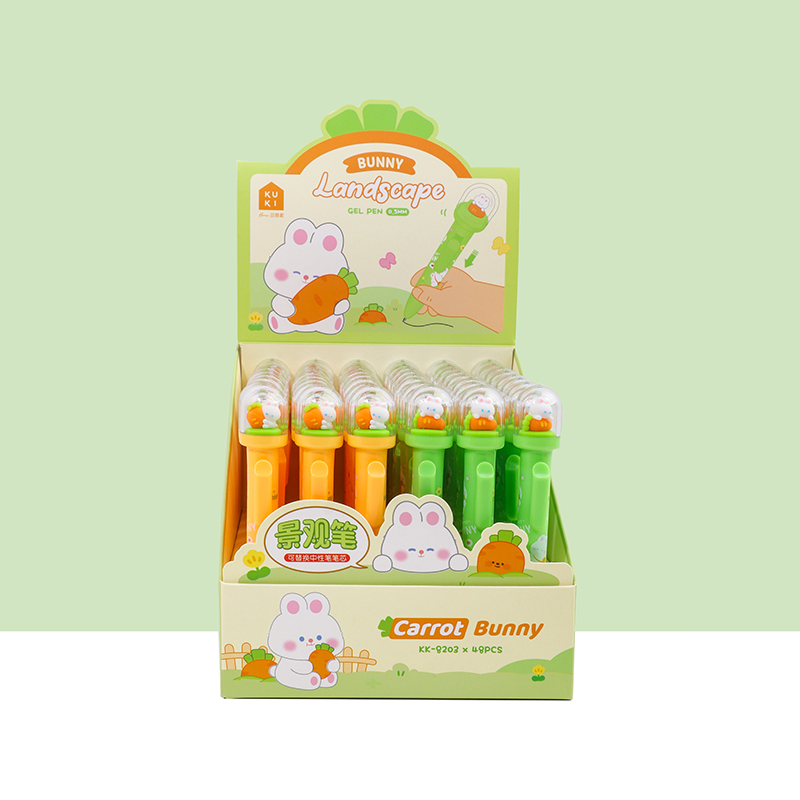
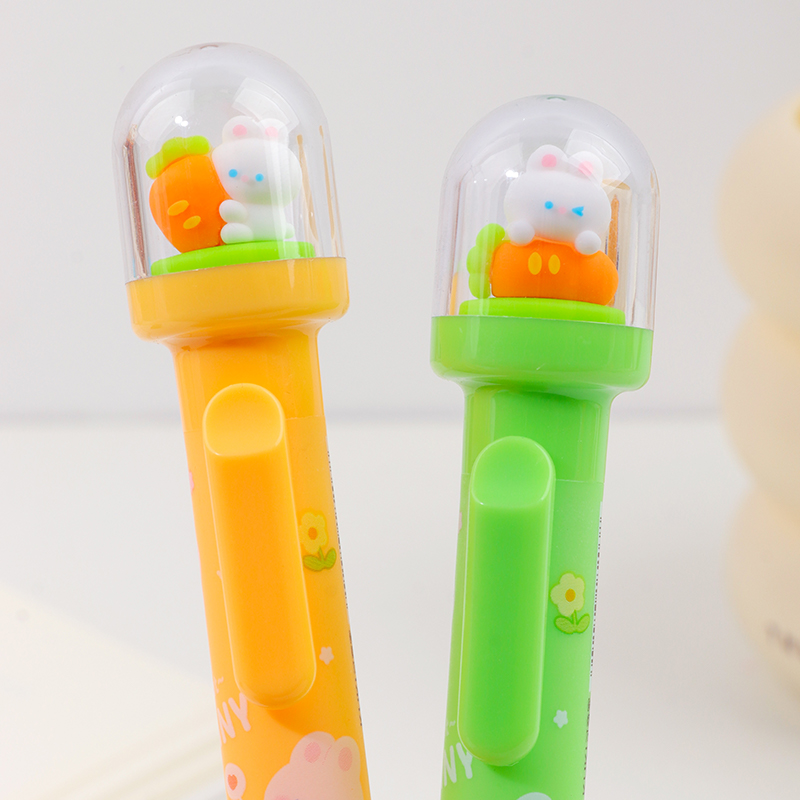

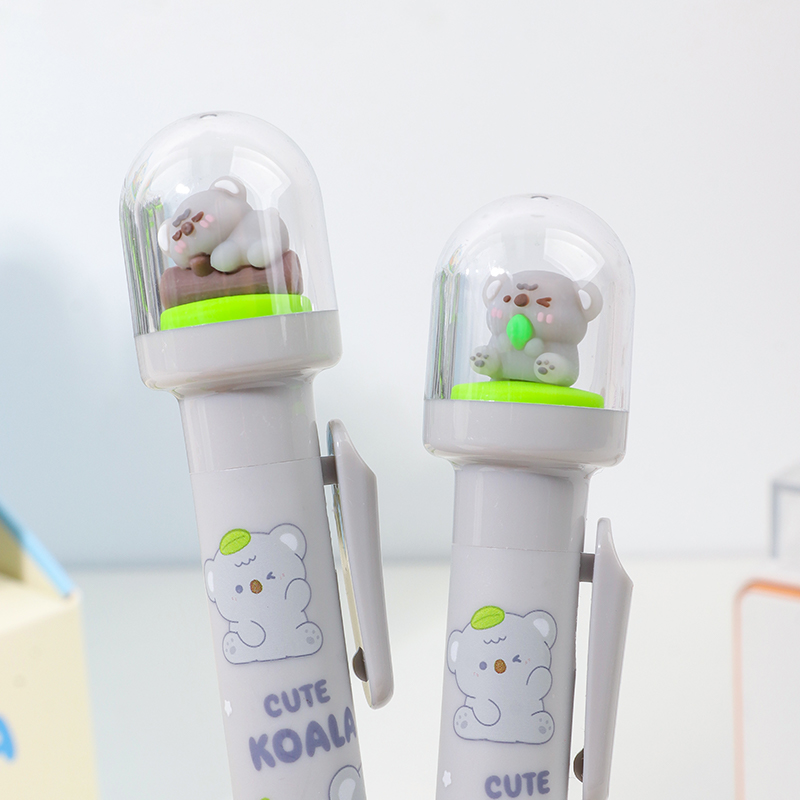
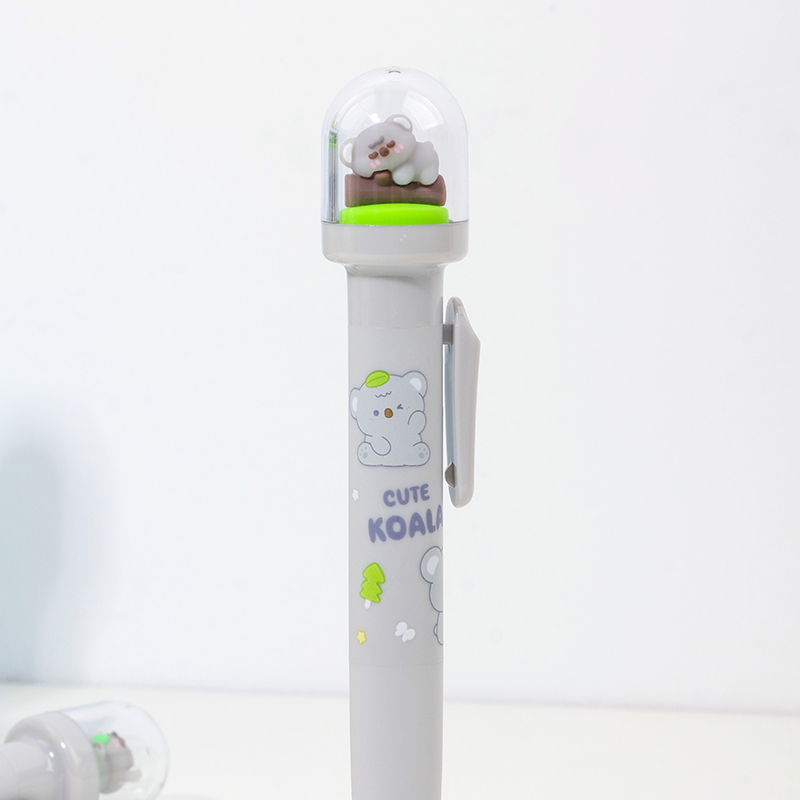
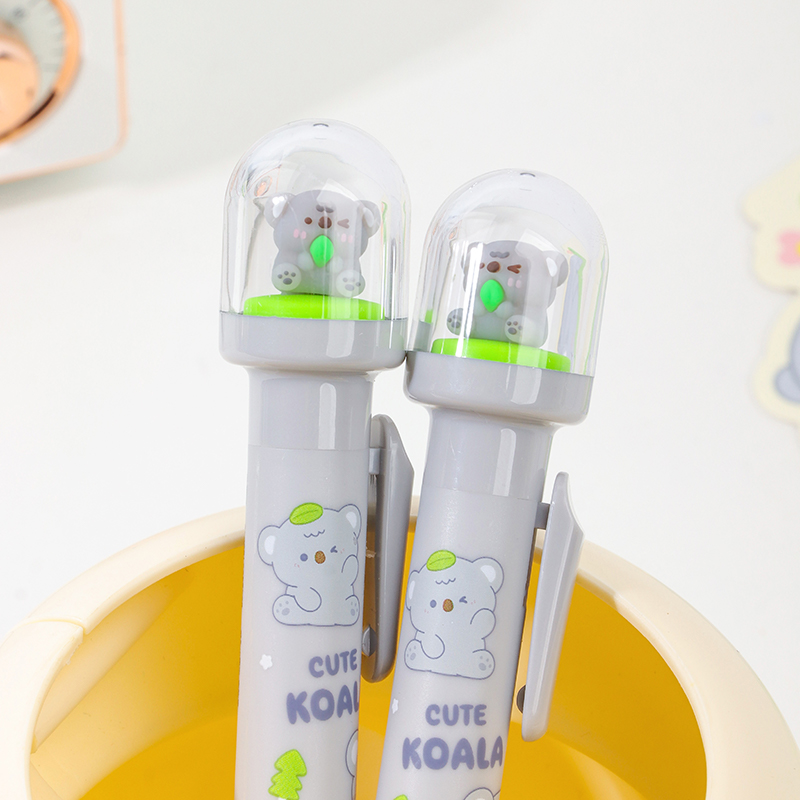
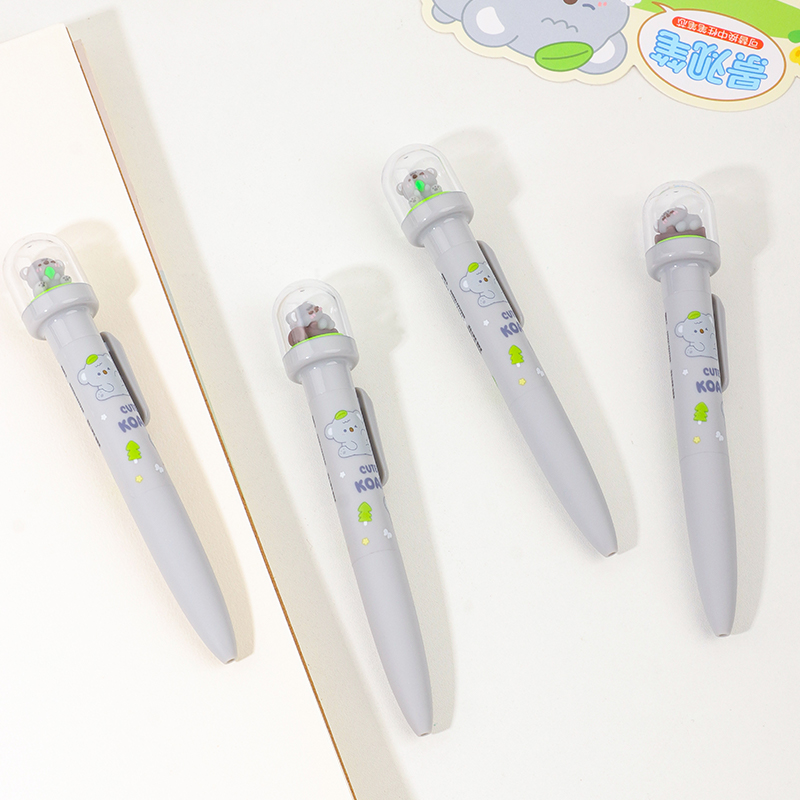

Dongyang Kuki Stationery Co., Ltd. is an innovative stationery company that integrates design, R&D, production, and sales. Under its brand KUKI HOME, the company focuses on cute and novelty-designed products — especially erasers, sharpeners, and correction tapes — with a mission to make learning happier and more creative.
As a pioneer in creative styling stationery, KUKI HOME owns 20+ original and collaborative IPs, including HAMER FRIENDS, LUCKYCATCLAW, HAPPTLFE AYBARA, VEGETABLE CHICKEN, and more. The company has developed over 30 product categories and launched 300+ bestsellers, with several single products exceeding 20 million units in sales. As a custom Landscape Pen manufacturer and wholesale Landscape Pen factory in China, KUKI has also obtained 30+ design patents.
KUKI HOME has partnered with global brands like Miniso, The Green Party, and Lenle, and its products are exported to Europe, North America, Brazil, Indonesia, and other countries — well received by consumers around the world. In 2023, it was honored as a “Pioneer of Going Abroad” by Yiwu Brand Overseas Billion Club and has long participated in stationery exhibitions and international exchanges in Japan, Indonesia, Russia, and beyond.
Looking ahead, KUKI HOME is transforming from traditional manufacturing to “cultural and creative intelligent manufacturing.” With continuous innovation in IP creation, product updates, and design, the brand is boldly moving toward becoming one of the world’s leading names in creative stationery.

Creative Pen Wholesaler
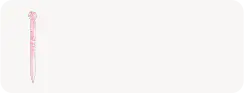
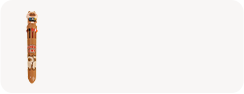
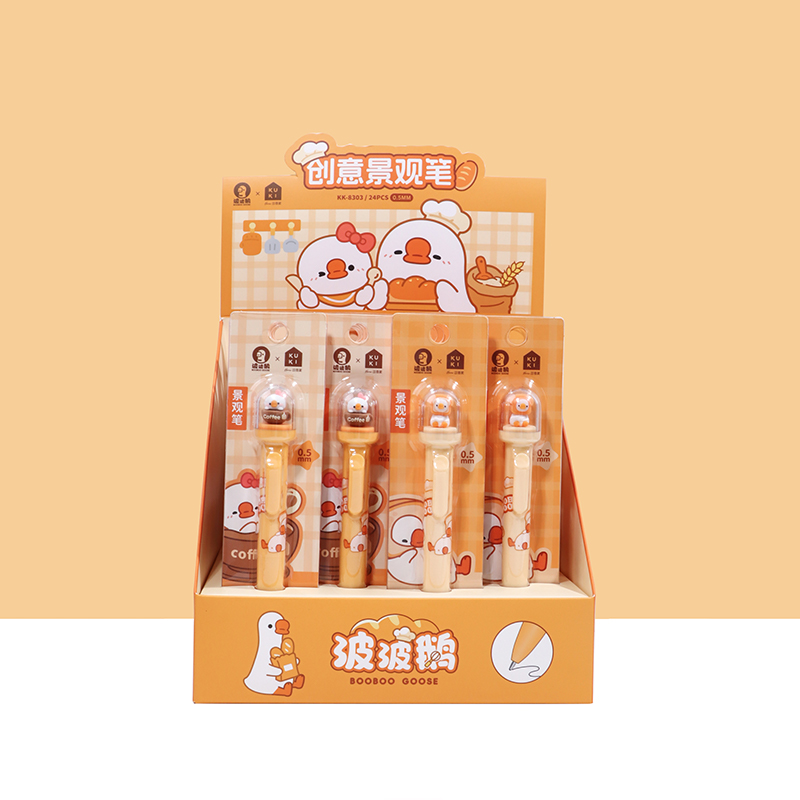
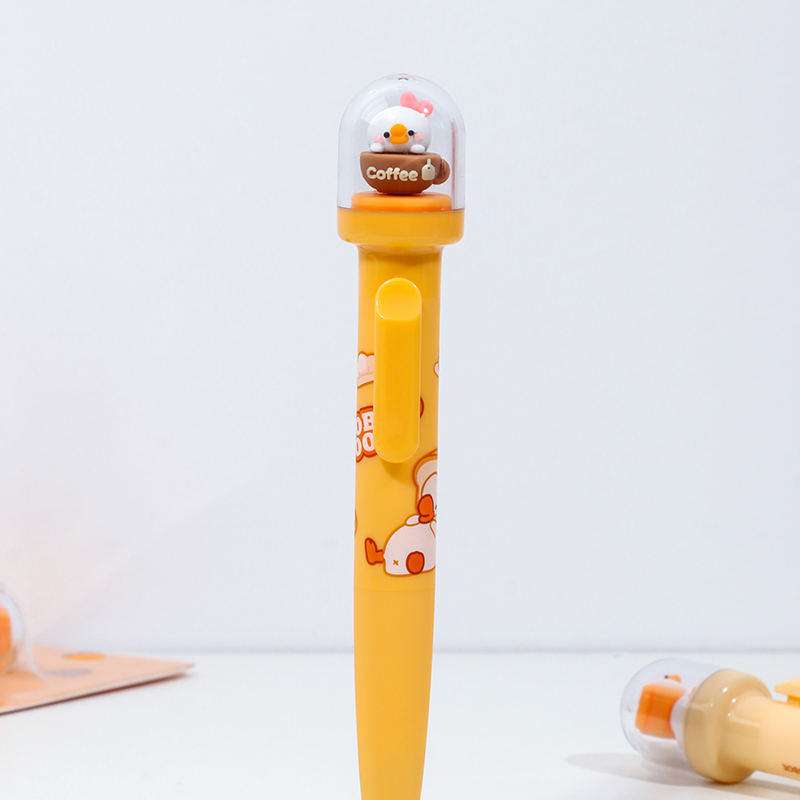
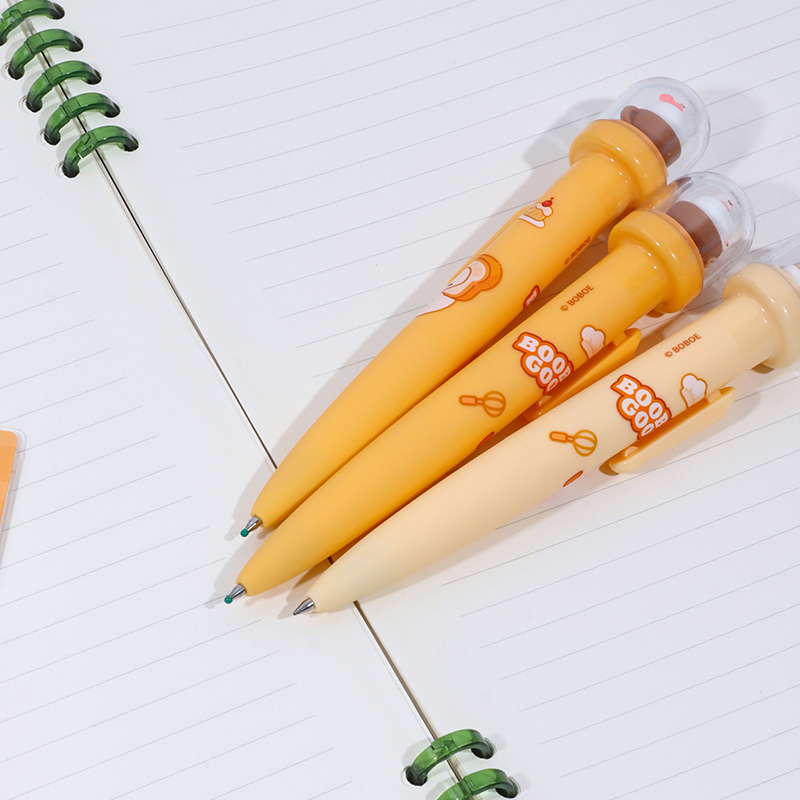
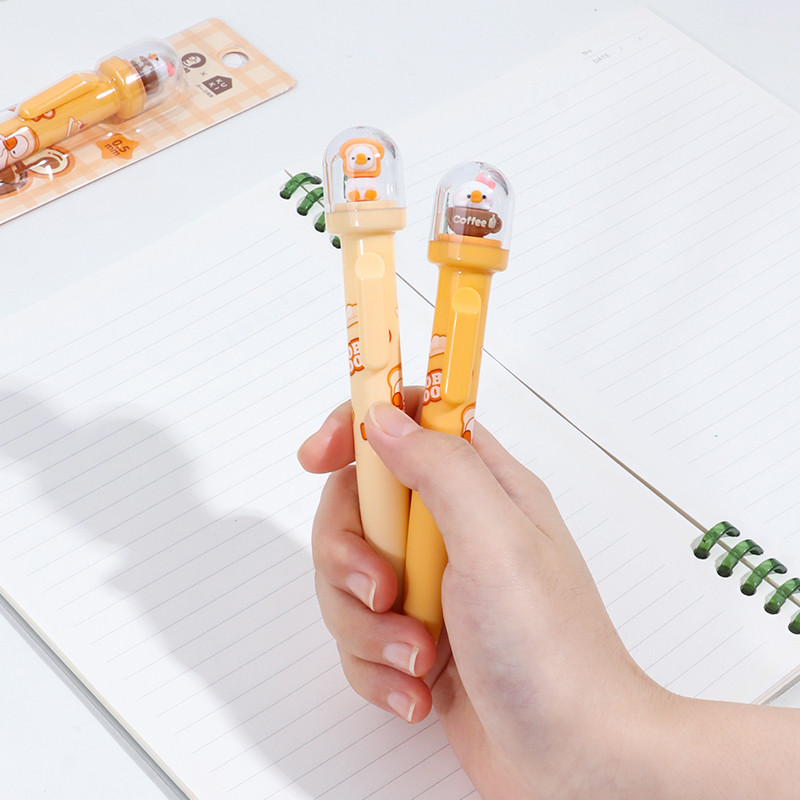
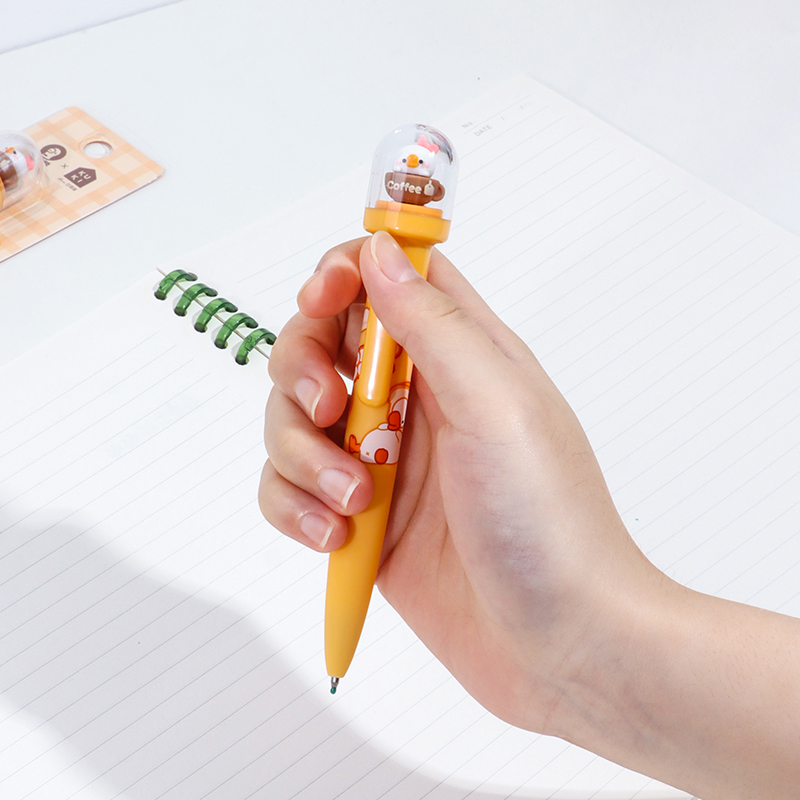
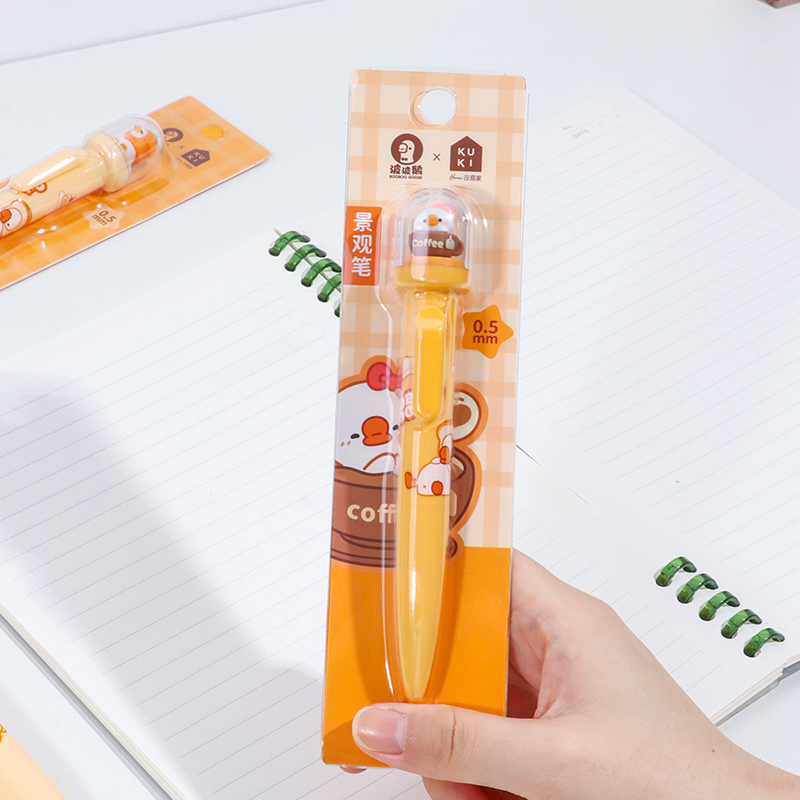
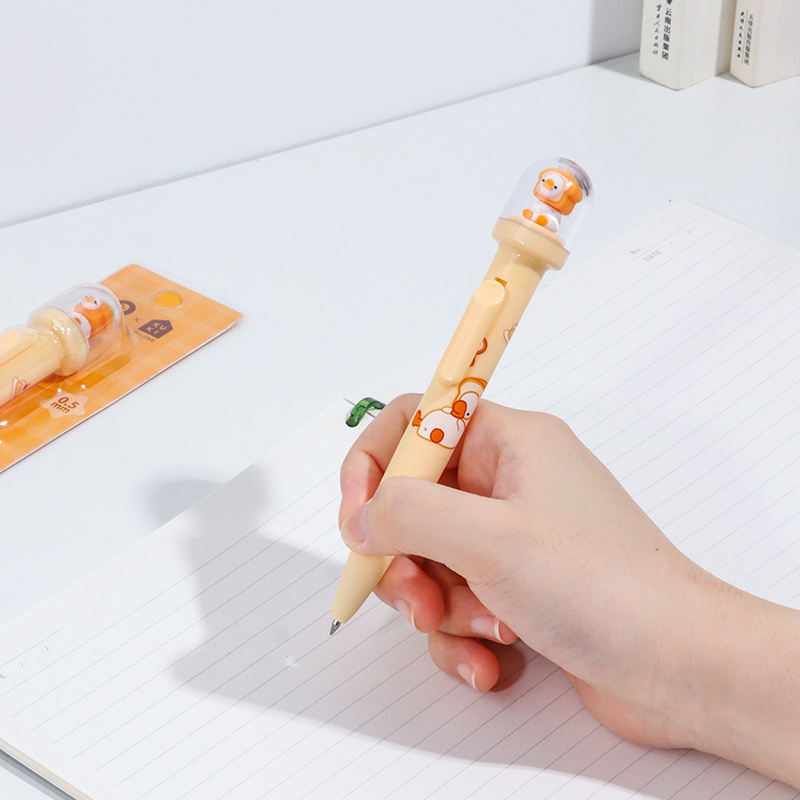
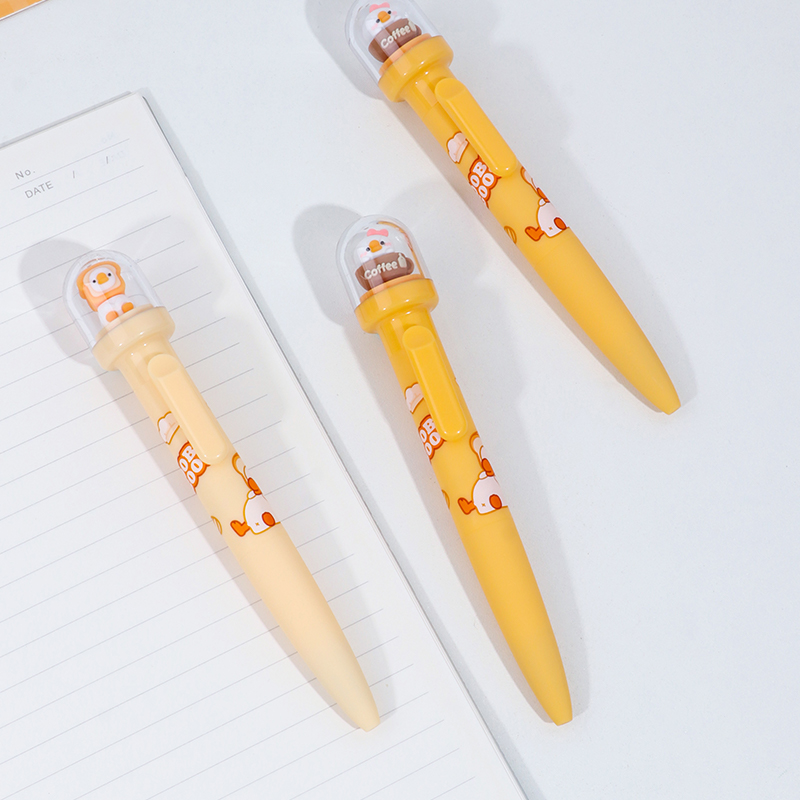
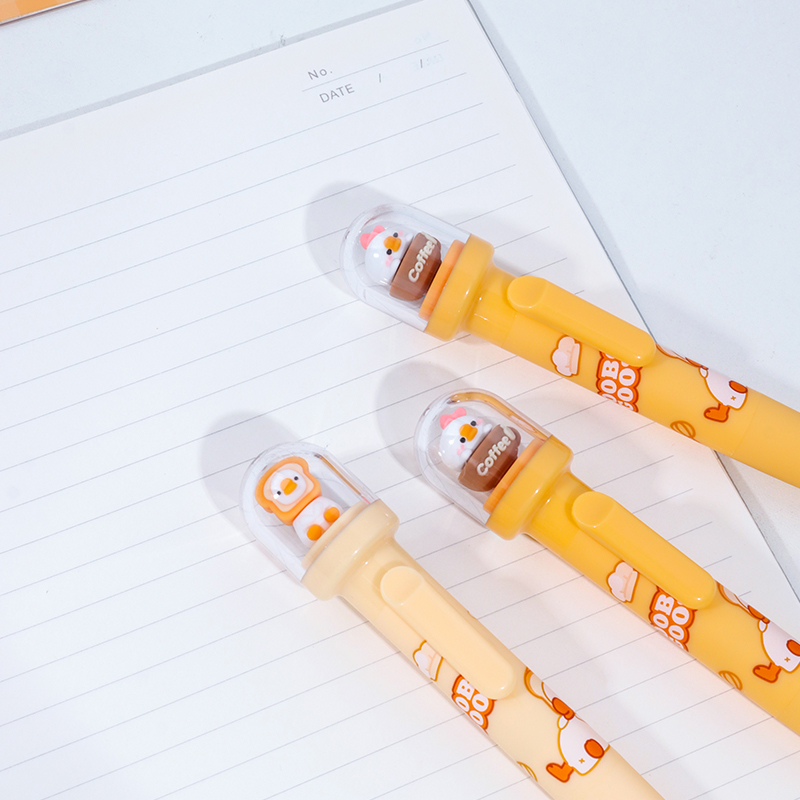
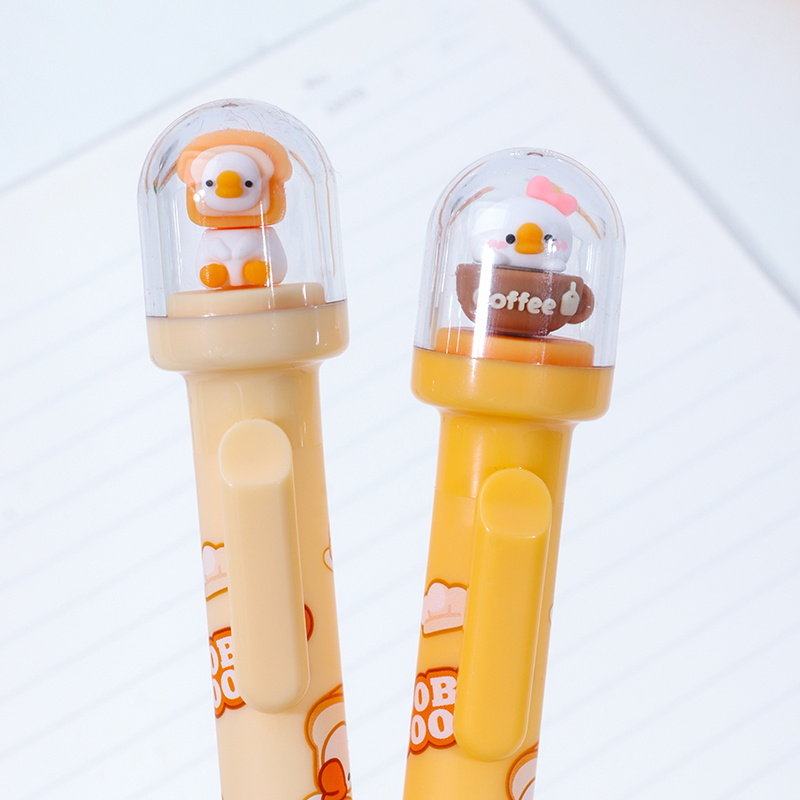
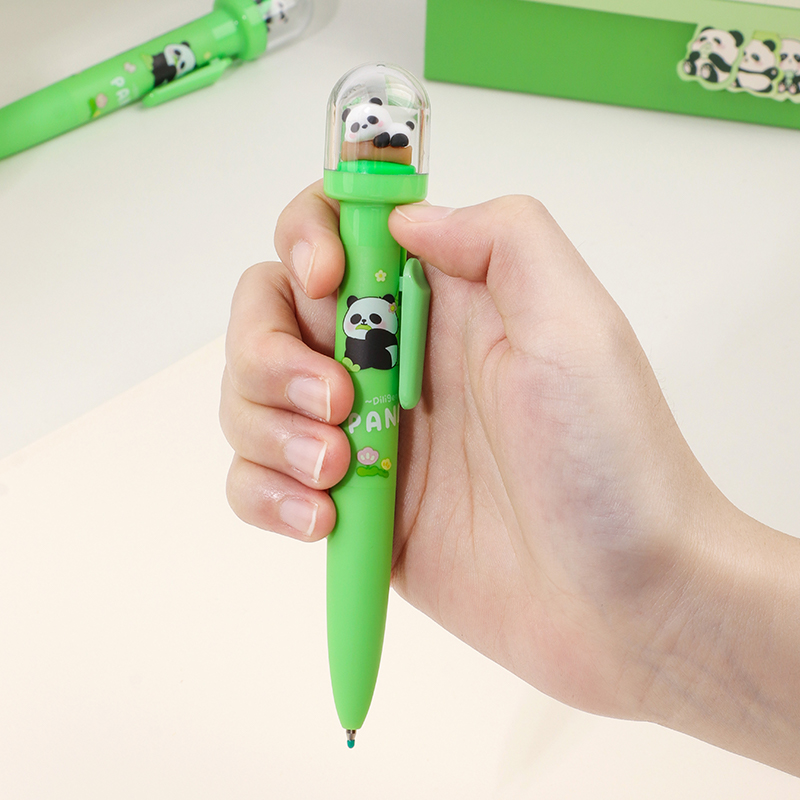
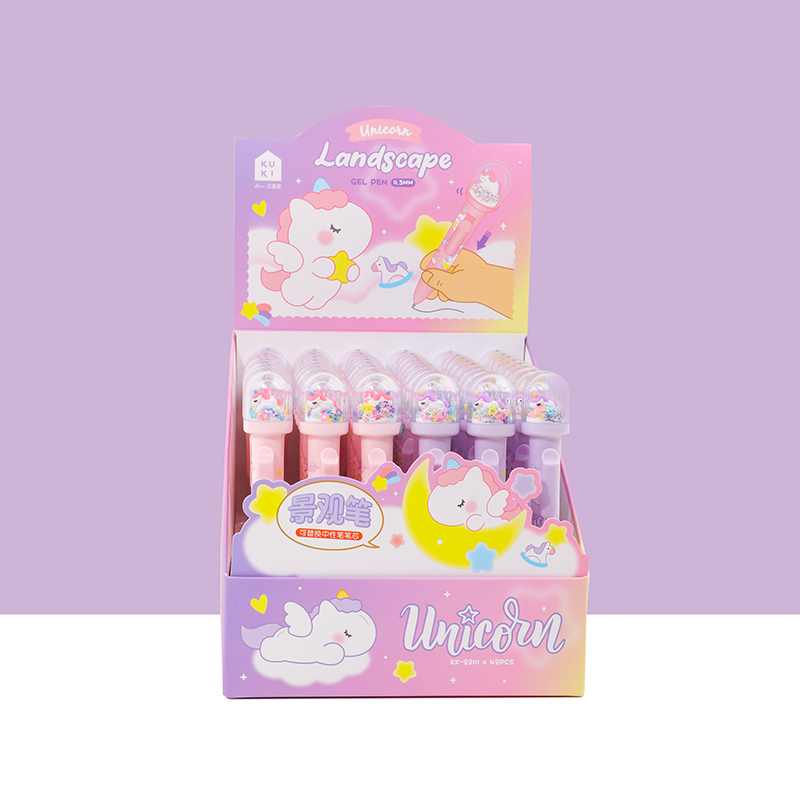
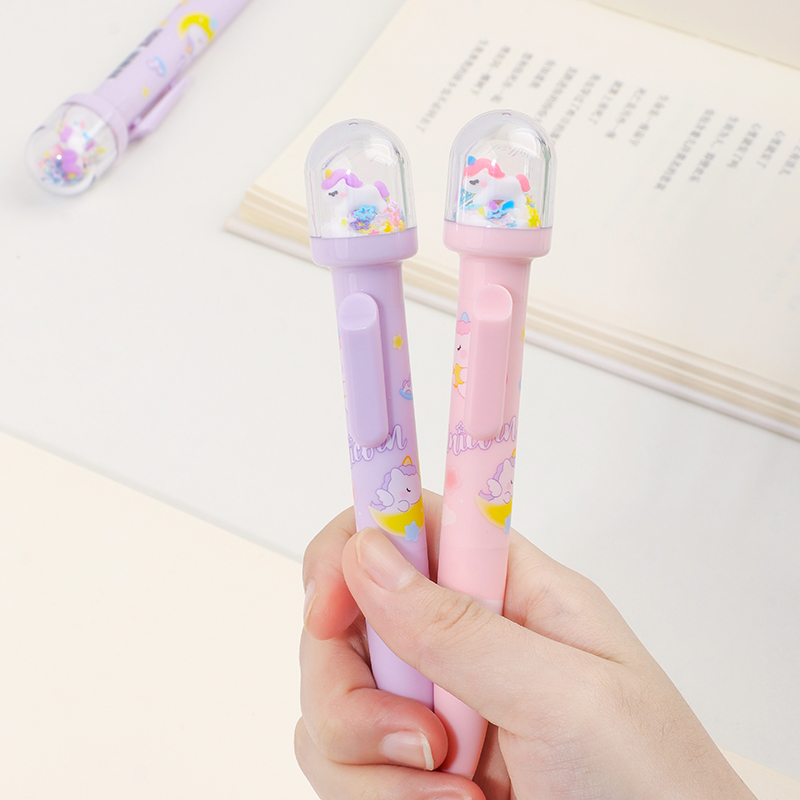
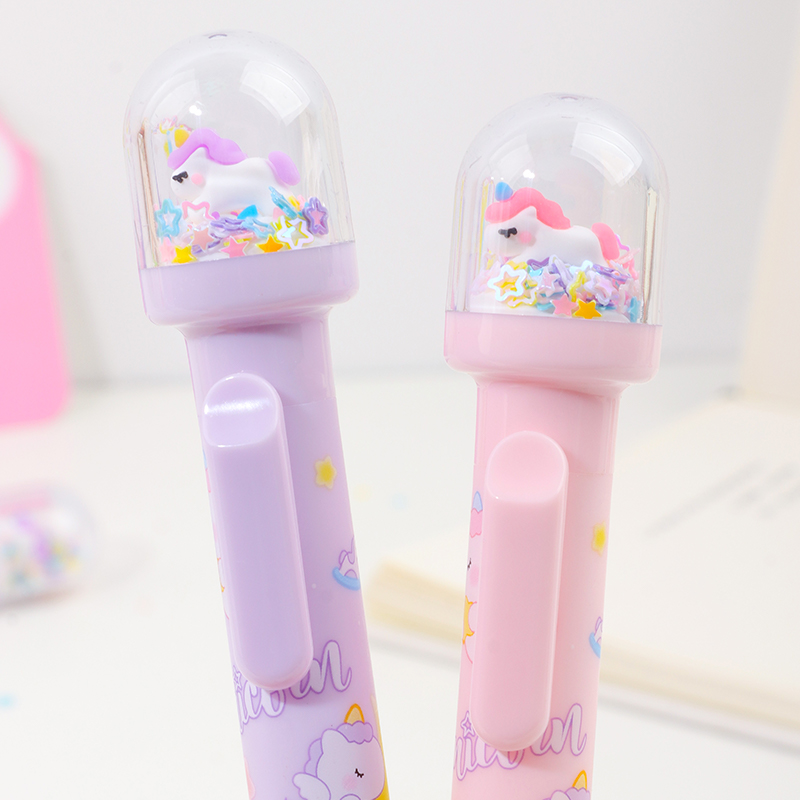
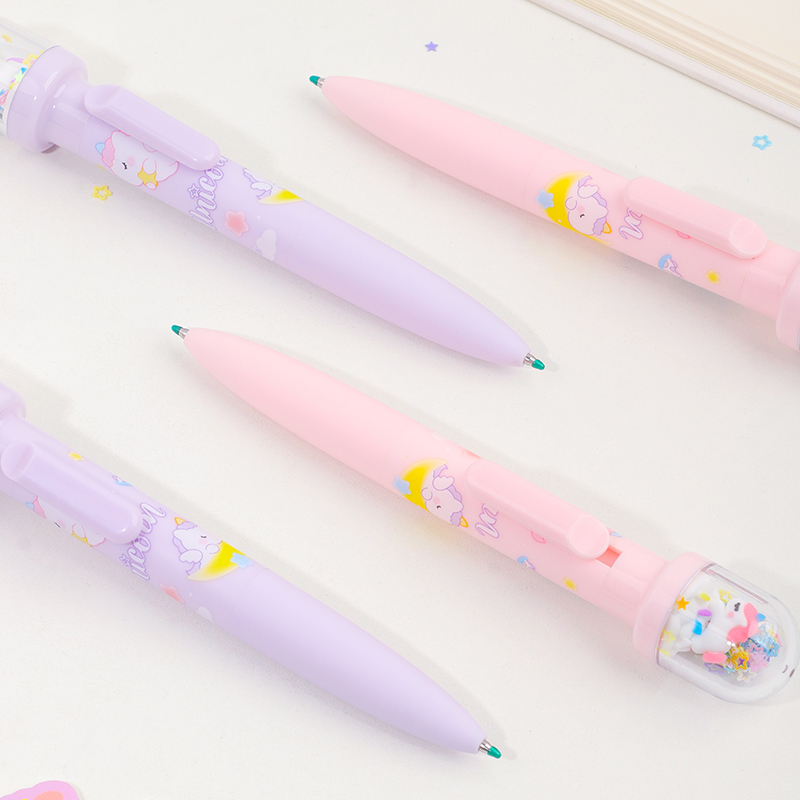
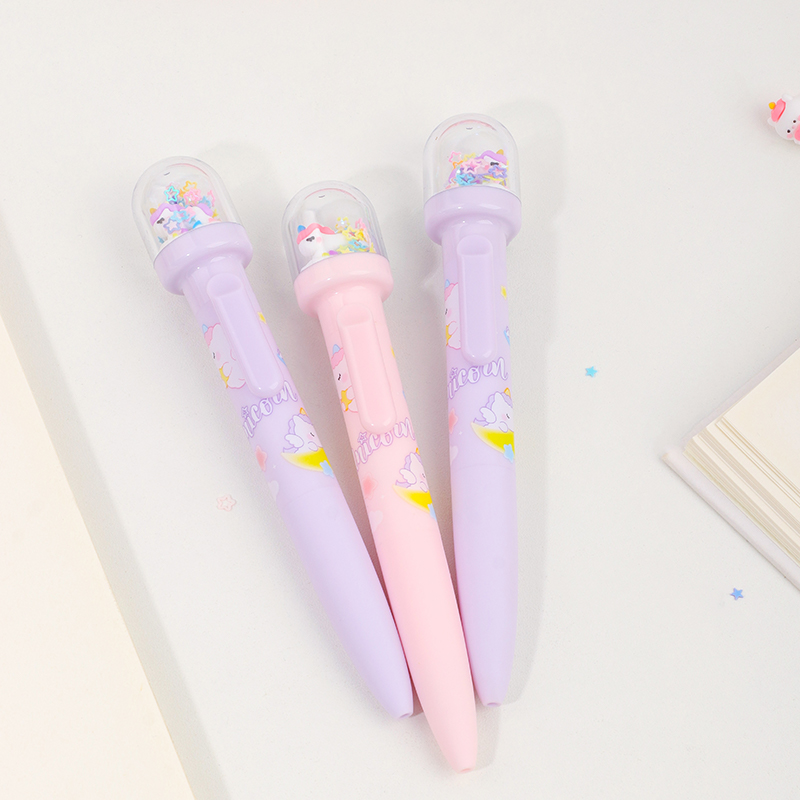
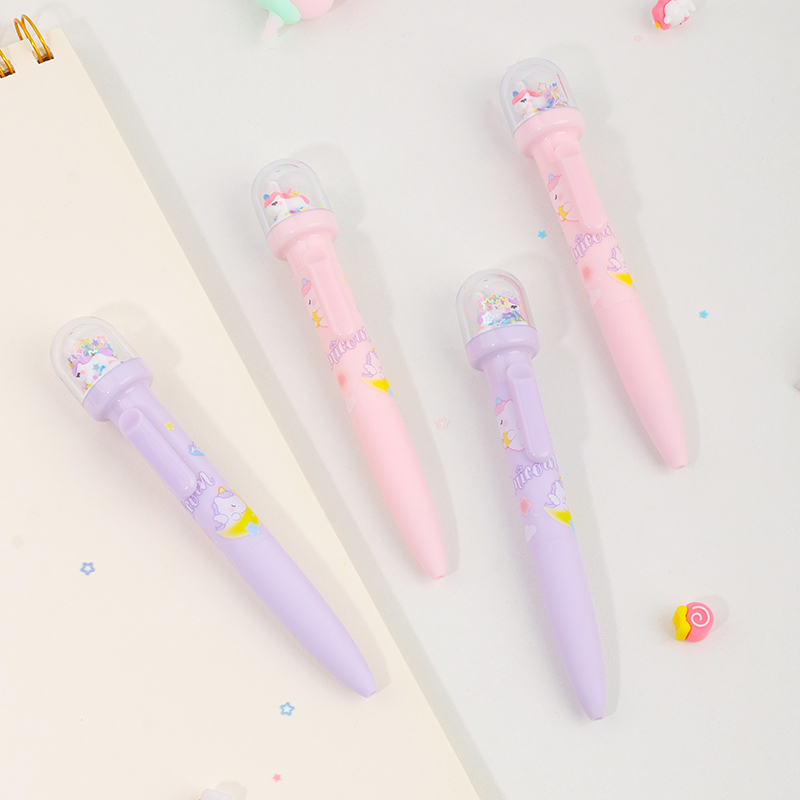
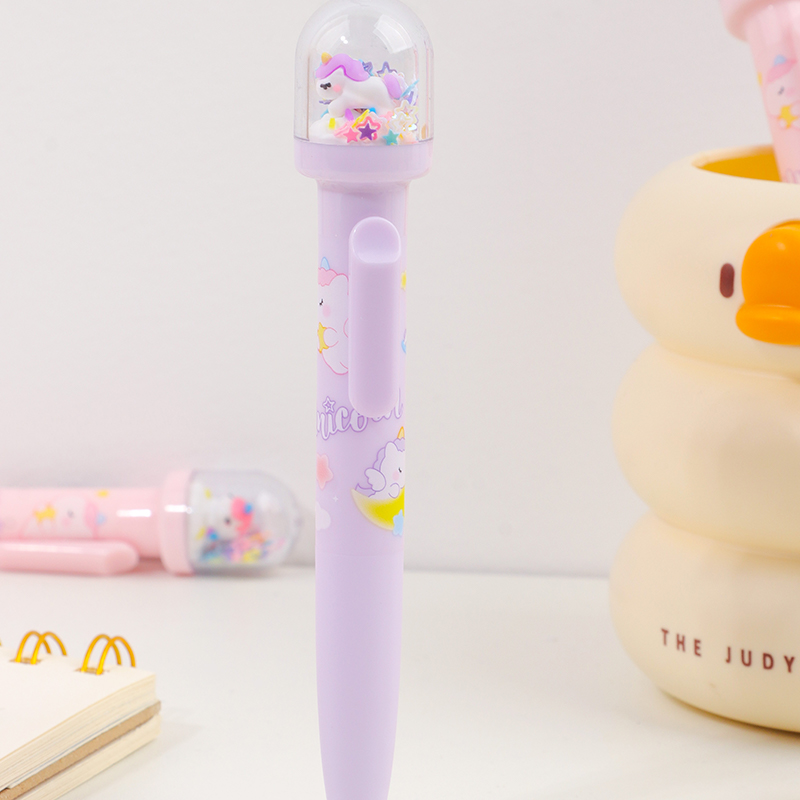
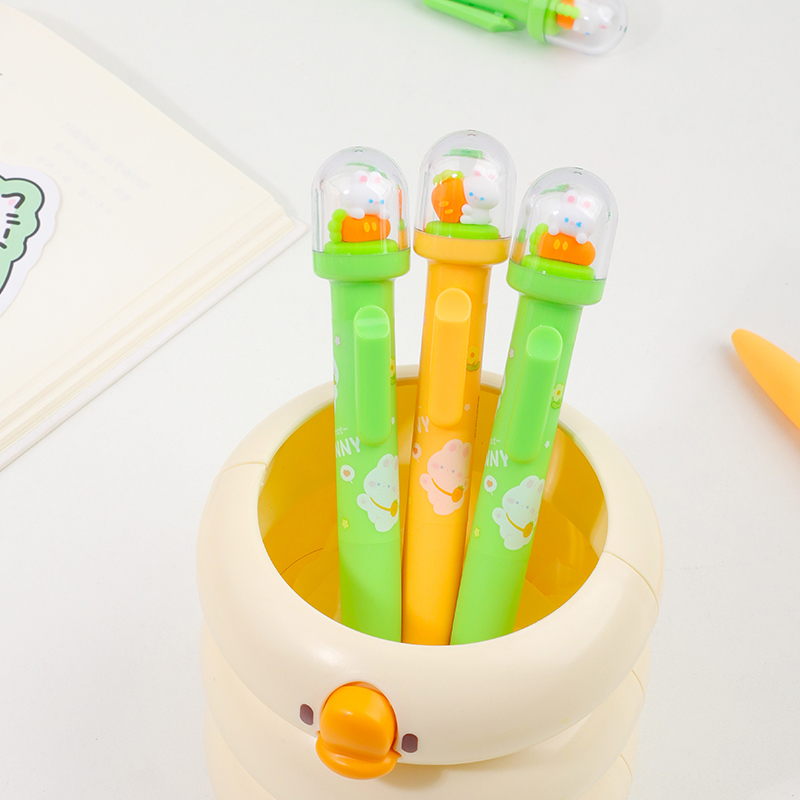
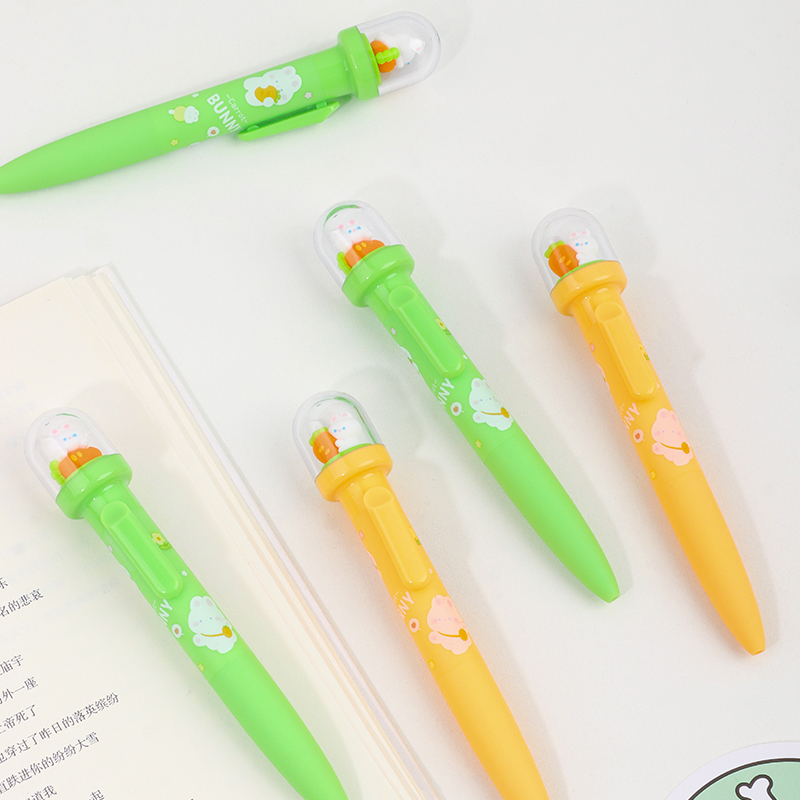
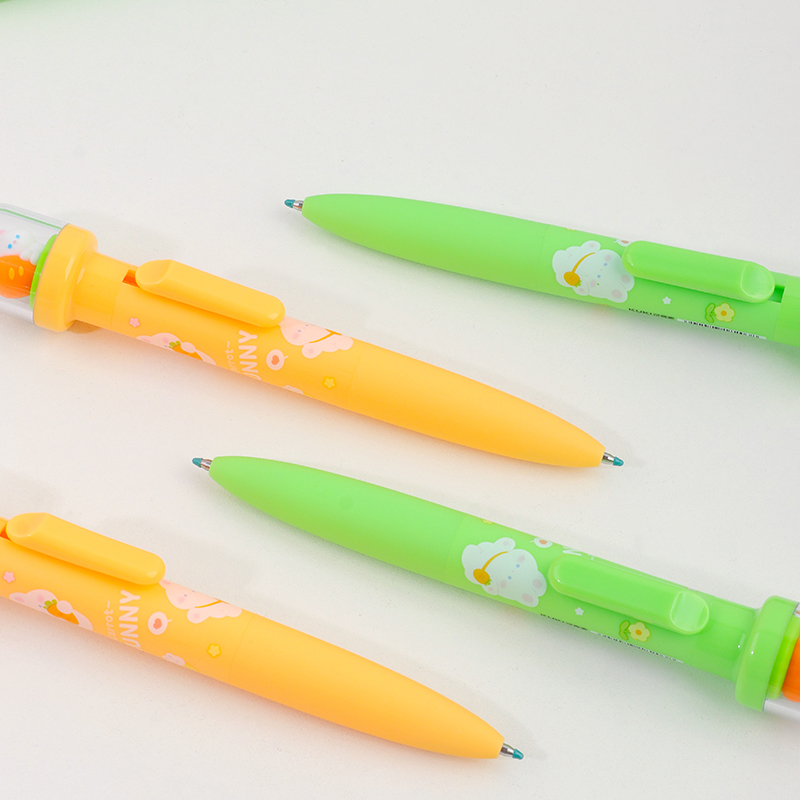
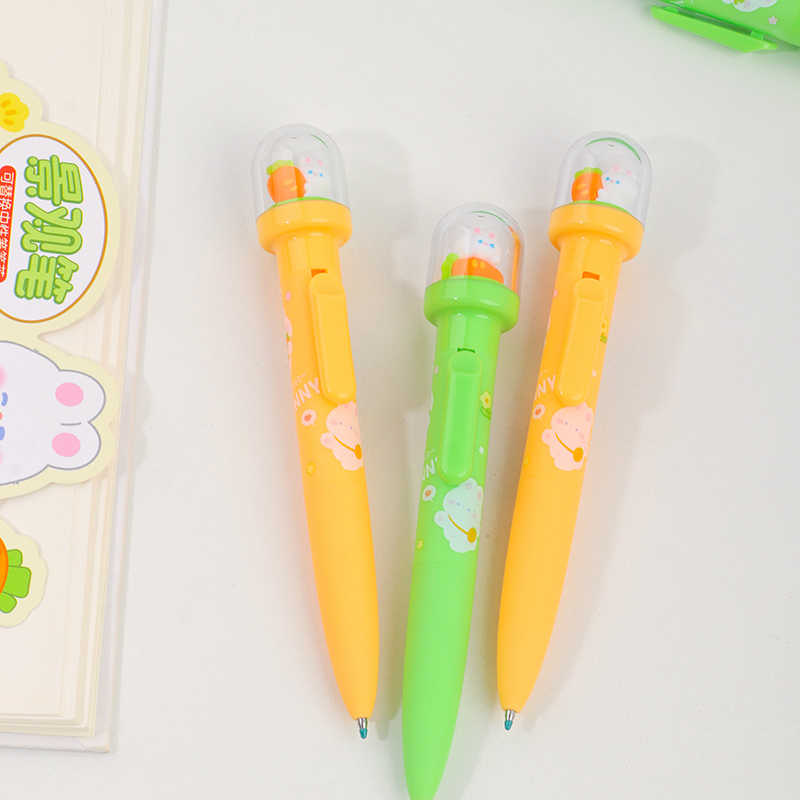
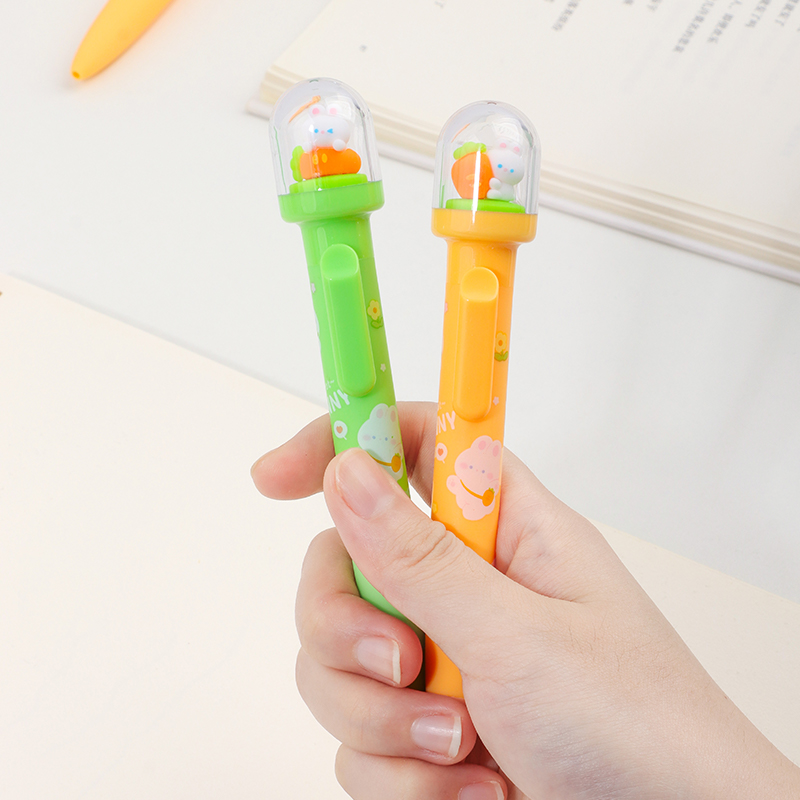
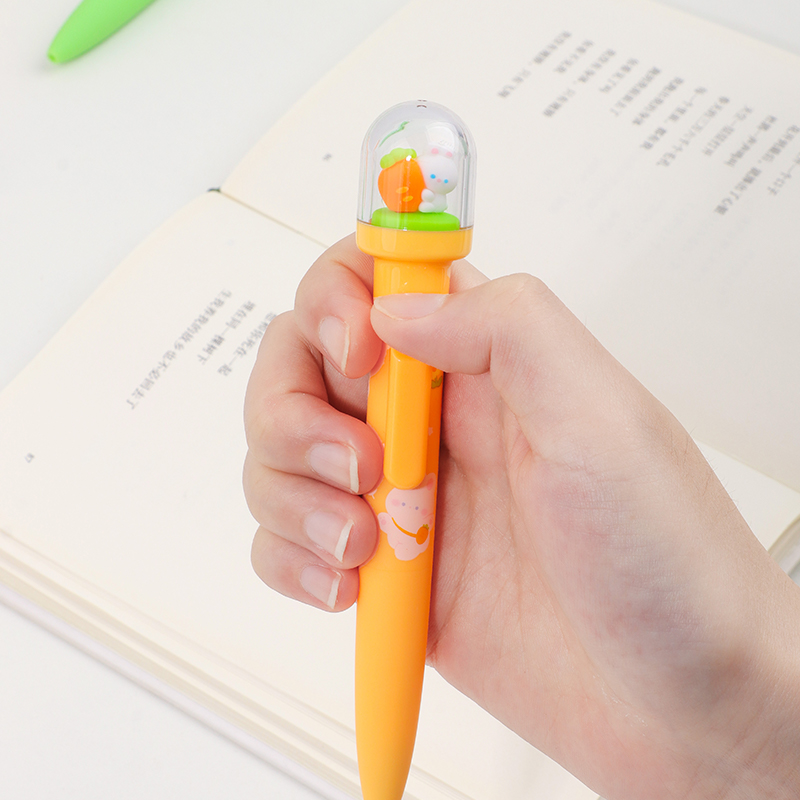
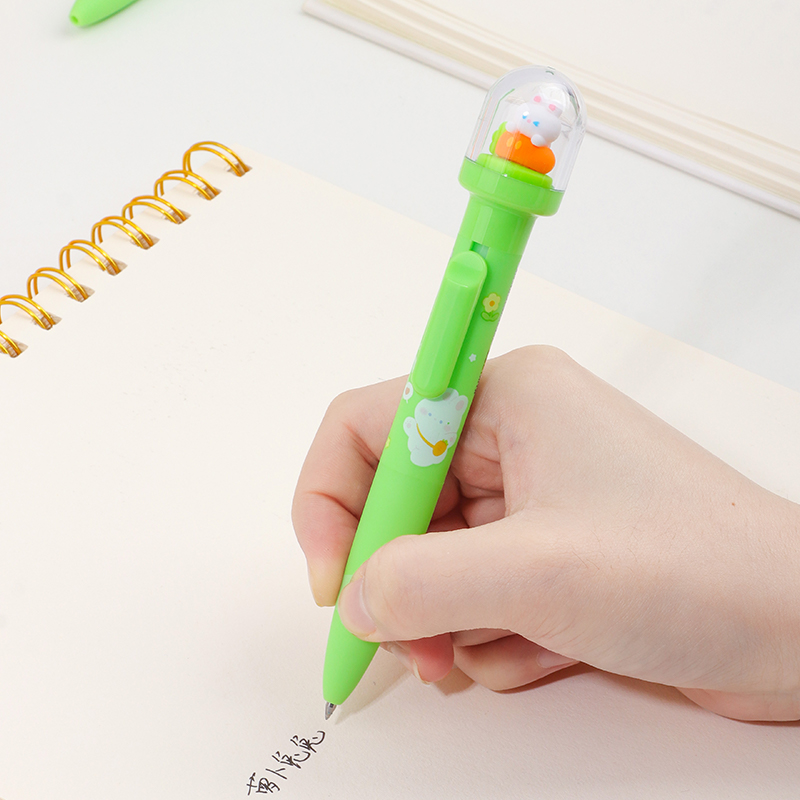
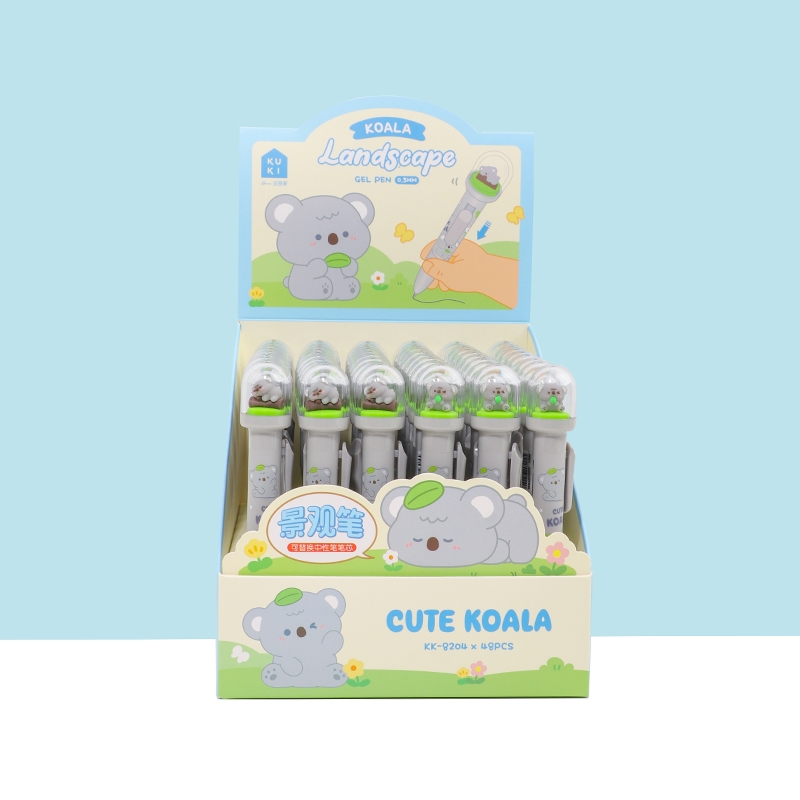
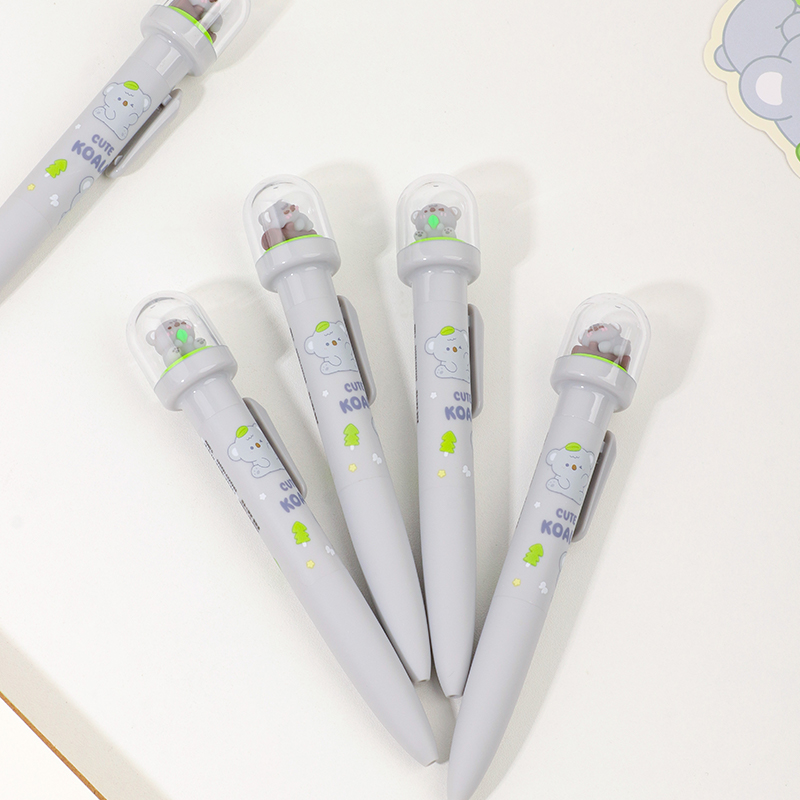
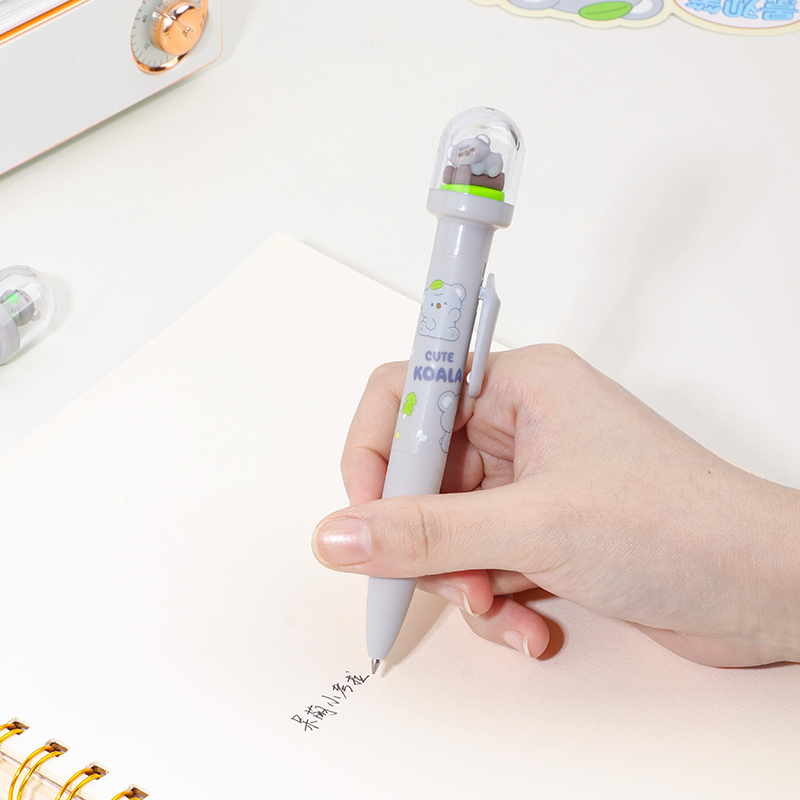
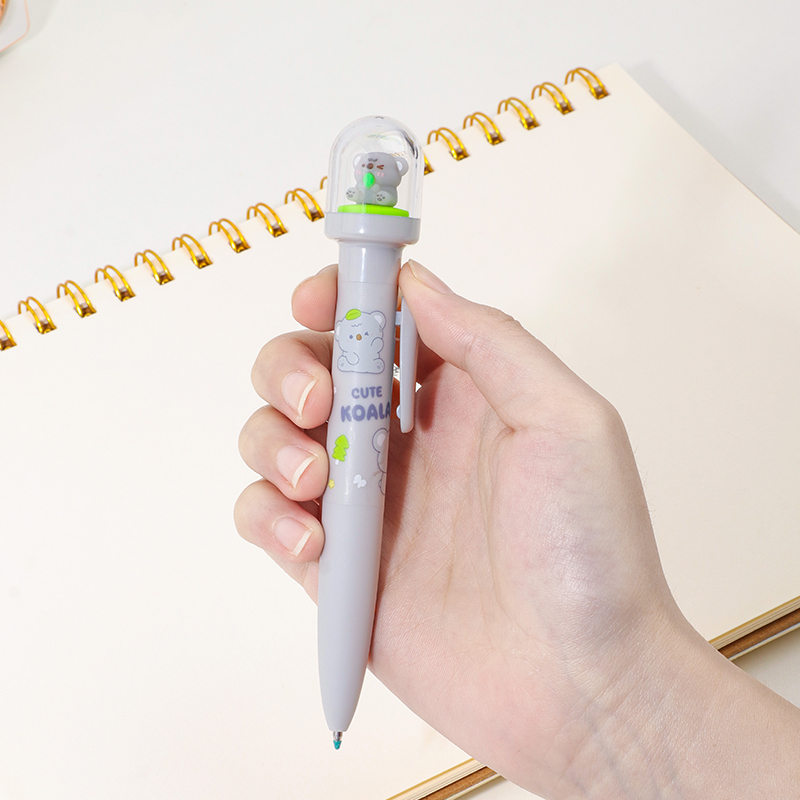
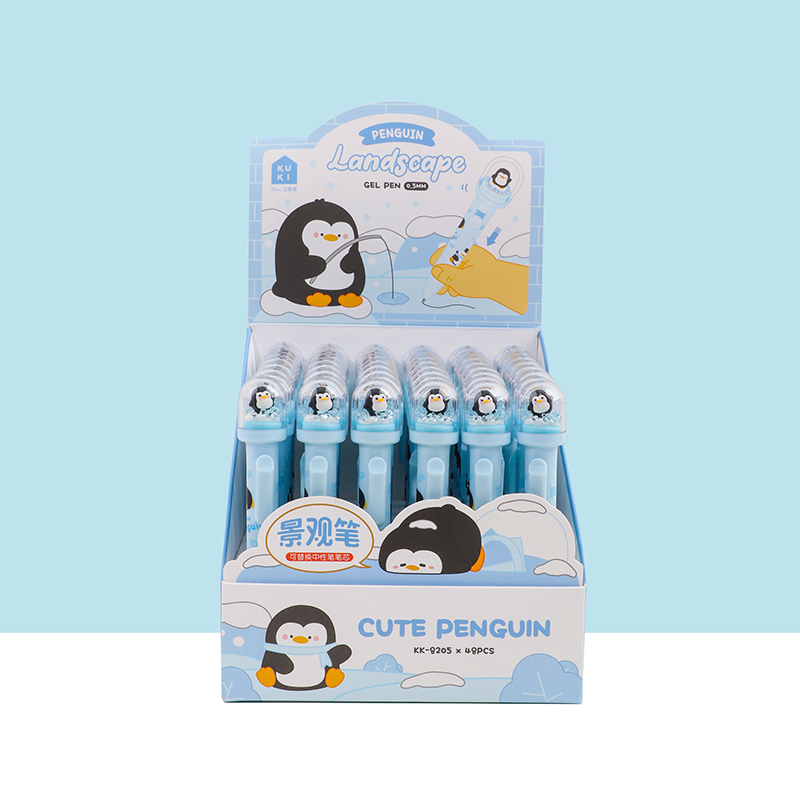
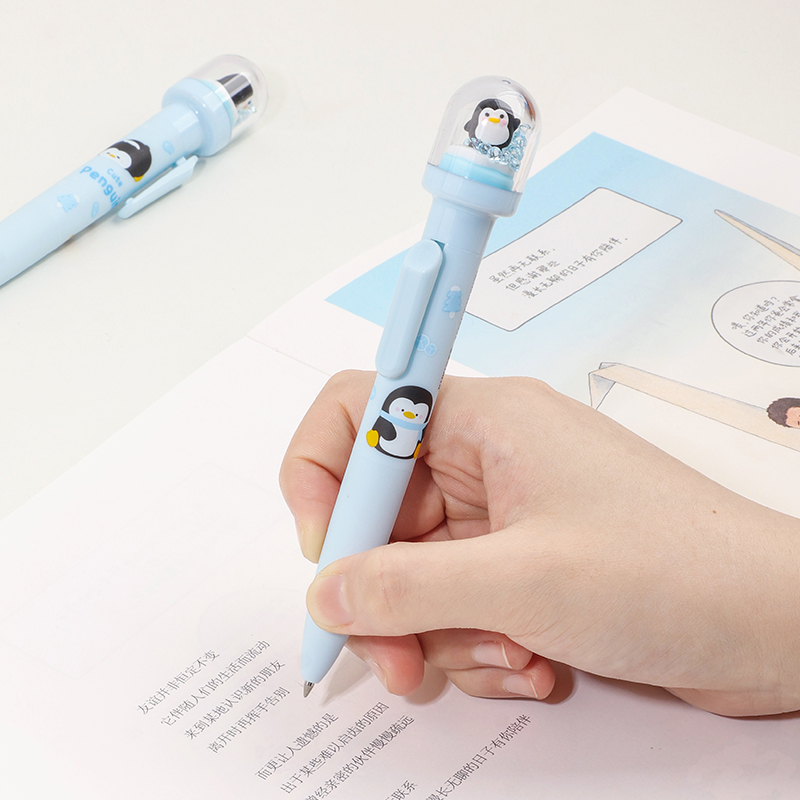
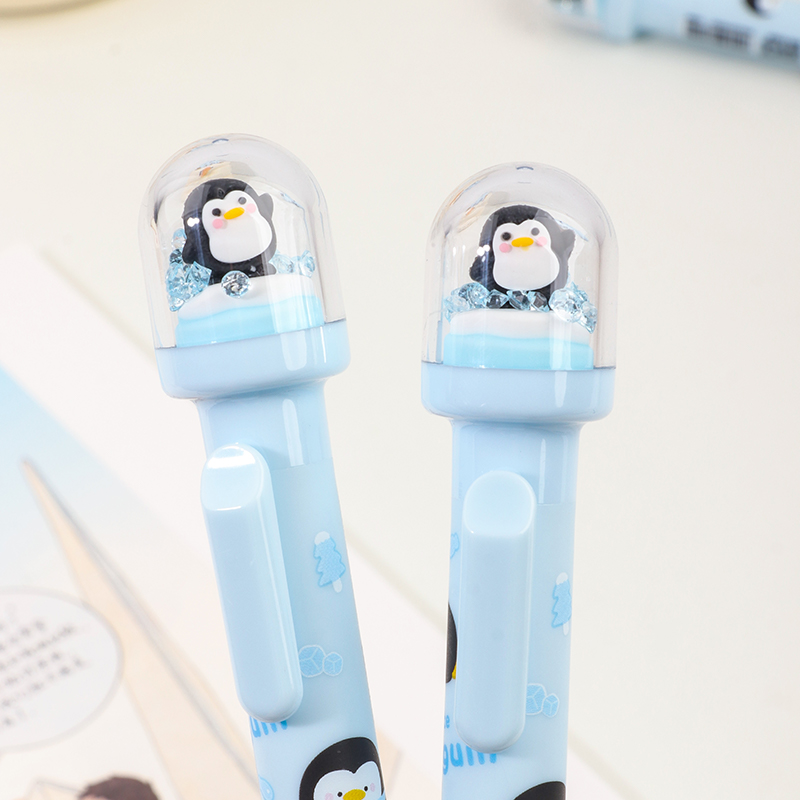
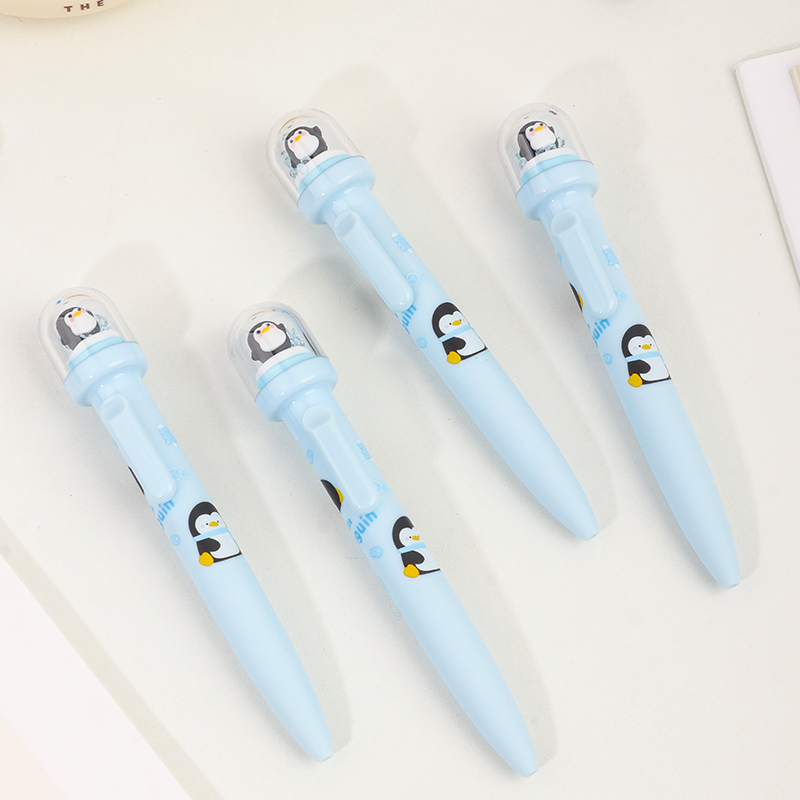
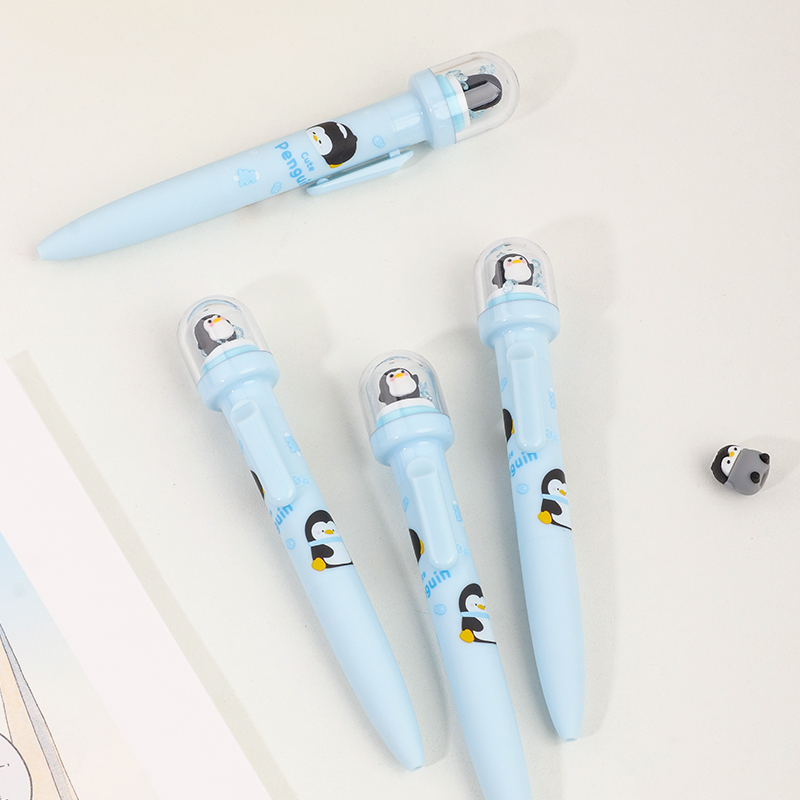
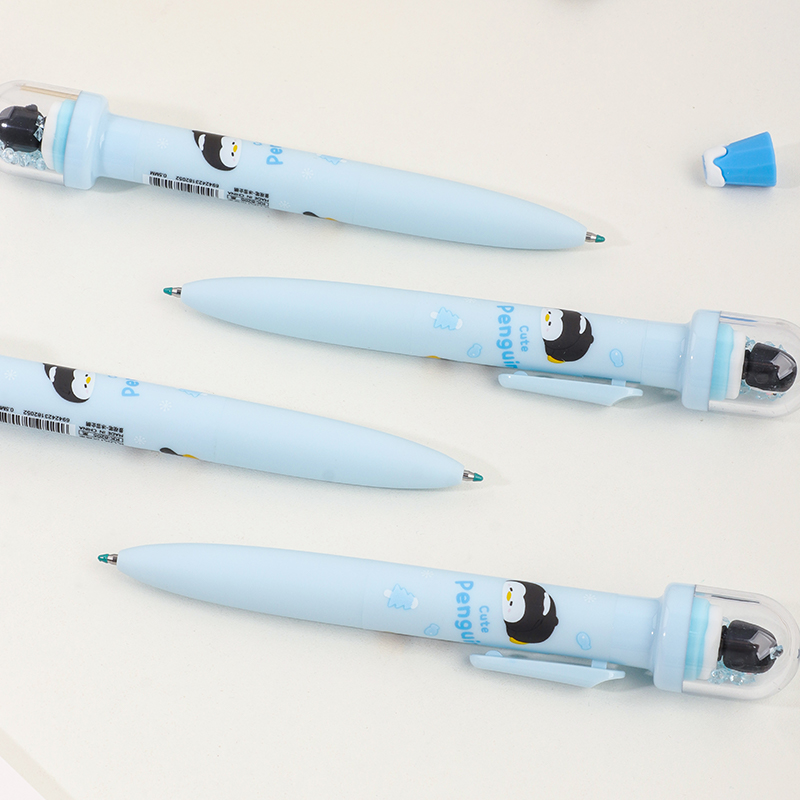
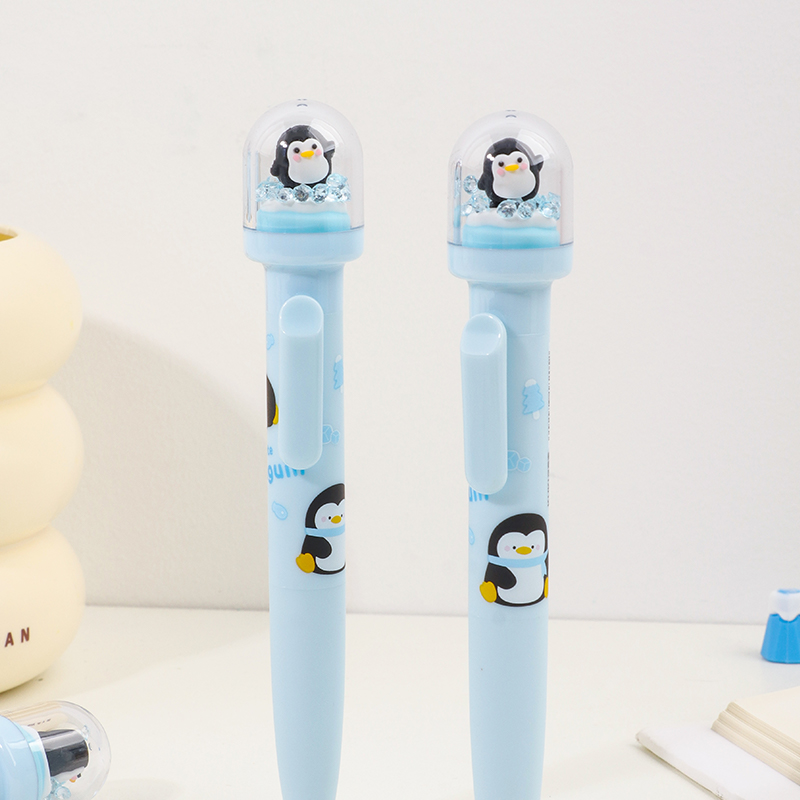
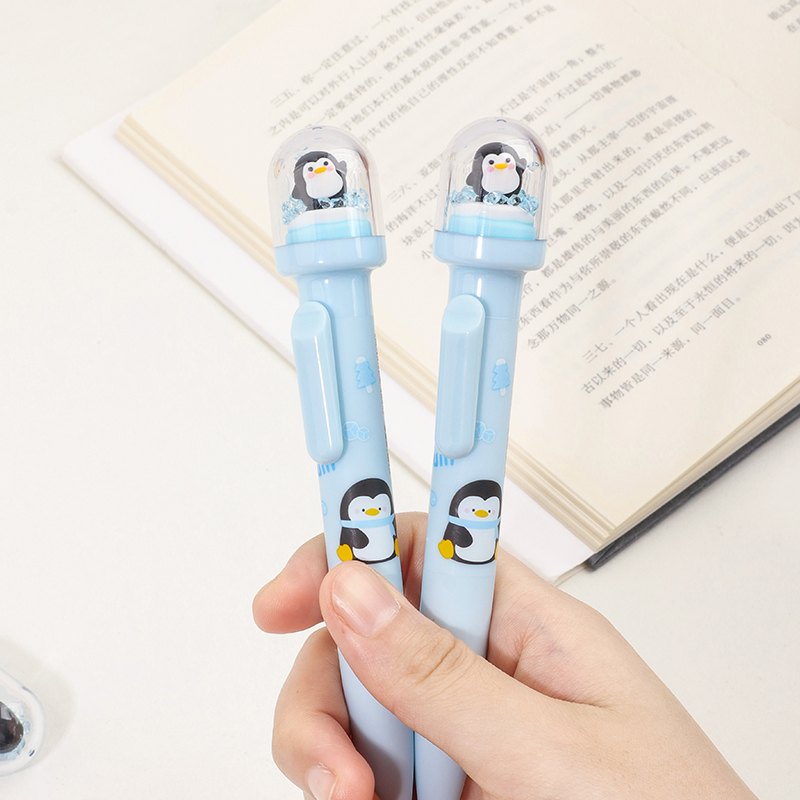
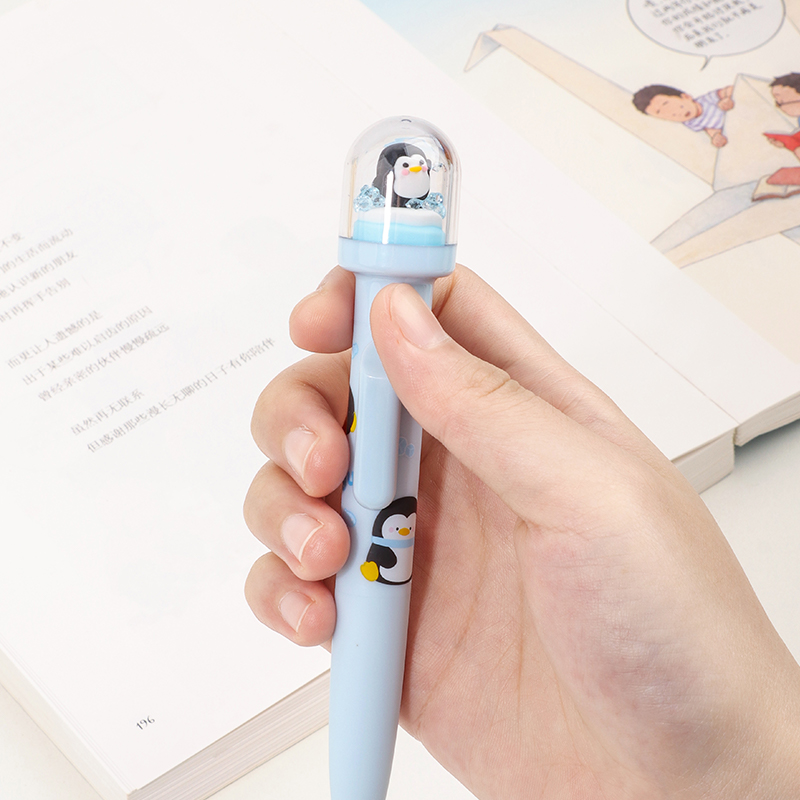
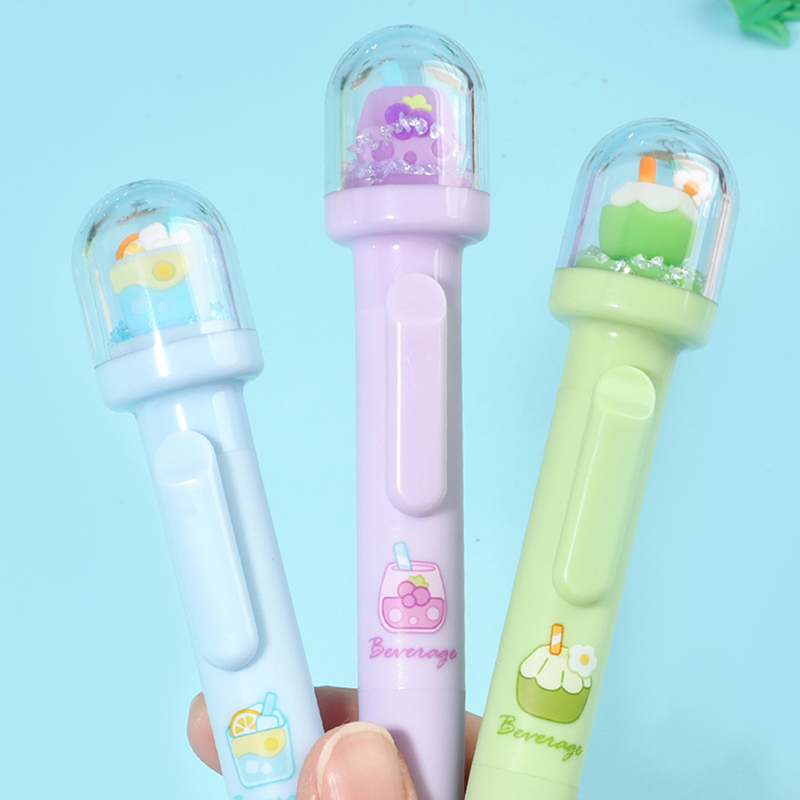
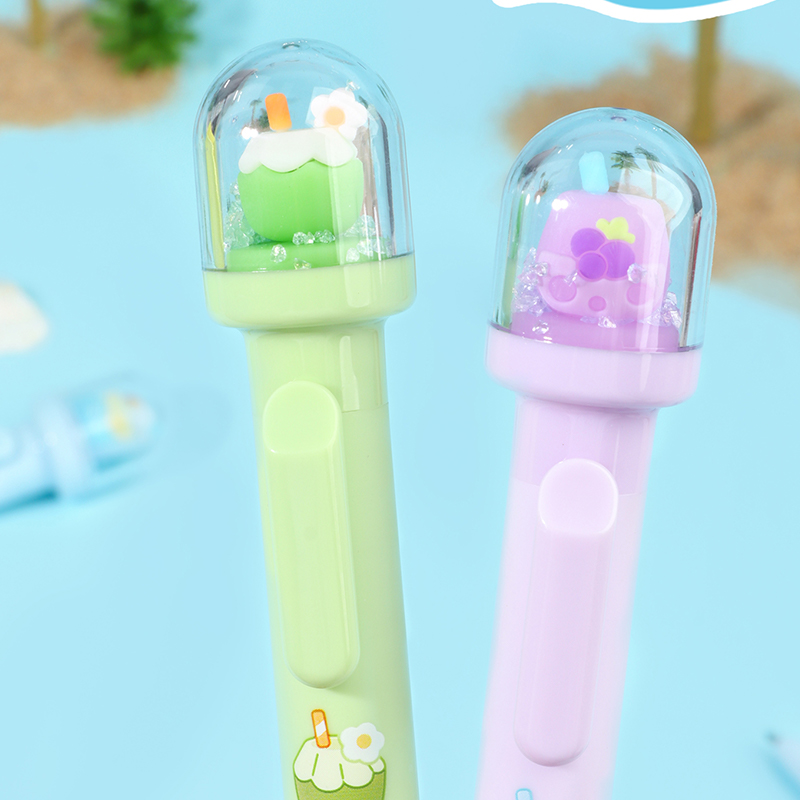
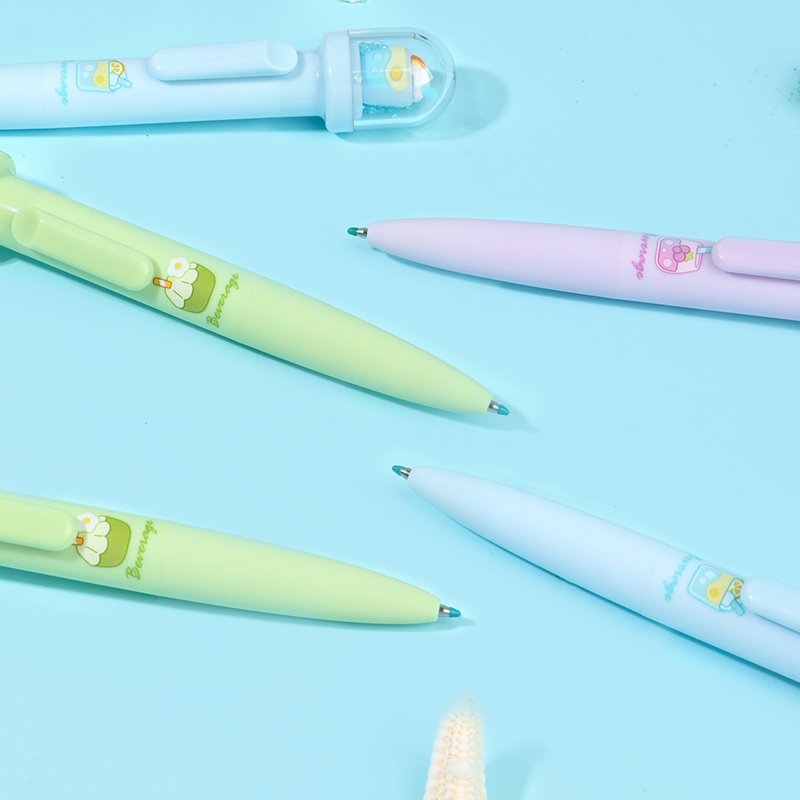
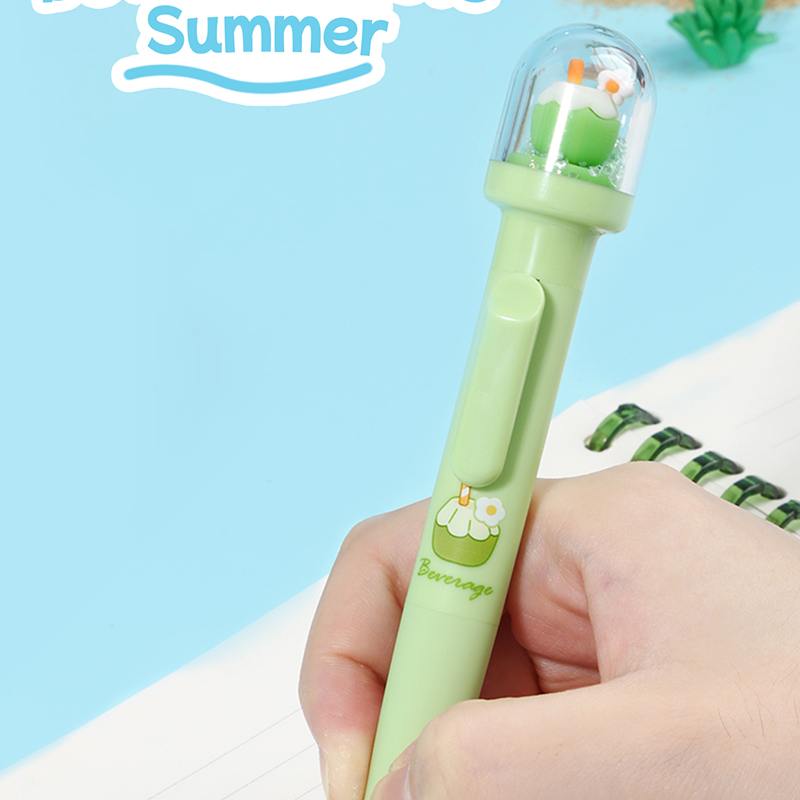
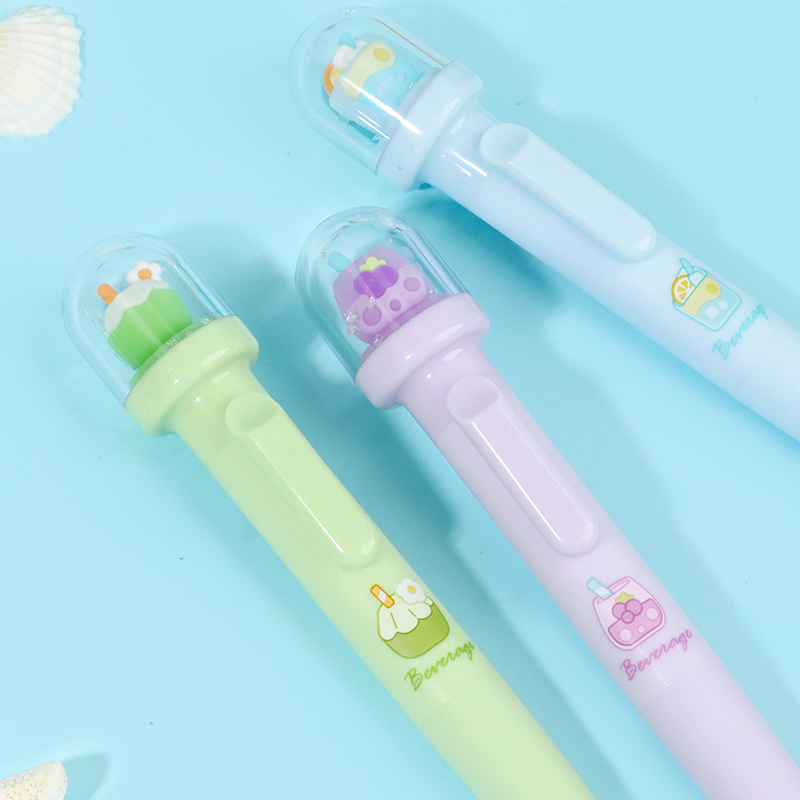
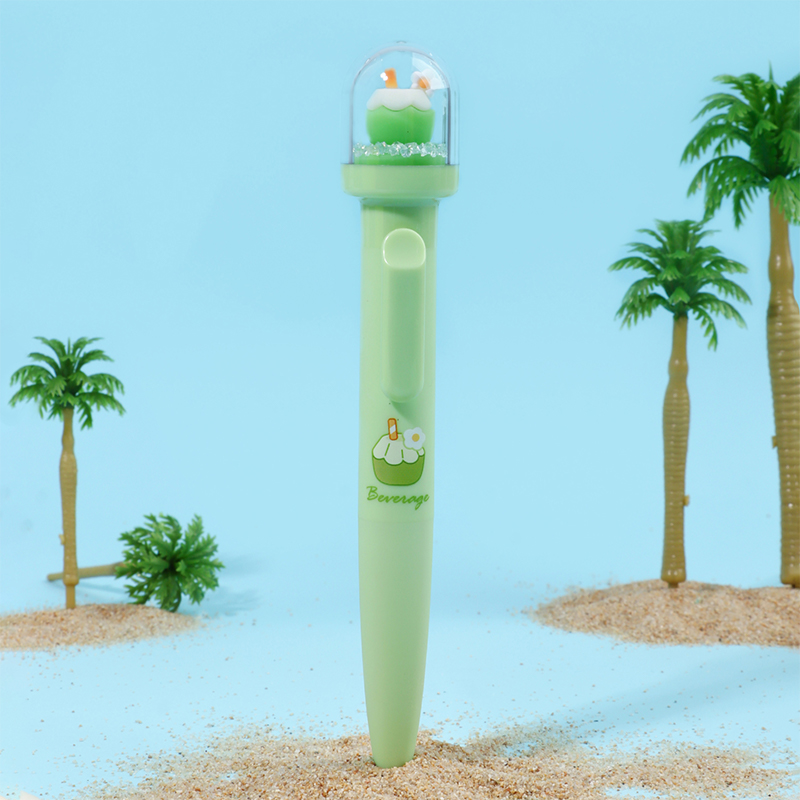
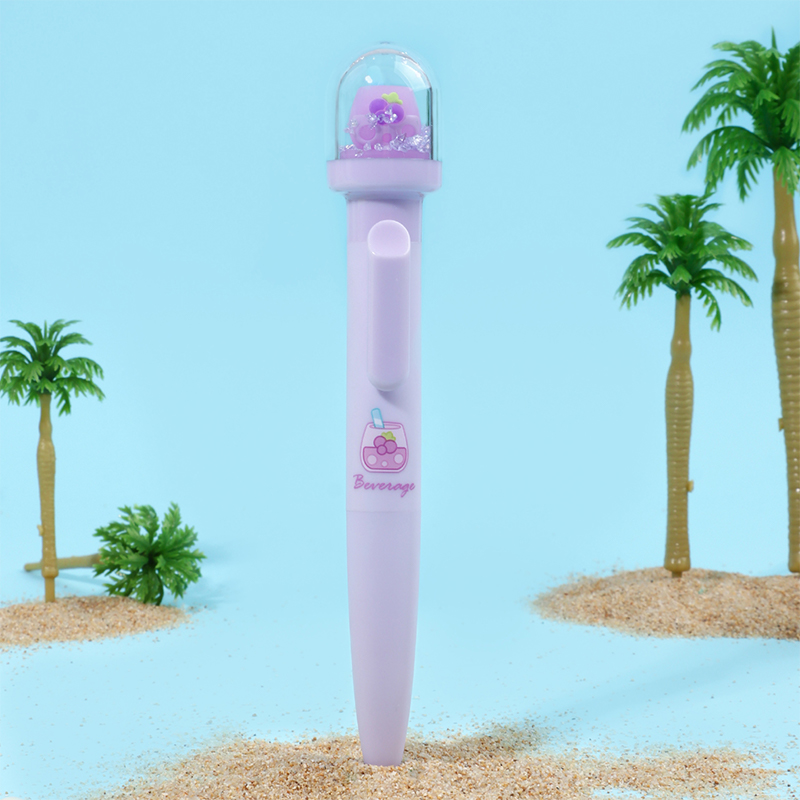
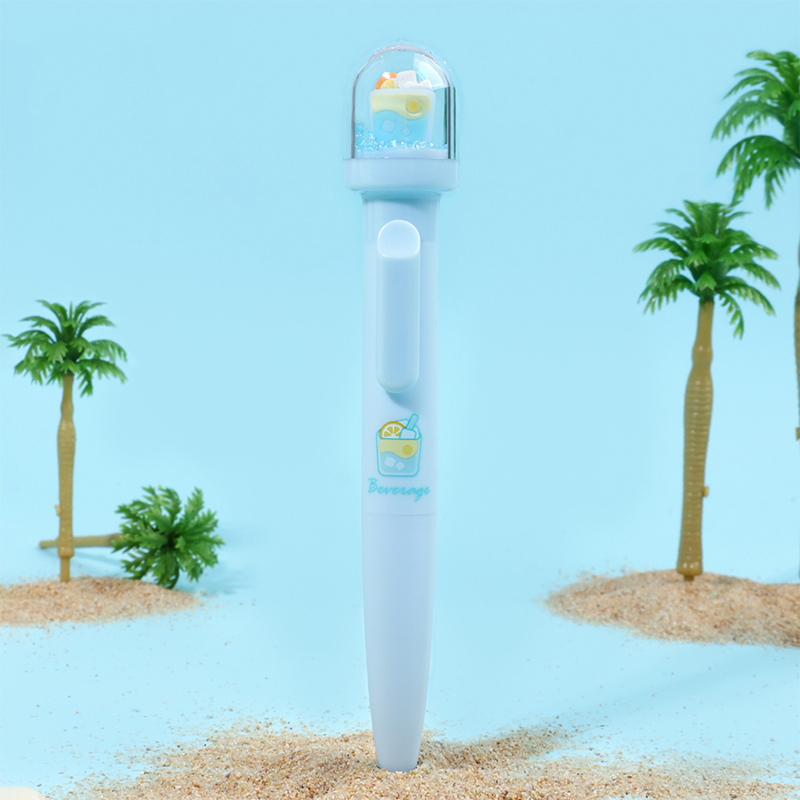
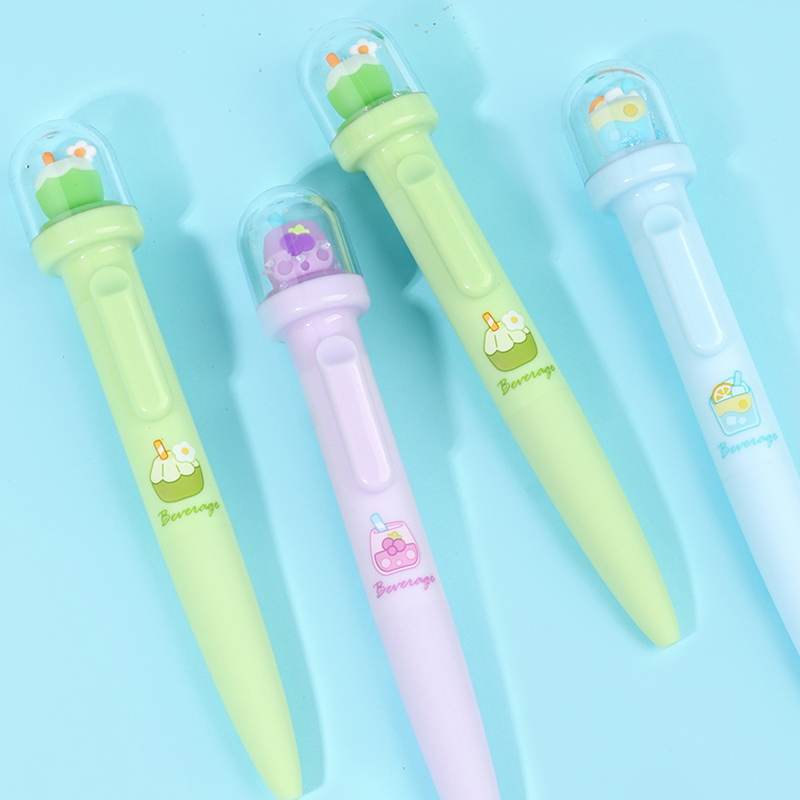
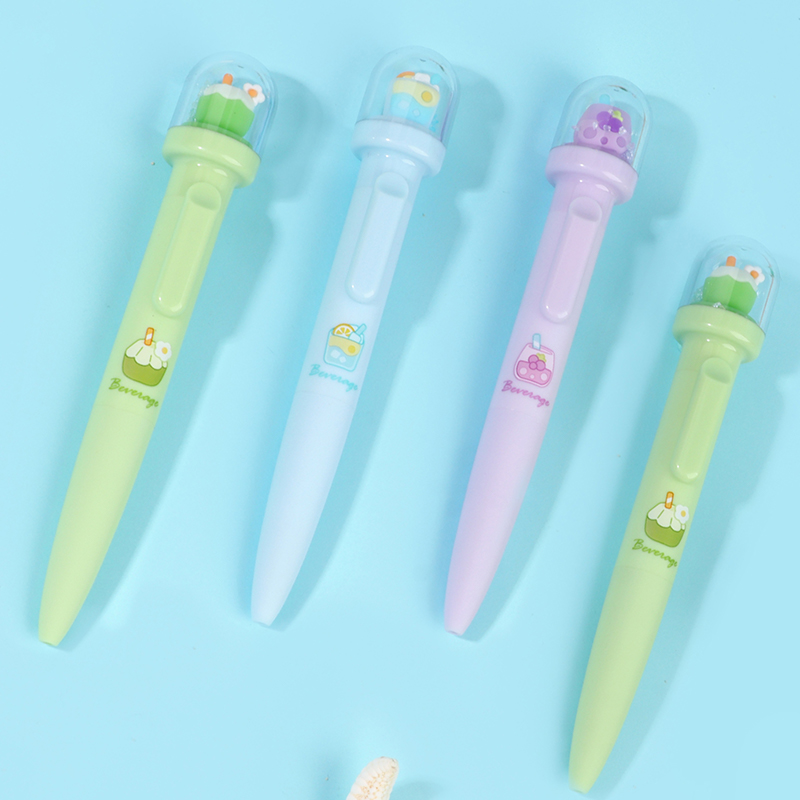
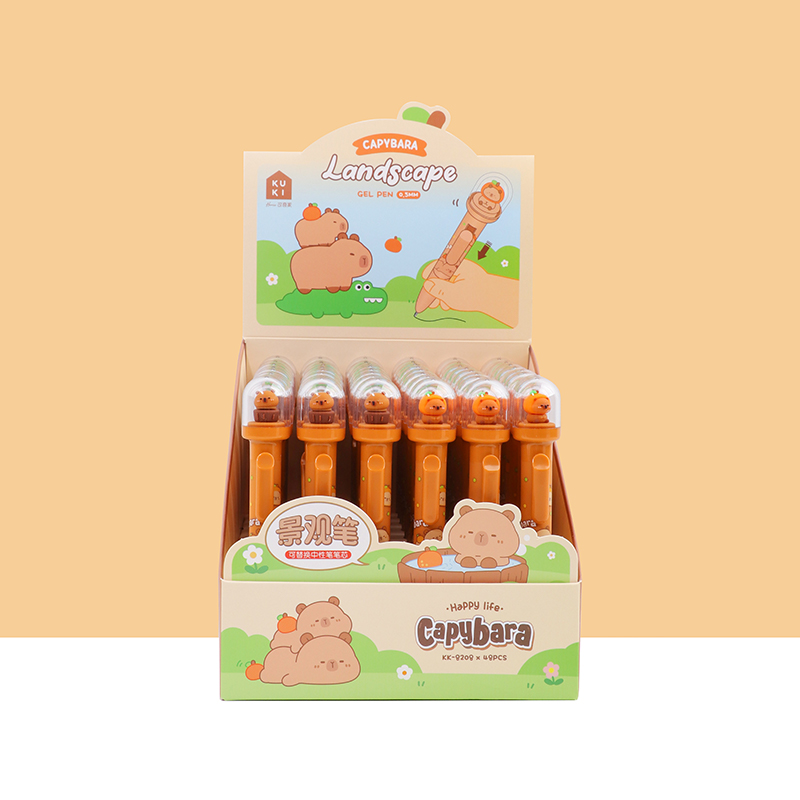
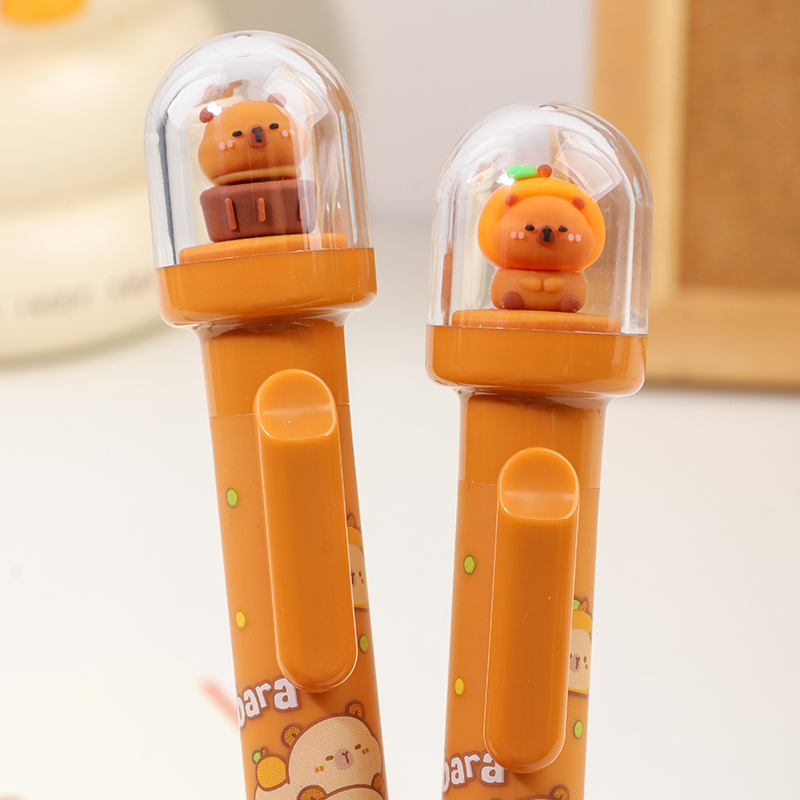
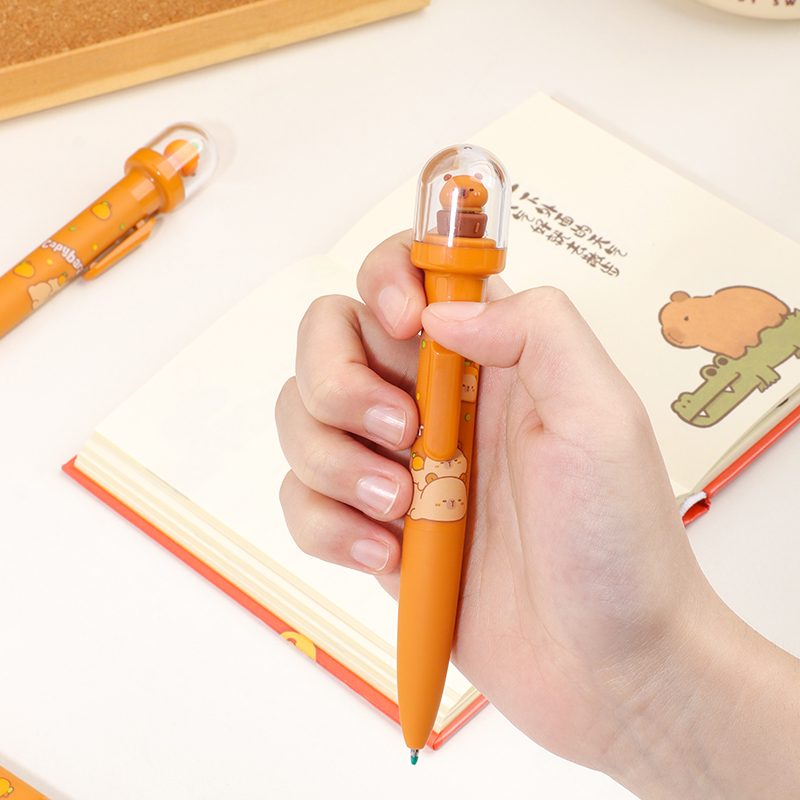
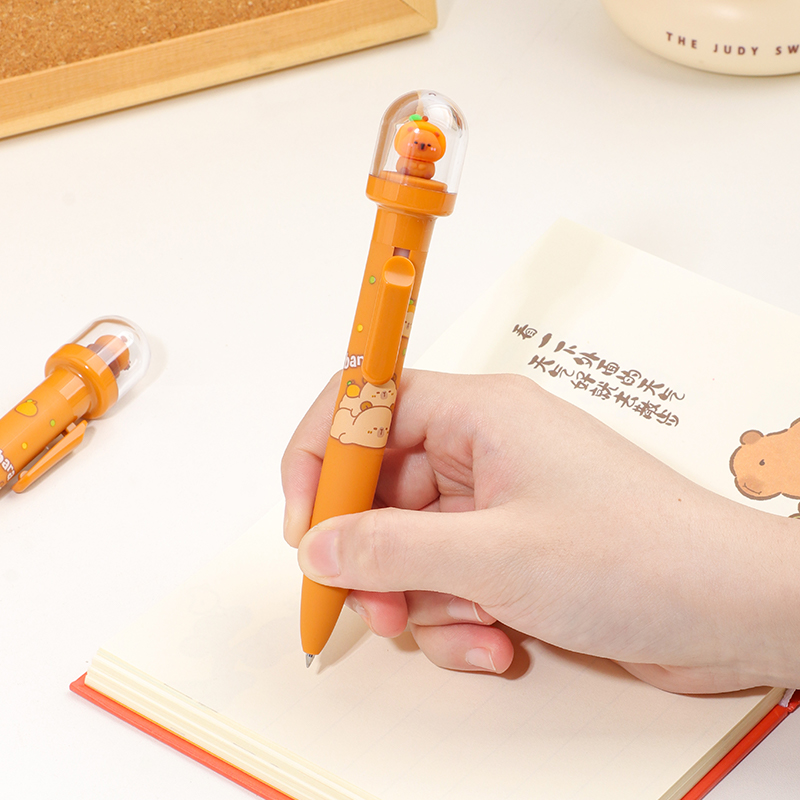
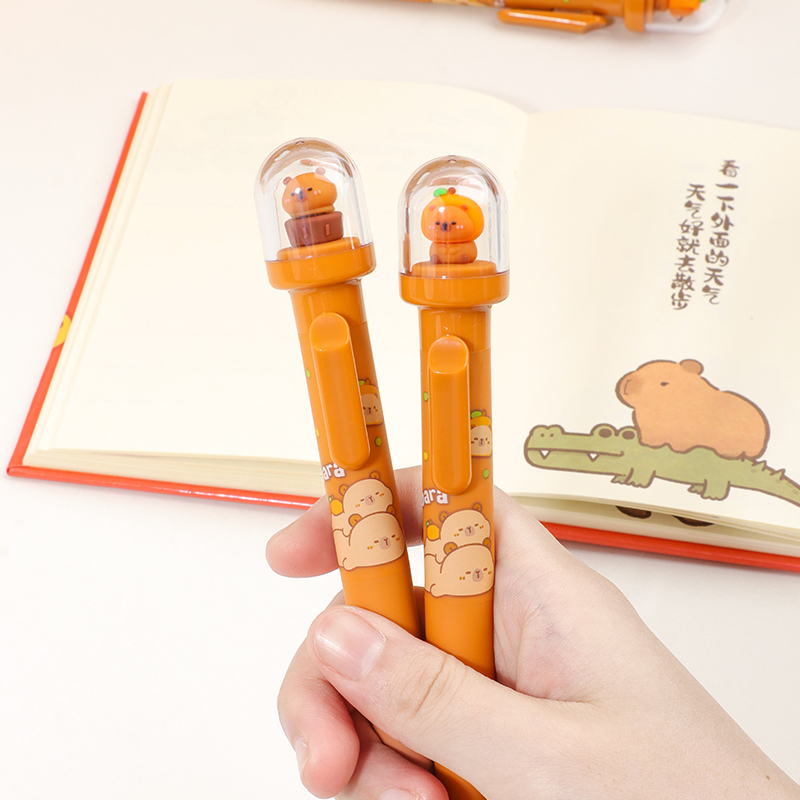
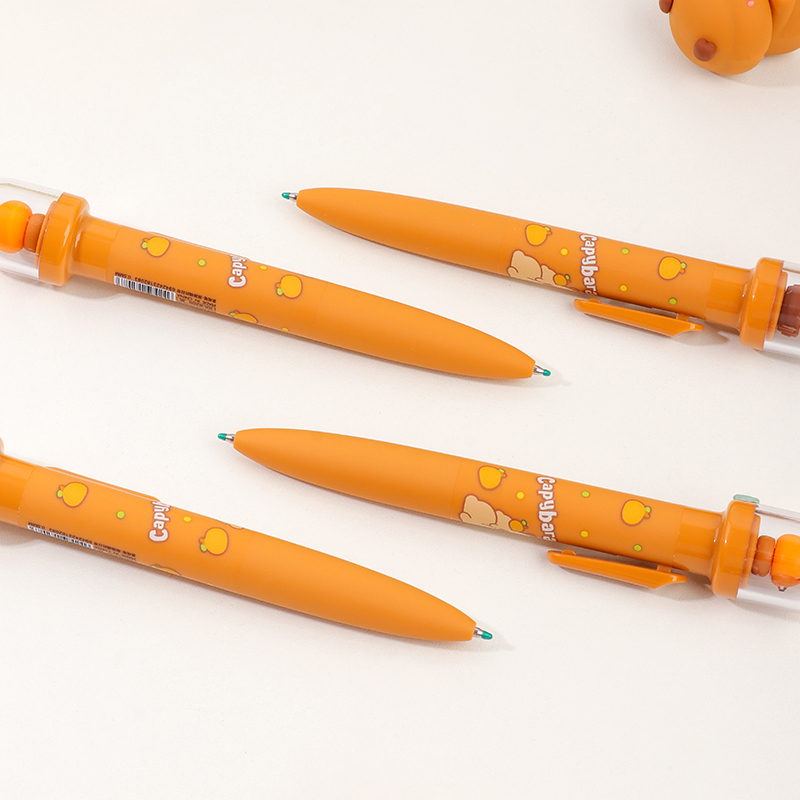
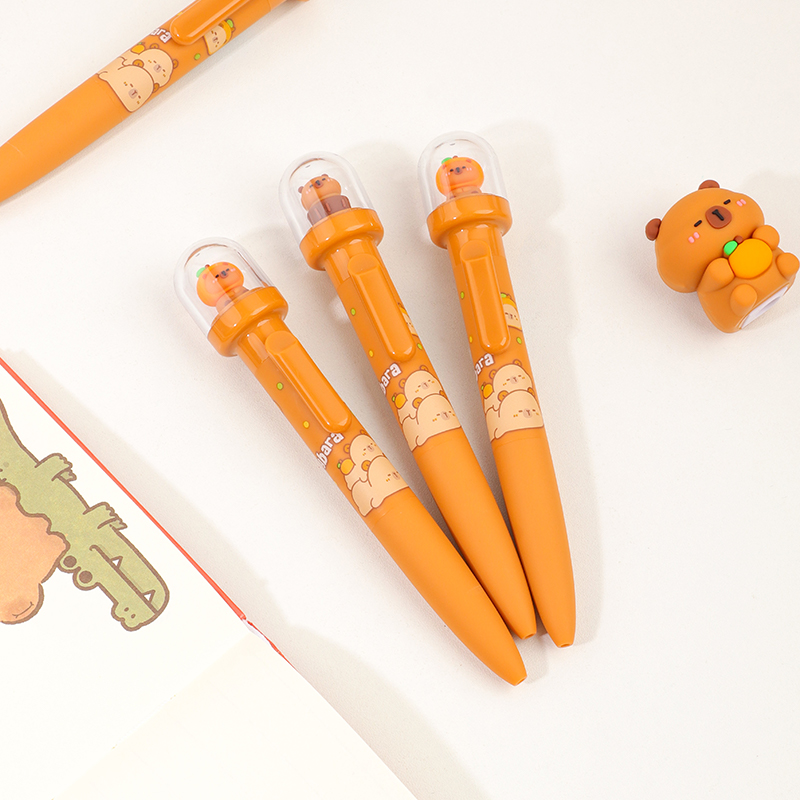
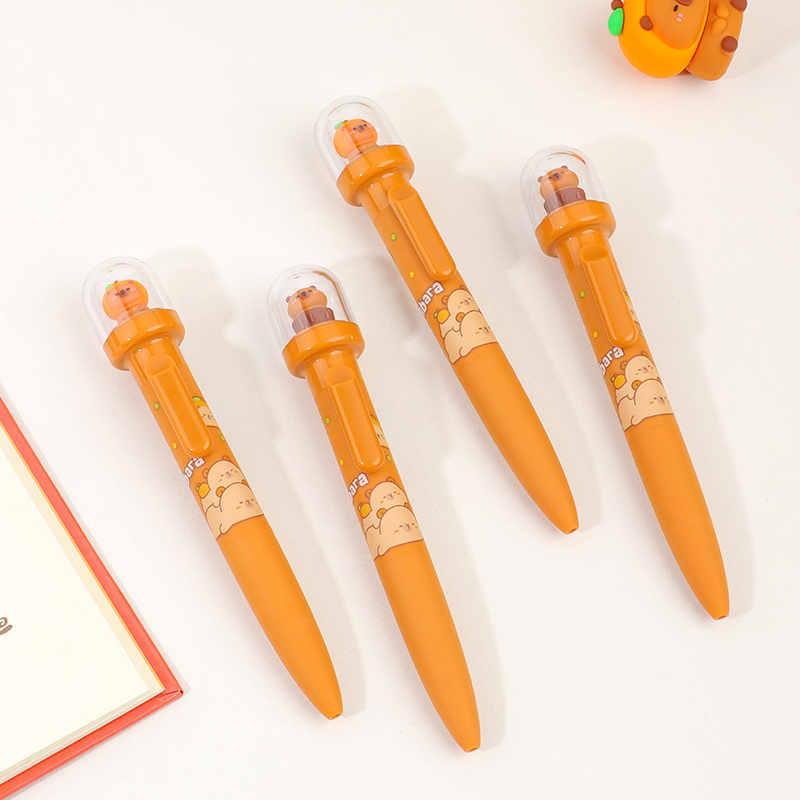
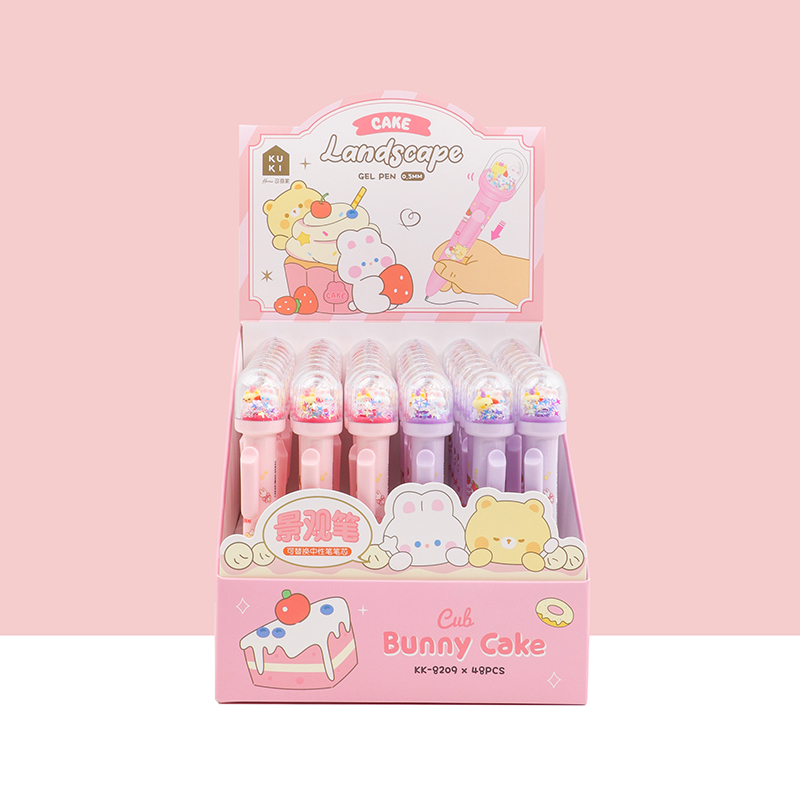
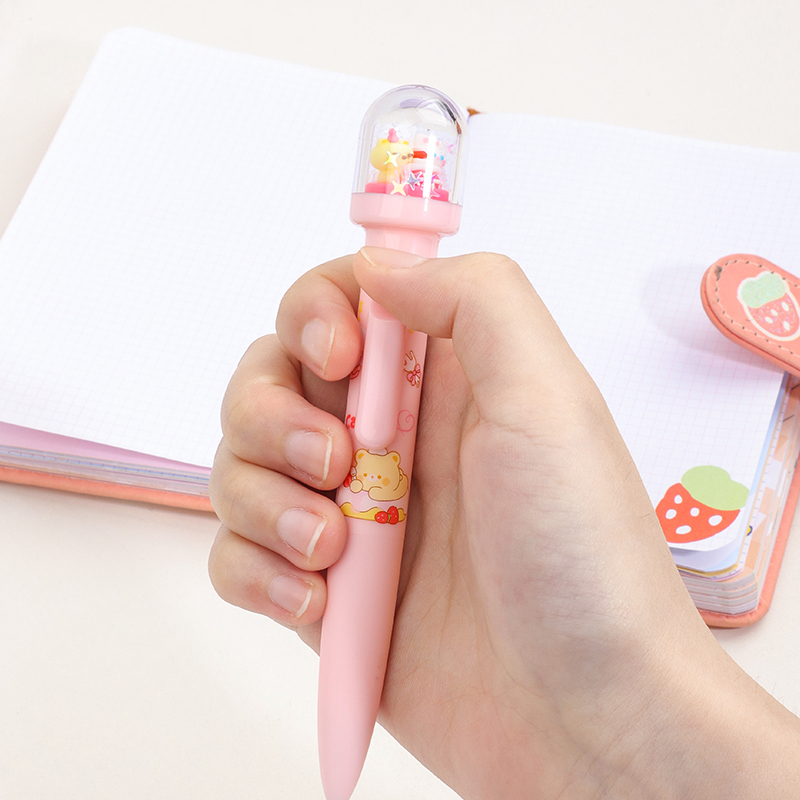
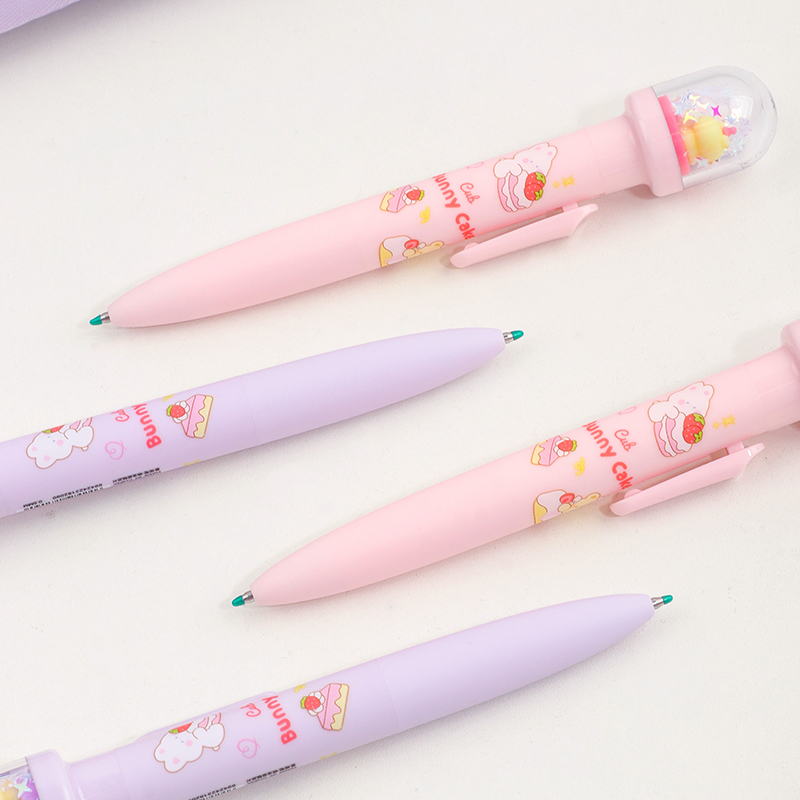
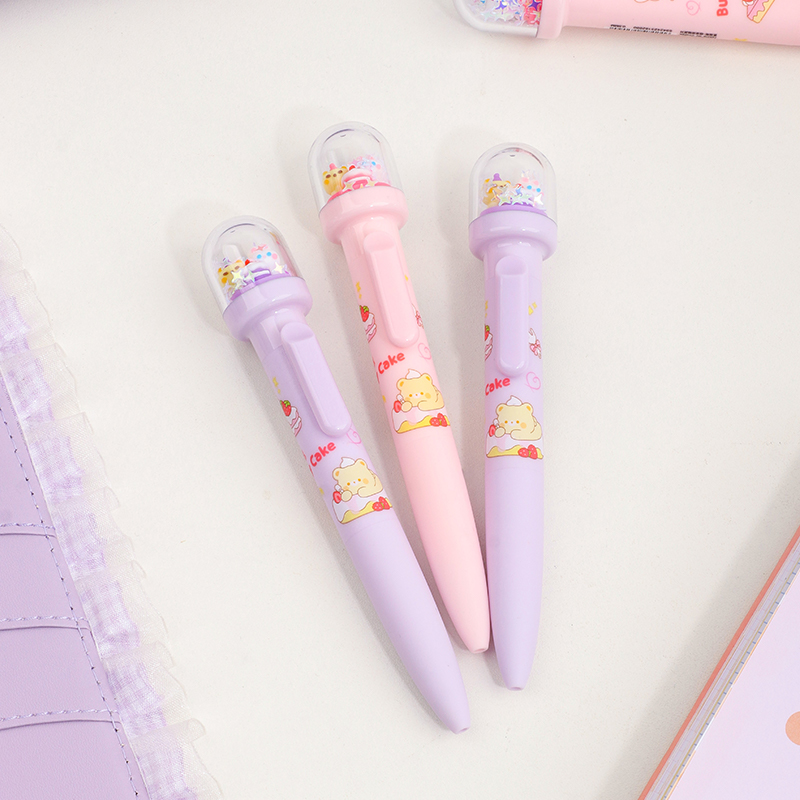
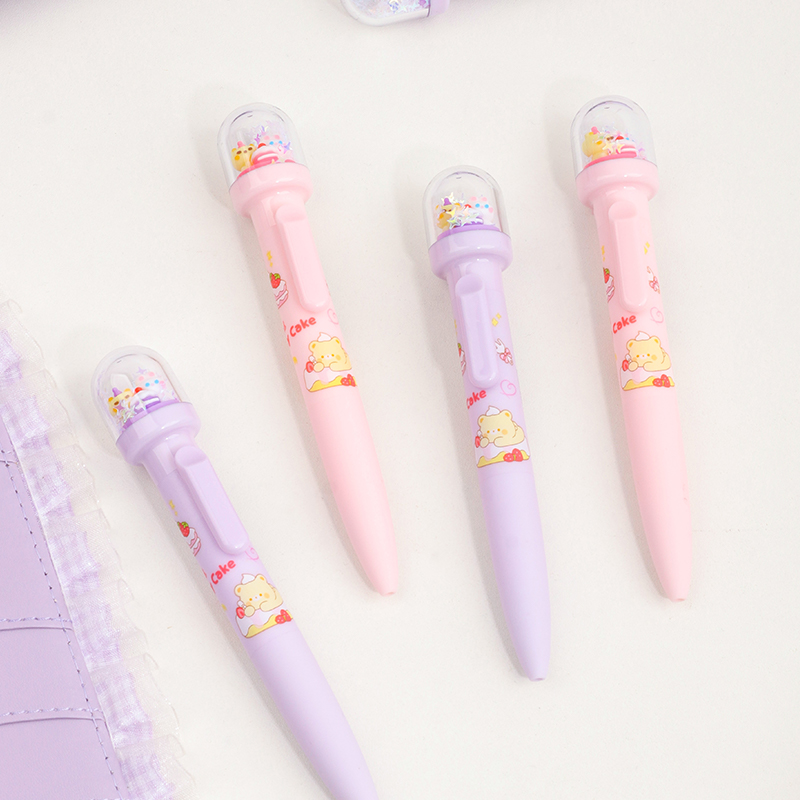
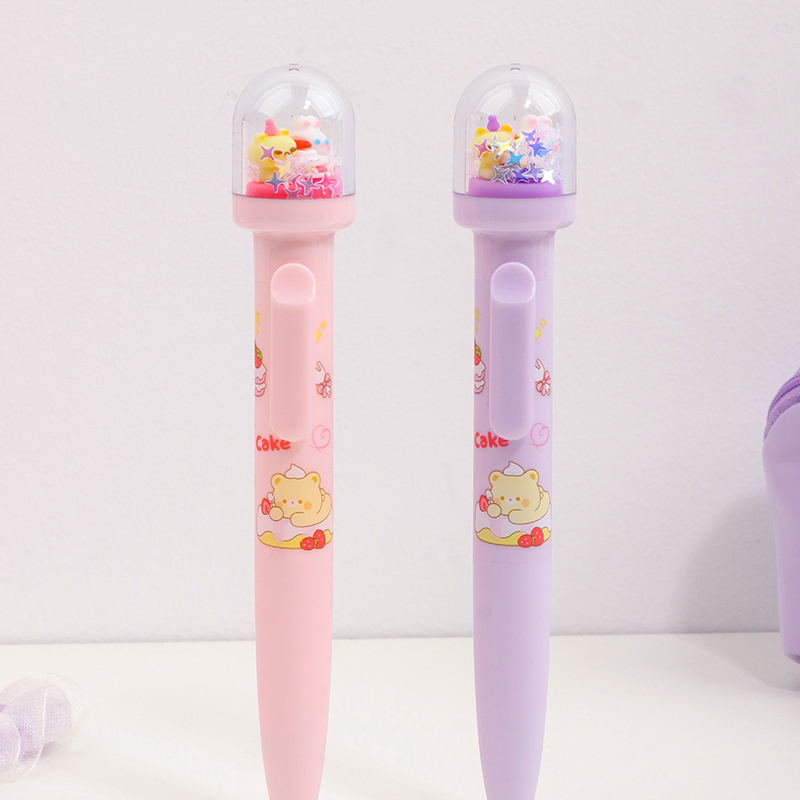
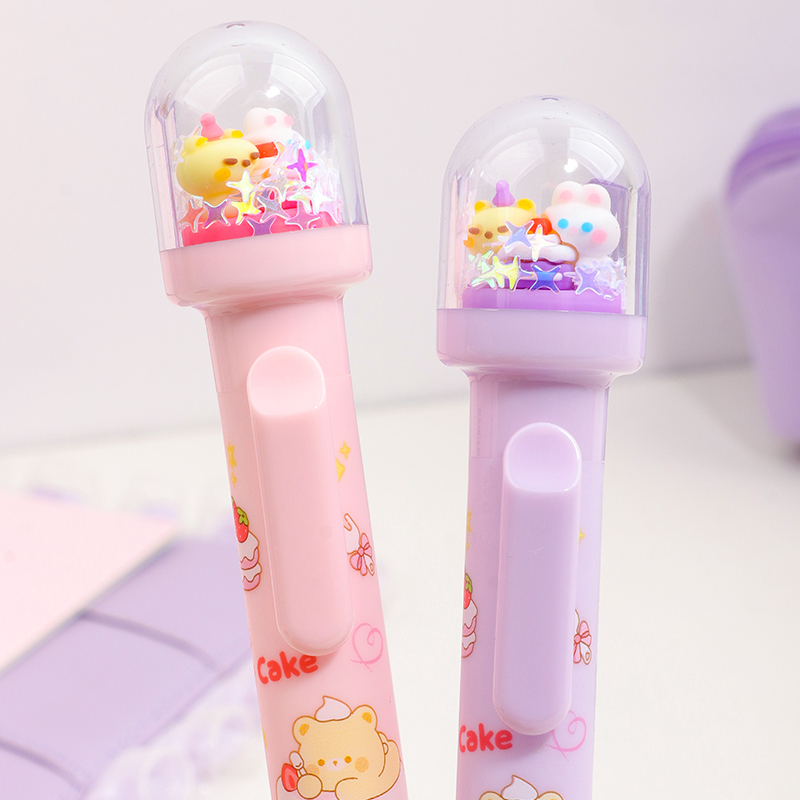
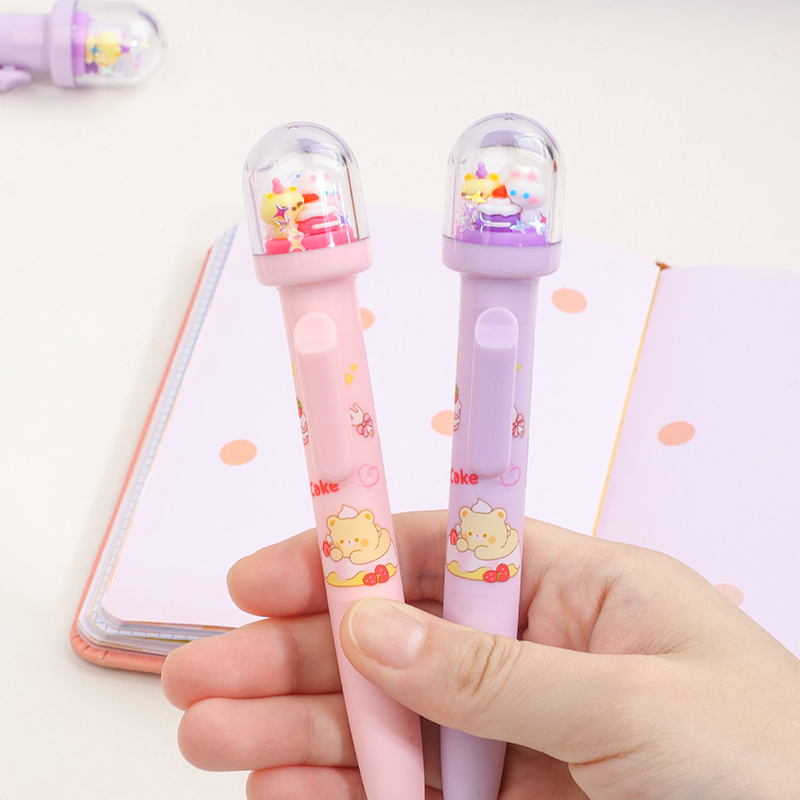
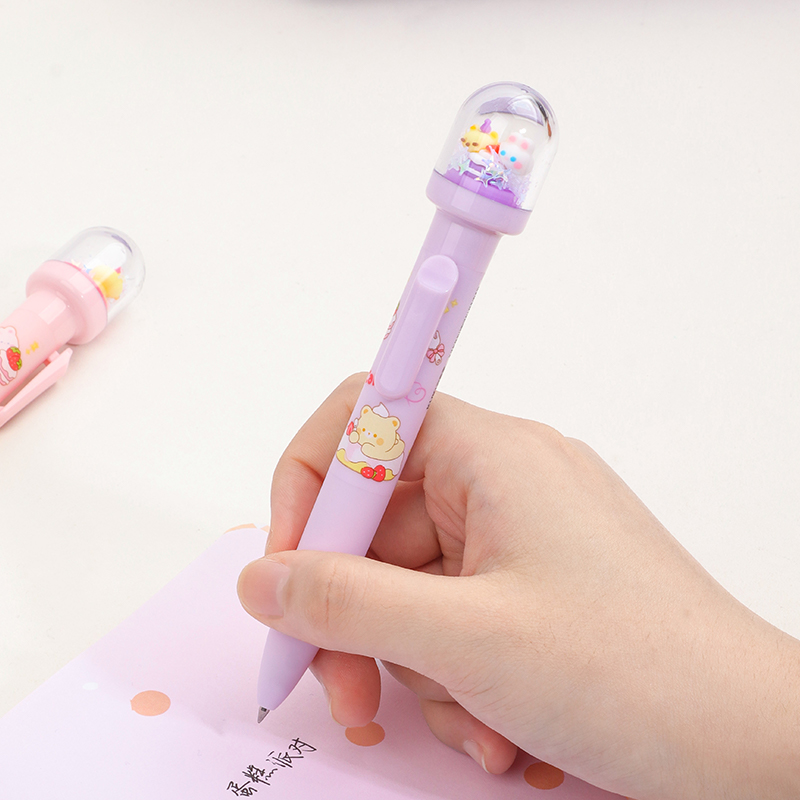
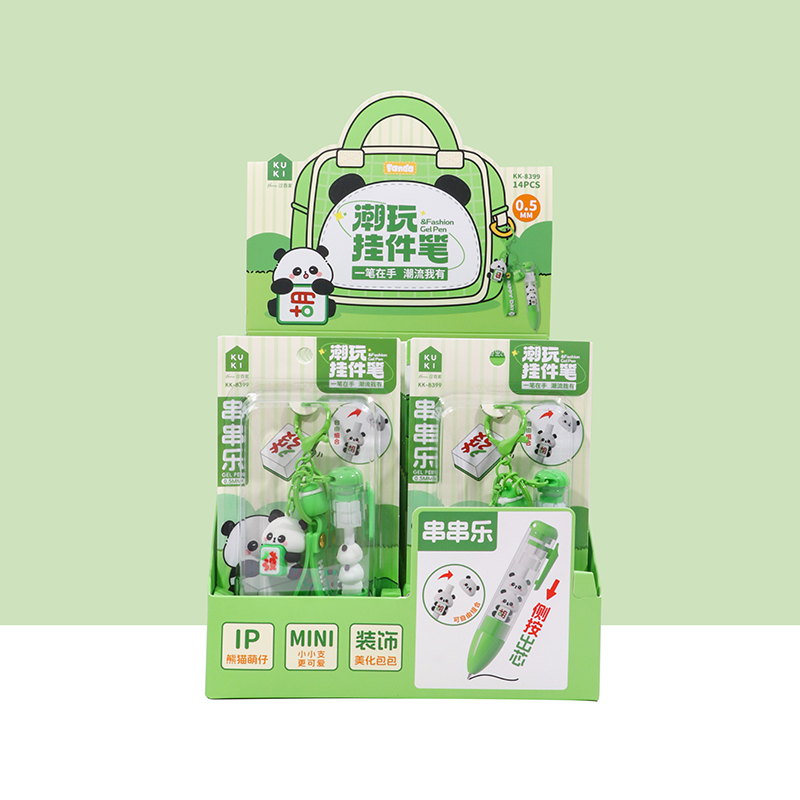
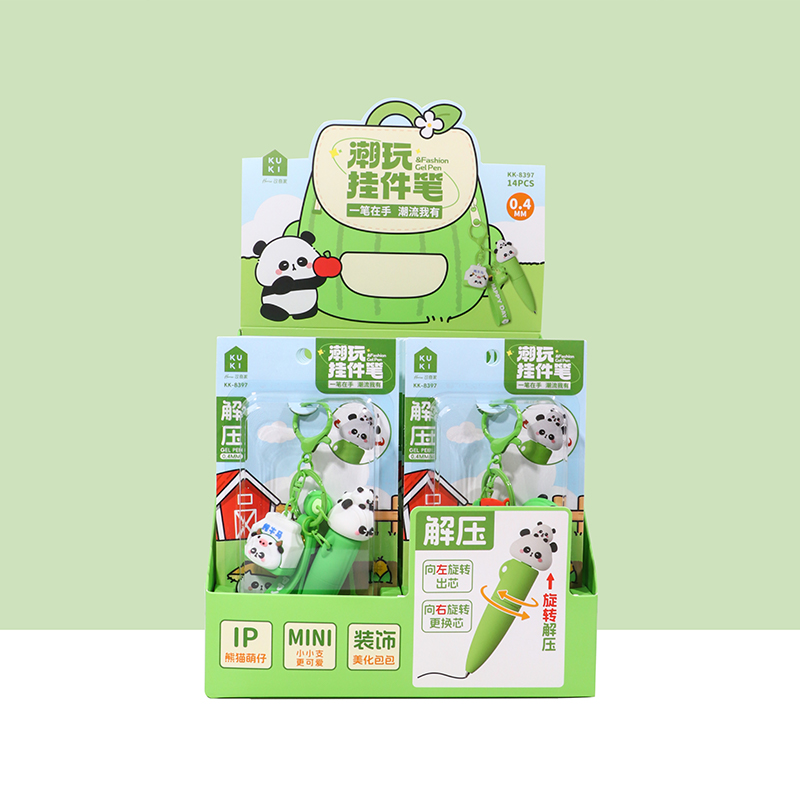
The Landscape Pen features a finely crafted micro-landscape—enclosed within a clear dome atop the barrel—representing settings such as forests, urban miniatures, or celestial scenes. The core uses the familiar 0.5 mm gel-ink refill. Production leverages precise mold and spraying operations to preserve clarity and detail in the mini-scenes. This variant targets premium stationery sectors, collectible merchandise, and high-end corporate gifting, offering an elegant blend of emotional resonance and functional quality.
SEND US A MESSAGE
call us
+86 18157942912
About Us
Dongyang Kuki Stationery Co., Ltd.
News
-
Exhibition Name: INDONESIA ASEAN STATIONERY&GIFT EXPO 2025 Exhibition Time: November 20th - 22nd, 2025 Exhibition Ad...
READ MORE -
Mr. Huang Ping, Executive Vice President of Yiwu Cultural Supplies Industry Association, Chairman of Yiwu Kuki home Cult...
READ MORE -
With the brand vision of "making global learners happier", KuKi, a brand under Yiwu Kuki Cultural and Creative Co., LTD....
READ MORE -
Writing tools are no longer cold standard equipment. When creative expression extends to the pen, a fun revolution about...
READ MORE -
Stationery brand KUKI officially launched its new 3D pencil sharpener series today. This series of products innovatively...
READ MORE -
Following its extensive attention at the 138th Canton Fair, KuKi, a brand under Yiwu Kuki Cultural and Creative Co., LTD...
READ MORE
Related products
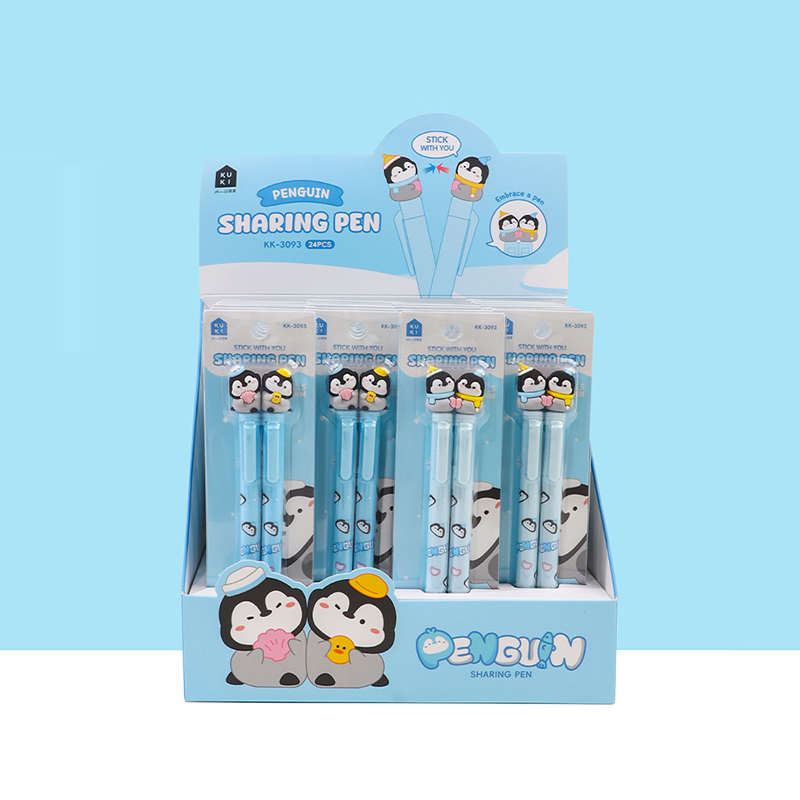
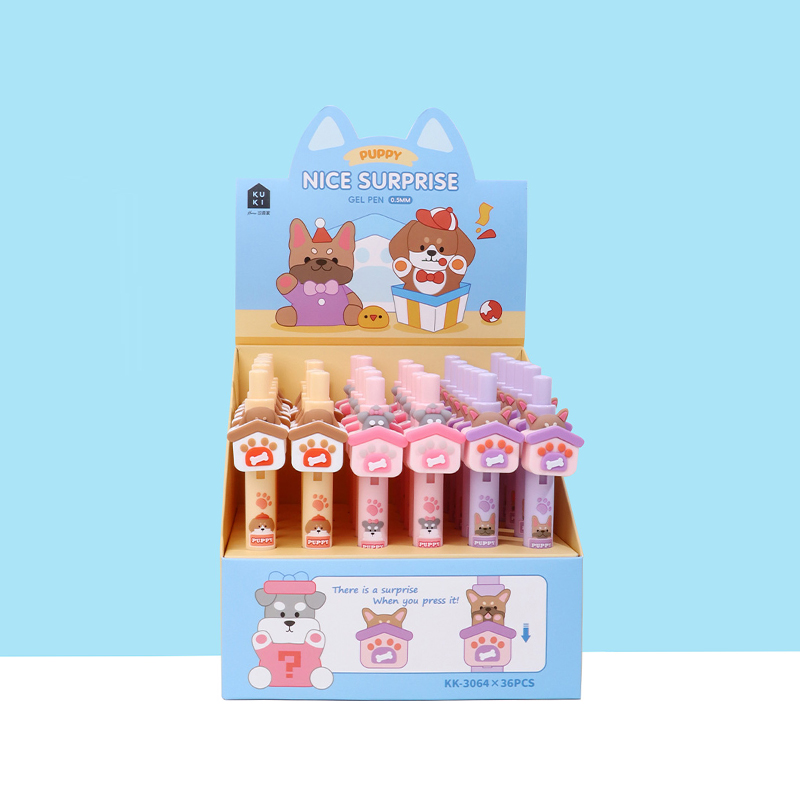
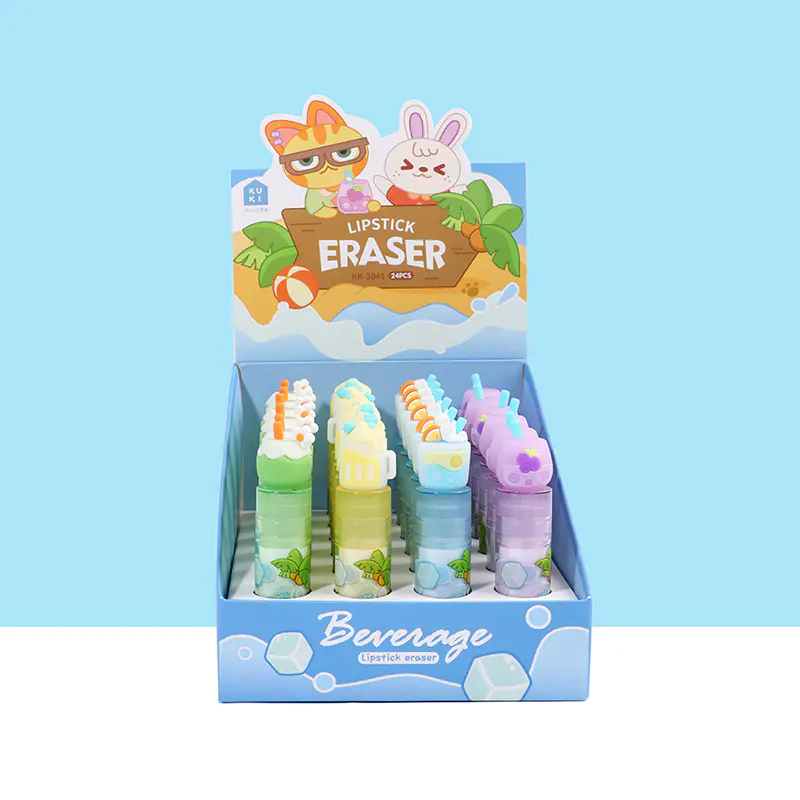
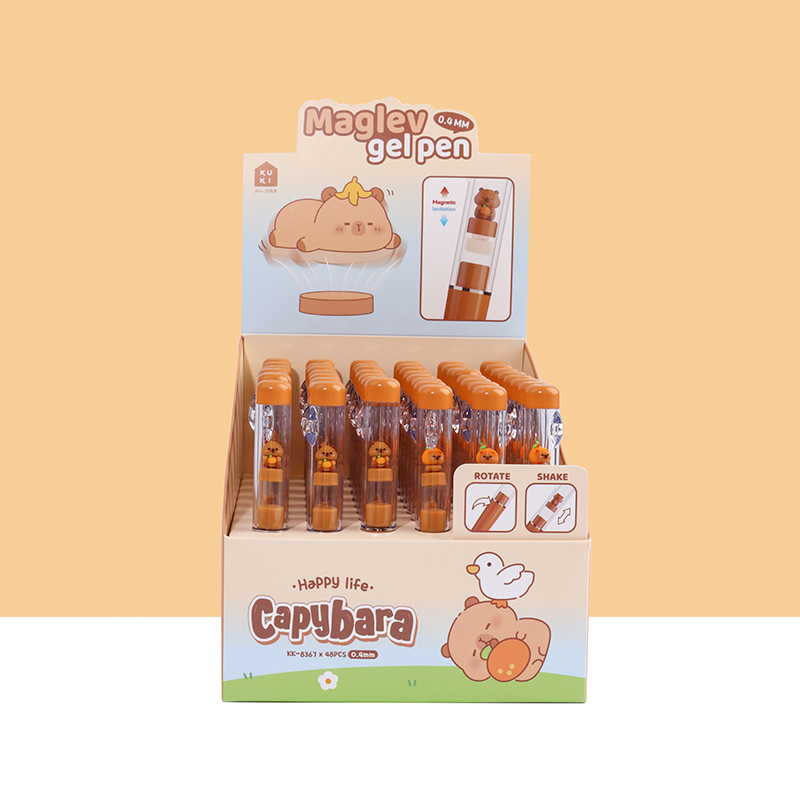
Landscape Pen Industry knowledge
Q1: Why is natural imagery becoming relevant in the stationery industry?
As work and study environments become increasingly digital, many users seek visual elements that offer a sense of calm. A Landscape Pen responds to this preference by incorporating scenery-inspired patterns or forms into its design. From an industry perspective, this reflects a growing interest in products that visually echo outdoor spaces while remaining suitable for indoor use.
For stationery brands, a Landscape Pen allows storytelling through illustration or color transitions. These visual cues help users associate writing with relaxation rather than pressure, which influences how pens are positioned in retail environments.
Q2: How does a Landscape Pen differ from traditional decorative pens?
Unlike abstract decoration, a Landscape Pen typically draws from recognizable natural scenes such as mountains, rivers, or horizons. This specificity gives the product narrative depth. In the stationery sector, this approach adds conceptual value without requiring complex structural changes.
A Landscape Pen often appeals to users who enjoy journaling or sketching. The visual theme supports reflective writing habits, which aligns well with the increasing popularity of mindful stationery.
Q3: What defines a Creative Pen in contemporary stationery?
A Creative Pen is shaped by its ability to encourage imagination rather than by strict functional standards. In modern stationery development, this category includes pens that explore unconventional visuals, playful mechanisms, or thematic concepts.
From an industry standpoint, a Creative Pen supports brand differentiation. By offering designs that spark curiosity, manufacturers can reach audiences who value originality in everyday objects. This strategy also strengthens engagement on social platforms, where visually interesting pens are often shared.
Q4: Why is creative design important beyond aesthetics?
Creative design influences emotional response. When using a Creative Pen, users may feel more motivated to write or draw, even during routine tasks. This emotional layer adds intangible value that goes beyond ink flow or barrel shape.
In the stationery market, a Creative Pen is often positioned as a bridge between art tools and writing instruments. This dual identity broadens its appeal across educational, hobby, and lifestyle segments.
Q5: How does a Nature Gel Pen support writing performance?
A Nature Gel Pen combines smooth ink technology with themes inspired by the natural world. In the stationery industry, gel ink is favored for its consistent output and comfortable writing feel. When paired with nature-related visuals, the product offers both functional reliability and sensory appeal.
A Nature Gel Pen is commonly used for note-taking and journaling, where ink clarity matters. Its design supports prolonged use by creating a visually soothing experience that complements the writing process.
Q6: Why do nature themes resonate with gel pen users?
Nature themes suggest balance and simplicity. For many users, a Nature Gel Pen provides subtle visual relief during extended writing sessions. This aligns with broader industry efforts to integrate wellness concepts into stationery design.
Manufacturers often select color palettes inspired by natural elements when developing a Nature Gel Pen. These choices help reduce visual fatigue while maintaining legibility on the page.
Q7: How do these pen types reflect wider industry direction?
The stationery industry continues to move toward experience-driven products. A Landscape Pen introduces narrative through visual scenery. A Creative Pen emphasizes imaginative engagement. Meanwhile, a Nature Gel Pen balances aesthetic inspiration with reliable ink performance.
Together, these pen categories illustrate how design and function increasingly work together. Rather than focusing solely on technical attributes, modern pen development considers how visual themes influence user mindset and writing habits.


Pagetop
CONTACT
- +86 18157942912

- [email protected]

- Production Center: 3rd Floor, Building 2, Minghong Science and Innovation Park, No. 36 Suhua Street, Yiwu City, Jinhua City, Zhejiang Province (Elevator 2-5)

- Operation Center: 4th Floor, Building 2, Minghong Science and Innovation Park, No. 36 Suhua Street, Yiwu City, Jinhua City, Zhejiang Province (Elevator 2-6)
QUICK LINKS
MOBILE
