

 English
 bahasa Indonesia
 русский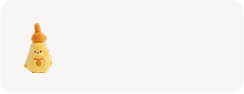
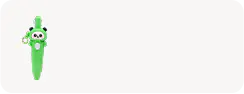

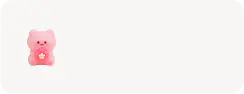



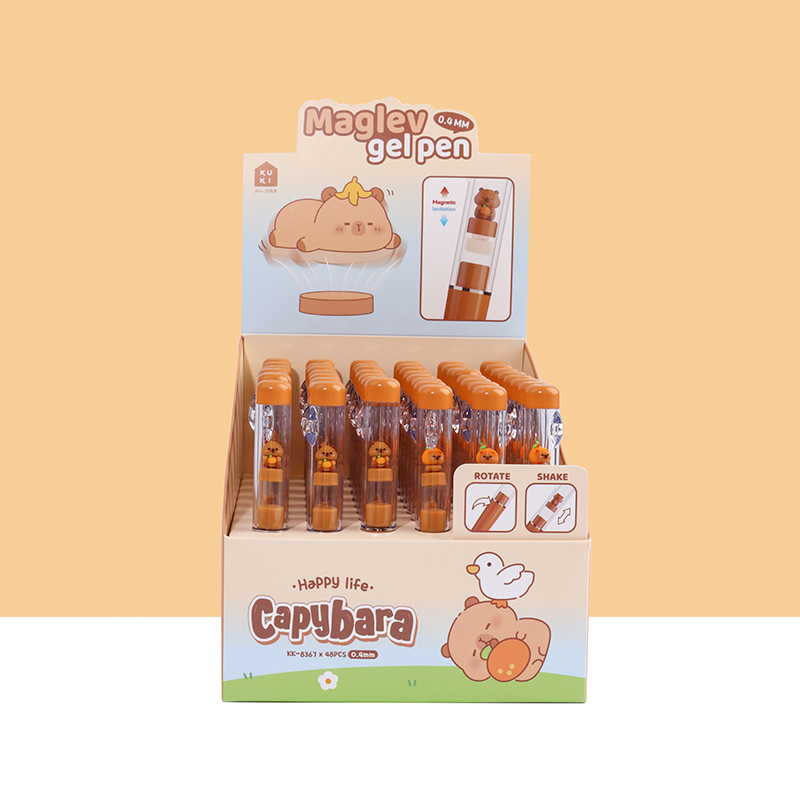
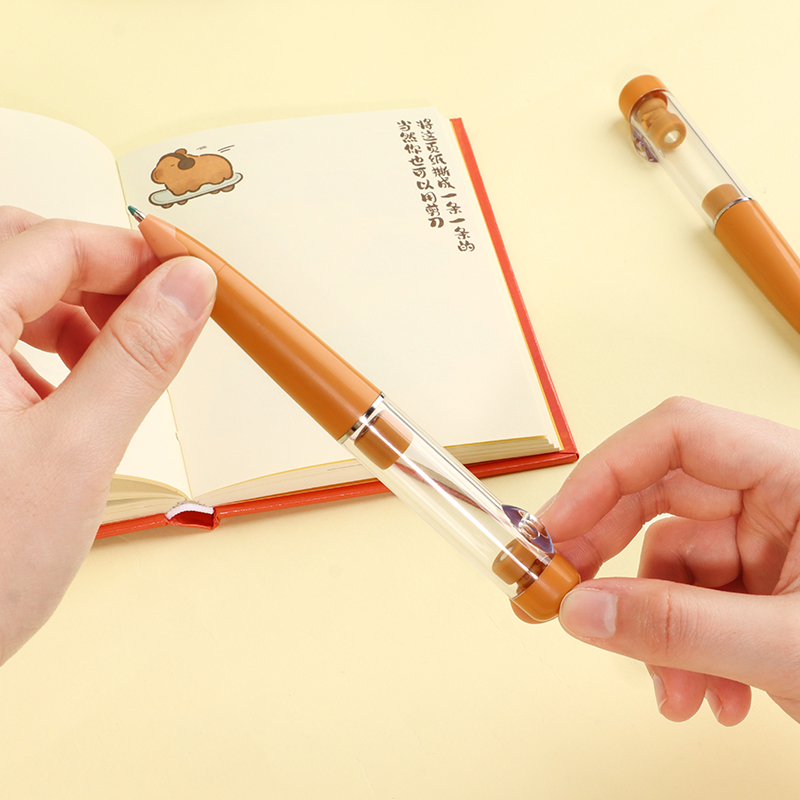
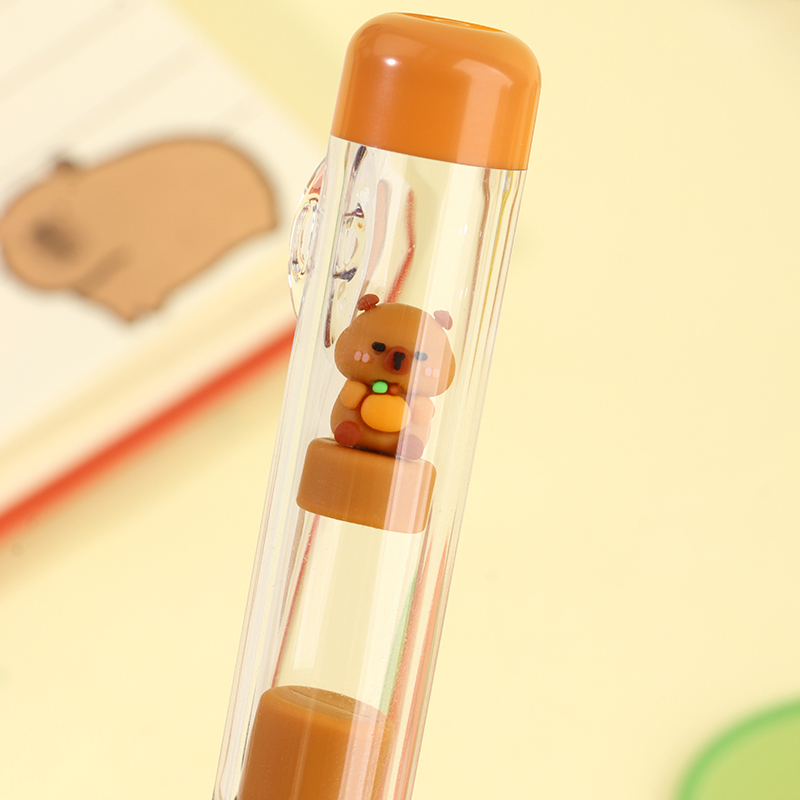
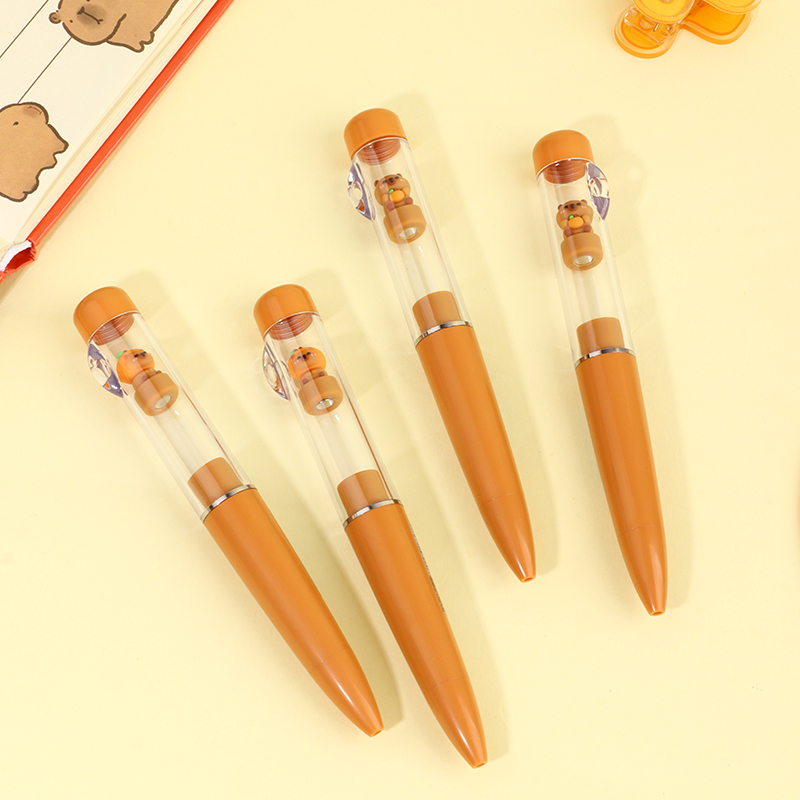
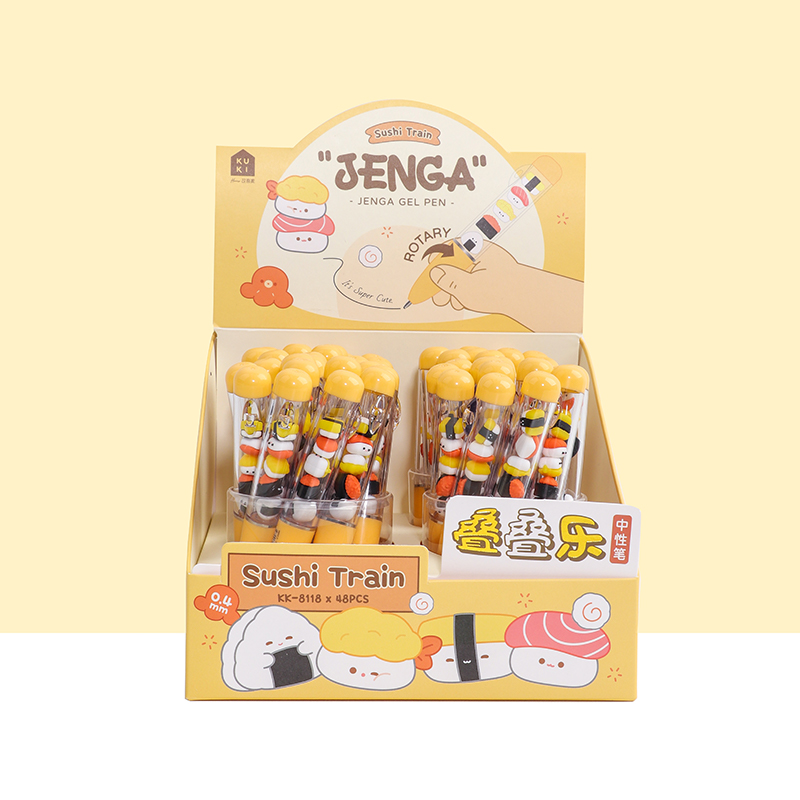


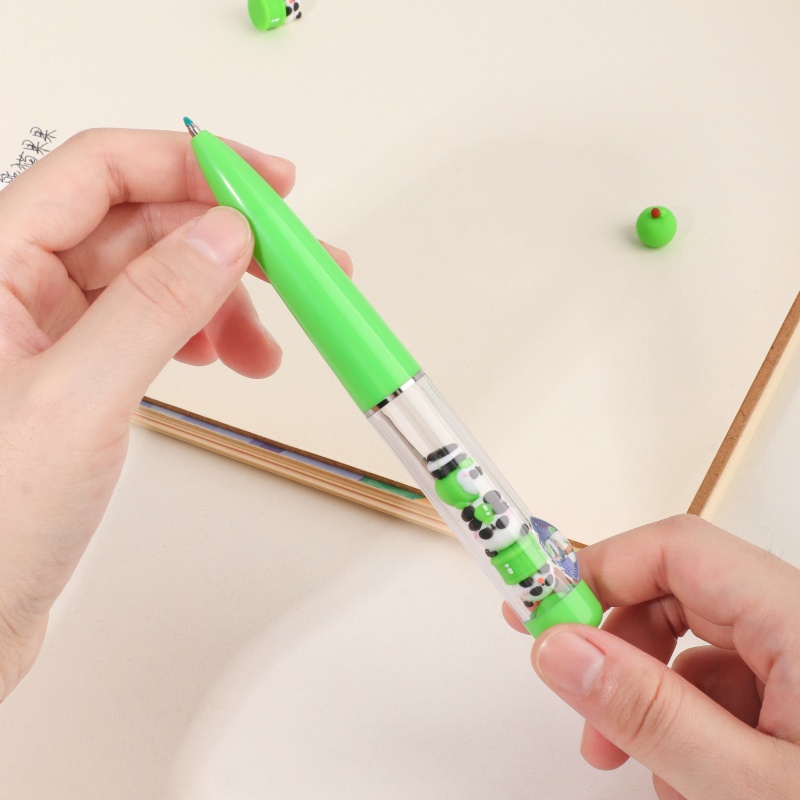
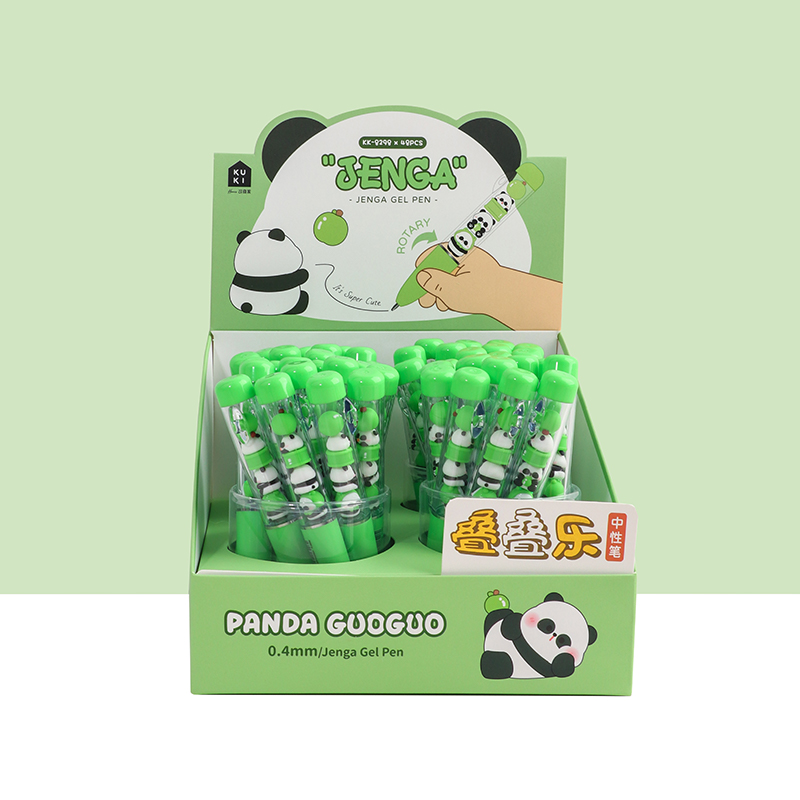
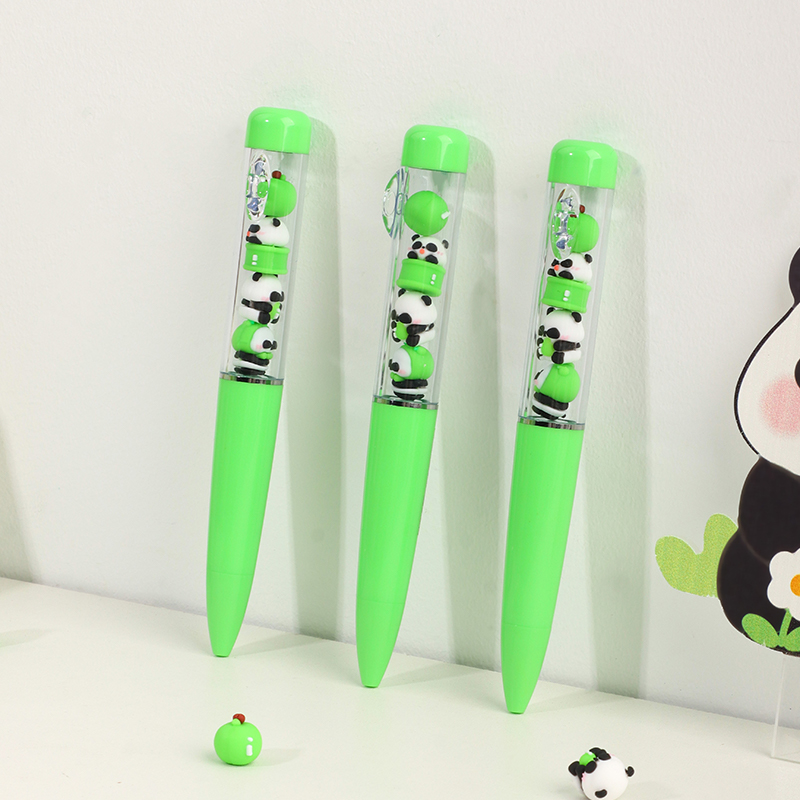
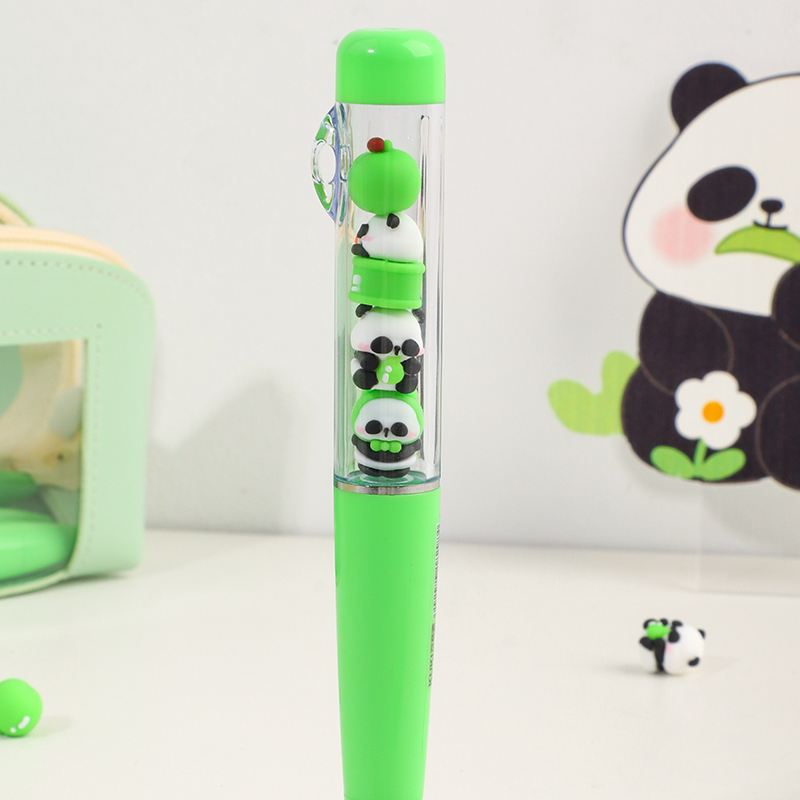
Dongyang Kuki Stationery Co., Ltd. is an innovative stationery company that integrates design, R&D, production, and sales. Under its brand KUKI HOME, the company focuses on cute and novelty-designed products — especially erasers, sharpeners, and correction tapes — with a mission to make learning happier and more creative.
As a pioneer in creative styling stationery, KUKI HOME owns 20+ original and collaborative IPs, including HAMER FRIENDS, LUCKYCATCLAW, HAPPTLFE AYBARA, VEGETABLE CHICKEN, and more. The company has developed over 30 product categories and launched 300+ bestsellers, with several single products exceeding 20 million units in sales. As a custom Maglev & Jenga Pen manufacturer and wholesale Maglev & Jenga Pen factory in China, KUKI has also obtained 30+ design patents.
KUKI HOME has partnered with global brands like Miniso, The Green Party, and Lenle, and its products are exported to Europe, North America, Brazil, Indonesia, and other countries — well received by consumers around the world. In 2023, it was honored as a “Pioneer of Going Abroad” by Yiwu Brand Overseas Billion Club and has long participated in stationery exhibitions and international exchanges in Japan, Indonesia, Russia, and beyond.
Looking ahead, KUKI HOME is transforming from traditional manufacturing to “cultural and creative intelligent manufacturing.” With continuous innovation in IP creation, product updates, and design, the brand is boldly moving toward becoming one of the world’s leading names in creative stationery.

Custom DIY Pen
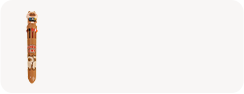
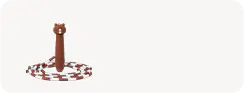
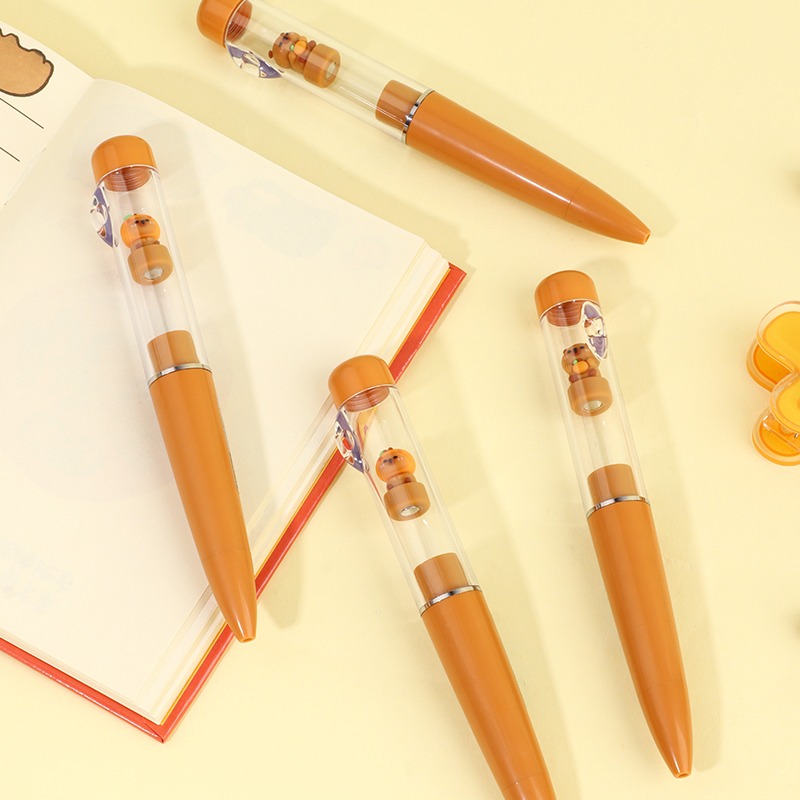
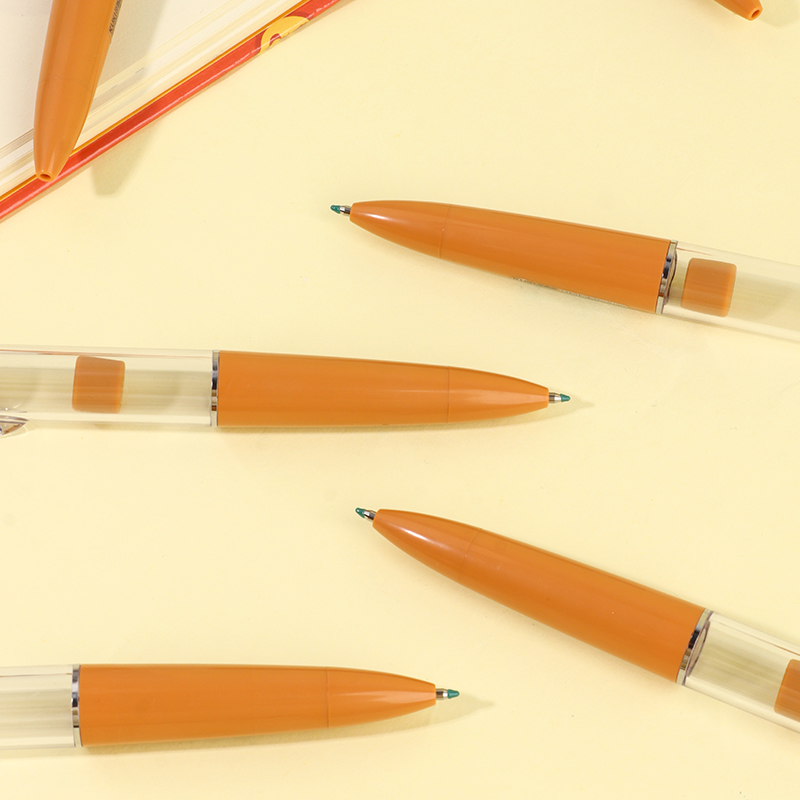
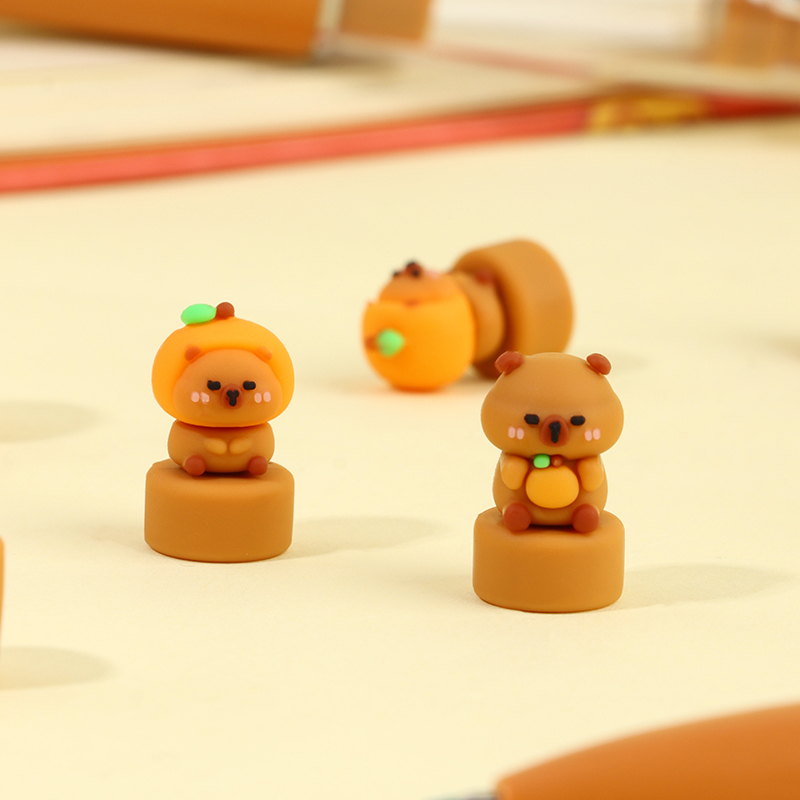
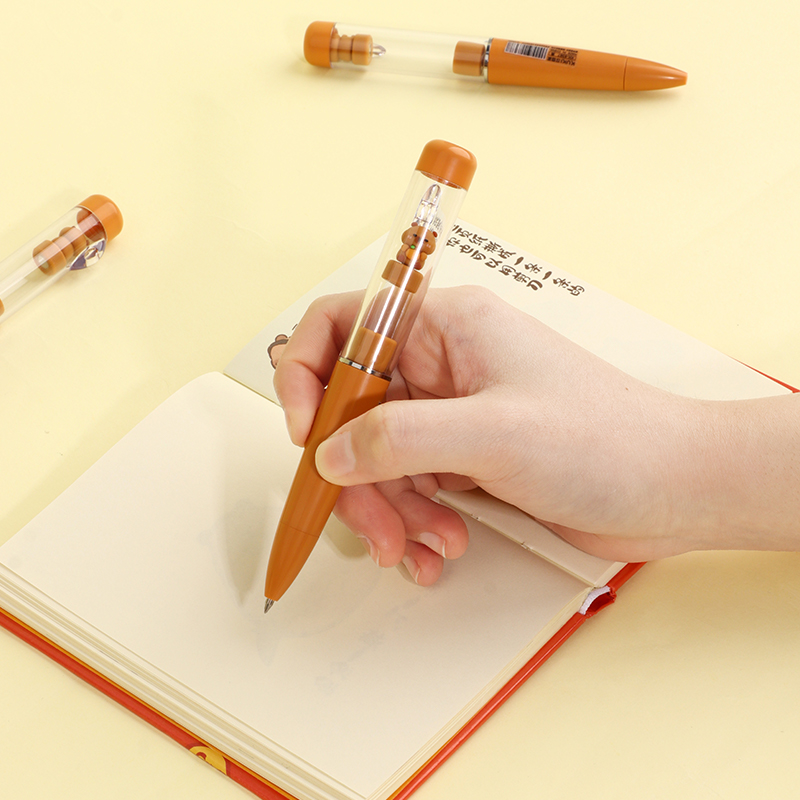
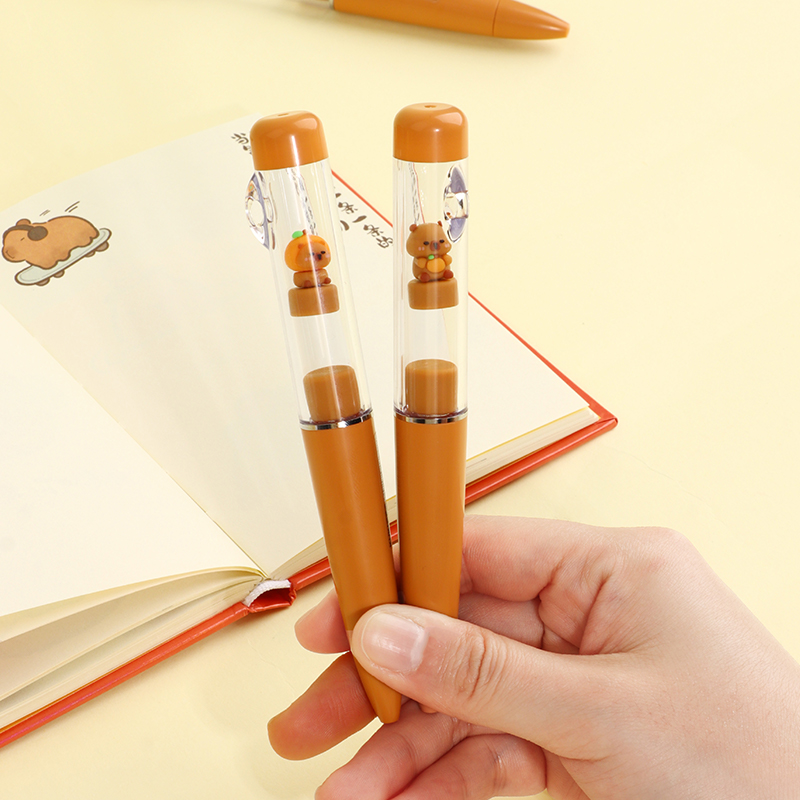
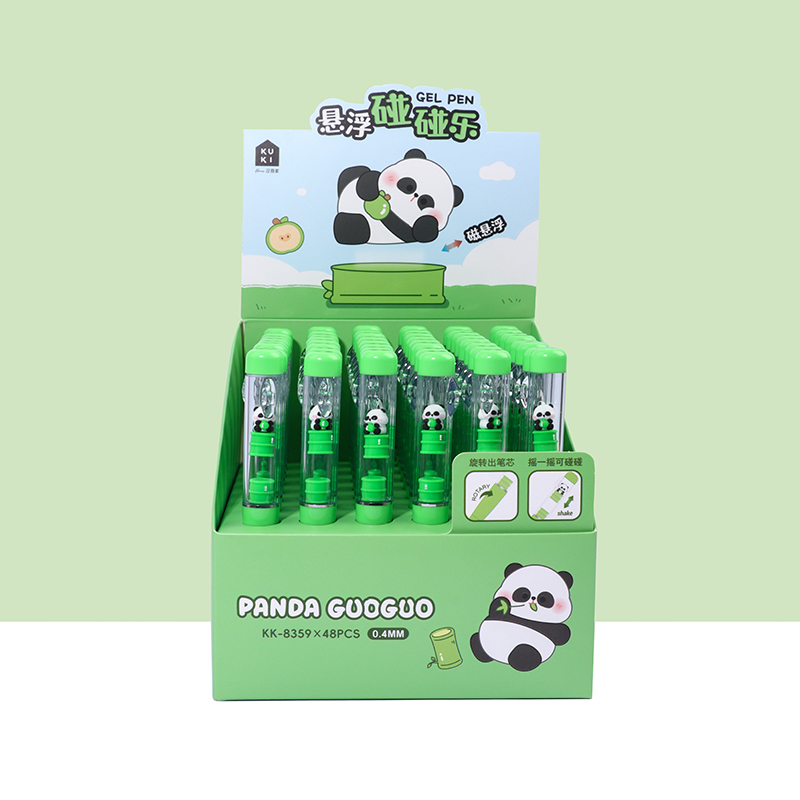
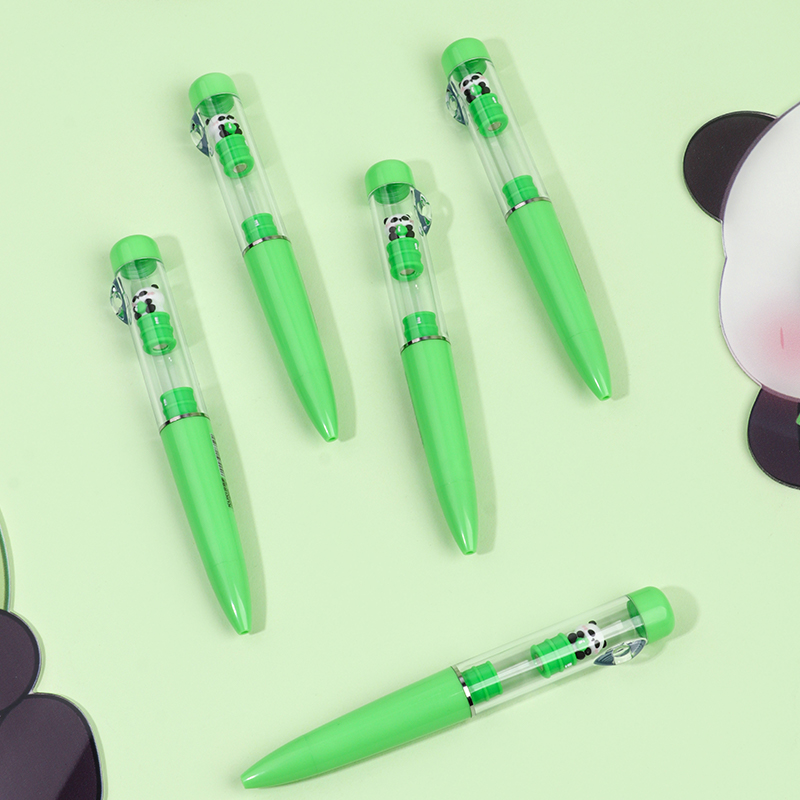
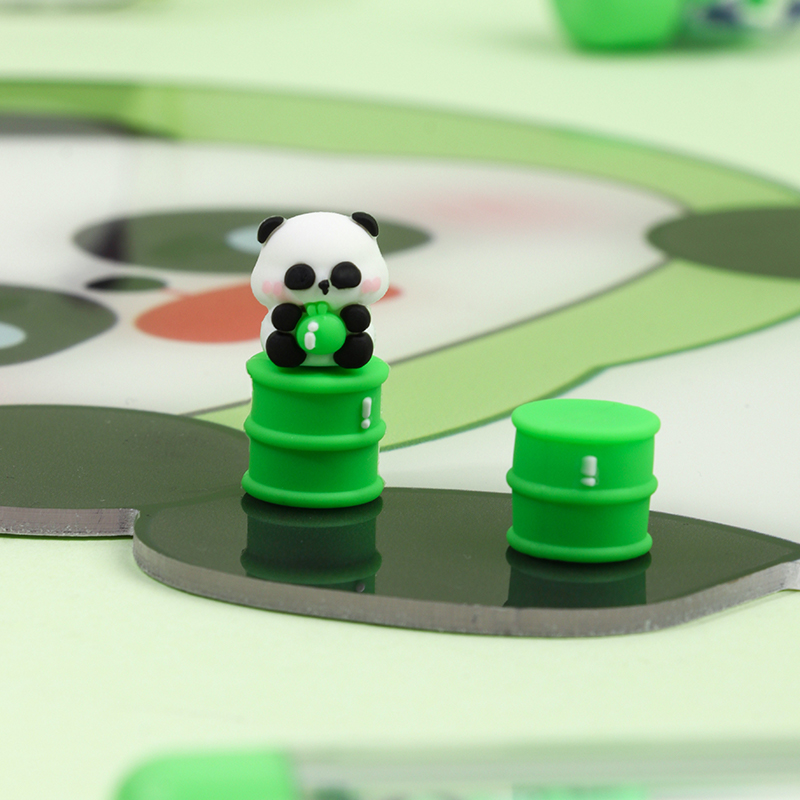
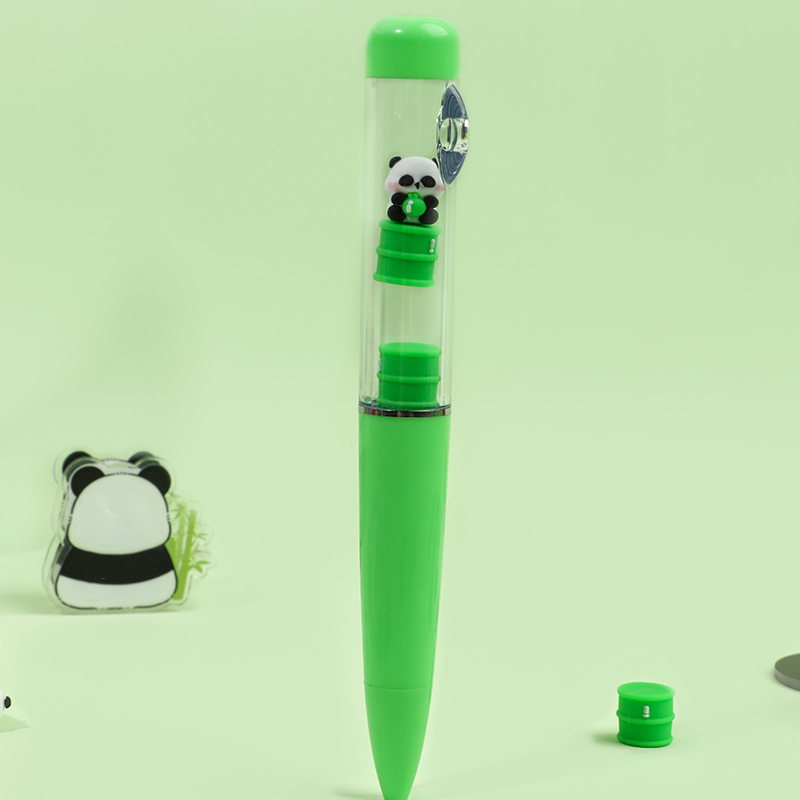
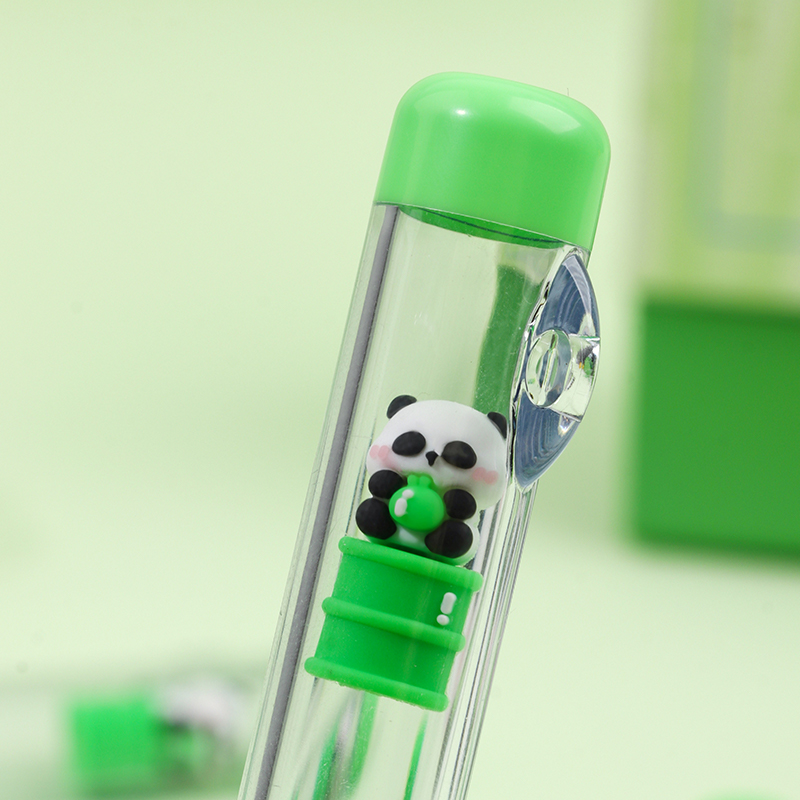
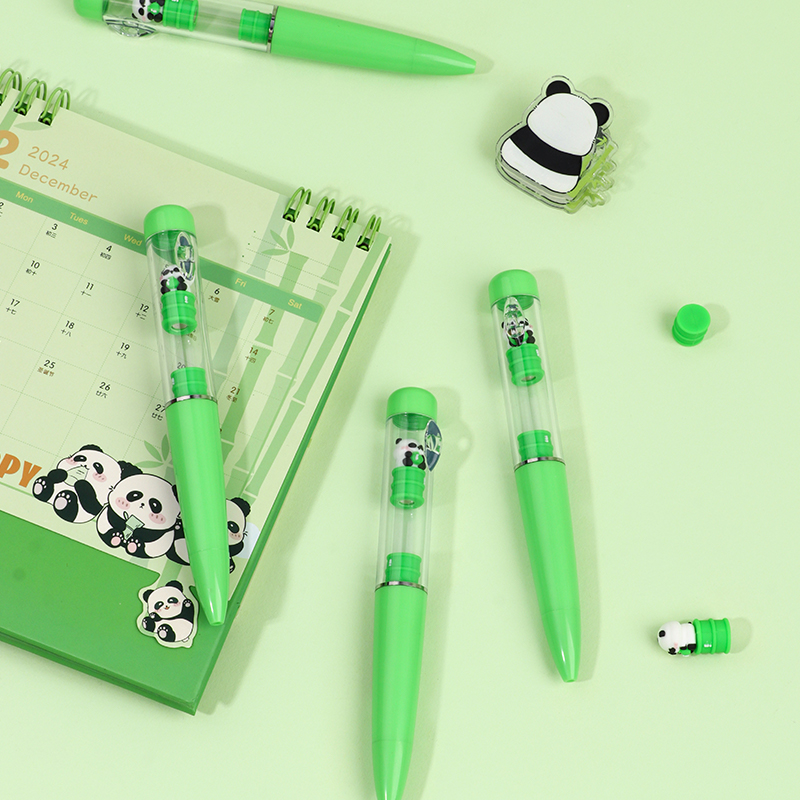
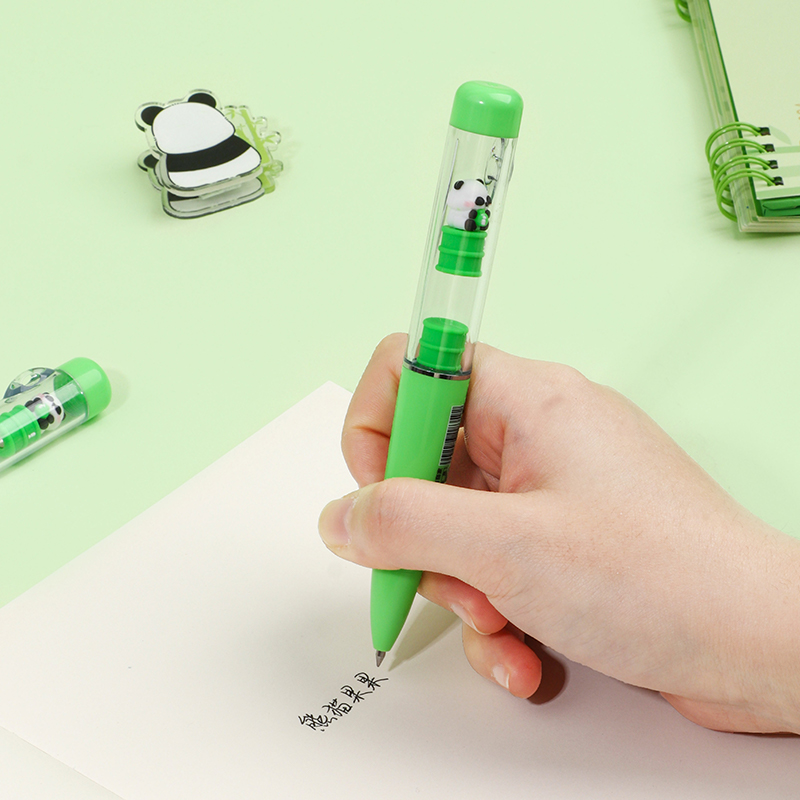
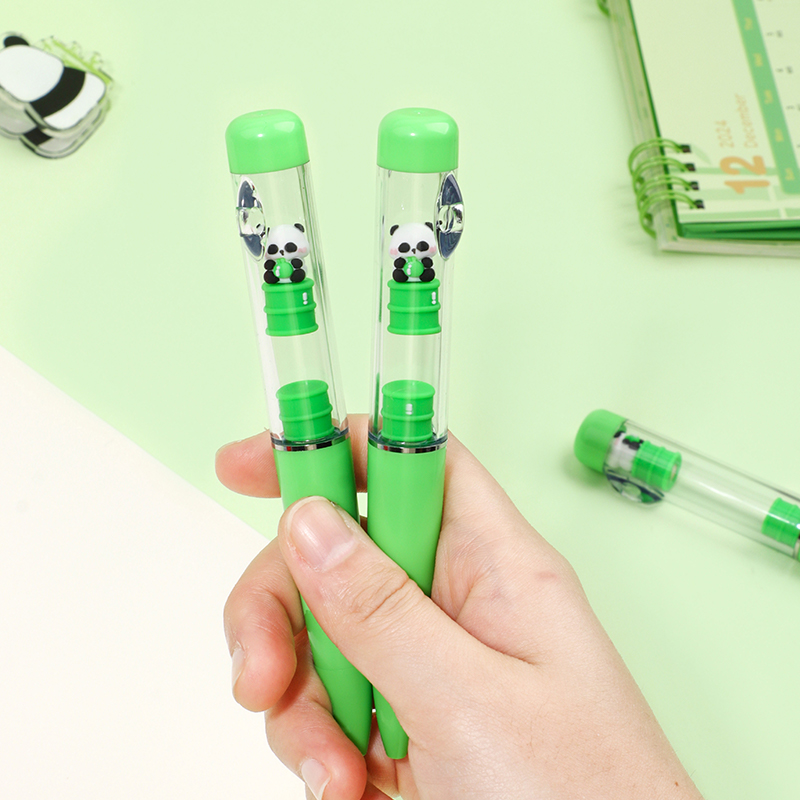
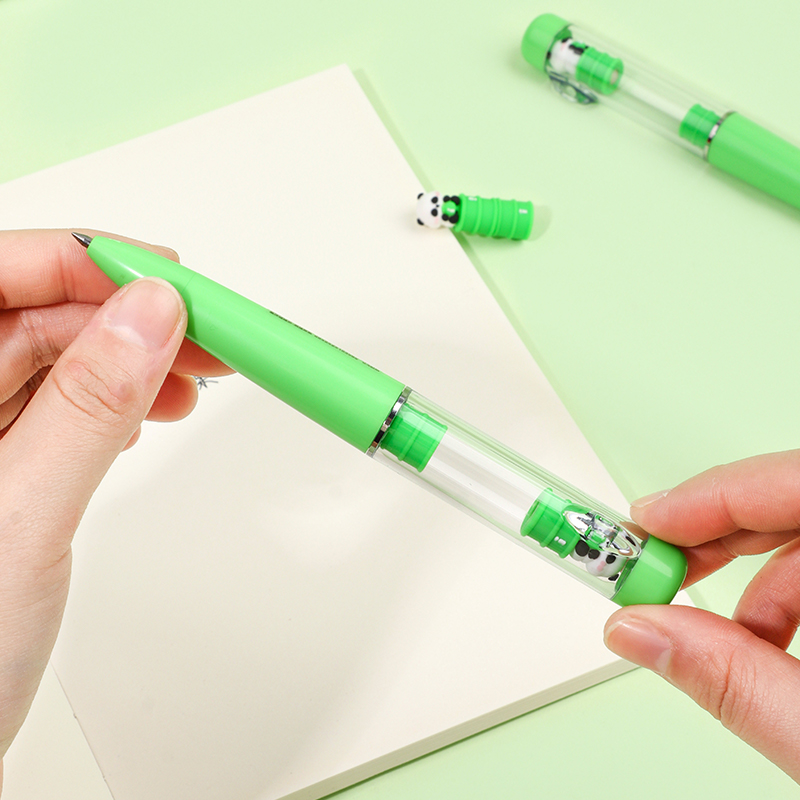
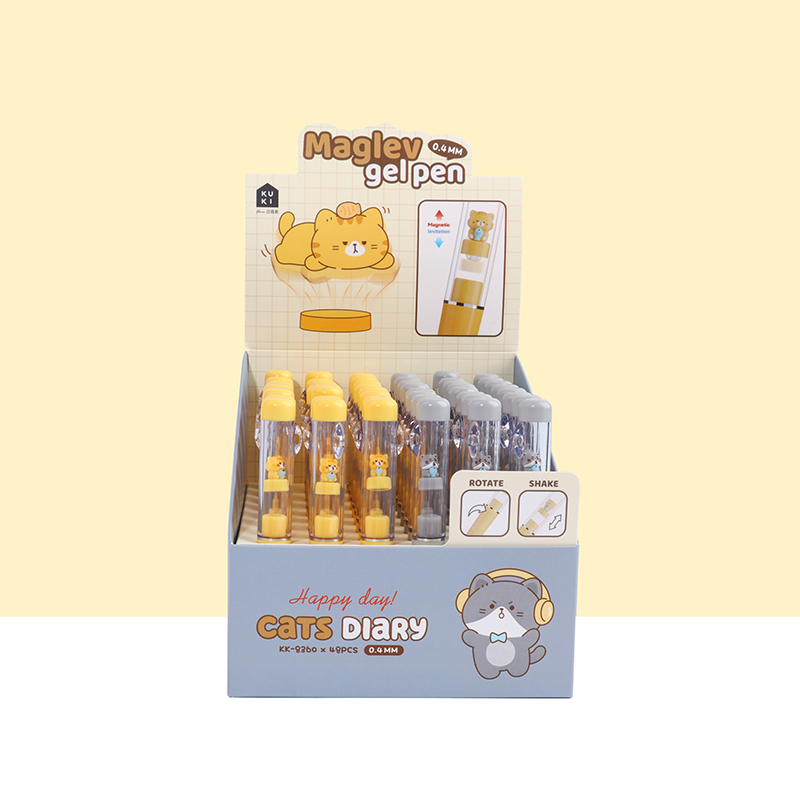
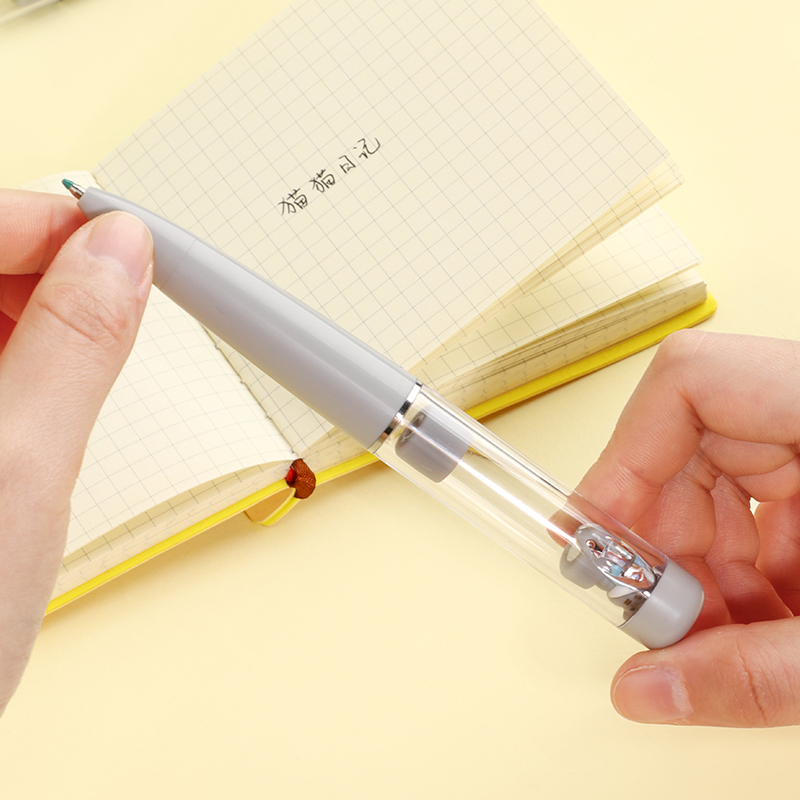
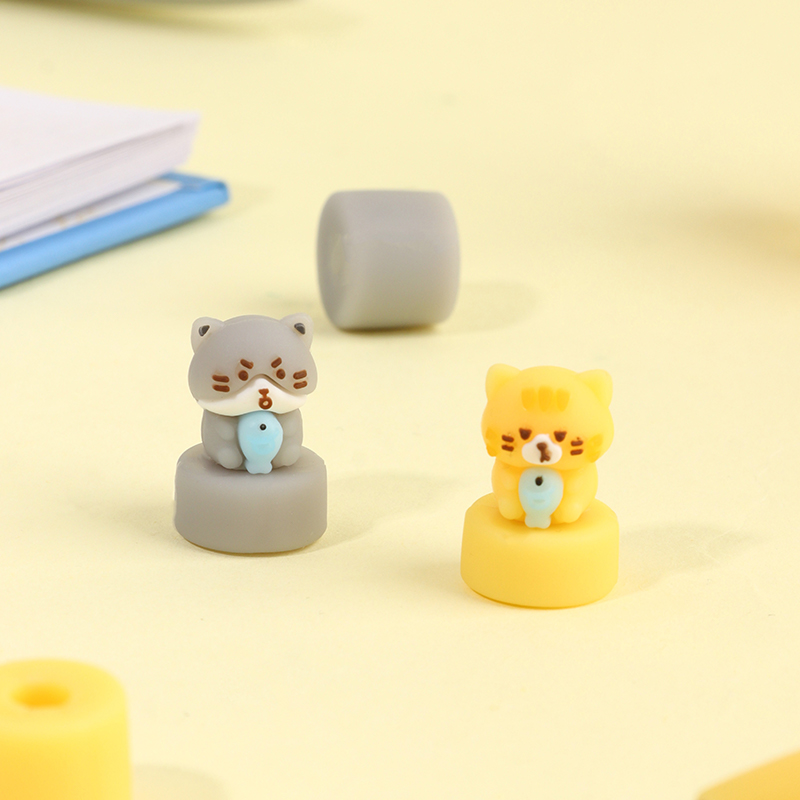
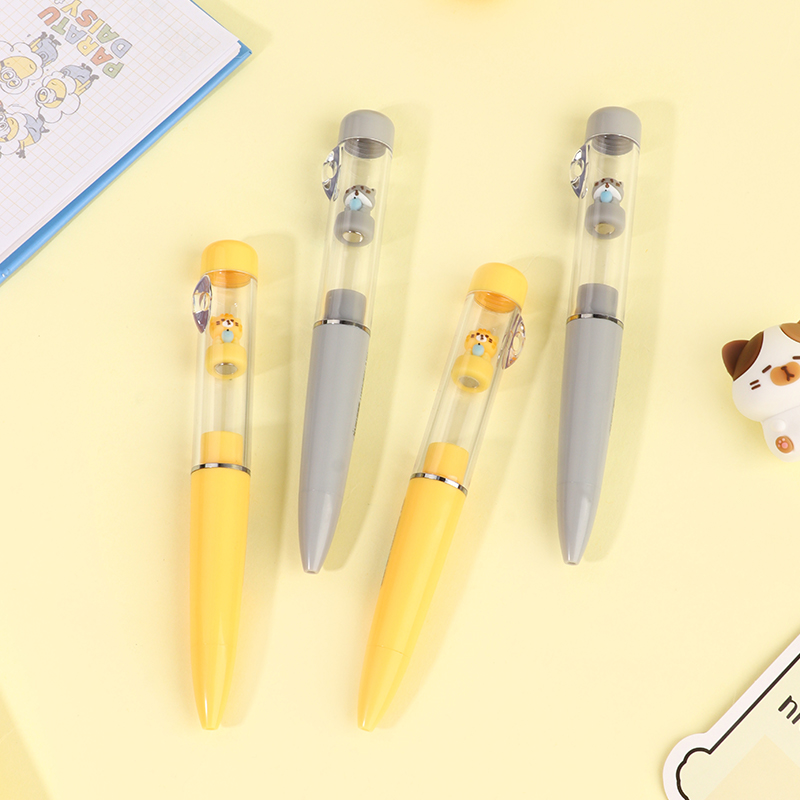
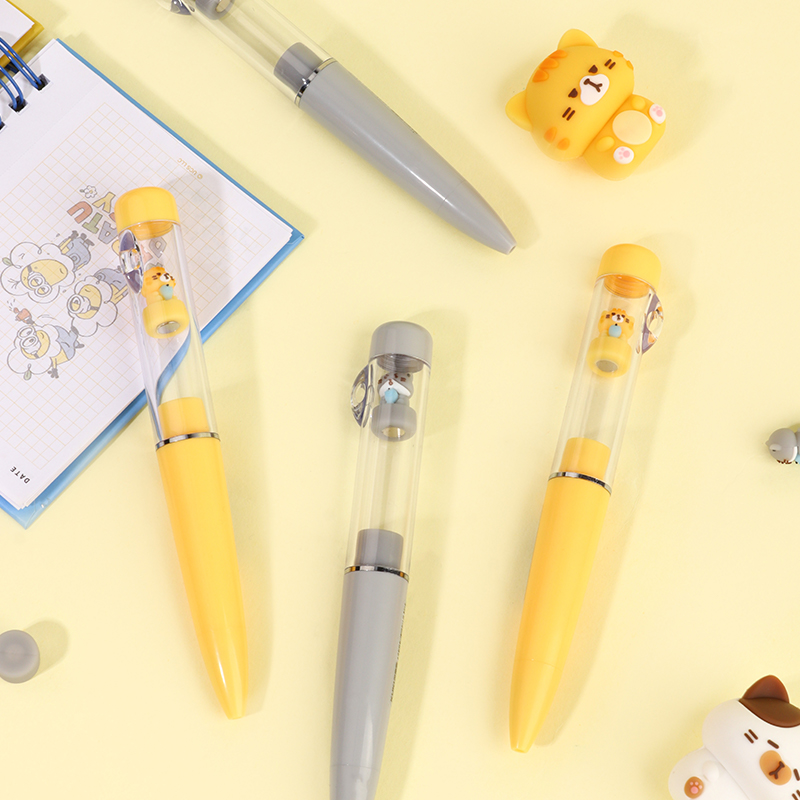
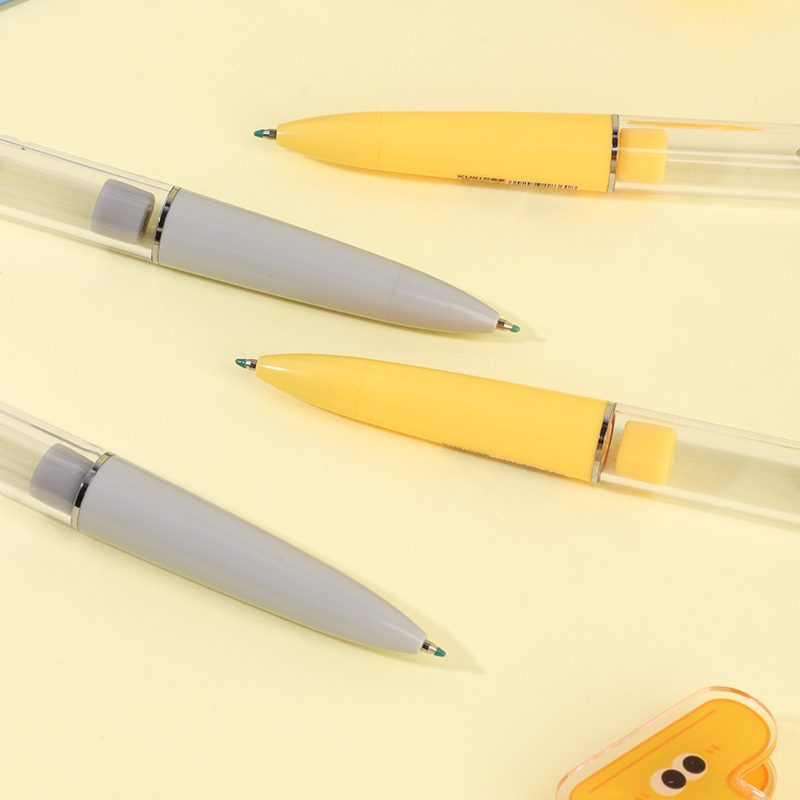
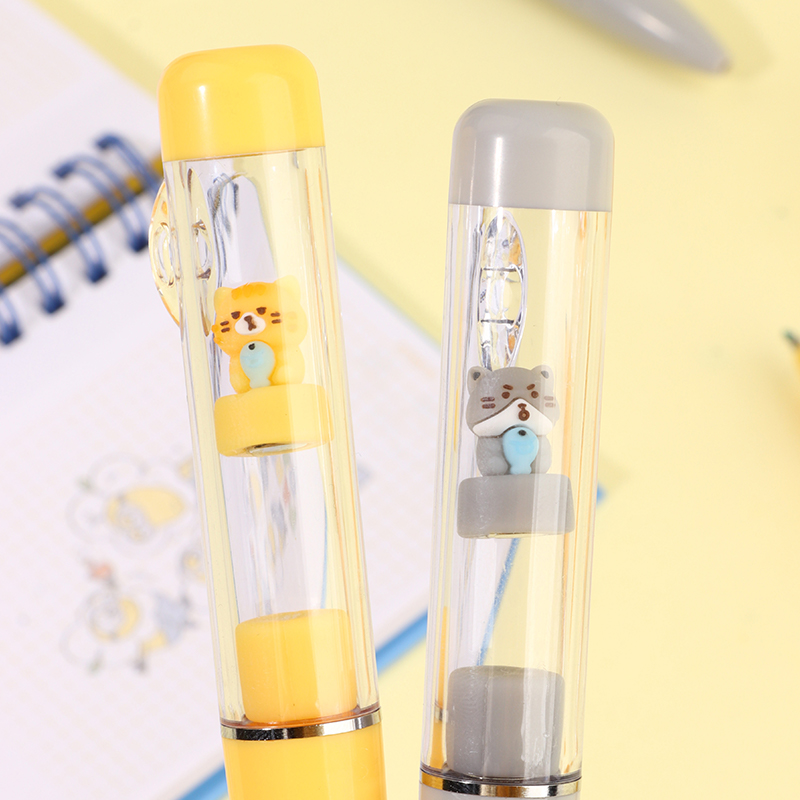
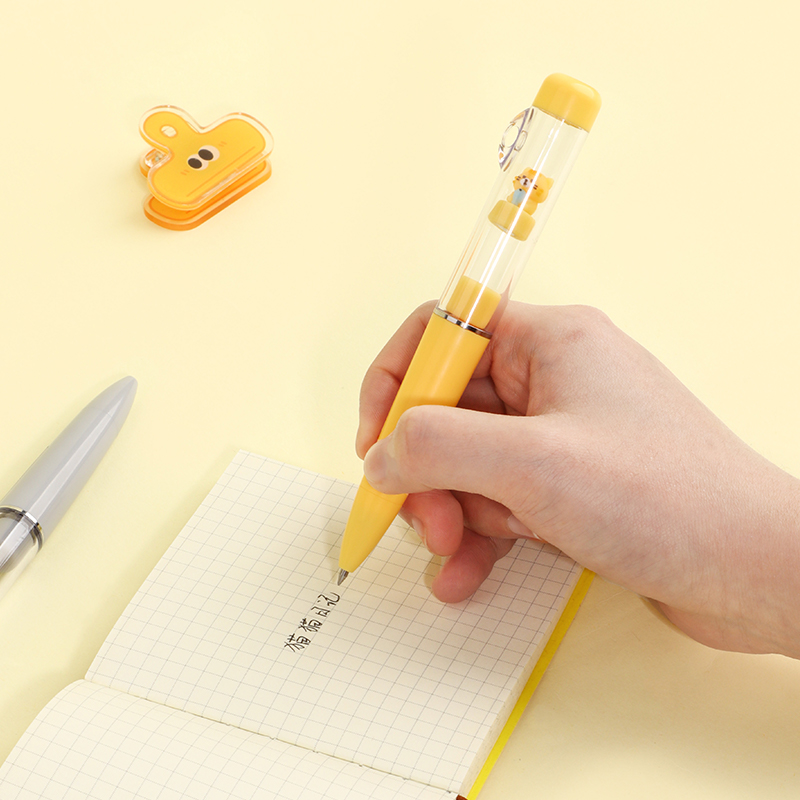
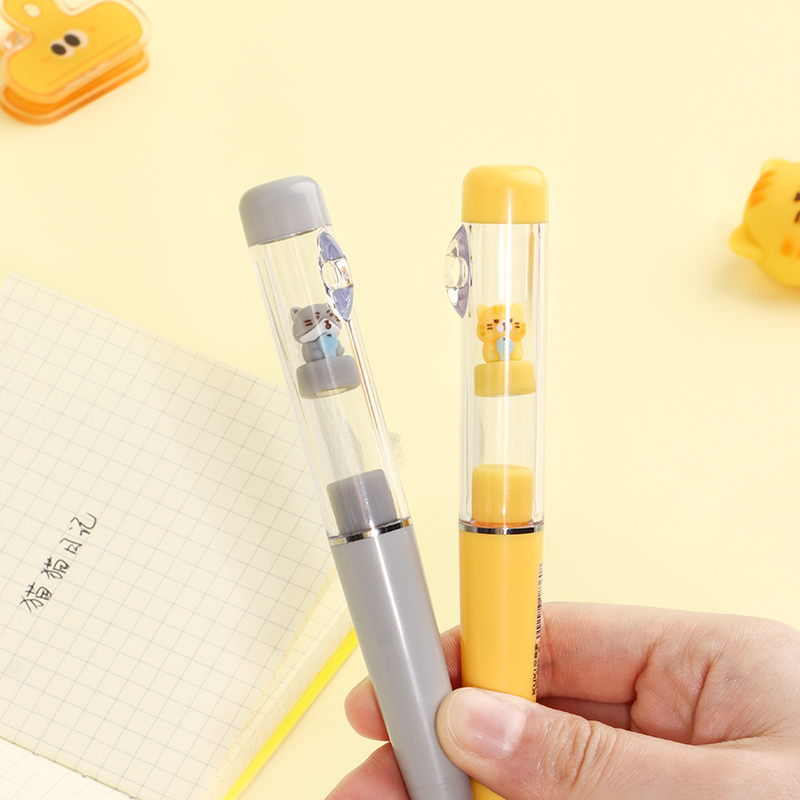
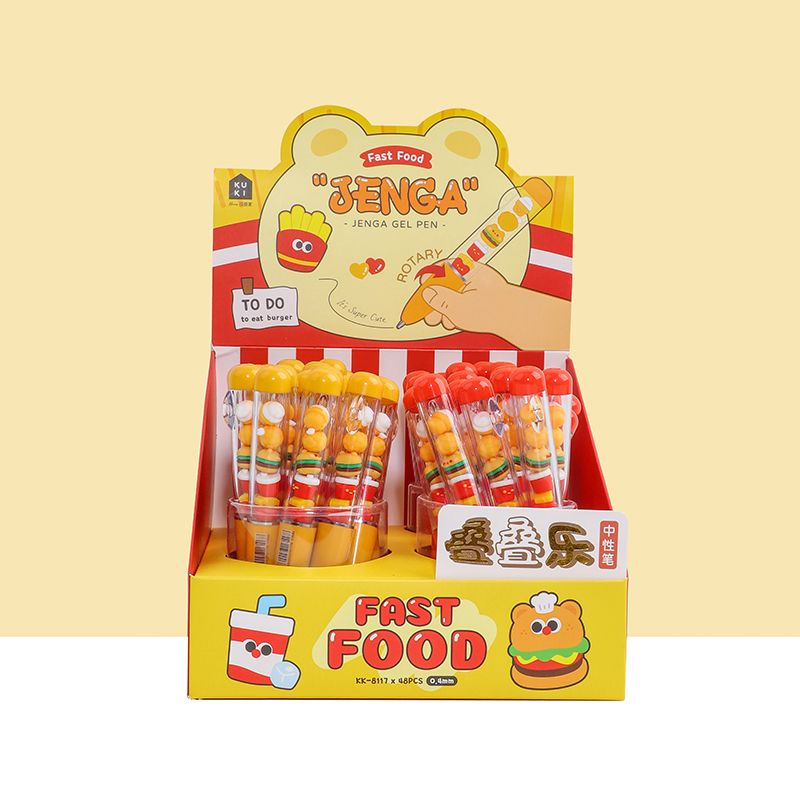
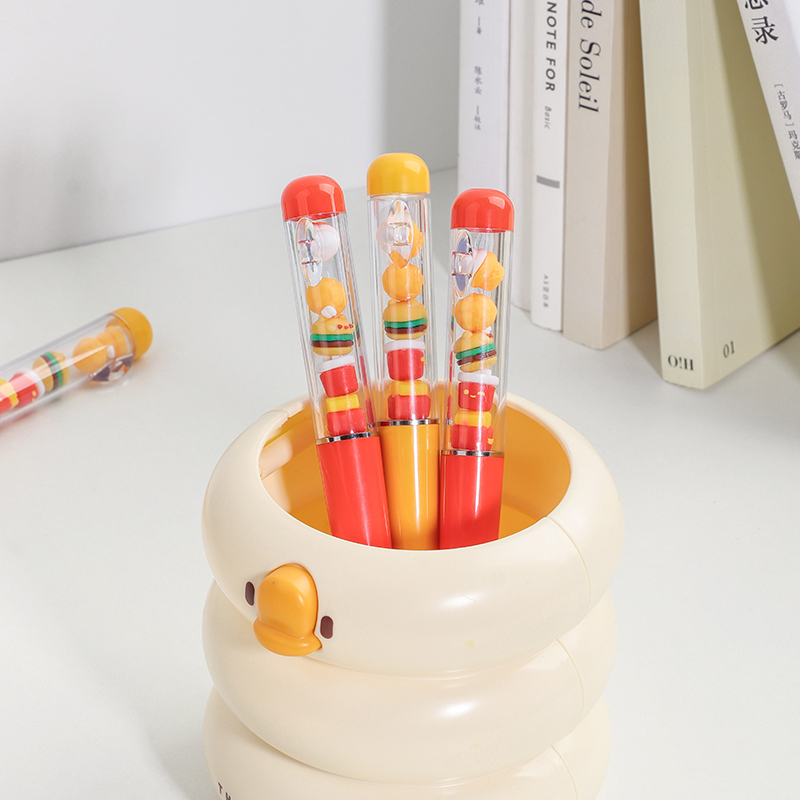
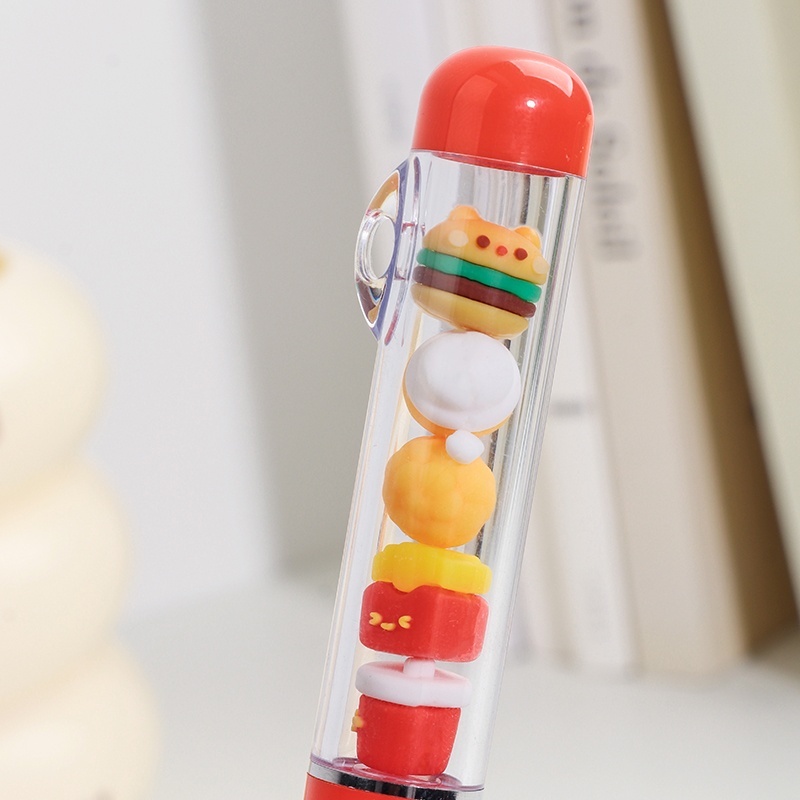
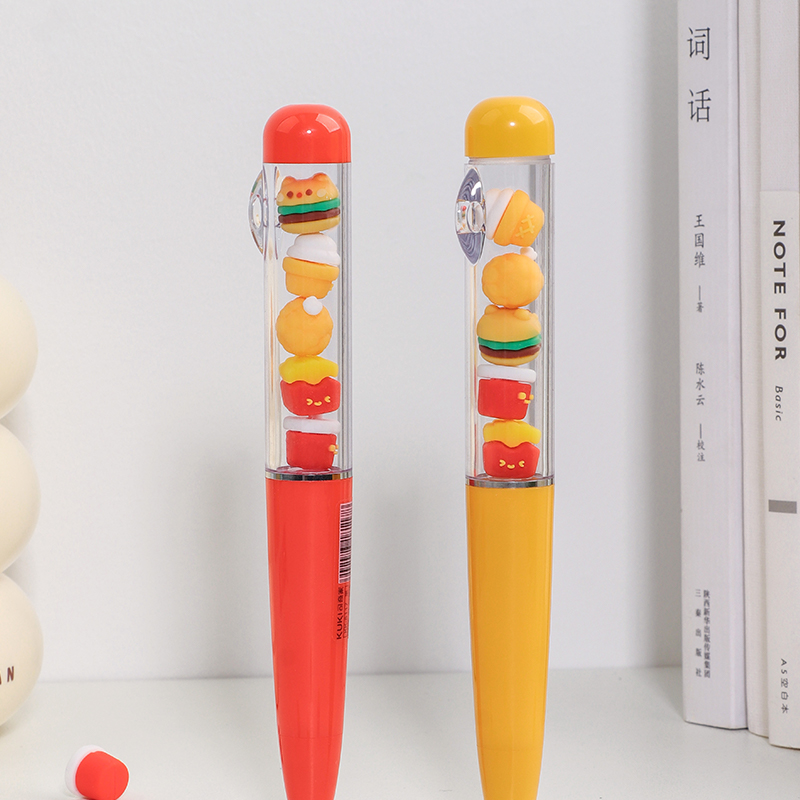
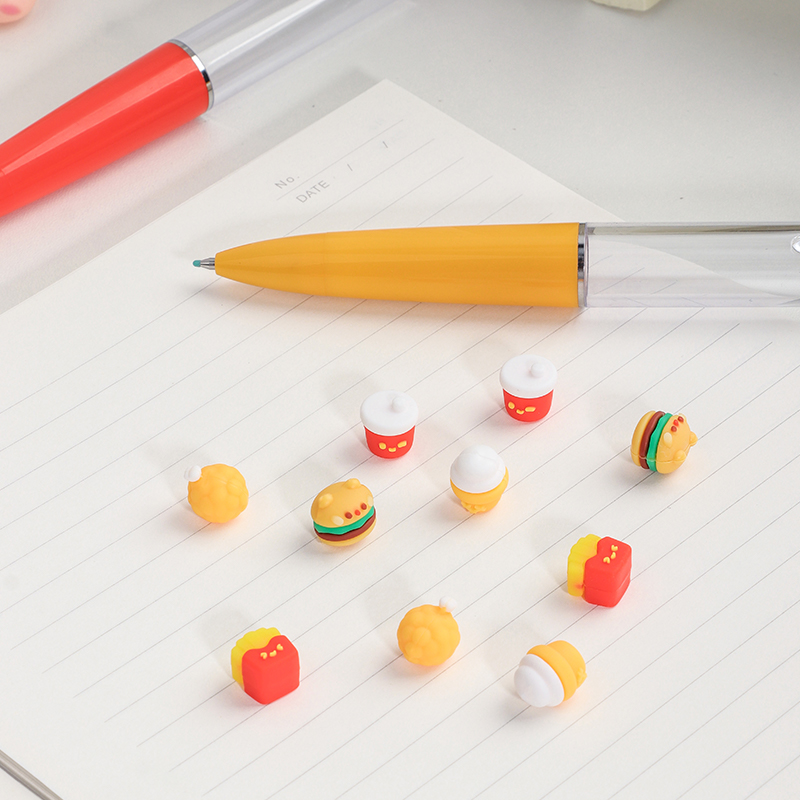
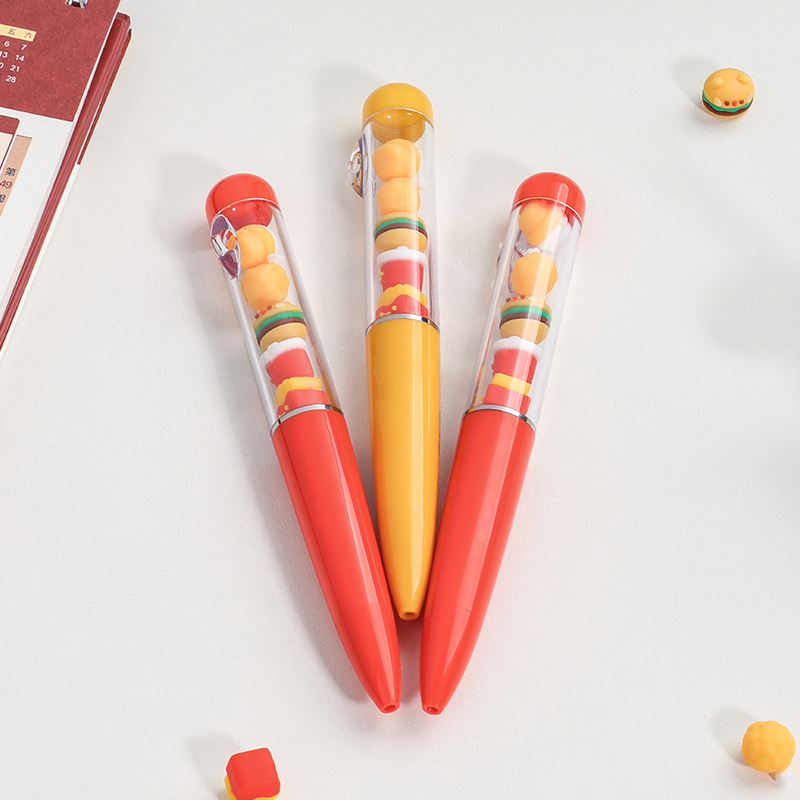
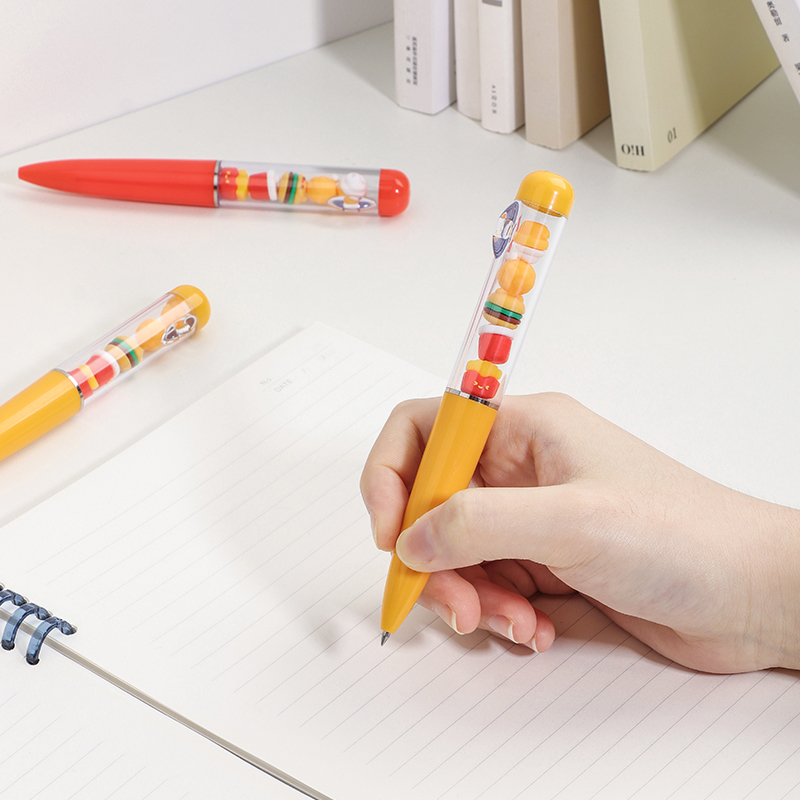
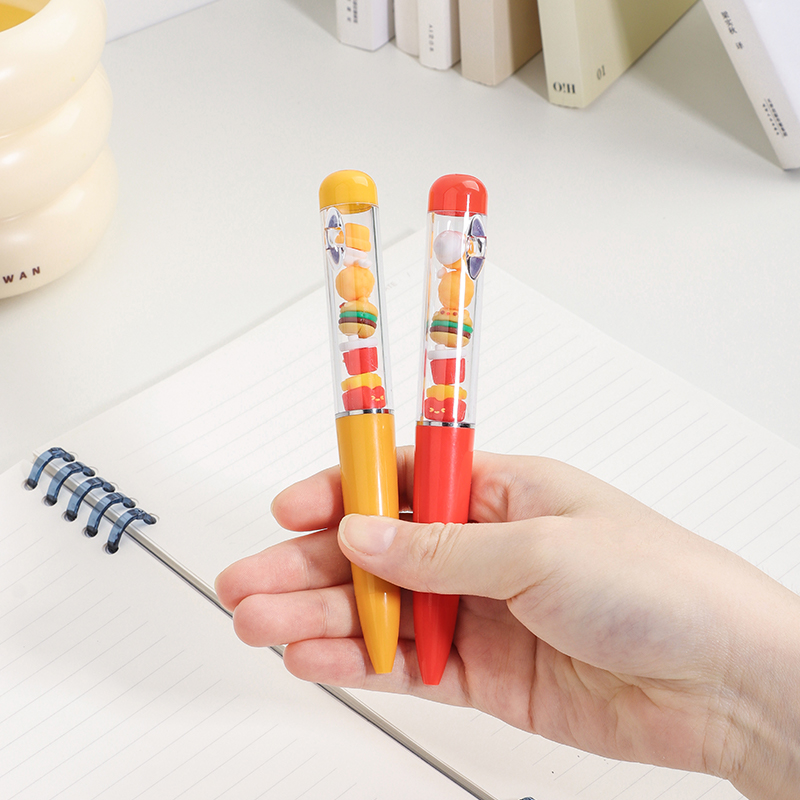
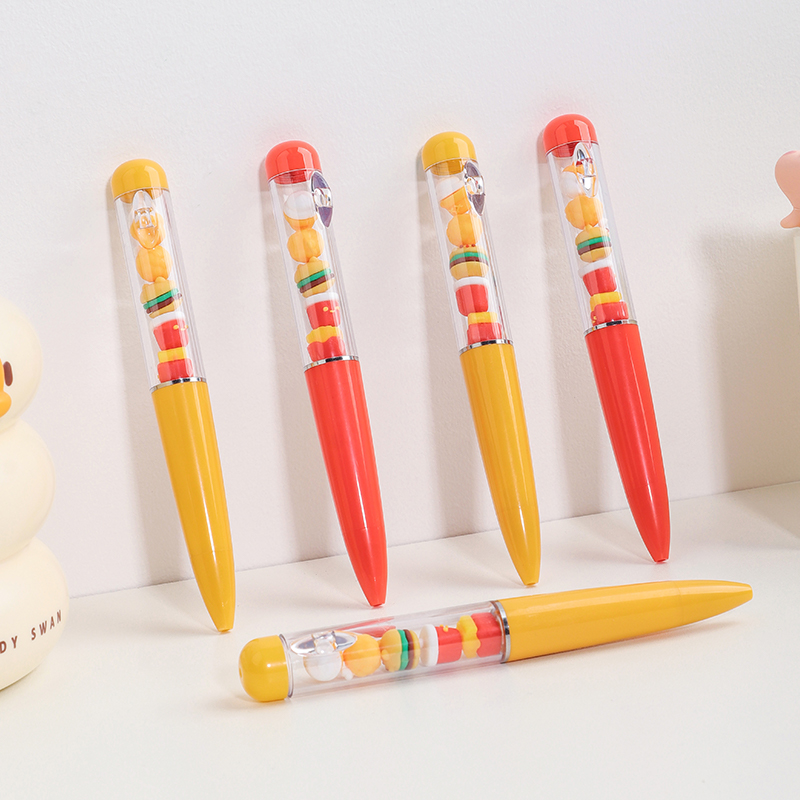
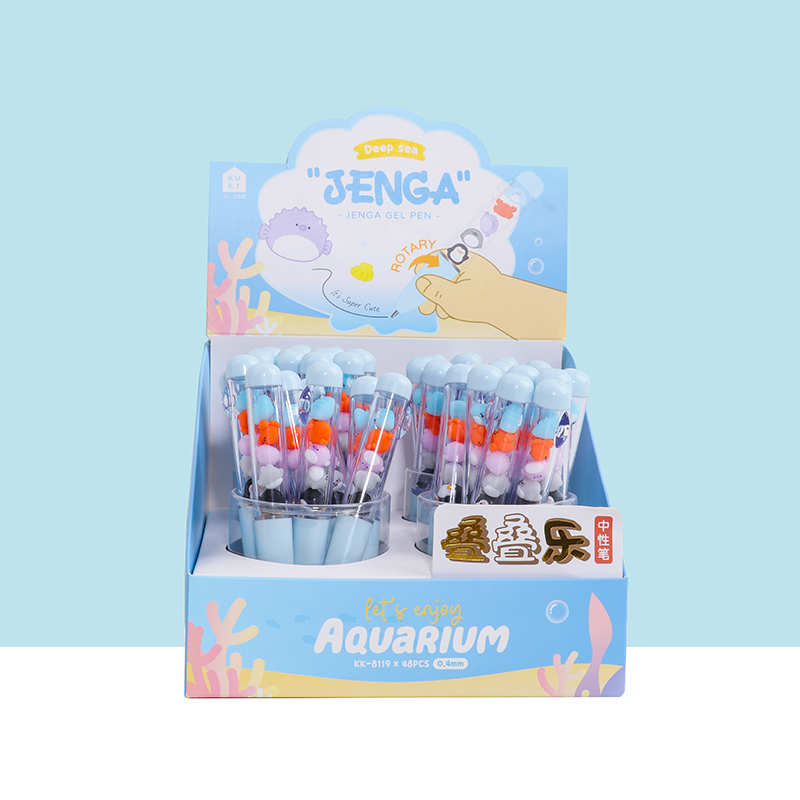
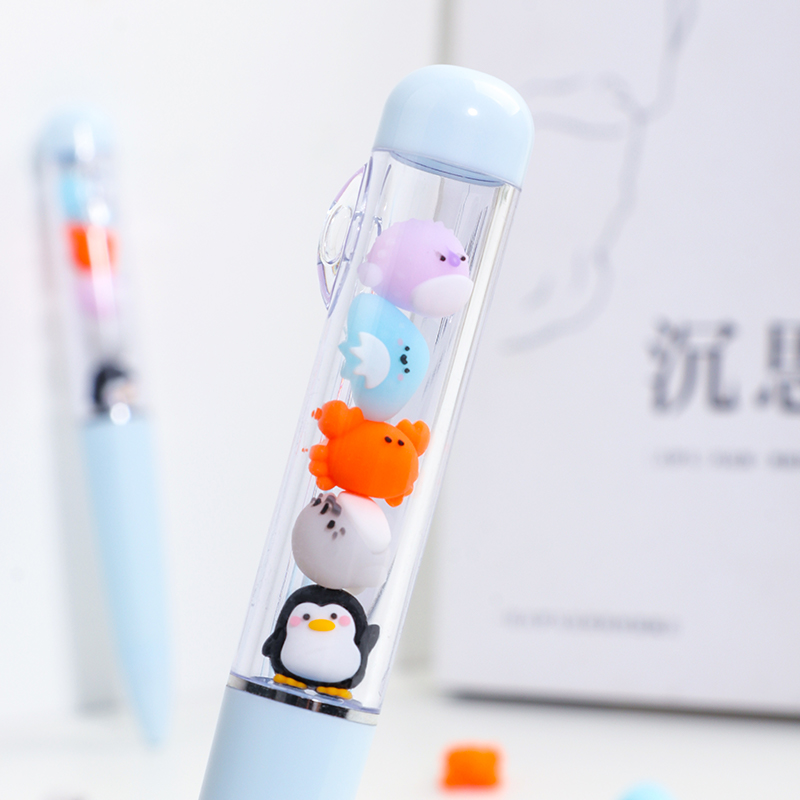
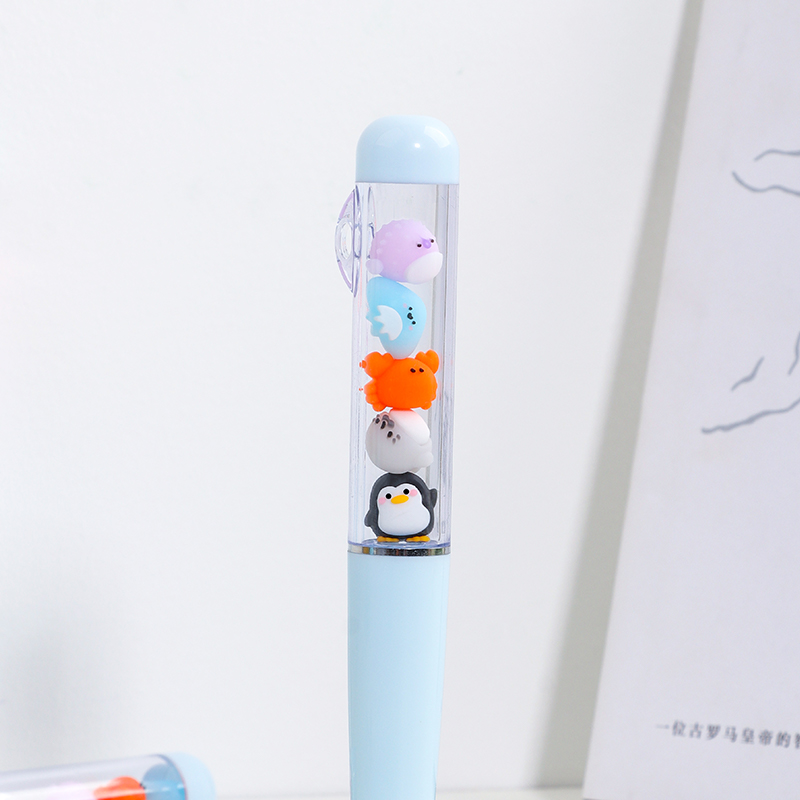
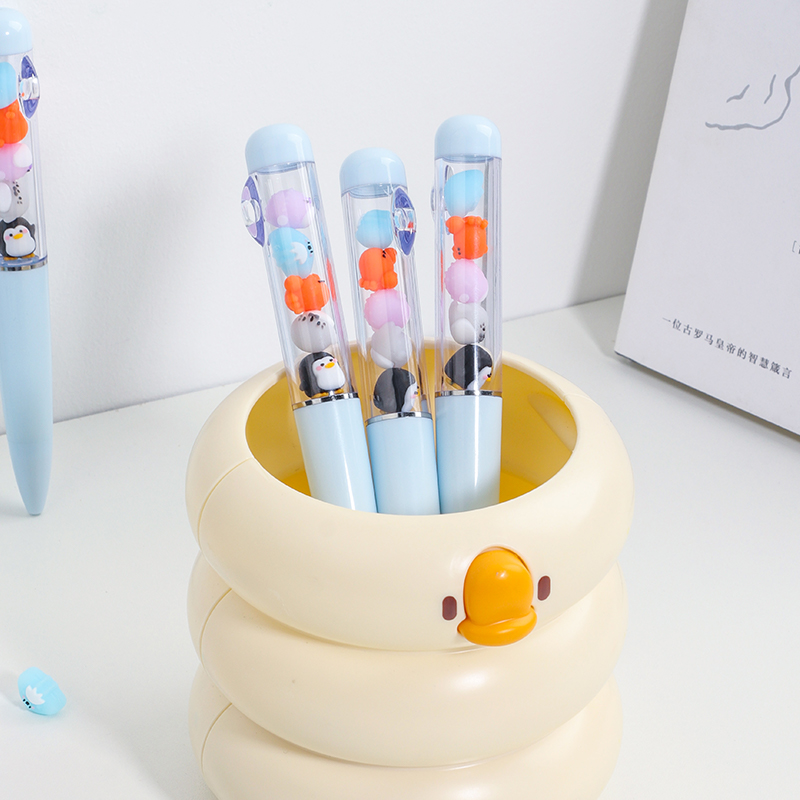
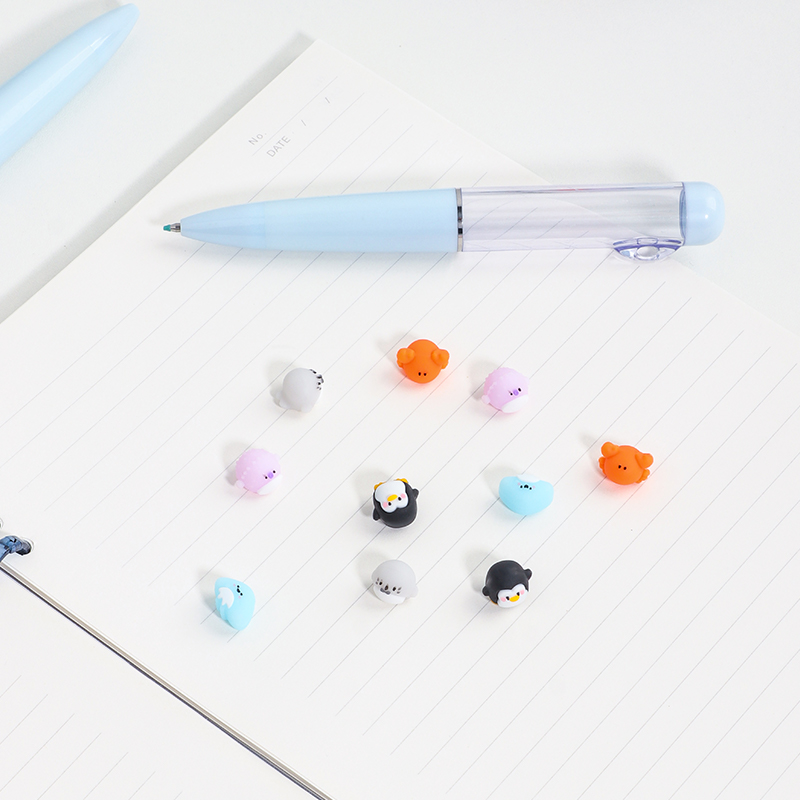
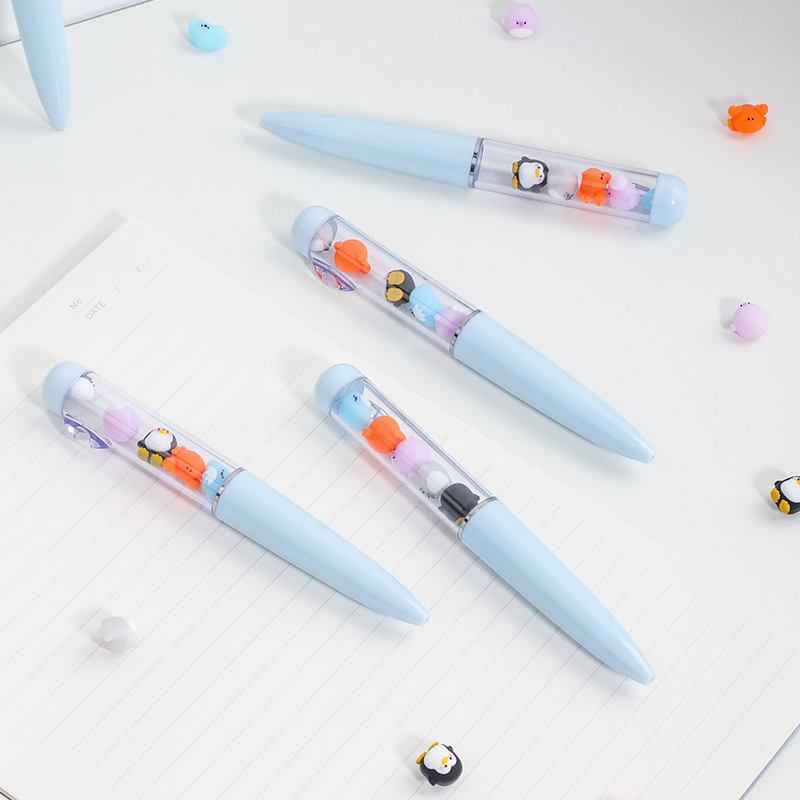
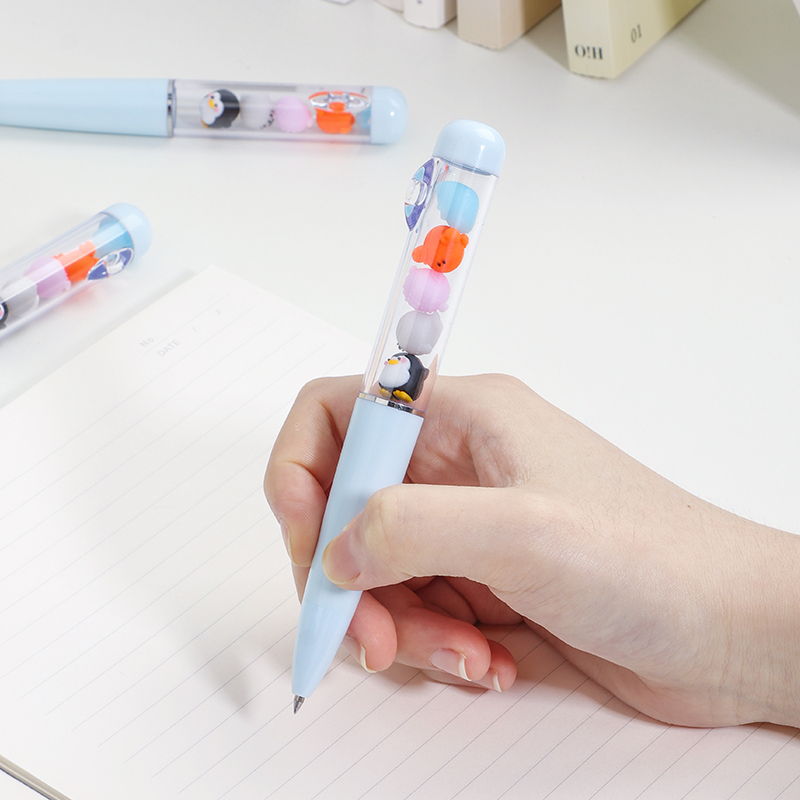
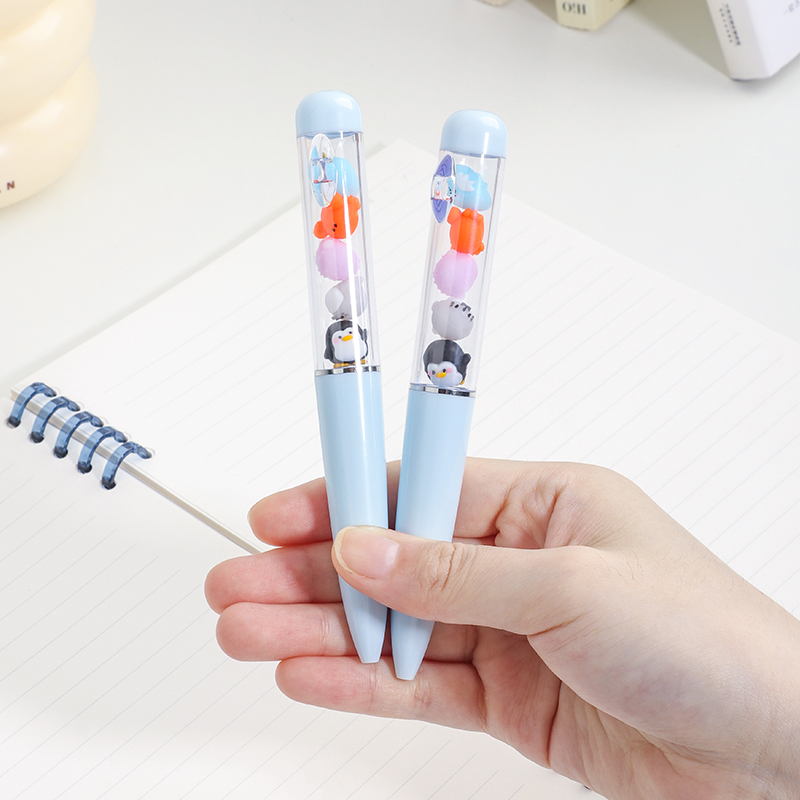
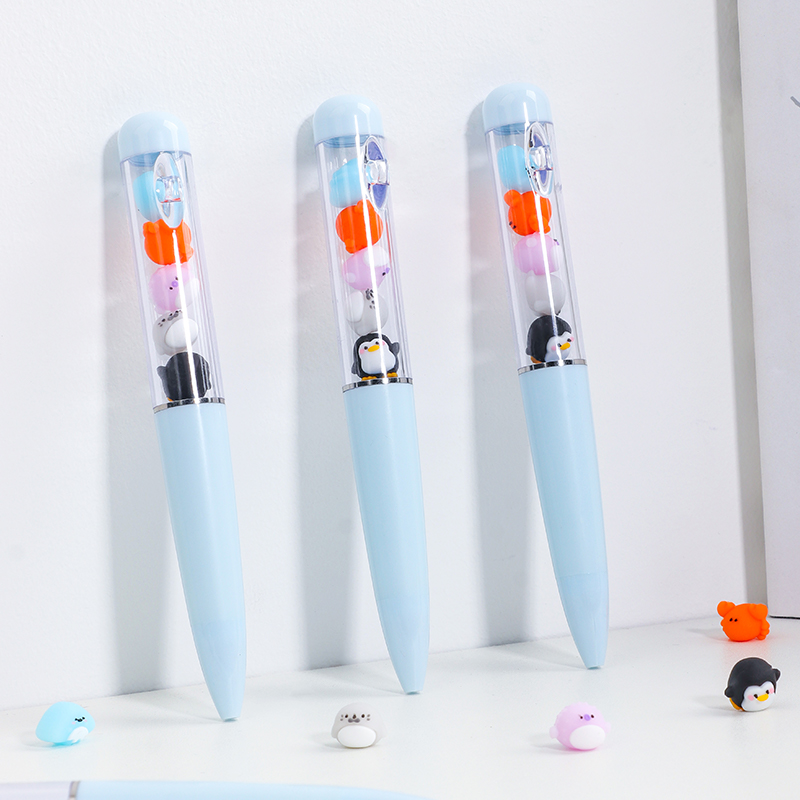
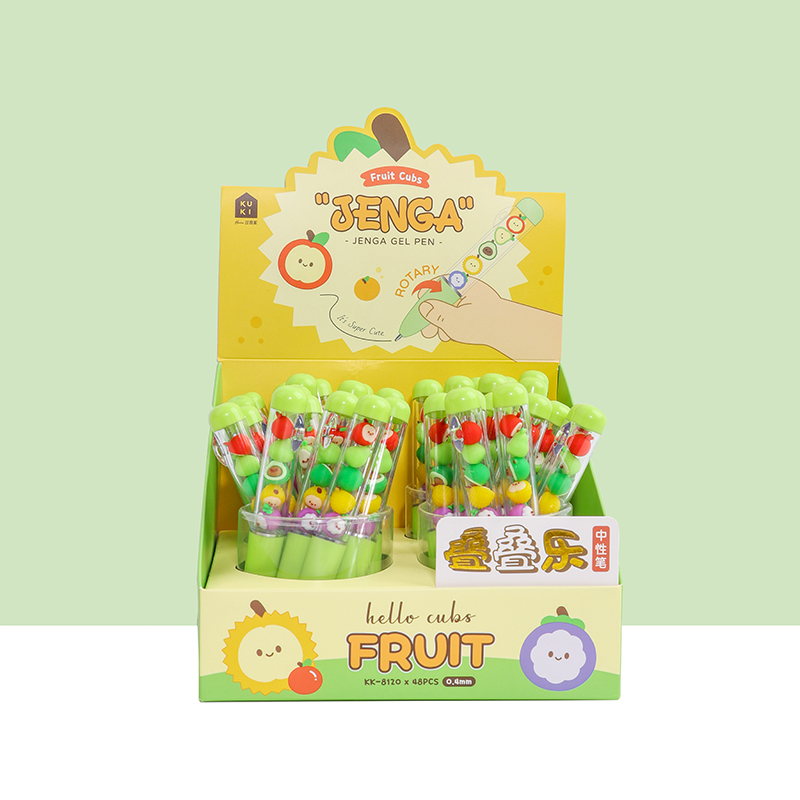
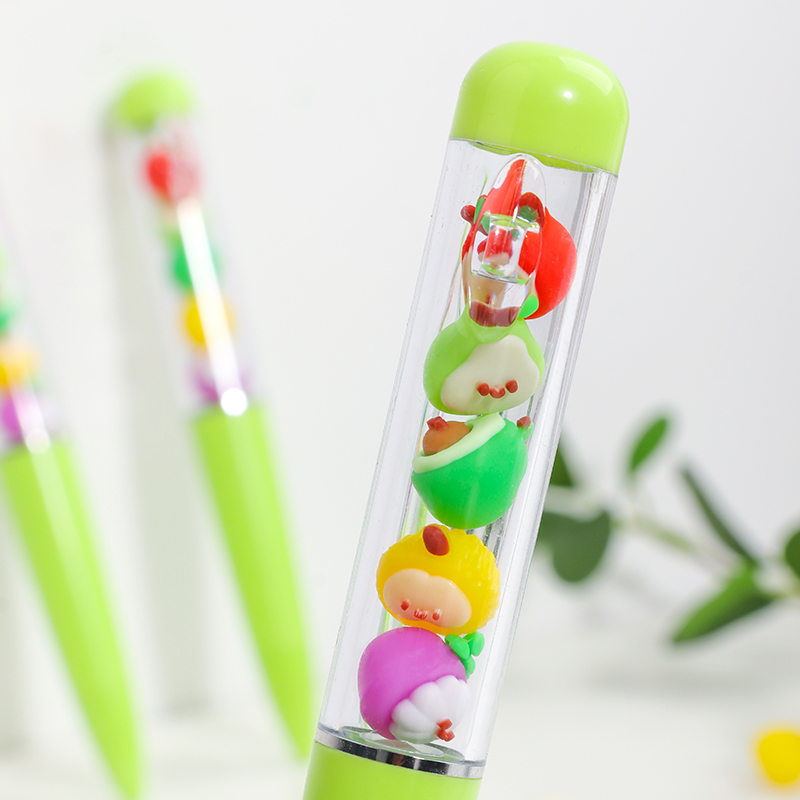
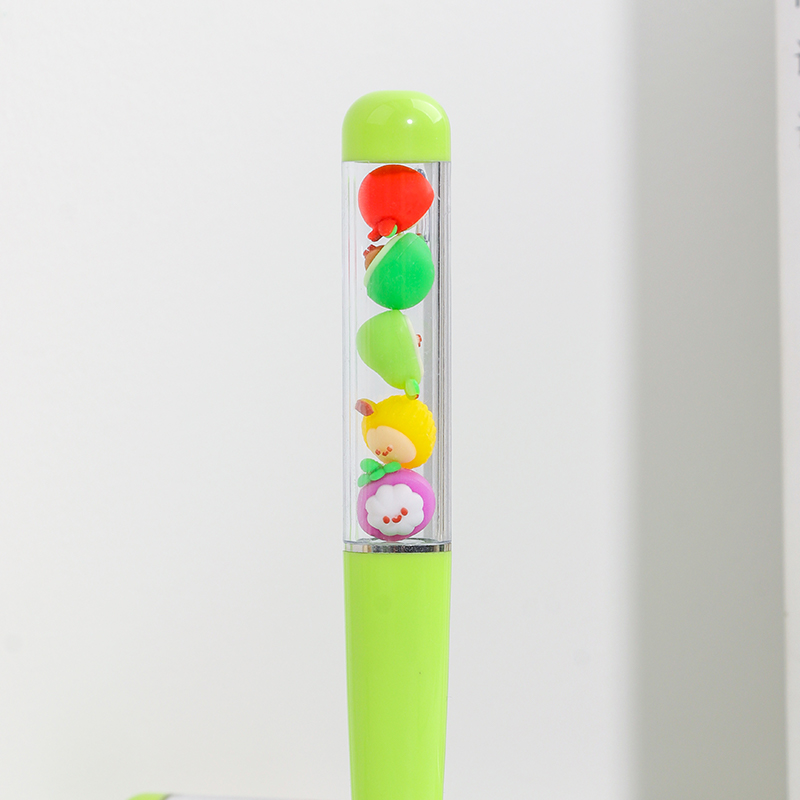
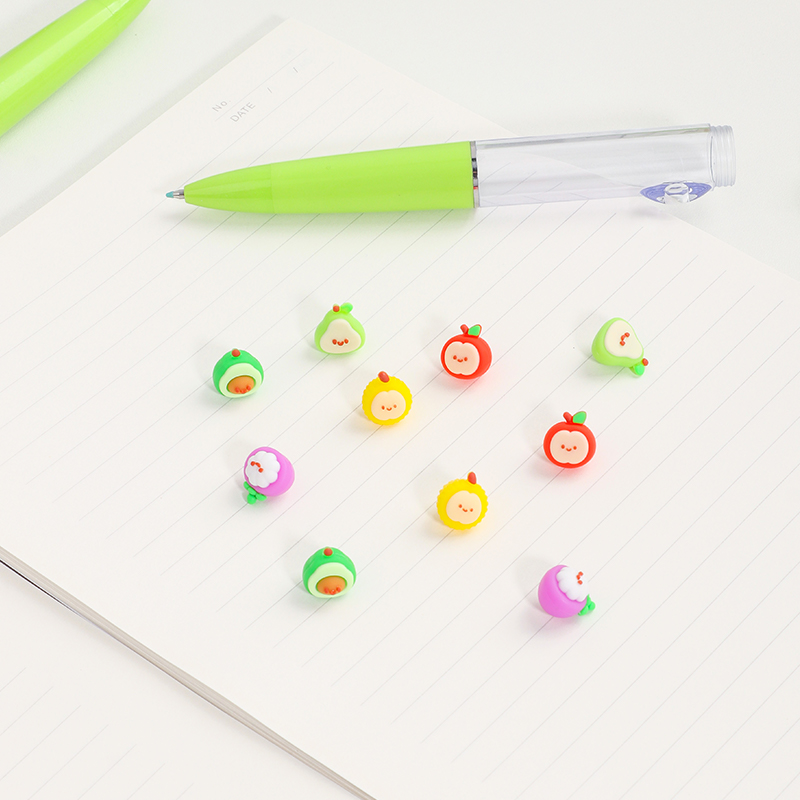
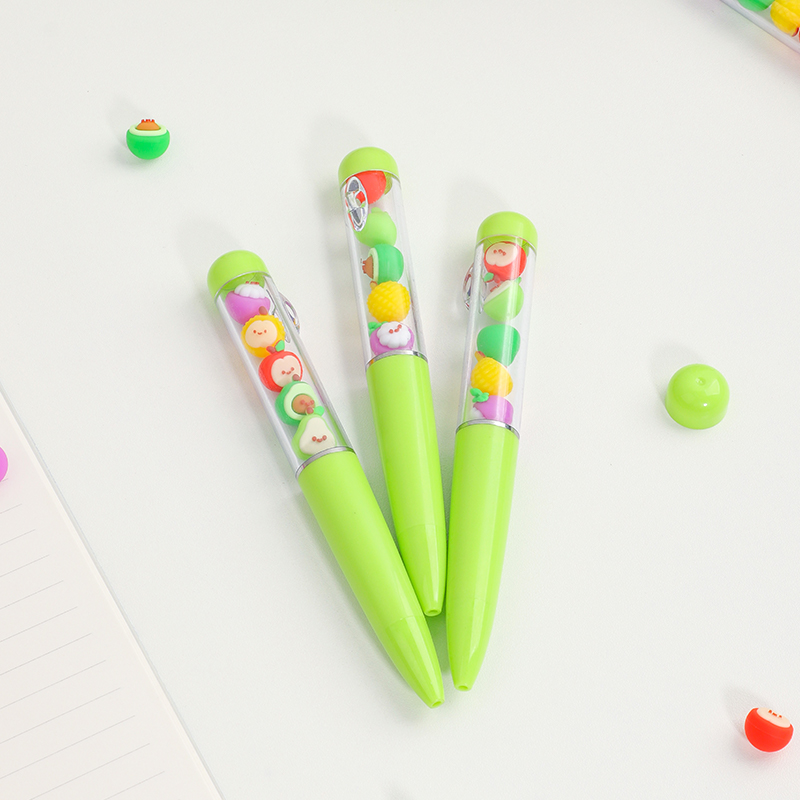
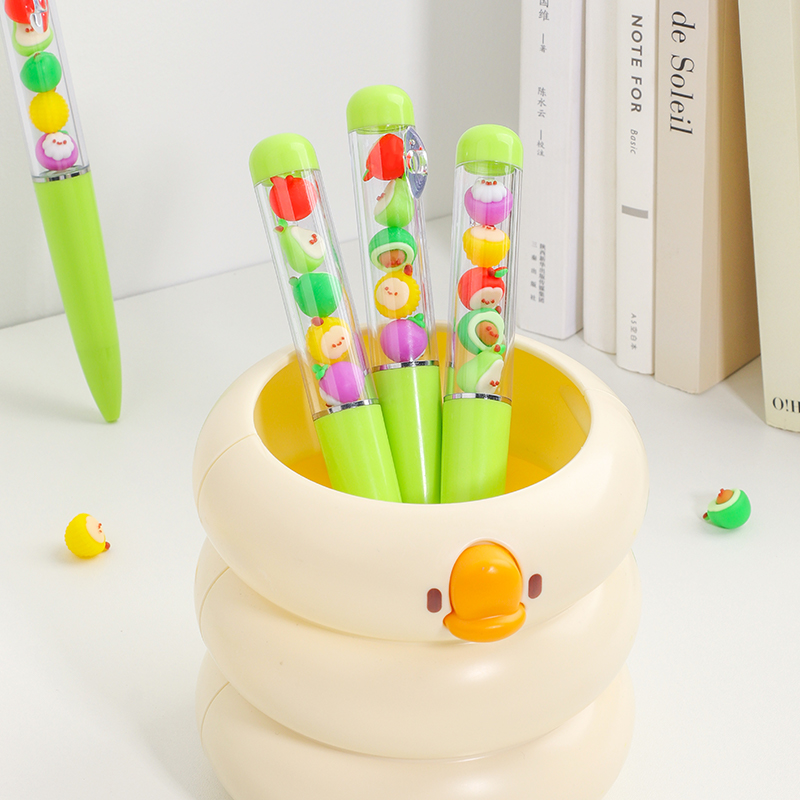
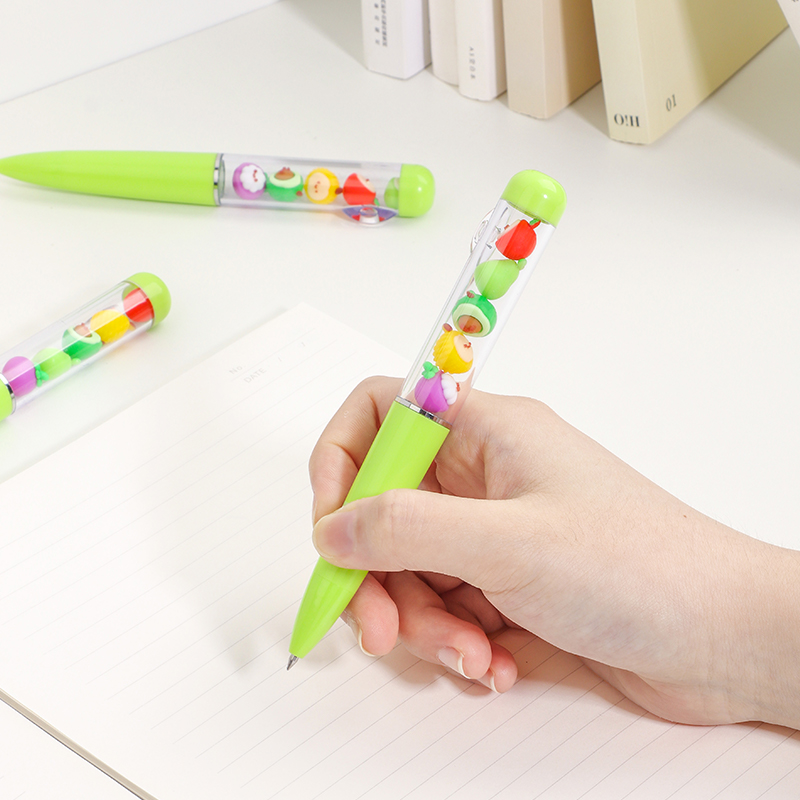
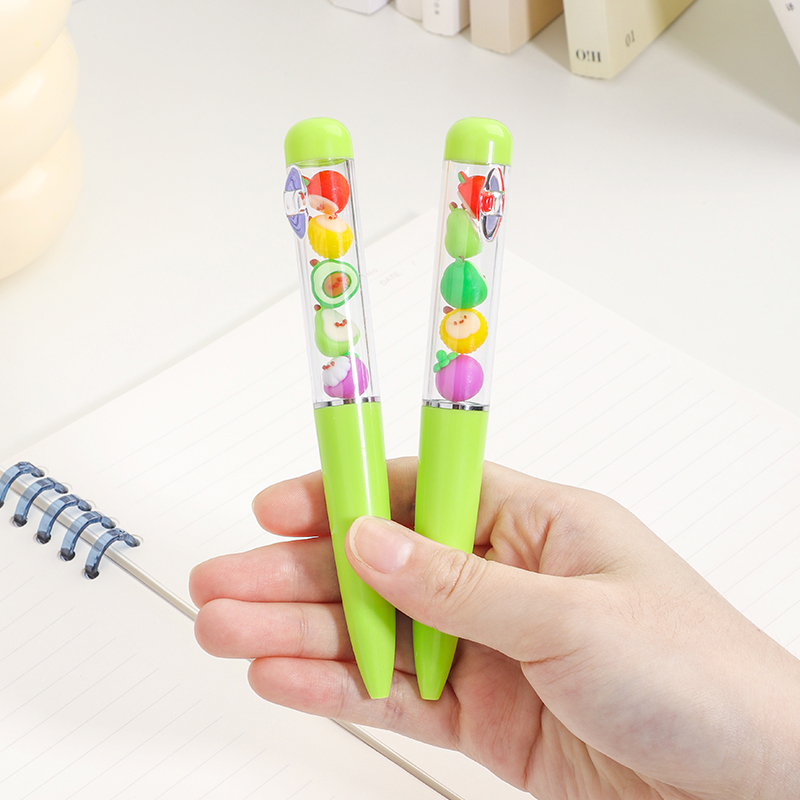
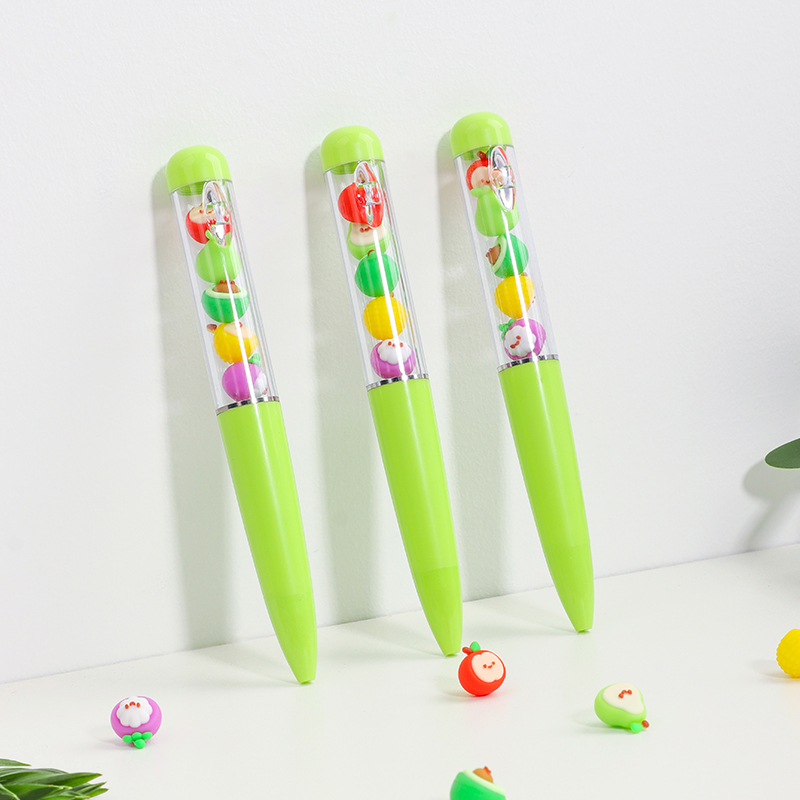
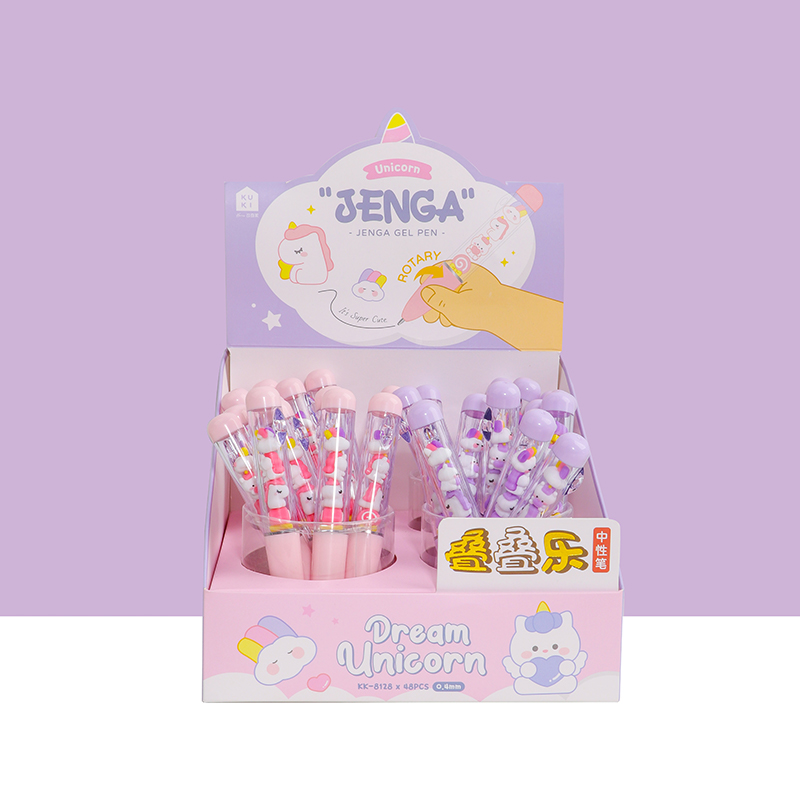
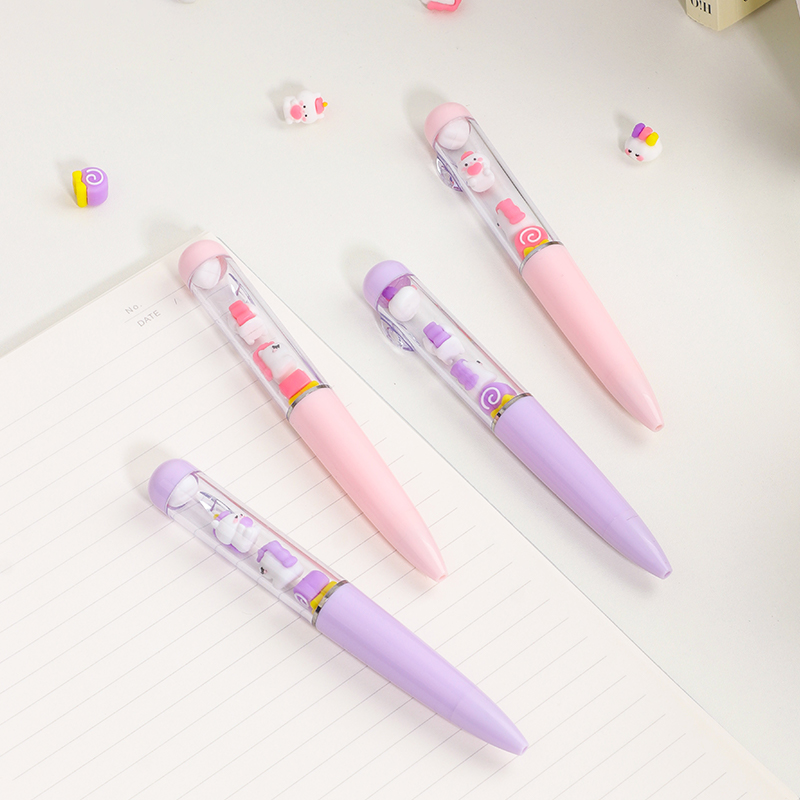
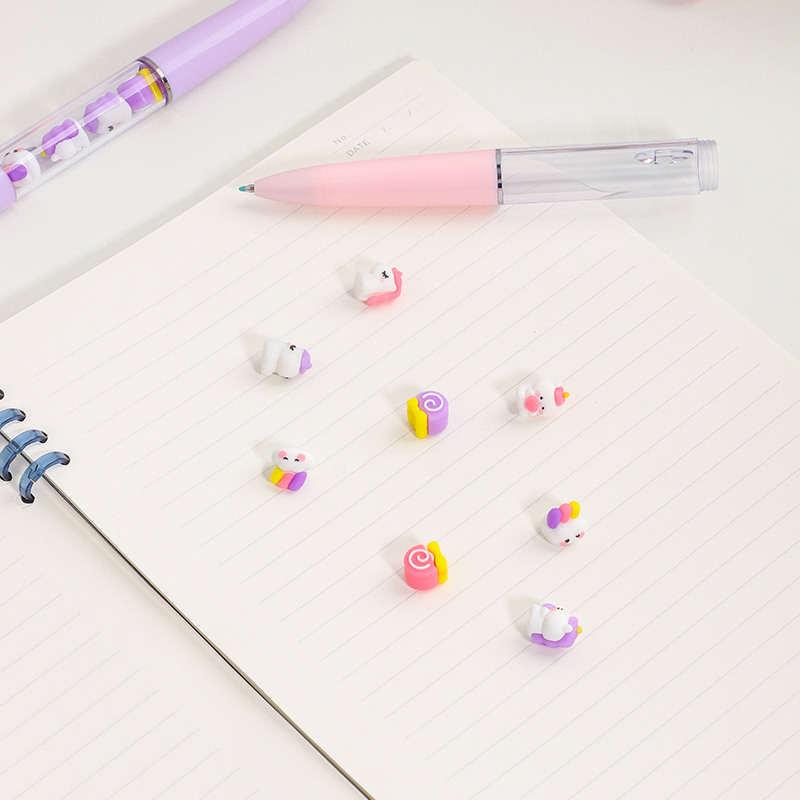
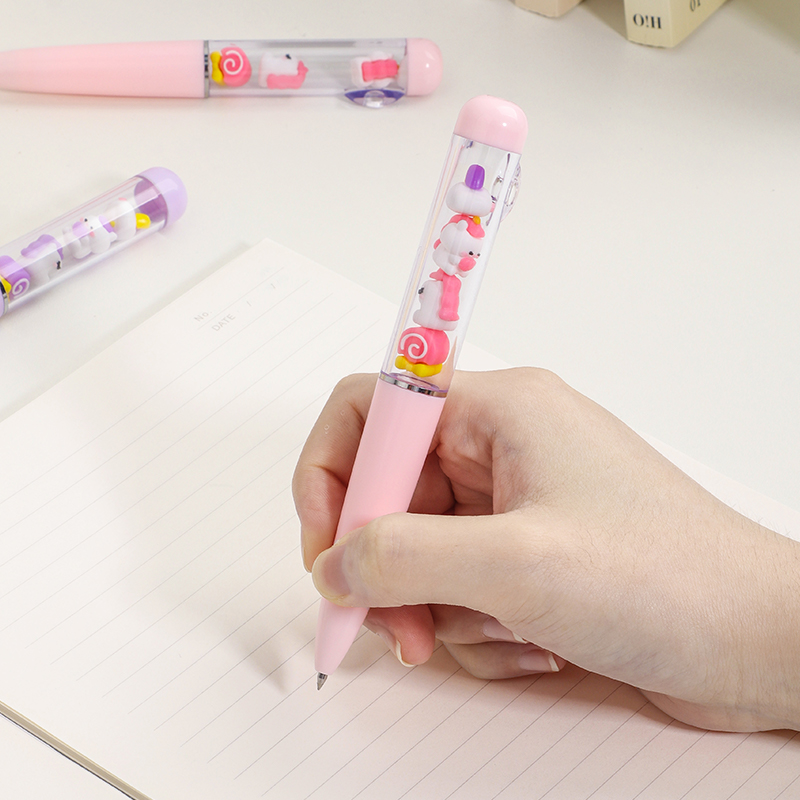
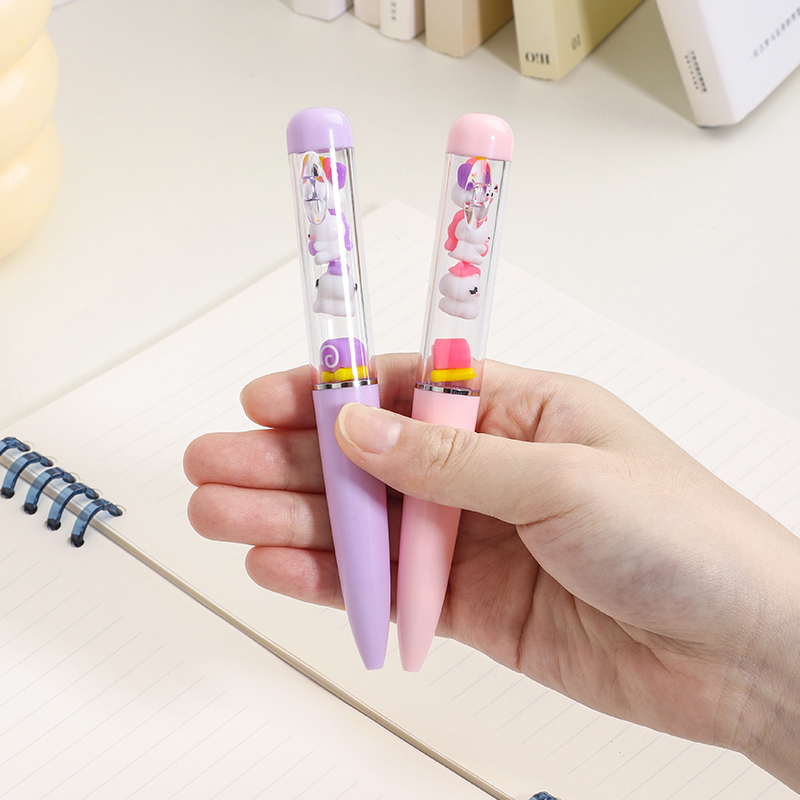
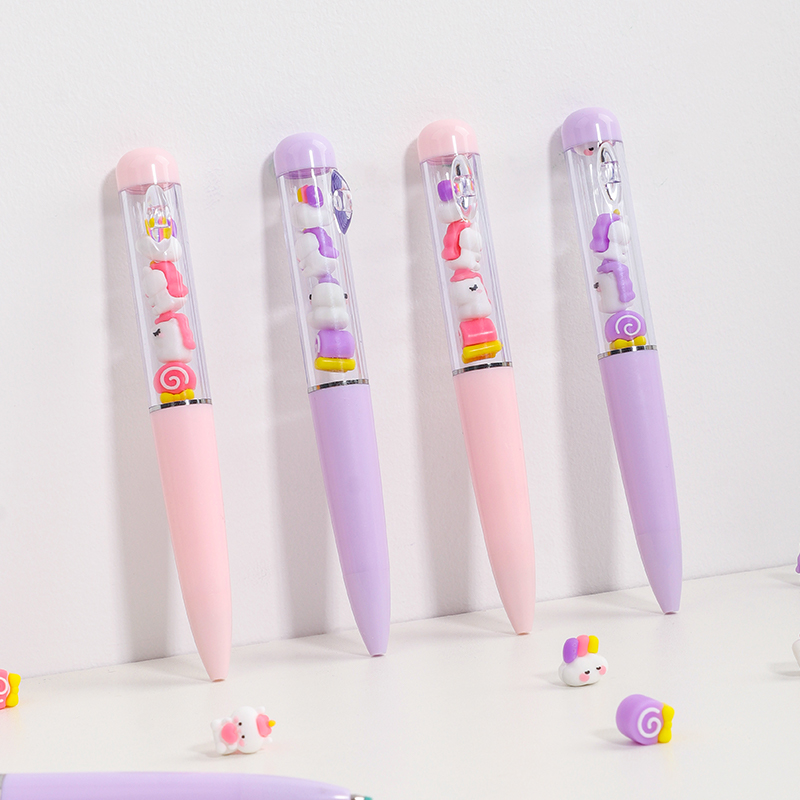
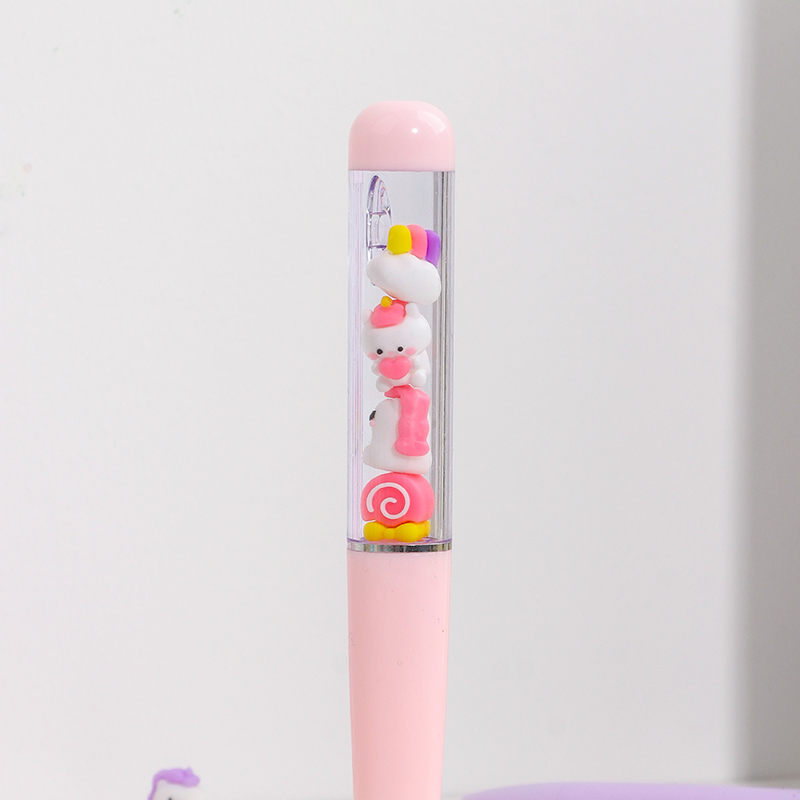
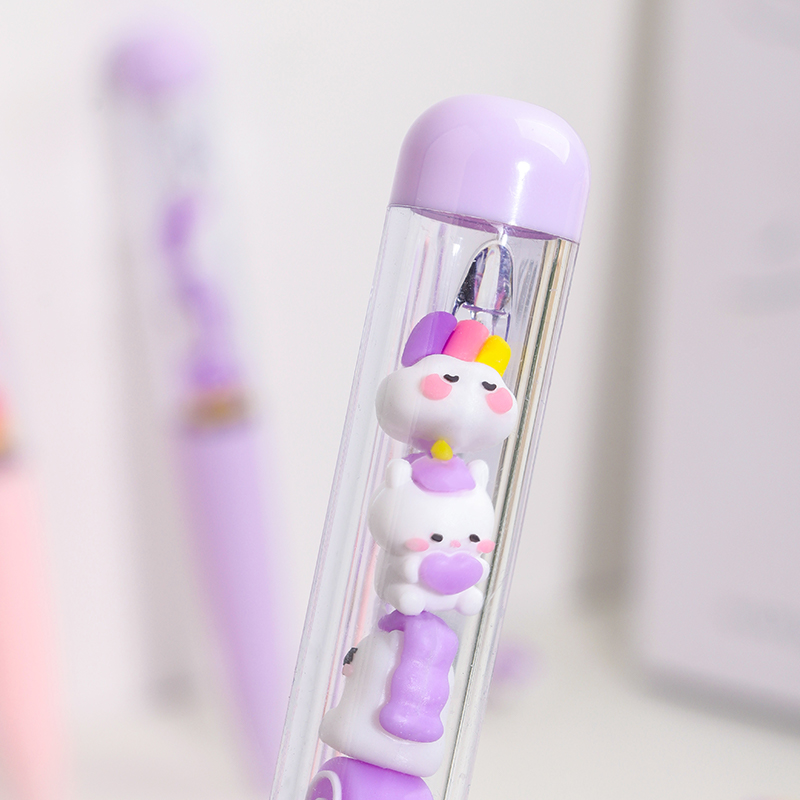
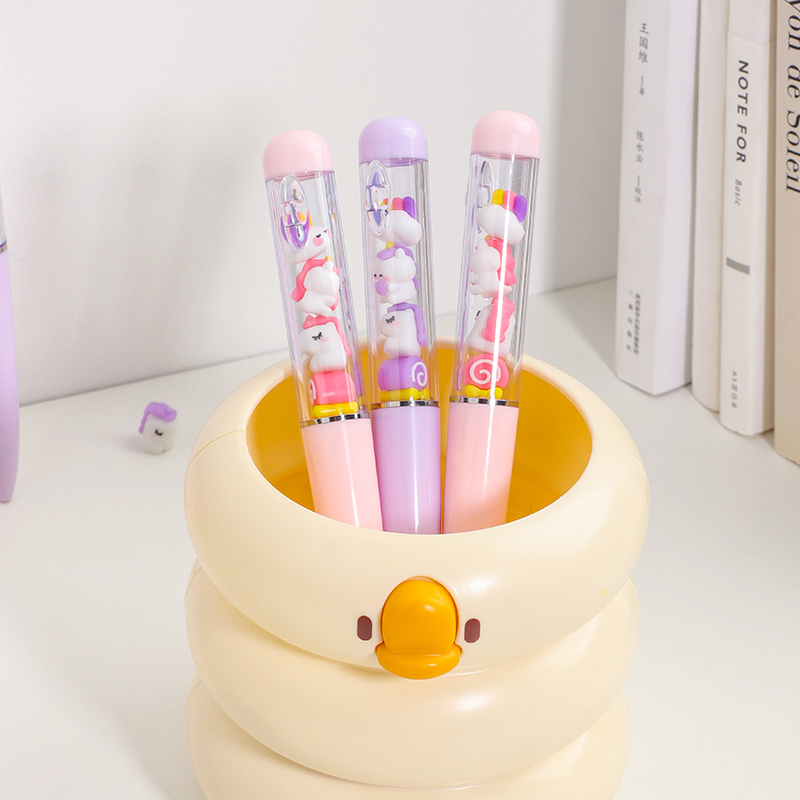
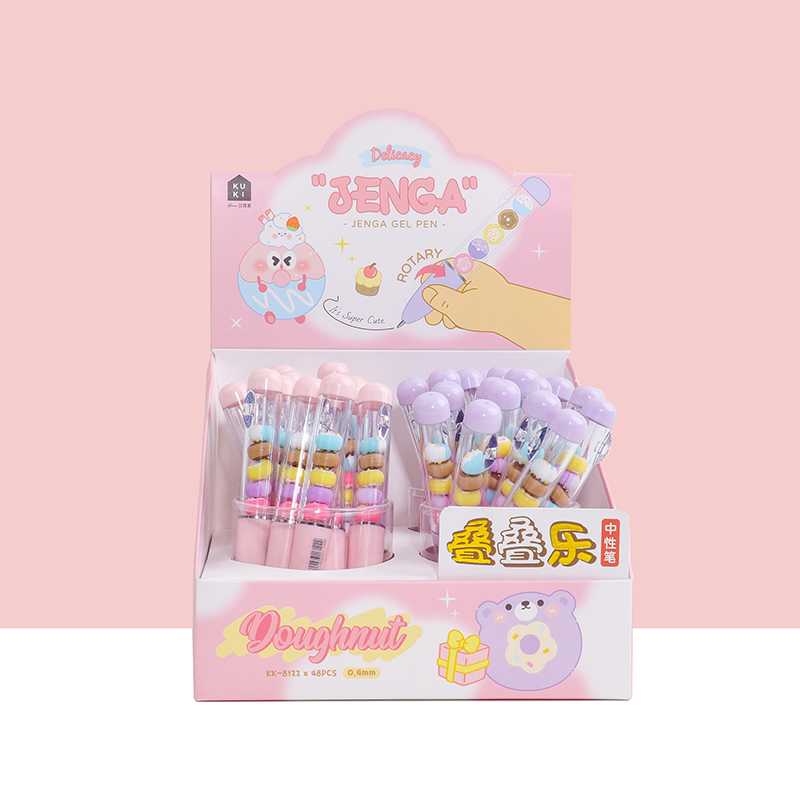
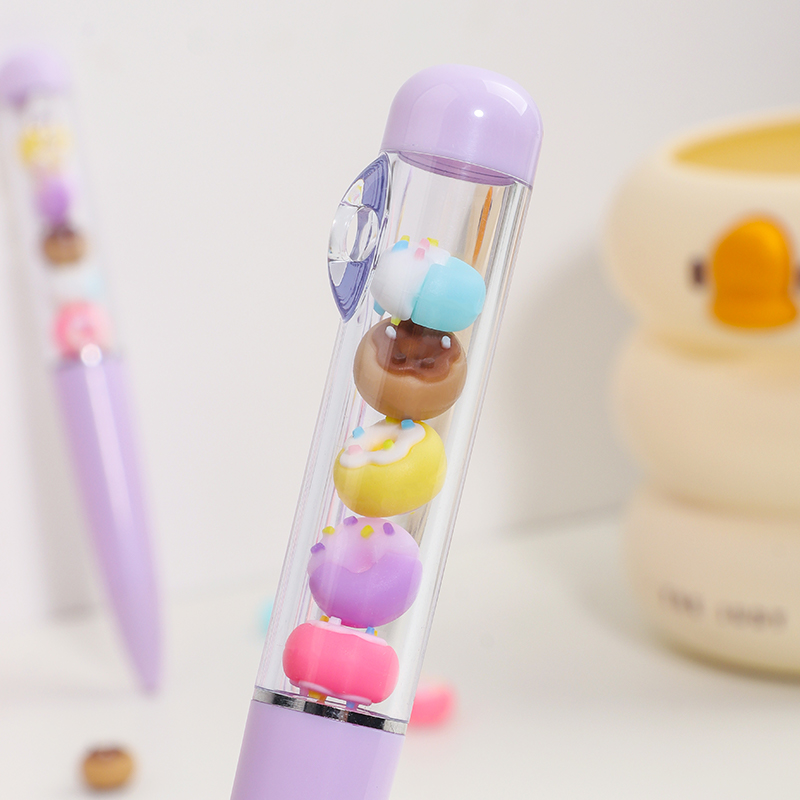
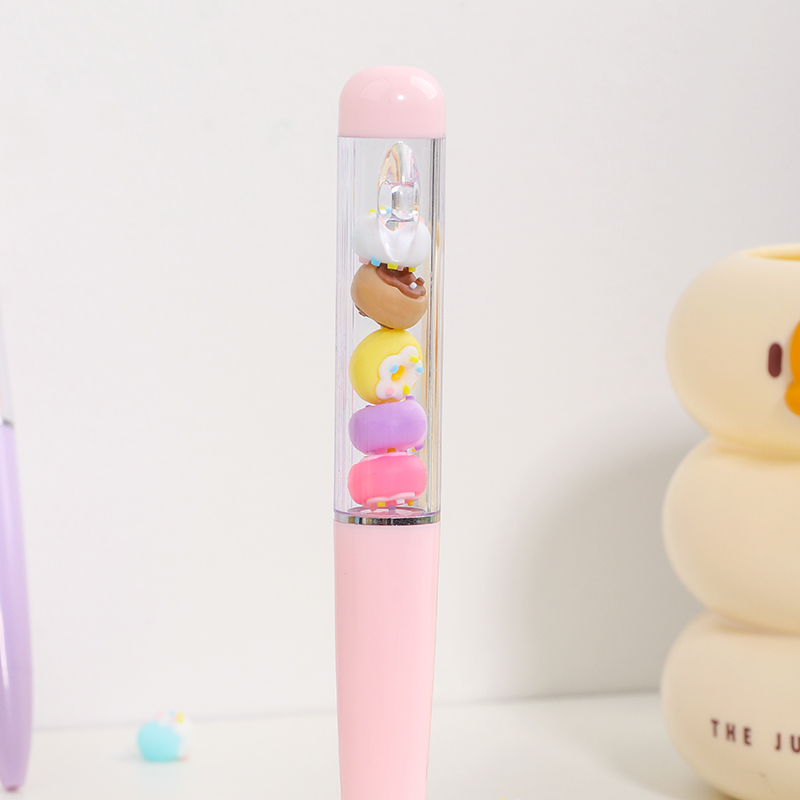
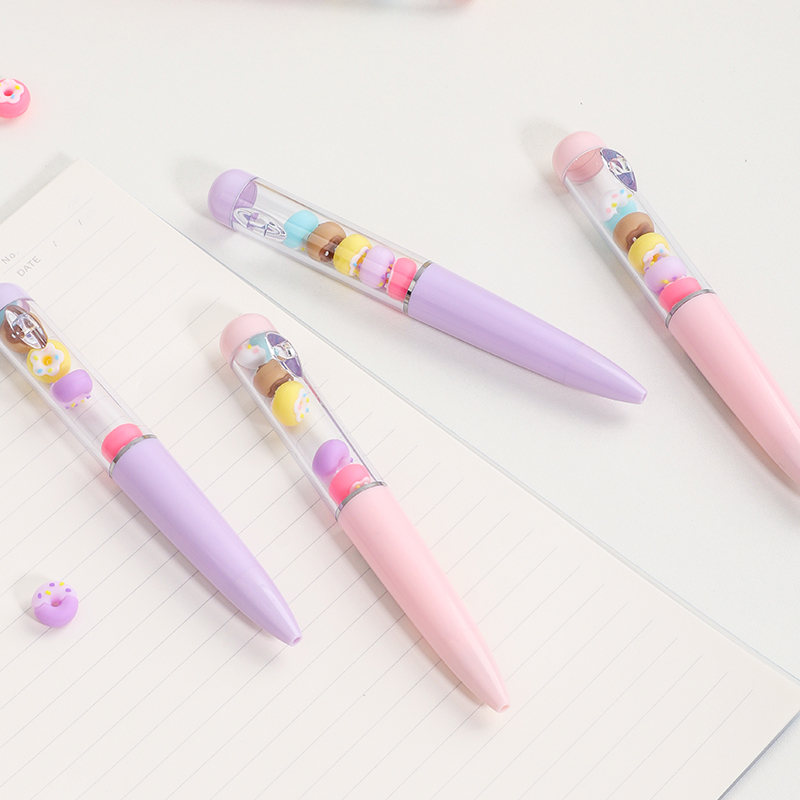
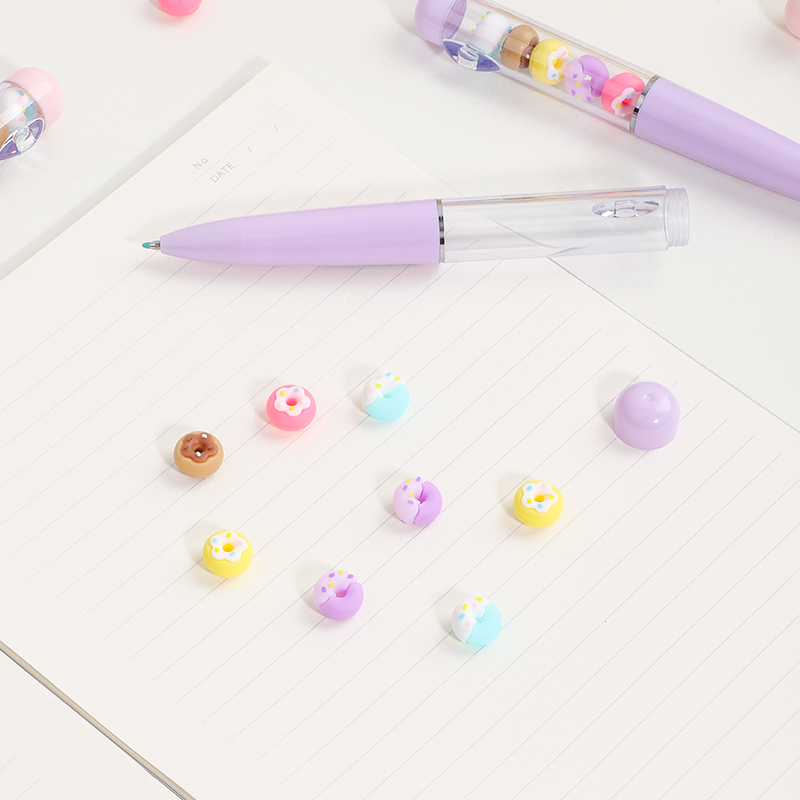
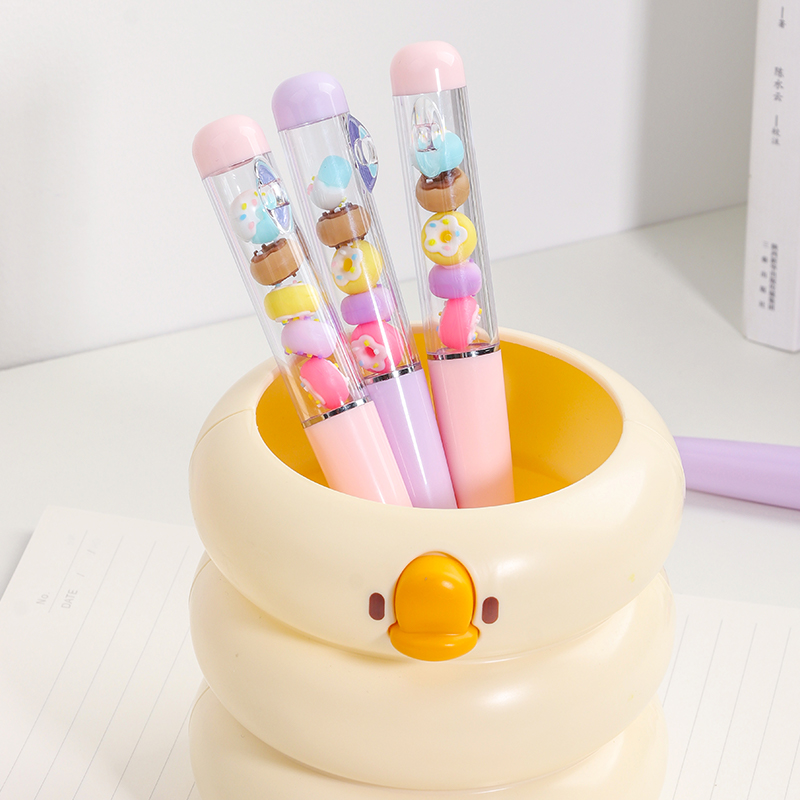
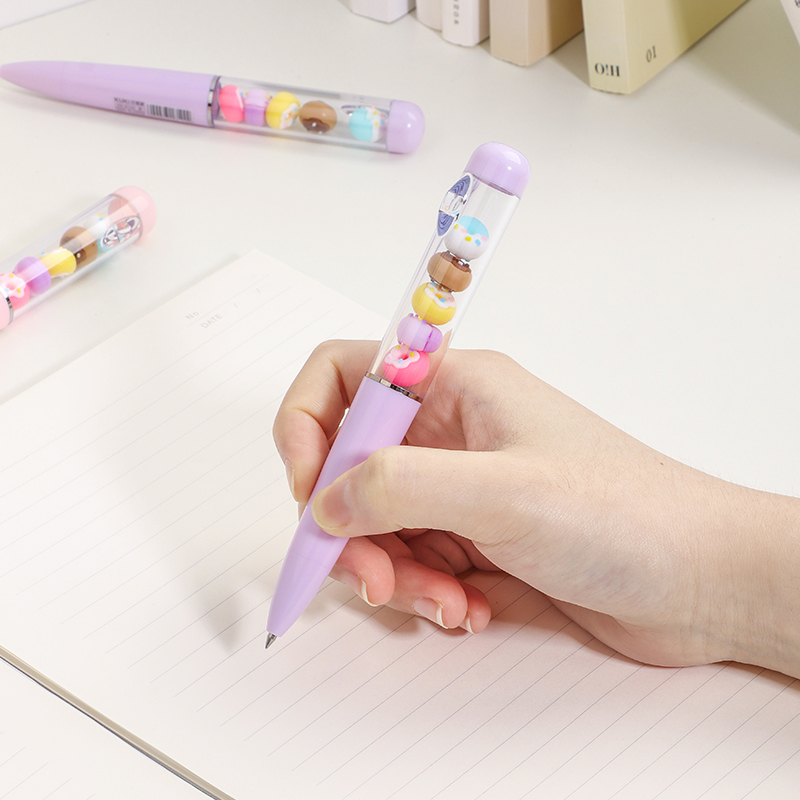
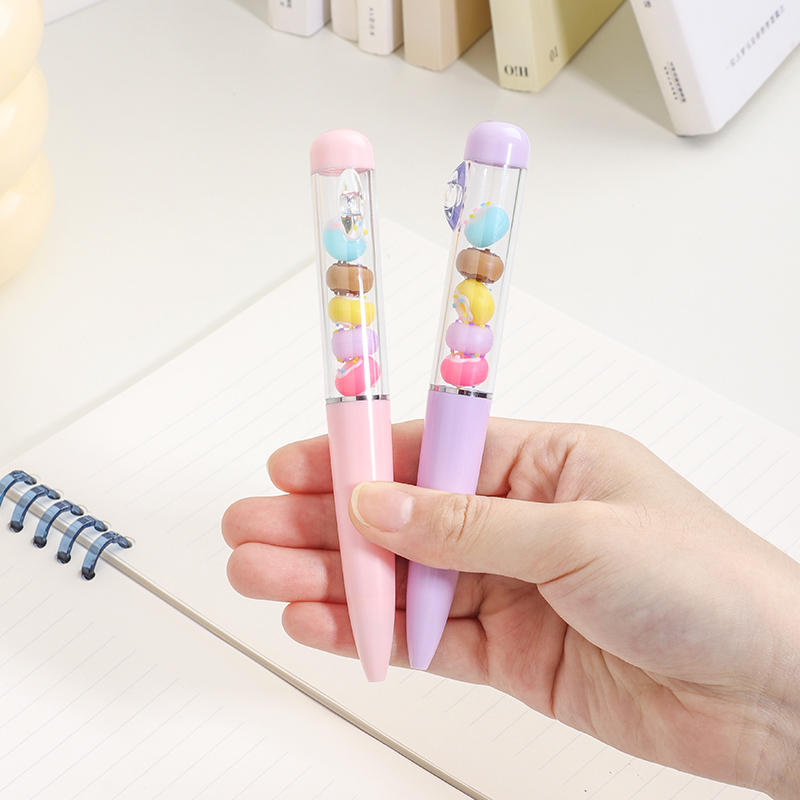
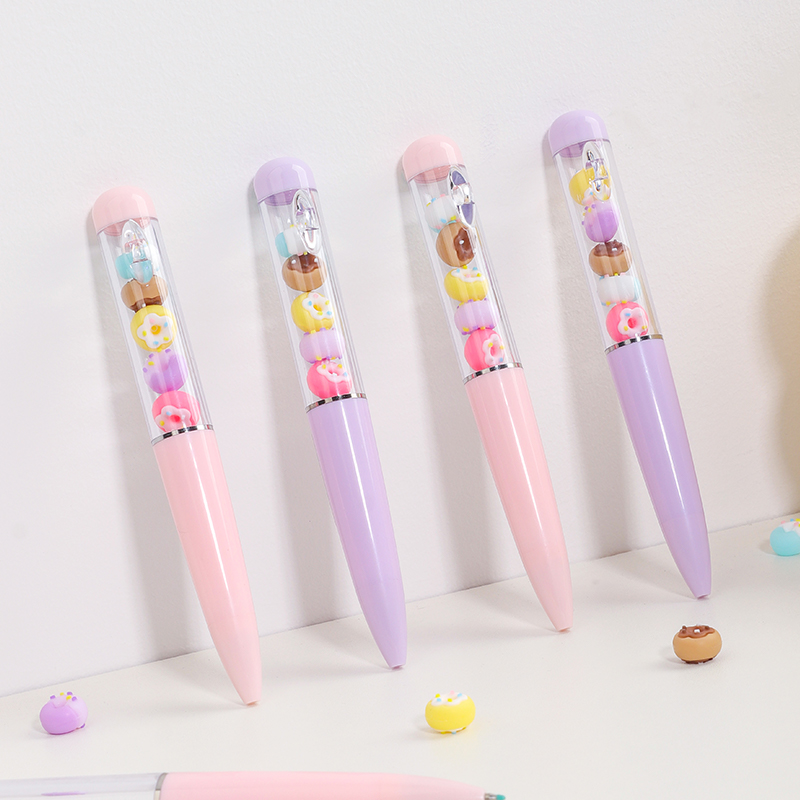
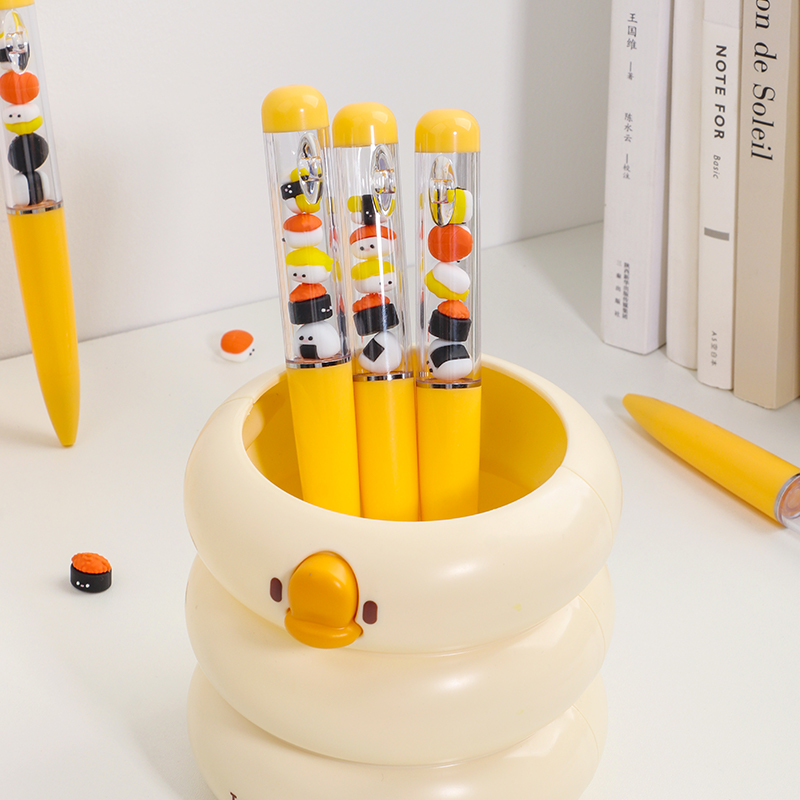
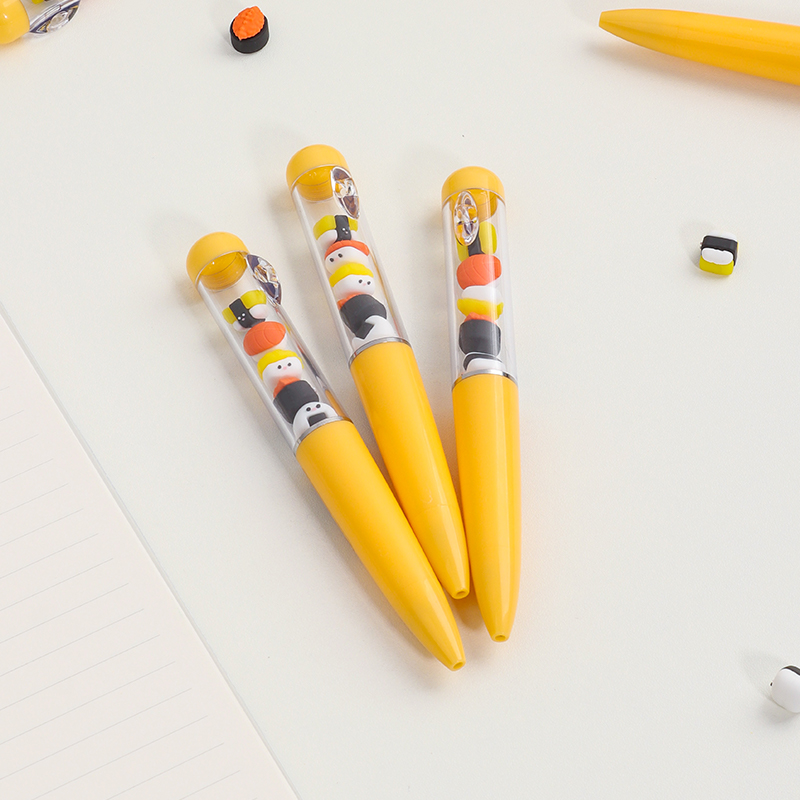
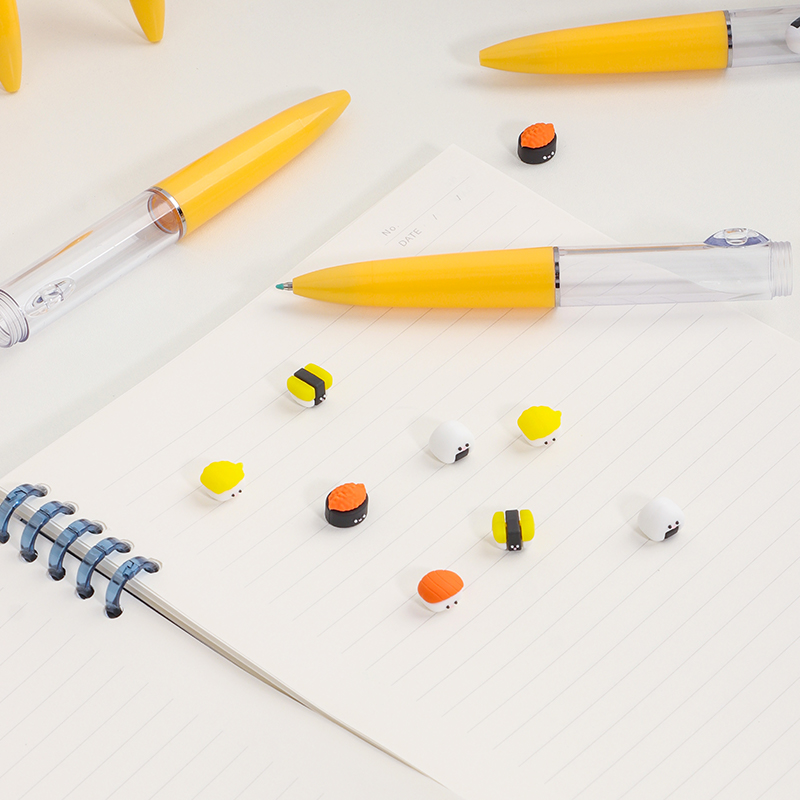
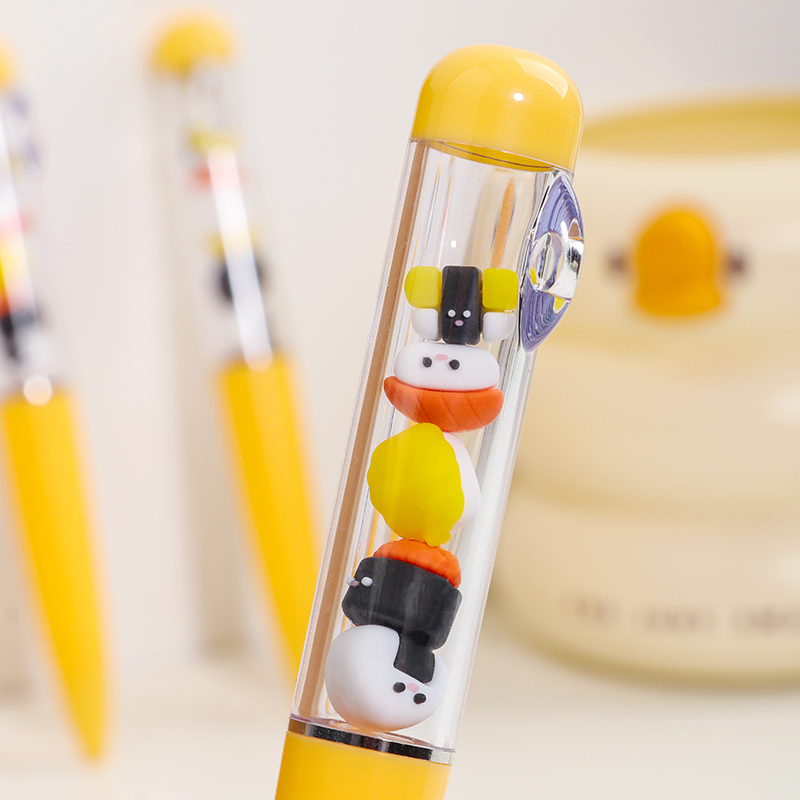
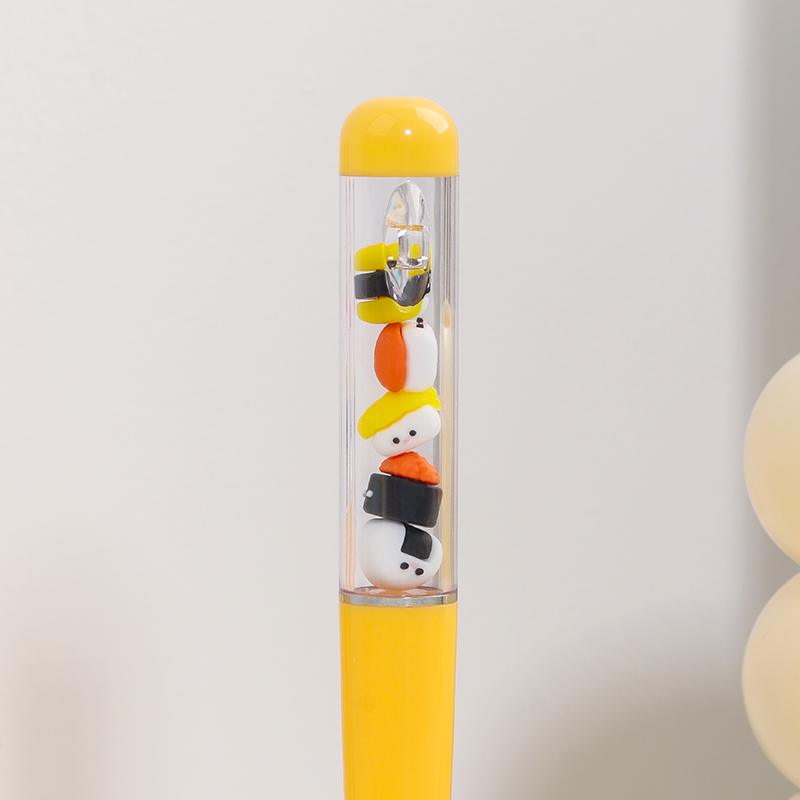
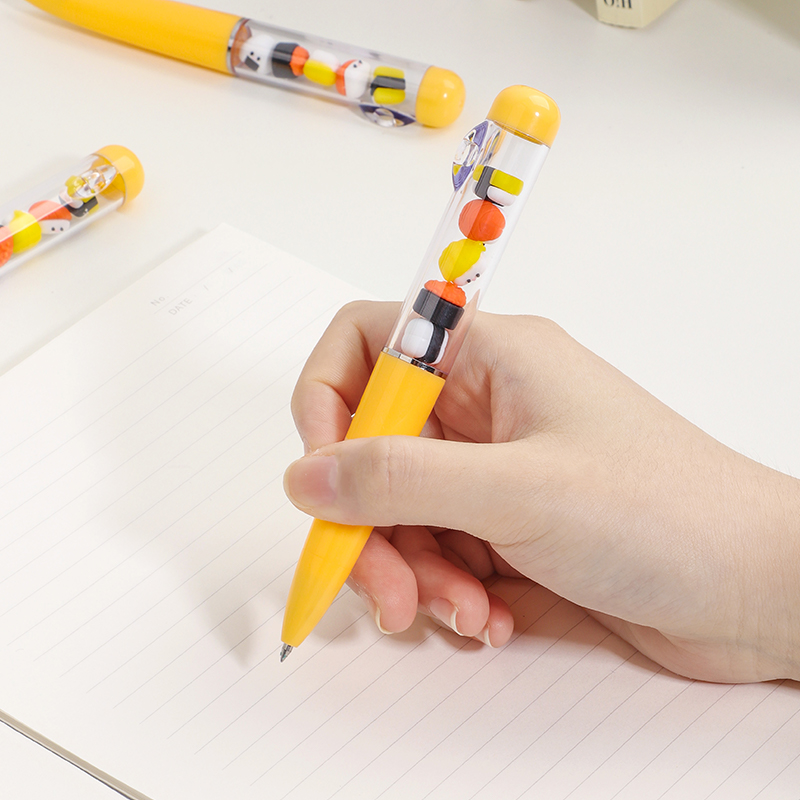
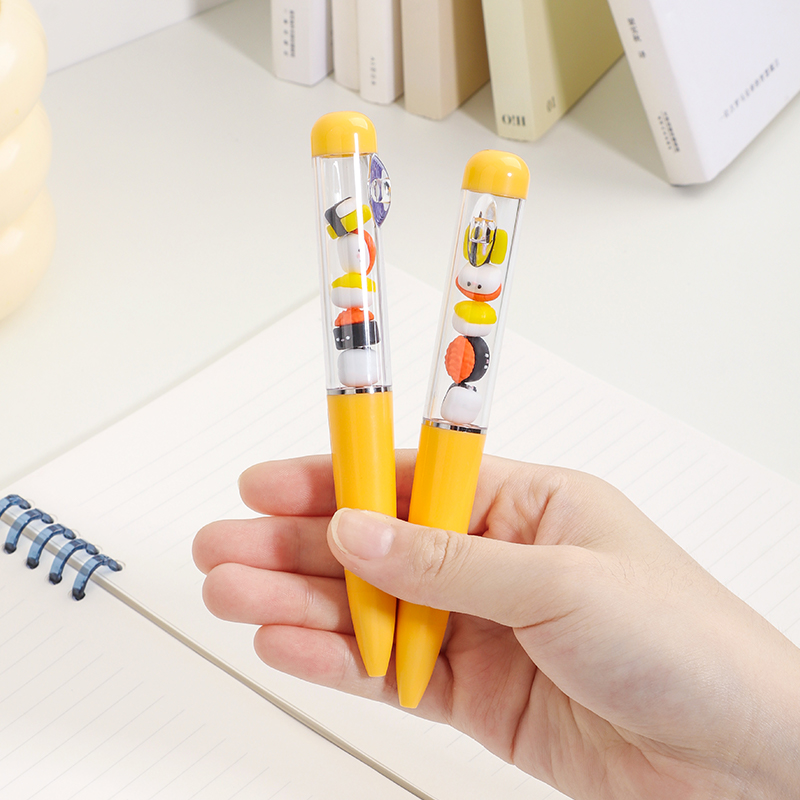
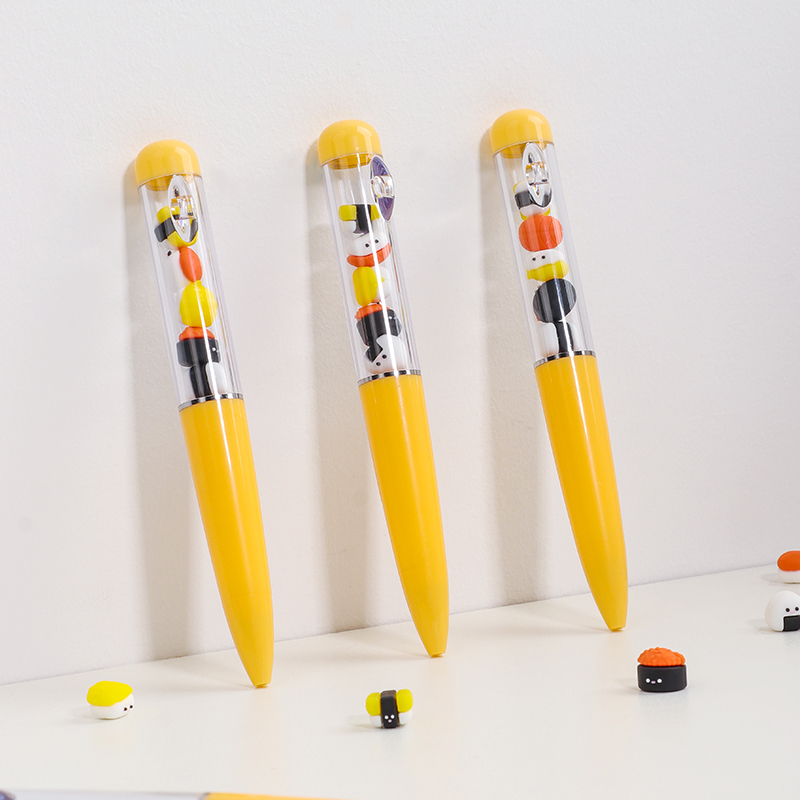
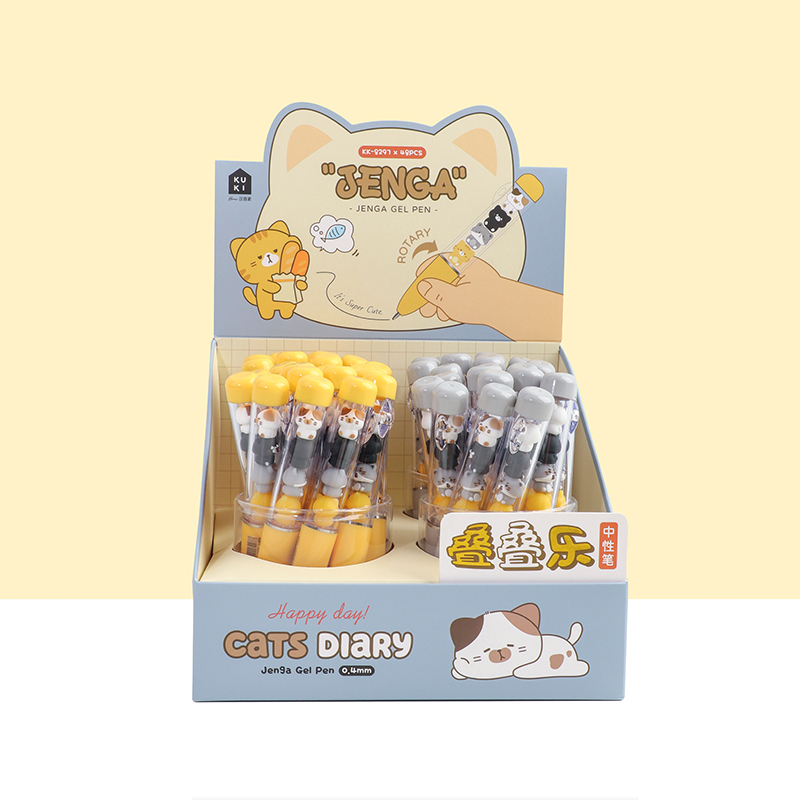
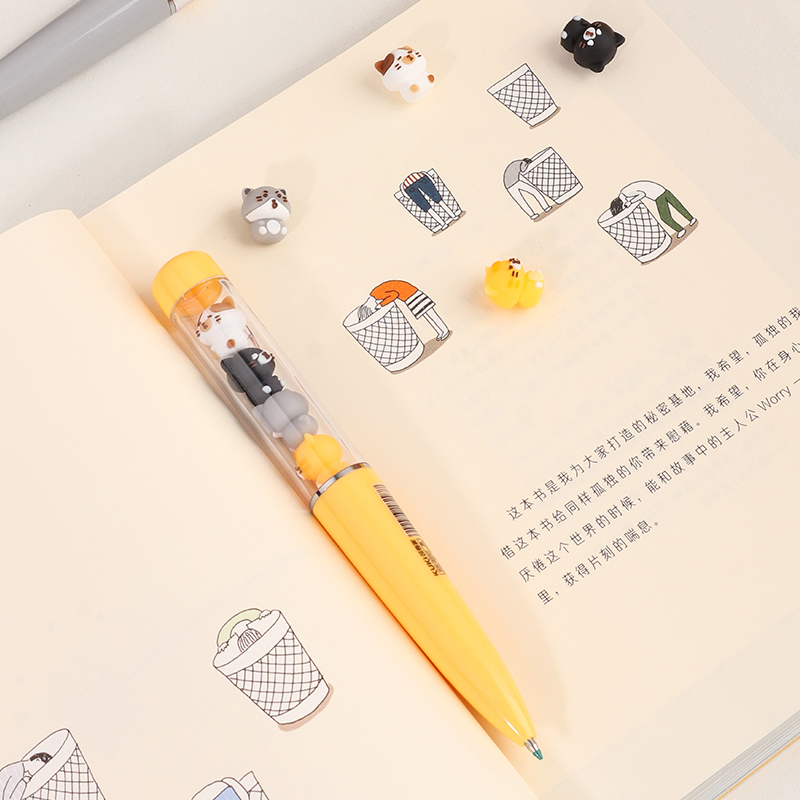
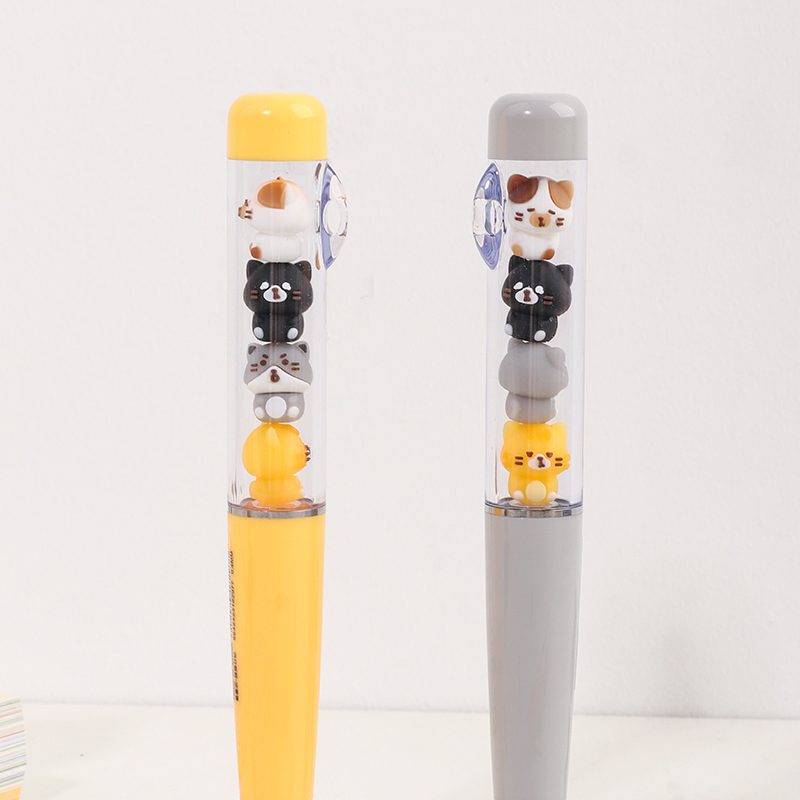
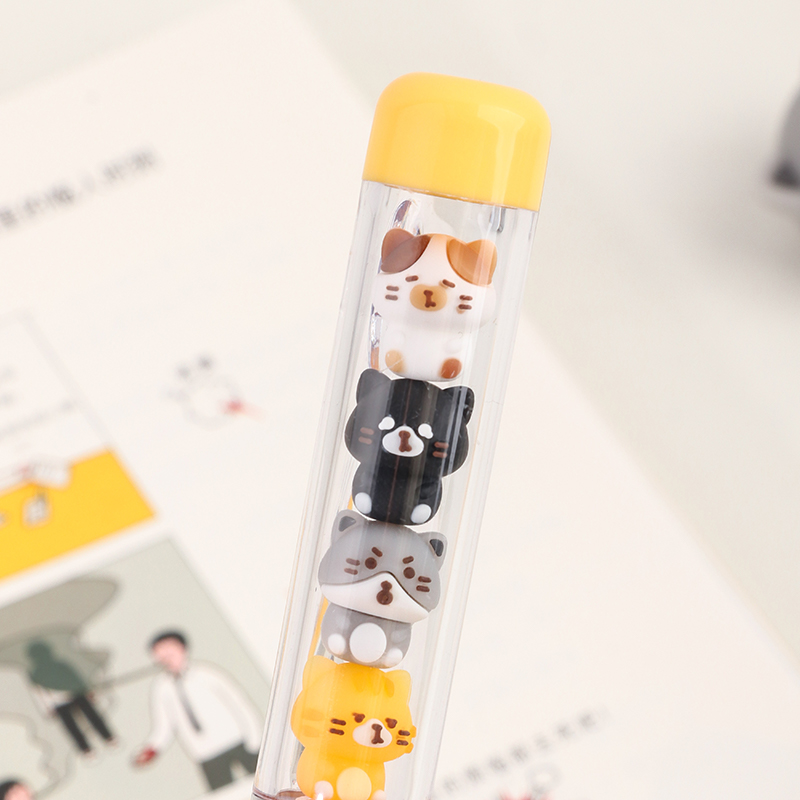
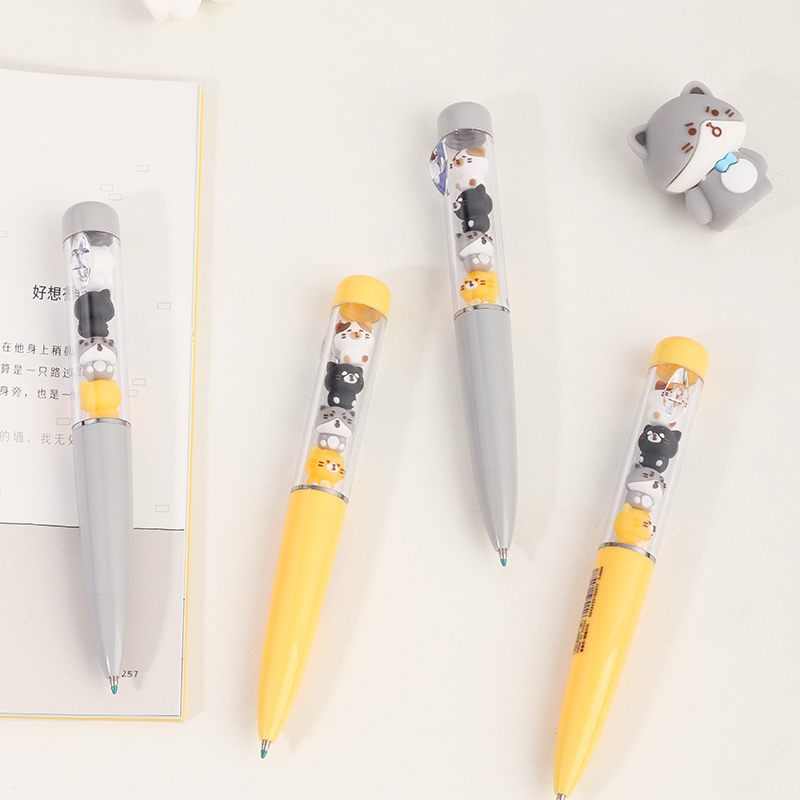
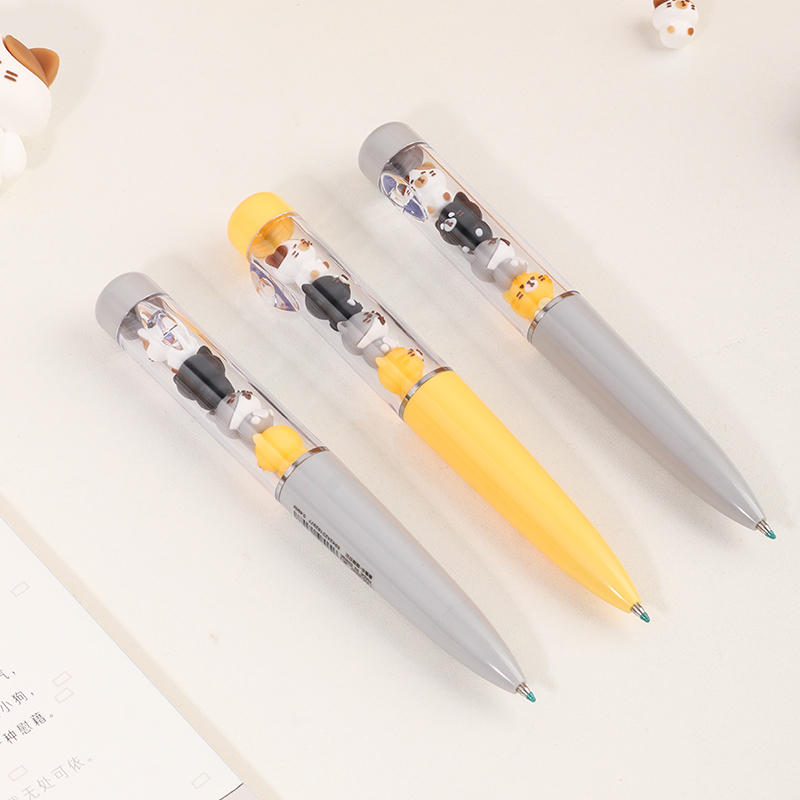
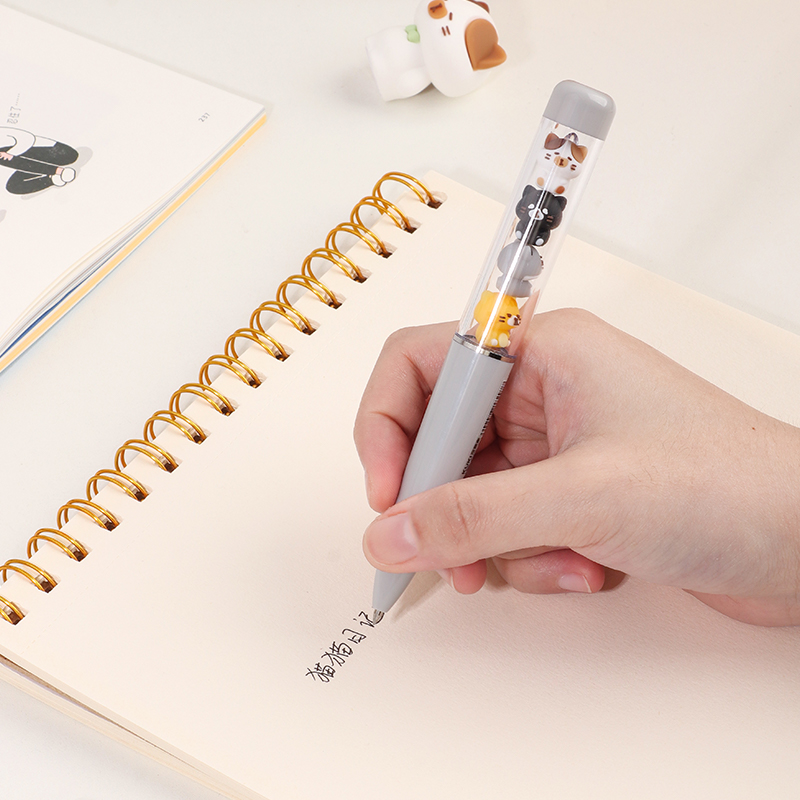
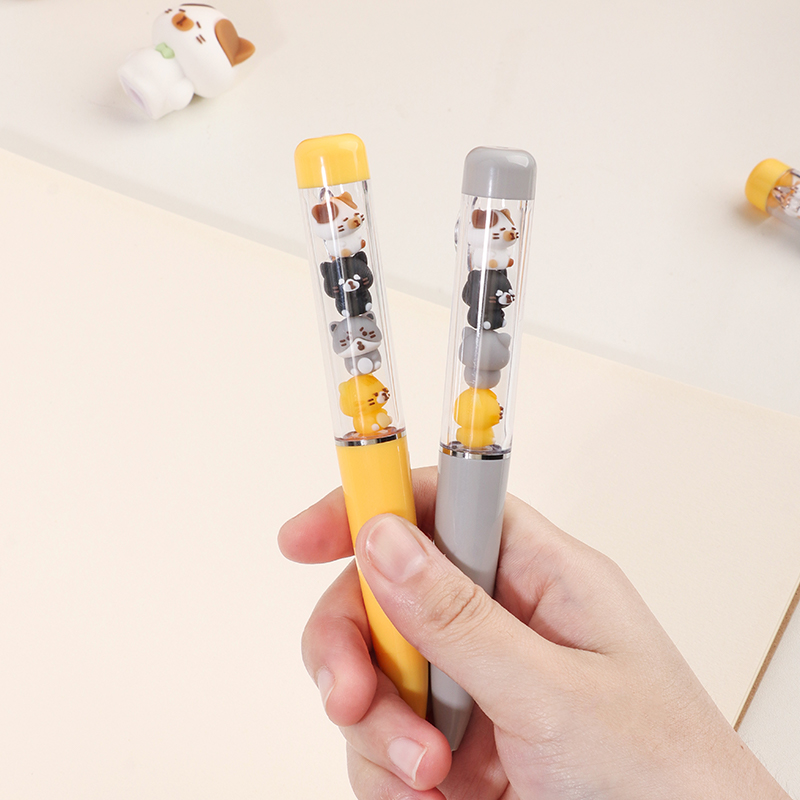
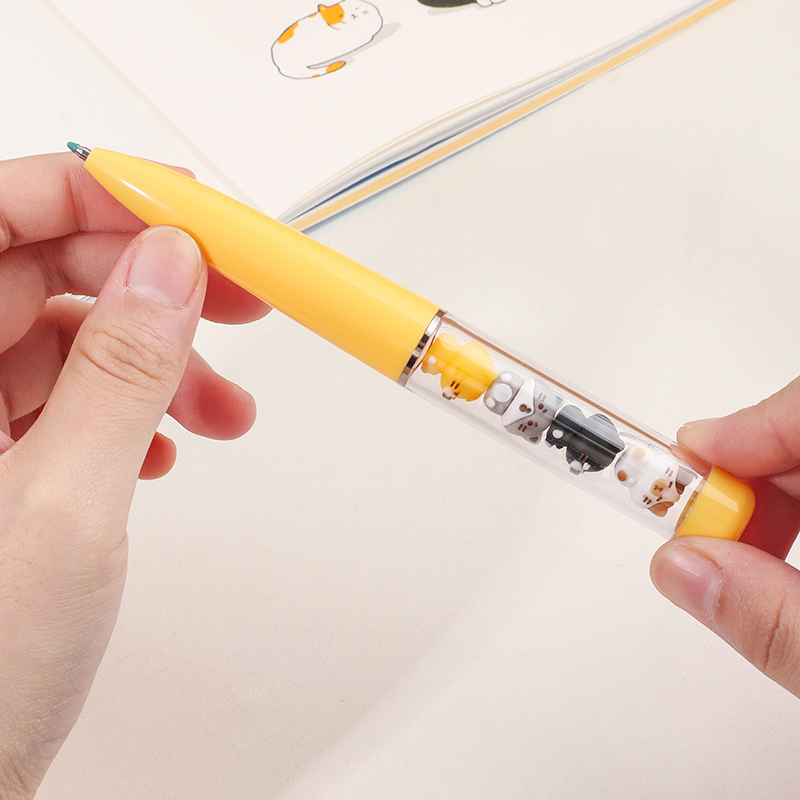
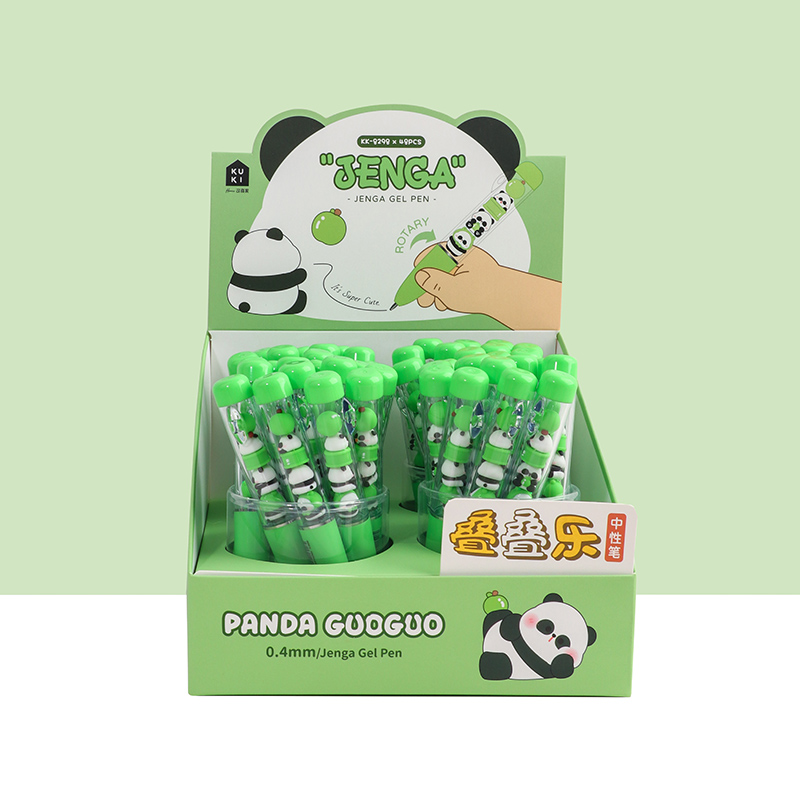
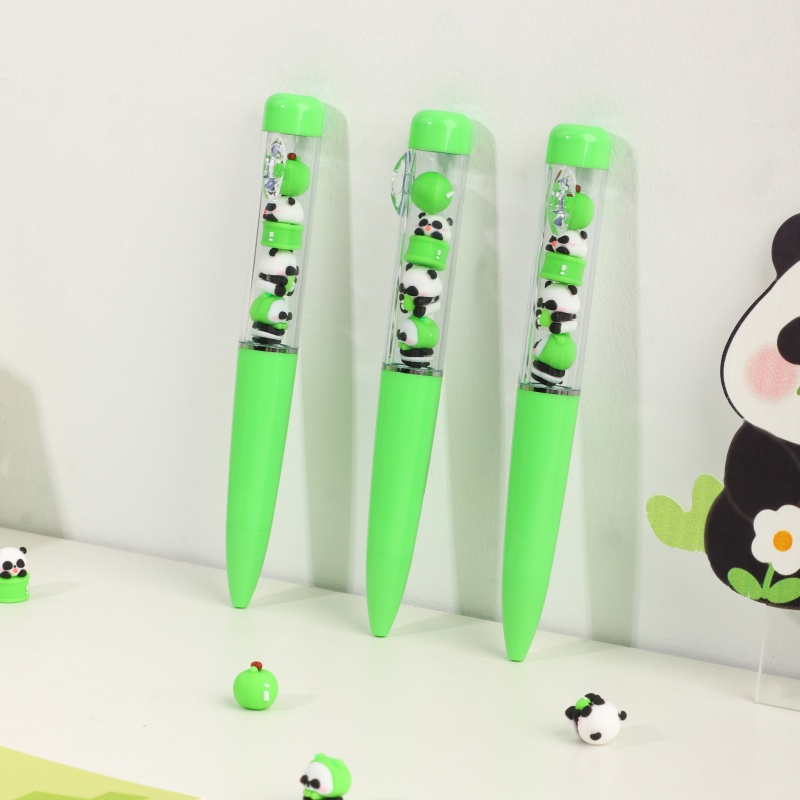
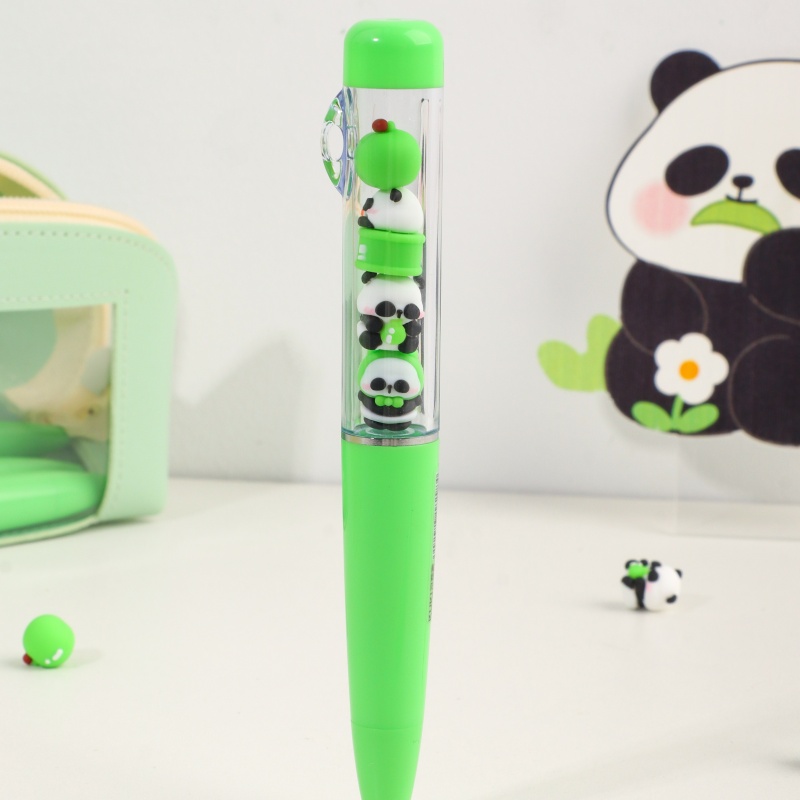
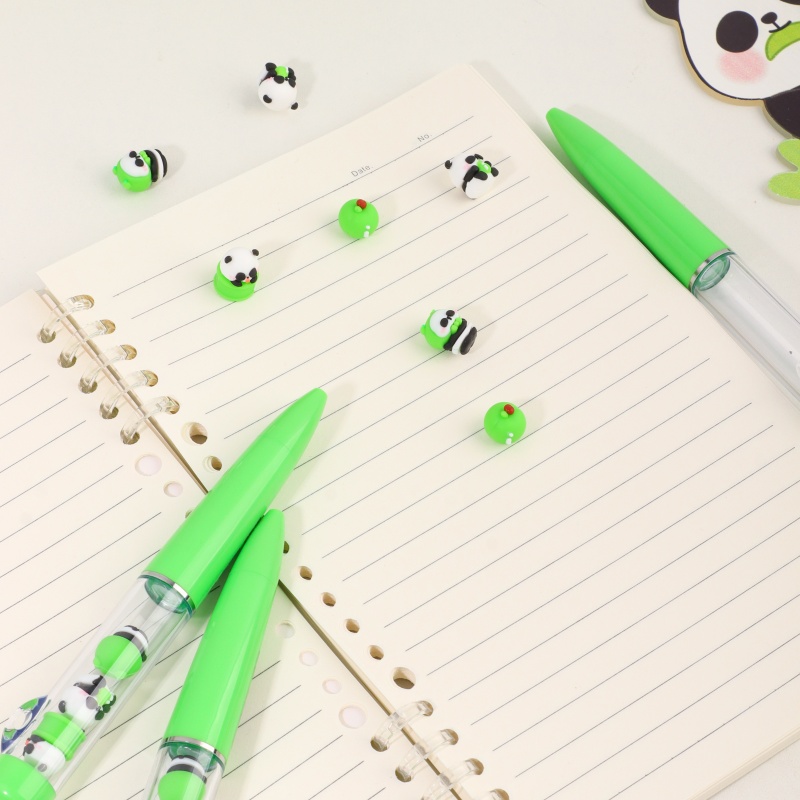
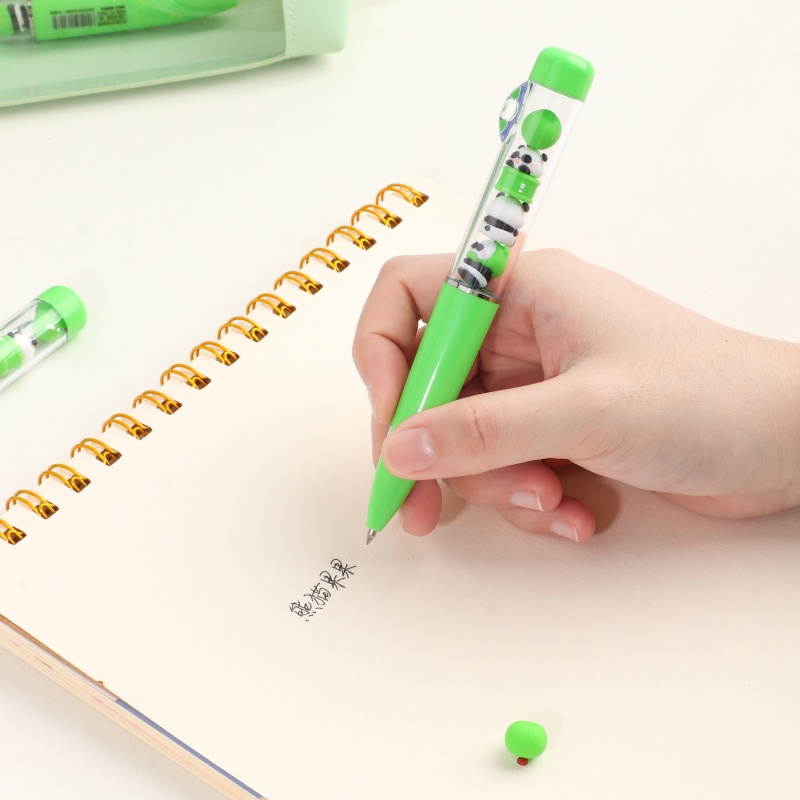
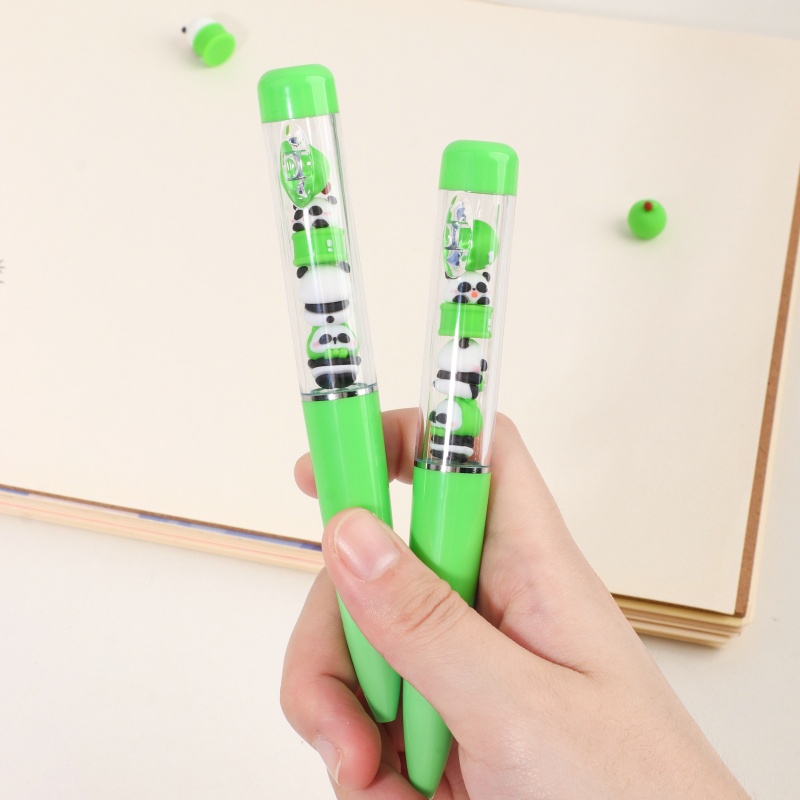
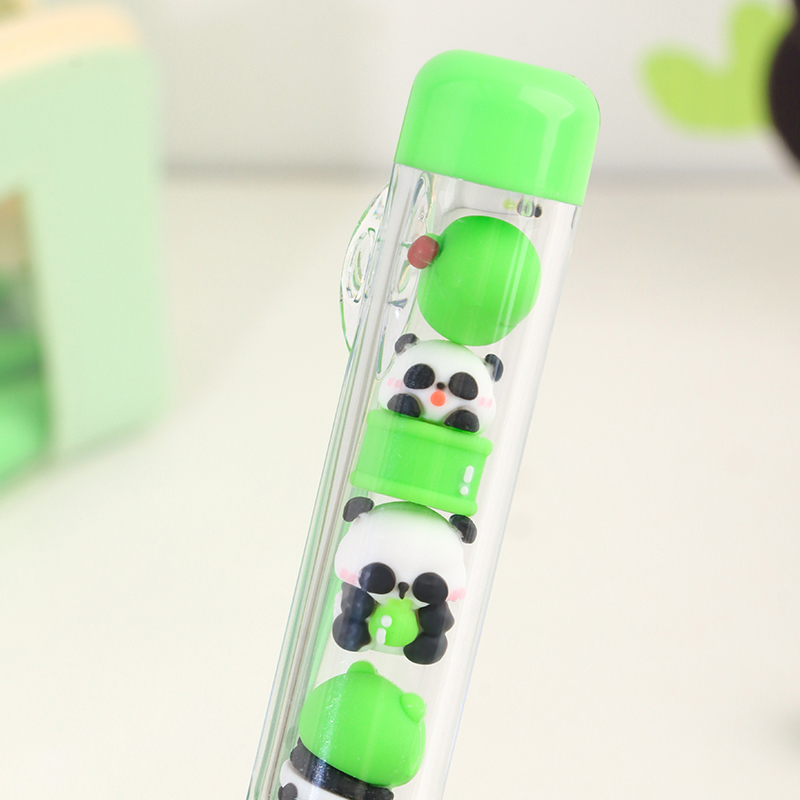
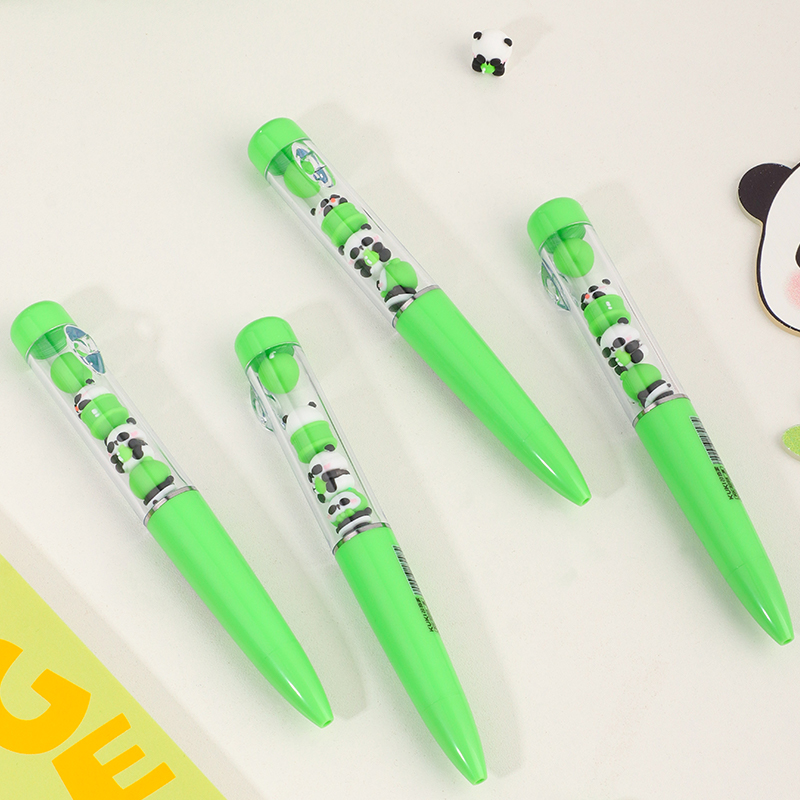
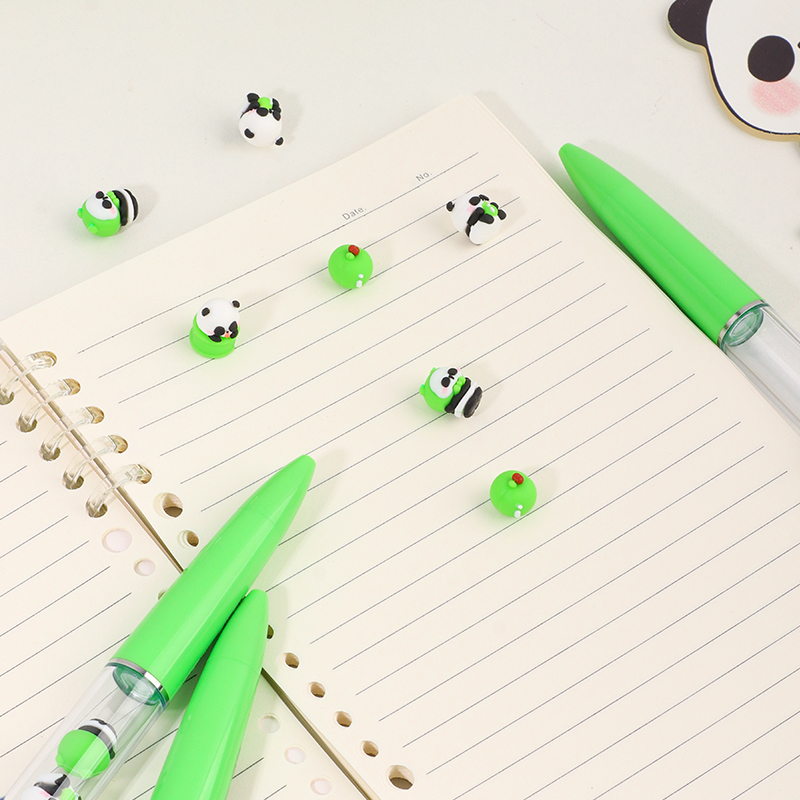
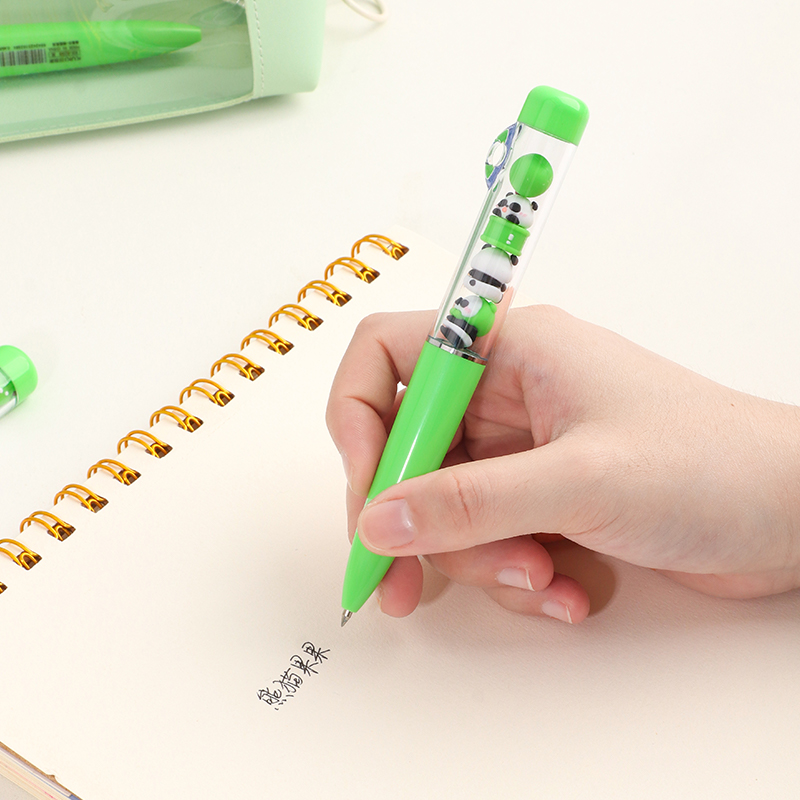
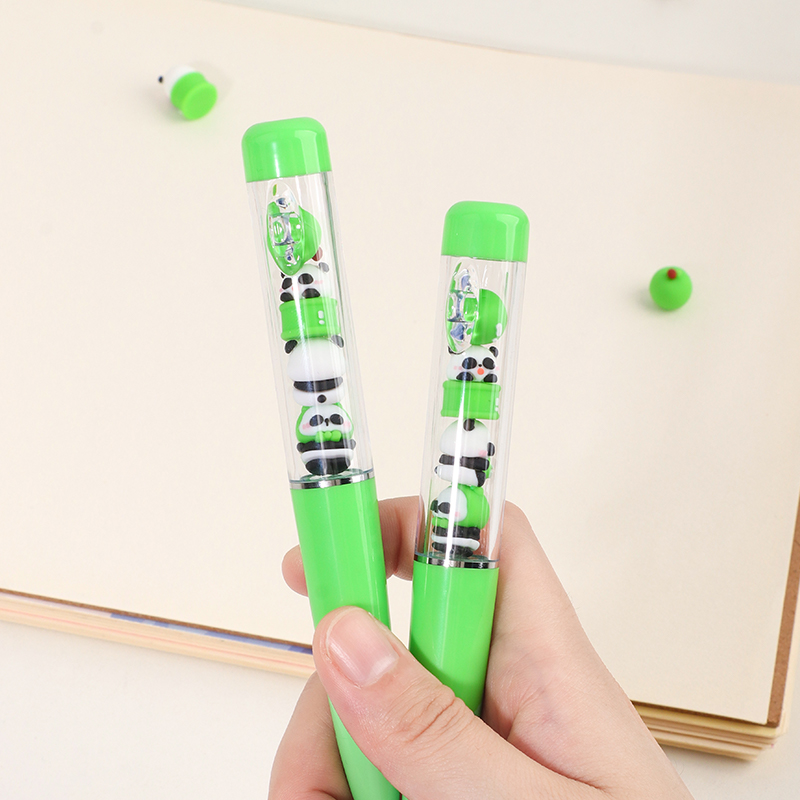
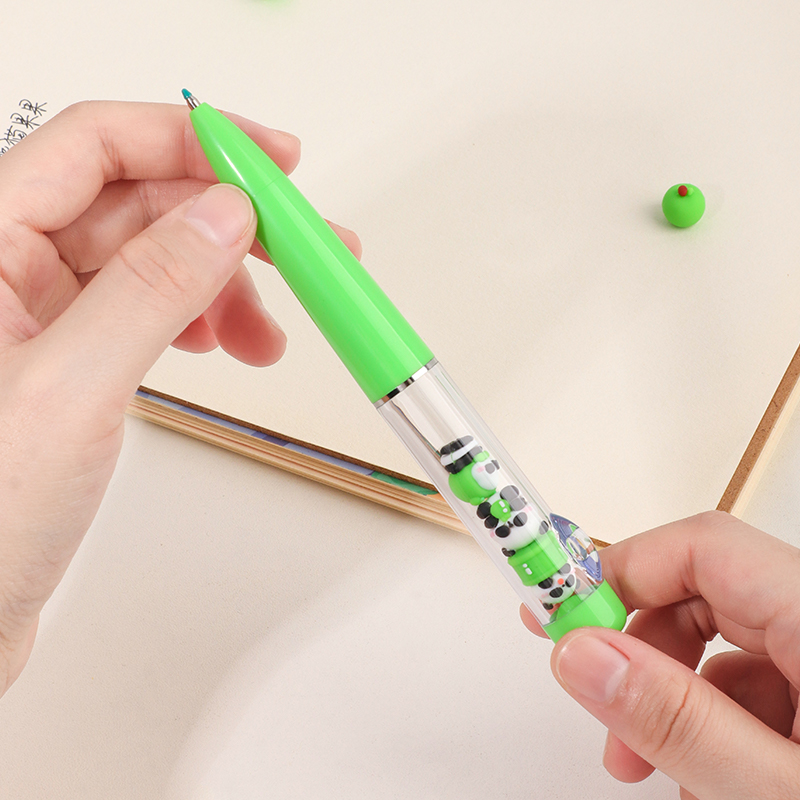
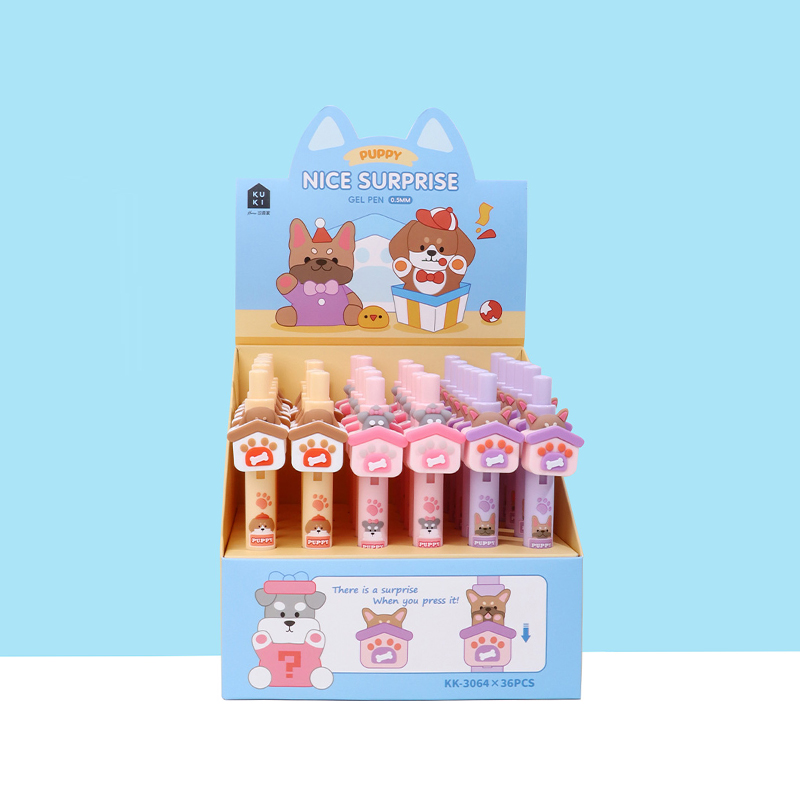
The Maglev & Jenga Pen series incorporates innovative design elements, featuring mini movable beads within a transparent barrel. Users can engage in DIY customization, enhancing the interactive experience. The 0.5mm gel ink refill ensures smooth writing, while the pen's construction from high-quality plastic materials guarantees durability. This pen is perfect for educational settings, creative workshops, and as a unique promotional item that encourages user interaction and personalization.
SEND US A MESSAGE
call us
+86 18157942912
About Us
Dongyang Kuki Stationery Co., Ltd.
News
-
Exhibition Name: INDONESIA ASEAN STATIONERY&GIFT EXPO 2025 Exhibition Time: November 20th - 22nd, 2025 Exhibition Ad...
READ MORE -
Mr. Huang Ping, Executive Vice President of Yiwu Cultural Supplies Industry Association, Chairman of Yiwu Kuki home Cult...
READ MORE -
With the brand vision of "making global learners happier", KuKi, a brand under Yiwu Kuki Cultural and Creative Co., LTD....
READ MORE -
Writing tools are no longer cold standard equipment. When creative expression extends to the pen, a fun revolution about...
READ MORE -
Stationery brand KUKI officially launched its new 3D pencil sharpener series today. This series of products innovatively...
READ MORE -
Following its extensive attention at the 138th Canton Fair, KuKi, a brand under Yiwu Kuki Cultural and Creative Co., LTD...
READ MORE
Related products
Maglev & Jenga Pen Industry knowledge
Q1: What is a Maglev & Jenga Pen, and why does it matter?
A Maglev & Jenga Pen combines writing functionality with interactive mechanics. In the stationery industry, this type of pen captures consumer attention by offering movement-based entertainment. Magnets or stackable components make the pen more than a traditional writing tool, creating a playful experience during brief pauses in work or study.
Such pens often attract younger audiences or creative professionals who appreciate novelty. The presence of a Maglev & Jenga Pen in retail spaces can stimulate engagement and provide conversation opportunities that traditional pens cannot.
Q2: How does interactive design affect consumer perception?
Interactive mechanics transform the way users perceive stationery. When people handle a Maglev & Jenga Pen, the physical experience adds value beyond writing. From an industry perspective, it encourages brands to innovate not only in ink quality but also in structural design.
Manufacturers often explore modular or magnetic features in these pens. This approach supports experimentation while maintaining a stable internal writing core, allowing creativity without sacrificing reliability.
Q3: What defines a DIY Pen in the current market?
A DIY Pen allows users to customize or assemble parts according to personal preference. This category appeals to individuals who enjoy crafting or want a pen that reflects personal identity. In the stationery sector, DIY Pens represent the convergence of utility and user creativity.
DIY Pens often include interchangeable grips, caps, or decorative inserts. These design elements provide flexibility for experimentation and personalization, which strengthens engagement with the product.
Q4: Why is customization important in DIY Pens?
Customization provides emotional connection. When users assemble a DIY Pen themselves, they become invested in its final appearance and feel. Stationery brands recognize this as an opportunity to differentiate products and foster loyalty. It also encourages repeated interactions, as consumers may return to purchase additional parts or kits.
From a retail perspective, DIY Pens can be marketed as educational or leisure tools, expanding their use beyond simple writing tasks.
Q5: How does a Toy Pen influence the perception of writing instruments?
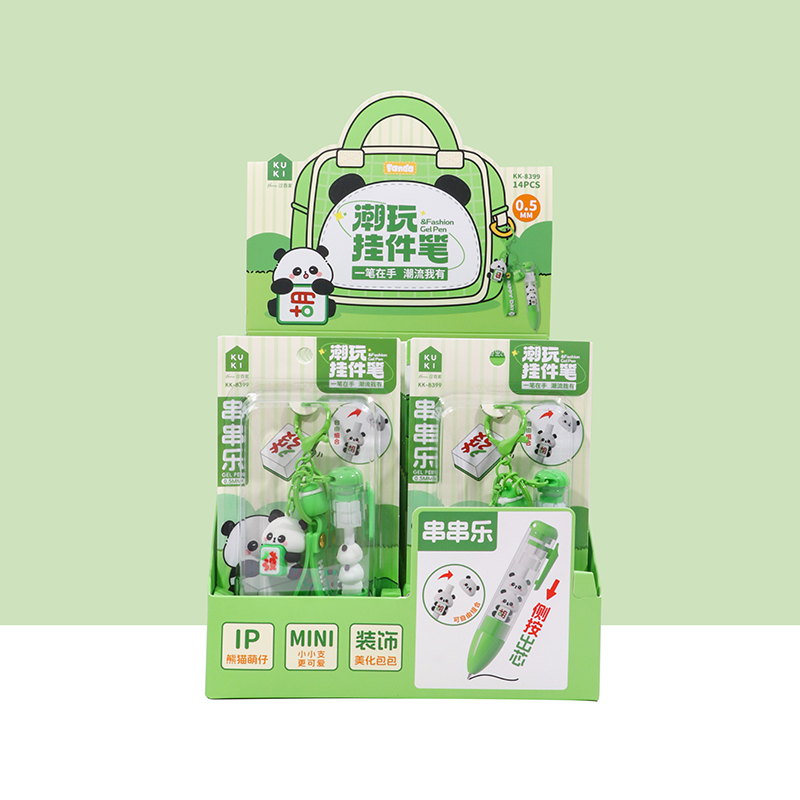
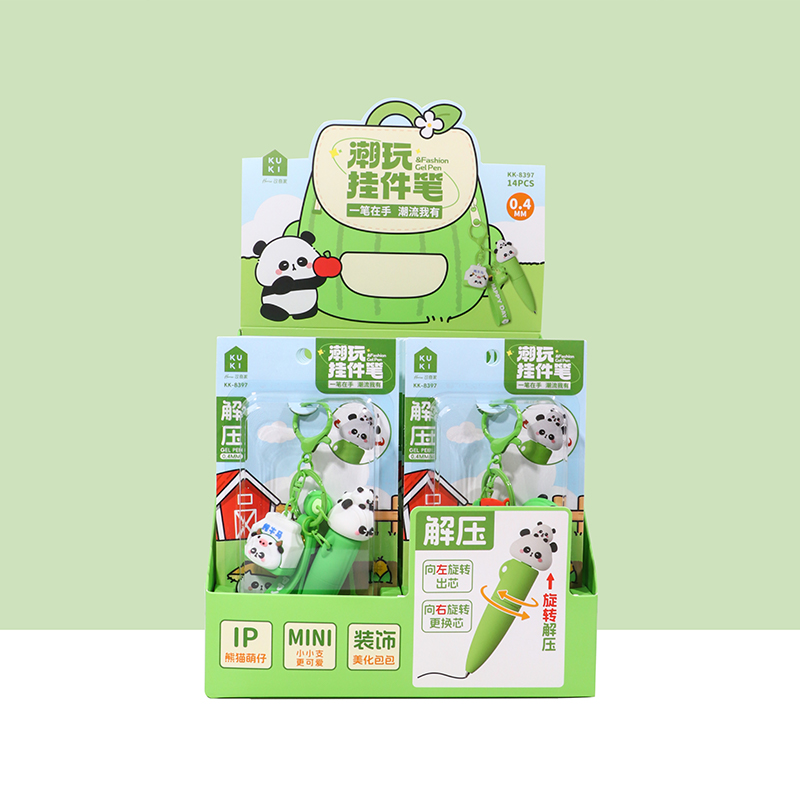
A Toy Pen merges functionality with entertainment, often featuring miniature figures, sounds, or interactive elements. In the stationery industry, Toy Pens appeal to children, collectors, and novelty-seekers who value playful engagement alongside practicality.
The success of a Toy Pen is often tied to visual appeal and interactivity rather than technical writing performance. This reflects a broader trend where pens are designed to engage multiple senses.
Q6: What role does material selection play in Toy Pens?
Materials for Toy Pens must balance durability and design freedom. Lightweight plastics, soft rubber, or flexible inserts allow detailed shapes while ensuring safe handling for younger users. For manufacturers, choosing appropriate materials is key to creating a product that is both engaging and reliable.
Toy Pens also often intersect with themed collections or promotional items, which can amplify brand visibility in specialized markets.
Q7: How do these pen categories reflect broader trends in stationery?
The pen industry is increasingly embracing playful mechanics and user interaction. A Maglev & Jenga Pen introduces motion-based fascination. A DIY Pen fosters personalization and creativity. Meanwhile, a Toy Pen combines writing with multisensory engagement.
Together, these categories demonstrate that modern pens are evolving from purely functional instruments into interactive, customizable, and playful objects. This trend indicates a shift in how users relate to stationery—valuing experience, expression, and engagement alongside everyday utility.


Pagetop
CONTACT
- +86 18157942912

- [email protected]

- Production Center: 3rd Floor, Building 2, Minghong Science and Innovation Park, No. 36 Suhua Street, Yiwu City, Jinhua City, Zhejiang Province (Elevator 2-5)

- Operation Center: 4th Floor, Building 2, Minghong Science and Innovation Park, No. 36 Suhua Street, Yiwu City, Jinhua City, Zhejiang Province (Elevator 2-6)
QUICK LINKS
MOBILE
