Q1: What distinguishes a Press Gel Pen from conventional pens?
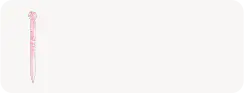
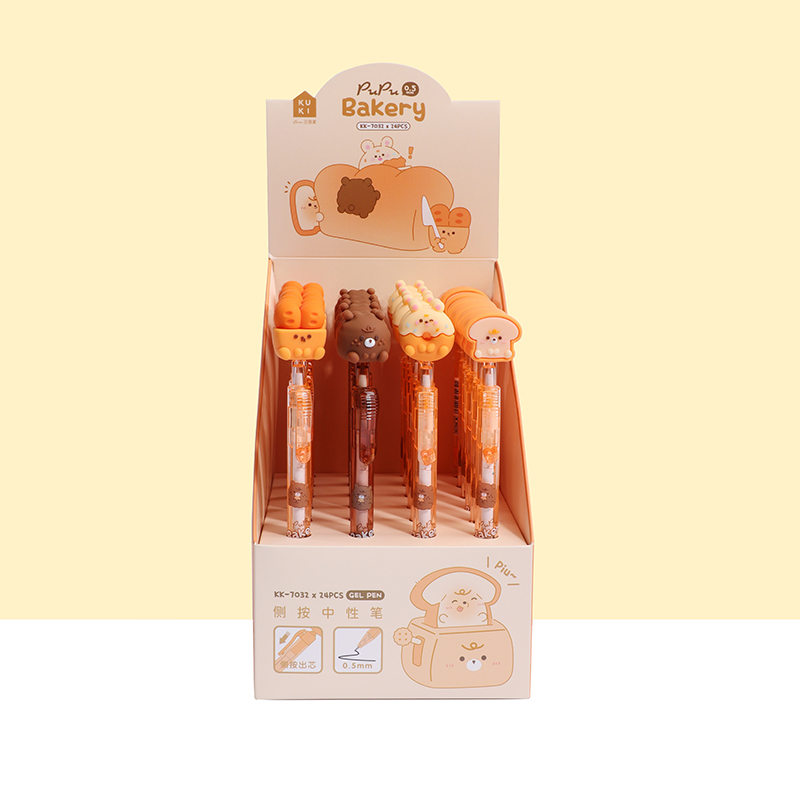
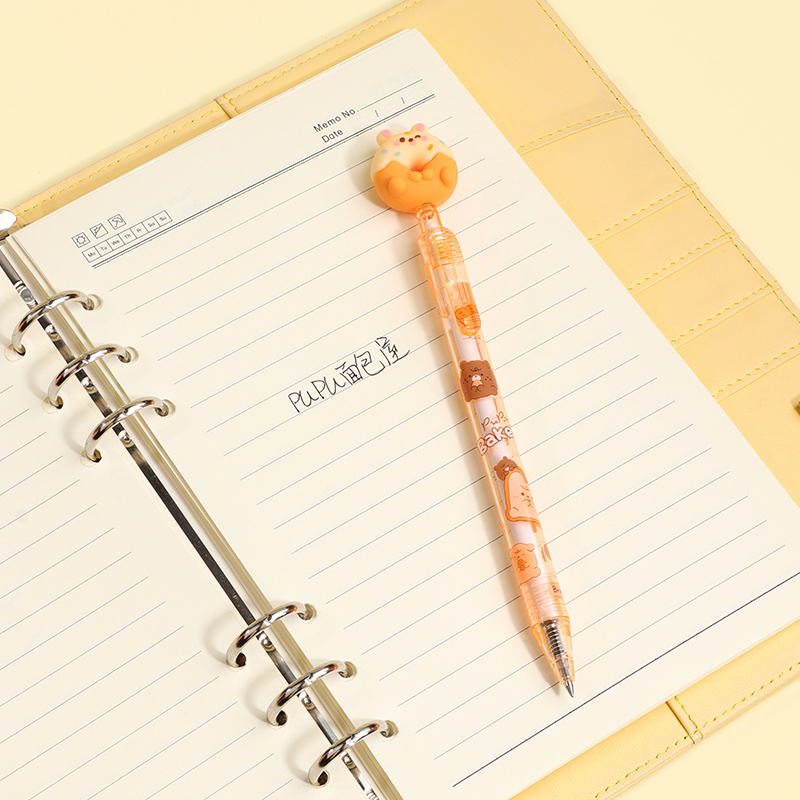
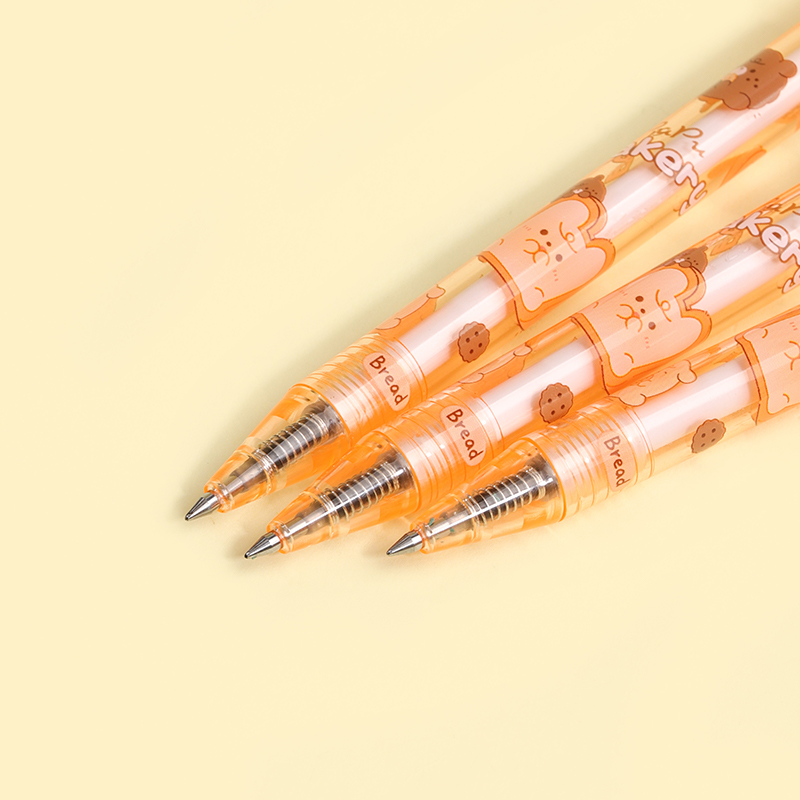
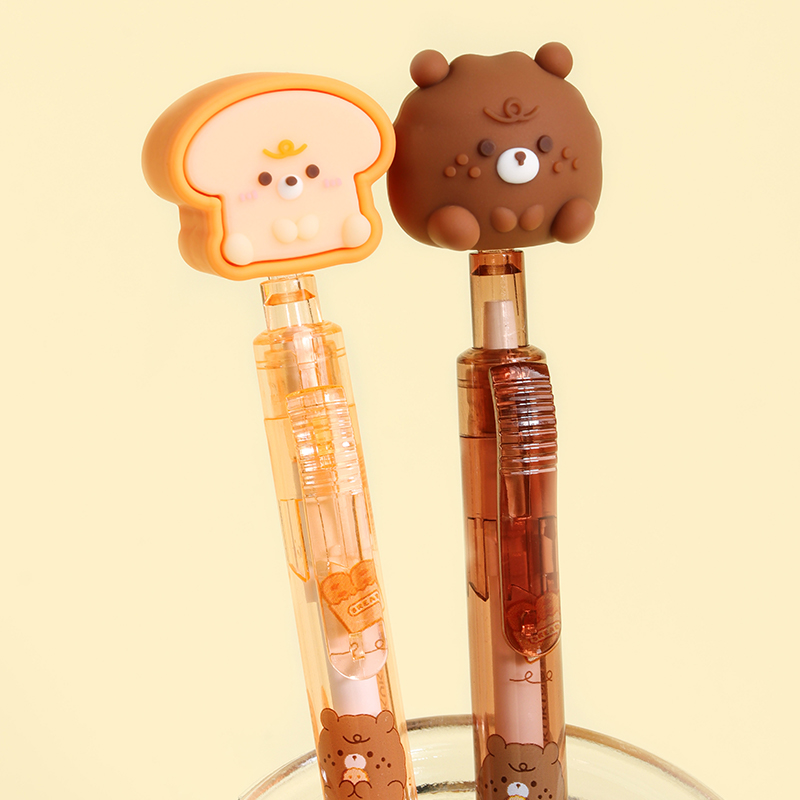
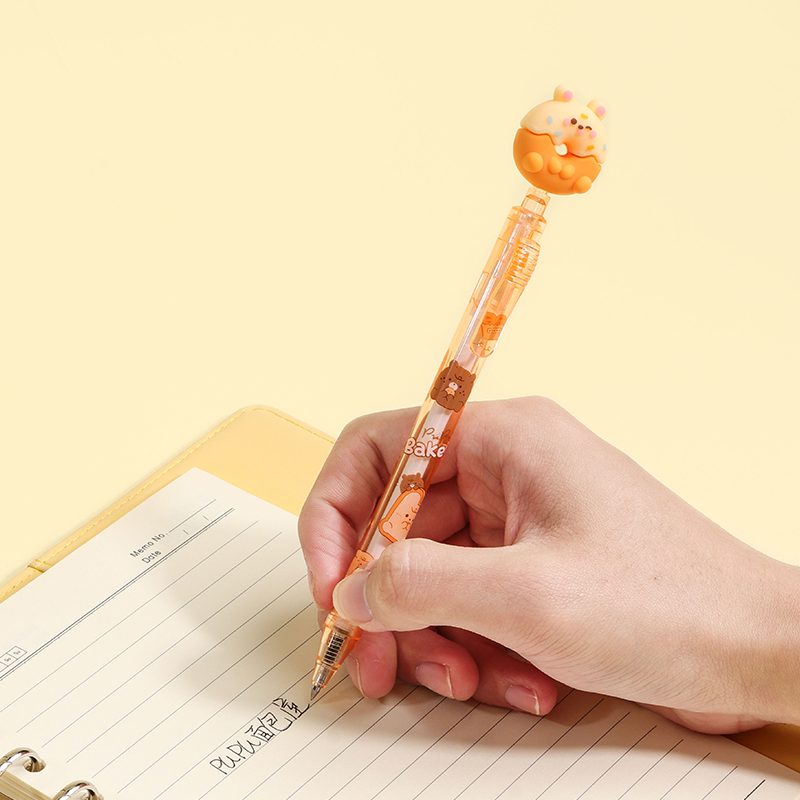
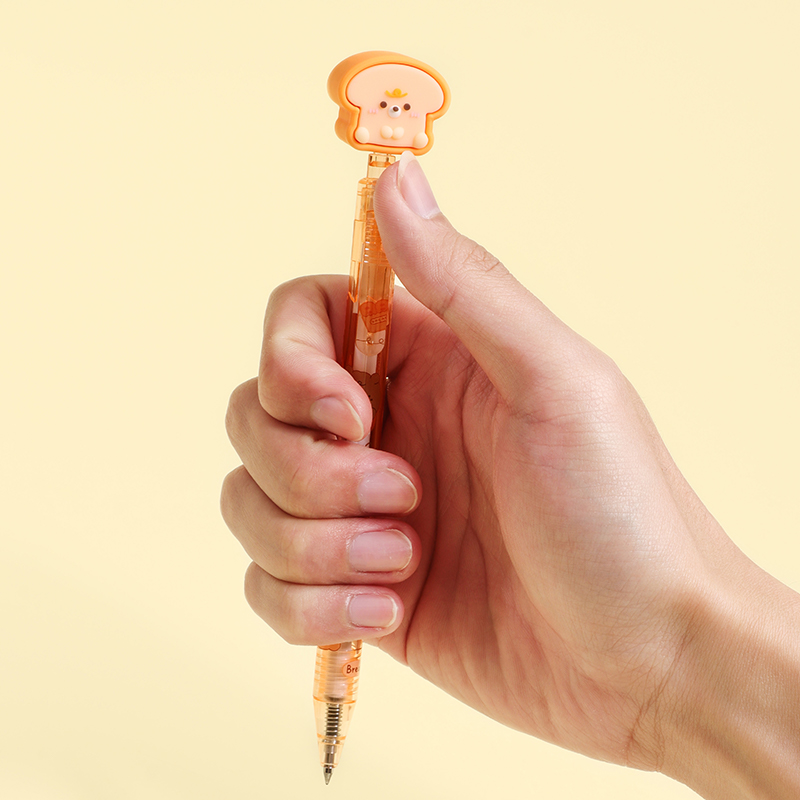
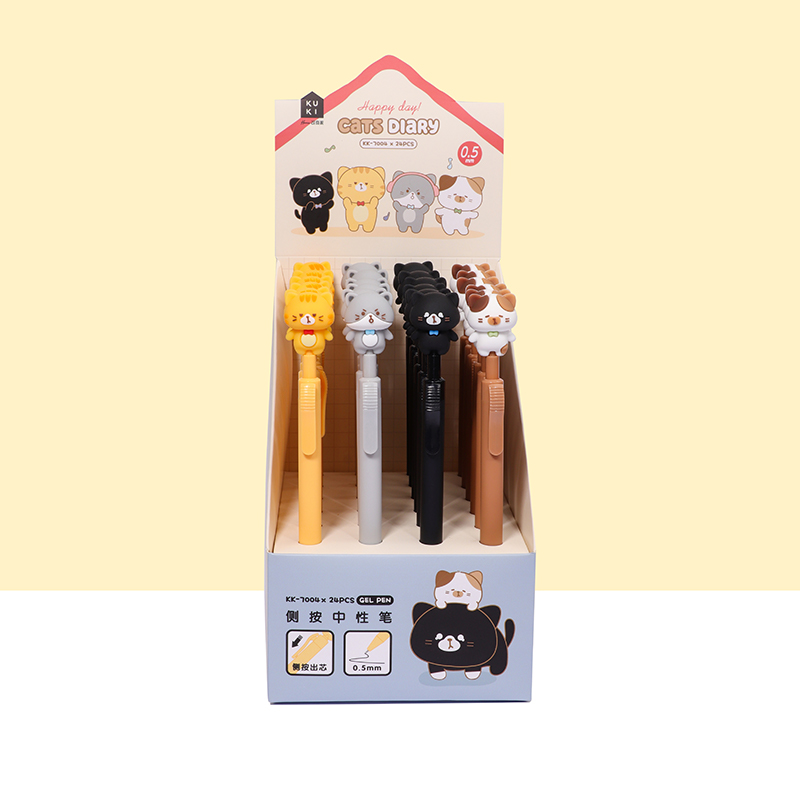
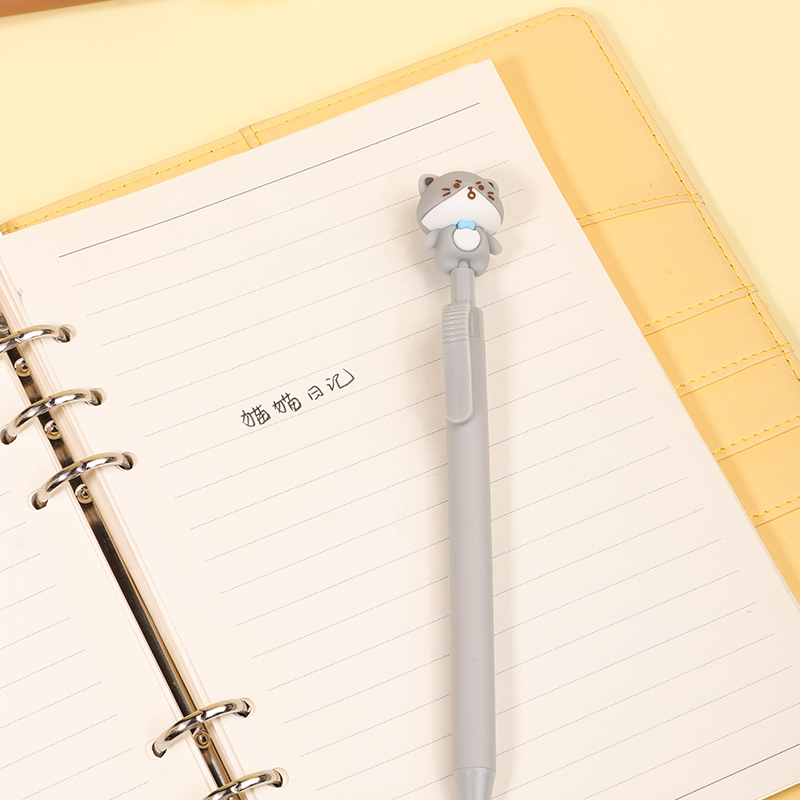
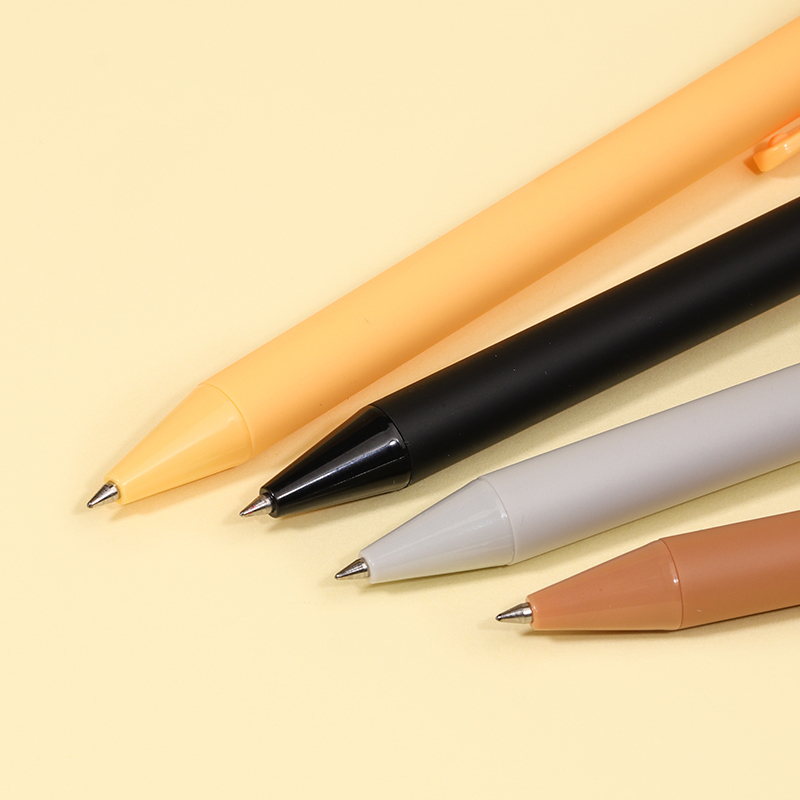
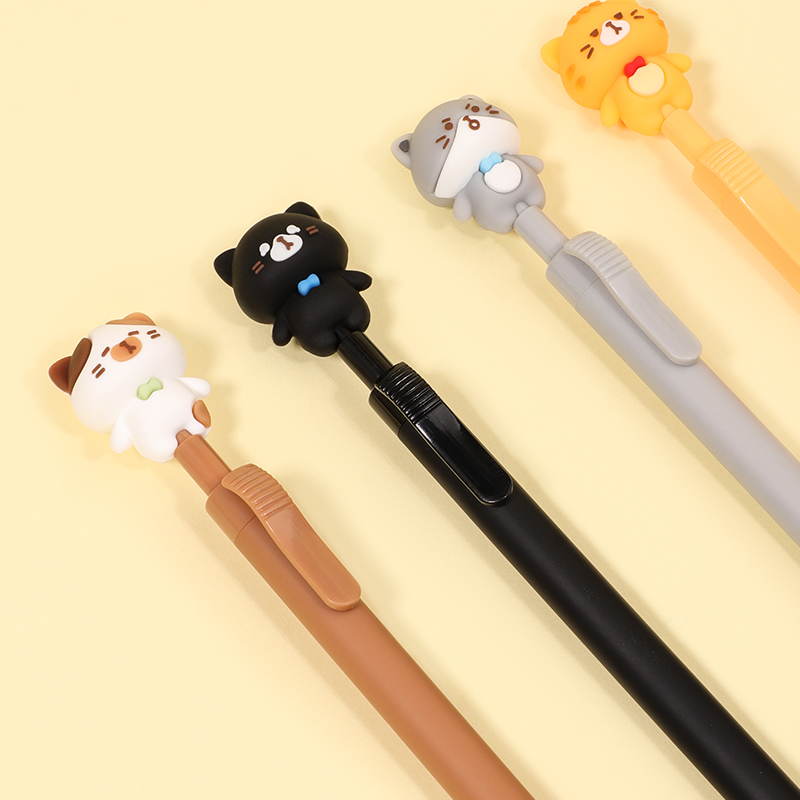
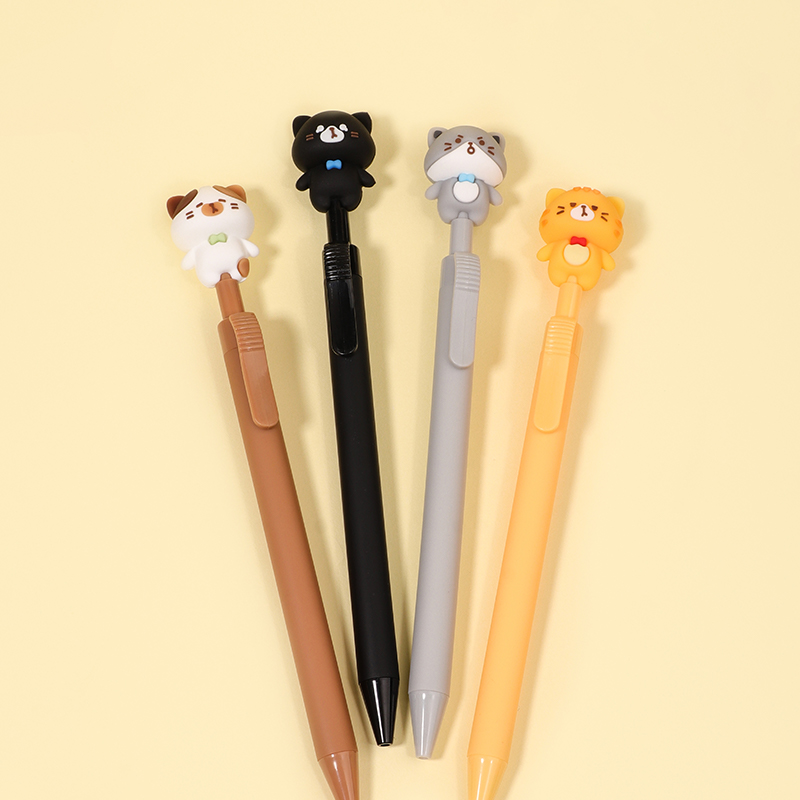
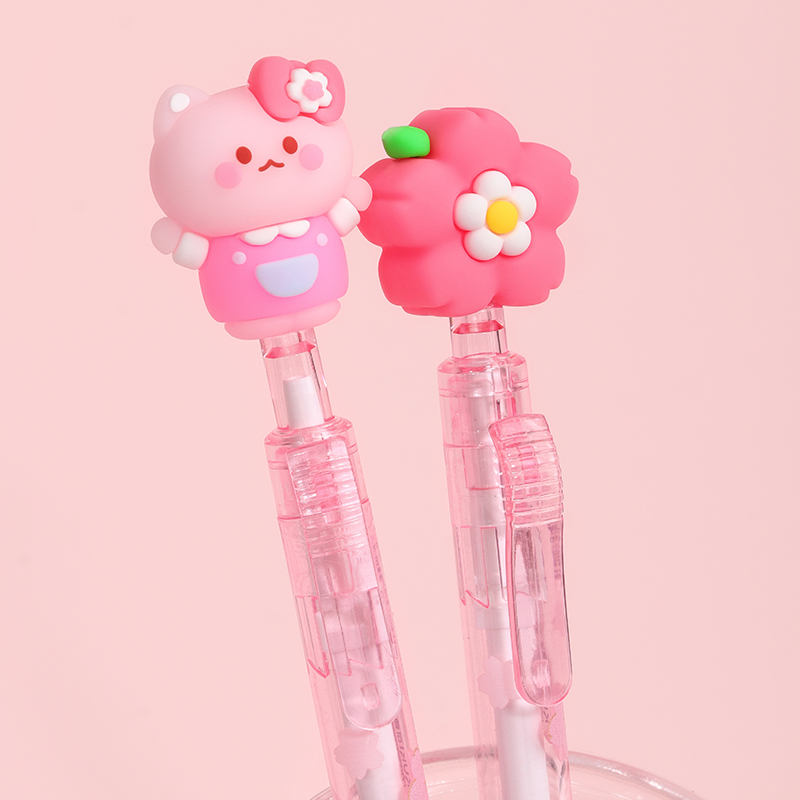
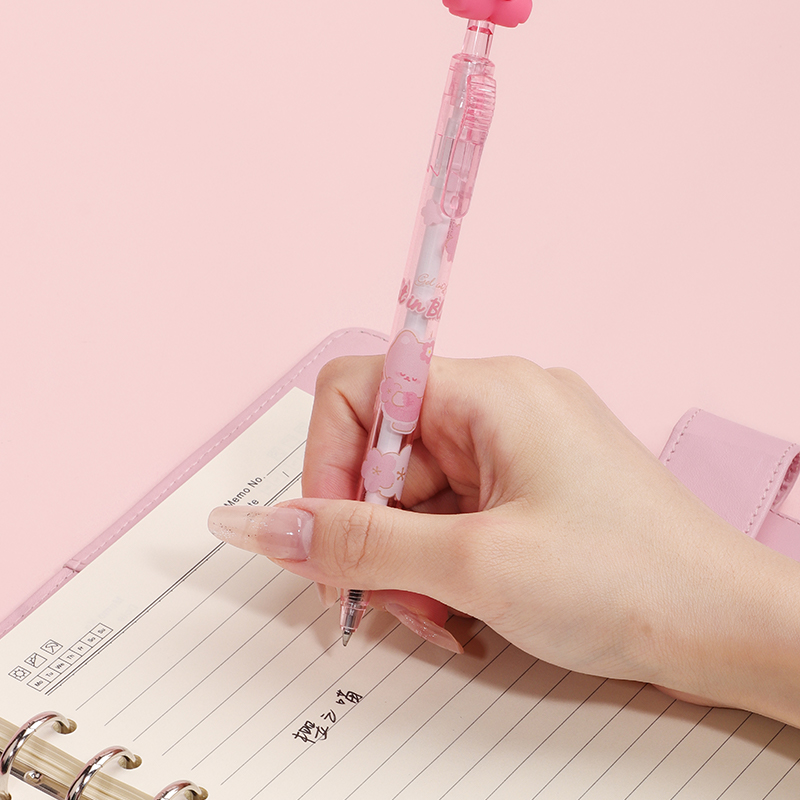
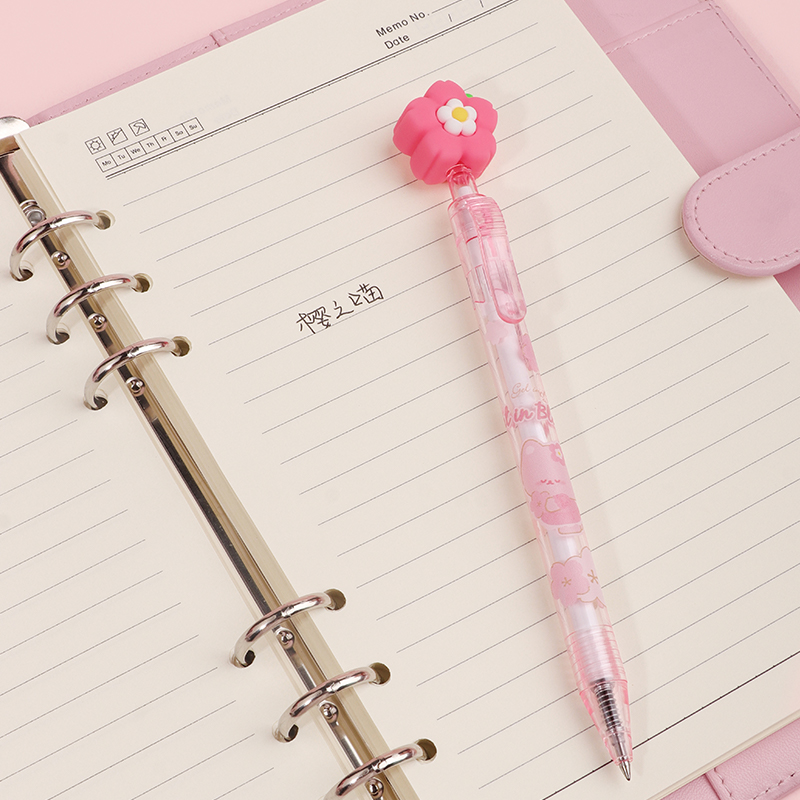
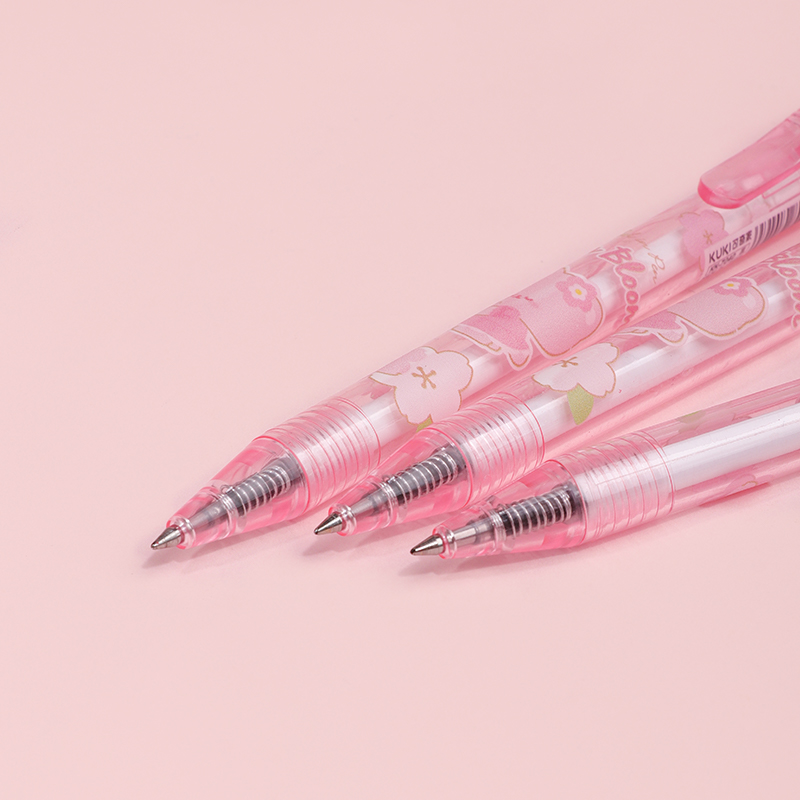
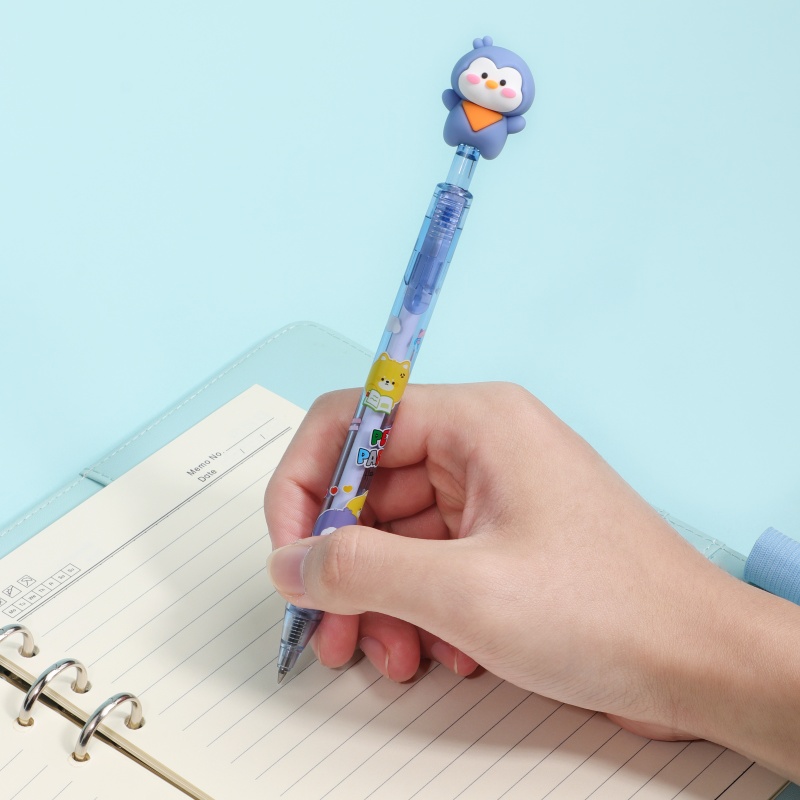
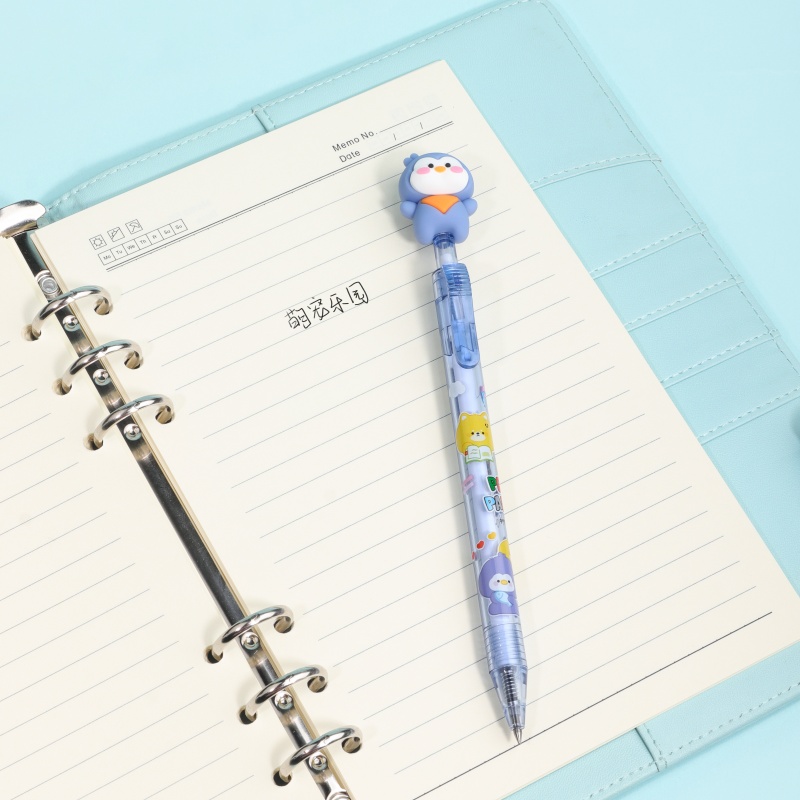
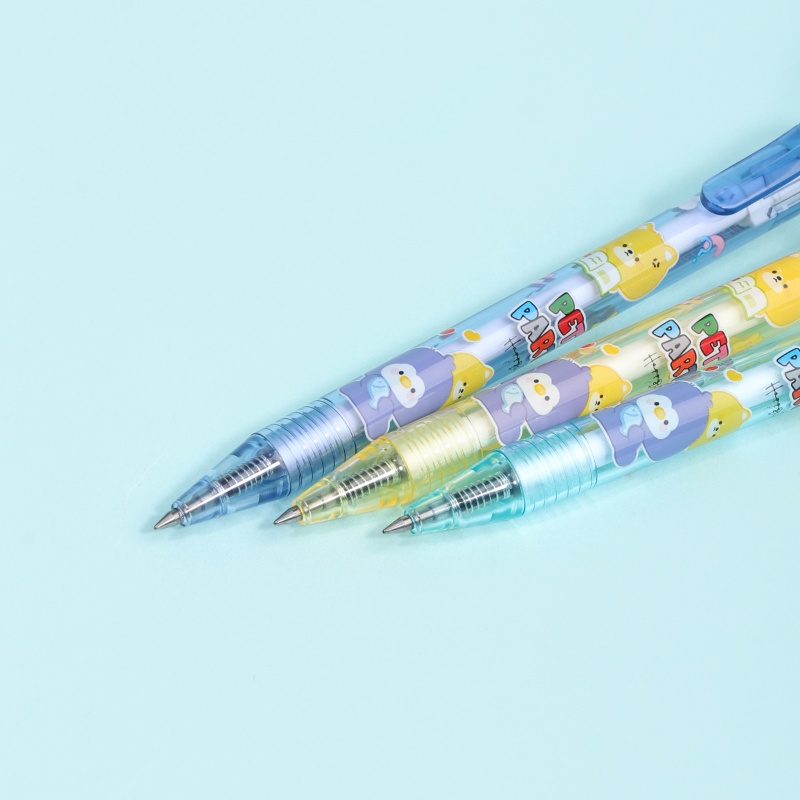
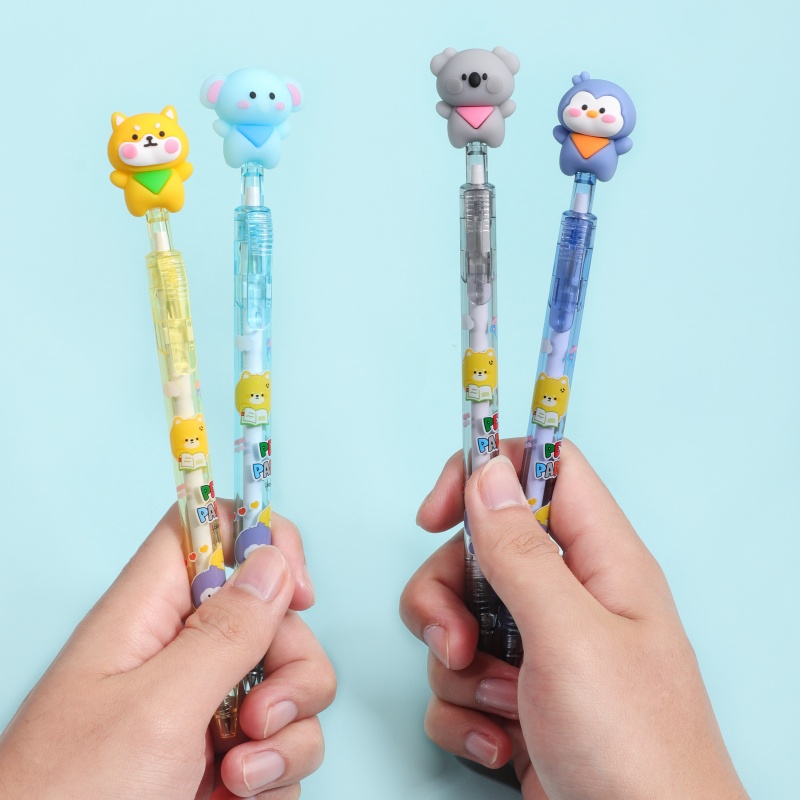
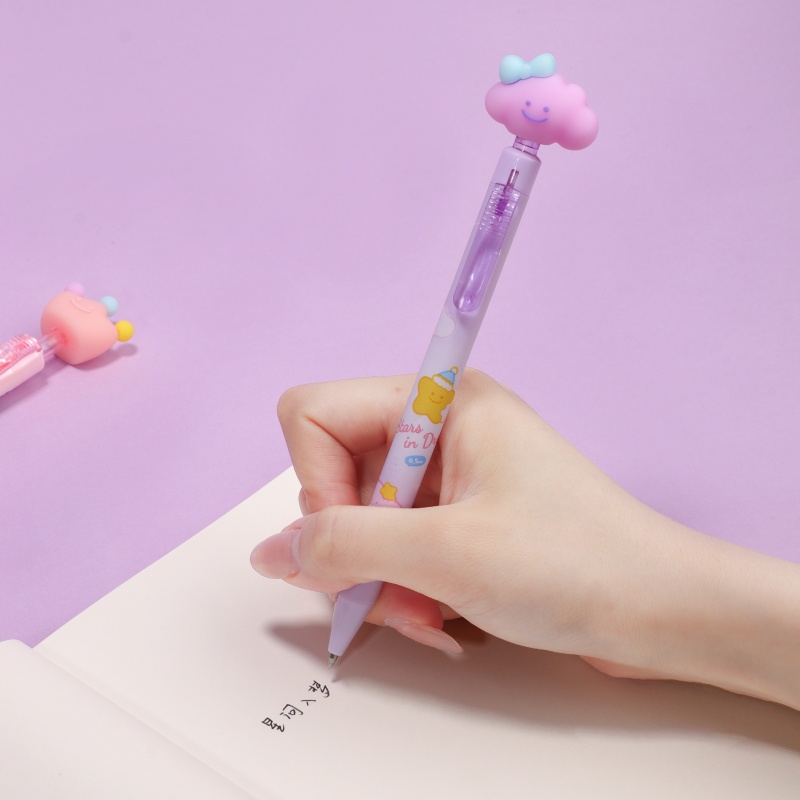
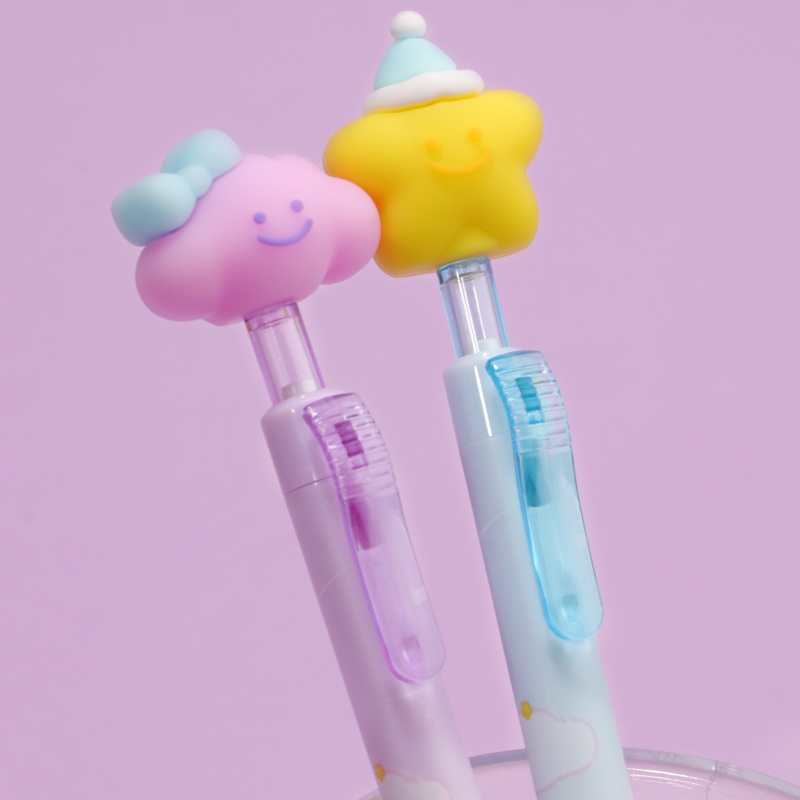
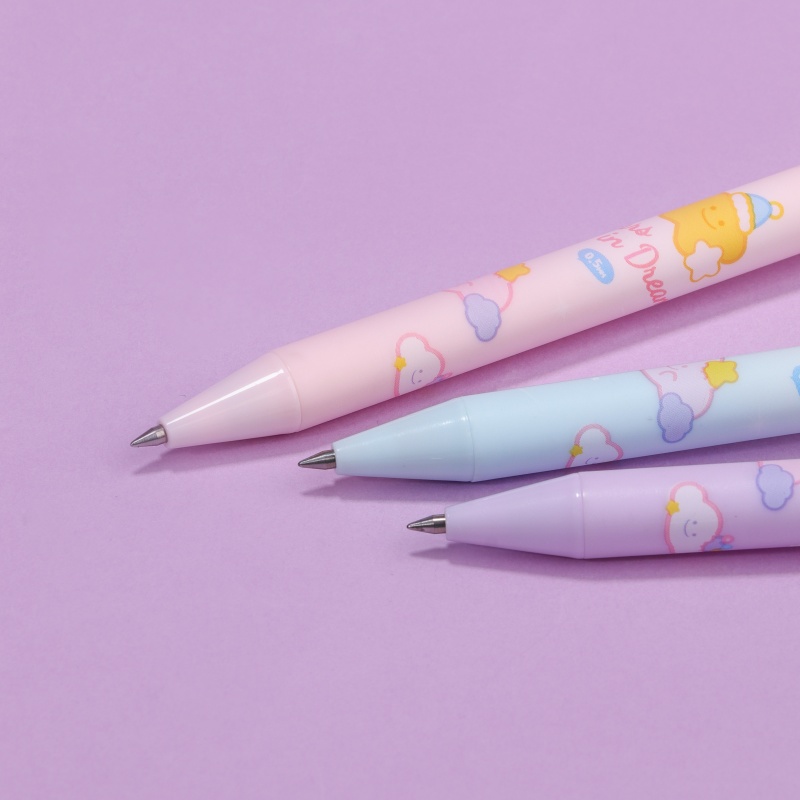
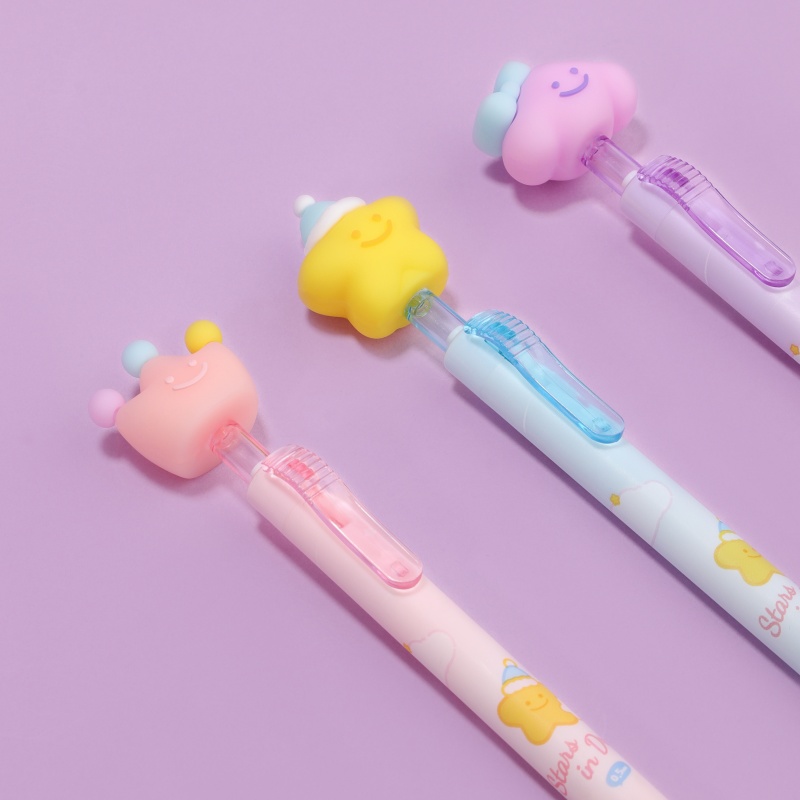
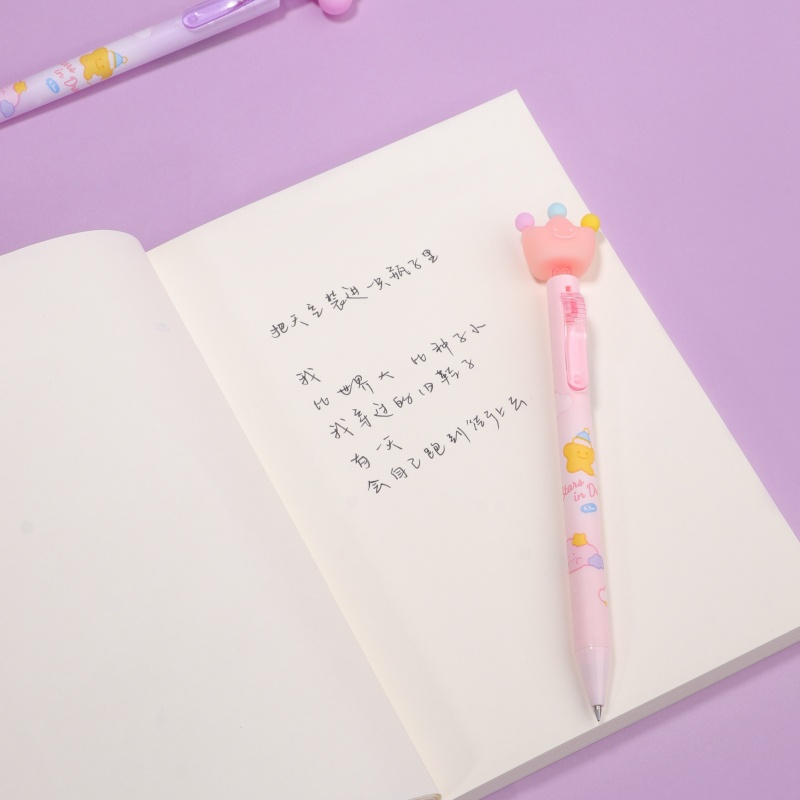
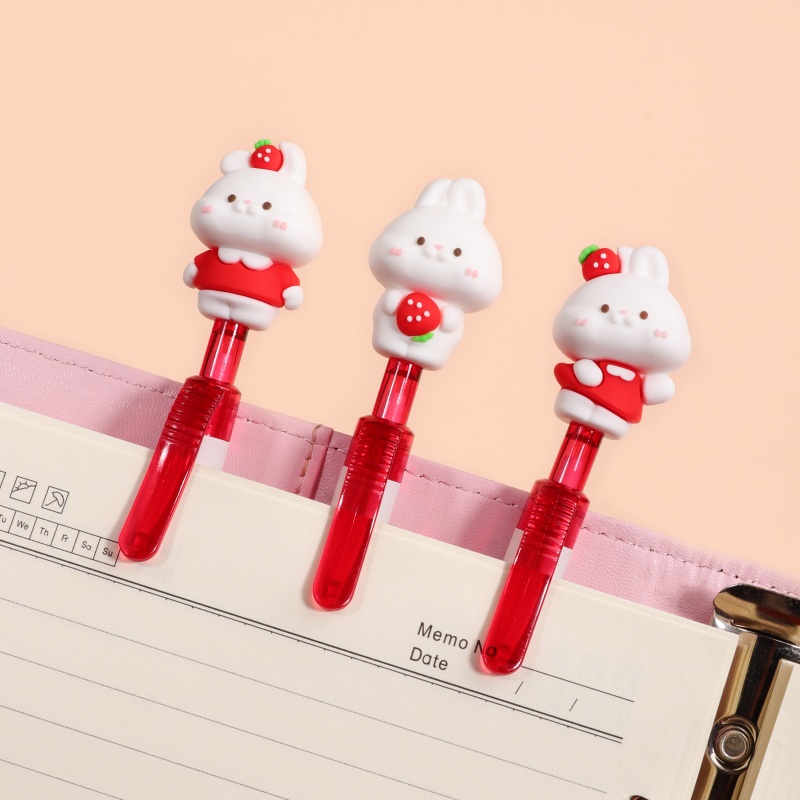
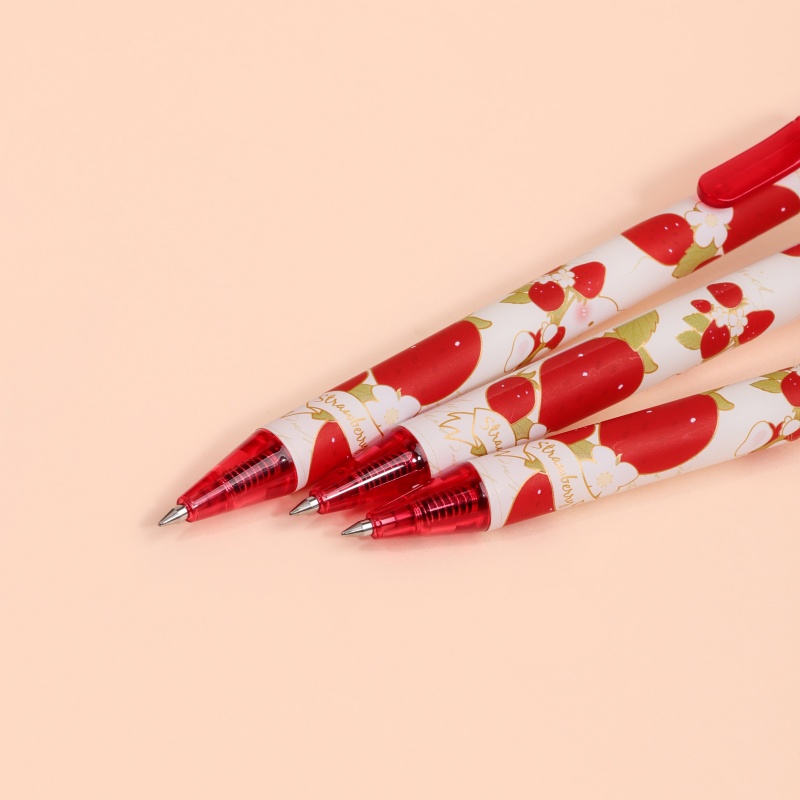
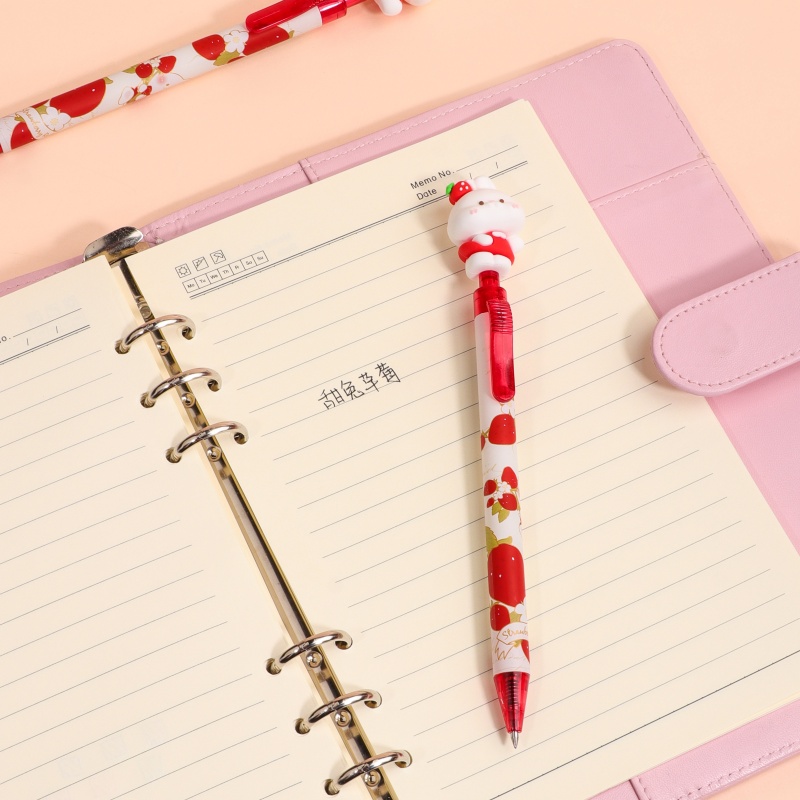
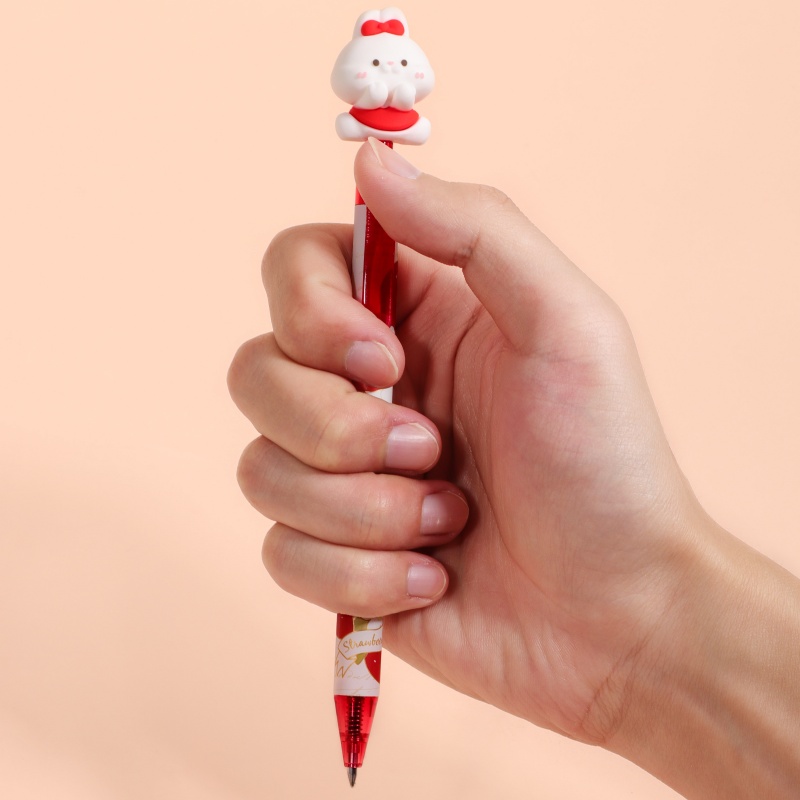
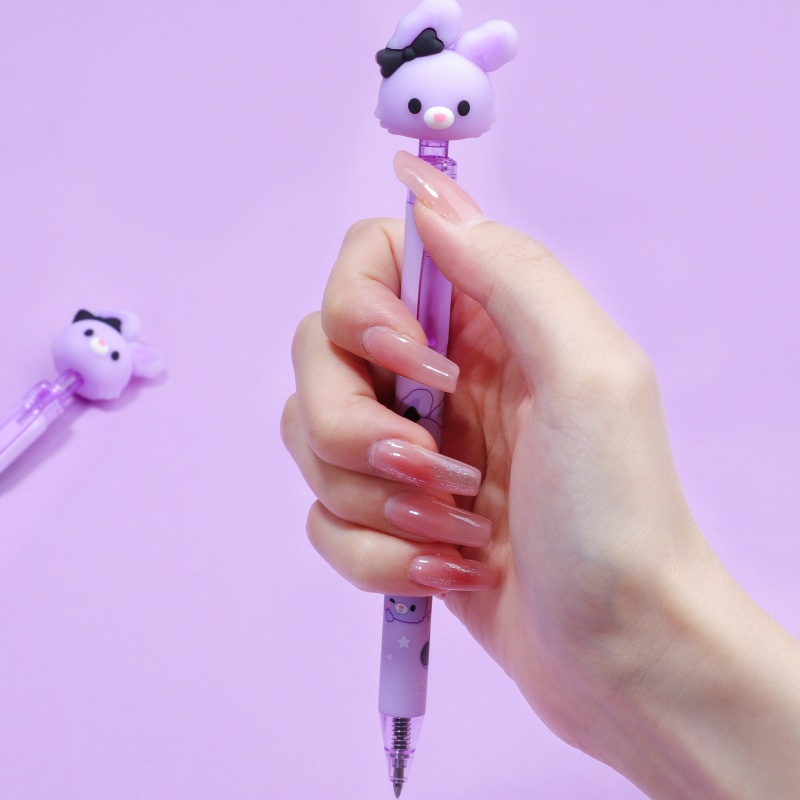
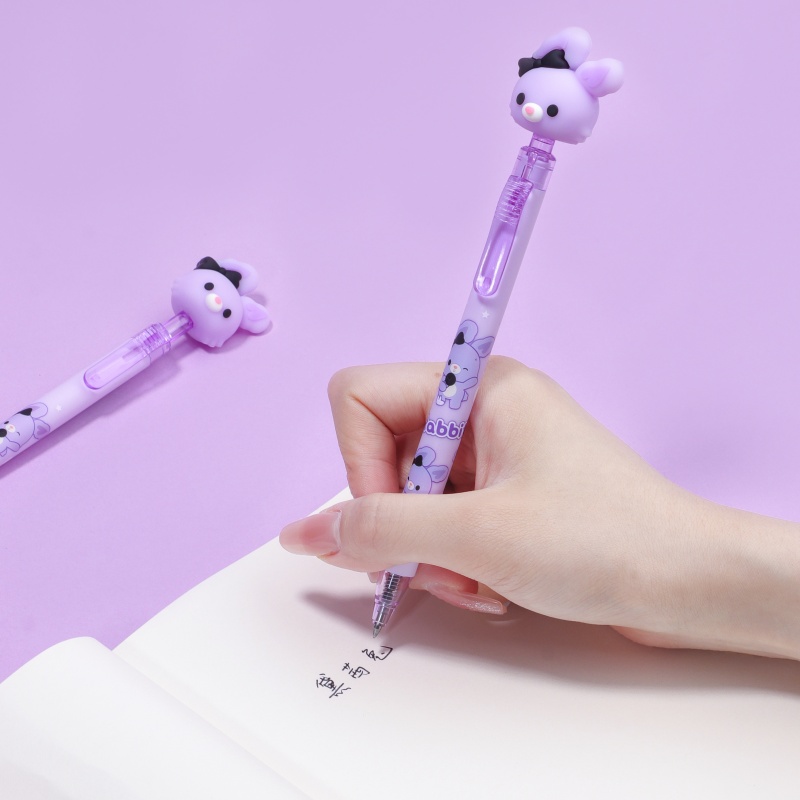
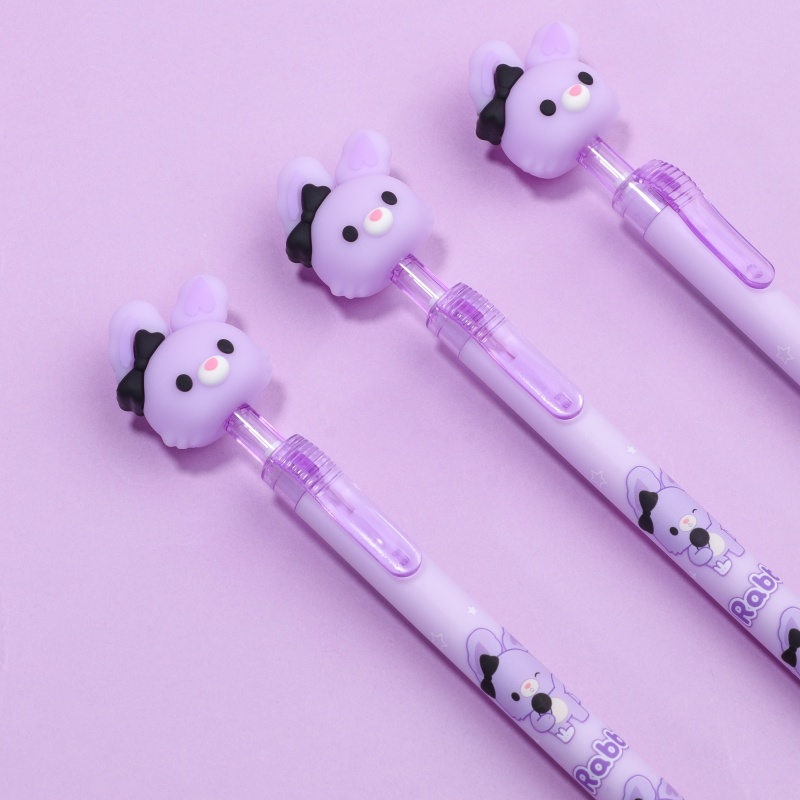
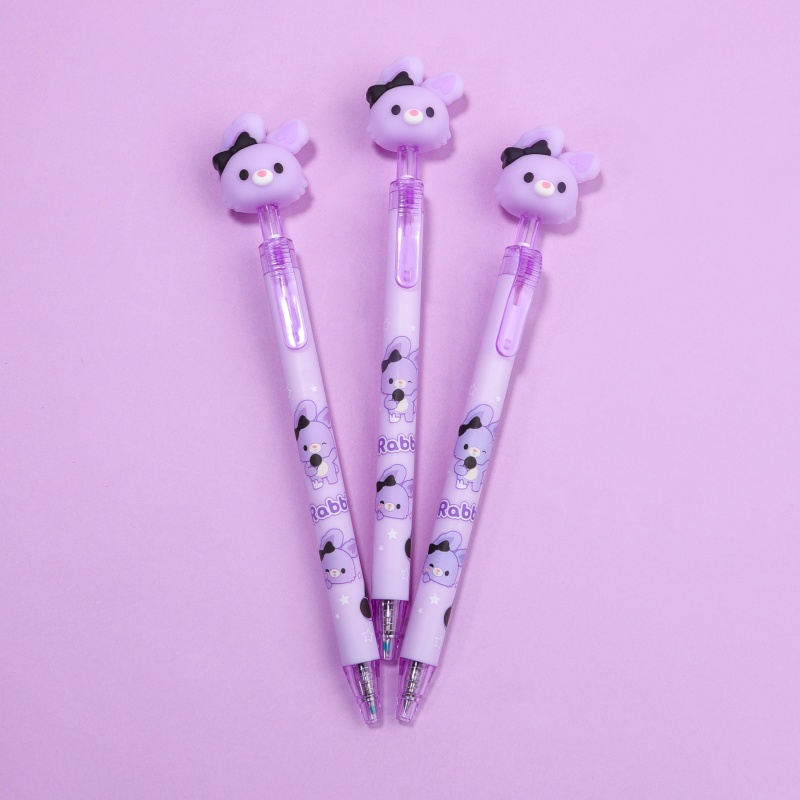
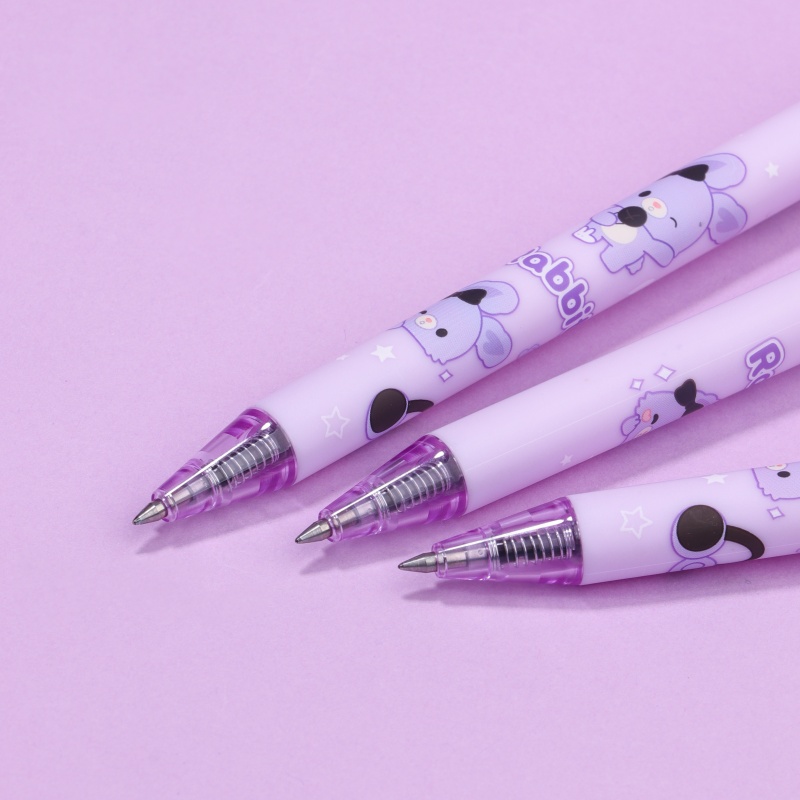
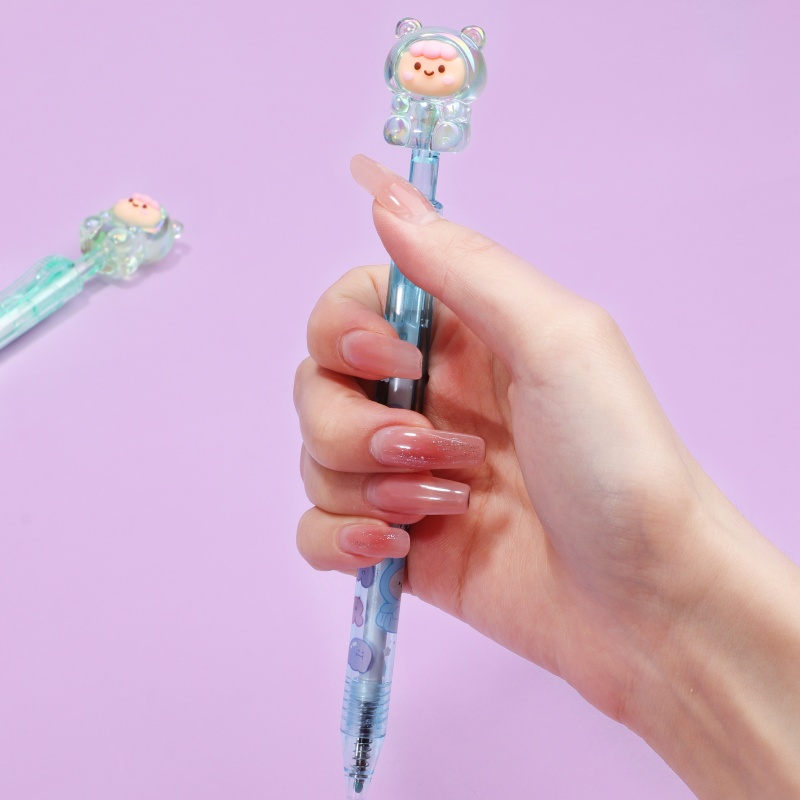
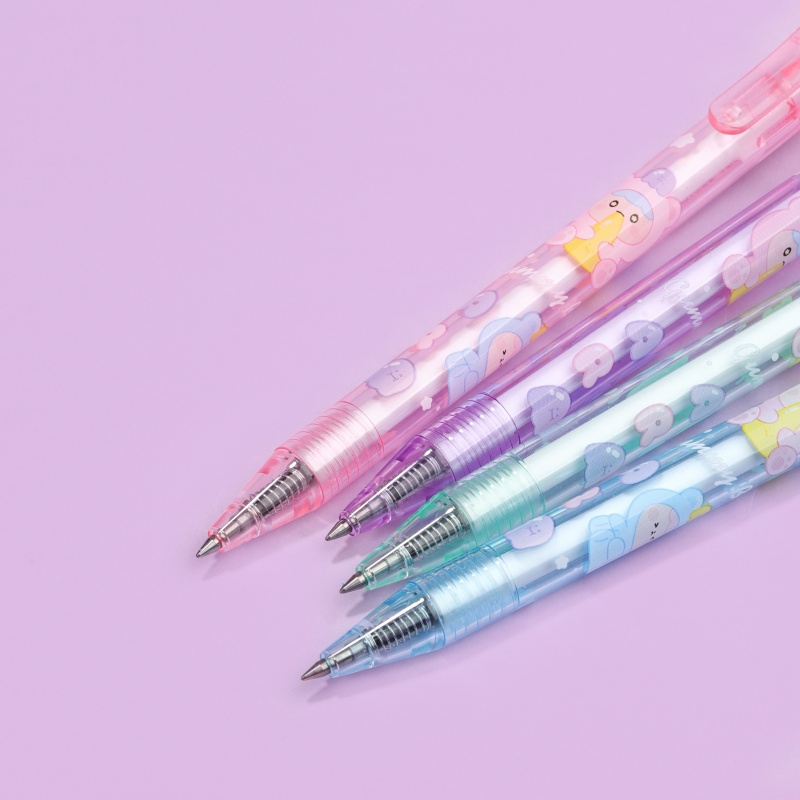
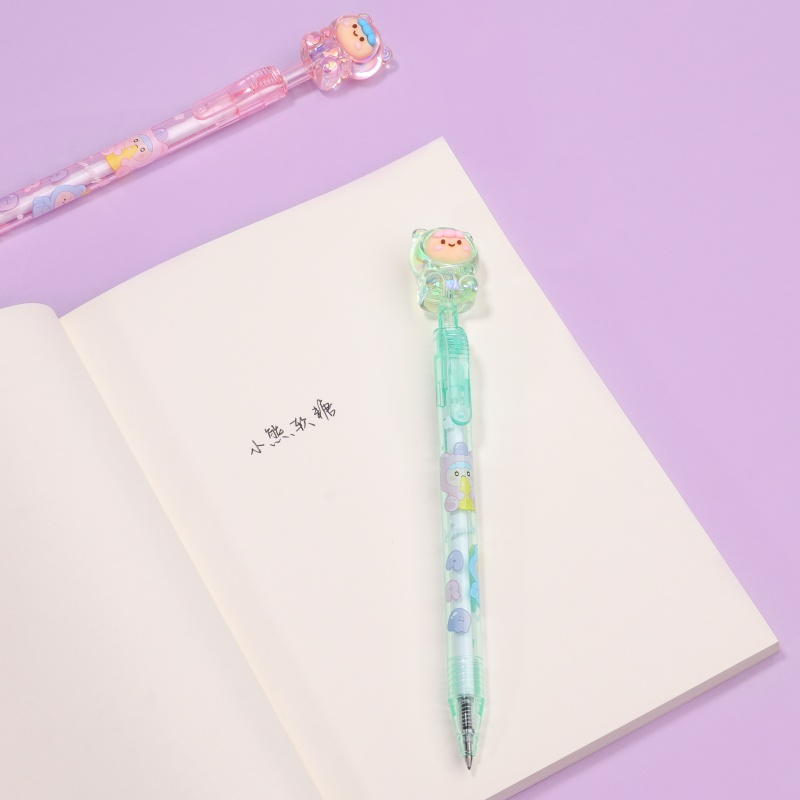
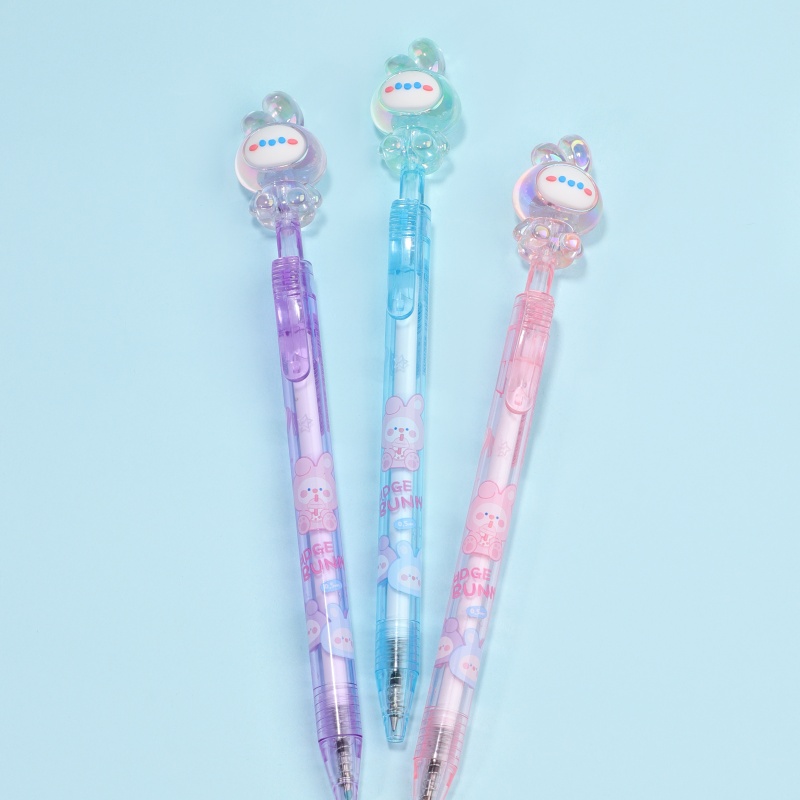
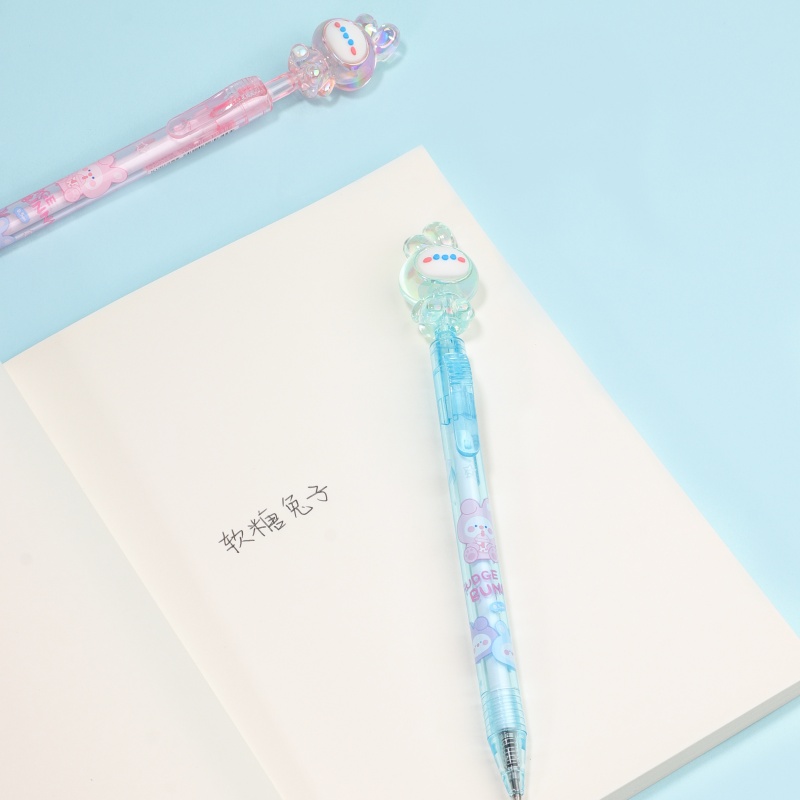
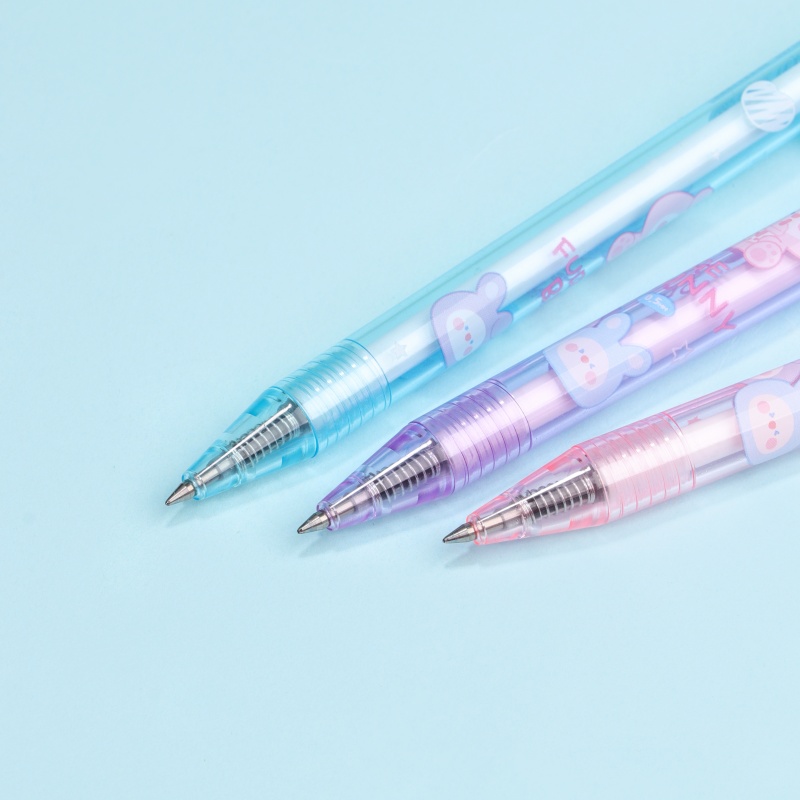
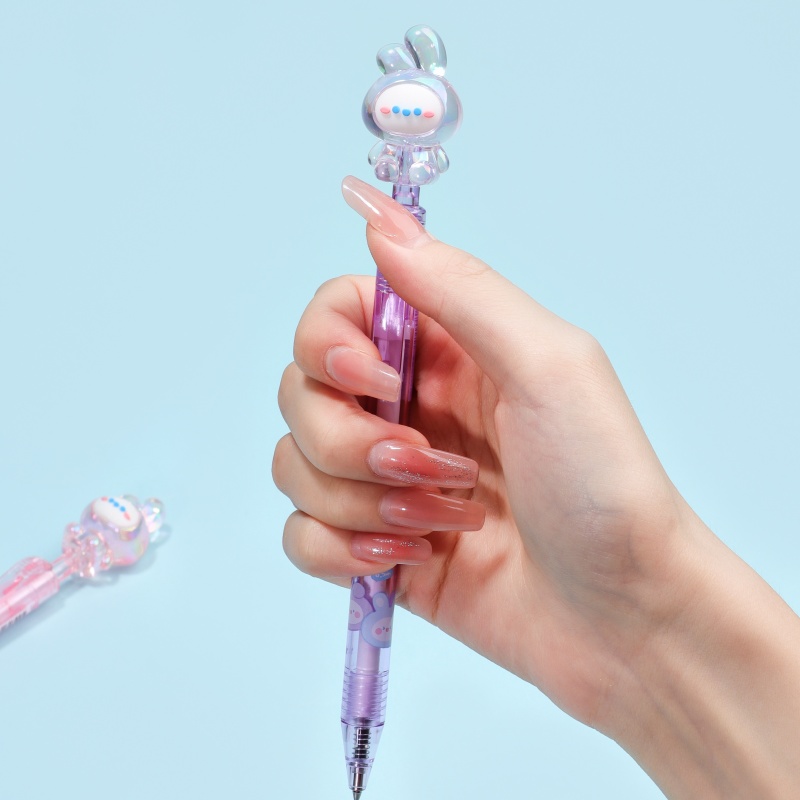
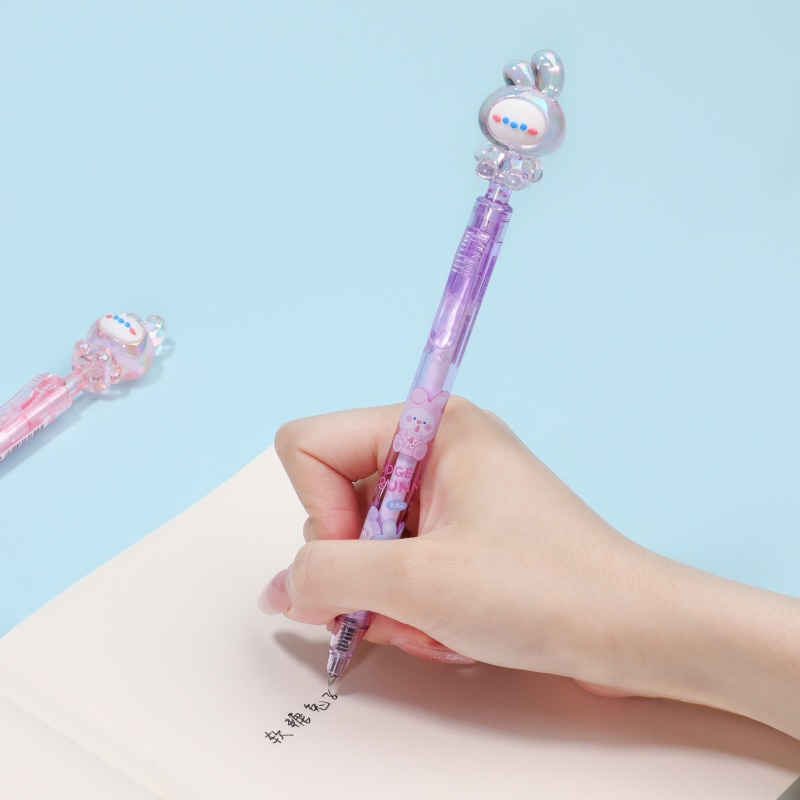
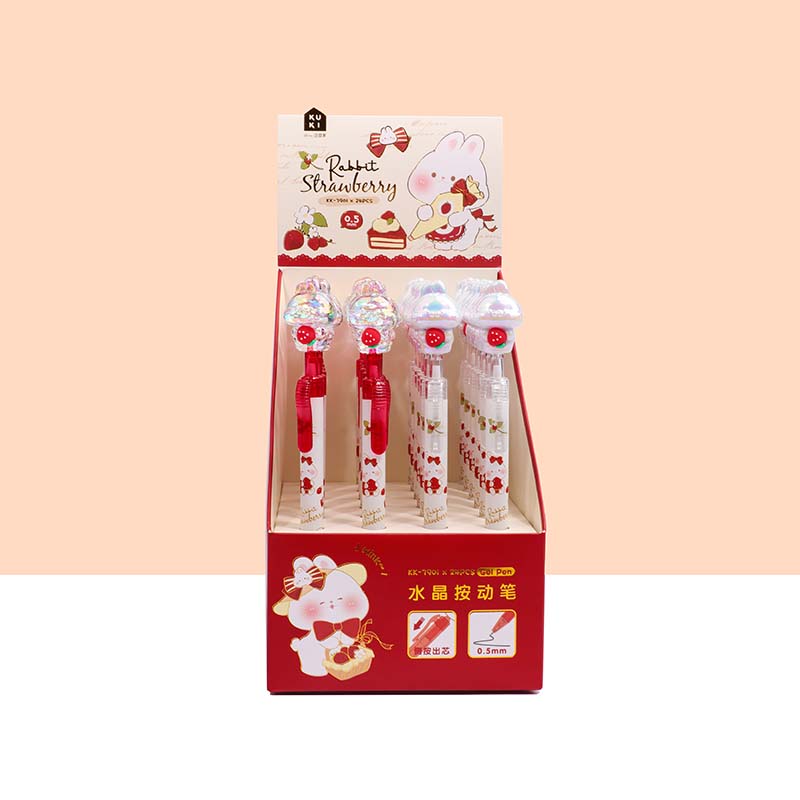
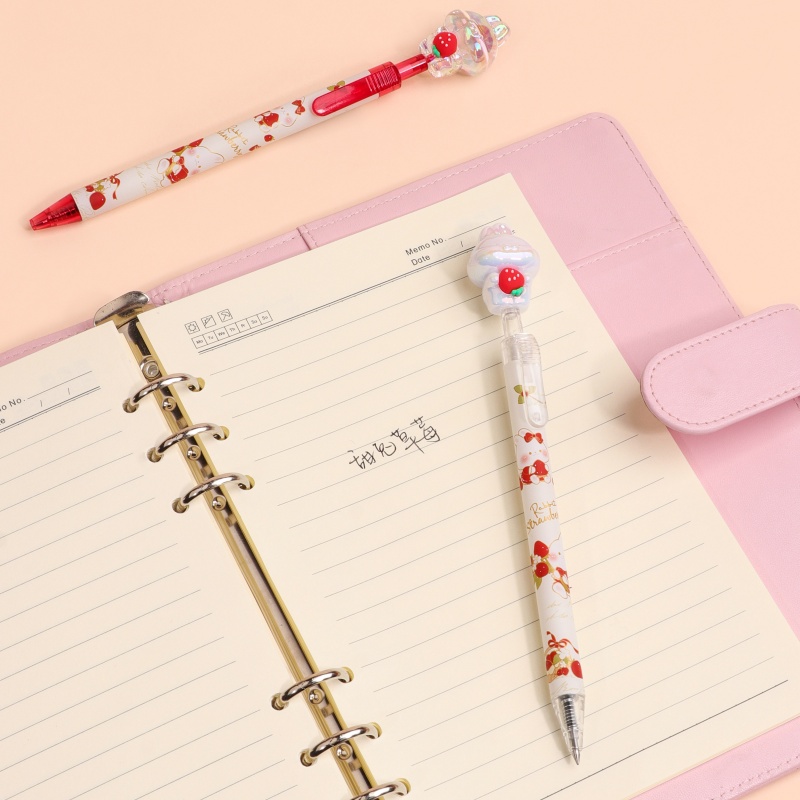
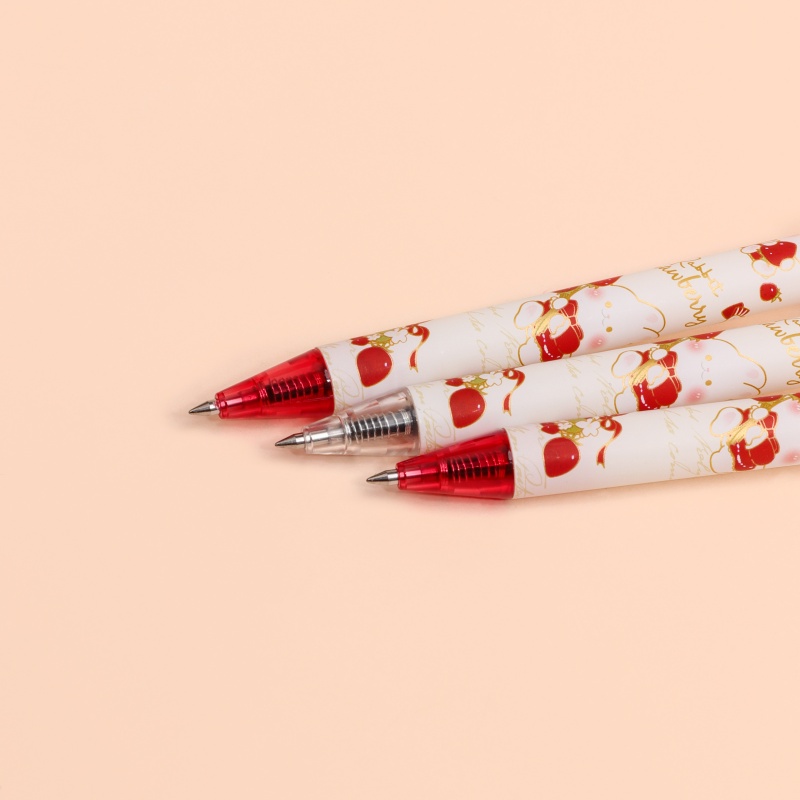
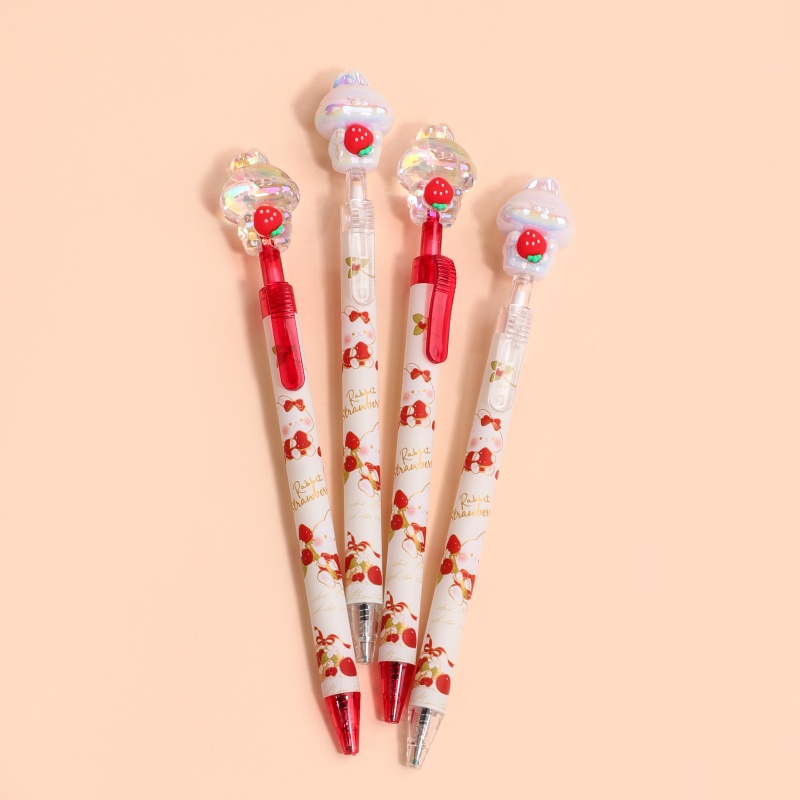
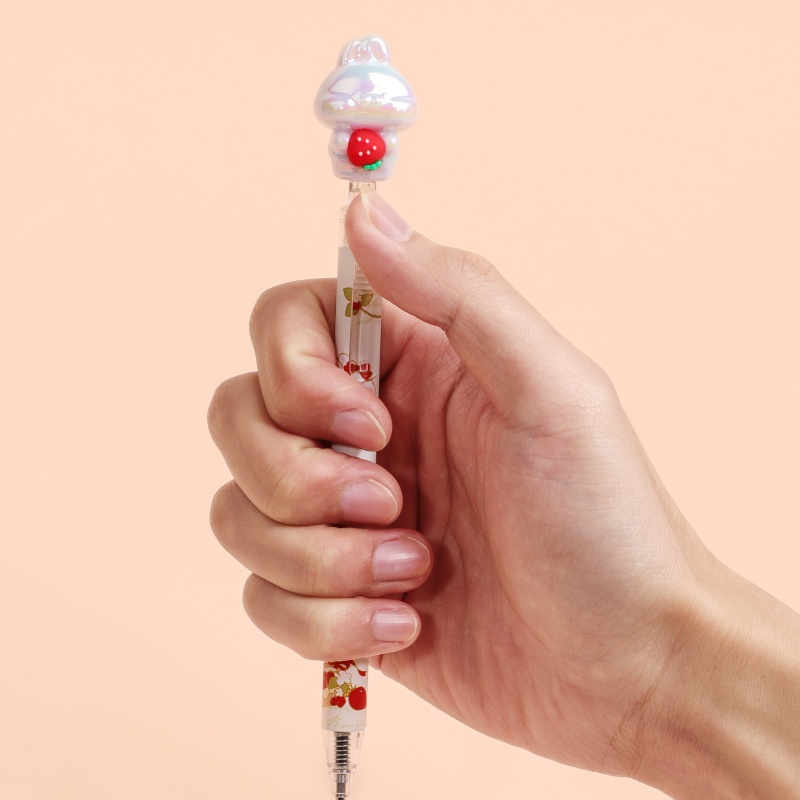
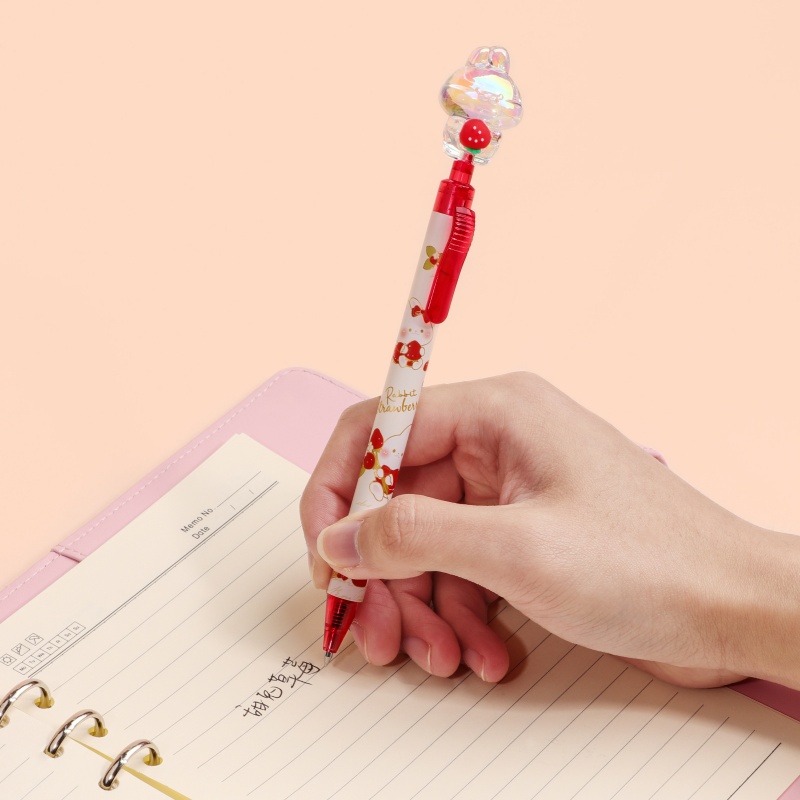
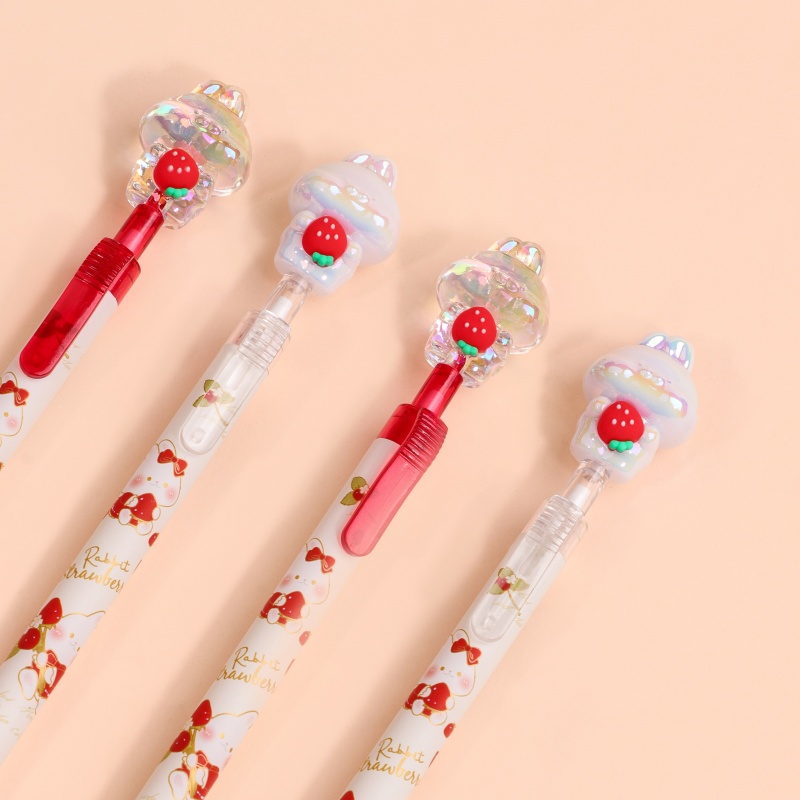
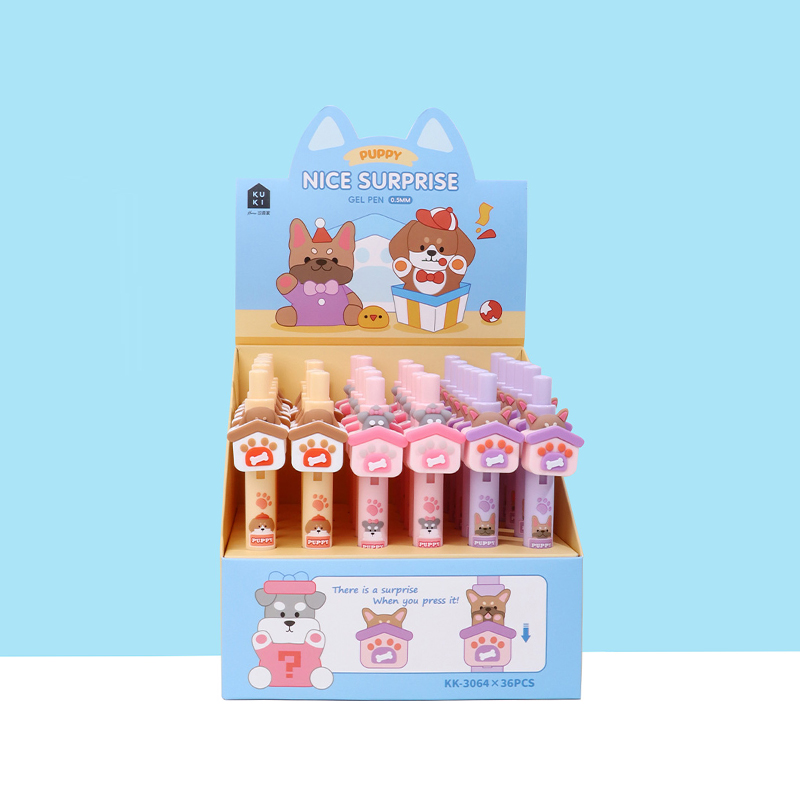
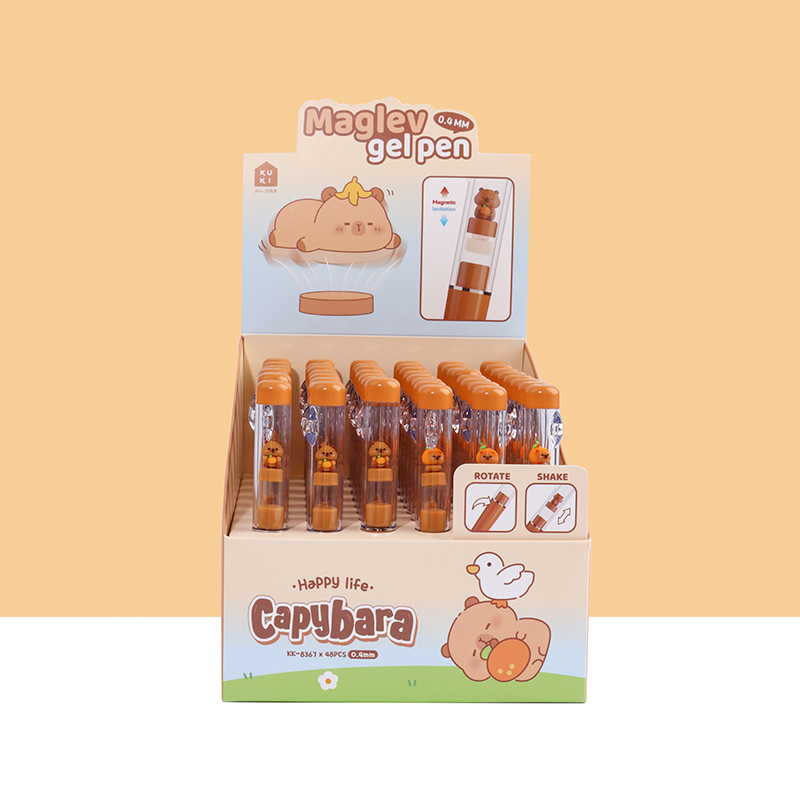
A Press Gel Pen is designed to provide smooth ink flow activated by pressing the top mechanism. Unlike standard click or capped pens, this type of pen often allows precise control over ink release. In the stationery industry, Press Gel Pens are appreciated for their reliability and consistency during writing tasks.
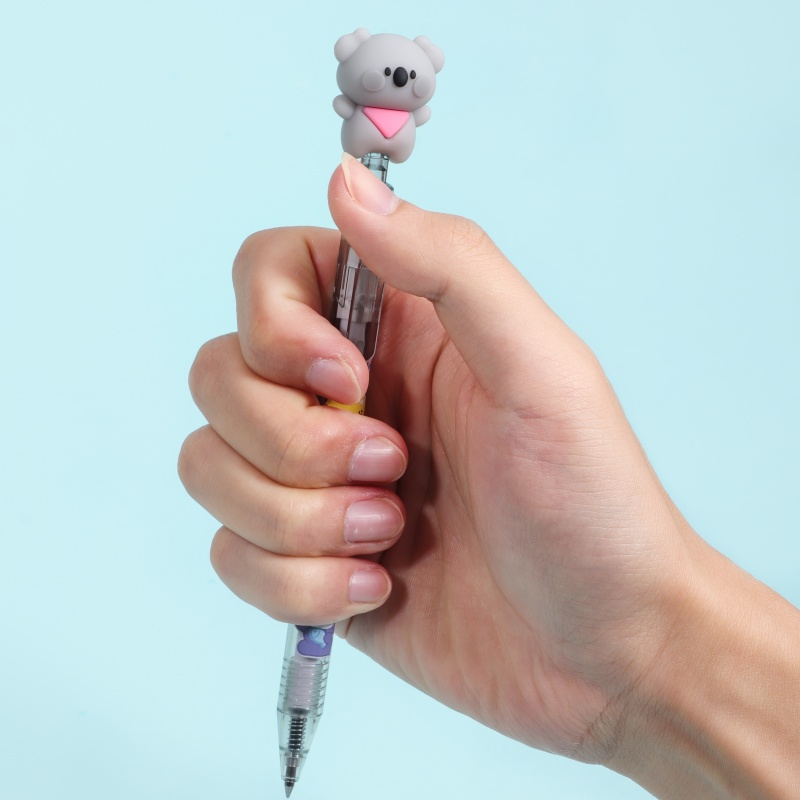
From a user perspective, the tactile feedback from pressing the pen adds satisfaction and can enhance focus. For manufacturers, producing a Press Gel Pen requires careful calibration of the internal spring and ink flow system to maintain smooth operation.
Q2: How does a Drip Mold Pen reflect creative pen design?
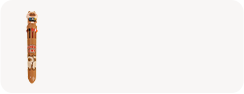
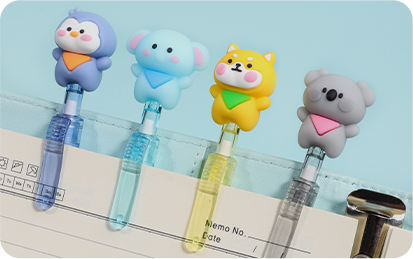
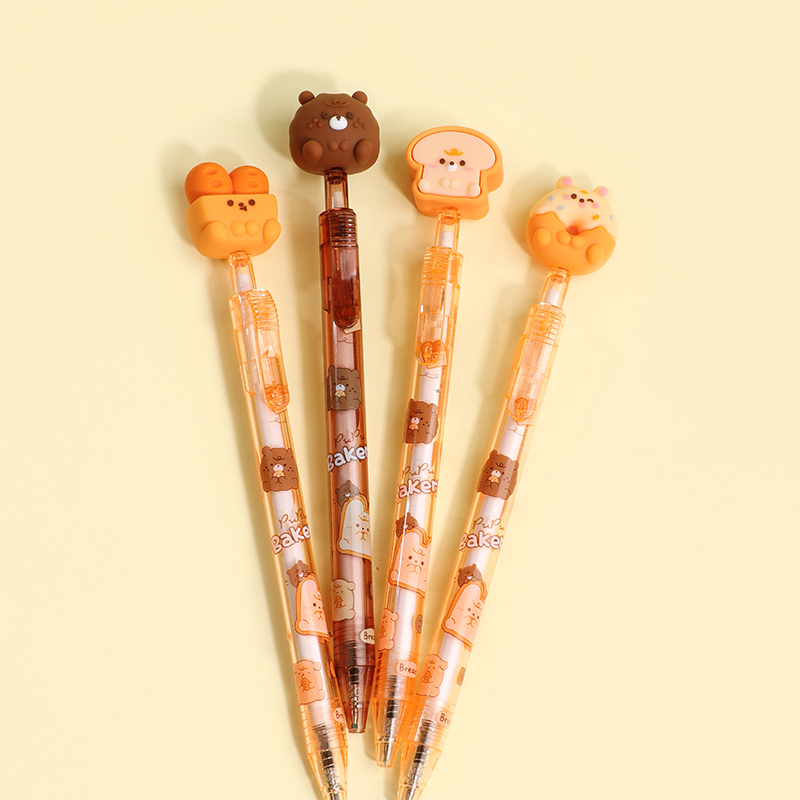
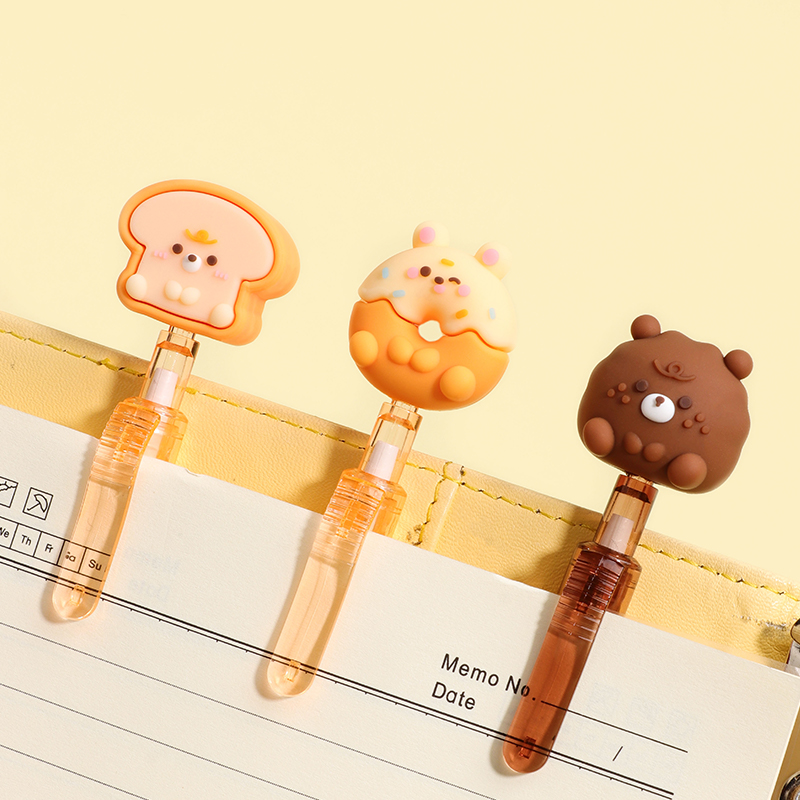
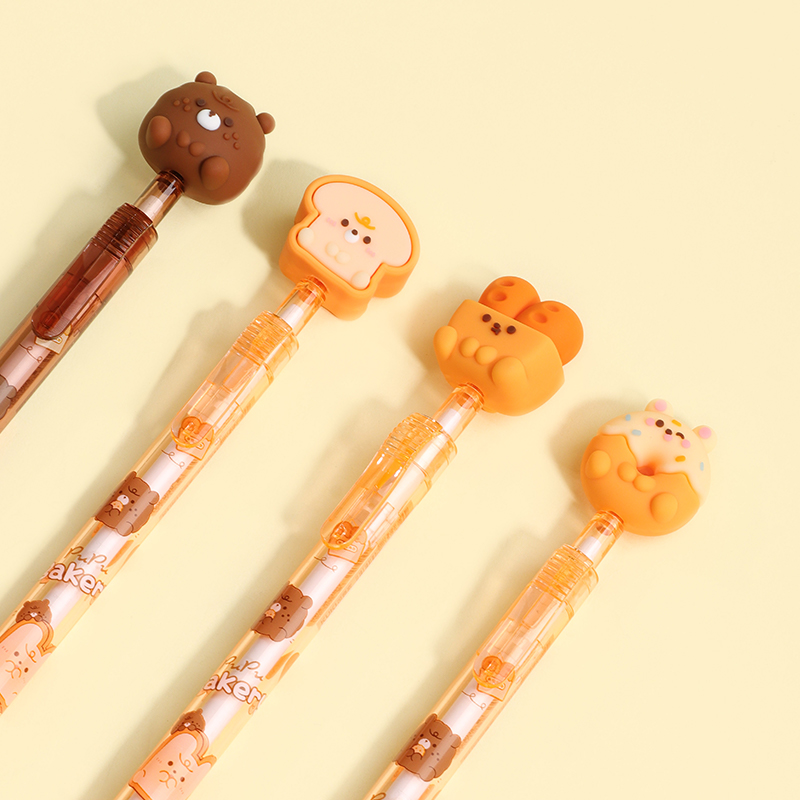
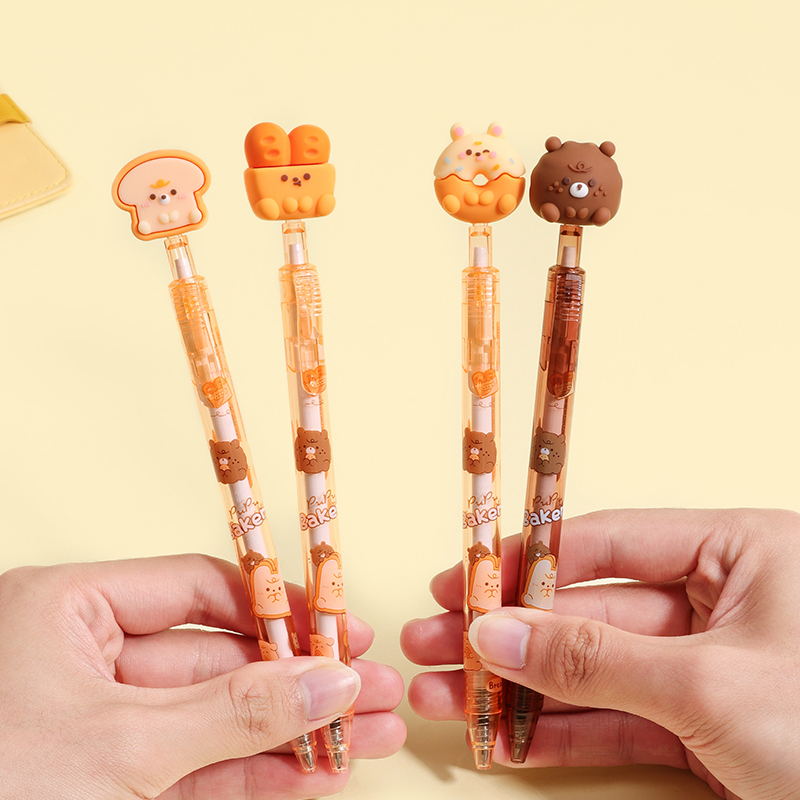
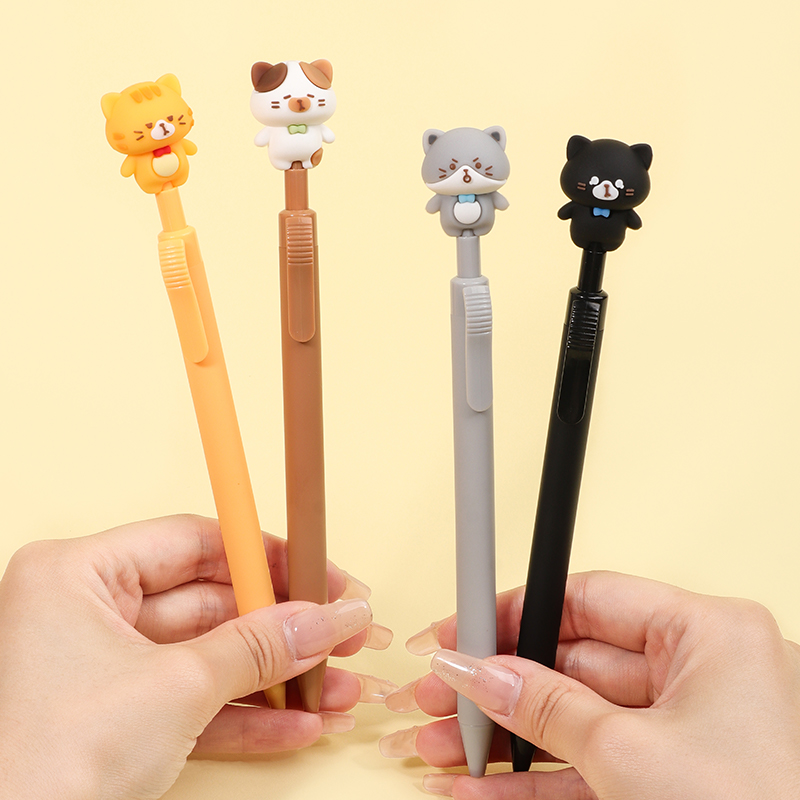
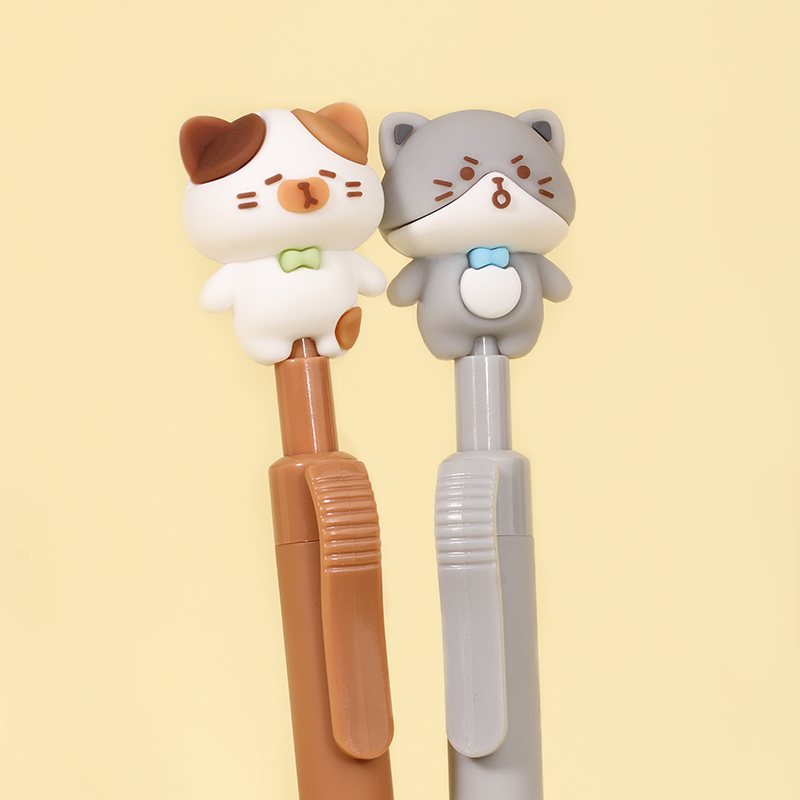
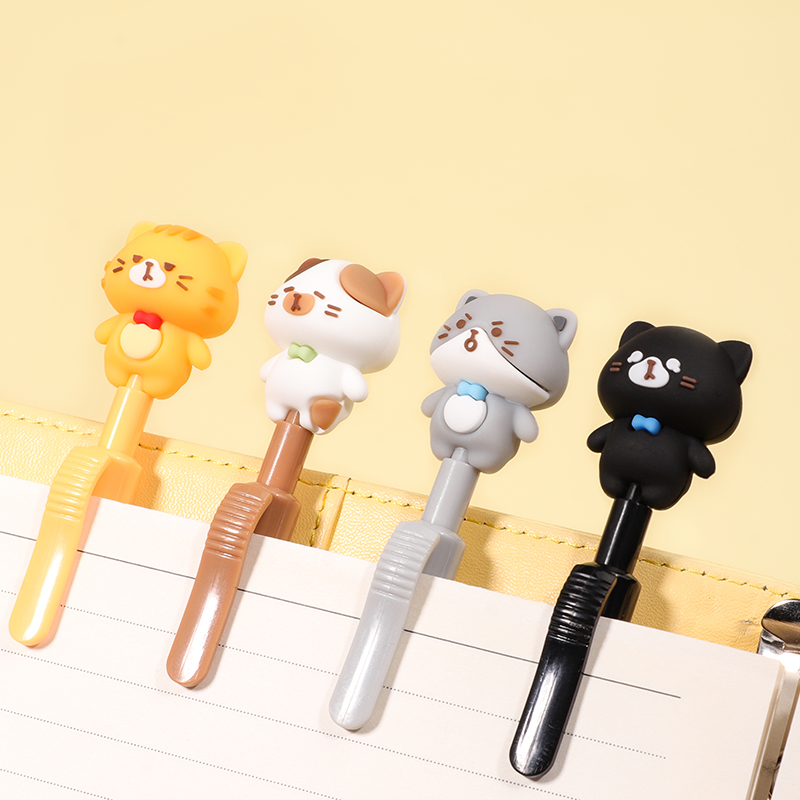
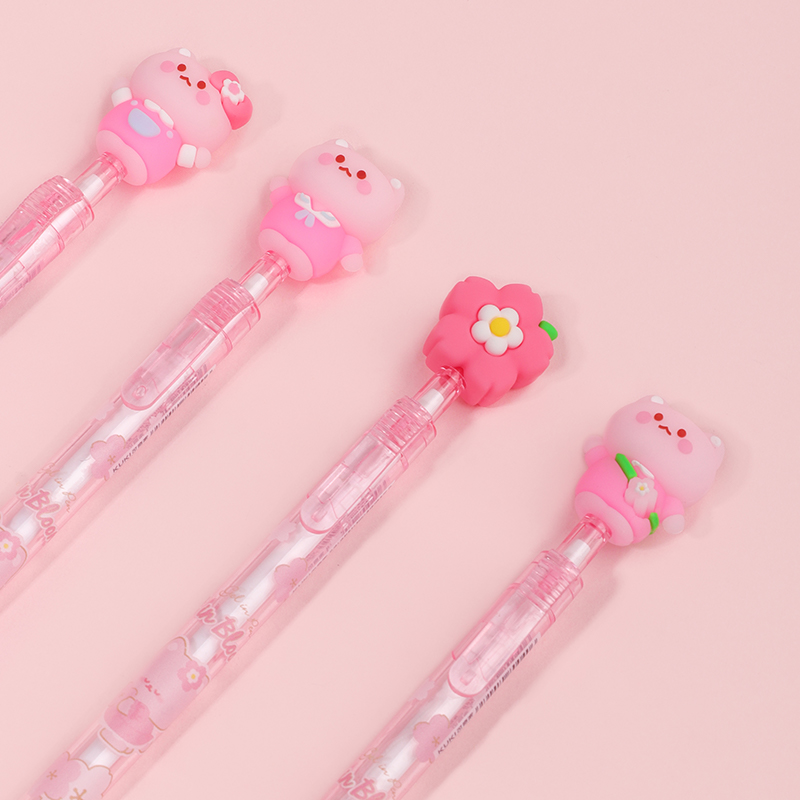
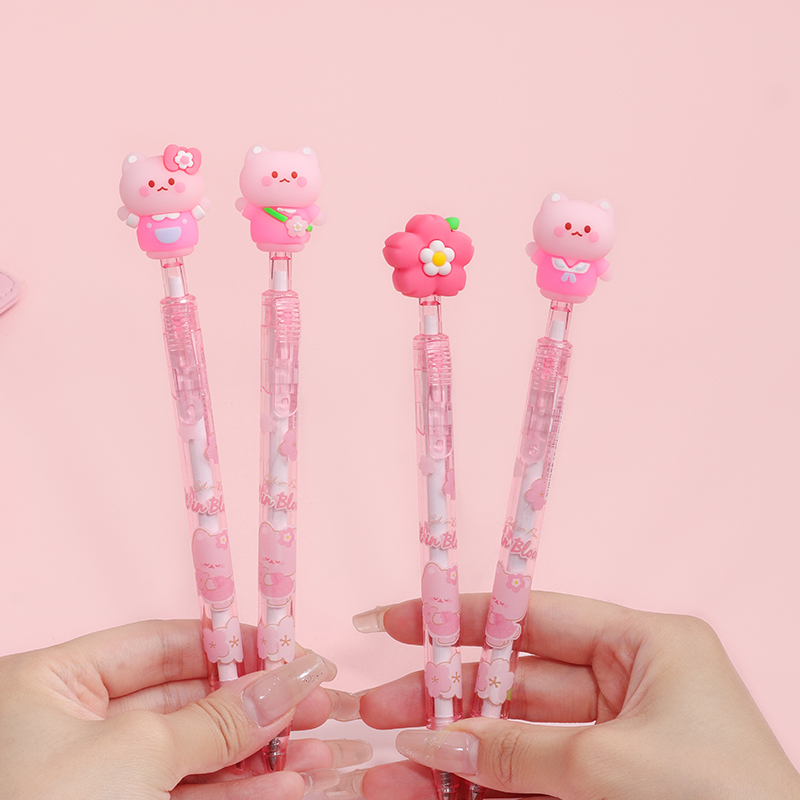
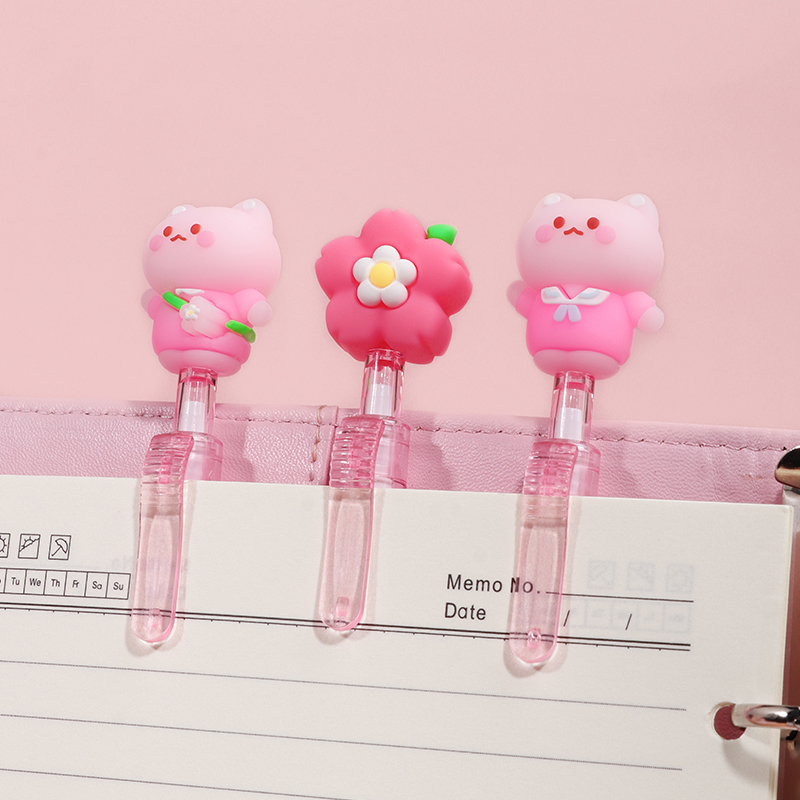
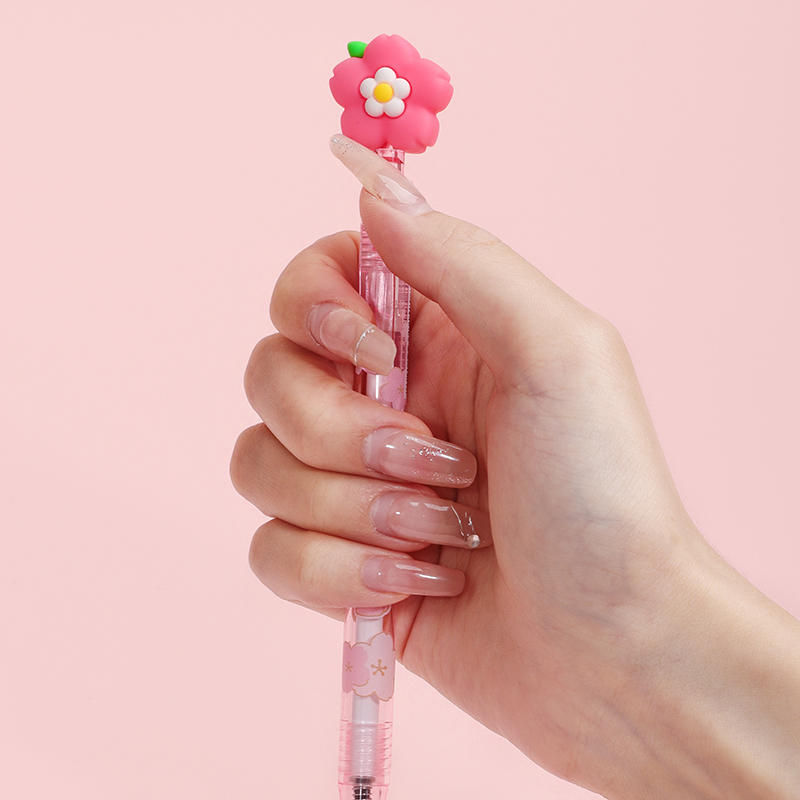
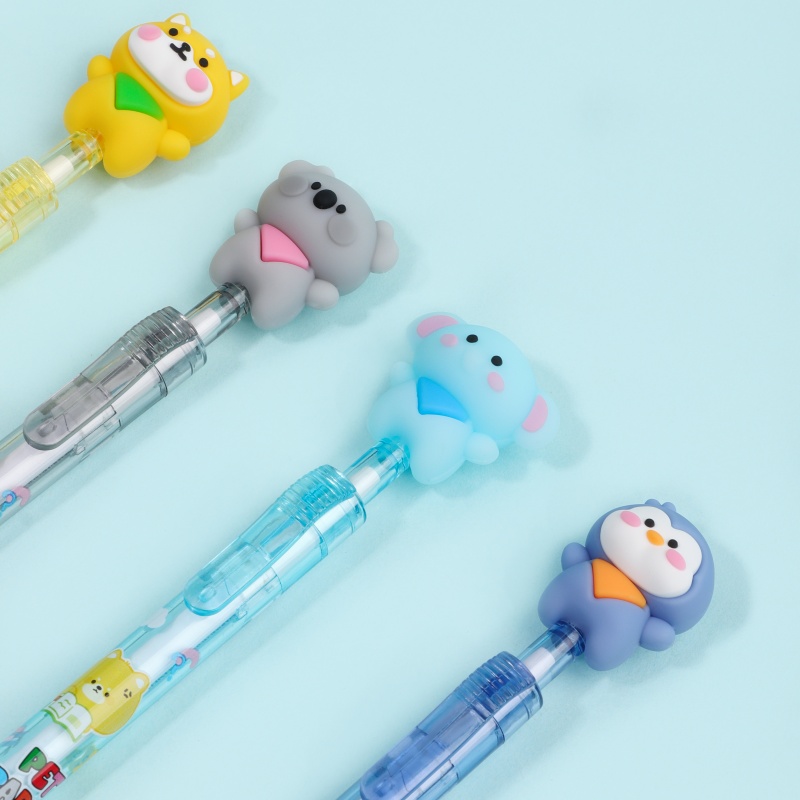
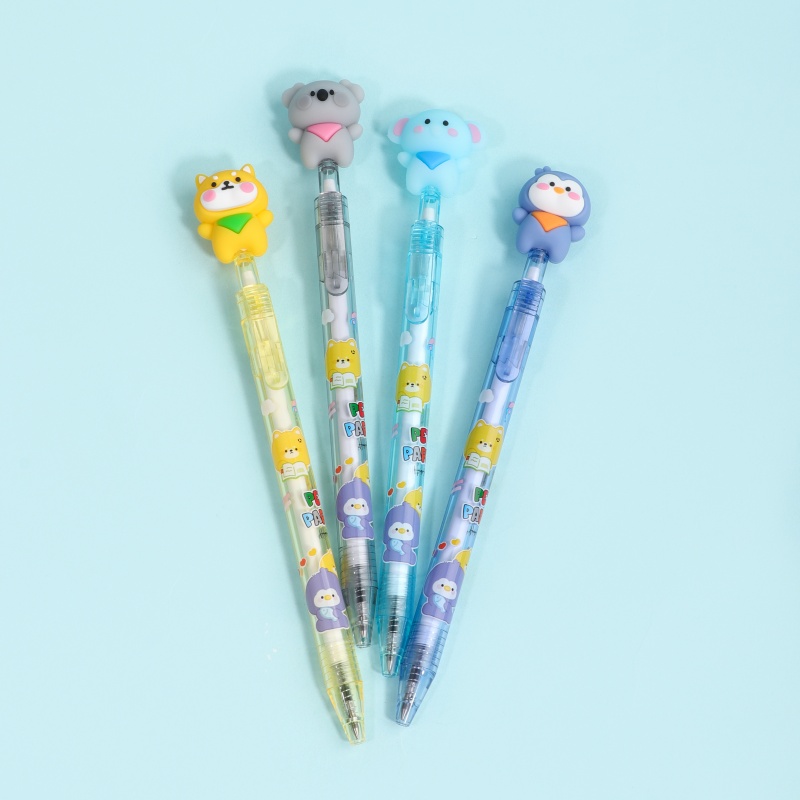
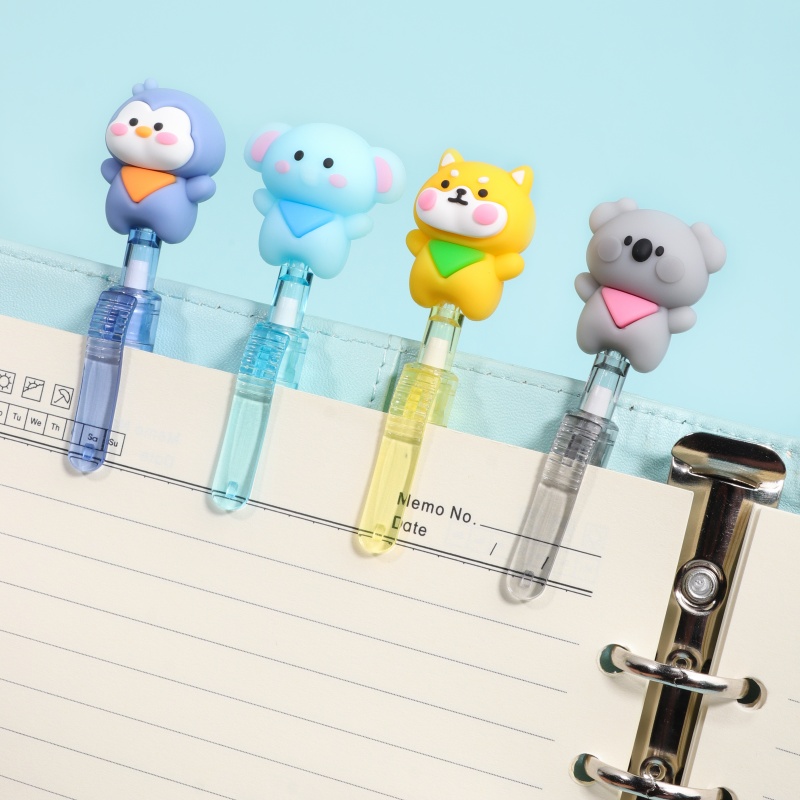
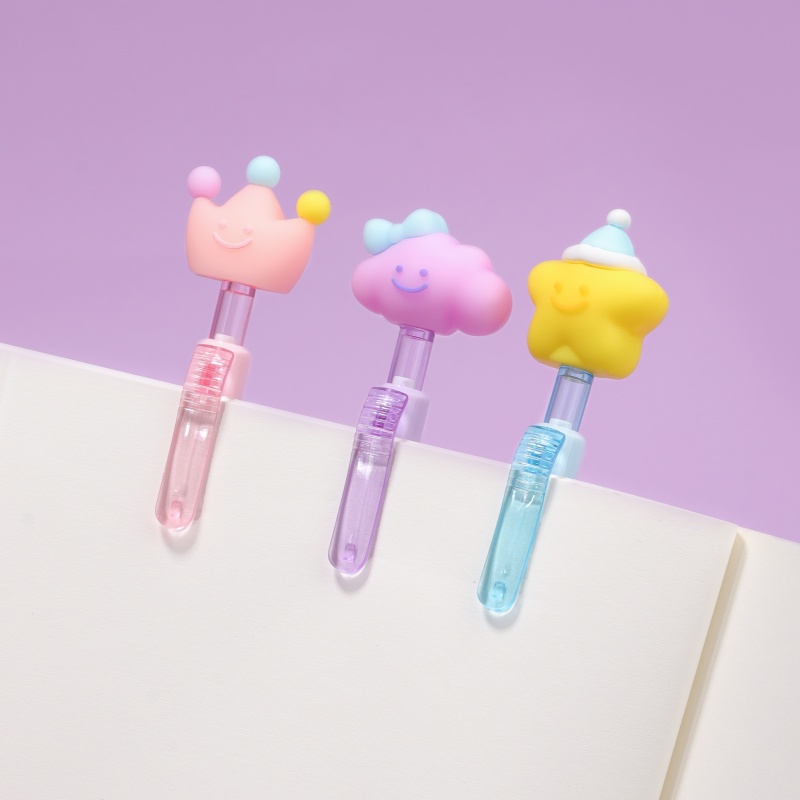
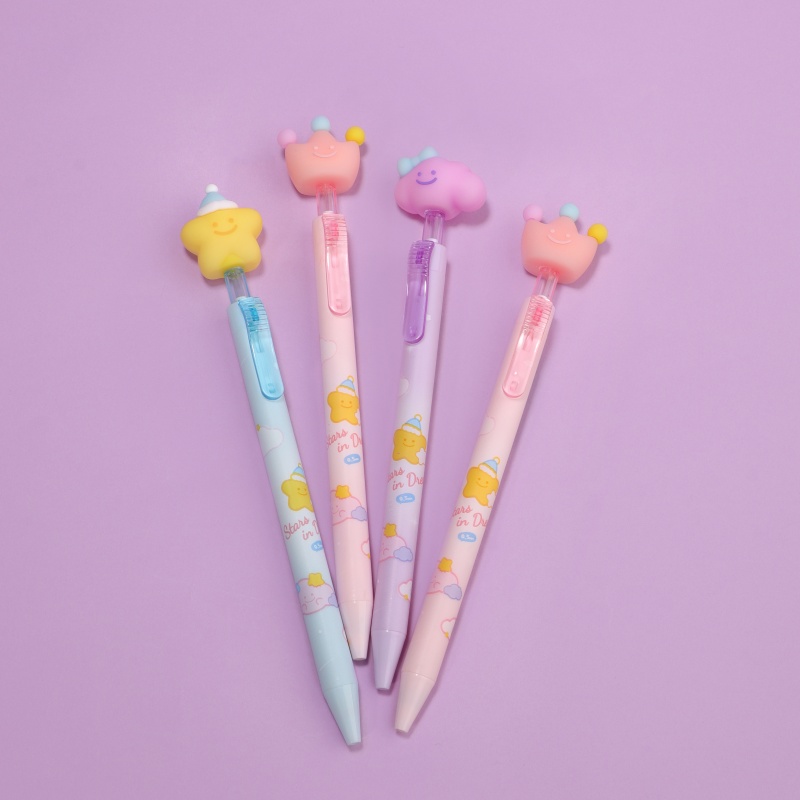
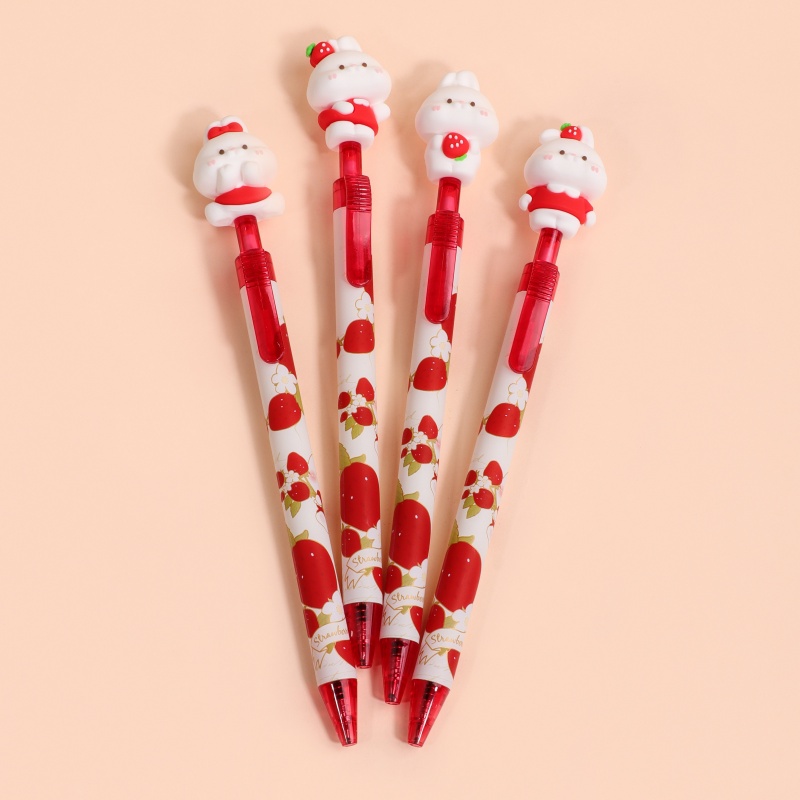
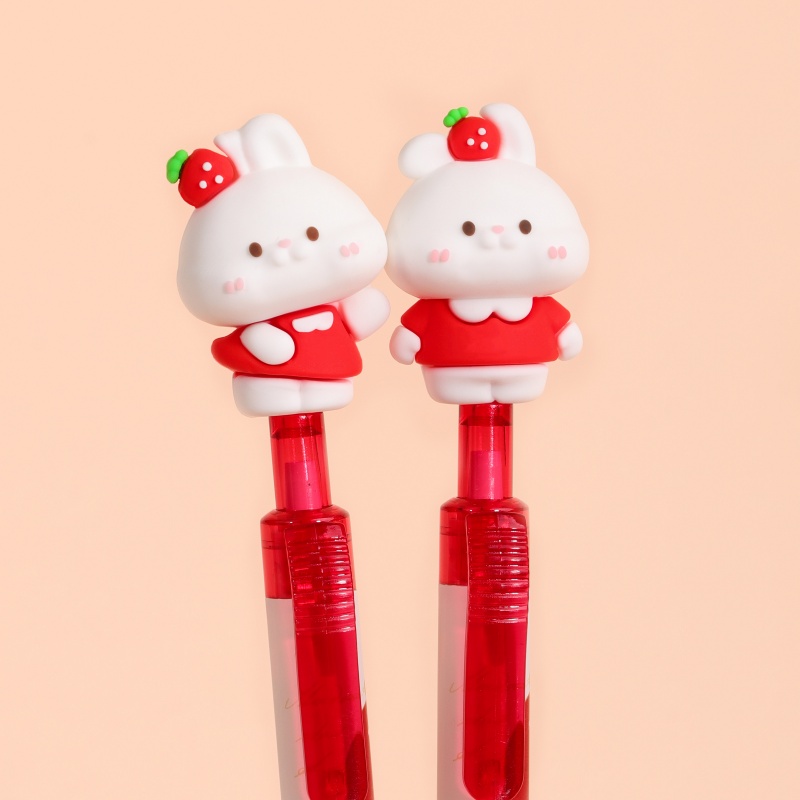
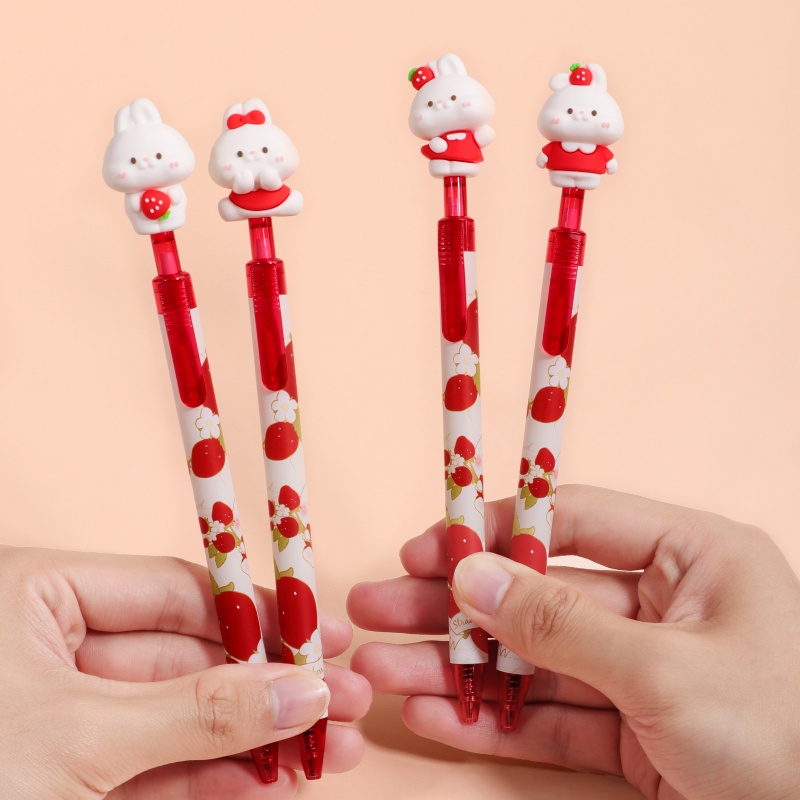
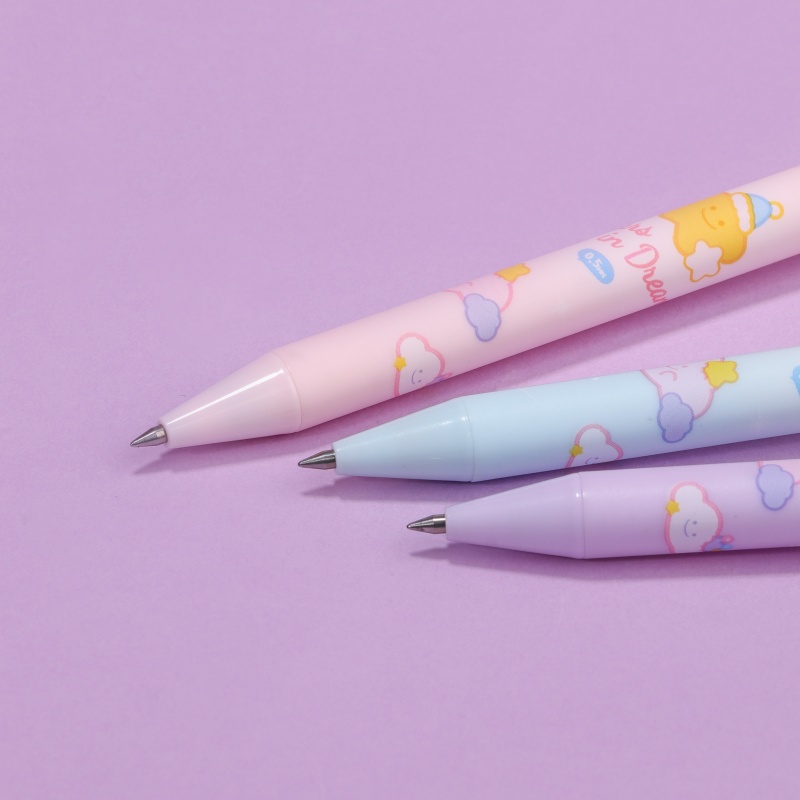
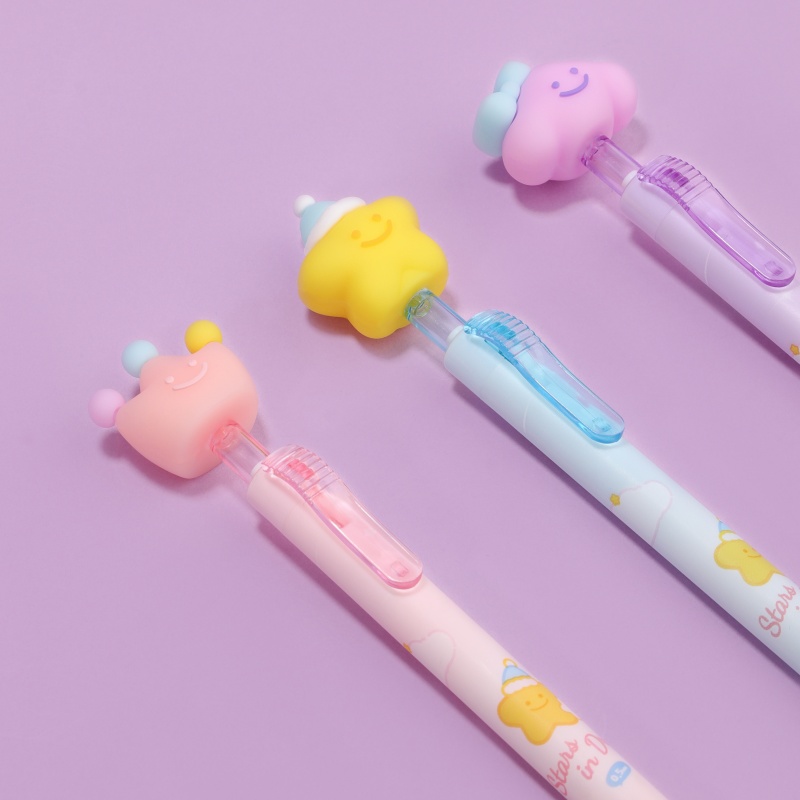
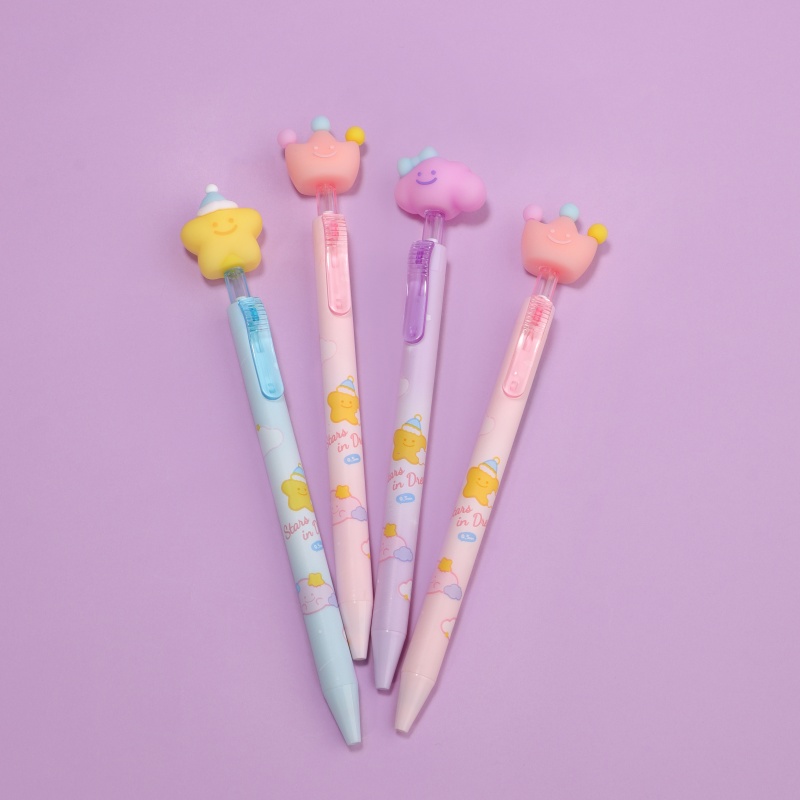
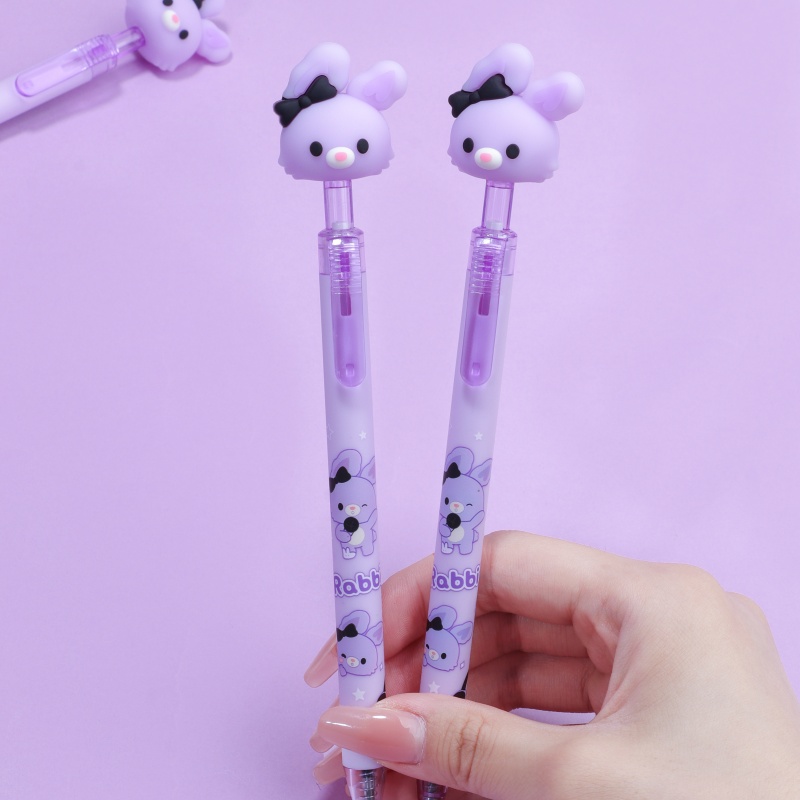
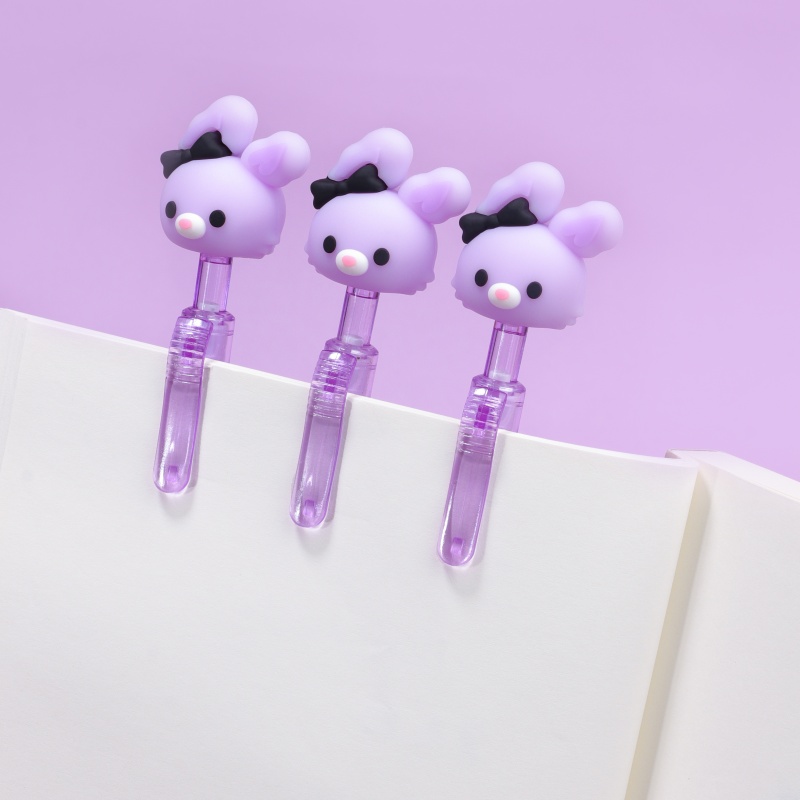
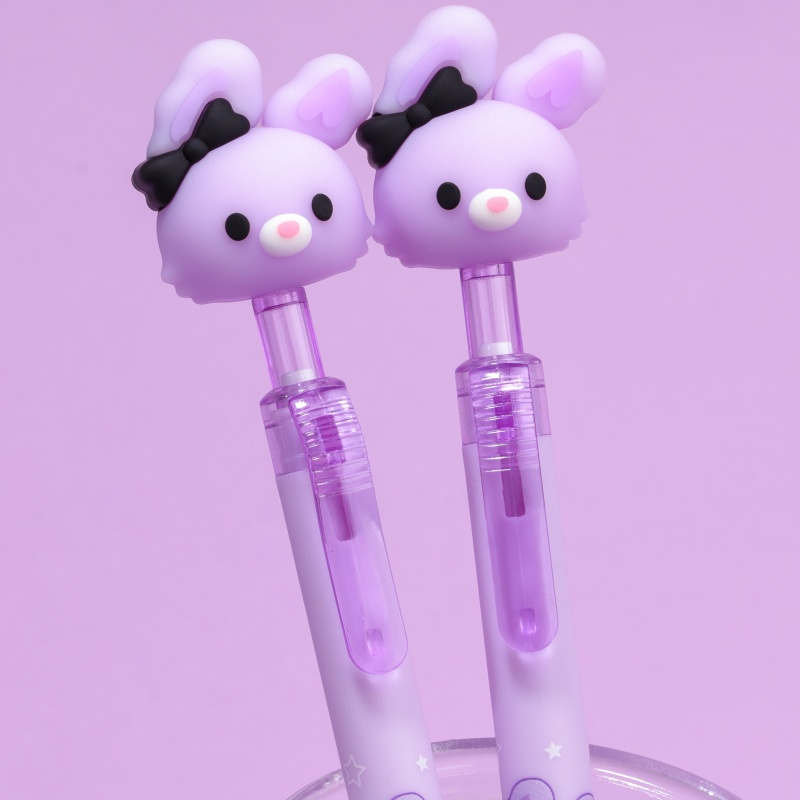
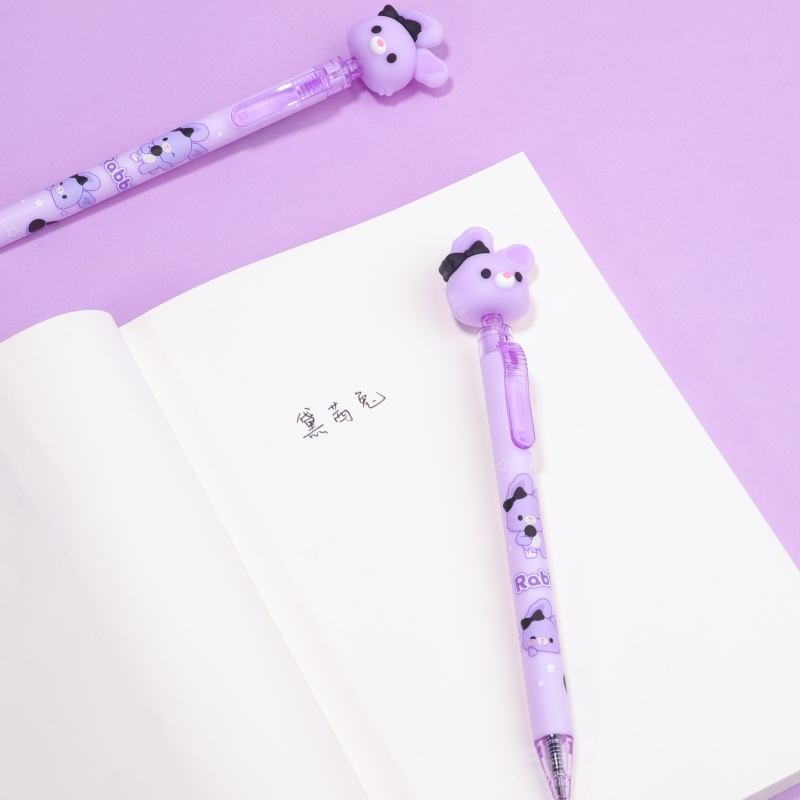
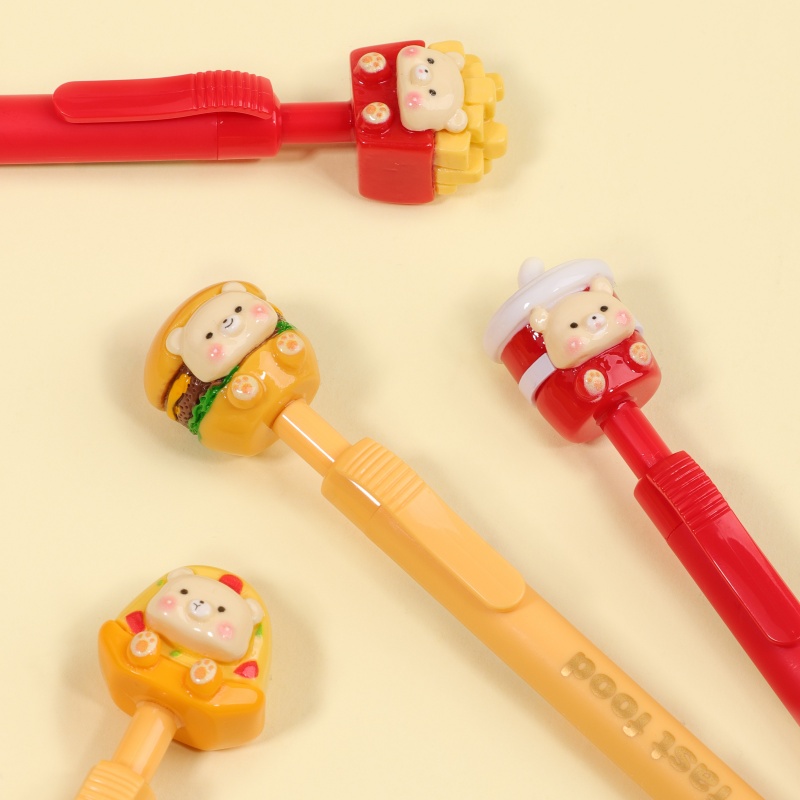
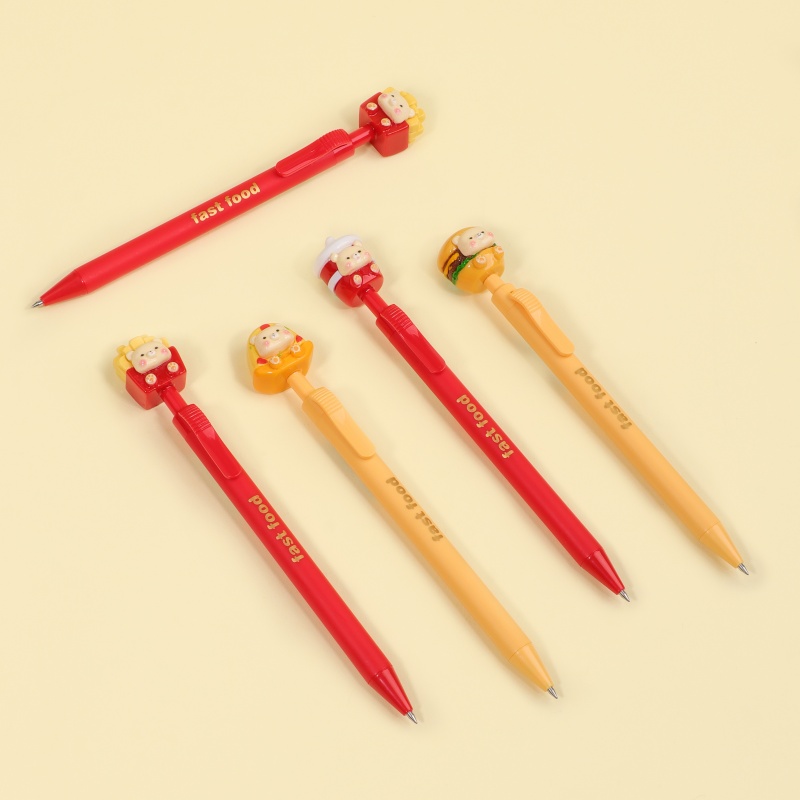
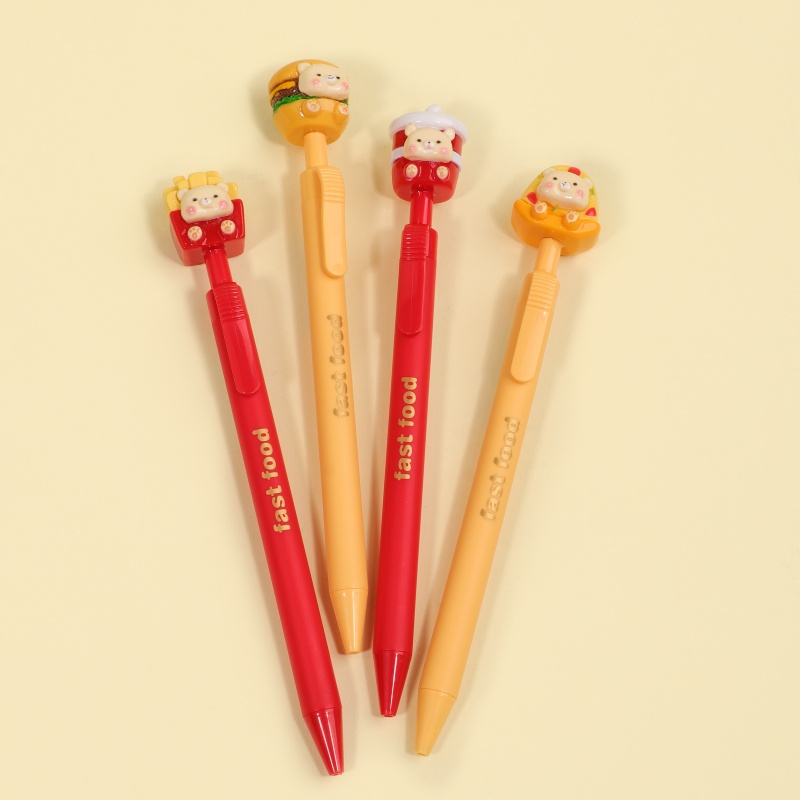
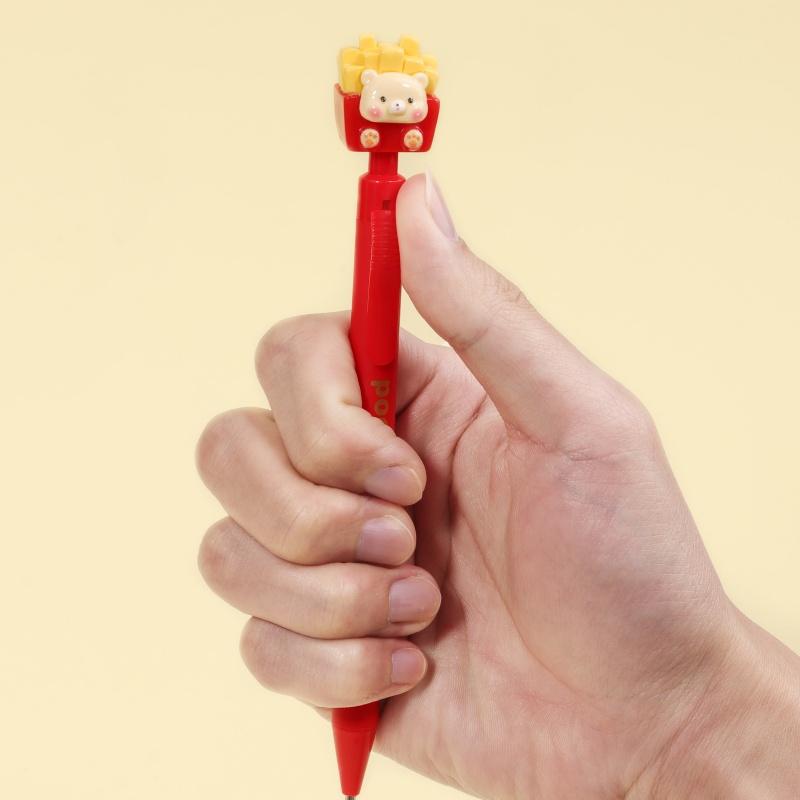
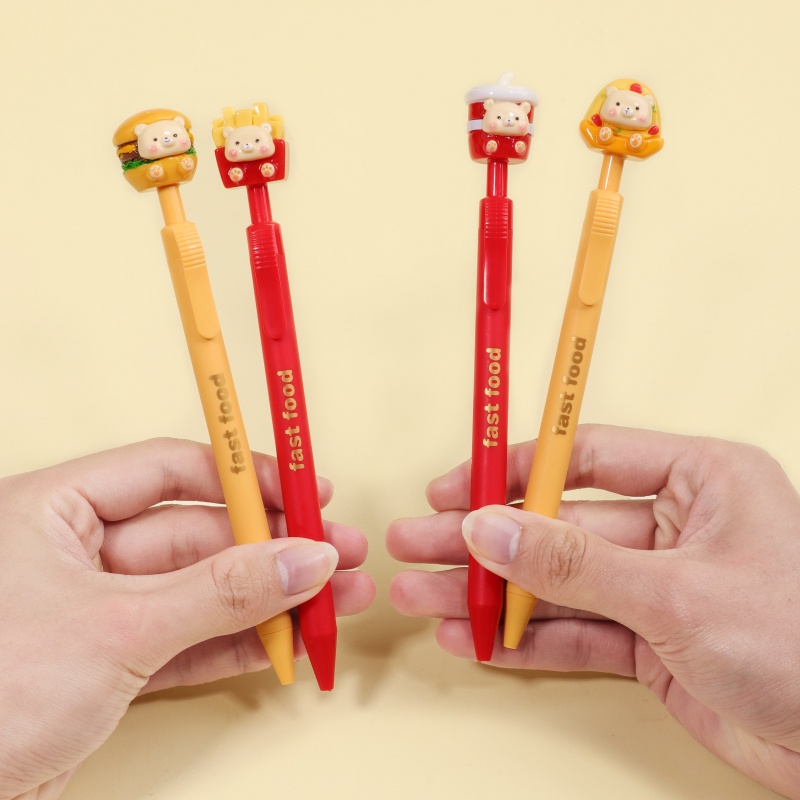
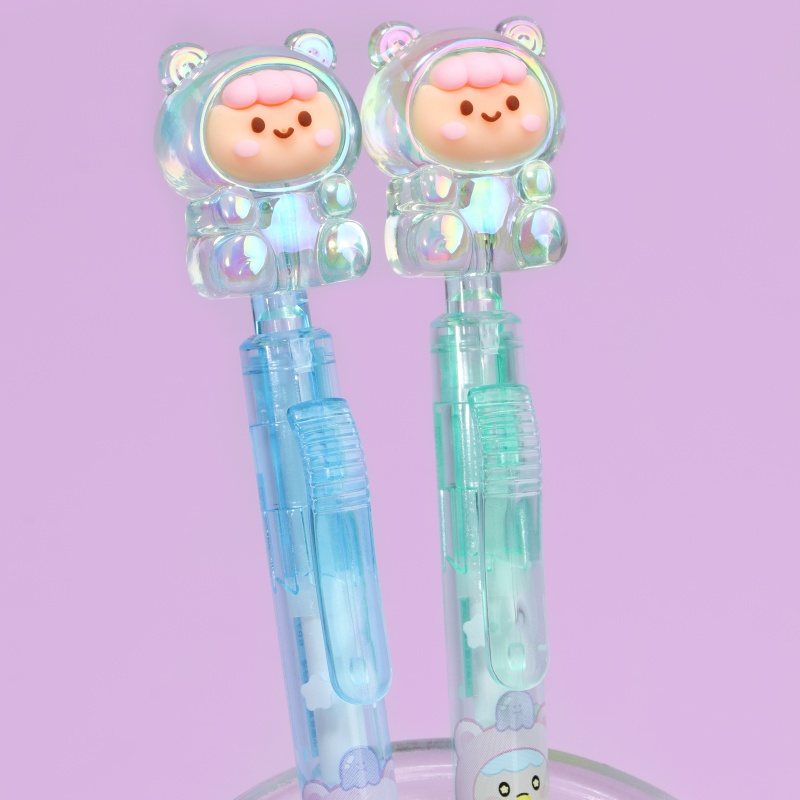
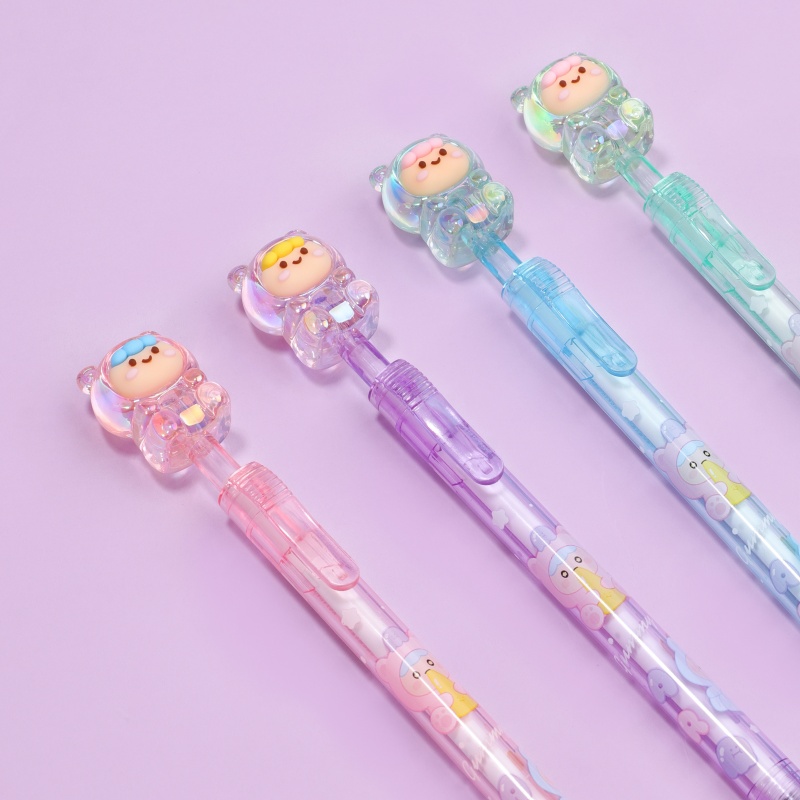
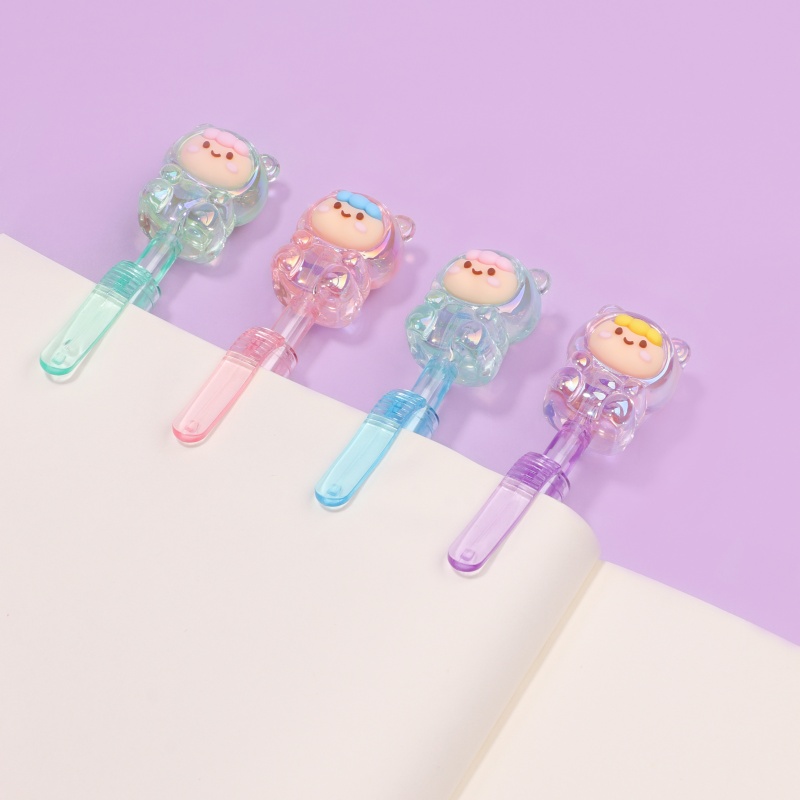
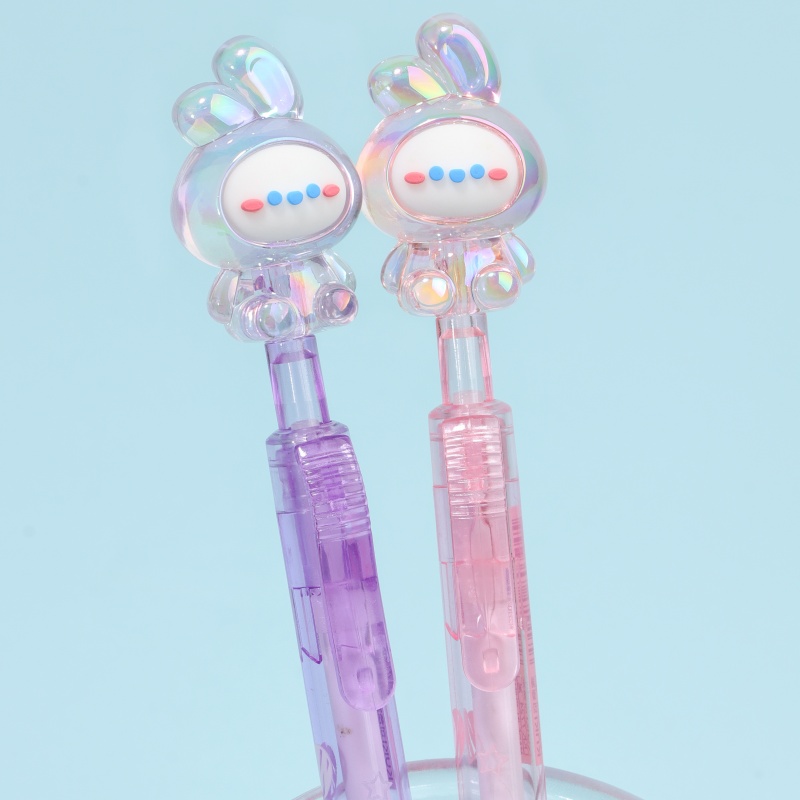
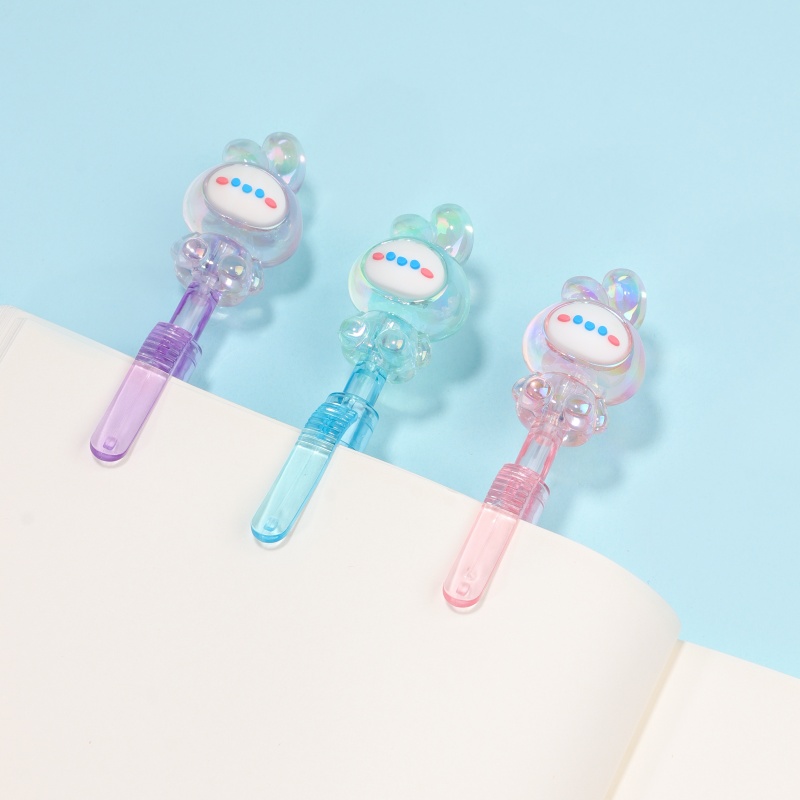
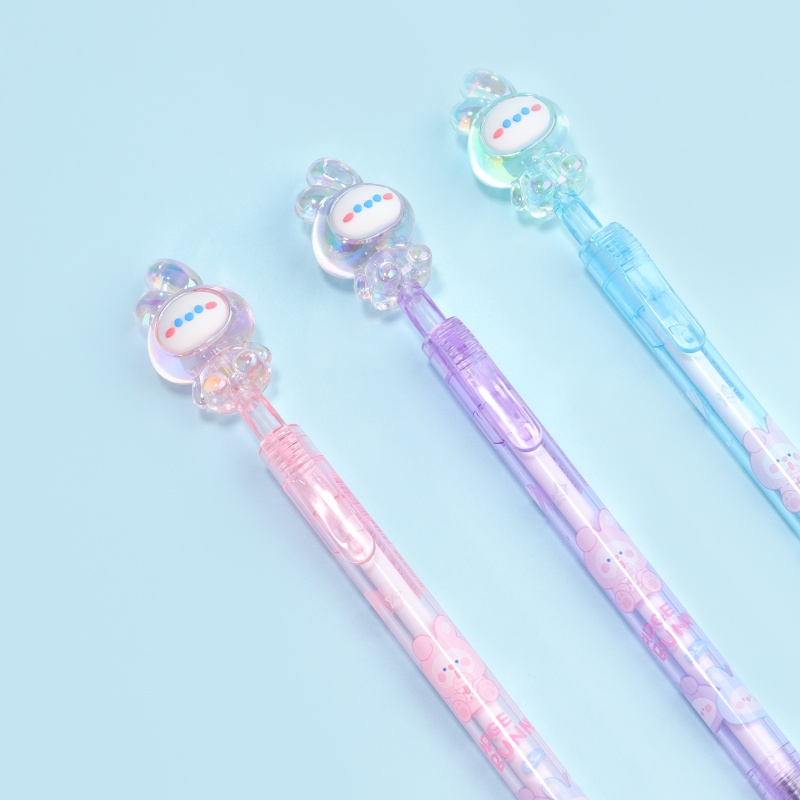
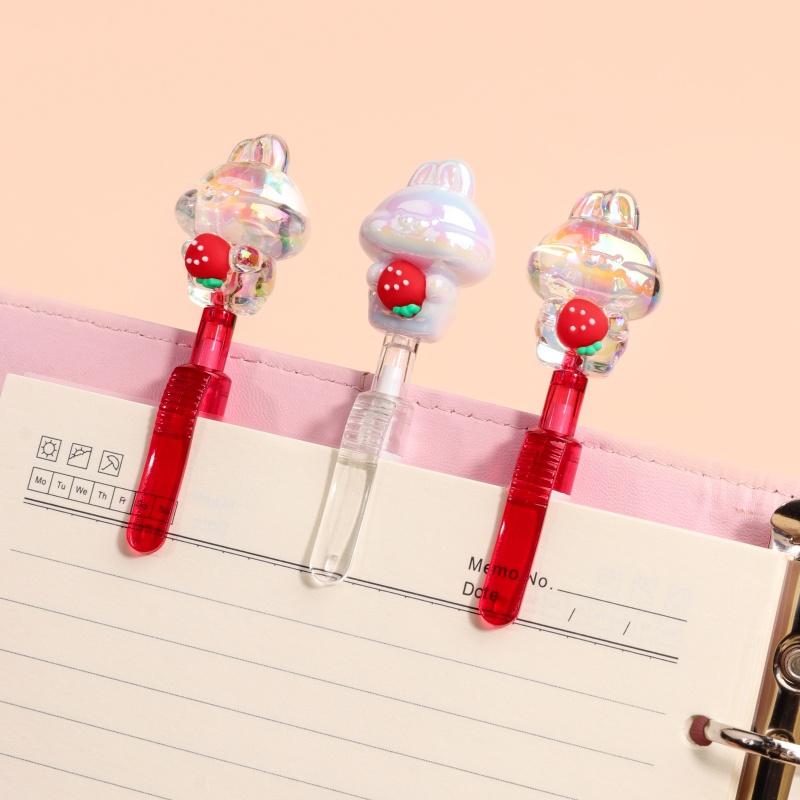
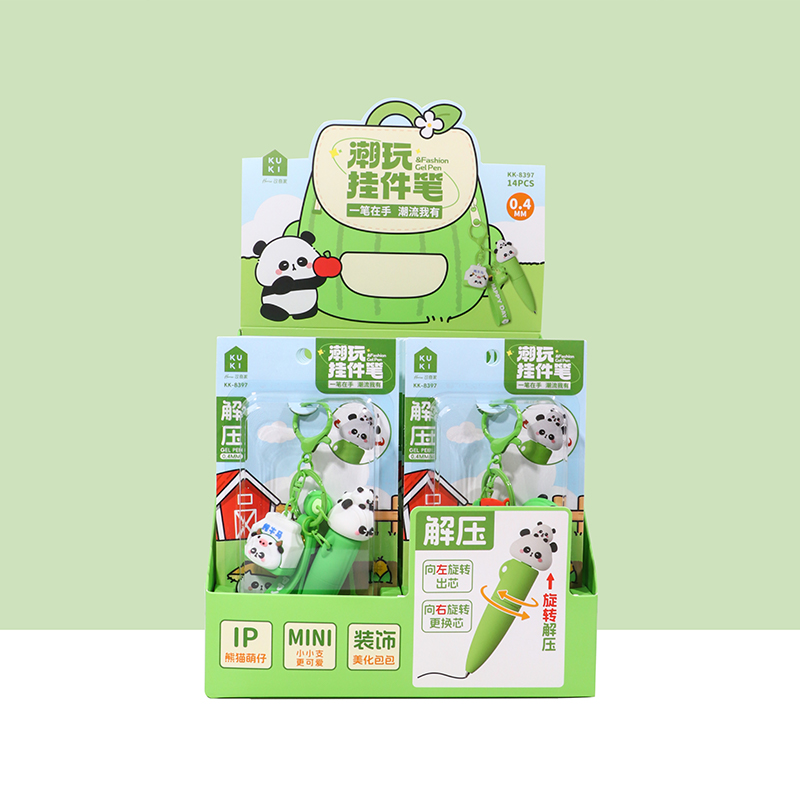
A Drip Mold Pen incorporates molded elements, often forming unique shapes along the barrel. This design approach allows for aesthetic appeal while maintaining ergonomic functionality. In the stationery sector, Drip Mold Pens demonstrate how customization and tactile experience are influencing product development.
Such pens appeal to collectors and users who value visual and sensory engagement. The molded design can also reinforce brand identity, as distinctive shapes differentiate the product from standard pens.
Q3: Why is a Side Press Pen considered practical in certain settings?
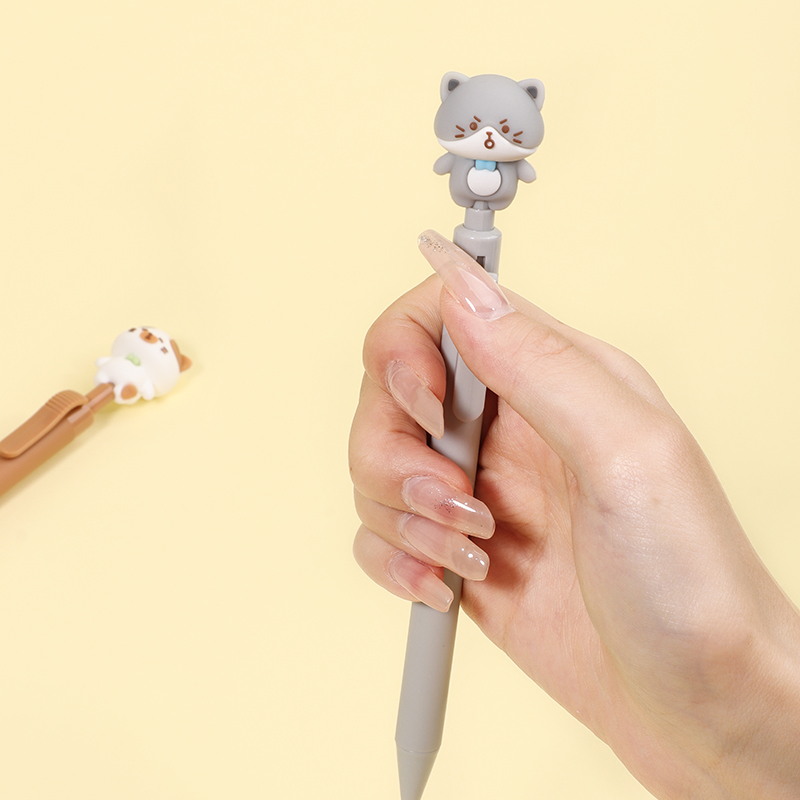
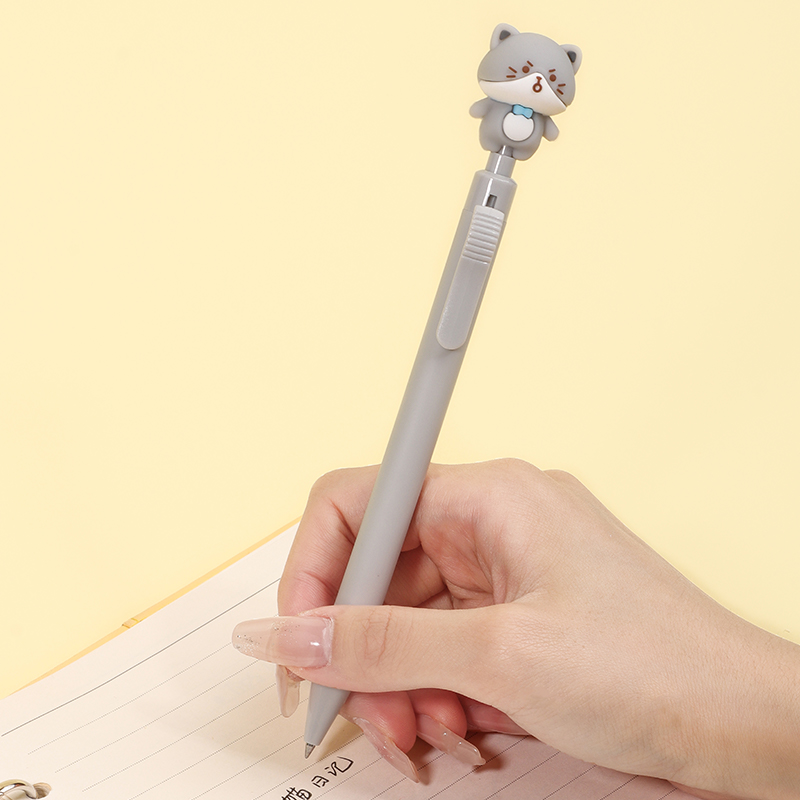
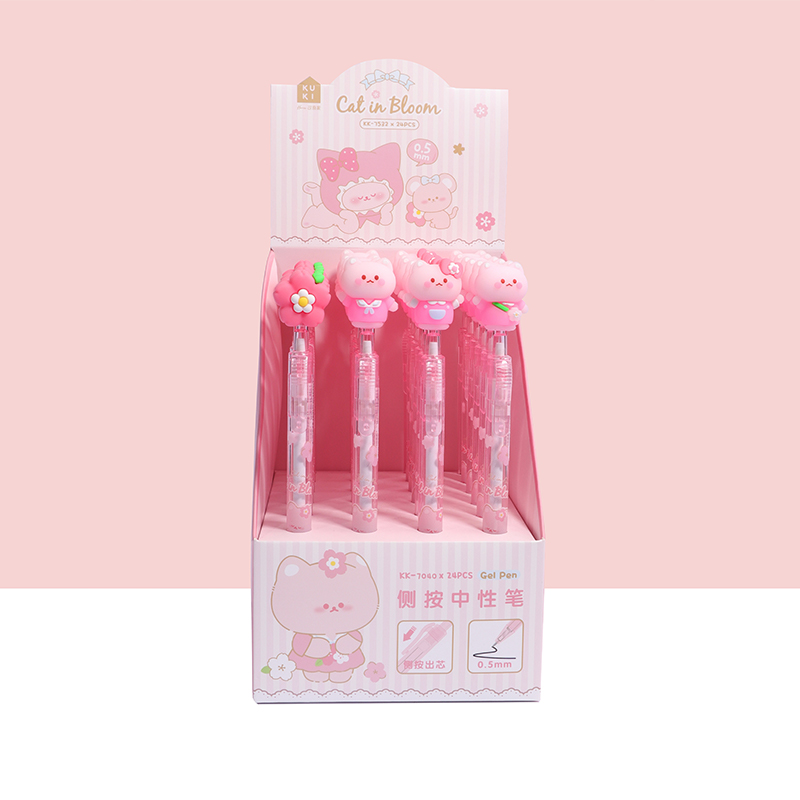
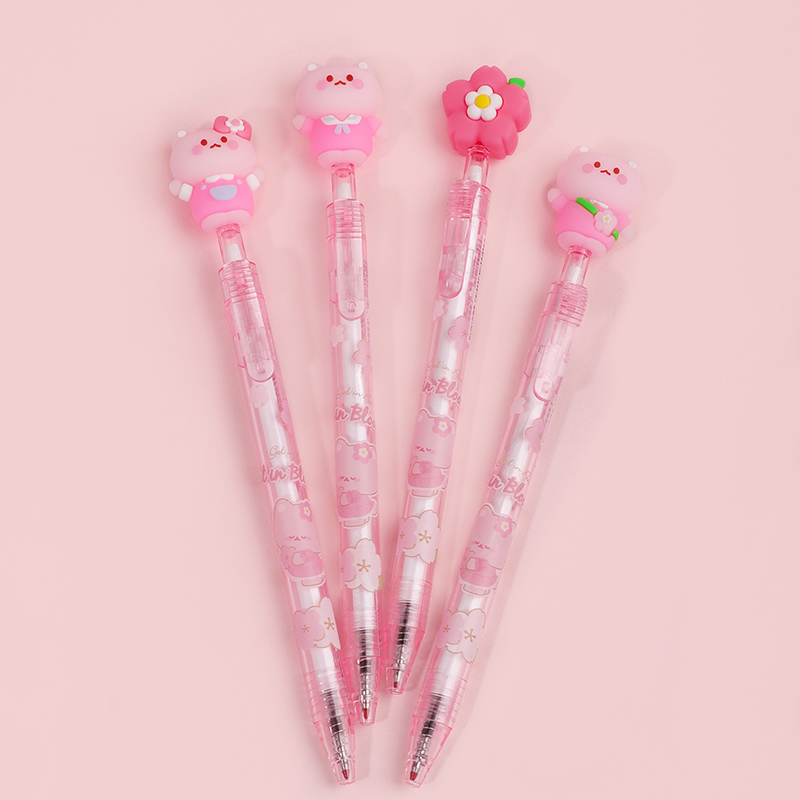
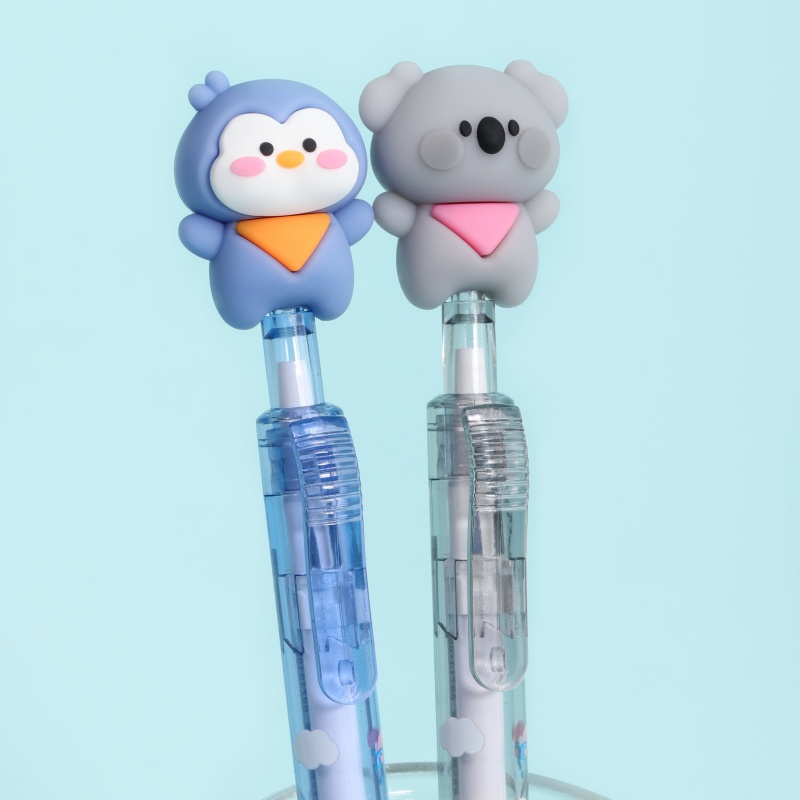
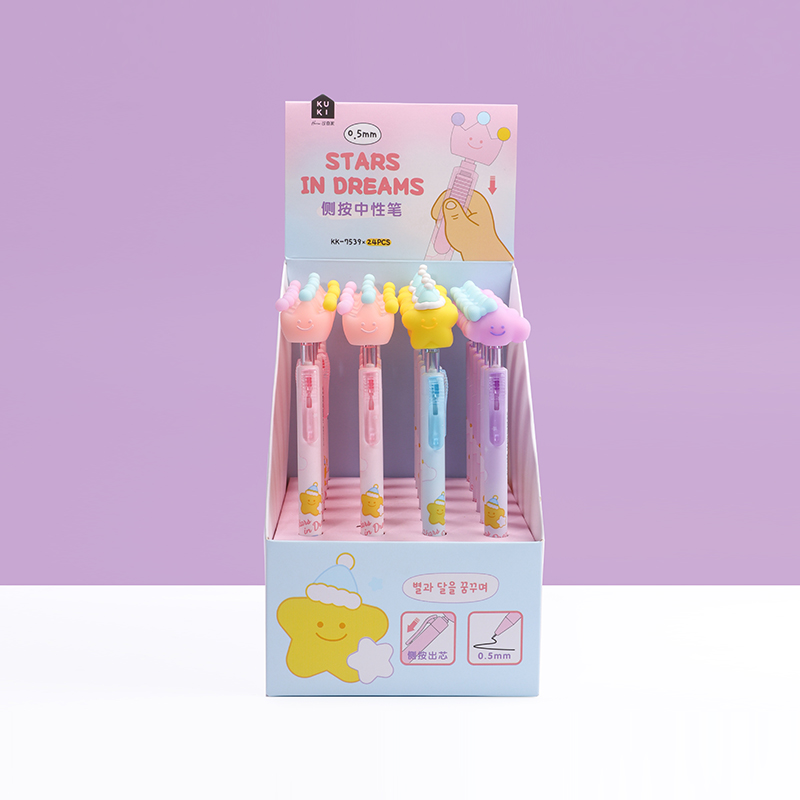
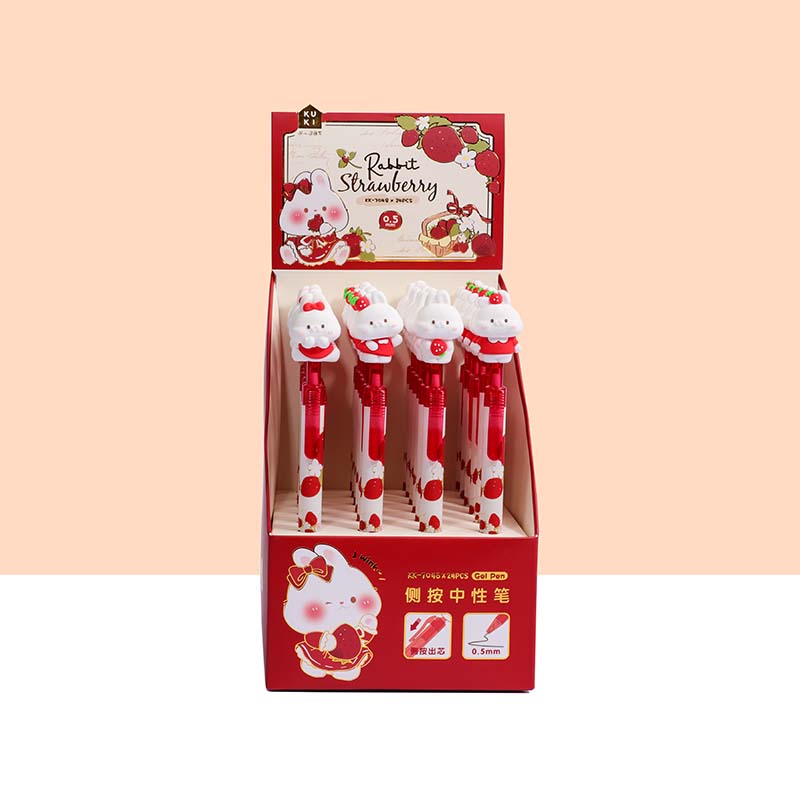
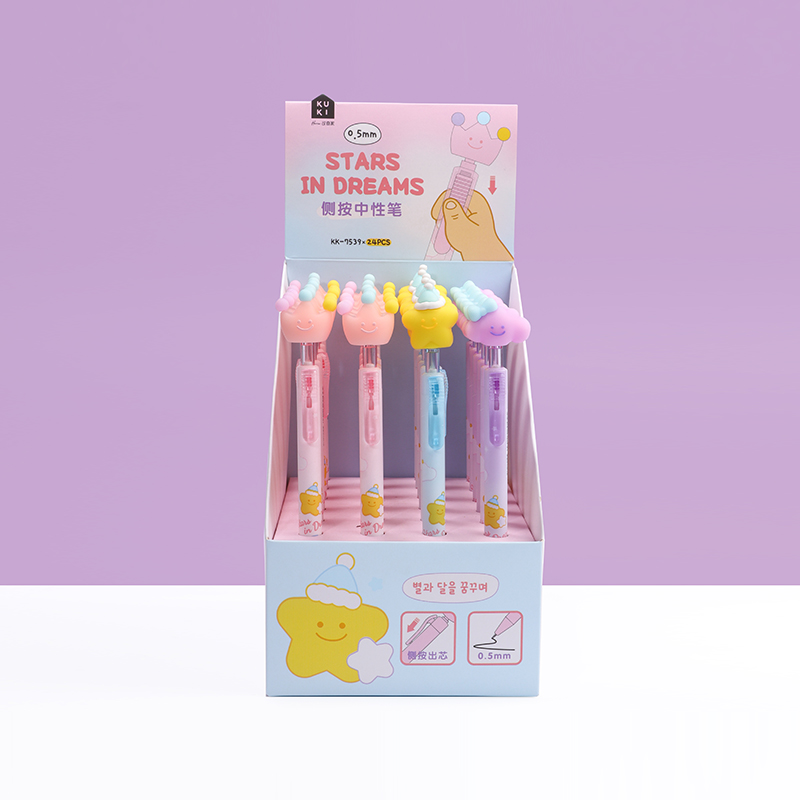
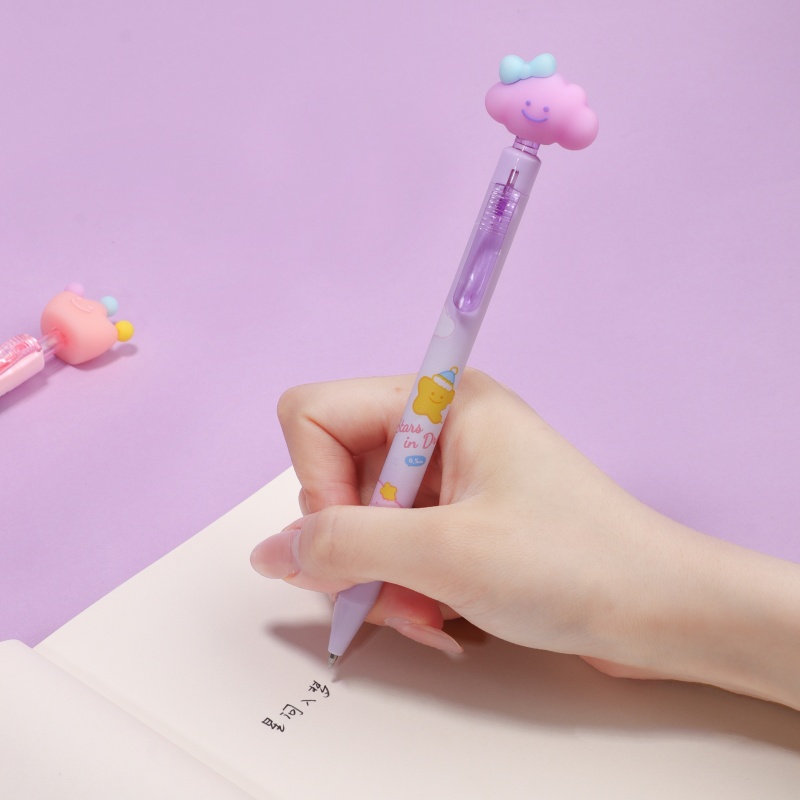
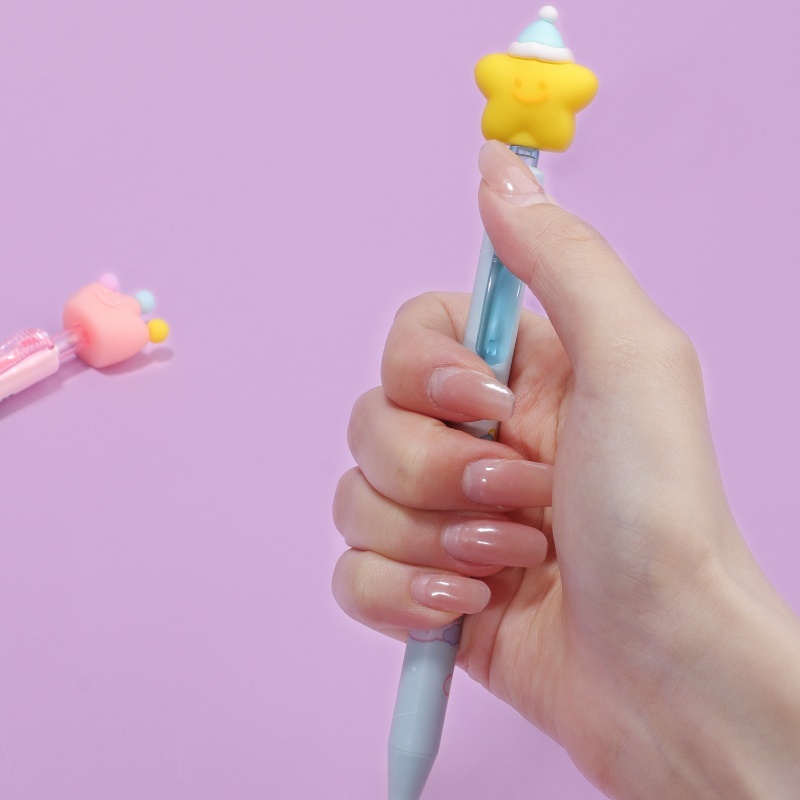
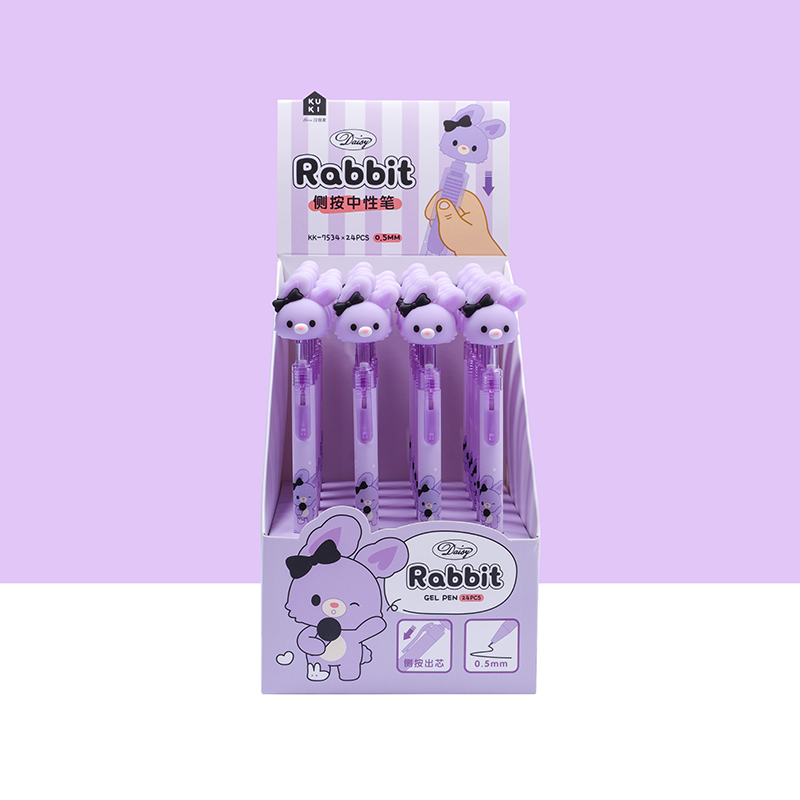
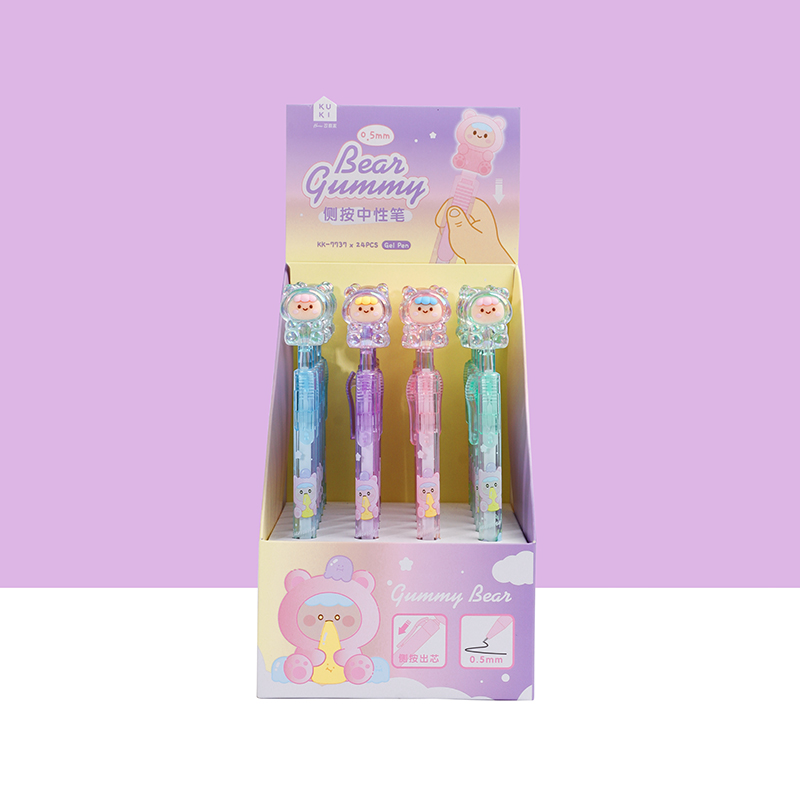
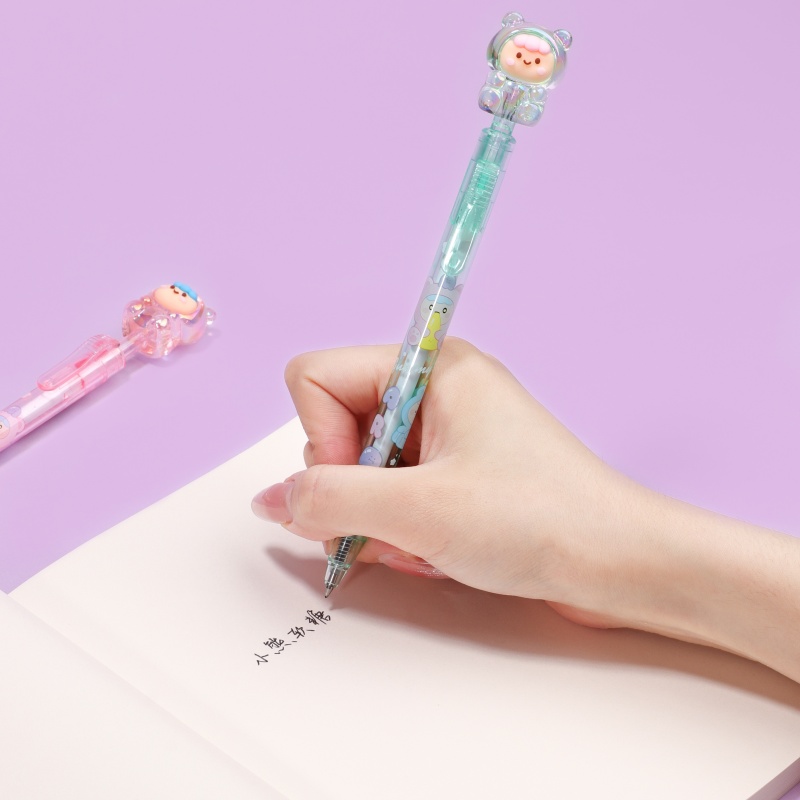
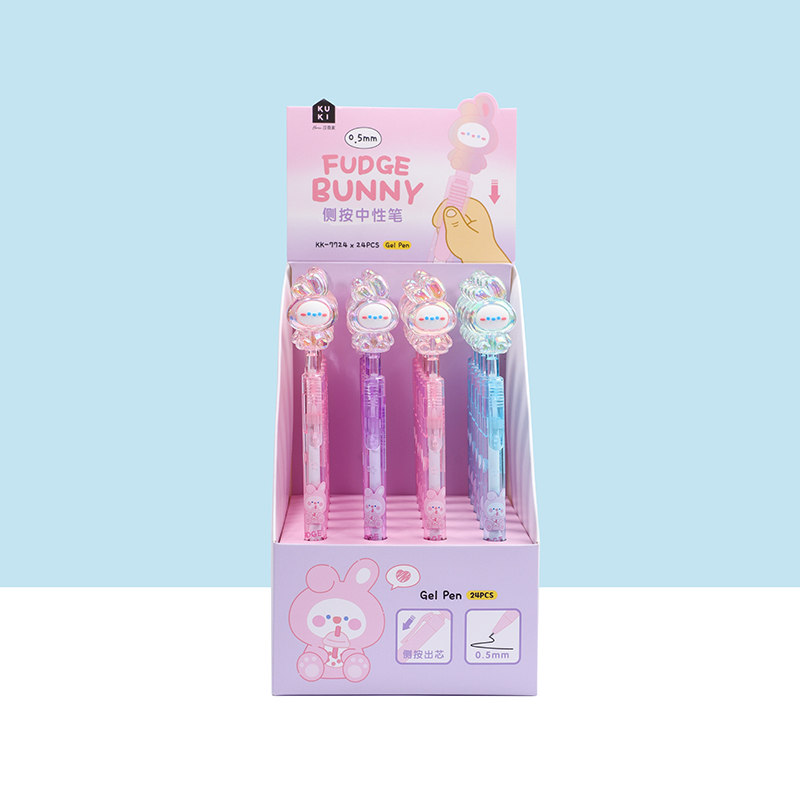
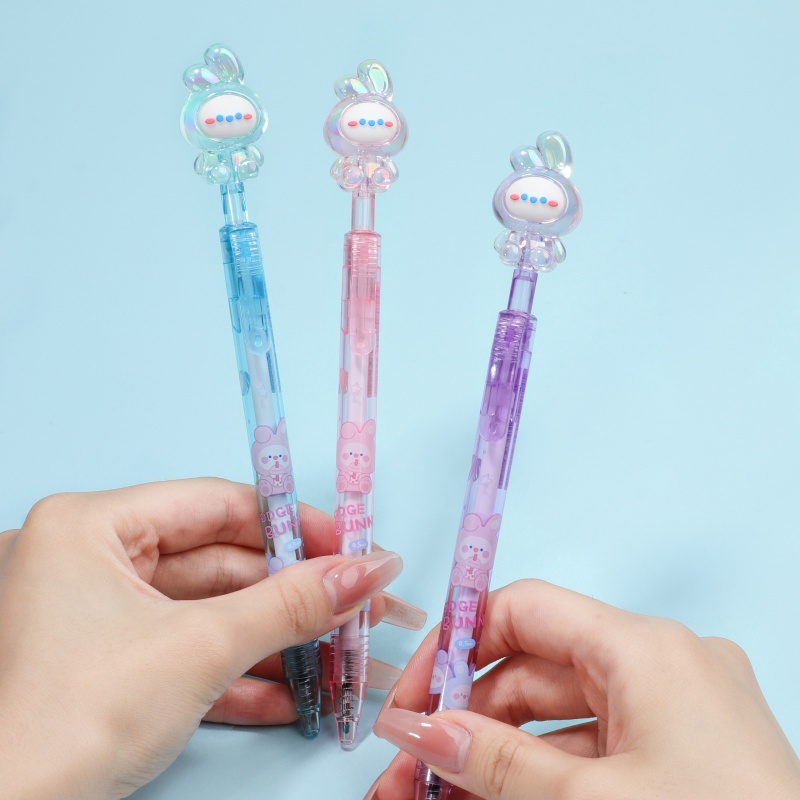
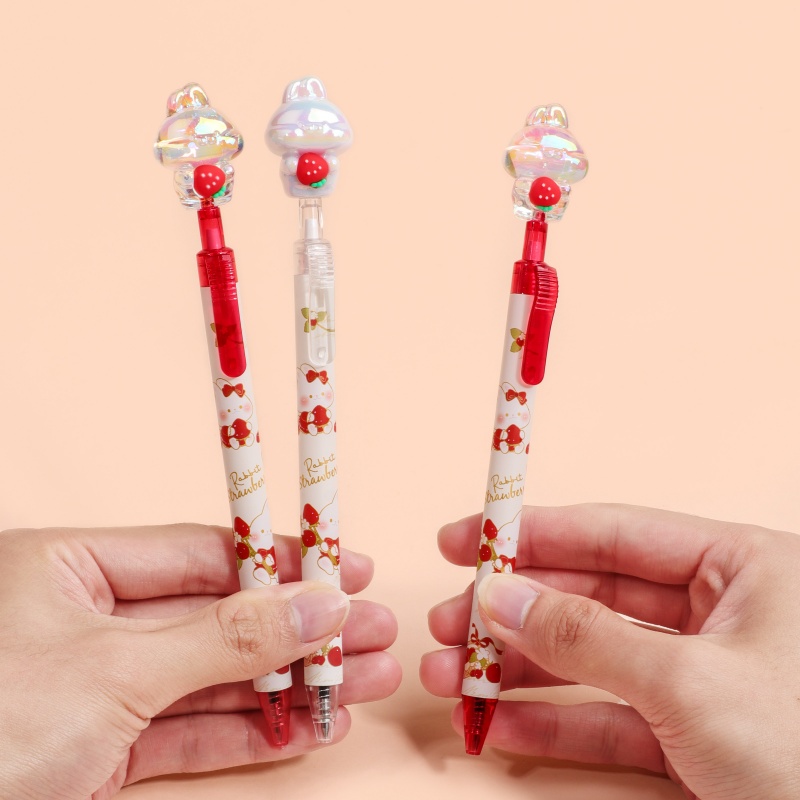
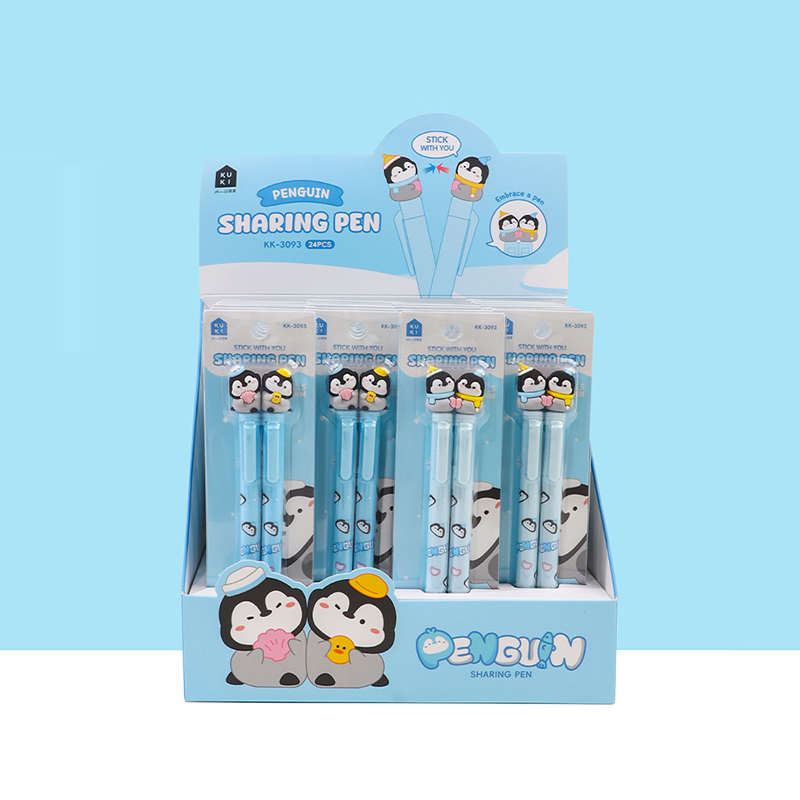
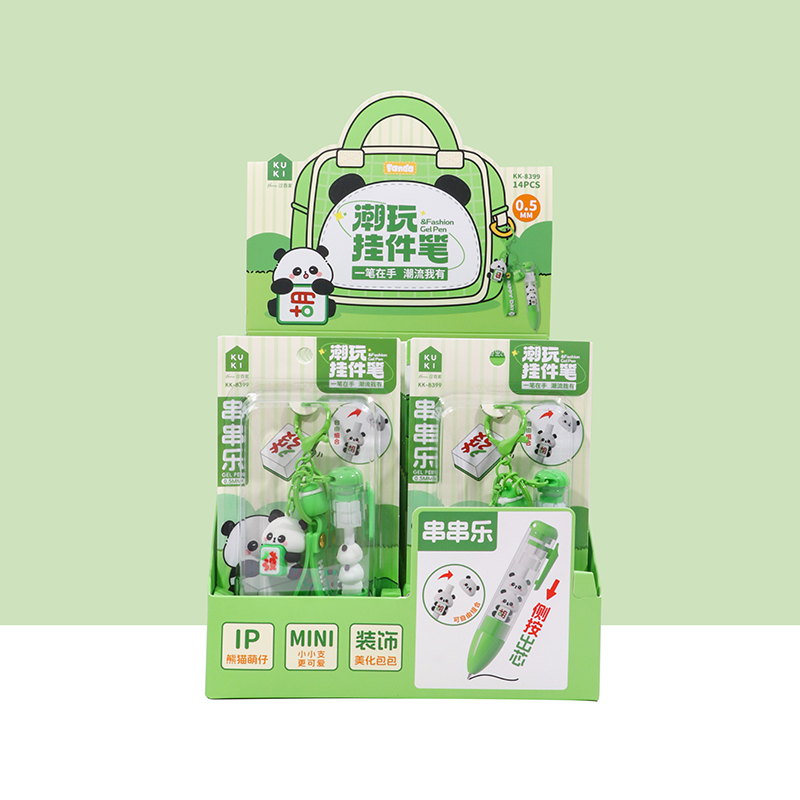
A Side Press Pen activates the ink through a lateral button rather than a top mechanism. This variation can be more convenient for left- or right-handed users, offering an alternative interaction method. In the stationery market, Side Press Pens cater to ergonomic needs and enhance usability during extended writing sessions.
Manufacturers often highlight the efficiency and comfort of Side Press Pens in marketing campaigns. By varying the activation mechanism, companies can meet diverse consumer preferences without altering core ink technology.
Q4: How do these pen types influence user experience?
Each mechanism adds distinct value to everyday writing. A Press Gel Pen provides consistent ink flow with responsive tactile feedback. A Drip Mold Pen introduces creativity and aesthetic pleasure, making writing more engaging. Meanwhile, a Side Press Pen improves comfort and control, especially for long note-taking or professional use.
In the stationery industry, highlighting these user-centered benefits helps position pens as not only functional tools but also enjoyable instruments for personal expression.
Q5: Are there design challenges associated with these pens?
Yes, each mechanism presents unique technical considerations. A Press Gel Pen requires precision in the spring and push system to avoid inconsistent ink flow. Drip Mold Pens must balance artistic detail with ergonomic comfort, ensuring that decorative elements do not interfere with grip. Side Press Pens need robust lateral mechanisms that remain durable under repeated use.
Attention to material selection, internal mechanism quality, and user testing is crucial for these pens to meet both functional and aesthetic expectations.
Q6: How do these pens reflect trends in the stationery industry?
The industry is increasingly emphasizing multifunctional and engaging pen designs. Press Gel Pens cater to reliability and smooth writing performance. Drip Mold Pens respond to consumer interest in personalization and aesthetic appeal. Side Press Pens demonstrate how ergonomic innovation can improve everyday usability.
Together, these variations show that modern pen development is moving beyond basic ink delivery, integrating design, comfort, and interactive experience into a single product.
Q7: What does this suggest about the future of writing instruments?
The evolution of Press Gel Pens, Drip Mold Pens, and Side Press Pens indicates that future pen design will continue to balance function with creativity. Users now expect pens that are visually appealing, ergonomic, and satisfying to operate.
Manufacturers are likely to explore new mechanisms, materials, and shapes that enhance both writing performance and user interaction. By doing so, the stationery market can provide pens that serve practical needs while also offering a more engaging and personalized experience for diverse audiences.