Q1: What distinguishes Multi-Color Ball Pens from standard pens?
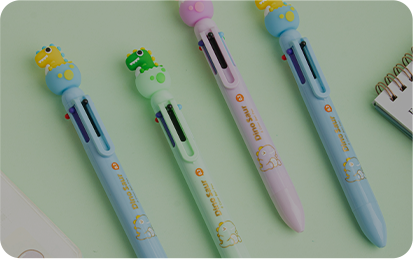
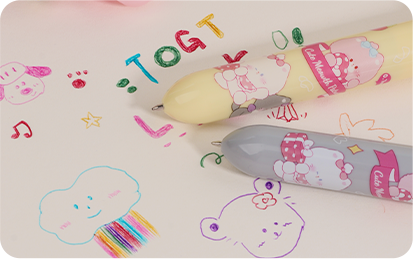
A Multi-Color Ball Pen combines several ink colors in a single barrel, allowing users to switch between shades without changing instruments. In the stationery industry, these pens offer convenience for note-taking, editing, and creative work.
Consumers value the flexibility provided by Multi-Color Ball Pens, as they simplify tasks that require color differentiation. Manufacturers highlight their practical design and smooth ink flow to appeal to students, office workers, and hobbyists alike.
Q2: How does a Color Coding Pen enhance organization?
A Color Coding Pen is designed to improve clarity in written materials by assigning specific colors to categories, subjects, or priorities. In the stationery market, these pens help users quickly identify key information and maintain organized notes.
Color Coding Pens are particularly popular in educational and professional settings, where visual distinction supports learning and workflow efficiency. Brands often produce sets with complementary hues to encourage consistent usage.
Q3: Why is the traditional Ballpoint Pen still relevant?
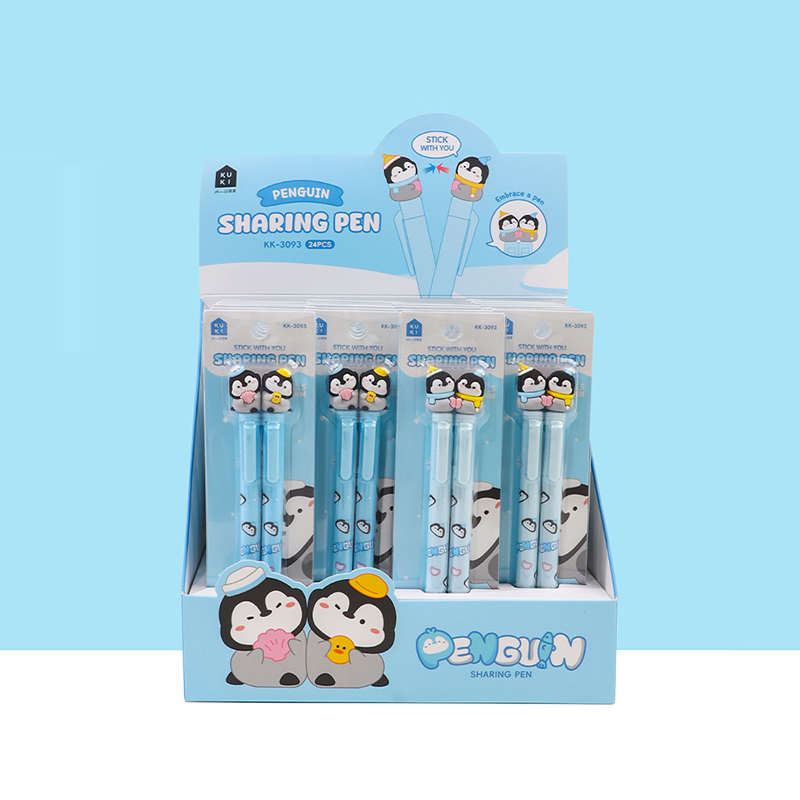
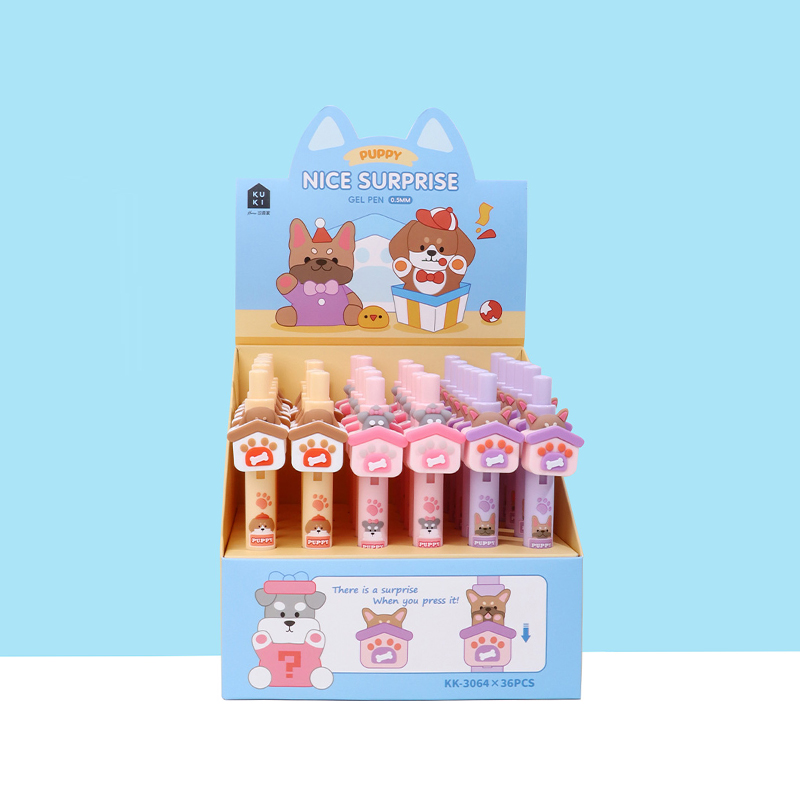
A Ballpoint Pen uses oil-based ink and a rolling ball mechanism to provide reliable writing performance. Despite innovations in pen design, Ballpoint Pens remain widely used due to their durability, long-lasting ink supply, and consistent writing quality.
In the stationery industry, Ballpoint Pens are considered staple products, offering a practical option for everyday writing while serving as a baseline for comparing newer pen types.
Q4: How do Multi-Color Ball Pens improve user experience?
Multi-Color Ball Pens allow users to express creativity and organize content efficiently. Switching between colors is seamless, eliminating the need for multiple pens. From a design perspective, these pens integrate compact mechanisms that maintain smooth writing without increasing barrel size.
For brands, emphasizing the convenience and versatility of Multi-Color Ball Pens helps differentiate them from standard single-color alternatives.
Q5: How does a Color Coding Pen support productivity?
By associating different colors with specific tasks or topics, a Color Coding Pen helps users visually categorize information. In the stationery market, this improves readability and reduces errors in note-taking or document marking.
Color Coding Pens also encourage consistent habits, as users can develop personalized color systems. Educational institutions and offices increasingly incorporate these pens into daily routines for better information management.
Q6: What advantages do Ballpoint Pens offer for extended use?
Ballpoint Pens are designed for long-lasting performance, with ink that resists smudging and dries quickly on most paper types. They are suitable for everyday writing, from note-taking to form completion, and remain compatible with a variety of paper qualities.
From an industry standpoint, Ballpoint Pens provide a dependable product category that complements innovative pen designs, such as Multi-Color Ball Pens and Color Coding Pens, within a broader stationery portfolio.
Q7: How do these pen types reflect broader trends in stationery?
Together, Multi-Color Ball Pens, Color Coding Pens, and Ballpoint Pens illustrate how the stationery industry balances innovation, practicality, and user engagement. Multi-Color Ball Pens combine functionality and creativity. Color Coding Pens enhance organization and productivity. Ballpoint Pens maintain reliability and ease of use.
These categories demonstrate a trend toward writing tools that are not only functional but also adaptable to user needs, supporting both creative expression and efficient workflow. For manufacturers, providing a variety of pen options ensures that consumers can select products that match their individual preferences and tasks.


 English
 bahasa Indonesia
 русский