

 English
 bahasa Indonesia
 русский



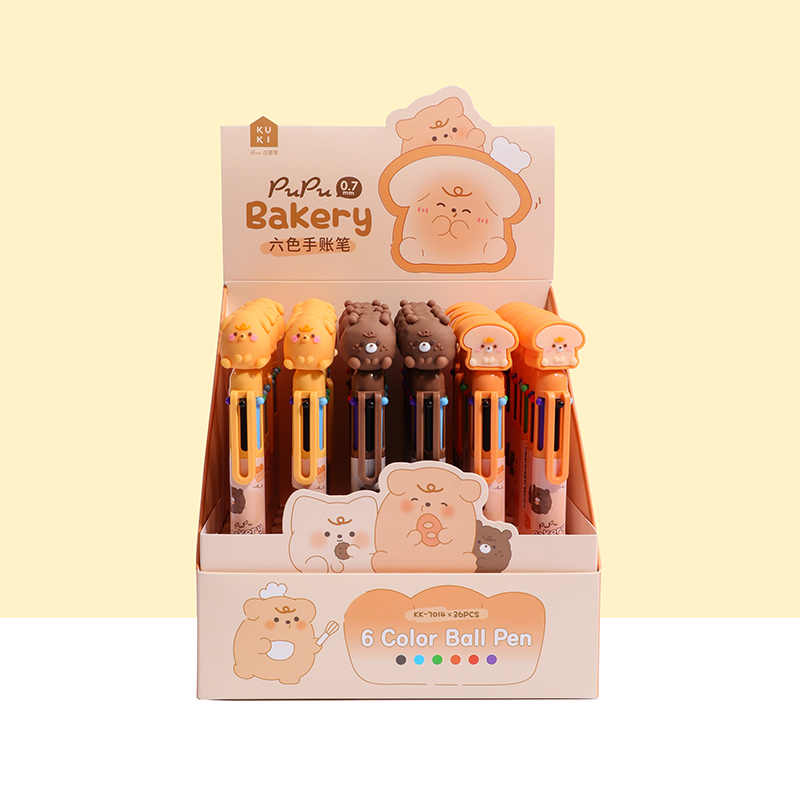

Dongyang Kuki Stationery Co., Ltd. is an innovative stationery company that integrates design, R&D, production, and sales. Under its brand KUKI HOME, the company focuses on cute and novelty-designed products — especially erasers, sharpeners, and correction tapes — with a mission to make learning happier and more creative.
As a pioneer in creative styling stationery, KUKI HOME owns 20+ original and collaborative IPs, including HAMER FRIENDS, LUCKYCATCLAW, HAPPTLFE AYBARA, VEGETABLE CHICKEN, and more. The company has developed over 30 product categories and launched 300+ bestsellers, with several single products exceeding 20 million units in sales. As a custom 6 Colors Ballpoint Pen manufacturer and wholesale 6 Colors Ballpoint Pen factory in China, KUKI has also obtained 30+ design patents.
KUKI HOME has partnered with global brands like Miniso, The Green Party, and Lenle, and its products are exported to Europe, North America, Brazil, Indonesia, and other countries — well received by consumers around the world. In 2023, it was honored as a “Pioneer of Going Abroad” by Yiwu Brand Overseas Billion Club and has long participated in stationery exhibitions and international exchanges in Japan, Indonesia, Russia, and beyond.
Looking ahead, KUKI HOME is transforming from traditional manufacturing to “cultural and creative intelligent manufacturing.” With continuous innovation in IP creation, product updates, and design, the brand is boldly moving toward becoming one of the world’s leading names in creative stationery.

6 Colors Ballpoint Pen
Multi-Color Pen Manufacturer
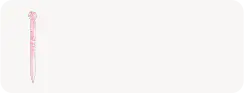
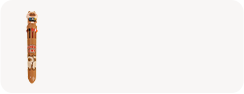
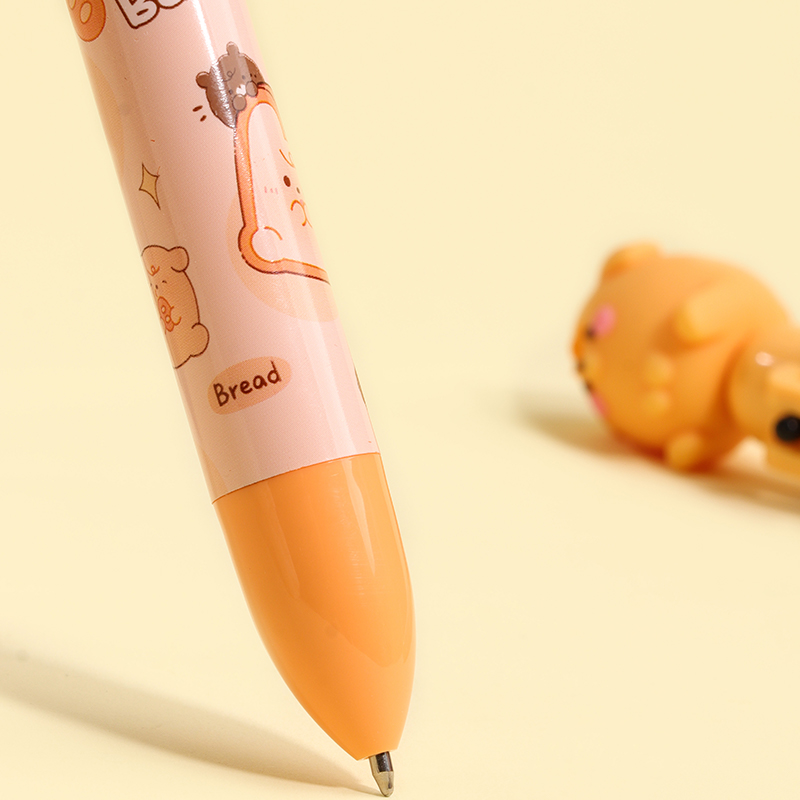
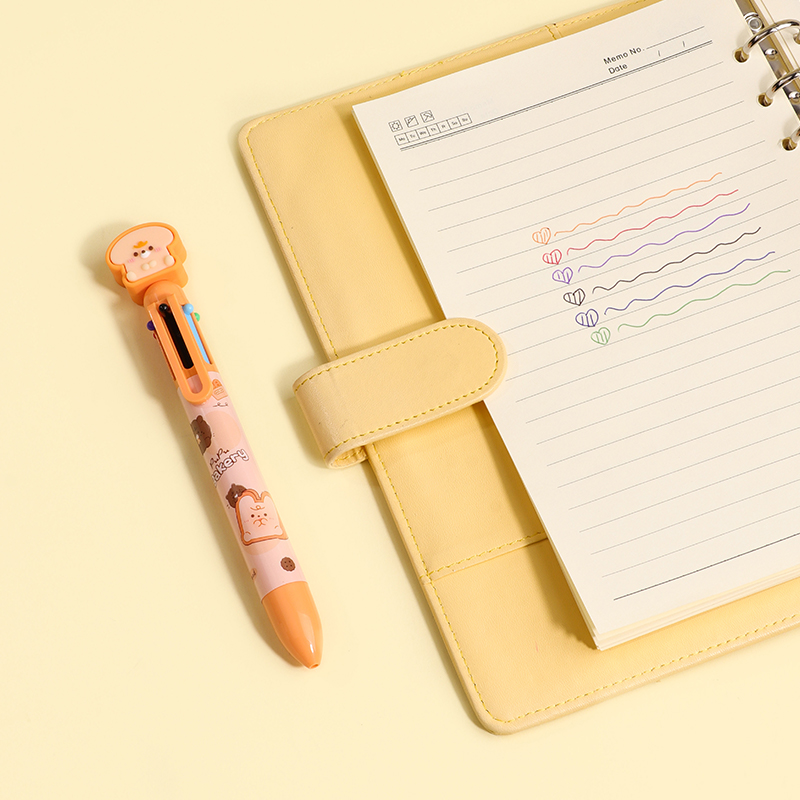
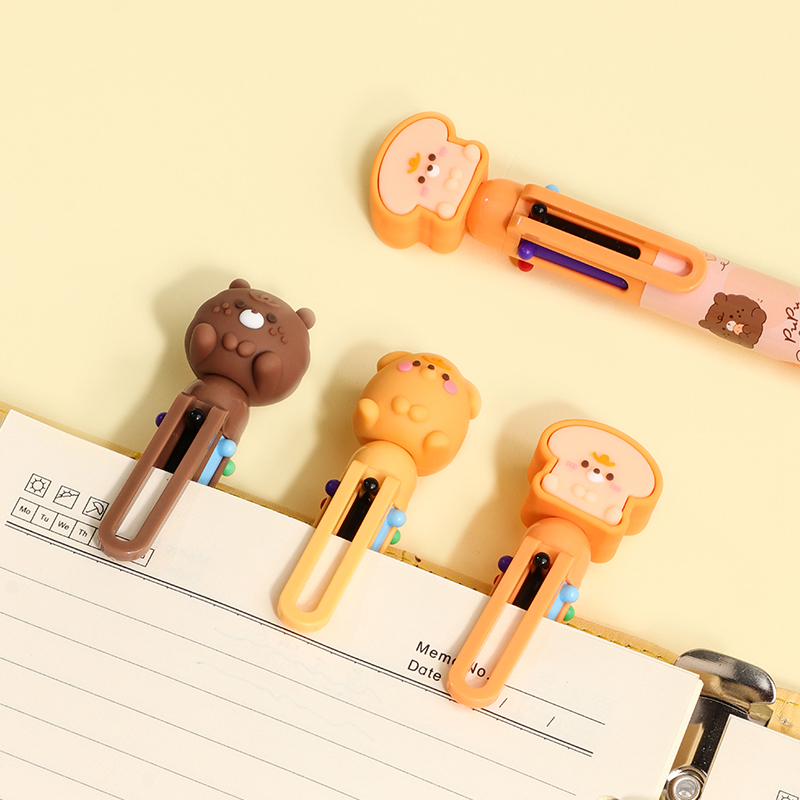
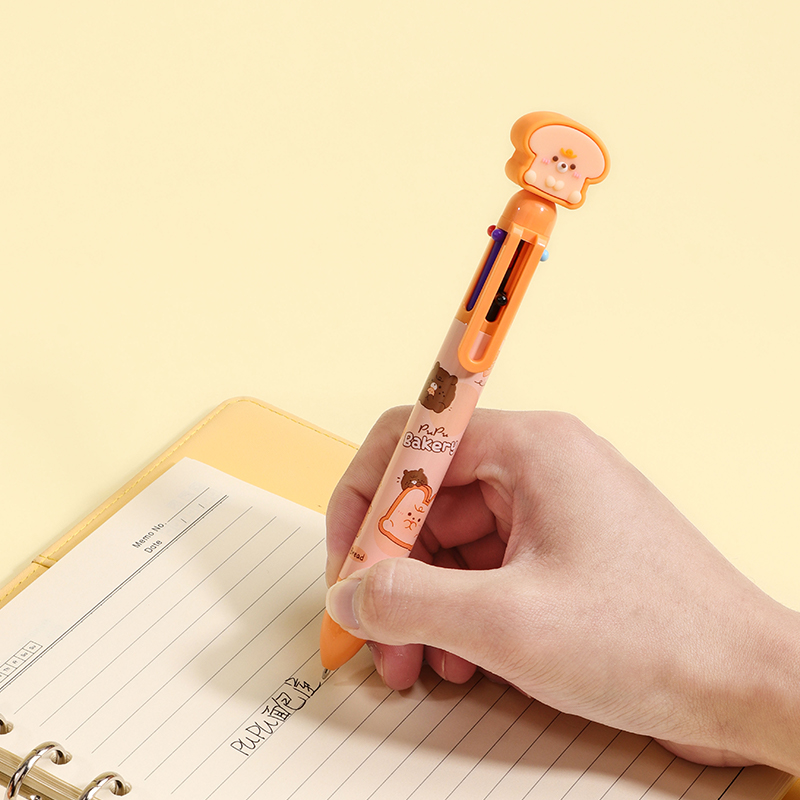
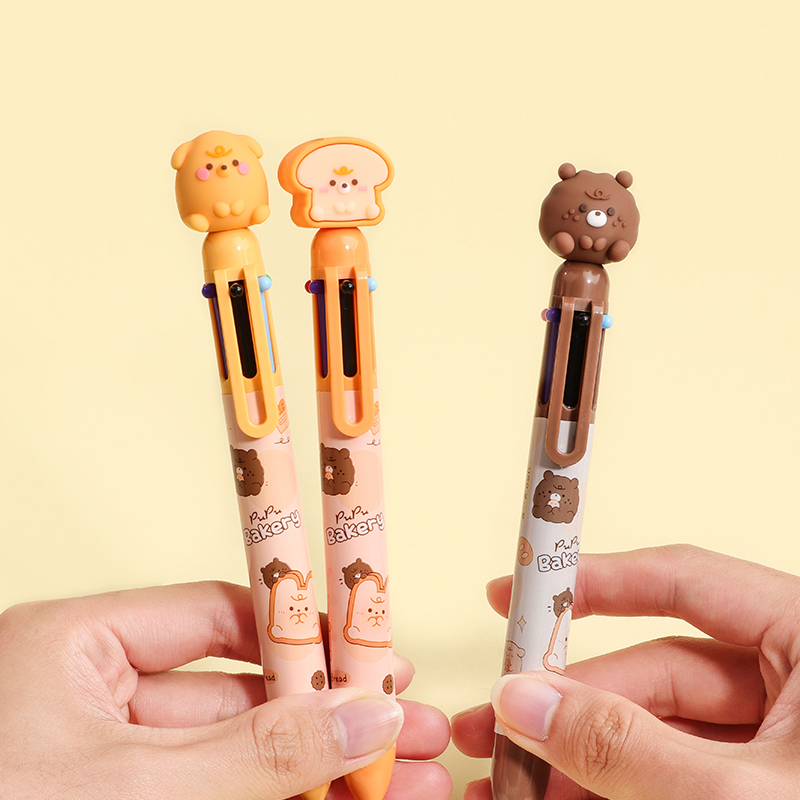
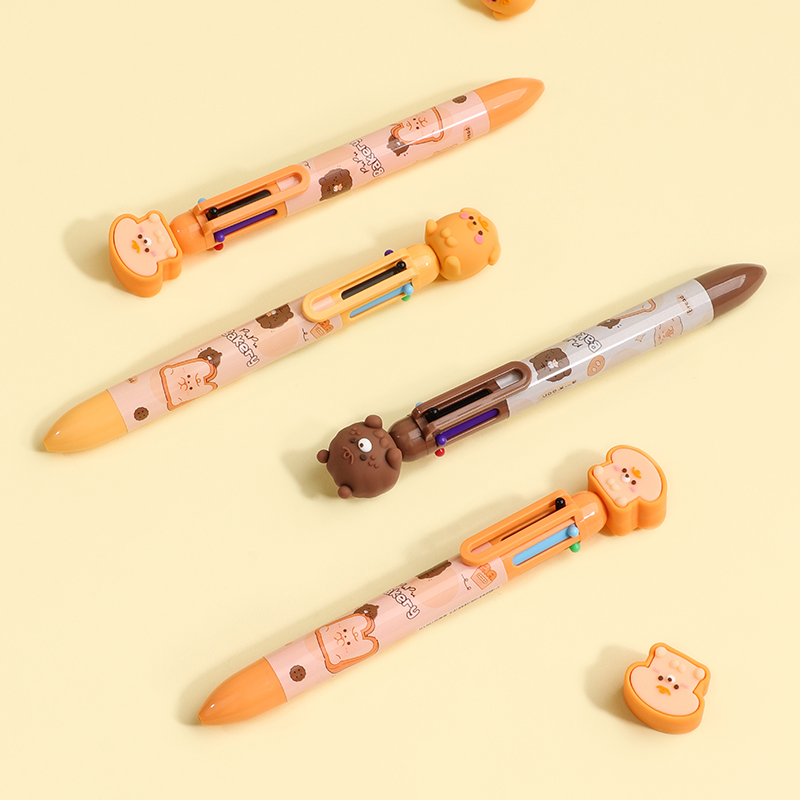
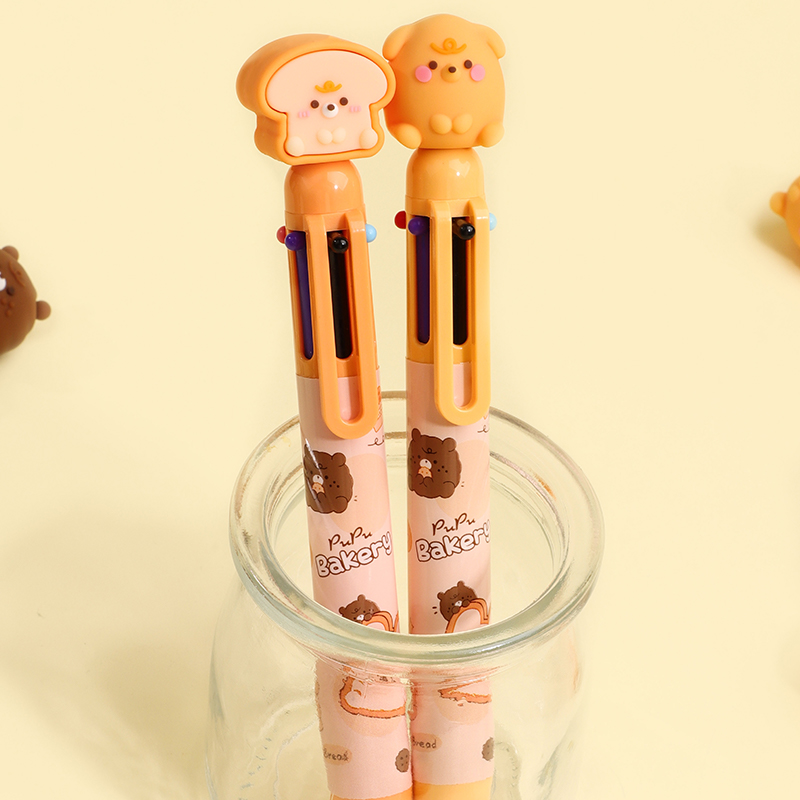
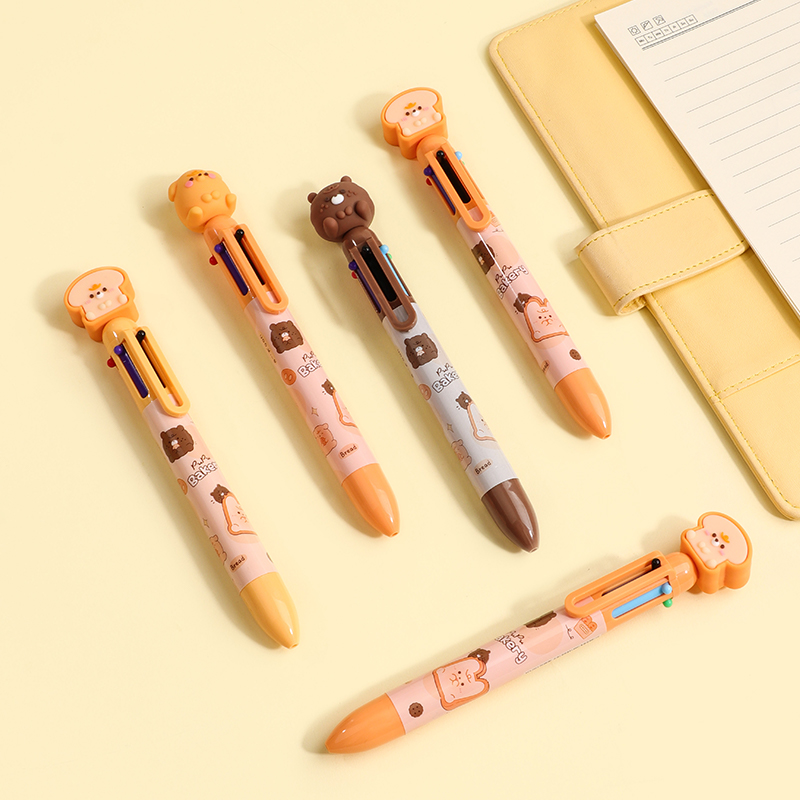
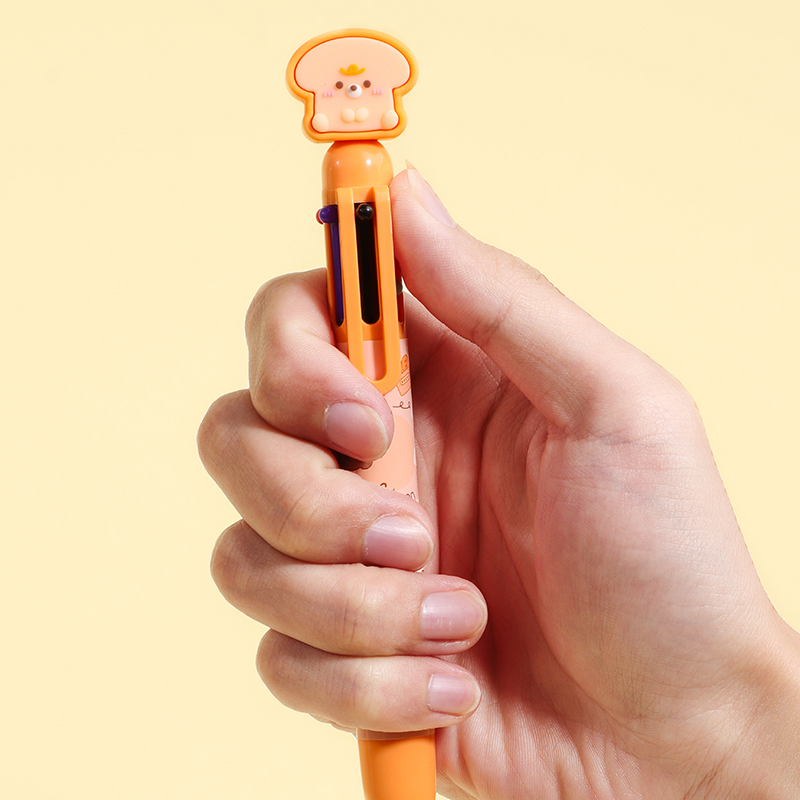
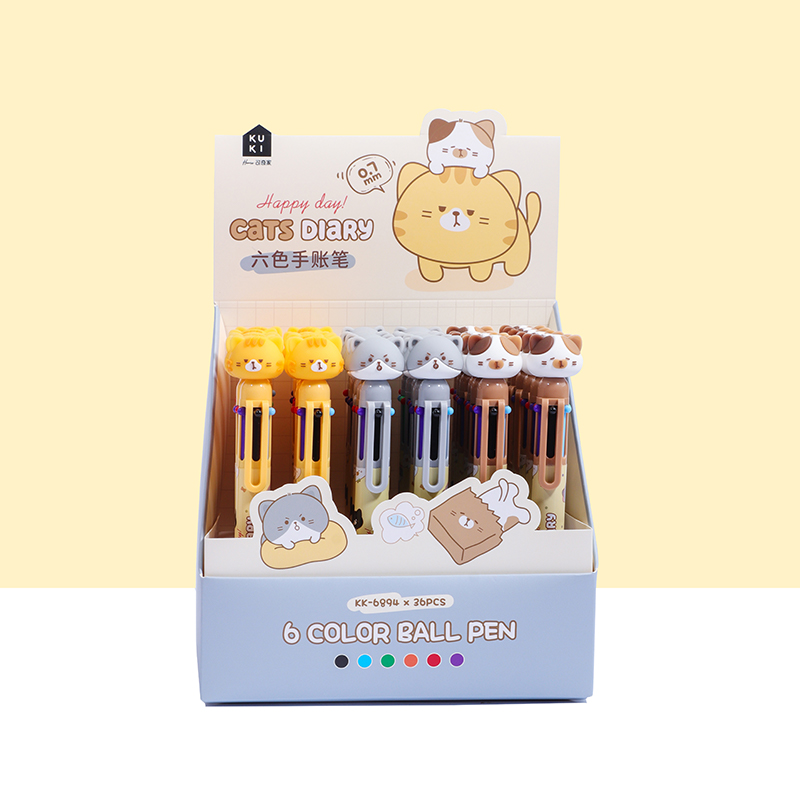
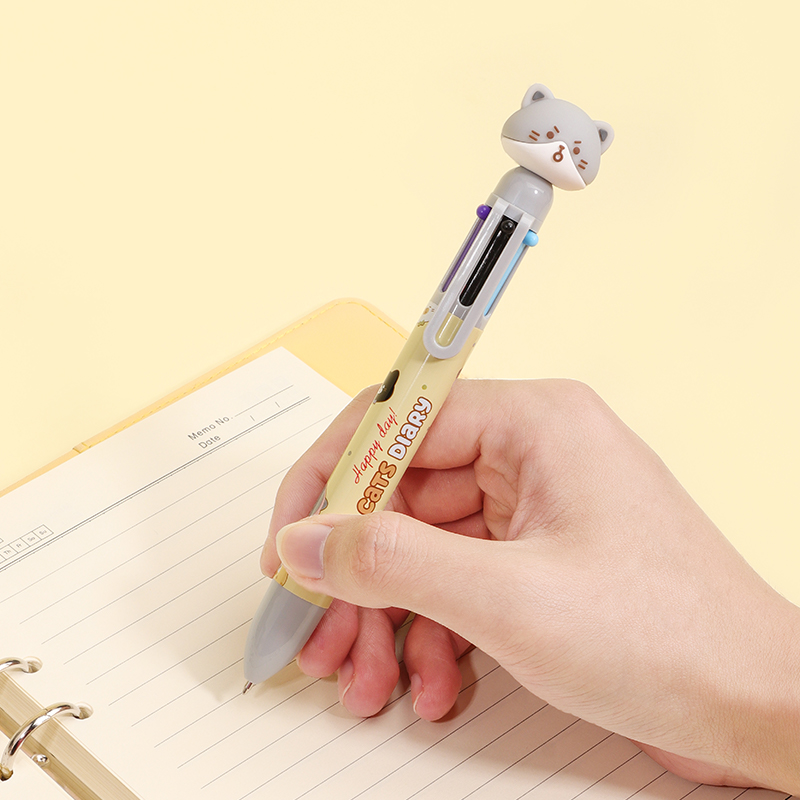
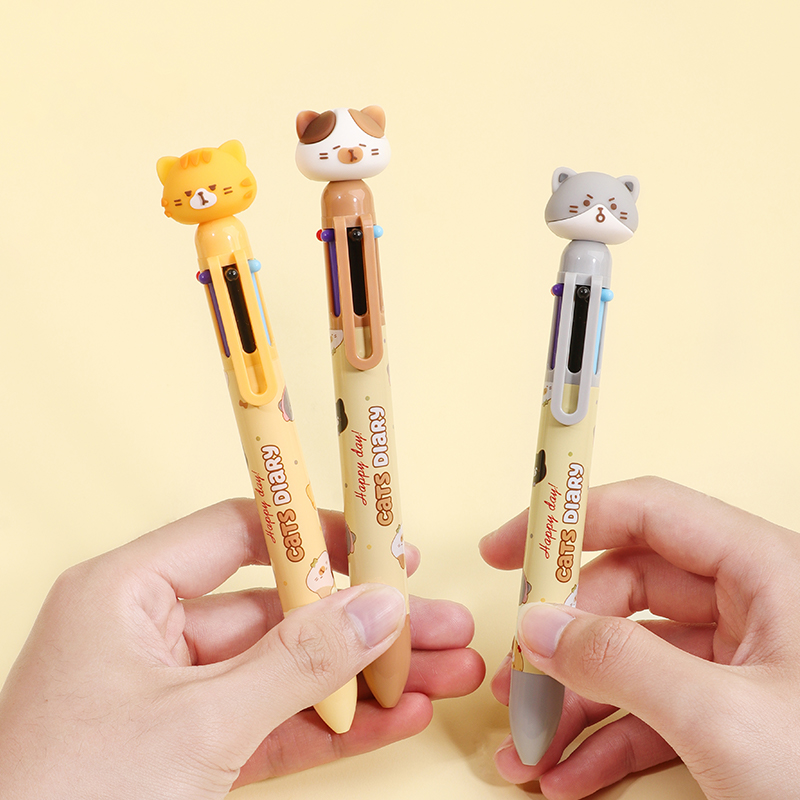
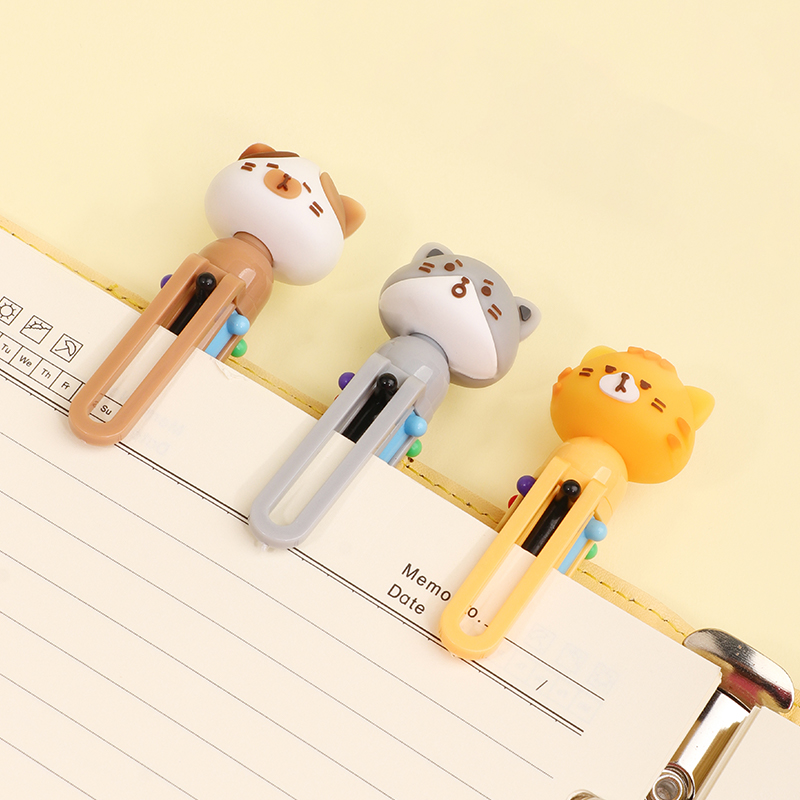
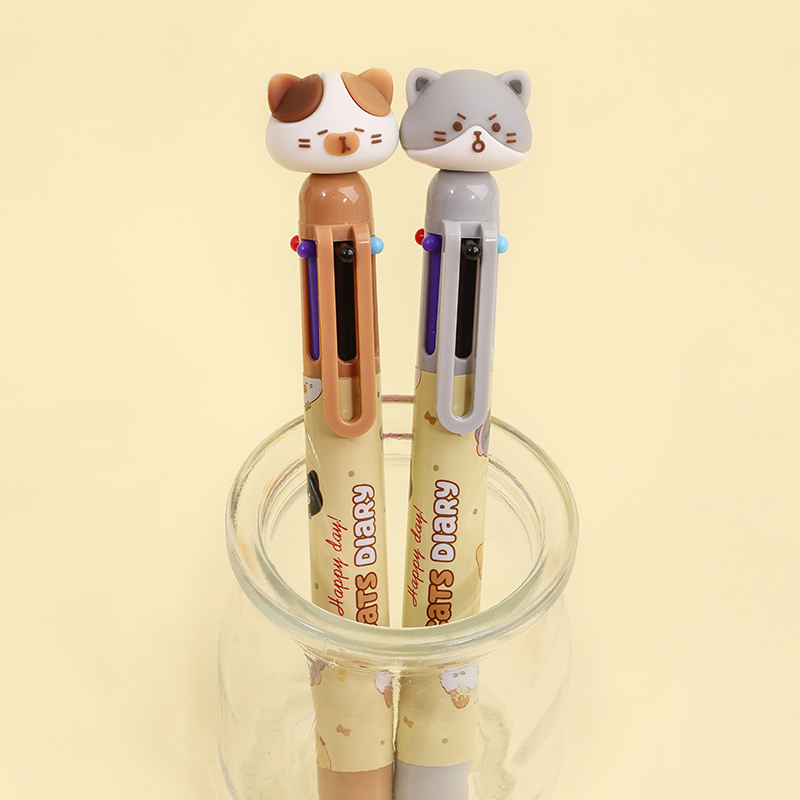
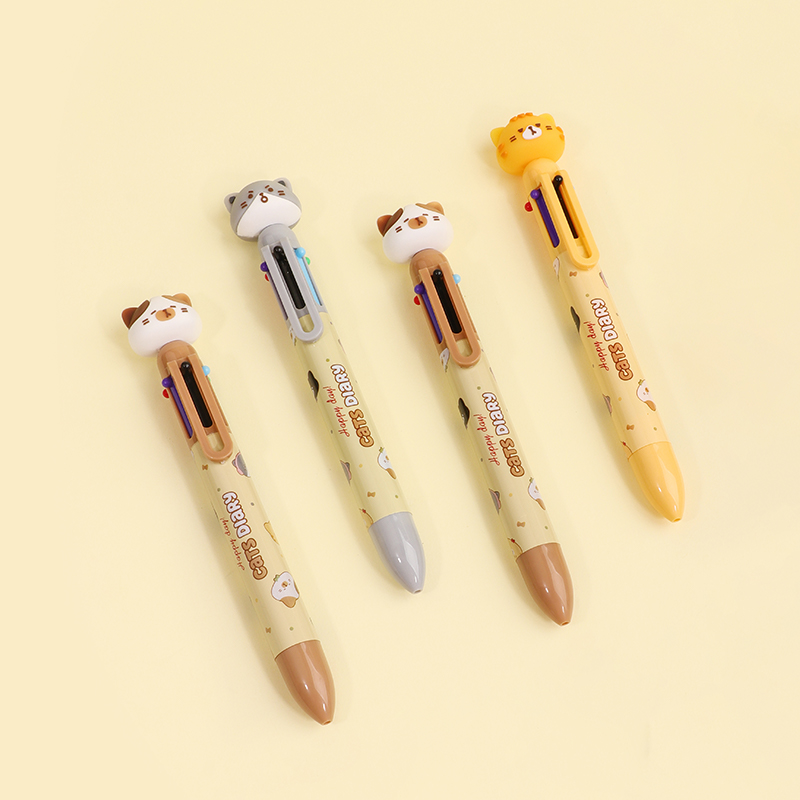
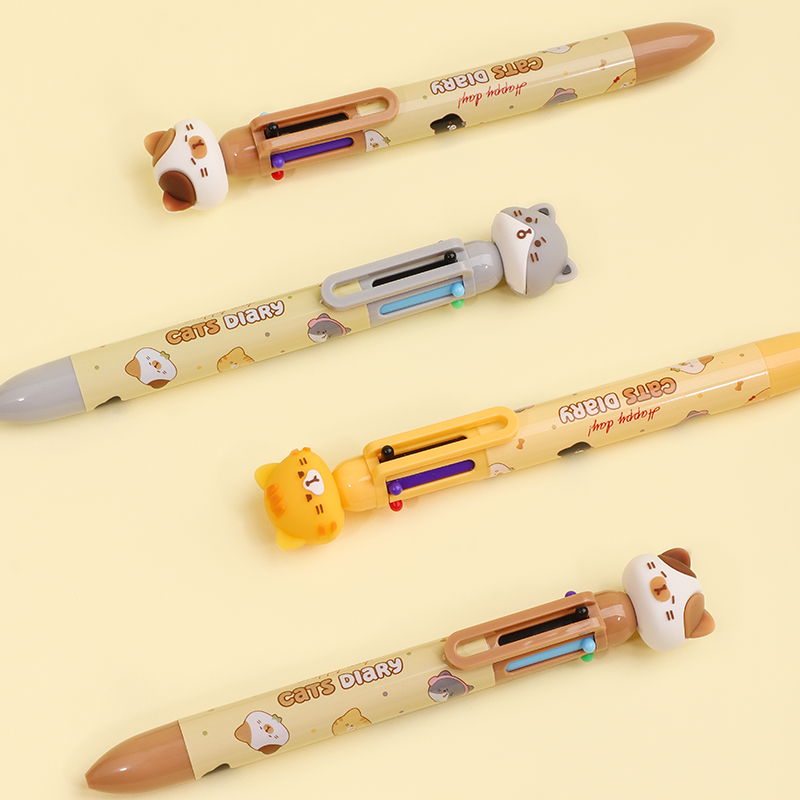
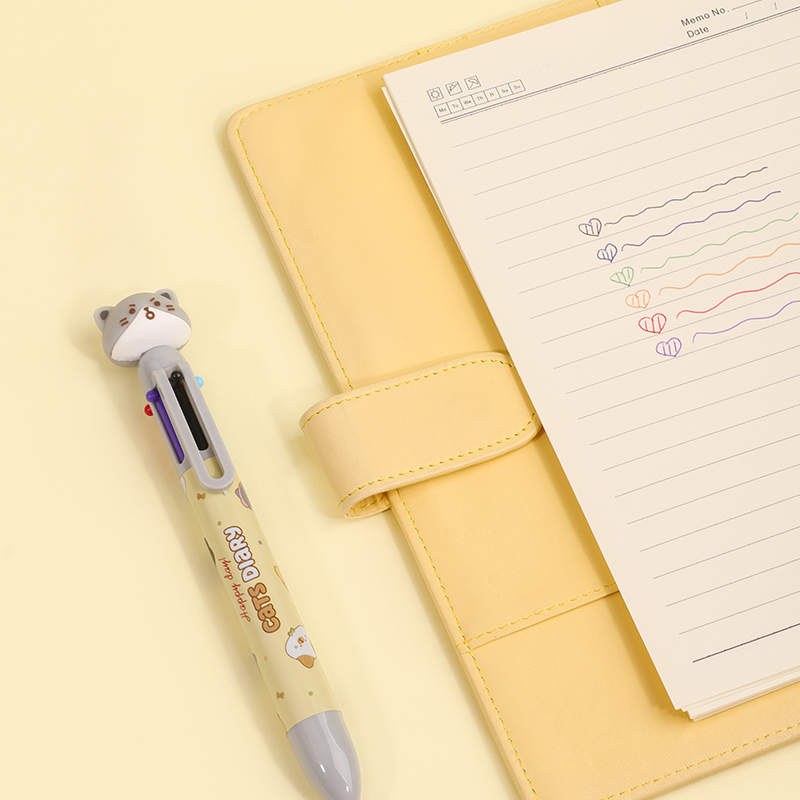
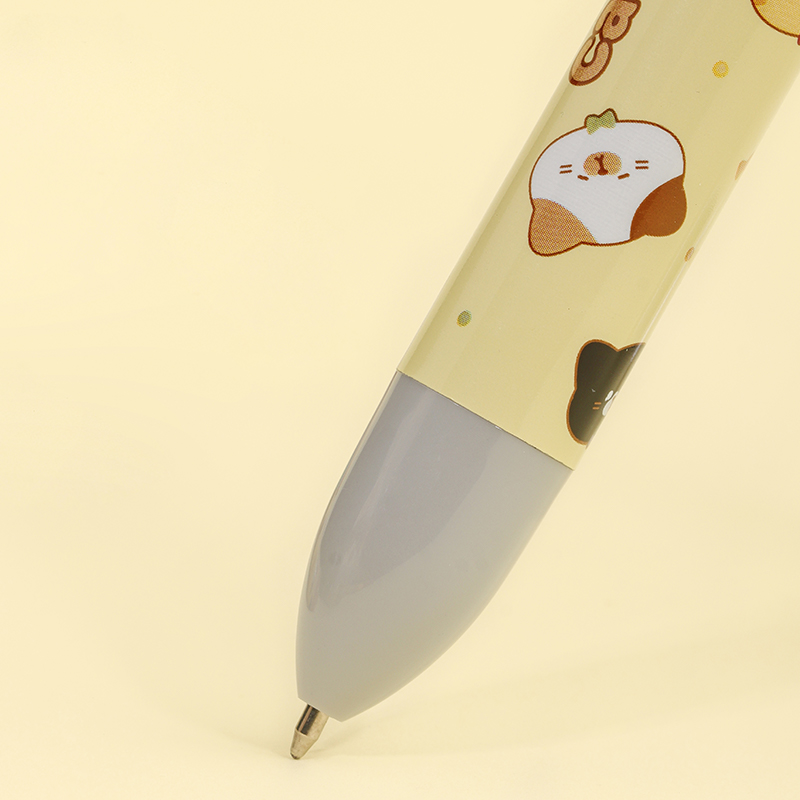
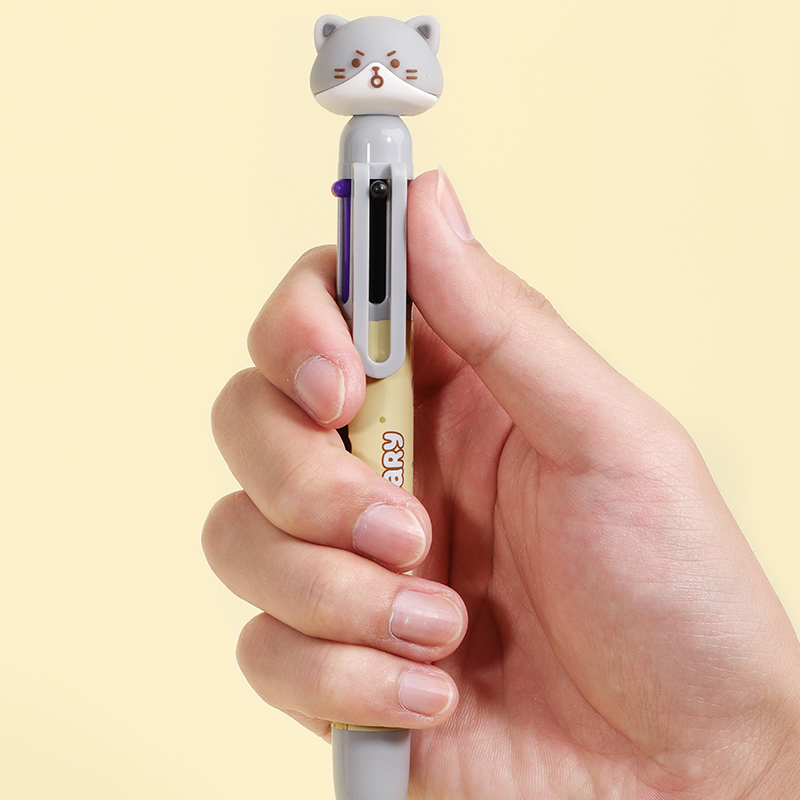
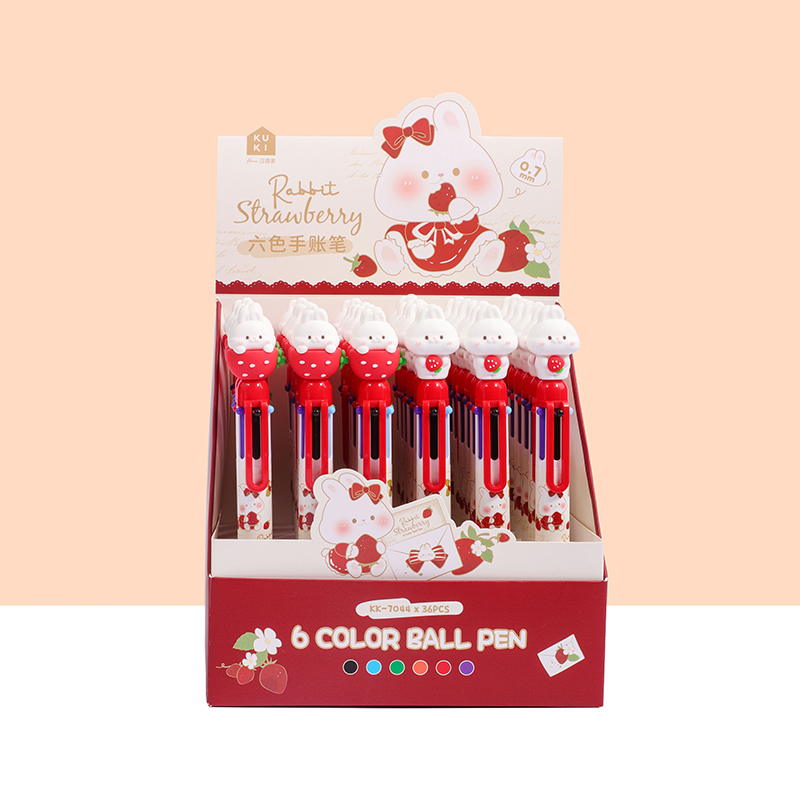
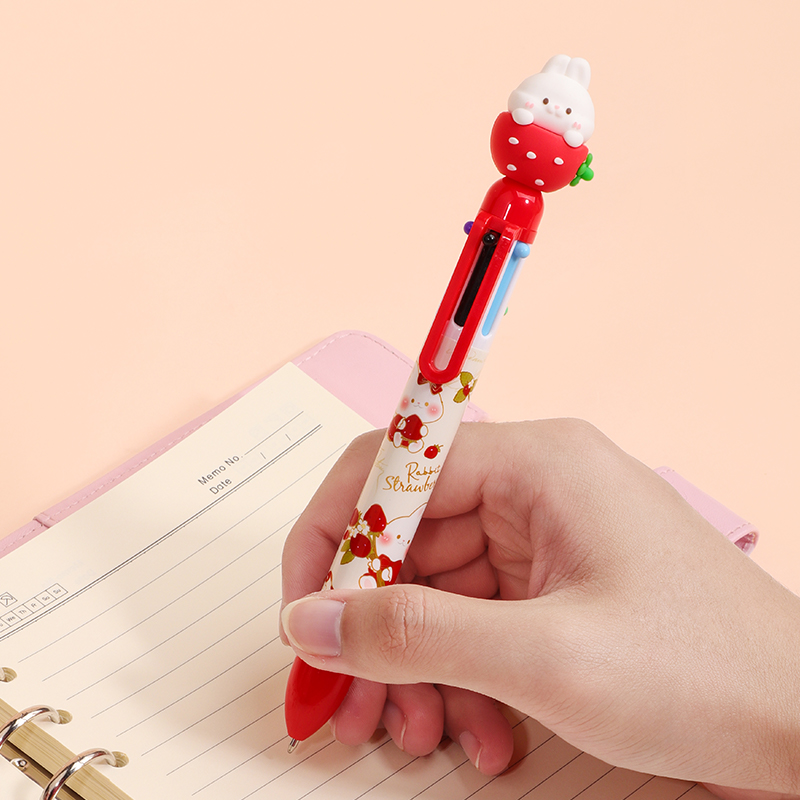
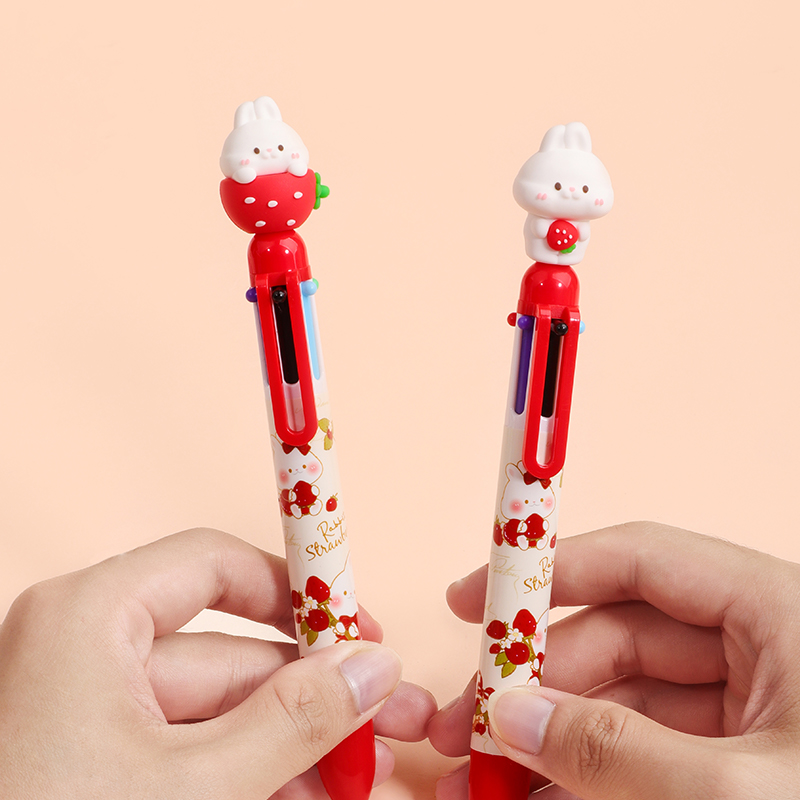
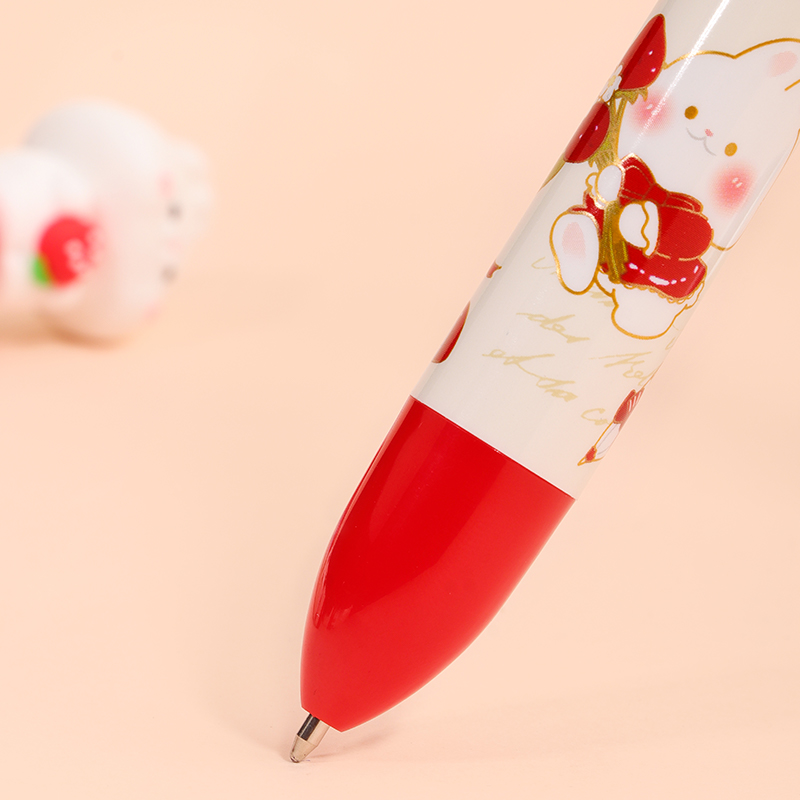
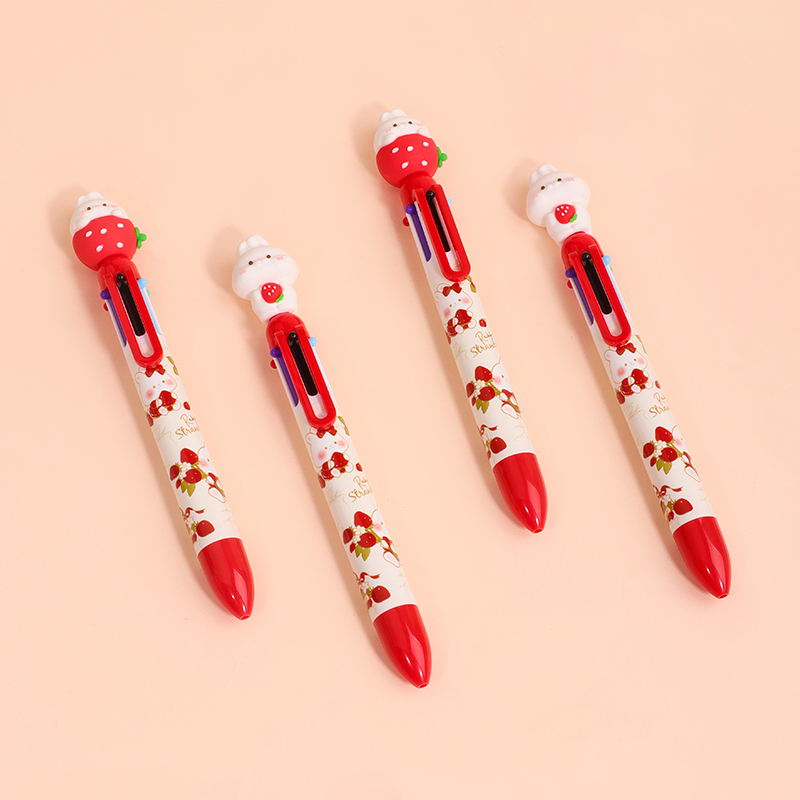
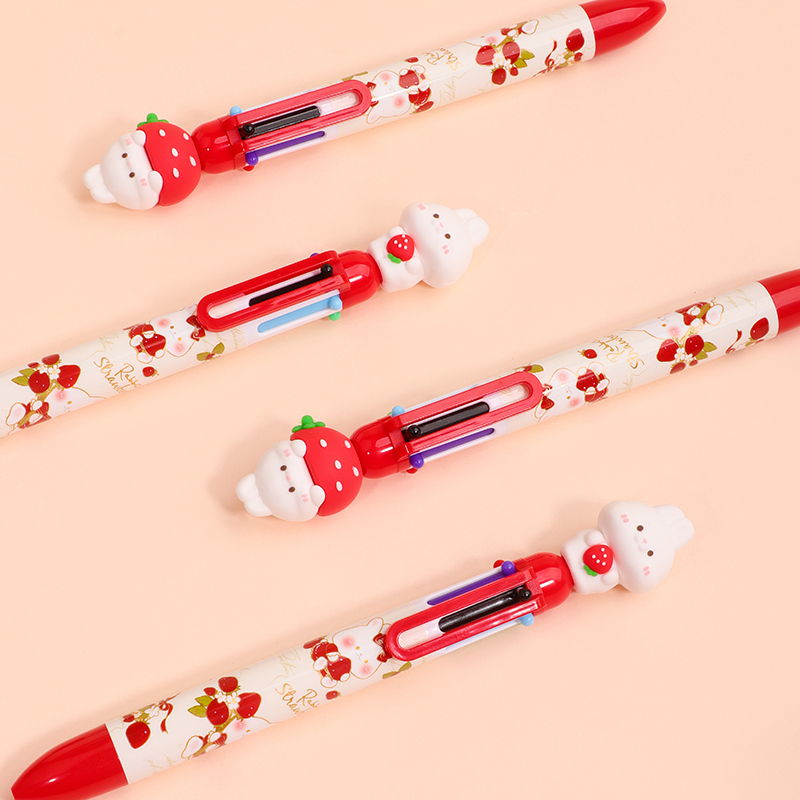
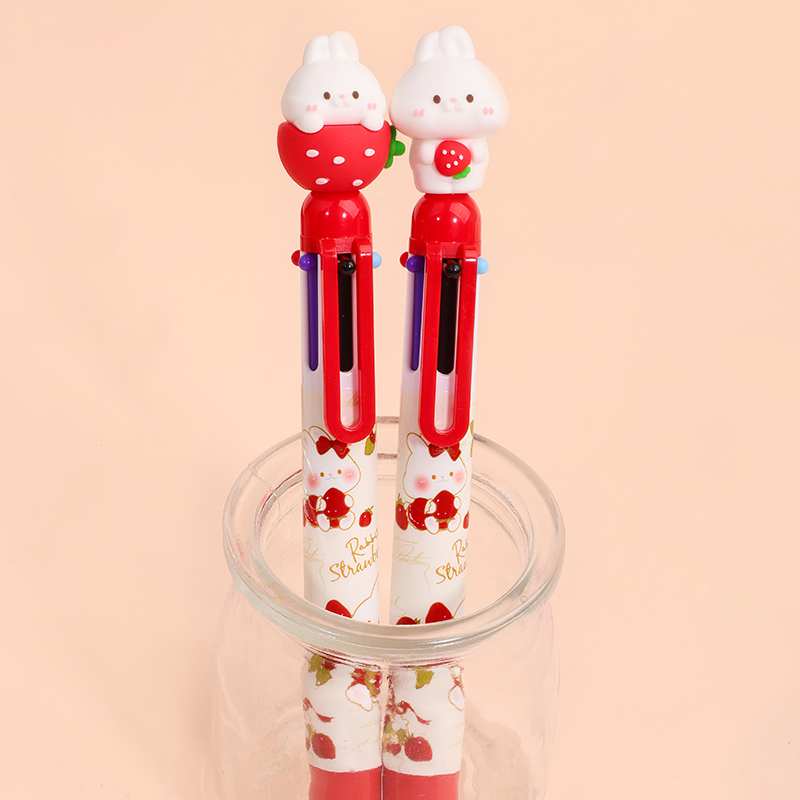
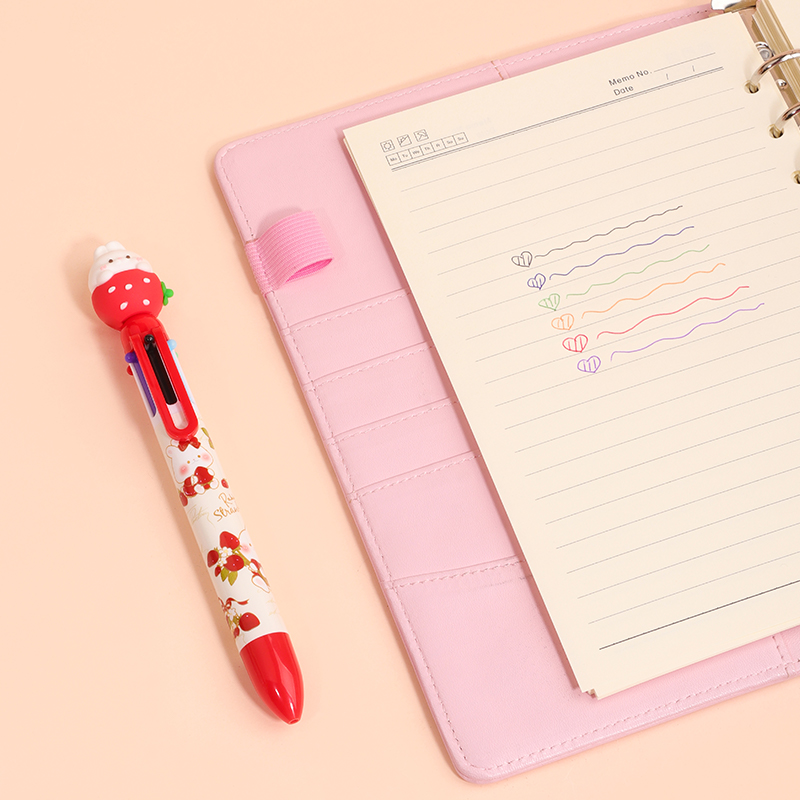
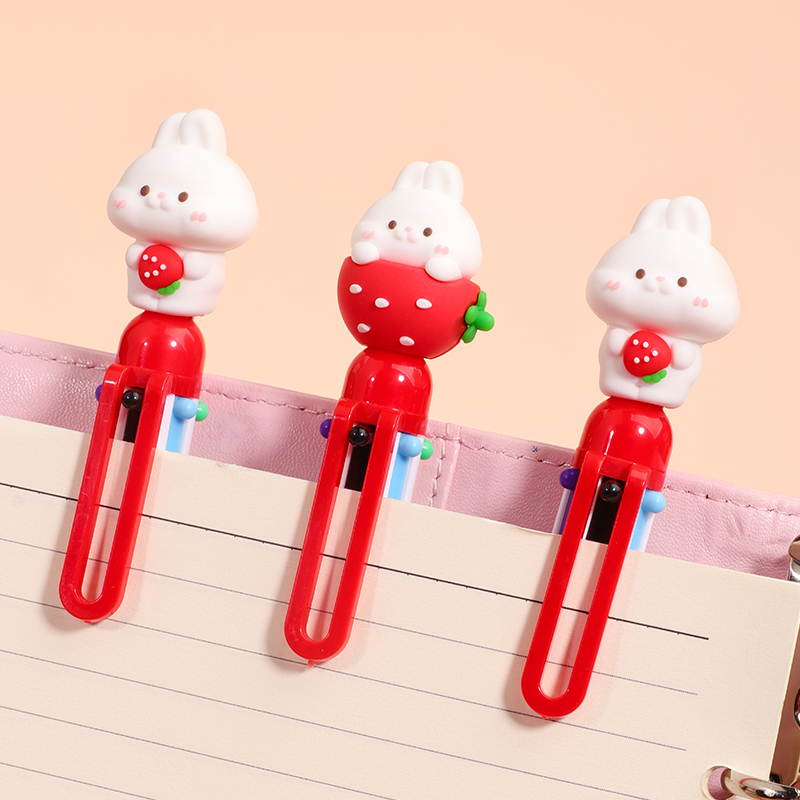
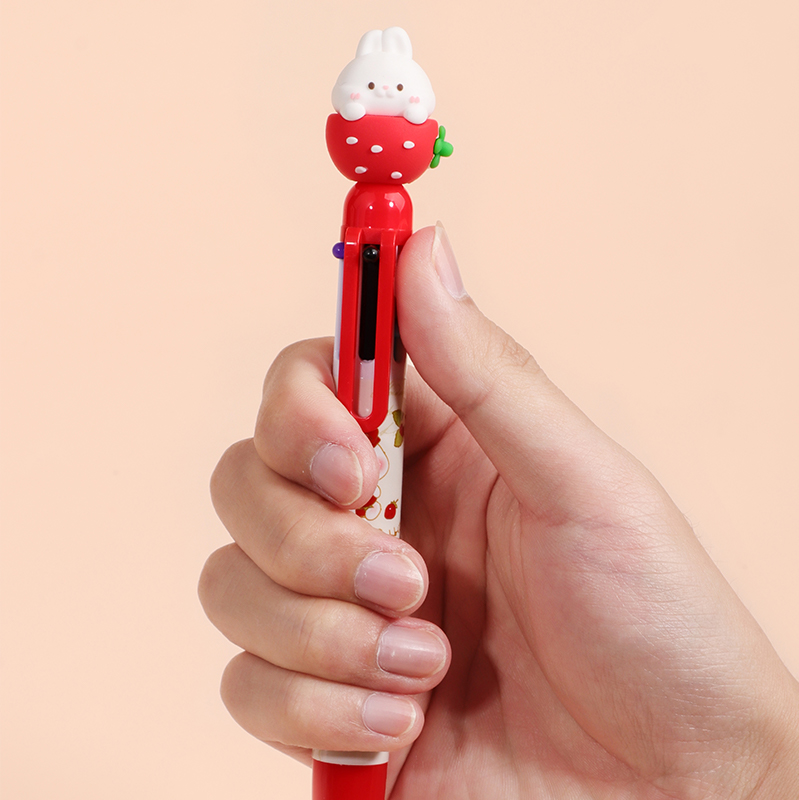
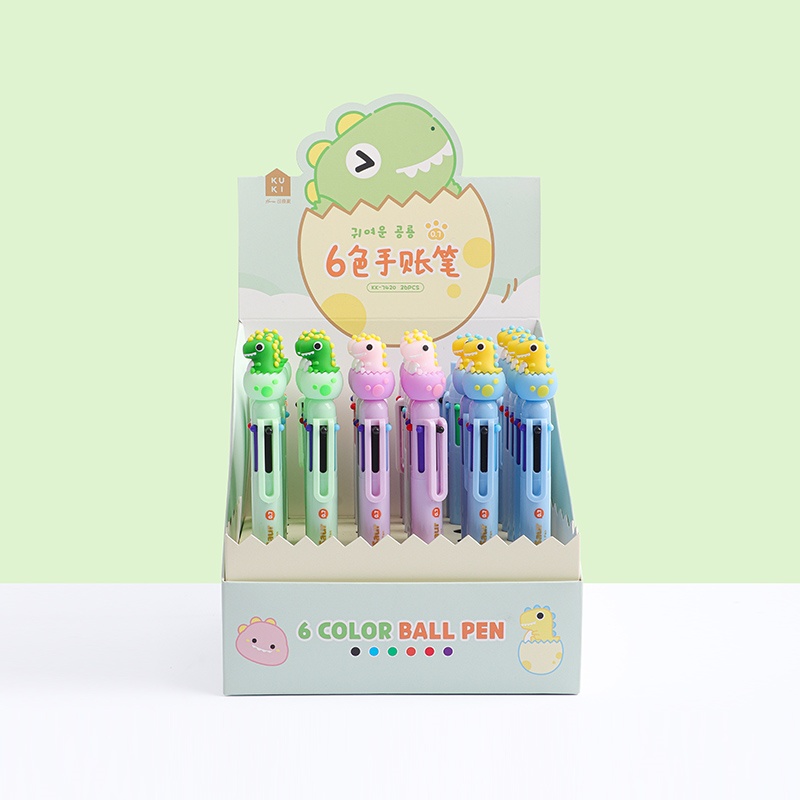
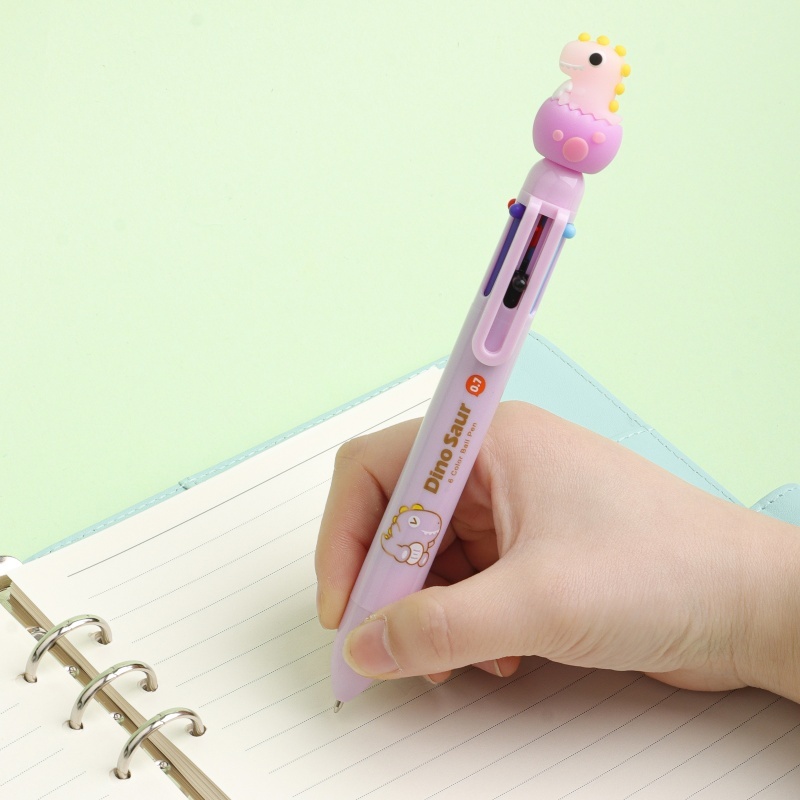
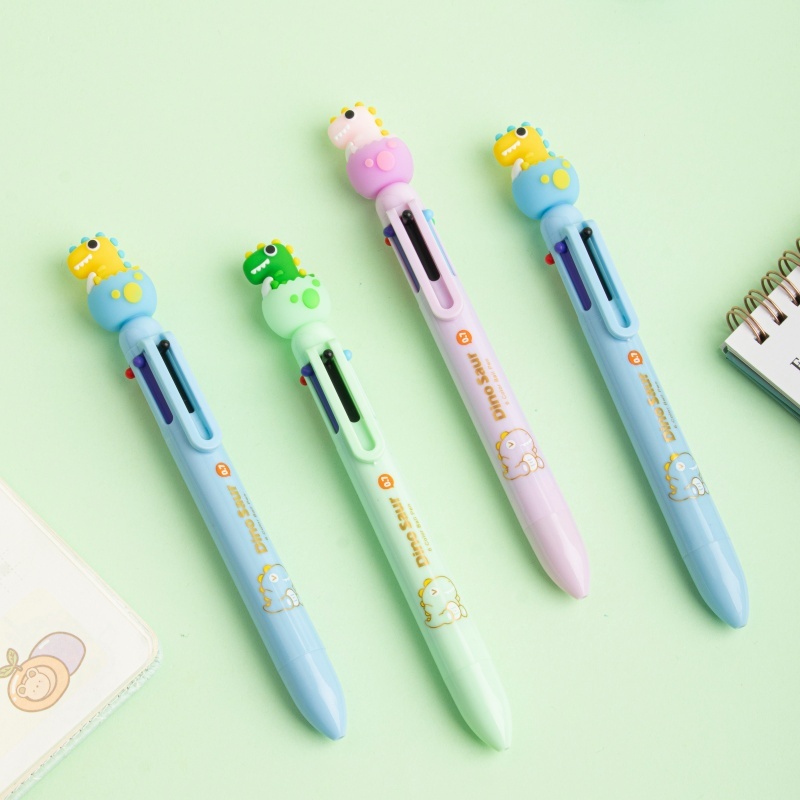
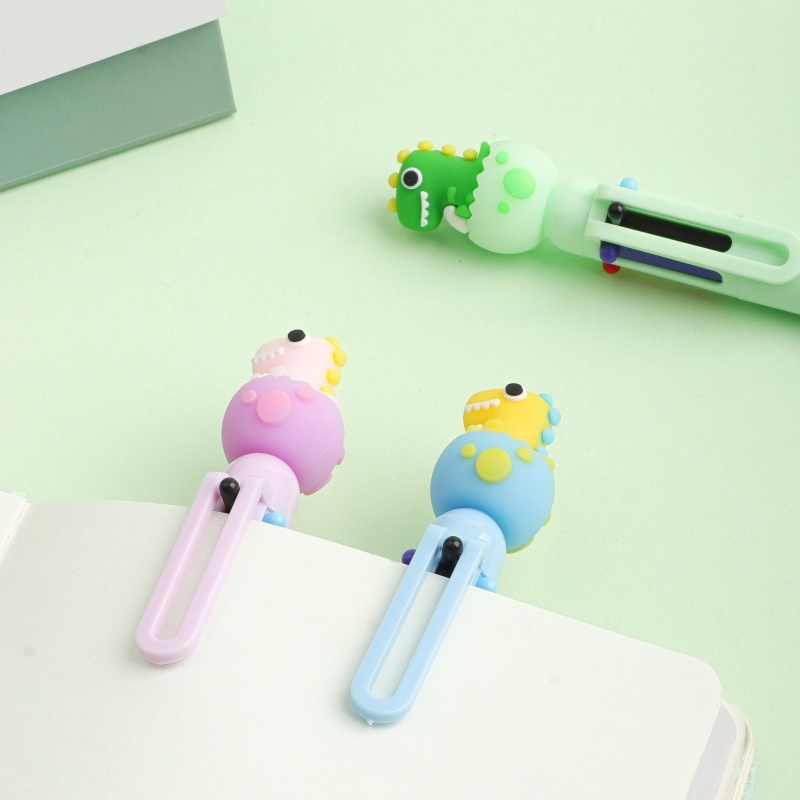
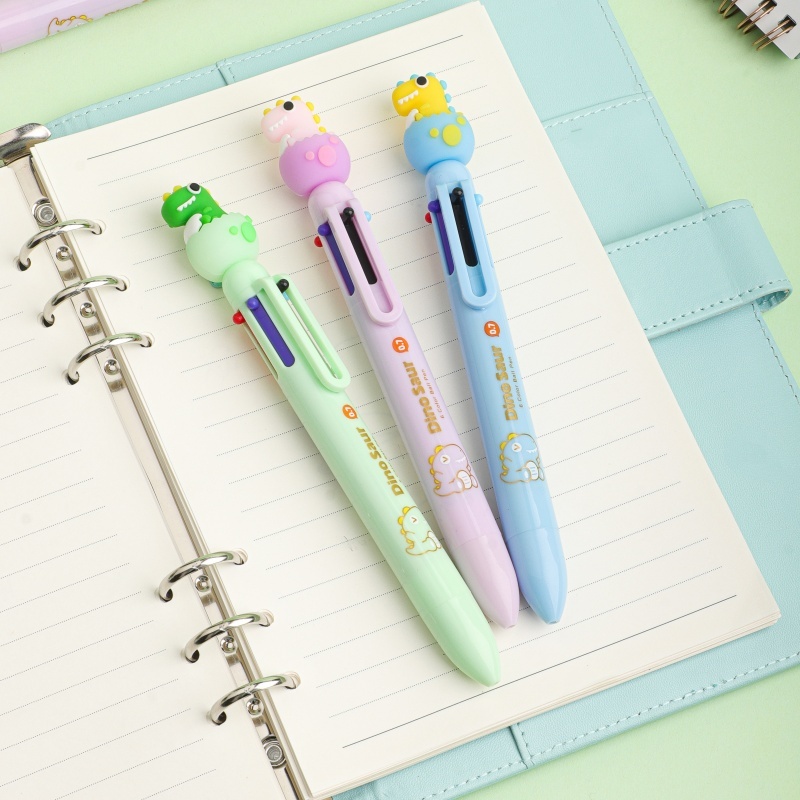
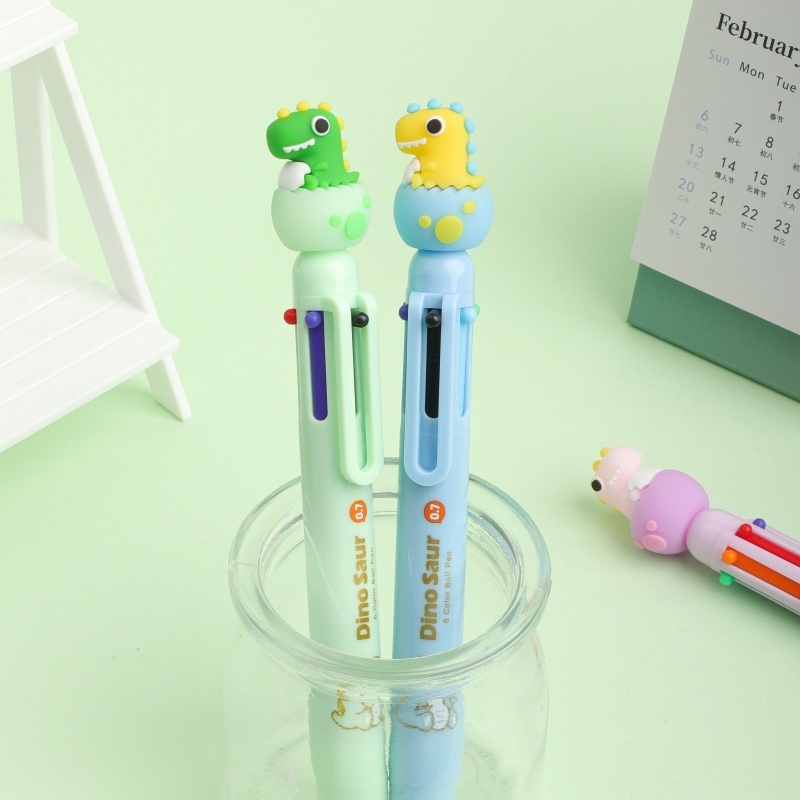
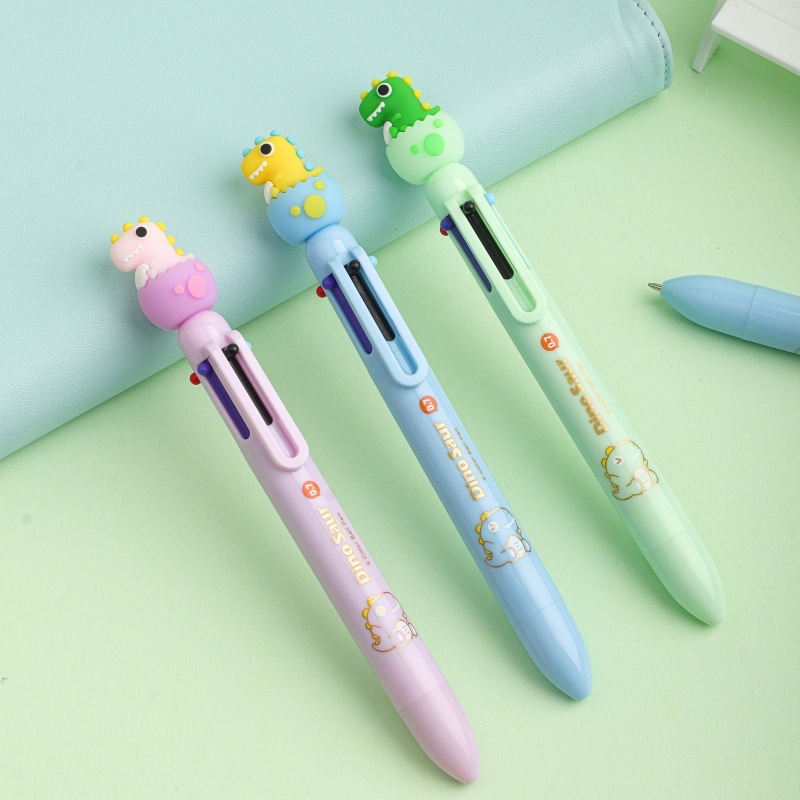
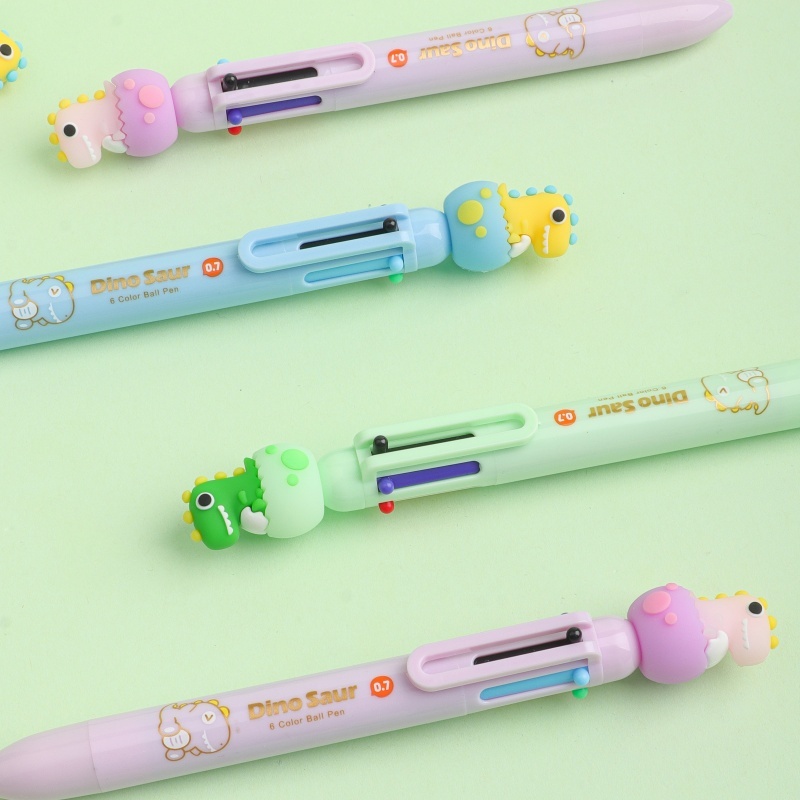
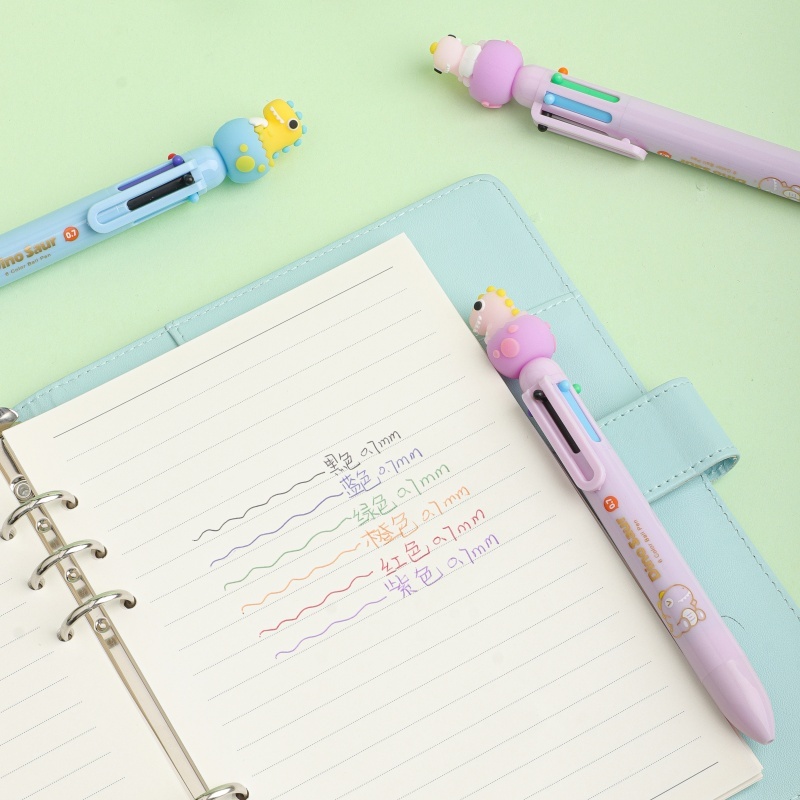
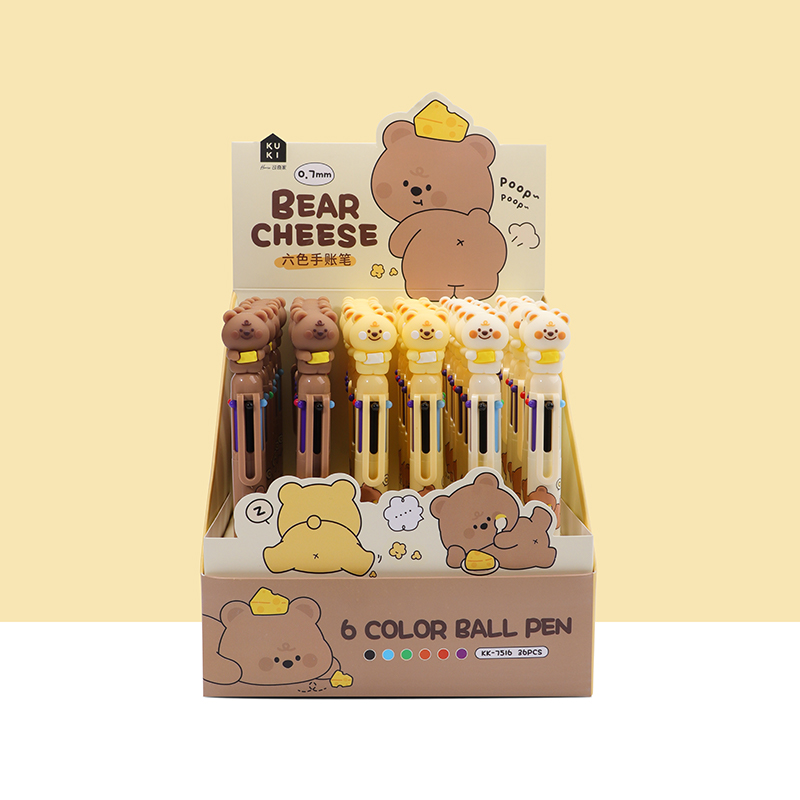
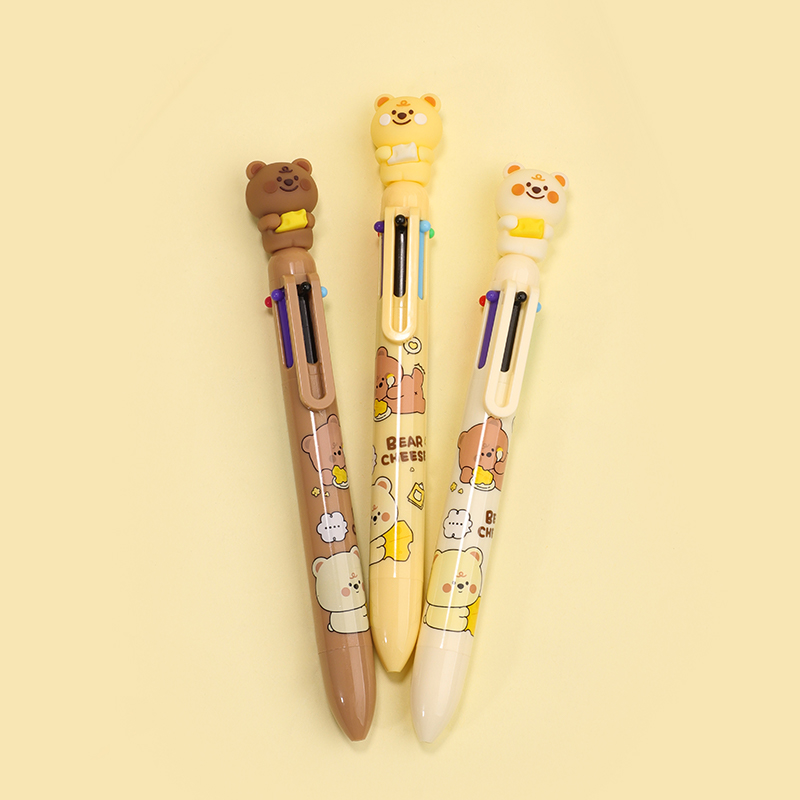
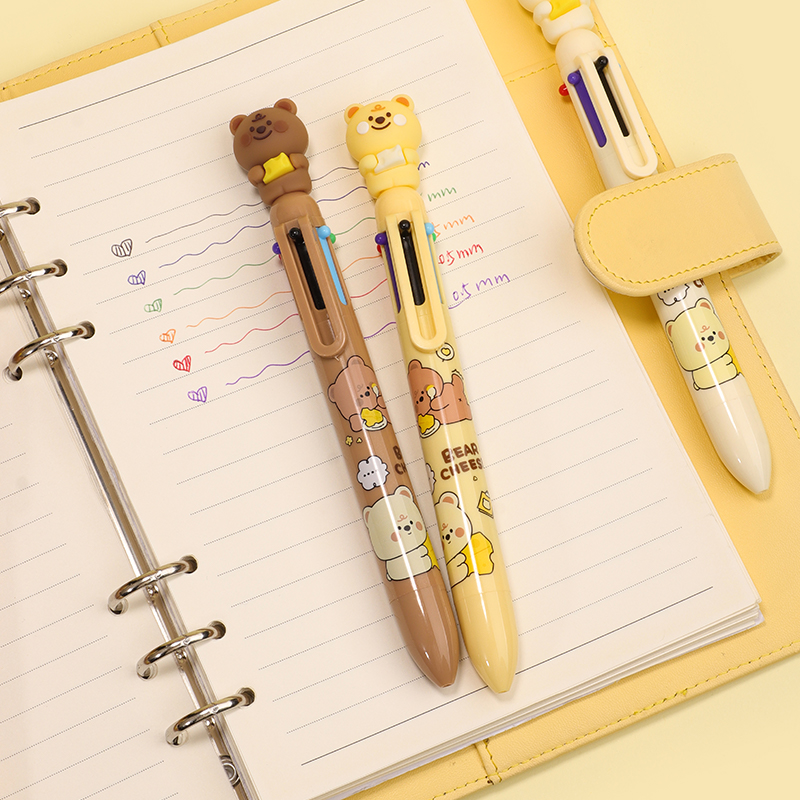
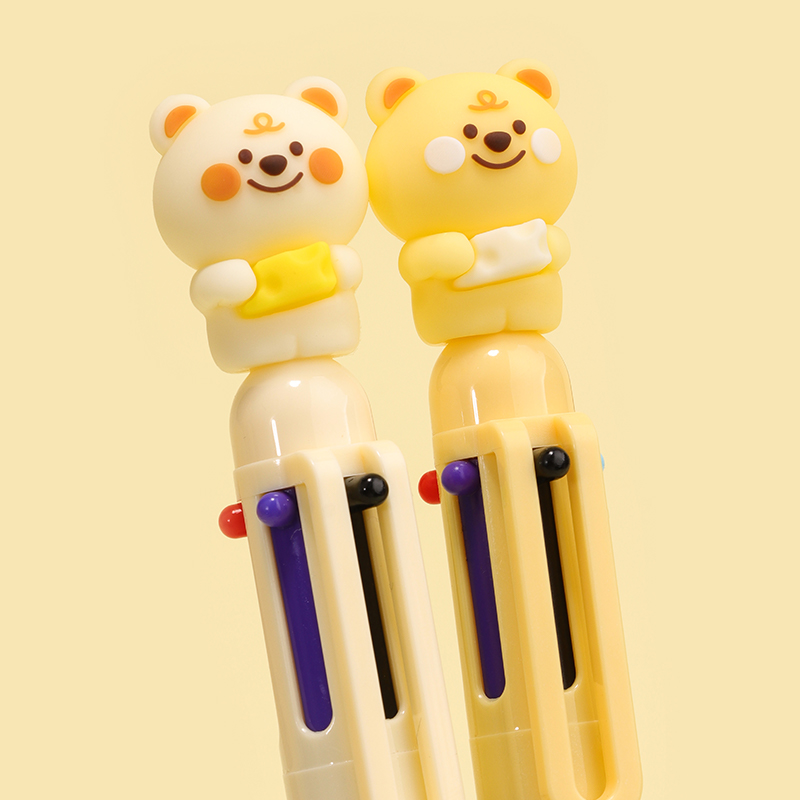
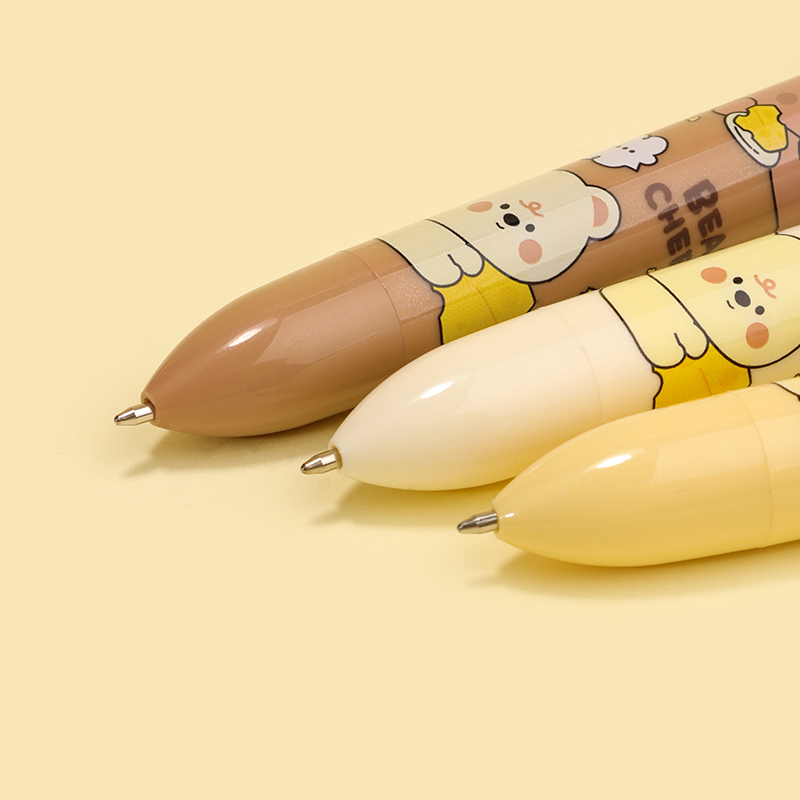
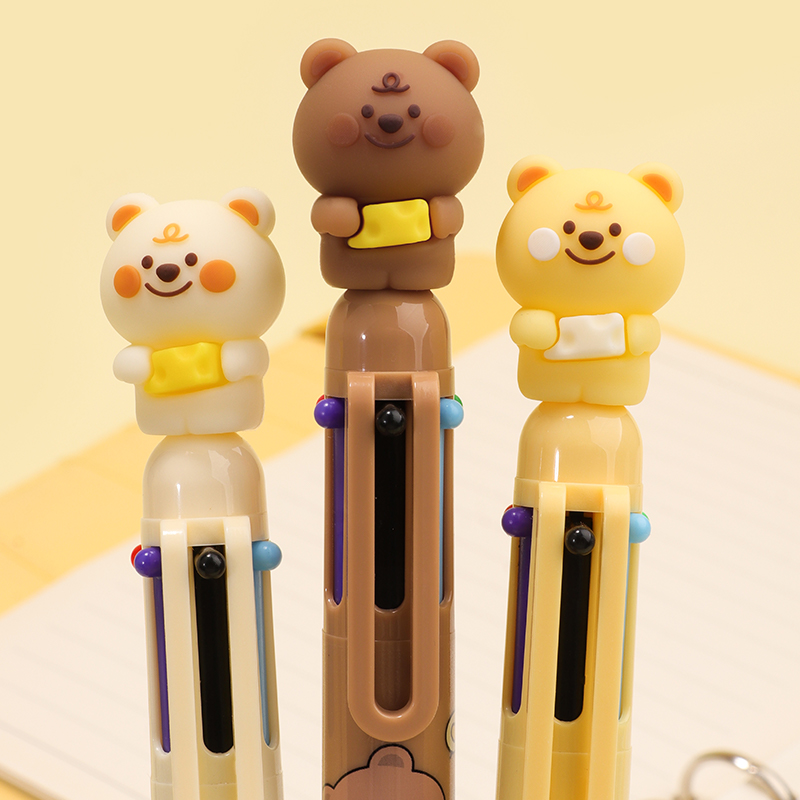
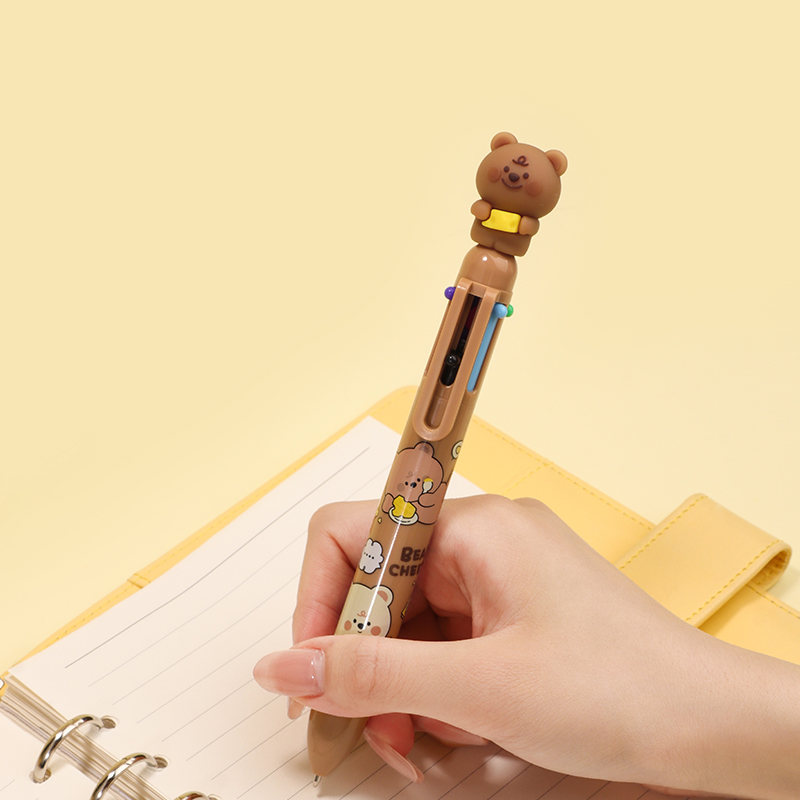
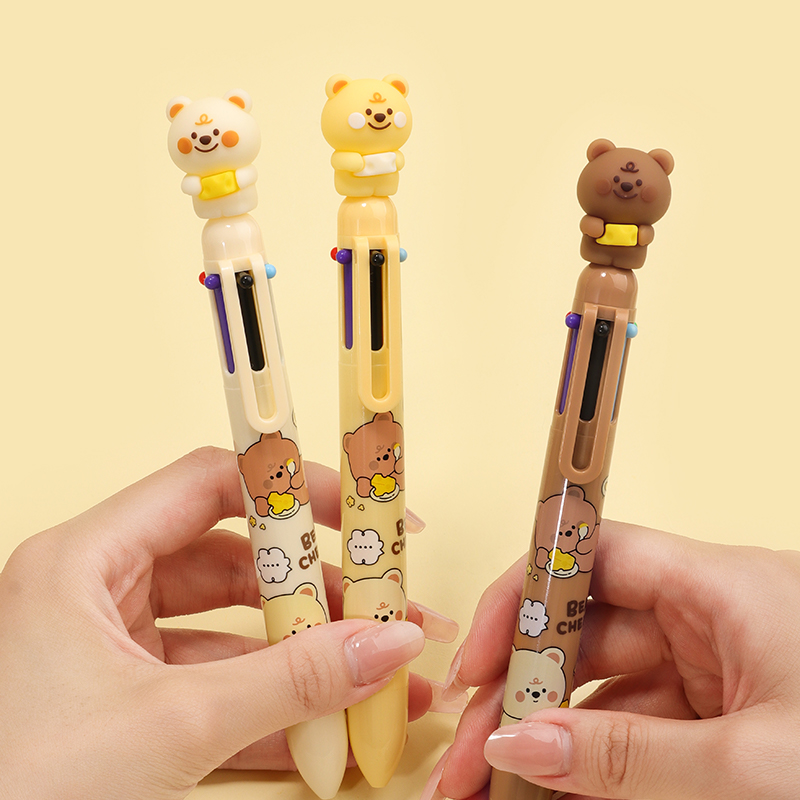
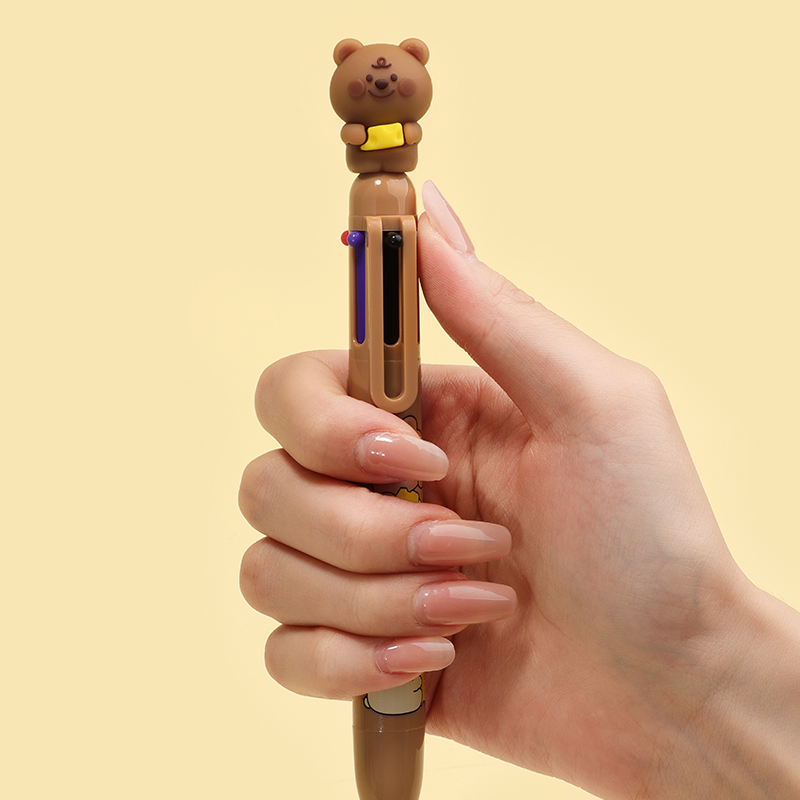
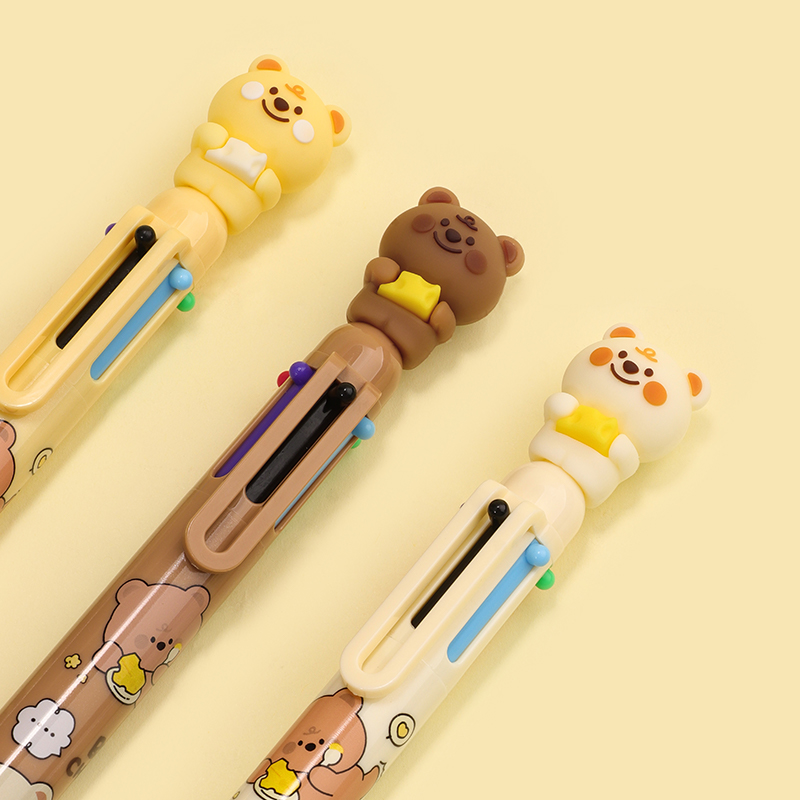
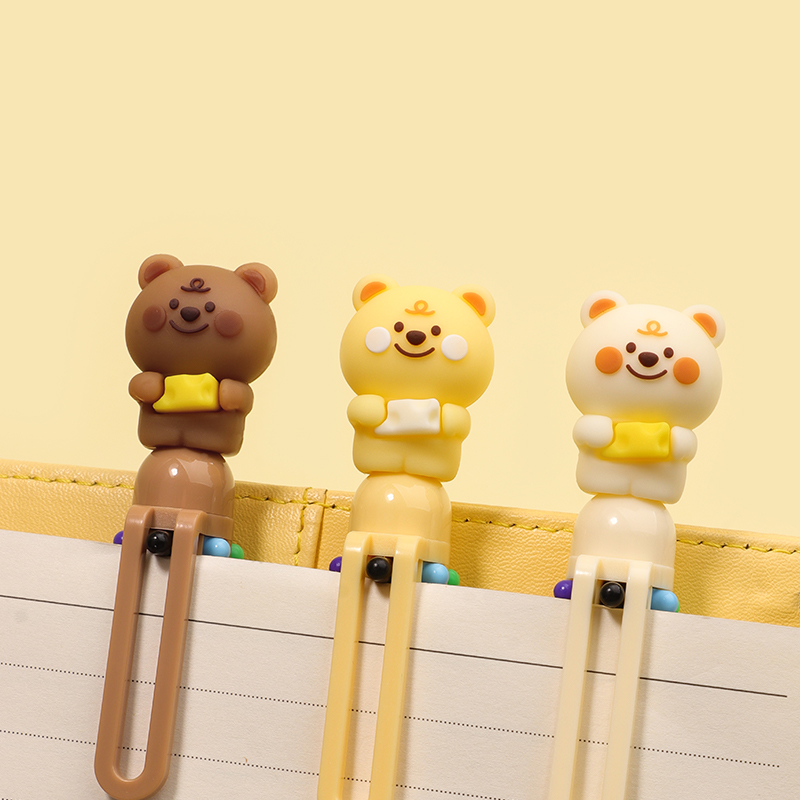
This 6-in-1 ballpoint pen from KUKO combines functionality and refined aesthetics. The top is decorated with a transparent epoxy dome 3D ornament, offering both visual appeal and comfortable control. It houses six replaceable 0.7mm refills in classic colors (blue, black, red, green, etc.) suitable for detailed note-taking, color-based categorization, and journaling. The pen’s mid-weight design and twist-action mechanism enhance writing stability and convenience.
SEND US A MESSAGE
call us
+86 18157942912
About Us
Dongyang Kuki Stationery Co., Ltd.
News
-
Exhibition Name: INDONESIA ASEAN STATIONERY&GIFT EXPO 2025 Exhibition Time: November 20th - 22nd, 2025 Exhibition Ad...
READ MORE -
Mr. Huang Ping, Executive Vice President of Yiwu Cultural Supplies Industry Association, Chairman of Yiwu Kuki home Cult...
READ MORE -
With the brand vision of "making global learners happier", KuKi, a brand under Yiwu Kuki Cultural and Creative Co., LTD....
READ MORE -
Writing tools are no longer cold standard equipment. When creative expression extends to the pen, a fun revolution about...
READ MORE -
Stationery brand KUKI officially launched its new 3D pencil sharpener series today. This series of products innovatively...
READ MORE -
Following its extensive attention at the 138th Canton Fair, KuKi, a brand under Yiwu Kuki Cultural and Creative Co., LTD...
READ MORE
Related products
6 Colors Ballpoint Pen Industry knowledge
Q1: What defines a 6 Colors Ballpoint Pen?
A 6 Colors Ballpoint Pen combines multiple ink options in a single body, allowing users to switch between colors seamlessly. In the stationery industry, this design emphasizes convenience and efficiency, reducing the need to carry multiple individual pens. These pens are commonly used in classrooms, offices, and for creative note-taking.
The popularity of a 6 Colors Ballpoint Pen reflects consumer demand for compact and versatile tools. Users appreciate being able to color-code notes or highlight different sections without changing instruments.
Q2: How does a 6 Colors Ballpoint Pen influence product positioning?
In retail and marketing, a 6 Colors Ballpoint Pen is often positioned as both practical and innovative. Its multi-ink design allows manufacturers to offer variety without increasing desk clutter. This product type also appeals to students and professionals who value organization and visual distinction in their work.
From a production perspective, ensuring smooth ink flow for each color is critical. Manufacturers balance mechanical complexity with user-friendly design to maintain consistent performance across all six options.
Q3: What is a Multi-Color Pen, and how is it different?
A Multi-Color Pen refers more broadly to pens that allow multiple ink colors in one unit, which may include four, five, or six colors. In the stationery industry, Multi-Color Pens serve a similar purpose as 6 Colors Ballpoint Pens but offer flexibility in configuration and style. They are popular in educational and creative contexts where color coding is important.
Multi-Color Pens are often designed for comfort and quick color switching. Ergonomic features and smooth ink delivery ensure users can write for extended periods without fatigue, which enhances their appeal in both classrooms and professional settings.
Q4: Why are Multi-Color Pens favored for creativity?
Color differentiation supports organization and artistic expression. Multi-Color Pens allow students to annotate notes, highlight keywords, or create diagrams with clarity. For creative professionals, these pens help in sketching or planning without needing multiple writing instruments, streamlining workflow and enhancing productivity.
The stationery industry has recognized that versatility drives engagement. Multi-Color Pens often form part of kits or themed collections to encourage experimentation with color.
Q5: What defines a Replaceable Refill Pen?
A Replaceable Refill Pen is designed so that the ink cartridge can be swapped out once depleted, instead of discarding the entire pen. In the stationery sector, this design promotes sustainability and cost efficiency. Users benefit from long-term usability and reduced waste, which aligns with current environmental awareness trends.
Replaceable Refill Pens are available in single-color or multi-color formats. Their modular construction ensures smooth refilling and consistent writing performance.
Q6: How does a Replaceable Refill Pen affect brand strategy?
For manufacturers, offering Replaceable Refill Pens allows for recurring revenue through refill sales. It also reinforces brand responsibility by emphasizing sustainable product design. In retail, pens with replaceable refills are often paired with high-quality cases or premium packaging, attracting consumers who prioritize longevity and practicality.
Replaceable Refill Pens are versatile in both personal and professional contexts. They support extended use in offices, schools, or creative projects, ensuring continued brand visibility with each refill.
Q7: How do these pen types reflect broader industry trends?
The stationery industry is increasingly focused on versatility, convenience, and sustainability. A 6 Colors Ballpoint Pen provides compact multi-color functionality. Multi-Color Pens expand the range of color options for creative and organizational use. Meanwhile, Replaceable Refill Pens prioritize eco-friendly practices and long-term value.
Together, these pen types illustrate how modern writing instruments are evolving beyond basic function. Consumers now consider convenience, adaptability, and environmental impact when selecting pens, showing that even simple tools continue to adapt to changing preferences and lifestyle demands.


Pagetop
CONTACT
- +86 18157942912

- [email protected]

- Production Center: 3rd Floor, Building 2, Minghong Science and Innovation Park, No. 36 Suhua Street, Yiwu City, Jinhua City, Zhejiang Province (Elevator 2-5)

- Operation Center: 4th Floor, Building 2, Minghong Science and Innovation Park, No. 36 Suhua Street, Yiwu City, Jinhua City, Zhejiang Province (Elevator 2-6)
QUICK LINKS
MOBILE
