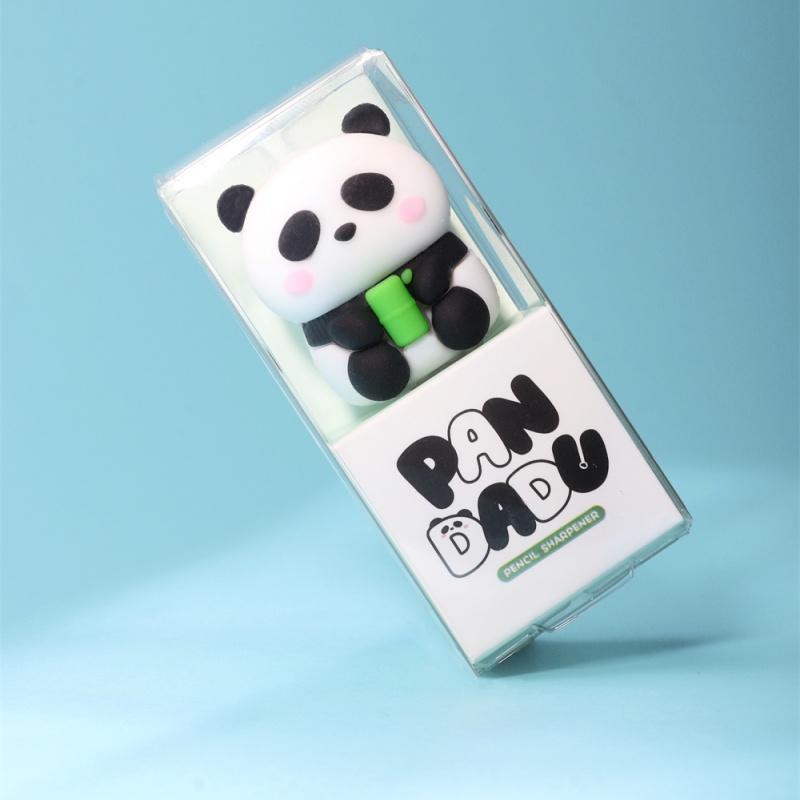
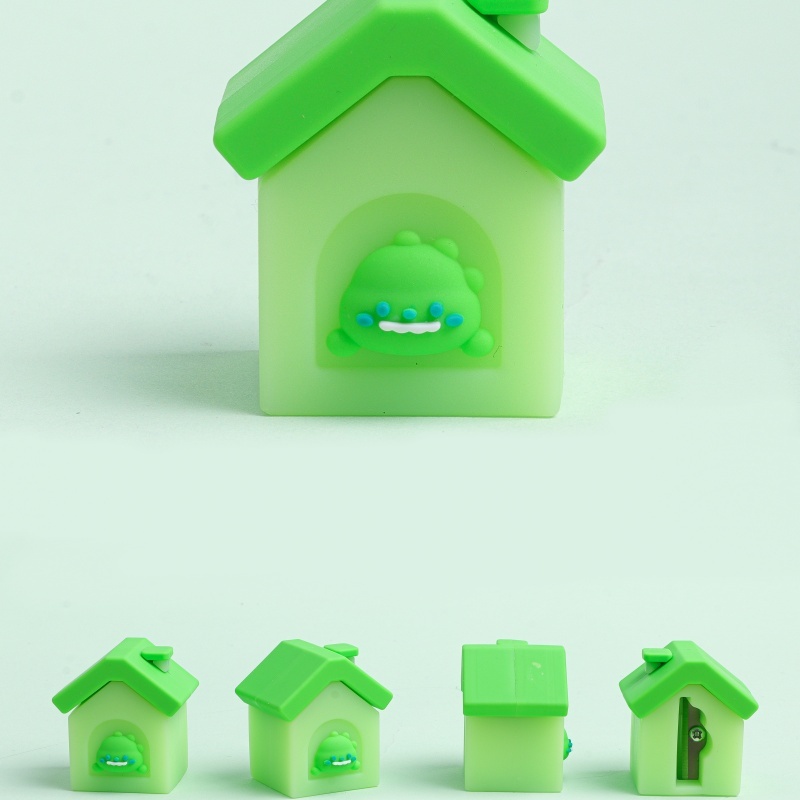
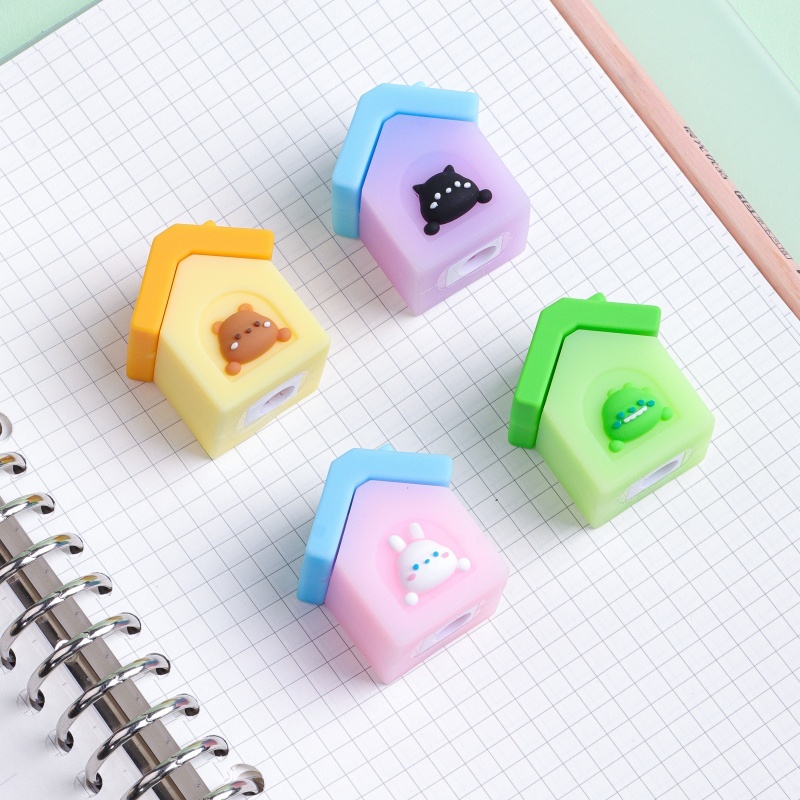
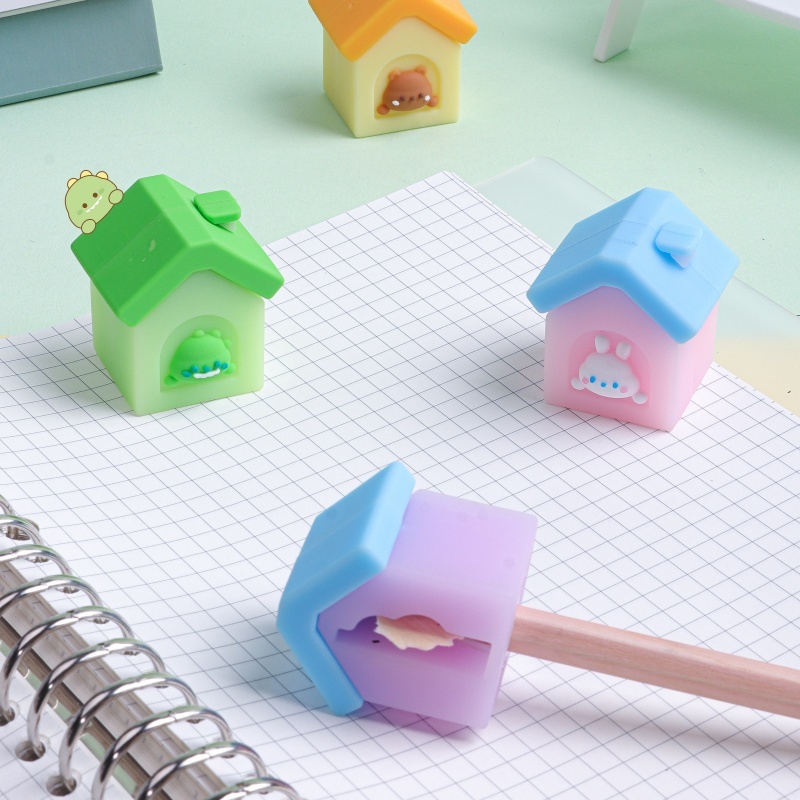
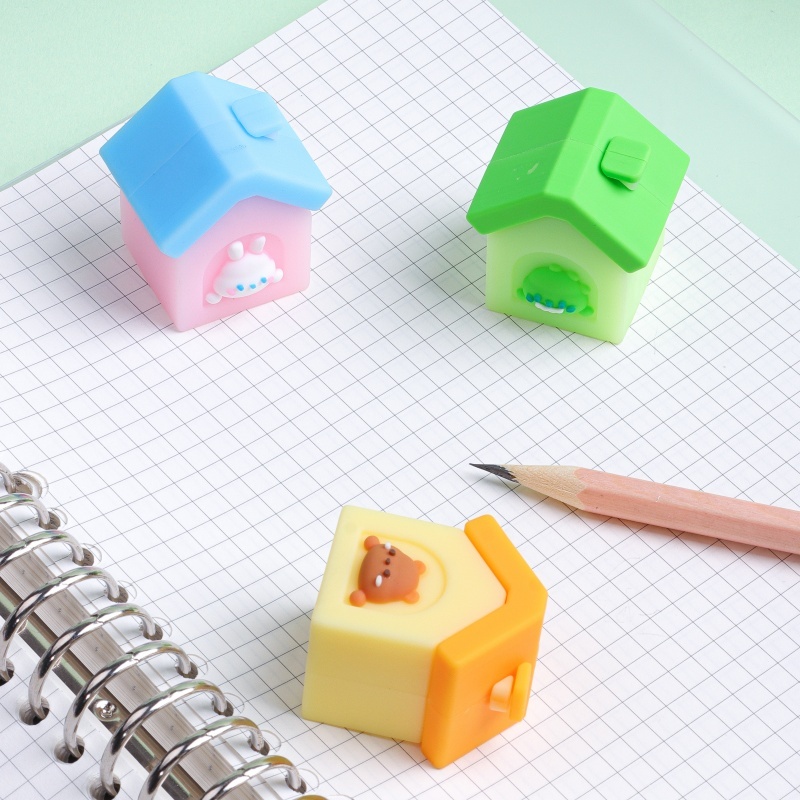
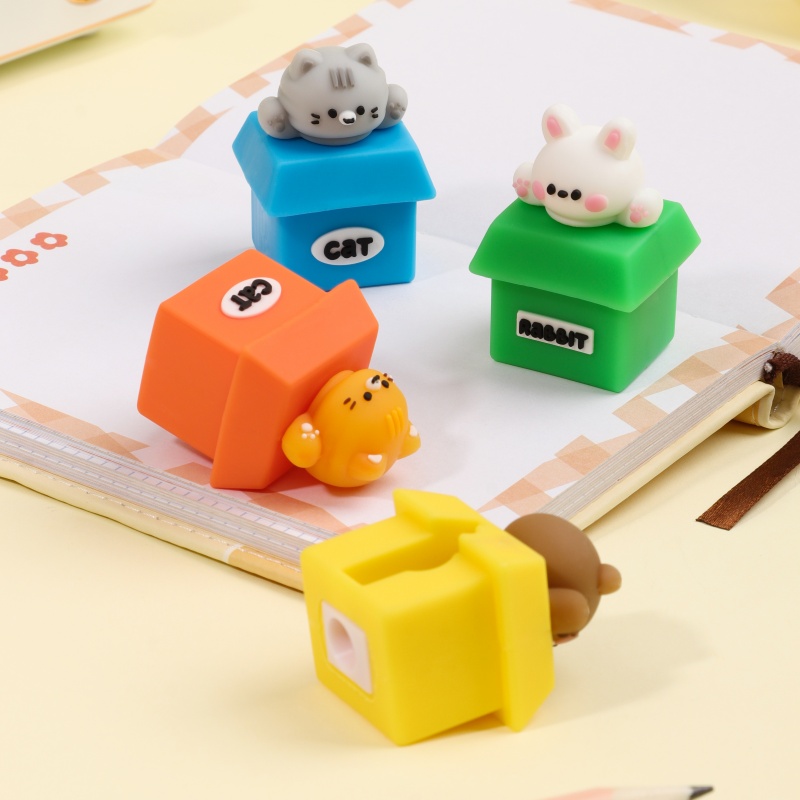
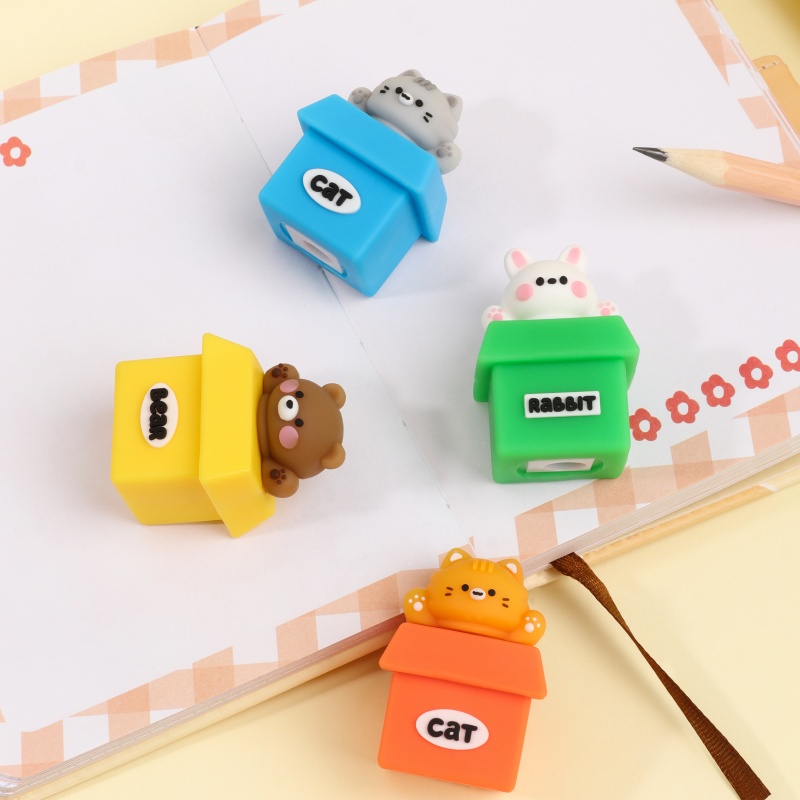
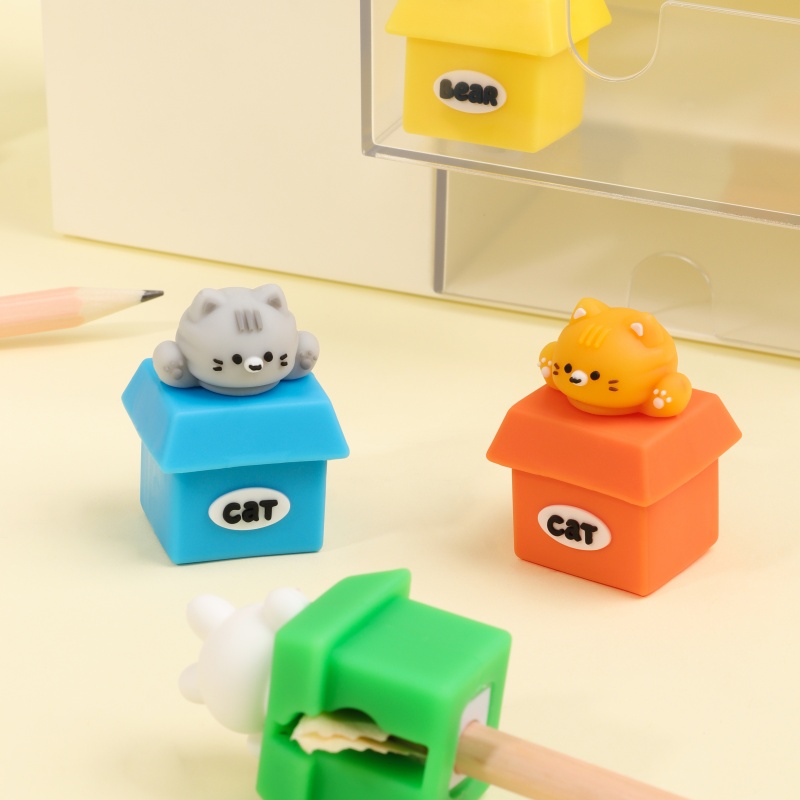
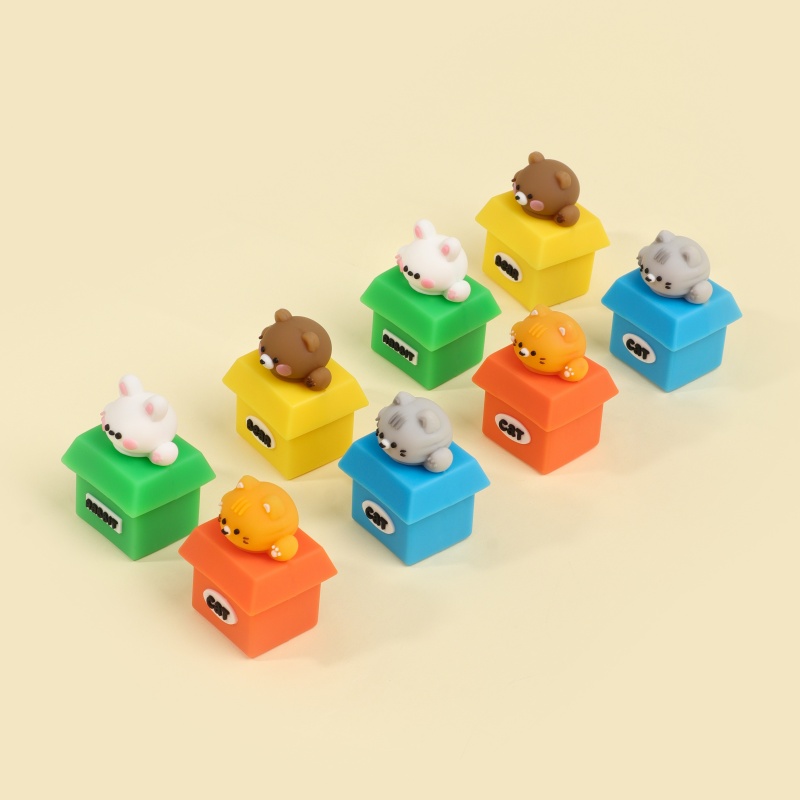
Q1: What defines a 3D Pencil Sharpener?
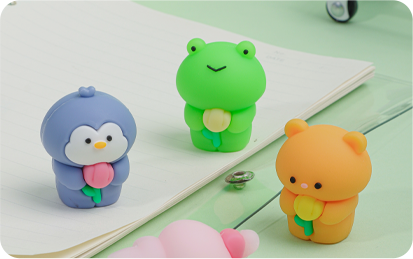
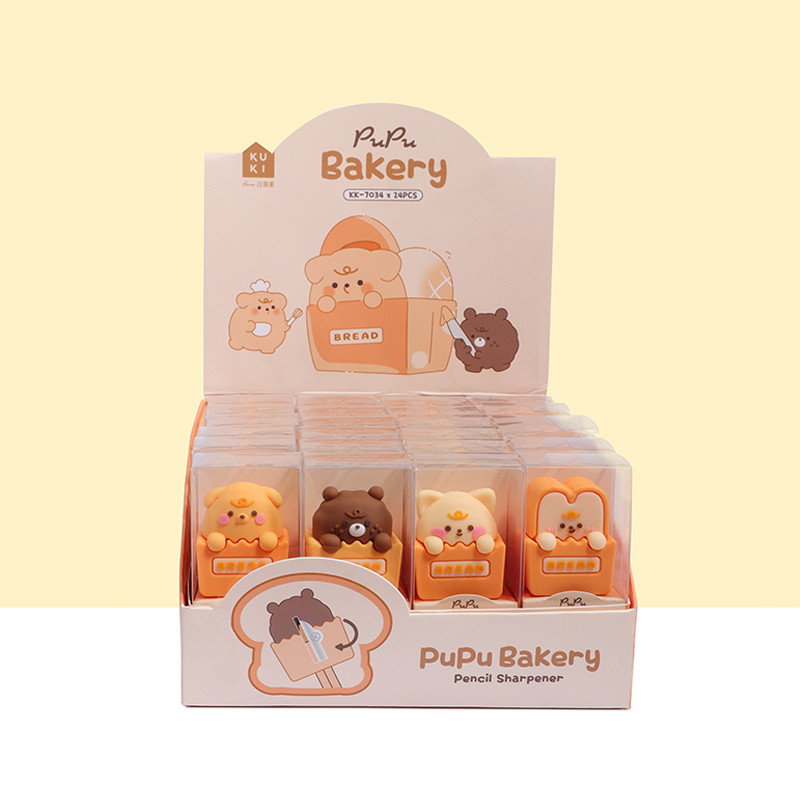
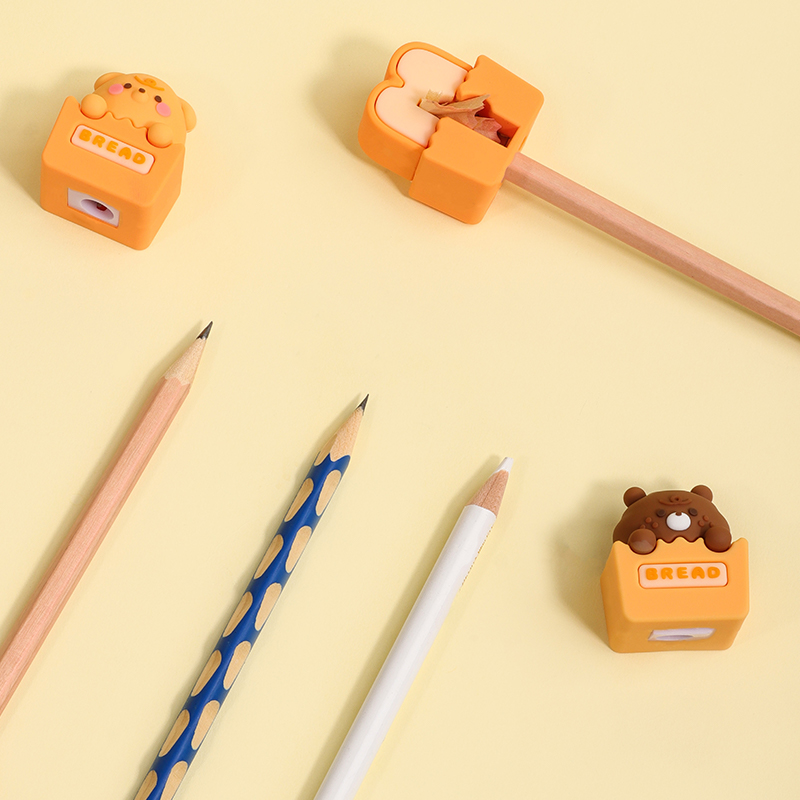
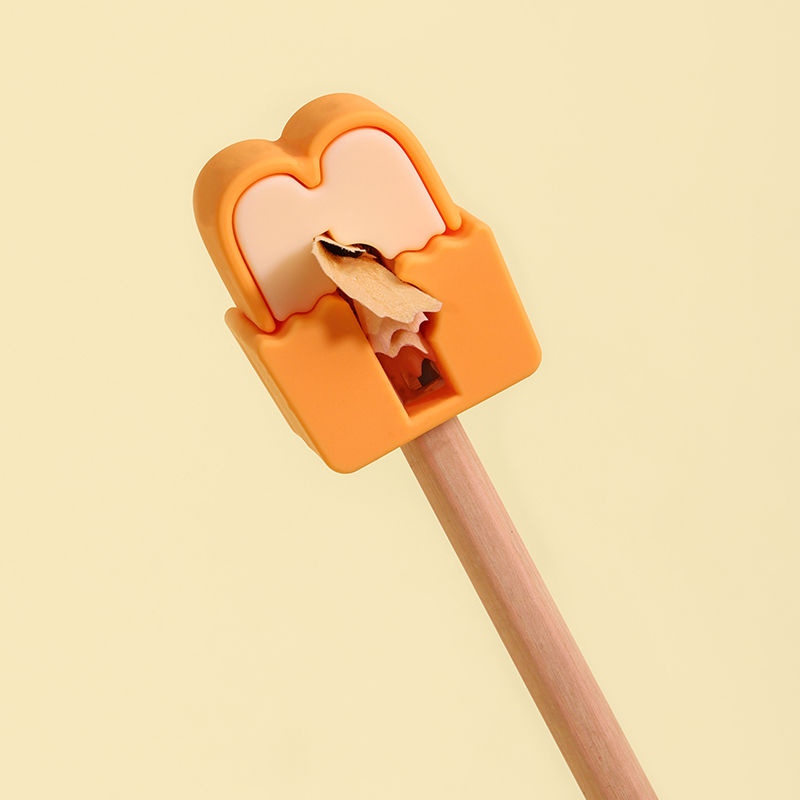
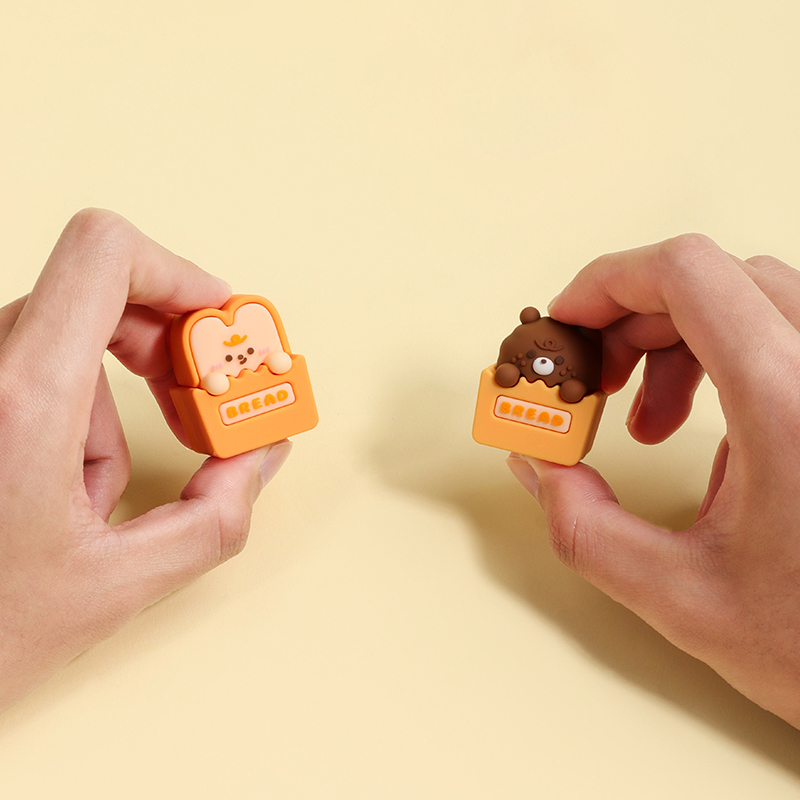
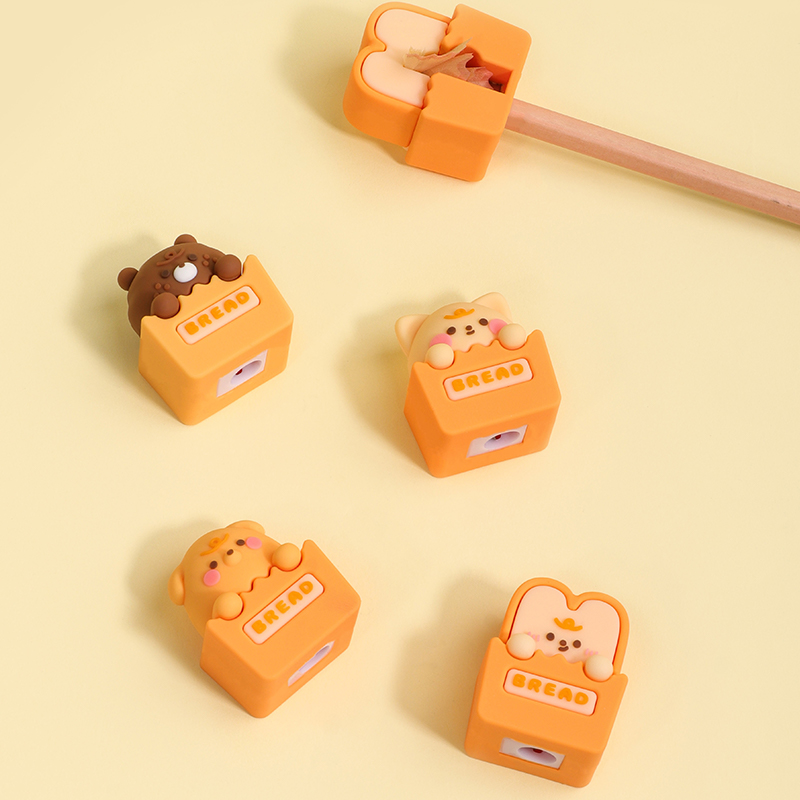
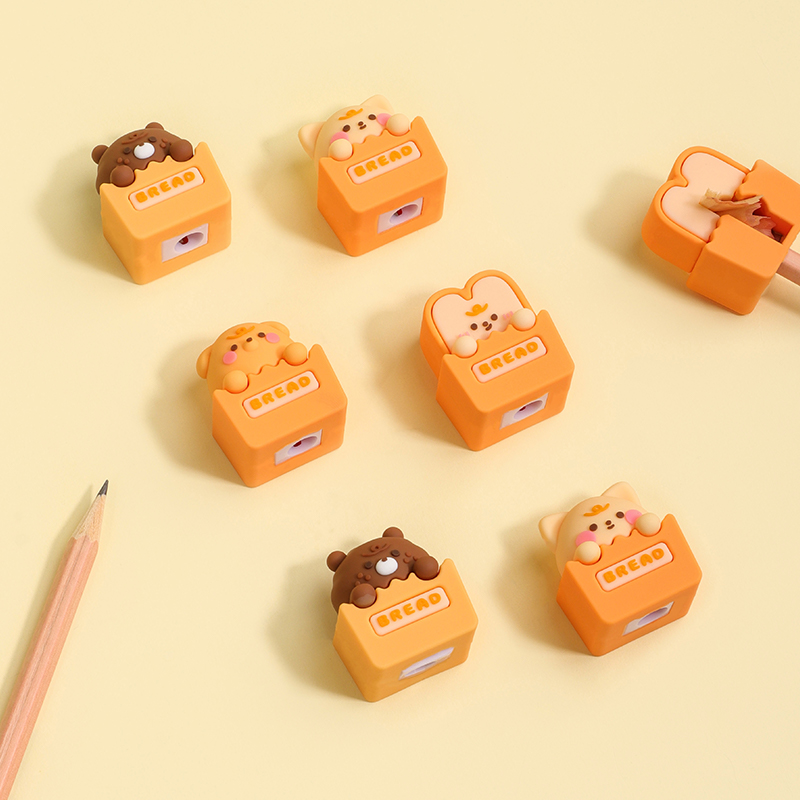
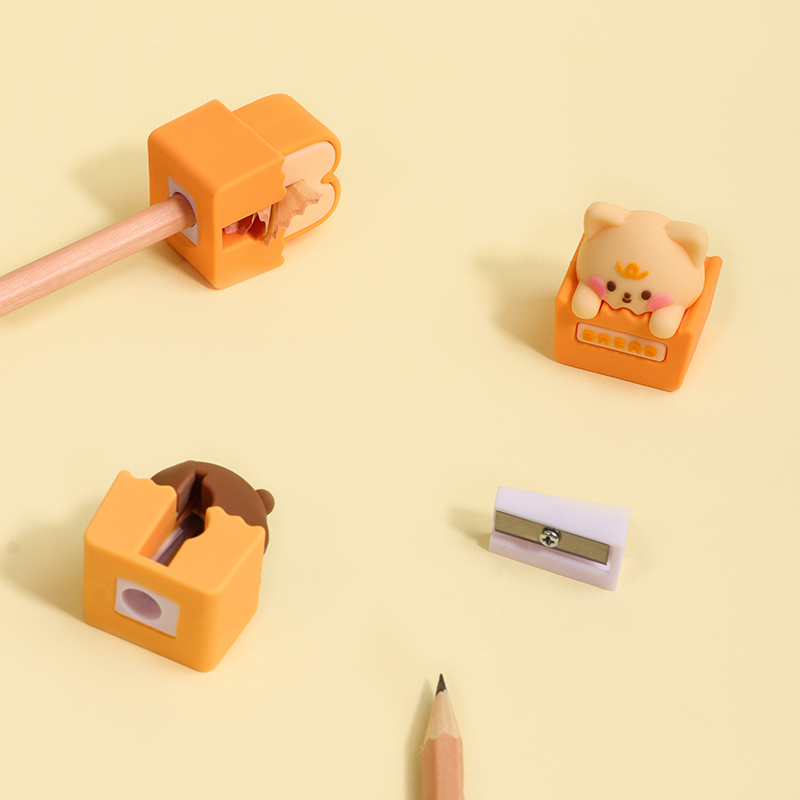
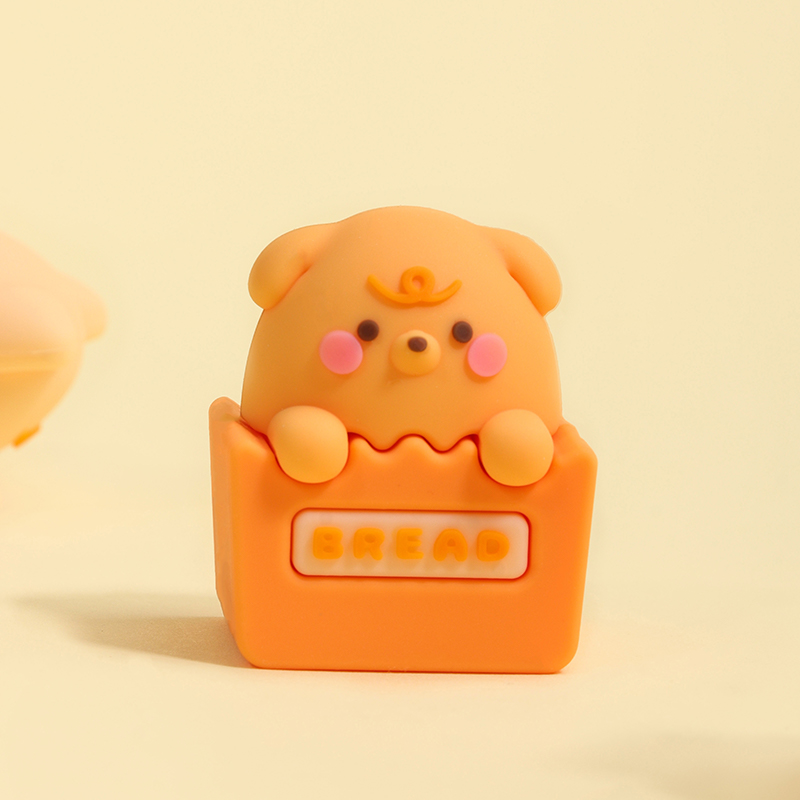
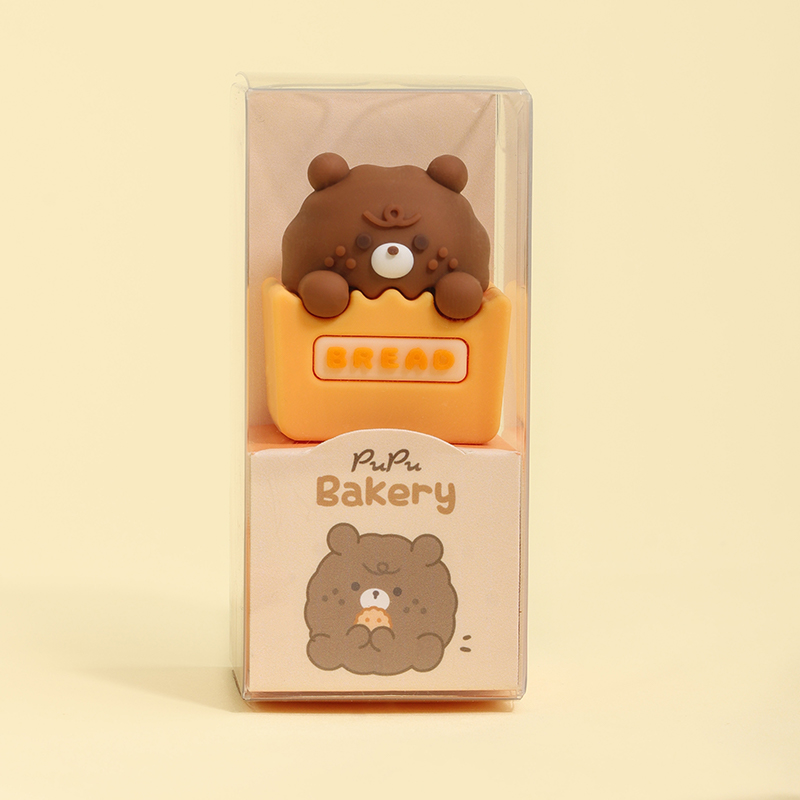
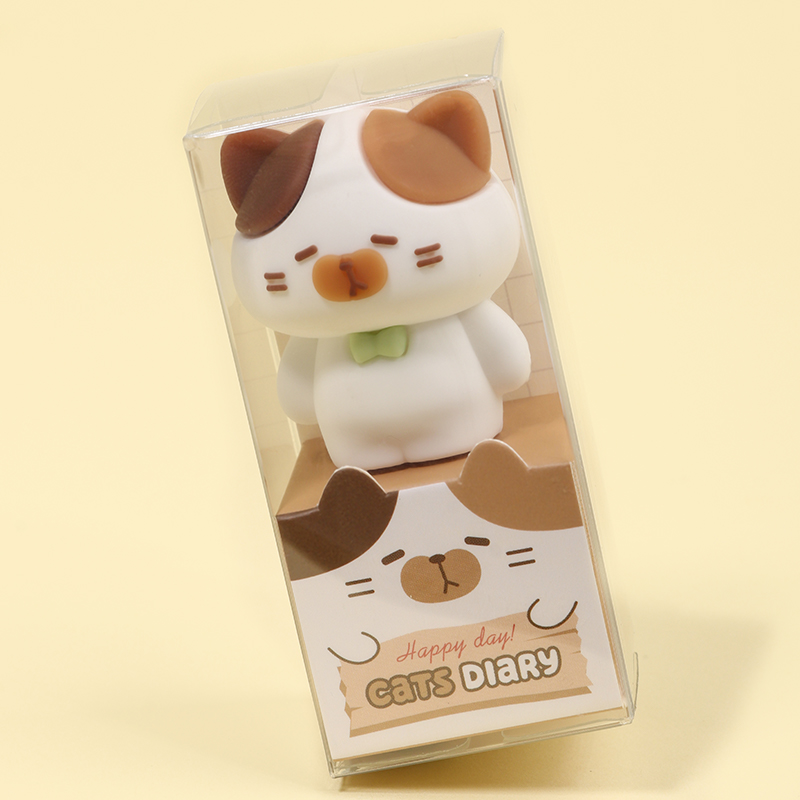
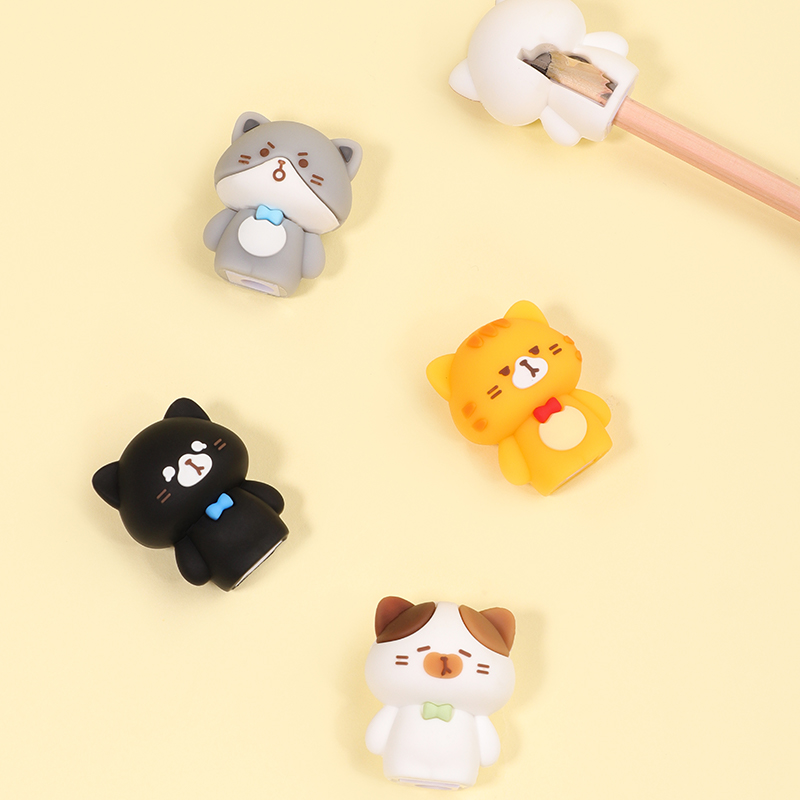
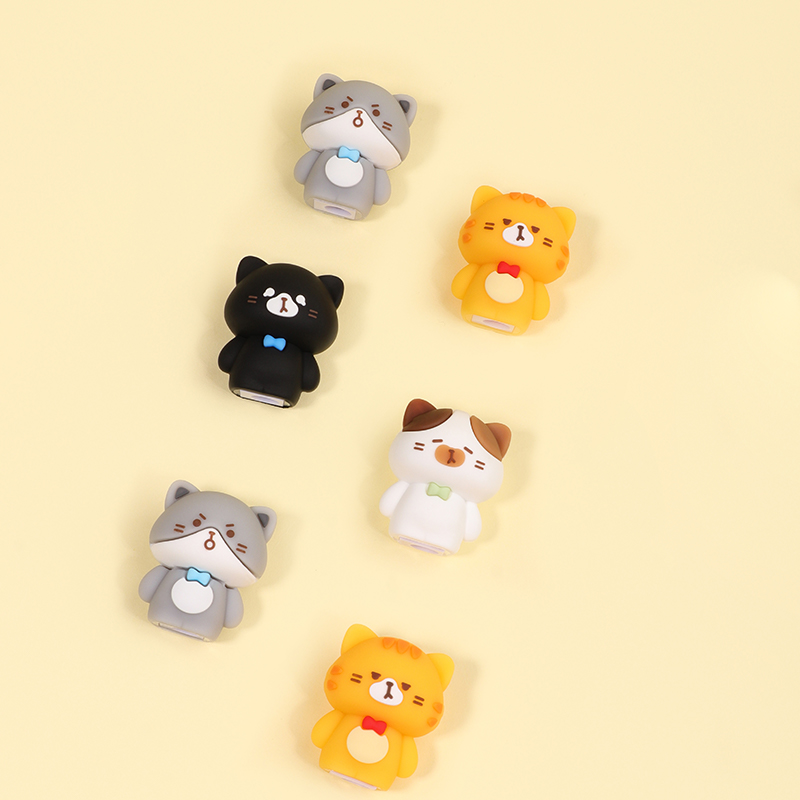
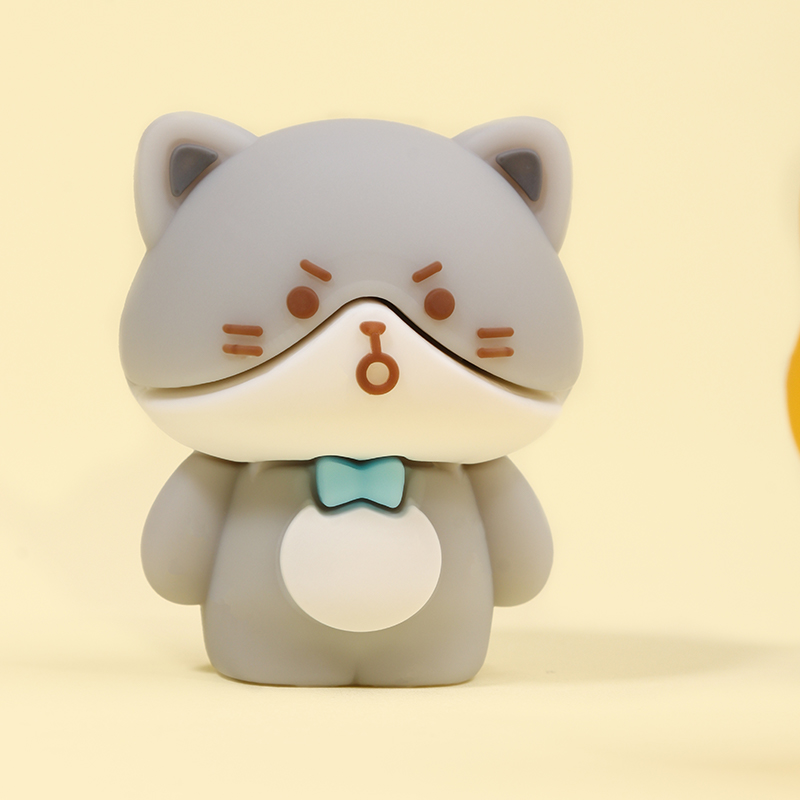
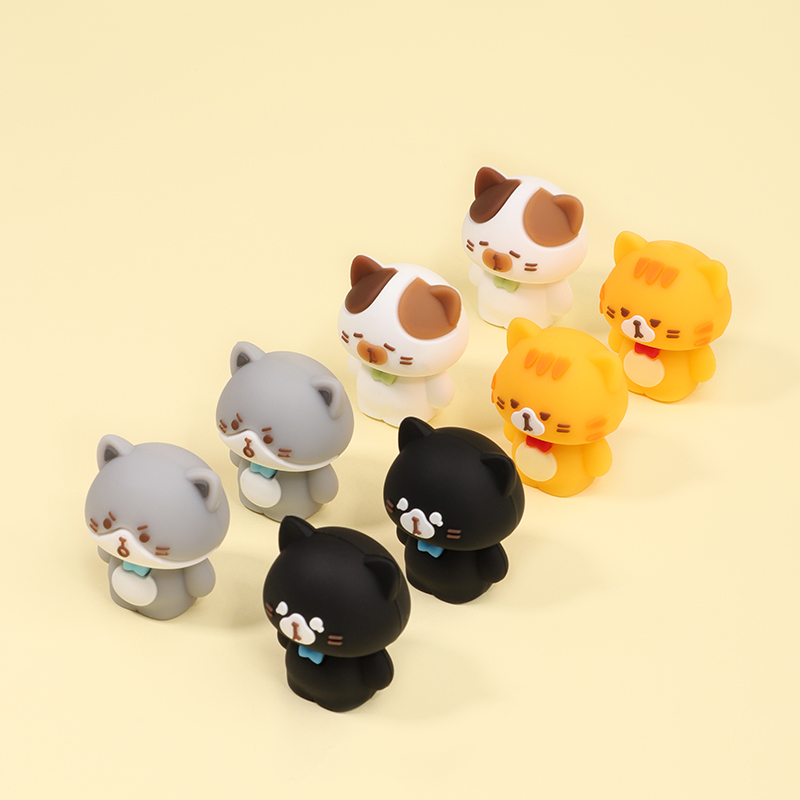
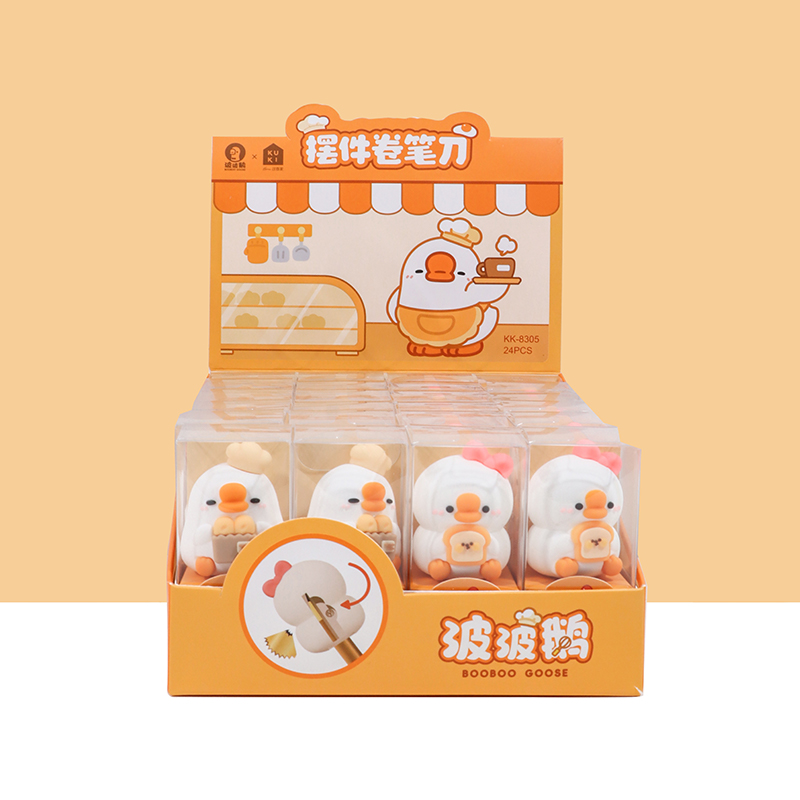
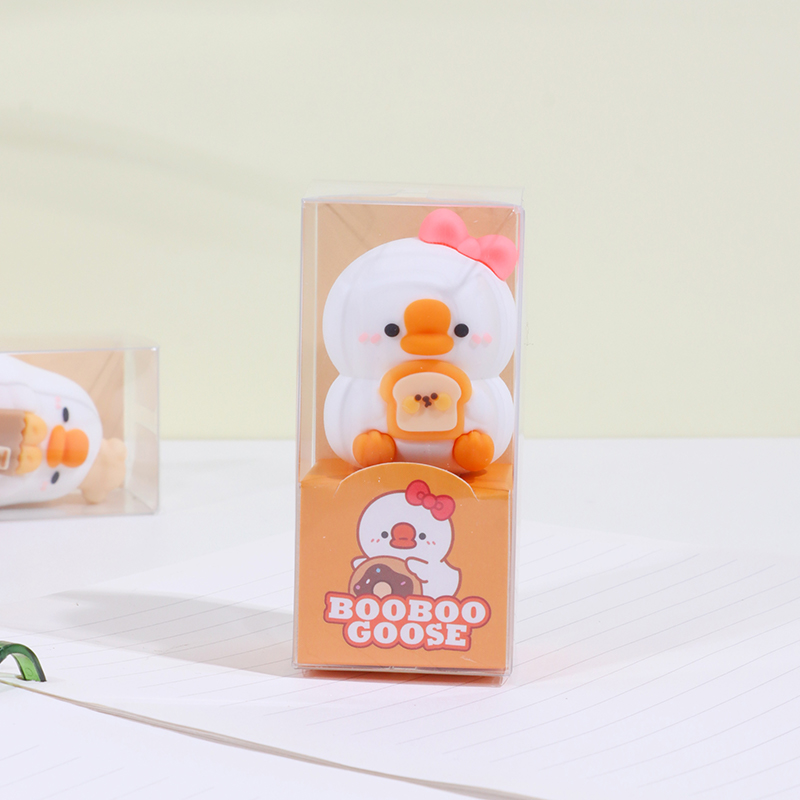
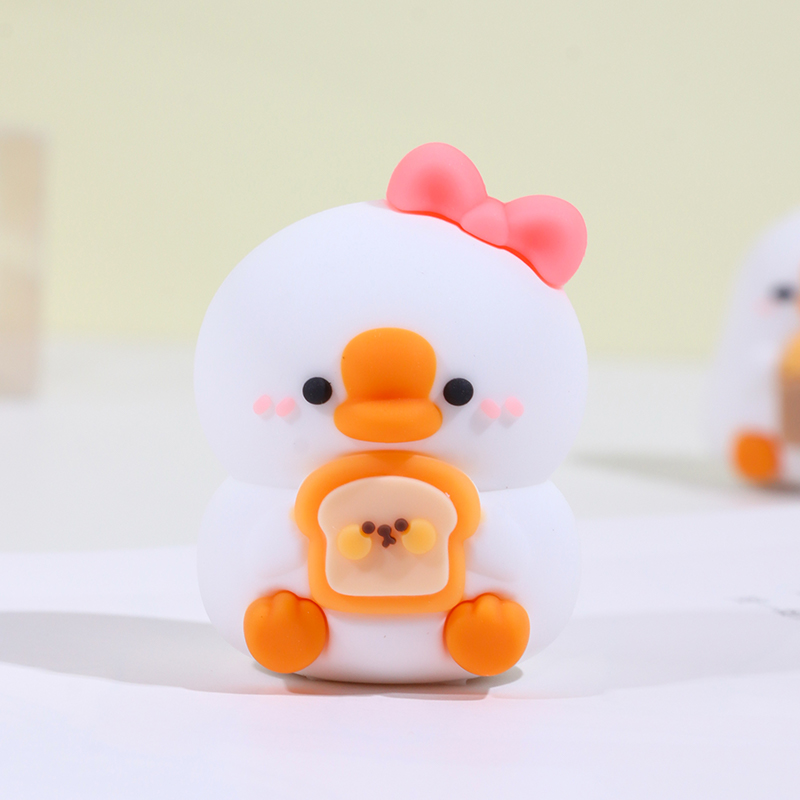
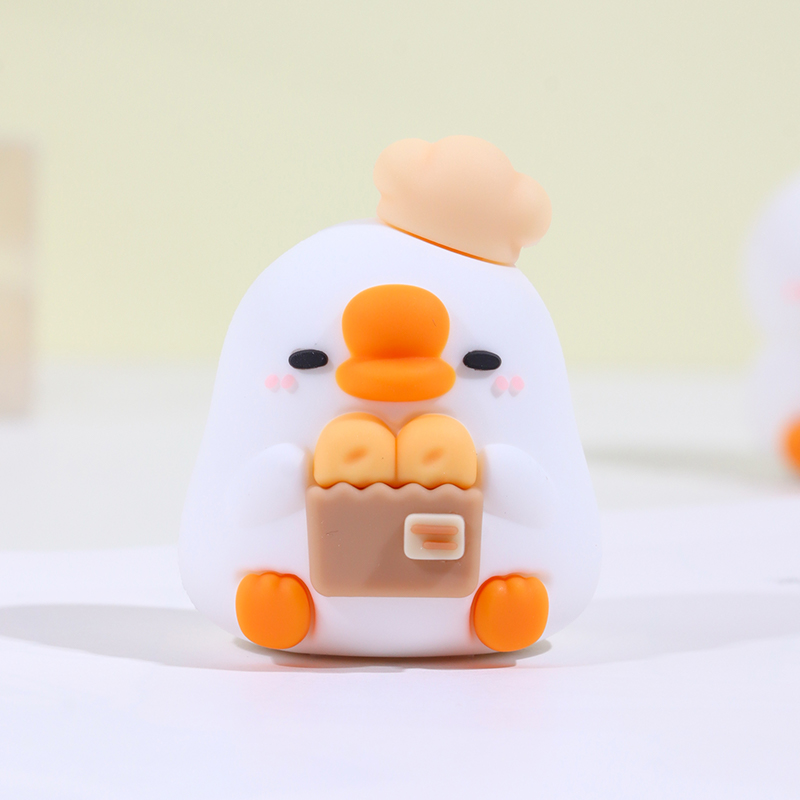
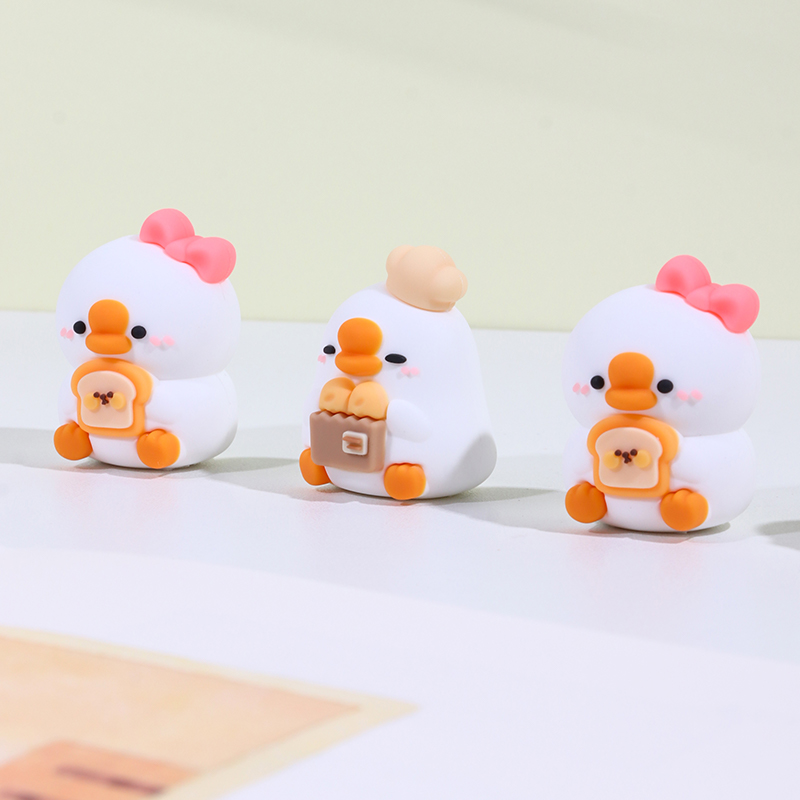
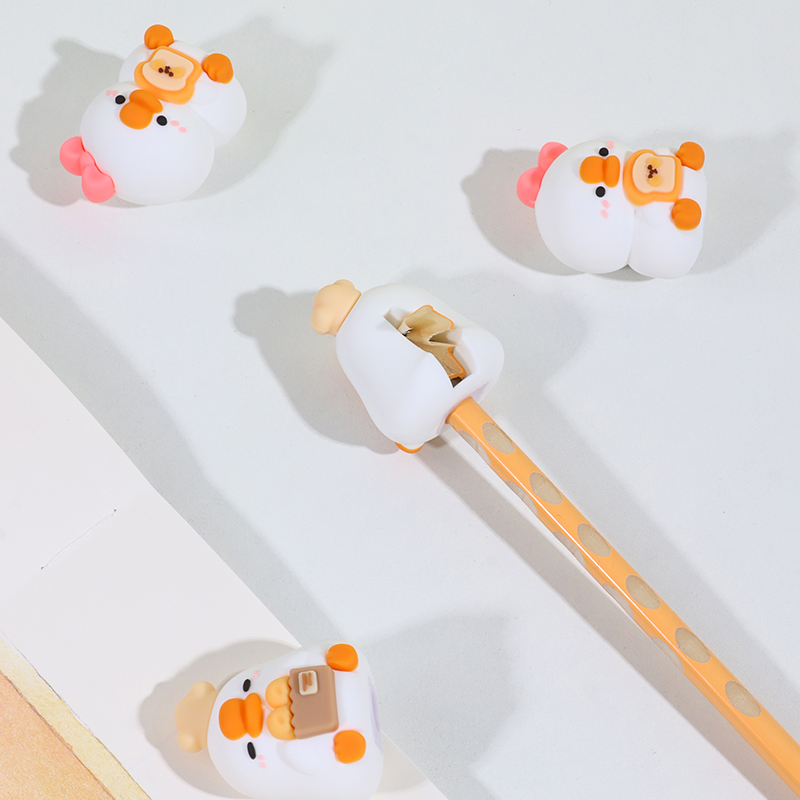
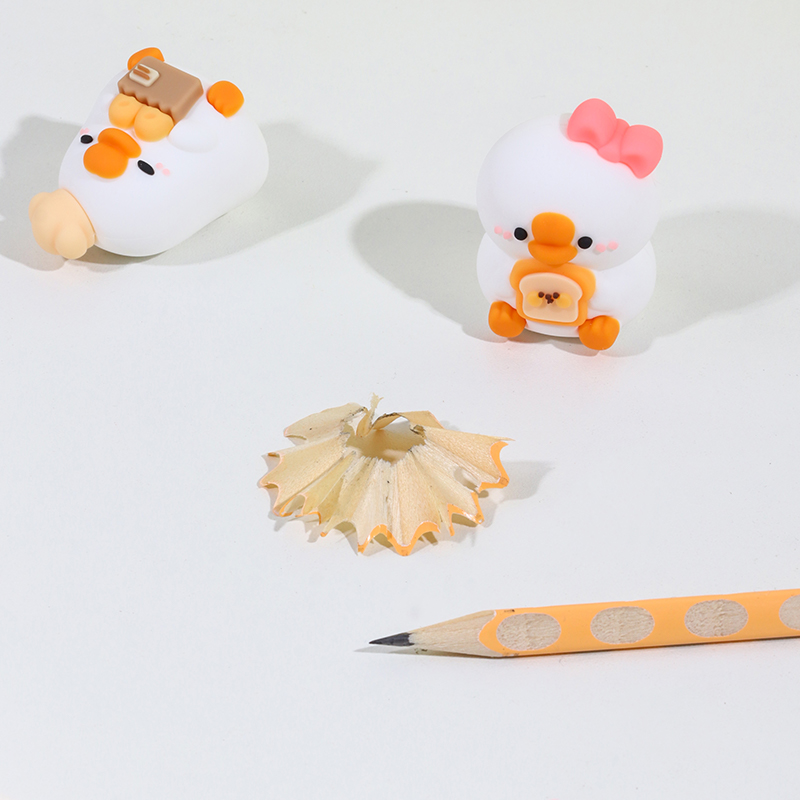
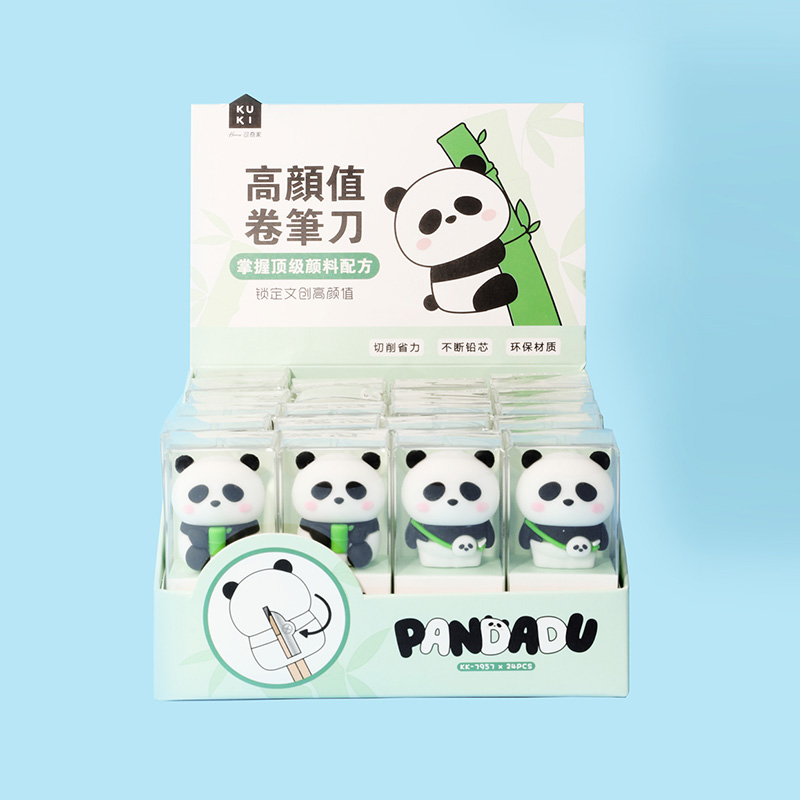
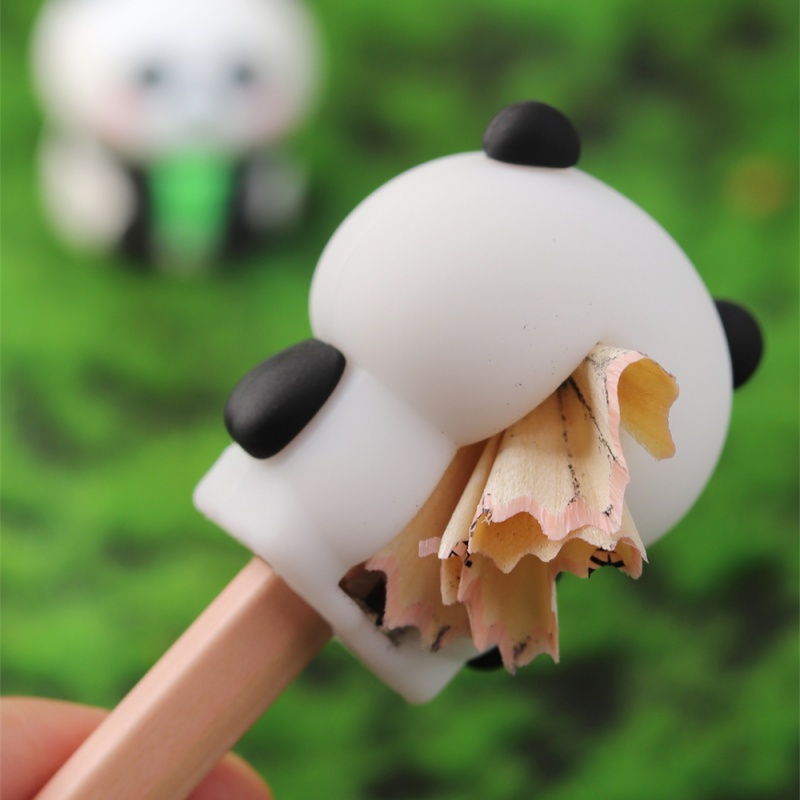
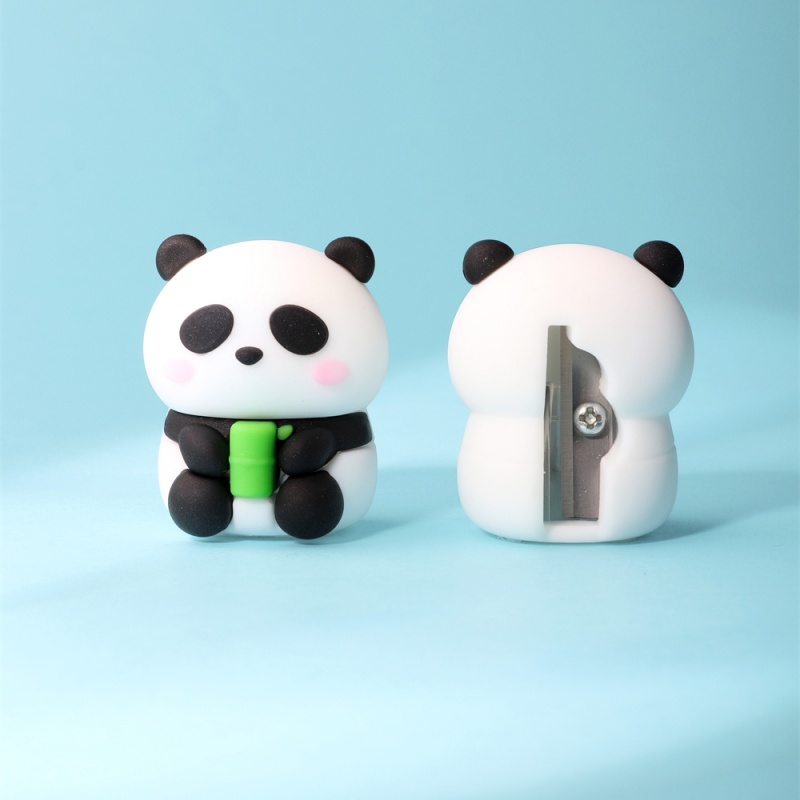
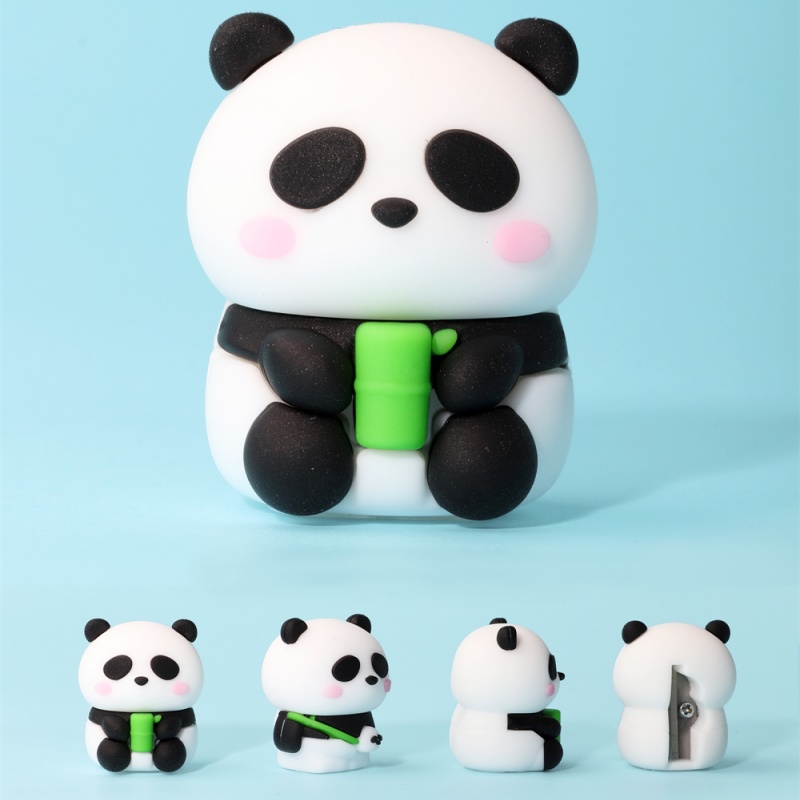
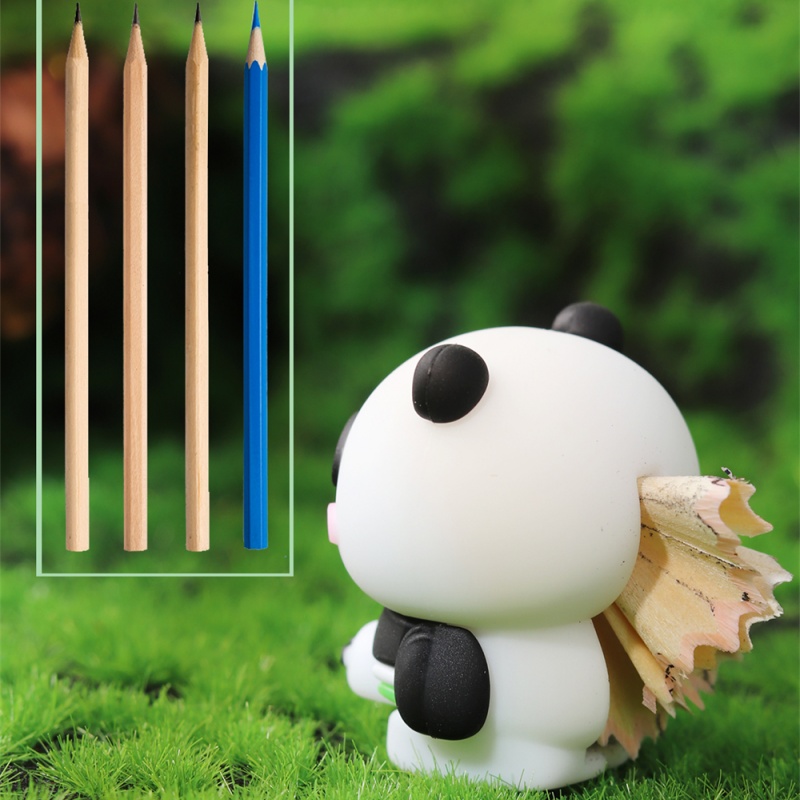
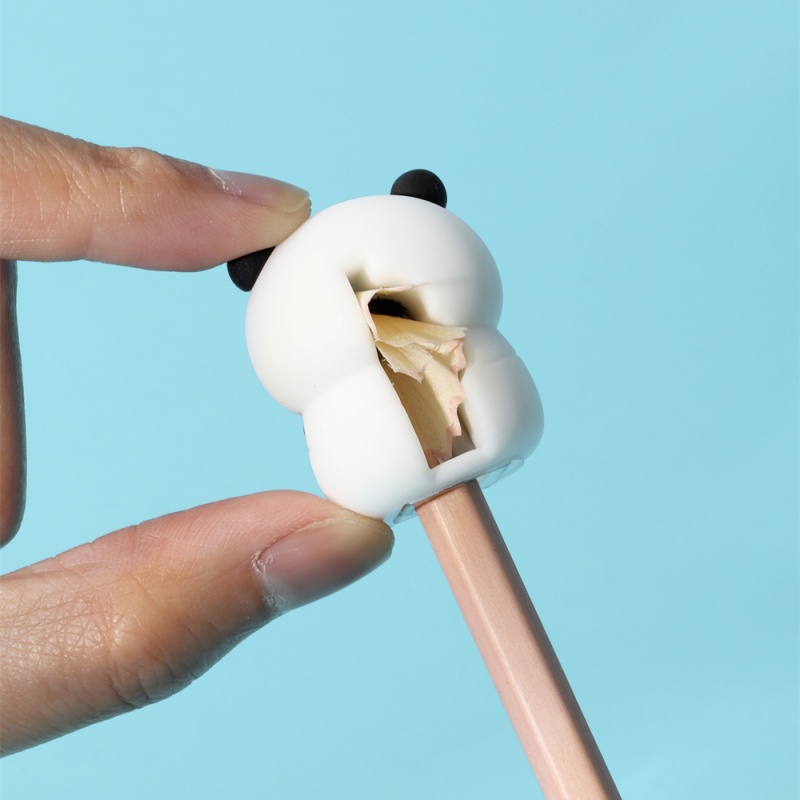
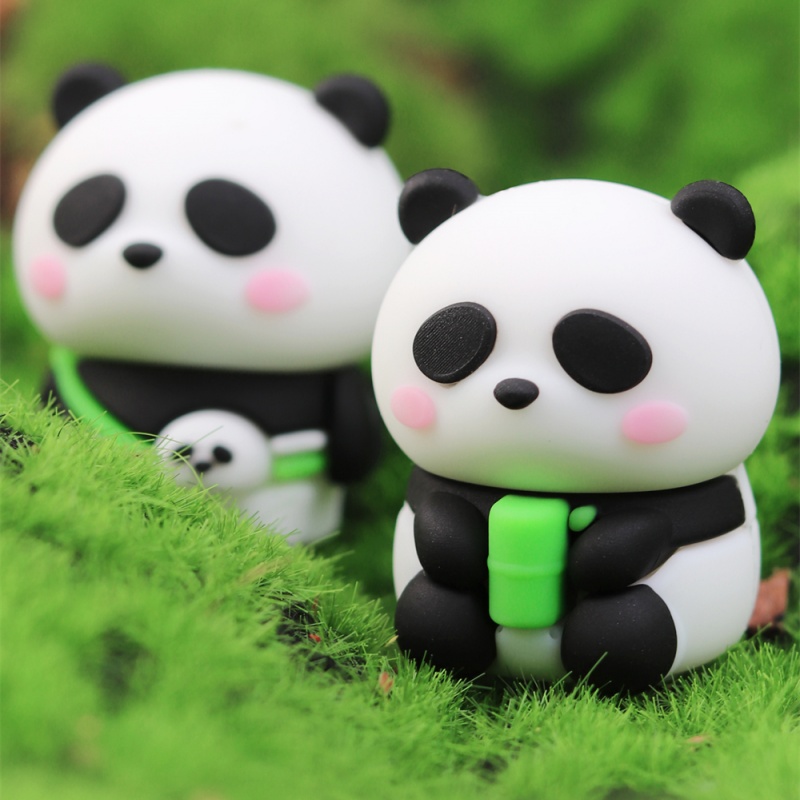
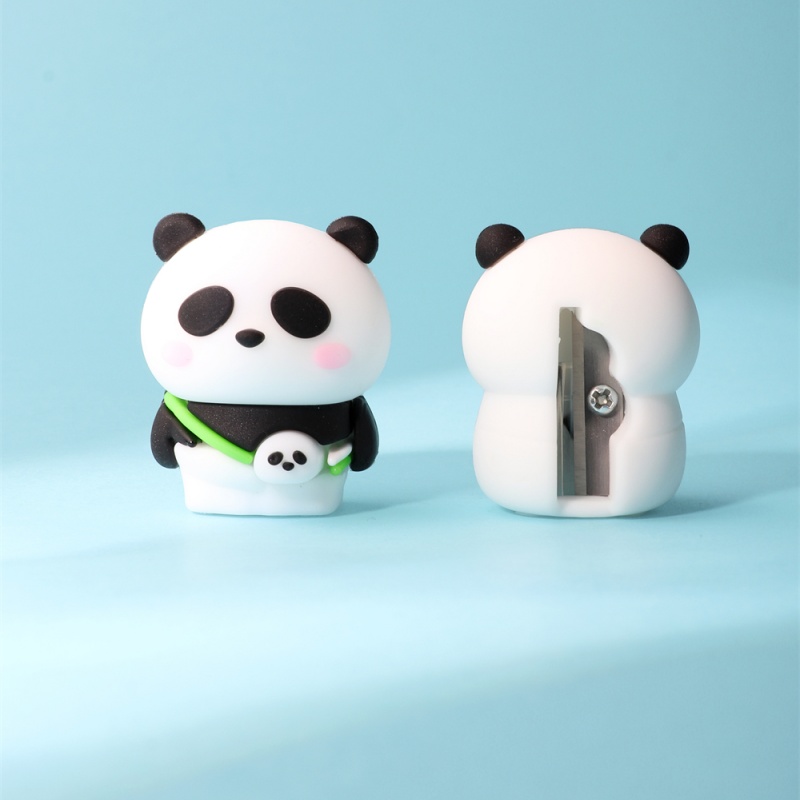
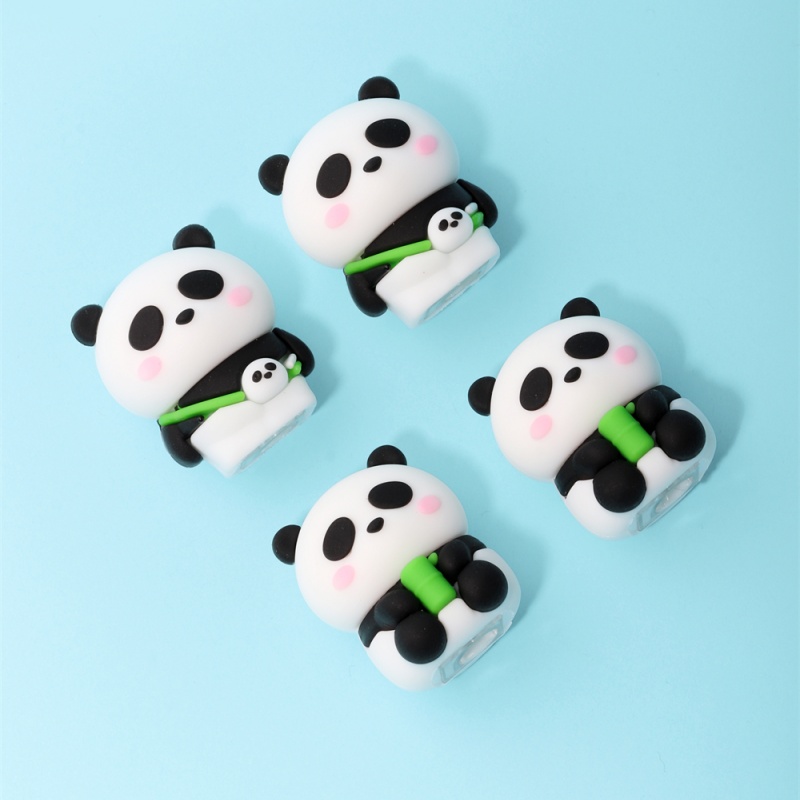
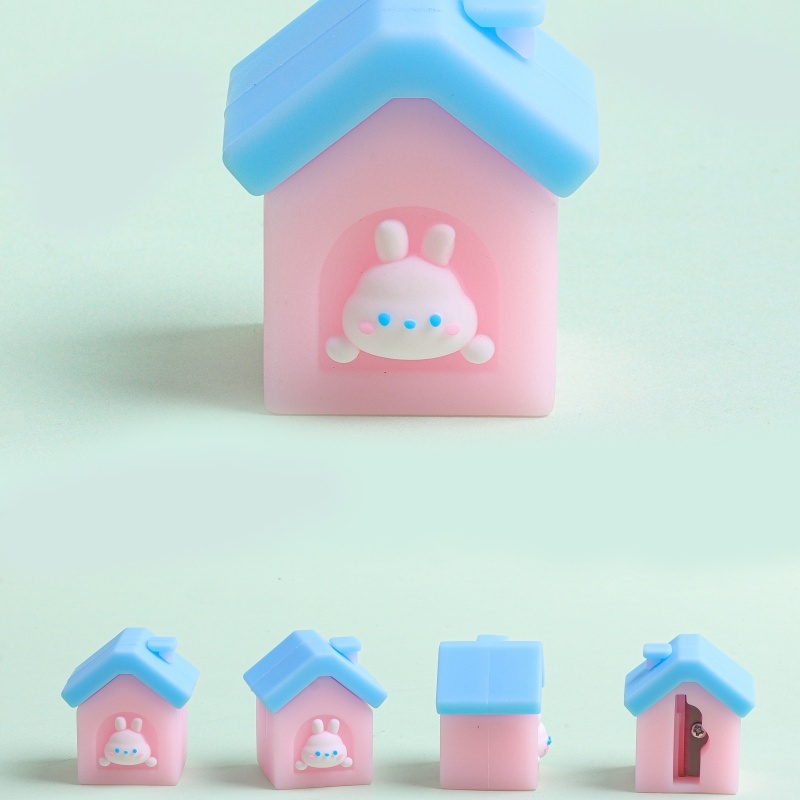
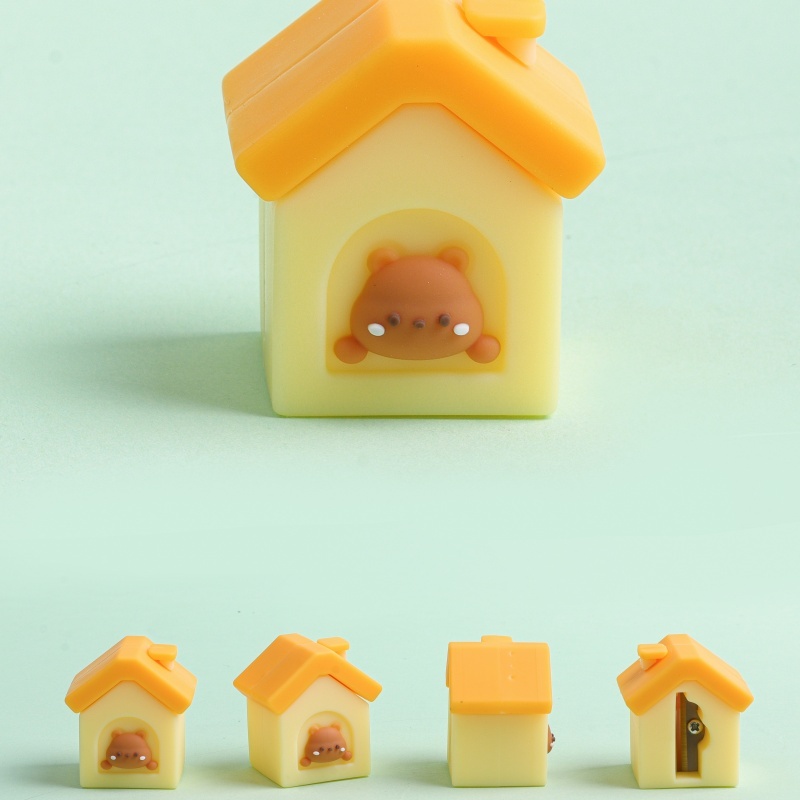
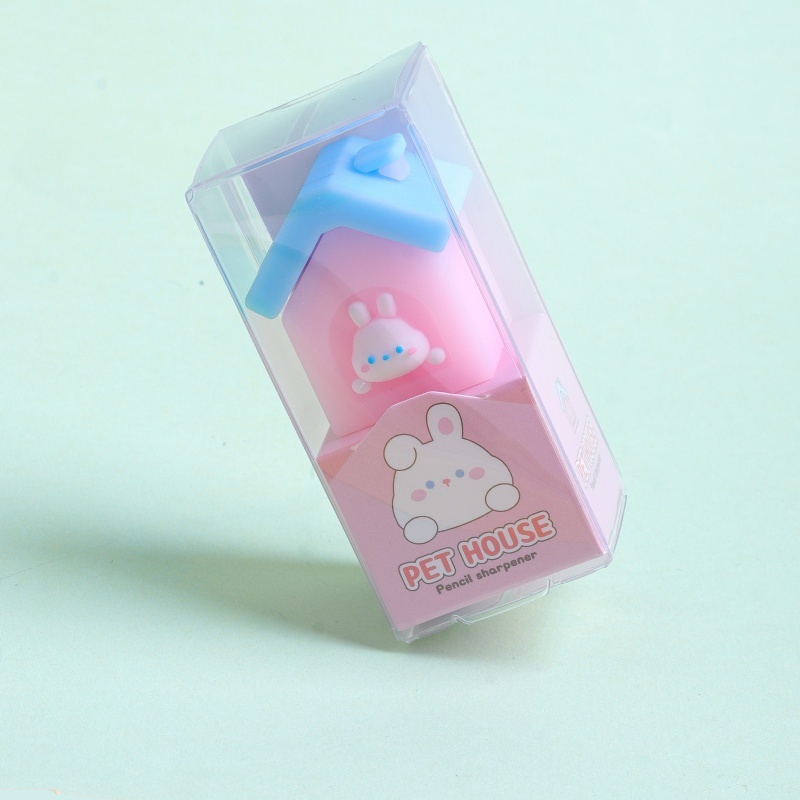
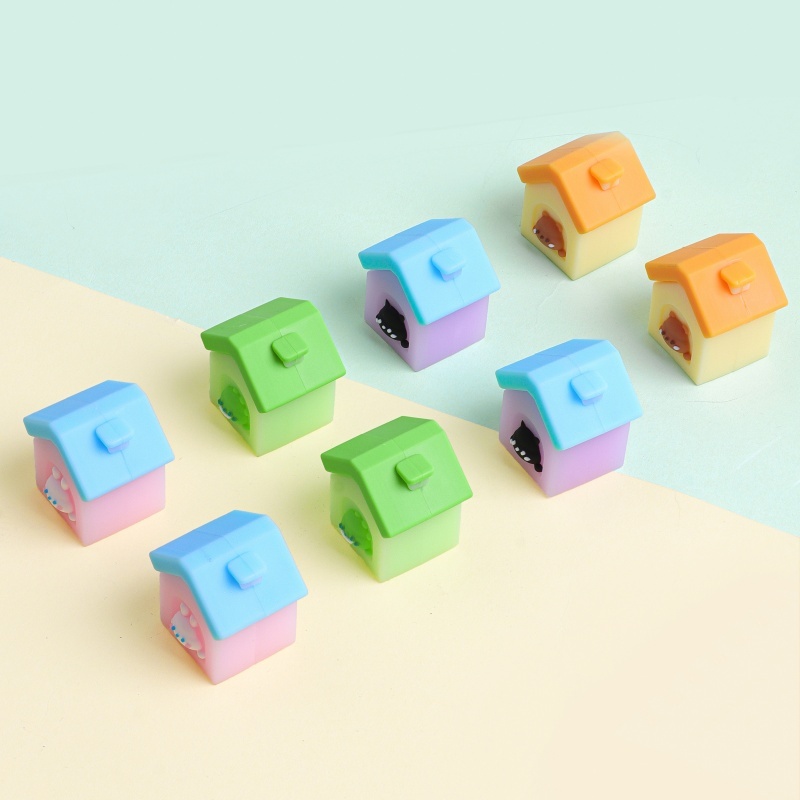
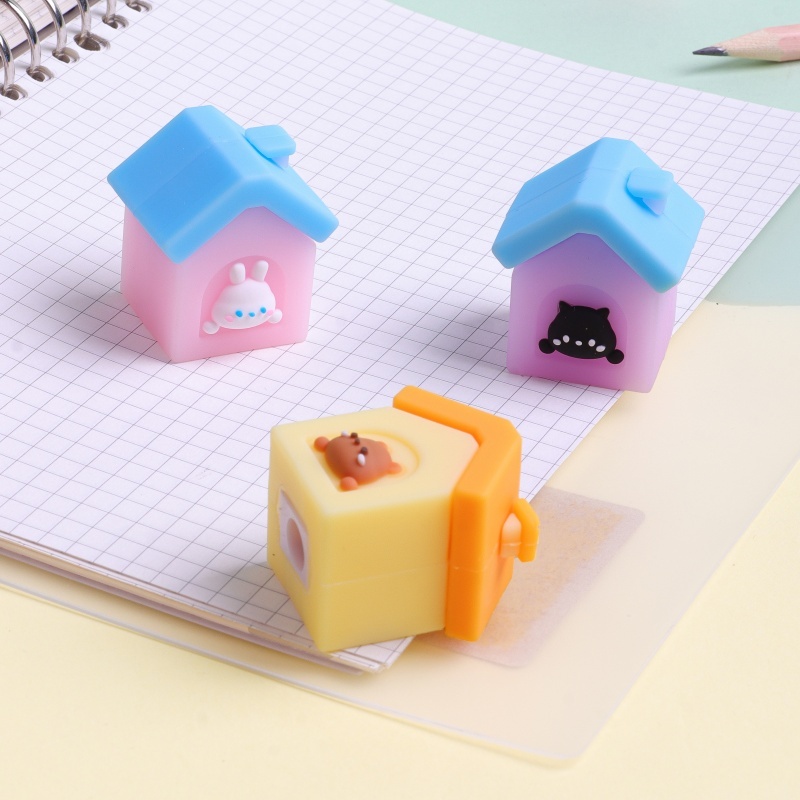
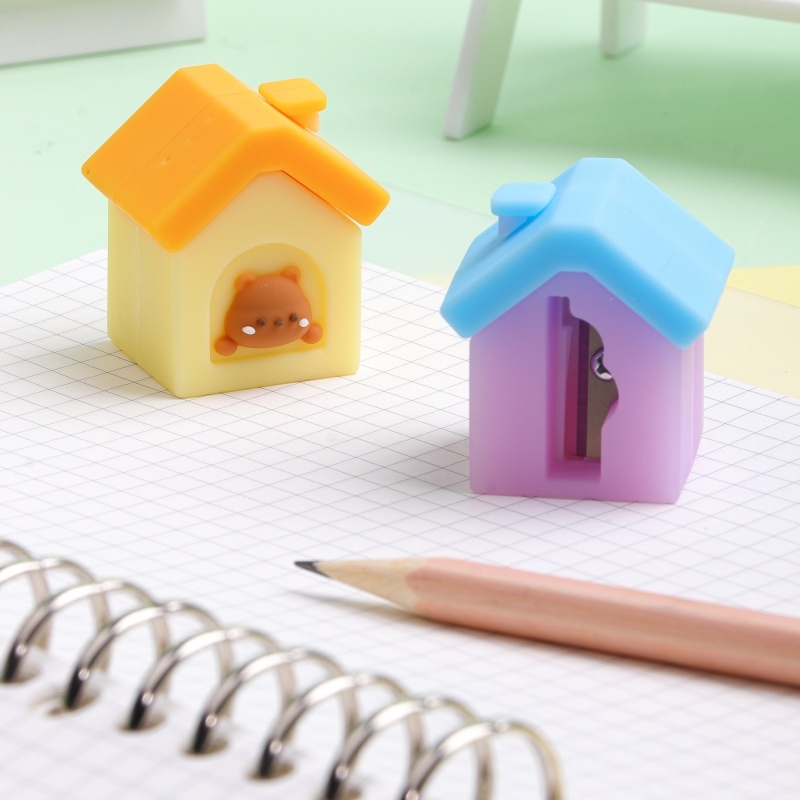
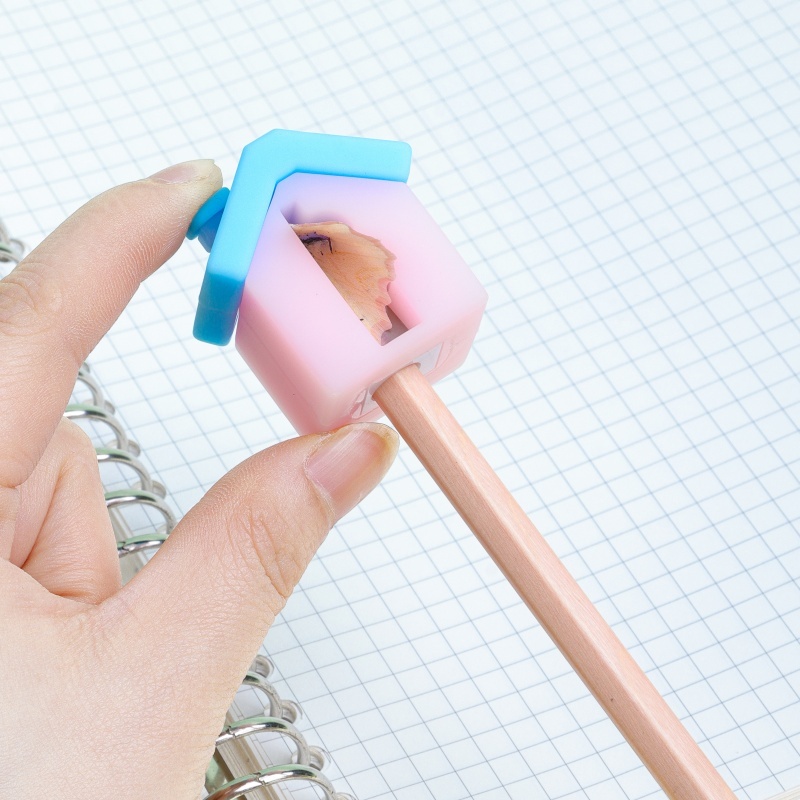
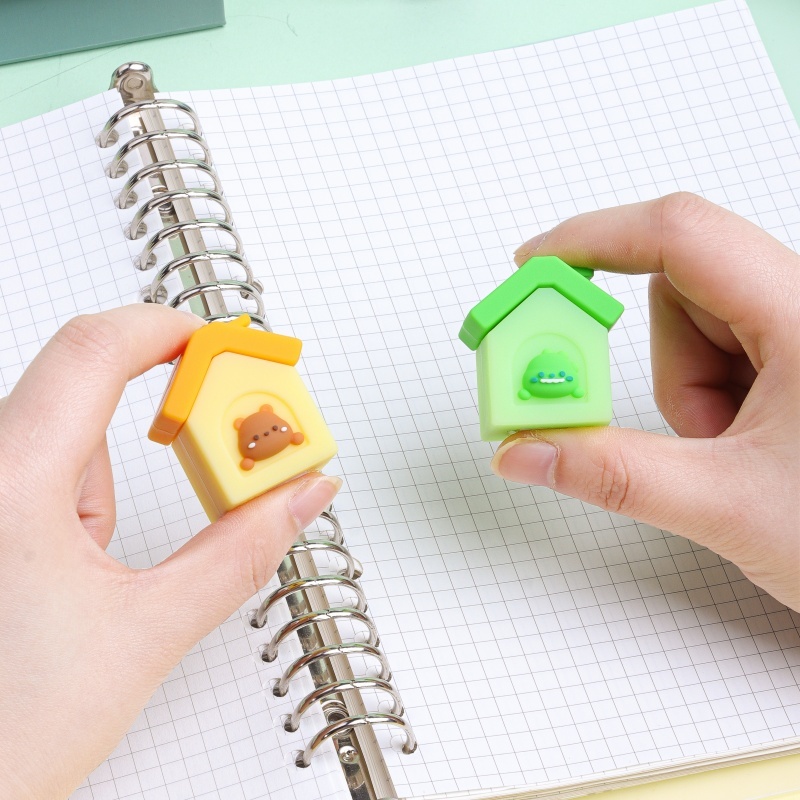
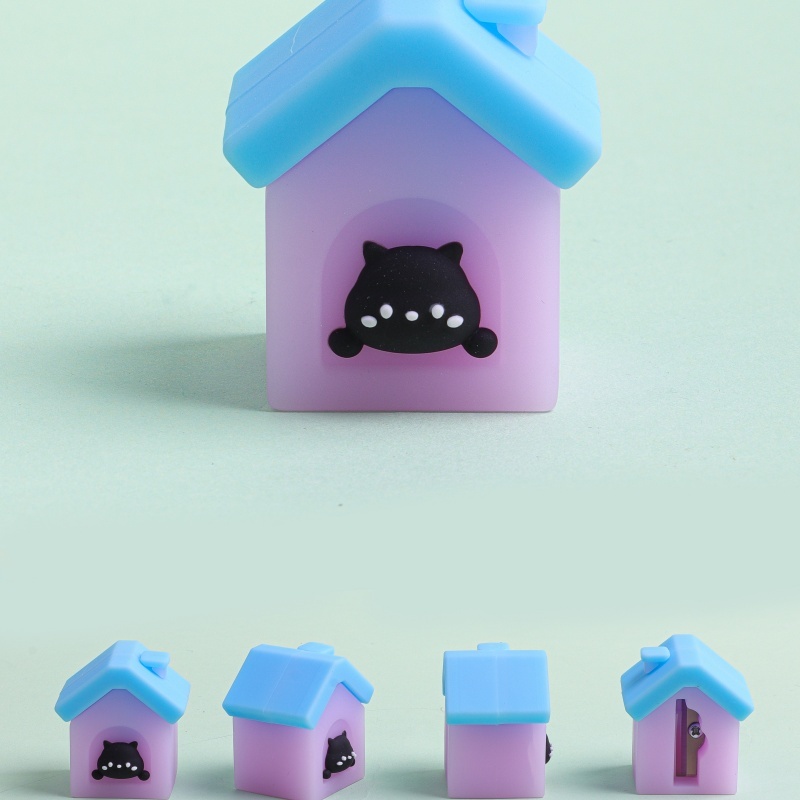
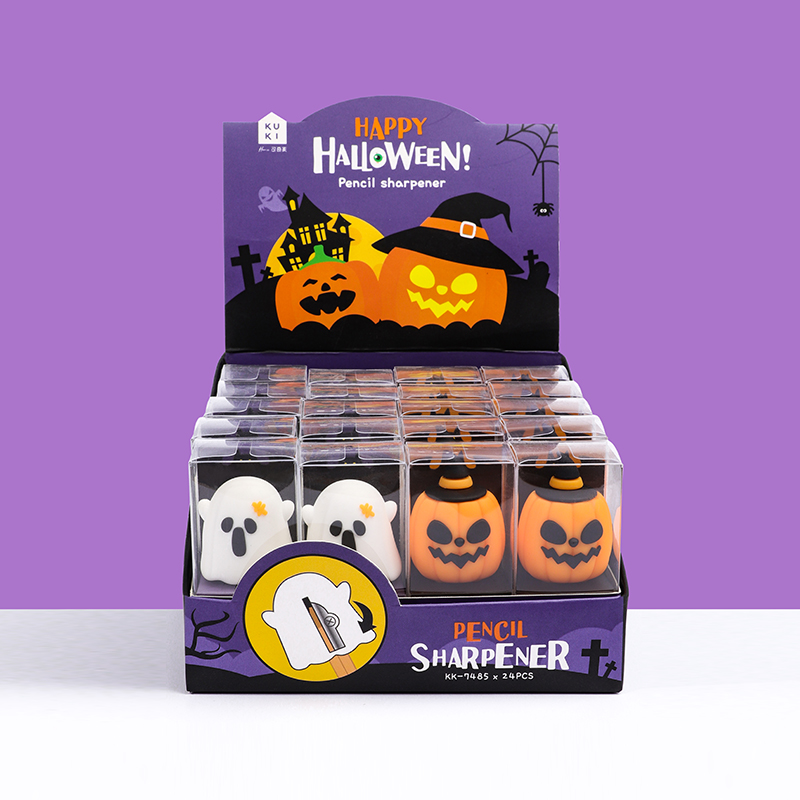
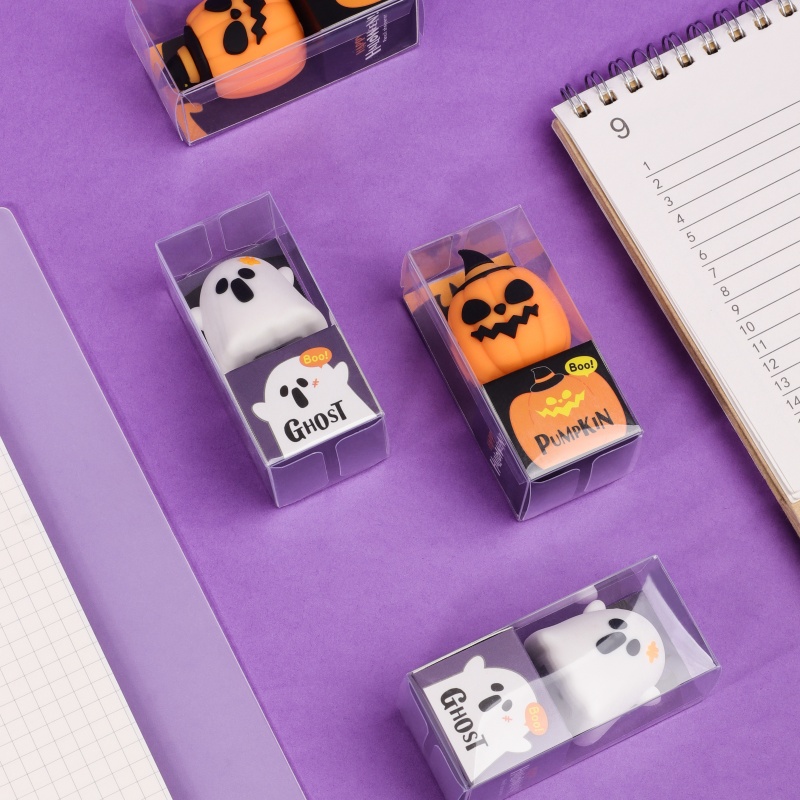
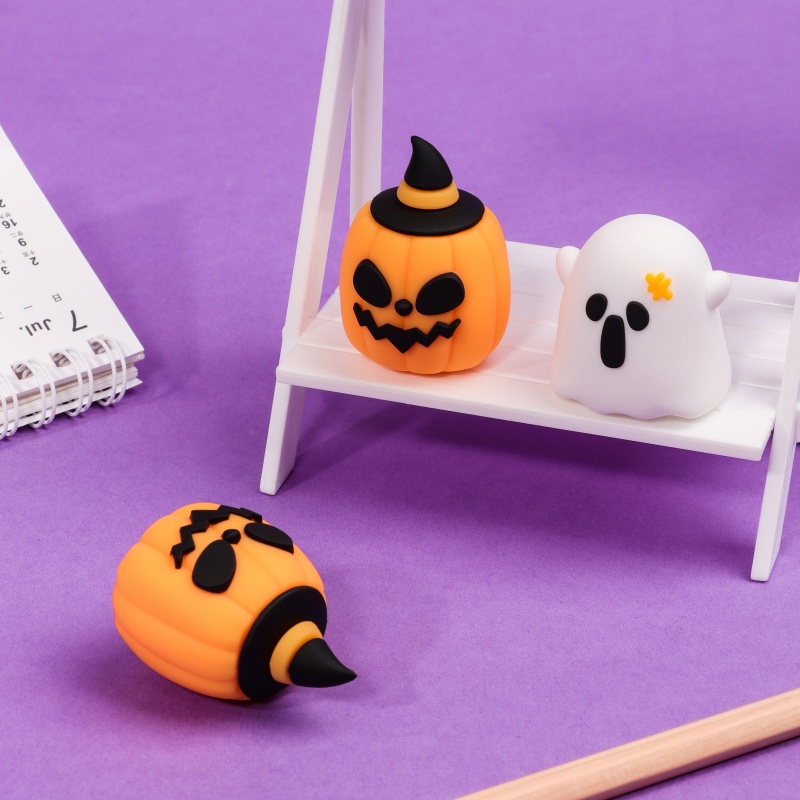
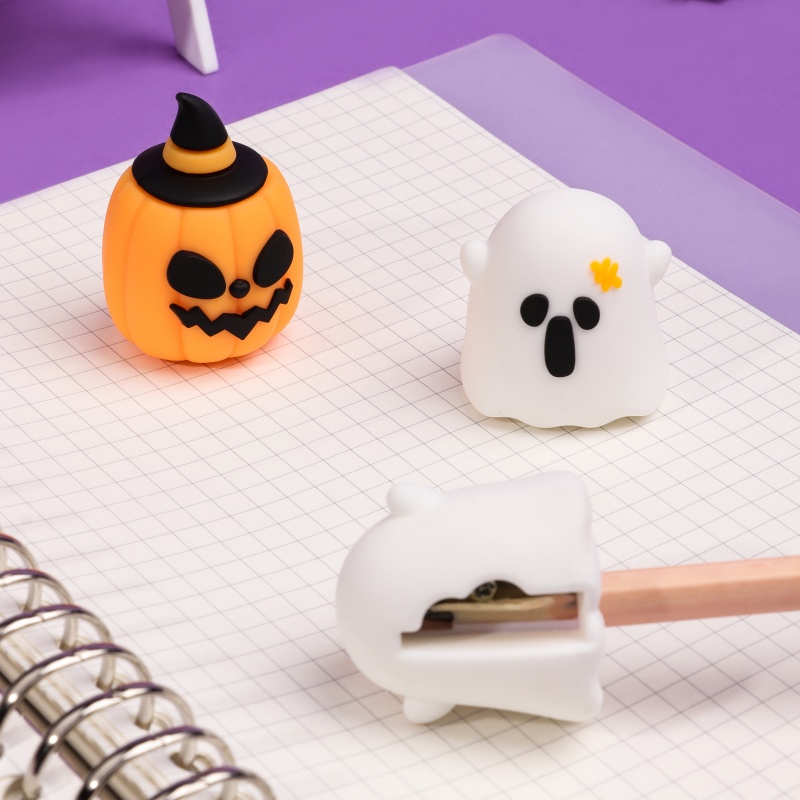
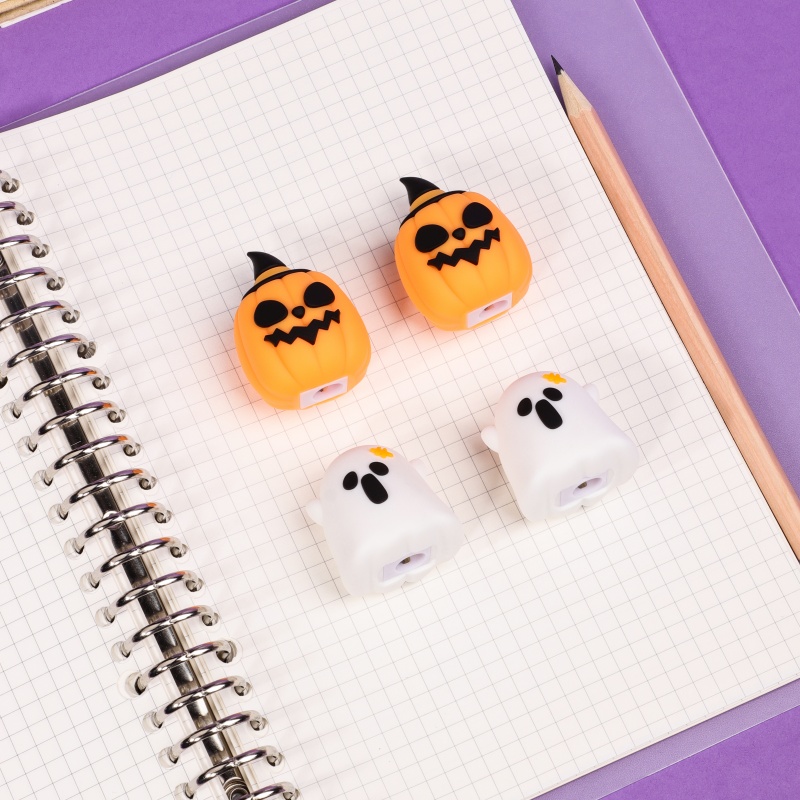
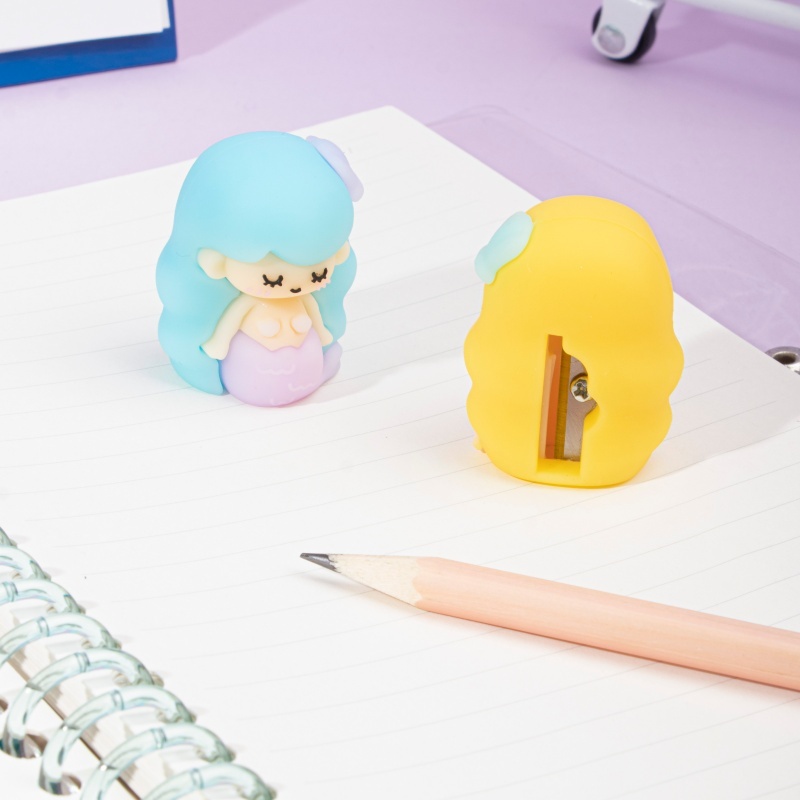
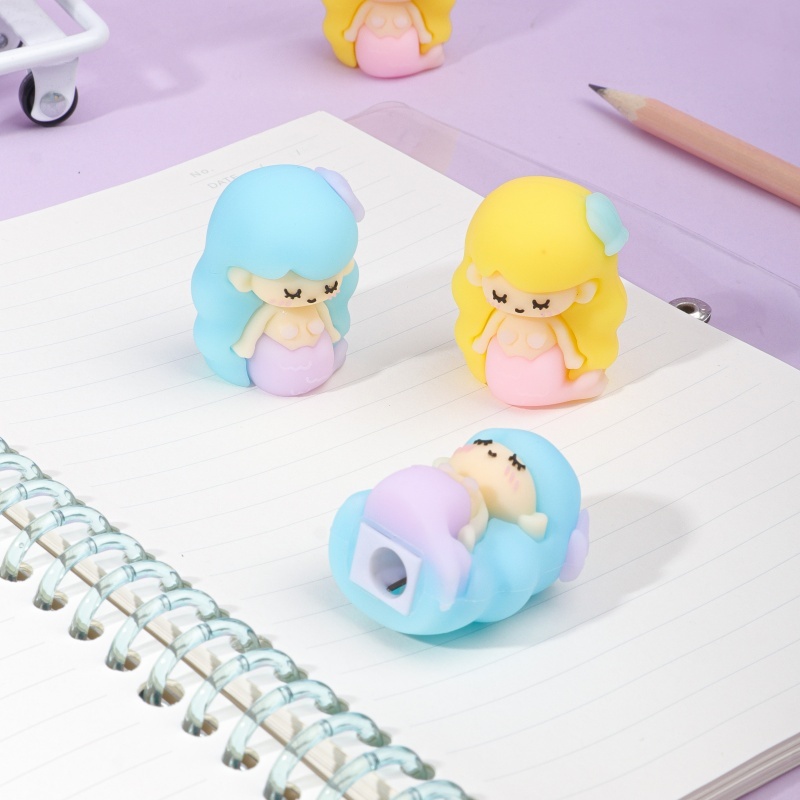
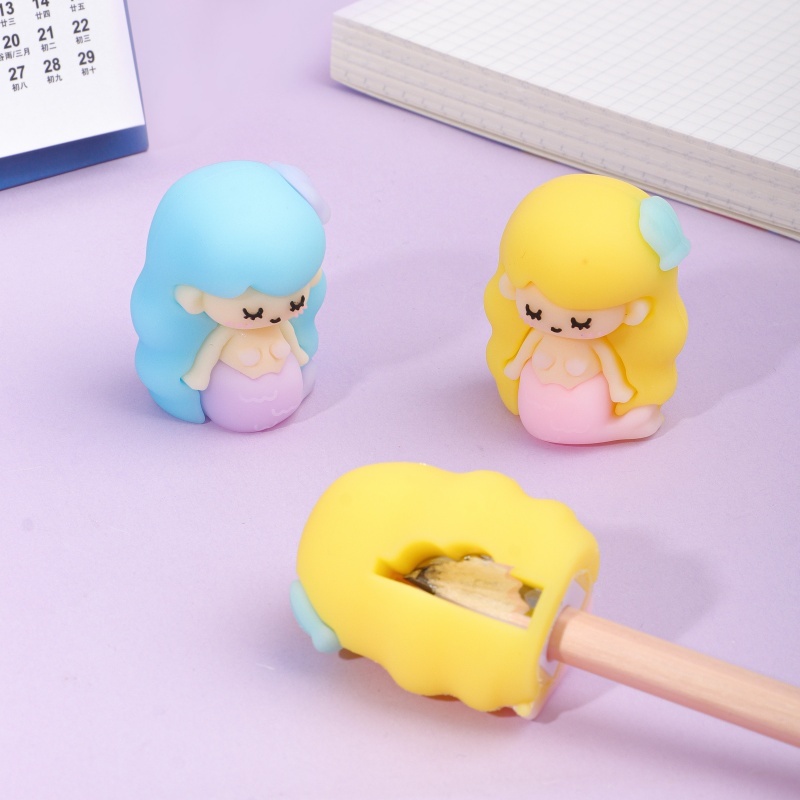
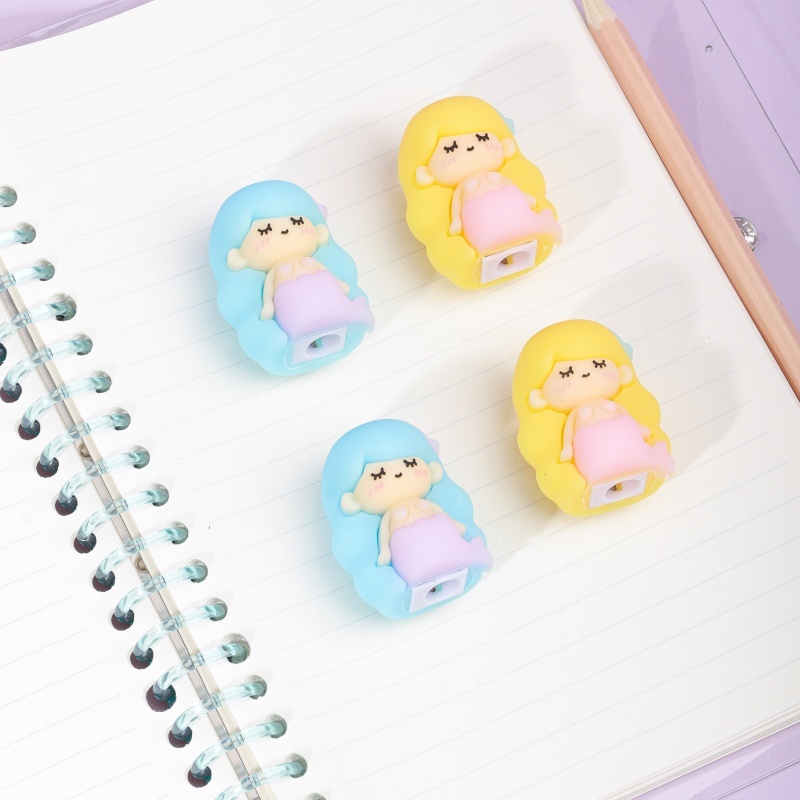
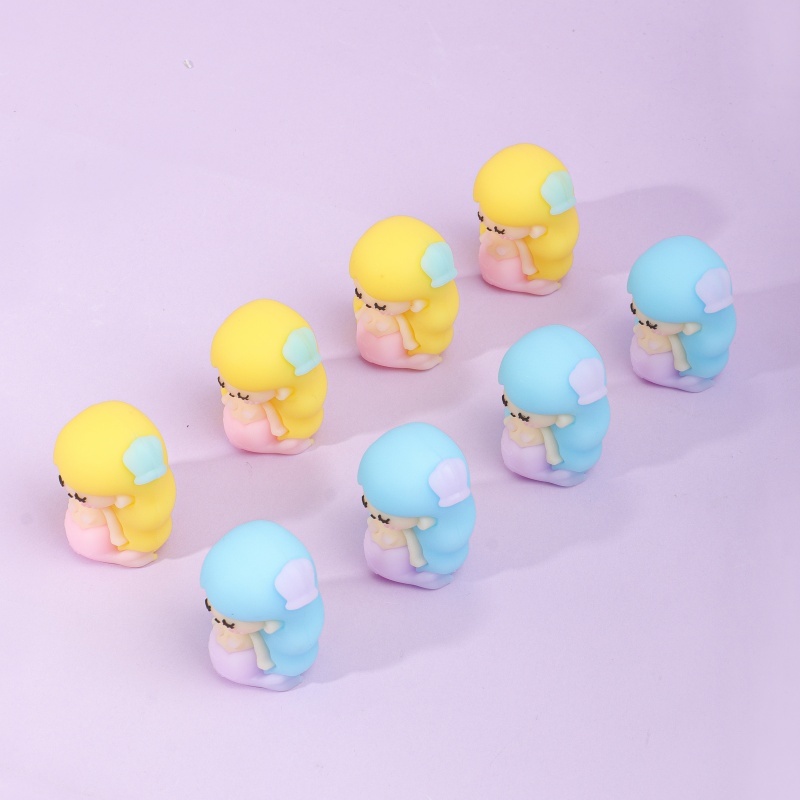
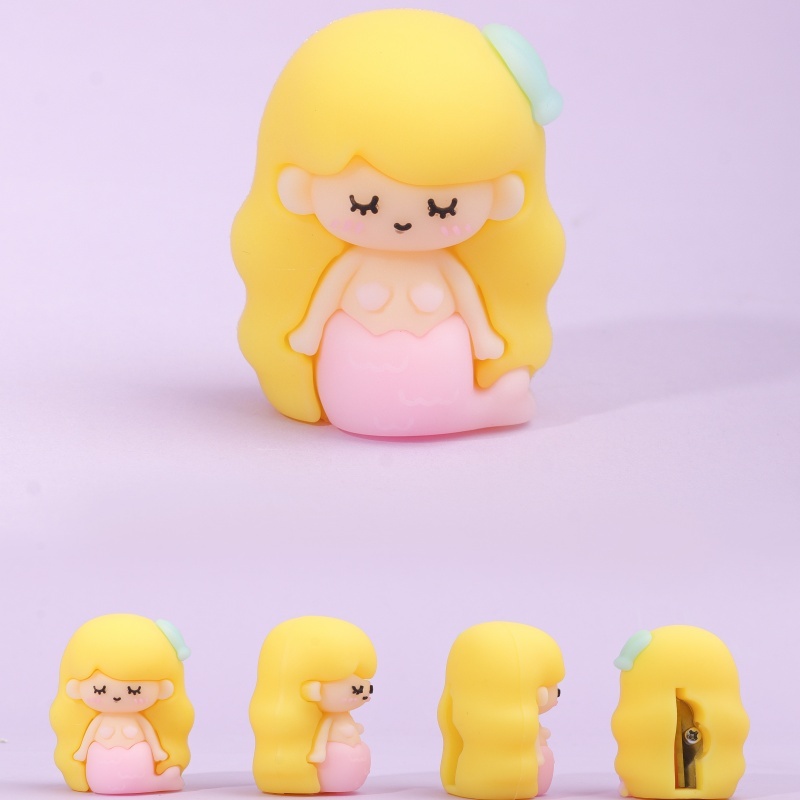
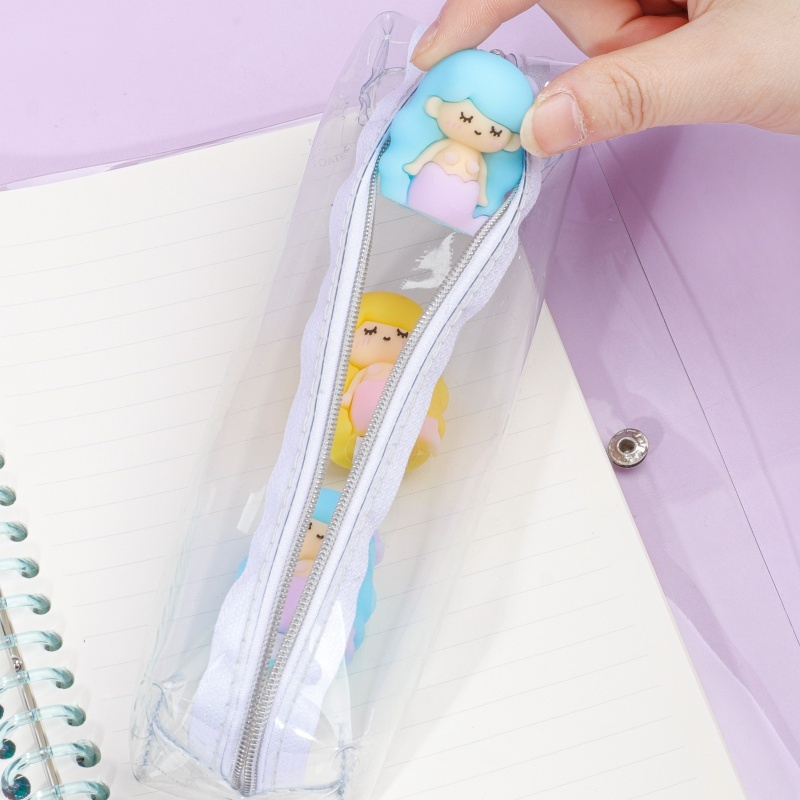
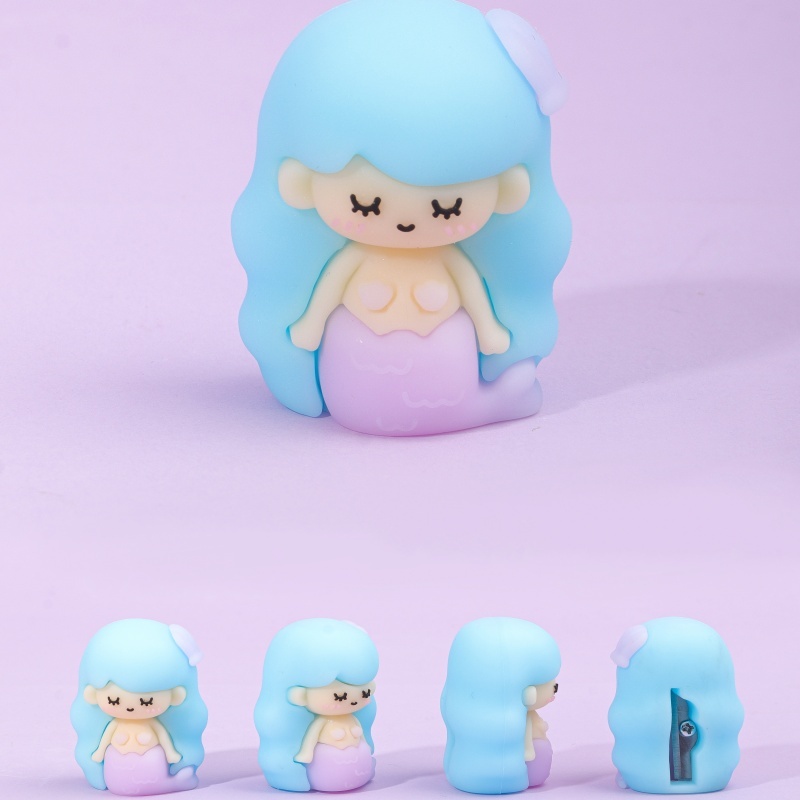
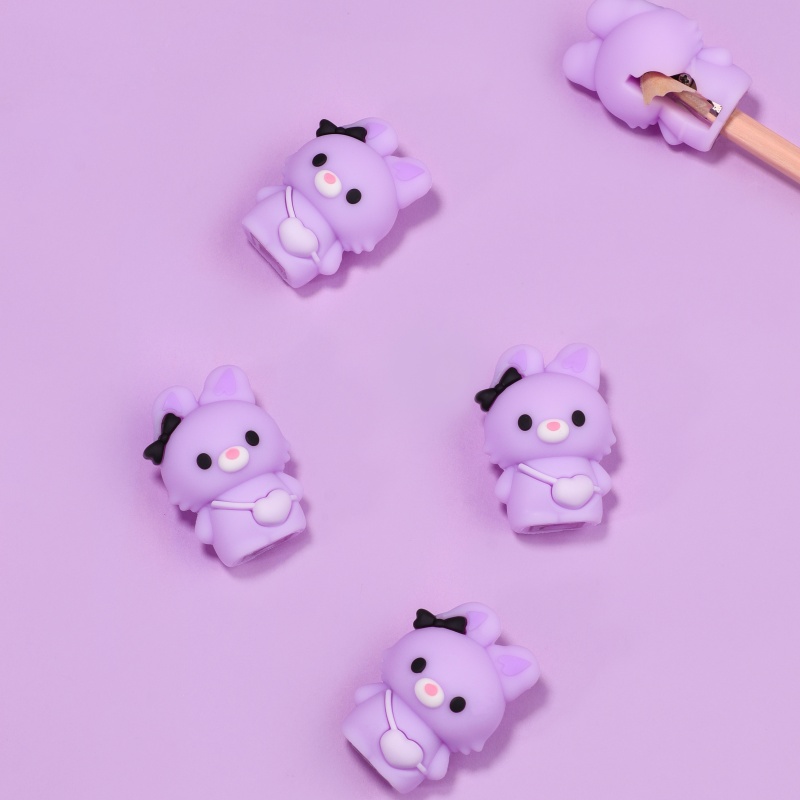
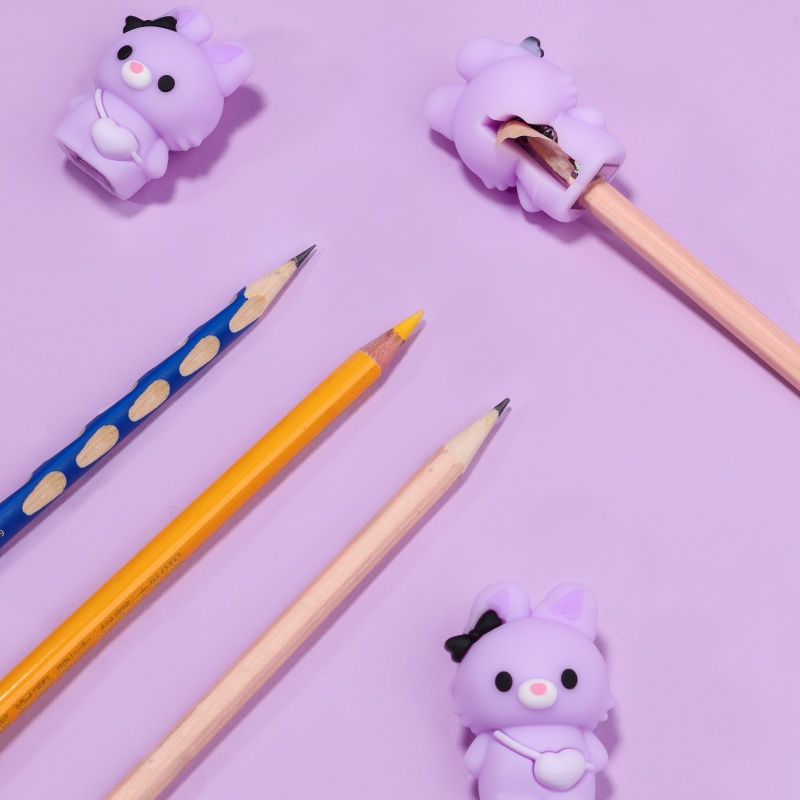
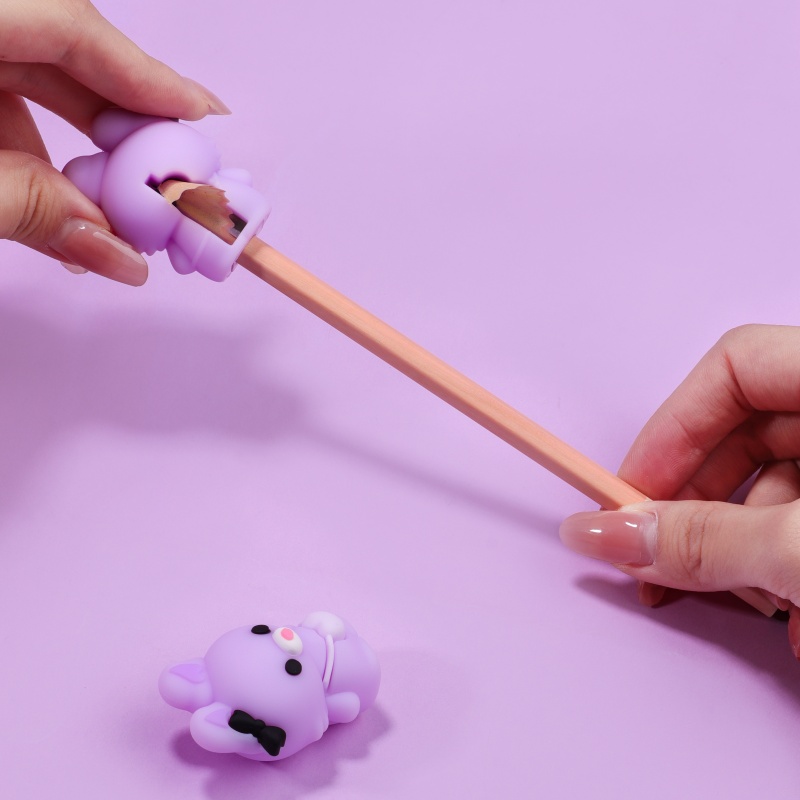
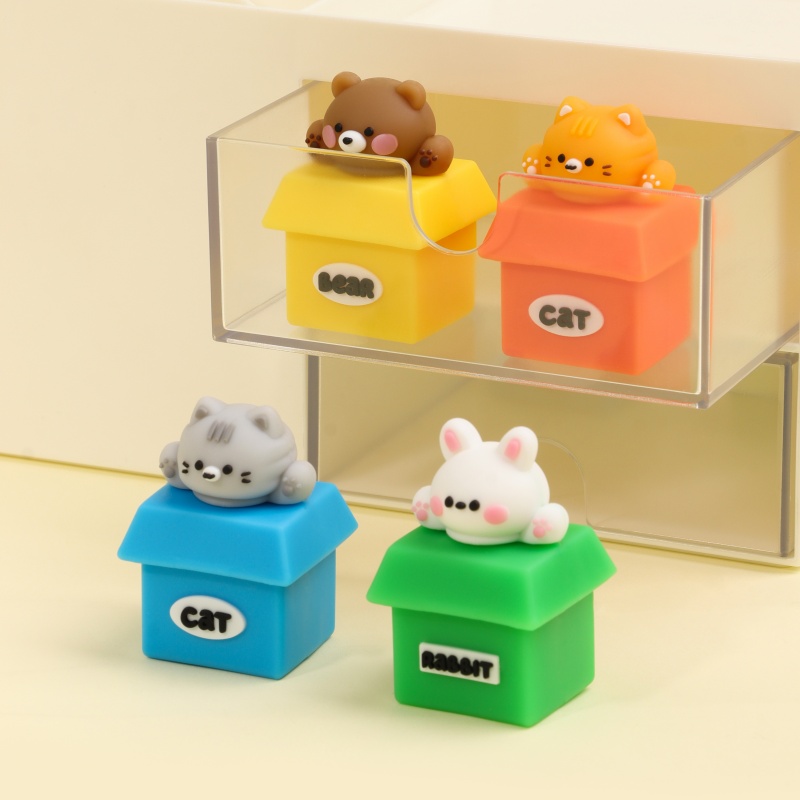
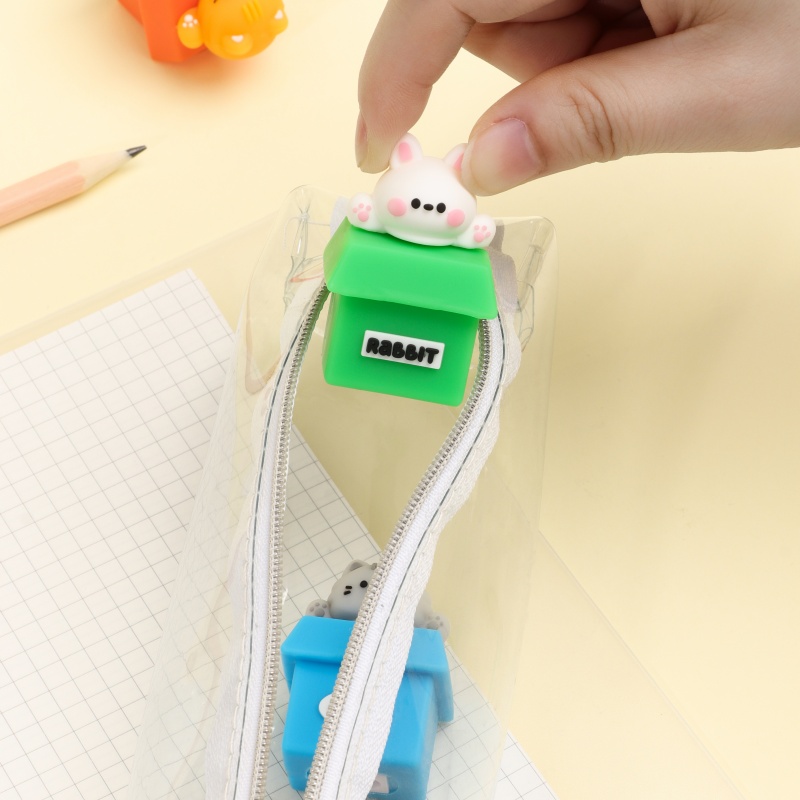
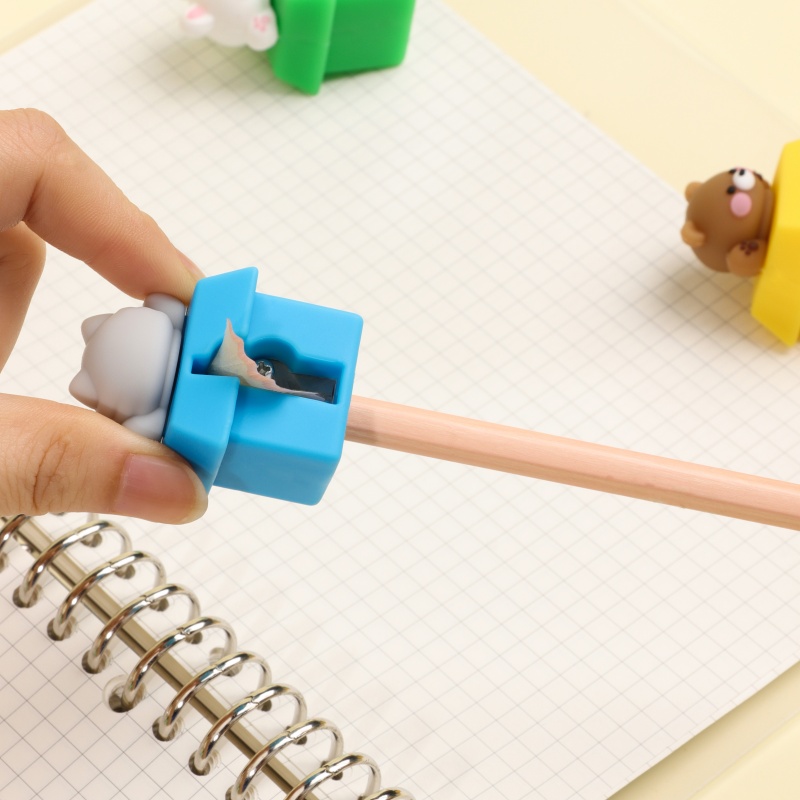
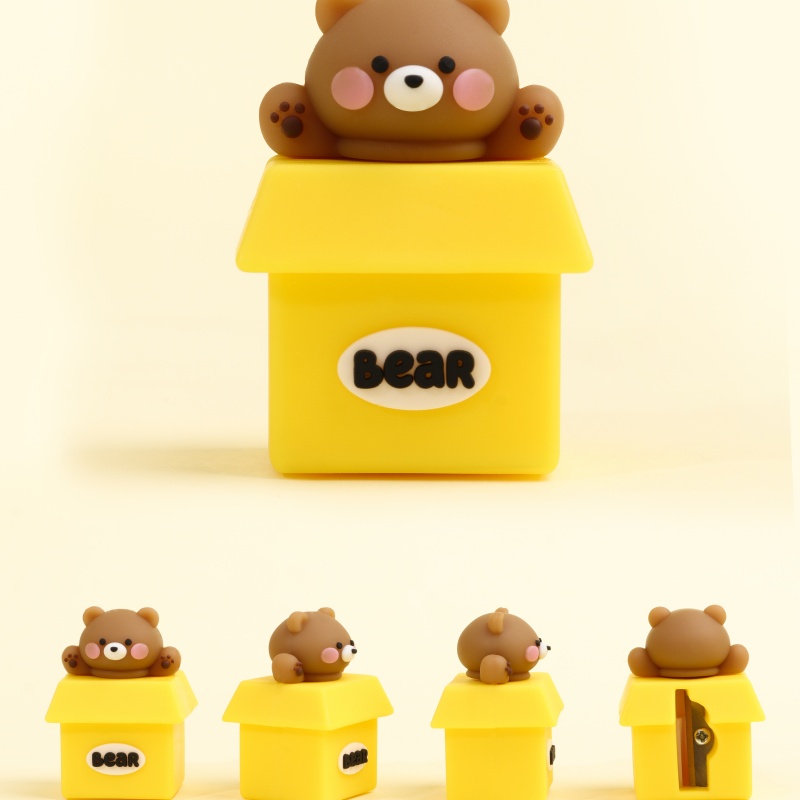
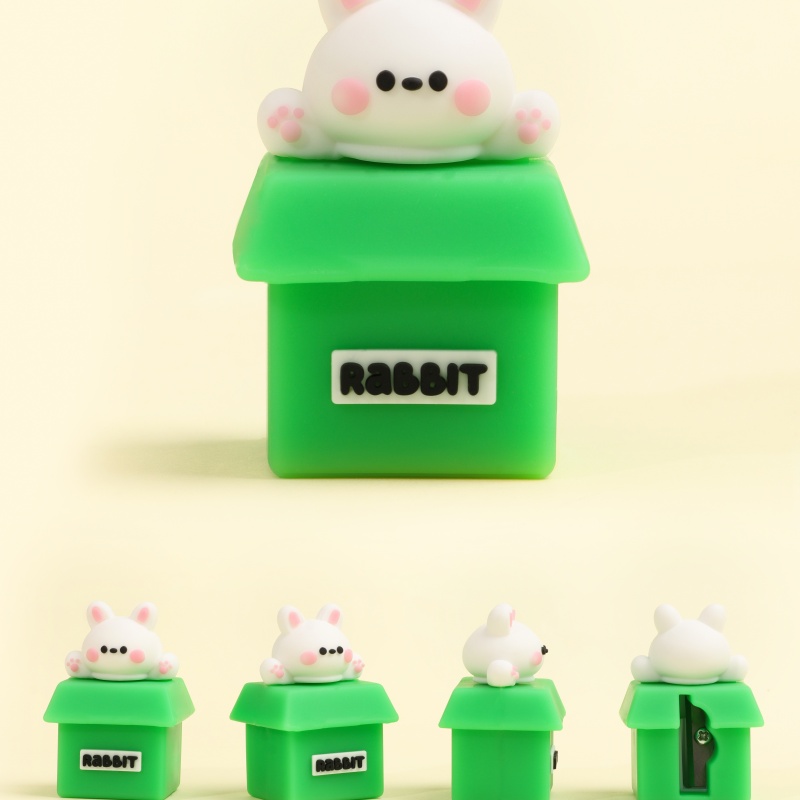
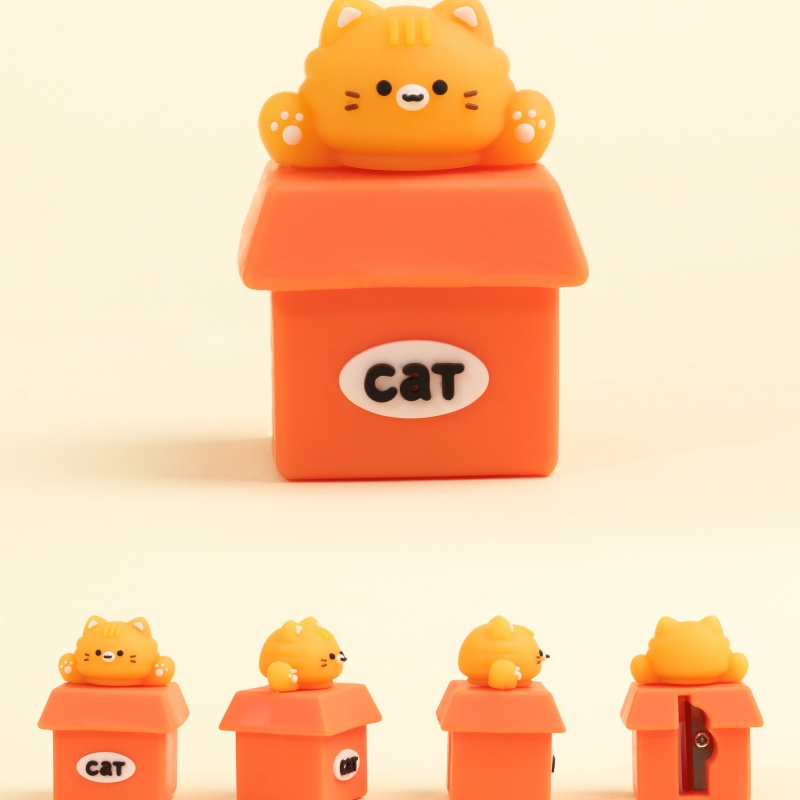
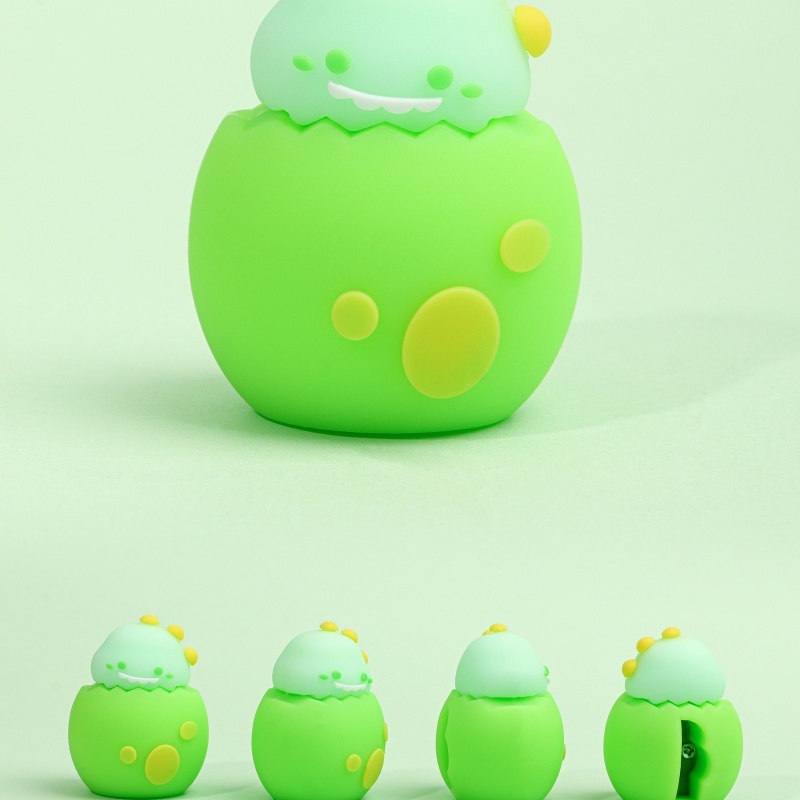
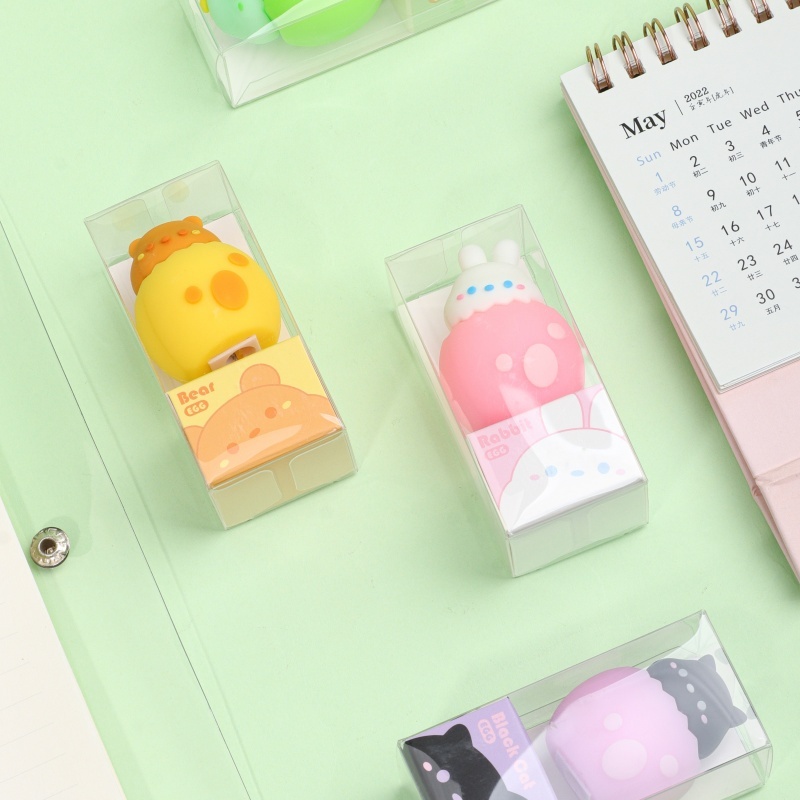
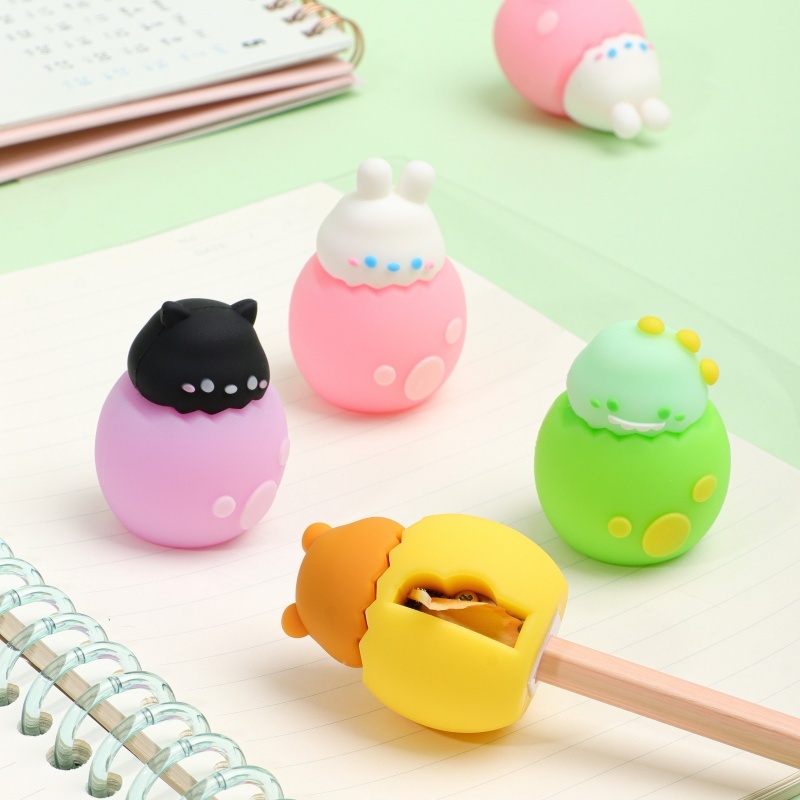
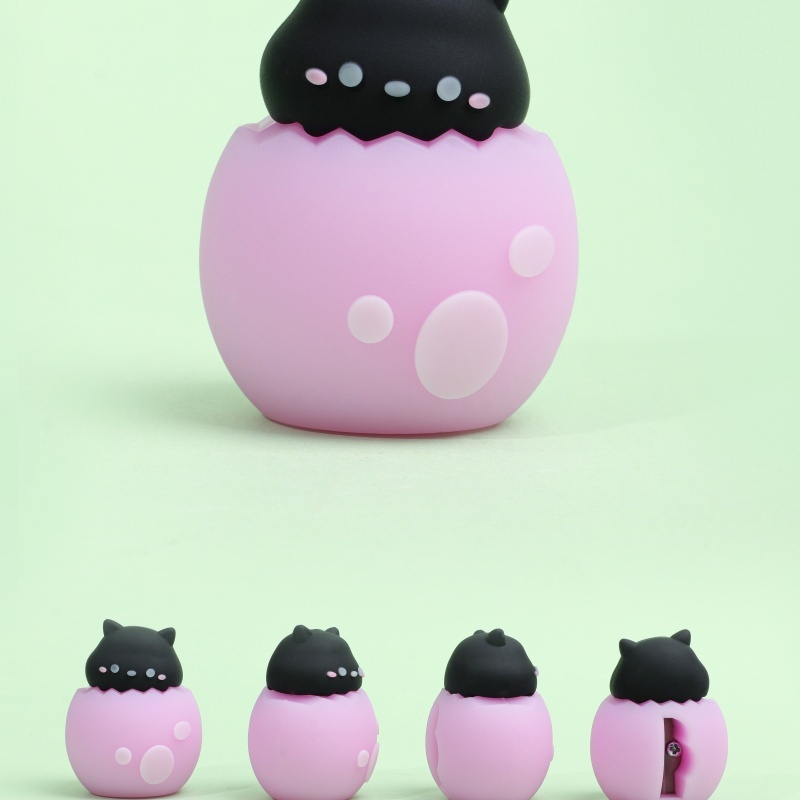
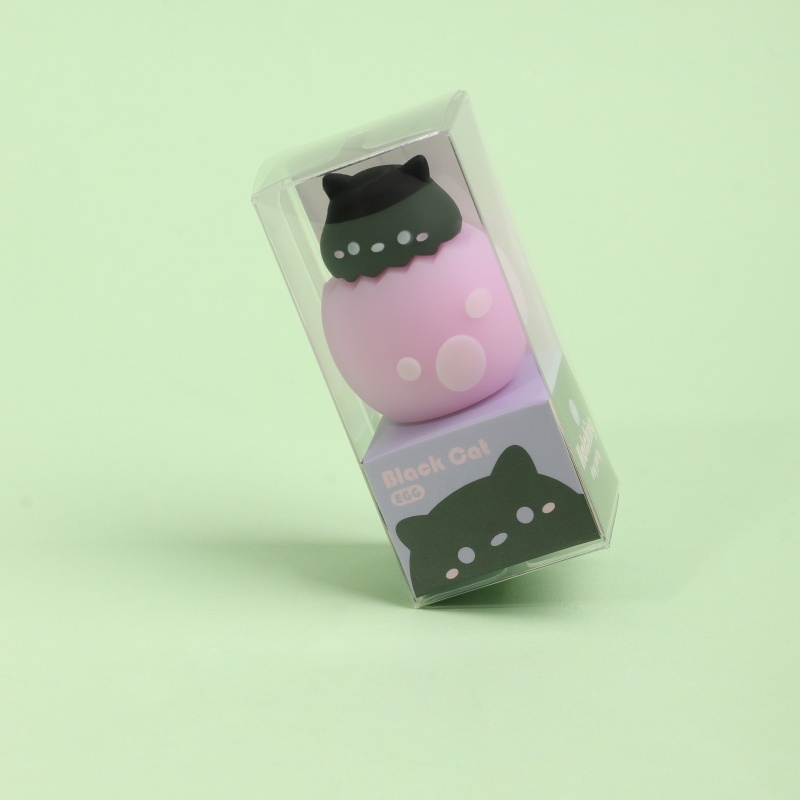
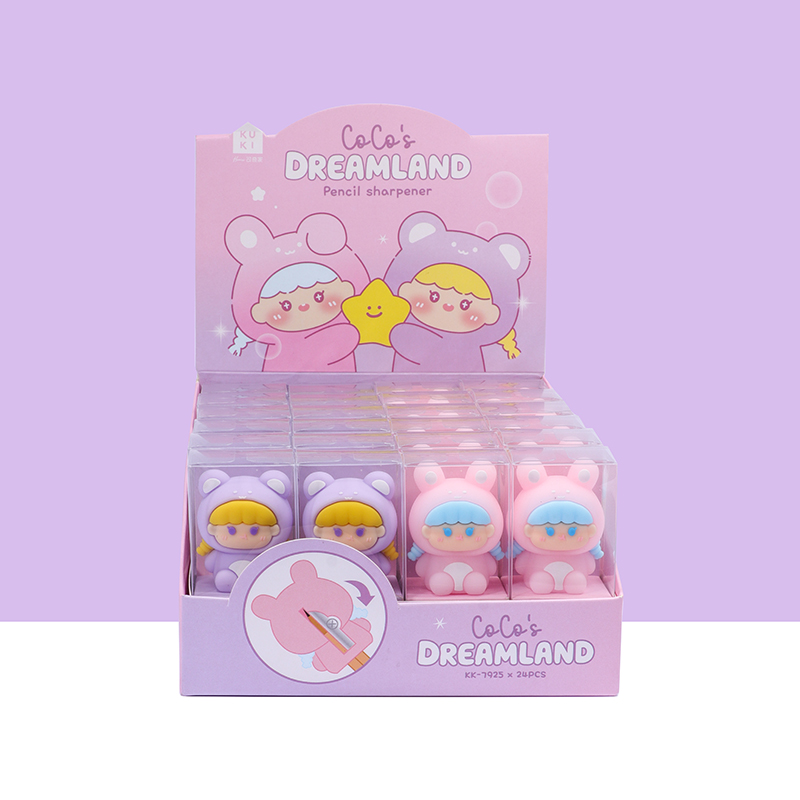
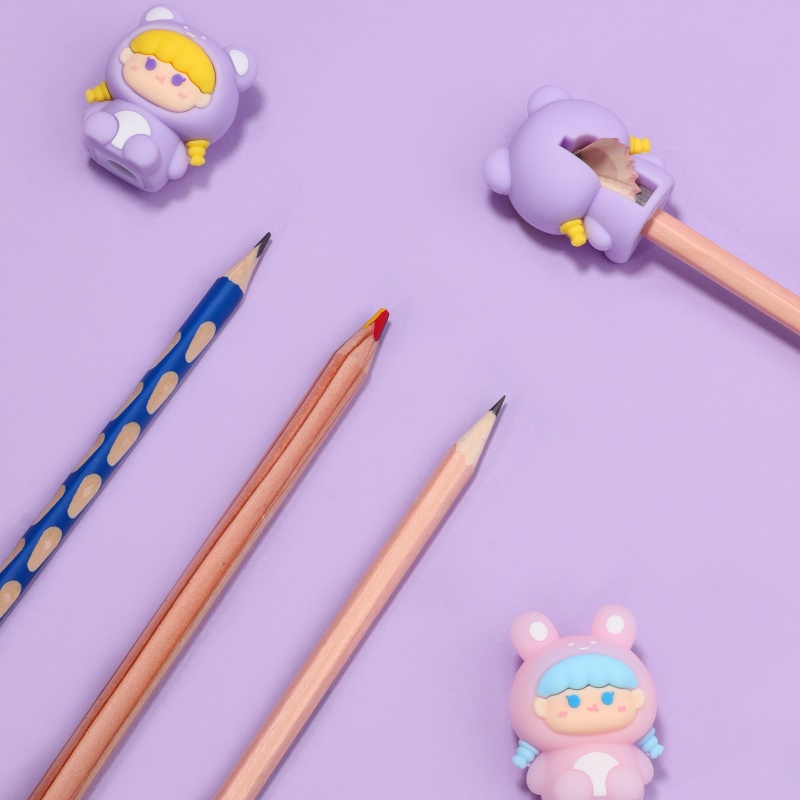
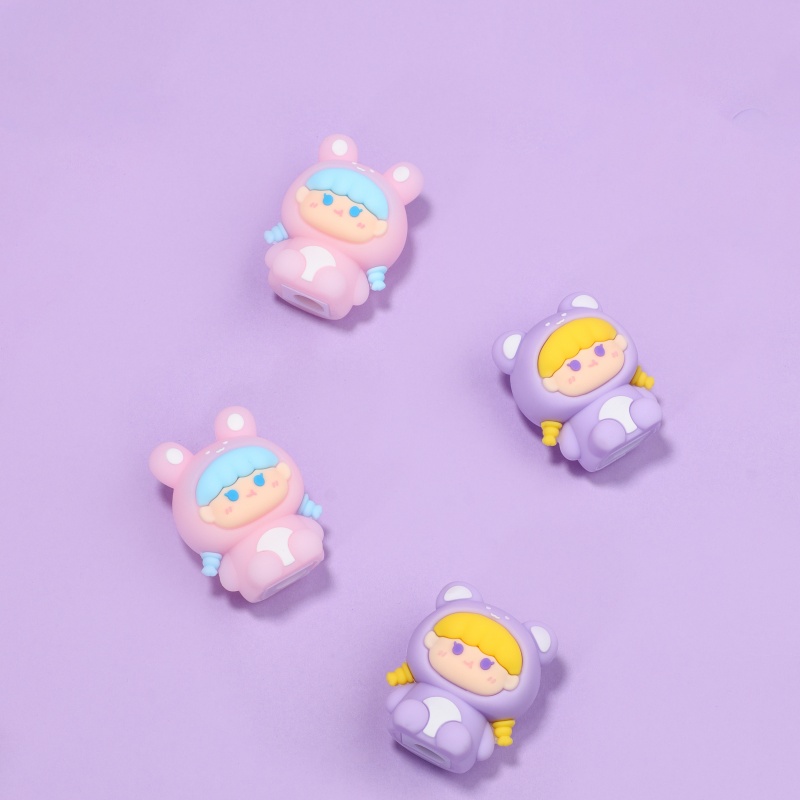
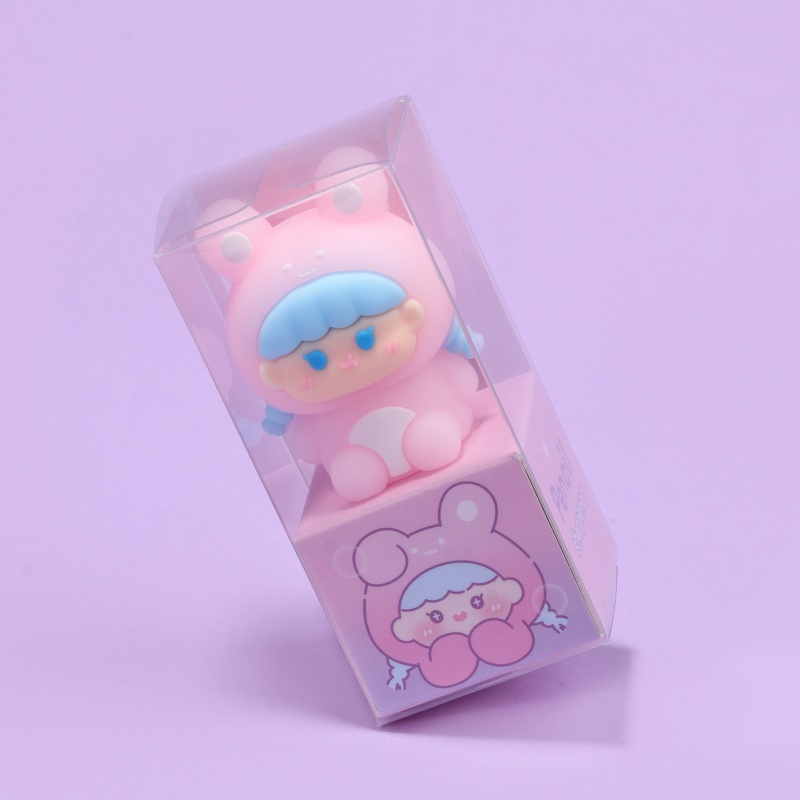
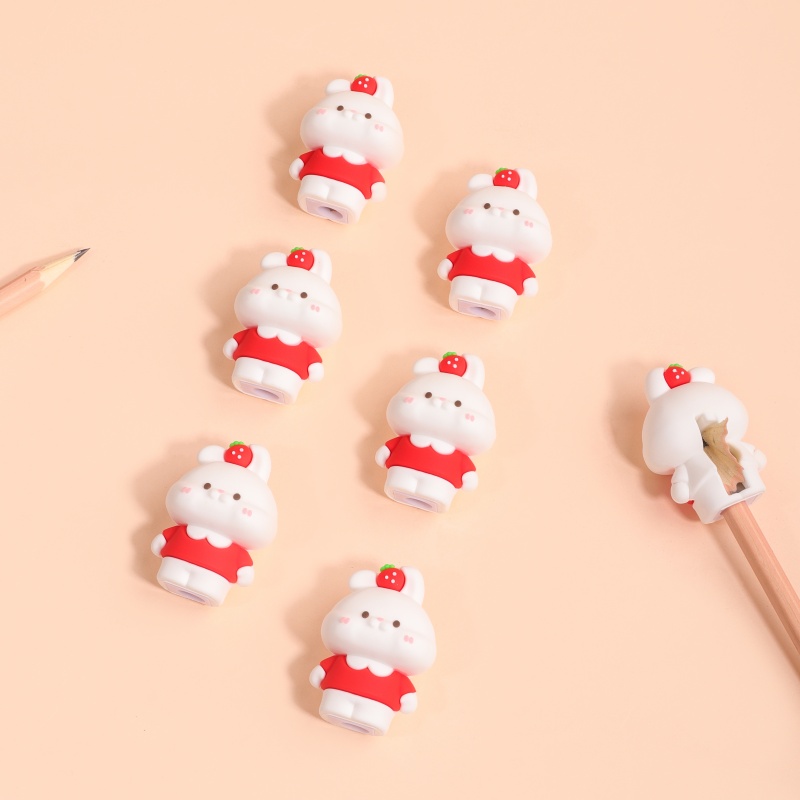
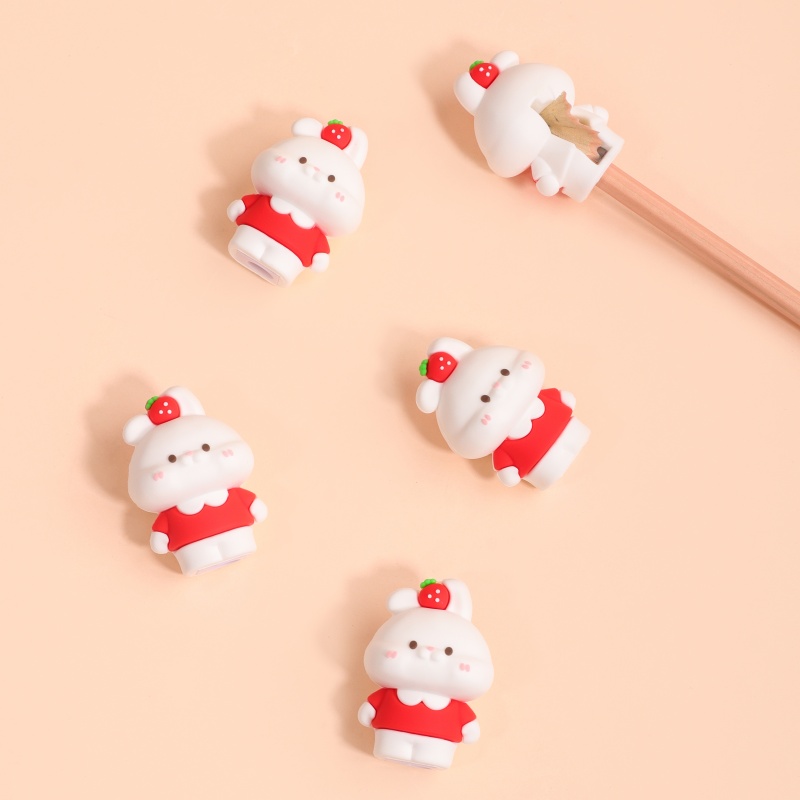
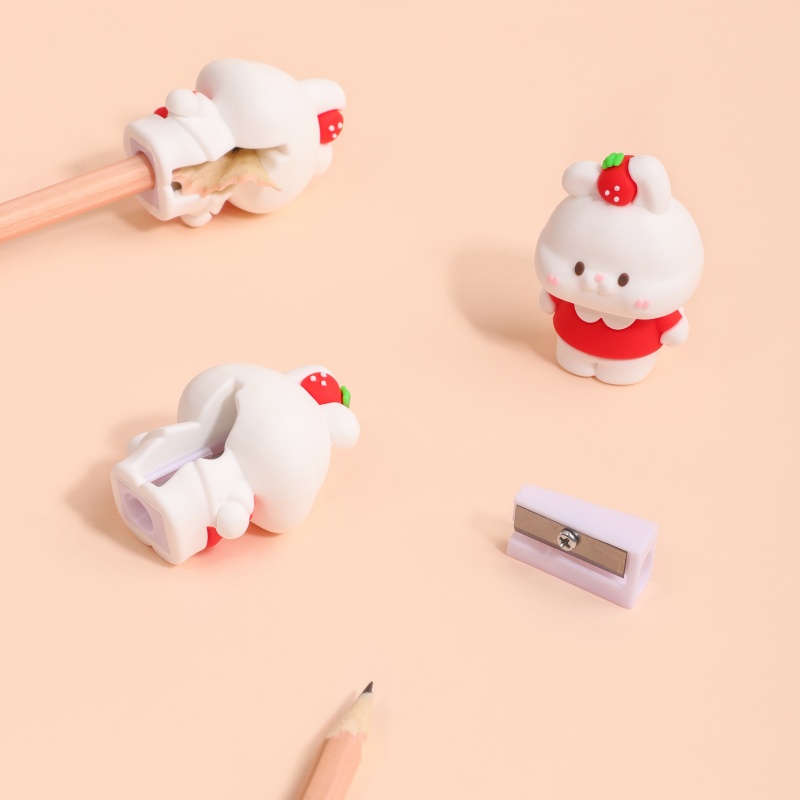
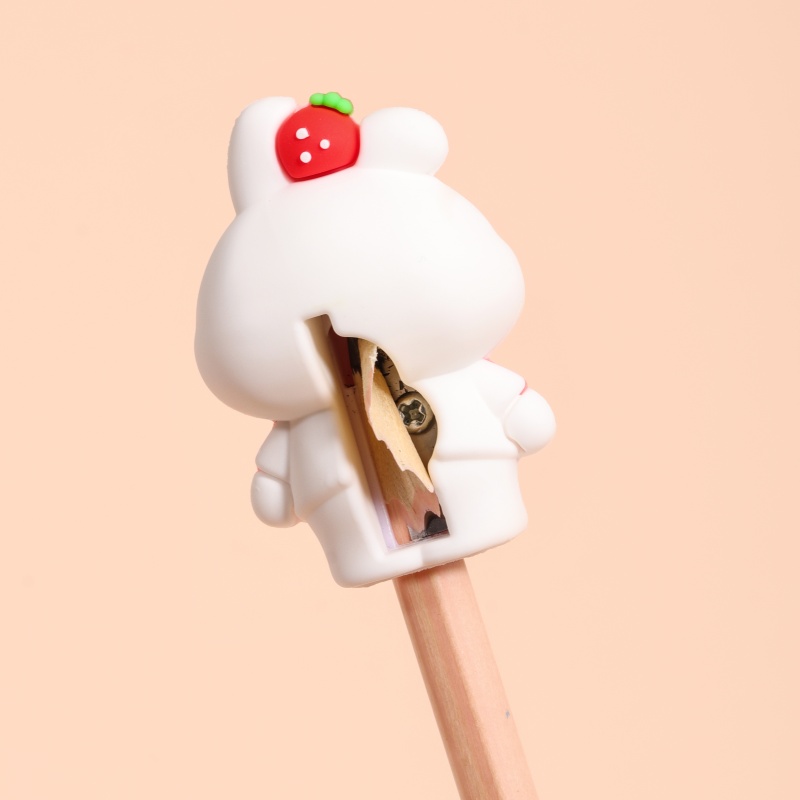
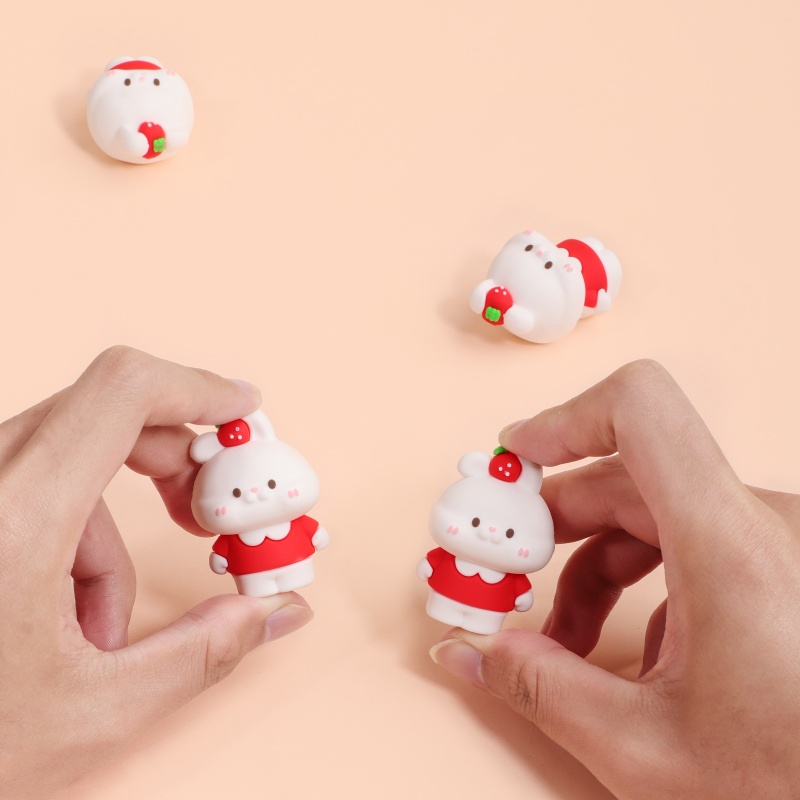
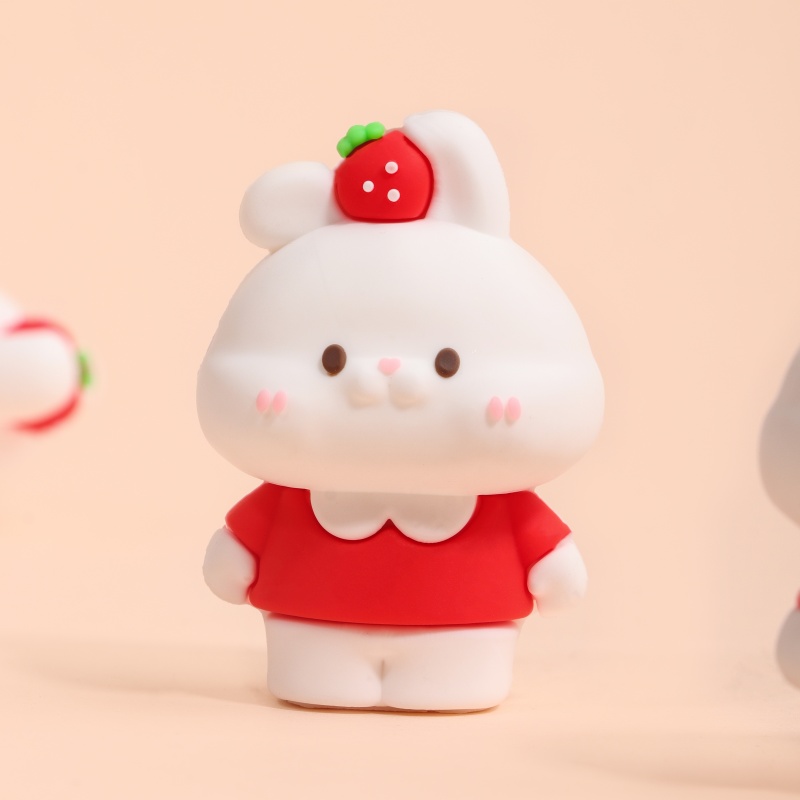
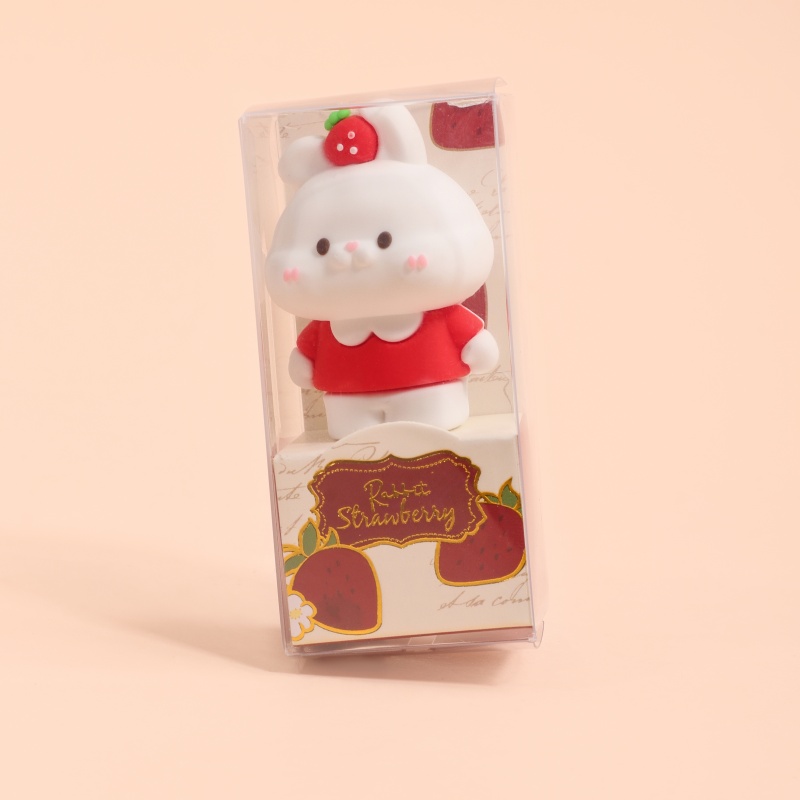
A 3D Pencil Sharpener features a design that goes beyond basic functionality, often incorporating three-dimensional shapes, textured surfaces, or interactive elements. In the stationery industry, this type of sharpener appeals to users who value both aesthetics and practicality. It is commonly used in classrooms, art studios, and offices where visual interest can enhance the workspace.
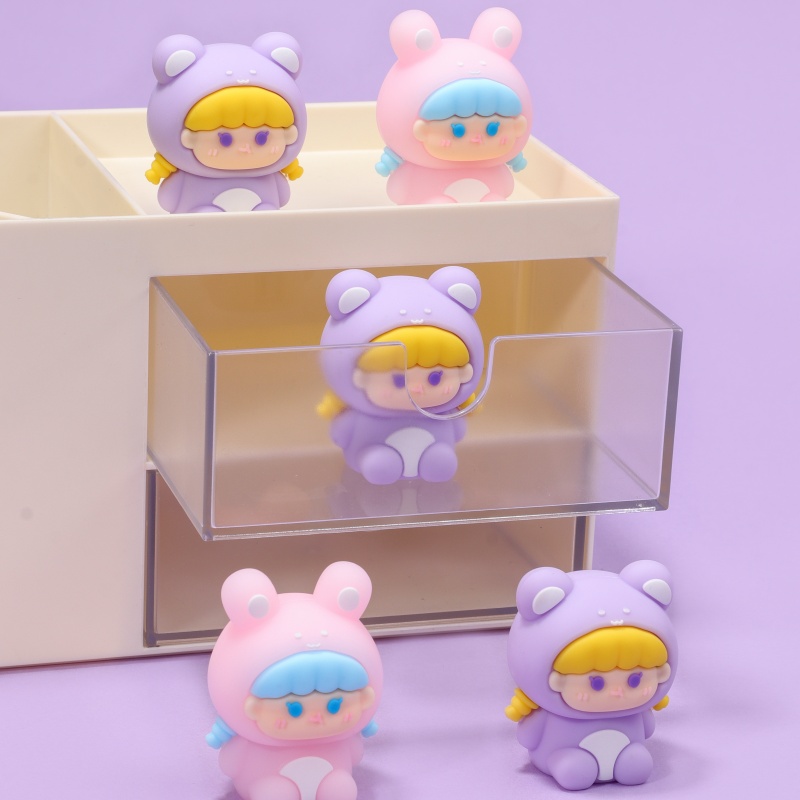
The appeal of a 3D Pencil Sharpener lies in its ability to turn an ordinary tool into a visually engaging object. This encourages regular use while also serving as a decorative accessory on desks or in pencil cases.
Q2: How does a 3D Pencil Sharpener influence product design trends?
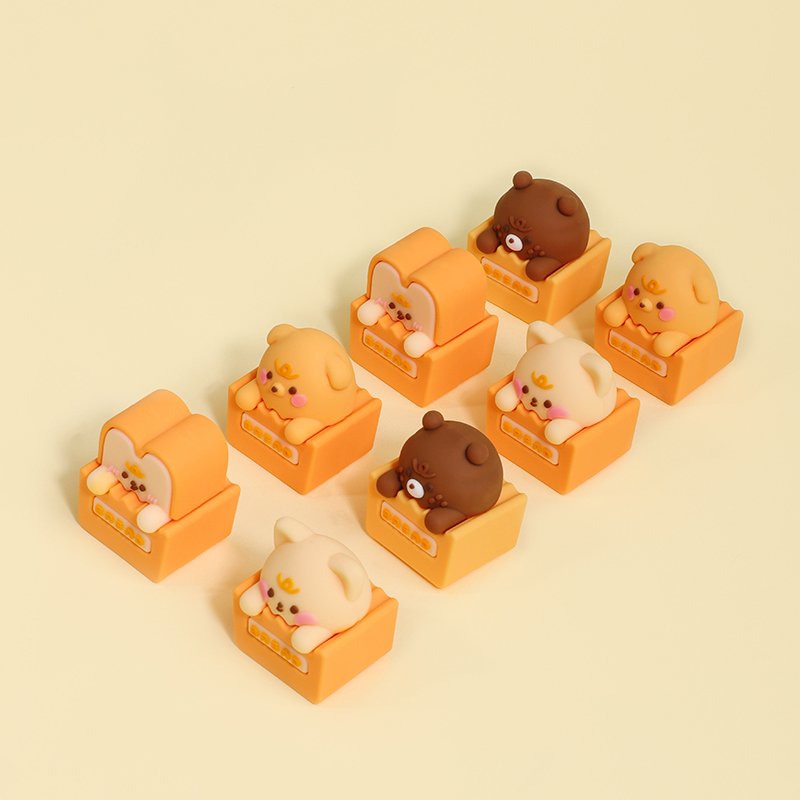
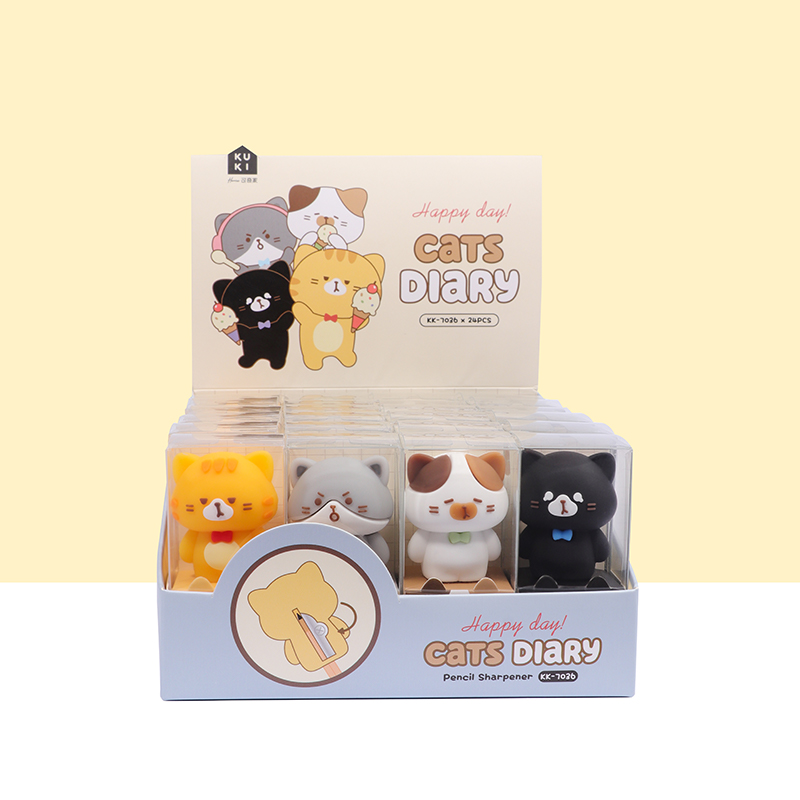
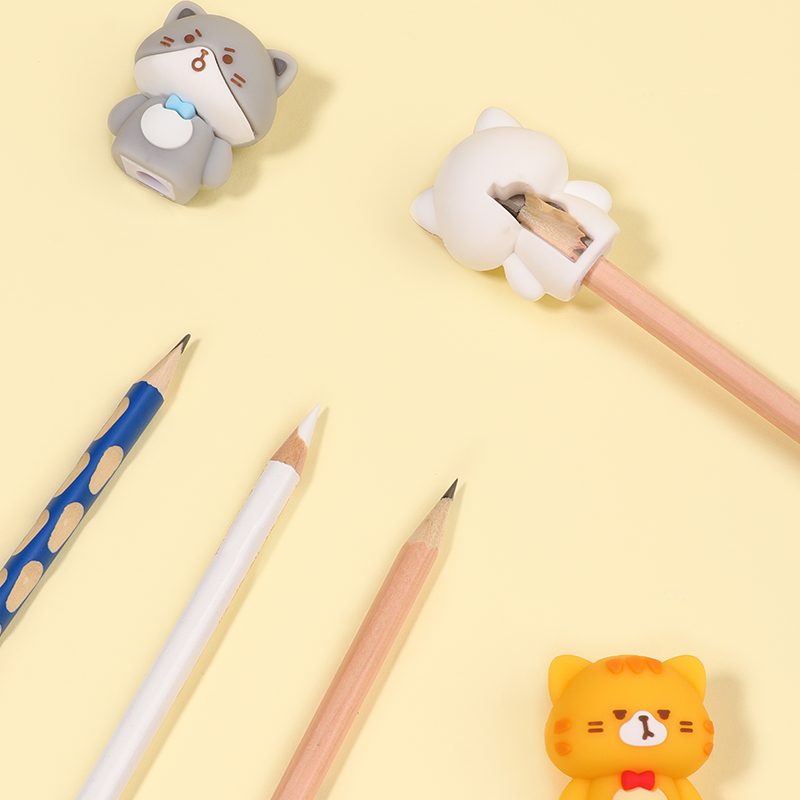
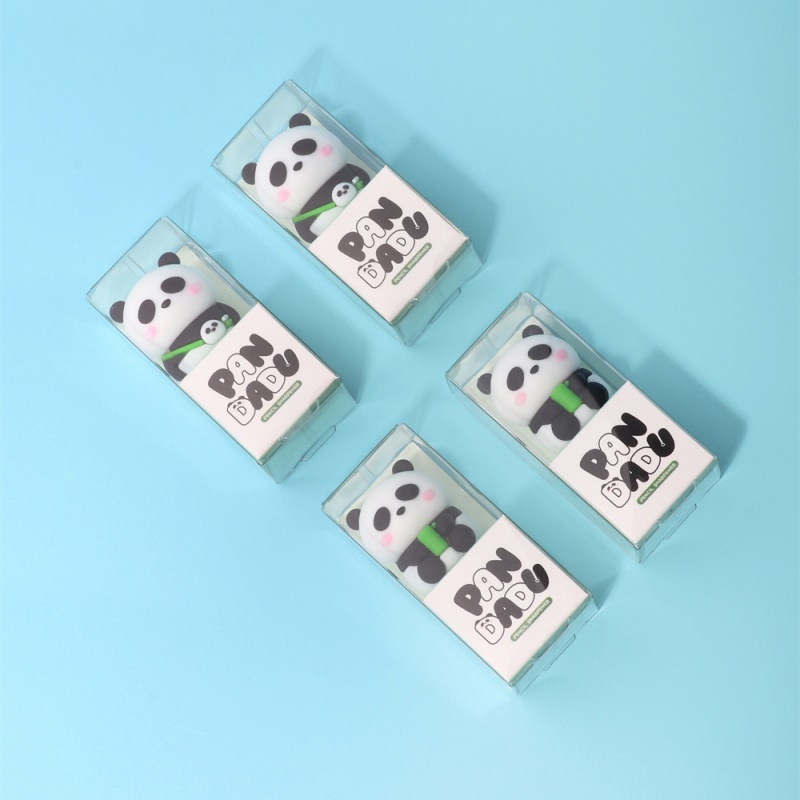
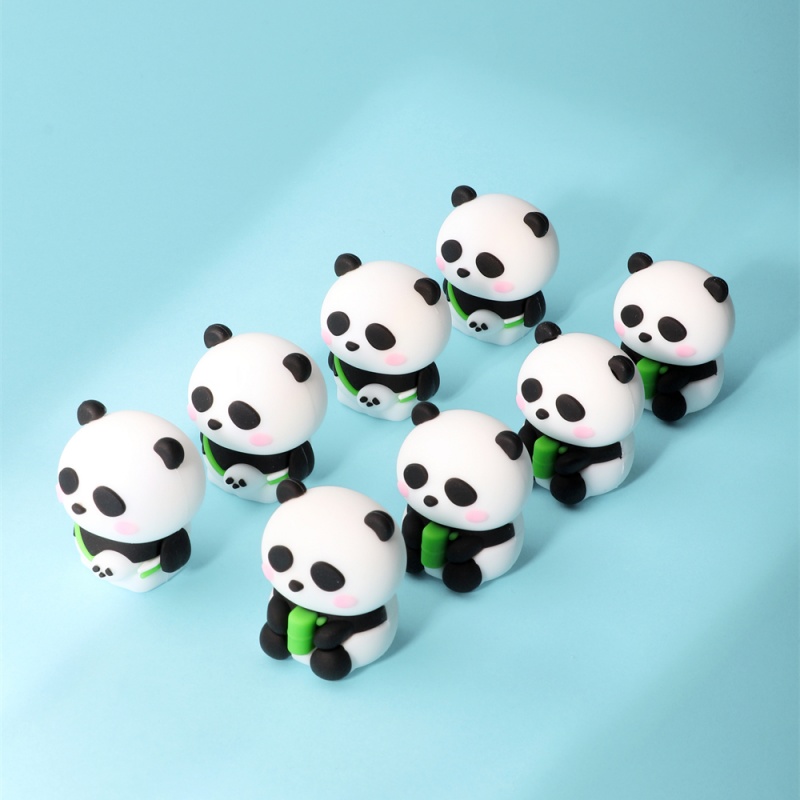
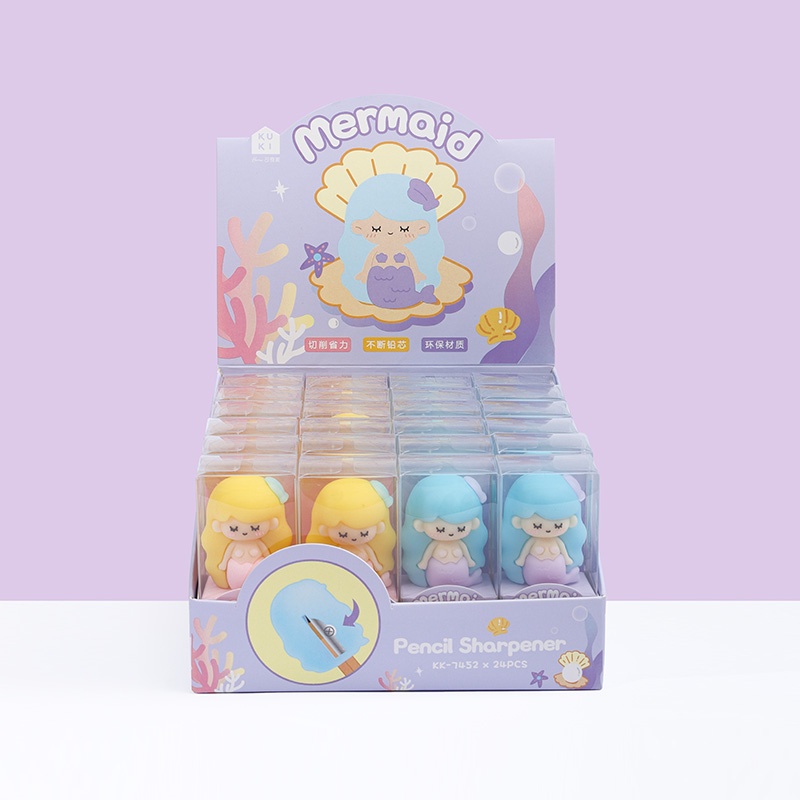
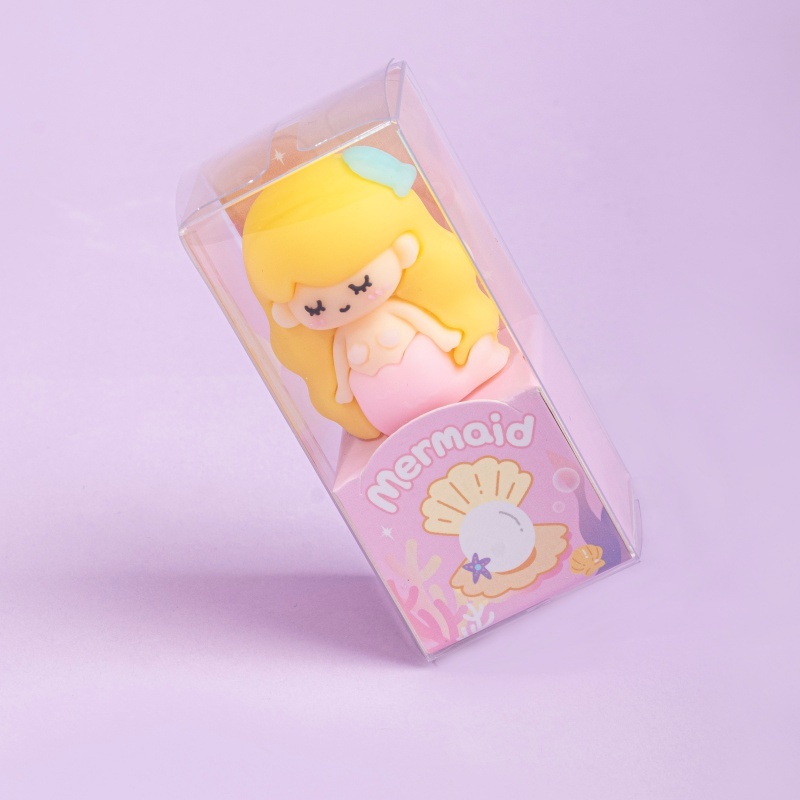
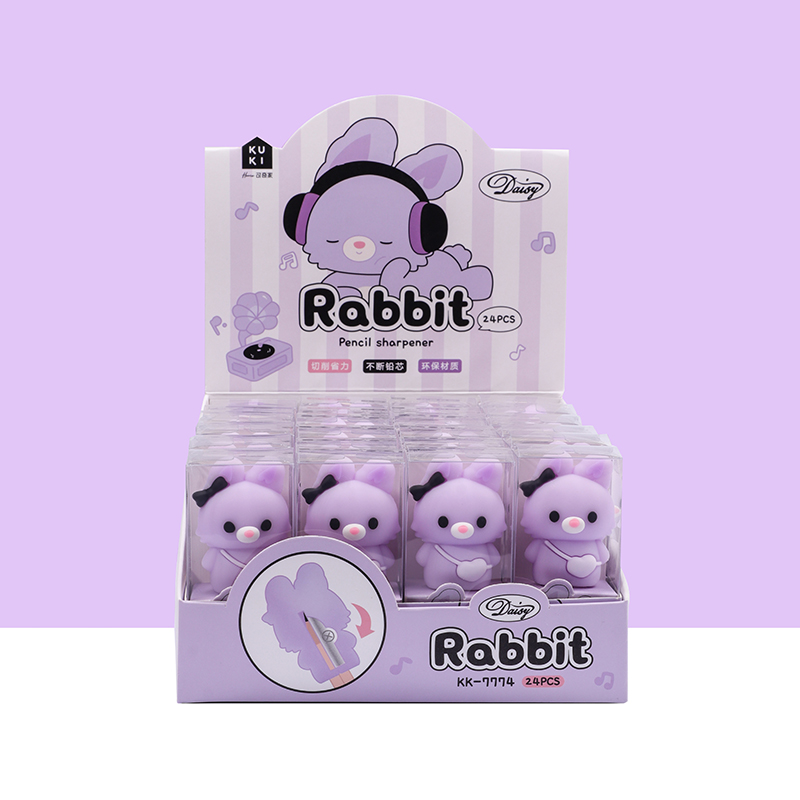
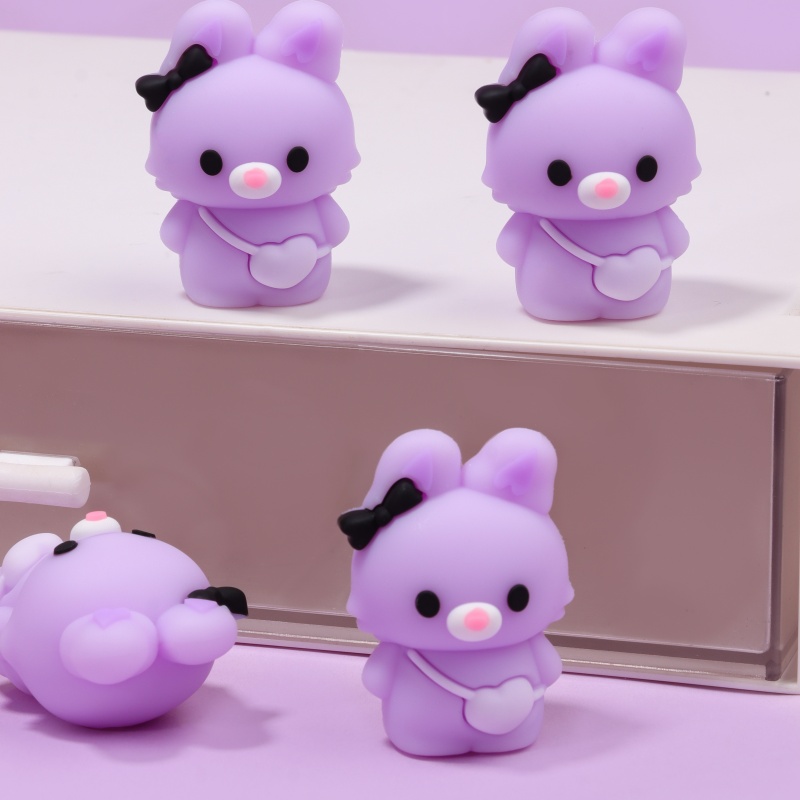
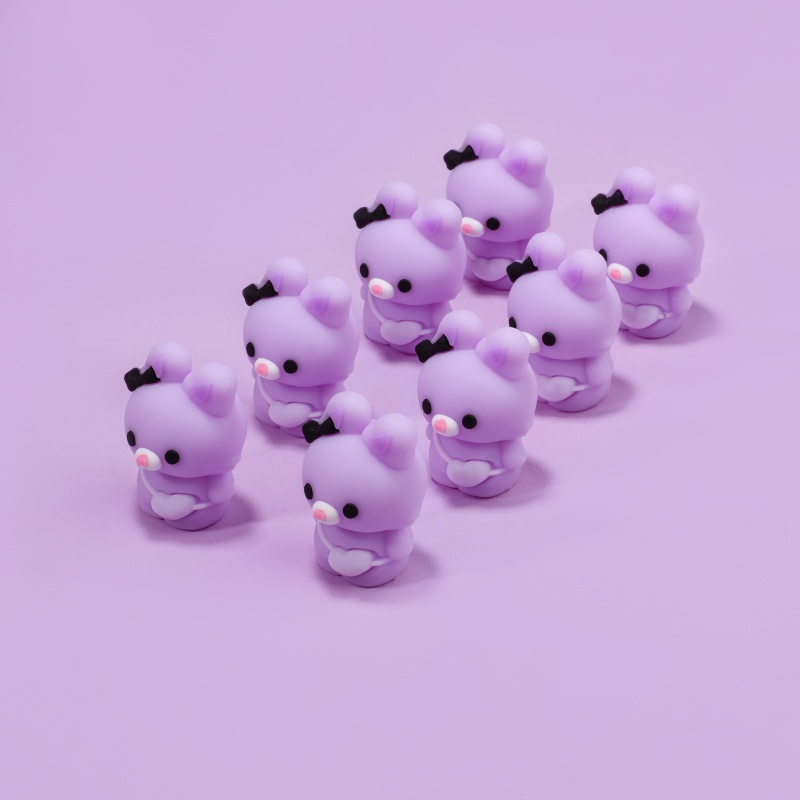
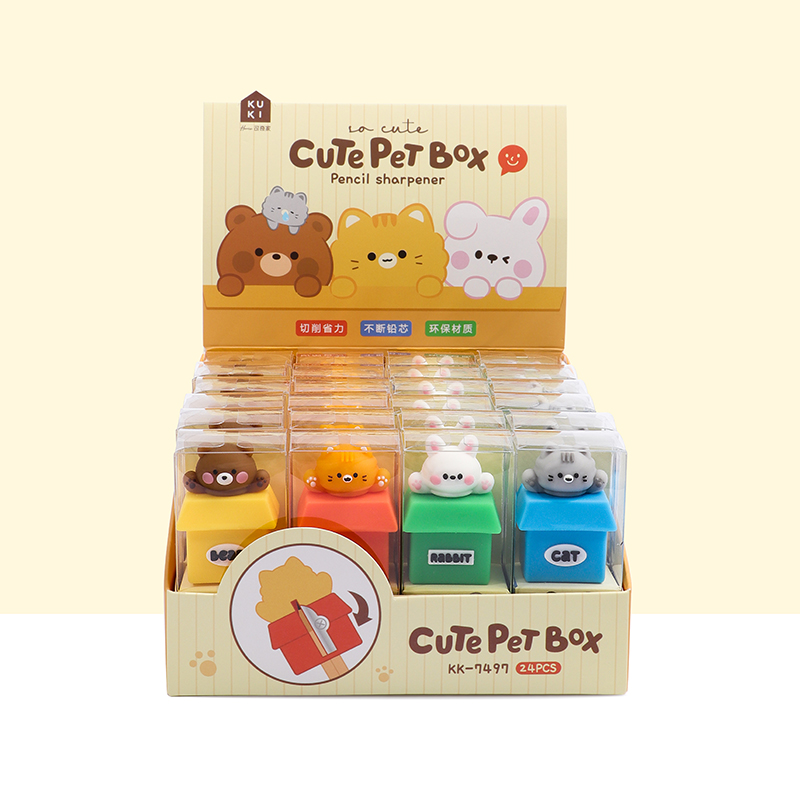
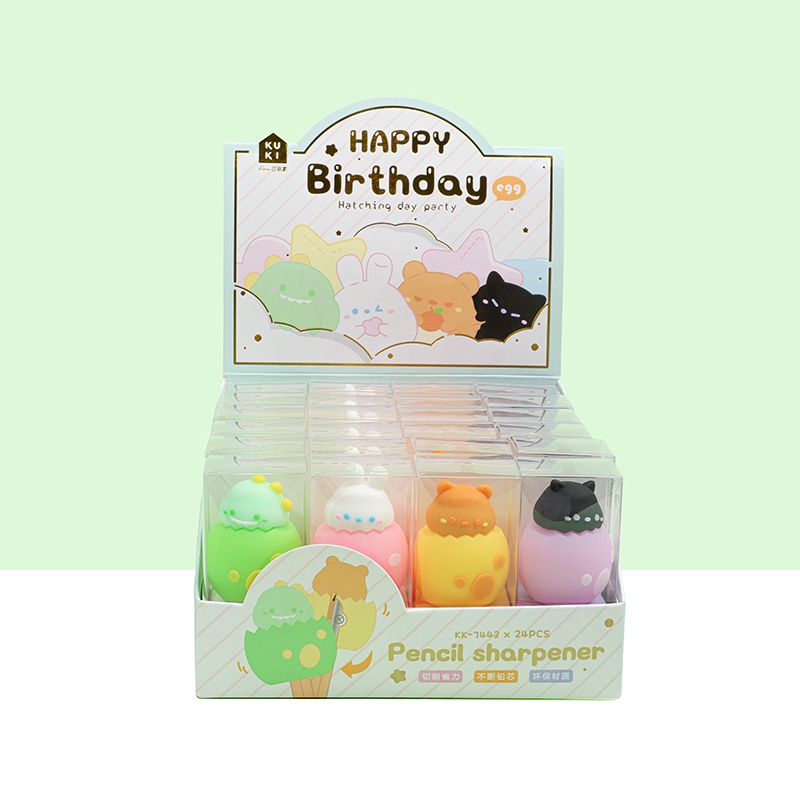
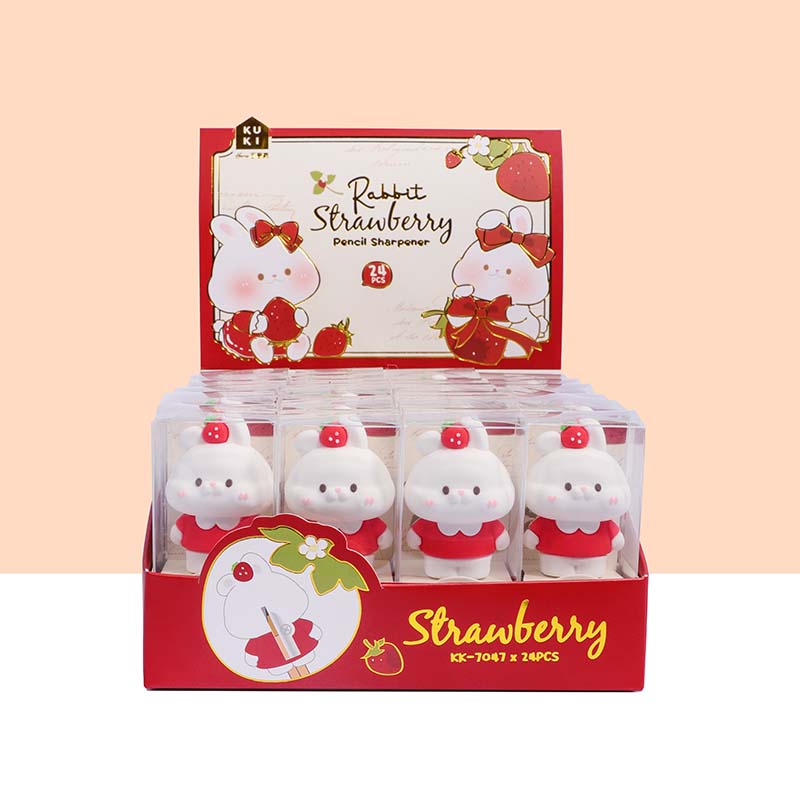
Manufacturers often use 3D Pencil Sharpeners to experiment with form and material. Creative shapes or colorful designs help the product stand out among standard sharpeners. In retail, these sharpeners are particularly popular among younger users who enjoy playful, interactive tools that reflect personality.
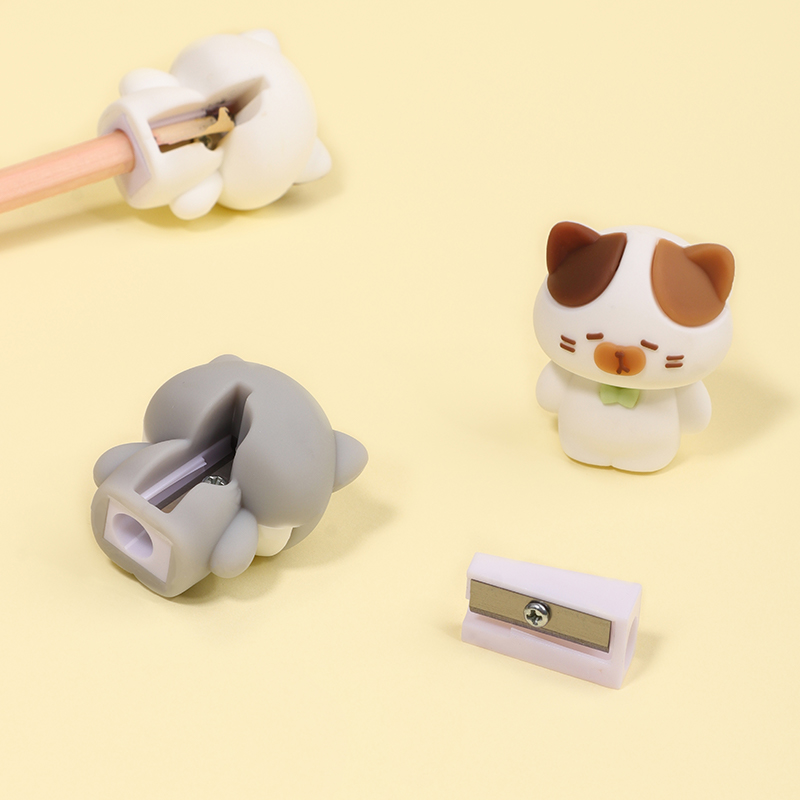
From a production standpoint, 3D designs can incorporate durable plastics or lightweight metals to ensure stability while maintaining an engaging appearance. This combination of form and function reflects the growing emphasis on user experience in stationery products.
Q3: What makes a Safe Sharpener important?
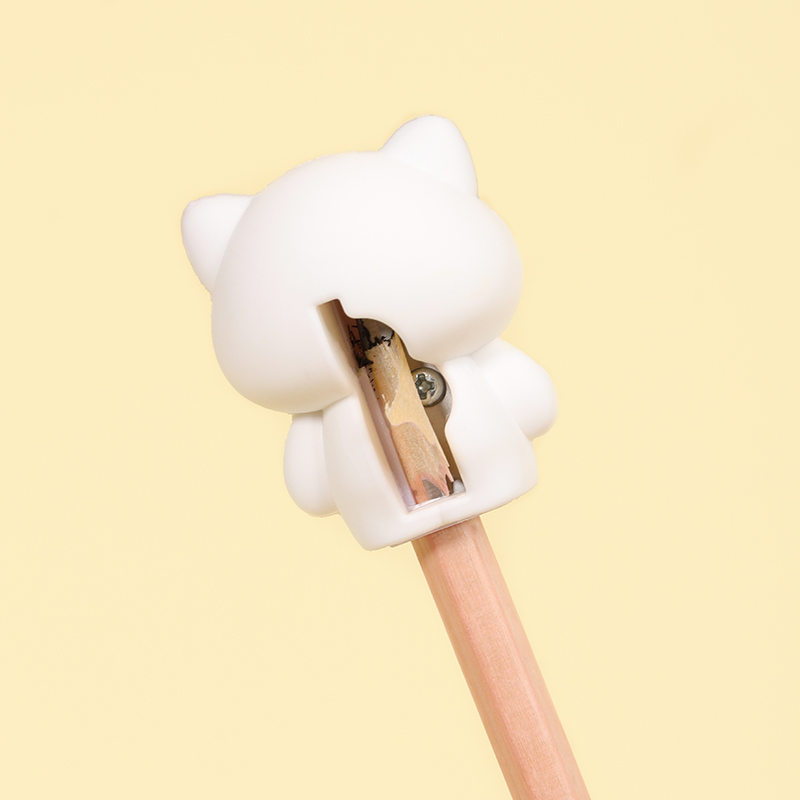
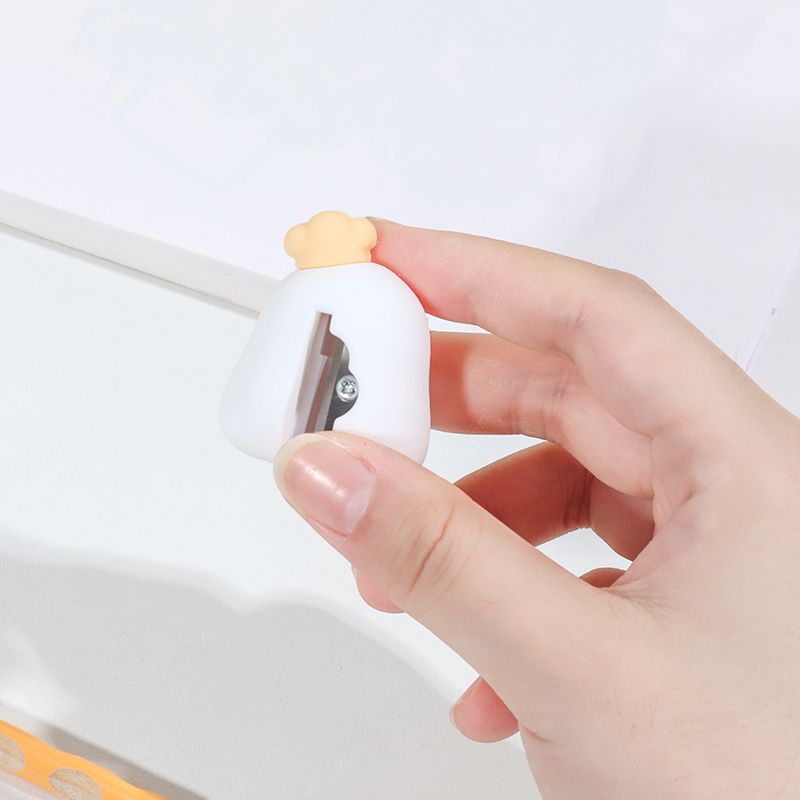
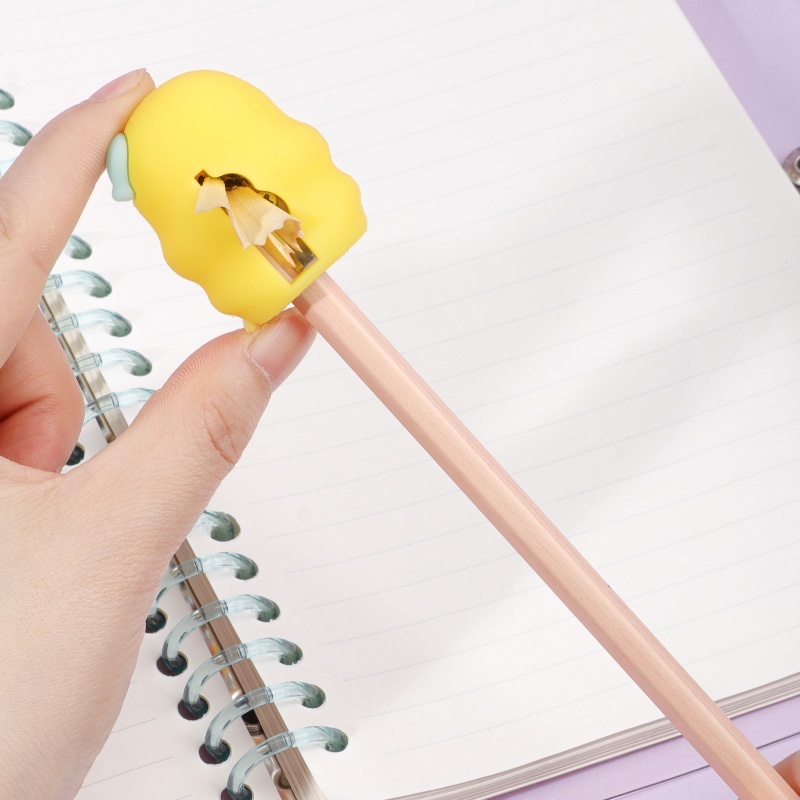
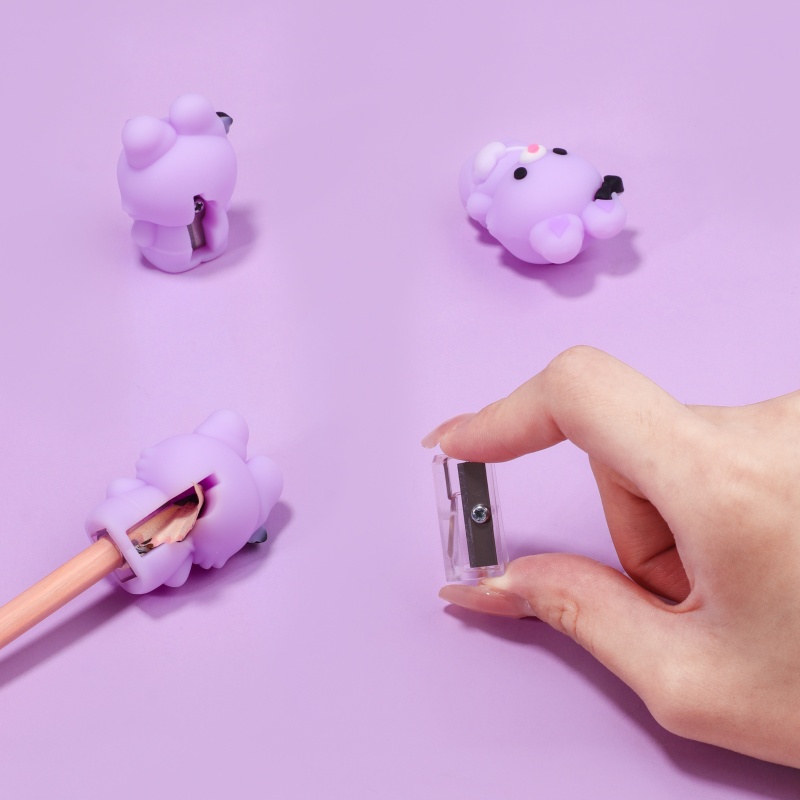
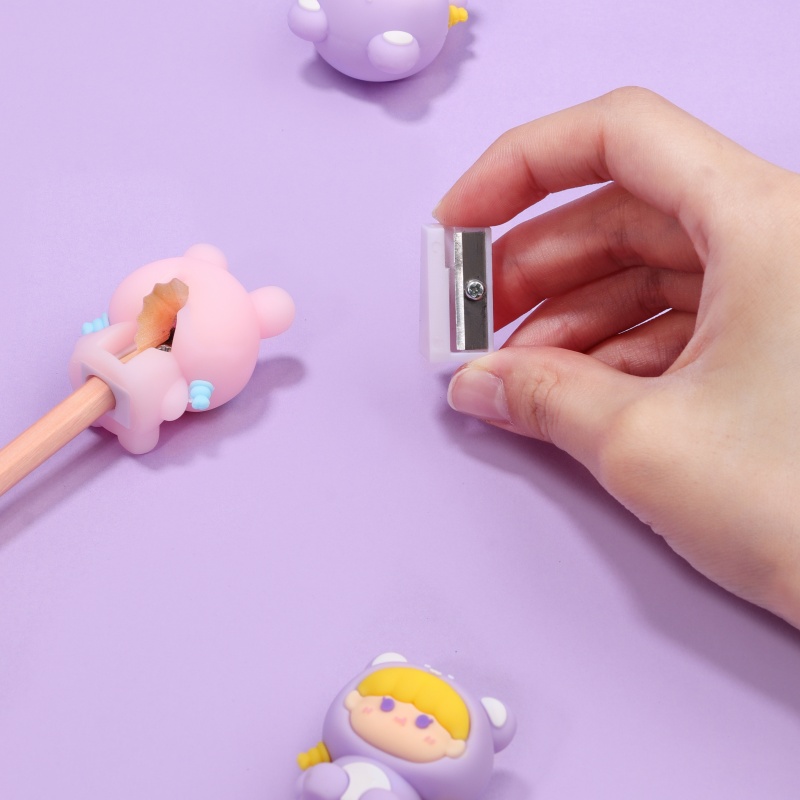
A Safe Sharpener is designed to minimize risks, particularly for children or classroom use. Features such as enclosed blades, rounded edges, and non-slip grips reduce the likelihood of accidental cuts. In the stationery sector, safety is a critical factor, and Safe Sharpeners are positioned as reliable tools for students and educational institutions.
The focus on safety does not compromise performance. Safe Sharpeners are engineered to produce clean points efficiently while ensuring that handling remains secure and comfortable.
Q4: Why is safety a key consideration for sharpeners?
Parents, teachers, and institutions prioritize products that minimize hazards during daily use. A Safe Sharpener allows children to develop fine motor skills without risk. In addition, this focus on protective design aligns with broader industry trends toward creating responsible, child-friendly stationery.
Safety-conscious designs also extend the product’s appeal to families and educational buyers, supporting brand trust and long-term loyalty.
Q5: What defines a Portable Sharpener?
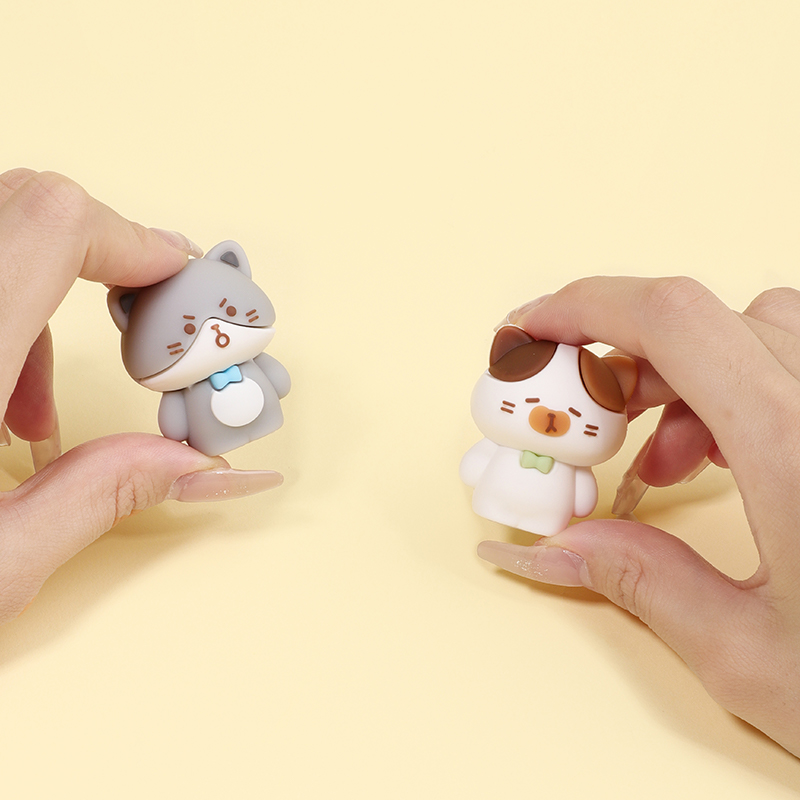
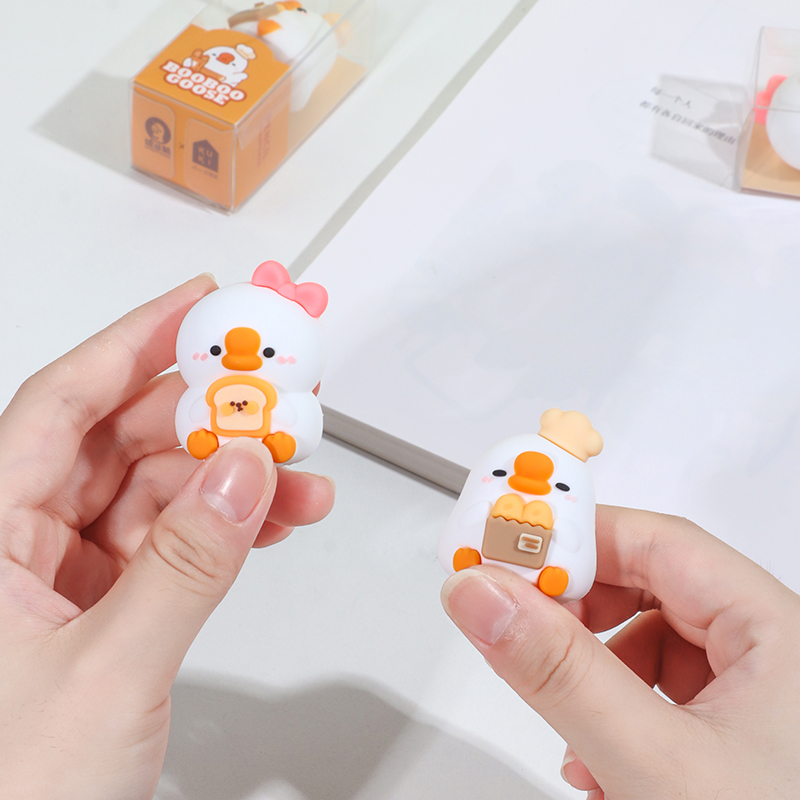
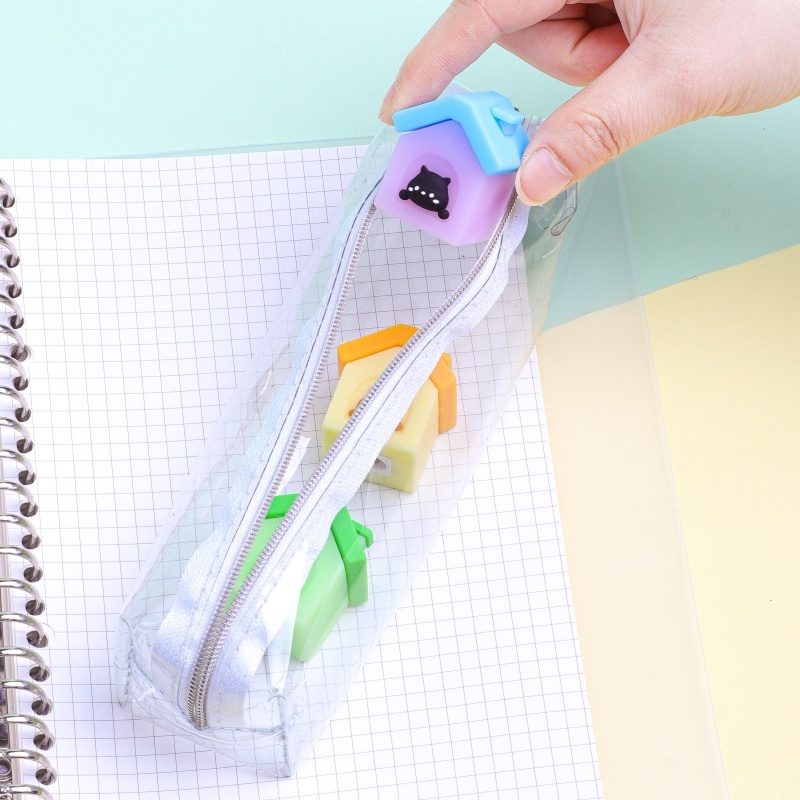
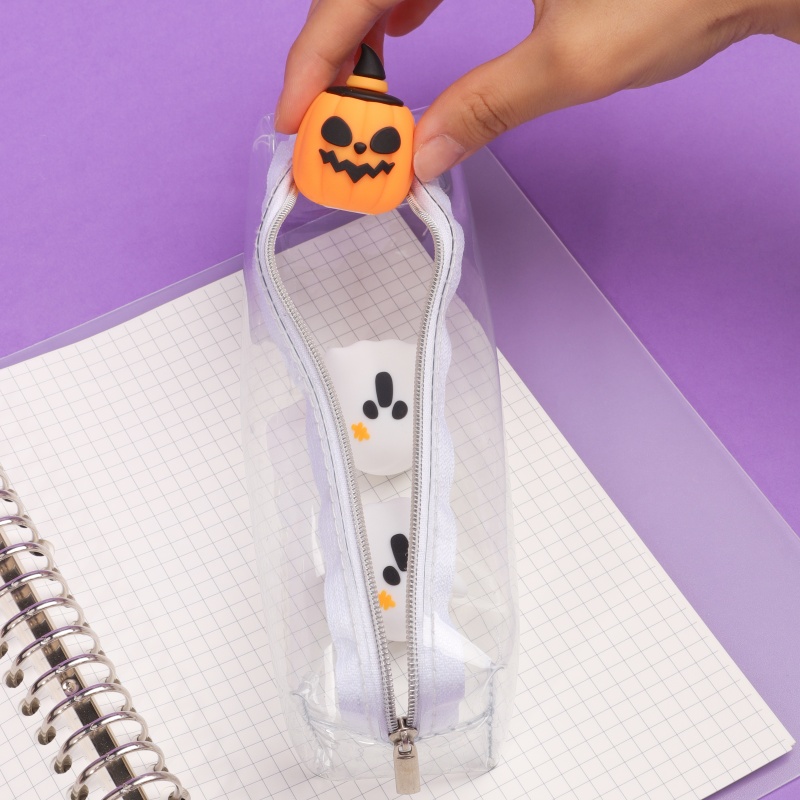
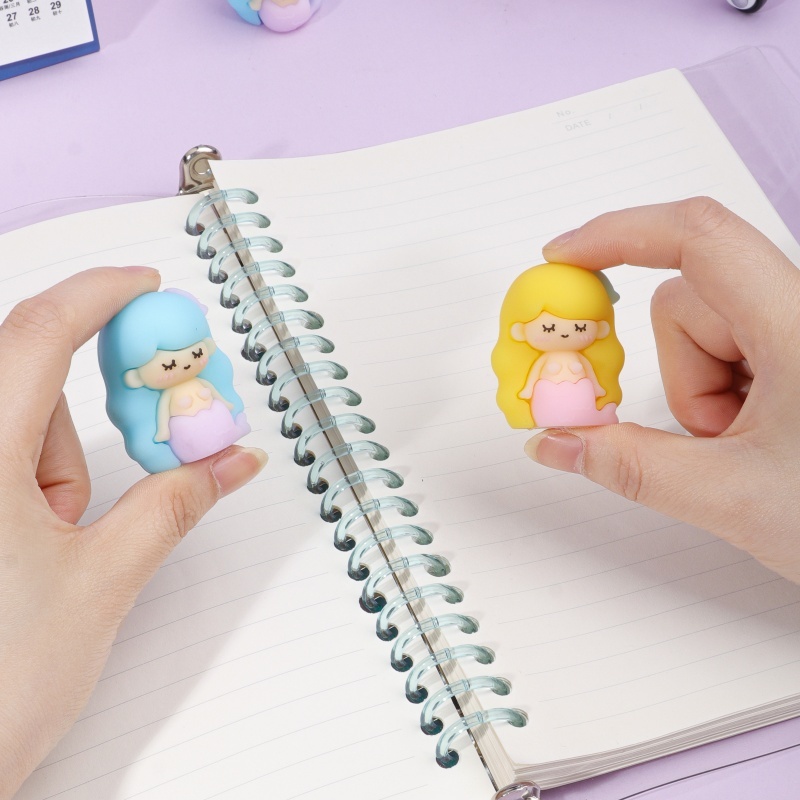
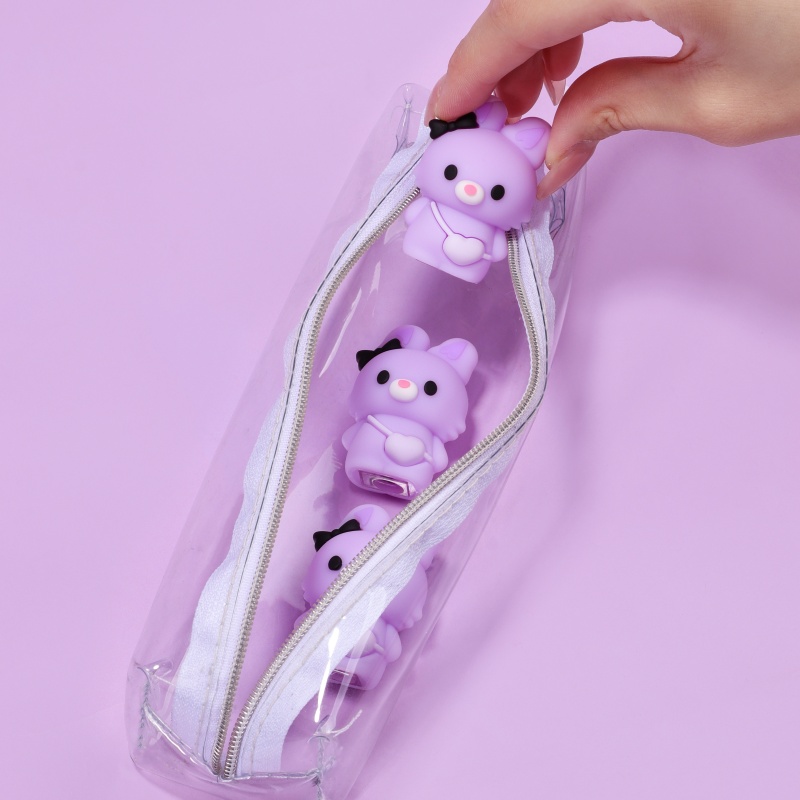
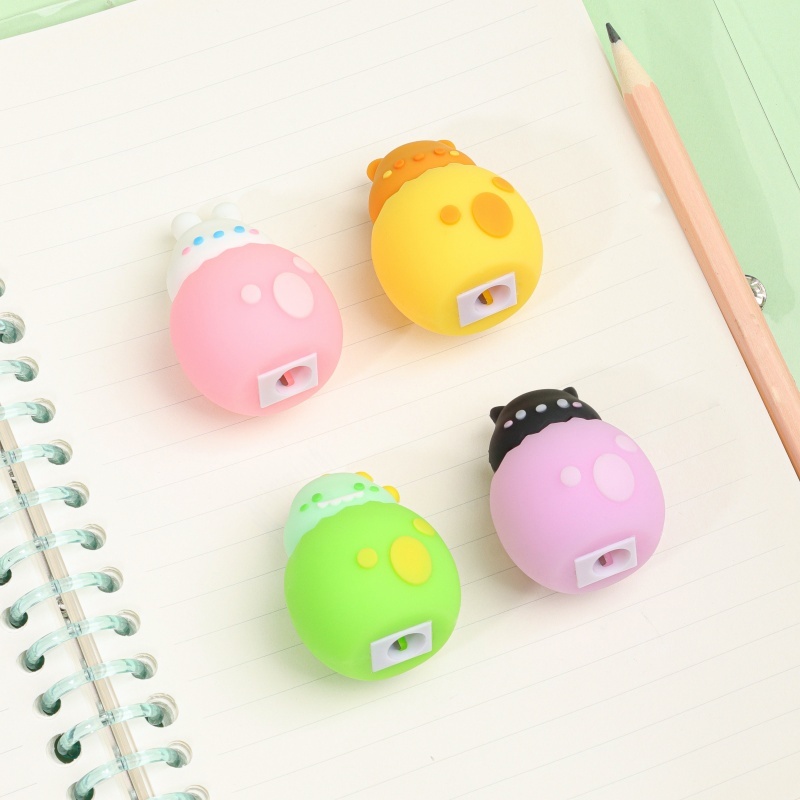
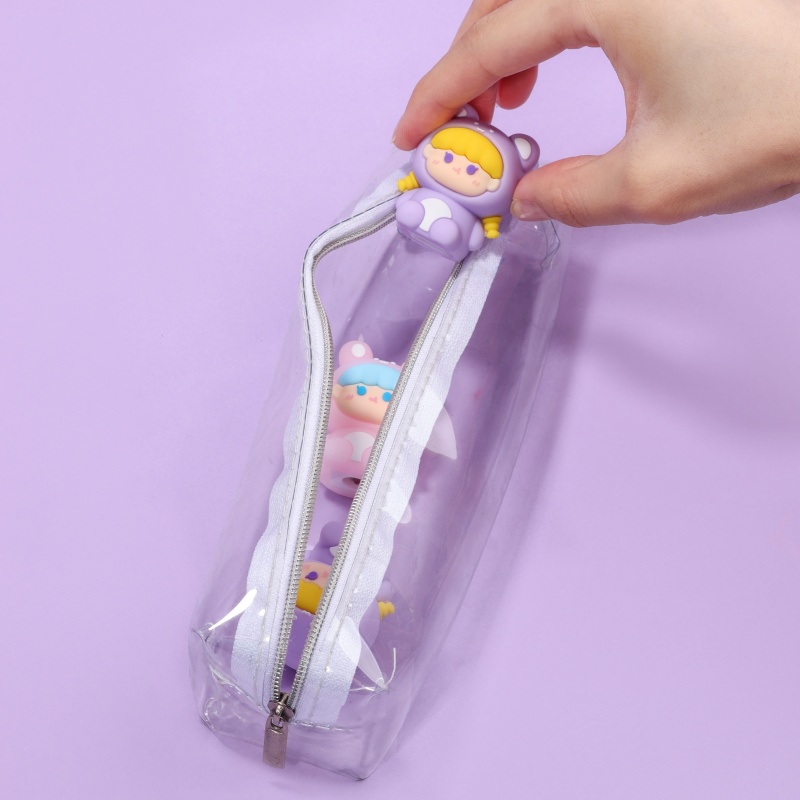
A Portable Sharpener is compact and lightweight, designed for convenience when on the move. In the stationery industry, portability is valued for users who need to sharpen pencils outside of a fixed workspace, such as students, artists, or professionals traveling between locations.
Portable Sharpeners often include features like removable shavings containers or ergonomic grips. These elements enhance usability while maintaining a small footprint suitable for backpacks or pencil pouches.
Q6: How does portability influence consumer preference?
Portability ensures that a sharpener can be easily carried without compromising performance. Users appreciate a tool that fits seamlessly into everyday routines, whether at school, in the studio, or during fieldwork. From a branding perspective, Portable Sharpeners are often marketed as practical and user-friendly, appealing to both adults and children.
Compact designs also allow manufacturers to produce a variety of colors or themed patterns, combining convenience with aesthetic appeal.
Q7: How do these sharpener types reflect broader industry trends?
Modern sharpeners demonstrate the stationery industry’s focus on creativity, safety, and convenience. A 3D Pencil Sharpener introduces aesthetic and interactive appeal. A Safe Sharpener emphasizes protective design for young users and classroom environments. Meanwhile, a Portable Sharpener addresses the need for mobility and practical usability.
Together, these categories illustrate that pencil sharpeners are evolving beyond basic function. Consumers now consider design, safety, and convenience when selecting sharpeners, highlighting how even small stationery tools continue to adapt to lifestyle and user needs.