Q1: What sets a Graphene Pencil apart from traditional pencils?
A Graphene Pencil uses a graphite core reinforced with graphene, which enhances durability and writing smoothness. In the stationery industry, these pencils are recognized for their resilience and consistent performance. They maintain a fine point for longer periods and reduce breakage compared to conventional graphite pencils.
For consumers, Graphene Pencils offer a reliable experience in note-taking, sketching, and technical drawing. Manufacturers highlight the material’s advanced properties to appeal to students and professionals seeking high-quality writing instruments.
Q2: How does a Plastic Pencil differ from wooden models?
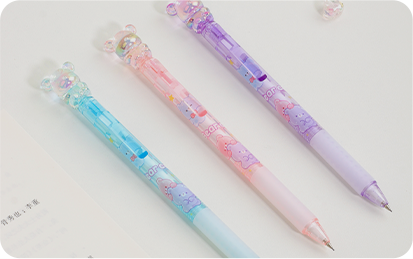
A Plastic Pencil replaces traditional wooden casings with plastic materials, offering lightweight design and resistance to moisture. In the stationery sector, Plastic Pencils are appreciated for their durability, easy cleaning, and consistent grip.
Plastic Pencils often include colorful exteriors and ergonomic shapes to enhance visual appeal and handling comfort. For brands, these pencils are cost-effective to produce while allowing for diverse designs and customization options.
Q3: Why is the Smooth Writing Pencil valued in the market?
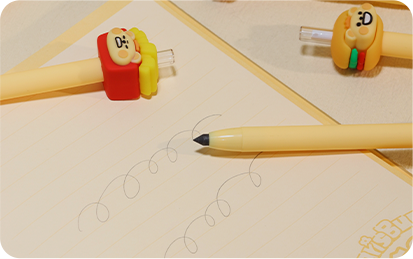
A Smooth Writing Pencil focuses on providing effortless ink or graphite flow, minimizing resistance on paper. In the stationery industry, these pencils are preferred by users who write extensively, such as students, artists, or office workers.
Smooth Writing Pencils are often paired with ergonomic grips and high-quality leads to reduce hand fatigue during prolonged use. Manufacturers emphasize these features to distinguish their products in a competitive market.
Q4: How does a Graphene Pencil influence user experience?
The durability and consistent performance of a Graphene Pencil provide confidence in both casual and professional writing tasks. Users benefit from fewer interruptions due to breakage or uneven lead, which enhances productivity. In the stationery sector, this feature helps position Graphene Pencils as reliable tools for precision work and creative applications.
Q5: What advantages do Plastic Pencils offer for everyday use?
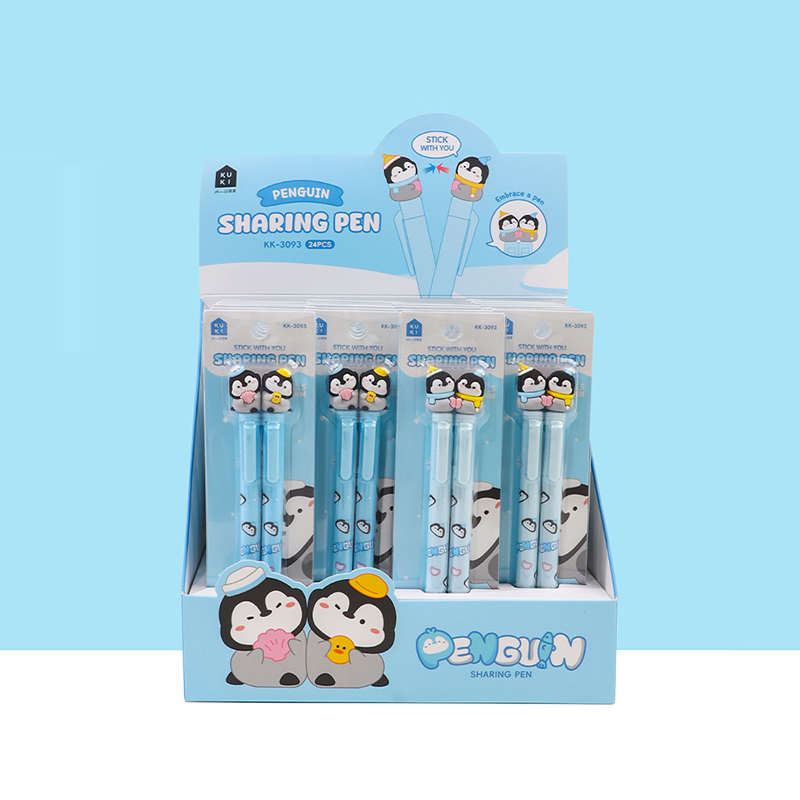
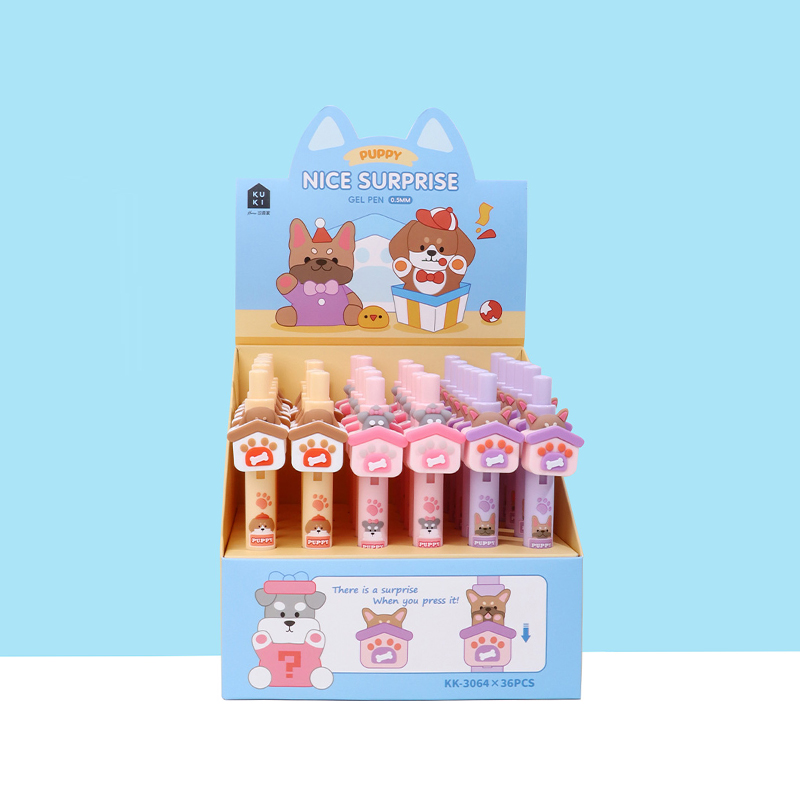
Plastic Pencils excel in versatility and resistance to environmental factors such as humidity or accidental drops. They often feature bright colors, patterned designs, or transparent barrels, making them appealing to children and students. In retail, Plastic Pencils can be marketed as both functional and collectible items, catering to diverse audiences.
Their lightweight construction also supports extended writing sessions without causing discomfort, which strengthens their presence in classrooms and offices.
Q6: How does a Smooth Writing Pencil support creativity and productivity?
Smooth Writing Pencils facilitate consistent lines and effortless shading, which benefits sketching and detailed drawing. They help writers maintain a steady pace and reduce hand strain. From an industry perspective, these pencils appeal to users seeking reliable performance without compromising comfort or style.
Designers often pair Smooth Writing Pencils with various hardness grades, allowing for customization in artistic and academic applications.
Q7: How do these pencil types reflect broader trends in the stationery industry?
Graphene Pencils, Plastic Pencils, and Smooth Writing Pencils demonstrate the industry’s focus on material innovation, usability, and user-centered design. Graphene Pencils showcase advanced materials for durability. Plastic Pencils emphasize versatility and playful aesthetics. Smooth Writing Pencils prioritize comfort and performance.
Together, these products indicate that modern pencil development balances functional reliability with design, ergonomics, and user satisfaction. Consumers increasingly seek tools that are not only practical but also enjoyable to use, reflecting a broader trend toward experience-driven stationery products.


 English
 bahasa Indonesia
 русский