

 English
 bahasa Indonesia
 русский











Dongyang Kuki Stationery Co., Ltd. is an innovative stationery company that integrates design, R&D, production, and sales. Under its brand KUKI HOME, the company focuses on cute and novelty-designed products — especially erasers, sharpeners, and correction tapes — with a mission to make learning happier and more creative.
As a pioneer in creative styling stationery, KUKI HOME owns 20+ original and collaborative IPs, including HAMER FRIENDS, LUCKYCATCLAW, HAPPTLFE AYBARA, VEGETABLE CHICKEN, and more. The company has developed over 30 product categories and launched 300+ bestsellers, with several single products exceeding 20 million units in sales. As a custom Mechanical Pencil manufacturer and wholesale Mechanical Pencil factory in China, KUKI has also obtained 30+ design patents.
KUKI HOME has partnered with global brands like Miniso, The Green Party, and Lenle, and its products are exported to Europe, North America, Brazil, Indonesia, and other countries — well received by consumers around the world. In 2023, it was honored as a “Pioneer of Going Abroad” by Yiwu Brand Overseas Billion Club and has long participated in stationery exhibitions and international exchanges in Japan, Indonesia, Russia, and beyond.
Looking ahead, KUKI HOME is transforming from traditional manufacturing to “cultural and creative intelligent manufacturing.” With continuous innovation in IP creation, product updates, and design, the brand is boldly moving toward becoming one of the world’s leading names in creative stationery.

Rubber Grip Pencil Company
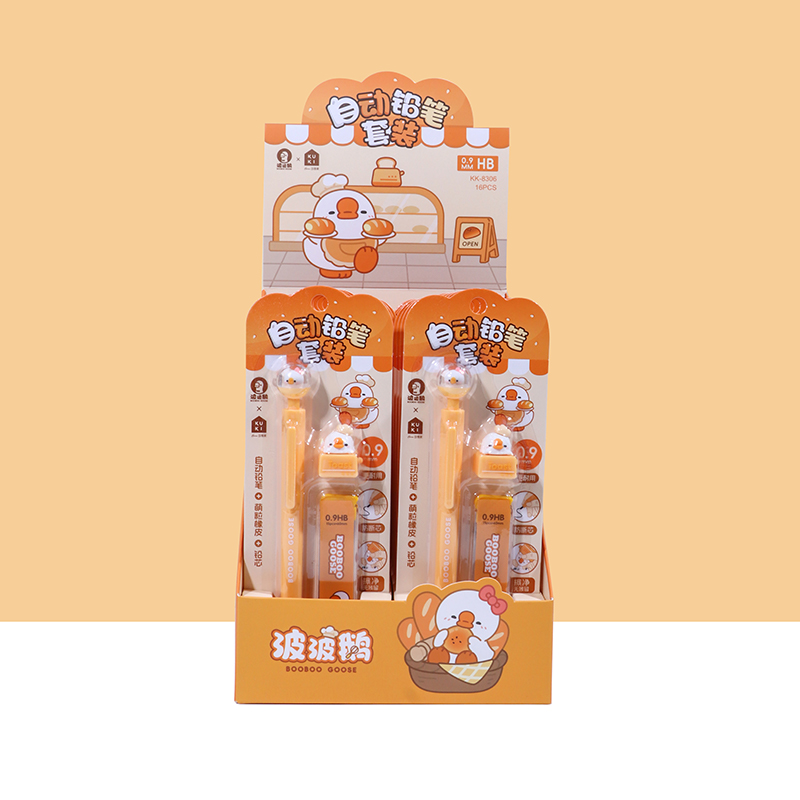
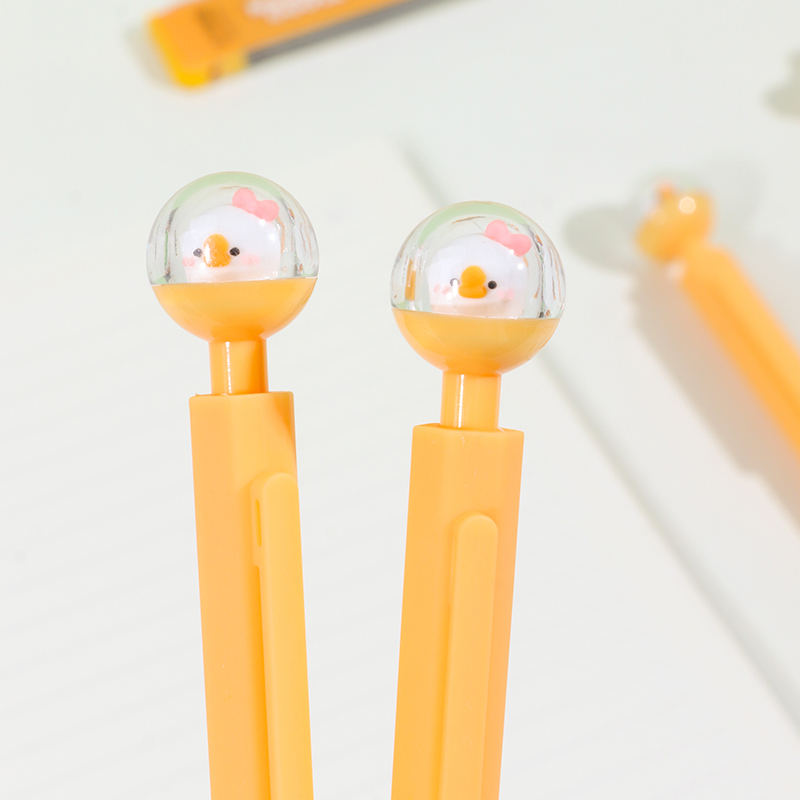
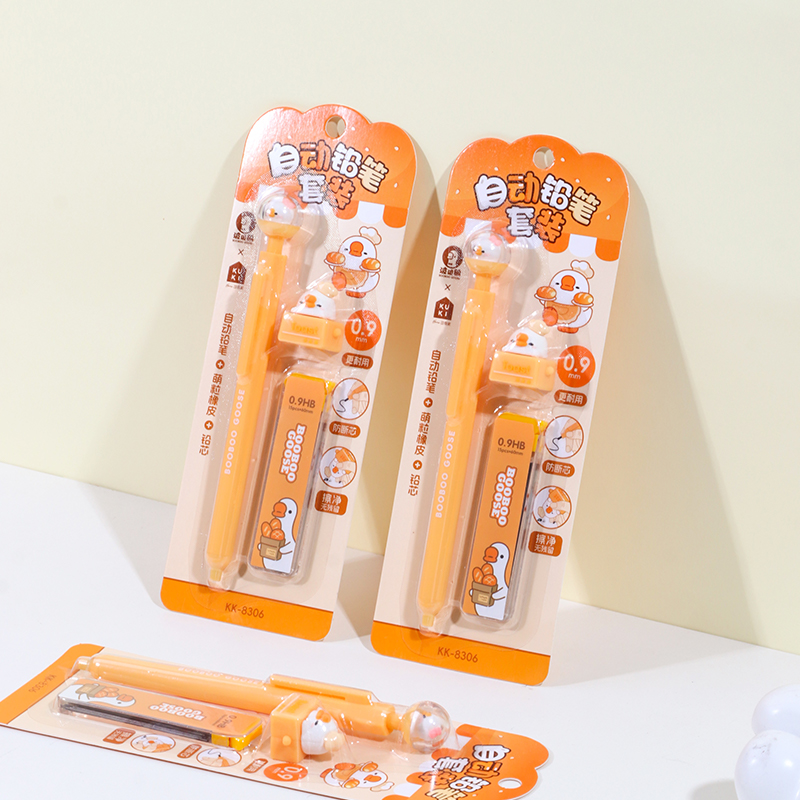
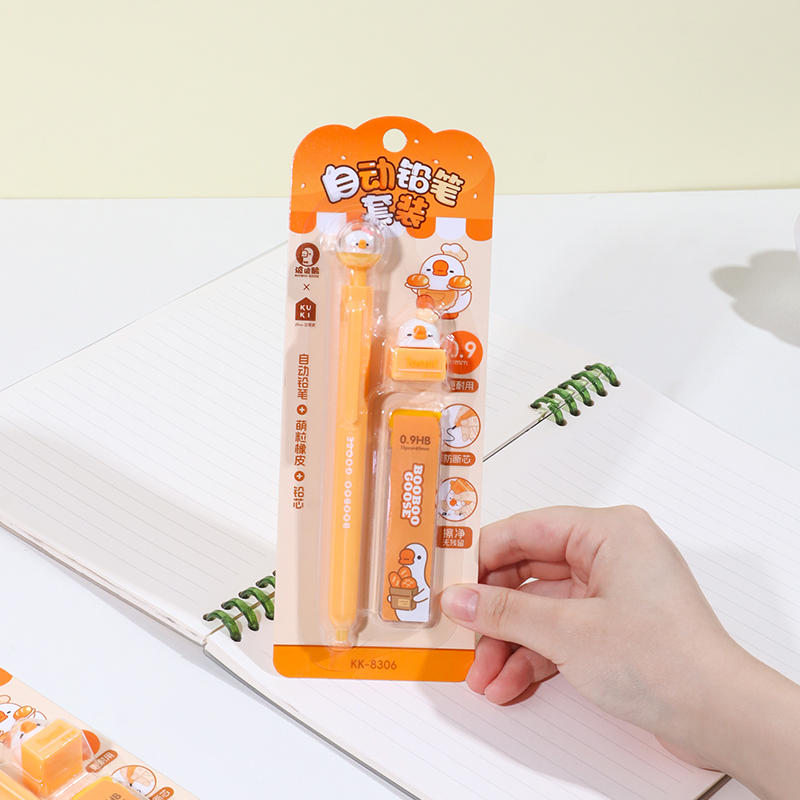
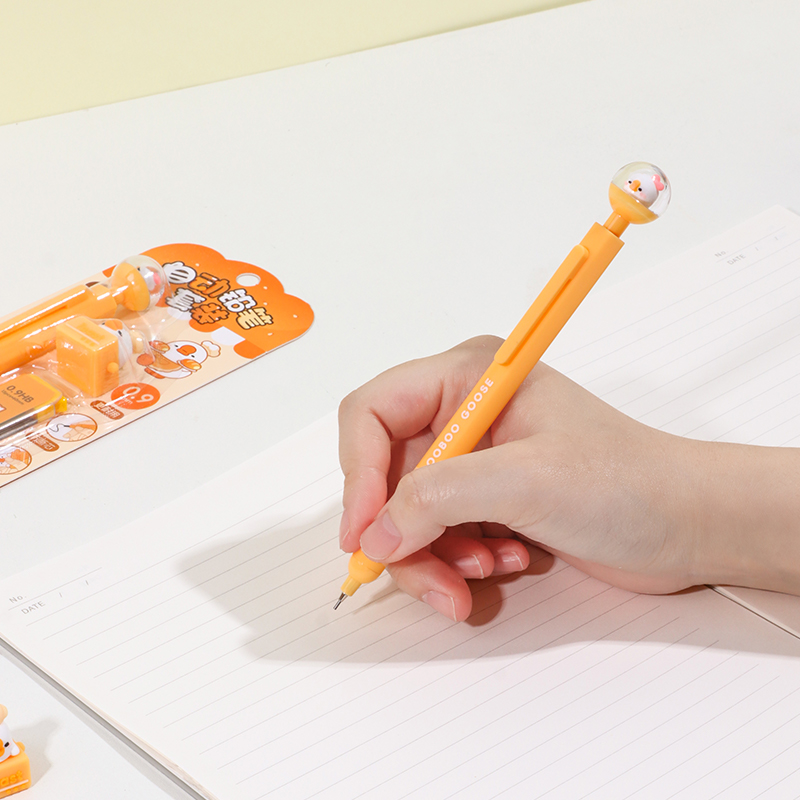
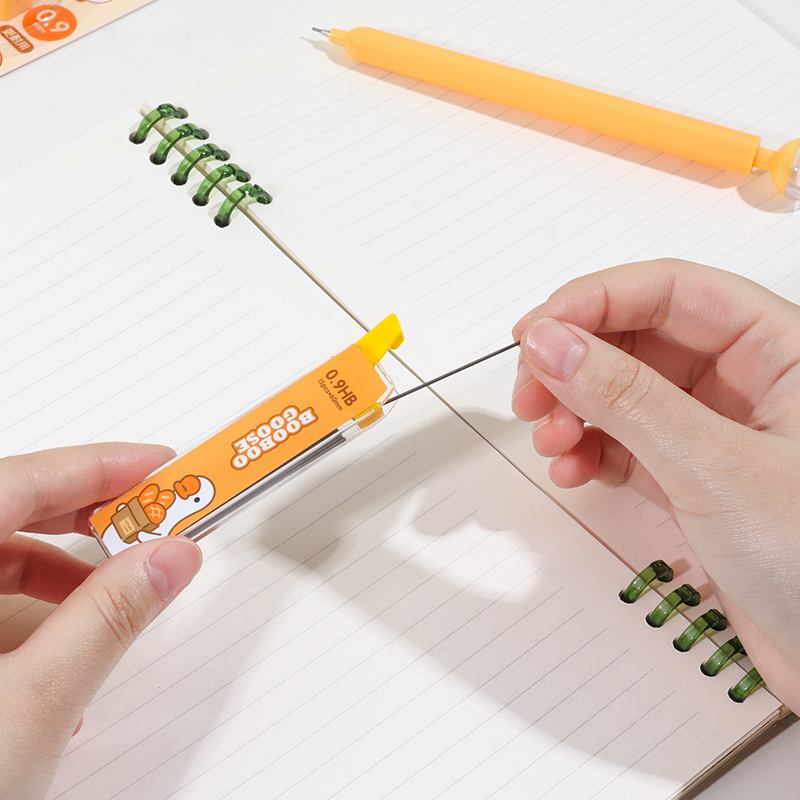
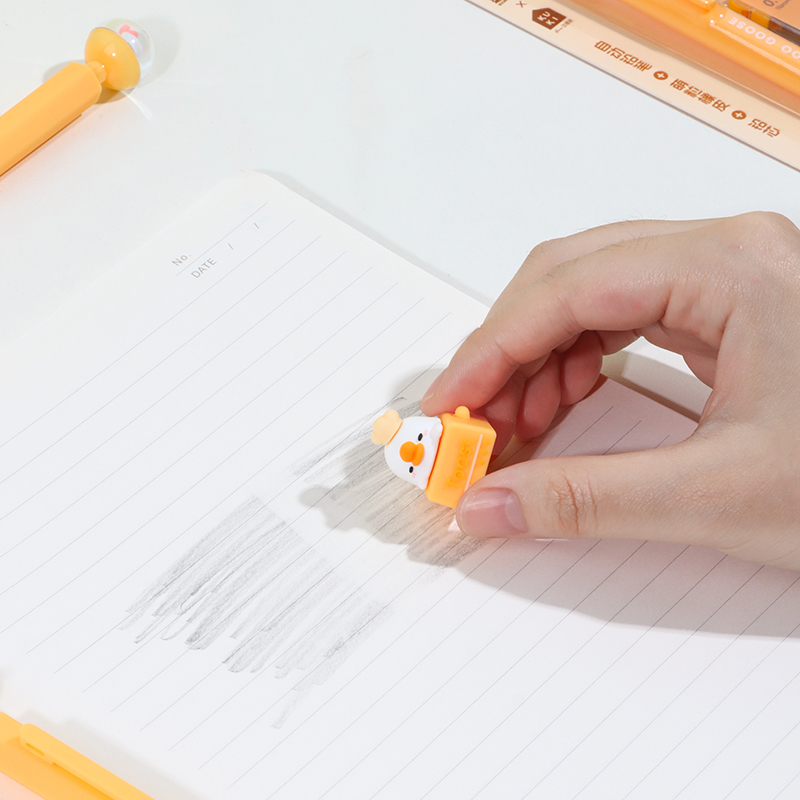
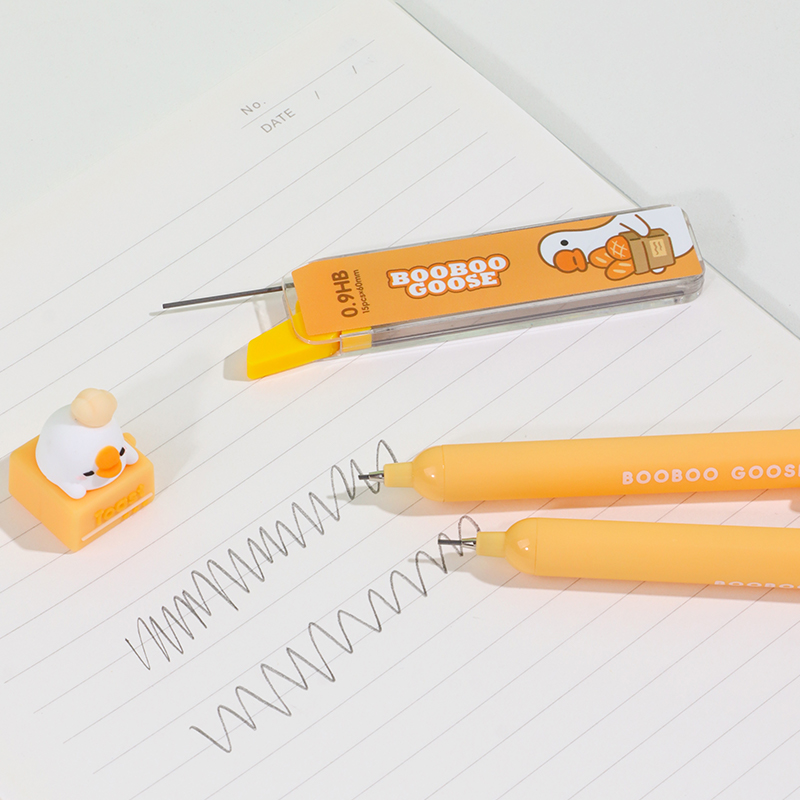
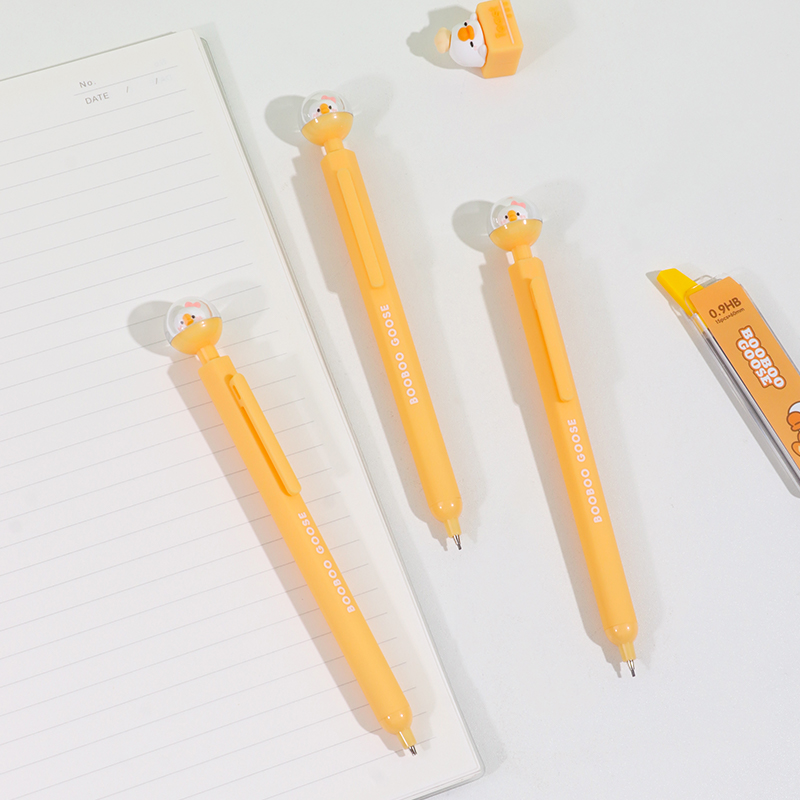
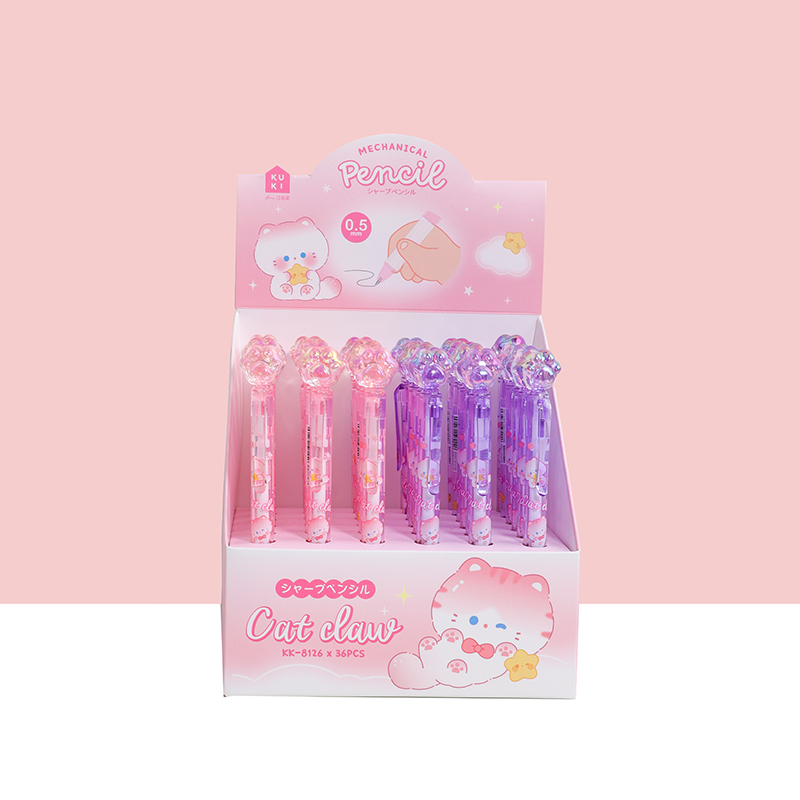
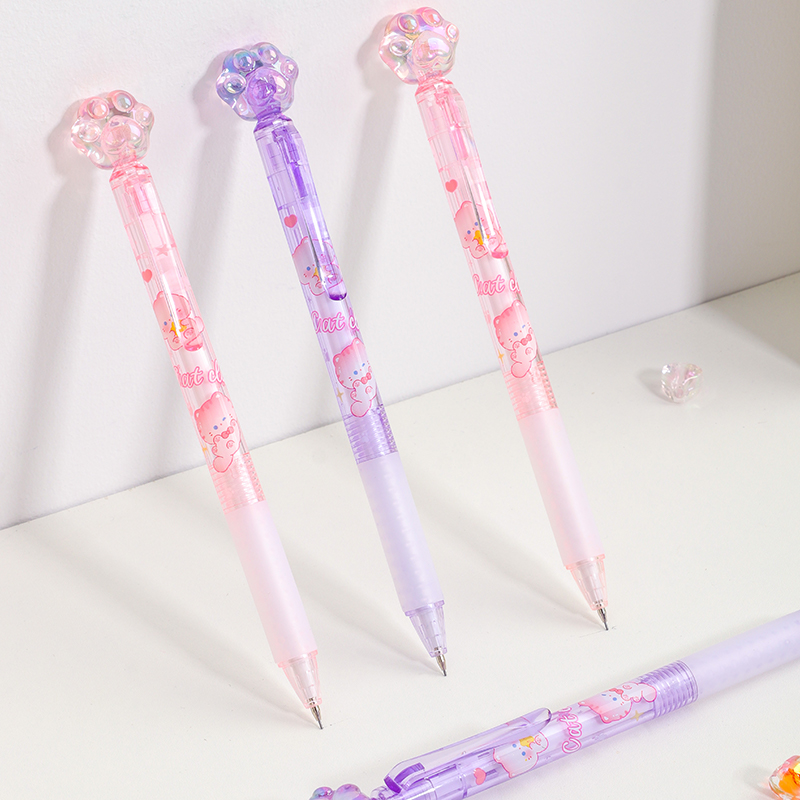
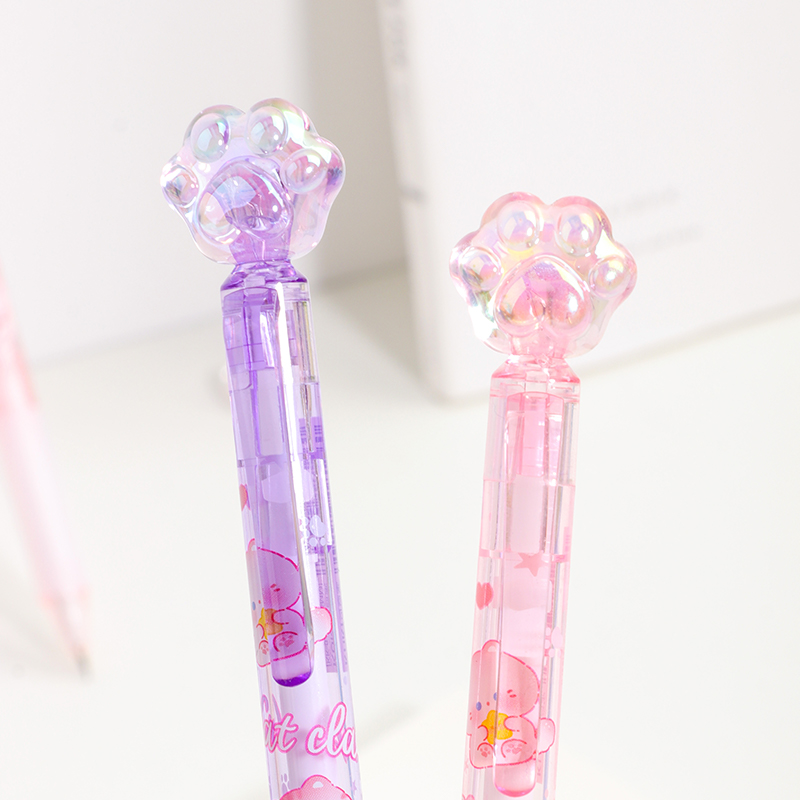
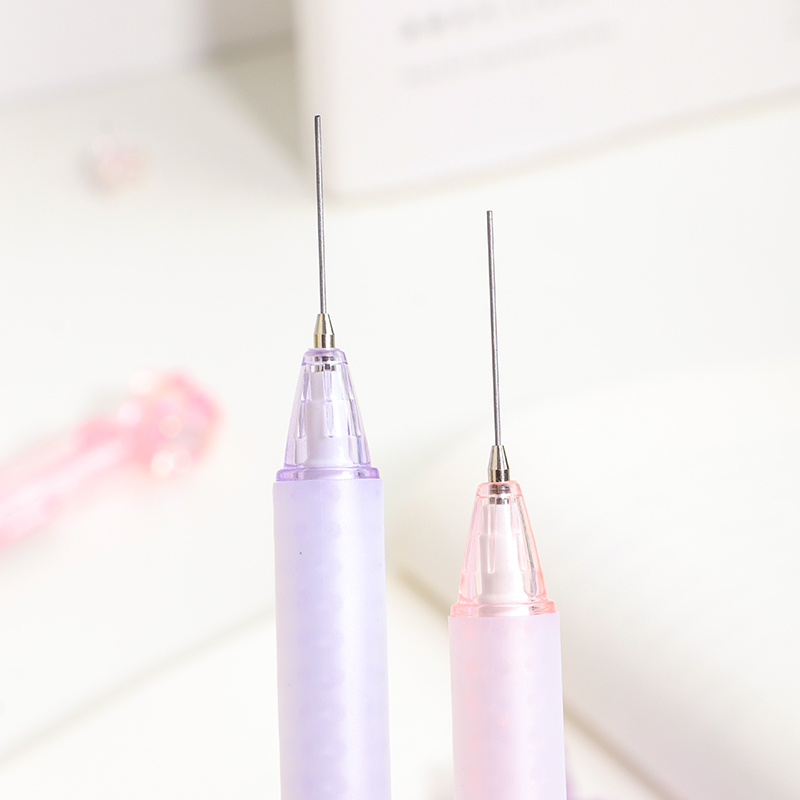
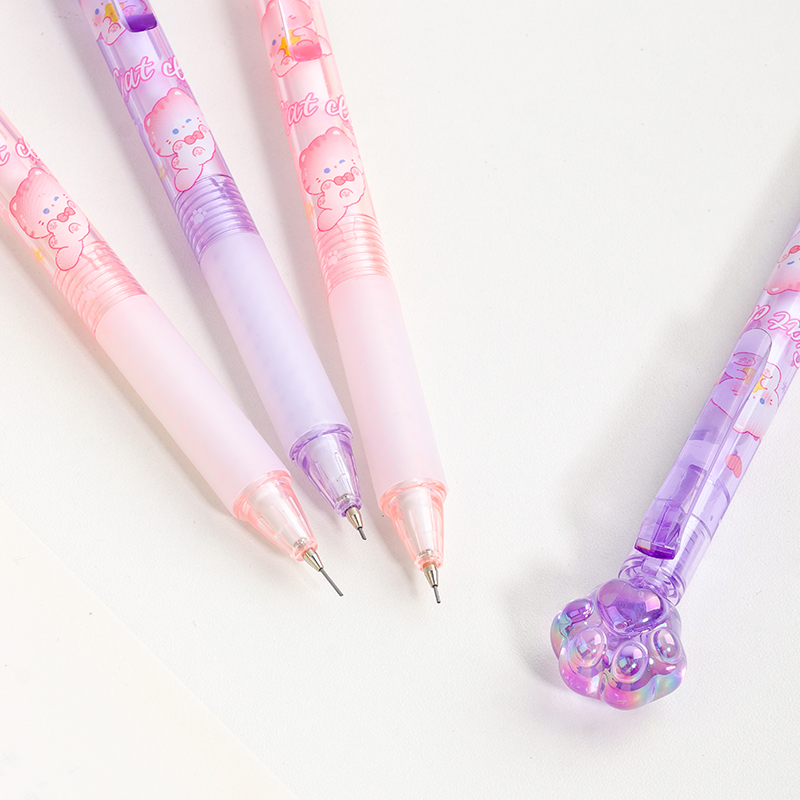
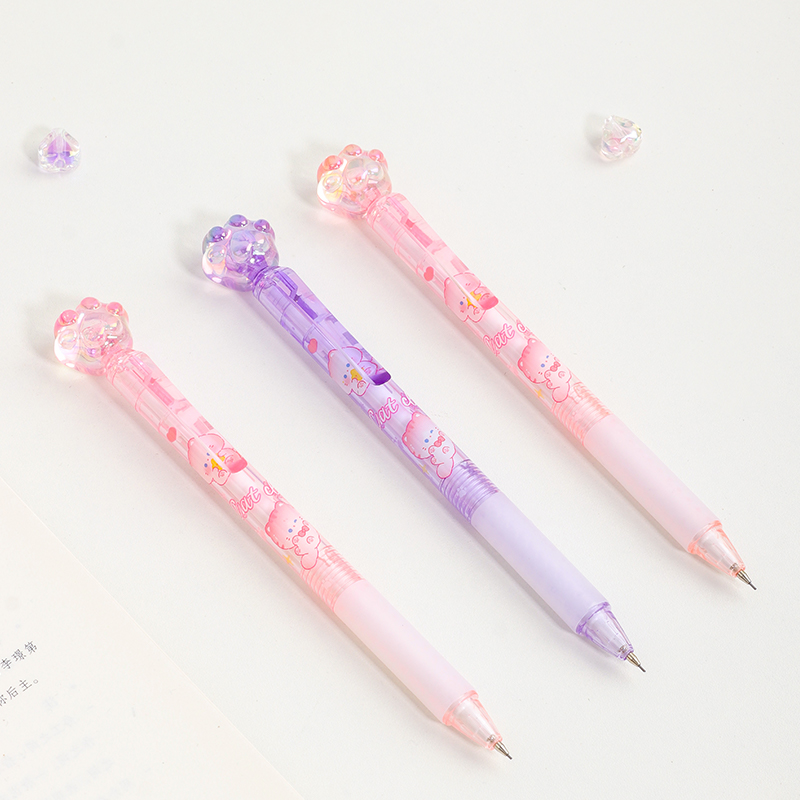
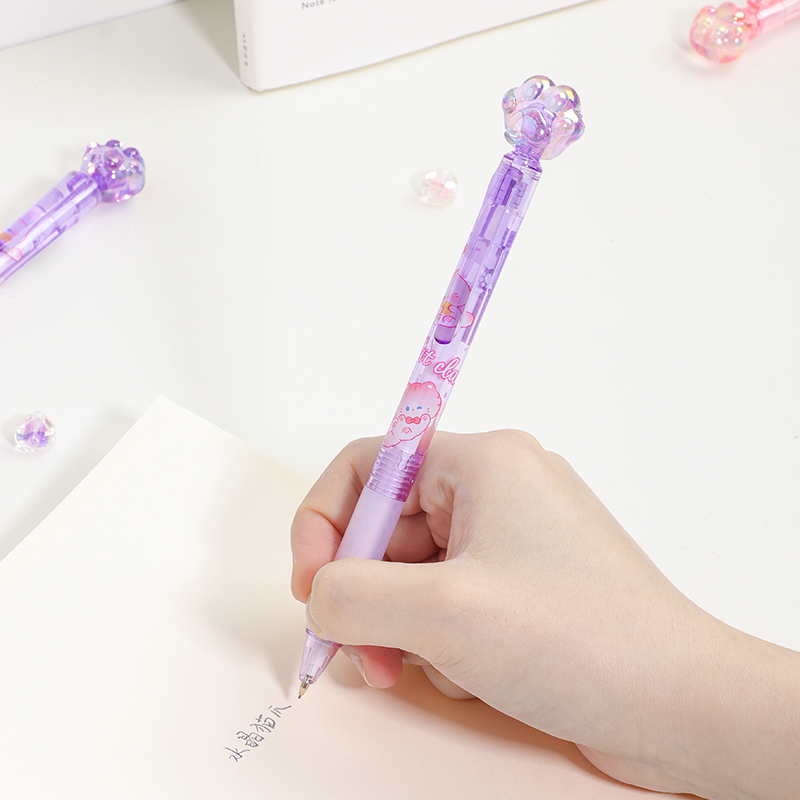
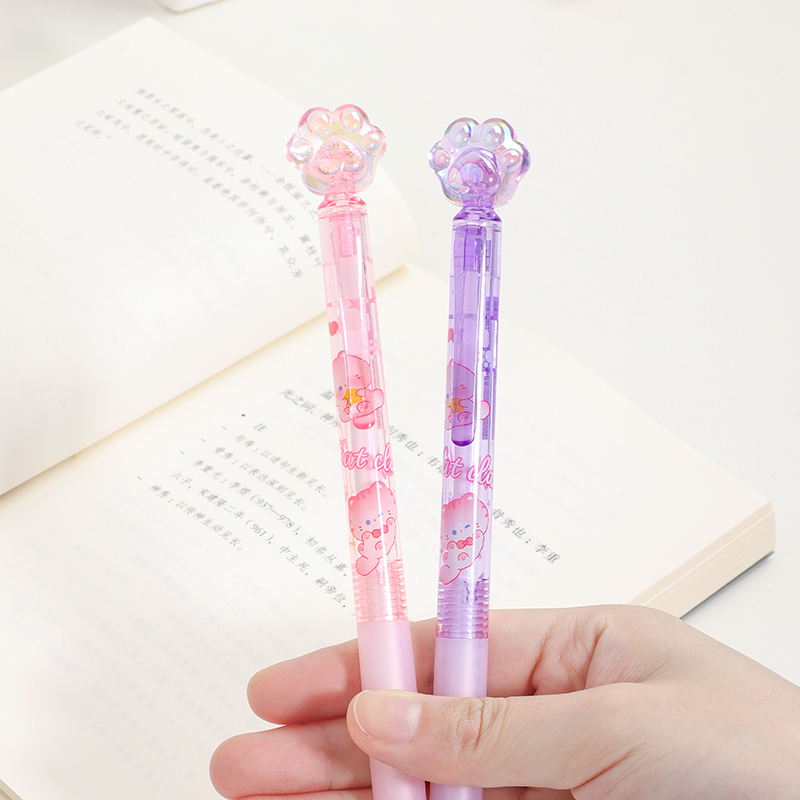
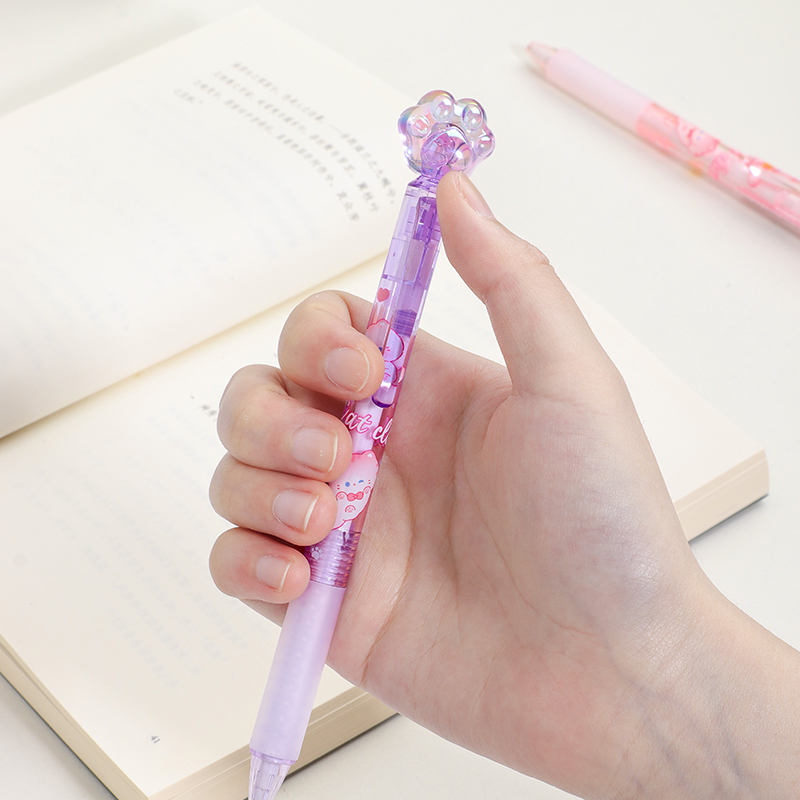
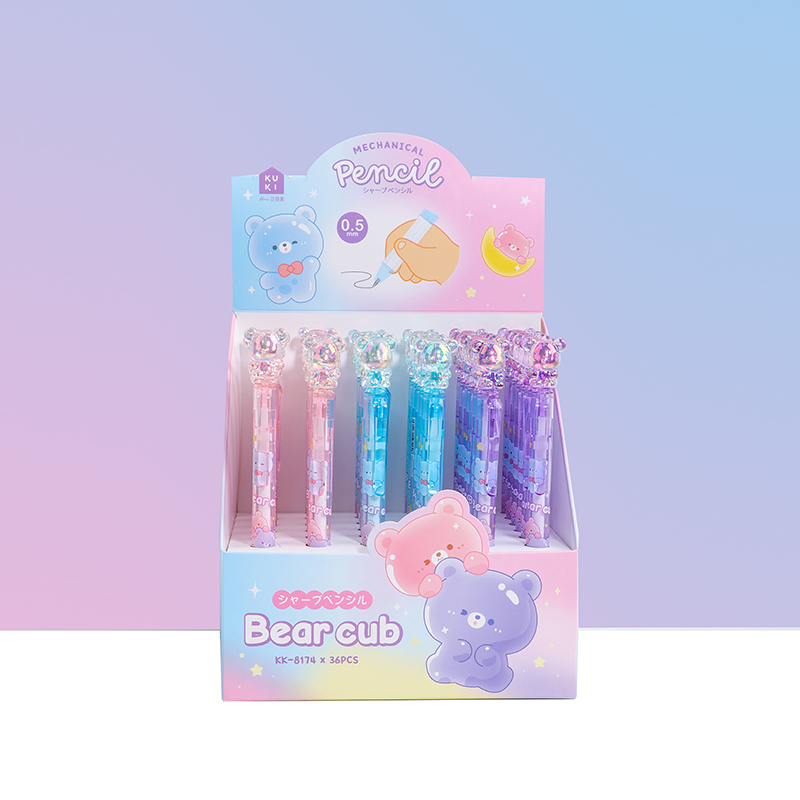
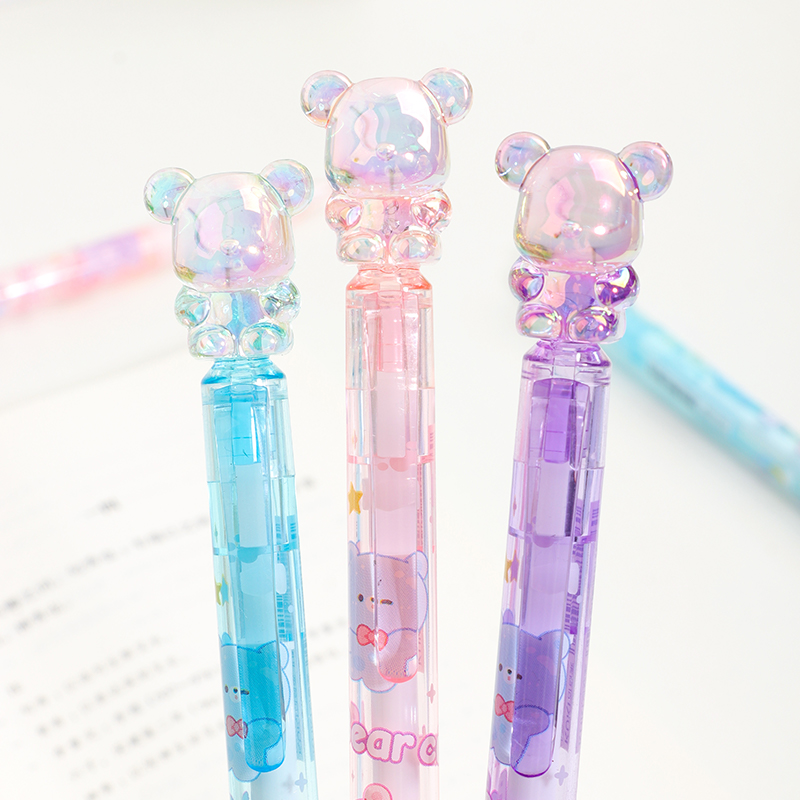
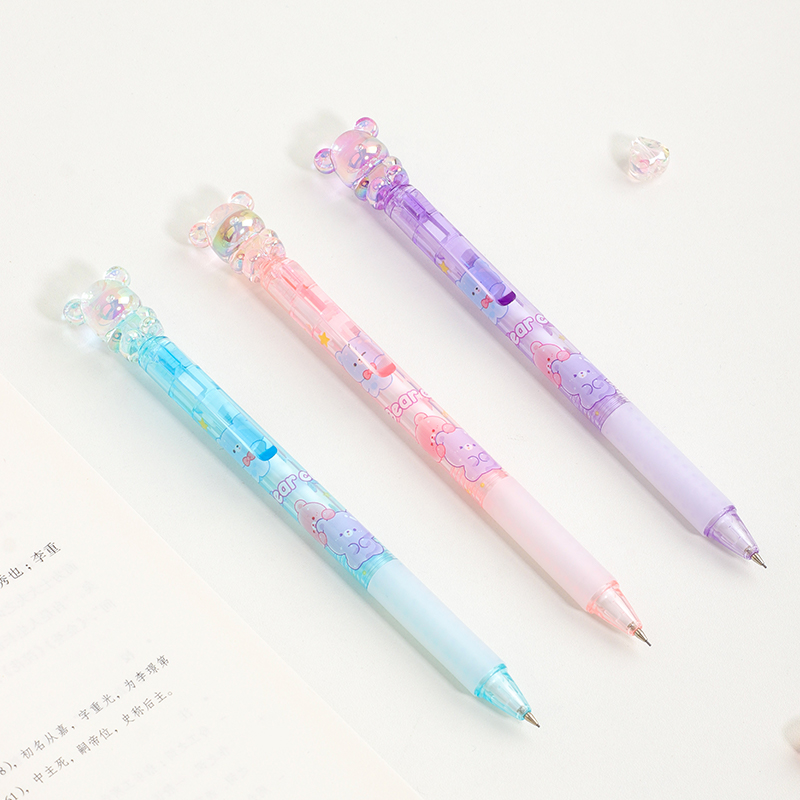
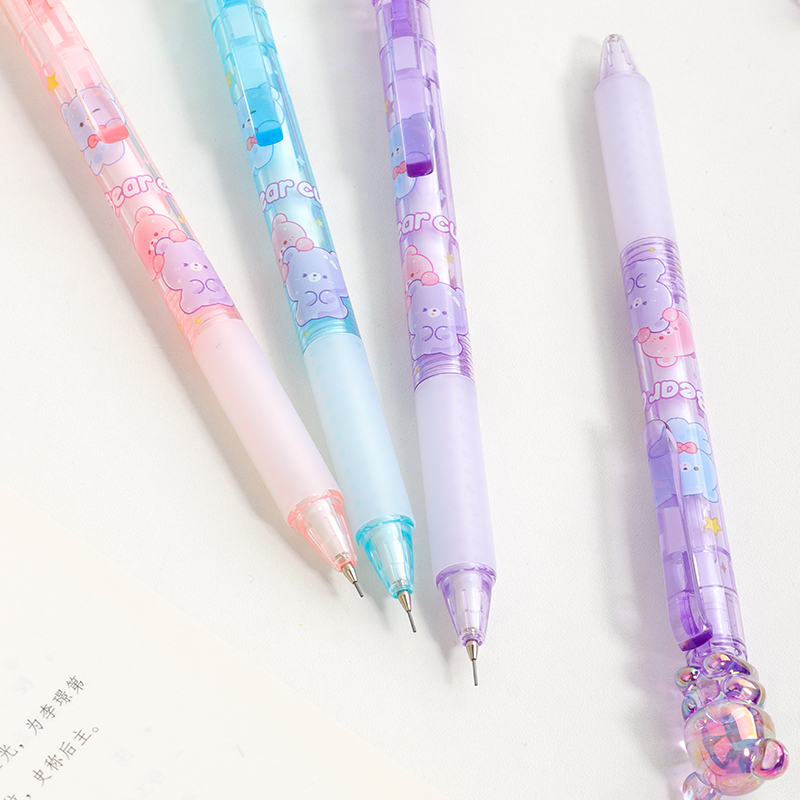
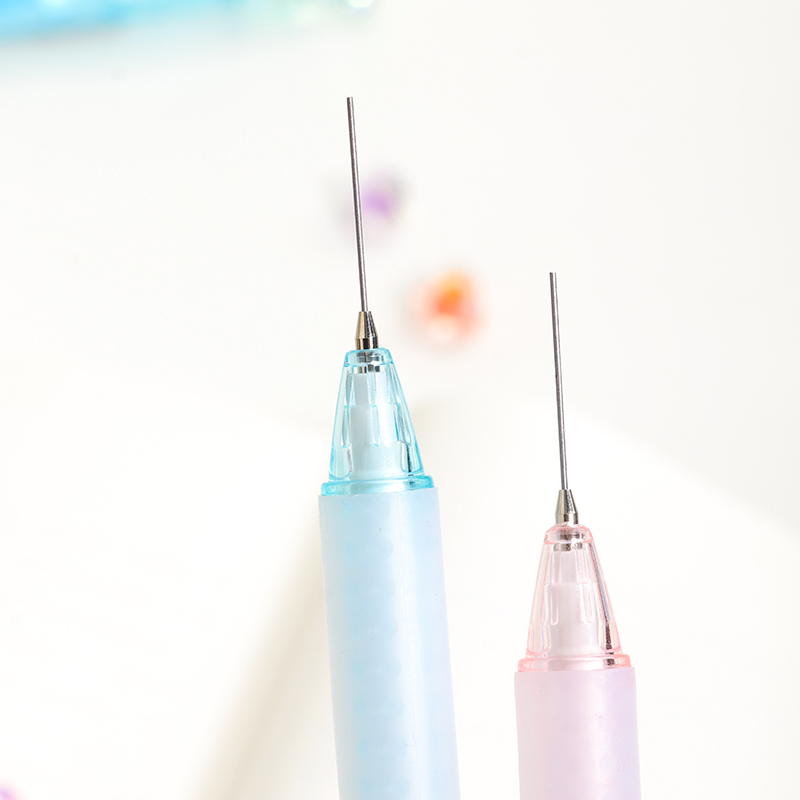
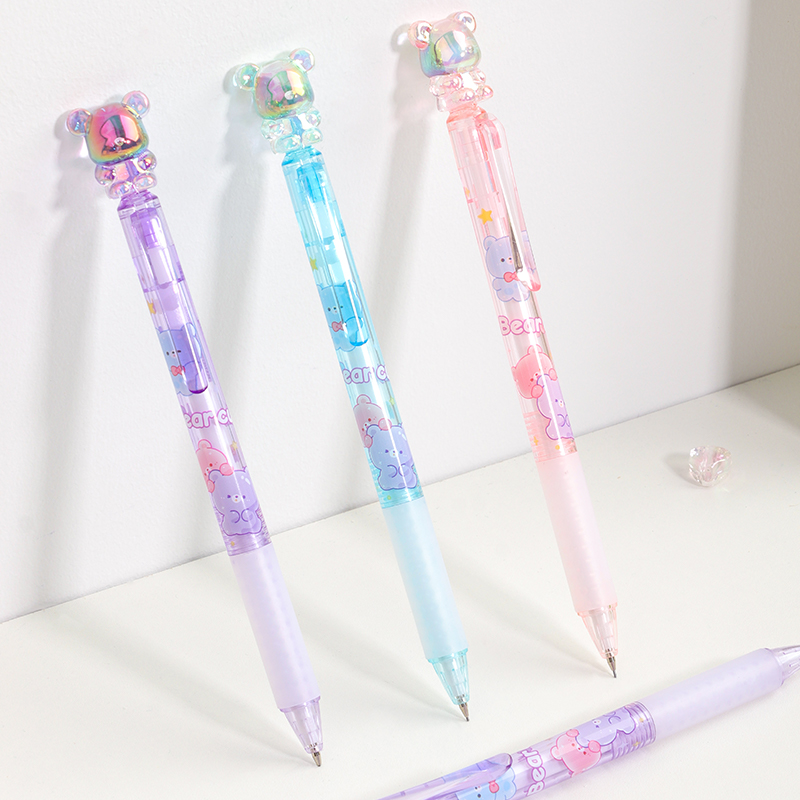
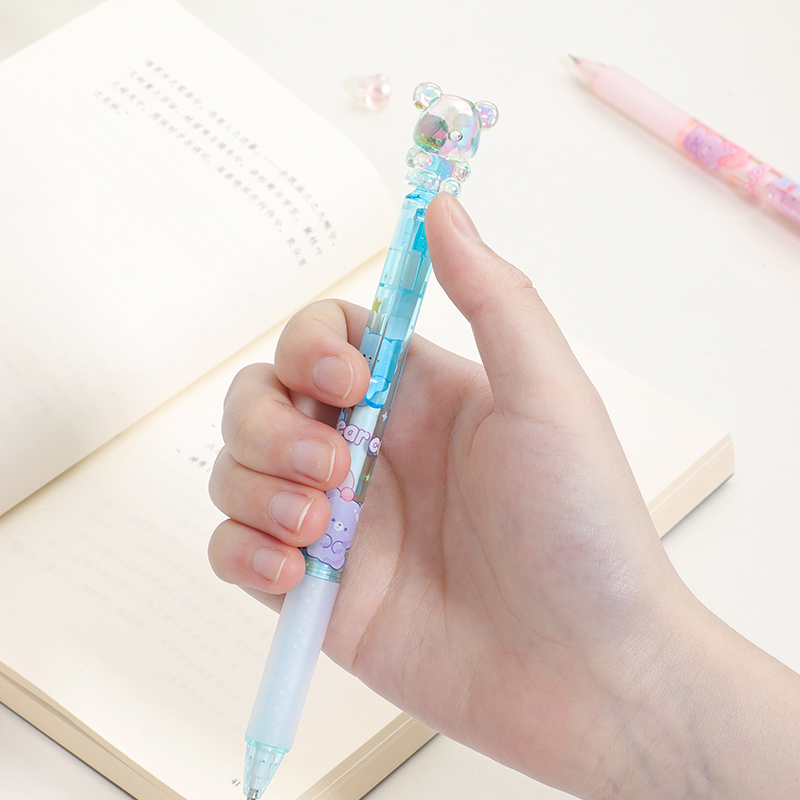
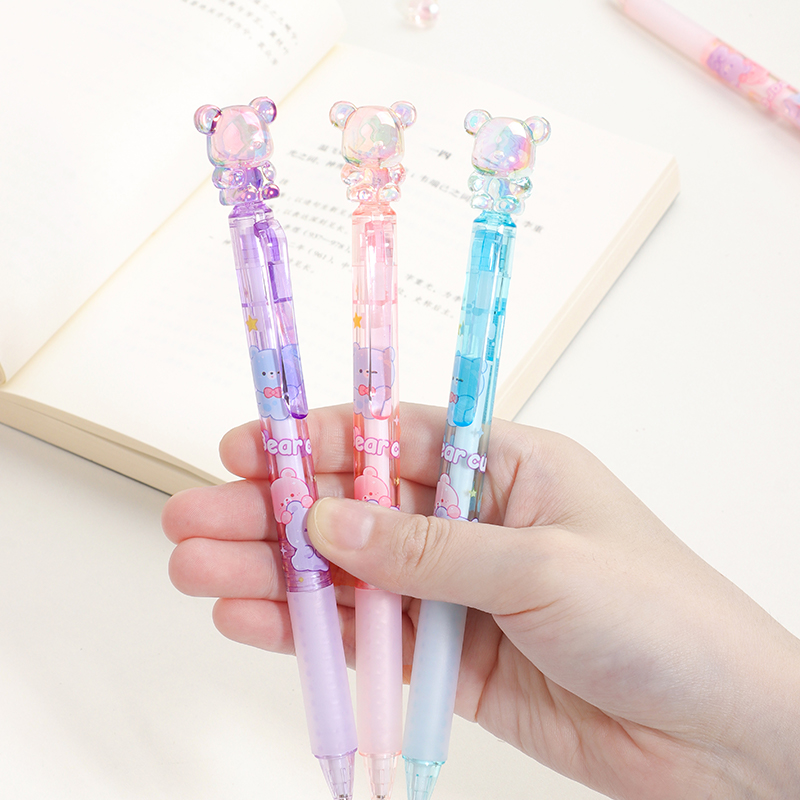
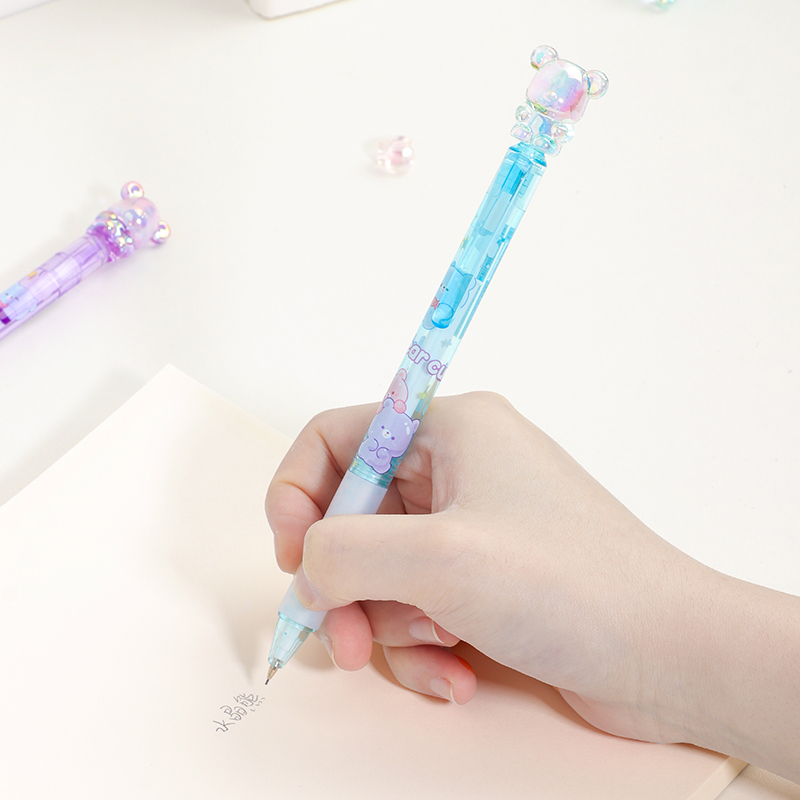
KUKI's Mechanical Pencil Series caters to those who value precision and design. Available in 0.5mm and 0.7mm lead sizes, these pencils feature a comfortable rubberized grip and a sleek plastic body. The standout feature is the 3D acrylic design at the top, which adds a touch of personality and flair to the writing instrument. Whether for detailed sketches or everyday writing, this series offers both functionality and style.
SEND US A MESSAGE
call us
+86 18157942912
About Us
Dongyang Kuki Stationery Co., Ltd.
News
-
Exhibition Name: INDONESIA ASEAN STATIONERY&GIFT EXPO 2025 Exhibition Time: November 20th - 22nd, 2025 Exhibition Ad...
READ MORE -
Mr. Huang Ping, Executive Vice President of Yiwu Cultural Supplies Industry Association, Chairman of Yiwu Kuki home Cult...
READ MORE -
With the brand vision of "making global learners happier", KuKi, a brand under Yiwu Kuki Cultural and Creative Co., LTD....
READ MORE -
Writing tools are no longer cold standard equipment. When creative expression extends to the pen, a fun revolution about...
READ MORE -
Stationery brand KUKI officially launched its new 3D pencil sharpener series today. This series of products innovatively...
READ MORE -
Following its extensive attention at the 138th Canton Fair, KuKi, a brand under Yiwu Kuki Cultural and Creative Co., LTD...
READ MORE
Related products
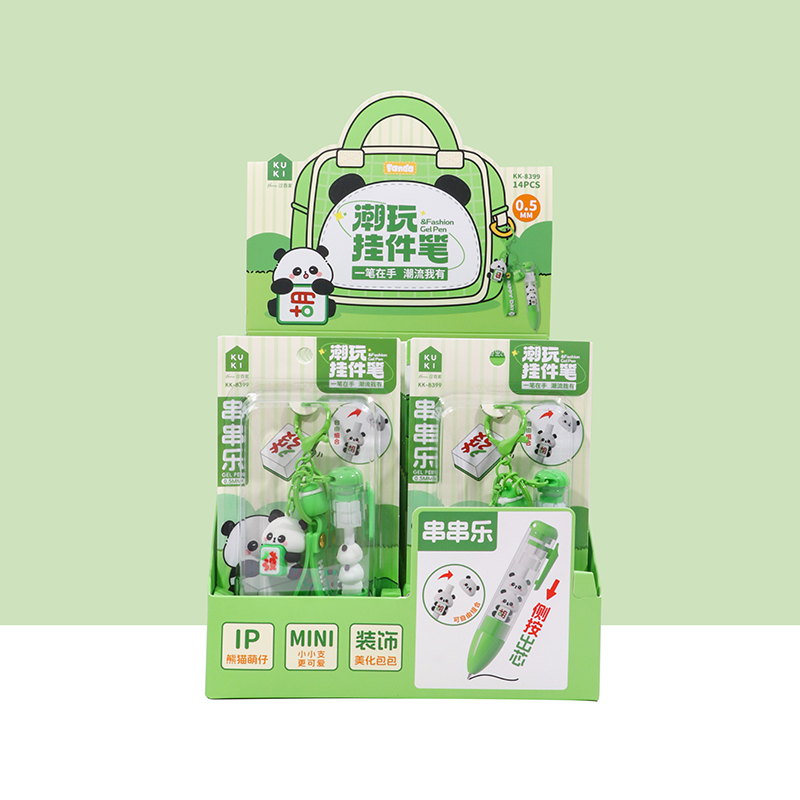
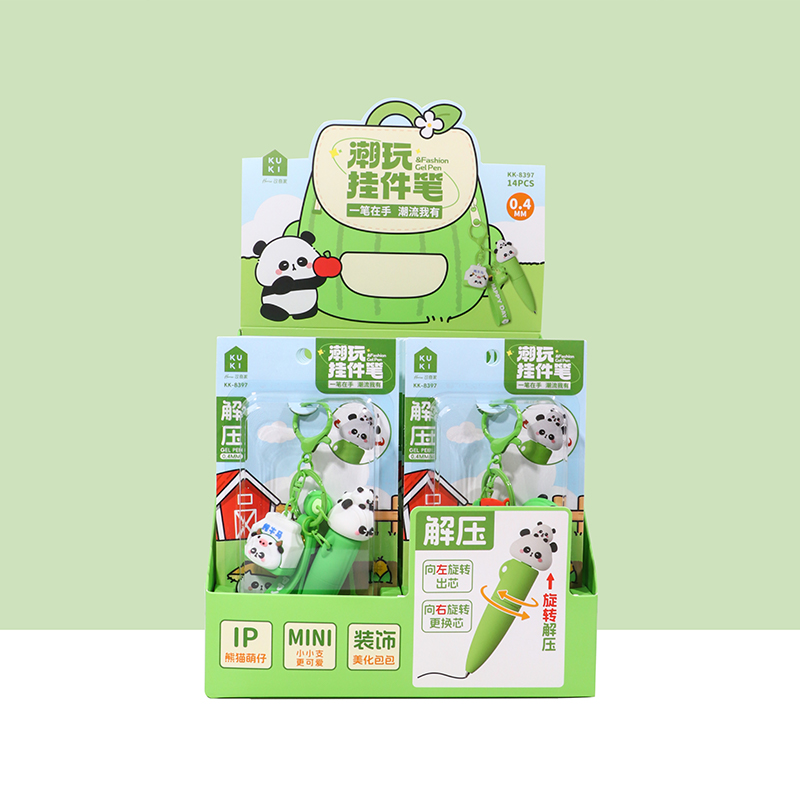
Mechanical Pencil Industry knowledge
Q1: What is a Mechanical Pencil, and why is it widely used?
A Mechanical Pencil is a writing instrument with a refillable lead system, allowing consistent line width without sharpening. In the stationery industry, this product is popular among students, professionals, and artists because of its convenience and reliability. Unlike traditional wooden pencils, a Mechanical Pencil offers precise and controlled writing in a compact design.
Manufacturers often produce Mechanical Pencils in various barrel designs and lead sizes to cater to different user preferences. This flexibility makes them suitable for note-taking, drafting, and technical applications.
Q2: How does a Mechanical Pencil influence user experience?
The Mechanical Pencil enhances efficiency by maintaining a constant writing tip. Users do not need to stop to sharpen, which saves time and reduces interruptions. In classrooms or offices, this convenience encourages consistent productivity. From a market perspective, Mechanical Pencils are positioned as practical tools that combine reliability with modern design.
Q3: What distinguishes a Rubber Grip Pencil from other pencils?
A Rubber Grip Pencil emphasizes comfort during extended writing sessions. The soft, textured grip reduces hand fatigue and provides stability, which is especially valuable for students and professionals who write for long periods. In the stationery industry, this design reflects growing attention to ergonomics and user well-being.
Rubber Grip Pencils often come in mechanical or traditional formats. The addition of a grip does not affect the core functionality but enhances the tactile experience, making writing more controlled and pleasant.
Q4: Why is grip design important in pencils?
Grip design directly affects how users interact with a pencil. A well-crafted Rubber Grip Pencil encourages correct hand posture and minimizes strain. For educational settings, this can support handwriting practice, while for professionals, it helps maintain clarity and precision in note-taking or drawing.
From an industry perspective, incorporating grips has become a standard approach to meet both functional and comfort-related demands.
Q5: What defines a Precision Pencil in stationery terms?
A Precision Pencil focuses on accuracy and fine control. Often equipped with fine lead or engineered tips, these pencils are used for detailed drawing, technical work, or meticulous note-taking. In the stationery market, Precision Pencils appeal to users who require exact lines and consistent performance.
Manufacturers design Precision Pencils to be compatible with different lead grades and to provide smooth ink-free marks. This versatility makes them suitable for creative and technical professions alike.
Q6: How does precision affect user choice?
Users select a Precision Pencil when clarity and detail are critical. Architects, designers, and students in technical courses often prioritize these pencils because they support controlled strokes and refined output. Precision also influences the perception of quality and reliability in pencil products.
In retail, marketing emphasizes accuracy, control, and versatility to attract target audiences who value fine detail.
Q7: How do these pencil types complement each other in the market?
Mechanical Pencils, Rubber Grip Pencils, and Precision Pencils meet different user needs while overlapping in functionality. A Mechanical Pencil offers convenience and consistency, a Rubber Grip Pencil enhances comfort, and a Precision Pencil provides accuracy. Together, they allow stationery brands to offer comprehensive options for diverse users.
This segmentation demonstrates the industry’s strategy of combining ergonomics, functionality, and specialized applications to serve varied writing and drawing purposes.
Q8: What does this trend indicate about the stationery industry?
The rise of ergonomically designed, refillable, and precision-focused pencils reflects a shift toward user-centered innovation. Modern pencils are no longer judged only by core functionality; comfort, precision, and ease of use are increasingly valued. This evolution highlights how the stationery industry adapts to changing user expectations, blending practical performance with thoughtful design.


Pagetop
CONTACT
- +86 18157942912

- [email protected]

- Production Center: 3rd Floor, Building 2, Minghong Science and Innovation Park, No. 36 Suhua Street, Yiwu City, Jinhua City, Zhejiang Province (Elevator 2-5)

- Operation Center: 4th Floor, Building 2, Minghong Science and Innovation Park, No. 36 Suhua Street, Yiwu City, Jinhua City, Zhejiang Province (Elevator 2-6)
QUICK LINKS
MOBILE
