Q1: How has the role of pens changed in the stationery industry?
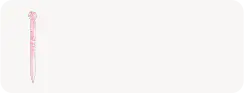
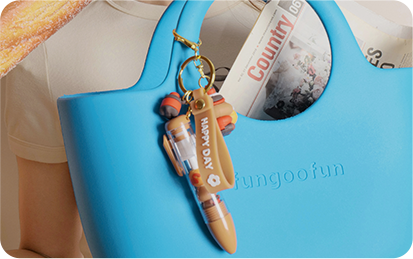
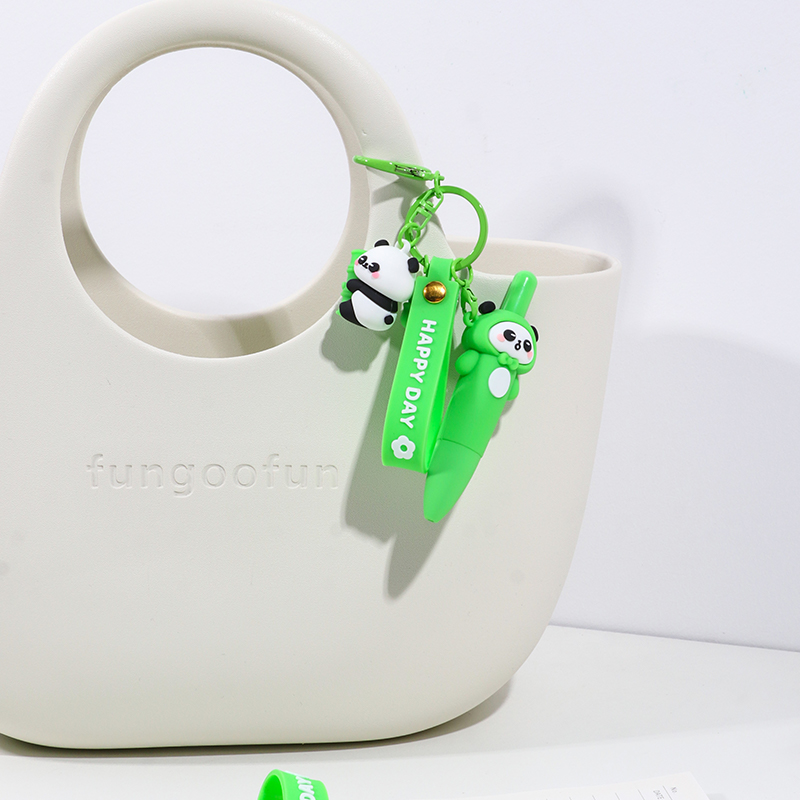
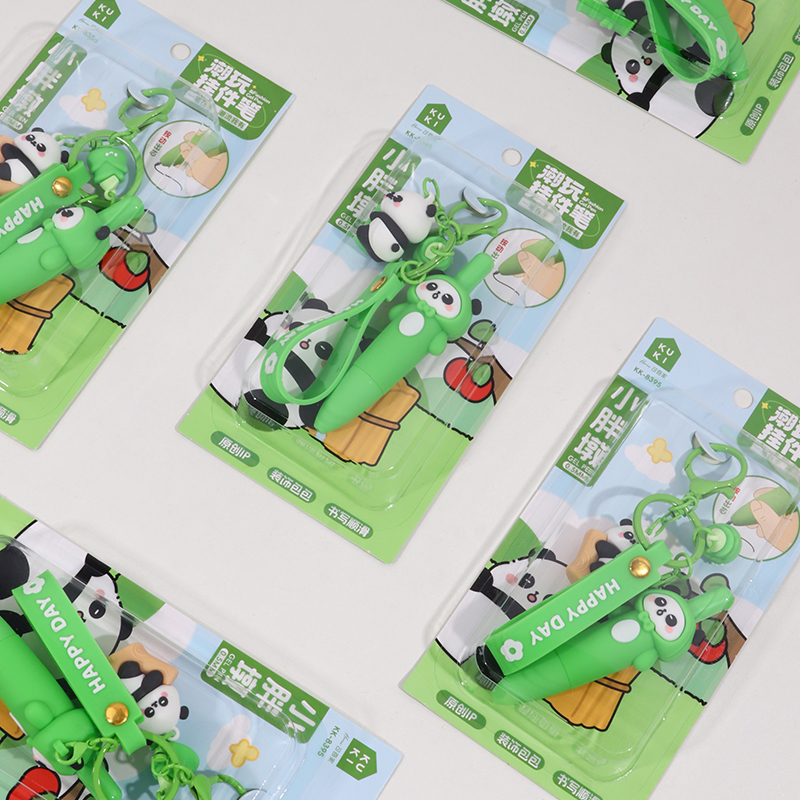
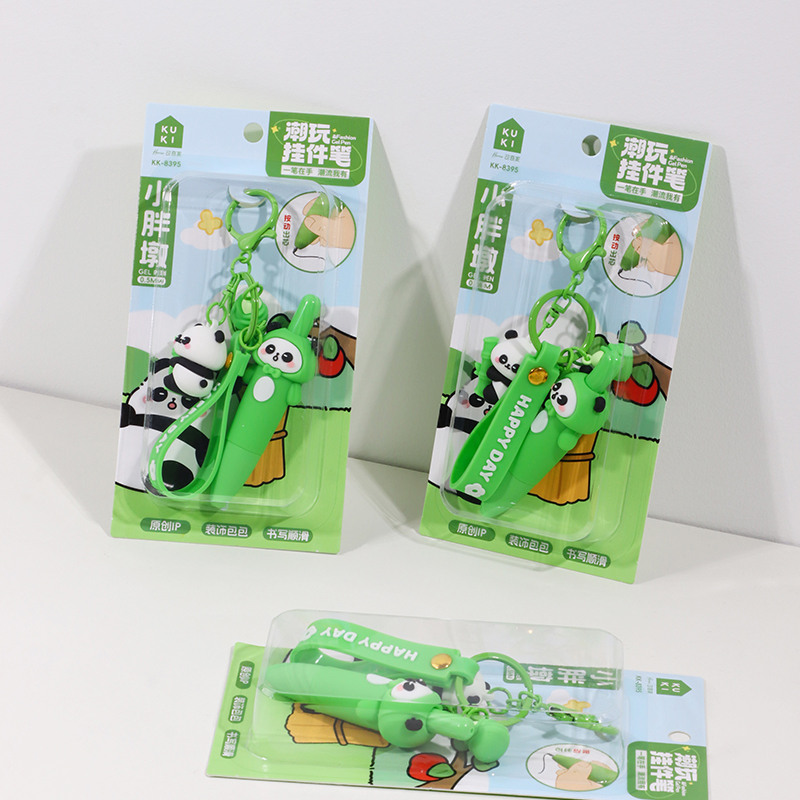
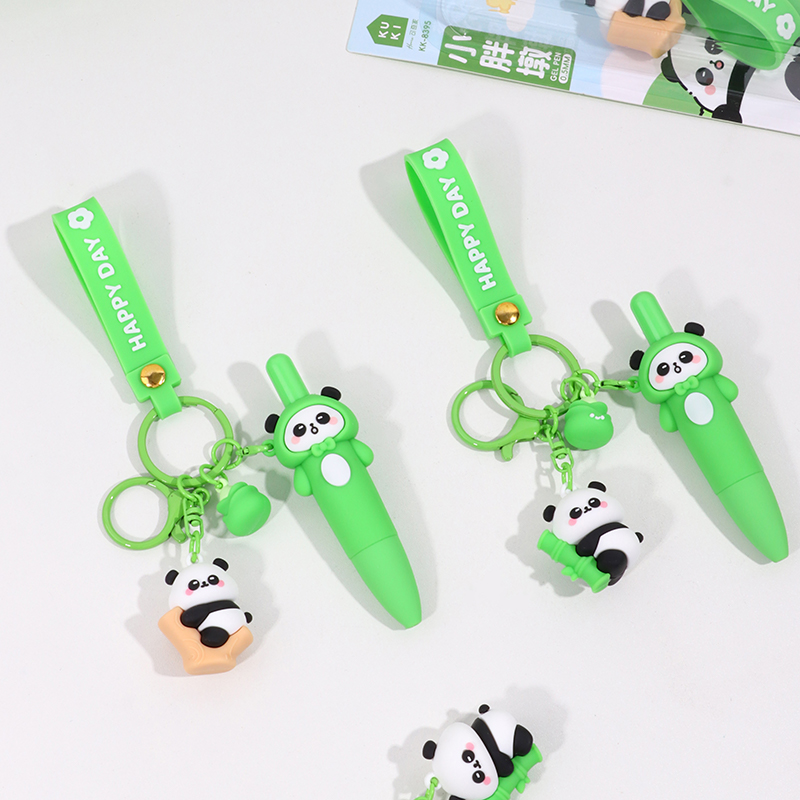
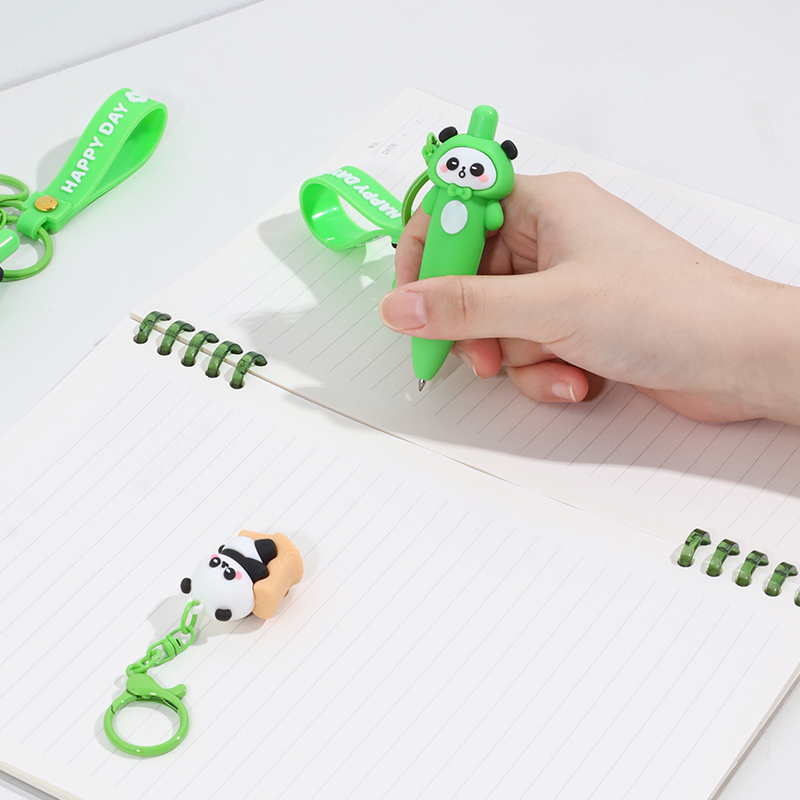
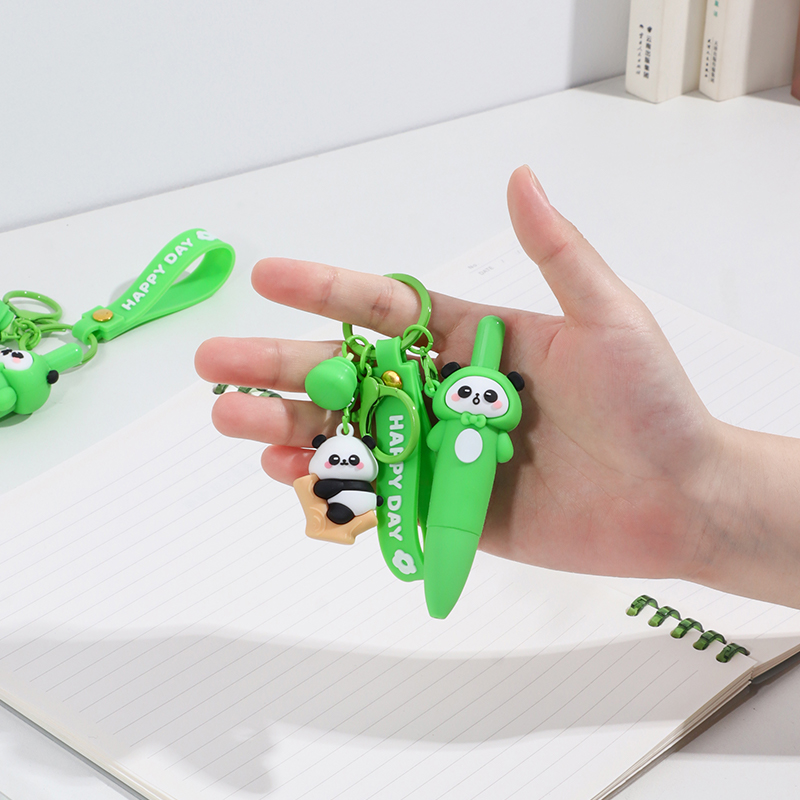
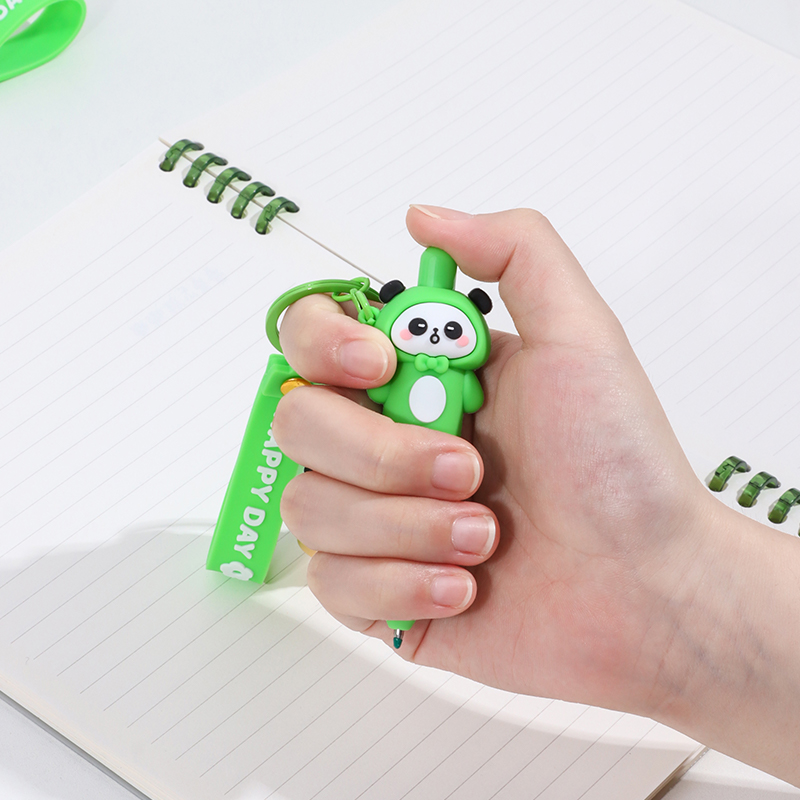
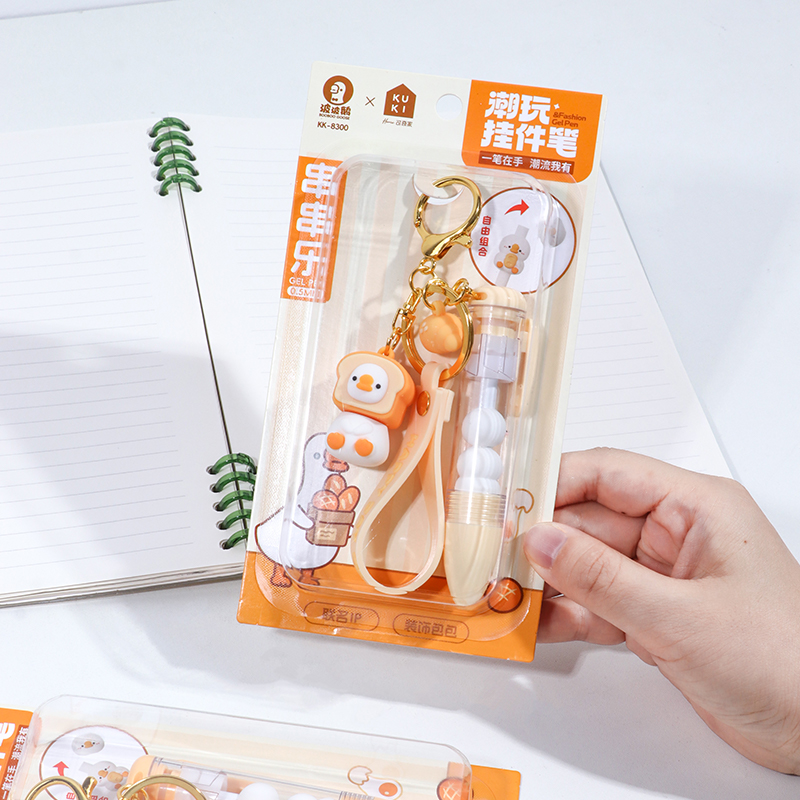
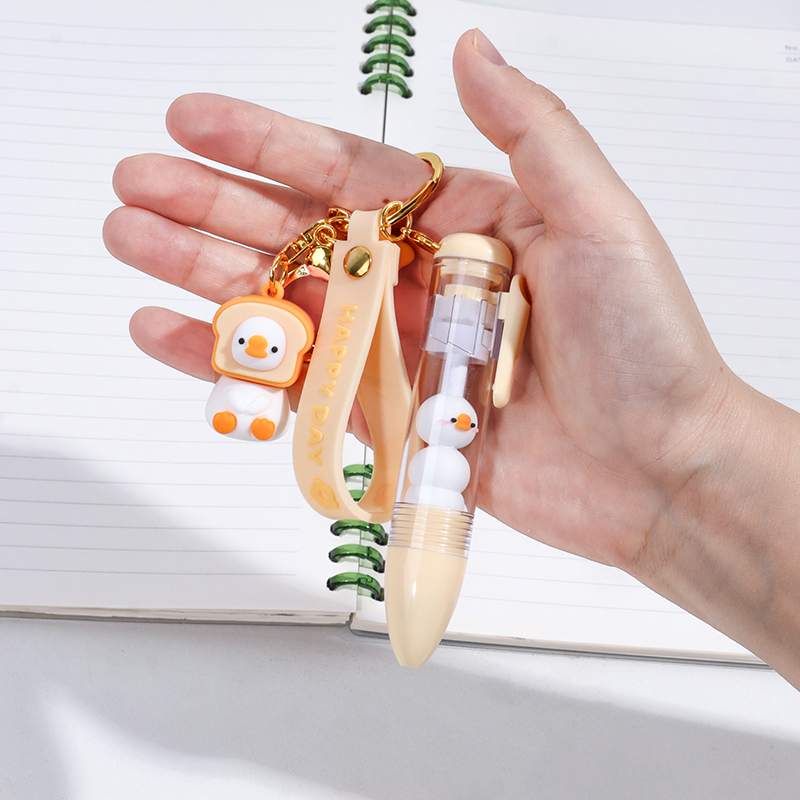
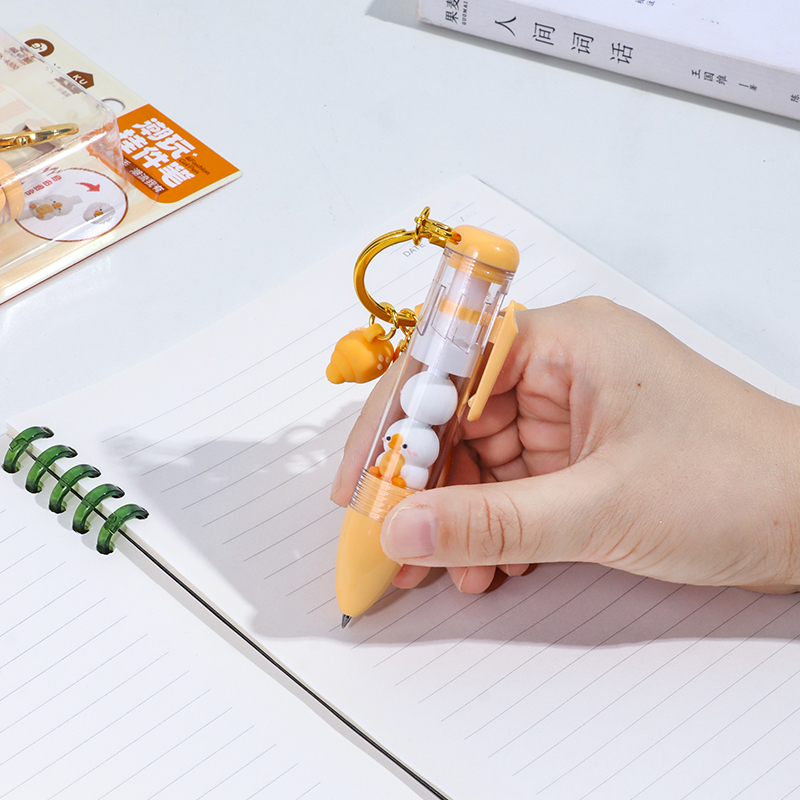
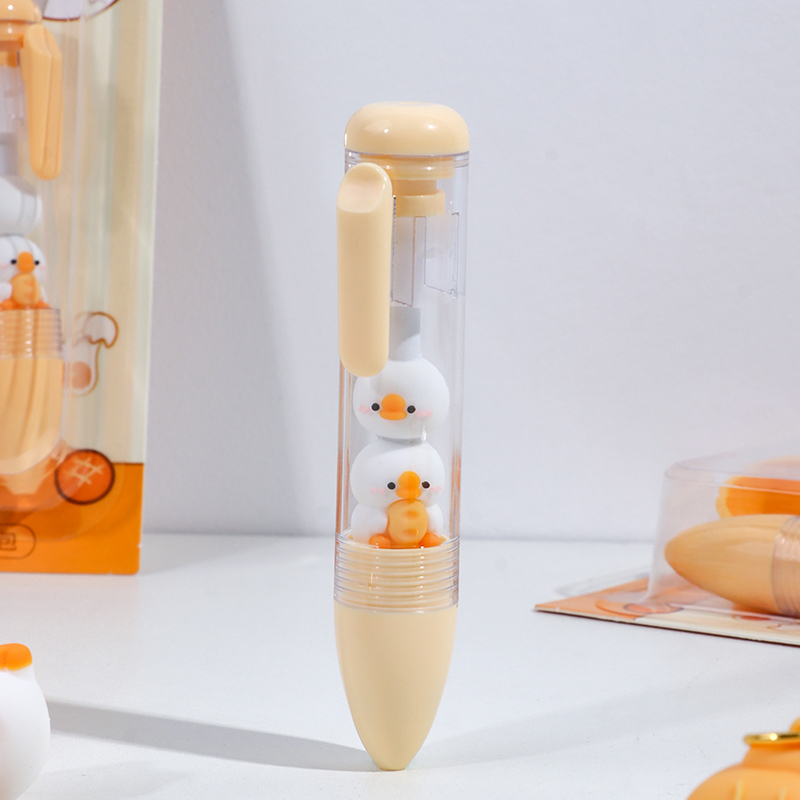
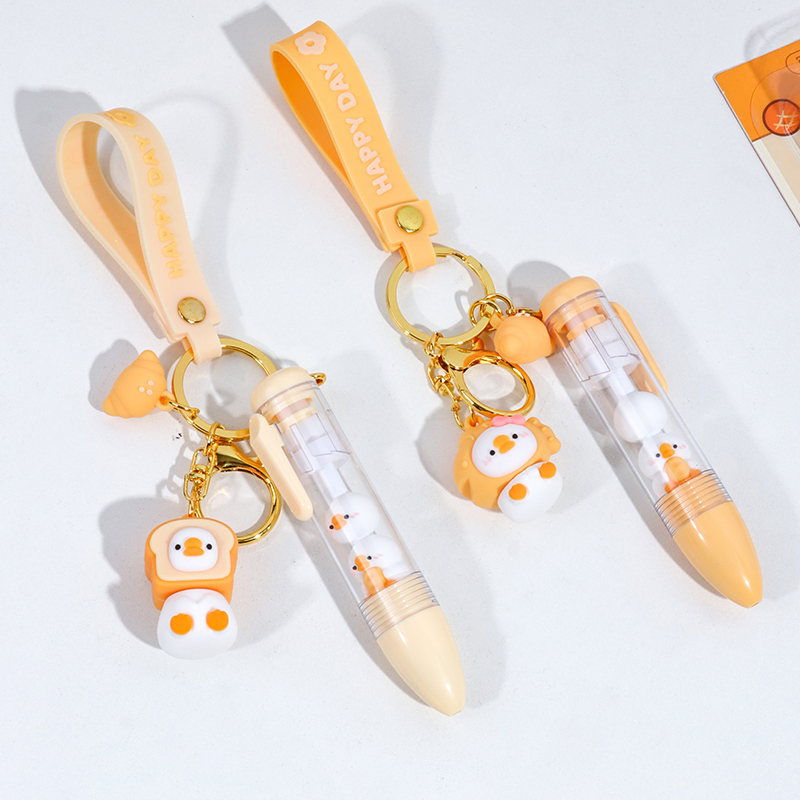
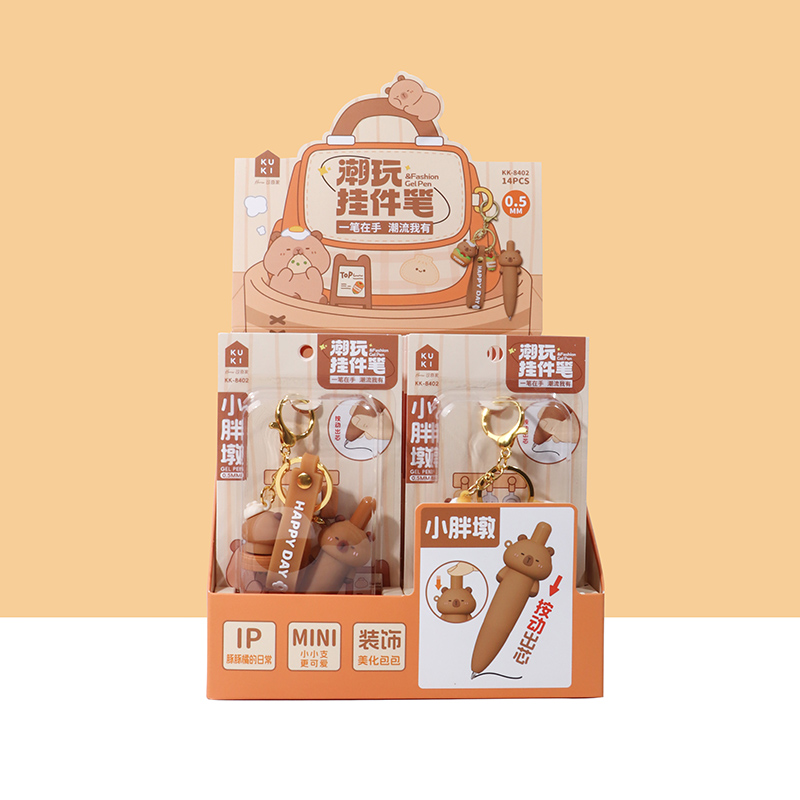
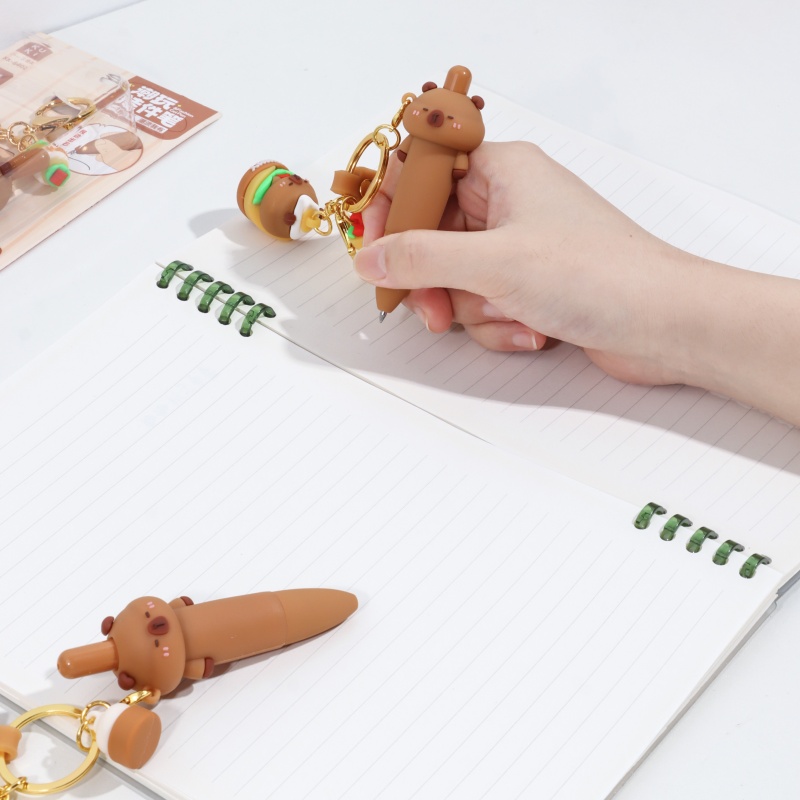
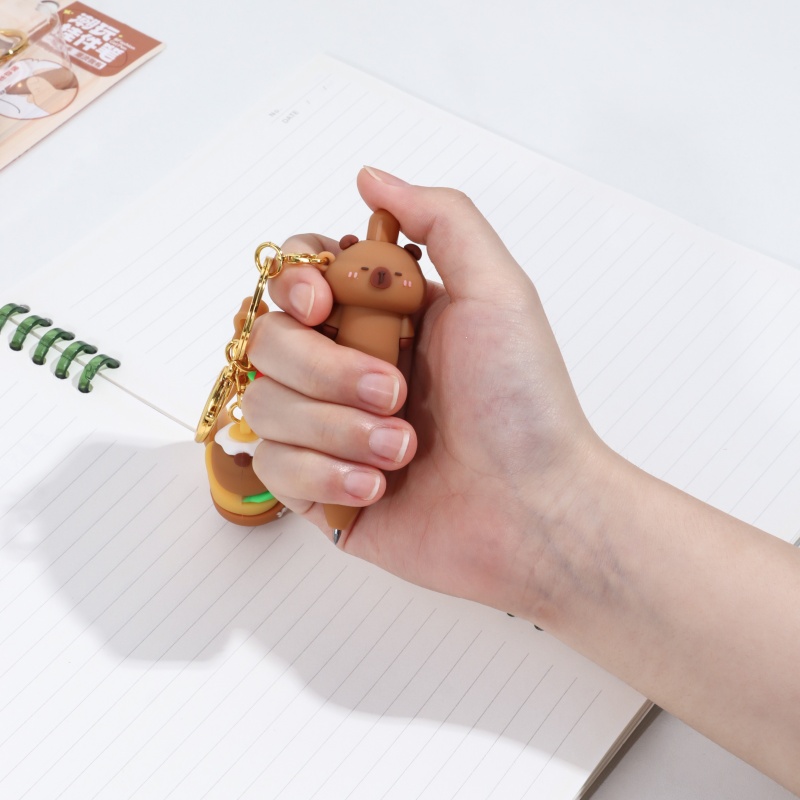
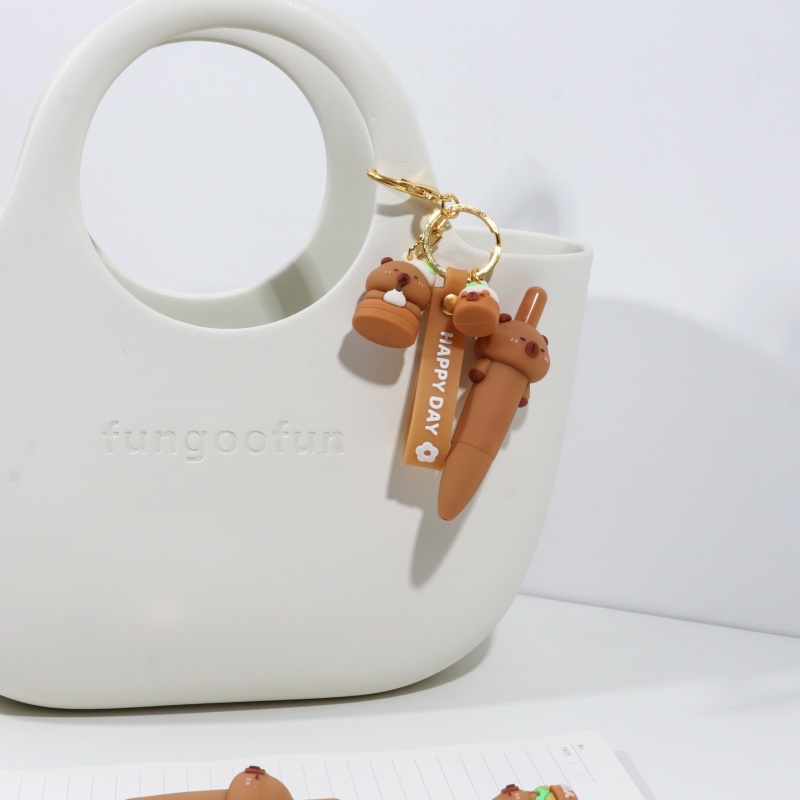
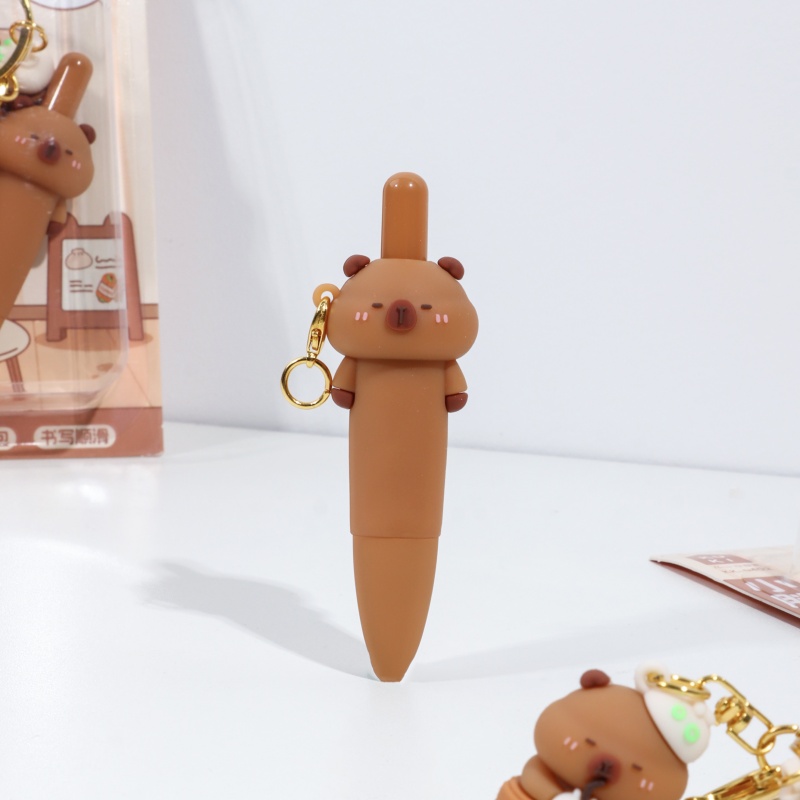
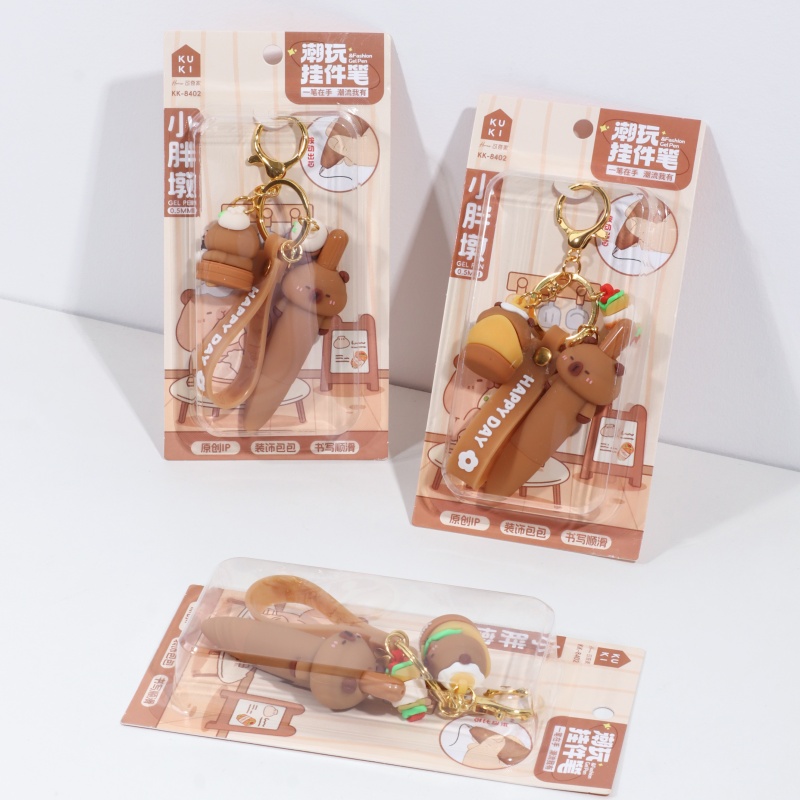
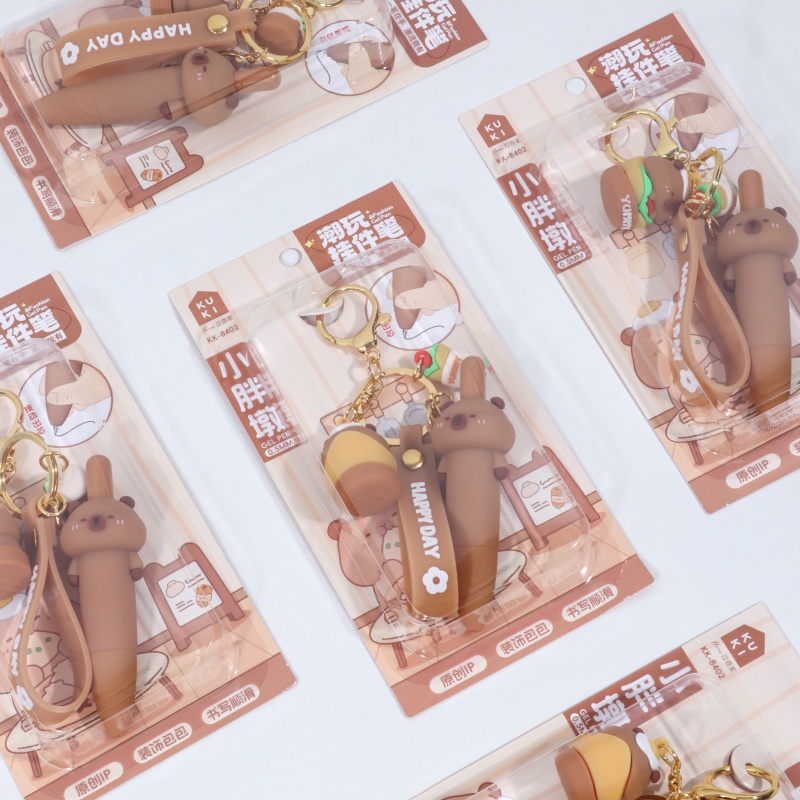
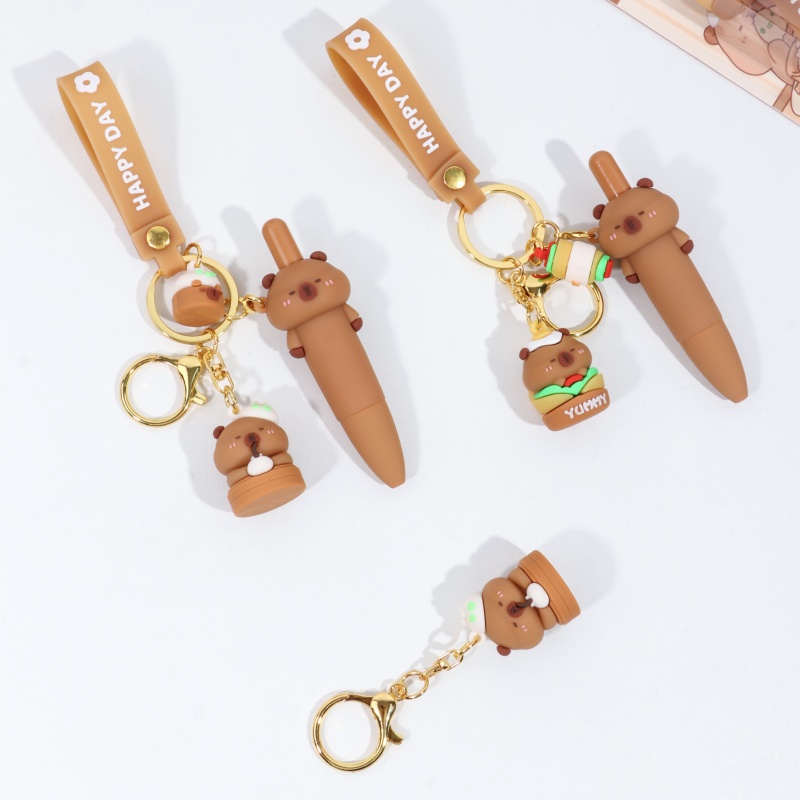
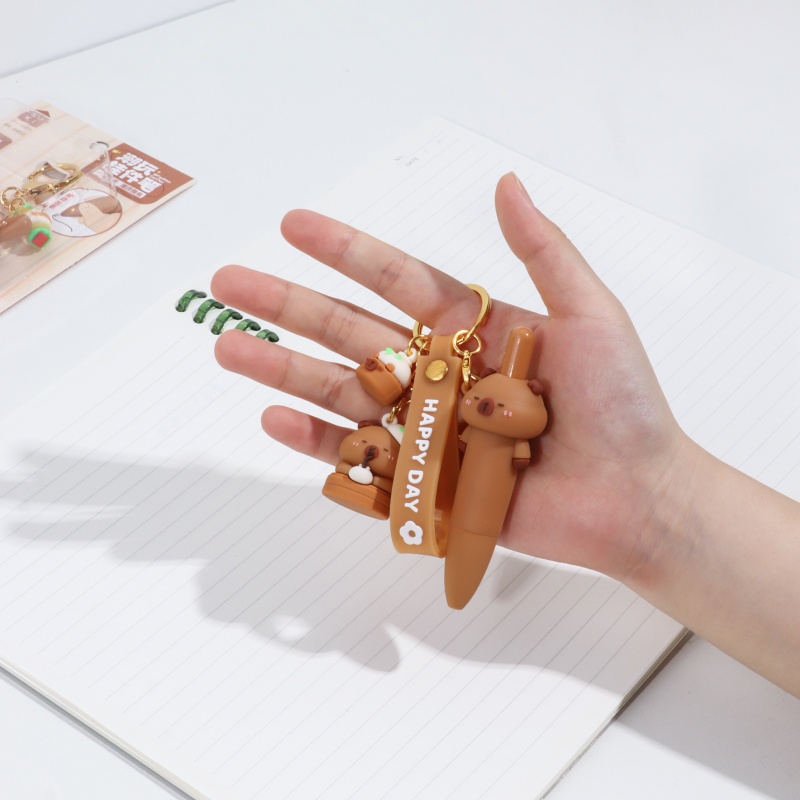
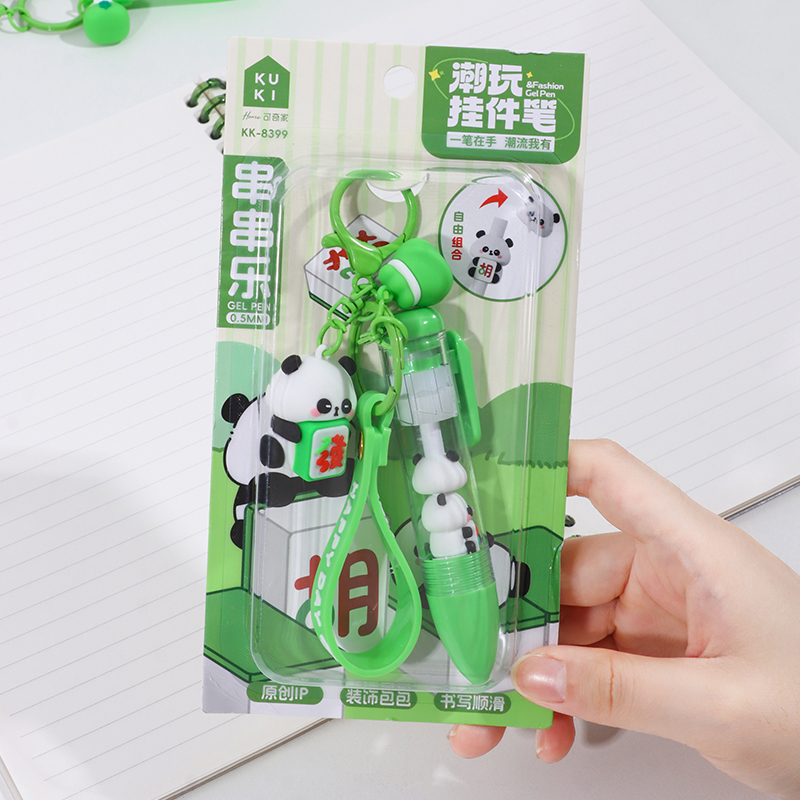
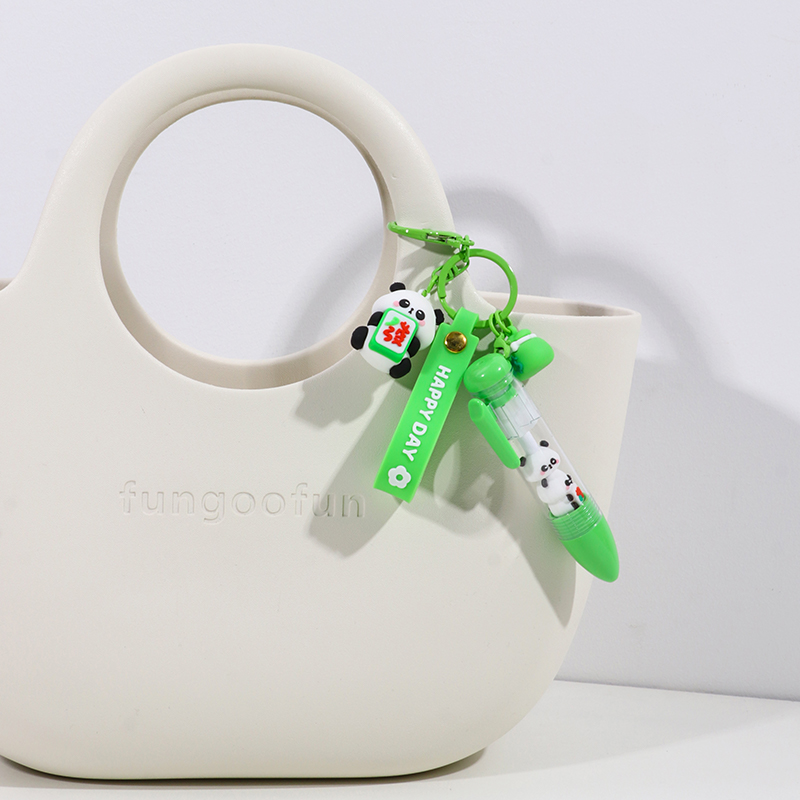
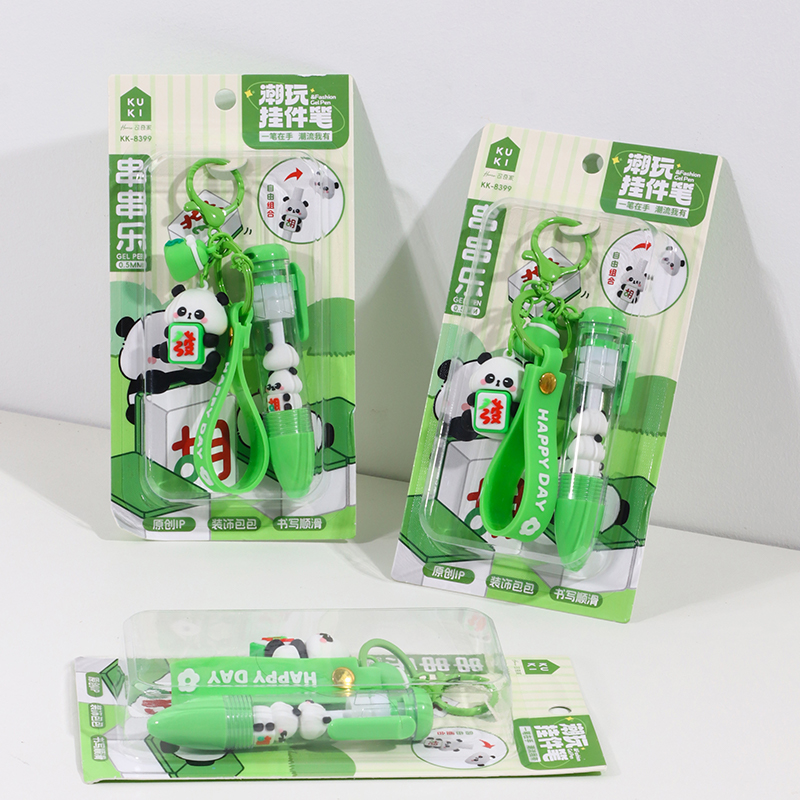
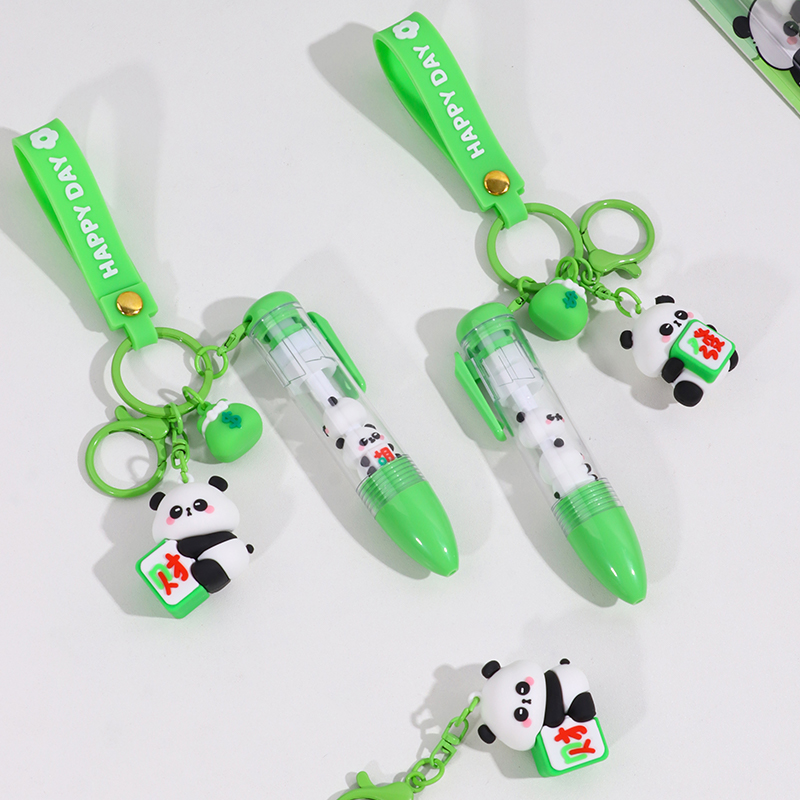
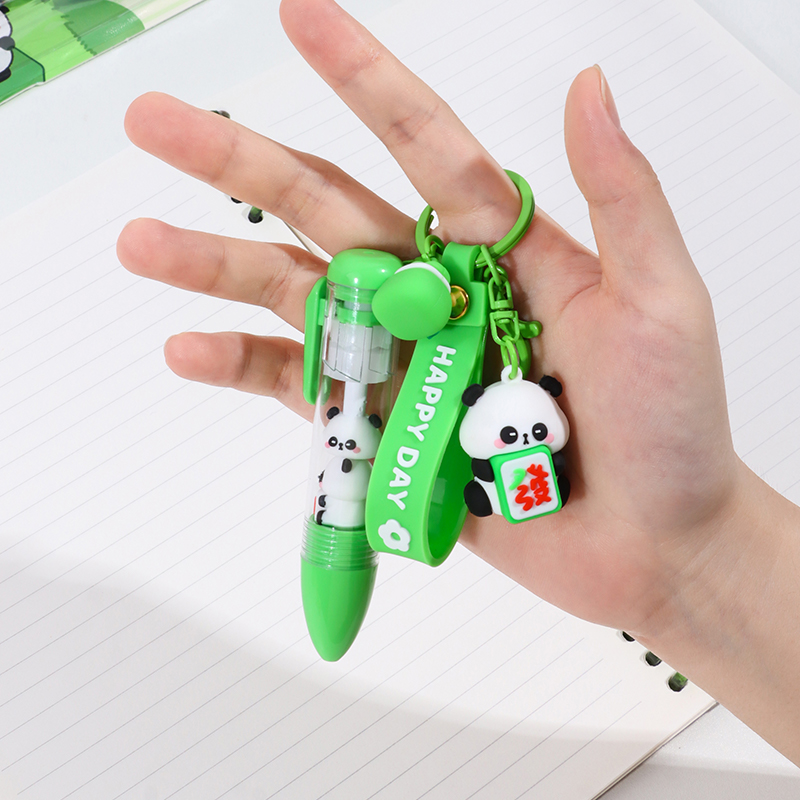
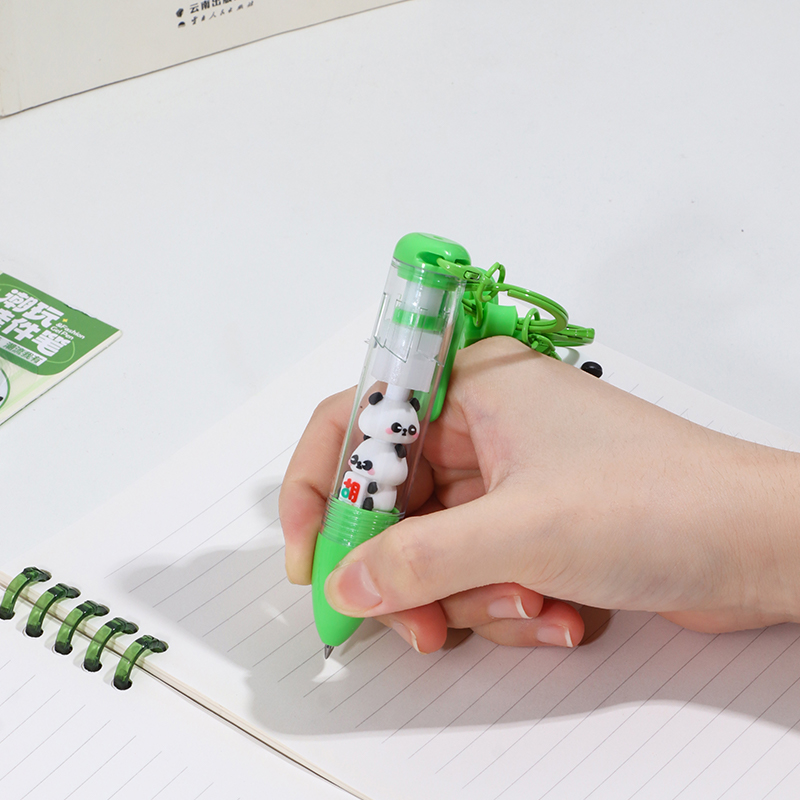
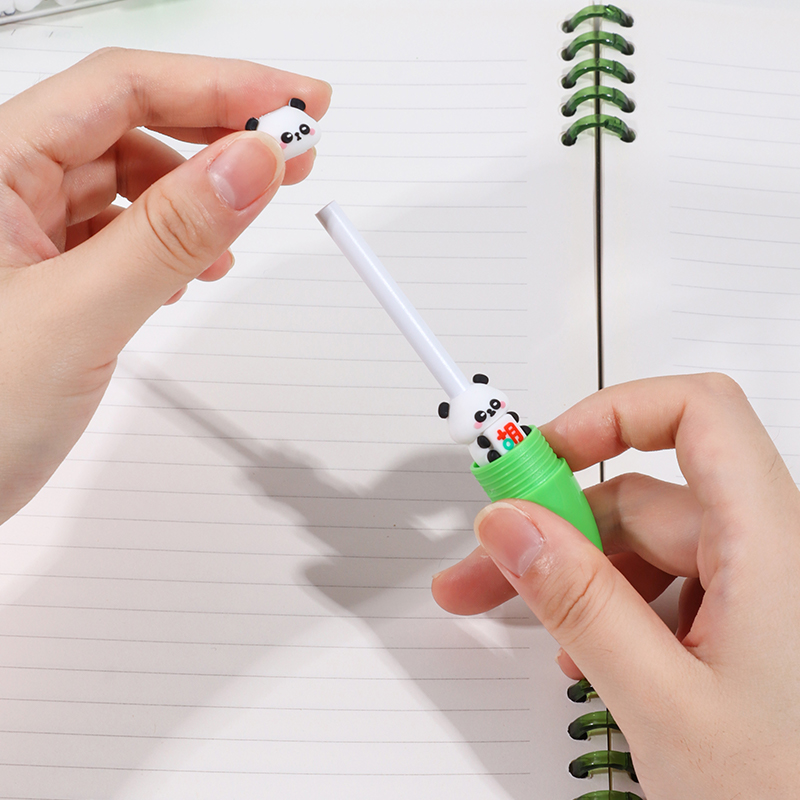
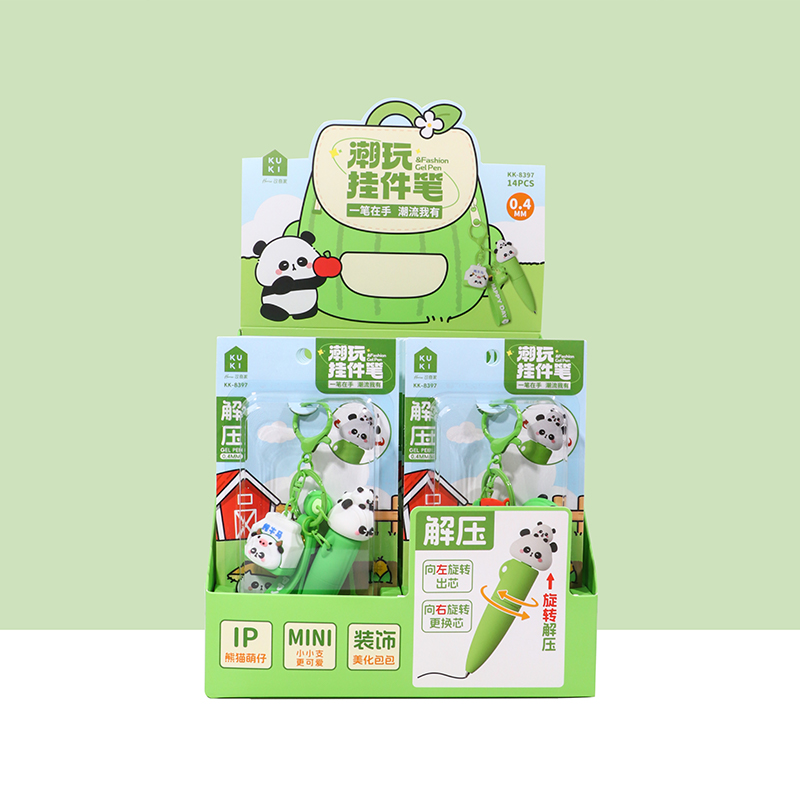
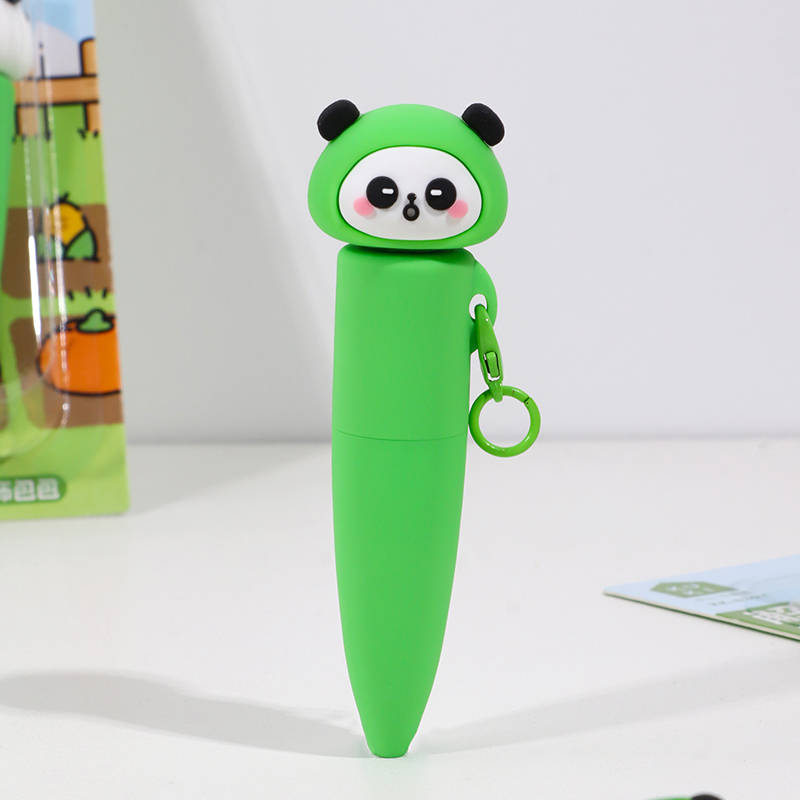
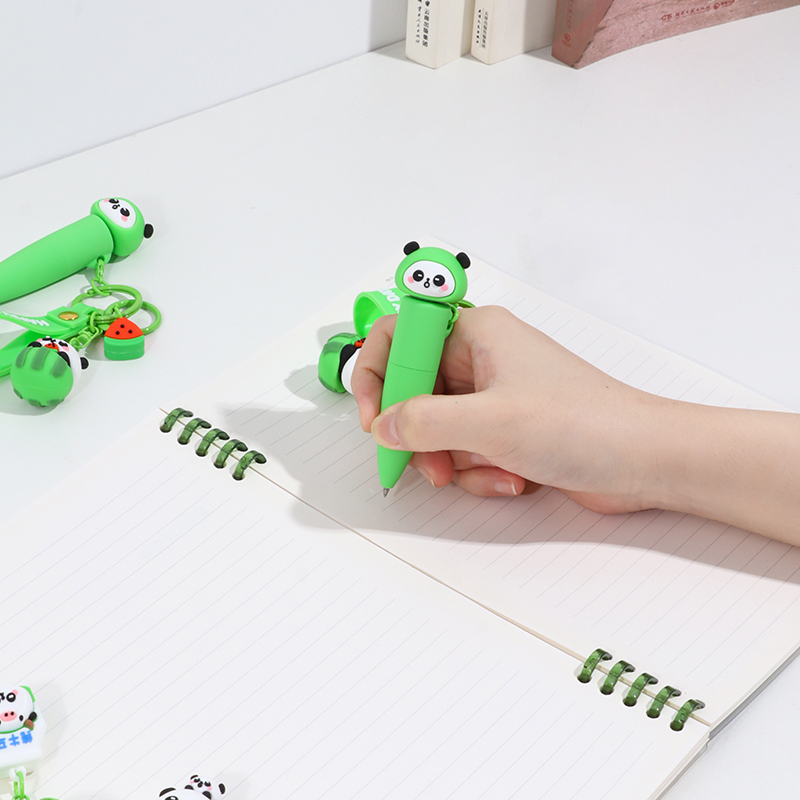
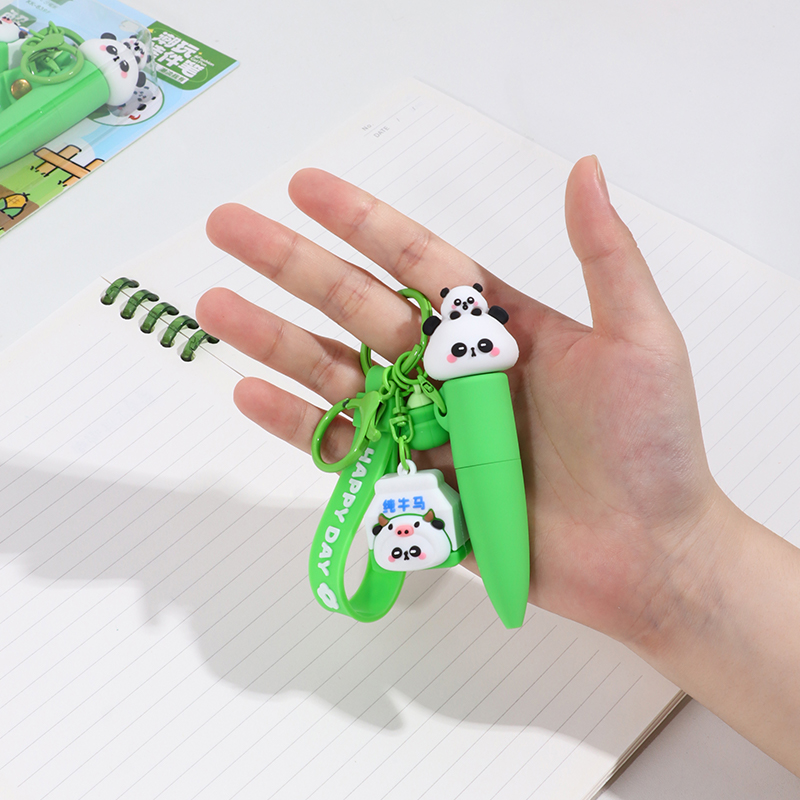
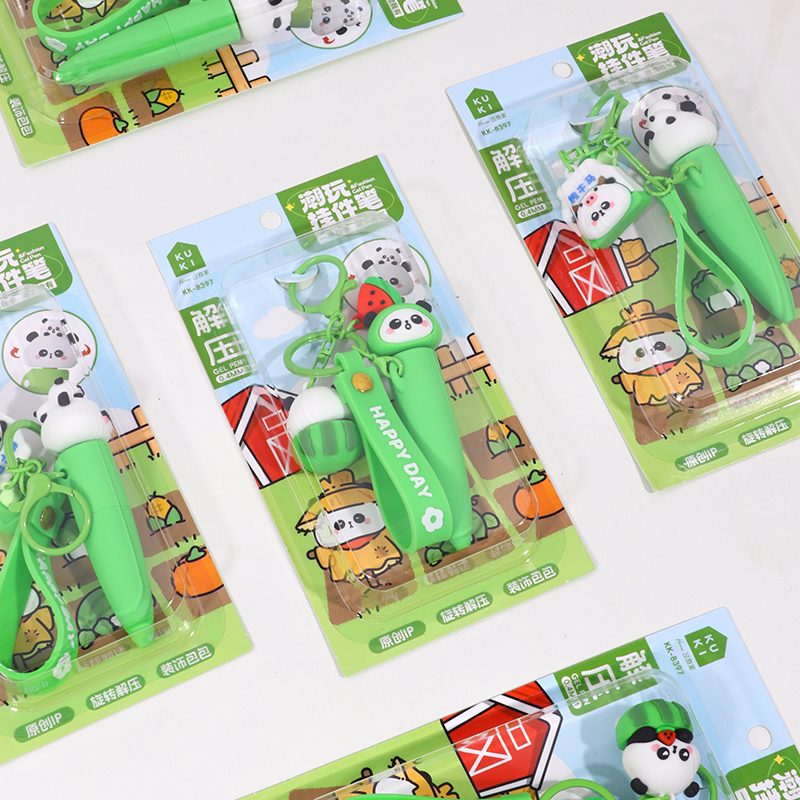
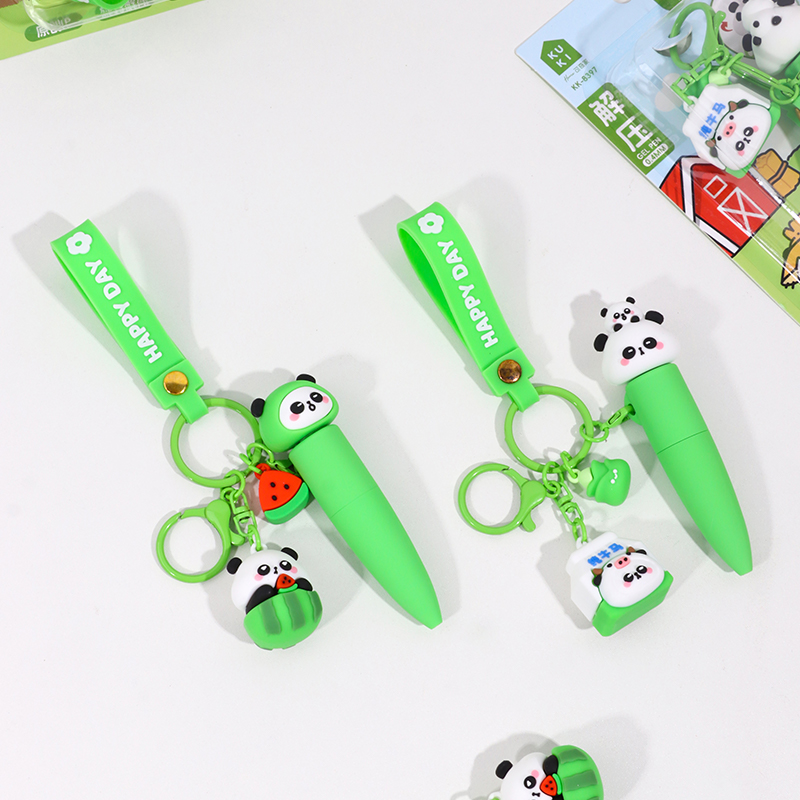
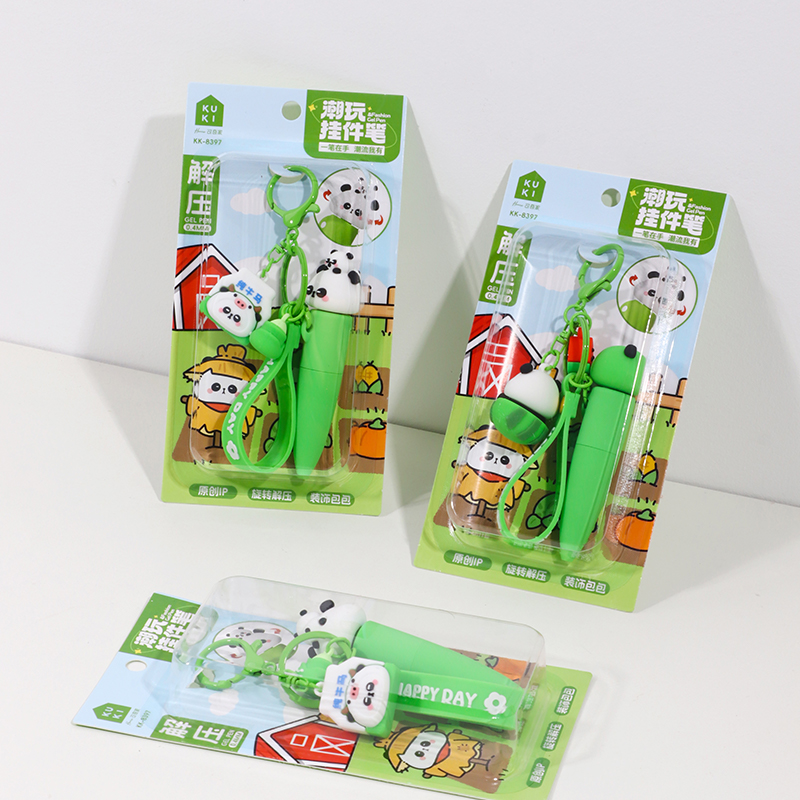
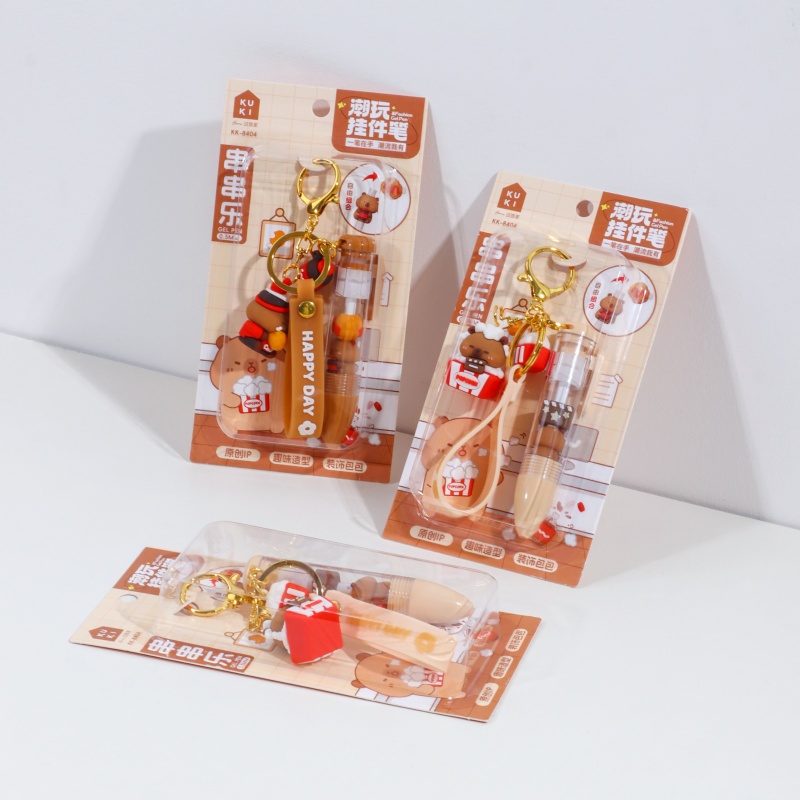
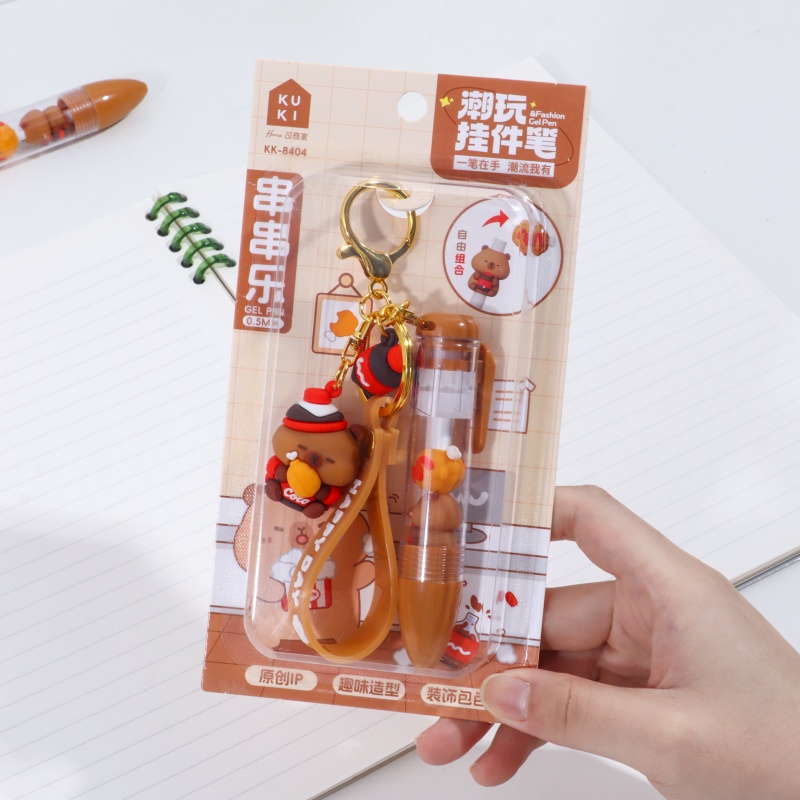
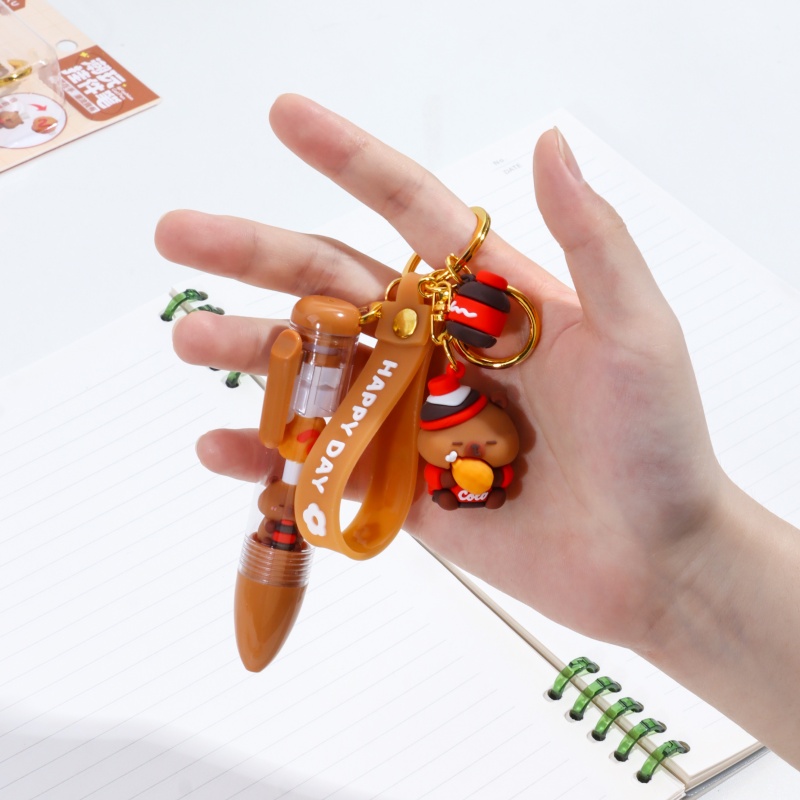
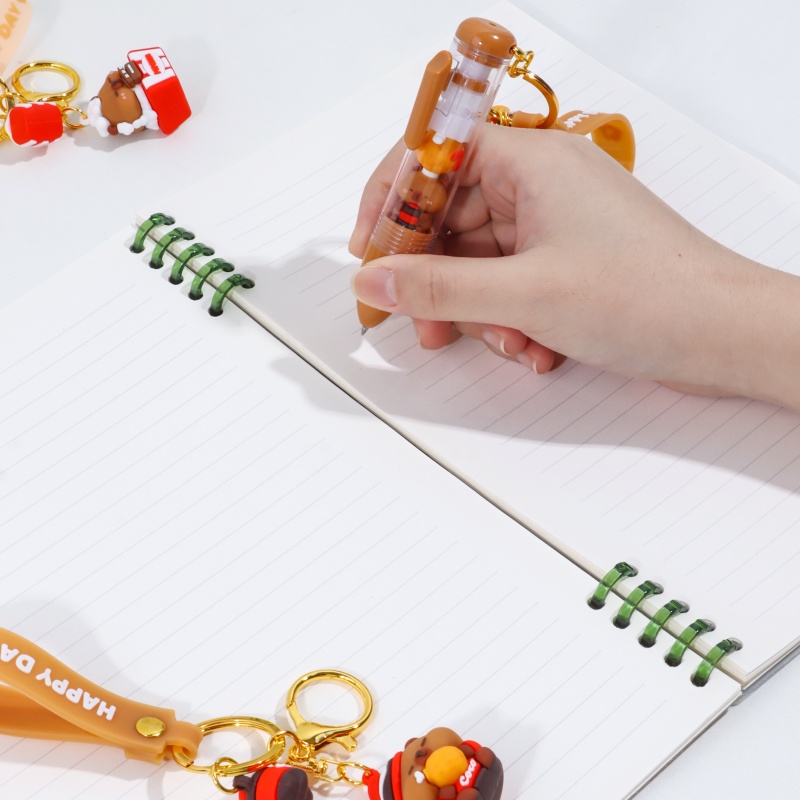
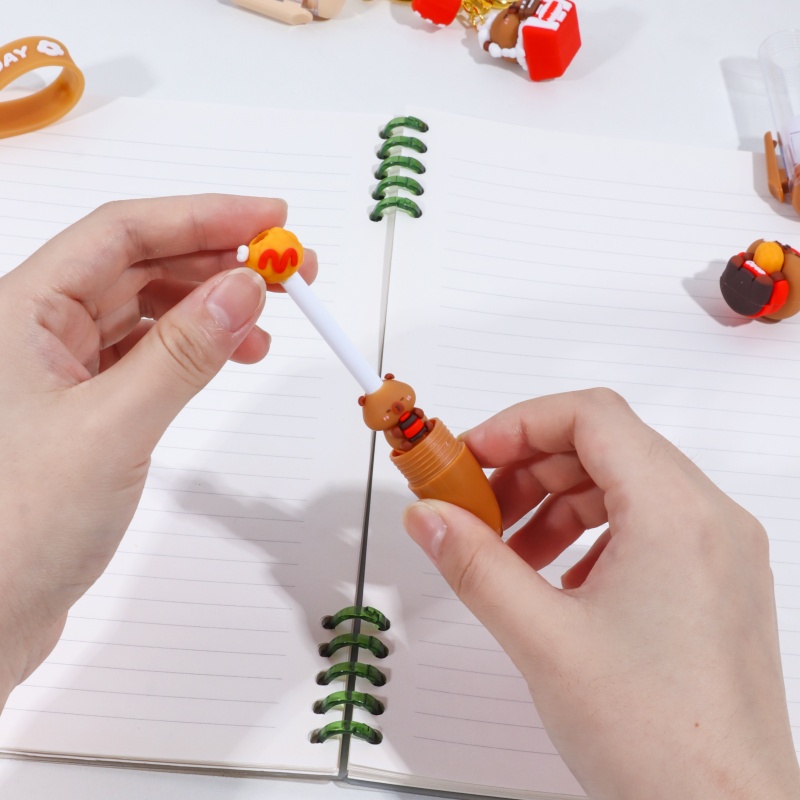
Traditionally, pens were evaluated mainly on ink quality and durability. However, changing consumer preferences have reshaped expectations. A Trendy Pendant Pen reflects this shift by combining writing functionality with wearable or decorative elements. In the stationery industry, such products are no longer viewed solely as tools, but as accessories that align with fashion and self-expression.
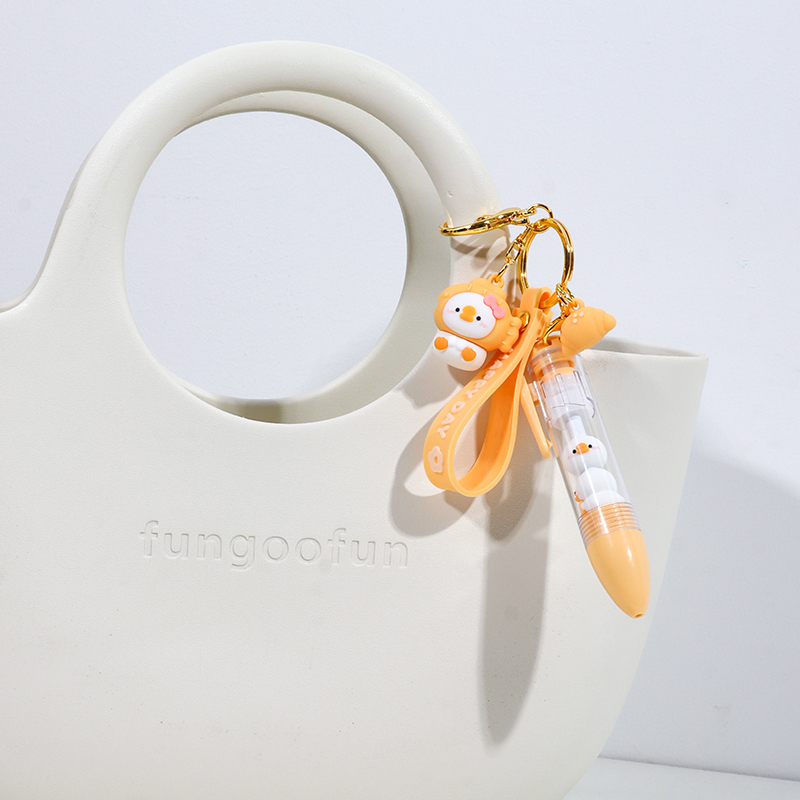
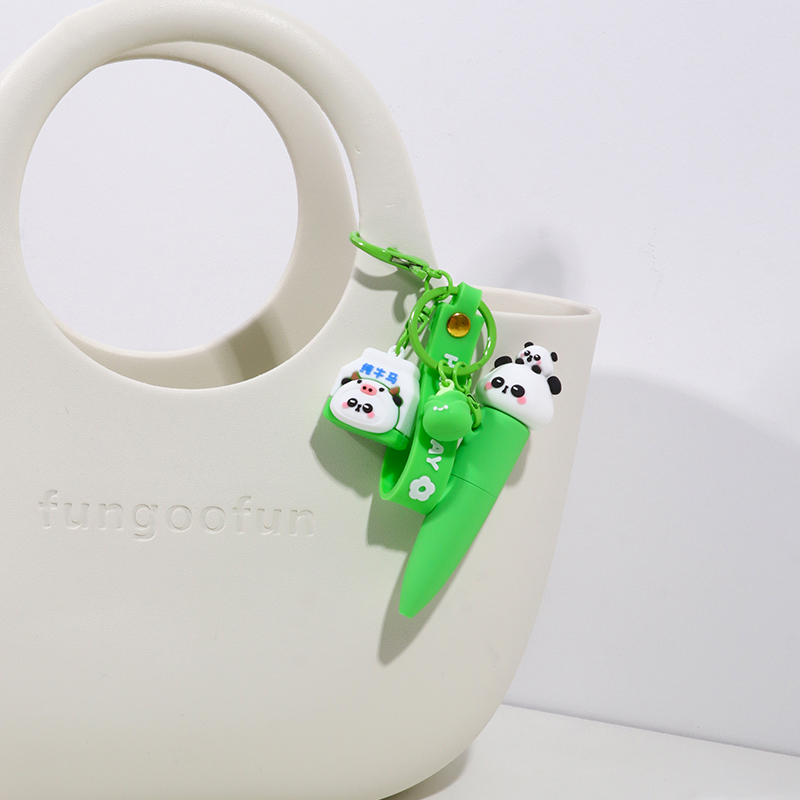
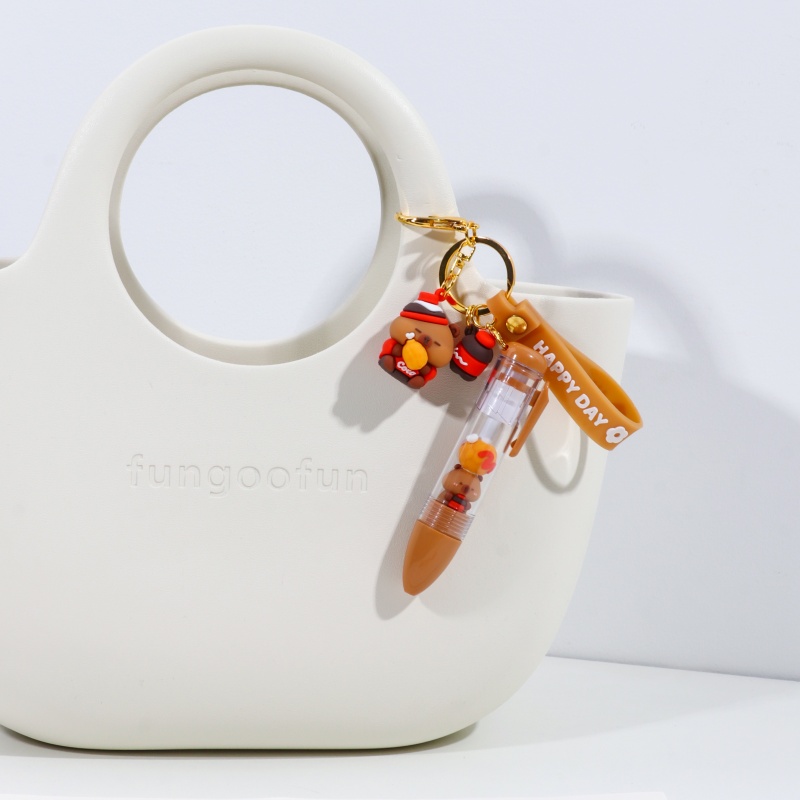
This evolution shows that pens are increasingly connected to lifestyle choices. When a pen can be clipped to a bag or worn around the neck, it becomes part of daily styling rather than something hidden in a pencil case.
Q2: Why is the Trendy Pendant Pen gaining attention among younger consumers?
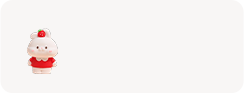
Younger audiences tend to value individuality and visual appeal. A Trendy Pendant Pen answers this demand by offering movement, charm details, or playful shapes that stand out in social environments. From an industry perspective, this type of pen benefits from its visibility, as it naturally attracts attention without relying on traditional advertising.
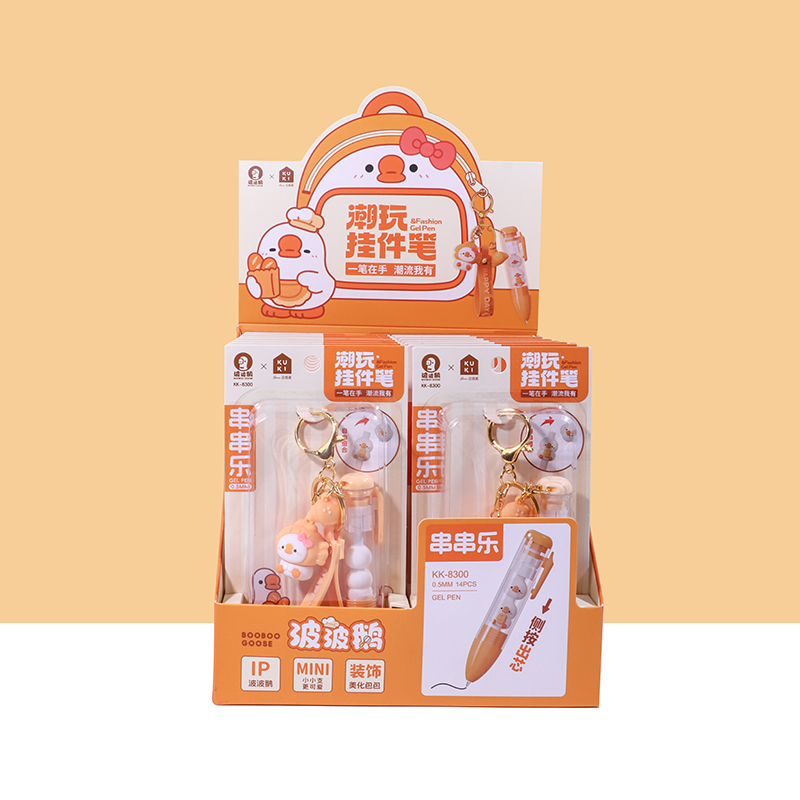
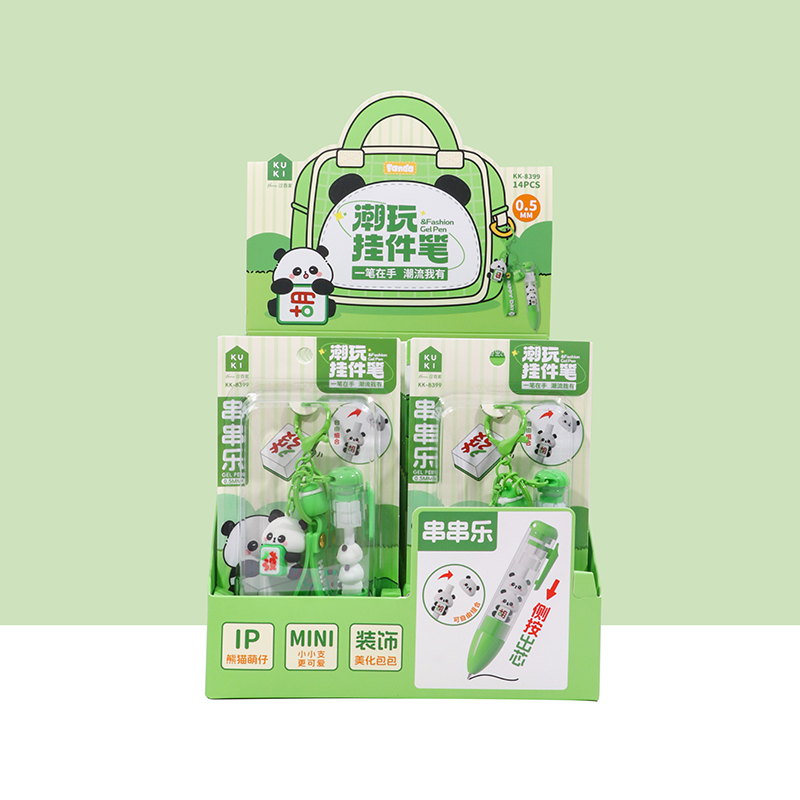
Manufacturers see the Trendy Pendant Pen as a way to bridge stationery and accessories. This crossover expands usage scenarios, especially in casual or creative settings where personal style matters.
Q3: What defines a Decorative Pen in modern stationery design?
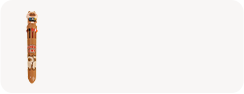
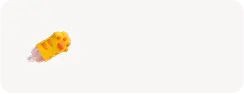
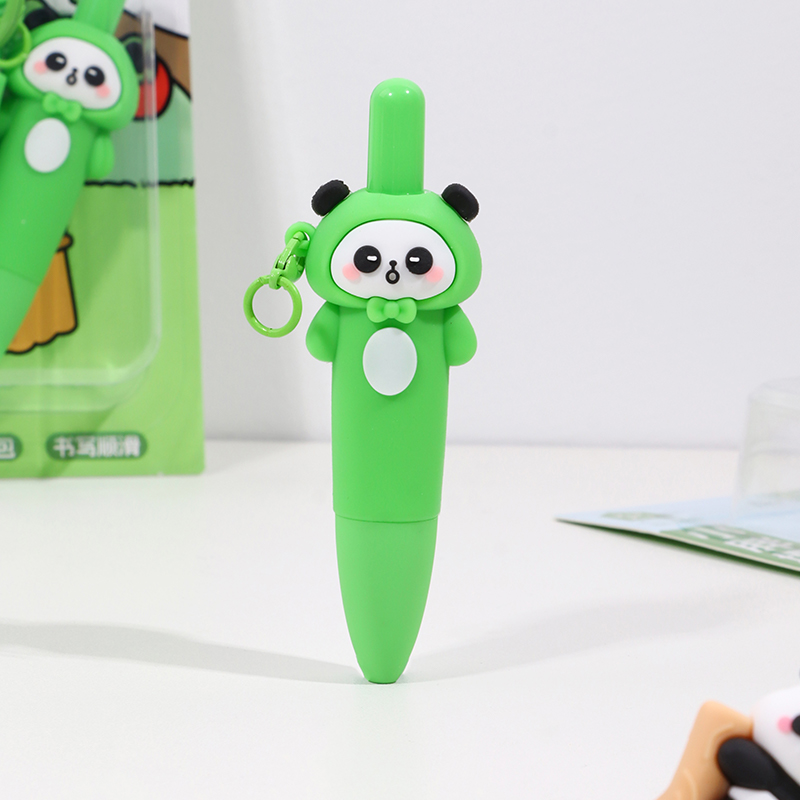
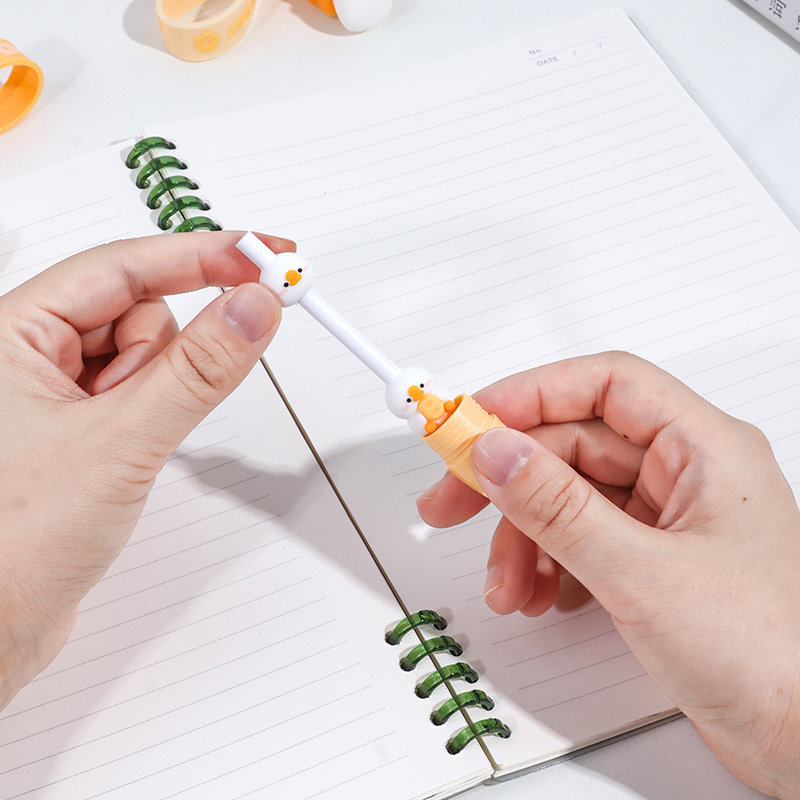
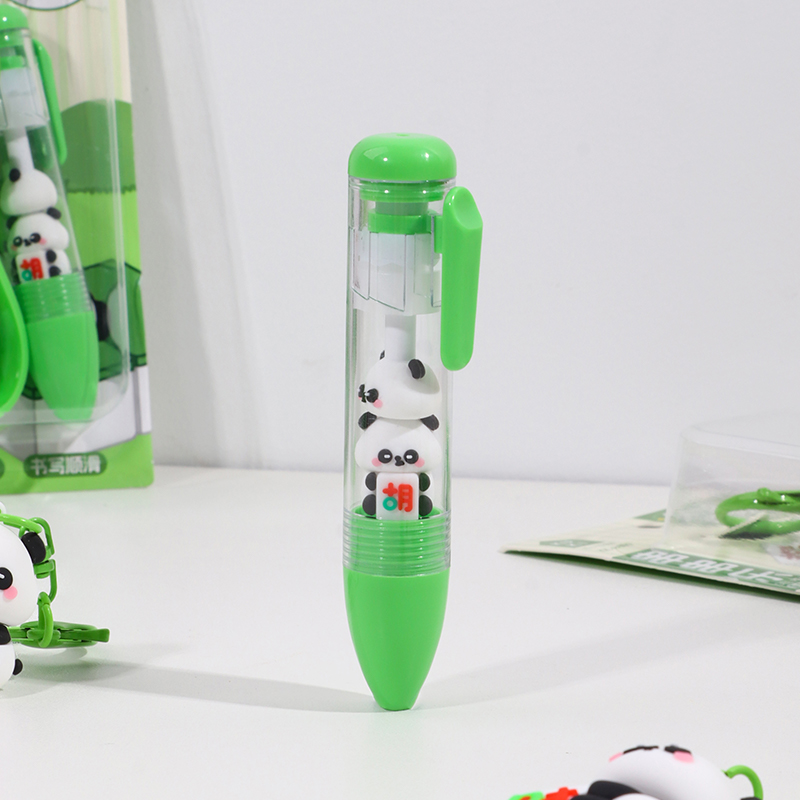
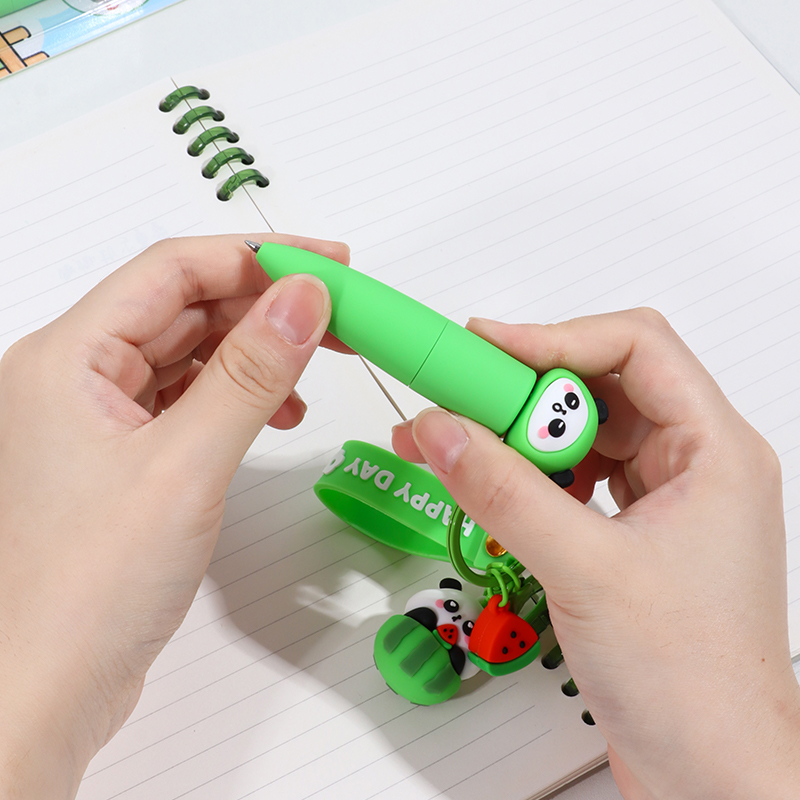
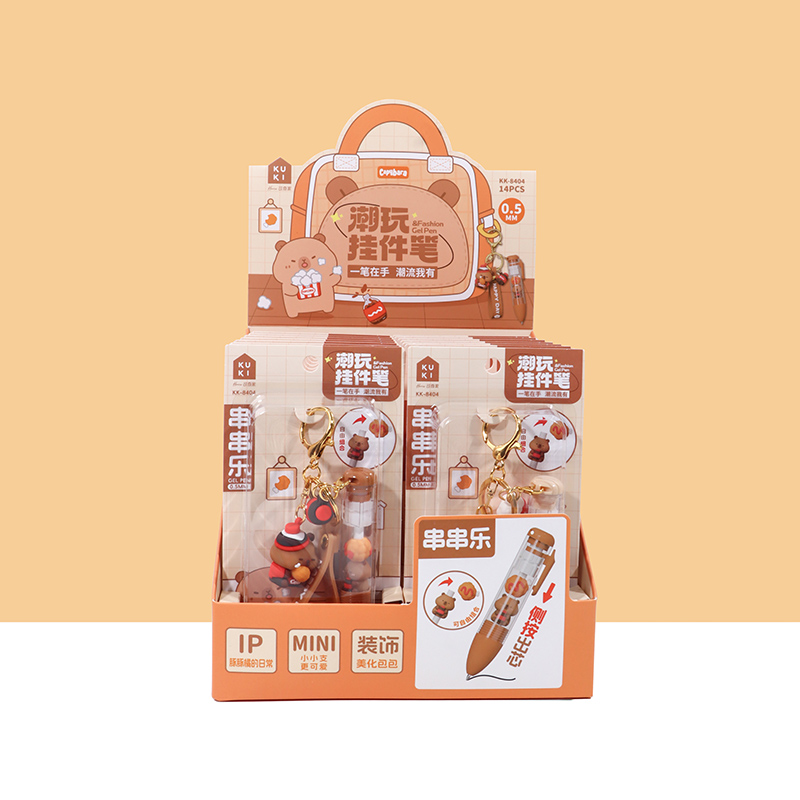
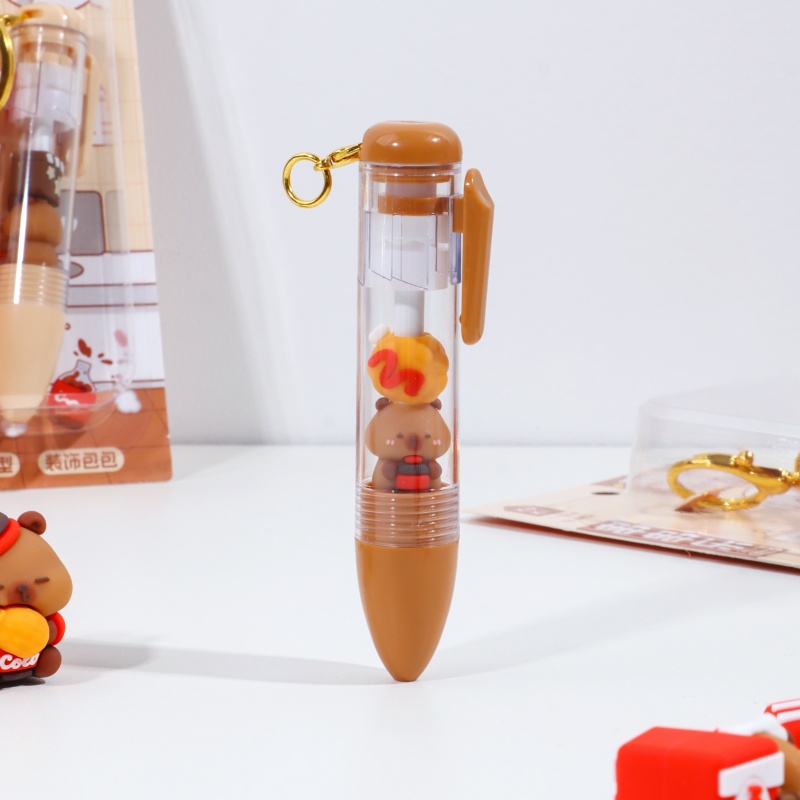
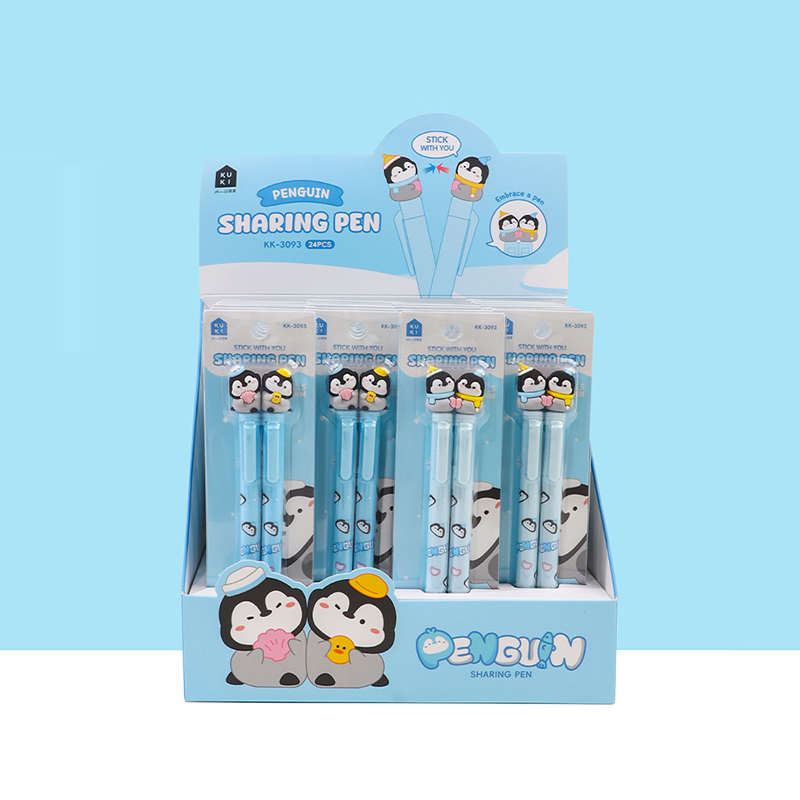
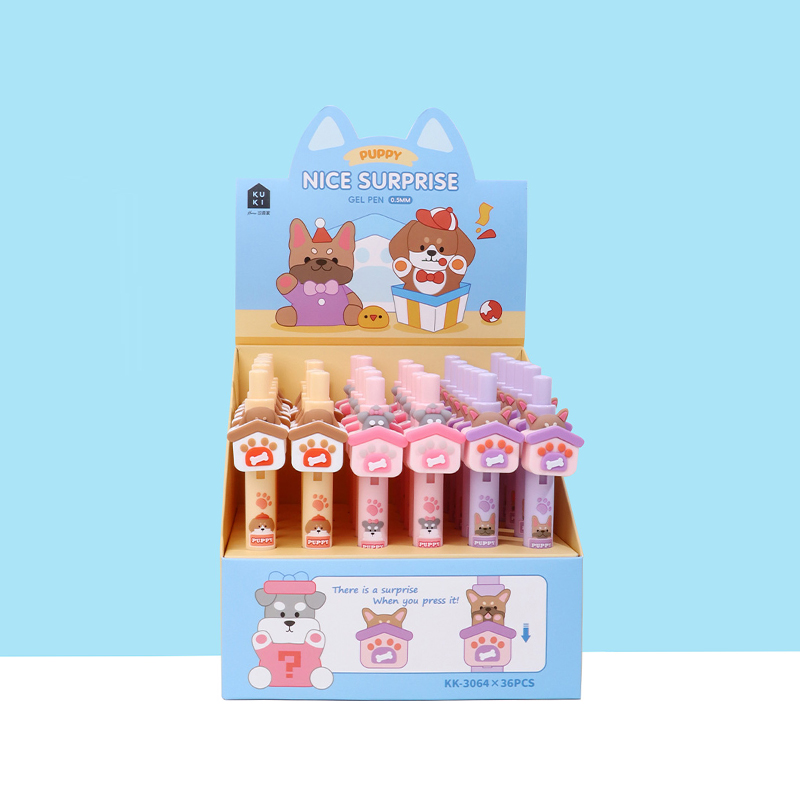
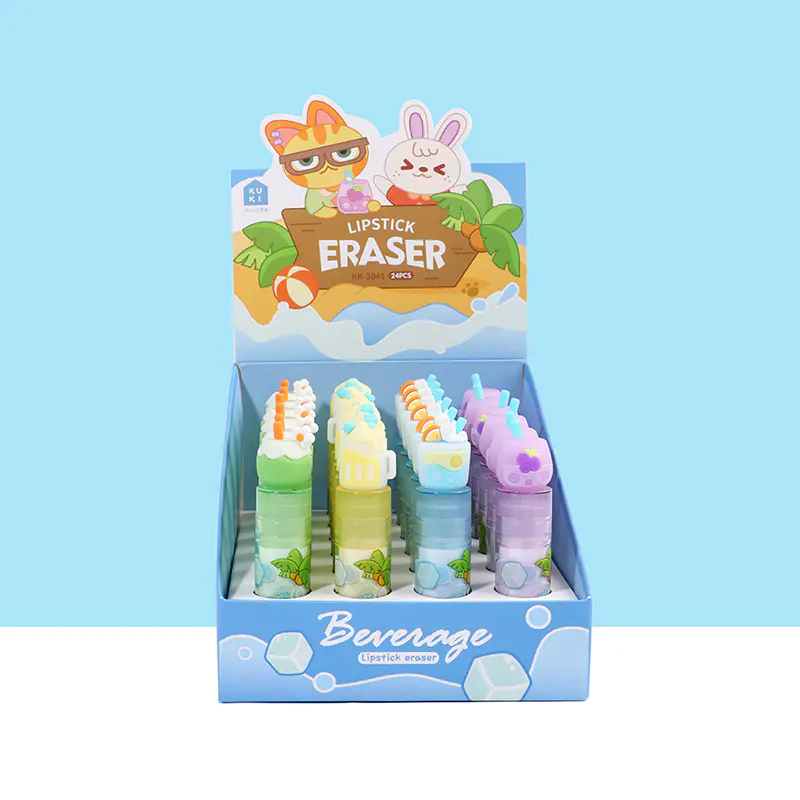
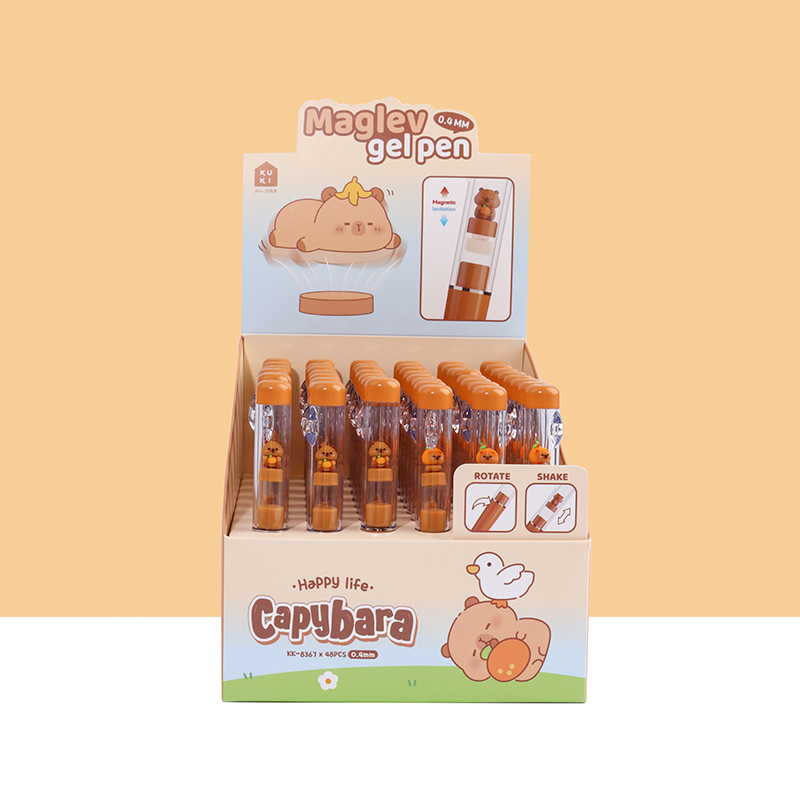
A Decorative Pen focuses on visual enhancement rather than minimalism. Patterns, textures, and ornamental elements are central to its appeal. In the stationery sector, this category allows brands to experiment with color palettes and surface finishes while maintaining standard writing performance.
Unlike purely functional pens, a Decorative Pen often serves as a desk accent. Its presence contributes to the atmosphere of a workspace, which aligns with the growing interest in personalized environments at home and in offices.
Q4: How does decoration influence purchasing decisions?
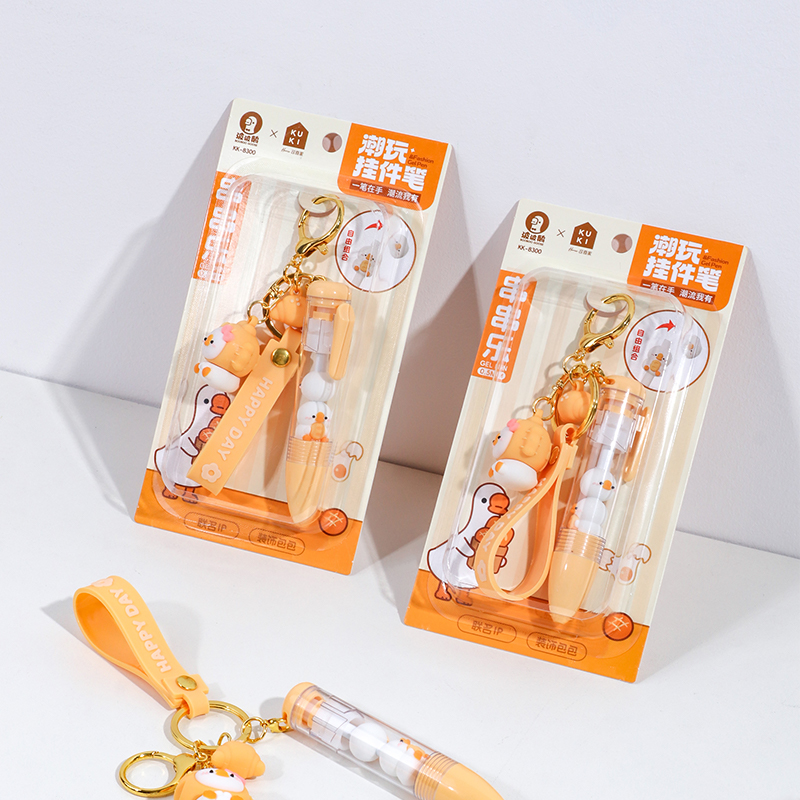
Decoration plays a psychological role in product selection. When consumers choose a Decorative Pen, they are often responding to aesthetics rather than technical specifications alone. This encourages stationery companies to invest more in design collaboration and seasonal collections.
In retail settings, a Decorative Pen is frequently positioned as an impulse-buy item. Its appearance can communicate creativity or elegance without requiring detailed explanation, making visual storytelling a key industry strategy.
Q5: Why is personalization becoming a core trend in pen manufacturing?
Personalization reflects a broader movement toward customized consumer goods. A Personalized Pen allows users to add names, symbols, or messages, turning an everyday item into something unique. In the stationery industry, this supports deeper emotional engagement between the product and its owner.
For brands, offering a Personalized Pen also opens opportunities for small-batch production and direct-to-consumer services. This model aligns well with online retail and customization platforms.
Q6: In what situations is a Personalized Pen most commonly used?
A Personalized Pen is often chosen for meaningful exchanges. It appears in educational milestones, workplace recognition, and commemorative events. Because of this, stationery suppliers must consider both durability and design clarity to ensure the customization remains legible over time.
Beyond gifting, many users select a Personalized Pen for daily use to avoid confusion in shared environments. This practical benefit reinforces its relevance across different settings.
Q7: How do these pen categories shape industry development?
The stationery industry is moving toward diversification through experience-driven products. A Trendy Pendant Pen introduces mobility and fashion awareness. A Decorative Pen emphasizes visual storytelling in everyday tools. Meanwhile, a Personalized Pen strengthens emotional connection through customization.
Together, these product types show how pens are adapting to social, aesthetic, and personal needs. Rather than competing only on technical features, modern stationery design focuses on how users relate to objects in their daily routines.